
2027 Best Healthcare Degree Programs Ranking in Provo

Co-Founder and Chief Data Scientist
Choosing the right healthcare degree program can shape your future career and open doors to meaningful opportunities. If you're a student in Provo looking to start or advance your journey in healthcare, this article is for you.
Here, you'll find the 2027 Best Healthcare Degree Programs Ranking in Provo, created by the Research.com team of data scientists. This ranking provides clear, data-driven insights to help you decide which programs stand out.
Reading this will empower you to make informed choices and take confident steps toward a fulfilling healthcare career.
Key benefits of getting healthcare degree in Provo
- Healthcare degree graduates in Provo can earn competitive salaries, such as a Quality Improvement Coordinator making around $103,150 annually or a Patient Care Technician earning about $60,790 per year, offering strong financial stability.
- Graduates from Provo's popular universities find diverse career paths ranging from Medical Assistants and Health Information Technicians to Clinical Research Coordinators, allowing flexible growth in various healthcare settings.
- Completing a healthcare degree online in Provo provides convenience and flexibility, enabling students to balance studies with personal commitments while advancing quickly in rewarding healthcare roles.
- Key benefits of getting healthcare degree in Provo
- What can I expect from healthcare degree in Provo?
- Where can I work with healthcare degree in Provo?
- How much can I make with healthcare degree in Provo?
- 2027 Best Healthcare Degree Programs Ranking in Provo
- Key Findings
- How long does it take to complete healthcare degree in Provo?
- Student Life and Campus Resources
- What's the difference between online and on-campus healthcare degree?
- Accelerated Healthcare Programs for Fast-Track Careers
- What is the average cost of healthcare degree in Provo?
- Accreditation and Certification Preparation
- What financial aid is available to healthcare degree students in Provo?
- Licensure and Certification Requirements
- What are the prerequisites for enrolling in healthcare degree program in Provo?
- Licensing and Certification Requirements
- What courses are typically in healthcare degree programs in Provo?
- What types of specializations are available in healthcare degree programs in Provo?
- How do you choose the best healthcare degree in Provo?
- What career paths are available for healthcare degree students in Provo?
- What is the job market for healthcare degree in Provo?
- Top Trending Healthcare Rankings
- See What Experts Have To Say About Studying Healthcare
What can I expect from healthcare degree in Provo?
The average cost of a healthcare degree in Provo is notably affordable compared to many other cities, thanks largely to institutions like Brigham Young University (BYU). Graduates often share that tuition at BYU is lower than the national average, making a healthcare education more accessible without sacrificing quality. Many students benefit from private subsidies and state education programs if they are Utah residents, significantly easing financial pressure.
For example, some healthcare students recount successfully balancing their budgets by applying for scholarships specifically aimed at nursing and public health fields, which are plentiful at local schools. These financial aids help cover tuition and reduce reliance on loans, making the pursuit of degrees such as BSN, MPH, or PA Studies feasible and rewarding.
In real-life terms, attending BYU or similar Provo institutions means paying less out-of-pocket than peers elsewhere, allowing students to focus on clinical experiences and studies without overwhelming debt. This financial environment encourages more committed, confident learners ready for healthcare careers.
Where can I work with healthcare degree in Provo?
With a healthcare degree earned at institutions like Brigham Young University or Utah Valley University in Provo, graduates find themselves stepping into a growing job market with multiple promising options. Many join Utah Valley Hospital or Provo Canyon Behavioral Health Hospital, where they work as nurses, medical technicians, or healthcare administrators. These roles offer both stability and the chance to make a meaningful impact on patient care in busy hospital settings.
Others choose outpatient clinics or rehabilitation centers, valuing the closer patient relationships and less intense environments. Roles such as physical therapists or physician assistants here provide rewarding daily interactions that many graduates appreciate after hands-on training at local facilities.
Some graduates pursue careers in public health agencies, contributing to community wellness programs that address real public needs. Those interested in research or biotech often find opportunities connected to BYU or regional firms, engaging in clinical trials or healthcare data projects.
Graduates combining healthcare and business skills frequently move into administrative positions, managing operations and compliance within Provo's expanding healthcare network. This path leverages their degree in practical, career-advancing ways.
How much can I make with healthcare degree in Provo?
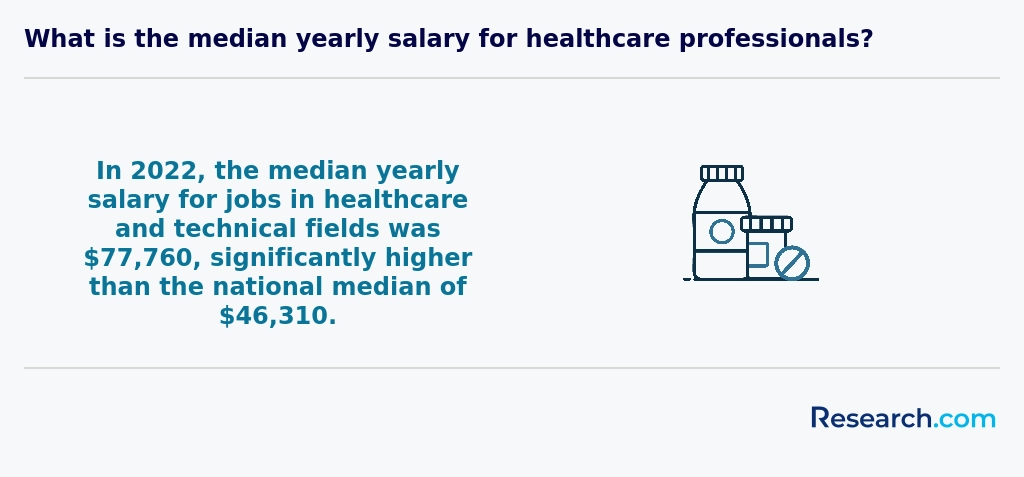
Graduates from healthcare programs in Provo can expect competitive salaries across various roles. For example, medical assistants typically earn around $43,350 annually, which aligns with entry-level wages for healthcare technicians and clinical research coordinators, according to US Bureau of Labor Statistics data. This makes these positions a solid starting point for graduates from Utah Valley University or other local colleges.
Healthcare students who advance into roles like patient care technicians can anticipate higher earnings, approximately $60,790 per year. Many graduates report that hands-on clinical experience during their studies significantly boosts their job prospects and starting wages in these roles.
More specialized roles offer even greater financial rewards. Quality improvement coordinators, often requiring additional certifications or experience, can earn median annual wages upward of $103,150. Graduates from Provo's healthcare programs aiming for these positions appreciate the steady salary growth and the ability to impact patient care quality in local hospitals.
2027 Best Healthcare Degree Programs Ranking in Provo
How do we rank schools?
Investing in your education is a significant decision that can shape your future, and the Research.com team understands the importance of making informed choices. To assist prospective students in Provo, we have meticulously crafted the "2027 Best Healthcare Degree Programs Ranking in Provo." Our commitment to quality, credibility, and accuracy is reflected in the extensive research and analysis conducted to compile this ranking.
We utilized the following reputable data sources to ensure a comprehensive evaluation of healthcare programs:
By exploring this ranking, readers will gain valuable insights into the best healthcare degree programs available in Provo, helping them make informed decisions about their educational paths. For more details on our methodology, please visit our Research.com methodology page.

# 3 position
Provo College
Bachelor of Science in Nursing

# 4 position
Rocky Mountain University of Health Professions
Master of Occupational Therapy

# 5 position
Rocky Mountain University of Health Professions
Doctor of Philosophy in Health Sciences
Key Findings
- Tuition for healthcare degrees in Provo ranges from $7,000 to $12,000 per year at public institutions for in-state students, with private colleges charging over $20,000 annually.
- Entry-level salaries for healthcare graduates in Provo average between $50,000 and $60,000 per year, depending on the specific role.
- Experienced healthcare professionals can earn between $80,000 and $100,000 or more annually, especially in specialized or advanced roles.
- Healthcare jobs are among the fastest-growing in Provo, with strong demand for nurses, medical assistants, and healthcare administrators.
- Many healthcare programs include clinical experience and internships, which enhance job prospects after graduation.
How long does it take to complete healthcare degree in Provo?
Completing a healthcare degree in Provo depends heavily on the level you choose. Graduates from Utah Valley University often share that an associate degree, like an Associate of Applied Science in Nursing, is realistically achievable in about 2 years. This shorter timeline suits those eager to quickly enter roles such as medical assisting or licensed practical nursing.
For students aiming higher, bachelor's programs at institutions like Utah Valley University typically take around 4 years. These graduates highlight feeling well-prepared for licensure exams thanks to strong clinical partnerships with facilities like Utah Valley Hospital, which enrich real-world training without extending study time.
Those pursuing specialized master's degrees-like Nurse Practitioner-often spend 1.5 to 3 years beyond their bachelor's. Graduates appreciate the flexibility in program pacing, allowing some to balance part-time work while advancing their careers.
Doctoral candidates usually plan on 3 to 6 years, with programs emphasizing leadership and clinical expertise. Provo students benefit from affordable tuition and local medical centers, helping keep momentum steady and goals within reach.
Student Life and Campus Resources
Provo’s healthcare degree programs offer more than rigorous academics-they provide a vibrant campus culture designed to support your personal and professional growth. Students can enjoy modern facilities, state-of-the-art labs, dedicated study centers, and accessible academic advising that help create a nurturing learning environment. Campus life in Provo is enhanced by active student organizations, peer mentoring programs, and career services that guide graduates towards successful employment. With numerous clubs and networking events tailored for healthcare enthusiasts, you’ll have abundant opportunities to connect with professionals and peers, develop leadership skills, and participate in community outreach projects. Additionally, exploring options such as affordable healthcare schools in utah can help you find programs that not only meet your educational needs but also deliver a supportive student experience that enriches your overall college journey.
What's the difference between online and on-campus healthcare degree?
Choosing between online and on-campus healthcare degrees in Provo boils down to how you want to balance your time and learning style. Many graduates from institutions like Utah Valley University appreciate online programs for the flexibility-they can watch lectures late at night after work or take quizzes during breaks, fitting education seamlessly into busy lives.
On the other hand, those who attend on-campus programs enjoy direct access to labs and clinical settings, essential for hands-on experience in healthcare fields. For example, students at Brigham Young University often highlight how face-to-face mentorship and group study sessions boosted their confidence and skill mastery.
Costs differ too: on-campus programs typically cost between $6,000 and $15,000 annually for tuition in Provo, plus housing and travel, while online courses often lower those expenses but might require investment in reliable technology. Both formats require proper accreditation, ensuring your degree qualifies you for licenses and career opportunities.
- Online learners benefit from student forums and recorded lectures, making education adaptable.
- On-campus attendees gain from in-person networking and scheduled clinical practices.
- Completion times can align, but online students enjoy more control over pacing.
Accelerated Healthcare Programs for Fast-Track Careers
For many prospective healthcare students, the traditional timeline for earning a degree may seem daunting. An increasingly popular alternative is pursuing accelerated programs that fast‐track entry into the field. These programs, which often focus on roles such as medical assisting, provide intensive, hands-on experience in a shorter time frame while maintaining rigorous academic standards. Offering a mix of classroom instruction, clinical practice, and real-world applications, accelerated tracks are designed to meet the demands of today’s fast-paced healthcare environment. Students considering this pathway benefit from targeted curriculum updates that emphasize emerging technologies and practical skill sets, enabling them to quickly contribute to dynamic healthcare teams. Moreover, many institutions partner with local clinics and hospitals to offer internship opportunities alongside accelerated coursework, further enhancing job readiness and ensuring that graduates are well-prepared for immediate employment upon completion. For example, applicants interested in expediting their careers can explore options like accredited medical assistant programs, which are designed to provide comprehensive training and timely certification. By choosing an accelerated program, students not only shorten the learning curve but also position themselves at the forefront of a competitive job market. This approach is particularly appealing for those eager to begin their professional journey in healthcare without compromising on the quality of education and hands-on experience required for success.
What is the average cost of healthcare degree in Provo?
The average healthcare degree cost Provo students face varies depending on residency status and institution choice. In-state students typically spend about $6,688 on tuition and fees for their healthcare degree, while out-of-state students can expect to pay closer to $18,444 in total. Graduates from local institutions, such as Brigham Young University and Utah Valley University, often mention how these rates make it feasible to pursue nursing, public health, or medical laboratory science without taking on excessive debt.
For example, many students at UVU find that their affordable tuition, combined with hands-on clinical experience, prepares them well for healthcare careers while keeping costs manageable. Graduates often highlight that additional expenses - including books, uniforms, and lab fees - add roughly $1,000 to $2,500 yearly, but planning for these upfront helps avoid surprises. This practical approach allows students to map out a realistic budget throughout their studies.
Because the total cost of healthcare degree in Provo can fluctuate, prospective students should thoroughly research and compare programs. Investigating financial aid options is crucial; many students gain scholarships or grants through state programs aimed to reduce financial burdens while building Utah's healthcare workforce. For those looking for detailed comparisons, exploring affordable healthcare schools in utah is a smart next step to identify schools that fit both educational goals and budgets.

Accreditation and Certification Preparation
Accredited healthcare degree programs in Provo, UT, ensure that students are eligible for licensure and nationally recognized certifications upon graduation. Most institutions, including Brigham Young University and Utah Valley University, hold regional accreditation through the Northwest Commission on Colleges and Universities (NWCCU), while specific programs maintain specialized credentials-such as the Commission on Collegiate Nursing Education (CCNE) for nursing and the Commission on Accreditation of Health Informatics and Information Management Education (CAHIIM) for health informatics. These accreditations signal rigorous curriculum standards, qualified faculty, and clinical experiences that align with industry best practices. Graduates should also confirm that their chosen program prepares them for key certification exams. For example, nursing students benefit from NCLEX-RN review courses embedded in their curriculum, boosting first-time pass rates above 90%. Health information graduates receive targeted instruction for the Registered Health Information Technician (RHIT) examination, while medical assistant tracks often include American Association of Medical Assistants (AAMA) exam prep. Understanding each program’s board pass rates and certification support services can significantly impact a student’s early career success and job placement. Students concerned about balancing quality with affordability can compare accredited offerings by exploring our Low Cost Online Healthcare Degree Programs Ranking in Orlando, FL, which highlights programs that combine robust accreditation with competitive tuition. By choosing an accredited program with proven certification outcomes, prospective healthcare professionals in Provo can confidently advance toward licensure and a sustainable career.
What financial aid is available to healthcare degree students in Provo?
If you're studying healthcare at Brigham Young University or Utah Valley University in Provo, start by applying early for federal aid through FAFSA. Graduates often mention how Pell Grants, which can award up to $7,395 annually, helped cover textbooks and living expenses without adding debt. For those with greater financial need, the Federal Supplemental Educational Opportunity Grant (FSEOG) is another helpful resource to ask about.
Many students find Direct Subsidized Loans useful because they don't accumulate interest while you're enrolled at least half-time. A graduate from UVU recalled how this made managing loan repayment easier after graduation. Parent PLUS loans or private loans are options but should be weighed carefully due to higher interest rates.
Utah residents should also apply for the Regents' Scholarship, providing up to $1,740 annually. This combined with scholarships from groups like the Utah Nurses Association can substantially reduce tuition costs.
Work-study positions at local hospitals or clinics linked with Provo schools offer practical hands-on experience while earning. Some healthcare employers in Provo also provide tuition reimbursement to employees advancing their degrees-an opportunity many recent grads have leveraged to avoid loan debt.
Licensure and Certification Requirements
After earning a healthcare degree in Provo, UT, graduates must obtain state licensure or national certification in their chosen field to practice legally and advance professionally. In Utah, licensing boards oversee credentialing for various roles-registered nurses must pass the NCLEX-RN exam administered by the Utah Board of Nursing, while allied health professionals like physical therapy assistants are licensed through the Division of Occupational and Professional Licensing (DOPL) and must succeed on the NPTE-PTA. Key steps include:
- Meeting education prerequisites: Submission of official transcripts showing completion of an accredited program. For those pursuing physical therapy assistance, a pta associates degree is the first critical milestone.
- Exam registration and preparation: Applicants apply through national testing services, schedule exams, and often enroll in prep courses or study groups.
- Background checks and application fees: Utah requires fingerprinting and a criminal background check, plus licensure fees that vary by profession. Continuing education (CE) credits are mandatory to maintain active status. For example, registered nurses must complete 30 CE hours every two years, and physical therapy assistants need 12 hours biennially, including ethics and safety modules. Graduates should also verify renewal cycles, keep a record of CE certificates, and stay informed about any legislative changes affecting scope of practice. Understanding these requirements early ensures a seamless transition from classroom to clinical settings, bolstering both compliance and career growth in Utah’s dynamic healthcare landscape.
What are the prerequisites for enrolling in healthcare degree program in Provo?
To enroll in a healthcare degree program in Provo, you first need a high school diploma or its equivalent. Many successful graduates from Brigham Young University and Utah Valley University emphasize how taking high school courses in biology, chemistry, math, and English gave them a confident head start. These subjects prepare you well for the demanding science courses you'll face.
Some programs may ask for SAT or ACT scores, but several schools have adopted test-optional policies, so it's smart to double-check with the specific college admissions website. If you're aiming for nursing or specialized healthcare fields, expect to complete college-level prerequisites like anatomy and microbiology, often requiring a minimum grade of C. Graduates recall that meeting these requirements helped them feel ready and less overwhelmed once classes started.
Many competitive programs also value letters of recommendation and healthcare experience, such as volunteering in clinics. This kind of involvement not only boosts your application but also confirms your passion, a point often mentioned by former students as a key motivator throughout their studies in Provo.
Licensing and Certification Requirements
After completing a healthcare degree in Provo, graduates must secure the right credentials to practice. Key steps often include:
- Passing state or national licensure exams (e.g., NCLEX-RN for registered nurses)
- Applying through the Utah Division of Occupational and Professional Licensing (DOPL) for exam eligibility
- Completing background checks and paying application fees (typically $100–$200)
- Submitting official transcripts and proof of clinical hours
- Maintaining credentials via continuing education or renewal fees, as required by each board
For specialized roles like medical billing and coding, consider an affordable medical billing and coding certification to enhance your qualifications and job prospects in Provo’s competitive healthcare market.
What courses are typically in healthcare degree programs in Provo?
Healthcare degrees in Provo typically include courses essential for building a strong foundation in medical knowledge and patient care. Graduates from popular Provo colleges often describe how classes like Human Anatomy and Physiology helped them clearly understand the human body's complex systems-knowledge they applied daily during clinical rotations.
Medical Terminology is another cornerstone course, enabling students to communicate accurately in fast-paced healthcare environments. Healthcare Ethics and Law classes prepare students to navigate patient rights and legal responsibilities, which graduates find crucial when making real-world decisions.
Many programs in Provo also incorporate Pathophysiology and Pharmacology basics, giving students a practical understanding of disease mechanisms and medication management. Courses like Health Informatics reflect local healthcare shifts toward electronic records, something recent graduates appreciated during their practicum experiences.
Hands-on learning through Clinical Practice or Practicum is highly valued by students, allowing them to build confidence and gain real patient care skills. These courses combined ensure that students in Provo are ready for diverse healthcare roles with practical, job-ready knowledge.
What types of specializations are available in healthcare degree programs in Provo?
Healthcare degree specializations in Provo typically include Nursing (RN and BSN tracks), Health Informatics, Public Health, Physical Therapy and Rehabilitation Sciences, and Healthcare Administration. Graduates from local universities often share how nursing programs provide a solid foundation paired with real clinical experience, preparing them well for Utah's steadily growing demand for nurses.
Students focusing on Health Informatics benefit from Utah's investment in healthcare technology, gaining skills to manage patient data and systems. Public Health programs emphasize community outreach, with students often joining local initiatives addressing rural and underserved populations in Utah County, making their studies feel immediately impactful.
Those pursuing Physical Therapy enjoy hands-on work with Provo's aging population, learning techniques that help patients regain mobility. Healthcare Administration students frequently cite opportunities to develop leadership skills critical for managing expanding healthcare facilities. For practical paths, some choose accredited medical assistant programs as a quick entry into healthcare careers.
Provo healthcare program specialization options offer a thoughtful blend of theory and practice, making them well-suited for students wanting meaningful and stable careers.
How do you choose the best healthcare degree in Provo?
Start by pinpointing your career aspirations within healthcare to narrow down programs that align with your goals. Graduates from Brigham Young University often highlight how choosing programs with strong local clinical partnerships helped them gain valuable hands-on experience in Provo-area hospitals. Since affordable healthcare degrees Provo UT options can vary widely, it's essential to compare tuition and fees carefully, factoring in potential extra costs like lab or clinical placement fees.
Accreditation is a must-check factor. Programs accredited by recognized bodies like CCNE or ACEN ensure your degree will hold value for employers and licensing boards. Many students find that checking graduation and job placement rates in Provo's healthcare fields provides a clearer picture of post-degree success.
If balancing work or family commitments is a concern, look for programs offering flexible schedules or online classes. Some have accelerated tracks that graduates praise for speeding their path to employment. For those interested in a healthcare career in physical therapy, exploring a pta associates degree can be a practical step, especially with local demand growing fast in the Provo region.
What career paths are available for healthcare degree students in Provo?
Graduates from healthcare programs in Provo have multiple practical career paths to consider, each tied closely to the local healthcare industry's growth. Many graduates find roles as registered nurses, a field that benefits from Provo's expanding hospitals and outpatient centers. These RNs step directly into patient care, often within Utah Valley clinics or home health services, reflecting the real-world demand for hands-on skills. Other graduates pursue allied health positions, such as medical laboratory technicians or physical therapist assistants, where their specialized training supports diagnostic testing or patient rehabilitation. Those interested in organizational leadership often move into healthcare administration, managing local clinics or larger health systems while applying skills learned at Provo's popular nursing and healthcare colleges.
Healthcare career opportunities in Provo are diverse and aligned with real job growth, letting recent graduates feel confident in their job search. Access to programs at regional universities means students can balance cost, quality, and proximity. For students exploring affordable study options, programs featured in the Low Cost Online Healthcare Degree Programs Ranking in Orlando, FL also offer valuable comparisons for managing education expenses while preparing for these rewarding fields.
What is the job market for healthcare degree in Provo?
The healthcare job market in Provo is promising for graduates of local programs, with steady demand fueled by population growth and an aging community. Graduates from institutions like Brigham Young University and Utah Valley University report feeling well-prepared as employers such as Intermountain Healthcare and Utah Valley Hospital actively seek skilled professionals. Registered nurses and health services managers are especially in demand, reflecting broader trends that make this a practical area for career development.
Many healthcare students value how their education directly translates into local job opportunities, with competitive starting salaries averaging around $75,000 for registered nurses. The combination of hands-on training and network connections in Provo supports confident transitions from school to the workforce. Those looking to optimize their investment also appreciate that in-state tuition for healthcare programs typically ranges from $6,000 to $8,000 annually, making it easier to pursue degrees affordably.
If you're starting out, consider exploring the best accelerated online associates business degree options to complement your healthcare studies and widen your skill set. This pragmatic approach positions graduates to adapt and thrive in Provo's expanding healthcare sector.
Frequently Asked Questions About healthcare
Healthcare degree students in Provo can maximize their learning experience by engaging deeply with hands-on clinical opportunities available locally. Provo hosts several healthcare facilities, including Utah Valley Hospital, which offers internships and externships that provide real-world experience crucial for skill development.
Additionally, students should take full advantage of Provo's strong partnerships between institutions and healthcare providers. Networking through local healthcare conferences and professional organizations such as the Utah Nurses Association can expand career opportunities and industry knowledge.
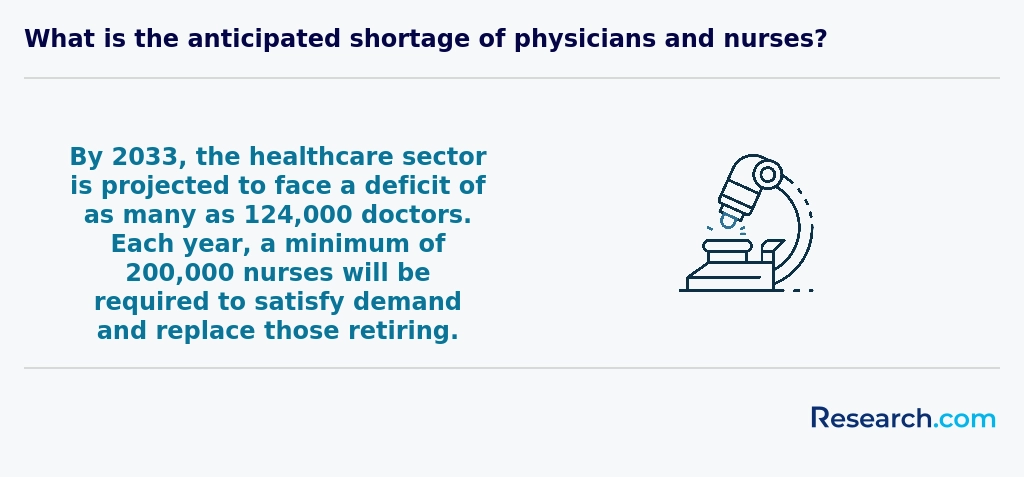
Maintaining up-to-date certifications and embracing technology used in modern healthcare settings further enhances learning. According to the Utah Department of Health, healthcare jobs are expected to grow by 11% by 2030, underscoring the importance of practical skills.
The healthcare field in Provo is evolving with several emerging niches that reflect national trends in the U.S. healthcare system. One rapidly growing area is telehealth, driven by increased demand for remote care options and digital health technologies. According to recent data from the Utah Department of Health, telehealth usage in Utah, including Provo, rose by over 50% between 2020 and 2023.
Another niche gaining importance is geriatric care, as the U.S. population ages and Provo sees more retirees settling in the region. Specialized training in chronic disease management and elder care is becoming crucial.
Additionally, healthcare data analytics and informatics represent promising fields focused on improving patient outcomes and hospital efficiency. These areas require professionals with expertise in both healthcare and technology, creating new opportunities for degree seekers in Provo.
Preparing for the job market after completing a healthcare degree in Provo involves strategic planning and skill development. Healthcare employment in Utah, including Provo, is growing rapidly, with a projected 16% increase in healthcare occupations from 2020 to 2030 according to the U.S. Bureau of Labor Statistics. Graduates should focus on gaining practical experience through internships or clinical rotations offered by local hospitals such as Utah Valley Hospital. Networking with local healthcare professionals and joining relevant associations can open doors to job opportunities.
Certification and licensure are crucial, depending on the healthcare field. For example, nursing graduates must pass the NCLEX exam. Additionally, improving soft skills like communication and teamwork enhances employability in Provo's collaborative healthcare settings. Staying informed about job trends via the Utah Department of Workforce Services helps graduates align their qualifications with employer demand.
Employers in Provo highly value healthcare degree graduates who demonstrate strong clinical skills paired with effective communication. According to the Utah Department of Workforce Services, teamwork and patient interaction abilities are crucial in this region's healthcare sector.
Technical proficiency with electronic health records (EHR) systems is increasingly important, as many Provo healthcare facilities rely on advanced digital tools for patient management.
Critical thinking and problem-solving skills also top the list, enabling graduates to handle complex clinical situations confidently. Moreover, adaptability to fast-paced environments and ongoing learning are essential due to the evolving nature of healthcare.
Understanding local health concerns, such as the rising demand for geriatric care in Utah County, further enhances employability in Provo's healthcare job market.
Finding internships in Provo relevant to healthcare degrees involves leveraging local healthcare facilities and academic resources. Provo is home to several hospitals and clinics such as Utah Valley Hospital, which frequently offer internship opportunities for students in nursing, medical assisting, and allied health programs. Students should connect with their college career centers, which often have partnerships with these institutions.
The Utah System of Higher Education also provides listings of approved internship programs tailored to healthcare students. According to Utah Department of Health data, healthcare internships in Provo have grown by 15% over the past three years, reflecting expanding local demand.
Networking through professional associations like the Utah Healthcare Association can increase chances of placement. Additionally, using online portals like Handshake allows students to apply for internships specifically in the region.
A healthcare degree in Provo significantly enhances career mobility and advancement opportunities within the region's growing medical sector. The city benefits from a strong healthcare industry, supported by Utah's projected 16% growth in healthcare jobs through 2031, according to the Utah Department of Workforce Services. Professionals with formal healthcare education qualify for diverse roles, from clinical positions to health administration.
Employers in Provo, such as Utah Valley Hospital and outpatient clinics, often prefer candidates with accredited degrees, which opens pathways to higher salaries and supervisory roles. Additionally, degrees enable eligibility for specialized certifications, further bolstering promotion prospects.
Networking through local institutions supports continual professional development, aiding career progression in a competitive job market.
Studying for a healthcare degree in Provo equips students with skills necessary for interdisciplinary roles through comprehensive coursework and practical experiences. Local institutions emphasize collaboration between nursing, public health, and allied health fields. This approach mirrors the integrated healthcare environment in Utah, where teamwork among various professionals improves patient outcomes.
Provo's healthcare programs often include internships at nearby facilities like Utah Valley Hospital, exposing students to real-world interdisciplinary dynamics. According to the Utah Department of Health, such exposure correlates with a 15% higher employment rate in collaborative healthcare positions within the region.
Additionally, many Provo programs incorporate digital health and communication training, preparing graduates to coordinate care efficiently across multiple disciplines.
When choosing between a thesis and a non-thesis healthcare degree program in Provo, students should consider their career goals and learning preferences. Thesis programs typically involve original research and are suited for those aiming for academic or research roles. Non-thesis options focus more on practical skills and coursework, appealing to professionals targeting direct healthcare practice or administration.
In Provo, the demand for healthcare professionals with research skills is growing, as reported by the Utah Department of Workforce Services. Around 12% of healthcare jobs require advanced analytical expertise, which thesis programs can provide. Non-thesis paths offer faster completion, beneficial for those already working.
Financial and time commitments also differ. Thesis programs often require longer study periods due to research components, while non-thesis tracks are usually shorter and more flexible. Understanding these aspects helps students align their education with local healthcare industry demands.
Students in Provo interested in studying healthcare abroad have several viable pathways. Many U.S. universities, including those near Provo, offer exchange programs with partner institutions worldwide, allowing students to gain international healthcare perspectives while maintaining credits. According to the Institute of International Education, around 10% of American healthcare students participate in study-abroad programs, often focusing on countries with advanced medical research and diverse healthcare systems.
Additionally, Provo's proximity to major universities makes it easier to find programs with global healthcare internships or clinical rotations abroad. These experiences can enhance practical skills and cultural competence, important for modern healthcare careers.
Students pursuing healthcare degrees in Provo often seek part-time jobs that enhance their practical skills and resumes. Common opportunities include working as certified nursing assistants (CNAs), medical assistants, or phlebotomy technicians at local clinics and hospitals. Utah Valley Hospital and Intermountain Healthcare facilities in Provo frequently offer these roles, allowing students to gain hands-on patient experience while studying.
Additionally, many students find employment in pharmacies, where they can learn about medication management and patient counseling. According to the Utah Department of Workforce Services, healthcare support jobs in Provo grew by 7% from 2020 to 2023, reflecting strong local demand.
These positions develop critical soft skills like communication, organization, and clinical procedures, providing valuable exposure to healthcare environments while balancing academic schedules.
Healthcare students in Provo benefit from a variety of strong networking opportunities throughout their studies. Institutions like Brigham Young University and Utah Valley University foster connections through healthcare-focused clubs, workshops, and guest lectures by local medical professionals. Clinical rotations and internships at Provo's major hospitals, such as Utah Valley Hospital, provide hands-on experience and valuable contacts.
Additionally, Provo hosts regional healthcare conferences and career fairs where students can meet recruiters and industry experts. According to the Utah Department of Health, collaborative initiatives between educational institutions and healthcare providers enhance student access to mentorship programs and job placements.
Alumni networks provide valuable support for healthcare degree students in Provo by connecting them with experienced professionals in the local medical community. These networks often offer mentoring, guidance on career paths, and job placement opportunities through established connections in nearby hospitals and clinics.
In Provo, where healthcare facilities like Utah Valley Hospital play a major role, networking can increase students' chances of securing internships and employment after graduation. According to the Utah Department of Workforce Services, healthcare occupations in the region are expected to grow by over 20% in the next decade, making strong alumni ties an asset.
Additionally, alumni often participate in career fairs, workshops, and guest lectures, helping students stay updated on industry trends and licensing requirements in Utah. This ongoing engagement supports students in building practical skills alongside academic knowledge.
Customizing a healthcare degree program in Provo involves selecting specializations, electives, and experiential learning opportunities that align with your career goals. Many institutions allow students to focus on areas such as nursing, health administration, or medical lab technology. This flexibility helps tailor education to meet demands in Utah's growing healthcare sector, which has seen a 12% employment increase since 2018, according to the U.S. Bureau of Labor Statistics.
Internships and clinical placements in local hospitals and clinics provide practical experience tailored to your interests. Additionally, some schools offer certificate programs or combined degrees to broaden your skill set. Careful planning with academic advisors ensures your coursework matches career objectives, enhancing job readiness in Provo's healthcare market.
Healthcare students in Provo face several challenges common to rigorous programs across the U.S., intensified by local factors. One significant obstacle is managing the demanding coursework alongside clinical rotations. Healthcare degrees require substantial hands-on experience, and securing quality clinical placements in Provo can be competitive due to a limited number of healthcare facilities.
Additionally, financial stress is notable. The median cost of healthcare-related education in the region is rising, with students often relying on loans. According to the Utah System of Higher Education, healthcare program tuition in Provo-area institutions increased by 4% annually over the past five years.
Time management also poses difficulties, as students juggle practical work, exams, and often part-time jobs. Lastly, staying updated with rapidly evolving medical technologies and protocols demands continuous learning and adaptability.
With a healthcare degree in Provo, graduates can pursue several professional certifications that enhance career opportunities. Common certifications include Certified Medical Assistant (CMA), Registered Health Information Technician (RHIT), and Licensed Practical Nurse (LPN). These credentials require passing national exams and often state-specific licensure.
Provo's healthcare sector growth, with a 12% increase in jobs by 2028 according to the Bureau of Labor Statistics, encourages certification. For advanced roles, Registered Nurse (RN) licensure or Certified Clinical Research Professional (CCRP) certification may be pursued.
Certifications improve salary potential and job security in Utah's competitive healthcare market. Local institutions and healthcare providers often partner for exam preparation and clinical experience opportunities.
Writing a winning application for a healthcare program in Provo requires clear focus and preparation. First, research the specific programs offered by local institutions like Brigham Young University, known for its nursing and health sciences degrees. Admissions committees typically value strong academic records, so highlight your GPA and relevant coursework in biology or chemistry.
Next, craft a personal statement that explains your motivation for pursuing healthcare and how you plan to contribute to Provo's growing medical community. According to the Utah Department of Workforce Services, healthcare professions in Utah are expected to grow by 15% by 2030, showing strong local demand.
Include any healthcare-related volunteer or work experience to demonstrate commitment and practical knowledge. Strong letters of recommendation from healthcare professionals or professors can also elevate your application. Finally, prepare carefully for any required entrance exams or interviews to show your readiness and professionalism.
Healthcare careers are increasingly viewed as vital worldwide, driven by aging populations and advances in medical technology. In the United States, including Provo, the demand for healthcare professionals is expected to grow 16% from 2021 to 2031, according to the Bureau of Labor Statistics. This growth reflects a global need for qualified healthcare workers capable of addressing complex health challenges.
Globally, healthcare roles often require cross-cultural competence and adaptability, skills emphasized in many U.S. degree programs. Provo's healthcare education emphasizes practical experience, preparing students to work in diverse environments. This is critical as healthcare systems worldwide become more interconnected due to globalization.
Students in Provo benefit from local partnerships with hospitals and clinics, fostering hands-on training aligned with current global health trends. The World Health Organization highlights that well-trained professionals improve health outcomes, which aligns with educational goals found in U.S. institutions.
Gaining practical experience while studying for a healthcare degree in Provo is crucial for career readiness. Many local institutions like Brigham Young University and other accredited colleges offer clinical rotations or internships as part of their programs. These placements allow students to work in hospitals, clinics, or community health centers, providing hands-on patient care under supervision.
Students often collaborate with Provo's Utah Valley Hospital or other regional healthcare providers. According to the Utah Department of Workforce Services, healthcare internships in the area have increased by 15% over recent years, reflecting growing opportunities for experiential learning. Volunteering and part-time jobs in healthcare settings are also common ways to build practical skills alongside academic studies.
Choosing the right concentration within a healthcare degree program in Provo involves careful consideration of your career goals and local industry demands. Provo's healthcare sector is growing steadily, with a 10% increase in healthcare jobs projected by the U.S. Bureau of Labor Statistics through 2030. Common concentrations include nursing, health administration, and medical technology. Research local employers like Utah Valley Hospital to identify skill sets in demand.
Additionally, consider program accreditation and clinical opportunities provided by institutions like Brigham Young University. Hands-on experience in Provo's healthcare facilities can significantly enhance job readiness. Align your interests with workforce needs, balancing passion and practicality for a successful career path.
Related Healthcare Rankings for Nearby Cities
- 2027 Best Healthcare Degree Programs Ranking in Salt Lake City
- 2027 Best Healthcare Degree Programs Ranking in Las Vegas
- 2027 Best Healthcare Degree Programs Ranking in Denver
- 2027 Best Healthcare Degree Programs Ranking in Colorado Springs
- 2027 Best Healthcare Degree Programs Ranking in Phoenix
- 2027 Best Healthcare Degree Programs Ranking in Tempe
- 2027 Best Healthcare Degree Programs Ranking in Riverside
- 2027 Best Healthcare Degree Programs Ranking in Tucson
- 2027 Best Healthcare Degree Programs Ranking in Los Angeles
- 2027 Best Healthcare Degree Programs Ranking in Anaheim
Top Trending Healthcare Rankings
See What Experts Have To Say About Studying Healthcare
Read our interview with Healthcare experts

References
- Job-Ready Healthcare Skills for 2026 https://cliniwave.in/blogs/latest-article/job-ready-healthcare-skills
- What Can You Do with a Health Sciences Degree? https://www.ycp.edu/news/what-can-you-do-with-a-health-sciences-degree
- Types of Health Careers & Career Pathways https://explorehealthcareers.org/careers/types-of-health-careers-and-pathways/
- Niche Markets in Healthcare: How to Find & Target https://nechayadvisors.com/blog/niche-markets-in-healthcare
- Health Sciences Study Abroad Programs - Healthcare Abroad https://www.ceastudyabroad.com/academic-discipline/health-sciences
- Networking in Medicine: Build Lasting Connections l Windsor https://www.windsor.edu/networking-in-medicine-building-relationships-from-day-one/
- Patient Care Certification Provo Utah - NPS https://npscerts.com/patient-care-certification-provo-utah/
- How to Set and Achieve Career Goals in Health and Social Care | Royal Open College https://royalopencollege.org/blog/health-and-social-care/how-to-set-and-achieve-career-goals/
- Unlocking potential: Expanding experiential learning through simulation https://www.pagethink.com/insights/unlocking-potential-expanding-experiential-learning-through-simulation
- How to Create a Healthcare Career Roadmap https://www.ihire.com/resourcecenter/jobseeker/pages/how-to-create-a-healthcare-career-roadmap


