2027 Most Affordable Healthcare Degree Programs Ranking in Stony Brook

Co-Founder and Chief Data Scientist
If you're considering a healthcare degree in Stony Brook, this article is here to guide you. The 2027 Most Affordable Healthcare Degree Programs Ranking in Stony Brook, developed by the Research.com team of data scientists, offers clear insights into the best value programs available.
Choosing the right program can be overwhelming, but this ranking helps simplify your decision by focusing on affordability and quality. Earning a healthcare degree opens doors to a rewarding career, and this article will help you find programs that fit your goals without breaking the bank.
Key benefits of getting healthcare degree in Stony Brook
- Salary benefits: Healthcare degree graduates can earn competitive wages such as $43,350 annually for Medical Assistants and Clinical Research Coordinators, up to $103,150 for Quality Improvement Coordinators, providing financial stability and growth.
- Career paths: Graduates from Stony Brook have diverse opportunities, including roles like Patient Care Technician and Health Information Technician, allowing flexibility and exciting job choices in the healthcare field.
- Online degree advantages: Earning a healthcare degree online from Stony Brook offers convenience and the ability to balance work or family, while gaining the same valuable skills as traditional programs for career success.
- Key benefits of getting healthcare degree in Stony Brook
- What can I expect from healthcare degree in Stony Brook?
- Where can I work with healthcare degree in Stony Brook?
- How much can I make with healthcare degree in Stony Brook?
- 2027 Most Affordable Healthcare Degree Programs Ranking in Stony Brook
- Key Findings
- How long does it take to complete healthcare degree in Stony Brook?
- Accreditation and Licensure Preparation
- What's the difference between online and on-campus healthcare degree?
- Accreditation and Licensure Requirements
- What is the average cost of healthcare degree in Stony Brook?
- Accreditation and Institutional Quality
- What financial aid is available to healthcare degree students in Stony Brook?
- Accreditation and Licensing Considerations
- What are the prerequisites for enrolling in healthcare degree program in Stony Brook?
- Accreditation and Certification: Ensuring Quality and Industry Relevance
- What courses are typically in healthcare degree programs in Stony Brook?
- What types of specializations are available in healthcare degree programs in Stony Brook?
- How do you choose the best healthcare degree in Stony Brook?
- What career paths are available for healthcare degree students in Stony Brook?
- What is the job market for healthcare degree in Stony Brook?
- Top Trending Healthcare Rankings
- See What Experts Have To Say About Studying Healthcare
What can I expect from healthcare degree in Stony Brook?
The average cost of a healthcare degree at Stony Brook is notably affordable compared to many private New York institutions, with in-state tuition for nursing programs often below $10,000 per year. Graduates frequently remark on the value they received, especially considering the hands-on clinical experiences offered through partnerships with local hospitals like Stony Brook University Hospital. This direct involvement helps contextualize theoretical knowledge and provides a real sense of patient care challenges, making the investment feel worthwhile.
While some might assume that lower tuition equates to fewer resources, many students find that the university's emphasis on practical research-access to biomedical labs and clinical trials-greatly enriches their education. For example, students in the Master of Public Health program often engage with interdisciplinary projects reflecting real-world epidemics or environmental health issues, preparing them well for growing job markets in the region.
Still, prospective students should weigh financial aid options carefully and consider potential living expenses on Long Island, which might affect the overall cost of pursuing healthcare degrees in Stony Brook.
Where can I work with healthcare degree in Stony Brook?
Graduates with healthcare degrees from institutions like Stony Brook University often find themselves working in diverse settings due to the region's robust medical infrastructure. Many secure positions at Stony Brook University Hospital, gaining hands-on experience in nursing, clinical research, or healthcare administration. Such roles can be highly rewarding, reflecting a sense of purpose when contributing directly to patient care or advancing medical knowledge.
Others explore opportunities outside hospital walls, such as in outpatient care centers, long-term care facilities, or specialized clinics. These career paths allow graduates to engage closely with community health needs and build meaningful patient relationships. For some, employment in pharmaceutical companies or biomedical research aligns better with their interests, especially those passionate about healthcare informatics and clinical trials coordination, which Stony Brook's research hub facilitates well.
Public health roles within Suffolk County government or nonprofits also attract graduates eager to impact community health education and emergency preparedness. While salary prospects can vary-nurses averaging around $87,000 and healthcare managers earning upward of $120,000-the emotional fulfillment reported by many healthcare graduates in Stony Brook often outweighs purely financial considerations.
How much can I make with healthcare degree in Stony Brook?
Graduates with healthcare degrees from institutions like Stony Brook University often find starting salaries that reflect both their education and local demand. For example, roles such as Medical Assistants and Clinical Research Coordinators typically have mean annual wages around $43,350, which can be a realistic entry point for new graduates gaining experience.
Those pursuing technical roles might consider jobs as Patient Care Technicians or Health Information Technicians, where salaries rise to an average of about $60,790 and $43,380 respectively. Such positions offer a tangible pathway to gain credentials while contributing meaningfully in clinical or administrative settings.
For graduates aiming higher, Quality Improvement Coordinator roles show promising earnings with a mean annual wage exceeding $103,000. These positions often require additional expertise but illustrate the salary potential for those committed to advancing their careers.
Many local graduates appreciate how these salaries align with living costs in Suffolk County, allowing for both financial stability and professional growth. While entry-level pay might feel modest, strong regional demand and continued skill development present an encouraging outlook for healthcare degree holders in Stony Brook.
2027 Most Affordable Healthcare Degree Programs Ranking in Stony Brook
How do we rank schools?
Investing in your education is a significant decision that can shape your future, and the Research.com team understands the importance of making informed choices. To assist prospective students in Stony Brook, we have meticulously crafted the "2027 Most Affordable Healthcare Degree Programs Ranking in Stony Brook." Our commitment to quality, credibility, and accuracy is reflected in the extensive research and analysis conducted to compile this ranking.
We utilized the following reputable data sources to ensure a comprehensive evaluation of healthcare degree programs:
By exploring this ranking, readers will gain valuable insights into the most affordable healthcare degree options available in Stony Brook, empowering them to make well-informed decisions about their educational investments. For more details on our methodology, please visit our Research.com methodology page.

Key Findings
- Healthcare undergraduate tuition at Stony Brook University is about $10,500 per year for in-state students and $28,500 for out-of-state students.
- Graduate healthcare program tuition ranges from $15,000 to $30,000 annually depending on the specialty.
- The local healthcare job market is growing, supported by aging populations and expanding medical facilities.
- Entry-level salaries for healthcare graduates start around $55,000 to $65,000 per year, increasing to $90,000 or more with experience.
- Clinical training and internships are key parts of programs, leveraging nearby hospitals for practical experience.
- Stony Brook offers certifications and continuing education for healthcare professionals to advance their careers.
How long does it take to complete healthcare degree in Stony Brook?
Completing a healthcare degree in Stony Brook depends largely on the level you pursue. Graduates from Stony Brook University's School of Nursing often recall that associate degrees take about two years, providing practical skills quickly for those eager to enter the workforce.
Bachelor's programs, such as the BSN or health science, typically require four years, blending classroom learning with hands-on clinical experience. Many students appreciate this balance, feeling prepared and confident as they approach graduation.
For those aiming higher, master's degrees usually extend study by about two years beyond the bachelor's, though part-time or accelerated paths can adjust this timeframe. Graduates frequently mention the challenge but also the rewarding depth of expertise gained.
Doctoral students at Stony Brook report that completing a DNP or PhD can take three to six years, noting that juggling coursework with research and personal life requires dedication but ultimately leads to significant professional growth.
Completion times vary notably depending on enrollment status, program format, and clinical requirements, so students are advised to consider their personal circumstances carefully before committing.
Accreditation and Licensure Preparation
Choosing a healthcare program in Stony Brook, NY, requires careful attention to accreditation and licensure outcomes to ensure your degree is recognized nationally and that you’re eligible for certification exams. Accredited programs meet rigorous quality standards set by organizations such as the Commission on Accreditation of Allied Health Education Programs (CAAHEP), the Commission on Accreditation for Health Informatics and Information Management Education (CAHIIM), and regional bodies like the Middle States Commission on Higher Education. Before enrolling, verify that your institution maintains active accreditation status-this not only validates the curriculum but also allows you to sit for licensure exams, such as the NCLEX-RN for nursing or the Registered Health Information Technician (RHIT) exam. Graduates from accredited programs in Stony Brook consistently report high first-attempt pass rates on certification exams, reflecting strong alignment between coursework and professional requirements. For example, Stony Brook University’s nursing program boasts an NCLEX pass rate above 90%, while local health information management courses prepare students for CAHIIM accreditation standards, ensuring eligibility for the RHIT credential. If you’re planning to advance your credentials beyond the bachelor’s level, consider exploring our Most Affordable Online Master's in Healthcare Degree Programs Ranking in Wisconsin to compare program quality, tuition rates, and accreditation status. By prioritizing accredited programs with proven licensure outcomes, you’ll maximize your career readiness, increase employability across clinical and administrative roles, and secure a solid return on your educational investment.
What's the difference between online and on-campus healthcare degree?
Students pursuing healthcare degrees in Stony Brook often notice clear differences between online and on-campus options. Graduates from Stony Brook University's on-campus programs recall the value of in-person labs and direct clinical practice at local hospitals, which helped build confidence with hands-on skills essential in healthcare. This face-to-face interaction with faculty and peers often fosters deeper engagement and immediate feedback during challenging practice scenarios.
Conversely, those enrolled in online healthcare degrees appreciate the flexibility to balance work or family commitments while studying. For instance, online learners complete theory coursework via digital platforms yet still arrange local clinical hours at nearby clinics, ensuring necessary practical experience without constant campus visits. While some express missing the social atmosphere of campus life, many find satisfaction in adapting studies to their lifestyles.
Both formats align with accreditation requirements but differ in delivery style and daily routine. A Stony Brook nursing graduate highlights how choosing on-campus immersion solidified teamwork and communication skills, while another praises how the online format allowed timely progression through accelerated courses. Ultimately, personal priorities shape which approach fits best in Stony Brook's healthcare education landscape.
Accreditation and Licensure Requirements
Choosing a healthcare degree program in Stony Brook, NY means more than just comparing tuition-it’s essential to verify that your school and program hold the proper accreditation to ensure quality education and eligibility for licensure or certification. Most reputable bachelor’s and master’s programs are regionally accredited by agencies like the Middle States Commission on Higher Education (MSCHE), while specialized healthcare programs often require programmatic accreditation: • Commission on Accreditation of Allied Health Education Programs (CAAHEP) for medical assisting, diagnostic sonography, and surgical technology. • Commission on Accreditation for Health Informatics and Information Management Education (CAHIIM) for health information management degrees. • Accreditation Commission for Education in Nursing (ACEN) or Commission on Collegiate Nursing Education (CCNE) for nursing programs. Attending an accredited program not only impacts your eligibility for federal financial aid and transferability of credits but also determines whether you can sit for crucial licensure or certification exams, such as the Registered Health Information Technician (RHIT) or the Certified Medical Assistant (CMA) credential. Before applying, check each program’s graduate pass rates on licensing exams and the school’s approval status with the New York State Education Department. For students seeking flexible, budget-friendly training in medical billing and coding, consider exploring our list of affordable online medical billing and coding schools, all of which maintain full accreditation and prepare graduates for the Certified Professional Coder (CPC) exam.
What is the average cost of healthcare degree in Stony Brook?
The average cost of a healthcare degree in Stony Brook reflects a notable difference between in-state and out-of-state tuition rates, with in-state students typically facing around $10,931 in total annual expenses, according to recent data. Graduates from institutions like Stony Brook University often recall budgeting carefully to cover this median total cost, which includes tuition and mandatory fees. The affordability aspect is critical for local residents, especially when considering additional charges such as clinical placement fees and certification costs that are common in healthcare programs.
For students coming from outside New York, the financial commitment can be significantly higher, often reaching over $50,000 annually. This steep difference encourages many to explore options such as residency or scholarships. In fact, the challenge of managing these fees is a commonly shared experience among those pursuing healthcare degrees in the region. Despite these costs, the rewarding nature of healthcare careers inspires a positive outlook, with many alumni reflecting on how the quality of education justified the investment.
Prospective students searching for 2027 affordable healthcare degree tuition fees Stony Brook also have opportunities beyond public universities. Private colleges offer specialized programs with accelerated tracks but usually come with price tags over $35,000 annually. Fortunately, financial aid and state grants provide some relief, making it worthwhile to consider eligibility for programs like the Excelsior Scholarship.
Students aiming to balance cost and value often explore alternative options, including affordable online nursing programs. These allow more flexibility and reduced living expenses while maintaining quality education, reflecting a pragmatic path for managing the average cost of healthcare degree programs in Stony Brook.

Accreditation and Institutional Quality
Ensuring that a healthcare program is accredited is essential for guaranteeing academic rigor, quality instruction, and long-term career success. Accredited programs meet strict standards set by nationally recognized agencies, which not only validates the curriculum but also increases eligibility for federal financial aid and enhances employment prospects after graduation. Prospective students should verify that the institutions under consideration have received proper accreditation from bodies such as the Accreditation Commission for Education in Nursing (ACEN) or the Commission on Accreditation of Allied Health Education Programs (CAAHEP). This diligence helps ensure that the education provided is both robust and aligned with industry demands. Additionally, attending an affordable healthcare school in new york can offer an optimal balance between budget considerations and academic excellence. In essence, understanding accreditation not only reinforces program credibility but also plays a pivotal role in setting the stage for a successful and sustainable career in healthcare.
What financial aid is available to healthcare degree students in Stony Brook?
Healthcare students at Stony Brook University often rely on a mix of financial aid sources to navigate tuition costs that range from $10,000 to $15,000 annually for in-state residents. Graduates recall how Pell Grants, which can cover up to $7,395, provided crucial relief without the burden of repayment. In real terms, this allowed many to focus more on demanding clinical rotations rather than financial stress.
Federal loans, such as Direct Subsidized Loans, also play a significant role, offering interest-free periods during enrollment that many find helpful for budgeting. However, some students express caution with loans, emphasizing the need to weigh future repayment obligations carefully. Limited Perkins Loans with low interest can be a lifeline but aren't always accessible to everyone.
Institutional scholarships through Stony Brook's School of Nursing and Health Sciences often reward merit and need, with recipients describing a boost in confidence knowing their achievements are recognized. State aid like the NY Tuition Assistance Program adds another layer, especially for New York residents, contributing up to $5,665 annually. Beyond grants and loans, many students balance part-time jobs or clinical internships, sometimes receiving stipends that reduce expenses while enhancing practical experience.
Accreditation and Licensing Considerations
Before enrolling in any healthcare degree program in Stony Brook, NY, students should verify both institutional and programmatic accreditation to ensure quality, licensure eligibility, and access to federal financial aid. Institutional accreditation-typically granted by agencies like the Middle States Commission on Higher Education-confirms that the university meets rigorous academic standards. Programmatic accreditation, on the other hand, is specific to healthcare disciplines (for example, the Accreditation Commission for Education in Nursing for nursing programs or the Commission on Accreditation of Healthcare Management Education for health administration). Graduates of properly accredited programs are eligible to sit for state licensure exams and enjoy seamless credit transfer if they pursue further education or relocate. Key accreditation and licensing highlights:
- Institutional Accreditation: Validates the overall quality of the college or university and is required for federal aid eligibility.
- Programmatic Accreditation: Focuses on discipline-specific standards, ensuring the curriculum aligns with industry best practices and licensure requirements.
- State Licensure Compliance: Accredited programs typically meet New York State Education Department criteria, guaranteeing graduates can apply for relevant professional licenses (e.g., RN, HIM).
- Financial Aid and Credit Transfer: Only students in accredited programs qualify for federal loans, grants, and streamlined credit articulation agreements with other institutions. Prospective students seeking flexible pathways and cost-effective master’s options should also review our Most Affordable Online Master's in Healthcare Degree Programs Ranking in Wisconsin. Verifying accreditation at the outset not only protects your educational investment but also lays the foundation for a successful, licensed career in the ever-growing healthcare field.
What are the prerequisites for enrolling in healthcare degree program in Stony Brook?
To enroll in a healthcare degree program in Stony Brook, most students find that a solid foundation in science from high school is essential. Graduates from Stony Brook University and nearby colleges often recall how their background in biology, chemistry, and math helped them navigate early coursework with confidence. While some programs recommend extra classes like anatomy or physiology, these are not always strict requirements but can give applicants an edge.
Standardized test scores, such as the SAT or ACT, remain a common prerequisite. However, students mention appreciating that several local programs have become test-optional, reflecting a flexible approach that considers diverse applicant strengths beyond numbers. This inclusiveness encourages those with volunteer or healthcare exposure-like shadowing professionals or working in clinics-to highlight their practical experience as equally valuable.
Letters of recommendation and personal statements also play a critical role, revealing applicants' dedication and communication skills in ways academic records alone cannot capture. Graduates emphasize how sharing real-life motivations and healthcare-related experiences in their essays made their applications resonate with admissions committees in Stony Brook.
Accreditation and Certification: Ensuring Quality and Industry Relevance
A crucial aspect often overlooked when exploring affordable healthcare degree programs is the emphasis on accreditation and certification. Accreditation not only validates the quality of the education provided but also ensures that the program meets industry standards essential for career success. Prospective students should verify that their chosen institution holds proper accreditation from recognized bodies, as this factor significantly influences eligibility for licensure, certification exams, and the overall credibility of the degree. Moreover, industry-recognized certifications that accompany accredited programs empower graduates to stand out in a competitive job market. Many healthcare roles require certification, and accredited programs are structured to prepare students for these professional credentials. For instance, those looking to advance their education might also explore further opportunities, such as checking out resources on ms in biotechnology online, which can complement a solid healthcare foundation with specialized expertise in emerging technologies. In summary, before committing to a program, it is essential to conduct thorough research into its accreditation status and the certifications it supports. This diligence ensures that the educational investment translates into a robust, reputable launchpad for a successful healthcare career.
What courses are typically in healthcare degree programs in Stony Brook?
Healthcare degrees at Stony Brook University typically feature a mix of foundational and applied courses designed to prepare students for diverse roles in healthcare. Graduates often recount how classes like human anatomy and physiology gave them a solid grasp of the body's intricate systems, something they found invaluable during clinical rotations and internships at nearby regional hospitals. This hands-on exposure helps bridge theory and real-world practice.
Courses in microbiology also stand out, as understanding pathogens directly relates to preventing and managing diseases-a knowledge area that students frequently describe as empowering in fast-paced healthcare settings. Communication-focused classes, including medical terminology and healthcare ethics, equip students to navigate patient interactions sensitively and effectively, an aspect many emphasize as essential for fostering trust and reducing errors.
Students at Stony Brook note the advantage of healthcare administration and health informatics courses, which reflect the increasing role of technology and policy in the field. Pharmacology and public health classes broaden perspectives beyond individual care, highlighting community health challenges and medication management, which graduates appreciate for their relevance to evolving healthcare landscapes.
- Human anatomy and physiology
- Microbiology
- Medical terminology and healthcare communication
- Healthcare administration and health informatics
- Pharmacology
- Public health
What types of specializations are available in healthcare degree programs in Stony Brook?
Healthcare degree specializations in Stony Brook typically include a variety of focused programs designed to address different aspects of the healthcare sector. Graduates from popular institutions in the area often highlight Registered Nurse (RN) and Bachelor of Science in Nursing (BSN) tracks, which immerse students in clinical practice and patient care, reinforcing skills through hands-on experiences at Stony Brook Medicine. These programs emphasize practical training that aligns well with today's demanding healthcare environments.
Other specialization options include Public Health, where students explore community health initiatives and epidemiology, preparing them for roles that influence population health trends. Health Informatics is also prominent, merging IT and healthcare data to optimize system efficiencies, appealing to those interested in technology-driven solutions.
Additionally, Health Services Administration focuses on organizational leadership within medical facilities, a critical area as healthcare regulations increase. Biomedical Sciences attract learners aiming for research or advanced studies. Those curious about broader career paths might find it useful to review medical assistant degrees job opportunities related to healthcare studies in Stony Brook.
Choosing among these Stony Brook healthcare program concentration options encourages students to align their education with both personal interests and industry needs, balancing clinical skills with system improvement perspectives.
How do you choose the best healthcare degree in Stony Brook?
Choosing the best healthcare degree in Stony Brook requires more than just comparing programs by name or popularity. Graduates from institutions like Stony Brook University often emphasize the value of accredited programs, such as those approved by the Commission on Collegiate Nursing Education (CCNE), which have significantly eased their path to licensure and employment. Considering affordable healthcare degrees Stony Brook rankings can help, but it's equally important to evaluate how each program's curriculum aligns with your career goals and the hands-on experience offered.
For example, some students report gaining confidence through clinical rotations at Stony Brook University Hospital, an experience that transformed their understanding of patient care beyond textbooks. While tuition costs vary, think beyond sticker price and explore financial aid, scholarships, and work-study options common in healthcare programs here. Students weighing options might also research prerequisites carefully, as demonstrated by comparing programs like the Minnesota lpn program prerequisites, which can offer perspective on course sequencing and preparation.

What career paths are available for healthcare degree students in Stony Brook?
Graduates with a healthcare degree in Stony Brook encounter multiple career paths shaped by the region's evolving medical landscape. Many pursue clinical roles-including registered nurses, physician assistants, and physical therapists-where rigorous training and licensure demand dedication but often yield rewarding salaries and job stability. These opportunities align well with healthcare career opportunities in Stony Brook, where hospitals and outpatient centers offer practical experience alongside competitive compensation.
Others leverage degrees in health services management to step into administrative positions, overseeing operations in diverse healthcare settings. Graduates often describe a rewarding challenge in navigating policy complexities and improving patient care systems. Those interested in research find promising prospects at Stony Brook University School of Medicine, where significant funding supports clinical trials and biotech development. Indeed, the Stony Brook healthcare degree job prospects also extend into public health fields, where epidemiologists and health educators contribute to vital community programs, especially post-pandemic.
Some graduates have reported that supplementing their education through a CNA program in Orlando FL helped clarify practical nursing skills early on, offering a balanced perspective between theory and hands-on care. The variety of career avenues reflects the strength and diversity of healthcare education options available locally.
What is the job market for healthcare degree in Stony Brook?
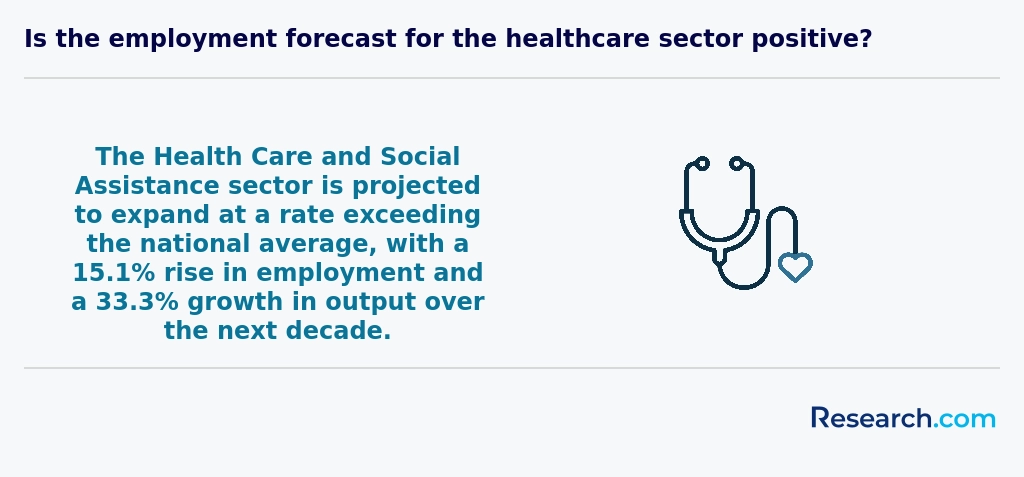
The healthcare job market in Stony Brook shows strong potential for graduates, supported by a rapidly growing demand in Suffolk County. Local healthcare degree employment opportunities are notably abundant due to large institutions such as Stony Brook University Hospital, where many graduates have found rewarding roles as registered nurses, medical technologists, or health services managers. These positions not only offer competitive entry-level salaries but also the prospect to advance in specialized fields like health informatics and telehealth.
Many graduates appreciate how the practical training and internships integrated into healthcare programs at Stony Brook provide invaluable experience, helping them stand out in a competitive environment. However, licensing requirements, such as passing the NCLEX-RN for nurses, remain critical hurdles that students should prepare for. With tuition costs relatively affordable at local schools, those interested might consider the affordable healthcare school in new york to balance education quality with financial planning.
Frequently Asked Questions About healthcare
Healthcare degree students in Stony Brook can maximize their learning experience by actively engaging in both academic and practical opportunities available locally. Stony Brook University offers a variety of clinical internships and research programs, which provide hands-on experience essential for understanding real-world healthcare challenges. According to the university's 2023 data, over 75% of healthcare students participate in clinical placements at nearby hospitals such as Stony Brook University Hospital.
Students should also take advantage of interdisciplinary courses that integrate technology, ethics, and patient care, enhancing critical thinking. Joining student organizations and professional associations in Stony Brook fosters networking and leadership skills, which are vital in healthcare careers.
Finally, leveraging local workshops and seminars featuring healthcare professionals in Suffolk County ensures students remain updated on emerging healthcare trends and practices in New York State.
The healthcare field in Stony Brook is evolving, with several emerging niches gaining importance. One key area is telehealth, driven by advances in technology and the increased demand for remote patient care. Telehealth services in New York State saw significant growth during the COVID-19 pandemic, with telemedicine visits increasing by over 150% according to the New York State Department of Health.
Another promising niche is health informatics, which combines healthcare and data management to improve patient outcomes. Stony Brook University offers programs focused on this growing field, reflecting the national projection of a 15% job growth rate in health informatics through 2030 by the Bureau of Labor Statistics.
Additionally, precision medicine, which customizes medical treatment to individual genetics, is gaining traction in Stony Brook's medical community. This niche leverages advances in genomics and biotechnology, areas in which local research institutions are actively involved.
After earning a healthcare degree in Stony Brook, preparing for the job market involves several strategic steps. First, gaining practical experience through internships or clinical rotations within local hospitals such as Stony Brook University Hospital enhances employability. According to the U.S. Bureau of Labor Statistics, healthcare occupations in New York State are expected to grow by 15% from 2021 to 2031, signaling strong job prospects.
Networking plays a crucial role; joining professional associations like the American Healthcare Association can provide local connections. Additionally, acquiring certifications relevant to your specialty improves competitiveness. Candidates should also utilize career services at Stony Brook University for resume building and interview preparation tailored to regional healthcare employers.
Employers in Stony Brook look for a combination of technical and interpersonal skills in healthcare degree graduates. Clinical proficiency, including knowledge of patient care protocols and medical technology, is essential. According to the U.S. Bureau of Labor Statistics, strong critical thinking and problem-solving abilities are highly valued in local healthcare settings.
Communication skills are also critical, as healthcare professionals in Stony Brook work closely with diverse populations. The region's hospitals emphasize teamwork and cultural competence to improve patient outcomes. Additionally, knowledge of electronic health records (EHR) systems is increasingly important, reflecting the industry's digital transformation.
Graduates with certifications in CPR, HIPAA compliance, and evidence-based practice typically have an advantage in job placement within this competitive market.
Finding internships in Stony Brook relevant to healthcare degrees involves leveraging local resources and institutional connections. Stony Brook University, a major research institution, offers partnerships with hospitals like Stony Brook University Hospital, providing students hands-on clinical experience.
Students should also explore opportunities with local healthcare providers and public health organizations in Suffolk County, where healthcare employment grew by 7% in recent years, according to New York State Department of Labor data. Visiting university career centers and attending healthcare-specific job fairs further aids in connecting with internship providers. Networking with faculty who have ties to medical centers can open doors to research and clinical internships.
Obtaining a healthcare degree in Stony Brook significantly enhances career mobility and advancement opportunities. The region hosts a strong network of healthcare providers, including the renowned Stony Brook University Hospital, which employs thousands of healthcare professionals. According to the Bureau of Labor Statistics, healthcare occupations in New York State are projected to grow by over 14% through 2030, indicating rising job availability.
Degrees in healthcare offer practical skills and credentials preferred by local employers. Graduates can enter diverse roles such as nursing, health administration, or medical technology, with clear pathways to supervisory positions. Additionally, continuous education and certifications accessible in Stony Brook support professional growth.
Networking through Stony Brook's educational and healthcare institutions increases connections and job prospects, facilitating upward mobility in the competitive healthcare landscape.
Studying for a healthcare degree in Stony Brook offers a strong foundation for interdisciplinary roles through its integration of diverse health sciences disciplines. Programs emphasize collaboration among nursing, social work, health technology, and public health, reflecting the complex nature of modern healthcare.
Stony Brook University's healthcare curricula incorporate team-based projects and clinical experiences that simulate real-world environments where multiple specialists work together to improve patient outcomes. According to the university's 2023 academic report, over 70% of healthcare students participate in interdisciplinary clinical training.
Students gain skills in communication, critical thinking, and ethical decision-making, preparing them to coordinate care roles effectively. Local healthcare systems, like Stony Brook Medicine, also provide internships and partnerships that reinforce cross-disciplinary practice in a regional context.
Choosing between a thesis and a non-thesis healthcare degree program in Stony Brook depends on your career goals and learning preferences. Thesis programs focus on research, requiring you to conduct original studies and write a detailed paper. This option suits students interested in academic or research positions. Non-thesis programs emphasize practical skills and may require a capstone project or comprehensive exam instead. According to the Stony Brook University Graduate Bulletin, healthcare master's programs typically offer both options, with thesis tracks taking longer to complete, often around two years compared to 1.5 years for non-thesis.
Healthcare in Stony Brook benefits from close ties to local hospitals and research centers, so a thesis option may offer valuable networking and hands-on research experience. Conversely, the non-thesis path is designed for working professionals aiming to quickly gain applied knowledge and advance clinically. Evaluating your readiness for research, time commitment, and career ambitions can help decide which program fits best.
Students in Stony Brook interested in healthcare degrees have multiple opportunities to study abroad through partnerships facilitated by their institutions. For example, Stony Brook University, a leading research university in New York, offers programs that allow healthcare students to gain international experience in countries like Italy and the United Kingdom. These programs often include clinical placements or research projects that enhance practical skills and cultural competence.
Additionally, students can explore exchange programs with affiliated schools globally, leveraging the university's network. According to the latest Stony Brook academic catalog, about 15% of healthcare students engage in study abroad options annually, reflecting growing interest in global healthcare perspectives.
Students pursuing healthcare degrees in Stony Brook have access to a variety of part-time job opportunities that enhance their education. Local hospitals, such as Stony Brook University Hospital, often hire work-study students as medical assistants or patient care technicians. These roles provide valuable hands-on experience in clinical settings.
Additionally, research assistant positions are common at Stony Brook University's Renaissance School of Medicine. These jobs allow students to engage in healthcare research and develop critical analytical skills. According to the U.S. Bureau of Labor Statistics, healthcare support occupations in New York State are expected to grow by 16% through 2030, indicating strong job prospects for students gaining experience.
Pharmacies and outpatient clinics in the area also offer roles like pharmacy technicians and medical receptionists, which help students understand healthcare operations and patient interaction. Such part-time work complements academic learning and improves employability upon graduation.
Healthcare students in Stony Brook benefit from a range of strong networking opportunities. Stony Brook University, home to the School of Health Technology and Management, offers regular events where students connect with local healthcare professionals. These include career fairs, workshops, and guest lectures featuring experts from the nearby Stony Brook University Hospital, a major teaching hospital in the region. According to the university's career services, over 70% of healthcare graduates secure internships or jobs through campus networking events.
Additionally, student organizations like the Healthcare Management Club provide platforms for peer collaboration and industry engagement. Networking extends outside the campus through partnerships with local healthcare providers, facilitating clinical placements and mentorships crucial for building professional relationships early in students' careers.
Alumni networks offer significant advantages to healthcare degree students in Stony Brook by providing access to a broad community of graduates working in various medical fields. These networks facilitate mentorship opportunities, helping students gain insights into career pathways and industry expectations. According to the Stony Brook University Alumni Association, over 30,000 alumni are engaged nationwide, many in healthcare professions, fostering valuable connections for internships and job placements.
Engaging with alumni can also improve professional development through workshops, networking events, and seminars, often organized locally. This support strengthens students' chances in competitive healthcare job markets within New York State.
Students pursuing healthcare degrees in Stony Brook have various ways to tailor their programs to match individual career goals. Many local institutions offer flexible course options, allowing learners to choose specialized electives in fields like public health, nursing, or biotechnology. For example, Stony Brook University's Health Sciences School provides interdisciplinary tracks integrating research, clinical practice, and administration. Additionally, internships and clinical rotations with nearby hospitals give practical experience tailored to specific healthcare sectors.
Advising services also help students map their course selections to future job markets. According to the New York State Department of Labor, employment for healthcare practitioners in Suffolk County is projected to grow 15% by 2030, emphasizing the value of specialization in high-demand areas.
Healthcare students in Stony Brook face several common challenges as they pursue their degrees. A primary difficulty is managing a demanding curriculum that requires mastering both theoretical knowledge and clinical skills. The intensity of coursework and long hours in clinical rotations can lead to high stress levels.
Additionally, students often encounter financial pressures. While tuition at public institutions like Stony Brook University is generally more affordable than private schools, expenses such as textbooks, equipment, and transportation to clinical sites add up. According to the National Center for Education Statistics, healthcare programs can have additional fees averaging over $1,000 annually.
Balancing studies with part-time work or family responsibilities also affects many students. Time management becomes critical to maintaining academic performance and personal wellbeing. Furthermore, the competitive environment in healthcare programs can create added pressure to excel.
With a healthcare degree in Stony Brook, graduates can pursue various professional certifications to advance their careers. Common certifications include Certified Nursing Assistant (CNA), Registered Nurse (RN), and Licensed Practical Nurse (LPN), which are essential for clinical roles. For those interested in administrative or specialized fields, certifications like Certified Health Education Specialist (CHES) or Medical Coding Specialist can be valuable.
According to the New York State Education Department, many healthcare programs in the Stony Brook area prepare students to sit for these certification exams. These credentials often improve job prospects and earning potential within the healthcare sector.
Additionally, Stony Brook University's diverse healthcare programs align with state licensure requirements, helping students meet professional standards locally.
Applying to healthcare programs in Stony Brook requires a clear and focused approach. Begin by thoroughly researching the specific degree requirements at Stony Brook University's Health Sciences schools. Highlight relevant academic achievements, especially in science and math courses, as these are essential for healthcare studies.
Strong letters of recommendation from professionals or professors familiar with your healthcare interest can significantly boost your application. Additionally, include any volunteer work or clinical experience in local Stony Brook healthcare facilities, which demonstrates community involvement and practical exposure.
Pay close attention to your personal statement. Use it to articulate your motivation for entering healthcare and how studying in Stony Brook aligns with your career goals.
Remember, meeting application deadlines and submitting all required documents accurately is crucial to avoid delays or disqualification.
The global perspective on healthcare careers highlights the increasing demand for skilled professionals driven by aging populations and healthcare innovations. In the United States, including regions like Stony Brook, healthcare jobs are expected to grow 13% from 2021 to 2031, according to the U.S. Bureau of Labor Statistics. This growth outpaces many other fields, offering strong job security and diverse opportunities.
Internationally, healthcare roles emphasize cultural competence and adaptability, which U.S. programs incorporate through diverse clinical experiences. Stony Brook's healthcare degrees align with these trends by preparing students for both local and global challenges.
Understanding these factors helps potential students anticipate career demands and the global importance of healthcare professions.
Gaining practical experience while studying for a healthcare degree in Stony Brook is essential to prepare for a successful career. Many local institutions, including Stony Brook University, offer clinical internships and practicum opportunities as part of their healthcare programs. These experiences allow students to work directly with patients under supervision, enhancing both skills and confidence.
Additionally, Stony Brook's proximity to major healthcare facilities like Stony Brook University Hospital provides access to a wide range of volunteer and shadowing options. These real-world experiences are often integrated into curricula, ensuring students meet licensure requirements.
The New York State Department of Education emphasizes hands-on training, and many programs require hundreds of clinical hours. Engaging early with career services can help secure placements in local clinics, nursing homes, or research labs. Such practical exposure is key to networking and employment after graduation.
Choosing the right concentration within a healthcare degree program in Stony Brook involves evaluating your interests, career goals, and local healthcare needs. Stony Brook University offers various healthcare fields including nursing, public health, and biomedical sciences, each addressing distinct job markets and skill sets. According to the New York State Department of Labor, healthcare occupations in Suffolk County, where Stony Brook is located, are expected to grow by over 15% through 2030, with strong demand for registered nurses and health services managers.
Consider factors such as clinical experience opportunities, program accreditation, and alignment with employment trends. Visiting campus advisors and attending local healthcare job fairs can provide valuable insights. Analyzing salary data for specific roles in the area also helps in making an informed choice.
Related Healthcare Rankings for Nearby Cities
- 2027 Most Affordable Healthcare Degree Programs Ranking in Fairfield
- 2027 Most Affordable Healthcare Degree Programs Ranking in Brookville
- 2027 Most Affordable Healthcare Degree Programs Ranking in Old Westbury
- 2027 Most Affordable Healthcare Degree Programs Ranking in New Haven
- 2027 Most Affordable Healthcare Degree Programs Ranking in Rockville Centre
- 2027 Most Affordable Healthcare Degree Programs Ranking in Bronx
- 2027 Most Affordable Healthcare Degree Programs Ranking in Queens
- 2027 Most Affordable Healthcare Degree Programs Ranking in Waterbury
- 2027 Most Affordable Healthcare Degree Programs Ranking in Brooklyn
- 2027 Most Affordable Healthcare Degree Programs Ranking in New York
Top Trending Healthcare Rankings
See What Experts Have To Say About Studying Healthcare
Read our interview with Healthcare experts

References
- Niche Market Opportunities Research Among Healthcare Professionals (A Decision Analyst Case History https://www.decisionanalyst.com/casestudies/nichemarketopportunities/
- Breaking down SBU’s student health plan https://sbstatesman.com/88423/opinions/breaking-down-sbus-student-health-plan/
- How to choose a bachelor's in healthcare administration | edX https://www.edx.org/resources/how-to-choose-a-bachelors-in-healthcare-administration
- Networking in Medicine: Build Lasting Connections l Windsor https://www.windsor.edu/networking-in-medicine-building-relationships-from-day-one/
- How to Set and Achieve Career Goals in Health and Social Care | Royal Open College https://royalopencollege.org/blog/health-and-social-care/how-to-set-and-achieve-career-goals/
- The impact of postgraduate education on career advancement in healthcare https://sets.com.ua/journals/vol-3-no-2-2024/the-impact-of-postgraduate-education-on-career-advancement-in-healthcare
- 10 Skills Employers Are Looking for in Healthcare Management Jobs https://www.aiuniv.edu/blog/10-top-skills-for-healthcare-management-jobs
- Niche Markets in Healthcare https://ultrariskadvisors.com/niche-markets-in-healthcare/
- Pursuing Your Career Goals: Strategies and Examples https://www.ultimatemedical.edu/blog/career-goals-importance-strategies-and-examples/
- Networking and Mentorship During Clinical Rotations https://rotatingroom.com/blog/medical-students-the-importance-of-networking-mentorship-during-your-clinical-rotations