
2027 Most Affordable Healthcare Degree Programs Ranking in Waterbury

Co-Founder and Chief Data Scientist
Choosing the right healthcare degree program can feel overwhelming, especially with so many options in Waterbury. This article presents the 2027 Most Affordable Healthcare Degree Programs Ranking in Waterbury, carefully developed by Research.com's team of data scientists.
Our goal is to help you make an informed choice about which programs offer great value without compromising quality. Pursuing a healthcare degree opens doors to rewarding careers that positively impact lives.
Explore this ranking to find a path that fits your goals and budget, and take the first step toward a fulfilling future.
Key benefits of getting healthcare degree in Waterbury
- The salary for healthcare degree graduates in Waterbury is promising, with Patient Care Technicians earning around $60,790 annually and Medical Assistants earning about $43,350, reflecting strong financial rewards.
- Graduates from local colleges in Waterbury often explore diverse career paths such as Clinical Research Coordinator or Health Information Technician, offering exciting opportunities in patient care and medical data management.
- Completing a healthcare degree online in Waterbury provides flexibility and convenience, allowing students to balance work and study effectively, which many find motivating and empowering.
- Key benefits of getting healthcare degree in Waterbury
- What can I expect from healthcare degree in Waterbury?
- Where can I work with healthcare degree in Waterbury?
- How much can I make with healthcare degree in Waterbury?
- 2027 Most Affordable Healthcare Degree Programs Ranking in Waterbury
- Key Findings
- How long does it take to complete healthcare degree in Waterbury?
- Understanding the Cost of Living in Waterbury, CT for Healthcare Students
- What's the difference between online and on-campus healthcare degree?
- Next Steps for Prospective Healthcare Students
- What is the average cost of healthcare degree in Waterbury?
- Expert Insights and Career Development Tips
- What financial aid is available to healthcare degree students in Waterbury?
- Licensure and Certification Pass Rates
- What are the prerequisites for enrolling in healthcare degree program in Waterbury?
- Next Steps for Prospective Healthcare Students
- What courses are typically in healthcare degree programs in Waterbury?
- What types of specializations are available in healthcare degree programs in Waterbury?
- How do you choose the best healthcare degree in Waterbury?
- What career paths are available for healthcare degree students in Waterbury?
- What is the job market for healthcare degree in Waterbury?
- Top Trending Healthcare Rankings
- See What Experts Have To Say About Studying Healthcare
What can I expect from healthcare degree in Waterbury?
Imagine stepping into the lively halls of Naugatuck Valley Community College, where aspiring healthcare professionals focus not only on textbooks but also hands-on clinical experiences. Graduates often recall how the affordable tuition was a game changer-NVCC's in-district rates for a two-year nursing associate degree average significantly lower than many private colleges across Connecticut. This affordability opens doors without sacrificing quality, letting students dive into anatomy labs and patient care simulations with enthusiasm rather than financial worry.
Many students delight in the balance of theory and real-world practice offered through local hospital partnerships in Waterbury. These immersive experiences prepare learners for certifications and licensing exams while keeping costs manageable. Financial aid and scholarships make the prospect of earning a healthcare degree here even more accessible, enhancing the feeling of support and opportunity throughout their journey.
Such a combination of accessible education and meaningful clinical training makes pursuing healthcare degrees in Waterbury an exciting, realistic step toward a rewarding career.
Where can I work with healthcare degree in Waterbury?
With a healthcare degree from one of Waterbury's well-regarded colleges, graduates dive into a world of dynamic career paths. Picture beginning your journey at Saint Mary's Hospital, where many find themselves thriving as registered nurses or medical technologists, directly impacting patient lives with hands-on care. Others step into the fast-paced rhythm of hospital administration or health information management, optimizing how services run behind the scenes.
Graduates often share how working at local outpatient clinics and community health centers brings the rewarding challenge of managing chronic diseases or supporting rehabilitation, making a visible difference each day. Imagine collaborating with teams in respiratory therapy or physical therapy, offering relief and hope to patients on their road to recovery.
Long-term care facilities and nursing homes in Waterbury also attract passionate professionals focused on elder care, a field growing alongside Connecticut's aging population. The blend of formal training gained at Waterbury's universities combined with clinical experience opens doors to many fulfilling roles, all fueled by the excitement of serving a community that values healthcare innovation and compassion.
How much can I make with healthcare degree in Waterbury?
With a healthcare degree in Waterbury, the earning potential opens up a variety of exciting paths. Graduates stepping into roles like Medical Assistants can expect to make around $43,350 annually, which feels encouraging when starting out in vibrant local clinics or bustling hospitals. Imagine joining a team at a Waterbury community health center, where your work as a Clinical Research Coordinator also averages about $43,350 per year, reflecting steady opportunities to contribute and grow.
For those craving a bit more challenge and higher pay, the role of a Patient Care Technician offers nearly $60,790 yearly, a salary that many graduates from Waterbury's popular healthcare programs celebrate as a solid launchpad for their careers. The jump to careers like Quality Improvement Coordinator feels like a rewarding adventure, with an impressive average annual wage of $103,150, perfect for those passionate about improving healthcare systems in the region.
Many graduates from local colleges share stories of entering the workforce with excitement, knowing their education truly equips them for these diverse and fulfilling roles throughout Waterbury's expanding healthcare landscape.
2027 Most Affordable Healthcare Degree Programs Ranking in Waterbury
How do we rank schools?
Investing in your education is a significant decision that can shape your future, and the Research.com team understands the importance of making informed choices. To assist prospective students in Waterbury, we have meticulously crafted the "2027 Most Affordable Healthcare Degree Programs Ranking in Waterbury." Our commitment to quality, credibility, and accuracy is reflected in the extensive research and analysis conducted to compile this ranking.
We utilized the following reputable data sources to ensure a comprehensive evaluation of healthcare degree programs:
By exploring this ranking, readers will gain valuable insights into the most affordable healthcare degree programs available in Waterbury, helping them make informed decisions that align with their career goals and financial considerations. For more details on our methodology, please visit our Research.com methodology page.
# 1 position
Post University
MBA Healthcare Administration

# 2 position
Post University
Bachelor of Science in Healthcare Services
Key Findings
- Healthcare degrees in Waterbury cost between $15,000 and $35,000 for in-state students at public colleges, while private institutions may charge over $40,000.
- Entry-level healthcare jobs in the area start with an average salary of about $60,000 annually, increasing to $85,000 or more with experience.
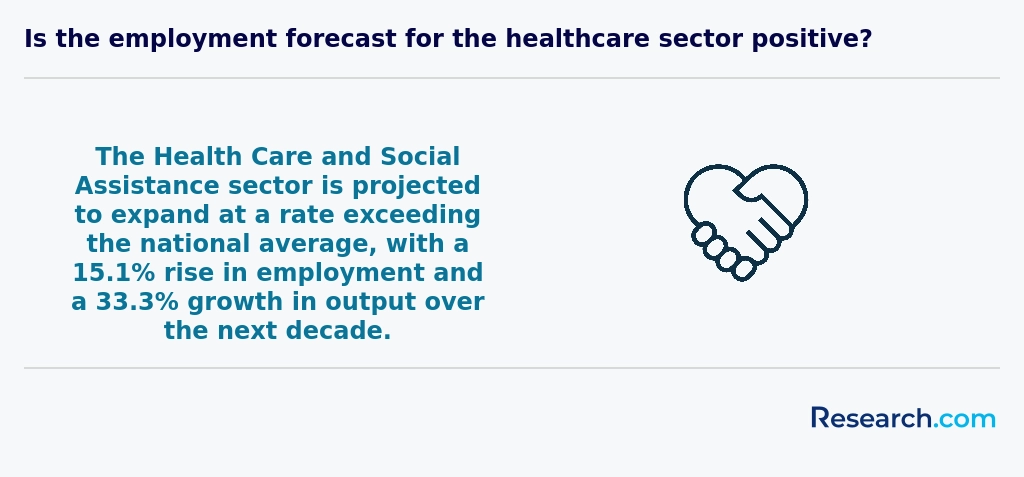
- The local healthcare job market is expected to grow by 15% over the next decade due to an aging population and expanding health facilities.
- Popular healthcare programs include nursing, healthcare administration, medical assisting, and allied health professions with clinical placements in local facilities.
- Financial aid and scholarships are available through state and local programs to help reduce tuition costs for eligible students.
How long does it take to complete healthcare degree in Waterbury?
Wondering how long it takes to complete a healthcare degree in Waterbury? It really depends on the path you choose and the pace that fits your life. For those eager to jump in quickly, certificate programs take about 6 months to a year-perfect for learning practical skills like phlebotomy or medical assisting at local technical schools.
Many graduates from Naugatuck Valley Community College share how their 2-year associate degrees opened doors to roles as registered nurses or radiologic technologists. These programs balance hands-on learning with flexible schedules, making it easier to work while studying.
Dreaming bigger? Bachelor's degrees, such as a BSN, usually require 4 years but offer deeper training and better job prospects. Graduates often describe a rewarding challenge, feeling ready to tackle the growing demand for skilled nurses in Connecticut.
For those seeking leadership or specialized clinical roles, graduate degrees add 2 to 4 years beyond the bachelor's. Students report a fulfilling journey, eager to make a real impact in healthcare.
Understanding the Cost of Living in Waterbury, CT for Healthcare Students
Embarking on a healthcare degree in Waterbury, CT requires more than just tuition planning-understanding the local cost of living is essential for budgeting success. On average, a one-bedroom apartment in Waterbury rents for $1,050 per month, while shared housing options can reduce costs to around $650. Utilities (electricity, heating, water, internet) typically add $150–$200 monthly. Groceries average $300 per person, and public transportation passes run about $45 per month, though many students find biking or ridesharing to be even more economical. To maximize savings: • Explore student housing cooperatives or off-campus roommate searches to split rent and utilities. • Use campus facilities-like gyms and libraries-to avoid extra membership fees. • Shop at local farmers’ markets for fresh produce at lower prices. • Leverage student discounts on public transit and healthcare conferences. For those balancing work and study, consider hybrid or fully online courses to cut commuting and parking expenses. If you’re looking to reduce commuting costs and save on housing, consider enrolling in one of our most affordable online medical assistant programs, which offer flexible schedules and lower overall overhead. By accounting for rent, food, transportation, and incidentals in your financial plan, you’ll gain a clearer picture of your true investment in a Waterbury healthcare education-empowering you to focus on academic success without unexpected financial stress.
What's the difference between online and on-campus healthcare degree?
Imagine balancing your healthcare studies while sipping coffee in your Waterbury apartment-that's the reality for many online students. Online healthcare degrees offer amazing flexibility, letting you set your own pace and fit coursework around personal commitments. Graduates from local programs often describe the freedom to study nursing or medical assisting from home as a game-changer. Yet, they still dive into hands-on clinical training at nearby Waterbury healthcare centers, blending virtual learning with real-world experience.
On the flip side, those attending in-person classes at regional campuses near Waterbury experience vibrant campus life filled with lab sessions, lively discussions, and immediate support from faculty. One graduate recalls how direct access to specialized equipment and face-to-face mentoring made complex healthcare concepts click faster. Average annual tuition there hovers around $12,000 for in-state students, covering this immersive, structured learning environment.
Both paths require clinical hours, but the journey differs: online learners coordinate practicums locally, while on-campus students enjoy integrated, on-site clinical training. This choice shapes not just study style but the entire adventure of becoming a healthcare professional in Waterbury.
Next Steps for Prospective Healthcare Students
If you’re ready to embark on your healthcare career journey, it’s important to take clear, actionable steps that turn information into results. Begin by reviewing current program rankings and success stories to better understand your options. Research each institution’s application timeline and requirements, and don’t hesitate to reach out to admissions counselors for personalized guidance. Additionally, consider networking with current students and alumni to gain real-world insights about campus life and available career resources. Keeping your goals in focus, stay updated on industry trends and financial aid opportunities that can help minimize upfront costs. For a detailed overview of cost-effective educational options, explore the most affordable healthcare programs in connecticut to further refine your choice. These practical steps not only streamline your application process but also build a foundation for success in the dynamic healthcare field.
What is the average cost of healthcare degree in Waterbury?
The average healthcare degree cost in Waterbury hovers around $26,337, blending affordability with excellent educational opportunities. Many local graduates recount their journeys at public universities and community colleges, where in-state tuition typically averages close to $16,327. These institutions offer vibrant healthcare programs that balance quality with manageable expenses, making it possible for students to embrace their studies without overwhelming financial stress.
Imaginative students often discover that choosing a community college for associate degrees delivers an even more accessible path, costing roughly $6,000 to $8,000 annually. This affordability invites learners to dive into hands-on experiences in Nursing or Allied Health fields while keeping financial burdens light. Meanwhile, those chasing specialized bachelor's or advanced master's degrees at private colleges in Waterbury are prepared for a higher investment, often ranging from $25,000 to $40,000 yearly. Despite the price, graduates cheerfully highlight the rich clinical training and networking opportunities that truly boost their healthcare careers.
Beyond tuition, it's important to factor in costs like textbooks, lab fees, and certifications, which can add an extra $1,000 to $3,000 every year, plus living expenses averaging about $12,000 annually. Many students find that by exploring scholarships and financial aid options, including FAFSA, they can reduce these costs significantly. Curious learners also explore additional resources such as pharmacology for dentalhygienists to complement their studies, making the healthcare education adventure in Waterbury both enriching and within reach.
Expert Insights and Career Development Tips
Local healthcare education not only provides strong classroom learning and hands-on training but also creates invaluable opportunities for mentorship, professional networking, and career growth. Leading industry professionals and recent alumni emphasize that engaging with career advisors, attending local healthcare conferences, and participating in internship programs are essential strategies to remain competitive in today’s evolving healthcare environment. Experts recommend that prospective students seek real-world experience early by exploring community partnerships, job shadowing opportunities, and resume-building projects that strengthen both practical skills and industry connections. Additionally, graduates with a clear vision for lifelong learning have benefited from advanced studies; for example, students looking to specialize in emerging areas can further bolster their credentials by considering affordable masters degrees in biotechnology online. These programs not only provide advanced technical training but also prepare students to take on leadership roles in innovative healthcare settings. By leveraging such insights and combining academic achievement with professional development, students in Waterbury, CT, can pave a smoother path toward successful, long-term careers in healthcare while staying ahead of industry trends.
What financial aid is available to healthcare degree students in Waterbury?
Imagine stepping into Naugatuck Valley Community College, excited but mindful of tuition costs. Many healthcare students in Waterbury discover relief through federal financial aid by submitting the FAFSA, unlocking Pell Grants that don't need repayment and low-interest federal loans tailored for nursing and allied health studies. This lifeline often fuels their journey without overwhelming debt.
State grants like the Roberta B. Willis Scholarship brighten the path for Connecticut residents, slashing tuition bills and making healthcare education more attainable right here in Waterbury. Graduates recall how such scholarships transformed their financial worries into focused study time.
Local colleges also offer institutional scholarships, rewarding academic effort or financial need, and blending encouragement with support. Work-study programs give students hands-on healthcare experience alongside a paycheck, anchoring their learning in real-world environments.
For those driven to serve underserved communities, loan forgiveness programs in Connecticut provide a hopeful future, easing debts after graduation and turning commitment into a rewarding adventure.
Licensure and Certification Pass Rates
When evaluating affordable healthcare degree programs in Waterbury, CT, scrutinizing licensure and certification exam success rates is essential. These metrics reflect a program’s ability to prepare students for real-world practice and professional credentialing. For example, Post University’s Associate Degree in Nursing boasts an NCLEX-RN first-time pass rate of 92%, while Naugatuck Valley Community College reports an 89% success rate. The University of Bridgeport’s Waterbury campus excels with a 94% pass rate on the Registered Health Information Technician (RHIT) exam, underscoring its commitment to comprehensive health informatics training. High pass rates often correlate with robust curriculum design, experienced faculty engagement, and access to simulation labs. Prospective students should request the latest cohort data from admissions offices and compare programs side by side. Additionally, many institutions publish annual reports on certification outcomes, which can be a decisive factor when balancing cost with academic rigor. Beyond local offerings, exploring online alternatives can also inform your decision. For broader insights into affordable, high-quality programs, consider our Low Cost Online Healthcare Degree Programs Ranking in St. Paul, MN, which highlights institutions with competitive certification success across multiple states. By prioritizing licensure exam performance, you’ll ensure that your chosen healthcare degree not only fits your budget but also equips you with the credentials needed for a thriving career.
What are the prerequisites for enrolling in healthcare degree program in Waterbury?
To step into a healthcare degree program in Waterbury, imagine yourself already navigating the halls of Naugatuck Valley Community College or Post University, ready to dive into challenging yet rewarding studies. You'll need a high school diploma or a GED, ideally backed by strong science and math skills-think of those moments mastering biology or chemistry problems that now feel exciting rather than daunting.
Graduates often reflect on how submitting SAT or ACT scores shaped their journey, though some schools embrace test-optional routes, adding flexibility to your adventure. If you're aiming for advanced degrees, picture enrolling in core college courses like Anatomy and Microbiology that build the solid foundation every healthcare hero needs.
Requesting letters of recommendation and crafting a personal statement become your chance to express passion for healthcare-much like those who've shared stories of their motivations and goals at Waterbury's institutions. Real-life clinical placements require background checks and immunizations, reminding you that professionalism and empathy are just as crucial as academics in this path.

Next Steps for Prospective Healthcare Students
As you consider embarking on your healthcare education journey, it is vital to have a clear roadmap that not only eases the application process but also supports your long-term career planning. This section provides actionable tips to help you navigate the admissions landscape in Waterbury, CT, while also offering guidance on how to evaluate program benefits, financial aid options, and post-graduation outcomes. Begin by researching each institution’s accreditation status and program offerings to ensure that your chosen program meets both educational and career standards. Familiarize yourself with admission requirements, and don’t hesitate to reach out to admissions offices for clarification on prerequisites and recommended coursework. Networking with current students and alumni through campus visits or online forums can offer genuine insights into the learning environment and career trajectories after graduation. Financial planning is equally important. Consider exploring various aid options-from federal grants to local scholarships-to help offset educational costs. For those scouting for budget-friendly options, you may want to check out our resource on the most affordable healthcare programs in connecticut to compare tuition rates and student support services. Lastly, set clear career goals early on and align them with the specialized courses and clinical experiences offered. By doing so, you not only boost your academic performance but also ensure that your education translates into tangible career benefits. Use these strategic steps to confidently streamline your application process and secure a promising future in the healthcare industry.
What courses are typically in healthcare degree programs in Waterbury?
Diving into a healthcare degree in Waterbury means embarking on a vibrant journey through courses that bring the medical world to life. Graduates from local institutions like Tunxis Community College often recall the excitement of mastering anatomy and physiology, where they could almost hear a heartbeat while studying the body's inner workings. Microbiology classes open up the microscopic universe of bacteria and viruses, sparking curiosity about how tiny agents affect our health daily.
Medical terminology, a favorite for many, feels like learning a new language that unlocks communication with doctors and nurses in bustling clinics. Courses on healthcare ethics and law challenge students to think deeply about real-life dilemmas, preparing them for the complex decisions ahead. Health informatics introduces tech-savvy learners to cutting-edge tools that transform patient care-imagine managing vital records with state-of-the-art systems right in Waterbury!
Hands-on clinical experience connects theory to real-world practice, letting students confidently step into roles that impact community health. This blend of the scientific and practical, offered at Waterbury colleges, fills students with pride and readiness for healthcare careers.
What types of specializations are available in healthcare degree programs in Waterbury?
Exploring healthcare degree specializations in Waterbury opens doors to exciting career paths shaped by vibrant local programs. Graduates from Waterbury's colleges often share how Nursing, both Registered Nursing (RN) and Licensed Practical Nursing (LPN), offers hands-on clinical experiences that prepare them for rewarding roles in bustling hospitals and clinics. Medical Laboratory Technology students describe the thrill of mastering diagnostic tests that directly impact patient care, fueling their passion for science in real-world settings.
Others dive into Health Information Management, where the challenge of organizing patient data aligns perfectly with the increasing digitization of healthcare in Waterbury. Radiologic Technology specializations excite those drawn to cutting-edge imaging, empowering them to operate vital X-ray and MRI equipment. Physical Therapy Assistant programs attract individuals eager to support rehabilitative care, especially as Waterbury's community grows older. These diverse options reflect top healthcare programs Waterbury CT offers, helping students forge meaningful, practical careers.
For anyone curious about advancing beyond associate degrees, it's worth exploring related options like nurse practitioner schools in NC to see how specialized paths expand.
How do you choose the best healthcare degree in Waterbury?
Choosing the best healthcare degree in Waterbury is an exciting journey filled with discovery and practical decisions. Graduates from local institutions like Naugatuck Valley Community College often praise the affordability and flexibility that helped them balance studies with family life. Imagine yourself walking the halls where nursing students celebrate passing the NCLEX, their joy contagious as they take their first steps into rewarding careers. Exploring the best affordable healthcare degrees in Waterbury means weighing tuition costs, program length, and hands-on clinical opportunities near home, creating a roadmap that suits your unique pace and ambitions.
Many students find that programs with strong community ties provide invaluable internships and real-world experience in Waterbury's healthcare facilities. This practical edge boosts confidence and employability after graduation. For those curious about specialized roles, exploring paths such as becoming a medical coding analyst opens new and growing healthcare career avenues.
Consider also the top healthcare programs cost Waterbury offers, where some colleges provide scholarships tailored specifically to healthcare students. Talking to advisors and current students reveals the culture behind each program, ensuring you choose a path that feels not just smart, but inspiring for the future ahead.

What career paths are available for healthcare degree students in Waterbury?
Graduates pursuing a healthcare degree career opportunities in Waterbury find themselves at an exciting crossroads filled with diverse and rewarding paths. Many who studied at popular colleges in Waterbury embark on becoming Registered Nurses, delivering compassionate patient care in nearby hospitals and clinics, where the real-life impact of their studies comes vividly alive. Others dive into roles like Medical Assistants, where hands-on experience managing clinical and office tasks reveals the pace and importance of outpatient care. Those drawn to leadership thrive as Healthcare Administrators, managing community health programs and hospital departments with inspiring results. Some graduates explore becoming Physical Therapist Assistants, working directly to enhance patient mobility and recovery, fueled by strong local demand. Public Health Workers also emerge from these programs, passionately advocating for wellness and preventive care across Connecticut.
Students often share how the blend of classroom knowledge and nearby practical opportunities sparks a sense of adventure in their chosen careers, making the healthcare job prospects Waterbury CT uniquely engaging. For insights on continuing education options amid evolving challenges, consider the Michigan healthcare industry shortages, showcasing broader trends shaping these paths.

What is the job market for healthcare degree in Waterbury?
The healthcare job market Waterbury CT is alive with opportunity, especially for those emerging from local programs at colleges known for their strong healthcare training. Graduates often share stories of smooth transitions from classrooms to fast-paced internships at Saint Mary's Hospital or Waterbury Hospital, where they develop skills that employers eagerly seek. The city's nurturing environment, coupled with a rising number of healthcare jobs-projected to grow by 12% through 2032-creates a thriving pathway for both new and experienced professionals aiming to thrive in nursing, administration, or allied health roles.
Waterbury healthcare degree employment outlook shines particularly for those pursuing degrees in nursing or health services management, as entry-level positions are abundant and salaries remain competitive. Many graduates appreciate that the learning experience here goes beyond textbooks, exploring real patient care scenarios that boost confidence and readiness. Plus, with Connecticut emphasizing rigorous education quality and licensure preparation, students feel well-equipped for the challenges ahead.
For those curious about advancing their expertise, the MSN impact on patient outcomes provides compelling motivation to continue in clinical leadership roles while enjoying the benefits of this vibrant job market.
Frequently Asked Questions About healthcare
Healthcare degree students in Waterbury can maximize their learning by actively engaging with local healthcare facilities for clinical experience. Waterbury hosts several hospitals, including Waterbury Hospital, which offers student internships and externships to provide practical exposure. Combining classroom knowledge with hands-on training improves skill development and job readiness.
Students should also leverage Waterbury's community health resources, participating in public health initiatives to understand local health challenges. Networking with professionals through local healthcare associations and attending workshops enhances both learning and employment prospects.
Additionally, making use of online platforms for supplementary coursework can reinforce learning outside the classroom.
Emerging niches in the healthcare field reflect shifts in patient needs and technology advancements. In Waterbury, areas like telehealth and health informatics are growing rapidly due to increased demand for remote care and digital record management. According to the U.S. Bureau of Labor Statistics, jobs in health information technology are expected to grow by 15% nationally through 2031.
Another emerging specialty is geriatric care, meeting the needs of an aging population in Connecticut. Waterbury's higher elderly population compared to the national average supports this trend.
Additionally, community health and behavioral health fields are expanding to address mental health and social determinants of health, critical in urban areas like Waterbury. Graduates focusing on these niches may find increased employment opportunities.
After completing a healthcare degree in Waterbury, preparing for the job market involves several strategic steps. First, consider gaining relevant experience through internships or clinical placements, which are often included in accredited programs. These opportunities help build practical skills and local professional networks.
Obtaining necessary certifications and licenses is essential, especially for roles like nursing or medical assisting. The Connecticut Department of Public Health lists specific requirements for healthcare workers in Waterbury and statewide.
Networking locally is important, as Waterbury's healthcare sector includes major employers such as The Naugatuck Valley Health District and Waterbury Hospital. Joining professional associations and attending job fairs can increase connections.
According to the U.S. Bureau of Labor Statistics, healthcare jobs in Connecticut are projected to grow 12% through 2030, reflecting strong demand. Tailoring resumes to highlight both clinical skills and familiarity with electronic health records can improve hiring prospects.
Employers in Waterbury highly value healthcare degree graduates who demonstrate strong clinical skills combined with effective communication. According to the Connecticut Department of Labor, teamwork and patient-centered care are essential, reflecting the collaborative nature of healthcare settings in the region.
Technical proficiency, such as electronic health record (EHR) management, is increasingly critical due to healthcare digitization trends nationwide. Local healthcare facilities also seek graduates with cultural competency to serve Waterbury's diverse population effectively.
Problem-solving abilities and adaptability are top priorities, as the healthcare environment constantly evolves with new regulations and technologies. Additionally, leadership skills and attention to detail are frequently highlighted in job postings by Waterbury employers.
Finding healthcare internships in Waterbury involves leveraging local resources and healthcare networks. Waterbury has several healthcare facilities, including the Waterbury Hospital, which often offers internships and clinical placements for students pursuing nursing, medical assisting, and allied health degrees.
Students should start by contacting college career centers if enrolled in local institutions like Naugatuck Valley Community College, as these centers often have partnerships with nearby hospitals and clinics. Additionally, websites such as the Connecticut Department of Public Health may list internship opportunities relevant to healthcare fields.
Networking through local professional healthcare associations can also help; organizations like the Connecticut Nurses Association frequently share internship openings. Finally, applying directly to healthcare providers and monitoring job boards specific to the Waterbury area increases chances for valuable hands-on experience.
In Waterbury, earning a healthcare degree can significantly enhance career mobility and advancement. The local healthcare sector is a major employer, with over 15% of the workforce engaged in healthcare-related jobs, according to the U.S. Bureau of Labor Statistics (BLS, 2023).
A formal degree provides foundational knowledge and credentials sought by employers, enabling graduates to qualify for positions beyond entry-level roles. Many healthcare employers in Waterbury prioritize candidates with degrees in nursing, health administration, or allied health fields for promotions and leadership opportunities.
Furthermore, degree holders often experience higher earning potential. For example, registered nurses with a bachelor's degree in Waterbury earn a median annual wage of approximately $75,000, well above the regional average for non-degree positions (Connecticut Department of Labor, 2023).
Advanced degrees also open pathways to specialized careers such as healthcare management or clinical research, which are growing in Waterbury due to expanding healthcare services and aging populations. Thus, a healthcare degree acts as a catalyst for upward career movement within this competitive market.
Studying for a healthcare degree in Waterbury offers a strong foundation for interdisciplinary roles due to the region's diverse healthcare environment. Institutions emphasize teamwork, incorporating courses that cover communication between doctors, nurses, social workers, and allied health professionals. This approach reflects Waterbury's healthcare landscape, where multiple providers collaborate in hospitals and community clinics.
Programs often include clinical rotations and internships at local facilities like Waterbury Hospital, providing real-world experience in integrated care teams. According to the Connecticut Department of Public Health, interdisciplinary coordination has enhanced patient outcomes by over 15% in the state's urban centers.
Moreover, curricula include training in healthcare informatics, ethics, and leadership, preparing students to navigate complex systems and technology used in modern patient care. This prepares graduates to contribute effectively across various healthcare roles, addressing Waterbury's growing demand for versatile professionals.
When choosing between a thesis and a non-thesis healthcare degree program in Waterbury, students should consider their career goals and learning preferences. Thesis programs focus on research, requiring students to conduct original studies and write a detailed paper. This path suits those aiming for academic or research careers.
Non-thesis programs emphasize practical skills and coursework, often including internships or projects, which is beneficial for students seeking to enter the healthcare workforce directly.
According to the Connecticut Office of Higher Education, about 40% of healthcare graduates in Waterbury pursue non-thesis tracks, reflecting local employers' demand for hands-on experience.
Cost and time commitment also differ: thesis programs may take longer and sometimes cost more due to research expenses. Prospective students should evaluate their professional aspirations carefully when deciding between the two.
Students based in Waterbury seeking healthcare degrees abroad have various paths to consider. Many U.S. institutions support study abroad programs that include healthcare-focused coursework in countries like the United Kingdom, Canada, and Australia. These programs often combine classroom learning with clinical experiences, enhancing practical skills.
Additionally, Waterbury students may benefit from exchange agreements held by nearby universities such as the University of Connecticut or Western Connecticut State University, which facilitate international study opportunities.
For those interested in global health, programs accredited by organizations like the Commission on Accreditation of Allied Health Education Programs (CAAHEP) maintain recognized standards abroad.
It is important for students to verify that foreign credits will transfer back to their home institution to avoid delays in graduation.
Students pursuing healthcare degrees in Waterbury can benefit from various part-time job opportunities that complement their education. Positions such as medical assistants, pharmacy clerks, and patient care aides offer practical experience in clinical settings. These roles help develop patient interaction skills, medical terminology familiarity, and basic healthcare procedures.
Waterbury's healthcare sector is growing, with hospitals like Saint Mary's Hospital providing part-time openings in support roles. According to the U.S. Bureau of Labor Statistics, healthcare support jobs in Connecticut are projected to grow by 15% through 2030, creating ample opportunities for students to gain hands-on experience.
Additionally, jobs in local clinics and nursing homes allow students to observe care delivery directly, strengthening their resumes and professional networks.
Healthcare students in Waterbury have access to diverse networking opportunities that enhance their educational experience and career prospects. Local institutions like Naugatuck Valley Community College and University of Connecticut's Waterbury campus often organize healthcare career fairs, connecting students with area hospitals and clinics. These events feature representatives from organizations such as Saint Mary's Hospital, a major regional employer.
Students can join professional associations, including the Connecticut Public Health Association, which frequently hosts workshops and meetups in Waterbury to facilitate networking among healthcare professionals and students. Additionally, volunteering in local health centers and community outreach programs provides practical experience and valuable professional contacts.
These networking activities are vital, as the healthcare sector in Waterbury is projected to grow by approximately 15% through 2030, according to the Connecticut Department of Labor, increasing demand for skilled workers and creating numerous opportunities for students to connect with potential employers.
Alumni networks offer significant advantages to healthcare degree students in Waterbury by connecting them with experienced professionals who understand the local healthcare landscape. These networks help graduates access job opportunities in hospitals, clinics, and public health organizations across Waterbury and the surrounding region.
According to the Connecticut Department of Public Health, Waterbury's healthcare sector employs thousands, making networking crucial for career entry and advancement. Alumni often provide mentoring, internships, and guidance tailored to local licensing requirements and employment trends.
For students, membership in alumni groups can also lead to workshops, continuing education, and professional development events that enhance skills relevant to Waterbury's healthcare needs.
Customizing your healthcare degree program in Waterbury allows you to align your education with specific career goals. Many local institutions offer flexible curricula with electives in areas like public health, nursing, or health administration. Choosing internships or clinical placements in Waterbury-area facilities provides practical experience tailored to your interests.
Students can often select certificate programs or specializations to enhance skills in fields such as medical coding or healthcare informatics. Given Waterbury's growing healthcare sector, especially in elder care and outpatient services, focusing on these areas can improve employment prospects.
Consult academic advisors to explore options that fit your aspirations and to stay informed about local job market trends.
Healthcare students in Waterbury often face several common challenges during their studies. One major difficulty is balancing rigorous coursework with clinical hours, which can lead to significant time management stress. According to the Connecticut Department of Higher Education, many students report struggles adapting to hands-on patient care protocols in local healthcare facilities.
Financial constraints are another key challenge. While some institutions offer aid, tuition and related expenses remain high, making it difficult for some students to continue without additional support.
Additionally, the ongoing demand for healthcare professionals in Waterbury means students face pressure to acquire both strong academic knowledge and practical skills quickly to meet job market expectations.
With a healthcare degree in Waterbury, graduates can pursue various professional certifications to enhance their careers. Common certifications include Certified Nursing Assistant (CNA), Registered Nurse (RN), and Licensed Practical Nurse (LPN), which are frequently sought in Connecticut's healthcare job market. Additionally, certifications such as Certified Medical Assistant (CMA) or Emergency Medical Technician (EMT) can be valuable for clinical and emergency roles.
For those interested in specialized fields, certifications like Certified Health Education Specialist (CHES) or Registered Health Information Technician (RHIT) provide opportunities beyond direct patient care. According to the Connecticut Department of Labor, healthcare jobs in Waterbury are projected to grow by 12% through 2030, increasing demand for certified professionals.
Writing a winning application for a healthcare program in Waterbury requires careful preparation and clear communication. Begin by thoroughly researching local institutions such as Naugatuck Valley Community College, known for its healthcare programs tailored to regional needs.
Highlight your academic achievements, especially in science and math, as these are crucial for healthcare fields. Waterbury's healthcare job market is growing faster than the national average, with an expected 15% increase in healthcare roles by 2029, according to the U.S. Bureau of Labor Statistics. This fact can be used to demonstrate your motivation for entering the field.
Include relevant volunteer or work experience in local hospitals or clinics, such as Waterbury Hospital, to show your commitment. Strong letters of recommendation from professionals familiar with healthcare can strengthen your application. Finally, clearly articulate your career goals and how the program matches these ambitions.
Healthcare careers hold significant value worldwide, reflecting strong demand due to aging populations and chronic disease prevalence. In the United States, including Waterbury, healthcare occupations are projected to grow 13% from 2021 to 2031, faster than the average for all jobs, according to the U.S. Bureau of Labor Statistics. This growth is driven by advances in medical technology and a focus on preventive care.
Globally, healthcare professionals must adapt to diverse health systems and cultural contexts, making interdisciplinary skills and cultural competence essential. For Waterbury students, pursuing degrees locally offers access to programs aligned with national standards and prepares graduates for certifications recognized internationally.
Waterbury's healthcare infrastructure, with institutions like Saint Mary's Hospital, supports practical training and internships, connecting education to real-world applications. As global health challenges evolve, a healthcare degree from Waterbury can provide a strong foundation for a career both locally and abroad.
Gaining practical experience while studying for a healthcare degree in Waterbury is essential for career readiness. Many local institutions partner with healthcare facilities such as the Waterbury Hospital and community clinics to offer clinical internships and externships. These hands-on opportunities allow students to apply classroom knowledge in real patient care settings.
Additionally, programs often include simulation labs where students practice medical procedures using advanced technology. Volunteering and part-time jobs in local health organizations provide further exposure. According to the Connecticut Department of Public Health, students participating in clinical placements report enhanced skills and better job prospects upon graduation.
Choosing the right concentration within a healthcare degree program in Waterbury requires understanding local healthcare demands and personal interests. Waterbury has a growing need for nursing, allied health professionals, and public health workers, according to the Connecticut Department of Public Health. Prospective students should research concentrations aligned with market trends, such as registered nursing, medical assisting, or health information management.
Additionally, consider available clinical training opportunities in Waterbury hospitals and clinics, as hands-on experience is crucial for career readiness. Accreditation of the program and faculty expertise also influence the quality of education and employability after graduation.
Lastly, reflect on your career goals, whether you prefer patient care, administration, or research roles to identify the best focus within your healthcare degree.
Related Healthcare Rankings for Nearby Cities
- 2027 Most Affordable Healthcare Degree Programs Ranking in New Britain
- 2027 Most Affordable Healthcare Degree Programs Ranking in New Haven
- 2027 Most Affordable Healthcare Degree Programs Ranking in West Hartford
- 2027 Most Affordable Healthcare Degree Programs Ranking in Fairfield
- 2027 Most Affordable Healthcare Degree Programs Ranking in Stony Brook
- 2027 Most Affordable Healthcare Degree Programs Ranking in Storrs
- 2027 Most Affordable Healthcare Degree Programs Ranking in Springfield
- 2027 Most Affordable Healthcare Degree Programs Ranking in Brookville
- 2027 Most Affordable Healthcare Degree Programs Ranking in Old Westbury
- 2027 Most Affordable Healthcare Degree Programs Ranking in Amherst
Top Trending Healthcare Rankings
See What Experts Have To Say About Studying Healthcare
Read our interview with Healthcare experts

References
- Students and Alumni associations - Europubhealth https://www.europubhealth.org/students-alumni-associations/
- Niche Market Opportunities Research Among Healthcare Professionals (A Decision Analyst Case History https://www.decisionanalyst.com/casestudies/nichemarketopportunities/
- Specializations https://www.publichealthdegrees.org/specializations/
- What are the top 10 skills that'll get you a job when you graduate? https://targetjobs.co.uk/careers-advice/skills-for-getting-a-job/what-are-top-10-skills-thatll-get-you-job-when-you-graduate
- Health Sciences Study Abroad Programs - Healthcare Abroad https://www.ceastudyabroad.com/academic-discipline/health-sciences
- Online Degree vs. Traditional: Choosing the Right Path https://beal.edu/online-degree-vs-traditional/
- Advance Your Education and Career While Working in Healthcare https://www.hospitalrecruiting.com/blog/4236/advance-your-education-and-career-while-working-in-healthcare/
- Healthcare Assistant Cover Letter Templates | myPerfectCV https://www.myperfectcv.co.uk/cover-letter/examples/healthcare-assistant-cover-letter
- Niche Markets in Healthcare https://ultrariskadvisors.com/niche-markets-in-healthcare/
- Health Science Degree Requirements in CT | University of Bridgeport https://www.bridgeport.edu/news/health-science-degree-requirements/


