2027 Most Affordable Online Master's in Healthcare Degree Programs Ranking in Oregon

Co-Founder and Chief Data Scientist
Are you considering advancing your career with a healthcare degree but want to keep costs manageable? This article introduces the 2027 Most Affordable Online Master's in Healthcare Degree Programs Ranking in Oregon, created by the Research.com team of data scientists. It's designed to help you make an informed choice about which programs offer great value and quality education.
Exploring these affordable options can open doors to new opportunities in healthcare. Whether you're starting fresh or aiming for a promotion, a master's degree can be a meaningful step forward.
Read on to find programs that fit your goals and budget, making your educational journey both smart and achievable.
Key benefits of getting online healthcare degree in Oregon
- Healthcare degree graduates in Oregon can earn competitive salaries, with healthcare consultants making around $115,530 annually and healthcare compliance managers earning about $80,190 per year, reflecting strong job market value.
- Graduates from Oregon State University often find diverse career paths in healthcare, including management, compliance, and consulting roles that match their specialized skills and interests.
- Online healthcare degrees from institutions like Portland State University offer flexible learning schedules, allowing students to balance work and study while gaining the same credentials as traditional programs, boosting career growth and confidence.
- Key benefits of getting online healthcare degree in Oregon
- What can I expect from online healthcare degree in Oregon?
- Where can I work with online healthcare degree in Oregon?
- How much can I make with online healthcare degree in Oregon?
- 2027 Most Affordable Online Master's in Healthcare Degree Programs Ranking in Oregon
- Key Findings
- How long does it take to complete online healthcare degree in Oregon?
- What's the difference between online and on-campus healthcare degree?
- What is the average cost of online healthcare degree in Oregon?
- What financial aid is available to online healthcare degree students in Oregon?
- What are the prerequisites for enrolling in online healthcare degree program in Oregon?
- What courses are typically in online healthcare degree programs in Oregon?
- What types of specializations are available in online healthcare degree programs in Oregon?
- How do you choose the best online healthcare degree in Oregon?
- What career paths are available for online healthcare degree students in Oregon?
- What is the job market for online healthcare degree in Oregon?
- Related Healthcare Rankings for Nearby States
- Top Trending Healthcare Rankings
- See What Experts Have To Say About Studying Healthcare
What can I expect from online healthcare degree in Oregon?
The average cost of an online healthcare degree in Oregon generally reflects the state's commitment to accessible education. Graduates from institutions like Oregon State University and Portland State University often share how in-state tuition rates significantly eased their financial burden compared to private colleges. Many found that the tuition ranged from moderately affordable to competitive, especially when factoring in scholarships tailored for Oregon residents.
Several graduates recall balancing their budgets with financial aid or employer tuition assistance while benefiting from flexible program schedules. This flexibility allowed them to maintain steady income streams while progressing through their courses, which combined asynchronous lessons with occasional live sessions that fit around their work and family lives.
Such practical affordability, paired with the quality of accredited programs, provides a reassuring pathway. Students feel confident investing in degrees that lead to positions in clinical settings or health administration without overwhelming debt. This sense of financial stability often helps maintain motivation and optimism throughout their studies.
Where can I work with online healthcare degree in Oregon?
Graduates with online healthcare degrees from Oregon institutions such as Oregon Health & Science University (OHSU) often find themselves stepping confidently into roles across a variety of healthcare settings. Many share how working in hospitals-a dominant and dynamic employer in Oregon-offers a fulfilling path, whether as healthcare administrators or clinical managers. The complexity of hospital environments lets them apply critical thinking and leadership skills they honed during their studies.
Others have found rewarding careers with public health agencies like the Oregon Health Authority, where their efforts directly impact community wellness and policy development. One graduate recalled the satisfaction of contributing to statewide programs addressing chronic illness, feeling a true sense of purpose through public service.
Long-term care facilities also attract graduates eager to support Oregon's growing senior population with compassionate management and innovative care strategies. Some alumni have transitioned into healthcare IT and insurance sectors, embracing the evolving tech-driven side of health management. Teaching roles in local colleges give another graduate a chance to inspire new students, turning expertise into mentorship and continuous learning.
How much can I make with online healthcare degree in Oregon?
Graduates holding online healthcare degrees in Oregon can anticipate competitive earnings, especially when aiming for roles backed by strong salary data. For instance, healthcare consultants in Oregon earn an average annual wage of about $115,530, reflecting the high demand for strategic expertise in improving healthcare systems. Many graduates from well-regarded institutions like Oregon Health & Science University find consulting roles rewarding both intellectually and financially.
In roles focused on compliance management, such as healthcare compliance managers, the median annual salary is approximately $80,190. This career path often appeals to graduates who enjoy regulatory work and ensuring healthcare practices meet legal standards, a steady and respected niche amid Oregon's evolving healthcare landscape.
These figures align with reports from the Oregon Employment Department showing strong pay scales in healthcare administration and consulting. Graduates appreciate how their online degrees from Oregon colleges translate into meaningful work with salaries that sustain a comfortable lifestyle. Successful alumni frequently share how their education enabled them to contribute meaningfully to community health, while also benefiting from financial stability in Oregon's growing healthcare sector.
2027 Most Affordable Online Master's in Healthcare Degree Programs Ranking in Oregon
How do we rank schools?
Investing in your education is a significant decision that can shape your future, and the Research.com team understands the importance of making informed choices. To assist prospective students in Oregon, we have meticulously crafted the "2027 Most Affordable Online Master's in Healthcare Degree Programs Ranking in Oregon." Our commitment to quality, credibility, and accuracy is reflected in the extensive research and analysis conducted to compile this ranking.
We utilized the following reputable data sources to ensure a comprehensive evaluation of healthcare master's programs:
By exploring this ranking, readers will gain valuable insights into the most affordable and quality online healthcare master's programs in Oregon, empowering them to make well-informed educational decisions. For more details on our methodology, please visit our Research.com methodology page.


# 3 position
Oregon Health & Science University
Master of Nursing Education


Key Findings
- Online healthcare degrees in Oregon meet state licensing requirements and prepare students for professional certification.
- Bachelor's programs typically cost between $15,000 and $30,000 for in-state online students, while graduate programs range from $20,000 to $40,000.
- Healthcare jobs in Oregon are expected to grow by 14% from 2020 to 2030, faster than the average for all occupations.
- Entry-level salaries for healthcare graduates average around $55,000 annually, with experienced professionals earning over $85,000 per year.
- Many online programs offer local clinical experience through partnerships and internships crucial for licensure.
How long does it take to complete online healthcare degree in Oregon?
The time it takes to complete an online healthcare degree in Oregon varies widely by degree level and individual circumstances. Graduates from institutions like Oregon State University and Portland State University often share that associate degrees in fields such as medical assisting typically take about two years, providing a quick path to entering the workforce or enhancing practical skills.
Bachelor's degree students frequently spend around four years, although accelerated options allow some to finish in three, especially with transfer credits or heavier course loads. These flexible schedules enable busy adults to balance work and study without losing momentum.
Master's programs, popular among working professionals pursuing healthcare management or nursing, usually require 18 months to three years. Many appreciate the asynchronous coursework that allows progress at a personal pace while managing career demands.
Doctoral candidates at Oregon Health & Science University and similar schools often spend three to five years completing research and advanced practice requirements, with part-time options easing the burden of full-time employment.
Understanding each program's structure and your own commitments is key to a successful, fulfilling educational journey in Oregon's growing healthcare sector.
What's the difference between online and on-campus healthcare degree?
Choosing between online and on-campus healthcare degrees in Oregon often comes down to how you want to experience learning. Graduates from programs at places like Oregon Health & Science University describe online study as a flexible lifeline-letting them juggle shifts at hospitals with watching lectures after hours. This freedom is a powerful draw, especially for those balancing work and family.
Conversely, those who attend Oregon State University on campus highlight the energizing atmosphere of live interactions. They value hands-on lab sessions and spontaneous hallway conversations with professors and peers, which deepen understanding and spark motivation. Yet, both paths share common ground: clinical hours in Oregon healthcare settings are mandatory, grounding theory in real-world practice.
Cost-wise, online programs can ease financial pressure by cutting out commuting and housing expenses-a welcome relief as tuition hovers around $12,000 annually. Still, successful online students stress the need for strong self-discipline and managing time well to thrive in a more independent environment.
Both experiences cultivate competence and confidence, nurturing a future healthcare workforce ready for Oregon's growing demand.
What is the average cost of online healthcare degree in Oregon?
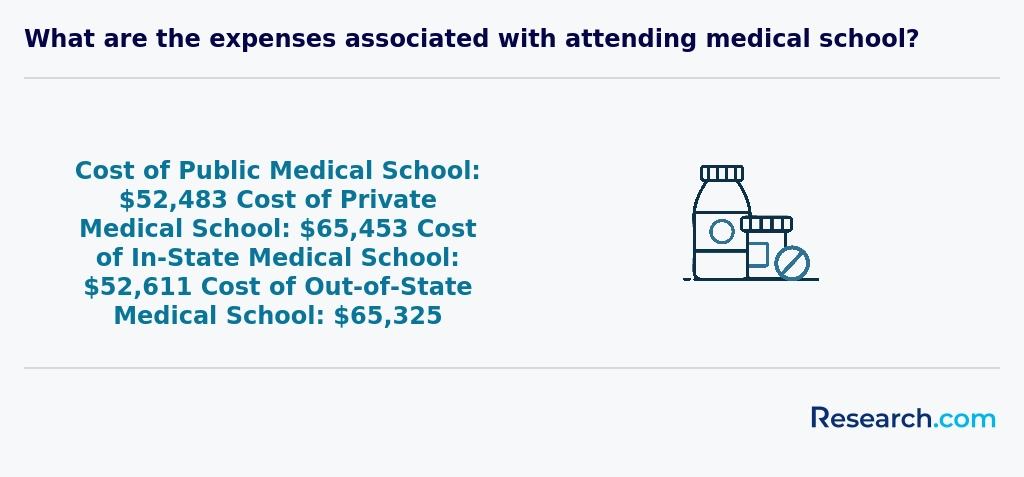
The average cost of an online healthcare degree in Oregon reflects a balance between affordability and quality education. Graduates from recognized public universities like Oregon State University often report tuition expenses totaling around $39,000 for in-state students, offering a more budget-friendly pathway compared to private institutions. These programs typically charge between $400 and $500 per credit, with degree requirements hovering between 40 to 50 credits, making it realistic for many to invest in their education without excessive financial strain.
Many students looking for affordable online healthcare master's programs Oregon-wide find comfort in knowing that the overall expense is often less than national averages. Despite this, out-of-state tuition can elevate costs to roughly $44,700, which is something to weigh carefully if you are not a resident. Graduates frequently describe their investment as worthwhile, appreciating how accessible their education became when factoring in scholarships, employer tuition assistance, and financial aid.
Practical considerations such as residency status, program length, and additional fees like technology or clinical placement costs should shape your planning. It's also encouraging to hear from students balancing work and studies who've found ways to make this commitment manageable and rewarding.
For those weighing different degree options, understanding the landscape of affordable choices in Oregon is crucial. Exploring comprehensive resources can help you determine the best fit-especially if you prefer easy online degrees that align well with your lifestyle and career goals.

What financial aid is available to online healthcare degree students in Oregon?
Financial aid plays a vital role in making online healthcare degrees accessible for many Oregon students. Graduates from institutions like Oregon Health & Science University and Portland State University often speak about how federal aid-through FAFSA filings-opened doors for them. Pell Grants serve undergraduates well by providing non-repayable support, while graduate students commonly rely on Direct Unsubsidized and Grad PLUS loans to help bridge costs.
The Oregon Opportunity Grant stands out as a key state resource, especially for residents attending accredited programs online. Some alumni recall benefiting from this grant even during graduate studies. Additionally, the Oregon Health Authority's scholarships and loan repayment initiatives motivate many healthcare students to serve underserved communities, creating a rewarding cycle of support and service.
Merit-based scholarships from universities often reflect students' hard work and potential to impact healthcare fields, with awards ranging widely. Targeted scholarships from groups like the Oregon Nurses Association further ease financial pressure for those pursuing specialized careers, underscoring the layered support available in Oregon's online healthcare education landscape.
What are the prerequisites for enrolling in online healthcare degree program in Oregon?
To enroll in an online healthcare degree in Oregon, you'll need a solid academic foundation, typically a bachelor's degree from an accredited school. Graduates from institutions like Oregon State University often reflect on how this requirement helped them build crucial skills early on, setting a strong base for advanced study. Most programs expect a minimum GPA around 3.0, but some applicants find that showcasing relevant healthcare experience can balance slightly lower grades.
Applicants should be prepared to submit official transcripts and letters of recommendation that highlight both academic strengths and professional potential. While the GRE is less commonly demanded nowadays, certain programs, such as those at Portland State University, might still request scores, so checking each school's specific requirements is wise.
For practical readiness, nursing tracks usually require an active RN license and clinical experience, while healthcare administration programs welcome diverse backgrounds but expect familiarity with healthcare systems. Reliable technology access is essential since classes at popular Oregon colleges use video lectures and virtual tools extensively, enriching the learning experience.
What courses are typically in online healthcare degree programs in Oregon?
Online healthcare degree programs in Oregon commonly include courses that build both foundational knowledge and practical skills essential in today's healthcare landscape. Graduates from institutions like Oregon State University and Portland State University often reflect on how courses in healthcare systems and policy helped them grasp the unique challenges within Oregon's healthcare environment, from rural access issues to state-specific insurance nuances.
Many students highlight the value of healthcare ethics and law classes, which prepare them for real-world dilemmas involving patient confidentiality and compliance. These lessons often resonate deeply, especially when graduates enter clinical or administrative roles where ethical decisions arise daily.
Programs also emphasize anatomy, physiology, and medical terminology to give even non-clinical learners a solid biological foundation-vital for effective communication with care teams.
Equally important are courses in health informatics and data management, as Oregon's healthcare sector increasingly relies on technology to improve patient outcomes. Leadership and management training often prove transformative, especially for master's students aiming to lead Oregon's healthcare organizations with confidence and insight.
What types of specializations are available in online healthcare degree programs in Oregon?
Online healthcare degree specializations Oregon offers reflect a diverse spectrum of paths tailored to meet local industry demands and personal career ambitions. Many graduates from well-known institutions like Oregon Health & Science University find themselves drawn to advanced nursing roles, such as becoming Nurse Practitioners, motivated by Oregon's growing need for skilled nurses to serve its aging communities. Others embrace healthcare administration, appreciating how their leadership can shape policies and operational success within state hospitals and clinics.
Reflecting on the experience of healthcare students at Portland State University, health informatics emerges as a compelling choice. These students often describe the satisfaction of bridging clinical knowledge with IT skills, improving patient care through technology-a crucial specialization given Oregon's investment in digital health infrastructure. Several graduates also pursue public health or healthcare quality and patient safety, fields focused on community wellness and regulatory standards that resonate deeply with Oregon's proactive health initiatives in rural and urban areas.
For those exploring healthcare master's program options Oregon provides, it's valuable to consider the tangible career outcomes each specialization delivers. Some graduates highlight how hands-on learning for clinical specializations, such as physical or occupational therapy, despite occasional on-campus requirements, enriches their professional journey. If you are weighing the right path, it's worth looking into programs that align with your passion and lifestyle-especially when deciding between demanding clinical tracks and more flexible administrative or informatics roles.
For students curious about the broader landscape of healthcare degrees, exploring the easiest phd to get might offer interesting insights into how rigorous or accessible certain advanced degrees can be, helping to inform long-term educational planning.
How do you choose the best online healthcare degree in Oregon?
Choosing the right online healthcare degree in Oregon often starts with focusing on accreditation and program relevance. Graduates from well-regarded institutions like Oregon Health & Science University recall how regional accreditation assured them their degree held weight with employers statewide. Many found that programs offering specializations in areas like nursing or healthcare administration aligned better with their career ambitions, making their daily studies feel purposeful and motivating.
Affordability is also a major factor. Those pursuing affordable healthcare master's programs Oregon-wide appreciated comparing tuition rates, often between $14,000 and $22,000 annually, noting how extra costs like textbooks and technology fees affected their budgets. Working professionals especially valued programs with flexible schedules and asynchronous learning, allowing them to manage busy lives without sacrificing progress.
Finally, connecting with career services significantly boosted confidence. Several graduates highlighted internship opportunities and networking events that helped them secure rewarding jobs after graduation. For some starting with foundational credentials, exploring the fastest associates degree options proved an efficient launch point toward advanced healthcare roles.
What career paths are available for online healthcare degree students in Oregon?
Graduates of online healthcare degree programs in Oregon often discover rewarding career paths tailored to the region's evolving health landscape. Many find nursing particularly fulfilling, whether stepping into roles as registered nurses or advancing toward nurse practitioners through online master's degrees offered by colleges like Oregon Health & Science University. These graduates often share how their ability to balance study with work and life commitments added a layer of confidence as they secured median salaries well above the national average.
Others pursue healthcare administration, taking advantage of programs at institutions such as Portland State University. These alumni have gone on to manage hospitals or health information systems, navigating Oregon's expanding healthcare facilities with a strong sense of purpose and community impact. The diverse healthcare job opportunities in Oregon also attract those interested in allied health areas, including health informatics and clinical research coordination, illustrating how technology and data shape modern healthcare roles.
Many students appreciate programs that are competitively priced yet robust in curriculum, encouraging those seeking the quickest cheapest masters degree options tailored for busy professionals. This accessibility has empowered graduates to step confidently into careers that meet both their personal aspirations and Oregon's growing demand for skilled healthcare workers.
What is the job market for online healthcare degree in Oregon?
The job market for graduates with an online healthcare degree in Oregon is exceptionally encouraging. Many graduates from Oregon State University and Portland State University find rewarding roles in hospitals and community health organizations, reflecting the strong demand for healthcare professionals statewide. This demand grows as Oregon's elderly population expands, creating steady openings in both metropolitan areas and rural settings. Those entering fields such as nursing, health informatics, or healthcare administration often share stories of quick employment following graduation, supported by the state's projected healthcare job growth of over 19% through 2030.
Graduates pursuing online healthcare jobs in Oregon appreciate the flexibility their degrees provide while maintaining competitive salaries. For instance, registered nurses earn mean annual wages around $95,000 and healthcare managers approach $110,000, figures that motivate many to advance their education. Additionally, prospective students weighing options benefit when researching the highest paying bachelor degrees in healthcare to align their education with promising career outcomes.
Frequently Asked Questions About healthcare
Online healthcare degree students in Oregon can maximize their learning experience by actively engaging with their coursework and peers. Utilizing Oregon's strong healthcare network, students should seek virtual internships or practicum opportunities offered by local hospitals and clinics, such as those affiliated with the Oregon Health & Science University (OHSU). Research shows that hands-on experience improves job readiness and knowledge retention. Additionally, students can benefit from joining Oregon-based professional healthcare associations to expand their network and stay informed on state-specific healthcare trends. Effective time management and setting a dedicated study schedule are crucial for balancing work and online learning demands.
Emerging niches within the healthcare field in Oregon reflect broader national trends and the state's unique needs. One significant area is telehealth, which has grown by over 30% since 2020 due to increased demand for remote patient care, especially in rural regions. Oregon Health Authority highlights workforce shortages in mental health services, creating opportunities in behavioral health specialties.
Another expanding niche involves healthcare informatics and data analytics. Professionals skilled in interpreting health data help improve patient outcomes and efficiency. Public health preparedness and chronic disease management also show growth, driven by Oregon's aging population. These fields offer promising prospects for students pursuing online healthcare degrees looking to enter high-demand roles.
After completing an online healthcare degree in Oregon, preparing for the job market involves several key steps. First, gaining state licensure is essential for many healthcare roles, including nursing and allied health professions. Oregon requires specific licensing through the Oregon Health Licensing Office, so graduates should familiarize themselves with these requirements early.
Networking also plays a vital role. Oregon's healthcare sector is growing, with employment projected to increase by 13.7% from 2022 to 2032, according to the Oregon Employment Department. Engage with local professional associations and attend virtual job fairs to build connections.
Finally, gaining practical experience through internships or volunteer opportunities in Oregon's diverse healthcare settings will enhance job readiness and resume strength.
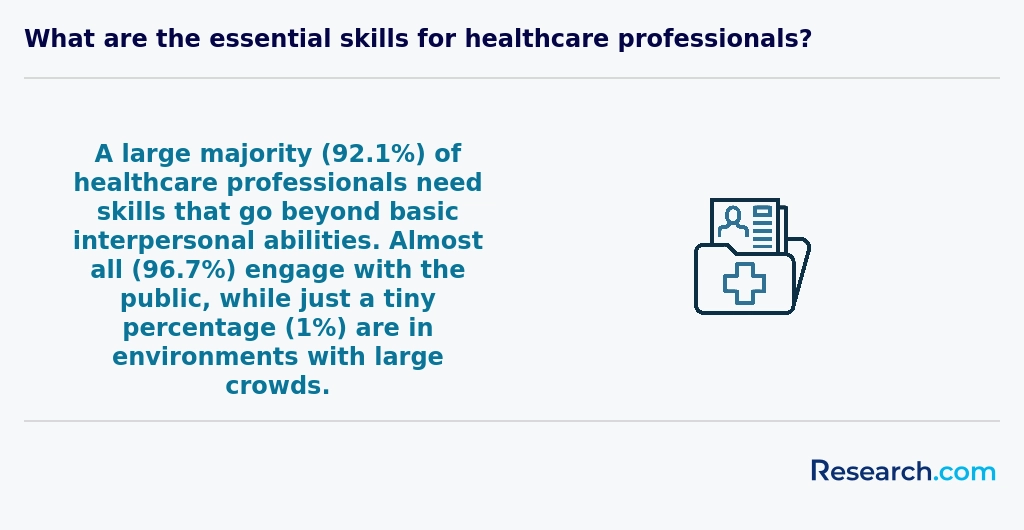
Employers in Oregon's healthcare sector prioritize a mix of technical and interpersonal skills when hiring graduates with online healthcare degrees. Strong clinical knowledge and proficiency in electronic health record (EHR) systems are highly valued due to the state's growing investment in health technology, as reported by the Oregon Health Authority (OHA).
Communication skills rank equally important, enabling graduates to effectively interact with diverse patient populations and healthcare teams. Oregon's aging population requires professionals skilled in patient-centered care and cultural competence, according to recent state health workforce studies.
Critical thinking and problem-solving abilities are essential as healthcare continues to integrate innovative practices. These skills ensure graduates can adapt to dynamic clinical environments and regulatory requirements specific to Oregon.
Finding internships in Oregon related to healthcare degrees involves leveraging both educational and professional resources. Start by contacting your online program's career services, as many have partnerships with local healthcare providers to place students in clinical and administrative internships.
Explore opportunities at major Oregon healthcare systems, such as Oregon Health & Science University (OHSU), which offers internships in various medical fields. According to the Oregon Employment Department, healthcare occupations are projected to grow by 14% between 2020 and 2030, increasing internship availability.
Additionally, use platforms like the Oregon Health Authority's website to find community health centers and public health organizations offering internships. Networking with local chapters of professional health associations can also open doors. Early application and tailored resumes that highlight healthcare coursework improve your chances significantly.
Online healthcare degrees in Oregon significantly enhance career mobility by providing flexible access to advanced education, essential in a state with a growing healthcare sector. According to the Oregon Employment Department, healthcare occupations are projected to grow 14.9% from 2022 to 2032, outpacing many industries. This growth creates demand for qualified professionals with master's-level credentials.
By earning an online degree, professionals can qualify for leadership roles, such as healthcare administration or advanced clinical positions, without interrupting their current jobs. Oregon employers increasingly recognize accredited online programs, valuing the combination of practical experience and up-to-date academic knowledge.
Online degrees also support advancement by meeting state licensure and certification requirements, essential for roles like nurse practitioners or health services managers. This enhances earning potential and job security in Oregon's competitive healthcare job market.
Studying for a healthcare degree in Oregon offers students thorough preparation for interdisciplinary roles by emphasizing collaboration across various healthcare fields. Oregon's programs integrate courses in public health, administration, and clinical practice, encouraging students to develop skills in team communication and systems thinking.
Online degrees often provide case studies and simulated scenarios that reflect Oregon's diverse healthcare settings, from urban Portland to rural communities. This helps students understand the complexities of coordinating care among medical professionals, social workers, and policy makers.
The Oregon Health Authority reports a consistent demand for healthcare workers skilled in interdisciplinary teamwork, reflecting state priorities on integrated care models. Thus, Oregon's online degrees are aligned with current workforce needs.
When choosing between a thesis and a non-thesis healthcare degree program in Oregon, consider your career goals and learning preferences. Thesis programs usually require original research, ideal for students targeting academic or research roles. Non-thesis options focus more on practical skills, which suits professionals aiming for leadership or clinical positions. According to the Oregon Higher Education Coordinating Commission, healthcare jobs in the state are projected to grow by 16% through 2031, emphasizing practical experience.
Thesis programs often take longer to complete, whereas non-thesis programs typically offer a faster track. Evaluate the time you can dedicate and your interest in research. Many online programs clarify these options upfront.
Students in Oregon interested in studying healthcare abroad have several options that complement their online degree pursuits. Many U.S. institutions offer study-abroad programs or international clinical placements within their healthcare degrees. Oregon students often participate in partner programs in countries like the United Kingdom, Canada, or Australia, where healthcare education standards align with U.S. accreditation.
It's important to consider that healthcare certification requirements vary by country. Students should verify if international coursework or clinical hours are recognized by Oregon's licensing boards, such as the Oregon Board of Nursing or the Oregon Medical Board. Data from the Oregon Office of Rural Health highlights the growing demand for healthcare professionals, which encouragingly supports diverse educational pathways including global experiences.
Additionally, some Oregon universities provide hybrid programs that integrate online courses with short-term international residencies, allowing students to gain practical exposure abroad while maintaining progress on their online degrees. This flexibility helps address the needs of working professionals and graduate students seeking global expertise.
In Oregon, part-time jobs that complement healthcare degree studies often include roles such as medical assistants, pharmacy technicians, and patient care aides. These positions provide valuable hands-on experience essential for students pursuing online healthcare degrees.
Oregon's healthcare employment is expected to grow by 14% through 2031, according to the Oregon Employment Department. This growth increases opportunities for students to find part-time work that aligns with their education.
Working in such roles helps students develop clinical skills and understanding of healthcare settings, giving them a competitive edge after graduation. Additionally, these jobs often offer flexible schedules suitable for balancing study commitments.
Part-time experience in healthcare settings also enhances resumes and professional networks, improving chances for full-time employment post-degree completion in Oregon's robust healthcare sector.
Online healthcare students in Oregon have several networking opportunities despite the remote learning format. Many universities offer virtual career fairs and alumni networking events that help students connect with professionals in the local healthcare industry.
Oregon's healthcare sector employs over 200,000 people, creating a strong local network for students to access. Organizations such as the Oregon Healthcare Association and Oregon Academy of Family Physicians offer memberships and events which welcome online students, facilitating connections with healthcare leaders.
Additionally, students can join national groups like the American Public Health Association that host virtual conferences. Schools often provide internship or practicum placements in Oregon healthcare facilities, providing valuable in-person networking.
Alumni networks provide significant advantages for online healthcare degree students in Oregon by fostering professional connections and enhancing career opportunities. These networks allow students to connect with graduates who are actively working in Oregon's diverse healthcare sector, which plays a vital role in the state's economy-employing over 230,000 people as reported by the Oregon Employment Department in 2023.
Membership in alumni communities offers access to mentorship programs, job referrals, and exclusive events. This support is crucial, given Oregon's growing demand for healthcare professionals in nursing, public health, and administration. Additionally, alumni can share insights about state-specific licensure requirements, helping students better prepare for advanced roles.
Overall, alumni networks serve as important resources for career development and professional growth tailored to the Oregon healthcare environment.
Customizing an online healthcare degree program in Oregon allows students to align their education with specific career goals. Many Oregon universities offer concentrations such as healthcare administration, public health, or informatics, enabling students to target industries with growing demand. According to the Oregon Employment Department, healthcare occupations are projected to grow 13% through 2030, especially in administrative and management roles.
Flexible course selections and elective options help students focus on their interests, while practicum or capstone projects often provide practical experience in healthcare settings. Additionally, some programs offer part-time study and accelerated tracks to accommodate working professionals' schedules.
Online healthcare students in Oregon often face challenges balancing rigorous coursework with their professional and personal lives. Many students juggle full-time jobs in Oregon's busy healthcare sector, which can limit study time. Additionally, access to clinical placements in rural parts of the state remains a significant obstacle, as hands-on experience is a key requirement for healthcare programs. According to the Oregon Center for Nursing, there is a statewide need for more clinical sites to support growing enrollment. Technical issues, such as unreliable internet in some areas of Oregon, can also disrupt learning. Students may feel isolated without in-person interaction.
With an online healthcare degree in Oregon, you can pursue several professional certifications that enhance your career prospects. Common certifications include Certified Medical Manager (CMM), Registered Health Information Technician (RHIT), and Certified Professional in Healthcare Quality (CPHQ). These credentials are recognized nationally and relevant within Oregon's healthcare system.
Oregon's growing healthcare sector demands skilled professionals, with a 9% projected job growth in healthcare occupations from 2020 to 2030, according to the U.S. Bureau of Labor Statistics. Many employers prefer candidates holding certifications, which demonstrate specialized expertise and commitment.
Additionally, certifications like the Certified Nursing Assistant (CNA) and Licensed Practical Nurse (LPN) require specific state approvals, which online degree holders can access through Oregon's Health Licensing Office.
Writing a winning application for an online healthcare program in Oregon requires clear demonstration of your motivation and qualifications. Start by researching the specific requirements of programs offered by Oregon institutions, such as Oregon Health & Science University or Oregon State University.
Highlight your academic background, relevant work experience, and commitment to healthcare fields, considering Oregon's growing demand for healthcare professionals driven by a 16% projected employment growth through 2030 (Bureau of Labor Statistics).
Include a strong personal statement explaining your interest in healthcare and how the program aligns with your career goals. Tailor each application to the program's mission and values.
Submit all required documentation on time, and consider professional recommendations from supervisors or educators familiar with your skills.
Globally, healthcare careers are highly valued due to increasing demand for medical professionals and public health specialists. In the US, and particularly Oregon, the Bureau of Labor Statistics projects a 16% growth in healthcare occupations from 2021 to 2031, faster than the average for all industries.
Online healthcare degrees offer flexibility for students in Oregon to meet global standards while addressing local needs. Oregon's diverse population and rural areas create unique healthcare challenges, emphasizing the importance of cultural competence and remote care skills learned in these programs.
Internationally, healthcare careers focus on collaboration, innovation, and adapting to evolving technologies, which align well with Oregon's healthcare system trends.
Gaining practical experience while studying for an online healthcare degree in Oregon is essential to build skills and improve employment prospects. Many Oregon institutions require clinical hours or internships as part of their programs. These are often completed locally at hospitals, clinics, or community health organizations.
Students can arrange externships or practicum experiences with healthcare providers approved by their school. Oregon's rural and urban healthcare facilities provide diverse settings for hands-on training in fields like nursing, public health, and health administration.
The Oregon Health Authority and the Oregon Center for Nursing report that healthcare jobs in the state are expected to grow 16% by 2030, increasing opportunities for clinical placements. Online learners should communicate closely with program advisors to identify and secure suitable local placements that meet accreditation standards.
Choosing the right concentration within an online healthcare degree program in Oregon requires careful consideration of your career goals and the local job market. Oregon's healthcare sector is growing, with a 16% projected increase in healthcare jobs by 2030 according to the Oregon Employment Department. Popular concentrations include healthcare administration, public health, and nursing leadership.
Look for programs that align with Oregon's healthcare needs, such as rural health or telemedicine, which are increasingly important in the state. Additionally, consider accreditation and connections with Oregon healthcare providers to enhance internship and job opportunities.
Related Healthcare Rankings for Nearby States
- 2027 Most Affordable Online Master's in Healthcare Degree Programs Ranking in California
- 2027 Most Affordable Online Master's in Healthcare Degree Programs Ranking in Utah
- 2027 Most Affordable Online Master's in Healthcare Degree Programs Ranking in Arizona
- 2027 Most Affordable Online Master's in Healthcare Degree Programs Ranking in Colorado
- 2027 Most Affordable Online Master's in Healthcare Degree Programs Ranking in New Mexico
- 2027 Most Affordable Online Master's in Healthcare Degree Programs Ranking in South Dakota
- 2027 Most Affordable Online Master's in Healthcare Degree Programs Ranking in North Dakota
- 2027 Most Affordable Online Master's in Healthcare Degree Programs Ranking in Kansas
- 2027 Most Affordable Online Master's in Healthcare Degree Programs Ranking in Oklahoma
- 2027 Most Affordable Online Master's in Healthcare Degree Programs Ranking in Texas
Top Trending Healthcare Rankings
See What Experts Have To Say About Studying Healthcare
Read our interview with Healthcare experts

References
- How to Leverage Your Degree to Make a Successful Shift to Healthcare - https://wecareonlineclasses.com/how-to-leverage-your-degree-to-make-a-successful-shift-to-healthcare/
- Global Perspectives – Healthcare Beyond Borders https://www.cedars-sinai.org/international-stories/healthcare-beyond-borders.html
- Health Professions https://www.clackamas.edu/academics/educational-focus-areas-group/health-professions
- 5 Concentrations for a Bachelor’s of Healthcare Administration - Healthcare Administration Degree Programs https://www.healthcare-administration-degree.net/lists/5-concentrations-for-a-bachelors-of-healthcare-administration/
- Online Healthcare Degree Programs | University of Phoenix https://www.phoenix.edu/online-healthcare-degrees.html
- The Healthcare Student’s Guide to Internships | EduMed.org https://www.edumed.org/resources/student-online-guide-to-internships/
- 14 Entry-Level Healthcare Certifications | San Juan College https://www.sanjuancollege.edu/blog/entry-level-healthcare-certifications/
- Niche Market Opportunities Research Among Healthcare Professionals (A Decision Analyst Case History https://www.decisionanalyst.com/casestudies/nichemarketopportunities/
- Education https://www.ohsu.edu/education/ohsu-programs-and-schools
- Employability Skills Matrix for the Health Sector https://www.skillsforhealth.org.uk/resources/employability-skills-matrix/