
2027 Most Affordable Online Master's in Healthcare Degree Programs Ranking in Connecticut

Co-Founder and Chief Data Scientist
Looking to advance your career with a healthcare degree but worried about costs? This article introduces the 2027 Most Affordable Online Master's in Healthcare Degree Programs Ranking in Connecticut, designed specifically for prospective students like you.
Developed by the Research.com team of data scientists, this ranking provides clear, data-driven insights to help you find quality programs that fit your budget.
Choosing the right program can open new opportunities, increase your skills, and support your passion for healthcare. Read on to discover affordable options that align with your goals and make your educational journey more manageable.
Key benefits of getting online healthcare degree in Connecticut
- Healthcare degree graduates in Connecticut can expect competitive salaries, such as healthcare consultants earning a mean annual wage of $115,530 and healthcare compliance managers making around $80,190 yearly.
- Graduates from University of Connecticut's healthcare programs often pursue careers in consultancy, compliance, or project management, offering diverse paths to suit different interests and skills.
- Completing a healthcare degree online, like at Southern Connecticut State University, offers flexibility to balance work and study while gaining the same respected credentials as traditional students.
- Key benefits of getting online healthcare degree in Connecticut
- What can I expect from online healthcare degree in Connecticut?
- Where can I work with online healthcare degree in Connecticut?
- How much can I make with online healthcare degree in Connecticut?
- 2027 Most Affordable Online Master's in Healthcare Degree Programs Ranking in Connecticut
- Key Findings
- How long does it take to complete online healthcare degree in Connecticut?
- Career Paths and Opportunities After Your Online Healthcare Degree
- What's the difference between online and on-campus healthcare degree?
- What is the average cost of online healthcare degree in Connecticut?
- Typical Courses and Curriculum Overview
- What financial aid is available to online healthcare degree students in Connecticut?
- Professional Certifications and Continuing Education Pathways
- What are the prerequisites for enrolling in online healthcare degree program in Connecticut?
- Job Market Trends and Career Outlook
- What courses are typically in online healthcare degree programs in Connecticut?
- What types of specializations are available in online healthcare degree programs in Connecticut?
- How do you choose the best online healthcare degree in Connecticut?
- What career paths are available for online healthcare degree students in Connecticut?
- What is the job market for online healthcare degree in Connecticut?
- Related Healthcare Rankings for Nearby States
- Top Trending Healthcare Rankings
- See What Experts Have To Say About Studying Healthcare
What can I expect from online healthcare degree in Connecticut?
The average cost of an online healthcare degree in Connecticut generally invites a sigh of relief rather than sticker shock. Graduates from places like the University of Connecticut and Southern Connecticut State University often share stories of manageable tuition that feels like an investment rather than a burden. Many find that in-state tuition rates extend their welcoming arms even to online learners, making higher education financially accessible without sacrificing quality.
Picture a busy nurse balancing shifts and studies, paying tuition rates competitive with regional averages, while benefiting from employer tuition reimbursements that often soften the financial stretch. Scholarships and financial aid swirl into the mix like unexpected allies, easing the path through coursework on healthcare policy and leadership.
Such financial fluidity lets Connecticut students focus on clinical experiences and data analysis projects instead of worrying about mounting debt. The practical affordability blends seamlessly with real-world readiness, nurturing hopeful professionals primed for a sector expecting 12% growth through 2028.
Where can I work with online healthcare degree in Connecticut?
Graduates from online healthcare programs at Connecticut institutions like the University of Connecticut or Quinnipiac often find themselves stepping into dynamic hospital environments such as Yale New Haven Hospital. Imagine applying your nursing leadership skills while helping a patient recover in a bustling ER-this is the real-world impact many alumni describe with pride. Others share stories of managing outpatient clinics, where their knowledge in healthcare administration turns chaotic schedules into seamless patient care experiences.
Some graduates embrace the growing demand for home healthcare, visiting elderly patients across charming Connecticut towns and bringing comfort through skilled, compassionate care. These roles, especially for nurse practitioners, ignite a strong sense of purpose as they blend medical expertise with personal connection.
Then there are those who carve unique paths as healthcare analysts or policy advisors in Hartford's insurance firms, shaping how health services improve lives statewide. The vibrancy of Connecticut's healthcare sector even draws public health grads into community programs, orchestrating health education efforts that resonate on a personal level with residents.
How much can I make with online healthcare degree in Connecticut?
Picture yourself fresh from a respected institution like the University of Connecticut or Quinnipiac University, degree in hand, stepping into the vibrant healthcare scene of Connecticut. With an online healthcare degree, you could be aiming for roles like a healthcare consultant, where the mean annual wage hits an impressive $115,530 according to the latest data. This is the kind of paycheck that transforms hard work and study into tangible rewards in cities buzzing with healthcare opportunity like Hartford or New Haven.
Or imagine diving into healthcare compliance management, a role that, while somewhat behind the scenes, offers a solid $80,190 mean annual wage. Graduates often share how mastering the nuances of regulatory frameworks through online programs gave them the confidence to navigate this complex field-and the salary to match.
These numbers aren't just statistics; they represent the real strides graduates from Connecticut's online healthcare pathways are taking. The blend of accessible education and strong regional healthcare demand means your online degree can translate into a fulfilling career with a rewarding financial outlook.
2027 Most Affordable Online Master's in Healthcare Degree Programs Ranking in Connecticut
How do we rank schools?
Investing in your education is a significant decision that can greatly influence your career and personal growth, and the Research.com team recognizes the importance of providing trustworthy information to support this choice. To aid prospective students in Connecticut, we have carefully developed the "2027 Most Affordable Online Master's in Healthcare Degree Programs Ranking in Connecticut." Our dedication to quality, credibility, and accuracy is demonstrated through thorough research and analysis.
We utilized the following reputable data sources to ensure a comprehensive evaluation of healthcare programs:
By consulting this ranking, readers will gain valuable insights into the most affordable and quality online master's healthcare programs in Connecticut, empowering them to make well-informed educational decisions. For further information on how this ranking was developed, please visit our Research.com methodology page.


Key Findings
- Tuition for online healthcare degrees in Connecticut ranges from $10,000 to $25,000 per year, with public universities typically offering lower in-state rates.
- Employment in healthcare occupations in Connecticut is expected to grow by over 15% through 2030, faster than the average for all jobs.
- Starting salaries for healthcare graduates vary between $50,000 and $65,000 annually, depending on the role and education level.
- Experienced healthcare professionals in Connecticut often earn between $75,000 and $100,000 per year, with higher pay for advanced degrees and certifications.
- Accreditation from agencies like CCNE or CEPH is important for program quality and licensure eligibility.
How long does it take to complete online healthcare degree in Connecticut?
Picture a graduate juggling the vibrant bustle of life in Connecticut while navigating an online healthcare degree from UConn or Quinnipiac University. For many, an associate degree in health information technology wraps up in about two years-just enough time to build a solid foundation without hitting pause on everyday responsibilities.
Others dive deeper, chasing a bachelor's degree in nursing or public health, where the journey stretches across four years full-time but can flex to five or six when balancing work and family. Imagine a student pacing their study rhythm, savoring the flexibility Connecticut online programs offer, sometimes accelerating when energy peaks or easing off when life demands.
Graduate degrees, like an MSN or MHA, unfold over 18 months to three years, with asynchronous classes letting students shape their own schedules. Behind every successful Connecticut healthcare graduate lies a story of late-night study sessions and clinical hours coordinated through local hospitals-proving that even amid chaos, achievement thrives.
Career Paths and Opportunities After Your Online Healthcare Degree
Graduates with an online healthcare degree in Connecticut have a wealth of career paths available that extend far beyond traditional clinical roles. Whether you aspire to lead hospital teams or drive innovation through research, your degree equips you with versatile skills adaptable to diverse sectors. Career opportunities include roles in healthcare administration, clinical informatics, telehealth coordination, and policy development. For those with an intersection of interests in science and patient care, some graduates explore roles similar to the highest paying jobs in biology where analytical expertise meets innovative treatment planning. Additionally, hands-on simulations, virtual internships, and specialized coursework empower you to target executive management positions or continue academic pursuits through doctoral programs. By combining self-directed learning with industry mentoring and career services, many alumni have successfully navigated competitive job markets and rapidly advanced into leadership roles, thereby securing both professional fulfillment and robust financial rewards. Embracing continuous professional development and leveraging Connecticut’s extensive healthcare network can further enhance your trajectory, ensuring a dynamic and sustainable career in the evolving healthcare landscape.
What's the difference between online and on-campus healthcare degree?
Picture a graduate from Yale juggling work calls while streaming a lecture on pediatric care-online learning's gift of flexibility in Connecticut shines here. These students carve out study time between shifts at a local clinic, savoring the freedom of pacing their education. Contrast that with a University of Connecticut on-campus learner, energized by the buzz of live lab sessions and immediate face-to-face debates on complex anatomy, soaking in the electric vibe only in-person classes can ignite.
Online study trims costs like commuting and housing, easing financial strain without skimping on quality. Yet the hands-on heartbeat of healthcare remains: clinical hours are non-negotiable, with Connecticut's licensure rules shaping every schedule, ensuring virtual students still step into real-life hospital corridors.
Emotional lifelines differ too. On-campus candidates thrive on spontaneous hallway chats and career fairs bustling with local providers. Meanwhile, online enrollees build virtual communities through live sessions, video calls, and shared digital projects, crafting meaningful connections across Connecticut's healthcare landscape without leaving home.
What is the average cost of online healthcare degree in Connecticut?
The average cost of an online healthcare degree in Connecticut hovers around $26,910, a figure that reflects a balance between ambitious dreams and practical budgets. For many students enrolled in programs like those at the University of Connecticut or Quinnipiac University, this investment symbolizes a gateway to a fulfilling career in the health sector. Graduates often share how managing tuition, technology fees, and materials shapes their educational journey, yet the value feels worth every dollar when they step into their first clinical or administrative role.
Students pursuing affordable online healthcare master's programs Connecticut find that in-state tuition rates can significantly ease financial pressures. Some report relief in discovering scholarships and employer tuition assistance programs that turn daunting costs into manageable monthly plans. The financial backdrop not only motivates but also empowers learners to focus on mastering skills that will serve them in diverse healthcare roles.
Envision a graduate who thoughtfully balanced expenses while developing expertise that led to a career path offering some of the highest paying jobs in biology. This realistic perspective fosters hopeful anticipation and encourages prospective students to research tuition costs carefully and plan accordingly. Ultimately, knowing the average costs and available financial support can transform uncertainty into confidence, creating a clear path toward a rewarding healthcare career in Connecticut.
Typical Courses and Curriculum Overview
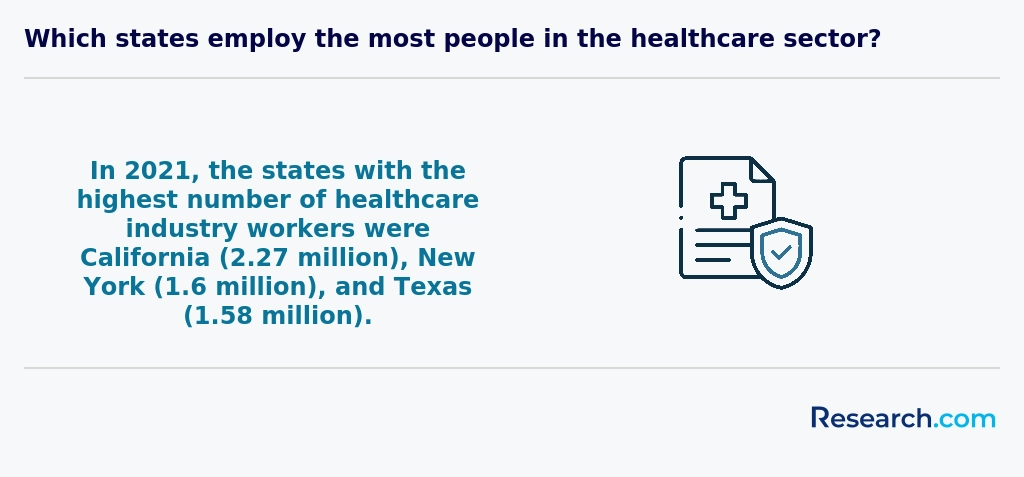
When exploring an affordable online Master's in Healthcare degree in Connecticut, understanding the curriculum is essential. This section delves into the key courses and learning outcomes that shape your academic journey. Most online healthcare programs are designed with a blend of theoretical knowledge and practical skills through modules such as Healthcare Policy and Ethics, Advanced Healthcare Management, Health Informatics, and Clinical Simulation Techniques. Courses in Healthcare Research Methods and Data Analytics provide the quantitative skills needed to drive evidence-based decisions, while modules on Patient Care Strategies and Telemedicine prepare graduates for the rapidly evolving digital health landscape. Additionally, integrated capstone projects and virtual internships offer real-world applications that foster critical thinking and leadership. By clearly outlining the course structure, you can gain insights into how each subject contributes to building a comprehensive skill set, making it easier to align your educational goals with Connecticut’s competitive healthcare job market.
What financial aid is available to online healthcare degree students in Connecticut?
Imagine juggling your job and family while earning an online healthcare degree at a Connecticut university like the University of Saint Joseph or Charter Oak State College. Many graduates recall the relief of tapping into federal aid through FAFSA, unlocking access to grants and loans tailored for busy adults chasing their dreams. The Federal Direct Unsubsidized Loan, with its calm fixed interest rates and adaptable repayment terms, often becomes a financial lifesaver during tough times.
Connecticut isn't just about federal options; state aid adds a comforting layer. The Connecticut College Grant, for instance, has helped countless local students attending accredited schools online, easing their wallets as much as their worries.
Beyond grants, institutional scholarships at these universities serve as shining beacons-awarding those who excel academically or bring unique backgrounds, like veterans or minorities, into the healthcare fold. One graduate shared how their employer's tuition reimbursement program turned their coursework into a win-win investment, knitting career growth with education.
Finally, professional groups such as the AACN offer scholarships that feel like personal handshakes, recognizing the dedication of online learners who dare to transform healthcare in Connecticut and beyond.
Professional Certifications and Continuing Education Pathways
Adding targeted certifications to your online healthcare master’s degree can significantly enhance your employability, salary potential, and professional credibility in Connecticut’s competitive market. Beyond foundational coursework, pursuing specialized credentials demonstrates commitment to continuous learning and mastery of critical industry competencies. Employers increasingly look for candidates who couple advanced degrees with hands-on expertise in key operational areas, from health informatics to revenue cycle management. Many graduates supplement their master’s curriculum with specialized programs in medical billing and coding, pharmacy technology, or quality management. For example, professionals seeking to optimize clinical revenue cycles often enroll in accredited medical billing and coding schools, gaining proficiency in ICD-10, CPT coding, and compliance regulations. Meanwhile, certifications such as the Certified Professional in Healthcare Quality (CPHQ) or the Project Management Professional (PMP) bolster leadership credentials and prepare you for roles overseeing multidisciplinary teams and large-scale initiatives. Connecticut institutions and online providers typically require a bachelor’s degree for advanced certification programs, with some accepting relevant work experience in lieu of specific coursework. Many of these programs offer accelerated, self-paced modules that align with busy professional schedules-leveraging the same digital platforms you use for your master’s studies. Tuition assistance and employer reimbursement plans further reduce financial barriers, making it feasible to stack credentials without incurring excessive debt. By combining your master’s degree with strategically chosen certifications, you not only broaden your technical skill set but also position yourself as a versatile leader ready to tackle evolving challenges in healthcare administration, informatics, and patient advocacy. Continuous education is a powerful differentiator that showcases your dedication to excellence and lifelong professional growth.
What are the prerequisites for enrolling in online healthcare degree program in Connecticut?
Diving into an online healthcare degree in Connecticut means stepping onto a path shaped by clear yet meaningful gatekeepers. Imagine a graduate from a well-known Connecticut university sharing how their bachelor's degree in biology opened doors-even when it wasn't strictly healthcare-focused, because the essence was a strong foundation. Many programs crave that same blend of academic vigor and practical flair.
Picture another student recalling nights spent balancing clinic shifts with studies, fulfilling those often-required hands-on healthcare hours-whether through nursing, medical assistant roles, or volunteering in local hospitals. These real-world experiences are not just boxes to check but stories that programs recognize as signals of resilience and commitment.
Official transcripts act as the proof of your academic journey, affirming your readiness. Letters of recommendation, often from mentors or supervisors, add warmth and trust to your application, reflecting your passion and reliability. GRE scores? Less common in Connecticut's top institutions, giving you space to shine through your personal and professional narrative.
Job Market Trends and Career Outlook
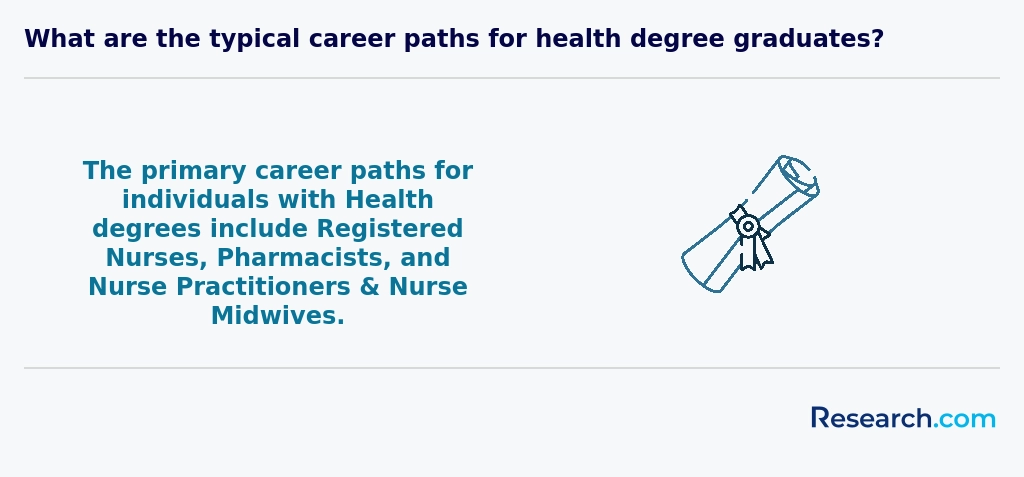
The healthcare sector in Connecticut is poised for substantial growth over the next decade, with employment in healthcare occupations projected to expand by 12% between 2022 and 2032-significantly outpacing the national average. This surge is driven by an aging population, advances in telemedicine, and the ongoing digitization of health records. Graduates with an online healthcare degree will find themselves well-positioned to fill high-demand roles in areas such as health informatics, clinical data analysis, and telehealth coordination. Key emerging opportunities include: • Health Informatics Specialist: As hospitals and clinics adopt electronic health record systems, professionals who can manage, analyze, and secure patient data are indispensable. • Telehealth Coordinator: The rapid expansion of remote care services has created a need for experts who can design virtual visit workflows, train staff on telemedicine platforms, and ensure compliance with privacy regulations. • Clinical Research Associate: Connecticut’s robust biotech and pharmaceutical industries continually seek data-savvy graduates to support clinical trials and regulatory submissions. Regional factors further enhance career prospects. For instance, Hartford’s network of academic medical centers offers specialized fellowships in biomedical informatics, while community health centers in the northwestern counties actively recruit graduates for mobile health outreach programs. Moreover, salary growth in these roles often outpaces traditional clinical positions: entry-level health informatics roles start around $65,000, climbing to $95,000 with five years of experience. To explore affordable pathways beyond Connecticut, consider our Low Cost Online Healthcare Degree Programs Ranking in Mount Pleasant, MI, which highlights value-driven programs emphasizing practical skill development and strong industry connections.
What courses are typically in online healthcare degree programs in Connecticut?
Imagine waking up as an online healthcare student in Connecticut, diving straight into medical terminology that feels like unlocking a secret code used by caregivers across state hospitals. Graduates from well-known institutions like the University of Connecticut marvel at how these foundational courses turn abstract jargon into everyday language, empowering them to confidently communicate within clinical settings.
Next on their virtual syllabus, courses on healthcare ethics bring decision-making to life-students wrestle with real patient confidentiality dilemmas and consent scenarios that prepare them for the moral puzzles encountered in community clinics throughout Connecticut.
Healthcare management and policy classes, often hailed by alumni from Central Connecticut State University, reveal the dance behind hospital leadership. They explore healthcare laws and economics in a way that feels like holding the keys to improving Connecticut's aging care facilities.
Then comes the frontier of data analytics-graduates talk excitedly about mastering health information systems that pulse through Connecticut's tech-driven hospitals, using data to revolutionize patient care and outcomes.
- Fundamentals of healthcare administration
- Clinical research methodologies
- Healthcare quality improvement
- Health policy and law
- Health information systems
What types of specializations are available in online healthcare degree programs in Connecticut?
In Connecticut, online healthcare degree specializations unfold like chapters in a dynamic saga of healing and innovation. Graduates from popular universities cherish the way Healthcare Administration programs thrust them into real-world hospital boardrooms, steering entire systems through policy labyrinths and leadership challenges.
Others dive into Nursing Administration or Nursing Education, embracing roles that blend compassion with strategy-picture guiding the next generation of nurses or leading clinical teams in bustling urban centers. Public Health specializations shine bright, tackling local challenges like epidemic management and health promotion tailored for Connecticut's diverse communities, making online students feel they're wherever health needs bloom.
Health Informatics students often share the thrill of transforming heaps of raw data from state medical records into lifesaving insights, reflecting the digital heartbeat of modern care. Clinical Research programs capture imagination by placing students at the frontier of biomedical studies, driving discoveries that ripple from Connecticut labs to global health arenas. For those seeking accredited medical billing and coding schools, affordable healthcare master's programs Connecticut also offer pathways rich in professional promise.
How do you choose the best online healthcare degree in Connecticut?
Choosing an online healthcare degree in Connecticut feels like navigating a vibrant mosaic of options, where accreditation serves as your guiding star-graduates from renowned Connecticut colleges often recall how knowing their program was CAAHEP-endorsed gave them that confident edge in clinical placements. Imagine juggling a full-time job and family while diving into asynchronous courses, just as many have praised for the flexibility offered by local institutions woven into Connecticut's healthcare fabric.
Picture the curriculum-a garden where you decide to cultivate your focus, perhaps in public health, perfectly aligned with Connecticut's unique biotech boom and aging communities. Graduates often celebrate how this specialization opened unexpected doors. Considering cost? Many seekers of affordable online healthcare degrees Connecticut find creative ways to leverage scholarships and uncover hidden gems within tuition ranges, balancing passion with practicality. For those seeking detailed financial clarity, there's a helpful list of Low Cost Online Healthcare Degree Programs Ranking in Mount Pleasant, MI that some students reference for comparison.
Finally, think of networking: alumni stories emphasize how strong connections with local healthcare providers in Connecticut transformed their job prospects, embedding them seamlessly into a thriving, fast-growing sector. This lived experience, combined with flexible, robust online learning, crafts an unbeatable recipe for selecting the best online master's healthcare programs Connecticut has to offer.
What career paths are available for online healthcare degree students in Connecticut?
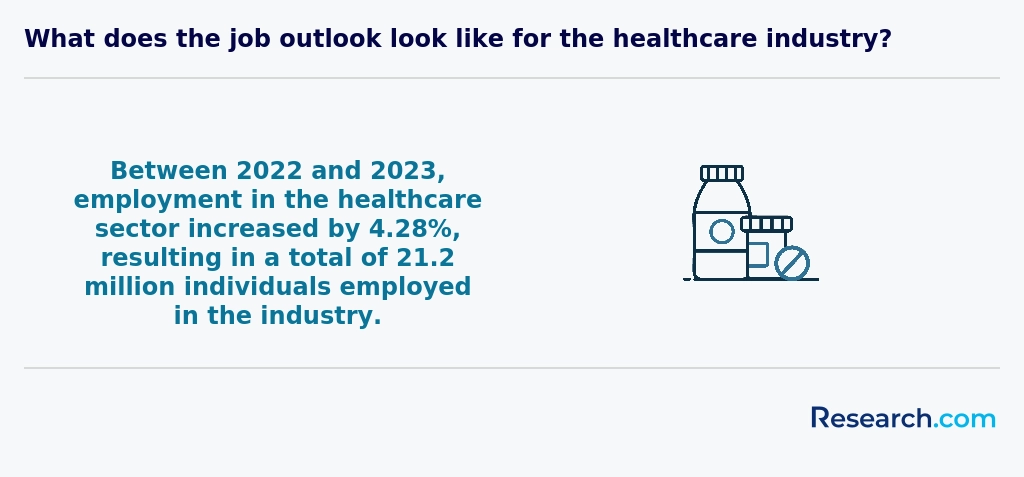
Graduates holding an online healthcare degree in Connecticut find themselves stepping into a kaleidoscope of career paths that spark both purpose and innovation. At well-known institutions like Quinnipiac University and the University of Connecticut, students have shared stories of transitioning into vibrant roles-becoming hospital administrators who orchestrate lifesaving operations behind the scenes or nurse practitioners who bring empathetic care to underserved urban and rural communities. The practical blend of theory and real-world application felt through these programs makes the leap into healthcare administration or advanced nursing palpable and exciting.
Many draw from their journeys to public health leadership, influencing statewide initiatives that ripple through neighborhoods, while others dive into the rising tide of health informatics, transforming data into stories that boost patient outcomes. The versatility of online studies also means professionals juggling careers find flexible options in fastest adult degree programs online to pursue these rewarding pathways. With such an evolving ecosystem, online healthcare careers in Connecticut truly mirror the state's dynamic healthcare landscape.
In exploring healthcare degree job opportunities Connecticut offers, alumni frequently point to rehabilitation fields like physical and occupational therapy, where their work directly enhances lives amid the aging population. These roles, backed by solid education from renowned Connecticut colleges, weave personal gratification with community impact, illustrating how an online degree can open doors to meaningful futures.
What is the job market for online healthcare degree in Connecticut?
The online healthcare job opportunities in Connecticut sparkle with promise, fueled by a state healthcare ecosystem alive with hospitals, outpatient centers, and community clinics. Graduates from popular Connecticut universities often find themselves seamlessly stepping into roles in nursing, health administration, or data management, where the demand far outpaces supply. Imagine a graduate balancing coursework from a flexible online program with a part-time job, who then lands a position managing patient records in Hartford-this is not just a dream, it's a typical unfolding story here.
Connecticut's healthcare degree employment outlook is bright because the state values accredited programs offering genuine skills. Employers welcome candidates who pursue master's degrees online from respected colleges, confident these graduates bring leadership potential and adaptability. One graduate shared the thrill of progressing from a clinical support role at Yale New Haven Health to a strategic health services manager position, proving the pathway's real and rewarding.
Many find themselves curious about what's the easiest online degree to get? While ease varies, the flexibility and affordability of online healthcare degrees in Connecticut make them a smart investment amid growing career prospects.
Frequently Asked Questions About healthcare
Online healthcare degree students in Connecticut can maximize their learning by actively engaging with course materials and instructors. Taking advantage of virtual office hours and discussion forums enhances understanding and networking opportunities. Participating in local healthcare workshops or internships complements online studies and provides hands-on experience.
Connecticut's healthcare industry employed over 200,000 workers in 2023, making internships vital for practical skills (Connecticut Department of Labor). Students should seek clinical placements within the state's reputable hospitals to satisfy program requirements and build connections.
Time management and regular study schedules are crucial given the demands of online learning, helping maintain focus and meet deadlines.
The healthcare field is rapidly evolving, creating numerous emerging niches for professionals pursuing online healthcare degrees in Connecticut. One significant area of growth is telehealth, driven by increased demand for remote patient care. Connecticut saw a 60% rise in telehealth visits during the pandemic, highlighting its expanding role.
Another developing niche is health informatics, which focuses on managing patient data and improving healthcare delivery using technology. The U.S. Bureau of Labor Statistics projects employment for medical and health services managers, including informatics professionals, to grow by 32% through 2030.
Geriatric care management is also gaining importance due to Connecticut's aging population; nearly 17.4% of residents are aged 65 or older, requiring specialized healthcare expertise. These niches offer promising opportunities within the state's healthcare system for students pursuing advanced degrees online.
After completing an online healthcare degree in Connecticut, preparing for the job market involves several key steps. First, graduates should ensure they meet all state licensure or certification requirements, which vary by profession and are overseen by the Connecticut Department of Public Health. Networking is crucial; joining state healthcare associations like the Connecticut Hospital Association can connect job seekers with local employers.
Building a strong resume highlighting relevant clinical experiences, even virtual internships, enhances employability. According to the U.S. Bureau of Labor Statistics, Connecticut employs over 150,000 healthcare workers, with a projected growth rate of 12% through 2031, increasing demand.
Utilize Connecticut's job platforms and career services from your online school to find openings. Continuing education and specialized certifications in high-demand fields further improve job prospects.
Employers in Connecticut's healthcare sector prioritize graduates with strong clinical and technical skills. Proficiency in patient care, electronic health records (EHR) management, and medical terminology is essential. According to the Connecticut Department of Labor, attention to detail and critical thinking are among the top sought-after qualities in healthcare professionals statewide.
Communication skills also rank highly, as healthcare workers must collaborate effectively with patients and interdisciplinary teams. Familiarity with healthcare regulations and compliance, such as HIPAA, is important due to the state's strict privacy laws.
Additionally, adaptability in a fast-paced environment and cultural competence to serve diverse populations are frequently emphasized by Connecticut employers.
Finding internships in Connecticut relevant to a healthcare degree involves several strategic steps. First, students should explore partnerships between their online program and local healthcare providers. Many Connecticut universities collaborate with hospitals such as Yale New Haven Health and Hartford HealthCare, offering internship placements.
Additionally, websites like the Connecticut Department of Public Health and the Connecticut Hospital Association often list available internships. According to 2023 data, Connecticut employs over 140,000 healthcare workers, indicating a robust market for practical experience.
Networking through professional healthcare groups and attending virtual career fairs can further increase internship opportunities.
Obtaining an online healthcare degree in Connecticut can significantly enhance career mobility and opportunities for advancement. The state's healthcare sector is robust, employing over 250,000 professionals as of 2023, according to the Connecticut Department of Labor. Accredited online programs provide flexible pathways tailored to working adults, allowing professionals to gain advanced credentials without interrupting their careers.
Higher education credentials often correlate with higher earnings and leadership roles. For example, individuals with a master's degree in healthcare-related fields in Connecticut earn an average of 20-30% more than those with only a bachelor's, based on U.S. Bureau of Labor Statistics data for the state.
Online degrees also facilitate access to Connecticut's growing healthcare markets, such as biotechnology hubs and eldercare services, increasing employability in diverse settings. Employers in the state increasingly recognize online degrees from accredited institutions as equivalent to traditional ones, opening doors for promotions and specialized roles.
Studying for a healthcare degree in Connecticut offers strong preparation for interdisciplinary roles through integrated curricula combining clinical, administrative, and public health perspectives. Many programs emphasize teamwork, communication, and leadership skills essential for collaborating across healthcare fields.
Connecticut is home to several accredited institutions offering online healthcare degrees that align with statewide healthcare needs. According to the Connecticut Department of Public Health, there is growing demand for professionals skilled in managing complex care coordination, which these programs address.
Students learn to analyze healthcare systems, policies, and patient care models, helping them navigate diverse roles such as healthcare management, policy advising, and clinical practice. This multidisciplinary approach reflects Connecticut's emphasis on improving healthcare outcomes through collaboration.
When choosing between a thesis and a non-thesis healthcare degree program in Connecticut, consider your career goals and learning preferences. Thesis programs emphasize research and require original work, ideal for students aiming at PhD studies or research-focused roles. Non-thesis options focus on practical skills and coursework, suitable for immediate professional advancement.
Connecticut's healthcare sector employs over 200,000 workers, making hands-on skills valuable. According to the Connecticut Department of Labor, clinical and administrative roles often prioritize applied knowledge, which non-thesis programs provide.
Research requirements in thesis tracks may extend your study duration and demand access to faculty mentors, which can be limited in online settings. Conversely, non-thesis options usually allow faster completion, beneficial for working professionals.
Review each school's curriculum and speak with advisors to align your choice with Connecticut's healthcare job market demands.
Students based in Connecticut looking to study healthcare abroad through online programs have limited direct options due to licensing and accreditation requirements within the U.S. healthcare system. Most international programs may not align with Connecticut's state regulations or the Commission on Collegiate Nursing Education (CCNE) and other U.S.-based accrediting bodies.
However, many Connecticut universities partner with international institutions to offer dual-degree or exchange programs that include online coursework combined with clinical experiences abroad. According to the Connecticut Office of Higher Education, ensuring any foreign degree is recognized for professional licensing in Connecticut is crucial.
Additionally, online programs from internationally accredited schools that meet U.S. standards can be pursued safely from Connecticut, though practical training must typically be completed in the U.S. This approach allows students to gain global perspectives while adhering to state licensure laws.
Students pursuing online healthcare degrees in Connecticut can benefit from several part-time job opportunities that enhance their education. Positions such as medical assistants, pharmacy technicians, and certified nursing assistants (CNAs) provide practical experience relevant to many healthcare fields. These roles build skills in patient care, communication, and clinical procedures while balancing coursework.
Connecticut's healthcare sector is robust, with over 250,000 employed in healthcare-related jobs as of 2023, according to the Connecticut Department of Labor. Employers in hospitals, clinics, and long-term care facilities frequently offer flexible part-time roles suitable for students.
Additionally, administrative positions in healthcare offices help develop organizational and managerial skills relevant to healthcare administration degrees.
Online healthcare students in Connecticut have access to a variety of networking opportunities, despite the remote nature of their studies. Many universities offer virtual career fairs, webinars, and discussion groups specifically designed for healthcare disciplines. For example, institutions like the University of Connecticut provide online students with connections to local healthcare systems and professional organizations.
Connecticut's healthcare sector employs over 200,000 people, the second-largest industry in the state, creating ample opportunities for professional networking. Students can also join statewide groups such as the Connecticut Hospital Association and attend industry conferences, which often allow virtual participation.
Collaborations with hospitals and healthcare providers in Connecticut help online students gain practical experience and expand their professional circles, essential for career advancement in this competitive field.
Alumni networks play a significant role in supporting online healthcare degree students in Connecticut. These networks provide valuable opportunities for professional networking, mentorship, and job placement assistance. In a state where healthcare jobs are projected to grow by 12% through 2030 (Connecticut Department of Labor), strong connections can help graduates access this expanding market more effectively.
Moreover, alumni often share insights on evolving healthcare trends and local regulations, which is essential for students pursuing healthcare degrees remotely. Connecting with past graduates from Connecticut institutions strengthens community ties and facilitates collaborations across various healthcare settings in the state.
Customizing an online healthcare degree program in Connecticut allows students to align their studies with specific career goals. Many Connecticut institutions offer flexible curricula, enabling choices in specialized tracks such as healthcare administration, informatics, or public health. Students can often select electives, participate in practicum experiences, and focus their capstone projects on topics relevant to their interests.
Connecticut's healthcare industry, supporting over 150,000 jobs as reported by the Connecticut Department of Labor (2023), offers varied career paths that these programs prepare for. Selecting programs accredited by bodies like CAHME ensures quality and relevance.
Additionally, part-time enrollment and asynchronous coursework support working professionals in balancing education with career demands.
Online healthcare students in Connecticut frequently face challenges related to balancing rigorous coursework with professional and personal responsibilities. Many students report time management difficulties, especially when clinical hours must be arranged alongside full-time jobs. Additionally, access to local healthcare facilities for practicums can be limited, complicating the completion of required clinical experiences.
Technical issues also pose barriers; some students struggle with reliable internet connectivity and adapting to online learning platforms. According to the Connecticut Office of Higher Education, about 25% of healthcare students cited technological obstacles in 2023. Finally, feelings of isolation are common, as virtual formats limit face-to-face interaction with peers and instructors, impacting motivation and engagement.
With an online healthcare degree, graduates in Connecticut can pursue several professional certifications to enhance their credentials. Common options include Certified Professional in Healthcare Quality (CPHQ), offered by the National Association for Healthcare Quality, recognized nationwide. Another option is the Certified Healthcare Administrative Professional (cHAP), suitable for those interested in management roles.
For clinical careers, credentials like Registered Health Information Technician (RHIT) and Certified Coding Specialist (CCS) are popular. Connecticut's Department of Public Health reports a growing demand for certified health information technicians due to local hospital expansions.
Many employers prefer professionals with certifications from bodies such as the American Health Information Management Association (AHIMA) or the American Academy of Professional Coders (AAPC).
To write a winning application for an online healthcare program in Connecticut, start by thoroughly researching the specific requirements of each institution. Emphasize relevant healthcare experience and certifications, as Connecticut's healthcare sector values practical skills due to the state's high demand for qualified professionals, according to the Connecticut Department of Labor.
Highlight strong academic performance, particularly in science and math courses. Many programs look for students with a GPA of 3.0 or higher.
Craft a clear and compelling personal statement that explains your motivation to study healthcare online and your career goals in Connecticut's growing healthcare market.
Include letters of recommendation from healthcare supervisors or academic mentors to support your application.
Lastly, ensure all required documents are error-free and submitted before deadlines to improve your chances of acceptance.
Global perspectives on healthcare careers emphasize adaptability and cultural competence, key traits for professionals working in diverse environments. The U.S. healthcare system, including Connecticut's, is part of a broader global effort to improve public health and manage chronic diseases, which now account for about 70% of deaths worldwide according to the World Health Organization.
Connecticut reflects these trends, with an aging population increasing demand for skilled healthcare workers. The U.S. Bureau of Labor Statistics projects a 16% growth in healthcare jobs through 2031, faster than average. These opportunities encourage students to gain not only clinical skills but also an understanding of global health challenges.
Online healthcare degrees in Connecticut often integrate international health issues alongside local needs, preparing graduates for careers in hospitals, research, or policy development. Institutions align curricula to reflect both U.S. healthcare standards and global health initiatives.
Students pursuing an online healthcare degree in Connecticut can gain practical experience through clinical placements required by many accredited programs. These hands-on experiences often take place in local hospitals, clinics, or community health centers, allowing students to apply theoretical knowledge in real-world settings. Connecticut is home to reputable healthcare institutions like Yale New Haven Hospital and Hartford HealthCare, which frequently partner with educational programs for clinical training.
Additionally, some programs offer simulation labs or virtual practicums to complement in-person experience. According to the Connecticut Department of Public Health, clinical experience is crucial for licensure in many healthcare fields.
Networking with local healthcare professionals and joining state health organizations can also provide valuable internship or volunteer opportunities during online study.
Choosing the right concentration within an online healthcare degree program in Connecticut requires careful consideration of your career goals and the state's healthcare needs. Connecticut's healthcare sector is growing, with a 12% projected job increase for healthcare practitioners by 2030, according to the Connecticut Department of Labor. Specializations such as public health, healthcare administration, nursing, and health informatics are particularly relevant locally. Evaluate program options based on curriculum flexibility, accreditation, and alignment with licensure requirements specific to Connecticut. Understanding local employment trends and consulting resources like the Connecticut Hospital Association can help you select a concentration that matches both demand and your interests.
Related Healthcare Rankings for Nearby States
- 2027 Most Affordable Online Master's in Healthcare Degree Programs Ranking in New York
- 2027 Most Affordable Online Master's in Healthcare Degree Programs Ranking in Massachusetts
- 2027 Most Affordable Online Master's in Healthcare Degree Programs Ranking in New Jersey
- 2027 Most Affordable Online Master's in Healthcare Degree Programs Ranking in Pennsylvania
- 2027 Most Affordable Online Master's in Healthcare Degree Programs Ranking in Maryland
- 2027 Most Affordable Online Master's in Healthcare Degree Programs Ranking in Virginia
- 2027 Most Affordable Online Master's in Healthcare Degree Programs Ranking in Ohio
- 2027 Most Affordable Online Master's in Healthcare Degree Programs Ranking in North Carolina
- 2027 Most Affordable Online Master's in Healthcare Degree Programs Ranking in South Carolina
- 2027 Most Affordable Online Master's in Healthcare Degree Programs Ranking in Michigan
Top Trending Healthcare Rankings
See What Experts Have To Say About Studying Healthcare
Read our interview with Healthcare experts

References
- 2025 Best Online Nursing Programs in Connecticut https://www.onlineu.com/degrees/nursing/connecticut
- Niche Market Opportunities Research Among Healthcare Professionals (A Decision Analyst Case History https://www.decisionanalyst.com/casestudies/nichemarketopportunities/
- Health Careers Advancement Program - Workforce Alliance https://workforcealliance.biz/hcap/
- Health Sciences Study Abroad Programs - Healthcare Abroad https://www.ceastudyabroad.com/academic-discipline/health-sciences
- Online Medical Billing & Coding Schools in Connecticut: Top Programs https://www.edumed.org/online-schools/medical-billing-coding/connecticut-ct/
- Benefits of Online Healthcare Courses for Professionals | ILC https://inspirelondoncollege.com/blog/healthcare-courses-for-professionals/
- Pursuing Your Career Goals: Strategies and Examples https://www.ultimatemedical.edu/blog/career-goals-importance-strategies-and-examples/
- Tips for Pursuing a Career in Healthcare - Penn-Mar https://www.penn-mar.org/tips-for-pursuing-a-career-in-healthcare/
- Top 5 Part-Time Healthcare Jobs For Students https://www.sumnercollege.edu/blog/top-5-part-time-healthcare-jobs-for-students/
- Clinical Placement Platform https://www.ctcenterfornursingworkforce.com/clinical-placement-platform.html





