2027 Most Popular Healthcare Degree Programs Ranking in Rhode Island

Co-Founder and Chief Data Scientist
Choosing the right healthcare degree program in Rhode Island can shape your future in meaningful ways. Our article introduces the 2027 Most Popular Healthcare Degree Programs Ranking in Rhode Island, created by the Research.com team of data scientists to help you explore top options based on reliable data.
Whether you're starting your educational journey or considering a career change, this ranking offers valuable insights to guide your decision. Pursuing a healthcare degree opens doors to rewarding opportunities and growth.
Discover programs that align with your goals and passions for a fulfilling career helping others.
Key benefits of getting healthcare degree in Rhode Island
- Salary for healthcare degree graduates: Graduates can expect competitive salaries such as $43,350 annually for Medical Assistants and Clinical Research Coordinators, and up to $103,150 for Quality Improvement Coordinators, ensuring financial stability in Rhode Island's healthcare sector.
- Potential career paths: A healthcare degree from a Rhode Island institution can lead to varied roles like Patient Care Technician or Health Information Technician, offering diverse opportunities to make a meaningful impact in local healthcare settings.
- Benefits of online degrees: Online healthcare programs from Rhode Island colleges provide flexible learning schedules, allowing students to balance work and study while advancing their careers efficiently without relocating.
- Key benefits of getting healthcare degree in Rhode Island
- What can I expect from healthcare degree in Rhode Island?
- Where can I work with healthcare degree in Rhode Island?
- How much can I make with healthcare degree in Rhode Island?
- 2027 Most Popular Healthcare Degree Programs Ranking in Rhode Island
- Key Findings
- How long does it take to complete healthcare degree in Rhode Island?
- Salary and Earnings Potential for Healthcare Graduates in Rhode Island
- What's the difference between online and on-campus healthcare degree?
- Salary and Earning Potential for Healthcare Graduates in Rhode Island
- What is the average cost of healthcare degree in Rhode Island?
- How Much Can I Make with a Healthcare Degree in Rhode Island?
- What financial aid is available to healthcare degree students in Rhode Island?
- How Much Can I Make with a Healthcare Degree in Rhode Island?
- What are the prerequisites for enrolling in healthcare degree program in Rhode Island?
- How Much Can I Make with a Healthcare Degree in Rhode Island?
- What courses are typically in healthcare degree programs in Rhode Island?
- What types of specializations are available in healthcare degree programs in Rhode Island?
- How do you choose the best healthcare degree in Rhode Island?
- What career paths are available for healthcare degree students in Rhode Island?
- What is the job market for healthcare degree in Rhode Island?
- Related Healthcare Rankings for Nearby States
- Top Trending Healthcare Rankings
- See What Experts Have To Say About Studying Healthcare
What can I expect from healthcare degree in Rhode Island?
The average cost of earning a healthcare degree in Rhode Island is often more approachable than many anticipate, especially when considering in-state tuition benefits. Graduates from institutions like the University of Rhode Island and Rhode Island College frequently reflect on how the lower tuition rates and abundant scholarships eased their financial burden, allowing them to focus on gaining hands-on experience rather than stressing over debt.
One common story involves students juggling clinical internships at Rhode Island Hospital while managing tuition fees that remain competitively lower compared to neighboring states. This financial reality not only supports their education but also encourages deeper engagement with their studies and clinical practice, fostering confidence and professional growth.
Many healthcare students appreciate that Rhode Island's emphasis on balancing cost with comprehensive training offers a unique, practical pathway to certification and employment. This mix of affordability and quality education ensures that pursuing a degree here is not just an expense but a valuable investment in a fulfilling, impactful healthcare career.
Where can I work with healthcare degree in Rhode Island?
Graduates with healthcare degrees in Rhode Island find themselves stepping into a dynamic job market that challenges and expands traditional career expectations. Those from institutions like the University of Rhode Island or Providence College often share how their hands-on clinical rotations at Lifespan Health System opened doors to roles beyond bedside nursing, such as healthcare administration and medical technology. This reflects a broader reality: the state's hospitals act as hubs for multifaceted healthcare careers.
Similarly, graduates discover outpatient care centers and physician offices aren't merely repeat jobs but vibrant environments where innovation in patient-centered care flourishes, adapting to changing healthcare delivery models. The appeal of these roles lies in their blend of technical skills and personal connection.
Long-term care settings reveal unexpected fulfillment as graduates meet the emotional rewards of supporting Rhode Island's aging population, melding empathy with professional expertise. Meanwhile, public health roles beckon those wanting to impact community wellness on a systemic level, integrating clinical insight with policy.
Research opportunities linked with the University of Rhode Island invite graduates to pioneer advancements in medical science, proving that healthcare careers here extend well beyond the clinic, encouraging innovation and lifelong learning.
How much can I make with healthcare degree in Rhode Island?
Graduates from healthcare programs in Rhode Island often find themselves stepping into roles with salaries that challenge expectations. For example, medical assistants entering the workforce typically start with a mean annual wage around $43,350, a solid foothold considering the affordable living costs near institutions like the University of Rhode Island. Those who progress to roles such as patient care technicians enjoy higher earnings, averaging about $60,790 per year, reflecting their specialized skills valued in local hospitals and community clinics.
Health information technicians, another common graduate path from Rhode Island College, earn similarly around $43,380 annually, proving that diverse healthcare careers offer tangible financial stability. Meanwhile, graduates who rise into quality improvement coordinator positions-often pursued by those who build experience or advanced credentials-can expect salaries exceeding $103,000. This contrasts strongly with common assumptions that healthcare roles are uniformly low-paid and highlights how targeted education within Rhode Island's healthcare sector pays off.
These salary outcomes echo the stories of many local graduates who find pride in not only helping their communities but also achieving meaningful financial independence in a state where demand for healthcare expertise continues to grow vigorously.
2027 Most Popular Healthcare Degree Programs Ranking in Rhode Island
How do we rank schools?
Investing in your education is a significant decision that can shape your future, and the Research.com team understands the importance of making informed choices. To assist prospective students in Rhode Island, we have meticulously crafted the "2027 Most Popular Healthcare Degree Programs Ranking in Rhode Island." Our commitment to quality, credibility, and accuracy is reflected in the extensive research and analysis conducted to compile this ranking.
We utilized the following reputable data sources to ensure a comprehensive evaluation of healthcare programs:
By exploring this ranking, readers will gain valuable insights into the most popular healthcare degree programs available in Rhode Island, empowering them to make well-informed decisions about their educational and professional futures. For more details on our methodology, please visit our Research.com methodology page.


Key Findings
- Rhode Island offers healthcare degrees in nursing, public health, medical technology, and health administration at both undergraduate and graduate levels.
- Tuition at public universities ranges from $10,000 to $18,000 per year for in-state students, while private colleges charge between $35,000 and $45,000 annually.
- Additional costs include textbooks, lab fees, and clinical placement expenses.
- Starting salaries for healthcare graduates average about $55,000 per year, with mid-career earnings ranging from $70,000 to $90,000 depending on specialization.
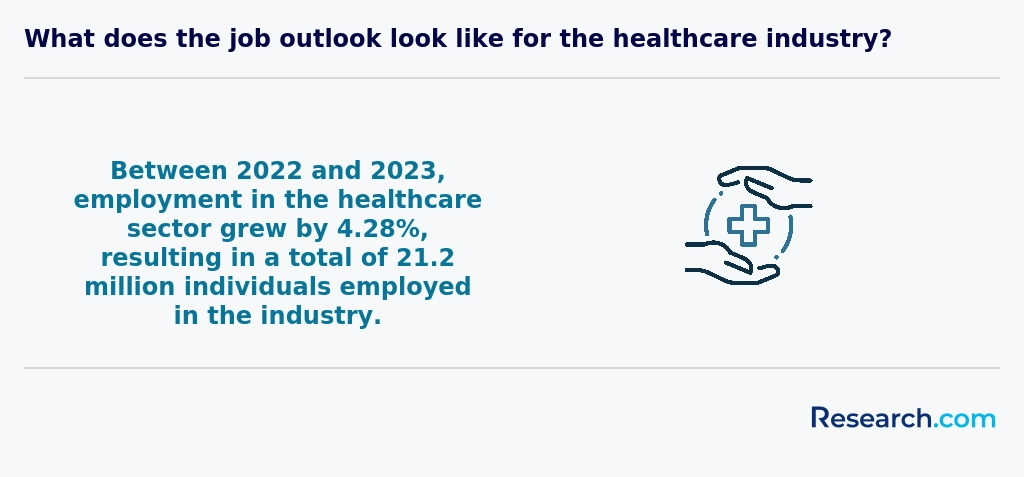
- Healthcare jobs in Rhode Island are expected to grow by nearly 15% over the next decade, driven by demand for services for older adults and public health initiatives.
- Degree programs must meet national accreditation standards required for professional licensing and quality education.
How long does it take to complete healthcare degree in Rhode Island?
Completing a healthcare degree in Rhode Island isn't a one-size-fits-all timeline-it reflects a dynamic journey shaped by your goals and life circumstances. Graduates from Rhode Island College or the Community College of Rhode Island often recall their two-year associate programs as intense yet rewarding stepping stones into practical healthcare roles:
medical assisting or nursing. Meanwhile, those aiming for a Bachelor's degree at the University of Rhode Island experience four years of deep transformation, blending general education with specialized healthcare training. Some who began with an associate degree found accelerated tracks that condensed their path, showing how previous experience can reshape timelines.
Graduate students pursuing an MSN or PA license at Bryant University or URI note that the two to three additional years are demanding but essential for mastery. Doctoral candidates embrace a longer commitment-three to six years-recognizing clinical rotations and research not just as hurdles but vital experiences shaping their future impact.
Part-time learners often share the emotional balancing act between work, life, and study, extending their completion to five or six years. This flexible approach, while lengthier, reflects a determination to advance despite challenges, embodying the resilient spirit of Rhode Island's healthcare community.
Salary and Earnings Potential for Healthcare Graduates in Rhode Island
Healthcare graduates in Rhode Island can look forward to competitive earnings that reflect both the region’s rising demand for skilled professionals and the evolving nature of the healthcare industry. Many roles begin with solid base salaries that can grow substantially with experience, advanced training, and specialized certifications. Early-career roles such as Patient Care Technicians or Health Information Technicians offer starting salaries in the mid-$40,000s to mid-$50,000s range, while positions that require advanced education and clinical expertise, such as Registered Nurses or Physician Assistants, can command significantly higher incomes. As professionals gain additional experience or enter managerial and administrative roles, their earning potential often increases due to specialized expertise and leadership responsibilities. Moreover, graduates interested in enhancing their qualifications have opportunities to pursue additional certifications. For example, professionals seeking to diversify their skill set can explore options like a popular nutrition certification online, which may open doors to roles in wellness coaching, dietetics, or health education. These credentials not only improve salary prospects but also expand career pathways, ensuring that healthcare professionals remain competitive in a rapidly evolving job market. In addition to base salaries, many healthcare careers in Rhode Island offer performance-based bonuses, shift differentials, and benefits that further elevate total compensation packages. As industry demands grow, so does the premium on advanced skills and specialized training, positioning well-prepared graduates for both immediate and long-term financial success.
What's the difference between online and on-campus healthcare degree?
Choosing between online and on-campus healthcare degrees in Rhode Island isn't just about location-it's about how you experience learning itself. Graduates from University of Rhode Island often recall the energizing atmosphere of labs and real-time feedback during clinical practicums, moments impossible to replicate fully online. Meanwhile, those who pursued online tracks appreciate the freedom to balance family life while accessing core coursework remotely, yet they recognize the challenge of securing local clinical placements to fulfill hands-on requirements.
Consider tuition: on-campus programs typically demand $10,000 to $18,000 annually for in-state students, but online options might trim some costs while adding the need for reliable technology. Networking thrives on campus, where spontaneous conversations with peers and faculty often lead to internship opportunities-a dynamic more muted in virtual classrooms.
Ultimately, the dividing line is more than convenience; it's how you engage with the healthcare field. Rhode Island College graduates frequently highlight that the personal connections formed on campus felt pivotal for their confidence and career momentum, revealing that in healthcare education, presence often deepens preparedness.
Salary and Earning Potential for Healthcare Graduates in Rhode Island
Graduates from healthcare degree programs in Rhode Island can expect competitive salary offers that reflect both entry-level opportunities and significant long-term growth. Early-career roles, such as Patient Care Technicians and Health Information Technicians, typically see starting salaries in the range of $40,000 to $60,000. With additional experience, specialization, or pursuit of advanced degrees, many professionals witness considerable pay increases-often exceeding national averages in similar roles. Furthermore, graduates who move into clinical, administrative, or research-driven positions tend to experience enhanced earning potential as they progress in their careers. Balancing the cost of education with future income prospects is critical. Prospective students are encouraged to examine program affordability alongside career outcomes; you may find valuable insights on the cheapest healthcare programs in rhode island to help inform your decision-making process. Ultimately, a well-chosen healthcare degree in Rhode Island paves the way for both a rewarding career and a stable, competitive salary trajectory.
What is the average cost of healthcare degree in Rhode Island?
The average cost of a healthcare degree in Rhode Island often exceeds what many expect. Recent data show that in-state students typically face a median total cost around $39,847, while out-of-state students can expect nearly $52,438. These figures reflect the reality for students at well-known institutions such as the University of Rhode Island and Rhode Island College, where tuition alone may not capture the full financial commitment required.
Graduates from these programs often recall balancing the weight of tuition alongside the added expenses of textbooks, lab fees, and living costs. For instance, a healthcare student at Rhode Island College might find that beyond tuition, their actual yearly expenditure approaches the mid-$40,000s, prompting a deeper look at how to manage finances while pursuing their degree. This pushes many to seek scholarships and grants aimed specifically at healthcare students in Rhode Island, which can provide crucial relief.
What surprises many is how private universities, such as Bryant University, influence the broader conversation about Rhode Island healthcare degree tuition and fees. Graduates from these private programs often reflect on the significantly higher sticker prices, frequently surpassing $50,000 annually. Despite these costs, they express pride in the robust clinical opportunities and networking advantages their schools provided, which many consider worth the investment.
For prospective students weighing their options, it's essential to explore financial support avenues. Rhode Island's state-driven initiatives and loan repayment programs designed to advance the healthcare workforce make a measurable difference. Those curious about options can start by reviewing the cheapest healthcare programs in rhode island, helping transform what seems like an overwhelming cost into an achievable goal.
How Much Can I Make with a Healthcare Degree in Rhode Island?
Understanding the long-term financial benefits is essential when evaluating a healthcare degree program. Many graduates report competitive starting salaries with potential for significant upward mobility over time. For example, while entry-level roles such as patient care technicians earn an average of around $55,860 annually, specialized roles in clinical, administrative, and research fields can command substantially higher salaries. Salaries often increase alongside advanced training and specialization, making it worthwhile to weigh future income against the cost of education. Additionally, evaluating programs that offer quality education at an affordable investment can enhance your return on investment-consider reviewing the cheapest healthcare programs in rhode island to identify opportunities that suit your financial needs. Understanding salary trends, job growth projections, and career pathways in Rhode Island will empower you to make an informed decision that balances both educational quality and long-term financial rewards.
What financial aid is available to healthcare degree students in Rhode Island?
When navigating the financial maze of healthcare degrees in Rhode Island, federal aid via FAFSA often becomes a lifeline. Graduates from institutions like the University of Rhode Island frequently recall how Federal Pell Grants-offering up to $7,395-transformed their ability to focus on studies instead of looming bills.
State-specific programs such as the Rhode Island Student Incentive Grant (RISIG) add another layer of relief. Many nursing students at Rhode Island College have credited RISIG with bridging gaps in tuition during critical semesters. This targeted financial help reflects the state's commitment to developing healthcare professionals who remain local.
Loans, often viewed with hesitation, can unlock opportunities when paired with loan forgiveness programs aimed at those serving underserved Rhode Island communities. Graduates who stayed in-state often mention how this incentive reshaped their repayment outlook, fostering hope rather than dread.
Scholarships from local foundations and healthcare associations create a powerful support network. For example, passionate students at Bryant University have found not just funding but recognition for their leadership, fueling both confidence and career momentum.
Work-study options embedded within these colleges enable hands-on experiences that double as income streams, weaving financial stability with meaningful healthcare exposure right from day one.
How Much Can I Make with a Healthcare Degree in Rhode Island?
Graduates with a healthcare degree in Rhode Island enjoy competitive compensation that reflects both the demand for skilled professionals and the cost of living in the region. Below are median annual salaries for common roles, based on Bureau of Labor Statistics and state data:
- Registered Nurse (RN): $84,230
- Physician Assistant (PA): $112,450
- Health Information Technician: $48,760
- Healthcare Administrator/Health Services Manager: $90,120
- Clinical Laboratory Technologist: $62,350 Hourly rates often translate to $40–$55 for RNs and $50–$60 for PAs, with specialists (e.g., nurse practitioners) earning upwards of $115,000 annually. Earnings can increase significantly with advanced certifications or master’s degrees. For professionals seeking to boost their credentials and maximize earning potential, consider exploring the Inexpensive Online Master's in Healthcare Degree Programs Ranking in Massachusetts, which highlights cost-effective pathways to higher-level roles. Geographic variations within Rhode Island-urban centers versus rural areas-can affect starting salaries by 5–10%. Additionally, night-shift differentials and specialty certifications (e.g., critical care, oncology) can add $3,000–$8,000 annually. Understanding these pay scales empowers prospective students to gauge return on investment and plan their career trajectories effectively.
What are the prerequisites for enrolling in healthcare degree program in Rhode Island?
Envision stepping into the rigorous world of healthcare education in Rhode Island, where the foundational steps extend beyond a mere high school diploma or GED. Graduates from institutions like the University of Rhode Island often reflect on how early mastery of biology and chemistry was their gateway to navigating complex healthcare concepts with confidence. This prerequisite coursework isn't just a checkbox-it's a lens through which students begin to see the human body and health challenges in a profoundly interconnected way.
Many recall the pressure and pride felt when standardized tests like the SAT or ACT became crucial hurdles, especially at community colleges in Rhode Island where these scores weigh heavily alongside GPA. Meeting these demands creates a sense of readiness that resonates deeply when clinical placements begin.
Personal stories frequently emphasize how obtaining CPR certification or completing background checks proved not just procedural but empowering, fostering trustworthiness and responsibility early on. These prerequisites are not arbitrary; they reflect Rhode Island's healthcare landscape, where a 15% job growth forecast means every student's preparedness amplifies their future impact and fulfillment.
How Much Can I Make with a Healthcare Degree in Rhode Island?
Graduates with a healthcare degree in Rhode Island can expect competitive compensation that reflects both local demand and specialized training. According to the Bureau of Labor Statistics, registered nurses (RNs) in Rhode Island earn a median annual salary of $83,000, while healthcare administrators command around $90,000 per year. Entry-level positions, such as Health Information Technicians, start at approximately $42,000 annually, and clinical laboratory technologists average $56,000. Those pursuing advanced clinical roles-like Physician Assistants-report median salaries near $115,000, underscoring the value of graduate and professional education. Specialized fields often yield the highest returns on investment. Pharmacists in Rhode Island, for example, earn a median salary of $130,000, with top earners exceeding $150,000. For students considering an accelerated path to pharmacy practice, exploring the Best PharmD Accelerated Degree Programs can significantly reduce time to licensure and increase early-career earnings. Similarly, Biostatisticians and Health Informatics Specialists enjoy median salaries of $88,000 and $95,000 respectively, reflecting the growing importance of data-driven decision-making in healthcare. Beyond base salaries, many healthcare roles in Rhode Island offer benefits such as tuition reimbursement, sign-on bonuses, and student loan repayment assistance. For instance, nurses working in federally designated shortage areas may qualify for up to $20,000 annually through state and federal loan repayment programs. When evaluating potential earnings, students should also factor in shift differentials, overtime pay, and opportunities for leadership positions, all of which can substantially boost total compensation over time.
What courses are typically in healthcare degree programs in Rhode Island?
Healthcare degrees in Rhode Island dive deeper than textbook knowledge, shaping students through diverse, practical courses. Graduates from the University of Rhode Island often recall their hands-on anatomy and physiology labs, where abstract concepts suddenly came alive-understanding the human body wasn't just theory, but a skill they could apply. It's this blend of anatomy, microbiology, and chemistry that anchors the scientific foundation.
Yet, that's only part of the story. Equally vital are courses in healthcare ethics, policy, and communication, which challenge students to wrestle with real-world dilemmas they will soon face. Many graduates from Rhode Island colleges describe a turning point during classes on healthcare policy and patient communication, when they realized the critical role of empathy and ethical decisions in medicine.
Specialized tracks deepen this experience. Nursing students grapple with pharmacology and clinical practice, while those in healthcare administration explore management and healthcare law. This fusion of science, ethics, and leadership readies Rhode Island students for a healthcare system demanding more than rote knowledge-it requires compassionate, critical thinkers ready to innovate.
What types of specializations are available in healthcare degree programs in Rhode Island?
When exploring healthcare degree specializations Rhode Island offers, graduates often highlight Nursing and Allied Health Professions as gateways to meaningful, hands-on careers. Universities like the University of Rhode Island and Rhode Island College provide rigorous programs in Registered Nursing and Advanced Practice Registered Nursing, where students frequently describe feeling empowered to make a real difference amid clinical rotations. Allied Health specializations such as physical therapy and diagnostic medical sonography attract those eager to blend science with patient interaction, fueled by strong job prospects within the state.
Healthcare Administration students share experiences of developing sharp leadership skills, immersed in real-world healthcare policy challenges that large medical centers in Rhode Island face daily. Meanwhile, Public Health programs engage students passionate about community impact, often driven by the state's public health needs. For those curious, there are even pathways to pharmacy studies, though these are rarer.
The diversity in Rhode Island healthcare degree programs invites students to reflect deeply on their career motivations. For example, some consider supplementing their studies with popular nutrition certification online to broaden their expertise. Understanding these specializations in Rhode Island healthcare degree programs helps align educational choices with the evolving demands of the local healthcare landscape.
How do you choose the best healthcare degree in Rhode Island?
Choosing the best healthcare degree in Rhode Island means looking beyond just program names and ranking. Graduates from institutions like the University of Rhode Island often reflect on how the balance between hands-on clinical experience and academic rigor shaped their confidence in real healthcare settings. Imagine yourself navigating the bustling hospital hallways in Providence, applying skills learned at local colleges, where program length and faculty expertise matter just as much as tuition costs.
Financial considerations can't be ignored either; many affordable healthcare degrees in Rhode Island offer scholarships or financial aid that helped past students manage expenses without sacrificing quality. However, the true test is the program's accreditation and how it aligns with your career goals, whether it's nursing or healthcare administration. These factors ensure you're not just educated, but ready for the workforce.
Also, consider innovative options like hybrid learning, which some graduates used to balance demanding schedules. For detailed options in related fields, check out the Best PharmD Accelerated Degree Programs available locally to expand your perspective.

What career paths are available for healthcare degree students in Rhode Island?
Healthcare degree career options Rhode Island graduates often pursue extend far beyond traditional nursing roles. Many find rewarding paths as registered nurses, licensed practical nurses, or medical technologists, responding to Rhode Island's growing needs shaped by its aging demographics. Graduates from universities like the University of Rhode Island share how hands-on clinical experiences during their studies instilled confidence, preparing them to meet the community's healthcare challenges head-on.
Others explore allied health professions-physical therapy, occupational therapy, and respiratory therapy stand out as dynamic choices. These roles not only offer competitive pay but also the fulfillment of seeing patients regain independence. Colleges like Rhode Island College provide specialized programs that immerse students in real patient care, fostering a deep connection to the state's health infrastructure, which makes Rhode Island healthcare job opportunities uniquely accessible and impactful.
Many healthcare graduates pivot toward administration or public health, leveraging their degrees to improve healthcare systems or shape health policy. Working in Providence's healthcare hubs, they help streamline operations or drive research initiatives at medical centers. For those weighing cost versus benefit, examining Inexpensive Online Master's in Healthcare Degree Programs Ranking in Massachusetts can be a strategic step toward maximizing returns while engaging with Rhode Island's expanding healthcare ecosystem.
What is the job market for healthcare degree in Rhode Island?
The healthcare job outlook in Rhode Island defies the typical uncertainties many graduates face. With an aging population fueling demand, healthcare degree holders find themselves in a particularly advantageous position. Graduates from institutions like the University of Rhode Island or Rhode Island College often share stories of quickly securing roles in hospitals or outpatient centers shortly after finishing their studies. The state's healthcare sector isn't just growing; it's adapting, offering roles that blend clinical expertise with administrative innovation.
Those earning a healthcare degree in Rhode Island can expect opportunities across diverse settings-from nursing homes to specialized medical hubs in Providence. Such variety means graduates don't have to limit themselves and can pursue careers that match their passions and skills. Moreover, the average annual wage for registered nurses, near $75,000, provides tangible encouragement that the investment in healthcare education pays off. For students weighing costs, exploring a 6-month online certification program that pays well is a smart, practical option to enter this thriving workforce rapidly.
Rhode Island healthcare degree employment opportunities are bolstered by a steady rise in allied health and support roles, driven by statewide healthcare access expansions. The combination of job security and meaningful work creates a unique professional environment where many graduates thrive and find genuine fulfillment in their careers.
Frequently Asked Questions About healthcare
Healthcare degree students in Rhode Island can maximize their learning by engaging deeply with both classroom and practical experiences. Rhode Island offers access to renowned healthcare facilities, such as Lifespan and Care New England, which provide valuable clinical internship opportunities. Students should seek placements early to gain hands-on skills and enhance their resumes.
Networking with local professionals is also essential. Joining student chapters of national healthcare organizations can connect students to mentors and job prospects. According to the Rhode Island Department of Labor, healthcare employment is projected to grow 19% by 2030, underscoring the importance of building strong professional relationships.
Additionally, utilizing state resources like the Rhode Island Health Workforce Collaborative supports career development through workshops and training.
Emerging niches within the healthcare field in Rhode Island reflect national trends and regional demands. One fast-growing area is telehealth, driven by advancements in technology and expanded insurance coverage. According to the Rhode Island Department of Health, telemedicine usage increased by over 60% between 2020 and 2023.
Another important niche is geriatric care, responding to Rhode Island's aging population, with nearly 17% of residents aged 65 or older as reported by the U.S. Census Bureau.
Health informatics is also gaining traction, combining healthcare and IT skills to improve patient outcomes and data management.
Additionally, behavioral health services are expanding, addressing mental health challenges aggravated by the pandemic. These areas offer promising opportunities for students pursuing healthcare degrees in the state.
After completing a healthcare degree in Rhode Island, job market preparation involves several practical steps. First, obtaining relevant licensure or certification is crucial; for example, nurses must pass the NCLEX exam to practice in the state. According to the Rhode Island Department of Labor and Training, healthcare employment is projected to grow by 16% through 2030, highlighting strong demand.
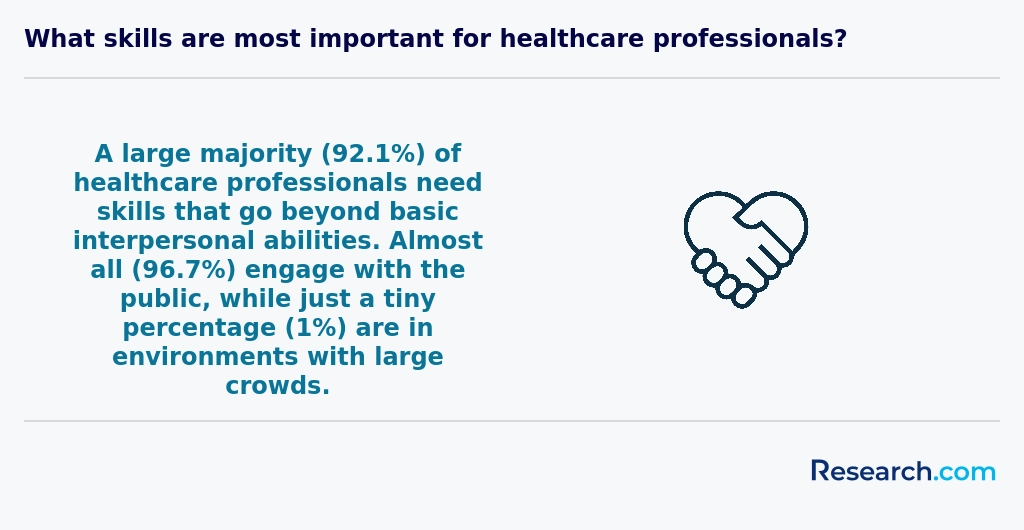
Networking with local healthcare providers and attending job fairs hosted by institutions like the Rhode Island Hospital can help graduates connect with employers. Additionally, gaining real-world experience through internships or clinical rotations enhances employability. Graduates should also develop soft skills, such as communication and teamwork, which are highly valued in healthcare settings.
Employers in Rhode Island's healthcare sector prioritize both technical and interpersonal skills when hiring graduates with healthcare degrees. Strong clinical knowledge and proficiency with electronic health records (EHR) systems are essential, reflecting the state's growing investment in digital healthcare technology, as noted by the Rhode Island Department of Health.
Communication skills are equally important, as healthcare professionals must effectively interact with patients, families, and multidisciplinary teams. Problem-solving and critical thinking abilities are highly valued to respond to complex medical situations. According to the U.S. Bureau of Labor Statistics, Rhode Island's demand for healthcare workers is rising by 15% through 2030, emphasizing adaptability and continuous learning.
Finally, cultural competence and empathy are key in serving Rhode Island's diverse population, ensuring inclusive and respectful care in various healthcare settings.
Finding internships in Rhode Island for healthcare degrees involves targeting diverse healthcare providers across the state. Institutions such as Lifespan Health System and Care New England offer competitive programs where students gain hands-on experience.
College career centers, like those at the University of Rhode Island and Rhode Island College, provide resources and connections to local hospitals, clinics, and public health organizations. Networking through professional associations, including the Rhode Island Public Health Association, is also effective.
According to the Rhode Island Department of Labor, healthcare occupations are projected to grow 11% from 2020 to 2030, increasing internship availability.
Students should also explore state government websites for opportunities in public health internships supported by Rhode Island's Health Innovation Initiative.
A healthcare degree in Rhode Island significantly enhances career mobility and advancement opportunities. The state's growing healthcare sector, driven by major hospitals like Lifespan and Care New England, demands skilled professionals, creating diverse job openings.
According to the Rhode Island Department of Labor and Training, healthcare occupations are projected to grow by 15% from 2020 to 2030, faster than the national average. This growth fosters advancement for degree holders into roles such as nurse practitioners, healthcare administrators, and specialized therapists.
Additionally, earning a degree often translates to higher earning potential and eligibility for leadership positions. Local employers frequently prioritize candidates with formal credentials, which can facilitate promotions and lateral moves across the healthcare continuum.
Rhode Island's emphasis on continuing education and certification further supports professionals in expanding their expertise and advancing within the industry.
Studying for a healthcare degree in Rhode Island offers students strong preparation for interdisciplinary roles by emphasizing collaboration among various healthcare fields. Rhode Island's academic programs often incorporate practical experiences in diverse clinical settings, encouraging teamwork between nursing, public health, and medical technology disciplines.
The state's healthcare system, ranked among the top in the nation by the Commonwealth Fund, supports this approach by integrating care teams to address patient needs holistically. Institutions such as the University of Rhode Island and Brown University provide curricula aligned with current industry standards, focusing on communication and coordination.
This approach equips graduates to work effectively in roles requiring interaction across professions, a skill increasingly important in Rhode Island's evolving healthcare environment.
Choosing between a thesis and a non-thesis healthcare degree program in Rhode Island depends on your career goals and learning preferences. Thesis programs typically require original research and are ideal for those aiming to pursue doctoral studies or research-focused roles. Non-thesis options emphasize coursework and practical experience, better suited for students targeting immediate entry into healthcare practice or administration.
Rhode Island universities often align these programs with local healthcare needs, such as those identified by the Rhode Island Department of Health, which reports growing demand for healthcare administrators and clinical professionals. Consider your desire to engage in research versus applied skills when deciding.
Additionally, thesis programs may take longer to complete, often 2-3 years versus 1-2 years for non-thesis, and availability varies across institutions in the state.
Students in Rhode Island interested in studying healthcare abroad have several opportunities through exchange programs and international partnerships. Many local institutions like the University of Rhode Island (URI) collaborate with foreign universities, enabling students to gain global experience in healthcare settings.
Popular destinations include Canada, the United Kingdom, and Australia, where students can pursue clinical placements or research projects. These experiences complement Rhode Island's strong healthcare education sector, which reported over 5,000 healthcare graduates annually as of 2023 (Rhode Island Department of Labor).
Financial aid options and scholarships are often available for these programs, helping to offset international study costs.
Part-time job opportunities in Rhode Island that complement healthcare degree education often focus on gaining practical experience alongside academic learning. Positions such as medical assistants, pharmacy technicians, and patient care technicians provide valuable hands-on skills relevant to various healthcare fields. According to the Rhode Island Department of Labor and Training, healthcare support occupations in the state are expected to grow by 18% between 2020 and 2030, indicating increasing demand for such roles.
Students may also consider roles like home health aides or certified nursing assistants (CNAs), which offer direct patient interaction and exposure to clinical environments. These jobs not only strengthen resumes but also enhance understanding of healthcare operations essential for advanced studies.
Additionally, campus-based opportunities, including research assistant positions in health sciences departments, enable students to engage in evidence-based practice and data collection, skills valuable for careers in healthcare research or administration.
Healthcare students in Rhode Island have access to diverse networking opportunities through local universities such as the University of Rhode Island and Rhode Island College. These institutions regularly host career fairs and professional events tailored for healthcare majors, connecting students with employers in the state's growing healthcare sector.
The Providence metropolitan area, where most schools are located, has a strong healthcare system including major hospitals like Rhode Island Hospital, which offers internships and clinical placements that foster professional relationships.
Additionally, organizations like the Rhode Island Public Health Association provide student memberships and events, promoting engagement with healthcare professionals and policymakers.
Alumni networks offer significant benefits to healthcare degree students in Rhode Island. These networks connect current students with graduates who work in local hospitals, clinics, and research institutions, providing valuable mentoring and career advice. For example, Brown University's extensive alumni community helps students access internships and job openings within Rhode Island's growing healthcare sector, which employs over 60,000 people according to the Rhode Island Department of Labor and Training.
Such connections can increase students' chances of employment by up to 30%, as networking often leads to referrals. Alumni also organize workshops and events that enhance professional development and encourage collaboration across healthcare fields in the state.
In Rhode Island, students can tailor their healthcare degree programs by selecting specialized tracks aligned with their career goals. Many institutions offer concentrations like nursing, public health, health administration, and medical laboratory science. Customizing coursework allows students to gain relevant skills for specific roles in hospitals, clinics, or research settings.
The state's focus on expanding healthcare services has created demand for professionals trained in geriatrics, mental health, and community health. According to the Rhode Island Department of Labor, healthcare employment is expected to grow by over 10% through 2030, encouraging students to pursue focused education.
Additionally, internships and clinical placements available within Rhode Island's extensive hospital network provide practical experience that enhances career readiness. Advisors can help students choose electives and certifications to support career development in emerging healthcare fields.
Healthcare students in Rhode Island face several challenges typical of rigorous health programs across the U.S. One significant difficulty is the high cost of education combined with limited in-state financial aid. According to the Rhode Island Department of Education, tuition rates have steadily increased, placing financial pressure on many students.
Another common challenge involves securing clinical placements. Rhode Island's smaller size means fewer hospitals and clinics are available for student rotations, leading to more competition and sometimes requiring students to travel outside the state. This can add logistical and financial stress.
Students also report the demanding nature of healthcare curricula, which require strong time management skills and resilience. Balancing coursework, clinical hours, and often part-time work is taxing for many. Mental health concerns among healthcare students have been rising nationwide, which Rhode Island students also experience.
With a healthcare degree in Rhode Island, graduates can pursue a variety of professional certifications that enhance career opportunities. Common certifications include Certified Nursing Assistant (CNA), Registered Nurse (RN), and Licensed Practical Nurse (LPN), which are essential for clinical roles. For allied health professionals, certifications such as Medical Assistant (CMA) and Certified Pharmacy Technician (CPhT) are popular. Rhode Island also supports credentials in specialized areas like Emergency Medical Technician (EMT) and Health Information Management, reflecting the state's healthcare workforce needs.
Certification requirements often involve passing national or state exams and completing continuing education. According to the Rhode Island Department of Labor and Training, healthcare occupations are projected to grow by 10% through 2030, driving demand for certified professionals.
Writing a winning application for a healthcare program in Rhode Island starts with thorough research. Understand the specific requirements of each institution, such as the University of Rhode Island's College of Nursing or Providence College's pre-health tracks. These programs often require a strong academic record, particularly in science courses like biology and chemistry.
Highlight relevant experience in your application. Rhode Island's healthcare sector employs thousands, and volunteer work or internships in local hospitals or clinics, such as Rhode Island Hospital, can strengthen your candidacy. Demonstrating hands-on experience shows commitment to healthcare careers.
Personal statements should clearly explain your motivation for pursuing healthcare and how you plan to contribute to Rhode Island's community health. According to the Rhode Island Department of Health, there is increased demand for healthcare professionals, making your stated goals vital to demonstrate alignment with local needs.
Strong letters of recommendation from instructors or healthcare professionals who know your abilities can differentiate you. Maintain clear, concise writing, and submit all materials before deadlines to maximize your chances of acceptance.
The global perspective on healthcare careers emphasizes growing opportunities due to an aging population and increased demand for medical services. In the United States, including Rhode Island, healthcare is one of the fastest-growing fields. According to the U.S. Bureau of Labor Statistics, healthcare occupations are projected to grow 16% from 2021 to 2031, much faster than average.
Rhode Island hosts several healthcare education programs that align with global standards, preparing students for both domestic and international challenges. Graduates with healthcare degrees often find diverse roles, ranging from clinical practice to healthcare administration, with skills applicable worldwide.
Moreover, technological advancements and public health focus in the U.S. drive demand for trained professionals who understand global health issues. Rhode Island's healthcare education institutions encourage awareness of global trends alongside local practice, ensuring students remain competitive in a globalized healthcare market.
Gaining practical experience while studying for a healthcare degree in Rhode Island is essential for preparing students for the workforce. Many colleges and universities in the state incorporate clinical rotations, internships, and practicum placements as part of their curricula. These hands-on opportunities typically take place in local hospitals, clinics, and community health centers.
Rhode Island's healthcare system, including major employers such as Lifespan and Care New England, offers various clinical sites for students. According to the Rhode Island Department of Health, partnerships between schools and healthcare providers support experiential learning. Completing at least 500 clinical hours is common for nursing and allied health programs, equipping students with real-world skills.
Choosing the right concentration within a healthcare degree program in Rhode Island requires understanding both your personal interests and the local job market. Healthcare in Rhode Island is growing, especially in nursing, public health, and medical technology, with the Rhode Island Department of Labor reporting a projected increase of over 10% in healthcare occupations by 2030.
Students should consider concentrations aligned with demand, such as registered nursing or healthcare administration, which offer stable career opportunities. Researching programs at Rhode Island College or the University of Rhode Island can reveal specialization options available locally.
Additionally, evaluating the curriculum, clinical experience opportunities, and faculty expertise can help ensure the concentration fits your career goals. Engaging with healthcare providers in Rhode Island through internships or networking provides practical insights to refine your choice.
Related Healthcare Rankings for Nearby States
- 2027 Most Popular Healthcare Degree Programs Ranking in Massachusetts
- 2027 Most Popular Healthcare Degree Programs Ranking in Connecticut
- 2027 Most Popular Healthcare Degree Programs Ranking in New Jersey
- 2027 Most Popular Healthcare Degree Programs Ranking in Delaware
- 2027 Most Popular Healthcare Degree Programs Ranking in Maine
- 2027 Most Popular Healthcare Degree Programs Ranking in Kentucky
- 2027 Most Popular Healthcare Degree Programs Ranking in Michigan
- 2027 Most Popular Healthcare Degree Programs Ranking in Georgia
- 2027 Most Popular Healthcare Degree Programs Ranking in Illinois
- 2027 Most Popular Healthcare Degree Programs Ranking in Florida
Top Trending Healthcare Rankings
See What Experts Have To Say About Studying Healthcare
Read our interview with Healthcare experts

References
- Pursuing Your Career Goals: Strategies and Examples https://www.ultimatemedical.edu/blog/career-goals-importance-strategies-and-examples/
- What are the top 10 skills that'll get you a job when you graduate? https://targetjobs.co.uk/careers-advice/skills-for-getting-a-job/what-are-top-10-skills-thatll-get-you-job-when-you-graduate
- Trends and opportunities in healthcare across emerging markets - Inizio https://inizio.com/insights/trends-and-opportunities-in-healthcare-across-emerging-markets/
- 6 Tips On Networking For Medical Professionals https://aaams.net/blog/how-to-network-in-the-medical-field-nurses/
- 6 key healthcare challenges affecting students and how to address them - Wellfleet Student https://wellfleetstudent.com/engaging-empowering-student-members/6-key-healthcare-challenges-affecting-students-and-how-to-address-them/
- What Are the Differences in Salary Level for Different Degrees in Healthcare Management? | MHA Salary https://www.healthcare-management-degree.net/faq/what-are-the-differences-in-salary-level-for-different-degrees-in-healthcare-management/
- How to Set and Achieve Career Goals in Health and Social Care | Royal Open College https://royalopencollege.org/blog/health-and-social-care/how-to-set-and-achieve-career-goals/
- Online Degree vs. Traditional: Choosing the Right Path https://beal.edu/online-degree-vs-traditional/
- Know more about thesis vs non- thesis: what is the difference? https://studyfans.com/en/blogs/816
- Health Management Careers https://www.ache.org/Career-Resources/Start-Your-Career/Health-Management-Careers