2027 Best Healthcare Degree Programs Ranking in Staten Island

Co-Founder and Chief Data Scientist
Choosing the right healthcare degree program is an important step toward a rewarding career in Staten Island. This article introduces the 2027 Best Healthcare Degree Programs Ranking in Staten Island, developed by the Research.com team of data scientists. It's designed to help you find the programs that offer quality education and strong career prospects.
By exploring this ranking, you'll gain valuable insights to make a confident decision about your education. Pursuing a healthcare degree can open doors to meaningful opportunities and personal growth in a growing field.
Key benefits of getting healthcare degree in Staten Island
- Healthcare degree graduates in Staten Island can expect competitive salaries such as $43,350 annually for Medical Assistants and Clinical Research Coordinators, with Quality Improvement Coordinators earning up to $103,150, offering strong financial motivation.
- Graduates from institutions like the College of Staten Island often find diverse career paths in nursing, health information technology, or patient care roles, creating many opportunities to make a meaningful impact locally.
- Online healthcare degrees from Staten Island schools provide flexible learning options, allowing students to balance work and study while gaining credentials that open doors to rewarding healthcare positions quickly.
- Key benefits of getting healthcare degree in Staten Island
- What can I expect from healthcare degree in Staten Island?
- Where can I work with healthcare degree in Staten Island?
- How much can I make with healthcare degree in Staten Island?
- 2027 Best Healthcare Degree Programs Ranking in Staten Island
- Key Findings
- How long does it take to complete healthcare degree in Staten Island?
- Accreditation and Licensing
- What's the difference between online and on-campus healthcare degree?
- Continuing Education and Professional Development
- What is the average cost of healthcare degree in Staten Island?
- What financial aid is available to healthcare degree students in Staten Island?
- Most Affordable Online Healthcare Degree Programs
- What are the prerequisites for enrolling in healthcare degree program in Staten Island?
- Return on Investment for Healthcare Degrees in Staten Island, NY
- What courses are typically in healthcare degree programs in Staten Island?
- What types of specializations are available in healthcare degree programs in Staten Island?
- How do you choose the best healthcare degree in Staten Island?
- What career paths are available for healthcare degree students in Staten Island?
- What is the job market for healthcare degree in Staten Island?
- Top Trending Healthcare Rankings
- See What Experts Have To Say About Studying Healthcare
What can I expect from healthcare degree in Staten Island?
Studying healthcare in Staten Island, especially at the College of Staten Island (CSI), comes with an average annual tuition cost of around $7,500 for full-time, in-state students. Many graduates recall how this reasonable cost allowed them to focus more on their hands-on learning experiences and less on financial stress. Imagine diving into clinical rotations at Staten Island University Hospital where what you learn in class instantly applies to real-world patient care - a unique opportunity made accessible at a practical price.
Students often feel energized by the balance of classroom theory and direct community engagement, all while knowing their investment is supported by scholarships and financial aid tailored specifically for healthcare programs. This affordability in a city as vast as New York feels like an open door, inviting aspiring healthcare professionals to chase their dreams without the heavy burden of spiraling tuition fees. It's a journey many graduates describe as both thrilling and deeply rewarding.
Where can I work with healthcare degree in Staten Island?
Graduates from Staten Island's healthcare programs, like those at the College of Staten Island, find themselves stepping into a world of exciting career paths. Imagine working at Staten Island University Hospital, one of the island's biggest medical centers, where nurses and healthcare managers play vital roles day-to-day. The energy of a bustling hospital becomes a lively classroom for many graduates eager to make a difference.
Others discover rewarding roles in outpatient care centers or community health clinics. These places, especially federally qualified health centers, offer a chance to impact underserved populations directly-perfect for those passionate about public health or nursing. It's a hands-on experience that brings classroom knowledge to life with each patient encounter.
For graduates attracted to long-term care, skilled nursing facilities and rehab centers provide meaningful work caring for Staten Island's growing older population. The steady demand here means careers that feel both stable and deeply fulfilling.
Finally, many find adventure in government health agencies or nonprofit organizations focused on public health outreach, building wellness programs, or managing community initiatives. From hospitals to clinics, the diversity of healthcare roles in Staten Island invites graduates to explore where their passion will thrive.
How much can I make with healthcare degree in Staten Island?
Graduates with healthcare degrees in Staten Island embark on exciting career paths that promise competitive earnings. For instance, Medical Assistants fresh out of programs at local colleges can expect mean annual wages around $43,350. Imagine stepping into a bustling hospital or clinic, confidently supporting patient care and earning a reliable income that reflects your skillset.
Those who venture into roles like Patient Care Technicians enjoy higher pay, with mean annual wages near $60,790. Picture yourself engaging hands-on with patients in Staten Island's dynamic healthcare settings, such as Staten Island University Hospital, growing your experience and salary simultaneously.
For graduates aiming to become Health Information Technicians or Clinical Research Coordinators, salaries hover around $43,380 and $43,350 respectively, providing a solid foundation while working behind the scenes to improve healthcare delivery.
More adventurous students pursuing specialized roles, like Quality Improvement Coordinators, can look forward to exciting challenges coupled with higher mean wages of approximately $103,150. Graduates often share stories of driving meaningful improvements locally, boosting both their careers and satisfaction.
Choosing healthcare studies in Staten Island means embracing opportunities that blend rewarding work, steady income, and the chance to grow within a vibrant metropolitan healthcare community.
2027 Best Healthcare Degree Programs Ranking in Staten Island
How do we rank schools?
Investing in your education is a significant decision that can shape your future, and the Research.com team understands the importance of making informed choices. To assist prospective students considering healthcare degrees in Staten Island, we have meticulously crafted the "2027 Best Healthcare Degree Programs Ranking in Staten Island." Our commitment to quality, credibility, and accuracy is reflected in the extensive research and analysis carried out to compile this ranking.
We utilized the following reputable data sources to ensure a comprehensive evaluation of healthcare programs:
By exploring this ranking, readers will gain valuable insights into the best healthcare degree programs offered in Staten Island, helping them make confident and well-informed decisions about their educational journey. For more details on our methodology, please visit our Research.com methodology page.
# 1 position
Wagner College
Bachelor of Science in Healthcare Administration

# 2 position
Wagner College
MS for Clinical PAs
# 3 position
College of Staten Island CUNY
Bachelor of Science in Healthcare Administration

# 4 position
College of Staten Island CUNY
Master of Healthcare Administration
Key Findings
- Healthcare degrees in Staten Island range from associate to bachelor's levels in nursing, medical technology, and health sciences.
- Annual tuition for associate degrees at community colleges is about $5,000 to $9,000 for in-district students; four-year bachelor's programs cost between $10,000 and $20,000 per year.
- Over 10% of Staten Island's workforce is employed in healthcare, with entry-level salaries starting near $50,000 annually.
- Registered nurses with a bachelor's degree can expect starting salaries between $55,000 and $65,000 locally.
- Experienced healthcare professionals may earn between $75,000 and $100,000 or more, especially in advanced practice or management roles.
- Staten Island's location in the New York metro area expands job opportunities in nearby boroughs and New Jersey with competitive salaries.
How long does it take to complete healthcare degree in Staten Island?
If you're diving into healthcare studies in Staten Island, the journey's length really depends on your chosen path. Graduates from local colleges often share how certificate programs-like medical assisting or phlebotomy-take just a few months up to a year, getting you straight into hands-on roles quickly.
Many associate degree students relish their two-year adventure balancing general courses and healthcare skills, often feeling proud of how their time at Staten Island institutions lays a solid foundation for their careers. For those aiming higher, pursuing a bachelor's degree-like nursing or healthcare administration-typically takes four years. Excitingly, some accelerated BSN programs in Staten Island shrink this to as little as 12-18 months, turning ambition into reality faster.
Graduate students here, tackling master's or doctoral degrees, sometimes embark on multi-year commitments filled with discovery and specialization. Two years for a master's, or three to seven years for doctorates, shape deep expertise, all while navigating work-life balance common to many Staten Island learners.
Accreditation and Licensing
Attending an accredited healthcare program is essential for ensuring educational quality, eligibility for licensure exams, and access to federal financial aid.
Key accreditation and licensing considerations:
- Commission on Collegiate Nursing Education (CCNE) or Accreditation Commission for Education in Nursing (ACEN) for nursing degrees.
- Commission on Accreditation of Allied Health Education Programs (CAAHEP) for allied health specializations.
- Approval by the New York State Education Department Office of the Professions.
Always verify a program’s accreditation status on the school’s website before applying. For BSN applicants, explore our cheapest bsn programs to balance cost with quality.
What's the difference between online and on-campus healthcare degree?
Choosing between online and on-campus healthcare degrees in Staten Island feels like stepping into two distinct worlds. Imagine a nursing student at the College of Staten Island bustling through campus hallways, heading to a clinical lab where theory meets hands-on care. This on-campus rhythm, with scheduled classes and face-to-face interaction, helps build lasting connections and real-time teamwork skills.
Meanwhile, an online healthcare student enjoys the freedom to study on their own clock, balancing family or part-time jobs. Yet, they still embrace real-world practice by securing clinical hours nearby, blending flexibility with essential hands-on experience. These students often find joy in the mix of virtual lectures and engaging local health centers that partner with Staten Island schools.
Tuition wise, on-campus programs hover around $8,500 yearly, while online options sometimes ease financial strains without skimping on quality. Both paths promise meaningful learning journeys, inviting you to discover what fits your lifestyle and passion best.
Continuing Education and Professional Development
Healthcare is an ever-evolving field where continuous learning can significantly enhance career growth and long-term success. Graduates and current students are encouraged to build on their initial degree by pursuing certifications, attending specialized workshops, and considering advanced degree programs that align with their career goals. For instance, leveraging internship experiences and mentorship opportunities can provide invaluable insights into emerging medical technologies and innovative patient care practices. Additionally, many institutions offer short courses in healthcare management, informatics, and specialized clinical skills, which not only bolster your resume but also prepare you for leadership roles in a competitive job market. Exploring options such as the most affordable healthcare schools in new york can help you identify programs that provide strong support for ongoing professional development while balancing affordability with quality education. By staying proactive in your educational journey, you set a robust foundation for a rewarding career in healthcare marked by continual learning and growth.
What is the average cost of healthcare degree in Staten Island?
The average cost of a healthcare degree in Staten Island captures a fascinating blend of opportunity and investment. Students attending well-known institutions like the College of Staten Island often find themselves navigating tuition fees that reflect a unique local balance-an in-state total cost hovering around $30,345 offers an accessible pathway for many aspiring healthcare professionals. Graduates share stories of how this affordability made their adventurous journey into nursing or healthcare administration feel achievable, fueling their excitement rather than worry.
When considering Staten Island healthcare degree tuition and fees, it's enlightening to compare these figures with the broader median total cost of approximately $54,976, which often applies to out-of-state students or private programs. This difference invites students to explore the welcoming public options where they can dive into hands-on clinical experiences nearby, surrounded by New York's vibrant healthcare community.
Imagine spending your days honing skills in labs or clinical settings-while your tuition supports this growth without overwhelming debt. Beyond just numbers, financial aid and scholarships often play a starring role in the stories of those who've successfully embraced the challenge of healthcare education here.
For those curious about the most affordable healthcare schools in new york, Staten Island stands out as a promising choice, combining cost-efficiency with rich clinical opportunities that graduates enthusiastically recall as pivotal steps toward fulfilling careers.
What financial aid is available to healthcare degree students in Staten Island?
Imagine starting your healthcare journey at a popular Staten Island college, feeling excited but wondering how to tackle those tuition costs. Many students find relief through federal aid like Pell Grants, which can cover up to $7,395 without the stress of repayment. Others creatively combine low-interest federal student loans with part-time work-study jobs right on campus or nearby hospitals, gaining hands-on experience while earning pocket money.
State aid is a hidden gem for local students. The New York Tuition Assistance Program (TAP) offers grants up to $5,665 to eligible Staten Island residents enrolled in healthcare programs, making it easier to focus on nursing or allied health studies without the heavy financial strain.
Take, for example, several graduates from Staten Island University Hospital's partnered programs who shared how tuition reimbursement plans helped them graduate debt-free while building community roots. Plus, numerous private scholarships through healthcare foundations and professional groups pave additional paths, softening costs and lighting the way toward a fulfilling healthcare career.
Most Affordable Online Healthcare Degree Programs
For students prioritizing cost efficiency without sacrificing quality, identifying affordable online healthcare degree options is essential. By leveraging flexible online formats and regional tuition discounts, you can significantly reduce your educational debt while gaining accredited credentials. To explore top-rated programs that blend affordability with academic rigor, check out the Most Affordable Online Healthcare Degree Programs Ranking in the Northeast. Key strategies for selecting budget-friendly online healthcare degrees:
- Compare total program costs, including technology and examination fees, rather than per-credit rates alone.
- Look for institutions offering in-state tuition for Northeast residents or negotiated partnerships that lower rates.
- Evaluate financial aid packages, such as merit scholarships and employer tuition reimbursement, which can offset out-of-pocket expenses.
- Prioritize programs with accelerated pathways or competency-based learning to shorten time-to-degree and reduce living costs. Investing time in cost comparisons and financial planning ensures that your healthcare education remains both affordable and impactful-preparing you for a rewarding career without excessive debt.
What are the prerequisites for enrolling in healthcare degree program in Staten Island?
Jumping into a healthcare degree in Staten Island means first proving you've got the academic spark to thrive. Graduates from the CUNY Staten Island campus often recall how their solid foundation in biology and chemistry-with labs, of course-gave them the confidence to handle challenging courses. Imagine entering your first anatomy class knowing you've already tackled key sciences in high school; it makes the experience both exciting and manageable.
Most programs expect you to have completed high school or a GED, with math skills like algebra ready to support your studies. Many students find that maintaining at least a 2.5 GPA keeps doors open, though top-tier healthcare tracks nudge learners to aim higher in their science grades. Standardized tests like the SAT might be optional now, but personal essays and recommendation letters? Those open a window into your passion and drive, helping admissions feel your enthusiasm firsthand.
And don't overlook practical details-some Staten Island programs ask for immunization records or background checks to gear you up for real-world clinical experiences. It's all part of the adventure preparing you to join a vibrant, caring healthcare community right here in your borough.
Return on Investment for Healthcare Degrees in Staten Island, NY
Investing in a healthcare degree requires evaluating both costs and long-term gains. In Staten Island, graduates typically assume average student debt of $28,000 for associate programs and $45,000 for bachelor’s degrees. However, competitive starting salaries-approximately $55,860 for Patient Care Technicians and $64,000 for Registered Nurses-translate to an average payback period of 3–5 years. Key ROI factors:
- Average Debt vs. Salary: • Associate Degree: $28,000 debt vs. $41,260 starting salary (Health Information Technician) • Bachelor’s Degree: $45,000 debt vs. $64,000 starting salary (RN)
- Estimated Payback Period: 3 years for associate degree holders, 5 years for bachelor’s graduates
- Growth Projections: 13% job growth through 2031 in New York State, outpacing the national average Additional cost-saving strategies:
- Choosing part-time online coursework to maintain employment income
- Applying for targeted scholarships (e.g., state health grants or program-specific awards)
- Exploring affordable specializations, such as health information management-students can explore our most affordable online health information management degree programs for lower tuition options By comparing long-term earnings against upfront expenses, prospective students can make informed decisions that align financial realities with career goals. A solid understanding of ROI ensures that your healthcare education in Staten Island not only fulfills your passion for patient care but also delivers tangible economic benefits.
What courses are typically in healthcare degree programs in Staten Island?
Diving into healthcare degrees in Staten Island means exploring a vibrant mix of courses that lay the groundwork for a rewarding career. Imagine immersing yourself in Human Anatomy and Physiology, where you uncover the secrets of the human body's intricate systems-something graduates from the College of Staten Island often recall as eye-opening. Alongside this, Microbiology teaches you about tiny organisms that play huge roles in health, sparking excitement as you learn how these unseen forces influence patient care.
Medical Terminology becomes your new language, giving you confidence to navigate any clinical setting with ease. Ethical puzzles and the legal side of healthcare come alive in Health Care Ethics and Law courses, which many Staten Island University Hospital alumni say prepared them for real-world challenges. Finally, Introduction to Public Health connects classroom lessons to local Staten Island communities, making each study session feel deeply relevant and motivating.
What types of specializations are available in healthcare degree programs in Staten Island?
Exploring healthcare degree specializations in Staten Island reveals vibrant pathways tailored to your passions and career goals. Imagine diving into Nursing programs at local colleges, where graduates describe coming alive through hands-on clinical experiences that prepare them to thrive in demanding roles like Registered Nurse (RN) or Nurse Practitioner (NP). Their stories often highlight how pediatric or emergency care training sparks a deep sense of purpose.
Then there's Health Information Technology, a cutting-edge specialization that energizes tech-savvy students. Graduates share how mastering electronic health records and data systems at Staten Island institutions makes them valuable bridges between medicine and innovation.
For those drawn to leadership, Healthcare Administration courses teach you to steer organizations, crafting policies that improve patient care. Meanwhile, public health specializations connect students with vital local initiatives fighting chronic diseases, making studies feel immediately impactful. Graduates often reflect on becoming indispensable community advocates after immersing in these programs.
Other thrilling options include Physical Therapy, Medical Laboratory Science, and Pharmacy. Students find these paths blend science with rewarding patient interaction, enriching their Staten Island college experience. Plus, if you're curious about roles like medical coding, you can explore opportunities linked to medical coder jobs near me.
Each track offers a fresh adventure in learning and purpose, perfect for anyone eager to join Staten Island's thriving healthcare scene.
How do you choose the best healthcare degree in Staten Island?
Choosing the best healthcare degree in Staten Island can feel like embarking on a thrilling journey. Imagine walking through the halls of the College of Staten Island, where graduates share how accreditation and reputable programs boosted their confidence and career opportunities. Many discovered that nursing degrees, especially those with CCNE accreditation, opened doors to vibrant local hospitals eager for skilled RNs and BSNs. Exploring options in health administration or medical technology revealed varied paths, each with its own rewarding challenges and job prospects.
Cost often sparks both excitement and caution among students. Staten Island's public colleges offer affordable tuition that many graduates found manageable with Pell Grants and scholarships, while others appreciated flexible, hybrid schedules perfect for working adults balancing jobs and studies. Prospective students should also look into most affordable online health information management degree programs that add freedom to their educational adventure.
Finally, connecting with Staten Island's healthcare network and local employers transforms learning into real-world impact. Graduates describe how internships at nearby medical centers turned theoretical knowledge into practical skills, fueling their enthusiasm for this growing field. Knowing the local job market helps you choose a degree that truly fits you-opening doors in aging services, community health, and beyond, where demand is steady and promising.

What career paths are available for healthcare degree students in Staten Island?
Exploring healthcare career options in Staten Island reveals a vibrant world where graduates from local universities seize exciting roles. Imagine stepping into a Staten Island hospital as a registered nurse, delivering compassionate care where it truly matters. Graduates often reflect on their hands-on experience during clinical rotations, fueling their passion to serve diverse communities. Others venture into healthcare administration, managing operations and leading teams at bustling medical centers, embracing the challenge of improving patient care behind the scenes.
For those drawn to specialized paths, opportunities abound. Graduates in health services management find themselves coordinating outpatient clinics, while alumni skilled in public health engage with community programs tackling local health concerns. With the healthcare sector growing steadily, these Staten Island healthcare degree job prospects promise not only stability but a chance to make a real difference close to home.
Students curious about affordable study options can explore the Most Affordable Online Healthcare Degree Programs Ranking in the Northeast to find paths matching their budget and ambition.
What is the job market for healthcare degree in Staten Island?
The healthcare job opportunities in Staten Island show an inviting landscape for graduates keen on making a real impact. Imagine stepping out of a Staten Island college like the College of Staten Island or local community colleges with a healthcare degree, ready to join bustling hospitals such as Staten Island University Hospital. Graduates often share how the hands-on experiences during their studies prepared them for roles like Registered Nurses or Medical Technologists, where demand remains steady and rewarding. This isn't just a job market - it's a vibrant community where careers flourish amid growth and innovation.
For those curious about advanced career paths, the Staten Island healthcare degree employment outlook includes promising roles in health services management, reflecting the evolving needs of healthcare facilities here. Tuition rates around the borough remain competitive, making education both accessible and valuable. Many find that exploring options like the best online accelerated bachelor's degree programs can fast-track this exciting journey in health fields.
Frequently Asked Questions About healthcare
Healthcare degree students in Staten Island can maximize their learning experience by engaging deeply with clinical opportunities available locally. Staten Island hosts several hospitals and healthcare centers, such as Staten Island University Hospital, offering diverse practical settings to apply classroom knowledge.
Networking with local healthcare professionals and joining student organizations can enhance exposure to real-world challenges and innovations in the field. Additionally, students should leverage available resources like simulation labs and workshops, which many Staten Island colleges provide to strengthen hands-on skills.
According to the New York State Department of Labor, healthcare jobs in Staten Island are projected to grow by 14% through 2030, highlighting the value of gaining practical experience. Combining academic study with community engagement and internships can significantly boost competence and employability.
The healthcare field in Staten Island is evolving, with several emerging niches gaining significant attention. One of the fastest-growing areas is telehealth, driven by increased demand for remote patient monitoring and virtual consultations-a trend accelerated during the COVID-19 pandemic. According to New York State Department of Health, telemedicine visits rose by over 50% statewide in recent years. Another promising niche is geriatric care, given Staten Island's aging population; the 65+ demographic constitutes approximately 17% of the borough, increasing the need for specialized care and support services.
Additionally, fields like health informatics and data analytics are crucial for improving patient outcomes through better data management. Mental health services, particularly integrated behavioral health, are expanding due to greater awareness and reduced stigma. Careers in these niche areas often require a blend of clinical knowledge and technological proficiency, reflecting changing healthcare delivery models in Staten Island and across the U.S.
After completing a healthcare degree in Staten Island, preparing for the job market involves several strategic steps. First, gaining practical experience through internships or clinical rotations is essential, as many healthcare employers in New York City prefer candidates with hands-on skills. The Staten Island Economic Development Corporation reports that healthcare-related jobs in the borough have grown by approximately 8% from 2018 to 2023, highlighting increasing opportunities.
Networking is also crucial. Joining local professional organizations like the Staten Island Regional Chamber of Commerce or attending healthcare job fairs can connect graduates with employers. Additionally, obtaining relevant certifications, such as CPR or specialized medical credentials, enhances employability.
Finally, leveraging the borough's hospitals and healthcare facilities, including Staten Island University Hospital, for job placements offers a competitive edge.
Employers in Staten Island highly value healthcare graduates with strong clinical and communication skills. Given the borough's aging population, proficiency in geriatric care and chronic disease management is especially important, as reported by the New York State Department of Labor.
Critical thinking and problem-solving abilities are also essential, as healthcare professionals often face complex patient needs. Familiarity with electronic health records (EHR) systems is increasingly required due to the digitalization of patient data.
Additionally, teamwork and cultural competence are top skills since Staten Island's diverse communities demand sensitivity and effective collaboration among care teams, according to local healthcare providers.
Overall, practical experience combined with empathy and adaptability remains central to success in the region's healthcare workforce.
Finding internships in Staten Island relevant to a healthcare degree involves several strategic steps. Start by exploring partnerships between local colleges, such as the College of Staten Island, and healthcare providers. These institutions often maintain relationships with Staten Island University Hospital, Richmond University Medical Center, and the VA NY Harbor Healthcare System, which offer internship opportunities.
Utilize online platforms like Handshake and LinkedIn to find postings specifically for Staten Island healthcare internships. Networking through professional organizations, such as the National Healthcare Association, can also open doors.
According to NYC Health data, Staten Island's healthcare sector is growing, emphasizing the value of internships for gaining experience in this competitive field.
Obtaining a healthcare degree in Staten Island significantly enhances career mobility and advancement opportunities. Healthcare remains one of the fastest-growing sectors locally and nationally, with Staten Island Health and Hospitals Corporation reporting steady job growth in nursing, medical technology, and allied health fields.
Graduates with accredited degrees are more competitive for specialized roles and leadership positions. Data from the New York State Department of Labor indicates healthcare occupations in Staten Island are projected to grow by over 10% by 2030, a rate higher than many other industries.
Moreover, healthcare credentials often lead to higher salaries and eligibility for advanced certifications. Those with degrees can transition into diverse roles such as clinical management, health administration, or advanced practitioner positions, boosting long-term career flexibility.
Studying for a healthcare degree in Staten Island offers students access to programs designed around interdisciplinary collaboration, a critical aspect of modern healthcare. Local colleges emphasize teamwork across fields like nursing, public health, and allied health sciences. This training reflects real-world healthcare settings where professionals coordinate to improve patient outcomes.
Staten Island's healthcare education often includes clinical experiences within diverse hospitals and community clinics. These environments expose students to multidisciplinary teams, enhancing their ability to communicate and work effectively with various specialists.
According to the New York State Department of Health, Staten Island has seen growing demand for healthcare workers skilled in collaborative care. Programs here respond by incorporating courses on communication, leadership, and integrated care models to prepare graduates for these roles.
Choosing between a thesis and a non-thesis healthcare degree program in Staten Island depends on your career goals and learning preferences. Thesis programs require original research, which can benefit students aiming for research roles or pursuing doctoral studies. Non-thesis programs focus more on practical skills and coursework, ideal for those entering clinical practice or administration.
Staten Island's healthcare job market, including hospitals like Richmond University Medical Center, often values practical experience alongside education. According to the New York State Department of Labor, healthcare occupations in Staten Island are expected to grow steadily, emphasizing applied skills.
Consider your time availability as thesis programs typically take longer to complete due to research demands. Reviewing specific program details and speaking with academic advisors in Staten Island institutions can further clarify which track suits your ambitions.
Students based in Staten Island interested in studying healthcare abroad have several options afforded by U.S. higher education frameworks. Many local colleges with healthcare programs, such as the College of Staten Island, offer study abroad opportunities or partnerships with international institutions. These programs allow students to gain global experience while earning credits applicable to their healthcare degrees.
Additionally, federal and state financial aid often supports study abroad programs, making international healthcare education more accessible. Popular destinations for healthcare study include the United Kingdom, Canada, and Australia, where students can explore diverse healthcare systems firsthand.
Given Staten Island's growing healthcare sector-with employment expected to rise by 15% through 2030 according to the New York State Department of Labor-global exposure is increasingly valuable for competitive careers.
Staten Island offers several part-time job opportunities that can enhance healthcare degree education. Many students gain experience as certified nursing assistants (CNAs) or home health aides, positions which not only provide valuable patient-care skills but also meet the hands-on requirements for many healthcare programs. According to the New York State Department of Labor, Staten Island's healthcare support occupations are growing steadily, with a 10% increase projected over the next decade.
Other roles include medical scribe positions, which develop documentation skills essential for future healthcare professionals. Local hospitals such as Richmond University Medical Center and Staten Island University Hospital often hire part-time aides and volunteers, giving students direct exposure to clinical environments.
These jobs allow students to apply classroom knowledge in real-world settings while maintaining flexibility around their studies.
Healthcare students in Staten Island have access to numerous networking opportunities through local hospitals, professional organizations, and academic institutions. Staten Island University Hospital and Richmond University Medical Center often host workshops, internships, and seminars that allow students to connect with healthcare professionals. Additionally, the Staten Island chapter of the New York State Nurses Association offers events and mentoring programs for nursing students.
Several community colleges and universities, such as the College of Staten Island, provide student-run clubs focused on healthcare careers, which facilitate peer networking and guest lectures. The New York State Department of Labor estimates a 15% growth in healthcare jobs in the region by 2028, highlighting robust industry connections for students.
Alumni networks play a crucial role for healthcare degree students in Staten Island by offering valuable connections within the local medical community. These networks often provide mentorship opportunities, helping students gain insights into healthcare careers and navigate the job market effectively.
In Staten Island, with its growing healthcare sector supported by institutions like Staten Island University Hospital, alumni can facilitate internships and job placements, increasing students' chances of employment after graduation. According to New York State Department of Labor data, healthcare employment in Staten Island is expected to grow by 12% through 2030, highlighting the importance of strong professional networks.
Active alumni networks also support continuing education and professional development, fostering a culture of lifelong learning essential in rapidly evolving healthcare fields.
Customizing your healthcare degree program in Staten Island allows you to align your education with specific career goals. Many local colleges offer flexible curricula that include electives, concentration options, and practical experiences tailored to fields like nursing, public health, or healthcare management.
Students can select specializations in areas such as gerontology or health informatics, reflecting Staten Island's growing elderly population and the increasing role of technology in healthcare. Internship opportunities within Staten Island's hospitals and clinics provide hands-on experience and networking that match career ambitions.
Advisors often assist in creating personalized academic plans, ensuring courses meet licensing or certification requirements relevant to your desired pathway.
Healthcare students in Staten Island face several notable challenges throughout their education. One primary difficulty is balancing demanding clinical hours with coursework, as hands-on training is essential but time-consuming. The local healthcare system, including Staten Island University Hospital, experiences high patient volumes, creating competitive clinical placement opportunities for students.
Additionally, the cost of education is significant. According to the College Board, average in-state tuition for New York public colleges can exceed $7,000 per year, not including fees or living expenses. Many students also juggle part-time work, increasing stress and impacting study time.
Access to diverse clinical experiences can be limited on the island compared to larger urban centers, which may affect exposure to a wide range of medical conditions. Support services and mental health resources for students remain crucial but are sometimes insufficient to address burnout risks.
With a healthcare degree in Staten Island, graduates can pursue various professional certifications that enhance career opportunities and meet industry standards. Common certifications include Certified Nursing Assistant (CNA), Licensed Practical Nurse (LPN), and Registered Nurse (RN) licenses, recognized nationally and overseen by the New York State Department of Health.
Additionally, certifications like Emergency Medical Technician (EMT) and Certified Medical Assistant (CMA) are popular among healthcare workers in Staten Island, where demand for emergency and outpatient care remains steady, according to the New York State Department of Labor.
Other specialized certifications, such as Certified Pharmacy Technician or Medical Billing and Coding Specialist, can also complement a healthcare degree, making candidates more competitive in this growing regional job market.
Writing a winning application for a healthcare program in Staten Island requires clear focus and preparation. Start by researching the specific program's prerequisites, as many local institutions emphasize strong academic records in biology, chemistry, and math. Highlighting relevant experience, such as volunteering at Staten Island University Hospital or local clinics, can strengthen your application significantly.
Personal statements should reflect your passion for healthcare and commitment to serving Staten Island's diverse communities. According to the NYC Department of Health, Staten Island faces unique healthcare challenges, so demonstrating awareness of local health issues can be advantageous.
Letters of recommendation from healthcare professionals familiar with your work or academic abilities are vital. Finally, ensure all materials are submitted before deadlines and proofread thoroughly to present a polished application.
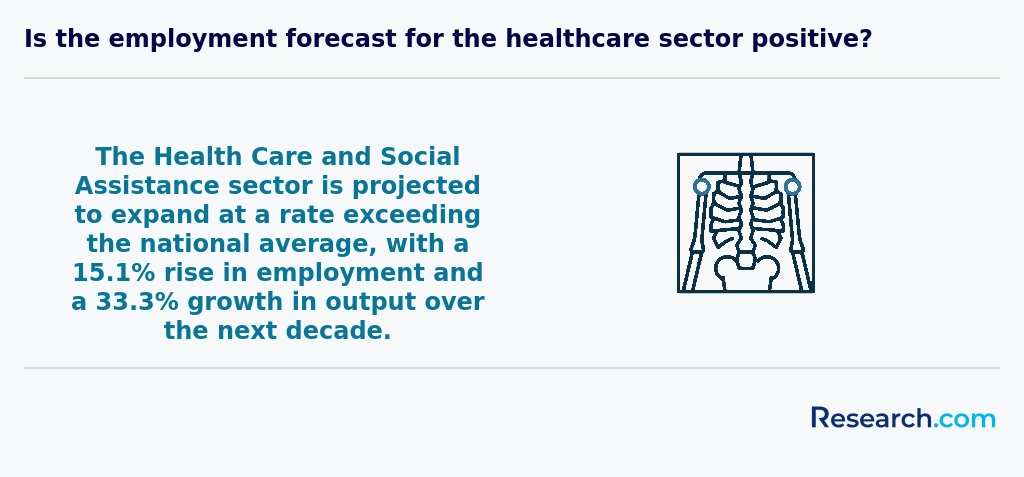
The global perspective on healthcare careers emphasizes an increasing demand for skilled professionals, driven by aging populations and evolving medical technologies. In the United States, including Staten Island, healthcare occupations are expected to grow 13% from 2021 to 2031, adding about 2 million new jobs nationwide, according to the U.S. Bureau of Labor Statistics.
Healthcare professions are valued worldwide for their societal impact and job security. Internationally, standards vary, but U.S. degrees often provide a strong foundation for global mobility in medical fields. Staten Island offers access to diverse healthcare settings, preparing students for both local and broader markets.
With rising chronic diseases globally, healthcare education focuses on interdisciplinary skills and cultural competence, vital for working in multicultural communities like those in Staten Island. These factors highlight healthcare careers as resilient and globally relevant choices for students today.
Gaining practical experience while studying for a healthcare degree in Staten Island is essential for career readiness. Many local institutions such as the College of Staten Island offer clinical internships and lab work integrated into their curricula. Students can also pursue externships at healthcare facilities like Staten Island University Hospital, which serves over 281,000 residents.
Volunteering in community health centers or nursing homes is another way to apply theoretical knowledge. According to the New York State Education Department, hands-on clinical hours are required for licensure in many healthcare professions, including nursing and radiologic technology.
Networking through professional organizations based in Staten Island can also provide mentorship and job-shadowing opportunities, enhancing practical skills during studies.
Choosing the right concentration within a healthcare degree program in Staten Island requires careful consideration of your interests and local job market trends. Areas like nursing, public health, and healthcare management are prominent due to Staten Island's aging population and diverse communities, according to the New York State Department of Health.
Review the curriculum and accreditation of offered programs to ensure they align with your career goals. For example, programs accredited by the Commission on Collegiate Nursing Education (CCNE) or the Council on Education for Public Health (CEPH) maintain high standards.
Consider opportunities for clinical experience in Staten Island's hospitals, such as Richmond University Medical Center, which can enhance practical skills and employability.
Finally, research employment growth projections from the Bureau of Labor Statistics for healthcare occupations in New York City to select a concentration with strong future demand.
Related Healthcare Rankings for Nearby Cities
- 2027 Best Healthcare Degree Programs Ranking in Jersey City
- 2027 Best Healthcare Degree Programs Ranking in Brooklyn
- 2027 Best Healthcare Degree Programs Ranking in New York
- 2027 Best Healthcare Degree Programs Ranking in Queens
- 2027 Best Healthcare Degree Programs Ranking in Bronx
- 2027 Best Healthcare Degree Programs Ranking in Philadelphia
- 2027 Best Healthcare Degree Programs Ranking in New Haven
- 2027 Best Healthcare Degree Programs Ranking in Scranton
- 2027 Best Healthcare Degree Programs Ranking in Wilkes-Barre
- 2027 Best Healthcare Degree Programs Ranking in Albany
Top Trending Healthcare Rankings
See What Experts Have To Say About Studying Healthcare
Read our interview with Healthcare experts

References
- Health Management Careers https://www.ache.org/Career-Resources/Start-Your-Career/Health-Management-Careers
- Pursuing Your Career Goals: Strategies and Examples https://www.ultimatemedical.edu/blog/career-goals-importance-strategies-and-examples/
- HEALTH MANAGEMENT (THESIS / NON-THESIS) - Lisansüstü Eğitim Enstitüsü https://lee.nisantasi.edu.tr/en/health-management-thesis-non-thesis/
- Healthcare Careers & Accredited Degree Programs https://www.healthcaredegree.com/
- Enhancing Clinical Education: Strategies for Health Professions - European Society of Medicine https://esmed.org/enhancing-clinical-education-strategies-for-health-professions/
- How to Write Your Cover Letter | NQRTH https://www.nqrth.edu.au/career-planning/how-to-write-your-cover-letter/
- The Value of Healthcare Organization Alumni Associations https://consultqd.clevelandclinic.org/the-value-of-healthcare-organization-alumni-associations
- How to Choose a Health Administration Program https://www.healthadministrationdegrees.com/articles/choosing-a-program/
- What are the top 10 skills that'll get you a job when you graduate? https://targetjobs.co.uk/careers-advice/skills-for-getting-a-job/what-are-top-10-skills-thatll-get-you-job-when-you-graduate
- One Degree https://www.1degree.org/opp/take-courses-at-cuny-to-begin-a-college-of-staten-island-new-york-new-york-6e11a95a-6214-451d-bf14-704e9ac042ad