2027 Fastest Online Bachelor's in Healthcare Degree Programs Ranking in Florida

Co-Founder and Chief Data Scientist
Choosing the right healthcare degree program can feel overwhelming, especially with so many options available online. This article presents the 2027 Fastest Online Bachelor's in Healthcare Degree Programs Ranking in Florida, developed by the Research.com team of data scientists to help you make an informed decision.
By exploring this ranking, you'll discover programs that combine quality education with flexibility, allowing you to pursue your passion efficiently.
Whether you're starting fresh or advancing your career, earning a healthcare degree offers rewarding opportunities to make a real difference.
Key benefits of getting online healthcare degree in Florida
- Healthcare degree graduates in Florida can earn competitive salaries, such as $43,350 annually for Medical Assistants and Clinical Research Coordinators, or up to $103,150 for Quality Improvement Coordinators, making these careers financially rewarding.
- Graduates from institutions like the University of Florida often find diverse career paths in roles including Patient Care Technicians and Health Information Technicians, offering flexibility and growth in healthcare.
- Online healthcare degrees from schools such as Florida State University provide convenience and allow students to balance work and study, while gaining the same valuable skills and qualifications as traditional programs.
- 2027 Fastest Online Bachelor's in Healthcare Degree Programs Ranking in Florida
- What can I expect from online healthcare degree in Florida?
- Where can I work with online healthcare degree in Florida?
What can I expect from online healthcare degree in Florida?
The average cost of an online healthcare degree in Florida typically ranges from $4,000 to $7,000 per year for in-state students, especially at public universities like the University of Florida or Florida State University. Graduates often share how this affordability allowed them to balance work and studies without overwhelming debt. Private colleges may charge more, but many students find that scholarships and financial aid make these programs manageable.
Many students appreciate how these programs keep expenses predictable while offering flexibility to complete coursework on their own schedule. For example, a graduate from a healthcare administration program at the University of Central Florida mentioned that the online format reduced commuting costs and allowed them to continue earning income.
Students should also budget for additional fees like clinical placements, which are required by most nursing or health sciences programs. These hands-on experiences happen locally, helping graduates apply skills in real-world settings without costly travel.
Overall, understanding these costs early helps Florida students make confident, informed decisions and pursue rewarding careers in healthcare with practical financial plans.
Where can I work with online healthcare degree in Florida?
Graduates with an online healthcare degree in Florida frequently find rewarding careers in major hospital systems like Baptist Health or AdventHealth, where they apply their skills in administration or patient care coordination. For example, many from the University of Central Florida's healthcare programs share how their hands-on training prepared them to navigate these fast-paced environments confidently.
Outpatient care centers, including urgent care clinics and diagnostic labs, also offer diverse roles. Graduates often thrive here by combining healthcare knowledge with strong organizational skills to improve patient flow and compliance.
Public health departments and agencies in Florida welcome online degree holders to support community health initiatives, an important area given the state's growing retiree population. Students from Florida State University credit their practical coursework for helping them engage effectively in public health education and policy work.
Long-term care facilities stand out as a stable employment option due to Florida's large elderly population. Many graduates find personal fulfillment managing elder care programs or assisting nursing home operations.
Finally, sectors like health insurance and pharmaceuticals value graduates who understand healthcare regulations and data analysis, with graduates from institutions such as the University of Florida praising their degree's versatility in opening doors across the industry.
Graduates with online healthcare degrees in Florida can expect rewarding salary prospects depending on their chosen careers. For instance, those entering roles like medical assistants typically earn around $43,350 annually, while patient care technicians see higher averages near $60,790. These figures reflect the real-world earnings experienced by graduates from prominent Florida institutions such as the University of Central Florida and Florida International University, where flexible online programs prepare students for these in-demand roles.
Health information technicians, another common path, earn approximately $43,380 per year, highlighting steady opportunities in medical records and data management. Meanwhile, clinical research coordinators have comparable salaries near $43,350. More advanced positions, like quality improvement coordinators, show a significant jump to around $103,150 annually, rewarding those who pursue specialization and leadership within healthcare settings.
Many graduates share that building experience and certifications early on while studying online in Florida's well-regarded programs opens doors to these growing fields. These earnings surpass the state's median wage, creating solid financial futures while serving essential community health needs.
- Tuition for online healthcare bachelor's degrees in Florida ranges from $10,000 to $25,000 per year, with public universities offering lower rates for in-state students.
- Healthcare job growth in Florida is expected to increase by more than 15% over the next decade, which is higher than the national average.
- Early-career salaries for healthcare graduates start around $50,000 annually and can rise to $70,000 or more with experience and certifications.
- Many online programs offer asynchronous classes for flexibility and are accredited by agencies like CCNE or ACEN.
- Graduates find job opportunities in hospitals, clinics, long-term care, and public health facilities across the state, reflecting Florida's strong healthcare market.
Completing an online healthcare degree in Florida typically takes about four years for a bachelor's degree when studying full-time, especially at popular institutions like the University of Central Florida or Florida International University. Graduates often share how flexible online formats let them balance work and family while steadily progressing through coursework.
Associate degrees, common at schools such as Miami Dade College, usually require around two years. Many students appreciate that these programs offer a quicker path to entering the workforce or preparing for further study.
Those who juggle jobs or family responsibilities often choose part-time enrollment, which can extend their timeline but still keeps the goal achievable. Transfer credits from previous study or professional experience can reduce the time needed, a benefit shared by graduates from Florida State University's healthcare programs.
Accelerated options are also available at some Florida institutions, enabling determined students to finish bachelor's degrees in as little as three years. These pathways showcase how online learning adapts to individual needs, blending ambition with practical scheduling.
Diagnostic medical sonography is rapidly gaining recognition as a critical allied health specialization within Florida’s online healthcare degree landscape. By integrating advanced imaging technology with patient-centered care, sonographers play a vital role in diagnosing conditions ranging from cardiovascular disorders to obstetric complications. Online programs now offer tailored tracks that combine core healthcare courses-such as anatomy, physiology and healthcare ethics-with specialized instruction in ultrasound physics, instrumentation and image analysis. Graduates complete supervised clinical practicums in hospital radiology departments, outpatient centers or specialized clinics, ensuring they meet the requirements for ARDMS certification. Key aspects of this specialization include:
- Core Coursework: Cross-sectional anatomy, Doppler ultrasound principles and patient safety protocols
- Clinical Experience: Hands-on rotations in vascular, abdominal and OB/GYN imaging settings
- Certification Readiness: Preparation for ARDMS exams in core sonography disciplines
- Career Outlook: A median annual wage of $77,790 nationally, with Florida salaries often higher due to local demand For students seeking dedicated bachelor’s-level sonography pathways, explore our bs diagnostic medical sonography ranking to identify programs that balance rigorous curriculum with flexible online delivery.
Online healthcare degrees in Florida offer unmatched flexibility, perfect for students juggling work or family. Graduates from programs at institutions like the University of Florida appreciate being able to attend virtual lectures and complete coursework at their own pace without commuting. This option suits those living in both urban centers like Miami and rural areas, where traveling to campus can be a challenge.
On-campus programs, such as those at Florida State University, provide hands-on training through lab sessions and direct clinical placements. These experiences build practical skills through face-to-face mentoring, which many nursing graduates credit with boosting their confidence and readiness for demanding healthcare roles.
Cost-wise, Florida online students often save on transport and housing, while tuition tends to mirror on-campus rates. For example, many public schools charge around $6,300 annually for in-state students, but cutting out daily travel expenses makes a big difference. Ultimately, choosing depends on your learning style and scheduling needs, with both pathways leading to quality accredited education recognized statewide.
Navigating the admissions process for an online healthcare degree in Florida can be both exciting and challenging. Prospective students should begin by researching each program’s specific application requirements, which often include academic transcripts, recommendation letters, and personal statements. It’s advisable to start preparing these documents well in advance and reach out to admissions advisors for any clarification. Additionally, adhering to deadlines and understanding the sequencing of multiple application rounds can significantly improve your chances of admission. Submitting a strong application involves not only showcasing academic achievements but also demonstrating relevant volunteer work or professional experience in the healthcare industry. Students are encouraged to tailor their personal statements to emphasize their passion for healthcare and readiness to meet the unique challenges of online learning. Technical readiness is also crucial-ensure a stable internet connection and familiarize yourself with the online learning platform before classes begin. Moreover, researching financial support options, such as available scholarships and grants, can help smooth the overall journey. For insights on selecting cost-effective institutions, consider reviewing our detailed ranking of affordable healthcare school in florida. This guide highlights programs that not only offer quality education but also relief on tuition costs, enabling you to make a well-informed decision as you embark on your educational journey.
The average cost of an online healthcare degree in Florida varies based on residency and institution type. Median total tuition typically stands around $21,480 for in-state students, making it an affordable option compared to other states. Out-of-state students generally pay closer to $41,000 for the same degree. These figures align with the Florida online bachelor's degree healthcare tuition fees, which reflect competitive pricing particularly attractive to residents.
Many graduates praising programs at well-known Florida universities describe a manageable financial commitment paired with quality education. By choosing in-state tuition options, students often save thousands, allowing them to focus more on their studies rather than financial strain. Schools like the University of Florida and Florida State University offer strong online healthcare programs where graduates appreciate both the affordability and flexibility.
Additional costs such as textbooks and technology fees are usually minimal but should still be considered in budget planning. Many students explore financial aid, scholarships, and payment plans to ease tuition fees further. For more on finding an affordable program that fits your needs, consider researching the affordable healthcare school in florida.
Ultimately, prospective students aiming for a healthcare career online in Florida benefit from transparent tuition costs combined with reputable institutions, helping them invest wisely in their futures.
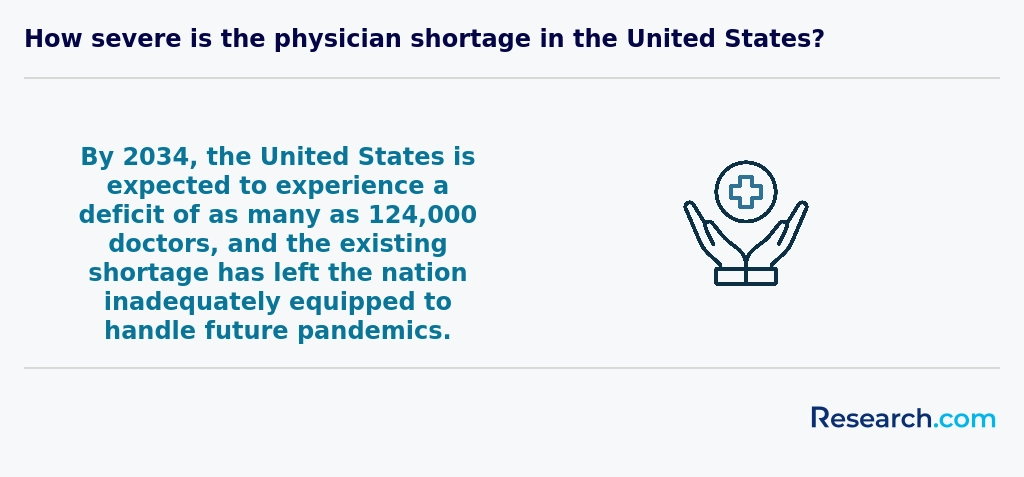
As the healthcare industry continues to evolve rapidly, online healthcare education in Florida is embracing innovative trends that are reshaping how students learn and professionals advance in their careers. Advancements in telehealth, artificial intelligence, and data analytics are not only influencing the curriculum but also creating new roles and specializations that were not traditionally present. For example, many programs are now incorporating modules on digital health innovations, preparing graduates for a future where seamless integration of technology and patient care is paramount. Faculty members and industry experts are collaborating to update course content regularly, ensuring that students gain up-to-date skills and insights to meet emerging industry demands. Additionally, increased focus on real-world applications through virtual simulations and interactive case studies is making online learning more practical and engaging. For prospective students seeking cost-effective options, our detailed ranking highlights the affordable healthcare school in florida that also prioritizes cutting-edge education. This forward-thinking approach not only enhances employability but also positions graduates as leaders in the future of healthcare innovation.
Many Florida students pursuing online healthcare degrees at institutions like the University of Florida or Florida International University find federal student aid essential. By completing the FAFSA, they access Federal Pell Grants, which can provide up to $7,395 annually without needing repayment. Graduates often describe the relief this grant brings when balancing tuition and living expenses.
Federal Direct Loans also help, offering low-interest options that allow students to spread payments over time. Some students take advantage of work-study programs to gain healthcare experience while earning money, making finances feel more manageable.
State-specific support, such as the Florida Bright Futures Scholarship, rewarded for strong academic records, also eases tuition burdens-especially helpful for those studying fully online. Institutional scholarships at schools like the University of Central Florida, which often target nursing and public health students, provide merit-based financial relief.
Many nursing students report success with scholarships and loan forgiveness programs linked to workforce shortages, such as those offered through the Florida Center for Nursing.
Meanwhile, working professionals benefit from employer tuition assistance programs, which many healthcare organizations in Florida offer as motivation for continuing education and career advancement.
Achieving success in an online healthcare program involves setting clear goals, managing your time effectively, and taking advantage of the myriad support services available. Students should establish a structured study schedule that mimics the consistency of campus-based learning while also exploring online resources like discussion boards and virtual office hours. Building strong relationships with instructors and peers through regular communication can foster a supportive learning environment that enriches your educational experience. Additionally, consider supplementing your coursework with practical skills training and certification courses; for instance, many learners find that exploring medical billing and coding schools that accept financial aid can open new career pathways. Embracing a proactive approach to managing studies, seeking mentorship, and utilizing career services such as resume workshops and internship placement programs can significantly enhance your ability to thrive in an online setting while preparing you for the dynamic healthcare job market.
To enroll in an online healthcare degree program in Florida, you must first hold a high school diploma or GED, meeting both federal and state education rules. Many graduates from popular schools like the University of Florida recall completing biology, chemistry, and algebra courses beforehand, which helped them confidently tackle the rigorous science content in their programs.
Some bachelor's completion tracks, especially at community colleges such as Miami Dade College, require applicants to have an associate degree or relevant certifications to transfer credits smoothly, thanks to Florida's state articulation agreements.
Competitive programs often look for standardized test scores like the SAT or ACT, but some schools accept work experience or proof of academic skill instead. Graduates who gained hands-on experience as CNAs or EMTs often found that clinical exposure gave them a real advantage when engaging with virtual labs and simulations online.
Reliable technology access is crucial since all lectures and assignments are delivered digitally, so making sure your internet setup is solid will ease your learning journey and boost your confidence.

After completing an online bachelor’s in healthcare in Florida, many graduates look to advance their expertise and leadership potential by pursuing a master’s degree. A healthcare master’s not only deepens clinical or administrative skills but also positions professionals for higher-level roles such as healthcare manager, nurse educator, or health policy analyst. When evaluating master’s programs, consider factors like specializations (e.g., health informatics, public health, healthcare administration), curriculum flexibility, accreditation, and return on investment. Cost is a major consideration for post-baccalaureate students balancing work and family. To identify budget-friendly options, review rankings that focus on tuition transparency and student support. For those seeking cost-effective master’s pathways beyond Florida, explore the Affordable Online Master's in Healthcare Degree Programs Ranking in North Dakota, which highlights institutions with competitive tuition rates, robust online platforms, and dedicated career services. When researching master’s programs, prioritize:
- Accreditation by recognized bodies (e.g., CEPH for public health, CAHME for healthcare management)
- Clinical or practicum requirements that can be satisfied near your home or through virtual simulations
- Student-to-faculty ratios and mentorship opportunities
- Alumni outcomes, such as employment rates and leadership roles By carefully comparing program features and affordability, Florida-trained healthcare professionals can confidently select a master’s pathway that aligns with their career goals and maximizes long-term earning potential.
Online healthcare degree programs in Florida typically include courses that cover human anatomy and physiology, providing students with a clear understanding of the body's structure and functions. Graduates from universities like the University of Florida appreciate how this foundational knowledge helped them confidently approach clinical situations during virtual simulations.
Medical terminology classes are standard, enabling students to communicate effectively in real healthcare environments, a skill often highlighted by alumni from Florida State University who found it essential in their internships.
Courses in healthcare ethics, law, management, and policy prepare learners to navigate the complex regulatory landscape of Florida's healthcare system. Graduates mention that studying these topics made them feel empowered and ready to advocate for patient rights and organizational compliance.
Programs also emphasize statistical methods and research techniques, equipping students to interpret healthcare data vital for informed decision-making. At institutions like the University of Central Florida, students experience hands-on data analysis projects that mirror real public health challenges in Florida's diverse communities.
Many programs include practical learning through virtual simulations or internships, ensuring students graduate with both knowledge and practical skills directly applicable to Florida's dynamic healthcare industry.
Online healthcare degree specializations in Florida typically include Health Administration, Nursing and Nursing Leadership, Public Health, Health Informatics, and Allied Health Sciences. Graduates from popular Florida colleges often share how specializing in Health Administration prepared them to confidently manage hospital teams and complex budgets, reflecting the state's high demand for skilled leaders. Nursing Leadership tracks equip Registered Nurses with skills to advance into managerial roles, aligning with Florida's projected 15 percent job growth in nursing by 2028.
Many students appreciate Public Health programs for their focus on community health, crucial in Florida's diverse population, while Health Informatics combines tech skills with patient care, addressing the rapid expansion of health IT in the state. Allied Health Sciences prepare students for essential support roles like physical therapy assistance, ideal for those wanting hands-on careers within healthcare teams. For those exploring flexible choices, considering medical billing and coding schools that accept financial aid can be a practical option for income-focused specialization.
Choosing a specialization that matches Florida's workforce needs ensures relevant skills and opens rewarding career paths within the broad landscape of online healthcare degree specializations Florida offers.
Start by verifying accreditation from recognized bodies like the Commission on Collegiate Nursing Education (CCNE) or the Accreditation Commission for Education in Nursing (ACEN). Graduates from well-accredited programs at Florida universities often share how this positively affected their ability to secure federal aid and land jobs locally.
Evaluate the curriculum and specialization options carefully. Many students in Florida choose programs aligned with in-demand sectors, especially as healthcare employment is set to grow over 16% by 2030 statewide. Schools offering relevant courses and flexible online formats empower students to balance studies with work or family life, enhancing their overall satisfaction.
Cost is another critical factor. Affordable online healthcare degrees in Florida at public universities make a real difference, as several graduates recall managing expenses without overwhelming debt. Also, explore financial aid or scholarship opportunities to ease your financial burden.
Finally, check how the program facilitates clinical placements locally, since practical experience is essential. Some students successfully found hands-on opportunities through partnerships their online programs have within Florida hospitals or clinics. Consider programs that emphasize both strong support and career outcomes, and explore specialized training like bs diagnostic medical sonography as a focused path.

Graduates with an online healthcare degree in Florida find diverse career paths that match their interests and strengths within the state's robust healthcare market. Many choose nursing, the largest healthcare occupation in Florida, offering stability and ample job openings. Others pursue roles in healthcare administration, managing budgets and facility operations at popular institutions like the University of Central Florida. Health information technology specialists are increasingly in demand, especially those skilled in managing electronic health records at hospitals across Miami and Tampa.
Florida healthcare degree job opportunities also extend to public health professionals who develop community programs to improve wellness, often collaborating with organizations linked to well-known Florida colleges. Clinical roles such as radiologic technologists and respiratory therapists provide hands-on patient care, with graduates of online programs from Florida State University successfully navigating the necessary licensing. Health educators, teaching chronic disease management, find positions within local health departments.
Students balancing work and study benefit from options tailored to adult learners at institutions statewide. For those exploring options, the Affordable Online Master's in Healthcare Degree Programs Ranking in North Dakota offers useful guidance on cost-effective advanced degrees enhancing career growth in healthcare.
The job market for online healthcare degree graduates in Florida is robust and growing, driven by the state's aging population and healthcare demands. Graduates from popular institutions like the University of Florida and Florida International University often find rewarding roles as registered nurses, health information technicians, or healthcare managers. These roles not only offer competitive salaries but also provide personal fulfillment by directly impacting community health.
Many graduates appreciate the flexibility of online programs, which allow them to balance work, family, and study while building practical skills through clinical experience. With healthcare roles listed among the fastest-growing jobs in Florida, the Florida healthcare degree job outlook remains promising for new graduates entering areas like chronic disease management and public health education.
To maximize career opportunities, students should consider programs that offer hands-on clinical placements and connections with local hospitals. Those interested can also explore 1 year online masters programs to accelerate career advancement while maintaining a manageable study schedule.
2027 Fastest Online Bachelor's in Healthcare Degree Programs Ranking in Florida
Investing in your education is a significant decision that can shape your future, and the Research.com team understands the importance of making informed choices. To assist prospective students in Florida, we have carefully developed the "2027 Fastest Online Bachelor's in Healthcare Degree Programs Ranking in Florida." Our dedication to quality, credibility, and accuracy is demonstrated through thorough research and analysis behind this ranking.
We utilized the following reputable data sources to ensure a comprehensive evaluation of healthcare degree programs:
By exploring this ranking, readers will gain valuable insights into the fastest online healthcare degree programs in Florida, empowering them to make decisions that align with their career goals. For more details on our methodology, please visit our Research.com methodology page.


# 5 position
Florida State College at Jacksonville
Bachelor of Nursing


# 8 position
Seminole State College of Florida
Bachelor of Health Sciences


Frequently Asked Questions About healthcare
Students pursuing online healthcare degrees in Florida can enhance their learning by actively engaging with course materials and peers. Regular participation in discussion forums helps deepen understanding and fosters networking opportunities.
Florida's healthcare industry is growing rapidly, with projections from the Florida Department of Economic Opportunity expecting over 200,000 new jobs in healthcare by 2030. Staying updated on state-specific healthcare trends and regulations is crucial.
Utilizing virtual simulation tools and seeking clinical placements within Florida support practical experience. Time management and setting a dedicated study schedule improve retention and reduce stress.
Accessing Florida-based professional organizations, such as the Florida Healthcare Association, offers valuable resources and connections for career advancement.
The healthcare industry in Florida is evolving rapidly, with several emerging niches capturing attention. One growing area is telehealth, which has expanded significantly due to increased demand for remote medical services, especially after the COVID-19 pandemic. According to the Florida Department of Health, telehealth usage rose by over 50% between 2020 and 2023.
Another promising niche is health informatics, focusing on managing patient data and improving healthcare delivery through technology. Florida's aging population also drives demand for geriatric care specialization and chronic disease management, areas expected to see increased job opportunities through 2030, per the U.S. Bureau of Labor Statistics.
Additionally, fields like precision medicine and behavioral health are gaining traction as more personalized and mental health services become priorities statewide.
Preparing for the job market after completing an online healthcare degree in Florida involves strategic planning and practical steps. First, graduates should obtain relevant professional licenses, as many healthcare roles require state certification or registration. Florida's Department of Health provides specific licensing guidelines for nurses, medical assistants, and other practitioners.
Networking is essential; joining local healthcare associations like the Florida Public Health Association can open job opportunities. Internships or volunteer work in Florida hospitals or clinics help build experience and local connections.
According to the Florida Department of Economic Opportunity, healthcare jobs are expected to grow 16% by 2030, outpacing many other sectors. Staying updated on industry trends and digital skills will enhance employability.
Employers in Florida prioritize both technical and interpersonal skills when hiring healthcare degree graduates. Critical thinking and clinical proficiency rank highly, as these are essential for delivering quality patient care. The Florida Department of Health emphasizes communication skills, as healthcare workers must efficiently interact with diverse populations.
Additionally, adaptability and problem-solving skills are crucial due to the fast-changing medical environment. Data from the Florida Hospital Association highlights the growing demand for graduates with knowledge of healthcare technology and electronic medical records.
Time management and teamwork also play significant roles, supporting smooth operations in high-pressure healthcare settings throughout the state.
Finding internships in Florida for healthcare degree students often begins with university career centers, which maintain lists of local healthcare facilities offering internship opportunities. Many state hospitals, clinics, and community health organizations partner with online programs to provide practical experience.
Florida's Department of Health and organizations like the Florida Healthcare Association provide resources for students seeking internships. According to the Florida Department of Economic Opportunity, healthcare occupations are projected to grow by 16% through 2030, increasing the demand for internships.
Students should also explore connections through professional networks such as the Florida Public Health Association. Applying early and preparing a strong resume tailored to healthcare roles typically improves chances of securing internships. Volunteering locally can also enhance candidacy for hands-on experiences.
Obtaining an online healthcare degree in Florida can significantly enhance career mobility and advancement opportunities. Florida's healthcare sector is one of the fastest-growing in the nation, with employment in healthcare occupations expected to increase by 17% through 2031, according to the U.S. Bureau of Labor Statistics. An online degree offers flexibility for working professionals to upskill without interrupting their careers.
Online programs often align with Florida's licensure and certification requirements, making graduates eligible for more specialized roles. Employers increasingly value accredited online education for its rigorous curriculum and practical relevance. This can lead to promotions and higher salaries, especially in roles like health services management or nursing leadership.
Furthermore, Florida's diverse healthcare market-ranging from large hospital systems to outpatient clinics-provides multiple pathways for career advancement after earning an online degree. The ability to complete coursework remotely also encourages continuous professional development, which is essential in this evolving field.
Studying for a healthcare degree in Florida offers a comprehensive foundation for interdisciplinary roles by combining clinical knowledge with skills in communication, management, and technology. Florida's online healthcare programs emphasize collaboration among various healthcare professionals, reflecting real-world settings where teamwork is essential for patient outcomes.
Students learn to navigate complex healthcare systems, often integrating courses in public health, health informatics, and policy. This variety equips graduates to work alongside nurses, physicians, administrators, and IT specialists effectively.
According to the Florida Department of Health, interdisciplinary approaches are critical as the state faces a growing elderly population, requiring coordinated care strategies.
Choosing between a thesis and a non-thesis healthcare degree program in Florida involves considering your career goals and learning preferences. Thesis programs focus on research, requiring students to complete a substantial project, which benefits those interested in advancing to graduate studies or research roles.
Non-thesis programs emphasize practical skills and coursework, ideal for students aiming to enter the workforce quickly or pursue clinical roles. According to the Florida Department of Education, healthcare jobs in the state are projected to grow 15% through 2030, favoring practical skills training.
Consider your time availability; thesis programs often take longer to complete due to research demands. Additionally, Florida's healthcare industry strongly values applicable skills, influencing program choice based on desired job roles in nursing, public health, or administration.
Students based in Florida seeking to study healthcare abroad have several options through online degree programs partnered with international institutions. Many U.S. schools collaborate with foreign universities to offer dual degrees or exchange programs that allow coursework to be completed online or overseas.
Florida ranks among the top states for healthcare jobs, with strong ties to global health initiatives. According to the Florida Department of Economic Opportunity, healthcare occupations are projected to grow by 16% through 2030, encouraging students to gain diverse international perspectives.
Programs accredited by recognized U.S. agencies ensure credits transfer smoothly, even if clinical practice is completed abroad. Students should verify that their program meets licensure requirements specific to Florida's healthcare regulations.
Florida offers a variety of part-time job opportunities that can complement online healthcare degree education. Popular options include medical assistant positions, patient care technician roles, and certified nursing assistant (CNA) jobs. These roles provide practical experience and deepen understanding of clinical settings. According to the Florida Department of Economic Opportunity, healthcare support occupations in Florida are projected to grow by 16% between 2022 and 2032, indicating strong job availability.
Additionally, working part-time in healthcare administration or medical billing can enhance skills related to healthcare management. These experiences align well with degree studies and improve employment prospects after graduation.
Online healthcare students in Florida benefit from numerous networking opportunities despite the virtual format. Many universities offer access to professional healthcare organizations such as the Florida Public Health Association and the Florida Nurses Association. These groups host regular virtual and in-person meetings, conferences, and workshops that help students connect with industry professionals.
Additionally, Florida's healthcare sector is rapidly growing, with over 1.5 million jobs in healthcare reported by the Florida Department of Economic Opportunity in 2023. This growth encourages schools to facilitate connections with local hospitals and clinics for internships and collaborative projects. Virtual career fairs and alumni networks also play a key role in building relationships for online students.
Students are encouraged to join specialized online forums and LinkedIn groups focused on Florida healthcare to widen their professional circles. These platforms often share the latest state-specific job openings and trends, helping students stay informed and connected within the healthcare community.
Alumni networks offer valuable benefits for online healthcare degree students in Florida. These networks provide connections to experienced professionals across the state's diverse healthcare industries. Through such ties, students can access mentorship, job leads, and professional development opportunities.
Florida's healthcare sector is growing rapidly, with over 2.8 million jobs projected by 2030 according to the Florida Department of Economic Opportunity. Alumni networks help students tap into this expanding market by sharing insights about local employers and licensing requirements.
Moreover, many Florida institutions facilitate networking events and online forums specifically for alumni. These platforms allow students to build relationships despite studying remotely, which is a key advantage for online learners seeking career advancement.
Customizing an online healthcare degree program in Florida allows students to align their education with specific career goals. Many Florida institutions offer flexible elective courses, enabling learners to specialize in areas like health informatics, public health, or healthcare administration. Florida's healthcare industry, which employs over 1.3 million people according to the Florida Department of Economic Opportunity (2023), demands diverse skills that can be targeted through these specializations.
Students can also choose internship or practicum opportunities within Florida's large healthcare network to gain practical experience. Online programs often provide access to tailored academic advising, helping students select courses that match their professional interests and certification requirements.
Additionally, credit transfer options for prior work experience or certifications can accelerate degree completion. This flexibility is essential for Florida's working adults seeking to advance without pausing their careers.
Online healthcare students in Florida often face unique challenges balancing rigorous coursework with personal and professional responsibilities. Many students report difficulties managing time effectively, especially when programs require clinical practicums that must be completed in-person, limiting flexibility.
Access to quality clinical placements can be more competitive in Florida due to the state's large and diverse healthcare system. According to the Florida Department of Health, the demand for clinical sites is rising as healthcare education expands, which may delay graduation.
Additionally, students sometimes struggle with technical issues like unreliable internet access or learning new digital platforms, impacting their ability to participate fully in online courses.
Lastly, maintaining motivation and engagement without face-to-face interaction is a common hurdle, requiring strong self-discipline and support networks.
With an online healthcare degree in Florida, graduates can pursue various professional certifications to enhance their careers. Common certifications include Certified Medical Assistant (CMA), Registered Health Information Technician (RHIT), and Certified Professional in Healthcare Quality (CPHQ). These credentials are valued by employers across Florida's growing healthcare sector, which employed over 1.5 million people as of 2023, according to the Florida Department of Economic Opportunity.
Many of these certifications require passing national exams and meeting education or work experience criteria. For example, the CMA credential is offered by the American Association of Medical Assistants and requires graduation from an accredited program. Certifications can improve job prospects and salary potential in Florida's competitive healthcare market.
Writing a winning application for an online healthcare program in Florida starts with thorough research. Focus on programs accredited by the Commission on Accreditation of Allied Health Education Programs (CAAHEP) or recognized regional accreditors to ensure quality education.
Highlight your motivation by connecting your career goals with Florida's growing healthcare industry, which, according to the Florida Department of Economic Opportunity, is projected to add over 150,000 jobs by 2028. Showcase relevant experience, such as volunteering or employment in healthcare settings, to demonstrate commitment.
Strong letters of recommendation and a well-crafted personal statement that emphasizes your resilience, especially amid the evolving healthcare landscape, can set you apart. Lastly, pay attention to standardized test scores and prerequisites, as many Florida institutions maintain competitive admission standards.
Healthcare careers are valued worldwide for their vital role in public well-being. In the United States, including Florida, healthcare jobs are expected to grow 16% from 2021 to 2031, much faster than average, according to the U.S. Bureau of Labor Statistics. Globally, health systems face rising demand due to aging populations and chronic diseases, increasing opportunities for skilled professionals. Florida reflects these trends with a growing elderly population-nearly 21% aged 65 or older in 2023-boosting demand for healthcare services. Online healthcare degrees offer flexible pathways to meet this need, preparing students for careers recognized across diverse healthcare settings nationally and abroad.
Gaining practical experience while studying for an online healthcare degree in Florida is essential to build skills and improve employability. Many accredited Florida institutions require students to complete clinical hours or internships through partnerships with local hospitals, clinics, or healthcare facilities. These in-person experiences complement online coursework.
Students can often arrange these practicums near their residence, allowing flexibility and hands-on learning simultaneously. According to the Florida Center for Nursing, clinical experience improves job readiness in a state facing a projected 15% growth in healthcare employment through 2030. Additionally, some programs offer virtual simulations to supplement real-world practice, helping students develop critical decision-making skills before onsite training.
Choosing the right concentration within an online healthcare degree program in Florida depends on your career goals, interests, and the state's healthcare demands. Florida, with a growing elderly population, shows strong demand for nursing, gerontology, and healthcare administration professionals, according to the Florida Health Care Association. Exploring specialties like health information management, public health, or nursing can align your education with job opportunities.
Consider the scope of practice allowed by Florida's licensing boards for each concentration. Look for programs accredited by recognized bodies such as the Commission on Accreditation for Health Informatics and Information Management Education (CAHIIM) to ensure quality education. Research state employment projections from the Florida Department of Economic Opportunity to identify high-demand fields.
- 2027 Fastest Online Bachelor's in Healthcare Degree Programs Ranking in Georgia
- 2027 Fastest Online Bachelor's in Healthcare Degree Programs Ranking in Alabama
- 2027 Fastest Online Bachelor's in Healthcare Degree Programs Ranking in South Carolina
- 2027 Fastest Online Bachelor's in Healthcare Degree Programs Ranking in Tennessee
- 2027 Fastest Online Bachelor's in Healthcare Degree Programs Ranking in North Carolina
- 2027 Fastest Online Bachelor's in Healthcare Degree Programs Ranking in Kentucky
- 2027 Fastest Online Bachelor's in Healthcare Degree Programs Ranking in Arkansas
- 2027 Fastest Online Bachelor's in Healthcare Degree Programs Ranking in Virginia
- 2027 Fastest Online Bachelor's in Healthcare Degree Programs Ranking in Missouri
- 2027 Fastest Online Bachelor's in Healthcare Degree Programs Ranking in Ohio
See What Experts Have To Say About Studying Healthcare
Read our interview with Healthcare experts

- Job-Ready Healthcare Skills for 2026 https://cliniwave.in/blogs/latest-article/job-ready-healthcare-skills
- How Much Can I Make With an Online Bachelor's of Public Health? - MPH Online https://www.mphonline.org/salary-bachelors-public-health/
- 7 Best Allied Health Degrees for Remote Students https://www.edumed.org/articles/allied-health-degrees-remote-students/
- The Role of Interdisciplinary Studies in Medical Career Training https://georgia-med.com/the-role-of-interdisciplinary-studies-in-medical-career-training.html
- The impact of postgraduate education on career advancement in healthcare https://sets.com.ua/journals/vol-3-no-2-2024/the-impact-of-postgraduate-education-on-career-advancement-in-healthcare
- Careers - Florida Department of Health https://www.floridahealth.gov/about-us/careers/
- 20 healthcare investment niches and 3 things to know: The evolution of ... https://blackbookmarketresearch.com/20-healthcare-investment-niches-and-3-things-to-know-the-evolution-of
- Florida Online Medical School | STI Online Healthcare Courses https://www.stinow.com/course/
- HEALTH MANAGEMENT (THESIS / NON-THESIS) - Lisansüstü Eğitim Enstitüsü https://lee.nisantasi.edu.tr/en/health-management-thesis-non-thesis/
- Trends and opportunities in healthcare across emerging markets - Inizio https://inizio.com/insights/trends-and-opportunities-in-healthcare-across-emerging-markets/