
2027 Best Healthcare Degree Programs Ranking in Azusa

Co-Founder and Chief Data Scientist
Choosing the right healthcare degree program in Azusa can shape your future career and personal growth. This article introduces the 2027 Best Healthcare Degree Programs Ranking in Azusa, carefully crafted by the Research.com team of data scientists. It's designed to help you make an informed decision about which programs offer the best opportunities and support.
Exploring these top programs gives you confidence in your educational path and opens doors to rewarding experiences. Whether you're starting out or advancing your skills, a healthcare degree is a meaningful step forward.
Key benefits of getting healthcare degree in Azusa
- Salary for healthcare degree graduates: Graduates in Azusa can expect rewarding salaries, such as $43,350 annually for Medical Assistants and Clinical Research Coordinators, while Quality Improvement Coordinators earn up to $103,150, offering strong financial stability.
- Potential career paths: Healthcare degrees open doors to diverse roles like Patient Care Technician or Health Information Technician, allowing Azusa graduates to thrive in varied settings from hospitals to clinics, enhancing their job satisfaction.
- Benefits of online healthcare degrees: Online programs from universities near Azusa provide flexibility and convenience, helping students balance work and study while gaining valuable skills recognized by employers locally and beyond.
- Key benefits of getting healthcare degree in Azusa
- What can I expect from healthcare degree in Azusa?
- Where can I work with healthcare degree in Azusa?
- How much can I make with healthcare degree in Azusa?
- 2027 Best Healthcare Degree Programs Ranking in Azusa
- Key Findings
- How long does it take to complete healthcare degree in Azusa?
- Top Healthcare Degree Programs in Azusa, CA
- What's the difference between online and on-campus healthcare degree?
- Industry Partnerships and Internship Opportunities
- What is the average cost of healthcare degree in Azusa?
- Industry Partnerships & Career Support
- What financial aid is available to healthcare degree students in Azusa?
- Internships and Clinical Placements
- What are the prerequisites for enrolling in healthcare degree program in Azusa?
- Assessing Return on Investment
- What courses are typically in healthcare degree programs in Azusa?
- What types of specializations are available in healthcare degree programs in Azusa?
- How do you choose the best healthcare degree in Azusa?
- What career paths are available for healthcare degree students in Azusa?
- What is the job market for healthcare degree in Azusa?
- Top Trending Healthcare Rankings
- See What Experts Have To Say About Studying Healthcare
What can I expect from healthcare degree in Azusa?
Students pursuing healthcare degrees in Azusa often find that tuition costs align with regional averages but vary depending on the type of program. For example, many graduates from Azusa Pacific University recall that associate degrees typically cost less than bachelor's programs, with total expenses generally ranging from $10,000 to $40,000. Certificate programs, such as phlebotomy or medical coding, can be even more affordable, usually costing under $10,000, making them appealing for those eager to enter the workforce quickly.
Beyond tuition, students emphasize the value of clinical experiences at local sites like Citrus Valley Medical Center, which build confidence and practical skills often described as "priceless" in their training. These immersive practicum opportunities justify the investment, helping students feel prepared and optimistic about their futures. Many graduates highlight the balance of cost and quality education as a key factor in their fulfilled sense of readiness to join the local healthcare workforce.
Where can I work with healthcare degree in Azusa?
Graduates with healthcare degrees from Azusa's well-regarded institutions often find rewarding employment across a variety of local healthcare settings. Whether coming from a community college or a university specializing in health sciences, many step confidently into roles at nearby hospitals like Foothill Presbyterian or Adventist Health Glendale. These facilities frequently seek nurses, medical assistants, and administration professionals, providing a supportive environment that values both skills and compassion.
Beyond traditional hospital roles, graduates share stories of fulfilling careers in outpatient clinics and urgent care centers scattered throughout Azusa, where the pace is dynamic and patient interactions are immediate, fueling a real sense of purpose. Others have found meaningful work in community health centers, aiding underserved populations, or in eldercare facilities, responding to the rising demand in geriatric care.
Those with degrees focused on health administration often appreciate opportunities in management within insurance firms or public health departments like Los Angeles County's, coordinating programs that impact entire communities. The growth in healthcare jobs here enhances optimism among graduates, confident they are entering a sector with both stability and room to contribute deeply locally.
How much can I make with healthcare degree in Azusa?
Graduates from healthcare programs in Azusa often find promising financial opportunities shortly after completing their studies. For example, Medical Assistants entering the workforce can expect a mean annual wage around $43,350, reflecting steady demand for these vital support roles. Similarly, those who trained as Health Information Technicians or Clinical Research Coordinators, common paths from Azusa's community colleges and universities, typically earn about $43,380 and $43,350 annually, respectively. These figures illustrate how early career healthcare graduates enjoy a solid return on their educational investment.
For graduates aiming higher, becoming a Patient Care Technician offers a notable boost with an average salary near $60,790, reflecting their hands-on skills valued in hospitals and clinics around Azusa. Meanwhile, careers in quality improvement coordination, which often require advanced certificates or degrees from local institutions, provide significant financial rewards, with a mean annual wage surpassing $103,000.
Many Azusa graduates share that their practical, immersive experiences at local colleges not only sharpened skills but also built confidence to negotiate these competitive salaries, reinforcing how education here can translate directly to rewarding careers and financial peace of mind.
2027 Best Healthcare Degree Programs Ranking in Azusa
How do we rank schools?
Investing in your education is a significant decision that can shape your future, and the Research.com team understands the importance of making informed choices. To assist prospective students in Azusa, we have meticulously crafted the "2027 Best Healthcare Degree Programs Ranking in Azusa." Our commitment to quality, credibility, and accuracy is reflected in the extensive research and analysis conducted to compile this ranking.
We utilized the following reputable data sources to ensure a comprehensive evaluation of healthcare programs:
By exploring this ranking, readers will gain valuable insights into the best healthcare degree programs available in Azusa, helping them make well-informed decisions about their educational paths. For more details on our methodology, please visit our Research.com methodology page.

Key Findings
- Tuition for healthcare degrees in Azusa typically ranges from $8,000 to $15,000 per year at public colleges, while private schools often charge over $20,000 annually.
- Programs include associate degrees, certificates, bachelor's, and advanced degrees in fields such as nursing, medical assisting, and healthcare administration.
- Many healthcare programs require clinical experience, which is necessary for certification and licensure.
- The healthcare job market in Azusa is expected to grow by about 15% over the next decade due to an aging population and higher demand for services.
- Starting salaries vary from around $35,000 for medical assistants to $70,000 for entry-level registered nurses, with experienced professionals earning $90,000 or more annually.
- Additional costs to consider include books, supplies, uniforms, and licensing fees, but financial aid and scholarships are available at many local schools.
How long does it take to complete healthcare degree in Azusa?
Completing a healthcare degree in Azusa varies significantly based on the chosen level of education and personal circumstances. Many graduates from local community colleges recall finishing their associate degrees in around two years, which allowed them to quickly start rewarding careers as medical or nursing assistants. This swift path suits those eager to enter the workforce without delay.
On the other hand, students pursuing a bachelor's degree at colleges near Azusa often describe the four-year journey as both challenging and transformative. Combining foundational coursework with specialized healthcare classes, these programs prepare students for roles that offer greater responsibility, such as registered nurses or healthcare managers.
For those aiming higher, completing a master's degree typically requires an additional two years beyond the bachelor's, adding depth and leadership skills. Graduates fondly share how programs at local universities helped them develop confidence in advanced clinical roles that truly impact patient care.
Doctoral degrees stand as the longest commitment, often three to four years past the master's. Graduates reflect on the demanding yet fulfilling nature of these programs, particularly in gaining expertise that fuels research or academic careers.
Top Healthcare Degree Programs in Azusa, CA
- Bachelor of Science in Nursing – Azusa Pacific University: 4-year CCNE-accredited program with hands-on clinical rotations and hybrid learning options.
- Associate of Science in Health Information Technology – Citrus College: 2-year pathway to RHIT certification, affordable tuition, evening and weekend classes.
- Associate Degree in Nursing – Citrus College: Prepares students for the NCLEX-RN exam with clinical placements at local hospitals and small cohort sizes.
- Bachelor of Science in Public Health – University of La Verne: 4-year curriculum emphasizing community health initiatives and internships with Azusa-Puente clinics.
- Master of Healthcare Administration (Online) – Azusa Pacific University: 2-year leadership program with practicum experiences; explore the affordable mha online option.
What's the difference between online and on-campus healthcare degree?
Students pursuing healthcare degrees in Azusa quickly notice distinct differences between online and on-campus formats. Graduates from local institutions like Azusa Pacific University often recall the rich, hands-on experiences afforded by on-campus programs. Access to labs, live clinical simulations, and face-to-face interaction with instructors and peers creates a supportive environment that fosters confidence and collaboration.
Conversely, online students appreciate the flexibility to balance work or family while studying. Many who chose this path valued the convenience yet found themselves arranging clinical hours with nearby healthcare providers to meet accreditation needs. This hybrid reality requires discipline but offers a personalized pace, which suits self-motivated individuals.
The choice often comes down to lifestyle and learning style. The structured rhythm of on-campus classes contrasts with the independent study expected online. Both methods in Azusa maintain rigorous standards, ensuring practical skills and theoretical knowledge prepare students for meaningful healthcare careers with pride and fulfillment.
Industry Partnerships and Internship Opportunities
One crucial aspect that can significantly influence your success in a healthcare degree program is the quality of industry partnerships and internship opportunities available. These collaborations not only enhance your practical skills but also help build a strong professional network, which is essential for a thriving career in healthcare. Many programs in Azusa, CA, actively work with local hospitals, clinics, and specialized centers to provide immersive training experiences. Internships allow students to apply theoretical knowledge in real-world settings, gain valuable insights into daily clinical operations, and even secure job placements upon graduation. Moreover, institutions often collaborate with industry leaders to host workshops, career fairs, and networking events that connect students with experienced professionals. For example, prospective students interested in specialized fields might also explore the online ultrasound tech school ranking to compare how these programs integrate technology and practical training into their curriculum. Emphasizing strong industry links not only boosts your resume but also demonstrates the program’s commitment to producing graduates who are job-ready and well-versed in current healthcare practices.
What is the average cost of healthcare degree in Azusa?
The average healthcare degree cost in Azusa varies depending on the type of institution and whether you are an in-state or out-of-state student. Graduates from private universities like Azusa Pacific University often share that the total cost can be around $67,600, which covers tuition, fees, and additional program expenses. This figure closely aligns with the median total cost many students face, reflecting how a private institution's comprehensive healthcare programs come with a significant investment. For in-state students, costs tend to be lower, closer to $44,500, making community colleges or state-supported institutions attractive options for those seeking more affordable pathways in healthcare education.
Many students pursuing associate degrees or certificates at local community colleges find the reduced costs and shorter program lengths an encouraging way to enter healthcare careers such as medical assisting or practical nursing. Community college graduates emphasize how managing expenses around $2,000 a year, including fees, allows them to balance work and study more effectively while preparing for licensed roles in healthcare.
Considering the total cost of healthcare degree Azusa involves more than tuition alone, graduates often highlight budgeting for textbooks, supplies, and living expenses, especially when relocating. The financial reality can feel daunting, but many express satisfaction in investment returns as their healthcare careers progress. Students exploring further options can also discover helpful resources through online nursing degrees michigan benefits, which illustrate how financial aid and scholarships can ease the journey toward earning a healthcare degree. This balance of careful financial planning and persistence often marks the path to successful healthcare careers in Azusa.

Industry Partnerships & Career Support
Healthcare degree programs in Azusa offer more than outstanding academics-they also forge strong industry partnerships that open essential career pathways for students. By collaborating with local hospitals, clinics, and healthcare organizations, these programs provide real-world experience through internships, mentorships, and networking events that prepare graduates for the evolving demands of the healthcare industry. Many institutions work closely with career services departments to create customized job placement assistance, resume workshops, and interview coaching, ensuring that students are well-equipped to transition seamlessly into professional roles. Additionally, these robust partnerships yield exclusive opportunities for shadowing professionals and participating in cutting-edge research projects, which further enhance learning and practical application. For prospective students looking to balance quality education with affordability, you might explore the insightful rankings at cheapest healthcare school in california to find a program that fits both your academic and financial needs.
What financial aid is available to healthcare degree students in Azusa?
Healthcare students in Azusa often find that navigating financial aid is crucial to making their education affordable, especially at institutions like Mt. San Antonio College. Many graduates recall the relief of receiving federal aid by submitting the FAFSA, unlocking Pell Grants that provided essential, no-repayment funds up to $7,395 for the 2023-2024 year. This kind of support eases the burden dramatically, allowing them to focus more on mastering clinical skills rather than worrying about tuition.
State-specific aid, like the California College Promise Grant, also plays a vital role by significantly lowering enrollment fees for community college students pursuing healthcare certificates or associate degrees locally. Graduates often reflect on how these grants opened doors to programs in nursing or radiologic technology without overwhelming debt.
Beyond grants, many benefit from scholarships offered by local organizations and healthcare employers, rewarding academic dedication and a commitment to serving underserved communities. Loan forgiveness programs tied to federal service commitments in medically underserved Azusa neighborhoods further inspire graduates, offering hope and financial freedom after years of study.
Although private loans exist, seasoned students advise prioritizing federal and state options first to avoid high-interest costs and maintain peace of mind throughout the rigorous healthcare training journey.
Internships and Clinical Placements
A cornerstone of any top‐ranked healthcare degree program is the quality and breadth of its internships and clinical placements. In Azusa, CA, leading institutions like Azusa Pacific University, Citrus College and the University of La Verne maintain formal partnerships with local hospitals, community clinics and public health agencies to ensure students gain real‐world experience under expert supervision. Typical placements include: • Hospital Rotations: Students spend 200–400 hours in departments such as emergency medicine, pediatrics and intensive care, applying patient assessment and care techniques learned in class. • Community Health Clinics: Under faculty guidance, interns participate in preventive screenings and health education events, honing communication and cultural competence. • Medical Records & Health Informatics: Placements in health information departments train students on EHR systems, coding standards and compliance protocols. • Specialized Laboratories: For those pursuing laboratory science, rotations involve sample analysis, quality control procedures and collaboration on diagnostic testing. These experiential components not only reinforce theoretical knowledge but also foster professional networks-with many graduates securing full‐time roles at their internship sites. For students seeking flexible online coursework paired with robust clinical opportunities, explore our Affordable Online Healthcare Degree Programs Ranking in Hammond, LA, which highlights programs designed to integrate remote learning with local practicum placements.
What are the prerequisites for enrolling in healthcare degree program in Azusa?
Enrolling in a healthcare degree program in Azusa often begins with having a high school diploma or its equivalent, a step shared by nearly every aspiring healthcare student here. Graduates from local colleges, such as those attending Citrus College or Azusa Pacific University, reflect on how completing foundational courses in biology, chemistry, and math gave them essential confidence to tackle later clinical lessons. For instance, mastering anatomy and physiology beforehand made lab work more intuitive and rewarding.
Standardized tests, including the SAT or ACT, are usually part of the process, though some programs offer flexibility, reducing stress for many applicants. Meeting a GPA threshold around 2.5 to 3.0 is common; students often feel proud when their steady dedication in high school pays off as they meet this requirement.
Many students also emphasize the importance of immunization records and background checks, which prepare them for hands-on experiences in hospitals or clinics nearby. Volunteering or shadowing health professionals in Azusa's community health centers helped them gain both exposure and motivation, making their educational journey feel purposeful and deeply connected to real-world care.
Assessing Return on Investment
Evaluating the return on investment (ROI) for a healthcare degree in Azusa, CA, is essential to ensure your educational and financial goals align. By comparing tuition costs, potential earnings, and time to breakeven, prospective students can make data-driven decisions about their program choices. Average Investment vs. Earnings
- Average Bachelor's Tuition: $20,000–$60,000 total
- Average Graduate Tuition (Master’s): Additional $25,000–$40,000
- Starting Salary for Graduates: $41,260 (Health Information Technician) to $55,860 (Patient Care Technician)
- Estimated Breakeven Period: 2–4 years, depending on scholarship support and part-time work Strategies to Maximize ROI 1. Leverage Financial Aid and Scholarships • Apply early for grants like Cal Grant and institutional awards. • Compare programs by cost-per-credit to find the best value. 2. Choose High-Demand Specializations • Health Information Management and Nursing Administration often offer higher starting salaries. • Explore programs such as the best affordable him degree online to minimize upfront costs. 3. Gain Early Career Experience • Pursue internships and part-time roles during study to build a professional network. • Seek clinical placements that lead directly to job offers post-graduation. By systematically assessing tuition outlays against projected earnings and leveraging cost-saving options, you can shorten your breakeven timeline and secure a strong financial foundation for a long-term healthcare career in Azusa, CA.
What courses are typically in healthcare degree programs in Azusa?
Healthcare degrees in Azusa typically include a core curriculum that balances theory and practical experience, preparing students to confidently enter medical settings. For example, graduates from popular local community colleges often highlight courses like Anatomy and Physiology, which bring to life the intricate workings of the human body-an essential foundation when you observe patients during clinical rotations. Medical Terminology helps students communicate effortlessly with professionals, a skill praised by graduates working in busy Azusa hospitals.
Courses such as Health Ethics and Law foster thoughtful decision-making, as many graduates recall applying these principles in real patient-care scenarios under supervision. Pharmacology and Pathophysiology deepen understanding of medication effects and disease progression, which students find fascinating when paired with hands-on internships at nearby medical centers.
Healthcare Informatics introduces students to technology managing patient data, a valuable asset noted by alumni entering administrative roles. Many also appreciate Patient Care and Clinical Practice courses, where they gain confidence through direct engagement with patients, often supported by faculty from well-regarded Azusa colleges. This blend of studies ensures students feel prepared and inspired to serve their communities effectively.
What types of specializations are available in healthcare degree programs in Azusa?
Healthcare degree specializations in Azusa reflect the city's dynamic and expanding healthcare environment, offering students diverse paths that align with real-world needs. Graduates from well-regarded local colleges often share their enthusiasm for programs like Registered Nursing (RN), which immerse students deeply in clinical care and anatomy, empowering them to confidently support patient recovery in bustling hospital wards or community clinics. These programs prepare students for rewarding roles with strong job prospects, a fact supported by competitive salaries in the region.
Azusa healthcare programs and specializations also include Health Information Management, where students gain expertise in electronic health records and data security-skills increasingly essential for smooth healthcare operations. Many find fulfillment in administrative roles that directly impact patient outcomes by improving healthcare workflows. Additionally, graduates often praise hands-on training in fields such as Physical Therapy Assistance and Medical Laboratory Science, where practical skills translate directly to compassionate patient rehabilitation and precise diagnostic testing.
For those looking toward management and policy, Healthcare Administration programs provide insight into running facilities efficiently, navigating budgets, and ensuring compliance. Students pursuing these specializations at prominent colleges appreciate how these courses build a solid foundation for leadership in healthcare.
Students who seek a community-focused approach often explore Public Health studies addressing epidemiology and wellness promotion, which resonate deeply with the local population's needs. For those interested in advancing clinical practice beyond Azusa, some also explore pathways like a nursing degree in Montana, reflecting an openness to diverse opportunities.
How do you choose the best healthcare degree in Azusa?
Choosing the best healthcare degree in Azusa means balancing your passion with practical considerations. Graduates from Azusa Pacific University often recall how selecting a program with strong clinical partnerships in the Los Angeles area gave them crucial hands-on experience, transforming theoretical knowledge into real-world skills. Many found that identifying the healthcare field that truly excites them-whether nursing, dental hygiene, or public health-helped maintain motivation through challenging coursework.
Financial realities also shape choices, especially when aiming for affordable healthcare degrees Azusa offers. Students frequently recommend thoroughly researching tuition costs and available scholarships to ease financial pressure. A deep understanding of program accreditation is vital; graduates stress that degrees recognized by national accrediting bodies paved the way for smooth licensure and job placement.
One valuable tip from local alumni is to familiarize yourself with common hurdles by exploring resources such as nursing challenges. This prepares you emotionally and intellectually for what lies ahead, making the journey feel less daunting and more rewarding.
What career paths are available for healthcare degree students in Azusa?
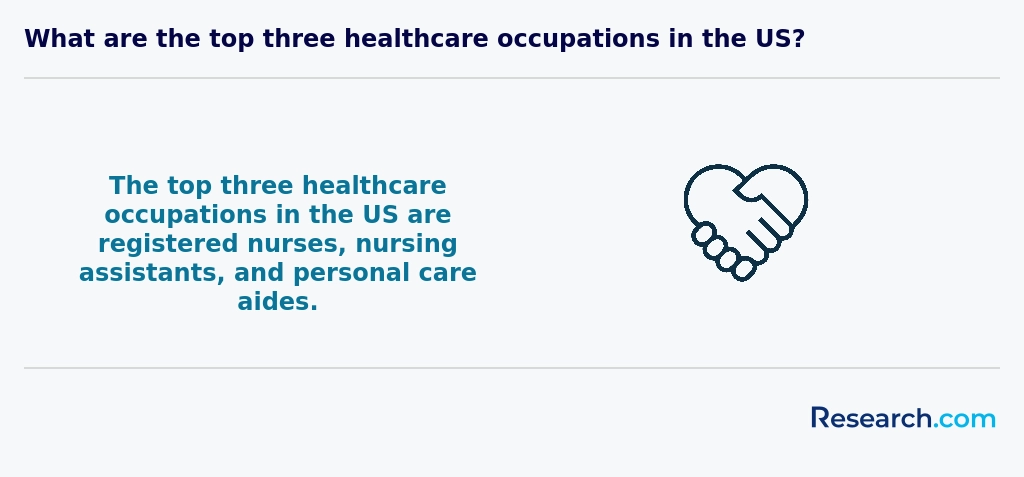
Graduates of a healthcare degree in Azusa find numerous rewarding career paths reflecting the city's rich medical landscape. Many have stepped confidently into roles like Registered Nurse, benefiting from the strong ties to major facilities such as Adventist Health White Memorial. Others have embraced positions as Medical and Health Services Managers, guiding efficient patient care through hospitals and clinics that serve the community. Azusa's local colleges, known for their well-rounded programs, have prepared graduates to thrive in these roles, where practical skills meet compassionate service.
Azusa is also a fertile ground for Physical Therapists and Medical Laboratory Technicians, occupations that connect directly with the city's aging population and expanding healthcare needs. Graduates often recount the satisfaction of using their training in real-world settings, whether helping patients regain mobility or supporting diagnostics behind the scenes. For those drawn to delicate aspects of patient care, understanding neonatal care emotional challenges is a vital part of the journey. These examples capture the essence of healthcare careers in Azusa as dynamic and deeply fulfilling.
Many students reflect on the value of combining their studies with local internships, which bridge theory and hands-on experience. These opportunities strengthen the networks that foster job opportunities among Azusa healthcare degree job opportunities, making the transition to professional life more encouraging and hopeful.
What is the job market for healthcare degree in Azusa?
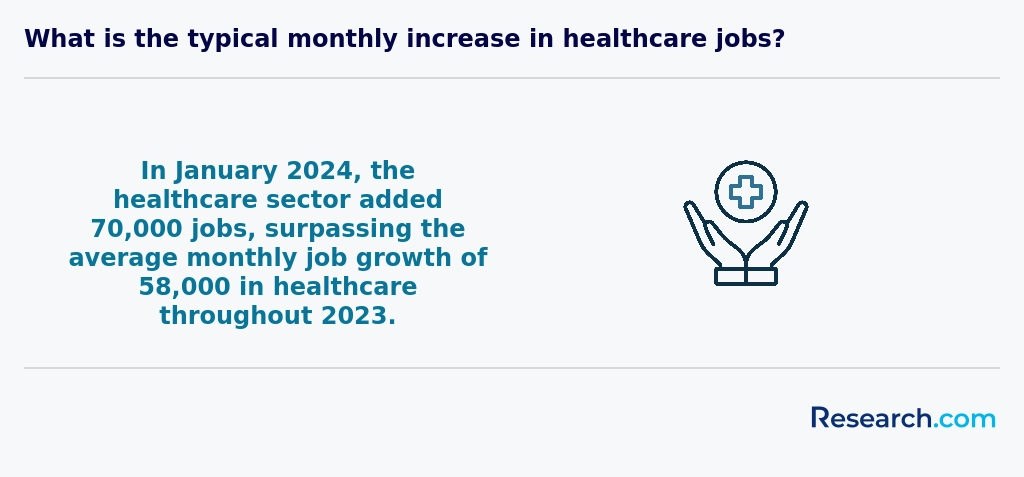
The healthcare job market in Azusa is notably robust, reflecting steady growth that promises rewarding opportunities for graduates with healthcare degrees. Many graduates from local colleges and universities share how their practical experience-gained through internships and clinical hours-played a key role in securing positions soon after completing their studies. Azusa's healthcare facilities, including hospitals and outpatient care centers, continuously seek skilled professionals, particularly in nursing and medical administration roles. This creates a welcoming environment for those entering the field.
Graduates often highlight the competitive salaries available locally, such as registered nurses earning a median wage close to $95,000 annually, which supports the value of investing in education in this region. Students pursuing healthcare degrees near Azusa, especially those looking to manage costs, can also explore programs recognized as the cheapest healthcare school in california, ensuring education remains accessible. Understanding the Azusa healthcare degree employment opportunities helps students align their ambitions with real-world career potential in a field that continuously serves the community.
Frequently Asked Questions About healthcare
Healthcare degree students in Azusa can enhance their learning by engaging deeply with local clinical opportunities. Azusa is part of Los Angeles County, which hosts a diverse patient population, offering hands-on experience with a wide range of healthcare conditions.
Seeking internships or volunteering at nearby hospitals such as Foothill Presbyterian or community clinics allows students to apply theoretical knowledge in real scenarios. According to the California Employment Development Department, healthcare professions in this region are projected to grow by over 15% through 2030, highlighting strong job prospects for those with practical skills.
Additionally, students should utilize university resources, including simulation labs and tutoring services, to strengthen both clinical and academic competencies. Participation in student healthcare organizations also fosters networking and leadership development, crucial for career advancement in this competitive field.
The healthcare field in Azusa is expanding into several emerging niches driven by advances in technology and changing patient needs. One notable area is telehealth, which grew rapidly during the COVID-19 pandemic and continues to offer remote patient care through digital platforms. According to recent state health reports, telehealth usage in California increased by over 50% between 2020 and 2023.
Another growing niche is personalized medicine, focusing on genetic testing and tailored treatment plans. This approach is gaining traction with local research institutions collaborating on genomics projects. Additionally, healthcare informatics is becoming vital, as managing electronic health records requires specialized knowledge.
Azusa also sees rising demand for professionals in mental health and gerontology, reflecting broader demographic trends in Southern California.
After completing a healthcare degree in Azusa, preparing for the job market involves several strategic steps. First, graduates should gain practical experience through internships or volunteer positions at local healthcare facilities. Azusa is near multiple hospitals and clinics, such as the San Gabriel Valley Medical Center, which often offer such opportunities.
Networking is crucial; attending healthcare job fairs and joining local professional associations can increase connections. The California Employment Development Department reports healthcare employment in the Los Angeles region is projected to grow by 14% through 2028, indicating strong demand for qualified professionals.
Certification and licensure relevant to your healthcare specialization are essential. For example, many nursing and allied health roles require passing national and state exams before employment. Strong communication and technical skills also improve your competitiveness in Azusa's healthcare job market.
Employers in Azusa prioritize a mix of technical and interpersonal skills when hiring healthcare degree graduates. Clinical competence, such as proficiency in patient care protocols and medical technology, is essential. According to the California Employment Development Department, healthcare occupations in the Los Angeles metro area, including Azusa, are expected to grow by over 12% through 2030, increasing demand for skilled professionals.
Strong communication skills are highly valued, as healthcare workers must effectively interact with patients and multidisciplinary teams. Critical thinking and problem-solving abilities help graduates adapt to complex clinical situations.
Additionally, employers seek graduates familiar with electronic health records (EHR) systems due to the digitalization of medical information. Cultural competency and empathy are also important for serving Azusa's diverse population, ensuring high-quality patient-centered care.
Finding internships in Azusa for healthcare degree students involves several strategic steps. Start by exploring local hospitals and healthcare facilities like Citrus Valley Medical Center and local clinics, which frequently offer internship programs. Networking through your college's career center and healthcare faculty can also connect you to opportunities.
Consider joining professional organizations such as the California Association of Healthcare Education or student groups, as these often share internship listings. Additionally, Azusa's proximity to Los Angeles expands available internships, giving access to large medical centers and research institutions.
Online platforms like Handshake and Indeed also list healthcare internships targeted to Azusa and surrounding areas. Early application and relevant certifications can improve chances significantly.
Obtaining a healthcare degree in Azusa can significantly enhance career mobility and advancement opportunities within the region's growing medical sector. Healthcare roles in Azusa, including nursing, medical assisting, and health administration, are expected to increase by over 10% through 2030, according to the California Employment Development Department. Employers often prefer candidates with formal healthcare education due to rigorous training and certification requirements.
Graduates from local accredited programs are better positioned for promotions and salary increases. Advanced degrees can open doors to leadership roles or specialized positions, such as nurse practitioners or healthcare managers. Additionally, healthcare degrees provide access to a broad professional network in Azusa, which aids in job placement and career growth.
Studying for a healthcare degree in Azusa equips students with skills essential for interdisciplinary collaboration. Local colleges and universities emphasize teamwork across nursing, public health, and medical technology fields. This approach reflects the growing demand in Los Angeles County, where integrated care teams improve patient outcomes, according to the California Health Care Foundation.
Curriculums often include joint projects and simulations that encourage communication between various healthcare roles. Azusa's proximity to major medical centers allows students to engage in clinical experiences involving multiple disciplines, fostering adaptability. Additionally, coursework covers healthcare policies and ethics, preparing students to navigate complex healthcare systems collaboratively.
These educational experiences align with national trends highlighting that 70% of healthcare providers in California work in interdisciplinary teams, underscoring Azusa programs' relevance and practicality.
Choosing between a thesis and a non-thesis healthcare degree program in Azusa depends on your career goals and learning preferences. Thesis programs emphasize research and typically suit students aiming for academic or scientific careers. They usually require conducting original research and writing a comprehensive paper. Non-thesis programs focus more on coursework and practical skills, ideal for those planning to enter the healthcare workforce directly.
Azusa's healthcare job market is growing, with a 15% increase in demand for healthcare professionals by 2030, according to California's Employment Development Department. This growth influences program choice.
Evaluate your time commitment, interest in research, and career plans when deciding which option fits best.
Students based in Azusa seeking to study healthcare abroad have several pathways aligned with U.S. higher education standards. Many U.S. universities, including those in California, offer exchange programs and partnerships with international institutions in countries such as the United Kingdom, Canada, and Australia. These opportunities allow students to earn credits transferable to their home degrees while gaining global healthcare perspectives.
The National Center for Education Statistics reports that approximately 12% of U.S. healthcare students participate in some form of study abroad each year. Azusa students can leverage resources from local institutions like Azusa Pacific University, which supports global learning experiences directly related to healthcare fields.
Additionally, accreditation bodies like the Commission on Accreditation of Allied Health Education Programs ensure that many international healthcare programs meet U.S. standards, facilitating smoother credential recognition upon return. Such options enhance cultural competence and prepare students for diverse healthcare environments.
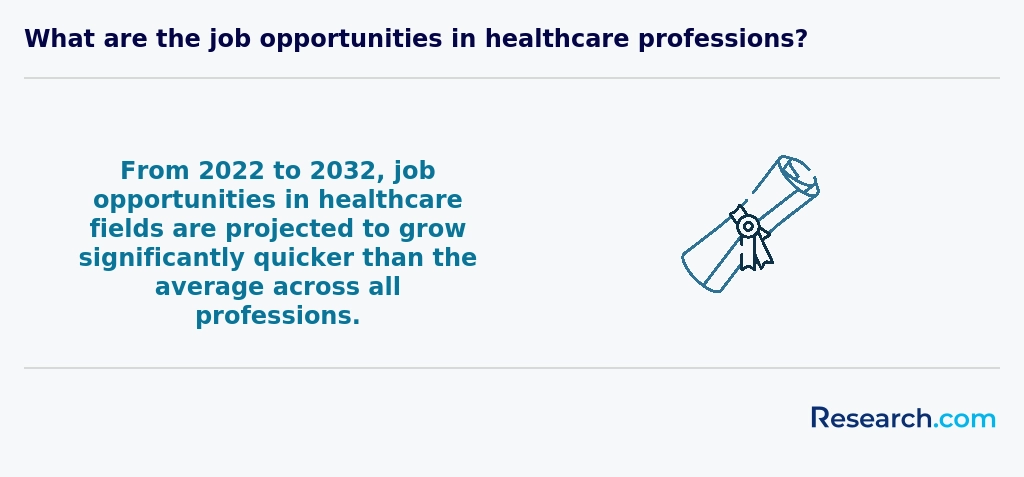
Students pursuing healthcare degrees in Azusa have several part-time job opportunities that can enhance their education. Working as a certified nursing assistant (CNA) or medical assistant in local clinics provides valuable hands-on experience. Azusa's proximity to healthcare facilities like Citrus Valley Medical Center offers roles in patient care and administrative support. According to the U.S. Bureau of Labor Statistics, healthcare support jobs are projected to grow 11% nationally from 2022 to 2032, suggesting strong local demand.
Additionally, positions such as pharmacy technician or physical therapy aide allow students to build relevant skills while balancing studies. Volunteering in hospitals or community health programs also strengthens resumes and professional networks.
Healthcare students in Azusa benefit from various networking opportunities that can enhance their education and career prospects. Azusa Pacific University and Citrus College, two local institutions offering healthcare-related programs, host regular events and workshops connecting students with industry professionals. According to the California Employment Development Department, the healthcare sector in Los Angeles County, including Azusa, expects a growth rate of 16% through 2030, increasing demand for skilled professionals.
Students can join organizations like the Student Nurses Association or Health Occupations Students of America, which provide chances to meet peers and mentors. Local hospitals and clinics in Azusa often offer internships and volunteer positions, fostering real-world connections. Networking at career fairs organized by colleges also allows direct contact with healthcare employers.
Alumni networks play a vital role in supporting healthcare degree students in Azusa. These networks provide access to experienced professionals who can offer mentorship, career advice, and guidance on navigating the healthcare industry. Strong connections made through alumni associations often lead to internship and job opportunities, which are crucial given Azusa's competitive healthcare job market.
According to the California Employment Development Department, the healthcare sector in Azusa has grown by over 10% in recent years, increasing demand for skilled workers. Alumni connections help students leverage this growth by linking them to local hospitals and clinics.
Additionally, alumni events foster professional development and lifelong learning, helping healthcare students stay current with industry trends and certifications.
Customizing a healthcare degree program in Azusa involves selecting courses and specializations that align with your career goals. Many local institutions offer flexible curriculums allowing students to focus on areas such as nursing, public health, or healthcare administration. Azusa's proximity to major healthcare centers, like the Citrus Valley Medical Center, provides valuable internship and practicum opportunities that enhance practical skills.
Students can also pursue certifications alongside their degrees, improving employability in specialized fields. According to the California Employment Development Department, healthcare occupations in the Azusa area are projected to grow by 15% by 2030, highlighting the value of tailored programs. Academic advisors in Azusa's colleges are key resources for personalized academic planning.
Healthcare students in Azusa commonly face several challenges throughout their education. One significant issue is managing the rigorous coursework, which demands a strong understanding of both theoretical knowledge and practical skills. Many students report stress related to balancing clinical hours with academic responsibilities.
Access to affordable clinical placement sites can also be difficult, as Azusa and surrounding areas experience high demand for hands-on training, limiting opportunities. According to the California Future Health Workforce Commission, this bottleneck affects nearly 30% of healthcare students statewide.
Financial strains pose another challenge, with the average annual cost of healthcare programs in Southern California exceeding $15,000. Students often seek scholarships or part-time work to cover expenses, which can impact study time.
Additionally, students face adapting to evolving technology and regulatory requirements in healthcare, necessitating continuous learning beyond classroom instruction.
With a healthcare degree in Azusa, graduates can pursue various professional certifications to advance their careers. Common certifications include the Certified Nursing Assistant (CNA), Licensed Vocational Nurse (LVN), and Registered Nurse (RN) licenses, all regulated by California's Board of Registered Nursing. For those interested in allied health roles, certifications like Medical Assistant (CMA) and Phlebotomy Technician are popular choices.
Additionally, healthcare management graduates may pursue Certified Professional Healthcare Quality (CPHQ) or Certified Healthcare Financial Professional (CHFP) credentials. The demand for such certifications reflects the growth of healthcare jobs in the San Gabriel Valley, where Azusa is located, with a 14% employment increase projected through 2030 by California's Employment Development Department.
When applying to healthcare programs in Azusa, start by thoroughly researching each institution's specific requirements. Many local schools, including Citrus College and Azusa Pacific University, value applicants with strong academic records, particularly in science and math courses.
It's essential to write a clear, well-organized personal statement that reflects your passion for healthcare and understanding of the field's demands. Highlight any relevant experience, such as volunteering at local clinics or working with community health initiatives in Azusa.
Be sure to request strong letters of recommendation from professionals familiar with your academic abilities and work ethic. According to recent admissions data, applicants with compelling personal statements and solid recommendations have higher acceptance rates.
Finally, emphasize your commitment to serving local populations, as Azusa's growing healthcare sector increasingly seeks candidates dedicated to community health improvement.
The global perspective on a healthcare career emphasizes sustainability, innovation, and cultural competence. In the United States, including places like Azusa, healthcare professionals are expected to address diverse populations with varying needs. According to the U.S. Bureau of Labor Statistics, healthcare occupations are projected to grow 16% from 2021 to 2031, reflecting a strong demand nationally and locally.
Azusa benefits from proximity to major medical centers, encouraging collaborative practices with international insights in patient care. Globally, healthcare careers value cross-border knowledge, such as global health policies and emerging technologies, which are increasingly integrated into U.S. healthcare programs.
Students pursuing healthcare degrees in Azusa are positioned to contribute to worldwide efforts, improving health equity and outcomes through evidence-based practices acknowledged by organizations like the World Health Organization (WHO).
Gaining practical experience while studying for a healthcare degree in Azusa is essential for developing job-ready skills. Many local colleges offer clinical placements or internships in partnership with nearby hospitals and healthcare centers, such as the Foothill Presbyterian Hospital. These opportunities allow students to work directly with patients and healthcare professionals, which is vital for hands-on learning. According to the California Employment Development Department, healthcare occupations in the Azusa area are expected to grow by over 15% through 2028, increasing demand for skilled graduates with field experience. Volunteering and simulation labs also supplement clinical practice effectively.
Choosing the right concentration within a healthcare degree program in Azusa requires careful consideration of local job market demands and personal interests. Azusa's healthcare sector is growing steadily, with a strong need for professionals in nursing, medical assisting, and health information technology, according to California Employment Development Department data.
Students should evaluate their strengths and career goals, whether clinical care, administration, or technology. Researching program accreditation and faculty expertise can ensure high-quality education. Azusa's proximity to larger healthcare networks in Los Angeles offers valuable internship opportunities, which can influence concentration choice.
Finally, considering future licensing and certification requirements related to each concentration is crucial for successful employment.
Related Healthcare Rankings for Nearby Cities
- 2027 Best Healthcare Degree Programs Ranking in Los Angeles
- 2027 Best Healthcare Degree Programs Ranking in Anaheim
- 2027 Best Healthcare Degree Programs Ranking in Irvine
- 2027 Best Healthcare Degree Programs Ranking in La Jolla
- 2027 Best Healthcare Degree Programs Ranking in San Diego
- 2027 Best Healthcare Degree Programs Ranking in Riverside
- 2027 Best Healthcare Degree Programs Ranking in Las Vegas
- 2027 Best Healthcare Degree Programs Ranking in Phoenix
- 2027 Best Healthcare Degree Programs Ranking in Tempe
- 2027 Best Healthcare Degree Programs Ranking in Oakland
Top Trending Healthcare Rankings
See What Experts Have To Say About Studying Healthcare
Read our interview with Healthcare experts

References
- Job-Ready Healthcare Skills for 2026 https://cliniwave.in/blogs/latest-article/job-ready-healthcare-skills
- Know more about thesis vs non- thesis: what is the difference? https://studyfans.com/en/blogs/816
- What Are the Differences in Salary Level for Different Degrees in Healthcare Management? | MHA Salary https://www.healthcare-management-degree.net/faq/what-are-the-differences-in-salary-level-for-different-degrees-in-healthcare-management/
- T5246755 https://www.highergov.com/grant/T5246755/
- Client Challenge https://www.springerpflege.de/nursing-graduates-perceived-future-career-pathway-and-career-shi/50653658
- Advance Your Education and Career While Working in Healthcare https://www.hospitalrecruiting.com/blog/4236/advance-your-education-and-career-while-working-in-healthcare/
- What Can You Do with a Health Sciences Degree? https://www.ycp.edu/news/what-can-you-do-with-a-health-sciences-degree
- Azusa Pacific University RN to BSN Nursing Degree Program https://www.rntobsnschools.org/schools/california/azusa-pacific-university-rn-to-bsn-program/
- 6 Tips On Networking For Medical Professionals https://aaams.net/blog/how-to-network-in-the-medical-field-nurses/
- 20 healthcare investment niches and 3 things to know: The evolution of ... https://blackbookmarketresearch.com/20-healthcare-investment-niches-and-3-things-to-know-the-evolution-of





