2027 Fastest Online Master's in Healthcare Degree Programs Ranking in Montgomery, AL

Co-Founder and Chief Data Scientist
Choosing the right online healthcare master's program can feel overwhelming, especially with so many options available. This article introduces the 2027 Fastest Online Master's in Healthcare Degree Programs Ranking in Montgomery, AL, created by the Research.com team of data scientists. It's designed to help you find the best programs that fit your goals and lifestyle.
By exploring this ranking, you'll gain valuable insights to make an informed decision. Earning a healthcare degree can open doors to rewarding careers and personal growth. Let's explore the top options together to support your journey toward a brighter future.
Key benefits of getting online healthcare degree in Montgomery
- Healthcare graduates in Montgomery can expect competitive salaries, such as healthcare consultants earning a mean annual wage of $115,530 and healthcare compliance managers averaging around $80,190, offering strong financial motivation.
- Graduates from Montgomery's popular universities often pursue diverse career paths, including consulting, project management, and compliance roles, providing a wide range of opportunities to match personal interests and skills.
- Online healthcare degrees offer flexibility and convenience, allowing students to balance work and life commitments while gaining quality education, as demonstrated by many successful online graduates in Montgomery.
- 2027 Fastest Online Master's in Healthcare Degree Programs Ranking in Montgomery, AL
- What can I expect from online healthcare degree in Montgomery?
- Where can I work with online healthcare degree in Montgomery?
What can I expect from online healthcare degree in Montgomery?
The average cost of an online healthcare degree in Montgomery varies significantly based on the institution and program level, but students can generally expect tuition fees ranging from $10,000 to $30,000 for undergraduate degrees and $20,000 to $45,000 for graduate programs. Local universities like Auburn University at Montgomery and Alabama State University, popular among healthcare students, offer competitive pricing paired with financial aid packages that help ease the burden.
Graduates frequently share how scholarships, federal loans, and institutional aid play a crucial role in managing costs, making high-quality education accessible without excessive debt. For example, nursing students at Montgomery institutions often find that state-funded scholarships targeted at healthcare fields substantially reduce out-of-pocket expenses.
Many students appreciate that the investment aligns well with the strong job market in Montgomery, where local hospitals and clinics actively recruit graduates, allowing them to quickly translate education into rewarding careers. This connection between program affordability and promising employment fosters confidence and motivation throughout their studies.
Where can I work with online healthcare degree in Montgomery?
Graduates with online healthcare degrees in Montgomery commonly secure roles at prominent local employers such as Baptist Health, Jackson Hospital, and the Montgomery Veterans Affairs Medical Center. These institutions seek professionals in nursing, healthcare administration, and allied health, often preferring candidates with advanced degrees obtained from respected schools like the University of Alabama at Birmingham's regional programs or Auburn University at Montgomery.
Many students report transitioning smoothly into nursing leadership, care coordination, and patient advocacy positions, appreciating the flexibility of online education paired with robust local job prospects. Public health agencies, including the Alabama Department of Public Health, actively recruit graduates for community health and preventive care roles, reflecting the city's commitment to improving healthcare outcomes.
Opportunities also extend to healthcare IT, consulting, and pharmaceutical companies thriving in Montgomery's expanding healthcare sector. Graduates highlight the advantage of specialized skills in health informatics, gained through online programs, when pursuing roles in data management or telehealth services that support remote work options.
Graduates with an online healthcare degree in Montgomery can expect competitive earnings that align with their chosen career paths. For example, healthcare consultants in the area earn a mean annual wage of approximately $115,530, reflecting high demand for strategic expertise in healthcare settings. This salary level offers substantial financial reward for those advancing through programs offered by local institutions such as Auburn University at Montgomery or Faulkner University.
Healthcare compliance managers in Montgomery report mean annual wages near $80,190, a robust figure that underscores the growing emphasis on regulatory knowledge in healthcare organizations. Graduates pursuing these roles often appreciate the flexibility of online degrees, allowing them to balance work and continued education while enhancing their income potential.
Many graduates find that these salary figures, combined with Montgomery's reasonable cost of living, create a rewarding professional and personal experience. Alumni from Montgomery's prominent healthcare programs often share that their education not only boosts earnings but also opens doors to leadership opportunities in hospitals, clinics, and administrative offices.
- Tuition for online bachelor's healthcare degrees in Montgomery ranges from $15,000 to $30,000, while master's programs cost between $25,000 and $45,000.
- In-state tuition rates are lower, making local or state-affiliated schools more affordable for Montgomery residents.
- Entry-level salaries for healthcare graduates typically start from $50,000 to $60,000 annually and can increase to $80,000-$100,000 with experience or a master's degree.
- Healthcare jobs in Montgomery are expected to grow by about 15% over the next decade, driven by demand for medical services and an aging population.
- Many online programs include clinical experiences or internships and are accredited by recognized bodies such as CAAHEP to meet licensure requirements.
Completing an online healthcare degree in Montgomery generally aligns with national timeframes but offers flexible pacing to accommodate diverse lifestyles. Graduates from institutions like Auburn University at Montgomery often report finishing associate degrees in about 2 years, involving around 60-65 credit hours. Bachelor's degree seekers typically invest between 3 to 4 years, managing roughly 120 credit hours, balancing studies with personal and professional commitments.
For those pursuing advanced education, master's programs such as the online Master of Healthcare Administration (MHA) or Master of Science in Nursing (MSN) usually take 1.5 to 3 years. Some local programs offer accelerated pathways that enthusiastic students have praised for enabling completion in as little as 12 to 18 months by engaging in more intensive coursework.
Many Montgomery healthcare students appreciate the adaptability of part-time study options, which extend program duration but allow them to maintain work-life balance. Practical requirements like clinical hours also affect timelines, especially in nursing, ensuring graduates are well-prepared for real-world healthcare environments.
An online master’s in Healthcare program in Montgomery, AL typically combines foundational courses with specialized electives to ensure both breadth and depth of knowledge. Core coursework often includes Healthcare Policy and Ethics, Health Informatics, Financial Management in Healthcare, and Advanced Research Methods. Each course is structured around 6–9 credit hours, blending synchronous webinars with asynchronous modules to facilitate flexible learning. Students engage with real-world case studies, simulation exercises, and collaborative group projects that mirror the demands of modern healthcare settings. Elective offerings allow learners to tailor their studies to specific career goals-common tracks include Telehealth Management, Quality Improvement and Patient Safety, Public Health Leadership, and Strategic Human Resources in Healthcare. Many programs culminate in a Capstone Project or Practicum, where students apply theoretical frameworks to address an actual challenge in their workplace or community. This hands-on component not only demonstrates mastery of program objectives but also bolsters professional portfolios and resumes. Prospective students evaluating program costs and value may also explore our Inexpensive Online Healthcare Degree Programs Ranking in Maryland for comparative insights on affordability and return on investment. By understanding the typical curriculum structure and elective pathways, applicants can make informed decisions that align with their academic strengths, career aspirations, and financial considerations.
In Montgomery, healthcare students often face a clear distinction between online and on-campus degree paths. On-campus programs at institutions like Auburn University at Montgomery provide direct access to labs and clinical simulations, fostering hands-on learning that many graduates find invaluable for building confidence. The regular schedule and face-to-face interaction create a structured environment ideal for those who thrive on routine and personal engagement.
Conversely, online healthcare degrees offered through local accredited programs allow students flexibility to balance work and family commitments. Graduates frequently share that asynchronous courses helped them study effectively at their own pace, especially when juggling demanding personal schedules. While online learners still complete required clinical placements, their virtual coursework suits those needing adaptability without sacrificing accreditation standards.
Cost savings also play a role in Montgomery, where online students avoid commuting and campus fees, easing financial burdens. Both formats maintain rigorous accreditation through recognized bodies, ensuring that Montgomery students-whether online or on-campus-graduate prepared for professional healthcare roles.
In today’s competitive healthcare landscape, enhancing your education with targeted certifications and specialized training can set you apart from the crowd. Complementing your Online Master’s degree with supplementary credentials not only reinforces your expertise but also opens doors to higher-paying and more diverse opportunities. For example, many professionals find that obtaining a list of quick medical certifications that pay well in healthcare serves as a valuable boost to their career prospects by providing focused, practical skills in a shorter timeframe. These certifications-ranging from emergency care to health informatics-equip graduates with the agility to adapt to fast-evolving industry demands and technological advancements. Additionally, this approach demonstrates a commitment to continuous learning, a quality highly prized by employers in Montgomery, AL and beyond. By integrating both advanced academic qualifications and targeted certifications, you can build a robust portfolio that positions you effectively in the competitive job market while also broadening your professional network and leadership potential in the healthcare sector.
The average cost of an online healthcare degree in Montgomery is approximately $30,420, with in-state students typically paying around $14,130. These figures reflect a median total cost that offers prospective students a clear expectation when budgeting for their education. Graduates from Montgomery's well-regarded institutions, such as Troy University and Alabama State University, often share positive feedback about the value received for costs comparable to other public universities nationwide.
Understanding the financial commitments involved in healthcare education in Montgomery allows students to plan effectively. With affordable online healthcare master's programs in Montgomery Alabama, learners can pursue advanced degrees while balancing personal and professional responsibilities, making the investment worthwhile. Many alumni appreciate the flexibility and comprehensive curriculum these programs provide, which prepares them efficiently for the healthcare sector.
Factors influencing the tuition costs include the type of degree, program length, and residency status. For those seeking faster pathways, exploring a list of quick medical certifications that pay well in healthcare can be a valuable option. This approach often reduces both time and expenses while allowing immediate entry into the workforce.
Students in Montgomery benefit from the region's competitive pricing paired with financial aid opportunities that help mitigate expenses. Overall, the average cost reflects a balance of quality education and reasonable tuition, enabling motivated individuals to advance their healthcare careers locally without facing prohibitive costs.
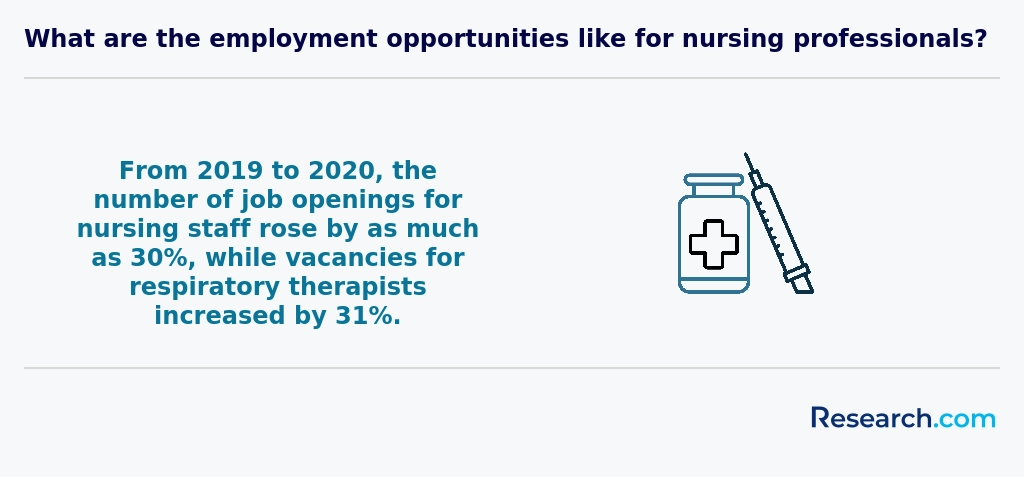
When envisioning your future with an online healthcare degree in Montgomery, AL, it’s essential to understand the diverse career trajectories available and learn from those who have successfully navigated this journey. This section spotlights varied career paths while sharing real alumni experiences and practical advice. Graduates have ventured into roles that span clinical practice, healthcare administration, and public health leadership. For instance, one alumna leveraged her online degree to become a Clinical Operations Manager at a local hospital, combining her comprehensive education with mentorship opportunities to streamline patient care processes. Another success story comes from an alumnus who transitioned from frontline care to a role in health informatics at a burgeoning telehealth company, emphasizing how digital expertise can drive career advancement. Key career paths emerging from online healthcare programs in Montgomery, AL include: • Clinical Practice: Roles such as registered nurses, diagnostic technicians, and health assistants, where graduates apply both theoretical knowledge and hands-on skills. • Healthcare Administration: Positions including hospital administrators, practice managers, and operations coordinators, which allow professionals to shape policy and streamline clinical services. • Public Health and Community Health: Opportunities focused on preventive care, epidemiological research, and health education to make a broader impact on community wellness. • Health Informatics and Technology Integration: Careers that bridge healthcare and technology, preparing graduates to manage data systems and implement innovative digital solutions. Alumni underline the importance of seeking programs that offer robust support networks, internship opportunities, and ongoing career services. Their stories not only validate the quality of these online programs but also provide a roadmap for aspiring healthcare professionals. As you explore your options, remember that every career path is unique-align your strengths and ambitions with the specialization that best suits your long-term goals.
Students pursuing online healthcare degrees in Montgomery often rely on a combination of federal, state, and institutional financial aid to manage tuition costs. Graduates from institutions like the University of Alabama at Birmingham have reported substantial support through federal aid accessed via FAFSA, which unlocks options such as Direct Unsubsidized Loans and Grad PLUS Loans. These loans provide essential funding for master's level healthcare programs, easing financial worries for many.
State scholarships, such as those from the Alabama Student Assistance Program and the Workforce Enhancement Grant, are valuable resources for Montgomery-based students who commit to serving in the region's growing healthcare industry. Recipients frequently describe these grants as critical in enabling them to focus fully on studies without overwhelming debt.
Many Montgomery online healthcare learners benefit from institutional scholarships and assistantships offered by their schools, rewarding strong academic achievement or relevant healthcare experience. Additionally, ongoing employer tuition reimbursement programs local to Montgomery hospitals offer working professionals a practical path to advance their education while maintaining employment.
Private scholarships from healthcare organizations further expand aid opportunities, helping students cover remaining costs and achieve their career goals with confidence and reduced financial stress.
Accreditation is a critical factor when choosing an online healthcare master’s program in Montgomery, AL. Accredited programs have undergone rigorous evaluation by recognized agencies-such as CAHIIM (Commission on Accreditation for Health Informatics and Information Management Education) or AAPC (American Academy of Professional Coders)-to verify that curricula, faculty credentials, and institutional resources meet industry benchmarks. Graduates from accredited programs not only qualify for federal financial aid but also gain a competitive edge when pursuing certifications like Certified Professional Coder (CPC) or Certified Healthcare Administrator (CHA). Moreover, employers in Montgomery’s healthcare sector prioritize hires whose education aligns with nationally accepted standards, ensuring both clinical competency and administrative proficiency. To further bolster your credentials, consider supplementing your master’s degree with specialized certifications. For example, completing medical coding and billing online programs accredited by AAPC can streamline your path to CPC certification and enhance your resume with verifiable expertise. These targeted courses often include hands-on practice with ICD-10, CPT®, and HCPCS coding systems, preparing you to navigate complex billing scenarios and reduce claim denials. Employers value professionals who pair advanced academic training with concrete coding credentials, as this combination drives operational efficiency and maximizes revenue cycles. Before enrolling, verify accreditation status by checking the U.S. Department of Education’s Database of Accredited Postsecondary Institutions and Programs (DAPIP) and confirm program approvals through CAHME (Commission on Accreditation of Healthcare Management Education) where applicable. Request official accreditation letters from institutions and review outcomes of recent site visits or peer-review reports. By selecting an accredited online healthcare master’s program and obtaining relevant certifications, you assure both academic rigor and industry recognition-key ingredients for long-term career success in Montgomery’s evolving healthcare landscape.
Enrolling in an online healthcare degree program in Montgomery typically requires a high school diploma or equivalent, establishing a foundation for academic success. Graduates from institutions such as Auburn University at Montgomery often recall how this basic qualification was just the first step toward their healthcare careers.
For advanced degrees like a master's, candidates must possess a bachelor's degree, often in health sciences, nursing, or related fields, with many local programs expecting a minimum GPA of about 3.0. These standards ensure readiness for the rigorous coursework ahead.
Letters of recommendation and personal statements are crucial components, reflecting applicants' motivation and experience. Many healthcare students from Montgomery colleges emphasize how these documents helped convey their passion and professional goals to admission committees.
Additional prerequisites include relevant certifications or professional experience, especially valuable for licensure and practical knowledge. Proof of English proficiency is required for non-native speakers, ensuring clear communication in clinical and academic settings. Reliable internet and access to local clinical partners in Montgomery also support successful program completion.

Earning an online healthcare degree in Montgomery, AL opens the door to a diverse spectrum of rewarding career paths that blend clinical expertise with administrative prowess. Graduates can explore roles ranging from direct patient care to strategic management in healthcare settings. For instance, many alumni secure clinical positions as registered nurses, diagnostic technicians, or patient care coordinators, where they demonstrate high levels of technical proficiency and empathetic communication. Others pursue careers in healthcare administration by stepping into roles such as operations managers, clinical administrators, or health information specialists, where their ability to balance strategic planning with compassionate care is highly valued. Additionally, opportunities in public health, healthcare technology, and health informatics allow graduates to engage in community-driven projects, data management, and innovative telehealth solutions. By choosing a specialized path aligned with personal interests and local industry demands, healthcare professionals in Montgomery are well-equipped to contribute to an evolving landscape that prioritizes both patient outcomes and operational excellence.
Online healthcare degree programs in Montgomery typically include courses designed to equip students with both theoretical knowledge and practical skills relevant to the region's expanding medical landscape. Graduates from well-regarded local institutions often share how core courses like healthcare ethics and healthcare law grounded them in the professional standards essential for patient care and compliance within Montgomery's healthcare systems.
Many students appreciate studying biostatistics and epidemiology, which provide critical tools to analyze health trends common in Montgomery, such as managing chronic diseases like diabetes. These courses directly connect to local hospitals and public health departments, offering hands-on applications of classroom learning.
Health informatics is another central course, reflecting Montgomery's emphasis on digital health technologies and telemedicine expansion. Students have expressed enthusiasm about mastering electronic health record management, which is increasingly vital in this growing healthcare hub.
Management courses, including healthcare finance and organizational leadership, prepare students to confidently oversee budgets and teams in complex medical environments. Electives often allow customization toward specialties like mental health services or healthcare innovation, aligning with students' personal career goals and local industry needs.
Students pursuing an online healthcare degree in Montgomery typically choose from several focused specializations designed to equip them with skills aligned to local healthcare needs. Popular paths include Health Informatics, which trains graduates to manage electronic health records and optimize patient care through technology-increasingly vital as Montgomery expands its healthcare infrastructure. Healthcare Administration is another key specialization, preparing professionals to lead and manage healthcare organizations, an essential role given the city's concentration of major hospitals.
For those already in clinical roles, Nursing Leadership and Education specializations offer avenues to advance careers without leaving the workforce, addressing Alabama's urgent nursing shortage. Degrees focusing on Public Health or Healthcare Policy appeal to students dedicated to improving community health outcomes through epidemiology and policy development, areas highly relevant in Montgomery's healthcare landscape.
Graduates from popular Montgomery colleges often praise the balance of rigorous coursework with practical application, making fields like these both deeply rewarding and career-ready. Some students also explore related fields such as medical coding and billing online programs accredited, which complement healthcare degrees by enhancing administrative expertise. These Montgomery AL online healthcare master's programs provide a strong foundation tailored to regional and national healthcare demands.
Choosing the best online healthcare degree in Montgomery requires careful evaluation of accreditation, curriculum, cost, and local relevance. Graduates from popular institutions like Auburn University at Montgomery report that programs accredited by recognized bodies, such as CAHME, provide essential credibility valued by Montgomery employers like Baptist Health and Jackson Hospital. This accreditation ensures that degrees meet rigorous standards and increase job prospects in the city's healthcare market.
Students often emphasize the importance of selecting a specialization aligned with Montgomery's healthcare needs, such as healthcare administration or public health. Flexibility also matters: successful graduates appreciate asynchronous class formats and strong student support that accommodate working professionals balancing family and careers.
Cost considerations are critical when comparing affordable healthcare master's degrees Montgomery Alabama offers, especially at in-state public universities. Those seeking economical options may review financial aid opportunities or tuition assistance programs. For practical decision-making, the Inexpensive Online Healthcare Degree Programs Ranking in Maryland provides useful benchmarks for cost-efficiency outside Alabama as a reference point.
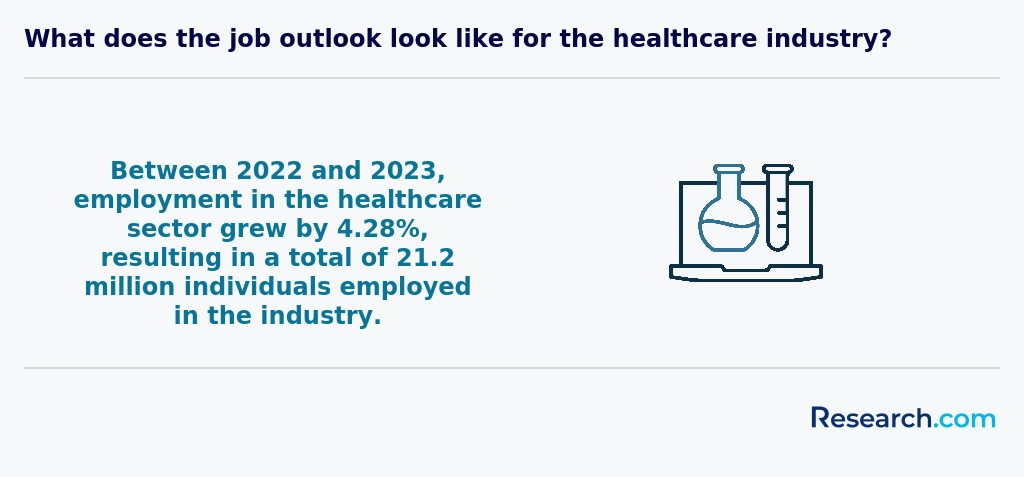
Graduates with an online healthcare degree in Montgomery can pursue diverse and rewarding career paths aligned with local industry demands. Many find roles as registered nurses at prominent healthcare facilities such as Jackson Hospital or Baptist Medical Center, where hands-on patient care and advanced nursing positions like nurse practitioners offer both professional fulfillment and competitive salaries. Others leverage their degrees to enter healthcare administration, managing operations and budgets within Montgomery's hospitals and clinics, thriving in leadership roles that impact community health outcomes. Graduates from well-known universities in Montgomery often share how their education enabled them to seamlessly transition into these vital positions, reflecting the strong demand for healthcare professionals in the area. Opportunities also exist for health informatics specialists and public health professionals who play instrumental roles in advancing healthcare technology and community wellness initiatives. Those interested in exploring accelerated career pathways may explore 6 month programs that pay well, which complement their existing qualifications and enhance their marketability in Montgomery's healthcare sector.
These varied roles illustrate the broad scope of online healthcare degree jobs in Montgomery AL, showcasing strong career growth and the vibrancy of Montgomery AL healthcare career opportunities available to graduates today.
The job market for graduates holding online healthcare degrees in Montgomery is notably robust, driven by growing healthcare demands and expanding local infrastructure. Those who complete programs at well-regarded institutions in the area often find rewarding positions within major employers like Jackson Hospital or the Medical Center, gaining competitive advantages in sectors such as nursing, healthcare administration, and health informatics. Graduates report satisfying career progress and a sense of achievement working in diverse environments from hospitals to community clinics.
Individuals pursuing online healthcare jobs in Montgomery AL benefit from opportunities linked to the city's expanding telehealth services, which align well with degrees focusing on digital health management. The combination of flexible online education and Montgomery's supportive healthcare environment enables students to balance work and study effectively. Interest in online college classes open enrollment has increased among those seeking accessible and affordable pathways into this ever-growing job market.
Locally, salaries for healthcare roles such as registered nurses and healthcare managers are competitive, reflecting both state averages and Montgomery's specific demands. Successful graduates frequently highlight the city's workforce initiatives and educational resources as key factors that ease their transition into employment following degree completion.
2027 Fastest Online Master's in Healthcare Degree Programs Ranking in Montgomery, AL
Investing in your education is a significant decision that can shape your future, and the Research.com team understands the importance of making informed choices. To assist prospective students in Montgomery, AL, we have carefully developed the "2027 Fastest Online Master's in Healthcare Degree Programs Ranking in Montgomery, AL." Our dedication to quality, credibility, and accuracy is demonstrated through thorough research and analysis performed to compile this ranking.
We utilized the following reputable data sources to ensure a comprehensive evaluation of healthcare master's programs:
By exploring this ranking, readers can discover the fastest online master's healthcare programs tailored to their needs, enabling informed decisions about their education and career advancements. For more information on our rigorous process, please visit our Research.com methodology page.
# 1 position
Amridge University
Master of Professional Counseling


Frequently Asked Questions About healthcare
Students pursuing online healthcare degrees in Montgomery can enhance their learning by actively engaging with interactive course materials, such as video lectures and simulations. Given Alabama's growing healthcare sector, including major employers like Jackson Hospital, understanding local healthcare challenges can provide context for coursework. Students should also take advantage of virtual study groups and forums to build peer connections, as collaboration improves retention and problem-solving skills.
Scheduling consistent study times helps maintain discipline, especially when balancing work or family. Montgomery's public library offers free access to medical journals and resources, which can support deeper research. Finally, seeking clinical internships locally, through approved healthcare facilities, ensures practical experience alongside theoretical knowledge.
Emerging niches within the healthcare field are rapidly evolving, driven by technological advances and demographic changes. In Montgomery, areas like telehealth and healthcare informatics are gaining significant attention. Telehealth services have expanded, especially since the COVID-19 pandemic, offering new career paths focused on remote patient care and digital communication technology.
Healthcare informatics experts analyze data to improve patient outcomes and streamline care delivery. Additionally, gerontological nursing is growing due to Montgomery's increasing aging population, with the U.S. Census Bureau reporting a rise in seniors requiring specialized care.
Other developing fields include mental health counseling and precision medicine, which tailor treatments based on genetic profiles, reflecting national trends influencing local job markets.
After completing an online healthcare degree in Montgomery, graduates should focus on building practical experience and professional networks. The local healthcare sector continues to grow, with the Alabama Department of Labor projecting a 15% increase in healthcare jobs by 2030. Gaining certifications relevant to your specialty, such as Certified Medical Assistant or Registered Nurse licenses, is crucial for employability.
Internships and volunteering at Montgomery medical centers like Jackson Hospital can provide on-the-job exposure. Networking through local professional groups, such as the Montgomery County Medical Society, also helps connect with potential employers.
Additionally, tailoring resumes with keywords from job postings enhances chances during applicant tracking system screenings.
Employers in Montgomery seek healthcare graduates with a combination of technical knowledge and interpersonal skills. According to the Alabama Department of Labor, strong communication abilities are essential, enabling graduates to effectively work with patients and interdisciplinary teams.
Clinical competence, including proficiency in electronic health records (EHR) and current healthcare technologies, ranks highly as well. The Montgomery healthcare sector emphasizes data accuracy and patient safety, aligning with national standards from organizations such as AHIMA.
Problem-solving and critical thinking skills also stand out, particularly as healthcare systems adapt to evolving patient needs and regulatory changes in Alabama.
Lastly, cultural competence and ethical decision-making are increasingly valued, reflecting Montgomery's diverse population and commitment to equitable care.
Finding internships in Montgomery relevant to a healthcare degree involves several practical steps. Start by exploring local hospitals such as Baptist Medical Center South and Jackson Hospital, which frequently offer internships or volunteer opportunities for healthcare students. Montgomery's healthcare sector employs over 8,000 healthcare professionals, highlighting numerous placement options (Alabama Department of Labor, 2023).
Students should also connect with university career centers, especially those with online healthcare programs, as they often have partnerships with local providers. Networking through professional groups like the Montgomery Area Medical Society can reveal internship leads. Lastly, online platforms like Handshake and local nonprofit organizations can list healthcare internship openings in Montgomery.
Online healthcare degrees offer significant benefits for career mobility and advancement in Montgomery. With the city's growing healthcare sector-home to numerous hospitals and clinics-professionals with advanced degrees are in high demand. According to the U.S. Bureau of Labor Statistics, healthcare jobs in Alabama are projected to grow by 15% through 2031, faster than average.
Holding an online healthcare degree enables workers to qualify for leadership roles and specialized positions, often leading to higher salaries. Many employers in Montgomery value the flexibility and continued education demonstrated by online degree earners. Additionally, graduates gain updated skills aligned with current healthcare trends, which is crucial in the competitive Montgomery job market.
Studying for a healthcare degree in Montgomery prepares students for interdisciplinary roles by emphasizing collaboration among various healthcare professionals. Programs often integrate coursework in nursing, public health, administration, and technology, ensuring graduates understand multiple perspectives in patient care. Montgomery's healthcare landscape, with major employers like Jackson Hospital and Prattville Baptist Hospital, reflects a demand for versatile professionals.
Online degrees here frequently include training in communication and leadership, vital for coordinating teams across specialties. According to the Alabama Department of Public Health, Montgomery's growing population increases complexity in healthcare needs, further highlighting the importance of interdisciplinary skills.
Students gain practical experience through virtual simulations and local clinical partnerships, bridging theory and diverse real-world settings.
When choosing between a thesis and a non-thesis online healthcare degree program in Montgomery, consider your career goals. A thesis option is research-focused, ideal for students aiming for doctoral study or research roles. It requires conducting original research and writing a substantial paper.
The non-thesis option usually emphasizes coursework and practical skills, fitting for those pursuing immediate healthcare administration or clinical leadership roles. Non-thesis tracks often include internships or projects instead of research.
Montgomery's healthcare market is growing, with a 15% increase in healthcare jobs projected by 2028, according to the Alabama Department of Labor. This makes practical skills highly valuable.
Evaluate program flexibility, faculty expertise, and how each aligns with your professional plans.
Students in Montgomery seeking to study healthcare abroad through online programs have access to various options accredited within the US higher education framework. Many reputable universities offer fully online master's degrees in healthcare administration, public health, and nursing that allow students to remain in Montgomery while earning degrees recognized internationally.
Montgomery-based learners benefit from programs aligned with standards set by accrediting bodies like the Council on Education for Public Health (CEPH) and the Commission on Collegiate Nursing Education (CCNE). These credentials ensure quality and transferability.
While physical study abroad is limited by distance and cost, online degrees remove geographic barriers, providing access to global curricula, expert faculty, and flexible schedules.
According to the National Center for Education Statistics, over 40% of graduate healthcare students in the US now enroll in online programs, reflecting this growing trend.
In Montgomery, part-time job opportunities that complement healthcare degree education often include roles such as medical assistants, patient care technicians, and administrative support in healthcare facilities. These positions provide practical experience alongside academic studies, enhancing students' understanding of healthcare operations.
According to the Alabama Department of Labor, Montgomery's healthcare sector is one of the fastest-growing, with many employers offering flexible schedules for students. Part-time work in local hospitals like Jackson Hospital or outpatient clinics allows learners to apply their knowledge in real-world settings while managing their coursework.
Additionally, internships and volunteer positions in public health organizations present valuable exposure to community health challenges.
Online healthcare students in Montgomery have various networking opportunities despite the virtual nature of their programs. Local healthcare associations, such as the Alabama Hospital Association, often host events and webinars accessible to students. These gatherings allow online learners to connect with professionals and peers in the region.
Montgomery also benefits from a growing healthcare sector, with over 15,000 healthcare workers as reported by the U.S. Bureau of Labor Statistics in 2023. This translates to numerous local internships and volunteer opportunities often promoted through university partnerships.
Additionally, many online programs encourage participation in virtual student groups and regional alumni networks, helping students build professional relationships within Montgomery's healthcare community.
Alumni networks offer significant advantages to online healthcare degree students in Montgomery. These networks provide valuable connections to local healthcare professionals and institutions, helping students navigate Montgomery's healthcare job market. According to the Alabama Department of Labor, healthcare employment in Montgomery has grown steadily, making professional relationships crucial for job placement.
Students gain access to mentorship opportunities, which can guide career decisions and skill development. Alumni events-often held virtually-enable engagement despite geographical distance. Additionally, these networks facilitate sharing of industry trends and continuing education resources, keeping students informed in a rapidly evolving healthcare environment.
Membership in alumni groups can also improve access to internships, fellowships, and job openings within Alabama's healthcare system.
Customizing an online healthcare degree in Montgomery allows students to align their studies with specific career goals. Many programs offer flexible electives, letting students focus on areas like healthcare administration, public health, or nursing leadership. Some institutions provide specializations or certificates that enhance expertise in emerging fields such as healthcare informatics or policy.
Advisors play a key role by helping students tailor coursework based on local job market demands. For example, Montgomery's growing healthcare sector increased employment by 15% over five years, highlighting demand for management and policy skills (U.S. Bureau of Labor Statistics).
Practical experiences, like virtual internships or local partnerships, further boost career readiness without disrupting daily schedules.
Online healthcare students in Montgomery face several common challenges. Limited access to local clinical placements can hinder hands-on experience, a crucial part of healthcare education. The region's healthcare facilities may have strict requirements or limited slots for remote students, complicating practical training. Additionally, students often struggle with balancing rigorous coursework alongside personal and professional responsibilities, particularly in a city where the median annual wage for healthcare practitioners is around $65,000, highlighting many are working professionals.
Connectivity issues may also affect students, especially in some parts of Montgomery with varying internet quality. Finally, navigating state-specific healthcare regulations and licensing requirements can be complex when programs and local laws differ.
With an online healthcare degree, graduates in Montgomery can pursue a variety of professional certifications that enhance career prospects. Common certifications include Certified Professional in Healthcare Quality (CPHQ), and Certified Healthcare Administrative Professional (cHAP). These are well-recognized in the U.S. healthcare industry.
For those interested in clinical roles, certifications such as Registered Health Information Technician (RHIT) or Certified Medical Manager (CMM) may be suitable.
Many Montgomery employers value credentials from national bodies like the American Health Information Management Association (AHIMA) and the Healthcare Financial Management Association (HFMA).
Holding these certifications can lead to higher salaries and more leadership opportunities in local hospitals and healthcare organizations, supporting Montgomery's growing healthcare economy.
To write a winning application for an online healthcare program in Montgomery, start by clearly demonstrating your motivation and commitment to the healthcare field. Admissions committees in Alabama often look for applicants with relevant experience, so be sure to highlight any clinical work, volunteering, or healthcare-related jobs.
Next, tailor your personal statement to reflect the unique demands and opportunities within Montgomery's healthcare landscape, such as the city's focus on rural health initiatives supported by Alabama's Department of Public Health reports.
Strong letters of recommendation from healthcare professionals or academic mentors familiar with your skills will add credibility. Finally, ensure all transcripts and test scores adhere to program deadlines, as timely and complete submissions reflect well on your professionalism.
The global perspective on a healthcare career highlights growing demand and diverse opportunities, especially in the U.S. healthcare system. In Montgomery, Alabama, healthcare jobs are projected to grow by 15% through 2030, according to the Bureau of Labor Statistics. This reflects a wider national trend driven by an aging population and advances in medical technology.
Worldwide, healthcare roles require cultural competence and adaptability, skills emphasized in many U.S. online healthcare degree programs. These programs prepare students for careers not only locally but in an interconnected global health environment.
For Montgomery students, choosing an online degree allows flexibility while addressing regional needs in healthcare access and quality, supporting community health initiatives effectively.
Gaining practical experience while pursuing an online healthcare degree in Montgomery is essential for building skills and enhancing employability. Many programs incorporate local clinical placements or internships at nearby hospitals and clinics, such as Baptist Health or Jackson Hospital. These partnerships allow students to apply classroom knowledge in real-world settings while remaining in the Montgomery area.
Additionally, students can seek volunteer opportunities at community health centers or participate in telehealth projects, which have grown significantly since 2020. According to the Alabama Department of Public Health, Montgomery ranks as a growing hub for healthcare innovation, offering various experiential learning options.
Some programs also provide simulation labs or virtual labs to complement hands-on training.
Choosing the right concentration within an online healthcare degree program in Montgomery requires understanding your career goals and the region's healthcare needs. Montgomery's healthcare sector is growing, with a strong demand for professionals in nursing, health administration, and public health, according to the Alabama Department of Labor.
Consider concentrations that align with these demands to enhance job prospects. Evaluate program curricula to ensure they cover relevant skills like healthcare management, informatics, or clinical practice. Additionally, confirm that online programs are accredited by recognized bodies such as the Commission on Collegiate Nursing Education or the Council on Education for Public Health.
Networking opportunities and local clinical placements might also be vital, even in online formats.
- 2027 Fastest Online Healthcare Degree Programs Ranking in Jackson, MS
- 2027 Fastest Online Healthcare Degree Programs Ranking in Anderson, SC
- 2027 Fastest Online Healthcare Degree Programs Ranking in Nashville, TN
- 2027 Fastest Online Healthcare Degree Programs Ranking in Cleveland, MS
- 2027 Fastest Online Healthcare Degree Programs Ranking in Hammond, LA
- 2027 Fastest Online Healthcare Degree Programs Ranking in Memphis, TN
- 2027 Fastest Online Healthcare Degree Programs Ranking in Allendale, MI
- 2027 Fastest Online Healthcare Degree Programs Ranking in Jacksonville, FL
- 2027 Fastest Online Healthcare Degree Programs Ranking in Charlotte, NC
- 2027 Fastest Online Healthcare Degree Programs Ranking in Little Rock, AR
See What Experts Have To Say About Studying Healthcare
Read our interview with Healthcare experts

- Health Management Careers https://www.ache.org/Career-Resources/Start-Your-Career/Health-Management-Careers
- Pursue Your MBA in Healthcare Administration Degree in Montgomery at South University https://www.southuniversity.edu/montgomery/healthcare-administration-mba
- The Value of Healthcare Organization Alumni Associations https://consultqd.clevelandclinic.org/the-value-of-healthcare-organization-alumni-associations
- Online Degree vs. Traditional: Choosing the Right Path https://beal.edu/online-degree-vs-traditional/
- Montgomery County Community College https://healthedtoday.com/splash-page/montgomery-county-community-college/
- Global Health Perspectives https://globalhealthperspectives.com/
- Challenges for Medical Students - Health Action Research Group https://www.healthactionresearch.org.uk/mental-health/challenges-for-medical-student/
- Best Practices for Career Development and Advancement in the Healthcare Sector | Generation https://www.generation.org/news/best-practices-for-career-development-and-advancement-in-the-healthcare-sector/
- How Do I Decide Which Online Healthcare Management Degree is Right For Me? - Healthcare Management Degree Guide https://www.healthcare-management-degree.net/faq/how-do-i-decide-which-online-healthcare-management-degree-is-right-for-me/
- Healthcare Administration Certifications https://www.publichealthdegrees.org/careers/healthcare-administrator/certification/