2027 Fastest Online Bachelor's in Healthcare Degree Programs Ranking in Arkansas

Co-Founder and Chief Data Scientist
Are you ready to advance your career in healthcare without stepping foot outside Arkansas? This article introduces the 2027 Fastest Online Bachelor's in Healthcare Degree Programs Ranking in Arkansas, created by the Research.com team of data scientists to help you discover quality programs tailored to your goals.
Choosing the right healthcare degree can open doors to meaningful work and lasting impact. By exploring trusted data, you can find programs that fit your pace and lifestyle, bringing you closer to a rewarding future.
Let's explore your best options together.
Key benefits of getting online healthcare degree in Arkansas
- Healthcare degree graduates in Arkansas can expect competitive salaries such as $43,350 annually for Medical Assistants and Clinical Research Coordinators, and up to $103,150 for Quality Improvement Coordinators, reflecting strong earning potential in various roles.
- Graduates from universities like the University of Arkansas have diverse career options, including patient care, health information management, and quality improvement, allowing flexibility to find a path that fits your interests and goals.
- Pursuing an online healthcare degree offers convenience and the chance to balance work and study, as seen in graduates from Arkansas State University's online programs, making education more accessible without compromising quality.
- 2027 Fastest Online Bachelor's in Healthcare Degree Programs Ranking in Arkansas
- What can I expect from online healthcare degree in Arkansas?
- Where can I work with online healthcare degree in Arkansas?
What can I expect from online healthcare degree in Arkansas?
Students diving into online healthcare degrees in Arkansas often find tuition remarkably affordable, especially when compared to out-of-state rates. Many graduates from popular schools like the University of Arkansas at Little Rock share stories of balancing work and family while enjoying in-state tuition that typically ranges from $7,000 to $12,000 per year. This makes pursuing a degree feel less like a financial burden and more like a reachable adventure.
Beyond price, these programs often include hidden gems such as scholarships tailored for healthcare students, plus access to Pell Grants that ease financial stress. Imagine logging into your course at Arkansas State University, working through virtual patient simulations by night, then jogging through campus clinical placements on weekends, all without uprooting your life.
Graduates often express how this blend of affordability and flexibility sparked confidence and exhilaration, making their educational journey feel exciting and fully supported in Arkansas's welcoming online healthcare community.
Where can I work with online healthcare degree in Arkansas?
With an online healthcare degree from popular Arkansas institutions like the University of Arkansas for Medical Sciences or Arkansas State University, graduates step into vibrant career paths shaped by the state's booming health sector. Imagine starting your day at Baptist Health, coordinating patient care with confidence because your degree prepared you for complex healthcare administration challenges.
Many graduates find themselves thriving in diverse settings-from bustling hospitals and nursing homes with caring teams to dynamic public health departments designing programs that protect community wellness. The excitement of working for Arkansas Blue Cross Blue Shield, analyzing data to improve insurance claims and healthcare efficiency, energizes those with a passion for innovation.
The rise of telehealth offers adventurous remote roles, allowing graduates to support virtual care across the state. Seeing how coursework in epidemiology and health policy translates to real-world impact in local public health agencies brings pride and a sense of purpose to many online healthcare students in Arkansas.
Every day presents new opportunities to explore and grow within Arkansas's expanding healthcare landscape.
Graduates from online healthcare programs in Arkansas are stepping into careers with promising salary prospects that match the state's vibrant healthcare landscape. For example, many who complete medical assistant programs from popular institutions like the University of Arkansas at Little Rock report entering the workforce earning around $43,350 annually-higher than the state's average for entry-level roles. It's exciting to imagine starting out with this strong foundation in a hands-on role.
Others who pursue roles such as patient care technicians, often through colleges offering flexible online schedules, find themselves earning an average near $60,790 a year. This figure reflects rewarding growth opportunities and valuable experience in direct patient care.
Healthcare tech graduates in Arkansas also discover competitive wages. Those trained as health information technicians earn roughly $43,380 yearly, combining their tech skills with healthcare knowledge to support medical facilities.
For those chasing growth and adventure in healthcare management, stepping into roles like quality improvement coordinator can be especially thrilling. Arkansas graduates have reported salaries around $103,150, reflecting advanced skills and leadership impact gained through continuing education and certifications.
Choosing an online healthcare degree from Arkansas colleges means not just education, but a gateway to meaningful and well-paid roles-all within reach for driven and passionate students ready to explore their future.
- Arkansas offers accredited online healthcare programs including nursing, health administration, and public health through public and private universities.
- Tuition for online bachelor's degrees in healthcare ranges from about $7,000 to $15,000 per year for in-state students, with private institutions generally charging more.
- The healthcare sector in Arkansas is expected to grow by over 15% by 2030, providing strong employment opportunities for graduates.
- Entry-level salaries for healthcare graduates with a bachelor's degree range from $45,000 to $55,000 annually, with mid-career salaries between $65,000 and $85,000 depending on specialization.
- Licensure and certification, obtainable through online or in-person program components, are important for employment in Arkansas healthcare jobs and must meet state credentialing requirements.
If you're diving into an online healthcare degree in Arkansas, the journey can feel like an exciting expedition with timelines as flexible as your ambitions. Many students starting with associate degrees in fields like medical assisting find themselves crossing the finish line in about 18 to 24 months when studying full-time, opening doors to entry-level roles or laying foundations for future bachelor's studies.
Graduates from the University of Arkansas at Little Rock or Arkansas State University often share how their bachelor's degrees in health services administration or nursing usually take around four years. Yet, some adventurers speed through in less time, thanks to prior credits or accelerated BSN programs that can wrap up in just 12 to 18 months for registered nurses eager to advance.
Many online learners cherish the chance to balance life and study with part-time paths stretching from three to six years. Imagine weaving work in Arkansas's bustling healthcare scene with your coursework, crafting a rhythm uniquely yours. Flexible credit transfers - sometimes up to 90 credits - add a thrilling twist, helping you skip hurdles and sprint ahead.
After earning your online healthcare degree, obtaining the right certifications and engaging in continuing education can set you apart in Arkansas’s competitive job market. Employers frequently seek credentials such as:
- Certified Medical Assistant (CMA) through the American Association of Medical Assistants
- Registered Health Information Technician (RHIT) via AHIMA
- Certified Coding Specialist (CCS) from the American Health Information Management Association
- Certified Professional in Healthcare Quality (CPHQ) offered by the National Association for Healthcare Quality Maintaining licensure and certifications requires ongoing professional development. Most state boards mandate 15–30 continuing education units (CEUs) every two years. Arkansas nurses, for example, must complete at least 30 contact hours of approved continuing education, while health information professionals often pursue webinars or workshops on compliance, data analytics, and telehealth best practices. Joining state and national organizations-such as the Arkansas Nurses Association or AHIMA-provides access to conferences, networking events, and specialized training. Many of these associations offer scholarships or discounted courses, helping you manage costs as you advance your career. For those exploring affordable options beyond Arkansas, consider the Low Cost Online Healthcare Degree Programs Ranking in Peoria, IL, which highlights budget-friendly pathways to additional credentials and master’s-level preparation. By strategically selecting certifications and staying current with industry trends through continuing education, you’ll enhance your expertise, increase your earning potential, and demonstrate a commitment to excellence in Arkansas’s evolving healthcare landscape.
Imagine balancing your healthcare studies around your busy Little Rock lifestyle-online healthcare degrees from Arkansas institutions like the University of Arkansas for Medical Sciences offer just that freedom. Graduates often recall the joy of accessing lectures and assignments whenever it suited them, whether during a lunch break or after family time. This flexibility means no long drives to campus and still gaining the knowledge needed for success.
On the flip side, on-campus programs at colleges such as Arkansas State University plunge students into a vibrant, hands-on environment. Graduates treasure this immersive experience, attending classes in person, using labs, and connecting with peers and professors face-to-face. Clinical placements facilitated by local hospitals provide invaluable real-world skills that enrich their education.
Both paths demand clinical hours-online learners seamlessly combine virtual coursework with placements nearby, while on-campus students dive deeper into on-site resources. Whether you thrive with flexible scheduling or crave direct interaction, Arkansas healthcare programs offer adventurous ways to build your career.
The average cost of an online healthcare degree in Arkansas invites discovery, especially when you consider median expenses for in-state students hover around $27,840. Imagine a graduate navigating the University of Arkansas System's healthcare program, appreciating how the affordability makes pursuing passion-driven studies possible without overwhelming debt. With public universities offering such value, it's no surprise many choose local options that blend quality education with financial sense.
Exploring affordable online healthcare degree programs Arkansas offers is like unfolding a map with hidden gems. Private schools, while often more expensive, sometimes stretch opportunities through scholarships that lighten costs closer to the median total of $34,500. Students often share how these financial aids open doors to meaningful experiences they once thought were out of reach.
Out-of-state learners face a different journey with tuition that can rise above $55,000, leading many to reflect on how choosing Arkansas as their home base for study brings both personal and financial peace of mind. Graduates recall balancing coursework from institutions known in the region for healthcare excellence, feeling empowered by the investment in their future careers.
Costs stretch beyond tuition too. Textbooks, technology fees, and clinical placement expenses enrich the learning adventure and require budgeting. For those eager to dive into healthcare in Arkansas, comparing programs and understanding total costs can transform the challenge into an exciting voyage. Curious students can explore the most affordable healthcare schools in arkansas to chart their course with confidence.
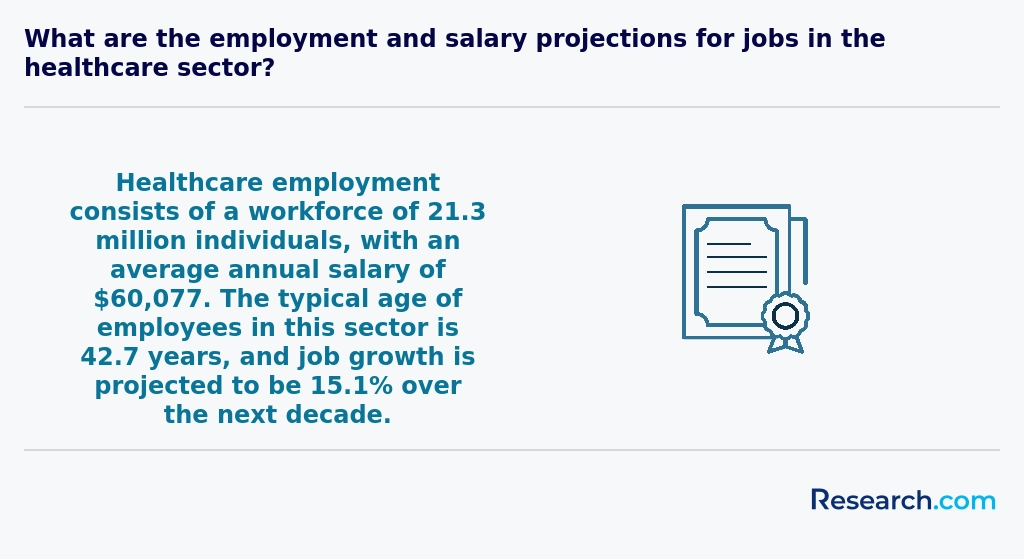
Advancing your career in the healthcare field doesn't stop at earning a degree-continuing education and professional certifications are key to long-term success. In today’s competitive market, employers favor candidates who proactively update their skills through specialized courses and certifications. For example, certifications in advanced medical billing and coding not only heighten your expertise but also increase your job prospects, particularly in niche areas of healthcare administration. By investing in further education, you can stay current with industry standards, navigate evolving technologies, and position yourself as a leader in quality patient care. Many professionals have found that supplementing their degree with certification courses boosts credibility and unlocks higher salary opportunities. Moreover, various resources are available to support your journey; one such resource is a comprehensive guide to online schools for medical billing and coding with financial aid, which offers insights into accredited programs designed to meet industry demands. Embracing lifelong learning not only advances your technical abilities but also empowers you to seamlessly transition into higher-level roles within the rapidly evolving healthcare landscape.
Imagine diving into your online healthcare degree at the University of Arkansas or Arkansas State University, knowing that financial aid is ready to support your journey. Many grads recount how completing the FAFSA opened doors to Pell Grants, offering up to $7,395 per year-free money that felt like a personal victory. Federal student loans with their flexible repayment options also eased anxieties about tuition costs, turning what seemed like a financial mountain into a climb manageable step by step.
State resources add another layer of encouragement. The Arkansas Academic Challenge Scholarship, for example, rewards dedication with up to $2,500 annually, lightening the load for eager learners. Plus, healthcare-specific programs, such as the Nursing Loan Forgiveness, have supported numerous grads who chose to serve Arkansas's underserved communities-transforming their education into real-world impact.
Many grads share stories of discovering unique school scholarships and employer tuition reimbursement programs, especially in growing fields like nursing and healthcare management. This network of aid makes pursuing an online healthcare degree in Arkansas feel not just attainable but an exciting adventure packed with possibilities.
Diving into an online healthcare degree in Arkansas means you'll need a solid foundation-most programs, like those at popular Arkansas State University or the University of Arkansas at Little Rock, expect you to have a high school diploma or GED. Graduates often recall how strong backgrounds in biology, chemistry, and math made early coursework feel like a thrilling discovery rather than a hurdle.
Many programs ask for a minimum GPA between 2.5 and 3.0, making it clear that consistent effort pays off. Some students have shared that submitting SAT or ACT scores helped showcase their readiness, though increasing test-optional options mean less pressure for standardized tests these days.
- Letters of recommendation and personal statements allow applicants to tell their unique stories, igniting admissions committees' excitement about their passion for healthcare.
- For accelerated tracks, like those designed for nurses advancing their careers, prior college credits or healthcare experience become invaluable assets.
Through these prerequisites, Arkansas learners feel empowered-ready to navigate virtual labs and simulations with reliable tech, stepping confidently into the world of healthcare education tailored to the Natural State.

As the healthcare industry evolves, online degree programs are incorporating cutting-edge trends and skills that prepare graduates for tomorrow's challenges. Graduates will soon be expected to master telehealth practices, data analytics, and AI-driven diagnostics while maintaining a strong foundation in patient care. Staying informed about emerging technologies and industry changes can give you a competitive edge in a rapidly shifting field. For instance, many institutions are now partnering with local healthcare providers to offer hands-on training in virtual care and digital health solutions. Additionally, networking with industry professionals and regularly updating your skill set through online courses can keep you informed about the latest advancements. For further insights on value-driven programs and cost-effective options, prospective students can explore the most affordable healthcare schools in arkansas, which provide a blend of affordability and innovative curriculum that addresses future industry needs. Embracing these trends will not only boost your resume but also position you as a forward-thinking professional ready to thrive in an ever-changing healthcare landscape.
Diving into an online healthcare degree in Arkansas means exploring a rich mix of courses that build your confidence and skills step by step. Picture yourself at a well-known Arkansas university, mastering human anatomy and physiology, where each lesson reveals the intricate workings of the human body-imagine understanding how the heart pumps and the lungs breathe, all from your own home.
Graduates often share how learning medical terminology transformed their communication, making hospital rounds and patient charts less intimidating. You'll also encounter health informatics courses-perfect for those curious about how technology keeps patient data safe and accessible in real time.
Ethics and law classes bring lively discussions about real-world dilemmas, pushing you to think like a healthcare leader. Many students feel inspired by public health principles taught at community-focused colleges in Arkansas, realizing their role in promoting wellness beyond the hospital walls.
Healthcare management modules sharpen leadership skills, preparing you to run a clinic or department. With added statistics and research methods, graduates confidently interpret studies, turning data into action that truly helps patients. Together, these courses create an exciting journey tailored to Arkansas's growing healthcare needs.
Diving into online healthcare degree specializations in Arkansas, students often find themselves navigating exciting paths like Nursing, where graduates from top colleges successfully transition from RN to BSN, enhancing their clinical expertise and leadership. Others take on Health Administration, mastering the art of running healthcare facilities, budgeting, and policy-making, which feels incredibly empowering when managing a bustling hospital. Public Health captures the adventurous spirit of those eager to tackle rural health challenges across Arkansas, driving community-wide education and disease prevention efforts with real impact.
Some graduates explore Health Informatics, blending technology and healthcare to handle electronic records-an area booming with opportunity as digital health services expand. Meanwhile, Healthcare Management offers a robust understanding of laws, ethics, and operations, perfect for those aiming to lead hospital teams. The variety in Arkansas online healthcare program options lets students from different universities find a niche that excites them, making the journey feel personal and rewarding. With affordable tuition and flexible study, many even combine this with other interests like online schools for medical billing and coding with financial aid.
Choosing the best online healthcare degree in Arkansas often starts with looking closely at accreditation and program reputation. Graduates from popular institutions like the University of Arkansas or Arkansas State University frequently share how programs accredited by recognized bodies such as the CCNE opened doors to licensure and local job opportunities. Imagine balancing a family and work while taking asynchronous classes tailored to your schedule-this flexibility is a lifesaver for many students.
Cost is another adventure-Arkansas offers some of the most affordable online healthcare degrees in Arkansas, with public schools averaging around $8,000 annually for in-state tuition. Students often mention how financial aid and scholarships made pursuing degrees in nursing or management guilt-free and budget-friendly. Many programs also arrange local clinical placements, vital for hands-on practicum experience nearby, ensuring practical skills aren't compromised despite learning online.
Curious learners explore programs with strong graduation and job placement rates, knowing these statistics hint at student support like tutoring and career counseling. Some even consider a bachelor degree in diagnostic medical sonography, which combines exciting clinical work with solid online study options to keep their career paths broad and fulfilling.
Explore more about a bachelor degree in diagnostic medical sonography to see how Arkansas healthcare students forge rewarding careers with flexible online degrees tailored to local needs.

Graduates from online healthcare degree programs in Arkansas often find themselves stepping into rewarding roles like registered nurses, where their skills directly impact patient lives in bustling Arkansas hospitals or smaller community clinics. Many alumni from respected schools feel energized by transitioning into healthcare administration, managing the day-to-day operations of medical centers across the state, a path that mirrors the excitement of tackling complex challenges in real time. Exploring healthcare career options in Arkansas reveals vibrant opportunities beyond nursing and administration-graduates often launch into specialized roles such as medical technologists in diagnostic labs or health information managers shaping telehealth services, a growing field in Arkansas.
Those who attended popular programs within the state share how their foundations in healthcare opened doors to careers in physical therapy assistance and health education, roles that brighten community wellness programs and emergency medical coordination. For anyone curious about entering this field affordably, many students find value in exploring the Low Cost Online Healthcare Degree Programs Ranking in Peoria, IL, easing their journey toward a vibrant healthcare career.
The landscape of online healthcare job opportunities in Arkansas is vibrant and full of potential for graduates ready to dive into their careers. Graduates from popular universities such as the University of Arkansas for Medical Sciences often share stories of stepping into rewarding roles in rural counties, where there's a high demand for licensed healthcare professionals. These roles range from nursing to healthcare administration, offering a variety of pathways fueled by the state's shortage of primary care workers. The flexibility of online study helps these graduates balance work and life, making the journey both manageable and inspiring.
Arkansas's healthcare degree employment outlook Arkansas paints an encouraging picture, with wages for registered nurses averaging around $65,000 and healthcare managers reaching upwards of $90,000 annually. Graduates find that their online degrees, especially from regionally accredited programs, open doors to licensure and certification in competitive fields. Many students appreciate the chance to pursue fast online programs for working adults, allowing them to enhance skills while remaining active in their communities and careers.
2027 Fastest Online Bachelor's in Healthcare Degree Programs Ranking in Arkansas
Investing in your education is a significant decision that can shape your future, and the Research.com team understands the importance of making informed choices. To assist prospective students in Arkansas, we have meticulously crafted the "2027 Fastest Online Bachelor's in Healthcare Degree Programs Ranking in Arkansas." Our commitment to quality, credibility, and accuracy is reflected in the extensive research and analysis conducted to compile this ranking.
We utilized the following reputable data sources to ensure a comprehensive evaluation of healthcare degree programs:
By exploring this ranking, readers will gain valuable insights into the fastest online healthcare degree programs available in Arkansas, enabling them to make well-informed decisions about their educational investment. For more details on our methodology, please visit our Research.com methodology page.


# 4 position
University of Arkansas Grantham
Bachelor of Health Information Management

Frequently Asked Questions About healthcare
Online healthcare degree students in Arkansas can maximize their learning by actively engaging with digital course materials and participating in virtual discussions. Arkansas hospitals often require hands-on skills, so seeking clinical placements within the state's robust healthcare network-like those affiliated with the University of Arkansas for Medical Sciences-enhances practical experience. Time management is crucial, as balancing work and study helps maintain consistent progress. Leveraging Arkansas-based professional organizations, such as the Arkansas Nurses Association, may offer networking and mentoring opportunities. Finally, utilizing available online resources and Arkansas public health data supports a deeper understanding of local healthcare challenges and trends, improving overall academic success.
The healthcare field is rapidly evolving, and several emerging niches show strong growth potential, particularly for students pursuing online healthcare degrees in Arkansas. One promising area is telehealth, which has expanded significantly due to increased demand for remote patient care, especially after the COVID-19 pandemic. Arkansas reported a 30% growth in telemedicine services between 2019 and 2023, reflecting broader national trends.
Another growing niche is health informatics, focusing on managing healthcare data and improving patient outcomes through technology. The US Bureau of Labor Statistics projects a 17% growth in health informatics jobs nationally through 2032.
Additionally, gerontology and chronic disease management are critical areas due to Arkansas's aging population. Specialty skills in these fields are increasingly sought after by healthcare providers statewide. These niches provide promising pathways for flexible, online healthcare education while addressing local community needs.
After completing an online healthcare degree in Arkansas, preparing for the job market involves several key steps. First, graduates should obtain relevant state licensure or certification required for their specific healthcare role. Arkansas requires licensure for many healthcare professions, such as nursing and medical assisting, which ensures legal eligibility to work.
Next, gaining practical experience through internships, volunteer work, or part-time clinical positions helps build skills and professional networks. According to the Arkansas Department of Workforce Services, healthcare employment in the state is projected to grow 18% by 2030, especially in nursing and allied health roles.
Additionally, graduates should develop strong resumes highlighting both online education and hands-on experience. Connecting with Arkansas-based professional groups or attending local healthcare job fairs also improves employment prospects.
Employers in Arkansas seek healthcare degree graduates with a combination of technical and interpersonal skills. Strong clinical knowledge, including patient care and medical terminology, is essential. According to the Arkansas Department of Health, effective communication skills rank high as many healthcare roles require interaction with diverse populations.
Critical thinking and problem-solving abilities are crucial, given the dynamic healthcare environment in Arkansas, where professionals often face resource limitations. Adaptability and proficiency with electronic health record (EHR) systems are increasingly valued, reflecting national healthcare trends.
Additionally, teamwork and cultural competence are important since Arkansas's healthcare settings serve a variety of communities. These skills improve patient outcomes and support compliance with state healthcare regulations.
Finding internships in Arkansas relevant to healthcare degrees involves several key steps. Start by exploring partnerships between online programs and local hospitals, clinics, and public health agencies.
Arkansas has over 250 healthcare facilities, including the University of Arkansas for Medical Sciences (UAMS), which frequently offers internship opportunities. Utilizing state resources like the Arkansas Department of Health website can provide listings of available programs and contacts.
Networking with faculty advisors and joining Arkansas-based professional healthcare associations also expands access to internships. Additionally, platforms like Handshake and Arkansas Workforce Centers specialize in internships matching healthcare students to local employers.
According to the U.S. Bureau of Labor Statistics, Arkansas's healthcare industry grew 12% from 2016 to 2026, increasing internship availability in growing fields such as nursing and health administration.
Obtaining an online healthcare degree in Arkansas significantly enhances career mobility and advancement opportunities within the state's growing medical sector. Healthcare jobs are projected to increase by 19% in Arkansas through 2031, according to the U.S. Bureau of Labor Statistics. This growth fuels demand for skilled professionals, especially those with formal education.
Online degrees provide flexibility for working adults seeking promotions or new roles without pausing employment. Graduates often qualify for higher-paying positions, like healthcare management or specialized clinical roles, which typically require at least a bachelor's degree.
Arkansas employers increasingly recognize accredited online programs, especially when paired with relevant certifications and experience. This blend of education and practical skills fosters professional growth within hospitals, clinics, and public health agencies statewide.
Studying for an online healthcare degree in Arkansas equips students with the skills needed for interdisciplinary roles through a curriculum that emphasizes collaboration across healthcare fields. Arkansas programs often integrate nursing, public health, and healthcare administration courses, reflecting the state's diverse healthcare needs.
These programs prepare students to work effectively with professionals like physicians, social workers, and health educators. According to the Arkansas Department of Health, addressing complex health issues requires teamwork and communication skills, which are central to these degrees.
Additionally, many Arkansas institutions include practical projects and case studies focusing on rural health challenges, common in the state, fostering an understanding of different healthcare perspectives.
When choosing between a thesis and a non-thesis healthcare degree program in Arkansas, consider your career goals first. A thesis option involves conducting original research, which suits students aiming for advanced clinical roles or graduate education. Non-thesis programs focus more on practical skills and coursework, ideal for immediate entry into the healthcare workforce.
Arkansas healthcare jobs are projected to grow 13% from 2020 to 2030, according to the Arkansas Department of Workforce Services. This growth favors degrees emphasizing applied knowledge.
Additionally, thesis programs often require more time, which might affect working professionals seeking flexibility in fully online formats.
Research the specific online program's curriculum and career support to ensure it aligns with your personal and professional needs.
Students based in Arkansas looking to study healthcare abroad through online degrees have several pathways, although options are somewhat limited compared to domestic programs. Many international universities offer online healthcare degrees, but it is important for Arkansas students to verify that these programs meet U.S. accreditation standards to ensure their degrees are recognized for licensure or employment in Arkansas.
Arkansas ranks 36th in the U.S. for healthcare employment growth, making accredited qualifications critical for career prospects. International online programs from countries with strong healthcare education, like the UK or Canada, may provide valuable global perspectives. However, students should carefully check transfer credit policies and licensing implications with Arkansas state boards.
Overall, pursuing an online healthcare degree abroad requires diligent research to balance international credentials with Arkansas-specific professional requirements.
Arkansas offers several part-time job opportunities that can effectively complement healthcare degree education pursued online. Positions such as medical assistants, pharmacy technicians, and patient care aides are prevalent across the state, providing practical experience alongside academic studies. According to the Arkansas Department of Workforce Services, healthcare support roles are expected to grow by over 15% through 2030, reflecting strong demand.
Many hospitals and clinics in Arkansas, including those within the Arkansas Health Network, offer part-time roles suitable for students. These jobs enhance clinical skills, improve patient communication, and provide exposure to healthcare settings, beneficial for degree progress.
Additionally, some employers provide flexible schedules to accommodate class hours, making part-time work feasible during online education.
Online healthcare students in Arkansas have several networking opportunities to build professional connections despite studying remotely. Many universities offering online healthcare degrees incorporate virtual events, webinars, and discussion groups to connect students and faculty.
Statewide healthcare organizations, such as the Arkansas Hospital Association, provide online forums and conferences, giving students a chance to engage with local professionals. Additionally, clinical placements and internships required by most healthcare programs help students gain in-person experience and network within Arkansas's healthcare community.
According to the Arkansas Department of Health, healthcare remains a growing field in the state, making networking essential for future employment.
Alumni networks offer significant benefits to online healthcare degree students in Arkansas by providing valuable connections within the state's healthcare industry. These networks help students access mentorship opportunities from experienced professionals who understand local healthcare challenges. Arkansas's healthcare sector employs over 300,000 people as of recent data from the Arkansas Department of Workforce Services, making networking crucial for job placement.
Through alumni events and online platforms, students can discover internships and job openings often not publicly listed. Alumni support also aids in navigating certification processes and continuing education requirements common in healthcare professions. This community fosters professional growth, especially for students balancing studies with work in Arkansas's expanding healthcare market.
Customizing an online healthcare degree in Arkansas involves selecting electives, minors, and specialization tracks aligned with your career goals. Many Arkansas institutions offer flexibility in course choices, allowing students to focus on areas such as healthcare administration, nursing, or health informatics.
Students can also engage in practical experiences through virtual simulations or local clinical partnerships to enhance skills relevant to Arkansas's healthcare demands. According to the Arkansas Department of Health, areas like rural health and telehealth are growing, making specialization in these fields valuable.
Advisors and career services at Arkansas universities can help tailor coursework to meet licensure or certification requirements, important for advancing in roles like medical management or public health.
Online healthcare students in Arkansas often face challenges related to limited clinical placement opportunities. Arkansas has a growing healthcare industry, but with only about 20% of the state's population living in urban areas, students in rural regions may struggle to find local internships or practical experience sites. Access to reliable high-speed internet is also a common hurdle, especially outside of cities, which can affect participation in live lectures and timely submission of assignments. Additionally, balancing work, family, and studies is a significant concern, as many adult learners pursue online degrees while maintaining full-time jobs. According to the Arkansas Department of Higher Education, ongoing support services remain critical for student retention.
Graduates with an online healthcare degree in Arkansas can pursue various professional certifications that enhance career opportunities. Common certifications include Certified Professional in Healthcare Quality (CPHQ), Certified Medical Manager (CMM), and Certified Healthcare Administrative Professional (cHAP).
Many Arkansas healthcare employers value credentials like the Registered Health Information Technician (RHIT) or Certified Coding Specialist (CCS), which are achievable after completing specialized exams post-degree. These certifications demonstrate expertise in health data management, critical for hospital and clinic settings.
According to the Arkansas Department of Health, demand for certified healthcare professionals is growing, especially in rural areas. Earning certifications can improve prospects in administration, compliance, and patient care management roles across the state.
To write a winning application for an online healthcare program in Arkansas, start by carefully reviewing admission requirements specific to each university. Highlight your healthcare-related experience, which is valuable in a state where healthcare employment grew by 8.5% from 2015 to 2020, according to the Arkansas Department of Workforce Services. Provide strong letters of recommendation from professionals familiar with your skills and work ethic. Clearly express your career goals in a well-crafted personal statement tailored to healthcare challenges in Arkansas, such as rural access to medical services. Finally, ensure all transcripts and supporting documents are accurate and submitted on time.
The global perspective on a healthcare career emphasizes strong demand and diverse opportunities. In the United States, including Arkansas, healthcare occupations are expected to grow 13% from 2021 to 2031, according to the U.S. Bureau of Labor Statistics. This trend reflects a worldwide increase in healthcare needs due to aging populations and chronic diseases.
Arkansas has a notable shortage of healthcare professionals, which presents promising job prospects for graduates with online healthcare degrees. Programs accredited by agencies like CAHME or CCNE ensure that skills meet both local and international standards.
Worldwide, healthcare careers often involve interdisciplinary knowledge, cultural competence, and adaptability. For Arkansas students, pursuing an online degree can enhance flexibility while accessing quality education aligned with industry demands.
Students pursuing online healthcare degrees in Arkansas can gain practical experience through clinical placements arranged by their institutions. Many programs partner with Arkansas hospitals, clinics, and public health organizations to provide these opportunities.
Internships and externships are common ways to apply theoretical knowledge in real-world settings, often required for licensure or certification. For example, Arkansas's healthcare sector employed over 144,000 people in 2023, offering diverse settings for gaining hands-on skills (source: Arkansas Economic Development Commission).
Additionally, students can volunteer in healthcare facilities across Arkansas or participate in simulation labs if available. Virtual simulations have also become more prominent, providing practical scenarios when in-person experiences are limited.
Choosing the right concentration within an online healthcare degree program in Arkansas depends on your career goals and local industry demand. Arkansas ranks among the states with a growing need for healthcare professionals, especially in nursing, health administration, and public health sectors, according to the Arkansas Department of Health. Consider concentrations aligned with high employment prospects, such as nursing or healthcare management, where job growth is projected to exceed 15% through 2030 (Bureau of Labor Statistics).
Evaluate whether the concentration prepares you for certification or licensure required in Arkansas. Review program curricula, clinical opportunities, and flexibility for working professionals. Research the faculty's expertise and the school's partnerships with Arkansas healthcare facilities to enhance practical learning.
- 2027 Fastest Online Bachelor's in Healthcare Degree Programs Ranking in Missouri
- 2027 Fastest Online Bachelor's in Healthcare Degree Programs Ranking in Tennessee
- 2027 Fastest Online Bachelor's in Healthcare Degree Programs Ranking in Texas
- 2027 Fastest Online Bachelor's in Healthcare Degree Programs Ranking in Kentucky
- 2027 Fastest Online Bachelor's in Healthcare Degree Programs Ranking in Kansas
- 2027 Fastest Online Bachelor's in Healthcare Degree Programs Ranking in Alabama
- 2027 Fastest Online Bachelor's in Healthcare Degree Programs Ranking in Illinois
- 2027 Fastest Online Bachelor's in Healthcare Degree Programs Ranking in Iowa
- 2027 Fastest Online Bachelor's in Healthcare Degree Programs Ranking in Georgia
- 2027 Fastest Online Bachelor's in Healthcare Degree Programs Ranking in Florida
See What Experts Have To Say About Studying Healthcare
Read our interview with Healthcare experts

- Students and Alumni associations - Europubhealth https://www.europubhealth.org/students-alumni-associations/
- Health Information Management (BS) https://www.uagrantham.edu/online-degrees/health-information-management-bachelor-science/
- Global Perspectives – Healthcare Beyond Borders https://www.cedars-sinai.org/international-stories/healthcare-beyond-borders.html
- Best Healthcare Degrees & Programs | Accredited Schools Online https://www.accreditedschoolsonline.org/healthcare/degrees/
- How to choose a bachelor's in healthcare administration | edX https://www.edx.org/resources/how-to-choose-a-bachelors-in-healthcare-administration
- Challenges for Medical Students - Health Action Research Group https://www.healthactionresearch.org.uk/mental-health/challenges-for-medical-student/
- 6 key healthcare challenges affecting students and how to address them - Wellfleet Student https://wellfleetstudent.com/engaging-empowering-student-members/6-key-healthcare-challenges-affecting-students-and-how-to-address-them/
- Is an Online Degree the Same as a Traditional Degree | Online Degree https://www.cambridgehealth.edu/online-degrees/get-an-online-degree/is-an-online-degree-the-same-as-a-traditional-degree/
- Employability Skills Matrix for the Health Sector https://www.skillsforhealth.org.uk/resources/employability-skills-matrix/
- Healthcare Degrees https://teach.com/online-ed/healthcare-degrees/