
2027 Best Online Healthcare Degree Programs Ranking in Omaha, NE

Co-Founder and Chief Data Scientist
Choosing the right healthcare degree program is a key step toward a rewarding career in the medical field. Our article presents the 2027 Best Online Healthcare Degree Programs Ranking in Omaha, NE, created by the Research.com team of data scientists to help you make an informed decision.
By exploring this ranking, you'll discover top programs tailored for online learners in Omaha, making education accessible and flexible. Pursuing a healthcare degree opens doors to meaningful work and personal growth, and this article guides you toward programs that truly stand out.
Key benefits of getting online healthcare degree in Omaha
- Healthcare degree graduates in Omaha can expect competitive salaries, such as $43,350 annually for Medical Assistants and Clinical Research Coordinators, $60,790 for Patient Care Technicians, and up to $103,150 for Quality Improvement Coordinators.
- Graduates from local schools often pursue diverse roles like Medical Assistants or Health Information Technicians, benefiting from strong community healthcare networks and growing job opportunities.
- Online healthcare degrees provide flexible schedules and allow learners in Omaha to balance work and study, helping graduates quickly enter rewarding healthcare careers with real-world experience.
- Key benefits of getting online healthcare degree in Omaha
- What can I expect from online healthcare degree in Omaha?
- Where can I work with online healthcare degree in Omaha?
- How much can I make with online healthcare degree in Omaha?
- 2027 Best Online Healthcare Degree Programs Ranking in Omaha, NE
- Key Findings
- How long does it take to complete online healthcare degree in Omaha?
- Practical Clinical Experience and Practicum Requirements
- What's the difference between online and on-campus healthcare degree?
- Clinical Practicum Requirements and Accreditation
- What is the average cost of online healthcare degree in Omaha?
- Return on Investment and Career Outcomes
- What financial aid is available to online healthcare degree students in Omaha?
- Accreditation and Licensing
- What are the prerequisites for enrolling in online healthcare degree program in Omaha?
- Enhancing Your Career Through Certifications and Continuous Learning
- What courses are typically in online healthcare degree programs in Omaha?
- What types of specializations are available in online healthcare degree programs in Omaha?
- How do you choose the best online healthcare degree in Omaha?
- What career paths are available for online healthcare degree students in Omaha?
- What is the job market for online healthcare degree in Omaha?
- Top Trending Healthcare Rankings
- See What Experts Have To Say About Studying Healthcare
What can I expect from online healthcare degree in Omaha?
The average cost of an online healthcare degree in Omaha varies significantly based on the institution and program level. Public universities offering these programs often provide competitive in-state tuition rates, which many graduates find affordable compared to private institutions. For instance, students pursuing nursing or healthcare administration degrees through the University of Nebraska Omaha have reported manageable tuition expenses, especially when combined with scholarships or employer tuition reimbursement programs.
Many learners appreciate this financial accessibility as it enables them to balance education with ongoing work commitments without incurring overwhelming debt. Graduates frequently share that the investment feels worthwhile, considering the strong job prospects in Omaha's healthcare sector and the opportunity to gain hands-on clinical experience locally.
Financial aid options and employer sponsorships also soften the cost, making these programs appealing for both recent high school graduates and working professionals aiming to advance their careers. Careful evaluation of tuition alongside program accreditation and clinical requirements remains essential for prospective students.
Where can I work with online healthcare degree in Omaha?
Graduates holding online healthcare degrees in Omaha frequently secure employment within renowned medical centers such as Nebraska Medicine and CHI Health. These institutions employ numerous professionals in roles like registered nurses, health information managers, and healthcare administrators, reflecting a robust local demand.
Students from popular local schools, including the University of Nebraska Omaha and Metropolitan Community College, often find practical opportunities during or after their studies in hospitals, outpatient clinics, and long-term care facilities. Their familiarity with Omaha's healthcare infrastructure enables seamless integration into positions that involve direct patient care or healthcare operations management.
Beyond clinical roles, many graduates thrive in public health agencies such as the Douglas County Health Department, working on community health education and policy development. Those focusing on health informatics or telemedicine enjoy expanding career paths, supported by the city's growing emphasis on healthcare technology.
Others have reported rewarding experiences entering insurance companies or governmental health agencies, taking on medical billing, coding, or compliance tasks. These diverse opportunities foster professional growth and fulfillment within Omaha's vibrant healthcare sector.
How much can I make with online healthcare degree in Omaha?
Graduates with online healthcare degrees in Omaha can expect varying salary ranges depending on their chosen field and level of certification. For instance, medical assistants typically earn around $43,350 annually, aligning with data from the U.S. Bureau of Labor Statistics. Students from prominent institutions like the University of Nebraska Medical Center report satisfaction entering roles with competitive compensation and room for growth.
Specialized roles such as patient care technicians offer higher averages near $60,790 per year, reflecting the increasing demand for skilled healthcare support in Omaha's robust medical sector. Similarly, health information technicians earn about $43,380 annually, providing graduates with a strong foundation for health informatics careers.
Clinical research coordinators also start near $43,350, a figure that appeals to graduates from online programs focused on clinical studies offered by local colleges. For those advancing into leadership, quality improvement coordinators can command salaries exceeding $100,000, exemplifying the potential for financial advancement with experience and advanced qualifications.
2027 Best Online Healthcare Degree Programs Ranking in Omaha, NE
How do we rank schools?
Investing in your education is a significant decision that can shape your future, and the Research.com team is deeply aware of the responsibility involved in making such choices. To support prospective students in Omaha, NE, we have carefully developed the "2027 Best Online Healthcare Degree Programs Ranking in Omaha, NE." Our dedication to quality, credibility, and accuracy is demonstrated through thorough research and analysis underpinning this ranking.
We utilized the following reputable data sources to ensure a comprehensive evaluation of healthcare programs:
By exploring this ranking, readers will gain valuable insights into the top online healthcare degree programs in Omaha, NE, empowering them to make well-informed decisions about their educational futures. For more information about how this ranking was created, please visit our Research.com methodology page.

# 2 position
University of Nebraska Medical Center
RN-to-BSN


Key Findings
- Several Nebraska institutions offer online healthcare programs including nursing, health administration, and public health with accredited curricula.
- Tuition for online undergraduate healthcare degrees in Omaha ranges from $8,000 to $15,000 per year, while graduate programs cost between $12,000 and $25,000 annually.
- Healthcare jobs in Omaha are expected to grow by about 15% over the next decade, faster than the average for all occupations.
- Starting salaries for healthcare graduates include around $58,000 per year for registered nurses and about $50,000 for healthcare administration roles.
- Many online programs require local clinical placements for hands-on experience and to meet Nebraska's state licensure requirements.
How long does it take to complete online healthcare degree in Omaha?
The time required to complete an online healthcare degree in Omaha varies significantly depending on degree level and enrollment status. For instance, associate degrees in fields like medical assisting or health information technology typically take about two years of full-time study. Graduates from these programs often value the direct path to entry-level roles in local clinics and hospitals.
Bachelor's degrees, common among aspiring registered nurses, healthcare administrators, or public health professionals, generally require around four years. However, many Omaha institutions, such as the University of Nebraska Medical Center, offer accelerated online options allowing motivated students to finish sooner by taking extra courses or enrolling in summer sessions.
Master's degrees, including nursing (MSN) or health administration (MHA), usually span from 18 months to 3 years. Graduates appreciate flexible part-time schedules designed to fit around work and family commitments. This flexibility, combined with practical clinical partnerships in Omaha, creates a supportive environment where students can advance their careers efficiently.
Practical Clinical Experience and Practicum Requirements
Online healthcare degree programs in Omaha, NE, balance flexible coursework with essential hands-on training through structured clinical practicums. Accredited programs partner with local hospitals, outpatient clinics, and long-term care facilities to ensure students complete the required number of supervised clinical hours-often ranging from 100 to 600 hours depending on degree level and specialization. These partnerships not only comply with accreditation standards but also enhance student readiness for licensure exams and real-world patient care. To secure a practicum placement, students typically work with an academic advisor to identify approved sites within their community. Key steps include submitting immunization records, passing background checks, and demonstrating proficiency in fundamental clinical skills through virtual simulations. Many programs leverage online platforms for scheduling shifts, tracking hours, and facilitating feedback from preceptors, ensuring transparency and consistency throughout the practicum experience. Success in clinical settings hinges on proactive communication and professional behavior. Students are encouraged to: • Engage regularly with preceptors to clarify expectations and receive constructive feedback. • Apply evidence-based practices learned in coursework to patient interactions. • Document clinical experiences accurately in electronic health record (EHR) systems, reinforcing skills in health informatics. For students mindful of program costs while seeking robust clinical training, it’s worth exploring cost-effective options; for instance, the Inexpensive Online Healthcare Degree Programs Ranking in Moon Township, PA highlights programs that deliver comprehensive practicum support without excessive tuition. Ultimately, mastering clinical competencies through practicum placements solidifies theoretical knowledge and builds the confidence necessary for a successful healthcare career.
What's the difference between online and on-campus healthcare degree?
Online healthcare degree programs in Omaha offer the convenience of remote learning, allowing students to balance education with work or family obligations. Graduates from these programs often appreciate the flexibility of asynchronous classes, enabling them to study on their own schedules without commuting to campuses such as the University of Nebraska Medical Center. This format suits those living outside Omaha's metropolitan area or working professionals seeking career advancement.
In contrast, traditional on-campus programs provide immersive, face-to-face experiences. Students attending colleges like Clarkson College benefit from direct interaction with faculty and peers, fostering a strong sense of community and immediate access to campus resources. Hands-on clinical rotations at local medical centers like Nebraska Medicine are typically coordinated by the institution, ensuring structured practical training.
Both pathways require clinical experience, but online students must often secure placements independently within Omaha's healthcare facilities, which can enhance problem-solving skills and community connections. Many graduates from both formats celebrate earning recognized credentials crucial for licensure, confident that their chosen route aligns with personal and professional needs.
Clinical Practicum Requirements and Accreditation
Online healthcare degree programs in Omaha, NE, combine rigorous coursework with essential hands-on training through supervised clinical practicums. Most bachelor’s programs require between 120 and 180 clinical hours, while associate degree tracks often mandate 80 to 120 hours. These practicums are arranged in partnership with local hospitals, outpatient clinics, laboratories and long-term care facilities, ensuring students develop patient care, diagnostic and professional communication skills in real-world settings. Before enrolling, verify that your chosen program holds regional accreditation and aligns with industry standards for clinical education. Accreditation by bodies such as the Commission on Accreditation of Allied Health Education Programs (CAAHEP) or the Commission on Accreditation in Physical Therapy Education (CAPTE) guarantees that your practicum experiences meet national competencies and prepare you for licensure examinations. For those interested in diagnostic imaging, selecting a caahep-accredited diagnostic medical sonography program is crucial for eligibility to sit for the American Registry for Diagnostic Medical Sonography (ARDMS) exams. Upon completion of all clinical requirements, programs typically issue a detailed practicum log and competency checklist, which you must submit to your licensing board or certifying agency to finalize your professional credentialing.
What is the average cost of online healthcare degree in Omaha?
The average cost of an online healthcare degree in Omaha varies depending on degree level, institution type, and residency status. Graduates from well-known local universities such as the University of Nebraska Medical Center and University of Nebraska Omaha report that online programs generally remain affordable for in-state students, with tuition often reflecting rates close to $9,000 annually at public institutions. Students pursuing associate degrees can expect to pay between $15,000 and $25,000 in total tuition and fees, while bachelor's degree candidates often face costs in the $30,000 to $40,000 range. Those seeking master's degrees typically encounter expenses from $25,000 up to $35,000, depending on program length and institution.
Many students appreciate that online healthcare programs in Omaha tend to be more budget-friendly compared to traditional campus-based options. The total tuition and fees for healthcare degrees Omaha residents pursue also include additional costs such as technology fees and materials. It is worth noting that tuition is often charged per credit hour, usually ranging from $300 to $600, and bachelor's programs typically require four years to complete, influencing the overall investment.
Financial aid opportunities are widely available and play a crucial role in offsetting expenses. Local grants and scholarships specifically target healthcare students, making the educational journey easier financially. For those beginning their studies or continuing education online, understanding the technological requirements for online learning can also impact costs but enhances the overall educational experience.
Students commonly report satisfaction with the balance of affordability and quality in Omaha's online healthcare education options, highlighting how cost-effective tuition enables them to focus on advancing their careers without excessive financial strain.

Return on Investment and Career Outcomes
Evaluating the return on investment (ROI) of an online healthcare degree is crucial when planning for a sustainable career in the industry. This section delves into long-term career outcomes, alumni success rates, and financial benefits post-graduation. Students often consider not only the immediate costs but also future salary progression, professional growth, and the practical application of their skills in a competitive job market. Many graduates have reported that a well-chosen online program can significantly enhance career prospects, offering higher starting salaries and accelerated paths toward promotions. When comparing programs, it is important to assess how each institution supports career services, including job placement assistance and networking opportunities through alumni associations. For example, exploring resources provided by the most affordable healthcare schools in nebraska can offer insight into how institutions balance quality education with cost-efficiency, ultimately impacting ROI. By examining graduation rates, average salaries before and after completing the degree, and industry demand trends, prospective students can make informed decisions that align with their professional and financial goals. This comprehensive understanding of ROI not only reinforces the value of a degree but also highlights the potential for long-term career success in the ever-evolving healthcare landscape.
What financial aid is available to online healthcare degree students in Omaha?
Students pursuing online healthcare degrees in Omaha frequently benefit from a variety of financial aid options designed to ease their educational expenses. Graduates of programs at institutions such as the University of Nebraska at Omaha often reflect on how federal aid, notably Pell Grants and Federal Direct Loans obtained via FAFSA, significantly lowered their debt burden. These grants, including up to $7,395 from Pell Grants for the 2023-2024 academic year, require no repayment, providing crucial relief during study.
State-based support plays a vital role for Nebraska residents. For instance, the Nebraska Opportunity Grant has been instrumental for many online healthcare students, offering need-based funds that make rigorous programs more accessible. Additionally, local colleges frequently partner with healthcare employers like Nebraska Medicine to provide scholarships or tuition reimbursement, creating a synergy that motivates students to thrive and commit to the community post-graduation.
Professional bodies such as the Nebraska Nurses Foundation extend scholarships helping cover tuition, books, and exam fees. Online students at colleges like Clarkson College appreciate flexible payment plans, which make managing finances more manageable, allowing them to focus fully on their career goals without financial anxiety.
Accreditation and Licensing
Selecting an accredited program ensures quality education and eligibility for professional licensure.
- Regional Accreditation: Look for institutional approval by the Higher Learning Commission (HLC) to validate overall academic standards.
- Programmatic Accreditation: Verify nursing programs hold CCNE/CNEA accreditation, health informatics programs are CAHIIM-accredited, and allied health tracks have CAAHEP recognition.
- State Licensure Requirements: Confirm the program meets Nebraska Board of Nursing or relevant state board criteria, including required clinical hours and curriculum.
- Certification Exam Preparation: Ensure coursework aligns with NCLEX-RN, RHIT, CCA or other credentialing exam content to maximize pass rates.
- Specialized Training: Complement your degree with targeted medical billing and coding classes for vital billing and coding certification.
What are the prerequisites for enrolling in online healthcare degree program in Omaha?
Enrollment in online healthcare degree programs in Omaha typically mandates a high school diploma or GED for entry into associate or bachelor's degree tracks. Graduates from local institutions often emphasize the importance of maintaining a GPA around 2.5 to 3.0, which reflects both academic readiness and a commitment to the profession. For bachelor's and advanced healthcare studies, such as nursing or public health, applicants usually must provide transcripts evidencing prior college coursework or a completed undergraduate degree.
Applicants frequently share that completing foundational courses like biology and chemistry proved essential, especially for those pursuing clinical fields at prominent Omaha colleges. Many online students highlight how submitting letters of recommendation or personal statements gave them an opportunity to express genuine motivation and passion for healthcare careers.
Moreover, certain programs require relevant work experience or professional licensure, which local graduates consider valuable for real-world preparedness. Omaha's healthcare sector growth motivates universities to uphold these standards, ensuring students are equipped to succeed in this dynamic and rewarding industry.
Enhancing Your Career Through Certifications and Continuous Learning
In today’s competitive healthcare landscape, complementing your online degree with specialized certifications can be a game changer. Obtaining industry-recognized credentials not only validates your skills but also positions you favorably for promotions and leadership opportunities. For instance, many professionals consider pursuing an accredited medical coding certification online to enhance their expertise in managing health records and ensuring regulatory compliance. This continuous learning approach bolsters your resume and increases job market viability by demonstrating a commitment to staying updated with evolving industry standards. Additionally, certifications often open doors to advanced roles and higher earning potential, making them a valuable investment for your long-term career growth. Embracing ongoing education and practical training opportunities, such as workshops, webinars, and short-term courses, is essential for adapting to new technologies and regulatory changes in healthcare, ensuring you remain a competitive candidate in an ever-changing field.
What courses are typically in online healthcare degree programs in Omaha?
Online healthcare degree programs in Omaha consistently include foundational courses such as Human Anatomy and Physiology, Medical Terminology, and Healthcare Ethics and Law. These courses equip students with essential knowledge needed for clinical accuracy and understanding patient rights. For example, graduates from Omaha's prominent universities often recount how their training in Healthcare Ethics helped them confidently navigate real-world patient confidentiality scenarios during virtual simulations.
Specialized coursework like Health Informatics and Introduction to Public Health prepares students for roles integrating technology and community health, which are critical in Omaha's evolving healthcare landscape. Graduates appreciate how courses in Healthcare Administration and Clinical Practice connect theory to skills required in local hospitals and clinics, with many benefiting from partnerships that facilitate hands-on training.
Electives focusing on telehealth and gerontology respond to Omaha's growing need for remote care and support for an aging population, making these programs both practical and forward-thinking for students eager to make a meaningful impact.
What types of specializations are available in online healthcare degree programs in Omaha?
Online healthcare degree specializations in Omaha NE commonly include Healthcare Administration, Nursing, Public Health, Health Informatics, and Health Sciences and Allied Health. Graduates from regional universities often share that Healthcare Administration programs equip them with essential skills for managing facilities such as Nebraska Medicine and CHI Health, reflecting Omaha's strong healthcare sector. Nursing programs, including RN to BSN and MSN, are highly valued by local employers, enhancing career progression in various clinical settings.
Students also benefit from Public Health degrees focused on community health initiatives, critical for addressing challenges within Omaha's Metropolitan Area. Health Informatics appeals to those interested in managing electronic health records and data systems, aligning with the city's increasing adoption of digital healthcare solutions. Additionally, graduates of Health Sciences and Allied Health pathways find opportunities in rehabilitation and medical technology roles. Many students studying at popular Omaha colleges express satisfaction with how these specializations connect directly to local workforce demand.
Prospective students comparing healthcare paths might explore nuances similar to the veterinarian vs nurse practitioner debate to clarify their focus.
How do you choose the best online healthcare degree in Omaha?
When choosing the best online healthcare degree in Omaha, accreditation is paramount. Graduates consistently emphasize how programs accredited by recognized bodies, like the Commission on Collegiate Nursing Education, instill confidence in their education's credibility. Local institutions such as the University of Nebraska at Omaha offer affordable healthcare degrees online Omaha residents trust, thanks to lower in-state tuition and strong reputations.
Flexibility is another critical element. Students juggling work and family commitments find asynchronous courses indispensable, allowing them to learn at their own pace without sacrificing real-life obligations. Many programs also coordinate clinical placements in Omaha-area healthcare facilities, providing essential hands-on experience that graduates recall fondly as pivotal for career readiness.
Career alignment matters greatly; Omaha's healthcare sector is growing rapidly, creating demand for nurses, administrators, and public health professionals. Graduates from online programs that emphasize practical skills and local job market needs often report positive employment outcomes. For those seeking specialized paths, exploring online MPH programs affordable locally can further enhance professional prospects.
What career paths are available for online healthcare degree students in Omaha?
Graduates of an online healthcare degree in Omaha NE have access to a variety of career paths that align with the region's growing medical industry. Common roles include Registered Nurse positions at leading institutions like Nebraska Medicine and CHI Health, where nurses participate directly in patient care. Healthcare degree jobs in Omaha Nebraska also extend to Healthcare Administrators and Medical and Health Services Managers who oversee operations and ensure facility efficiency, roles that are critical to the functioning of complex healthcare systems.
Other viable careers include Health Information Technicians who manage electronic health records, a field expanding rapidly due to increased digitization, and Physical Therapist Assistants who contribute to rehabilitation efforts for Nebraska's aging population. Graduates from Omaha's prominent colleges often find themselves thriving in these roles, appreciating the practical application of their online studies in diverse work settings throughout the city.
What is the job market for online healthcare degree in Omaha?
The job market for online healthcare degree jobs Omaha NE is notably strong, fueled by Omaha's role as a regional healthcare hub and the growing demand for skilled professionals. Graduates from popular local institutions report favorable hiring experiences, especially in roles like Registered Nurses and Medical and Health Services Managers. Hospitals such as Nebraska Medicine and CHI Health actively recruit those with online degrees, appreciating the flexibility and accreditation standards of these programs.
Healthcare career opportunities Omaha Nebraska are diverse, spanning clinical, administrative, and public health sectors. Many graduates find rewarding positions with competitive salaries ranging broadly from $65,000 to over $100,000 annually, depending on specialization. The availability of continuing education through Omaha's colleges enhances career progression, helping professionals stay current with industry certifications.
Students often choose online pathways for their adaptability, and affordable tuition rates enhance accessibility. For example, those interested in nursing can explore online nursing programs without prerequisites Texas to compare flexible learning models. This blend of opportunity and support makes Omaha an ideal location for launching and building a healthcare career after earning an online degree.
Frequently Asked Questions About healthcare
Online healthcare degree students in Omaha can enhance their learning by actively engaging with digital course materials and participating in virtual discussions. Research from the National Center for Education Statistics shows that interaction boosts retention and comprehension. Additionally, students should seek local healthcare facilities for practical experience, as Omaha hosts several major hospitals like CHI Health and Nebraska Medicine, providing valuable internship opportunities.
Time management is crucial for balancing coursework with personal responsibilities. Utilizing organizational tools and setting regular study schedules can improve outcomes. Accessing Omaha's public libraries and online academic resources also supports deeper learning. Finally, staying informed about Nebraska's healthcare policies and trends offers practical context to theoretical knowledge.
The healthcare field in Omaha is rapidly evolving, with several emerging niches gaining attention. One key area is telehealth, which has expanded dramatically due to advancements in technology and pandemic-driven demand. Telehealth jobs are expected to grow by over 20% nationally through 2030, according to the U.S. Bureau of Labor Statistics.
Another expanding niche is healthcare informatics, combining IT and patient care to improve health outcomes. Omaha's hospitals and clinics increasingly require professionals skilled in data analysis and electronic health records management.
Additionally, geriatric care is growing due to the aging local population. Specializing in elder care offers strong job prospects within Omaha's healthcare system. Understanding these trends can help students select relevant online healthcare degrees for future success.
Preparing for the job market after earning an online healthcare degree in Omaha requires strategic planning. Start by gaining practical experience through internships or volunteer work with local hospitals like the Nebraska Medical Center, which employs over 8,000 staff. Such experience enhances resumes and builds professional networks.
Next, obtain any necessary certifications or licenses, such as those from the Nebraska Department of Health and Human Services, to meet state requirements.
Additionally, tailor your job search to Omaha's healthcare landscape, focusing on sectors like elder care and telehealth, which are expanding rapidly.
Finally, consider joining local professional groups to connect with peers and employers.
Employers in Omaha seek healthcare degree graduates who demonstrate strong clinical skills, effective communication, and critical thinking. According to the Nebraska Department of Health and Human Services, 75% of healthcare employers prioritize graduates with hands-on experience in patient care settings.
Additionally, adaptability and familiarity with healthcare technology are crucial. With Omaha's healthcare sector growing by 10% annually, proficiency in electronic health records (EHR) and telemedicine platforms enhances employability.
Interpersonal skills and teamwork also rank highly. Given Omaha's diverse patient population and large hospital systems, employers expect graduates to work collaboratively in multidisciplinary teams to improve patient outcomes.
Finding internships in Omaha related to healthcare degrees involves leveraging local healthcare institutions and educational resources. Omaha hosts several major hospitals like Nebraska Medicine and CHI Health, which frequently offer internship opportunities for students pursuing healthcare careers. Checking their official websites and career pages is a good first step.
Additionally, the University of Nebraska Medical Center (UNMC) has partnerships with many local healthcare providers. Students enrolled in online healthcare programs can often access internship listings through UNMC's career services. Local staffing agencies specializing in healthcare also help connect students with practical field experiences.
Networking remains important; joining professional organizations such as the Nebraska Healthcare Association can provide internship leads. Finally, using platforms like Handshake or LinkedIn filtered by location and healthcare keywords can reveal current openings in Omaha's healthcare sector.
Obtaining an online healthcare degree can significantly enhance career mobility and advancement opportunities for students in Omaha. The city's expanding healthcare sector, including major employers like Nebraska Medicine and CHI Health, increasingly values advanced education credentials when considering promotions or specialized roles.
According to the Nebraska Department of Labor, healthcare occupations in Omaha are projected to grow by 12% through 2030, highlighting demand for skilled professionals. An online degree offers flexible access to accredited programs, allowing working adults to upskill without relocating.
Graduates with bachelor's or master's degrees often qualify for higher-paying positions such as healthcare managers or specialized practitioners, making online education a practical gateway to improved job prospects within Omaha's competitive market.
Studying for an online healthcare degree in Omaha offers robust preparation for interdisciplinary roles by integrating diverse healthcare disciplines into the curriculum. Programs emphasize collaboration between nursing, public health, health administration, and allied health fields, reflecting Omaha's growing healthcare sector, which employs over 50,000 professionals. According to the Nebraska Department of Labor, demand for healthcare workers in Omaha is expected to increase by 15% through 2030, highlighting the need for versatile skill sets.
Courses often include case studies and projects involving multiple healthcare roles, fostering teamwork abilities. These programs also leverage partnerships with local hospitals and clinics, ensuring students gain experience aligned with real-world interdisciplinary practices.
Choosing between a thesis and a non-thesis healthcare degree program in Omaha depends on your career goals and time commitment. Thesis programs require research and a written dissertation, ideal for those aiming to enter research roles or pursue doctoral studies. Non-thesis programs focus on coursework and practical skills, suited for students seeking immediate employment in healthcare management or clinical practice.
Omaha hosts several healthcare institutions offering both options online, reflecting the city's growing healthcare labor market, which is projected to expand by 15% through 2030 according to the U.S. Bureau of Labor Statistics. Understanding your long-term plans is key to deciding the right path.
Students based in Omaha seeking online healthcare degrees with an international focus have several pathways within the U.S. higher education system. Many accredited universities offer partnerships or exchange programs that allow coursework related to global health without requiring physical relocation abroad.
For example, institutions such as the University of Nebraska Medical Center provide online programs with global health components, preparing students for work in diverse healthcare environments. According to the Nebraska Department of Labor, Omaha's healthcare sector employs over 60,000 professionals, highlighting the demand for well-trained graduates with a comprehensive understanding of international health issues.
While direct overseas enrollment is rare for online degrees, options include virtual clinical experiences and global collaboration projects integrated into curricula. These allow Omaha students to gain international perspectives while studying domestically.
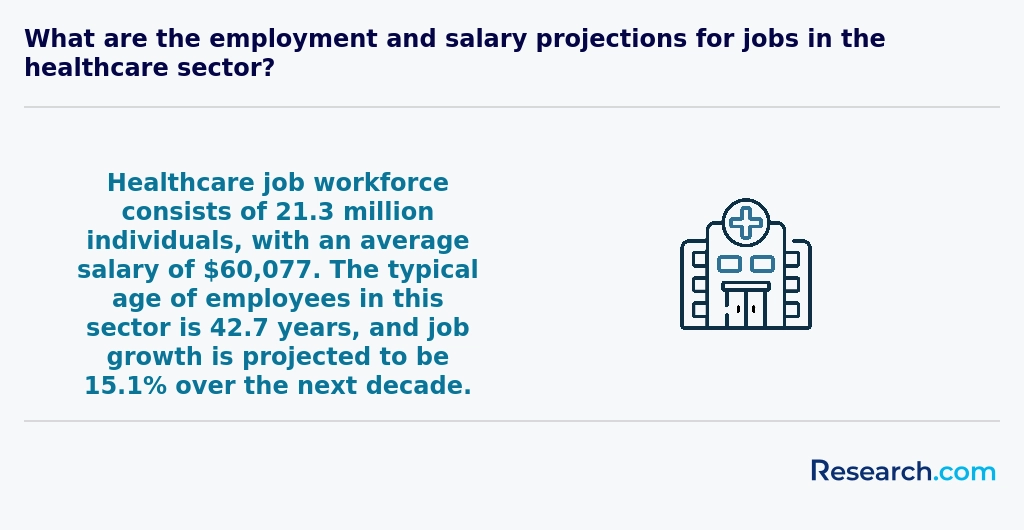
Students pursuing online healthcare degrees in Omaha can benefit from several part-time job opportunities relevant to their field. Healthcare support roles such as medical assistants, phlebotomists, and patient care technicians are in demand locally, providing hands-on experience alongside academic learning.
Omaha's healthcare sector employs over 28,000 workers, with steady job growth expected, according to the Nebraska Department of Labor. Working part-time in clinics or hospitals like Nebraska Medicine or CHI Health can deepen clinical skills and improve patient interaction competencies.
Additionally, administrative roles such as medical billing or records clerks offer exposure to healthcare operations and documentation, complementing degree studies.
These jobs not only bolster resumes but help students build valuable professional networks within Omaha's healthcare community.
Online healthcare students in Omaha have several networking opportunities despite the virtual nature of their programs. Local healthcare organizations such as Nebraska Medicine and Omaha's CHI Health often offer internships, volunteer opportunities, and workshops that online students can join to gain practical experience and build connections.
Omaha is home to the Nebraska Health Information Management Association and similar professional groups that hold regular events and conferences. These gatherings provide online students with chances to meet industry professionals and peers in healthcare fields.
Additionally, many Omaha-based universities offering online healthcare degrees facilitate virtual networking sessions, career fairs, and alumni groups, connecting students with employers in Omaha's growing healthcare market.
Alumni networks offer significant benefits to online healthcare degree students in Omaha by providing valuable professional connections. Graduates gain access to a community of healthcare professionals working locally, which is essential in a city with a growing healthcare sector like Omaha. According to the Greater Omaha Chamber, healthcare is one of the region's top industries, employing thousands and increasing job opportunities.
These networks often share job openings, internships, and mentorship opportunities, helping students transition smoothly into Omaha's competitive healthcare job market. Alumni can also offer guidance on credentialing processes required in Nebraska.
Moreover, alumni events and online forums create spaces for knowledge exchange, staying updated on healthcare trends, a crucial advantage given Omaha's evolving health needs as reported by Nebraska Medicine.
Customizing your online healthcare degree program in Omaha begins with selecting a program that offers flexible specializations aligned with your career goals. Many institutions provide options such as healthcare administration, nursing, or public health, allowing you to focus on areas growing in Nebraska's healthcare sector.
Omaha's healthcare industry has expanded, with over 700 healthcare establishments as of 2023 (Nebraska Department of Labor). This growth makes specialized skills valuable. Look for programs offering elective courses that enhance your expertise, such as healthcare technology or management.
Additionally, consider schools that facilitate practical experiences through virtual simulations or local clinical partnerships. This hands-on approach strengthens your resume and better prepares you for roles in Omaha's competitive market.
Online healthcare students in Omaha often face challenges related to balancing coursework with demanding work schedules. Many students juggle jobs in busy medical facilities, which can affect their ability to participate fully in online classes. Limited local access to required clinical placements is another obstacle, as healthcare programs mandate hands-on experience that may not always be available nearby.
Technology access and proficiency also impact students. Reliable internet and modern devices are essential, yet not all students have equal resources. According to the Nebraska Department of Education, about 10% of households in Omaha lack high-speed internet, which complicates remote learning.
Finally, students sometimes report limited peer interaction and networking opportunities in online formats, which are crucial for career growth in healthcare fields.
With an online healthcare degree, graduates in Omaha can pursue various professional certifications to enhance their careers. Popular certifications include Certified Professional in Healthcare Quality (CPHQ), which focuses on improving patient care standards nationwide. Another option is the Registered Health Information Technician (RHIT), valuable for managing patient data effectively.
For clinical roles, the Certified Medical Assistant (CMA) credential is widely recognized. Additionally, the American Health Information Management Association reports growth in healthcare data jobs by 10% through 2030, especially in urban centers like Omaha. Certifications like the Certified Coding Specialist (CCS) also open doors in medical billing and coding fields.
Each certification typically requires passing an exam and continuing education to maintain credentials, setting a strong foundation in healthcare expertise.
Writing a successful application for an online healthcare program in Omaha requires careful preparation and attention to detail. Start by researching accredited programs that align with your career goals, focusing on schools recognized by the Commission on Accreditation of Allied Health Education Programs (CAAHEP) or similar bodies.
Highlight relevant experience, such as healthcare work or volunteer activities, especially within Nebraska's healthcare system, which employs over 100,000 professionals according to the Nebraska Department of Labor. Use clear, concise language to demonstrate your commitment and understanding of local healthcare challenges.
Strong letters of recommendation and a well-crafted personal statement emphasizing your passion for improving Omaha's health outcomes can distinguish your application.
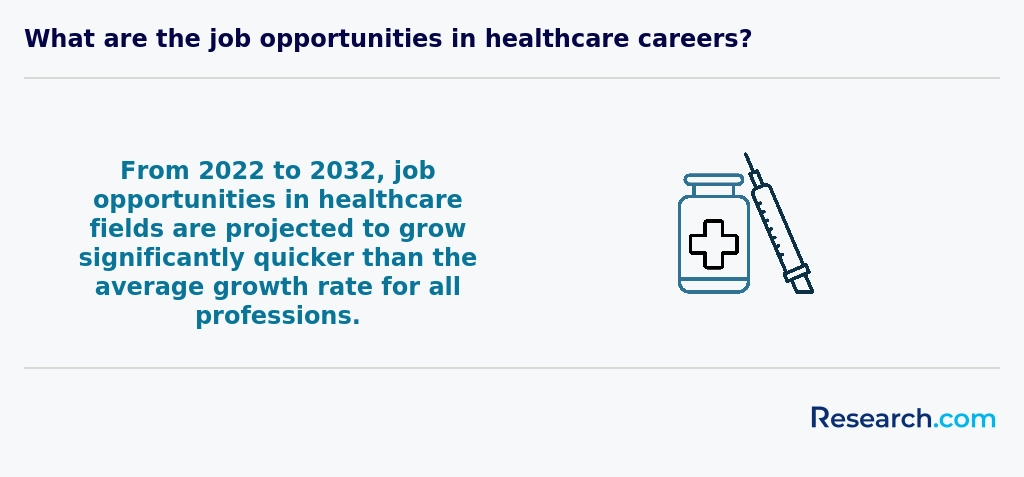
Healthcare careers are increasingly recognized worldwide as essential and growing fields. In the United States, including Omaha, healthcare jobs are projected to grow by 16% from 2021 to 2031, much faster than the average for all occupations, according to the U.S. Bureau of Labor Statistics. This growth reflects a global trend toward aging populations and greater demand for medical services.
Globally, healthcare professionals are valued for their ability to adapt to diverse environments and respond to public health challenges. Earning an online healthcare degree from Omaha institutions can provide skills that meet both local needs and international standards. This flexibility is crucial given the interconnected nature of modern healthcare systems.
Omaha's healthcare sector is a regional hub, with facilities like CHI Health and Nebraska Medicine offering numerous clinical opportunities. Online programs often integrate practical skills with a broad understanding of global healthcare trends, preparing students to work in various settings.
Gaining practical experience during an online healthcare degree in Omaha is essential for career readiness. Many programs incorporate local clinical placements or internships through partnerships with Omaha-area hospitals and clinics. For example, facilities like Nebraska Medicine and the Nebraska Methodist Health System often accept students for hands-on training. These experiences allow students to apply theoretical knowledge in real-world settings.
Additionally, healthcare simulation labs offered by some institutions provide virtual or in-person practical exposure. According to the Nebraska Department of Health, Omaha's healthcare sector employs over 50,000 professionals, creating ample opportunities for experiential learning. Students should check with their program advisors to arrange local practicums that comply with online schedules.
Choosing the right concentration within an online healthcare degree program in Omaha involves considering the local job market and your career goals. Omaha's healthcare sector is growing rapidly, with a 15% projected increase in employment for healthcare practitioners by 2028 according to the U.S. Bureau of Labor Statistics. Popular concentrations include nursing, health informatics, and healthcare administration.
Research local healthcare employers like Nebraska Medical Center to understand what skills are in demand. Many online programs offer tailored tracks that align with regional needs, increasing chances for employment after graduation.
Also, consider your strengths and interests. For example, if you enjoy technology, a concentration in health informatics could be ideal.
Lastly, verify that the program's accreditation meets Nebraska state requirements to ensure licensure eligibility.
Related Healthcare Rankings for Nearby Cities
- 2027 Best Online Healthcare Degree Programs Ranking in Brookings, SD
- 2027 Best Online Healthcare Degree Programs Ranking in Hays, KS
- 2027 Best Online Bachelor's in Healthcare Degree Programs Ranking in Columbia, MO
- 2027 Best Online Healthcare Degree Programs Ranking in Wichita, KS
- 2027 Best Online Healthcare Degree Programs Ranking in Pittsburg, KS
- 2027 Best Online Healthcare Degree Programs Ranking in St. Paul, MN
- 2027 Best Online Bachelor's in Healthcare Degree Programs Ranking in Springfield, MO
- 2027 Best Online Healthcare Degree Programs Ranking in Peoria, IL
- 2027 Best Online Healthcare Degree Programs Ranking in Saint Charles, MO
- 2027 Best Online Healthcare Degree Programs Ranking in Tulsa, OK
Top Trending Healthcare Rankings
See What Experts Have To Say About Studying Healthcare
Read our interview with Healthcare experts

References
- Employability Skills Matrix for the Health Sector https://www.skillsforhealth.org.uk/resources/employability-skills-matrix/
- How to Set and Achieve Career Goals in Health and Social Care | Royal Open College https://royalopencollege.org/blog/health-and-social-care/how-to-set-and-achieve-career-goals/
- How to Write Your Cover Letter | NQRTH https://www.nqrth.edu.au/career-planning/how-to-write-your-cover-letter/
- 20 healthcare investment niches and 3 things to know: The evolution of ... https://blackbookmarketresearch.com/20-healthcare-investment-niches-and-3-things-to-know-the-evolution-of
- How to choose a bachelor's in healthcare administration | edX https://www.edx.org/resources/how-to-choose-a-bachelors-in-healthcare-administration
- Trends and opportunities in healthcare across emerging markets - Inizio https://inizio.com/insights/trends-and-opportunities-in-healthcare-across-emerging-markets/
- Online Healthcare Degree Programs | University of Phoenix https://www.phoenix.edu/online-healthcare-degrees.html
- Client Challenge https://www.springerpflege.de/nursing-graduates-perceived-future-career-pathway-and-career-shi/50653658
- AS - Pre-Health Professions https://www.methodistcollege.edu/health-professions/associate-degree/pre-health-professions
- Omaha, NE - Mercy College https://www.mchs.edu/academics/associate-degrees/medical-assisting/omaha/





