
2027 Best Online Healthcare Degree Programs Ranking in Tulsa, OK

Co-Founder and Chief Data Scientist
Choosing the right healthcare degree program in Tulsa can shape your future and open doors to rewarding careers. To help with this important decision, the Research.com team of data scientists created the 2027 Best Online Healthcare Degree Programs Ranking in Tulsa, OK. This ranking highlights quality programs that fit your needs and goals.
By exploring the article, you'll gain valuable insights into top options designed to advance your education and career. Earning a healthcare degree offers exciting opportunities to make a meaningful difference in your community and beyond.
Key benefits of getting online healthcare degree in Tulsa
- Graduates with healthcare degrees in Tulsa can earn competitive salaries, such as $43,350 annually for Medical Assistants and Clinical Research Coordinators, or up to $103,150 for Quality Improvement Coordinators, offering strong financial stability.
- Healthcare degree holders from Tulsa institutions often pursue careers as Patient Care Technicians or Health Information Technicians, providing diverse and rewarding opportunities to impact patient care and health systems.
- Completing a healthcare degree online in Tulsa offers flexible scheduling and allows students to balance work and study easily, as shown by online graduates who achieve their goals without sacrificing personal commitments.
- Key benefits of getting online healthcare degree in Tulsa
- What can I expect from online healthcare degree in Tulsa?
- Where can I work with online healthcare degree in Tulsa?
- How much can I make with online healthcare degree in Tulsa?
- 2027 Best Online Healthcare Degree Programs Ranking in Tulsa, OK
- Key Findings
- How long does it take to complete online healthcare degree in Tulsa?
- Clinical Experience and Practicum Opportunities
- What's the difference between online and on-campus healthcare degree?
- Emerging Trends in Online Healthcare Education and Career Advancement
- What is the average cost of online healthcare degree in Tulsa?
- Application Process and Admissions Tips for Prospective Students
- What financial aid is available to online healthcare degree students in Tulsa?
- Accreditation and Licensing Considerations
- What are the prerequisites for enrolling in online healthcare degree program in Tulsa?
- Certification Pathways and Continuing Education
- What courses are typically in online healthcare degree programs in Tulsa?
- What types of specializations are available in online healthcare degree programs in Tulsa?
- How do you choose the best online healthcare degree in Tulsa?
- What career paths are available for online healthcare degree students in Tulsa?
- What is the job market for online healthcare degree in Tulsa?
- Top Trending Healthcare Rankings
- See What Experts Have To Say About Studying Healthcare
What can I expect from online healthcare degree in Tulsa?
The average cost of an online healthcare degree in Tulsa typically ranges between $7,000 and $25,000 annually, depending on the institution and degree level. For example, graduates from regional universities like the University of Tulsa and Tulsa Community College report tuition fees falling comfortably within this bracket, making education financially attainable for many local students. These costs often reflect the comprehensive nature of programs, which include coursework in nursing, healthcare administration, and health informatics.
Students pursuing degrees at these institutions appreciate the balance between quality education and affordability, especially given Tulsa's below-national-average cost of living. Many graduates share how reduced expenses related to commuting and housing bolster their positive experience, allowing them to focus more on studies. They also value the opportunity to complete clinical practicums at nearby health systems, which enrich programs beyond just tuition figures.
Overall, comparing program costs in Tulsa demonstrates solid value, with a financial commitment aligned to local economic conditions and supported by reputable, accredited schools offering meaningful outcomes.
Where can I work with online healthcare degree in Tulsa?
Graduates with online healthcare degrees in Tulsa commonly find diverse employment opportunities within the city's robust medical sector. Registered nurses holding a BSN, acquired through programs at institutions like Tulsa Community College, frequently secure roles in hospitals, outpatient clinics, and long-term care facilities such as Saint Francis Health System. These positions offer competitive wages between $70,000 and $75,000 annually, reflecting local demand.
Healthcare administration graduates often advance to managerial roles overseeing operations in hospitals and outpatient centers. Tulsa's expanding healthcare systems require skilled leaders, with positions like medical and health services managers projected to grow by approximately 10% by 2030, according to federal data.
Allied health professionals, including radiologic technologists and physical therapy assistants trained partly online and through local certifications at Tulsa Community College, enter the workforce ready to meet regional needs. Additionally, health informatics graduates benefit from emerging telehealth and healthcare IT sectors, where electronic health records and remote care services are rapidly increasing.
Those who have studied locally appreciate the hands-on experience paired with online coursework, enabling a seamless transition into Tulsa's vibrant healthcare environment.
How much can I make with online healthcare degree in Tulsa?
Graduates of online healthcare degree programs in Tulsa can anticipate competitive salaries that reflect both national standards and local demand. For example, medical assistants typically earn a mean annual wage of about $43,350 nationally, aligning closely with what Tulsa graduates report earning after completing associate-level healthcare programs at institutions like Tulsa Community College. Patient care technicians, another common role for online healthcare students, have a mean wage near $60,790, offering a solid entry point into the healthcare field.
Health information technicians also earn around $43,380 per year, which matches well with data from graduates working in Tulsa's healthcare facilities who leveraged online certifications for career growth. For those pursuing more advanced roles, quality improvement coordinators command salaries exceeding $103,000 annually, demonstrating the financial benefits of specialized healthcare degrees that can be earned online through Tulsa-area colleges.
These salary figures offer reassurance to students balancing life and studies, knowing their investment in an online healthcare degree can translate directly into tangible economic benefits in Tulsa's growing healthcare sector.
2027 Best Online Healthcare Degree Programs Ranking in Tulsa, OK
How do we rank schools?
Investing in your education is a significant decision that can shape your future, and the Research.com team understands the importance of making informed choices. To assist prospective students in Tulsa, OK, we have meticulously developed the "2027 Best Online Healthcare Degree Programs Ranking in Tulsa, OK." Our dedication to quality, credibility, and accuracy is demonstrated through thorough research and analysis behind this ranking. We utilized the following reputable data sources to ensure a comprehensive evaluation of healthcare degree programs:
By exploring this ranking, readers will gain valuable insights into the best online healthcare degree programs available in Tulsa, enabling them to make well-informed decisions about their educational journeys. For more information on how this ranking was created, please visit our Research.com methodology page.

Key Findings
- Online healthcare degree programs in Tulsa are offered by accredited schools like the University of Tulsa and Oklahoma State University-Tulsa, as well as statewide online programs.
- Tuition costs range from $15,000 to $35,000 for associate or bachelor's degrees, with graduate programs costing between $30,000 and $50,000.
- Entry-level jobs in healthcare start at about $45,000 annually, while experienced professionals can earn between $65,000 and $85,000 within five years.
- The healthcare job market in Tulsa is expected to grow by roughly 10% over the next decade, driven by local hospitals and an aging population.
- Many programs prepare students for required state or national certification exams, so verifying program approval by Oklahoma licensing boards is important.
How long does it take to complete online healthcare degree in Tulsa?
Completing an online healthcare degree in Tulsa depends largely on the degree level and enrollment status. Associate degrees, such as in Registered Nursing, typically take about two years of full-time study. Graduates from local programs at institutions like Tulsa Community College often highlight the benefit of flexible schedules that accommodate working adults.
Bachelor's programs in fields like Healthcare Administration or Nursing generally require four years full-time. However, many find that transferring credits from community colleges or prior certifications can reduce this time to around three years. Oklahoma State University's online offerings exemplify this accelerated pathway, which students appreciate for balancing career and study.
Master's degrees in areas such as Nursing or Health Informatics usually span 18 months to three years, influenced by part- or full-time attendance. Working professionals enrolled in the University of Tulsa's online MSN program report valuing the extended timeframe for its adaptability to their personal commitments.
Research shows about 40% of healthcare students nationwide attend part-time, a trend visible among Tulsa's online learners. Key factors affecting completion times include enrollment status, credit transfers, and program flexibility, making the online route both practical and achievable for diverse adult learners.
Clinical Experience and Practicum Opportunities
One of the most critical components of any online healthcare degree program is hands-on clinical training. In Tulsa, OK, reputable institutions partner with local hospitals, clinics, and long-term care facilities to ensure students complete the required practicum hours under the supervision of licensed professionals. Typically, programs mandate between 200 and 500 clinical hours, which may include rotations in patient care, health information management, or community health settings. These placements allow students to apply theoretical knowledge in real-world environments, develop essential clinical skills, and build professional networks before graduation. Online healthcare programs often supplement in-person placements with advanced simulation labs and virtual case studies. For example, simulation software can recreate emergency scenarios or patient record management exercises, giving students safe, repeatable practice opportunities. Program coordinators work with each student to secure site approvals, manage liability paperwork, and schedule hours that accommodate working professionals. Additionally, online learners benefit from dedicated practicum advisors who facilitate preceptor matching and performance evaluations, ensuring that every clinical experience aligns with accreditation standards. When evaluating program costs and value, it’s also wise to compare tuition rates and financial incentives across regions. For insights into cost-effective graduate options, see our Most Affordable Online Master's in Healthcare Degree Programs Ranking in Allendale, MI, which highlights master’s programs that balance affordability with robust clinical training partnerships.
What's the difference between online and on-campus healthcare degree?
Online and on-campus healthcare degrees in Tulsa differ primarily in their delivery methods and flexibility. For example, students attending the University of Tulsa's traditional nursing program benefit from face-to-face interaction with instructors and peers, providing immediate feedback and hands-on lab experience. Graduates often highlight the value of direct mentorship and structured class schedules, which foster disciplined study habits.
Conversely, online healthcare degree students at Tulsa Community College experience greater schedule flexibility, balancing work and family commitments by accessing lectures remotely at their convenience. These programs use digital platforms that allow asynchronous learning, a key advantage for those managing busy lives. However, clinical hours, which are vital to healthcare training, still require in-person attendance at local hospitals or clinics in Tulsa, ensuring practical skills meet accreditation standards.
Cost is another factor; online students save on commuting and housing expenses, aligning with the average Oklahoma public university tuition of around $9,500/year. Both formats maintain accreditation through bodies like CCNE, assuring employers in Tulsa's healthcare sector recognize their degrees equally, provided clinical competencies are achieved.
Emerging Trends in Online Healthcare Education and Career Advancement
As the healthcare industry continues to rapidly evolve, online degree programs are integrating innovative trends to enhance student success and career readiness. Students are now benefiting from advanced virtual simulation tools, enhanced telehealth training, and interactive e-learning platforms that mirror real-world clinical scenarios. These emerging methodologies not only streamline the learning process but also prepare graduates to seamlessly transition into modern healthcare environments. Recognizing that interdisciplinary expertise is increasingly valuable, many online healthcare programs are incorporating cross-training elements with related fields. For instance, students might explore connections between healthcare administration and diagnostics, often finding that some skills are transferable to specialized sectors, like radiology programs near me. This approach ensures that graduates are equipped with a broad understanding of technology-driven healthcare solutions, which is critical in today’s job market. Furthermore, industry partnerships and continuous professional development modules are becoming standard in these programs. These initiatives create networking opportunities and offer internships with reputable healthcare organizations, thereby reinforcing the program’s commitment to producing industry-ready professionals. By staying informed of these trends, prospective students can make better decisions about their educational journey and future career paths in an ever-changing healthcare landscape.
What is the average cost of online healthcare degree in Tulsa?
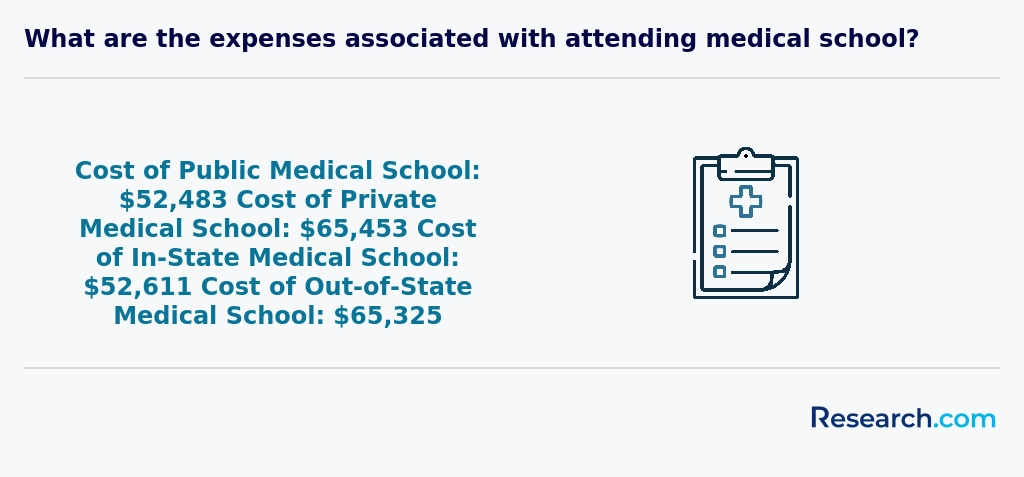
The average cost of an online healthcare degree in Tulsa is approximately $30,922, reflecting the median total expense for both in-state and out-of-state students. This figure provides a realistic expectation for prospective students evaluating their options. Graduates from prominent Tulsa institutions often cite the affordability and flexibility of online learning as a key factor in their positive educational experience, especially when balancing personal commitments alongside coursework.
Students enrolling in Tulsa's online healthcare programs benefit from competitive tuition compared to national averages. Local public universities typically offer more budget-friendly choices, with total expenses often including tuition, technology fees, and any necessary clinical components. Many healthcare students find that despite the moderate investment required, financial aid and scholarships available through these schools help ease the burden, making the degree attainable without overwhelming debt. A typical scenario might involve a student pursuing their degree while working part-time, confident that the overall Tulsa online healthcare degree total expenses fall within manageable limits.
Furthermore, Tulsa residents have an advantage since Oklahoma public schools apply in-state tuition rates, helping to reduce the financial load. Those considering specialized tracks or advanced degrees should note that some private programs or specialized courses might carry higher costs. For students seeking diverse entry points into healthcare, an example would be exploring an associate's degree in veterinary technology, which may offer more affordable paths within healthcare education.

Application Process and Admissions Tips for Prospective Students
Navigating the application process for an online healthcare degree in Tulsa, OK can be streamlined when you prepare early and follow clear, step-by-step guidelines. Begin by carefully reviewing each program’s enrollment prerequisites, including GPA requirements, prerequisite courses, and supporting documentation such as transcripts and letters of recommendation. It is important to verify deadlines and document submission procedures to avoid last-minute complications. Many prospective students benefit from reaching out to admissions counselors who can provide personalized advice and shed light on unique program features. Engage with virtual open houses, webinars, and Q&A sessions presented by your chosen schools to gain firsthand insights into campus culture and academic support services. These sessions often reveal valuable tips on optimizing your application and may clarify questions surrounding financial aid and scholarship options. Furthermore, consider exploring comprehensive resources that compare affordability and program value. For instance, you might want to check out the cheapest healthcare school in oklahoma guide, which can offer a deeper understanding of tuition rates, financial aid opportunities, and return on investment. This additional step not only highlights cost-effective options but also underscores the importance of balancing price with program quality. Once you finalize your list of potential schools, create a detailed checklist of all required documents and application steps. Organize your schedule to allocate sufficient time for revision and proofreading of application essays, ensuring that your narrative clearly communicates your passion for healthcare and your long-term career goals. By following these targeted strategies and leveraging available resources, you can enhance your application’s competitiveness and step confidently toward a rewarding career in the healthcare field.
What financial aid is available to online healthcare degree students in Tulsa?
Students pursuing online healthcare degrees in Tulsa often rely on a combination of financial aid sources to manage costs that range from $15,000 to $30,000 annually. Federal aid via FAFSA is a primary resource, offering Pell Grants up to $7,395 for those demonstrating financial need, plus Direct Subsidized and Unsubsidized Loans with relatively low interest rates. Graduates from Tulsa's prominent universities frequently mention how these federal options alleviate upfront expenses significantly.
Oklahoma residents can also apply for the Oklahoma Tuition Aid Grant (OTAG), which provides up to $1,000 per year in need-based funding. Tulsa-based healthcare students often highlight local institutional scholarships and grants tailored for nursing and allied health programs, reflecting the region's demand for healthcare professionals. These funds frequently enable many to continue their studies without excessive financial strain.
Additionally, Tulsa's Workforce Investment Board offers training grants, and some local employers support tuition costs through assistance programs, boosting workforce retention. Veterans benefit from the GI Bill and the Oklahoma Patriot Scholarship, enhancing aid options for qualified candidates pursuing healthcare careers.
Accreditation and Licensing Considerations
Choosing an accredited online healthcare degree in Tulsa, OK is essential to ensure your credential is recognized by employers, licensing boards, and graduate programs. Regional accreditation-such as from the Higher Learning Commission (HLC)-verifies overall institutional quality, while programmatic accrediting bodies like the Commission on Accreditation of Healthcare Management Education (CAHME), the Commission on Collegiate Nursing Education (CCNE), or the Commission on Accreditation of Allied Health Education Programs (CAAHEP) confirm that specific curricula meet industry standards. Graduates of accredited programs are eligible for federal financial aid, can transfer credits more easily, and satisfy prerequisites for professional licensure exams in fields such as nursing, health information management, and healthcare administration. In addition to accreditation, understanding Oklahoma’s licensing requirements is vital for roles that mandate state certification or registration. Before enrolling, verify that your online program includes approved clinical placements or practicum hours supervised by state-licensed professionals. If affordability is a key concern, you may also want to compare tuition and accreditation across regions-for instance, see our Most Affordable Online Master’s in Healthcare Degree Programs Ranking in Allendale, MI to benchmark costs and quality indicators. By selecting a fully accredited program aligned with Oklahoma’s licensure standards, you’ll maximize your readiness for certification and long-term career success.
What are the prerequisites for enrolling in online healthcare degree program in Tulsa?
Online healthcare degree programs in Tulsa typically require a high school diploma or GED as the foundational prerequisite. Many programs at institutions like the University of Tulsa or Tulsa Community College expect applicants to maintain a minimum GPA of 2.5 to 3.0, reflecting academic readiness. Graduates from these colleges often recall that submitting official transcripts-especially those showing coursework in biology or anatomy-was crucial for acceptance. This aligns with the science-intensive nature of healthcare curricula.
Applicants may also need to demonstrate English proficiency through tests like TOEFL if English is not their first language. For example, online students at Oklahoma State University-Tulsa found this requirement essential for clear communication in clinical settings.
- Prerequisite courses such as anatomy, physiology, or medical terminology are frequently required before enrollment.
- Background checks and immunization records are mandatory before starting any clinical components, even for online students.
While standardized tests like the SAT are less commonly required due to test-optional policies, some programs still request them to support admissions decisions. Students share that meeting these prerequisites not only eased their transition into rigorous healthcare studies but also prepared them confidently for their future roles in Tulsa's growing healthcare sector.
Certification Pathways and Continuing Education
Beyond earning an online healthcare degree, many Tulsa students enhance their credentials and employability by pursuing specialized certifications and ongoing professional development. Certification pathways, such as becoming a Certified Nursing Assistant (CNA), Medical Assistant (CMA), or Electronic Health Records Specialist, validate your skills and often lead to higher starting salaries and faster career advancement. To explore complementary options, consider enrolling in quick medical certification programs that can be completed in under a year and designed to align seamlessly with your degree coursework. Continuing education is equally vital in the rapidly evolving healthcare landscape. Accredited institutions in Tulsa typically offer online workshops, webinars, and certificate courses in areas like healthcare informatics, patient safety, and telehealth. These short-term programs not only fulfill state licensure renewal requirements but also keep you abreast of the latest technologies and best practices. Many graduates report that combining an online degree with stackable credentials-such as Certified Professional in Healthcare Quality (CPHQ) or Registered Health Information Administrator (RHIA)-significantly boosts their competitiveness for leadership roles. To streamline your certification journey, create a personalized education roadmap:
- Identify certifications required or recommended for your desired role (e.g., phlebotomy for clinical positions, Project Management Professional (PMP) for administrative tracks).
- Map out prerequisites, exam fees, and continuing education units (CEUs) needed for initial certification and renewal.
- Leverage Tulsa-based resources-such as community college exam prep courses and professional organizations-to access study materials and networking events. By strategically integrating certification and continuing education into your online healthcare degree, you’ll demonstrate both expertise and commitment to excellence, positioning yourself for long-term success in Tulsa’s dynamic healthcare sector.
What courses are typically in online healthcare degree programs in Tulsa?
Online healthcare degree programs in Tulsa typically include foundational courses such as Medical Terminology and Anatomy & Physiology, essential for understanding human biology and clinical language. Graduates often reflect on how these courses helped them confidently navigate patient charts and communicate effectively in fast-paced clinical environments at Tulsa's prominent institutions.
Core classes in Healthcare Ethics and Law prepare students for real-world decision-making, emphasizing compliance with local and federal healthcare regulations. Many students appreciate how this knowledge directly impacts patient trust and legal safety in Tulsa's diverse healthcare settings.
Healthcare Administration courses with focuses on finance, quality improvement, and health informatics are also common. Graduates frequently cite their ability to manage electronic health records and telemedicine platforms-skills highly valued by Tulsa hospitals adapting to technological advances.
Public Health coursework, tailored to Tulsa's community needs, provides practical insight into disease prevention and health promotion. Specialized courses such as Pharmacology basics, Patient care techniques, and Health data analytics further equip students with skills for clinical procedures and data-driven decision-making crucial in Tulsa's evolving healthcare market.

What types of specializations are available in online healthcare degree programs in Tulsa?
Students pursuing online healthcare degree specializations Tulsa often focus on Nursing, Healthcare Administration, and Health Information Management. Nursing programs offered by popular universities in Tulsa include RN-to-BSN completion and MSN degrees, equipping graduates with leadership and clinical expertise. Graduates frequently share how these programs prepare them to tackle local workforce demands, supported by a 12% increase in nursing employment in Oklahoma from 2019 to 2023.
Healthcare Administration online degrees in Tulsa emphasize management skills applicable in hospitals and clinics. With a projected 15% job growth in this area by 2030 in the Tulsa metro, students report feeling confident entering operational roles advised through coursework in policy and finance.
Health Information Management focuses on electronic patient data systems, an essential skill as healthcare providers modernize. Nationally expected to grow 11% by 2032, this specialization aligns with the positive experiences of students mastering tech-driven healthcare solutions at Tulsa colleges. Additional pathways include Public Health, Healthcare Informatics, and Allied Health.
Many students appreciate how healthcare degree programs Tulsa Oklahoma offer flexibility and specialization options, including pathways modeled after nurse practitioner degrees wisconsin clinical hours found elsewhere, available through nurse practitioner degrees wisconsin clinical hours.
How do you choose the best online healthcare degree in Tulsa?
Choosing the best online healthcare degree in Tulsa involves assessing accreditation, program offerings, and costs specific to the region. Graduates from Tulsa colleges highlight accreditation from bodies like CAAHEP or ACEN as key to ensuring their education met professional standards, ultimately aiding licensure and employment. Programs available in Tulsa cover areas such as nursing, healthcare administration, and public health, allowing students to align their studies to targeted healthcare professions effectively. Affordability is a critical factor-public institutions in Tulsa often provide in-state tuition between $7,000 and $15,000 annually, considerably lower than the national average of $15,000 to $40,000, which appeals to those seeking affordable healthcare degrees online Tulsa OK offers.
Flexibility is another major benefit cited by online learners balancing work and study; many programs feature asynchronous classes but require some on-site clinicals. Positive student experiences often revolve around strong career support and local employer connections. For those interested in specific fields, Tulsa students can explore pathways such as a registered nurse or health services manager or even a specialized vet tech program, reflecting the city's diverse healthcare educational landscape.
What career paths are available for online healthcare degree students in Tulsa?
Graduates holding an online healthcare degree in Tulsa find diverse career paths that align with the city's expanding medical landscape. Many pursue healthcare administration roles, managing hospital operations and coordinating clinical services, a field growing at an anticipated 28% nationally through 2031. Graduates from popular Tulsa institutions report satisfaction working in administrative capacities, benefiting from local healthcare employers' demand for skilled personnel.
Nursing remains a prominent option, with programs offering a pathway to become registered nurses or nurse practitioners. Registered nurses in Tulsa earn around $65,000 annually on average, providing a stable income relative to the cost of online education. Students from Tulsa colleges often cite the accessible online format as essential to balancing study and work, supporting their engagement in nursing advocacy.
Additional online healthcare degree jobs Tulsa OK include health informatics and public health. Informatics specialists help optimize patient data management amid rising digital healthcare trends, while public health professionals address community issues such as chronic disease prevention. Allied health and medical assisting roles offer practical entry points, often enhanced by certification programs that complement degrees from Tulsa universities.

What is the job market for online healthcare degree in Tulsa?
The online healthcare degree job market Tulsa offers is growing steadily, driven by expansions in local hospital systems like Saint Francis Health System and Ascension St. John. Graduates from institutions such as Tulsa Community College and the University of Tulsa report strong demand for roles in nursing, health information management, and healthcare administration. Registered nurses in Tulsa earn about $68,000 annually, a competitive wage that supports regional stability. With outpatient care and Telehealth services increasing, specialized roles such as radiologic technologists and respiratory therapists are in higher demand, aligning closely with skills gained through online programs.
Many recent graduates find the flexibility of online education critical for balancing work and study, especially when enrolling in programs offered locally. Prospective students researching educational pathways often compare options like NP program delivery modalities to find formats that suit their lifestyle. The healthcare career opportunities Tulsa OK are expanding particularly quickly in healthcare IT and administrative support, fields strengthened by evolving digital record-keeping systems and telemedicine technologies.
Frequently Asked Questions About healthcare
Online healthcare degree students in Tulsa can maximize their learning by actively engaging with course materials and participating in virtual discussions. Utilizing Tulsa-area healthcare resources, such as local hospitals and clinics, for internships or practical experience enhances understanding beyond theory. Students should also leverage academic support services offered by their institutions, including tutoring and career counseling. According to the Oklahoma State Department of Health, Tulsa County has a high demand for healthcare professionals, making clinical experience especially valuable. Time management and establishing a consistent study routine are crucial for balancing coursework with personal commitments in an online setting.
The healthcare field in Tulsa is rapidly evolving, with several emerging niches gaining prominence. One key growth area is telehealth, which expanded significantly during the COVID-19 pandemic and continues to offer remote patient care and monitoring. According to the Oklahoma State Board of Medical Licensure and Supervision, telehealth appointments in Tulsa increased by over 50% from 2020 to 2023.
Another important niche is healthcare data analytics. Tulsa's medical facilities increasingly rely on big data to improve patient outcomes and streamline operations. Careers in health informatics are expected to grow by 15% nationwide through 2030, according to the Bureau of Labor Statistics.
Lastly, specialized geriatric care is becoming crucial as Tulsa's population ages; the U.S. Census Bureau estimates that nearly 14% of Tulsa County residents are over 65. Online healthcare degrees focusing on these areas offer students relevant skills to meet future demand.
Preparing for the job market after earning an online healthcare degree in Tulsa requires strategic planning focused on both education and local industry demands. Begin by obtaining necessary certifications, such as those from the American Registry of Radiologic Technologists (ARRT) or the National Healthcareer Association (NHA), as many employers in Tulsa prefer certified candidates.
Networking is essential in Tulsa's growing healthcare sector, which employs nearly 90,000 people according to the Oklahoma Employment Security Commission. Joining local healthcare associations and attending Tulsa-area job fairs can provide valuable connections.
Additionally, gaining practical experience through internships or volunteer sites in Tulsa clinics enhances employability. Tailoring your resume to emphasize relevant skills and familiarity with Tulsa healthcare facilities will boost your chances in this competitive field.
Employers in Tulsa seeking graduates with online healthcare degrees prioritize several key skills. Strong clinical knowledge and proficiency with electronic health records are essential due to Tulsa's expanding healthcare technology use, according to recent Oklahoma State Department of Health reports. Communication skills rank highly, as healthcare workers must coordinate with diverse teams and patients effectively. Critical thinking and problem-solving abilities are also vital for managing complex cases in Tulsa's growing medical facilities. Additionally, familiarity with healthcare regulations and patient privacy laws is important. As Tulsa's healthcare market grows, adaptability and continuous learning are increasingly valued to keep pace with industry changes.
Finding internships in Tulsa relevant to a healthcare degree requires focused research and proactive networking. Start by exploring partnerships between Tulsa's online healthcare programs and local medical facilities, such as Saint Francis Health System and Ascension St. John, which often offer internship opportunities. The Oklahoma Hospital Association reports that Tulsa hosts over 10,000 healthcare jobs, indicating a strong demand for clinical and administrative interns.
Students should contact their academic advisors for assistance with internship placement. Additionally, use Tulsa-area job boards and organizations like Tulsa Area United Way, which occasionally list healthcare internship openings. Volunteering in hospitals or clinics can also open doors to official internships by building professional relationships locally.
Online healthcare degrees in Tulsa significantly enhance career mobility and advancement by providing flexible access to accredited programs tailored for working professionals. Tulsa's healthcare sector is growing, with a 12% projected increase in demand for healthcare occupations by 2030 according to the U.S. Bureau of Labor Statistics. This growth creates new opportunities for individuals with updated credentials.
Graduates holding online healthcare degrees can qualify for higher-level roles such as healthcare administration, nursing leadership, or health informatics, which often require at least a bachelor's or master's degree. Online programs accredited by organizations like the Commission on Accreditation of Allied Health Education Programs (CAAHEP) ensure quality education recognized by local employers.
Moreover, Tulsa's expanding hospital systems and outpatient clinics actively seek professionals with current degrees for promotions and salary increases. The flexibility of online learning helps students balance work and study, accelerating their path to advancement without relocating or interrupting their careers.
Studying for an online healthcare degree in Tulsa equips students with the skills needed to succeed in interdisciplinary roles by emphasizing collaboration across various healthcare fields. Programs often integrate coursework in nursing, public health, healthcare administration, and informatics, reflecting the interconnected nature of modern healthcare.
Tulsa's healthcare sector employs over 50,000 professionals, making teamwork essential for effective patient care and management, according to the Oklahoma State Department of Health (2023). Online degrees here focus on communication, leadership, and data analysis to prepare students for coordination among doctors, nurses, and administrators.
Many programs include practical simulations and case studies, fostering real-world problem-solving and critical thinking. This approach ensures graduates can navigate complex healthcare environments confidently and improve patient outcomes through interdisciplinary cooperation.
Choosing between a thesis and a non-thesis healthcare degree program in Tulsa depends largely on your career goals and learning preferences. Thesis programs typically involve original research and are suited for those interested in advanced academic work or pursuing a PhD.
Non-thesis programs focus on practical skills and coursework, ideal for professionals aiming for clinical roles or healthcare administration. Tulsa's healthcare sector, noted for its growth and demand for skilled workers, supports both pathways (Tulsa Regional Chamber, 2023).
Consider the time commitment: thesis options often take longer due to research requirements. Additionally, check if online programs in Tulsa offer mentorship for thesis projects, as this can impact success.
Lastly, verify program accreditation and how each option aligns with your long-term objectives in fields like nursing, public health, or healthcare management.
Students based in Tulsa who want to study healthcare abroad have several considerations. Most online healthcare programs accessible in Tulsa are offered by US-based schools, but some institutions provide international exchange opportunities or dual degrees in partnership with foreign universities. Tulsa itself hosts several healthcare institutions and universities with strong online offerings, such as the University of Tulsa and Oklahoma State University-Tulsa, which sometimes facilitate global learning experiences.
Regarding studying abroad physically, Tulsa students can explore global healthcare education, but they must evaluate accreditation and licensure alignment with US standards. According to the Tulsa Regional Chamber, healthcare remains a key employment sector, encouraging students to seek quality education that is transferable locally.
Currently, US federal guidelines and state boards generally favor domestic accreditation, which can limit the direct recognition of foreign healthcare degrees. Therefore, students often pursue international study through exchange or joint programs rather than fully foreign online degrees. This approach balances global experience with practical licensure needs in Oklahoma and the US.
Part-time job opportunities in Tulsa that complement a healthcare degree education often include roles such as medical assistants, pharmacy technicians, and patient service representatives. These positions provide practical experience related to healthcare delivery and administration, enhancing the skills gained in online programs.
According to the Tulsa Workforce Development Board, healthcare support occupations are projected to grow by 15% through 2028, reflecting strong local demand.
Positions in hospitals like Saint Francis Health System and clinics around Tulsa often offer flexible hours ideal for students balancing coursework and work.
Gaining hands-on experience in these roles can improve job prospects after graduation by building both clinical and interpersonal skills.
Online healthcare students in Tulsa have several networking opportunities despite studying remotely. Many universities offering online healthcare degrees collaborate with local hospitals like Saint Francis Health System and Ascension St. John, providing students access to clinical placements and professional events.
Students can join Tulsa-based healthcare associations, such as the Tulsa County Medical Society, which frequently hosts seminars and networking mixers attracting professionals across healthcare fields. Attending these events can help build relationships beyond the virtual classroom.
Additionally, Tulsa's growing healthcare market, which employed over 40,000 workers in 2023 according to the Oklahoma Healthcare Workforce Center, offers numerous internship opportunities. Online students can leverage these local resources to connect with industry leaders and peers.
Alumni networks play a crucial role for online healthcare degree students in Tulsa by connecting them with professionals who understand the local healthcare landscape. These networks offer access to job opportunities within Tulsa's growing healthcare sector, which employs over 50,000 professionals according to the Tulsa Regional Chamber. Through mentorship programs, alumni can guide students on navigating certifications and licensure specific to Oklahoma.
Online students often face challenges in building professional connections; alumni networks bridge this gap by fostering relationships through virtual events and local meetups. Participation in these networks enhances career prospects and provides updated industry knowledge, improving graduate success rates.
Customizing an online healthcare degree in Tulsa allows students to align their education with specific career goals. Many Tulsa institutions offer flexible curricula where you can select electives such as healthcare administration, nursing, or public health. This flexibility helps tailor your skills to local job markets. For example, Tulsa's growing healthcare sector demands professionals skilled in health information management and patient care coordination, as reported by the Oklahoma State Department of Health.
Students can also choose between certificate options or specialized tracks to deepen expertise. Additionally, practicum or internship placements in Tulsa healthcare facilities provide real-world experience aligned with career aspirations.
Online healthcare students in Tulsa often face challenges related to balancing demanding coursework with professional and personal responsibilities. Many students juggle full-time jobs alongside their studies, making time management a critical skill. Additionally, access to hands-on clinical experience can be limited, as local healthcare facilities may have strict placement capacities.
Technology access and reliable internet connectivity are also common issues, especially in rural areas surrounding Tulsa. According to the Oklahoma State Department of Health, clinical training spots diminish as competition rises, affecting timely degree completion. Furthermore, students sometimes encounter difficulties forming peer connections and receiving immediate academic support in the online format.
With an online healthcare degree, students in Tulsa can pursue a variety of professional certifications that enhance career prospects across the medical field. Common options include Certified Medical Assistant (CMA), Registered Health Information Technician (RHIT), and Certified Professional Coder (CPC). These credentials validate specialized skills in patient care, medical coding, and health information management.
The Oklahoma State Department of Health reports a growing demand for healthcare professionals, particularly in Tulsa County, making certification a valuable asset. Many online programs prepare students for national exams administered by recognized bodies such as the American Association of Medical Assistants (AAMA) and the American Health Information Management Association (AHIMA).
Pursuing certifications helps graduates stand out in a competitive job market, aligning with local healthcare employers' preferences and regulatory requirements.
Writing a winning application for an online healthcare program in Tulsa requires careful preparation and attention to detail. Start by clearly demonstrating your passion for healthcare, referencing Tulsa's growing healthcare sector, which employs over 30,000 professionals according to the Tulsa Metro Chamber. Highlight any relevant work or volunteer experience tied to local healthcare providers such as Saint Francis Health System.
Ensure your academic records meet program standards, often requiring a minimum GPA of 3.0. Strong letters of recommendation from healthcare professionals or educators can greatly improve your application's strength. Lastly, craft a personalized statement explaining your career goals and why an online program suits your needs while helping Tulsa's community health.
Healthcare careers are increasingly viewed as essential worldwide, with strong demand across many countries. In the United States, including Tulsa, the healthcare sector is one of the fastest-growing fields, expecting a 16% job growth from 2020 to 2030, according to the U.S. Bureau of Labor Statistics. This growth reflects a global trend driven by aging populations and increased focus on health technology.
For Tulsa residents, online healthcare degrees offer a flexible way to join this expanding field while meeting regional needs. Tulsa's healthcare industry supports over 65,000 jobs, making it a robust market for new professionals.
Globally, healthcare careers bring opportunities to work in diverse settings, including hospitals, research, and public health. The profession also encourages lifelong learning to stay current with medical advances and regulations.
Gaining practical experience while pursuing an online healthcare degree in Tulsa is essential for developing skills and enhancing employability. Many accredited programs in Oklahoma integrate clinical placements or externships with local medical facilities. These opportunities allow students to work hands-on under professional supervision, often in hospitals, clinics, or long-term care centers in Tulsa.
Additionally, Tulsa has a robust healthcare sector, employing over 40,000 professionals as of recent labor statistics from the Oklahoma Employment Security Commission. Online students can leverage partnerships between their institutions and Tulsa health providers to fulfill practicum requirements.
Volunteering and internships are also valuable ways to gain real-world exposure, often arranged through university career services or local health organizations.
Choosing the right concentration within an online healthcare degree program in Tulsa starts with assessing your career goals and local job market demands. Tulsa's healthcare sector is growing steadily, with a 15% increase in healthcare jobs projected by the Oklahoma Employment Security Commission through 2028. Popular concentrations include nursing, health informatics, and public health, reflecting Tulsa's needs in hospitals and community clinics.
Research the curriculum and see if it aligns with your interests and strengths. Tulsa universities offering online degrees often provide options to specialize in areas like healthcare administration or clinical practice.
Consider certification and licensure requirements relevant to Tulsa and Oklahoma, as some concentrations lead to specific credentials that improve employability locally.
Finally, check for practicum or internship opportunities within Tulsa healthcare facilities, as these provide valuable hands-on experience and networking prospects in the region.
Related Healthcare Rankings for Nearby Cities
- 2027 Best Online Healthcare Degree Programs Ranking in Fayetteville, AR
- 2027 Best Online Healthcare Degree Programs Ranking in Pittsburg, KS
- 2027 Best Online Healthcare Degree Programs Ranking in Wichita, KS
- 2027 Best Online Bachelor's in Healthcare Degree Programs Ranking in Springfield, MO
- 2027 Best Online Healthcare Degree Programs Ranking in Commerce, TX
- 2027 Best Online Bachelor's in Healthcare Degree Programs Ranking in Little Rock, AR
- 2027 Best Online Healthcare Degree Programs Ranking in Arlington, TX
- 2027 Best Online Healthcare Degree Programs Ranking in Hays, KS
- 2027 Best Online Bachelor's in Healthcare Degree Programs Ranking in Tyler, TX
- 2027 Best Online Bachelor's in Healthcare Degree Programs Ranking in Columbia, MO
Top Trending Healthcare Rankings
See What Experts Have To Say About Studying Healthcare
Read our interview with Healthcare experts

References
- Interdisciplinary Education and Practice https://www.aacnnursing.org/news-data/position-statements-white-papers/interdisciplinary-education-and-practice
- How a Strong Alumni Network Can Benefit Students https://www.pacificu.edu/blog/how-strong-alumni-network-can-benefit-students
- The Importance of Career Growth in Healthcare https://www.frontlinerecruitmentgroup.com/resources-hub/the-importance-of-career-growth-in-healthcare/
- The Value of Healthcare Organization Alumni Associations https://consultqd.clevelandclinic.org/the-value-of-healthcare-organization-alumni-associations
- Pursuing Your Career Goals: Strategies and Examples https://www.ultimatemedical.edu/blog/career-goals-importance-strategies-and-examples/
- Course Benefits https://www.premedprojects.co.uk/hospital-work-experience-benefits
- Niche Market Opportunities Research Among Healthcare Professionals (A Decision Analyst Case History https://www.decisionanalyst.com/casestudies/nichemarketopportunities/
- Healthcare Administration Certifications https://www.publichealthdegrees.org/careers/healthcare-administrator/certification/
- How to Set and Achieve Career Goals in Health and Social Care | Royal Open College https://royalopencollege.org/blog/health-and-social-care/how-to-set-and-achieve-career-goals/
- How to choose a bachelor's in healthcare administration | edX https://www.edx.org/resources/how-to-choose-a-bachelors-in-healthcare-administration


