
2027 Best Healthcare Degree Programs Ranking in Atlanta

Co-Founder and Chief Data Scientist
Choosing the right healthcare degree program in Atlanta can feel overwhelming. To help, the Research.com team of data scientists created the 2027 Best Healthcare Degree Programs Ranking in Atlanta.
This article highlights the top programs, making it easier for you to find options that fit your goals and lifestyle. A healthcare degree opens doors to meaningful careers where you can make a real difference in people's lives.
By exploring this ranking, you'll gain valuable insights that support smart decisions for your future. Your journey toward a rewarding healthcare career starts here.
Key benefits of getting healthcare degree in Atlanta
- Salary for healthcare degree graduates: Graduates in Atlanta can expect competitive wages, such as Patient Care Technicians earning about $60,790 annually and Quality Improvement Coordinators earning up to $103,150 per year, reflecting strong financial prospects.
- Career paths in healthcare: For example, a healthcare graduate from Georgia State University may pursue roles like Medical Assistant or Clinical Research Coordinator, offering a variety of fulfilling opportunities in patient care and administration.
- Benefits of online healthcare degrees: Online programs, such as those offered by Kennesaw State University, provide flexibility for working students, enabling balance between education and life while gaining the qualifications needed for rewarding healthcare careers.
- Key benefits of getting healthcare degree in Atlanta
- What can I expect from healthcare degree in Atlanta?
- Where can I work with healthcare degree in Atlanta?
- How much can I make with healthcare degree in Atlanta?
- 2027 Best Healthcare Degree Programs Ranking in Atlanta
- Key Findings
- How long does it take to complete healthcare degree in Atlanta?
- Affordable and Cost-Effective Healthcare Options
- What's the difference between online and on-campus healthcare degree?
- Student Life and Campus Support: Enhancing the Healthcare Education Journey
- What is the average cost of healthcare degree in Atlanta?
- Campus Life and Student Support: Enhancing Your Healthcare Journey
- What financial aid is available to healthcare degree students in Atlanta?
- Accreditation and Licensing Exam Success Rates
- What are the prerequisites for enrolling in healthcare degree program in Atlanta?
- Accreditation and Licensure Outcomes
- What courses are typically in healthcare degree programs in Atlanta?
- What types of specializations are available in healthcare degree programs in Atlanta?
- How do you choose the best healthcare degree in Atlanta?
- What career paths are available for healthcare degree students in Atlanta?
- What is the job market for healthcare degree in Atlanta?
- Top Trending Healthcare Rankings
- See What Experts Have To Say About Studying Healthcare
What can I expect from healthcare degree in Atlanta?
The average cost of a healthcare degree in Atlanta varies depending on the institution and program length. Graduates from Georgia State University often mention managing tuition fees around $20,000 to $30,000 per year for undergraduate healthcare programs, while Emory University's specialized public health degrees can cost upwards of $40,000 annually. Many students find financial aid and scholarships essential to offset these expenses.
Healthcare students in Atlanta commonly experience balancing coursework and clinical hours, which require access to partners like Grady Memorial Hospital. Such hands-on training is invaluable but can add to costs related to commuting and materials. Graduates report that organizing budgets early for these practical expenses relieves the pressure during the program's demanding phases.
Choosing healthcare education in Atlanta means investing in a city with strong job growth and solid career prospects. Those who pursue programs at institutions known for their healthcare focus benefit from connections that support employment opportunities, making the financial commitment feel worthwhile with an eye on long-term returns.
Where can I work with healthcare degree in Atlanta?
With a healthcare degree in Atlanta, you can jump straight into diverse roles across the city's strong medical landscape. Graduates from institutions like Emory University or Georgia State University often find themselves employed at Emory University Hospital, Grady Memorial, or Northside Hospital, where roles range from nursing to healthcare administration. Many share stories of quickly landing jobs as medical technologists or specialized therapists, thanks to internships and connections made during their studies.
For those interested in outpatient care, clinics and centers offer chances to coordinate patient care or manage medical records-ideal for graduates focused on healthcare administration or allied health fields. Working at the CDC is another goal for some, providing hands-on experience in research and public health control that ties directly back to what was learned in class.
Other graduates thrive in community health centers, long-term care facilities, or the booming biotech sector in Atlanta, finding rewarding work in rehabilitation or research. Health insurance companies and government agencies also attract graduates skilled in health policy or finance, proving that degrees from local colleges open many practical career doors.
How much can I make with healthcare degree in Atlanta?
Graduates with healthcare degrees in Atlanta can expect a range of salaries depending on the role they pursue. For example, medical assistants, a common entry-level position held by recent graduates from institutions like Georgia State University, earn a mean annual wage of about $43,350, according to the latest BLS data. Similarly, health information technicians, who handle medical records and data, make a comparable $43,380 on average.
For those aiming higher, patient care technicians in Atlanta see mean earnings near $60,790 annually, reflecting the added responsibilities compared to entry-level roles. Graduates who specialize in quality improvement coordination, often requiring more experience and a deeper understanding of healthcare systems, can earn significantly more-around $103,150 per year.
Atlanta's strong healthcare programs and partnerships with leading hospitals provide graduates not only good starting salaries but also momentum for income growth. A typical graduate from Emory University's healthcare programs shares enthusiasm about progressing quickly from medical assistant roles into specialized positions that command higher pay and greater job satisfaction.
2027 Best Healthcare Degree Programs Ranking in Atlanta
How do we rank schools?
Investing in your education is a significant decision that can profoundly impact your future, and the Research.com team is keenly aware of the importance of making well-informed choices. To support aspiring students in Atlanta, we have carefully developed the "2027 Best Healthcare Degree Programs Ranking in Atlanta." Our dedication to quality, credibility, and accuracy is demonstrated through rigorous research and thorough analysis.
We utilized the following reputable data sources to ensure a comprehensive and trustworthy evaluation of healthcare degree programs:
By consulting this ranking, readers will obtain invaluable insights into Atlanta's best healthcare degree programs, empowering them to choose programs that align with their goals and aspirations. For a detailed explanation of our ranking process, please visit our Research.com methodology page.


# 10 position
American InterContinental University-Atlanta
Bachelor of Science in Healthcare Management

Key Findings
- Healthcare degrees in Atlanta cost between $15,000 and $45,000 per year, with public institutions generally being more affordable for in-state students.
- Entry-level healthcare professionals in Atlanta typically earn $50,000 to $60,000 annually, with experienced specialists making over $100,000 per year.
- Healthcare employment in Atlanta is projected to grow by about 15% over the next decade, faster than the national average.
- Nursing and allied health fields offer some of the highest employment rates among healthcare professions in the city.
- Programs in Atlanta often include hands-on experience through partnerships with local hospitals and clinics, improving job placement chances.
How long does it take to complete healthcare degree in Atlanta?
If you're aiming for an associate degree in healthcare in Atlanta, expect about two years of full-time study. Many graduates from Atlanta Technical College appreciate how this timeline lets them quickly enter the workforce with solid skills in fields like medical assisting or nursing.
Bachelor's degrees, such as Nursing (BSN) or Public Health, typically take four years when attending full-time. Those who graduated from Georgia State University recall the balance of coursework and hands-on clinical practice helped them feel prepared and confident stepping into competitive jobs.
For master's degrees targeting advanced roles like nurse practitioners, plan on one and a half to three years. Emory University offers flexible schedules, and graduates often mention how part-time or accelerated options made it manageable alongside their jobs.
Doctoral programs, including the Doctor of Nursing Practice or Physical Therapy, generally add three to four years beyond the bachelor's or master's level. Many who complete these at local universities value the deep clinical expertise gained, which opens doors to leadership positions.
Affordable and Cost-Effective Healthcare Options
For many prospective students, balancing quality education with budget constraints is a top priority. This section explores cost-effective options, financial planning strategies, and pathways to access quality education without compromising academic excellence. It highlights how certain programs offer lower tuition rates, work-study opportunities, and robust scholarship support, making it easier to access high-quality training at a fraction of the cost. In addition, partnering with community colleges and exploring alternative formats like hybrid or online learning can lead to significant savings while still providing essential hands-on clinical experience. Interested students can learn more about how to make an informed choice on these matters by reviewing affordable healthcare programs in georgia, ensuring that their investment in education meets both career goals and financial needs. Detailed financial planning, proactive scholarship applications, and strategic course selections are key to unlocking these affordable pathways and forging a successful career in healthcare.
What's the difference between online and on-campus healthcare degree?
Choosing between online and on-campus healthcare degrees in Atlanta starts with understanding how each fits into your lifestyle. Online programs offer the freedom to study anytime, anywhere-perfect for working adults juggling jobs or family. Graduates from these programs often share how this flexibility allowed them to keep steady income while advancing their careers. For instance, students enrolling through Georgia State University's online platform find this balance invaluable.
On-campus programs, such as those at Emory University, immerse you in hands-on experiences. Graduates frequently recall meaningful clinical hours in local hospitals like Emory Healthcare, where face-to-face mentorship developed crucial skills and professional confidence. This direct patient contact is tough to replicate online but essential for mastering practical competencies.
Cost differs but isn't the sole factor. Some online courses reduce campus fees, yet technology costs or required in-person clinical rotations keep expenses comparable. At every step, students should verify clinical placements locally in Atlanta to meet licensing requirements, ensuring their degree leads directly to real-world readiness.
Student Life and Campus Support: Enhancing the Healthcare Education Journey
Beyond rigorous academics and competitive career prospects, a vibrant campus life and robust student support network are essential components for success in healthcare education. In Atlanta, healthcare institutions not only focus on academic excellence but also invest in comprehensive student services-from mental health counseling and academic tutoring to career planning and mentorship programs. These resources help students manage stress, build resilience, and foster practical skills through extracurricular activities, networking events, and community outreach initiatives. Students often report that participating in focused clubs, simulation labs, and peer-led study groups enriches their learning beyond the classroom, creating lasting connections that serve them throughout their careers. For those seeking ways to balance quality support with cost-effective education, you may explore our guide on affordable healthcare programs in georgia, which offers valuable insights into navigating both academic and personal growth opportunities while keeping expenses in check.
What is the average cost of healthcare degree in Atlanta?
The average cost of a healthcare degree in Atlanta varies significantly depending on your residency status and the type of institution you attend. For local students, the median in-state total cost is approximately $13,527, which makes public universities like Georgia State University and Georgia Institute of Technology attractive options for managing expenses. Many graduates recall how this affordability allowed them to focus more on gaining clinical experience and networking within the city's vibrant healthcare community without excessive financial pressure.
Out-of-state students face a higher median total cost, around $42,958, reflecting tuition and fees typical of private institutions such as Emory University. Graduates from these programs often highlight the value of advanced facilities and specialized resources, despite the steeper price tag. However, this median also demonstrates that private education in Atlanta aligns closely with national trends.
The cost of healthcare programs Atlanta 2027 will likely continue to emphasize a range of tuition rates. Associate degrees tend to cost less, ideal for those entering the field quickly, while bachelor's and graduate programs can extend costs substantially due to program length and additional fees like clinical placements and lab work.
Many students successfully navigate these costs through financial aid and scholarships. Those exploring affordable healthcare programs in georgia can find options that balance price and quality by consulting resources tailored to regional education markets, such as affordable healthcare programs in georgia.
Campus Life and Student Support: Enhancing Your Healthcare Journey
Navigating your healthcare degree program entails not just rigorous academics but also a thriving campus community that supports your personal and professional growth. In Atlanta, GA, many institutions bolster their academic offerings with comprehensive student support services, including career counseling, wellness programs, and active student organizations that create a vibrant and inclusive environment. Engaging in campus life helps you build essential soft skills-like leadership, teamwork, and effective communication-while also offering opportunities to network with industry professionals through internships and community outreach. In addition to on-campus resources, many programs embrace flexible learning options; for example, some students take advantage of easy mph programs to get into that provide a balanced approach between online coursework and practical experience. By leveraging these support systems, you can not only excel academically but also prepare holistically for a successful career in the ever-evolving healthcare landscape.
What financial aid is available to healthcare degree students in Atlanta?
To fund a healthcare degree in Atlanta, start by completing the FAFSA to unlock federal aid like Pell Grants, which can cover up to $7,395 annually for eligible students. Graduates from Georgia State University often recall how these grants made a major difference, easing financial worries during their studies.
Federal student loans, such as Direct Subsidized and Unsubsidized Loans, are another key resource, with interest rates around 5% for undergraduates. Many students attending Emory University have benefited from these loans combined with Federal Work-Study programs, which provide paid part-time healthcare-related jobs that help cover daily expenses while gaining experience.
Don't overlook state aid-Georgia's HOPE Scholarship offers up to $4,000 per year to in-state undergraduates, an aid many nursing students say was crucial. Complementing this, HOPE Grants support vocational certifications important for allied health careers.
Finally, local healthcare employers often provide tuition reimbursement or scholarships, especially for nursing roles, making Atlanta a supportive environment for financing your healthcare education.
Accreditation and Licensing Exam Success Rates
Accreditation ensures that healthcare degree programs in Atlanta meet rigorous educational standards essential for licensure and professional practice. Prospective students should verify that their chosen institution is accredited by bodies such as the Commission on Accreditation of Allied Health Education Programs (CAAHEP) or the Commission on Collegiate Nursing Education (CCNE). Accredited programs not only provide a curriculum aligned with state and national requirements but also offer the clinical experiences necessary for eligibility to sit for certification exams. Licensing exam pass rates are a critical indicator of program quality. For example, nursing graduates must pass the NCLEX-RN exam, while health information technicians often pursue the Registered Health Information Technician (RHIT) credential. Schools with first-time pass rates above 90% demonstrate consistent instructional effectiveness and strong student support systems. Many Atlanta institutions publish annual pass-rate data; applicants should compare these statistics to gauge readiness and institutional commitment to exam preparation. To balance affordability and accreditation, students exploring cost-effective online pathways can consult our Low Cost Online Healthcare Degree Programs Ranking in Wisconsin. This resource highlights programs that maintain high accreditation standards while minimizing tuition expenses, helping learners choose options that combine academic rigor, licensing success, and budgetary considerations.
What are the prerequisites for enrolling in healthcare degree program in Atlanta?
To enroll in a healthcare degree program in Atlanta, start by securing a high school diploma or GED, the baseline for most associate and bachelor's programs. For graduate degrees, like an MPH or MHA, having a bachelor's degree is non-negotiable.
Next, focus on completing key prerequisite courses such as biology, chemistry, anatomy, and physiology. Graduates from Georgia State University often recall how having at least one semester of college-level biology and chemistry smoothed their path into healthcare studies.
Testing requirements vary. Many undergraduates still submit SAT or ACT scores, while graduate applicants might prepare for the GRE to meet more specialized admissions criteria.
Practical experience counts hugely in Atlanta's vibrant healthcare scene. Volunteering at Emory Healthcare or Grady Memorial Hospital helped past students stand out by demonstrating real-world understanding and commitment.
Remember to plan financially for tuition near $8,000 annually, plus extra fees for labs and certifications. Also, prepare to complete background checks and provide immunization records, essential for clinical placements and internships.
Accreditation and Licensure Outcomes
Atlanta’s healthcare degree programs maintain rigorous accreditation standards and consistently high licensure exam pass rates, ensuring graduates are primed for professional success. Most institutions in the Atlanta area hold accreditation from recognized bodies such as the Commission on Accreditation of Healthcare Management Education (CAHME), the Council on Accreditation of Nurse Anesthesia Educational Programs (CoA-NA), and the Accreditation Council for Pharmacy Education (ACPE). These accreditations not only validate curriculum quality but also guarantee eligibility for licensure exams across clinical and administrative fields. Licensure outcomes serve as a critical benchmark for program effectiveness. For example, nursing graduates at Georgia State University report NCLEX-RN pass rates above the national average of 86%, reflecting strong clinical preparation and faculty support. Similarly, graduates of Emory University’s public health programs consistently achieve 90% or higher scores on the Certified in Public Health (CPH) exam. Even specialized pathways, such as the accelerated pharm d track, boast board pass rates that rank among the top 10% nationally, underscoring the value of intensive, competency-based training. Prospective students should review each program’s published accreditation status and first-time licensure pass rates, which are typically available on institutional websites or through state licensing boards. By prioritizing accredited programs with proven licensure success, students can secure a competitive edge in Atlanta’s vibrant healthcare job market and confidently embark on their professional journeys.
What courses are typically in healthcare degree programs in Atlanta?
Healthcare degree programs in Atlanta cover a solid mix of foundational science and practical skills tailored for the city's dynamic medical environment. Graduates from institutions like Georgia State University often highlight the value of courses such as anatomy and physiology, which give you a clear understanding of how the human body works-critical for any healthcare role.
Expect to study microbiology and chemistry too, which many find essential for grasping disease mechanisms and how medications interact with the body. These classes prepare you to confidently handle clinical challenges.
Atlanta's programs also emphasize healthcare systems and ethics. Courses in healthcare management, medical terminology, and health informatics equip you to navigate hospital operations or patient data management smoothly. Nursing students at Emory describe clinical rotations at Emory Healthcare as transformative, providing hands-on experience that links textbook knowledge to real patient care.
Additional topics frequently covered include pharmacology, medical ethics and legal issues, public health, epidemiology, patient care techniques, and communication skills-all helping you build competence and confidence in a fast-paced healthcare setting.
What types of specializations are available in healthcare degree programs in Atlanta?
Healthcare degree specializations in Atlanta cover a range of fields suited to different interests and career goals. Popular options include nursing, where graduates from Georgia State University often mention hands-on clinical experience preparing them for roles like family nurse practitioners or nurse anesthetists. Public health degrees, common at institutions such as Emory University, equip students to tackle urban health challenges, offering a satisfying sense of community impact. Health informatics is another growing focus, training students to enhance medical data management-something that recent grads found particularly rewarding given the explosion of healthcare technology in Atlanta.
For those drawn to leadership, healthcare administration programs provide practical skills to manage hospitals and clinics efficiently, often involving internships with local healthcare organizations. Physical and occupational therapy are also well-represented specialties designed to meet the increasing demand for rehabilitation services. Atlanta healthcare programs and career options are broad, making it easier to find a path that fits your ambitions. For those interested in expanding options, exploring easy mph programs to get into can add further versatility.
How do you choose the best healthcare degree in Atlanta?
Start by identifying the degree that matches your career goals-whether a certificate, an associate degree, or a bachelor's. For instance, graduates from Georgia State University found that earning an Associate Degree in Nursing (ADN) positioned them well to become Registered Nurses in Atlanta's thriving healthcare market. If you aspire to management, a Bachelor of Science in Healthcare Administration, like those offered at Emory University, can open doors to leadership roles.
Next, prioritize programs with strong accreditation like CCNE or ACEND to ensure rigorous training recognized by employers. Many students highlight the value of Atlanta-based schools for combining credible curricula with local industry connections, making it easier to land clinical placements at top hospitals such as Grady Memorial.
Affordability also plays a major role in choosing affordable healthcare degrees Atlanta 2027 options. Public universities provide substantial savings compared to private tuition, but scholarships and financial aid can bridge gaps. Flexibility matters too; working professionals appreciate online or hybrid models that fit around life's demands.
Don't overlook hands-on experience-internships at Children's Healthcare of Atlanta or other hospitals give a real edge. Some graduates even explore accelerated pharm d programs here for faster career launch without sacrificing quality.
What career paths are available for healthcare degree students in Atlanta?
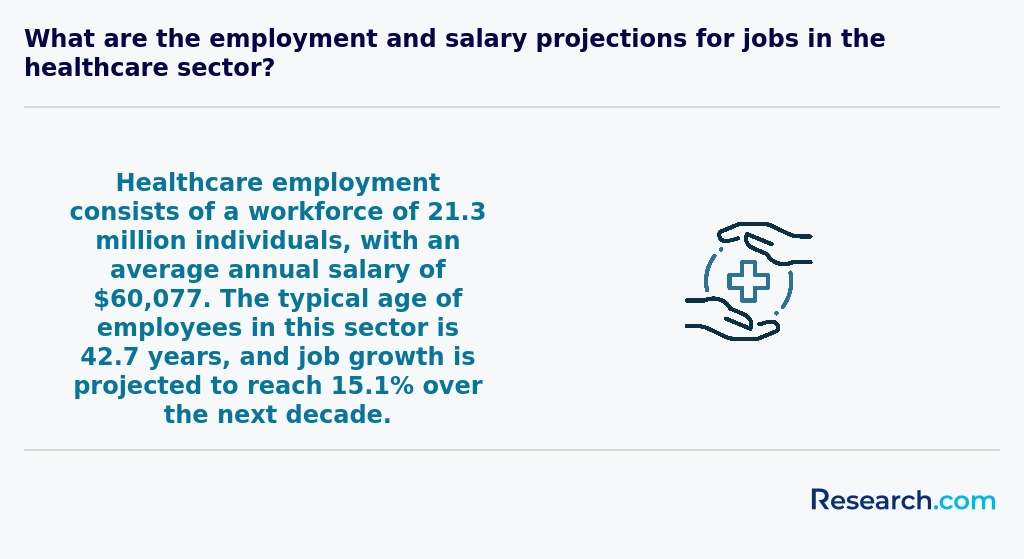
Graduates with a healthcare degree in Atlanta find diverse career paths readily available, reflecting the city's strong medical network. Many choose nursing roles such as Registered Nurses (RNs), Nurse Practitioners (NPs), or Licensed Practical Nurses (LPNs), leveraging degrees from schools like Georgia State University to enter fast-growing clinical roles. These graduates often share how Atlanta's numerous hospitals provide hands-on experience that makes job transitions smooth and financially rewarding, with salaries around $75,000 for RNs.
Others pursue healthcare administration, managing operations in hospitals and clinics. Popular programs at Clayton State University equip students with practical skills to become hospital administrators or health information managers, roles in high demand with average salaries near $98,000. Graduates emphasize the satisfaction of using their degrees to improve healthcare delivery in Atlanta's expanding system.
For those interested in research or public health careers, Atlanta offers opportunities in clinical research or health education through connections with institutions like Emory University and the CDC. Personal accounts highlight the city's supportive environment for public health professionals, explaining how robust job prospects align with a passion for community impact. This broad spectrum of Atlanta healthcare degree job prospects includes allied health roles such as medical technologists and respiratory therapists, completing the practical options available. To explore affordable options to start your path, consider reviewing the Low Cost Online Healthcare Degree Programs Ranking in Wisconsin.
What is the job market for healthcare degree in Atlanta?
The healthcare job market in Atlanta is expanding steadily, offering strong prospects for graduates holding healthcare degrees. Atlanta's status as a regional hub means healthcare job opportunities in Atlanta are abundant across hospitals, clinics, and public health organizations. Graduates from institutions like Georgia State University often find themselves recruited quickly, especially in roles such as Registered Nurses, Health Services Managers, and Physical Therapists, where demand is particularly high.
Many graduates share that gaining experience at local hospitals like Grady Health System boosted their confidence and employability. The diversity of positions and competitive salaries, typically ranging from $50,000 to $70,000 for entry-level roles, reflect the vibrant nature of Atlanta healthcare degree employment prospects. This makes investing in local healthcare education a practical step for career advancement or entry.
Students planning finances can expect in-state tuition at public universities near $10,000 annually, balancing well against these job outcomes. For alternative education paths, consider exploring top online degrees for seniors to complement healthcare credentials and increase versatility in today's market.
Frequently Asked Questions About healthcare
Healthcare degree students in Atlanta can maximize their learning experience by combining academic coursework with hands-on clinical practice. Atlanta hosts numerous healthcare facilities, including Emory Healthcare and Grady Memorial Hospital, offering ample opportunities for internships and practical training. Engaging with these institutions helps students apply theory to real-world settings, enhancing skills and confidence.
Additionally, students should take advantage of Atlanta's vibrant educational ecosystem, which includes diverse workshops, seminars, and networking events tailored to healthcare professionals. According to the Georgia Department of Economic Development, Atlanta's healthcare sector employs over 200,000 people, creating valuable connections for students.
The healthcare field in Atlanta is rapidly evolving, with several emerging niches attracting growing attention. One key area is telehealth, which expanded significantly during the COVID-19 pandemic and continues to offer vast opportunities in remote patient care. According to the Georgia Department of Public Health, telemedicine visits increased by over 50% in Atlanta between 2020 and 2023.
Another emerging niche is health informatics, which combines healthcare with data analysis to improve patient outcomes. Atlanta's strong tech industry supports this growth, with professionals needed to manage electronic health records and data security.
Lastly, geriatric care is expanding due to Atlanta's aging population, requiring specialists in elderly care and chronic disease management, as reported by the Atlanta Regional Commission.
Preparing for the job market after earning a healthcare degree in Atlanta involves strategic steps to enhance employability. Start by securing internships or clinical rotations in local hospitals like Emory Healthcare or Grady Memorial, which provide practical experience and networking opportunities. According to the Georgia Department of Labor, Atlanta's healthcare sector is projected to grow 16% by 2030, emphasizing strong demand for qualified professionals.
Developing certifications relevant to your field, such as Certified Nursing Assistant (CNA) or Registered Health Information Technician (RHIT), boosts your resume. Attend job fairs hosted by institutions like the Atlanta CareerRise program to connect with employers actively hiring. Strong communication and technological skills are also critical, as healthcare increasingly relies on electronic health records and telemedicine.
Healthcare employers in Atlanta prioritize a combination of technical knowledge and soft skills when hiring graduates with healthcare degrees. According to the Georgia Department of Labor, essential skills include clinical competency, critical thinking, and proficiency in electronic health records (EHR) systems.
Strong communication skills are crucial, as healthcare professionals must effectively interact with patients, families, and interdisciplinary teams. Problem-solving abilities and adaptability are also highly valued due to the fast-paced nature of Atlanta's healthcare industry.
Furthermore, cultural competency stands out, aligning with Atlanta's diverse population and its need for inclusive care practices, as noted by recent city health reports.
Finding internships in Atlanta relevant to a healthcare degree involves leveraging local hospitals, clinics, and academic institutions. Major employers such as Emory Healthcare and Grady Health System offer structured internship programs across various healthcare disciplines. According to the Georgia Department of Labor, healthcare is among Atlanta's fastest-growing sectors, increasing opportunities for practical experience.
Students should also connect with university career centers, like those at Georgia State University or Morehouse School of Medicine, which maintain partnerships with local healthcare providers. Additionally, organizations like the Atlanta Healthcare Career Consortium publish internship postings specific to healthcare fields.
Networking at industry events or joining professional groups such as the Georgia Public Health Association can further aid in locating competitive internships.
Obtaining a healthcare degree in Atlanta significantly enhances career mobility and advancement opportunities due to the city's robust medical industry. Atlanta is home to numerous hospitals, such as Emory Healthcare and Grady Memorial, which consistently seek qualified professionals. According to the Georgia Department of Labor, healthcare occupations in the Atlanta metro area are projected to grow by 14% through 2030, faster than the average for all occupations.
A healthcare degree equips graduates with specialized skills that support promotion into higher-paying roles like nurse managers or healthcare administrators. Many employers in Atlanta prefer candidates with formal education and credentials from recognized institutions, increasing job security and upward mobility.
Additionally, Atlanta's expanding healthcare sector offers diverse career paths, including public health, biotechnology, and health informatics. Degree holders often benefit from Atlanta's strong network of professional associations and continuing education opportunities, further facilitating career growth.
Studying for a healthcare degree in Atlanta offers strong preparation for interdisciplinary roles due to the city's diverse healthcare landscape. Atlanta hosts numerous hospitals, research institutions, and public health organizations, creating opportunities for students to engage with various healthcare professionals.
Educational programs often emphasize teamwork, combining nursing, public health, and biomedical fields. For example, Georgia State University and Emory University are known for their collaborative curricula focused on cross-disciplinary communication and problem-solving skills. According to the Georgia Department of Public Health, Atlanta's healthcare workforce demands increased coordination, especially in response to public health challenges.
This environment equips students to navigate complex health systems, understand patient care from multiple perspectives, and prepare for increasingly integrated roles in clinical and community settings.
Choosing between a thesis and a non-thesis healthcare degree program in Atlanta depends on your career goals and learning preferences. Thesis programs focus on research, requiring students to develop, conduct, and write a detailed study. This option suits those aiming for doctoral studies or research positions in hospitals or public health organizations.
Non-thesis programs often emphasize practical training, preparing students for direct employment in clinical or administrative roles. In Atlanta, which hosts a robust healthcare industry with over 600 hospitals and clinics, practical skills can be valuable. According to the Georgia Department of Public Health, demand for healthcare professionals is rising by nearly 15% annually in the metro area.
Consider your time commitment too: thesis tracks typically take longer due to research requirements. Consult specific Atlanta universities for program length and curriculum details to align your choice with local healthcare market needs.
Students based in Atlanta who wish to study healthcare abroad have several pathways through U.S. institutions offering international programs. Many Atlanta universities, such as Emory University, provide study abroad opportunities in healthcare-related fields, allowing students to gain practical experience in countries with diverse healthcare systems. These programs typically include internships, clinical observations, and research collaborations.
Additionally, students can pursue joint degree programs or exchange programs facilitated by partnerships between Atlanta schools and global universities.
According to the Institute of International Education, nearly 15% of U.S. healthcare students participate in study abroad each year, reflecting growing interest in global health perspectives.
Students pursuing healthcare degrees in Atlanta can benefit from several part-time job opportunities that align with their academic goals. Roles such as medical assistants, pharmacy technicians, and patient care aides offer practical experience while earning income. According to the U.S. Bureau of Labor Statistics, Atlanta's healthcare sector is growing rapidly, with a 15% increase projected through 2030. This growth supports local job availability in hospitals, clinics, and outpatient facilities.
Positions like medical scribe or health information technician help students develop essential skills in documentation and data management, valued across healthcare careers. Moreover, roles in home health care provide direct patient interaction, enhancing communication and caregiving abilities.
Healthcare students in Atlanta have numerous networking opportunities through local universities, hospitals, and professional organizations. Institutions like Georgia State University and Emory University host events connecting students with healthcare professionals. The city's robust healthcare sector includes over 30 hospitals, offering students clinical internships and networking events.
Organizations such as the Georgia Public Health Association and the Atlanta Healthcare Council provide workshops, seminars, and conferences specifically for healthcare students. According to the Georgia Department of Public Health, Atlanta's healthcare employment is expected to grow 15% by 2030, increasing the value of early networking.
Students can also engage with local chapters of national groups like the American Medical Association and the National Student Nurses' Association, enhancing both professional contacts and leadership skills.
Alumni networks play a crucial role for healthcare degree students in Atlanta by providing professional connections and career opportunities. Many Atlanta institutions, such as Emory University and Georgia State University, maintain strong alumni groups that help students access internships, job openings, and mentorships in local hospitals and clinics.
These networks often organize events and workshops, enabling students to learn about industry trends and build relationships with experienced professionals. According to the Georgia Hospital Association, Atlanta hosts over 70 major healthcare organizations, increasing the value of a robust alumni network for job placement.
Connecting with alumni can also enhance students' understanding of Atlanta's healthcare environment, including regional public health challenges. Ultimately, these networks facilitate smoother transitions from education to employment in a competitive job market.
Customizing a healthcare degree program in Atlanta allows students to align education with their specific career goals. Many colleges offer flexible curricula, including elective courses and specialized tracks in areas such as public health, nursing, healthcare administration, or medical technology. For example, Georgia State University and Emory University provide options to focus on urban health issues or research. Atlanta's healthcare sector, which employs over 120,000 professionals according to the Georgia Department of Labor, offers ample internship opportunities for practical experience. Students can also choose part-time or online classes to accommodate work schedules, maximizing both learning and professional development.
Healthcare students in Atlanta face several common challenges that can impact their academic success and well-being. One major issue is the demanding clinical hours required, which often conflict with coursework and personal responsibilities. According to the Georgia Board of Nursing, many students struggle to balance these obligations while meeting rigorous clinical competencies.
Another challenge is the financial burden. Tuition and associated costs for healthcare programs in Atlanta can exceed $20,000 annually, according to College Board data, creating significant stress for students relying on loans or part-time work.
Additionally, the competitive nature of programs like nursing and physician assistant studies can lead to high stress and anxiety. Access to local healthcare facilities for hands-on training is competitive, partly due to Atlanta's growing population and healthcare demand, as noted by the Georgia Department of Public Health.
With a healthcare degree in Atlanta, students can pursue a variety of professional certifications that enhance career opportunities. Common certifications include Certified Medical Assistant (CMA), Registered Health Information Technician (RHIT), and Certified Professional Coder (CPC). These credentials validate expertise and improve employability in clinics, hospitals, and administrative roles.
For advanced roles, certifications like Certified Nurse Assistant (CNA) or Licensed Practical Nurse (LPN) are important. Atlanta's healthcare sector employed over 180,000 workers in 2023, according to the Georgia Department of Labor, increasing demand for certified professionals.
Additionally, specialized certifications such as Certified Healthcare Administrator (CHA) support careers in healthcare management. Many programs in Atlanta integrate certification preparation, streamlining the pathway after graduation.
Writing a winning application for a healthcare program in Atlanta begins with thorough research. Applicants should clearly understand the program's prerequisites and accreditation status, focusing on institutions recognized by organizations like the Commission on Accreditation of Allied Health Education Programs (CAAHEP).
Highlight relevant experience, such as volunteer work or employment in Atlanta's well-known healthcare facilities, like Emory Healthcare or Grady Memorial Hospital. Including measurable achievements-such as GPA or certifications-strengthens the application.
Strong personal statements that reflect commitment to Atlanta's diverse patient population and emerging healthcare challenges can make candidates stand out. Additionally, securing solid letters of recommendation from local healthcare professionals adds credibility.
Finally, careful adherence to deadlines and application instructions is essential, as many Atlanta programs see high competition each year, with acceptance rates sometimes below 30% (U.S. News & World Report, 2023).
Healthcare careers have a strong global impact, driven by increasing demand for skilled professionals worldwide. In the United States, including Atlanta, the healthcare sector is one of the fastest-growing industries. According to the U.S. Bureau of Labor Statistics, healthcare occupations are expected to grow 16% from 2021 to 2031, much faster than average.
Atlanta serves as a hub for healthcare education and employment, with over 80,000 healthcare jobs reported in the metro area by Georgia's Department of Labor. Its diverse population allows students to gain experience with various health needs seen globally.
Globally, healthcare professionals face challenges like aging populations and emerging diseases, requiring adaptable knowledge. Degrees from U.S. institutions prepare students to meet these challenges with evidence-based practices and cultural competence.
Gaining practical experience while studying for a healthcare degree in Atlanta is essential for career readiness. Many Atlanta institutions partner with local hospitals like Emory University Hospital and Grady Health System to offer clinical rotations or internships. These placements allow students to apply theoretical knowledge in real healthcare settings.
Additionally, volunteering opportunities at community health centers provide hands-on exposure. Programs often include simulation labs equipped with advanced technology for skill practice. According to the Georgia Board of Nursing, clinical hours significantly improve licensure exam pass rates, highlighting their importance for aspiring healthcare professionals.
Choosing the right concentration within a healthcare degree program in Atlanta requires careful consideration of local industry demands and personal career goals. Atlanta hosts several top healthcare facilities, such as Emory Healthcare and the CDC, which significantly influence job opportunities for graduates.
Students should explore concentrations aligned with Atlanta's healthcare sector growth areas like public health, nursing, and health informatics. According to the Georgia Department of Labor, healthcare occupations in Atlanta are projected to grow faster than the national average through 2030.
Evaluating curriculum structure, internship availability, and connections to local employers can guide your decision. Additionally, assessing accreditation and licensure requirements for your intended concentration ensures long-term career viability.
Researching potential salaries and job placement rates in Atlanta also helps prioritize options that balance passion and economic stability for your healthcare career.
Related Healthcare Rankings for Nearby Cities
- 2027 Best Healthcare Degree Programs Ranking in Birmingham
- 2027 Best Healthcare Degree Programs Ranking in Montgomery
- 2027 Best Healthcare Degree Programs Ranking in Knoxville
- 2027 Best Healthcare Degree Programs Ranking in Nashville
- 2027 Best Healthcare Degree Programs Ranking in Charlotte
- 2027 Best Healthcare Degree Programs Ranking in Charleston
- 2027 Best Healthcare Degree Programs Ranking in Mobile
- 2027 Best Healthcare Degree Programs Ranking in Greensboro
- 2027 Best Healthcare Degree Programs Ranking in Hattiesburg
- 2027 Best Healthcare Degree Programs Ranking in Memphis
Top Trending Healthcare Rankings
See What Experts Have To Say About Studying Healthcare
Read our interview with Healthcare experts

References
- MBA in Healthcare Administration Degree in Atlanta, GA at South University https://www.southuniversity.edu/atlanta/healthcare-administration-mba
- 20 healthcare investment niches and 3 things to know: The evolution of ... https://blackbookmarketresearch.com/20-healthcare-investment-niches-and-3-things-to-know-the-evolution-of
- What are the top 10 skills that'll get you a job when you graduate? https://targetjobs.co.uk/careers-advice/skills-for-getting-a-job/what-are-top-10-skills-thatll-get-you-job-when-you-graduate
- How to Choose the Right Medical Assistant School in Atlanta https://atlantamedicalassistant.com/blog/medical-assisting/how-to-choose-the-right-medical-assistant-school-in-atlanta/
- Advancing Your Career in Healthcare: Tips and Strategies https://www.sunshinecarenetwork.com/blog/advancing-your-career-in-healthcare-tips-and-strategies
- Cambridge Atlanta Campus | Healthcare & Information Technology School https://www.cambridgehealth.edu/campus/atlanta-georgia-medical-school/
- Pre-Med Study Abroad Programs | Go Overseas https://www.gooverseas.com/study-abroad/pre-med
- How to Succeed in a Difficult Job Market After Graduation https://www.hospitalrecruiting.com/blog/6542/how-to-succeed-in-a-difficult-job-market-after-graduation/
- What Are the Differences in Salary Level for Different Degrees in Healthcare Management? | MHA Salary https://www.healthcare-management-degree.net/faq/what-are-the-differences-in-salary-level-for-different-degrees-in-healthcare-management/
- Health Management Careers https://www.ache.org/Career-Resources/Start-Your-Career/Health-Management-Careers


