
2027 Most Valuable Healthcare Degree Programs Ranking in Huntsville

Co-Founder and Chief Data Scientist
Choosing the right healthcare degree program is an important step toward a rewarding and stable career. For students in Huntsville, this article introduces the 2027 Most Valuable Healthcare Degree Programs Ranking in Huntsville, created by the Research.com team of data scientists. The ranking provides clear, data-driven insights to help you compare programs effectively.
By exploring this ranking, you'll discover which healthcare degrees offer the best opportunities for growth and success. Whether you're starting your journey or considering a change, this guide supports your decision-making with reliable information.
Key benefits of getting healthcare degree in Huntsville
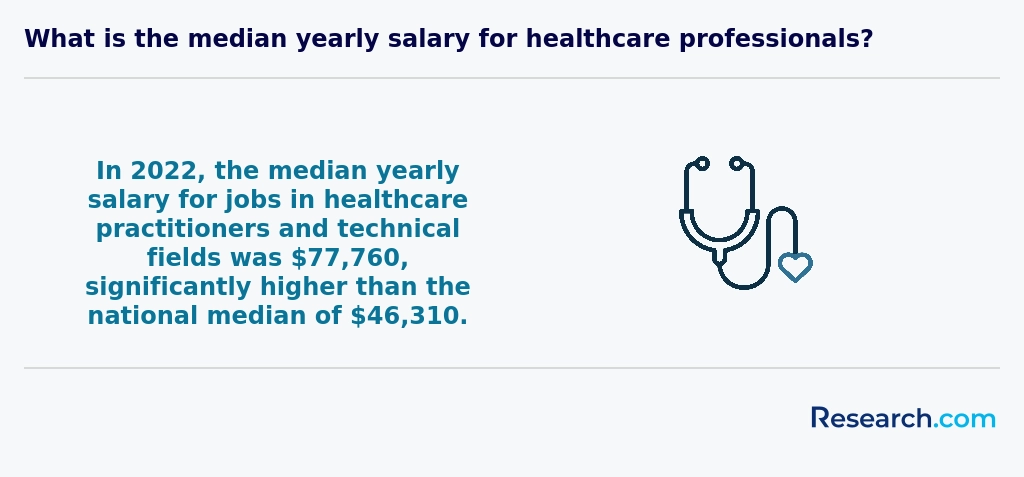
- Healthcare degree graduates in Huntsville can expect promising salaries, such as $43,350 annually for Medical Assistants or Clinical Research Coordinators, and up to $103,150 yearly for Quality Improvement Coordinators, offering solid financial rewards.
- Graduates from local colleges often pursue diverse paths like patient care, health information management, or quality improvement roles, reflecting strong job variety and growth opportunities.
- Choosing an online healthcare degree from a Huntsville university provides flexible scheduling and the chance to balance work and study, making career advancement more accessible and convenient.
- Key benefits of getting healthcare degree in Huntsville
- What can I expect from healthcare degree in Huntsville?
- Where can I work with healthcare degree in Huntsville?
- How much can I make with healthcare degree in Huntsville?
- 2027 Most Valuable Healthcare Degree Programs Ranking in Huntsville
- Key Findings
- How long does it take to complete healthcare degree in Huntsville?
- Accreditation and Licensing Requirements
- What's the difference between online and on-campus healthcare degree?
- Next Steps and Application Guidance
- What is the average cost of healthcare degree in Huntsville?
- Accreditation and Licensing Requirements for Healthcare Programs in Huntsville, AL
- What financial aid is available to healthcare degree students in Huntsville?
- Campus Life and Community Engagement
- What are the prerequisites for enrolling in healthcare degree program in Huntsville?
- Next Steps for Aspiring Healthcare Professionals in Huntsville, AL
- What courses are typically in healthcare degree programs in Huntsville?
- What types of specializations are available in healthcare degree programs in Huntsville?
- How do you choose the best healthcare degree in Huntsville?
- What career paths are available for healthcare degree students in Huntsville?
- What is the job market for healthcare degree in Huntsville?
- Top Trending Healthcare Rankings
- See What Experts Have To Say About Studying Healthcare
What can I expect from healthcare degree in Huntsville?
The average cost of a healthcare degree in Huntsville varies depending on the institution and program level, but many students find it manageable compared to national averages. At places like Calhoun Community College, an associate degree in nursing might cost around $6,000 to $8,000 per year for in-state students. Meanwhile, pursuing a bachelor's degree at the University of Alabama in Huntsville typically runs between $10,000 and $15,000 annually for tuition and fees. Graduates often reflect on the value of this investment, emphasizing how affordable it felt considering the quality of education and hands-on clinical training they received.
Students frequently share stories of balancing coursework with clinical rotations at Huntsville Hospital, appreciating how these real-world experiences prepare them for meaningful careers. The financial aspect becomes less daunting when they consider future earning potential and the steady growth of healthcare jobs in the area. Many feel encouraged by scholarship opportunities and flexible payment plans that local institutions offer, making healthcare degrees in Huntsville a hopeful step toward a rewarding career.
Where can I work with healthcare degree in Huntsville?
Graduates with healthcare degrees in Huntsville often find themselves stepping confidently into a city buzzing with diverse career possibilities. Many from the University of Alabama in Huntsville have shared how quickly they landed roles in leading hospitals like Huntsville Hospital Health System, where registered nurses, radiology technicians, and healthcare administrators are in high demand. These real-world placements offer not just jobs but opportunities to grow in rapidly evolving fields such as outpatient care and rehabilitation services.
Others have found rewarding positions in local clinics and private practices, working as nurse practitioners or physician assistants, positively impacting community health. The city's strong biotechnology scene, supported by institutions like HudsonAlpha Institute for Biotechnology, attracts graduates interested in cutting-edge research and lab work, blending healthcare knowledge with innovation.
With Huntsville's aging population, home healthcare and long-term care roles also provide meaningful and steady employment, often fostering close patient relationships that many graduates find deeply fulfilling. This blend of traditional and emerging pathways makes Huntsville a vibrant place to launch a healthcare career.
How much can I make with healthcare degree in Huntsville?
Graduates from healthcare programs in Huntsville can anticipate promising salaries that reflect the region's growing medical landscape. For example, those pursuing careers as medical assistants can expect an average annual wage around $43,350, making entry-level roles at places like Calhoun Community College or the University of Alabama in Huntsville practical starting points.
Similarly, graduates stepping into roles such as patient care technicians often earn about $60,790 yearly, offering a solid salary as they gain valuable hands-on experience in local hospitals. Health information technicians, who combine healthcare knowledge with technology skills, also see mean wages near $43,380, highlighting the rising importance of data management in healthcare settings.
Looking ahead, those targeting specialized jobs like quality improvement coordinators enjoy more lucrative prospects, typically earning around $103,150 annually. Graduates envision careers helping improve healthcare delivery and patient outcomes across Huntsville's expanding network of hospitals and research centers.
Healthcare students here frequently share how their local education opens doors to meaningful, well-compensated roles that balance professional growth with community impact-making Huntsville an exciting place to launch a healthcare career.
2027 Most Valuable Healthcare Degree Programs Ranking in Huntsville
How do we rank schools?
Investing in your education is a significant decision that can shape your future, and the Research.com team understands the importance of making informed choices. To assist prospective students in Huntsville, we have meticulously crafted the "2027 Most Valuable Healthcare Degree Programs Ranking in Huntsville." Our commitment to quality, credibility, and accuracy is reflected in the extensive research and analysis conducted to compile this ranking.
We utilized the following reputable data sources to ensure a comprehensive evaluation of healthcare degree programs:
By exploring this ranking, readers will gain valuable insights into the most valuable healthcare degree programs available in Huntsville, helping them make well-informed decisions about their educational investments. For more details on our methodology, please visit our Research.com methodology page.


Key Findings
- In-state tuition for healthcare degrees at public colleges in Huntsville averages around $7,500 per year, while private colleges charge about $18,000 annually.
- Community colleges offer affordable options for associate degrees and certificates in nursing and medical assisting.
- Entry-level salaries for healthcare graduates range from $45,000 to $55,000 per year, with experienced professionals earning around $75,000 or more.
- The healthcare job market in Huntsville is growing rapidly, with a projected employment increase of 15% over the next decade.
- Students benefit from clinical partnerships with local hospitals and healthcare providers for practical experience during their studies.
How long does it take to complete healthcare degree in Huntsville?
Completing a healthcare degree in Huntsville typically aligns with traditional timelines, yet evolving program formats are shaping new possibilities. Graduates from community colleges report that associate degrees take about two years, a manageable commitment that quickly launches careers in fields like medical assisting or radiologic technology. Those who chose bachelor's degrees at institutions like the University of Alabama in Huntsville often find the four-year full-time path both intensive and rewarding, preparing them for diverse roles in hospitals or public health.
Many students express enthusiasm about master's programs, which generally take 1.5 to 3 years. For example, those pursuing a Master of Science in Nursing (MSN) appreciate the two-year full-time duration that balances depth with speed, especially when online or hybrid options allow for flexibility.
Looking ahead, accelerated tracks and part-time studies increasingly appeal to Huntsville learners juggling work and life. Doctoral students anticipate 3 to 4 years of focused study, embracing the challenge with confidence that specialized knowledge will open advanced career doors. This adaptive approach helps healthcare students in Huntsville stay motivated and optimistic about finishing on their own terms.
Accreditation and Licensing Requirements
Choosing a healthcare degree program in Huntsville, AL with proper accreditation and strong licensing outcomes is essential for ensuring academic quality and career readiness. Accredited programs have met rigorous standards set by recognized bodies such as the Accreditation Commission for Education in Nursing (ACEN), the Commission on Collegiate Nursing Education (CCNE), and the Commission on Accreditation of Allied Health Education Programs (CAAHEP). These accreditations validate that curricula, faculty qualifications, and clinical training environments adhere to national benchmarks. Licensing exam pass rates are another critical metric. For example, top nursing programs in Huntsville report NCLEX-RN pass rates above 90%-well above the national average of 86%. Radiologic technology graduates from accredited institutions often achieve certification pass rates exceeding 85% on the American Registry of Radiologic Technologists (ARRT) exam. High pass rates signal that a program effectively prepares students for professional licensure and entry-level practice. Beyond accreditation and licensure, prospective students should consider graduate employment rates and employer satisfaction surveys. Programs that maintain strong partnerships with local healthcare providers typically offer higher rates of clinical placement and job offer outcomes. Additionally, those balancing cost and quality may explore an alternative pathway through our Most Affordable Online Healthcare Degree Programs Ranking in St. Davids, PA, which highlights accredited online options with competitive outcomes. By prioritizing accredited programs with demonstrable licensing success, Huntsville students can be confident in both the credibility of their education and their preparedness for a sustainable healthcare career.
What's the difference between online and on-campus healthcare degree?
Graduates from on-campus healthcare programs in Huntsville often recall the energizing buzz of bustling labs at institutions like the University of Alabama in Huntsville, where hands-on clinical training with local hospitals, such as Huntsville Hospital Health System, builds confidence through real patient interactions. This immersive environment fosters strong peer connections and mentorship that many find invaluable for both learning and emotional support.
Conversely, online students juggling careers or family find relief in the flexible scheduling that virtual platforms provide. Students from schools offering online healthcare degrees appreciate being able to engage with coursework asynchronously while still accessing virtual simulations and local clinical placements. While digital forums and video calls can lack the spontaneity of face-to-face chats, many report forming tight-knit virtual study groups that nurture collaboration and motivation.
Looking ahead, Huntsville's healthcare education may further blend these formats, leveraging advanced technologies like augmented reality to simulate on-campus experiences remotely, making quality education more accessible without sacrificing essential hands-on components.
Next Steps and Application Guidance
As you decide to pursue a healthcare degree in Huntsville, AL, taking practical next steps is key to a successful transition from education to a fulfilling career. Start by assessing your long-term career goals and matching them to programs that not only offer strong academic curricula but also robust career support services, such as internship placement and alumni networking. Consider creating a checklist that includes verifying program accreditation, understanding financial aid options, and preparing for prerequisites like standardized tests and specialized certifications. Additionally, engage directly with admissions advisors to clarify any unique program requirements and ask for tips on balancing academic schedules with clinical rotations or part-time employment. For those interested in advancing their skills further, you might also explore opportunities beyond traditional healthcare programs; for example, check out the list of cheapest online masters degrees in biotechnology to see how complementary education can broaden your professional horizon. Making informed decisions now will streamline your application process and set you on the path to a rewarding career in healthcare.
What is the average cost of healthcare degree in Huntsville?
The average cost of a healthcare degree in Huntsville typically centers around $12,132 for in-state students, reflecting a balance between affordability and quality education. Graduates from well-known institutions like the University of Alabama in Huntsville (UAH) often recall how this investment opened doors to rewarding careers, blending rigorous academics with hands-on experiences. The cost overall is reasonable, especially compared to many other regions, making it accessible for motivated individuals eager to enter healthcare fields.
Students pursuing healthcare at local community colleges find even more affordable options, aligning with Huntsville healthcare degree tuition fees that commonly fall between $4,000 and $5,000 annually. These programs also attract many who appreciate a pragmatic approach, emphasizing real-world skills. While the total program cost may vary based on clinical requirements, students feel empowered by being able to manage expenses while gaining valuable expertise.
Additional expenses like books, supplies, and certification fees around $1,200 to $2,000 per year are common but manageable. Many students highlight the importance of exploring financial aid, including scholarships and federal support, to ease the burden. Some healthcare graduates advise prospective students to consider future job security and look into nurse practitioner programs online job prospects, which often enhance earning potential and career advancement.
Looking forward, as healthcare demands evolve, the affordability and accessibility of healthcare degrees in Huntsville may continue improving, making it an attractive destination for aspiring healthcare professionals.
Accreditation and Licensing Requirements for Healthcare Programs in Huntsville, AL
Ensuring your healthcare degree is accredited and meets Alabama’s licensing standards is critical for professional success. In Huntsville, AL, regionally accredited institutions (e.g., SACSCOC-accredited universities) offer programs vetted for academic rigor, while programmatic accreditation ensures specialized quality: 1. Nursing Accreditation • Bachelor’s and Master’s of Science in Nursing programs should hold CCNE or ACEN accreditation. • Graduates become eligible to sit for the NCLEX-RN exam and obtain licensure through the Alabama Board of Nursing. 2. Health Information and Medical Coding • Programs aligned with CAHIIM standards prepare students for RHIT certification. • Aspiring coders can also explore a low cost medical coding and billing online program to satisfy AHIMA requirements and streamline exam eligibility. 3. Allied Health and Therapy Specializations • Respiratory Therapy, Occupational Therapy, and Radiologic Technology programs must be accredited by CoARC, AOTA, or JRCERT respectively. • Completion of clinical hours and passing of national certification exams (e.g., NBRC, ARRT) are required for state licensure. Before enrolling, verify program accreditation on official accreditor websites and confirm licensure pathways with the appropriate Alabama professional board to ensure seamless transition from student to licensed practitioner.
What financial aid is available to healthcare degree students in Huntsville?
Healthcare students in Huntsville often find relief through a mix of financial aid designed to ease the burden of costly programs at institutions like the University of Alabama in Huntsville or Calhoun Community College. Many graduates remember how Pell Grants provided essential need-based support that didn't have to be repaid, allowing them to focus on their studies without overwhelming debt. Federal student loans, with their flexible repayment options, have also been crucial for those pursuing nursing or allied health fields.
Looking ahead, these traditional aids may be complemented by expanding scholarship opportunities from local hospitals and healthcare organizations, rewarding both academic excellence and commitment to Alabama's regional health needs. Work-study programs remain popular, offering hands-on experience while easing financial stress, often coordinated through university financial aid offices. Some working students at Huntsville's healthcare employers benefit from tuition reimbursement plans, a trend likely to grow as partnerships between education and employers strengthen, blending career advancement with affordable education.
Campus Life and Community Engagement
Huntsville’s vibrant campus life goes beyond academics to offer a rich tapestry of community engagement, which plays a vital role in shaping the student experience. Many healthcare programs are uniquely integrated with local hospitals, volunteer initiatives, and networking events that foster real-world connections and collaborative learning. Students not only hone their medical skills in state-of-the-art simulation labs and clinical rotations but also build lasting relationships through student organizations, mentorship programs, and community outreach projects. For example, institutions in the area routinely partner with local healthcare providers to offer internship placements and practical workshops, enhancing both academic and professional growth. Those interested in exploring the best options in the region can discover more about the valuable healthcare programs in alabama that emphasize community engagement and hands-on experience as a cornerstone of their learning approach. This supportive environment bolsters confidence and equips graduates with a well-rounded perspective that is essential for success in the fast-evolving healthcare industry.
What are the prerequisites for enrolling in healthcare degree program in Huntsville?
Enrolling in a healthcare degree in Huntsville typically means meeting a blend of foundational and evolving prerequisites tailored to prepare you for a dynamic medical landscape. Most candidates from colleges like the University of Alabama in Huntsville or Oakwood University recall the importance of strong grades in biology, chemistry, anatomy, and math-core subjects that build the confidence to tackle complex clinical challenges.
Graduates often share how their journeys involved not only academic readiness but also demonstrating commitment through personal statements and recommendation letters, which made admissions teams see their potential beyond grades. Many students appreciated that while standardized tests like the SAT were once mandatory, some programs in Huntsville are shifting toward test-optional policies, reflecting a focus on diverse talents and practical skills.
The future suggests even more emphasis on prerequisite courses combined with soft skills like communication and empathy, especially as Huntsville's healthcare community grows and integrates new technologies. Completing immunizations and passing background checks remain key steps, especially for clinical rotations, ensuring safety and professionalism from the start.

Next Steps for Aspiring Healthcare Professionals in Huntsville, AL
For students ready to embark on their healthcare journey, actionable next steps can make all the difference. Begin by reviewing program requirements, campus resources, and support services that align with your career goals. Carefully assess the curriculum structure, internship opportunities, and hands-on clinical experiences to ensure the program meets both academic and professional expectations. Additionally, leverage resources like career counseling sessions, mentorship programs, and networking events to gain industry insights and practical advice for your future in healthcare. For more detailed insights on program comparisons and rankings, be sure to explore our page on valuable healthcare programs in alabama. This resource not only breaks down cost, accreditation, and program outcomes but also offers expert guidance tailored to the evolving needs of healthcare professionals in Huntsville, AL. Remember, a well-informed decision now can lead to a rewarding career and a lasting impact on community care.
What courses are typically in healthcare degree programs in Huntsville?
Healthcare degree programs in Huntsville typically include foundational courses in anatomy, physiology, microbiology, and chemistry, which equip students with essential knowledge of the human body and diseases. Graduates from popular local institutions often recall how these courses laid the groundwork for understanding complex medical conditions they encountered during clinical rotations at Huntsville Hospital.
Alongside core science classes, students dive into specialized subjects like medical terminology, healthcare documentation, patient care techniques, and health informatics. Many find studying ethics and legal considerations particularly eye-opening, as these areas directly relate to real patient interactions and decision-making in busy hospital wards.
Emerging trends suggest future healthcare programs in Huntsville may expand coursework in data analytics for population health, telemedicine technologies, and leadership in healthcare systems. Local students share that hands-on practicums and internships not only build practical skills but also create a strong sense of confidence and belonging in the Huntsville healthcare community.
What types of specializations are available in healthcare degree programs in Huntsville?
In Huntsville, healthcare degree specializations cover a dynamic range of paths geared toward an evolving medical landscape. Graduates from local universities often share how their programs in nursing, from LPN to NP levels, have deepened their clinical expertise while preparing them for rapid career growth in the region's expanding healthcare sector. Many emphasize the value of healthcare administration concentrations, which equip them with leadership skills needed to navigate complex systems in Huntsville's major hospitals and research centers.
Allied health concentrations like radiologic technology and respiratory therapy remain popular, offering hands-on training at community colleges that graduates describe as both affordable and career-launching. The growing focus on public health is encouraging students to engage with community initiatives, reflecting Huntsville healthcare program concentration options that respond to local population needs. Some students venturing into biomedical sciences and health informatics appreciate Huntsville's tech-driven environment, which supports innovative healthcare solutions and research.
For those interested in more flexible learning, many find the online nursing degrees florida curriculum a useful model, inspiring local nurses to blend technology with practice. Such specialization choices create an exciting future for healthcare professionals here, balancing practical skills with forward-thinking innovation.
How do you choose the best healthcare degree in Huntsville?
Choosing the best healthcare degree in Huntsville means focusing on programs that offer not only strong accreditation but also real-world experience through internships or clinical placements. Graduates from Calhoun Community College often share how affordable healthcare degrees in Huntsville enabled them to gain valuable nursing skills without overwhelming debt, making their transition into local hospitals smoother and more confident. As healthcare evolves, consider programs that incorporate flexible learning formats like online or hybrid courses, which many working professionals in Huntsville find essential to balancing education with life commitments.
Thinking ahead, look for degrees that prepare you for emerging roles in health technology or administration, reflecting Huntsville's expanding healthcare industry. Many students appreciate how local institutions emphasize connections with healthcare providers such as Huntsville Hospital, which enhances job prospects after graduation. To explore more options that blend innovation with accessibility, you might also review nurse education in Louisiana programs for comparative insights.
By aligning your choice with current trends and personal circumstances, you can find one of the best healthcare degree programs Huntsville has to offer and confidently step into a rewarding healthcare career.

What career paths are available for healthcare degree students in Huntsville?
Healthcare degree graduates in Huntsville find diverse career paths shaped by the city's expanding medical landscape. Many step confidently into nursing roles such as registered nurses or licensed practical nurses, reflecting a steady demand evident in local hospitals and clinics. Graduates from popular institutions in Huntsville often share how hands-on clinical rotations connect classroom theory with real patient care, sparking enthusiasm for frontline healthcare roles. Others explore allied health professions like radiologic technology or respiratory therapy, where technical skills meet critical patient diagnostics.
For those drawn to leadership, positions in healthcare administration offer promising prospects, especially given Huntsville's growing healthcare infrastructure. Graduates from healthcare programs often describe feeling empowered managing hospital operations or health information systems, confident in their ability to improve patient outcomes. The rising importance of advanced clinical positions like nurse practitioners and physician assistants emphasizes Huntsville's response to regional healthcare needs.
Many students recognize the job stability in healthcare as a key factor in choosing this path, fueling optimism about long-term career success in the region. These evolving career trajectories highlight the strong healthcare career opportunities in Huntsville for graduates ready to make an impact.
What is the job market for healthcare degree in Huntsville?
The healthcare job opportunities in Huntsville continue to expand, driven by the city's growing healthcare infrastructure and demographic shifts. Graduates from prominent institutions like the University of Alabama in Huntsville and Calhoun Community College often find themselves in high demand, particularly in nursing and medical technology roles. Many report feeling optimistic about their career prospects, appreciating the range of clinical and administrative positions available at large employers such as Huntsville Hospital.
Huntsville healthcare degree employment outlook suggests steady growth due to the rise in population and an aging community. Graduates benefit from hands-on experiences at local hospitals that foster confidence and practical skills, helping them transition smoothly into the workforce. Employers frequently support further education through tuition reimbursement, a factor encouraging graduates to advance their careers.
Students exploring various paths for their healthcare education might also consider online nursing degrees new jersey job prospects to compare opportunities elsewhere while planning for local success.
Frequently Asked Questions About healthcare
Healthcare degree students in Huntsville can maximize their learning experience by engaging actively with local clinical opportunities. The city is home to several reputable healthcare facilities such as Huntsville Hospital, providing a rich environment for internships and hands-on training. According to the Alabama Department of Public Health, experiential learning significantly improves job readiness for healthcare graduates.
Students should also take advantage of the various academic resources offered by universities like the University of Alabama in Huntsville, including simulation labs and research partnerships. Networking with local healthcare professionals and participating in community health programs can enhance practical skills and industry knowledge.
Moreover, staying informed about Huntsville's growing healthcare job market, which the Bureau of Labor Statistics notes is expanding steadily, allows students to tailor their education toward in-demand specialties, boosting their career prospects.
The healthcare field is rapidly evolving, with several emerging niches gaining importance in Huntsville and across the United States. Areas like telehealth and digital health are expanding due to advances in technology and patient demand for remote care options. According to the Alabama Department of Labor, healthcare occupations related to telemedicine grew by over 15% in Huntsville from 2020 to 2023.
Another key niche is precision medicine, which uses genetic information to tailor treatments. This field is supported by Huntsville's growing biotechnology sector. Additionally, mental health services are increasingly vital, with local clinics reporting higher demand for specialized therapists and counselors. These emerging areas offer promising career paths for students pursuing healthcare degrees in Huntsville.
After completing a healthcare degree in Huntsville, preparing for the job market involves strategic steps. Start by gaining practical experience through internships or clinical rotations, which many local hospitals like Huntsville Hospital offer. Networking is vital in Huntsville's growing healthcare sector; attending local job fairs and joining professional organizations such as the Alabama Hospital Association helps connect with employers.
Consider obtaining relevant certifications, as they enhance employability in specialized fields like nursing or medical technology. According to the Alabama Department of Labor, healthcare jobs in Huntsville are expected to grow 15% by 2030, emphasizing the importance of up-to-date credentials and skills.
Additionally, utilize career services at local colleges to refine your resume and interview techniques, ensuring readiness for competitive hiring processes in the region.
Employers in Huntsville prioritize a combination of technical expertise and soft skills when hiring healthcare degree graduates. Key technical skills include proficiency in electronic health records (EHR) management and clinical procedures relevant to specialties like nursing or medical lab technology. According to the U.S. Bureau of Labor Statistics, Huntsville's healthcare sector is growing faster than the national average, increasing demand for digitally literate professionals.
Alongside technical knowledge, strong communication and teamwork skills are essential due to the collaborative nature of healthcare settings. Problem-solving and adaptability are also highly valued as providers navigate evolving patient needs and healthcare technologies. Regional employers emphasize cultural competence to serve Huntsville's diverse population effectively, helping graduates stand out in the local job market.
Finding internships in Huntsville relevant to a healthcare degree involves multiple steps. Start by exploring local hospitals such as Huntsville Hospital, which is one of the largest employers in the region, offering numerous internship opportunities in nursing, health administration, and allied health fields. The UAB School of Nursing-Huntsville Campus also connects students with clinical placements and internships.
Additionally, reach out to healthcare organizations listed in the Huntsville-Madison County Chamber of Commerce directory. These organizations often collaborate with educational institutions to provide hands-on experience.
Utilizing online platforms like Handshake or Indeed with filters for Huntsville healthcare internships helps identify available positions. Networking events and career fairs hosted by local colleges can also provide direct contacts to potential internship providers.
Obtaining a healthcare degree in Huntsville significantly enhances career mobility and advancement due to the city's expanding medical sector. Huntsville's healthcare industry has grown steadily, with a reported 4.5% increase in healthcare employment over recent years, according to the Alabama Department of Labor. This growth has resulted in rising demand for qualified professionals across various roles.
A degree offers foundational knowledge and specialized skills necessary for jobs ranging from nursing to healthcare administration. It also qualifies graduates for certifications and licenses required in many positions.
Employers in Huntsville favor candidates with degrees, often linking higher education to faster promotions and wage growth. The area's strong network of hospitals and clinics provides numerous opportunities for professional development and career shifts within healthcare fields.
Studying for a healthcare degree in Huntsville offers robust preparation for interdisciplinary roles by integrating practical skills with collaborative learning. Local programs emphasize teamwork, combining nursing, public health, and healthcare administration disciplines to reflect real-world healthcare settings. For example, institutions partner with Huntsville Hospital and other regional providers, allowing students to engage in clinical rotations that foster communication across specialties.
Healthcare jobs in Huntsville are projected to grow by over 15% through 2030, increasing the demand for professionals skilled in interdisciplinary collaboration, according to the Alabama Department of Labor. Curricula often include courses in healthcare technology, ethics, and policy, which prepare students to adapt in diverse healthcare environments.
Such programs develop critical thinking and problem-solving abilities vital for roles requiring cooperation among doctors, nurses, and allied health professionals, ensuring graduates are workforce-ready in a dynamic sector.
Choosing between a thesis and non-thesis healthcare degree program in Huntsville depends on your career goals and learning preferences. A thesis program involves original research and a formal thesis paper, ideal for students aiming for clinical research or doctoral studies. Non-thesis options focus more on practical experience and coursework, which suits those targeting direct patient care or administrative roles.
Huntsville's healthcare sector is growing rapidly, with over 18,000 healthcare jobs added since 2019, according to the U.S. Bureau of Labor Statistics. Local universities like the University of Alabama in Huntsville offer both formats, reflecting this diverse demand.
Consider if you prefer hands-on learning or research methodology. Thesis tracks may take longer but provide in-depth expertise valued in hospital research departments and academia.
Students based in Huntsville seeking to study healthcare abroad have several options through U.S. institutions offering global programs. Many universities provide exchange programs or partnerships with foreign medical schools, allowing students to gain international experience while earning credits transferable to their home institution. For example, participation in clinical rotations in countries like the United Kingdom or Australia is common, which helps build global competence in healthcare practices.
Huntsville residents should also explore study abroad opportunities through programs affiliated with Alabama universities, such as the University of Alabama at Birmingham, which has established healthcare links internationally. These programs often focus on public health, nursing, or medicine and support licensing requirements in the U.S.
According to the American Association of Colleges of Nursing, about 15% of nursing students nationwide partake in study abroad or international clinical experiences, reflecting the growing emphasis on global health education.
In Huntsville, part-time jobs that complement healthcare degree education are valuable for gaining practical experience. Positions such as certified nursing assistant (CNA), medical scribe, or pharmacy technician offer hands-on skills closely aligned with healthcare studies. The Alabama Department of Labor reports that healthcare support roles in Huntsville are expected to grow by nearly 15% from 2022 to 2032, highlighting opportunities in local hospitals and clinics.
Working in medical offices or urgent care centers enables students to apply coursework in real settings while building professional networks. These roles often require flexible hours, fitting well with academic schedules.
Additionally, volunteering at Huntsville Hospital can provide critical exposure to patient care and healthcare operations without extensive certification requirements.
Healthcare students in Huntsville benefit from robust networking opportunities through local hospitals, clinics, and professional organizations. Huntsville is home to several major healthcare employers like Huntsville Hospital, which frequently hosts career fairs and student internships. Such events connect students with experienced practitioners and potential employers early in their careers.
The city's proximity to institutions like the University of Alabama in Huntsville and Calhoun Community College offers access to student groups and healthcare clubs focused on collaboration and professional growth. Additionally, organizations such as the Madison County Medical Association provide student memberships, allowing early exposure to community healthcare initiatives and networking events.
These opportunities are essential for hands-on learning and career development within Huntsville's growing healthcare sector.
Alumni networks offer significant benefits to healthcare degree students in Huntsville by providing access to professional connections and career resources. Graduates from local institutions often join these networks, which can lead to mentorship opportunities, internships, and job placements within the city's growing healthcare sector.
Huntsville's healthcare industry is expanding steadily, with the Valley seeking skilled professionals in nursing, medical technology, and healthcare administration. According to the Huntsville Hospital Foundation, strong alumni ties help students navigate these job markets more effectively.
Moreover, alumni networks facilitate ongoing education and knowledge sharing, connecting current students with experienced practitioners. This network support enhances the practical learning experience beyond the classroom, preparing students for real-world challenges in healthcare.
Customizing a healthcare degree program in Huntsville allows students to align their education with specific career goals. Many local institutions offer flexible curriculum options, enabling students to choose electives in fields such as nursing, health informatics, or public health. Internships and clinical rotations within Huntsville's growing medical sector, including partnerships with Huntsville Hospital and Madison Hospital, provide practical experience tailored to desired specialties.
Advisors often assist students in selecting courses that match workforce demands in the region. According to the Alabama Department of Labor, healthcare occupations around Huntsville are projected to grow faster than the national average by 2028, emphasizing the importance of relevant training. Additionally, certificate programs and continuing education can supplement degrees for more focused expertise.
Healthcare students in Huntsville often face several challenges while pursuing their degrees. One significant issue is balancing rigorous coursework with clinical practice requirements, which demand substantial time and effort. This challenge is compounded by the limited availability of local clinical placements given Huntsville's relatively smaller healthcare infrastructure compared to larger metropolitan areas.
Financial strain is another concern, as the cost of education combined with living expenses can be high. According to the Alabama Commission on Higher Education, the average annual tuition for healthcare programs in the region ranges from $8,000 to $15,000, not including additional fees.
Additionally, keeping up with rapidly evolving healthcare technologies and standards demands continuous learning and adaptability, which can be stressful for many students.
With a healthcare degree in Huntsville, you can pursue several professional certifications that enhance your career prospects. Common certifications include Certified Nursing Assistant (CNA), Licensed Practical Nurse (LPN), and Registered Nurse (RN) licenses, which are regulated by the Alabama Board of Nursing. For those interested in specialized roles, certifications like Certified Medical Assistant (CMA) or Registered Health Information Technician (RHIT) are valuable. According to the Alabama Department of Public Health, Huntsville's growing healthcare sector demands certified professionals to support hospitals like Huntsville Hospital and Crestwood Medical Center.
Additionally, advanced certifications such as Certified Clinical Research Professional (CCRP) can be pursued if you favor research roles. Many local programs align with national standards set by organizations like the American Nurses Credentialing Center.
Writing a winning application for a healthcare program in Huntsville requires careful preparation and attention to detail. Start by researching local institutions such as the University of Alabama in Huntsville, which offers relevant healthcare-related degrees. Admissions committees often look for strong academic records, particularly in sciences like biology and chemistry. Highlight any healthcare-related volunteer or work experience in the city's growing medical community, including facilities like Huntsville Hospital, a major regional employer.
Personal statements should clearly express your passion for healthcare and your career goals, connecting them to Huntsville's healthcare environment. Many programs require letters of recommendation from professionals familiar with your skills and dedication. Finally, ensure all application materials are complete and submitted before deadlines, often early in the fall for healthcare programs.
Healthcare careers in the US, including Huntsville, are viewed globally as critical to improving public health and managing increasing demands from aging populations. According to the Bureau of Labor Statistics, healthcare occupations are projected to grow 16% nationally from 2021 to 2031, much faster than the average for all occupations. Huntsville, with its growing population and advanced medical facilities, reflects this trend locally. Internationally, healthcare professionals are in high demand due to global health challenges like pandemics and chronic diseases.
Globally, healthcare education emphasizes interdisciplinary skills, cultural competence, and technology use. For students in Huntsville, obtaining a healthcare degree positions them to contribute locally with a perspective shaped by these worldwide shifts, aligning with national healthcare priorities endorsed by the US Department of Health and Human Services.
Gaining practical experience while studying for a healthcare degree in Huntsville is essential for career readiness. Many local institutions, including the University of Alabama in Huntsville and Calhoun Community College, offer clinical internships and lab work integrated within their curriculum.
Students often participate in practicum placements at nearby healthcare facilities such as Huntsville Hospital, which serves over 2 million patients annually according to the hospital's latest reports.
Additionally, Huntsville's growing biotech sector provides opportunities for research assistantships, allowing hands-on involvement in medical projects.
Volunteering and part-time jobs at local clinics also help build practical skills and professional networks.
Choosing the right concentration within a healthcare degree in Huntsville begins with evaluating your career goals. The city's growing healthcare sector, including institutions like Huntsville Hospital, offers diverse opportunities in nursing, health informatics, and medical technology. Understanding local job demand is crucial; for example, registered nurses in Huntsville earned an average annual salary of about $65,000 in 2023, according to the Bureau of Labor Statistics.
Consider your interests in patient care, research, or administration. Also, review program accreditation and practical training options available at Huntsville-area colleges. Networking with local healthcare professionals can provide additional insights into each concentration's potential. Aligning these factors helps ensure your education matches Huntsville's workforce needs.
Related Healthcare Rankings for Nearby Cities
- 2027 Most Valuable Healthcare Degree Programs Ranking in Birmingham
- 2027 Most Valuable Healthcare Degree Programs Ranking in Atlanta
- 2027 Most Valuable Healthcare Degree Programs Ranking in Montgomery
- 2027 Most Valuable Healthcare Degree Programs Ranking in Louisville
- 2027 Most Valuable Healthcare Degree Programs Ranking in Jackson
- 2027 Most Valuable Healthcare Degree Programs Ranking in Hattiesburg
- 2027 Most Valuable Healthcare Degree Programs Ranking in Mobile
- 2027 Most Valuable Healthcare Degree Programs Ranking in Little Rock
- 2027 Most Valuable Healthcare Degree Programs Ranking in Tallahassee
- 2027 Most Valuable Healthcare Degree Programs Ranking in Saint Louis
Top Trending Healthcare Rankings
See What Experts Have To Say About Studying Healthcare
Read our interview with Healthcare experts

References
- Program Spotlight: Health Sciences https://www.huntsvillecityschools.org/article/1282908
- What can I do with a healthcare studies degree, and how can I start? https://mrcollege.ac.uk/what-can-i-do-with-a-healthcare-studies-degree-and-how-can-i-start/
- What are the top 10 skills that'll get you a job when you graduate? https://targetjobs.co.uk/careers-advice/skills-for-getting-a-job/what-are-top-10-skills-thatll-get-you-job-when-you-graduate
- Building Corporate Alumni For Healthcare: Best Practices https://enterprisealumni.com/blog/building-corporate-alumni-for-healthcare-best-practices
- What Can You Do with a Health Sciences Degree? https://www.ycp.edu/news/what-can-you-do-with-a-health-sciences-degree
- Challenges for Medical Students - Health Action Research Group https://www.healthactionresearch.org.uk/mental-health/challenges-for-medical-student/
- Ross Education Huntsville, AL. https://rosseducation.edu/campus/al/huntsville.php
- Health Management Careers https://www.ache.org/Career-Resources/Start-Your-Career/Health-Management-Careers
- HEALTH MANAGEMENT (THESIS / NON-THESIS) - Lisansüstü Eğitim Enstitüsü https://lee.nisantasi.edu.tr/en/health-management-thesis-non-thesis/
- Advance Your Education and Career While Working in Healthcare https://www.hospitalrecruiting.com/blog/4236/advance-your-education-and-career-while-working-in-healthcare/


