
2027 Best Online Healthcare Degree Programs Ranking in West Virginia

Co-Founder and Chief Data Scientist
Choosing the right healthcare degree program in West Virginia can feel overwhelming, but this article is here to help. We present the 2027 Best Online Healthcare Degree Programs Ranking in West Virginia, carefully developed by the Research.com team of data scientists.
This ranking offers clear insights, empowering you to make informed decisions about where to study. Pursuing a healthcare degree opens doors to meaningful and rewarding careers, making a real difference in people's lives.
Explore your options confidently and take a positive step toward a bright future in healthcare.
Key benefits of getting online healthcare degree in West Virginia
- Salary for graduates: Healthcare degree holders in West Virginia often earn competitive salaries, such as Medical Assistants with a mean annual wage of $43,350 and Quality Improvement Coordinators earning up to $103,150, highlighting strong financial benefits.
- Career paths: Graduates from West Virginia University, a popular choice, can pursue diverse roles like Patient Care Technician or Health Information Technician, opening many fulfilling job opportunities.
- Online degree advantages: Earning a healthcare degree online through institutions like West Virginia University offers flexibility to balance work and study, making it easier to advance skills without quitting your job or relocating.
- Key benefits of getting online healthcare degree in West Virginia
- What can I expect from online healthcare degree in West Virginia?
- Where can I work with online healthcare degree in West Virginia?
- How much can I make with online healthcare degree in West Virginia?
- 2027 Best Online Healthcare Degree Programs Ranking in West Virginia
- Key Findings
- How long does it take to complete online healthcare degree in West Virginia?
- Expert Insights and Industry Trends for Online Healthcare Education
- What's the difference between online and on-campus healthcare degree?
- Tips for Success in Your Online Healthcare Degree Program
- What is the average cost of online healthcare degree in West Virginia?
- Continuing Education and Certification Opportunities
- What financial aid is available to online healthcare degree students in West Virginia?
- What are the prerequisites for enrolling in online healthcare degree program in West Virginia?
- Accreditation and Licensing Requirements in West Virginia
- What courses are typically in online healthcare degree programs in West Virginia?
- What types of specializations are available in online healthcare degree programs in West Virginia?
- How do you choose the best online healthcare degree in West Virginia?
- What career paths are available for online healthcare degree students in West Virginia?
- What is the job market for online healthcare degree in West Virginia?
- Related Healthcare Rankings for Nearby States
- Top Trending Healthcare Rankings
- See What Experts Have To Say About Studying Healthcare
What can I expect from online healthcare degree in West Virginia?
Imagine balancing late-night study sessions with virtual clinicals, all from the comfort of your home in Charleston or Morgantown-this is the heartbeat of an online healthcare degree in West Virginia. Graduates from West Virginia University and Marshall University often recall how affordable their journey felt compared to traditional paths, thanks largely to in-state tuition rates and the evaporation of commuting costs.
The average cost hovers around the middle ground-typically between $8,000 and $15,000 annually for online undergraduate healthcare programs. This range reflects the sweet spot where quality meets accessibility, allowing students to invest in their future without the heavy burden of sky-high debt.
Graduates smile when they remember the relief of studying within a state that values healthcare education's affordability, especially when juggling work and family. They found that these costs included not just digital textbooks and online support, but also real-world clinical experiences facilitated by local healthcare partners, turning theory into touchable skills.
For many, this cost framework feels like a welcoming hand, inviting more West Virginians into fields that genuinely need their passion and expertise.
Where can I work with online healthcare degree in West Virginia?
Graduates of online healthcare programs from schools like West Virginia University and Marshall University find themselves stepping into bustling hospital corridors or serene outpatient clinics, armed with knowledge and confidence. Imagine working at Charleston Area Medical Center, where nurses and healthcare administrators collaborate daily to transform patient care-many grads recount the thrill of applying classroom lessons to real-life emergencies.
Others thrive in cozy outpatient care centers scattered across West Virginia's small towns, delivering physical therapy or urgent care with a personal touch. One graduate shared how managing health initiatives at a local public health agency felt like directly shaping community well-being, especially tackling chronic illnesses common in Appalachian regions.
For those drawn to long-term care facilities, working alongside elders in nursing homes provides profound fulfillment. These environments invite grads to become compassionate caregivers and administrators, often reflecting on how their online studies prepared them for the human side of healthcare.
Some venture beyond traditional roles, joining healthcare tech firms or insurance companies, pioneering smarter systems right in the Mountaineer State. The blend of flexible online education with West Virginia's unique healthcare landscape opens doors to vibrant, meaningful career paths.
How much can I make with online healthcare degree in West Virginia?
Picture yourself stepping out of an online healthcare program at a respected West Virginia institution, like West Virginia University or Fairmont State-ready to earn and make a difference. Graduates often find themselves in roles like Medical Assistant or Clinical Research Coordinator, where the annual salary hovers around $43,350. It's a solid start in a state where opportunities blend with community spirit.
Others take on Patient Care Technician positions, pulling in a more robust mean wage of about $60,790 annually. This role offers hands-on care with the comfort of knowing your skills are in demand around Morgantown or Charleston.
For those mastering the tech side of healthcare through Health Information Technician careers, the pay is comparable-around $43,380 per year-melding data management with patient care innovations emerging statewide.
Ambitious graduates aiming higher might leap into Quality Improvement Coordinator roles, where the paycheck climbs toward $103,150 annually. Imagine contributing to elevating hospital standards in Huntington or Beckley, all while enjoying a rewarding salary that reflects your advanced expertise.
West Virginia's blend of rural charm and growing healthcare needs makes your online degree a powerful ticket to a fulfilling career, with wages that respect your dedication and impact.
2027 Best Online Healthcare Degree Programs Ranking in West Virginia
How do we rank schools?
Investing in your education is a significant decision that can profoundly impact your future, and the Research.com team recognizes the importance of making well-informed choices. To support prospective students in West Virginia, we have carefully developed the "2027 Best Online Healthcare Degree Programs Ranking in West Virginia." Our dedication to quality, credibility, and accuracy is demonstrated through the thorough research and analysis conducted to compile this ranking.
We utilized the following reputable data sources to ensure a comprehensive evaluation of healthcare degree programs:
By consulting this ranking, readers will gain valuable insights into the top online healthcare degree programs in West Virginia, empowering them to make confident and informed decisions about their educational journeys. For additional information on our ranking process, please visit our Research.com methodology page.


Key Findings
- The total cost for completing an online healthcare degree in West Virginia ranges from $20,000 to $40,000 depending on the degree level and institution.
- Associate degrees generally cost less, while bachelor's and master's degrees such as nursing or health administration are at the higher end of the cost range.
- Graduates can expect starting salaries between $45,000 and $55,000, with experienced professionals earning $70,000 or more annually.
- The healthcare job market in West Virginia is growing at about 12% over the next decade, driven by aging populations and increased chronic diseases.
- Online programs offer flexible schedules and require accredited clinical components or internships that can be completed locally to meet licensure standards.
How long does it take to complete online healthcare degree in West Virginia?
Imagine juggling work shifts at a Morgantown hospital while diving into courses from West Virginia University's online healthcare program. That dual rhythm shapes how long your degree will take: associate degrees often wrap up in about two years if you're full-time, providing a solid launchpad into the healthcare world. Full-time bachelor's students at schools like Marshall University typically see about four years of study, but some accelerate by packing in summer terms, racing toward their dreams.
Graduates chasing advanced titles find the journey more personal and elastic. A master's degree might stretch two years full-time, yet many who balance family or jobs opt for part-time tracks that bloom across three or four years, savoring the flexibility.
Doctoral candidates, perhaps at institutions known for nursing practice, embrace a longer odyssey-three to six years-melding coursework, clinical practice, and research that deeply roots their expertise.
What truly colors your timeline? Past credits, work experience, and the pulse of West Virginia's evolving healthcare needs. Each student's timeline is a uniquely woven tapestry, reflecting ambition and circumstance.
Expert Insights and Industry Trends for Online Healthcare Education
Staying ahead in the evolving landscape of online healthcare education requires more than just a strong academic foundation-it demands an understanding of industry trends, expert insights, and the integration of innovative practices into your learning journey. Leading healthcare professionals and academic advisors emphasize the importance of digital literacy, competency-based learning, and adaptability as key factors for success in today's dynamic environment. With rapid advancements in telemedicine, health informatics, and patient care technology, prospective students are encouraged to not only focus on theory but also develop practical skills that align with current industry demands. For instance, experts note that leveraging virtual simulations and interactive case studies enriches the educational experience by mimicking real-world scenarios, thereby better preparing graduates for complex healthcare challenges. Additionally, keeping abreast of regional insights, such as those highlighted by initiatives ranking the cheapest healthcare schools in west virginia, ensures that students make informed decisions based on both cost-efficiency and the quality of education. As the healthcare sector continues to transform, integrating expert opinions and emerging industry trends into your learning strategy can significantly enhance both academic performance and career readiness, positioning you to become a future leader in healthcare.
What's the difference between online and on-campus healthcare degree?
Imagine juggling a nursing career while tending to family in Charleston, all without leaving home. That's the magic of online healthcare degrees in West Virginia-flexible portals to knowledge where lectures and assignments appear like clockwork on your screen. Graduates from West Virginia University rave about mastering coursework on their own time, turning late nights into productive study hours, freeing them from commuting headaches and campus fees.
On the flip side, the heartbeat of on-campus programs pulses through physical labs and hands-on practice at schools like Marshall University. Here, students breathe the scent of antiseptic and feel the solid grasp of clinical tools, developing muscle memory that an online format simply can't mimic. These tactile moments forge confidence essential for bedside care.
Both pathways converge during clinical practicums, the rite of passage for all, where real-world hospitals become classrooms. Whether logging hours remotely or on campus, students carry the same rigorous standards shaped by West Virginia's accrediting bodies. It's a dance between convenience and tactile immersion, with each journey painting a uniquely vivid road to healthcare mastery.
Tips for Success in Your Online Healthcare Degree Program
Online programs offer flexibility, yet succeeding in a virtual environment demands careful planning and proactive engagement. Begin by creating a structured schedule that balances coursework, work, and personal life. Effective time management is key-set daily goals and regularly review your progress to ensure you remain on track throughout the semester. Leverage all available support services offered by your institution. Many online programs provide dedicated academic advisors, career counseling, and virtual tutoring sessions. Participating in discussion forums and group projects can also foster a sense of community and enhance your learning experience. Additionally, maintaining regular communication with instructors and peers will help clarify challenging topics and keep you motivated. Investing in reliable technology and understanding digital learning tools is essential. Familiarize yourself with the learning management systems used by your program, and don’t hesitate to seek technical support when needed. Balancing these elements will create an environment conducive to active learning, ensuring you can effectively absorb and apply course material. For those exploring economical options, it’s worthwhile to review resources like the cheapest healthcare schools in west virginia, which can offer additional insight into affordable, quality education choices that align with your career ambitions. Embracing these strategies will position you for academic success and a seamless transition into the professional healthcare field.
What is the average cost of online healthcare degree in West Virginia?
Imagine stepping into the world of healthcare education from your living room in West Virginia, where the average cost of an online healthcare degree paints a unique financial picture. Graduates from institutions like West Virginia University have found that the median total cost hovers around $29,470, a figure that reflects a balance between quality learning and investment. For in-state students, the journey can be even lighter on the wallet, with costs averaging about $42,374, while out-of-state learners might anticipate a steeper climb, approaching $103,386. This variation in tuition mirrors the diversity of programs and the personalized experiences that shape each student's path.
One such graduate shared how the manageable tuition combined with scholarships transformed an intimidating financial commitment into a thrilling pursuit of passion. Studying healthcare online here isn't just about numbers-it's about investing in a future where every class feels relevant and every clinical simulation concrete. When weighing your options, keep in mind that the average cost of online healthcare degree in West Virginia is just one piece of the puzzle; resources like textbooks and certification fees also matter.
For those looking to explore affordable pathways, a treasure trove of opportunities awaits through the cheapest healthcare schools in west virginia. Institutions in the state often provide financial aid and state-specific grants, ensuring that your aspirations don't get lost in tuition figures. It's a real-world budget adventure, enlivened by the spirit of dedicated learners who know that earning a healthcare degree right here can be practical and profound.
Continuing Education and Certification Opportunities
In today’s fast-evolving healthcare landscape, ongoing learning and additional certifications are vital for staying competitive and advancing your career. Many employers value candidates who complement their online healthcare degree with specialized credentials that validate their expertise and commitment to lifelong learning. For instance, professionals can enhance their qualifications by pursuing programs like accredited medical coding certification online, which not only deepens technical skills but also helps in meeting industry standards. Continuing education opportunities-including short courses, webinars, and advanced certification programs-can provide practical insights into emerging healthcare technologies and administrative strategies. These initiatives support career growth by equipping graduates with the latest tools and knowledge necessary to excel in both clinical and administrative roles, ultimately leading to higher earning potential and more robust job security.
What financial aid is available to online healthcare degree students in West Virginia?
Imagine a nursing student at West Virginia University logging in for her online classes, stress eased by a Pell Grant covering a big chunk of her tuition-sometimes up to $7,395 a year. That's federal aid in action, like a safety net woven tightly by the FAFSA application, ready to catch you when financial worries rise.
Picture a healthcare student at Marshall University, juggling work and studies, discovering a state grant from the West Virginia Higher Education Grant Program that trims down their expenses just enough to breathe easier each semester. These need-based grants respect your hustle and give you the freedom to focus on healing skills rather than bills.
Across the state, scholarships from organizations like the West Virginia Area Health Education Center pour hope into nursing students willing to serve underserved, rural communities-transforming aid into real-world impact. Meanwhile, graduates talk about the relief brought by the National Health Service Corps' loan forgiveness, trading service in shortage areas for a lighter debt load.
Plus, universities in West Virginia often open doors to institutional scholarships or flexible payment plans tailored to online healthcare learners balancing family, work, and school-making dreams feel within reach.
What are the prerequisites for enrolling in online healthcare degree program in West Virginia?
Jumping into an online healthcare degree in West Virginia means first showing you've built a solid foundation-think of it as gathering your toolkit before starting an important project. Most programs, like those at West Virginia University or Marshall University, ask for a high school diploma or equivalent, with the occasional 2.5 GPA checkpoint standing between you and your dream. Graduates often recall how taking classes in biology, chemistry, or anatomy prepared them with the hands-on knowledge that made clinical simulations feel familiar and manageable.
For those eyeing advanced degrees, a bachelor's completed at a recognized institution is the gateway, often coupled with real-world nursing license or clinical hours. These requirements transform theory into practice, fueling confidence when tackling patient care scenarios. Many West Virginia students appreciate how such prerequisites echo the practical demands they'll face in a state with a booming healthcare job market-where the 15% growth forecast means opportunity awaits those ready.
Adding polish to your application means submitting transcripts, recommendation letters, and sometimes background checks-reminding you that healthcare is a profession built on trust and safety. Alumni from online programs treasure how these steps, though challenging, felt like a rite of passage into a caring, connected community spread across the mountain state.
Accreditation and Licensing Requirements in West Virginia
Ensuring that your online healthcare degree program is properly accredited and meets West Virginia’s licensing standards is critical for both educational quality and career advancement. Accreditation signals that a program has undergone rigorous evaluation by a recognized agency and adheres to industry benchmarks. In West Virginia, prospective students should verify: • Regional Accreditation: Look for institutions accredited by bodies such as the Higher Learning Commission (HLC), which ensures comprehensive institutional quality. • Programmatic Accreditation: For specialized tracks-like Health Informatics or Healthcare Administration-seek accreditations from agencies such as CAHIIM (Commission on Accreditation for Health Informatics and Information Management Education) or CAHME (Commission on Accreditation of Healthcare Management Education). • State Licensing Alignment: Confirm that coursework fulfills West Virginia’s Board of Examiners requirements for roles such as Health Information Technicians or Patient Care Technicians. Graduates must complete accredited curricula to qualify for state exams and certifications. • Transfer and Financial Aid Eligibility: Accredited programs allow seamless credit transfers and access to federal financial aid or scholarships. This flexibility is crucial for students balancing work and study. Moreover, affordable accreditation options exist-students aiming to minimize expenses while ensuring quality may explore our Inexpensive Online Master’s in Healthcare Degree Programs Ranking in Greenville, NC. This resource highlights regionally accredited programs that combine cost-effectiveness with strong licensure preparation. By prioritizing accreditation and licensing alignment, West Virginia students can secure a reputable education, qualify for essential certifications, and open doors to competitive healthcare careers across the state.
What courses are typically in online healthcare degree programs in West Virginia?
Imagine diving into a tapestry of courses that shape your future as a healthcare hero right from your living room in West Virginia. Online programs from well-known institutions like West Virginia University beckon with courses that start from the heartbeat of healthcare systems-exploring how policies ripple through Appalachia's unique health landscape. Graduates often recall mastering medical terminology as if learning a secret language, vital for decoding the fast-paced hospital chatter.
Picture yourself navigating human anatomy and physiology through interactive modules that bring the body's inner workings to life, all while balancing daily responsibilities. Courses in health informatics transport you into the digital frontline where patient data shapes smarter care. Many reflect warmly on ethics classes, grappling with real dilemmas faced in WV hospitals, especially in communities battling the opioid crisis.
Leadership-minded students cherish healthcare management courses that fuel ambitions beyond clinical roles. The highlight? Clinical practicums nestled within beloved local clinics, offering a bridge from virtual learning to hands-on healing in your own backyard.
What types of specializations are available in online healthcare degree programs in West Virginia?
Picture diving into an online healthcare degree in West Virginia and suddenly unlocking a world of diverse specializations that speak to your unique passions. Nurses navigating RN to BSN or MSN paths share stories of virtual clinical simulations from their favorite state universities, preparing them for the frontlines where care meets compassion. Others, captivated by West Virginia healthcare degree concentration options, find themselves diving into Healthcare Administration, steering hospital operations with savvy and heart in busy Appalachian clinics.
In the pulse of remote learning, public health students channel community change, tackling rural health disparities while crafting outreach programs that resonate across mountain towns. Graduates often rave about hybrid Occupational Therapy and Physical Therapy assistant courses, blending hands-on practice with online flexibility at renowned regional colleges.
Those curious about tech's role in healing embrace Health Informatics, transforming data into life-saving insights. For those hungry to understand broad medical landscapes, Health Sciences opens doors to varied allied health careers. Plus, learners exploring accredited medical coding certification online discover key skills to power the invisible engine behind patient care.
How do you choose the best online healthcare degree in West Virginia?
If you're navigating the maze of the best online healthcare degree programs West Virginia offers, think beyond just online credentials. Imagine a graduate at West Virginia University juggling shift work and family life, thriving on asynchronous classes paired with clinical placements right in their hometown. The magic happens where accreditation meets flexibility-and local clinical ties open doors in West Virginia's tight-knit healthcare community. Affordability is more than a number; it's peace of mind aligned with the state's average salaries, making debt manageable and your dreams attainable.
Picture a student at Marshall University whose eyes light up recalling hands-on internships with nearby hospitals, reinforcing lessons learned in online modules. This connection is vital in a state hungry for healthcare professionals, fueling personal growth and career momentum. For aspirants seeking affordable healthcare degrees online West Virginia, programs must blend technological support, seasoned faculty, and access to real-world experience. Check out the best college for diagnostic medical sonography to see how this powerful synergy comes to life.
What career paths are available for online healthcare degree students in West Virginia?
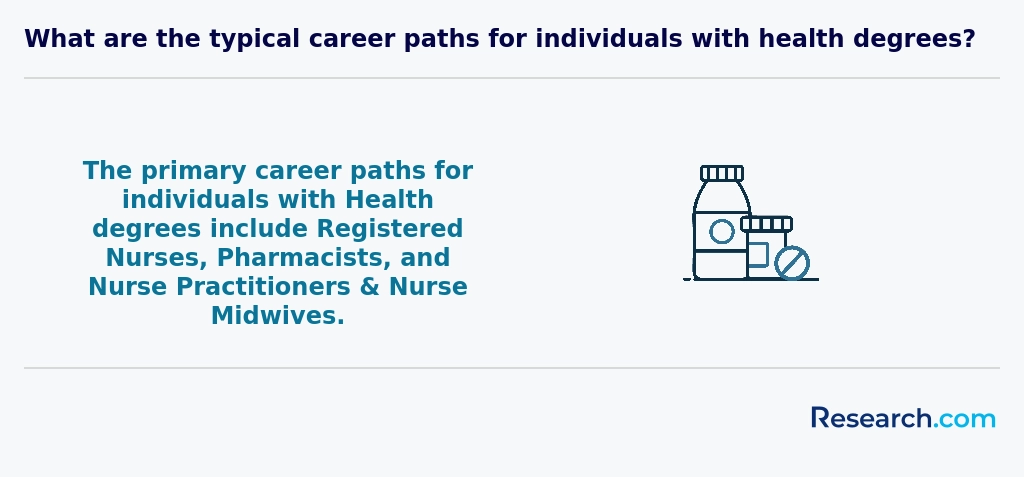
Graduates from online healthcare programs in West Virginia often find themselves stepping into roles where every decision counts-whether managing a bustling hospital floor or crafting health policies that reshape communities. Picture a graduate from a West Virginia university, energized by real-world case studies, now thriving as a registered nurse, responding with calm precision in Morgantown's busy clinics. This isn't just a job; it's a calling, fueled by the state's pressing demand for compassionate RNs and bolstered by programs tuned to local healthcare needs, a prime example of online healthcare careers in West Virginia.
Then there are alumni who dive into healthcare administration, juggling budgets and staff in Charleston's growing health centers. Their online degrees give them the agility to lead complex systems and innovate patient care workflows. Others carve paths as public health warriors tackling rural health challenges head-on, armed with knowledge gained from flexible courses that honor West Virginia's unique community health landscapes.
For those drawn to specialized skills, allied health professions offer hands-on careers-radiologic technologists and respiratory therapists shape patient outcomes day by day. Graduates often praise the way West Virginia's universities balance theory with practice, preparing them across multiple fronts.
Many students also explore advanced degrees, supported by practical tuition rates or tuition assistance statewide. Curious minds seeking more can discover options through rankings like the Inexpensive Online Master's in Healthcare Degree Programs Ranking in Greenville, NC, linking affordability with career growth seamlessly.
What is the job market for online healthcare degree in West Virginia?
The job market for online healthcare degree graduates in West Virginia pulses with opportunity, especially as many eager nurses and health administrators from colleges in Charleston and Morgantown step into roles where their impact is immediate and tangible. With the state's older average population, graduates find themselves at the heart of stories where compassionate care turns into community lifelines. A graduate fresh from an online program shares how working in a rural clinic, where healthcare access is scarce, turned their education into a vital service that changes lives daily-perfectly illustrating the promising landscape for online healthcare job opportunities West Virginia.
Frequently, graduates from places like West Virginia University tap into underserved areas, where telehealth expansions reshape how care is delivered, blending technology with skill. Schools known for affordable options and flexible paths, including the accelerated online bachelor's degree, equip students to fill the gaps in healthcare staffing. The West Virginia healthcare degree employment prospects reflect a robust demand for versatile professionals ready to evolve alongside both rural needs and tech-driven advancements.
Frequently Asked Questions About healthcare
Students enrolled in online healthcare degree programs in West Virginia can maximize their learning by actively engaging with course materials and instructors. Scheduling regular study times and using the state's digital libraries and academic resources enhances comprehension. West Virginia has a significant demand for healthcare professionals, with the Bureau of Labor Statistics projecting a growth rate of 16% for healthcare occupations from 2020 to 2030, emphasizing the importance of practical knowledge.
Connecting with local healthcare facilities for internships or virtual observations provides valuable real-world experience. Additionally, joining professional healthcare associations in West Virginia offers networking and mentorship opportunities, which are vital for career growth.
The healthcare field in West Virginia is experiencing growth in several emerging niches driven by technological advances and population needs. One key area is telehealth, which expanded rapidly during the COVID-19 pandemic and continues to offer remote patient care, especially in rural communities.
Another growing niche is healthcare data analytics and informatics, where professionals analyze patient data to improve outcomes. West Virginia hospitals increasingly adopt electronic health records, boosting demand for specialists in this field.
Additionally, gerontology-the care of aging populations-is important due to West Virginia's high percentage of residents over 65, about 19%, according to the U.S. Census Bureau. This increases the need for healthcare workers skilled in eldercare and chronic disease management.
These niches offer promising career paths in West Virginia's evolving healthcare landscape.
After earning an online healthcare degree in West Virginia, preparing for the job market involves several key steps to ensure success. First, obtaining relevant certifications and licenses required by the state, such as for nursing or medical assisting, is essential. West Virginia's healthcare sector is growing, with a projected 7% job increase by 2030 according to the West Virginia Bureau of Employment Programs.
Building a strong professional network by joining local healthcare associations can open employment doors. Additionally, gaining practical experience through internships or clinical placements enhances employability. Tailoring your resume to highlight skills demanded by West Virginia employers, such as telehealth proficiency, is also recommended. Staying informed on evolving healthcare regulations in the state improves job readiness and professional growth.
Employers in West Virginia's healthcare sector prioritize several key skills when hiring graduates with online healthcare degrees. Strong communication abilities are essential, as healthcare professionals must clearly share information with patients and colleagues. Critical thinking and problem-solving skills are also highly valued to provide effective patient care in diverse situations.
Additionally, technical proficiency with electronic health records (EHR) systems is increasingly important due to digital healthcare trends. According to the West Virginia Bureau of Employment Programs, employers seek graduates who demonstrate adaptability and teamwork in multidisciplinary settings.
Understanding of healthcare regulations and ethical standards is also a top requirement to ensure compliance with state and federal laws. Graduates who combine clinical skills with cultural sensitivity tend to be more competitive in the local job market.
Finding internships in West Virginia relevant to a healthcare degree involves leveraging local healthcare networks and educational partnerships. The state's healthcare sector, encompassing hospitals and public health agencies, offers numerous internship opportunities.
Students should begin by contacting career services at their online program, as many schools maintain connections with West Virginia healthcare providers. Checking West Virginia University's Office of Student Engagement or the West Virginia Center for Nursing can provide targeted leads.
West Virginia had roughly 90,000 healthcare jobs in recent years, with growing demand for clinical and administrative roles (Bureau of Labor Statistics, 2023). This growth increases internship availability in hospitals, clinics, and health departments statewide.
Additionally, applying early and tailoring applications to facilities such as Charleston Area Medical Center or local public health offices improves chances of securing valuable hands-on experience.
Online healthcare degrees in West Virginia can significantly enhance career mobility and advancement for professionals in the state's growing healthcare sector. According to the West Virginia Department of Commerce, healthcare is one of the fastest-growing industries in the region, with a projected 15% employment growth through 2030.
Obtaining an online degree allows students to gain up-to-date knowledge and credentials while maintaining current employment, which is crucial for career advancement. Many West Virginia healthcare employers recognize online degrees from accredited institutions, improving prospects for promotions and salary increases.
Furthermore, degrees in nursing, health administration, or public health obtained online can qualify graduates for specialized roles that command higher wages. The West Virginia Center for Nursing highlights a rising need for advanced practice nurses, which often requires at least a bachelor's or master's degree.
Overall, an online healthcare degree offers flexibility and access to education that align with the workforce demands of West Virginia's healthcare industry.
Studying for an online healthcare degree in West Virginia equips students with skills essential for interdisciplinary roles by emphasizing collaboration across multiple health fields. West Virginia's programs often integrate courses in nursing, public health, and health administration, reflecting the state's diverse healthcare needs.
The state faces unique health challenges, including high rates of chronic diseases such as diabetes and heart disease (CDC, 2023). This context drives curriculum design toward team-based care approaches involving various healthcare professionals.
Moreover, many West Virginia institutions partner with local hospitals and clinics to facilitate practical experiences, fostering communication and coordination skills crucial in interdisciplinary settings. These programs prepare graduates to work effectively in integrated health systems and community care.
Choosing between a thesis and a non-thesis online healthcare degree in West Virginia depends on your career goals and learning preferences. A thesis program involves conducting original research and writing a detailed paper, which is ideal for students aiming for doctoral studies or research roles.
Alternatively, non-thesis programs focus on practical skills and coursework, often preferred by professionals seeking immediate application in clinical or administrative healthcare settings. West Virginia's healthcare sector, employing over 100,000 workers as reported by the Bureau of Labor Statistics in 2023, values both research and applied knowledge.
Consider your time commitment, interest in research, and long-term plans when making this choice.
Students based in West Virginia seeking to study healthcare abroad face unique challenges due to licensure and accreditation requirements. While many American institutions offer online healthcare degrees, enrolling directly in international programs can complicate credential recognition back home. West Virginia's Board of Examiners often requires degrees to be from U.S.-accredited schools for professional healthcare licensure.
However, U.S. students can pursue hybrid programs or partnerships between U.S. and foreign universities that allow limited overseas study alongside accredited online coursework. According to the West Virginia Higher Education Policy Commission, healthcare disciplines like nursing and public health prioritize U.S.-based accreditation for state practice eligibility.
Overall, students are advised to verify international program accreditation and state licensure compatibility before enrolling. Resources from the Commission on Collegiate Nursing Education and the West Virginia Department of Health provide valuable guidance on approved pathways for out-of-state or international healthcare education.
Students pursuing online healthcare degrees in West Virginia can benefit from part-time jobs that provide relevant experience and supplement their education. Common roles include medical assisting, home health aide, and patient care technician positions. These jobs offer practical skills in patient interaction and clinical procedures, which are crucial in healthcare fields.
West Virginia's Department of Health and Human Resources reports a growing demand for healthcare support workers, projecting a 12% job increase through 2030, faster than the state average for all occupations.
Additionally, pharmacies and outpatient clinics often hire part-time pharmacy technicians and administrative assistants, enabling students to understand healthcare systems and improve communication skills.
Such roles help build professional networks and enhance resumes, ultimately supporting degree completion and future career advancement.
Online healthcare students in West Virginia have several networking opportunities despite the remote format. Many state universities, such as West Virginia University, offer virtual events, webinars, and workshops that connect students with peers and local healthcare professionals.
The West Virginia Rural Health Association provides networking for those interested in rural healthcare, a critical sector in the state where nearly 45% of residents live in rural areas (U.S. Census Bureau, 2023). Online students can also join statewide chapters of national organizations like the American Public Health Association to build contacts and find mentorship.
In addition, LinkedIn groups and online forums often serve as informal networking spaces tailored to West Virginia healthcare careers. These connections can be crucial for internships and job placements in a state with a growing healthcare demand projected to increase by 18% through 2030 (Bureau of Labor Statistics, 2022).
Alumni networks provide significant advantages for online healthcare degree students in West Virginia. These networks offer valuable connections to local healthcare employers, which is crucial given the state's ongoing need for qualified healthcare professionals. According to the West Virginia Department of Health and Human Resources, the healthcare sector is among the fastest-growing job markets in the state.
Through alumni groups, students gain access to mentorship opportunities, career advice, and job referrals specific to West Virginia's healthcare environment. This support can improve employment prospects and ease the transition from online learning to professional practice.
Moreover, alumni networks foster a sense of community despite the remote nature of online programs, helping students build lasting professional relationships within West Virginia's healthcare industry.
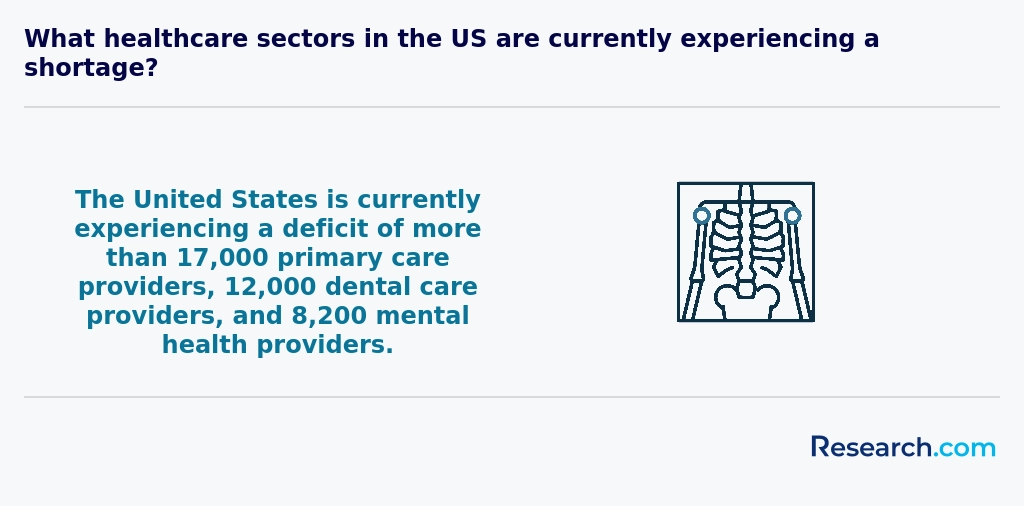
Customizing an online healthcare degree program in West Virginia allows students to align their education with specific career goals. Many West Virginia institutions offer flexible course options, including specialization areas such as public health, health informatics, or nursing. Students can often select electives that focus on rural healthcare, addressing significant local needs; West Virginia faces a shortage of healthcare professionals, with rural regions particularly affected, according to the West Virginia Health Care Authority.
Internships and clinical placements within the state help gain relevant experience. Additionally, online programs frequently provide part-time and accelerated tracks, offering adaptability for working professionals pursuing advancement or career changes.
Online healthcare students in West Virginia often face several challenges. One significant issue is limited clinical placement opportunities within the state due to its rural geography and healthcare provider shortages. According to the West Virginia Center for Nursing, these shortages can delay hands-on training required for licensure.
Additionally, unreliable internet access in rural areas can hinder participation in virtual lectures and coursework. The Federal Communications Commission reports that nearly 30% of West Virginians lack high-speed internet, complicating online learning.
Lastly, balancing work, family, and study commitments remains a common obstacle for adult learners pursuing healthcare degrees online in West Virginia.
With an online healthcare degree, students in West Virginia can pursue various professional certifications that enhance career prospects. Common certifications include Registered Health Information Technician (RHIT), Certified Medical Assistant (CMA), and Certified Professional Coder (CPC). These certifications demonstrate expertise and are often required for specialized roles.
For nurses, earning a Bachelor of Science in Nursing (BSN) online can lead to the Licensed Practical Nurse (LPN) or Registered Nurse (RN) licenses through the West Virginia Board of Examiners for Registered Professional Nurses.
In addition, certifications such as the Certified Healthcare Safety Professional (CHSP) are valuable for leadership and administrative roles. According to the West Virginia Department of Health and Human Resources, healthcare jobs in the state are expected to grow by 12% through 2030, highlighting the importance of these credentials.
When applying to an online healthcare degree program in West Virginia, start by carefully reviewing the specific program requirements. West Virginia's healthcare sector faces unique challenges, including a significant rural population and workforce shortages, so highlighting your commitment to serve these communities can strengthen your application.
Clearly demonstrate your academic readiness by providing transcripts and standardized test scores if required. Many programs prioritize candidates with a strong foundation in science and healthcare experience.
Craft a compelling personal statement that explains your motivation and career goals related to health issues in West Virginia. Mentioning local healthcare statistics, like the state's higher-than-average rates of chronic disease from sources such as the West Virginia Department of Health and Human Resources, can show your informed interest.
Lastly, secure strong letters of recommendation from healthcare or academic professionals who can attest to your abilities and dedication.
A healthcare career is increasingly valued globally due to rising demand for skilled professionals. In the United States, particularly West Virginia, healthcare jobs are growing faster than average. According to the U.S. Bureau of Labor Statistics, employment in healthcare occupations is projected to grow 13% from 2021 to 2031, much faster than other industries.
West Virginia faces unique healthcare challenges like higher rates of chronic diseases, which increases the need for qualified healthcare workers. Online healthcare degrees provide accessible education options for residents who want to address these demands without relocating.
Globally, healthcare careers are seen as essential to improving public health, with many countries investing in education and training. Understanding these trends can help West Virginia students make informed decisions about their future in healthcare.
Gaining practical experience while studying for an online healthcare degree in West Virginia is essential to prepare for healthcare careers. Many programs include clinical or practicum components arranged locally. Students can complete rotations at hospitals, clinics, or nursing homes approved by their institution. This hands-on training often aligns with West Virginia's demand for healthcare providers, notably in rural areas where workforce shortages persist, according to the West Virginia Center on Budget & Policy.
Additionally, some schools partner with local healthcare facilities to facilitate internships. These opportunities allow students to apply theoretical knowledge to real-world settings. Volunteering or part-time work in nearby health organizations can further enhance practical skills and networking within the state's healthcare industry.
Choosing the right concentration within an online healthcare degree program in West Virginia begins with understanding local healthcare demands. For example, the state experiences shortages in primary care and nursing professionals, according to the West Virginia Department of Health and Human Resources. Prospective students should explore concentrations that align with these workforce needs, such as nursing, health administration, or public health.
It is also important to consider your career goals and interests. Research occupations' salary outlooks and job growth rates through the U.S. Bureau of Labor Statistics to find concentrations offering stability. Online programs often allow flexibility to specialize in areas like healthcare management or informatics, which are growing fields nationally and regionally.
Finally, check that programs are accredited and offer practical experiences relevant to West Virginia's healthcare environment, boosting your chances of local employment after graduation.
Related Healthcare Rankings for Nearby States
- 2027 Best Online Healthcare Degree Programs Ranking in Virginia
- 2027 Best Online Healthcare Degree Programs Ranking in Kentucky
- 2027 Best Online Healthcare Degree Programs Ranking in Maryland
- 2027 Best Online Healthcare Degree Programs Ranking in Tennessee
- 2027 Best Online Healthcare Degree Programs Ranking in Indiana
- 2027 Best Online Healthcare Degree Programs Ranking in Georgia
- 2027 Best Online Healthcare Degree Programs Ranking in Michigan
- 2027 Best Online Healthcare Degree Programs Ranking in Illinois
- 2027 Best Online Healthcare Degree Programs Ranking in Alabama
- 2027 Best Online Healthcare Degree Programs Ranking in Missouri
Top Trending Healthcare Rankings
See What Experts Have To Say About Studying Healthcare
Read our interview with Healthcare experts

References
- Explore Healthcare Admin Degree Concentrations https://www.baypath.edu/news/bay-path-university-blogs/post/explore-healthcare-admin-degree-concentrations/
- Nursing Associate Degree - WVU Parkersburg https://www.wvup.edu/academics/programs/nursing-associate-degree/
- Alumni Reconnect - Poznan University of Medical Sciences https://pums.edu.pl/alumni-friends/alumni-reconnect/
- WVSU Online Programs https://wvstateu.edu/wvsu-online-programs/
- How to Gain Real-World Experience While Studying Online | American National University https://an.edu/how-to-gain-real-world-experience-while-studying-online/
- West Virginia https://www.publichealth.org/online-degrees/west-virginia/
- Pursuing Your Career Goals: Strategies and Examples https://www.ultimatemedical.edu/blog/career-goals-importance-strategies-and-examples/
- Healthcare Assistant Cover Letter Templates | myPerfectCV https://www.myperfectcv.co.uk/cover-letter/examples/healthcare-assistant-cover-letter
- Online Degree vs. Traditional: Choosing the Right Path https://beal.edu/online-degree-vs-traditional/
- Students and Alumni associations - Europubhealth https://www.europubhealth.org/students-alumni-associations/


