
2027 Best Healthcare Degree Programs Ranking in Stockton

Co-Founder and Chief Data Scientist
Choosing the right healthcare degree program in Stockton can shape your future career and personal growth. This article presents the 2027 Best Healthcare Degree Programs Ranking in Stockton, created by the Research.com team of data scientists. It's designed to help you make a well-informed decision about which programs offer strong opportunities and quality education.
Exploring this ranking makes it easier to find a program that fits your goals and values. Pursuing a healthcare degree opens doors to meaningful work and rewarding experiences in a growing field.
Key benefits of getting healthcare degree in Stockton
Key benefits of getting a healthcare degree in Stockton include:
- Graduates can earn competitive salaries, such as $43,350 annually for Medical Assistants and Clinical Research Coordinators, or up to $103,150 for Quality Improvement Coordinators, offering strong financial stability.
- Career paths are diverse, ranging from Patient Care Technicians earning about $60,790 to Health Information Technicians at $43,380, allowing graduates to choose roles that match their passions and skills.
- Online healthcare degrees from Stockton institutions provide flexible learning schedules and the chance to work while studying, making it easier to earn a respected degree without disrupting your life.
- Key benefits of getting healthcare degree in Stockton
- What can I expect from healthcare degree in Stockton?
- Where can I work with healthcare degree in Stockton?
- How much can I make with healthcare degree in Stockton?
- 2027 Best Healthcare Degree Programs Ranking in Stockton
- Key Findings
- How long does it take to complete healthcare degree in Stockton?
- Licensure and Certification Requirements
- What's the difference between online and on-campus healthcare degree?
- Licensing and Certification Requirements
- What is the average cost of healthcare degree in Stockton?
- Alumni Outcomes and Return on Investment
- What financial aid is available to healthcare degree students in Stockton?
- Enhancing Your Healthcare Education Experience: Campus Life and Student Resources
- What are the prerequisites for enrolling in healthcare degree program in Stockton?
- Accreditation and Licensure Standards
- What courses are typically in healthcare degree programs in Stockton?
- What types of specializations are available in healthcare degree programs in Stockton?
- How do you choose the best healthcare degree in Stockton?
- What career paths are available for healthcare degree students in Stockton?
- What is the job market for healthcare degree in Stockton?
- Top Trending Healthcare Rankings
- See What Experts Have To Say About Studying Healthcare
What can I expect from healthcare degree in Stockton?
The average cost of pursuing a healthcare degree in Stockton typically ranges depending on the level of study and institution. For example, many students enrolled at San Joaquin Delta College find that completing an associate degree in nursing or health technology generally costs around two to three thousand dollars per year in tuition, excluding fees and supplies. Graduates often recall balancing financial aid and scholarships to manage expenses, feeling supported as they invested in a career with promising returns.
Bachelor's degrees at local universities may cost more, roughly double that amount annually, but students appreciate the comprehensive education and clinical experiences offered. Many speak positively about hands-on internships at Stockton's St. Joseph's Medical Center or Dameron Hospital, which enhance their skills without adding extra cost. This practical exposure feels invaluable and motivates students to continue despite tuition demands.
With healthcare professions expanding rapidly in Stockton's community, students often view tuition as an investment in their future stability and growth. The availability of financial aid options and community support helps create a hopeful path toward rewarding careers in this evolving field.
Where can I work with healthcare degree in Stockton?
Graduates with healthcare degrees in Stockton find diverse career paths, often starting in hospitals like St. Joseph's Medical Center or Dameron Hospital. Many alumni from local colleges vividly recall their clinical rotations there, gaining hands-on experience that opens doors to roles in nursing, allied health, and specialty care. The city's growing outpatient clinics also attract graduates eager to work as medical assistants or healthcare administrators, reflecting the shift toward community-based care that reduces hospital stays.
Long-term care facilities such as Eskaton Lodge offer another meaningful avenue, where graduates often share rewarding stories of supporting elder care and rehabilitation, driven by Stockton's aging population. Mental health clinics and nonprofits provide dynamic opportunities for those focused on counseling and social work, allowing graduates to make a real difference in behavioral health within their own communities.
Public health careers within San Joaquin County's Health Services Agency appeal to those passionate about health education and epidemiology, inspiring recent graduates to engage in impactful community programs that address local health challenges in Stockton.
How much can I make with healthcare degree in Stockton?
Graduates with healthcare degrees from popular Stockton institutions often find rewarding career paths that align well with the city's growing healthcare needs. For example, those entering roles like Medical Assistants or Clinical Research Coordinators can expect mean annual wages around $43,350. This steady income allows many recent graduates to manage living expenses comfortably while gaining valuable experience.
Patient Care Technicians in Stockton enjoy somewhat higher earnings, with mean salaries near $60,790. Many graduates report feeling motivated by both the financial stability and meaningful patient interactions these roles provide, especially within local hospitals and clinics tied to Stockton colleges.
More specialized graduates aiming for positions such as Quality Improvement Coordinators can see earnings rise significantly - around $103,150 annually. This type of role appeals to healthcare degree holders seeking leadership opportunities and a direct influence on improving care quality in Stockton's expanding healthcare facilities.
With Stockton's healthcare sector experiencing rapid growth, graduates often express optimism about future wage increases and job availability. Many envision progressing into advanced roles while enjoying the benefits of competitive pay and a strong sense of community impact right where they trained.
2027 Best Healthcare Degree Programs Ranking in Stockton
How do we rank schools?
Investing in your education is a significant decision that can shape your future, and the Research.com team understands the importance of making informed choices. To assist prospective students in Stockton, we have meticulously crafted the "2027 Best Healthcare Degree Programs Ranking in Stockton." Our commitment to quality, credibility, and accuracy is reflected in the extensive research and analysis conducted to compile this ranking.
We utilized the following reputable data sources to ensure a comprehensive evaluation of healthcare programs:
By exploring this ranking, readers will gain valuable insights into the best healthcare degree programs available in Stockton, empowering them to make well-informed decisions about their educational and professional futures. For more details on our methodology, please visit our Research.com methodology page.

Key Findings
- Tuition for healthcare degrees in Stockton ranges from $1,500 to $3,500 per year at public community colleges and $10,000 to $25,000 annually at private or four-year institutions.
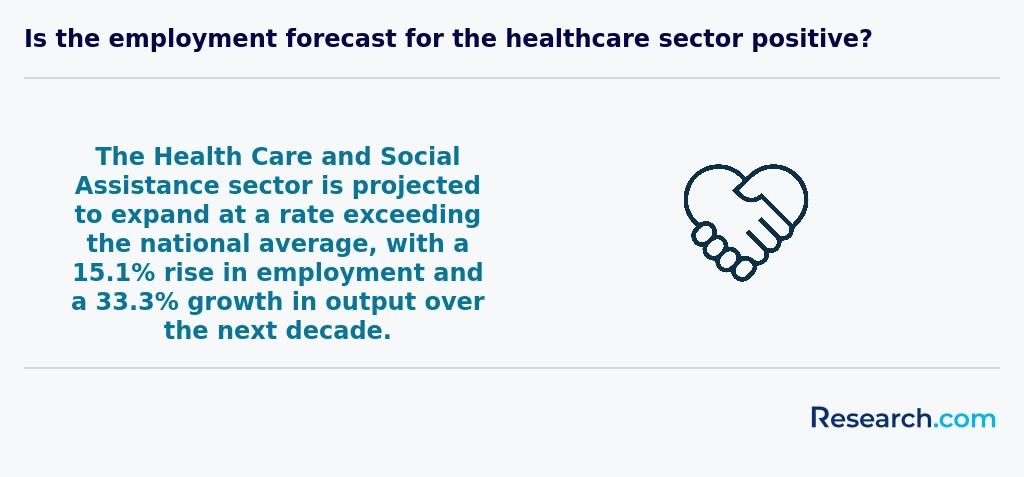
- The healthcare job market in Stockton is growing faster than the national average due to an aging population increasing demand for medical services.
- Entry-level healthcare graduates can expect an average salary of about $45,000 per year, varying by role and specialization.
- Experienced healthcare professionals often earn $70,000 or more annually, with top salaries in nursing, medical technology, and health services management.
- Stockton's location near San Francisco and Sacramento offers additional job opportunities and may positively influence local healthcare salaries.
- Financial aid and scholarships are commonly available to help eligible students reduce tuition costs for healthcare programs.
How long does it take to complete healthcare degree in Stockton?
Completing a healthcare degree in Stockton typically fits well within established timeframes, yet students often discover unique pathways that suit their lives and ambitions. At institutions like San Joaquin Delta College and University of the Pacific, many graduates report finishing their Bachelor of Science in Nursing in around four years, balancing rigorous coursework with hands-on clinical opportunities that build confidence and skill.
For those pursuing an Associate Degree in Nursing, the two-year timeline feels both challenging and achievable, as several local students share how accelerated or part-time options have empowered them to maintain work-life balance while moving swiftly toward licensure. Graduate students, especially those enrolled in the Master of Science in Nursing programs, embrace the intense yet rewarding two to three years after their bachelor's, often inspired by faculty mentors who emphasize real-world impact.
Doctoral candidates aiming for MD or PharmD credentials might extend their studies to seven years, frequently blending Stockton's resources with nearby universities. This blend fosters resilient, future-focused practitioners prepared for the evolving healthcare landscape.
Licensure and Certification Requirements
Graduates of healthcare programs must secure the appropriate licensure and certifications to enter the workforce in Stockton, CA. Requirements vary by role but generally include:
- Registered Nurse (RN): Pass the NCLEX-RN exam and apply to the California Board of Registered Nursing. Consider an online nursing program that includes NCLEX prep.
- Health Information Technician: Earn the Registered Health Information Technician (RHIT) credential through the American Health Information Management Association (AHIMA).
- Patient Care Technician: Obtain Certified Nursing Assistant (CNA) certification via state-approved training and competency exam.
- Paramedic/EMT: Complete a state-accredited paramedic program and pass the National Registry of Emergency Medical Technicians (NREMT) exam.
Maintaining credentials often requires periodic continuing education and renewal fees, ensuring you stay current with industry standards.
What's the difference between online and on-campus healthcare degree?
Online and on-campus healthcare degrees in Stockton each offer distinct experiences that shape a student's journey. Graduates from California State University, Stanislaus' Stockton Center often recall the energizing buzz of in-person labs and clinical practicums-moments where hands-on training and peer interaction deepened their confidence in patient care. These face-to-face sessions foster a strong sense of community and immediate feedback, crucial in fast-paced healthcare environments.
Conversely, online students appreciate the freedom to balance studies with work or family. Many speak positively about the flexibility to watch lectures late at night or on weekends, making education accessible without sacrificing daily responsibilities. Still, they share stories of driving to local Stockton hospitals for required clinical hours, blending convenience with necessary real-world experience.
Looking forward, emerging virtual simulation technologies may bridge gaps, enriching both formats. Stockton's healthcare students might soon engage in interactive, immersive training regardless of location-combining the best of flexibility and hands-on skill-building, preparing them to thrive in evolving medical fields.
Licensing and Certification Requirements
Graduates must secure specific licenses and credentials to practice in California’s healthcare sector:
- Registered Nurse (RN): pass the NCLEX-RN exam and obtain licensure through the California Board of Registered Nursing
- Licensed Practical Nurse (LPN): complete clinical coursework, pass the NCLEX-PN exam, and consider accelerated lpn programs for expedited preparation
- Health Information Technician: earn the RHIT credential from AHIMA after completing an accredited health informatics program
- Medical Assistant: sit for the CMA or RMA certification exam via AAMA or AMT to validate clinical and administrative skills
- Advanced Certifications: maintain CPR/BLS certification and pursue specialty credentials (e.g., ACLS, PALS) to enhance career prospects
What is the average cost of healthcare degree in Stockton?
The average cost healthcare degree Stockton students face typically falls within a median total of about $75,332, with in-state students paying around $57,080. Graduates from institutions like San Joaquin Delta College often share how the relatively moderate tuition helped them focus on hands-on learning without overwhelming financial stress, especially in public community colleges where fees range significantly lower compared to private universities.
Those pursuing degrees at private universities such as the University of the Pacific tend to experience a different financial scale, as costs can approach the higher end of this spectrum. Many students find value in the comprehensive education and supportive resources that accompany these programs, helping them feel confident about investment in their future careers. These personal experiences highlight how tuition and fees shape the healthcare education journey in Stockton, balancing quality and affordability.
While healthcare degree tuition and fees Stockton students pay can feel steep at times, the availability of financial aid and scholarship opportunities often alleviates burden. Additional expenses like textbooks and clinical placements also factor into total cost but can be offset through employer tuition assistance or grants.
For those exploring specialized paths, there are also appealing alternatives online, with programs tailored to various niches. Exploring online nursing degrees arkansas specialization options may inspire students to consider flexible formats that align with career goals and budgets.
Alumni Outcomes and Return on Investment
Prospective students often ask not only about program quality but also about real-world returns. Evaluating alumni outcomes provides a clear picture of how quickly graduates secure employment, advance in their careers, and manage educational debt. Graduation and Licensure Success • Graduation Rate: Top healthcare programs in Stockton boast an average graduation rate of 88%, compared to the national average of 75%. • Licensure Pass Rate: Nursing and allied health graduates report first-time licensure exam pass rates exceeding 90%, reflecting rigorous clinical preparation. Employment and Salary Trajectories • Job Placement: Within six months of graduation, 94% of program completers secure full-time positions in hospitals, clinics, or public health organizations. • Starting Salaries: The median starting salary for Stockton graduates is $58,000 annually, with entry-level roles like Patient Care Technician offering $55,860 and Health Information Technician roles starting at $41,260. • Five-Year Growth: Alumni data indicate a 35% salary increase within five years, driven by promotions into supervisory or specialized clinical roles. Debt-to-Earnings Ratio • Average Debt Load: Stockton healthcare graduates carry an average debt of $28,500, 15% below the national median for similar programs. • ROI Timeline: Given average earnings, most alumni recoup educational expenses within four years post-graduation, demonstrating strong long-term value. Maximizing Value Students seeking cost-effective pathways should compare tuition against outcomes. For insights into affordable online options with proven graduate success, explore Low Cost Online Healthcare Degree Programs Ranking in Peoria, IL. By aligning program costs with robust alumni achievements, future healthcare professionals can make informed decisions that balance affordability with career advancement.
What financial aid is available to healthcare degree students in Stockton?
Healthcare students in Stockton frequently rely on a combination of federal and state financial aid that significantly lightens their educational expenses. Graduates from San Joaquin Delta College often share how Pell Grants, which can offer up to $7,395 annually, allowed them to focus more on their studies rather than financial stress. Many have also benefitted from California's Cal Grant program, which can cover full tuition at public institutions, making degree completion feel more attainable and encouraging.
Local scholarships connected to healthcare fields are becoming more popular, with nonprofits and regional associations offering awards that reward commitment and community ties. One graduate recalls receiving a scholarship from a local nursing association, adding a sense of pride and motivation during tough semesters.
Looking ahead, more students working in healthcare roles in Stockton are tapping into employer tuition assistance programs-a trend likely to grow as hospitals invest in workforce development. Coupled with loan repayment programs aimed at community-focused professionals, Stockton's financial aid landscape is evolving to support students' ambitions and ease their journey into healthcare careers.
Enhancing Your Healthcare Education Experience: Campus Life and Student Resources
While academic excellence remains at the forefront, the overall student experience is equally important for success in healthcare programs. Many Stockton institutions offer robust campus environments that extend beyond classrooms and lecture halls. Students benefit from state‐of‐the‐art simulation labs, interactive study groups, and extracurricular clubs related to healthcare where they can network, engage in research, and even participate in community outreach projects. In addition, schools often provide comprehensive support services including career counseling, tutoring, and wellness programs designed to help students tackle academic and personal challenges. These extra-curricular resources not only improve academic performance but also build the soft skills essential for effective patient care and leadership in the healthcare industry. Furthermore, prospective students interested in exploring cost-effective options might consider checking out an affordable healthcare school in california that offers a balanced approach to academic rigor and enriching campus life. Such holistic experiences cultivate a well-rounded education that prepares students to excel both in their studies and in real-world healthcare environments.
What are the prerequisites for enrolling in healthcare degree program in Stockton?
Students aiming for healthcare degrees in Stockton typically need a high school diploma or GED, often with strong grades in science and math courses like biology, chemistry, and algebra. Graduates from San Joaquin Delta College or nearby CSU campuses recall how mastering these subjects laid a solid foundation for their hands-on clinical work. Some programs in Stockton are moving toward test-optional admissions, reducing barriers and emphasizing demonstrated passion through volunteer healthcare experiences or job shadowing.
Future applicants can expect to complete prerequisite courses and provide documentation such as immunizations, health screenings, and sometimes letters of recommendation or personal statements. Graduates often share how these requirements, while demanding, prepared them emotionally and professionally for challenging clinical environments.
Specialized fields like nursing may also require background checks and drug screenings, reflecting the rigorous standards embraced by local institutions. Given Stockton's expanding healthcare job market, showing genuine commitment through relevant experience often makes an application stand out and opens doors to exciting career opportunities.

Accreditation and Licensure Standards
Accreditation and licensure are critical factors when evaluating healthcare degree programs in Stockton, CA, as they ensure your education meets industry benchmarks and qualifies you for professional certification or state licensure. For health information management degrees, the Commission on Accreditation for Health Informatics and Information Management Education (CAHIIM) is the primary accrediting body; graduates of CAHIIM-accredited programs are eligible to sit for the Registered Health Information Administrator (RHIA) exam administered by the American Health Information Management Association (AHIMA). Nursing programs may hold accreditation from the Commission on Collegiate Nursing Education (CCNE) or the Accreditation Commission for Education in Nursing (ACEN), both recognized by the U.S. Department of Education and essential for licensure through the California Board of Registered Nursing. Before enrolling, verify that your chosen institution’s healthcare program appears on the official CAHIIM or CCNE/ACEN directories. Accredited programs typically report higher first-time pass rates on licensure exams-often exceeding 85%-which directly correlates with stronger employer recognition and improved job prospects. Additionally, state approval from the California Board of Vocational Nursing and Psychiatric Technicians (BVNPT) applies to vocational tracks such as Medical Assisting, ensuring that graduates satisfy clinical hour requirements and competency standards. Cost-conscious students should also consider accredited programs that balance affordability with quality. For example, Research.com highlights the most cost-effective pathways for online learners seeking specialized credentials; prospective students can explore the affordable online health information management degree rankings to find CAHIIM-accredited options that minimize debt while maintaining rigorous academic standards. By choosing an accredited program with strong licensure outcomes, Stockton students can confidently pursue a healthcare career backed by recognized credentials and a solid return on investment.
What courses are typically in healthcare degree programs in Stockton?
Healthcare degree programs in Stockton typically include a dynamic mix of courses like Anatomy and Physiology, Microbiology, and Medical Terminology that graduates describe as foundational yet exciting, transforming complex concepts into real-world patient care skills. Students at popular Stockton colleges often recall how Pharmacology and Health Assessment classes brought their knowledge to life, enabling them to understand medication impacts and perform thorough patient evaluations confidently.
Emerging trends shape curricula around Healthcare Ethics, Law, and evolving topics such as healthcare informatics and patient safety. Graduates share how ethical scenarios and legal cases discussed in class prepared them to make thoughtful decisions in fast-paced clinical settings. Practical experiences via Clinical Practicum or internships at Stockton hospitals allow students to engage directly with patients, fueling their passion and readiness for future roles.
With the local healthcare sector growing steadily, students appreciate how these courses connect theory to practice, inspiring a strong sense of purpose. Their hands-on training today sets the stage for tomorrow's innovations in community health and technology-driven care in Stockton's vibrant healthcare landscape.
What types of specializations are available in healthcare degree programs in Stockton?
Healthcare degree specializations in Stockton are evolving to meet the region's expanding medical needs, with popular paths including nursing, healthcare administration, allied health, and public health. Graduates from local colleges share that nursing programs equip them with hands-on skills for fast-growing roles, making the demanding coursework rewarding and impactful. Many find their passion through clinical experiences that prepare them for roles in hospitals and clinics serving Stockton's diverse community.
Stockton healthcare programs and specializations also attract students to fields like medical assisting and health informatics, where students enjoy blending technology with patient care, opening doors for innovative health solutions. Graduates emphasize that allied health programs provide quick pathways to employment, offering the chance to make a meaningful difference early in their careers. Public health specializations resonate deeply, reflecting local priorities around community wellness and disease prevention.
Many students at local institutions explore options confidently after discovering resources such as accredited nursing programs, which inspire them toward high-demand professions with strong job prospects in Stockton and beyond.
How do you choose the best healthcare degree in Stockton?
To choose the best healthcare degree in Stockton, start by reflecting on your career goals and the healthcare roles that excite you. Graduates from San Joaquin Delta College often share how their affordable healthcare degrees Stockton allowed them to gain practical experience without overwhelming debt. Imagine yourself in their shoes, balancing studies with local clinical placements at places like San Joaquin General Hospital, which enhances real-world skills and confidence.
Next, prioritize programs with strong accreditation, ensuring your education meets industry standards for licensure and employment. Stockton's blend of community colleges and universities offers flexibility, so working students can find schedules that fit their lives. Some students find inspiration in the rapidly growing healthcare market in Stockton, which motivates them to graduate on time and build robust local networks.
Emerging trends also point toward degrees emphasizing public health and technology integration. Those interested might explore the best value public health degrees, blending affordability with future-focused skills in population health management and digital healthcare tools.
What career paths are available for healthcare degree students in Stockton?
Graduates with a healthcare degree in Stockton can pursue numerous rewarding career paths that align with the region's growing medical landscape. Many find fulfilling roles as Registered Nurses (RNs), benefiting from strong local demand and competitive salaries supported by institutions known for quality healthcare education in Stockton. Others gravitate toward healthcare administration, stepping into Medical and Health Services Manager positions that offer leadership opportunities in hospitals and outpatient centers.
Future healthcare professionals in Stockton also explore specialized roles like Physical Therapist Assistant, working closely with aging populations through hands-on rehabilitation services. Meanwhile, the rise of digital health has opened pathways as Healthcare Informatics Specialists managing patient data systems, a field rapidly expanding with technological advancements. Graduates from popular colleges in Stockton often share enthusiasm about combining clinical practice with innovative healthcare solutions.
As the city's healthcare infrastructure develops, career prospects grow diverse, encompassing public health, medical research assistance, and community health education. Students interested in healthcare career opportunities in Stockton frequently seek practical experience through local internships and programs, enhancing their skills and confidence. For those considering broader options beyond Stockton, exploring healthcare education in Memphis offers additional inspiration and comparative insight.

What is the job market for healthcare degree in Stockton?
The healthcare job opportunities in Stockton are expanding rapidly, driven by the city's growing population and increasing healthcare needs. Graduates from local universities and colleges often find themselves entering a job market where registered nurses, medical technicians, and healthcare administration roles are in high demand. Many graduates share positive experiences about landing competitive positions soon after completing their healthcare degrees, encouraged by Stockton's emphasis on practical training and community health.
The Stockton healthcare degree employment outlook looks promising, particularly in fields like nursing and healthcare management. Students benefit from affordable tuition rates, especially at public institutions, which makes pursuing a degree more accessible. Many find that the community colleges and universities here emphasize hands-on experience, which employers value highly. A healthcare graduate recently noted feeling confident stepping into roles that require critical skills developed during their studies.
For those eager to balance cost and quality education, exploring options through an affordable healthcare school in california within Stockton can make a significant difference in long-term career prospects.
Frequently Asked Questions About healthcare
Healthcare degree students in Stockton can maximize their learning experience by engaging actively in both classroom and practical settings. Stockton offers access to several local hospitals and clinics where students can gain valuable hands-on experience, which is essential for skill development in healthcare fields.
Interdisciplinary collaboration is another key. Working alongside students from nursing, public health, and allied health programs enhances understanding and prepares students for real-world teamwork. Utilizing resources from institutions like San Joaquin Delta College, accredited for health programs, provides strong academic support.
Additionally, students should seek internships or volunteer opportunities within Stockton's growing healthcare sector. According to the California Employment Development Department, healthcare occupations in Stockton are projected to grow by 12% through 2028, indicating expanding local opportunities.
The healthcare field in Stockton is expanding into several emerging niches that offer promising career opportunities for students. One notable area is telehealth, which has seen rapid growth due to technological advancements and increased demand for remote patient care. According to the California Health Care Foundation, telehealth usage in Stockton rose by over 50% between 2020 and 2023.
Another key niche is geriatric care, driven by Stockton's aging population, with 15% of residents over 65 as reported by the U.S. Census Bureau. This creates a strong need for specialized providers skilled in elder care.
Additionally, behavioral health and mental health services are expanding, supported by state initiatives addressing the mental health crisis. Opportunities in these sectors are growing in local hospitals and clinics.
After completing a healthcare degree in Stockton, preparing for the job market involves several key steps. First, gaining practical experience through internships or clinical rotations is crucial, as local healthcare employers value hands-on skills. Stockton's healthcare sector, including facilities like St. Joseph's Medical Center, tends to seek candidates with relevant experience. Second, obtaining necessary certifications, such as CPR or specialized licenses, enhances employability since many healthcare roles require state or national credentials.
Networking within Stockton's professional healthcare community can open doors to job opportunities. Joining local associations or attending job fairs at institutions such as San Joaquin Delta College helps build connections. Finally, polishing soft skills like communication and adaptability is vital to meet employer expectations in this growing market. According to the Bureau of Labor Statistics, healthcare jobs in California are projected to grow by over 15% through 2030, indicating strong local demand.
Employers in Stockton highly value healthcare graduates who demonstrate strong clinical skills combined with excellent communication. According to the U.S. Bureau of Labor Statistics, healthcare professions in California are expected to grow by 15% through 2030, increasing demand for qualified professionals.
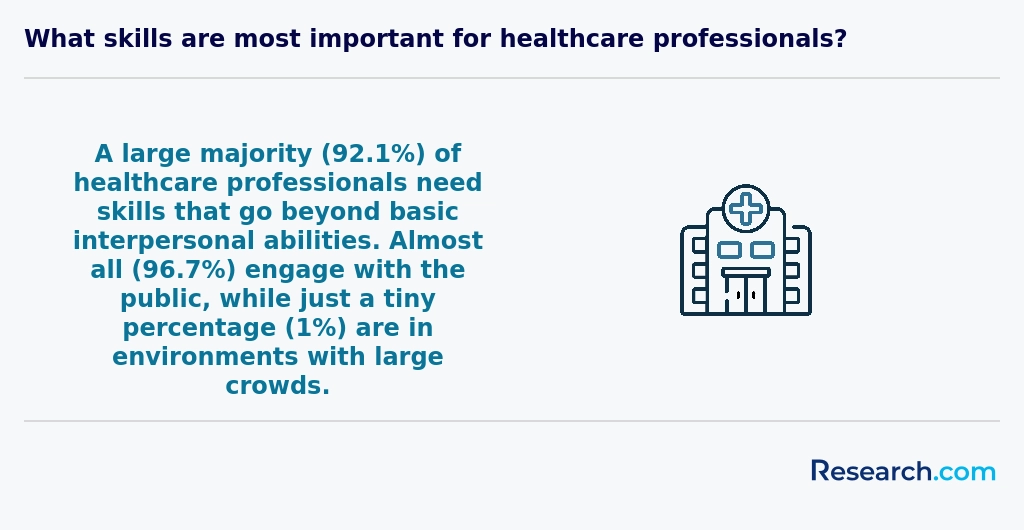
Critical thinking and problem-solving abilities are essential, as healthcare workers often face complex medical situations requiring quick, accurate decisions. Additionally, local employers emphasize cultural competence due to Stockton's diverse population, ensuring providers can effectively serve patients from various backgrounds.
Technical proficiency with electronic health records (EHR) and familiarity with healthcare regulations also enhance a graduate's employability in the region.
Finding internships in Stockton relevant to a healthcare degree involves several strategic steps. Start by exploring local hospitals and healthcare facilities such as Dameron Hospital and San Joaquin General Hospital, which frequently offer internship programs for students. According to the San Joaquin County Health Commission, healthcare employers often prioritize interns from nearby colleges, highlighting opportunities for Stockton-area students.
Contacting the career services departments of local institutions like San Joaquin Delta College can provide access to exclusive internship listings and partnerships. Utilize online portals like Handshake and Indeed, filtering for Stockton-based healthcare internships. Networking through organizations such as the Stockton Chamber of Commerce may also reveal hidden opportunities.
In Stockton, a healthcare degree significantly enhances career mobility and advancement opportunities due to the city's growing medical sector. According to the California Employment Development Department, healthcare occupations in Stockton are projected to grow by over 14% through 2028, outpacing many other industries. Graduates with a healthcare degree gain access to a range of roles, from clinical positions to healthcare administration.
Many local employers, such as hospitals and clinics, prioritize candidates with formal education and certifications, which can result in higher starting salaries and promotion potential. Additionally, advanced degrees can open doors to leadership and specialized fields, supporting long-term career growth within the Stockton healthcare market.
Studying for a healthcare degree in Stockton offers students a strong foundation for interdisciplinary roles by emphasizing teamwork across various medical fields. Local programs incorporate collaborative coursework that brings together nursing, public health, and allied health students to simulate real-world healthcare environments. This training is crucial, as the healthcare industry increasingly relies on integrated care teams to improve patient outcomes.
Stockton's proximity to major hospitals like St. Joseph's Medical Center provides practical internship opportunities where students gain hands-on experience working with professionals from multiple disciplines. According to the California Employment Development Department, healthcare occupations in Stockton grew by 8% from 2018 to 2023, highlighting a demand for versatile professionals.
Curricula in Stockton healthcare degrees often include communication skills and case management, preparing graduates to coordinate care efficiently within diverse teams. This interdisciplinary approach aligns with national healthcare trends emphasizing comprehensive, patient-centered care.
Choosing between a thesis and a non-thesis healthcare degree program in Stockton depends on your career goals and learning preferences. A thesis program focuses on research, requiring students to conduct original studies and write a detailed thesis. This route suits those aiming for roles in research or doctoral studies.
Non-thesis programs prioritize practical skills and coursework, ideal for students focused on entering the healthcare workforce quickly. Stockton's healthcare industry, with a growing demand for professionals in fields like nursing and health administration, supports both pathways.
According to the California Employment Development Department, Stockton's healthcare sector is projected to grow 12% by 2030, emphasizing the importance of hands-on experience.
Students based in Stockton interested in studying healthcare abroad have several pathways to consider. Many US institutions, including those in Stockton, offer study abroad programs in partnership with international universities. These programs often allow students to gain hands-on experience in global healthcare settings while earning credits toward their degree.
Additionally, Stockton students can participate in exchange programs or internships, which provide exposure to diverse medical practices. According to the Institute of International Education, approximately 18% of US healthcare students engage in some form of study abroad experience, highlighting growing interest.
It is essential for students to select programs accredited by the Commission on Accreditation of Allied Health Education Programs (CAAHEP) or related bodies to ensure degree recognition upon return.
Stockton offers several part-time job opportunities that can complement healthcare degree education effectively. Positions such as medical assistants, patient care technicians, and pharmacy clerks provide relevant practical experience while accommodating students' academic schedules. These roles allow students to gain hands-on skills in clinical settings and understand patient interactions.
Local healthcare facilities like Dameron Hospital and San Joaquin General Hospital often seek part-time staff, giving students access to real-world environments. According to the California Employment Development Department, healthcare support roles in Stockton are expected to grow by over 12% through 2028, improving job prospects for students.
Healthcare students in Stockton benefit from various networking opportunities essential for career growth. Local institutions such as the University of the Pacific and San Joaquin Delta College offer student organizations focused on healthcare professions. These groups often host events, workshops, and guest lectures featuring industry professionals.
Additionally, Stockton's healthcare sector includes major employers like Dameron Hospital and San Joaquin General Hospital, which regularly provide internships and clinical placements. These experiences enable students to connect with practicing clinicians and administrators.
The city also hosts health-focused community events and job fairs that foster professional connections. According to the Stockton Chamber of Commerce, such events draw hundreds of healthcare employers annually.
These combined opportunities create a supportive environment where healthcare students can build networks critical for future employment.
Alumni networks play a vital role for healthcare degree students in Stockton by providing essential professional connections. These networks help students access local job opportunities at hospitals like St. Joseph's Medical Center, which employs many recent graduates. According to California Future Health Workforce Commission data, the demand for healthcare workers in Stockton is projected to grow by over 15% by 2029, underscoring the value of strong professional ties.
Through alumni events and mentorship programs, students gain insights into real-world healthcare challenges and career pathways. This guidance helps students navigate licensure exams and specialized certifications required in healthcare fields.
Overall, alumni networks in Stockton enrich learning experiences and support smoother transitions into the healthcare workforce.
Customizing a healthcare degree program in Stockton allows students to align their education with specific career goals. Many local colleges and universities offer flexible degree options such as associate's, bachelor's, and certificate programs tailored to various healthcare fields.
Students can often select electives or specializations like medical assisting, health administration, or nursing. Stockton's proximity to diverse healthcare facilities enables valuable internships, providing practical experience relevant to individual career aspirations.
Advisors typically help design personalized study plans that incorporate clinical practice, technology training, and leadership skills. According to the U.S. Bureau of Labor Statistics, healthcare jobs in the Stockton area are projected to grow by 15% through 2030, emphasizing the importance of tailored education to meet this demand.
Healthcare students in Stockton face several challenges impacting their academic journey. A major issue is the high cost of tuition combined with limited local financial aid, making education less accessible for many. According to the California Student Aid Commission, affordability remains a top concern in the region.
Another difficulty is balancing demanding clinical hours with coursework, as healthcare programs often require extensive hands-on experience. The need to secure clinical placements in local hospitals, which may have limited capacity, adds stress to students' schedules. This can delay graduation timelines.
Additionally, Stockton's healthcare sector faces workforce shortages, increasing pressure on students to meet high competency standards quickly. Mental health and burnout are reported frequently among these students, reflecting national trends documented by the American Association of Colleges of Nursing.
With a healthcare degree in Stockton, you can pursue various professional certifications that enhance your career prospects and demonstrate specialized expertise. Common certifications include Certified Nursing Assistant (CNA), Licensed Practical Nurse (LPN), and Registered Nurse (RN), which are essential for clinical roles. For those interested in administration or specialized fields, certifications like Certified Medical Assistant (CMA), Emergency Medical Technician (EMT), and Certified Health Education Specialist (CHES) are valuable.
Healthcare employers in Stockton increasingly seek certified professionals due to regional demands and regulatory standards. According to the California Employment Development Department, healthcare occupations in Stockton are projected to grow by 15% through 2028, emphasizing the value of certifications.
Certification requirements typically include passing standardized exams and completing accredited training programs aligned with your degree focus. These credentials can open doors to higher salaries and better job stability in the competitive Stockton healthcare market.
When applying to healthcare programs in Stockton, it is important to clearly demonstrate your commitment to the field. Start by crafting a strong personal statement that highlights any relevant experience, such as volunteering in local hospitals like St. Joseph's Medical Center or community clinics. Admissions committees value applicants who understand the demands of healthcare careers.
Include transcripts showing solid grades in science courses, as programs often require a minimum GPA around 2.5 to 3.0 for healthcare applicants. References from instructors or healthcare professionals in Stockton can strengthen your application by confirming your work ethic and passion.
Finally, be sure to meet all application deadlines and submit all required documents through official channels, often via the school's admissions portal.
The global demand for healthcare professionals continues to rise, driven by aging populations and increasing chronic illnesses worldwide. In the United States, including Stockton, healthcare careers offer stability and growth, with the Bureau of Labor Statistics projecting a 13% job growth rate for healthcare occupations from 2021 to 2031. This trend reflects a global need for skilled workers in nursing, medical technology, and public health. Stockton's diverse population also emphasizes the importance of cultural competence and global health awareness in healthcare education. Understanding worldwide health challenges equips students to contribute effectively both locally and internationally.
Gaining practical experience while studying for a healthcare degree in Stockton is essential to build real-world skills. Many local colleges and universities collaborate with nearby medical facilities such as Dameron Hospital and San Joaquin General Hospital to offer clinical placements and internships. These opportunities allow students to work alongside healthcare professionals and apply classroom knowledge directly.
Additionally, some programs include simulation labs where students practice medical procedures. Volunteering at community health centers or participating in public health initiatives within Stockton also helps develop patient care skills and enhances resumes.
Students can consult their academic advisors for tailored guidance on securing these hands-on experiences throughout their studies.
Choosing the right concentration within a healthcare degree program in Stockton requires understanding local industry demands and your career goals. Stockton is part of California's Central Valley, where healthcare jobs in nursing, medical assisting, and respiratory therapy are growing faster than average, according to the California Employment Development Department (2023).
Research concentrations offered by schools in Stockton, such as allied health professions or public health, and compare their curriculum and clinical opportunities. Consider your interests: direct patient care, administration, or technical specialties.
Additionally, review regional job placement rates and certifications required in your chosen field to ensure the program aligns with workforce needs in Stockton and California overall.
Related Healthcare Rankings for Nearby Cities
- 2027 Best Healthcare Degree Programs Ranking in Oakland
- 2027 Best Healthcare Degree Programs Ranking in San Francisco
- 2027 Best Healthcare Degree Programs Ranking in Los Angeles
- 2027 Best Healthcare Degree Programs Ranking in Anaheim
- 2027 Best Healthcare Degree Programs Ranking in Irvine
- 2027 Best Healthcare Degree Programs Ranking in Las Vegas
- 2027 Best Healthcare Degree Programs Ranking in Riverside
- 2027 Best Healthcare Degree Programs Ranking in La Jolla
- 2027 Best Healthcare Degree Programs Ranking in San Diego
- 2027 Best Healthcare Degree Programs Ranking in Portland
Top Trending Healthcare Rankings
See What Experts Have To Say About Studying Healthcare
Read our interview with Healthcare experts

References
- Search our Job Opportunities at CommonSpirit Health https://www.commonspirit.careers/location/stockton-jobs/35300/6252001-5332921-5399020/4
- Job-Ready Healthcare Skills for 2026 https://cliniwave.in/blogs/latest-article/job-ready-healthcare-skills
- What Can You Do with a Health Sciences Degree? https://www.ycp.edu/news/what-can-you-do-with-a-health-sciences-degree
- Niche Markets in Healthcare: How to Find & Target https://nechayadvisors.com/blog/niche-markets-in-healthcare
- What Are the Differences in Salary Level for Different Degrees in Healthcare Management? | MHA Salary https://www.healthcare-management-degree.net/faq/what-are-the-differences-in-salary-level-for-different-degrees-in-healthcare-management/
- Challenges for Medical Students - Health Action Research Group https://www.healthactionresearch.org.uk/mental-health/challenges-for-medical-student/
- Stockton Opportunities | WelbeHealth https://careers.welbehealth.com/us/en/stockton-all
- Global Health Perspectives https://www.denvercollegeofnursing.edu/students/global-health-perspectives.html
- Stockton, CA Healthcare Training | CALRegional https://calregional.com/program-location/stockton-ca/
- Pursuing Your Career Goals: Strategies and Examples https://www.ultimatemedical.edu/blog/career-goals-importance-strategies-and-examples/


