
2027 Best Healthcare Degree Programs Ranking in Chandler

Co-Founder and Chief Data Scientist
Choosing the right healthcare degree program in Chandler can feel overwhelming, but this article is here to help. We present the 2027 Best Healthcare Degree Programs Ranking in Chandler, carefully compiled by the Research.com team of data scientists. This ranking aims to guide you in making a well-informed decision about which programs truly stand out.
Reading this will give you clear insights into top-quality options, helping you invest your time and effort wisely. Pursuing a healthcare degree opens doors to rewarding and meaningful careers, and this guide makes your path easier to navigate.
Key benefits of getting healthcare degree in Chandler
- Healthcare degree graduates in Chandler often earn competitive salaries, such as Medical Assistants with an average annual wage of $43,350 and Quality Improvement Coordinators making up to $103,150, providing strong financial stability.
- Graduates from local institutions like Chandler-Gilbert Community College can pursue diverse career paths in roles such as Patient Care Technician or Health Information Technician, opening doors to rewarding healthcare opportunities.
- Online healthcare degrees from universities serving Chandler students offer flexible learning options, allowing graduates to balance work and study while advancing their careers efficiently without traditional classroom constraints.
- Key benefits of getting healthcare degree in Chandler
- What can I expect from healthcare degree in Chandler?
- Where can I work with healthcare degree in Chandler?
- How much can I make with healthcare degree in Chandler?
- 2027 Best Healthcare Degree Programs Ranking in Chandler
- Key Findings
- How long does it take to complete healthcare degree in Chandler?
- Emerging Trends in Healthcare Education
- What's the difference between online and on-campus healthcare degree?
- Accreditation and Licensure Pathways
- What is the average cost of healthcare degree in Chandler?
- Application Process & Admissions Tips
- What financial aid is available to healthcare degree students in Chandler?
- Alumni Outcomes and Licensure Success Rates
- What are the prerequisites for enrolling in healthcare degree program in Chandler?
- Industry Partnerships and Student Support Services
- What courses are typically in healthcare degree programs in Chandler?
- What types of specializations are available in healthcare degree programs in Chandler?
- How do you choose the best healthcare degree in Chandler?
- What career paths are available for healthcare degree students in Chandler?
- What is the job market for healthcare degree in Chandler?
- Top Trending Healthcare Rankings
- See What Experts Have To Say About Studying Healthcare
What can I expect from healthcare degree in Chandler?
The average cost of pursuing a healthcare degree in Chandler is notably affordable, especially when compared to private institutions. Graduates from Chandler-Gilbert Community College often reflect on how paying approximately $85 per credit hour as in-district residents helped them manage expenses without sacrificing educational quality. This affordability gave many the freedom to focus more on clinical experiences rather than financial stress.
Students from local programs frequently share their appreciation for the balance between cost and access to modern facilities and clinical partnerships with providers like Banner Health. This blend supports a hands-on learning environment, essential for mastering real-world patient care. For those considering private universities nearby, the jump in cost to around $350 per credit hour often feels daunting but is sometimes balanced by more specialized courses or networking opportunities.
Financial aid and healthcare-specific scholarships frequently ease the burden for many students, turning the investment in their education into a hopeful step toward stable careers. These financial realities, coupled with strong community support, make studying healthcare in Chandler both accessible and rewarding.
Where can I work with healthcare degree in Chandler?
Graduates with healthcare degrees in Chandler find themselves welcomed into a diverse job market shaped by the city's dynamic healthcare system. Many start their careers in well-known hospitals like Chandler Regional Medical Center or Banner Health, where the demand for skilled professionals continues to rise. Those who studied at local colleges often share how clinical rotations in these environments helped them feel confident stepping into roles as nurses, medical assistants, or allied health staff.
Others discover rewarding paths in outpatient clinics or specialty physician offices scattered throughout Chandler's rapidly growing suburbs. These roles offer a hands-on experience and a chance to build close patient relationships, something graduates treasure as they develop their skills on the job.
Community health and long-term care also attract graduates, especially as Chandler's aging population grows. Alumni from healthcare programs frequently mention how rewarding it is to work in assisted living centers, where compassion and patience are just as important as technical knowledge.
For those who leaned into health informatics or biomedical studies at Chandler's universities, the city's expanding tech-health sector offers exciting chances to innovate and shape the future of care through data analysis and research collaboration.
How much can I make with healthcare degree in Chandler?
Healthcare degree graduates in Chandler often find rewarding salary prospects that reflect both their education and the local job market's strengths. For instance, a graduate working as a medical assistant can anticipate earning around $43,350 annually, matching the mean wage from national data and fitting closely with local expectations. Similarly, graduates pursuing roles such as patient care technicians see higher earnings, with average salaries near $60,790, offering a comfortable entry into the healthcare field.
Graduates from institutions like Chandler-Gilbert Community College or Midwestern University benefit from training that leads to positions like health information technicians, with mean wages around $43,380. This path offers both stability and growth opportunities. Those who further their expertise and climb the ladder to administrative or quality roles, such as quality improvement coordinators, can attain impressive annual salaries of approximately $103,150, reflecting the added responsibility and skill.
Many graduates share that their education in Chandler not only equips them with practical skills but also connects them with local healthcare networks that support salary negotiations and career advancement. Witnessing colleagues move from entry-level roles into leadership within a few years fosters a sense of optimism and pride, making investment in a healthcare degree here feel truly worthwhile.
2027 Best Healthcare Degree Programs Ranking in Chandler
How do we rank schools?
Investing in your education is a significant decision that can shape your future, and the Research.com team understands the importance of making informed choices. To assist prospective students in Chandler, we have meticulously crafted the "2027 Best Healthcare Degree Programs Ranking in Chandler." Our commitment to quality, credibility, and accuracy is reflected in the extensive research and analysis conducted to compile this ranking.
We utilized the following reputable data sources to ensure a comprehensive evaluation of healthcare programs:
By exploring this ranking, readers will gain valuable insights into the best healthcare degree programs available in Chandler, empowering them to make well-informed decisions about their educational journeys. For more details on our methodology, please visit our Research.com methodology page.
# 1 position
American InterContinental University System
Bachelor of Science in Health Sciences

# 2 position
American InterContinental University System
Master of Healthcare Management
# 3 position
American InterContinental University System
Doctor of Allied Health Sciences
Key Findings
- Associate healthcare degrees in Chandler typically cost between $6,000 and $15,000, while bachelor's degrees range from $25,000 to $40,000, excluding extra expenses.
- The Phoenix metropolitan area, including Chandler, accounted for about 12% of total employment in healthcare in 2023, covering hospitals and outpatient care.
- Entry-level salaries range from $35,000 for medical assistants to around $55,000 for new registered nurses in Chandler.
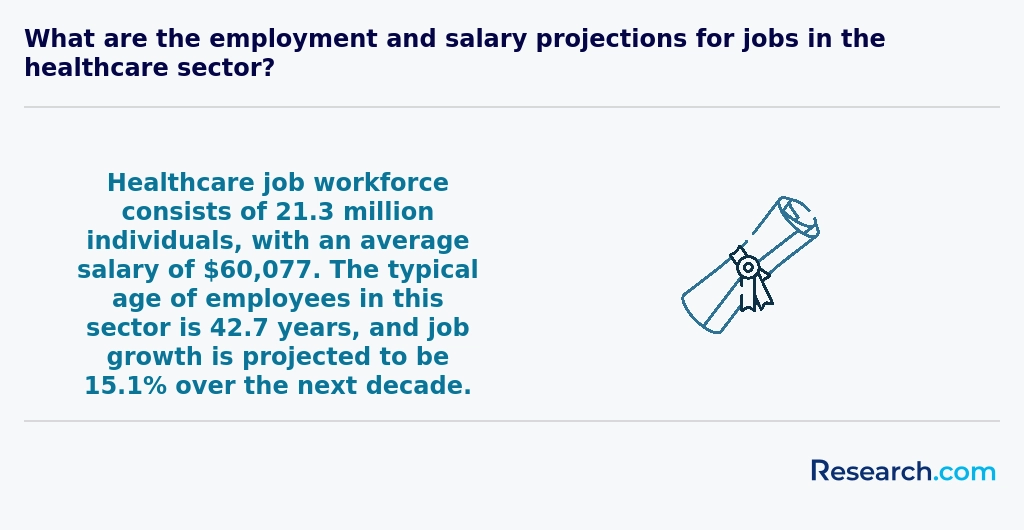
- Healthcare jobs in the Phoenix-Chandler area are projected to grow 16% from 2022 to 2032, above the national average.
- Local partnerships between healthcare employers and schools provide clinical placements and internships that enhance job readiness.
How long does it take to complete healthcare degree in Chandler?
Completing a healthcare degree in Chandler reflects a realistic and flexible timeline shaped by both ambition and circumstance. Graduates from Arizona State University's local campuses often recount that earning a Bachelor of Science in Nursing (BSN) typically spans about four years, mirroring a traditional commitment to full-time study. Yet, for many balancing work and family, part-time programs with evening or weekend classes offer a lifeline, extending the journey but making it manageable.
Those pursuing entry-level healthcare roles appreciate the accessibility of certificate programs, which graduates describe as an empowering path taking just six months to a year, quickly opening doors to careers like medical assisting or CNA positions. Meanwhile, associate degrees from nearby community colleges usually take about two years, a timeframe many find rewarding as it combines practical skills with academic growth.
Advanced degrees such as master's and doctorates, offered through regional universities, embody dedication and passion, often requiring two to four additional years. Despite the length, graduates highlight the deep fulfillment and newly gained expertise that make the investment worthwhile in Chandler's supportive educational environment.
Emerging Trends in Healthcare Education
As the healthcare landscape rapidly evolves, students in Chandler, AZ, are finding that programs are increasingly incorporating innovative teaching methods and advanced technologies that enhance both in-person and online learning experiences. Institutions are now emphasizing digital literacy, simulation-based training, and telehealth applications to ensure that graduates remain competitive in a dynamic job market. For instance, many programs are integrating interactive virtual labs and real-time patient simulation exercises, bridging the gap between theoretical knowledge and practical application. This shift not only supports the development of critical clinical skills but also cultivates adaptability in an industry where technological advancements are constant. Additionally, partnerships between educational institutions and leading healthcare providers are emerging as a key factor in curriculum development, ensuring that course content aligns with current industry standards. Students interested in diversifying their skill set can also explore specialized fields such as sonography; for more information on tailored digital learning, check out accredited online sonography programs. Embracing these emerging trends not only enhances overall learning outcomes but also helps students prepare for long-term success in a healthcare environment that prizes innovation and adaptability.
What's the difference between online and on-campus healthcare degree?
Healthcare degrees in Chandler differ mainly in how students engage with their studies. Online programs provide incredible flexibility, ideal for those juggling work or family. Graduates from online programs at local colleges appreciate accessing lectures and assignments anytime, allowing them to learn without sacrificing their daily responsibilities.
On-campus experiences, such as those at Chandler-Gilbert Community College or Arizona State University's Polytechnic campus, immerse students in hands-on clinical labs and real-world practicums. Graduates often remember the invaluable face-to-face interactions with professors and peers, which foster deeper connections and networking opportunities within the local healthcare community.
Cost also influences choices. While online tuition can range from $10,000 to $25,000 annually, on-campus students benefit from scholarships tailored to campus learners, offsetting some of the higher fees. Many on-campus programs require clinical hours in local hospitals, creating tangible links between education and Chandler's healthcare system.
Accreditation and Licensure Pathways
Accreditation ensures that healthcare degree programs in Chandler, AZ meet rigorous quality standards and prepare graduates for state licensure exams. Most local institutions hold regional accreditation from the Higher Learning Commission (HLC) and programmatic accreditation from bodies such as the Commission on Collegiate Nursing Education (CCNE) or the Accreditation Commission for Education in Nursing (ACEN). These approvals are critical for eligibility to sit for licensure exams like the NCLEX-RN or the Certified Health Education Specialist (CHES) exam. Key accreditation factors to consider:
- National vs. regional accreditation: Regional accreditation often carries more weight with employers and graduate schools.
- Programmatic accreditation: Look for CCNE, ACEN, or Council on Accreditation of Healthcare Management Education (CAHME) for specialized tracks.
- Licensure exam pass rates: Programs boasting pass rates above 85% indicate strong clinical and theoretical preparation. Understanding accreditation is also vital when exploring cost-effective options; for example, prospective students can compare tuition against quality benchmarks by visiting Inexpensive Online Healthcare Degree Programs Ranking in Maryland. Prioritizing accredited programs not only safeguards educational investment but also paves a clear path to professional certification and employment.
What is the average cost of healthcare degree in Chandler?
The average cost of obtaining a healthcare degree in Chandler typically centers around $21,400 in total expenses, with in-state students often seeing a lower total around $12,397. Graduates from local institutions like Chandler-Gilbert Community College or nearby public universities frequently share how budgeting carefully for tuition, fees, and supplies enriched their educational journey. Many recount the challenge of balancing financial constraints with the excitement of acquiring vital skills in healthcare.
In real terms, this means a student pursuing an associate degree might invest less overall compared to those aiming for bachelor's degrees, which generally have higher annual tuition. For example, public university students in Arizona, including those near Chandler, experience more manageable yearly tuition fees, which helps in planning their total expenses for healthcare degrees Chandler 2027 and beyond.
Students often highlight how supplementing tuition with scholarships, state financial aid, or part-time work made a significant difference. A few who moved on to advanced programs found pathways called adn to msn online programs invaluable for progressing efficiently without excessive new costs. These programs often offer a structured, cost-effective route, reducing the financial strain while gaining advanced certification.
Ultimately, understanding these financial aspects and hearing firsthand experiences from recent graduates makes the commitment feel less daunting and more achievable. It's the thoughtful planning aligned with local cost realities that helps students embrace their healthcare education adventure with confidence and hope.
Application Process & Admissions Tips
For many prospective students, understanding the full admissions process can be just as crucial as choosing the right program. In this section, we break down the key steps to applying for a healthcare degree in Chandler, AZ, and offer expert tips to help you navigate the process with confidence. First, create a checklist of all required documentation, including transcripts, standardized test scores, letters of recommendation, and personal statements. Research each institution’s specific deadlines and requirements to ensure your application is both complete and timely. Next, take advantage of pre-admissions workshops and campus tours-whether virtual or on-site-as these opportunities allow you to gain insights firsthand into the academic culture and student support services. When preparing your personal statement, emphasize your passion for healthcare, any relevant work or volunteer experience, and your long-term career goals, ensuring the narrative aligns with the program's values and mission. Additionally, research financial aid options and scholarship opportunities available at your chosen schools. Some programs offer specialized grants or tuition discounts for students who demonstrate both academic excellence and a commitment to community service. For more insights on managing program costs, you can explore affordable healthcare programs in arizona that can ease your financial planning. Finally, consider connecting with current students or alumni through social media groups or local networking events. Their real-life experiences can provide a smoother transition into the application process and give you insider tips on how to stand out. By following these steps and utilizing all available resources, you’ll be well-prepared to successfully navigate the application process and embark on the rewarding journey of a healthcare career.
What financial aid is available to healthcare degree students in Chandler?
Healthcare students in Chandler often find financial aid a lifeline that transforms their educational journey from daunting to achievable. Graduates from well-known institutions like Chandler-Gilbert Community College frequently share how applying for federal aid through FAFSA opened doors to grants and low-interest loans, easing the burden of tuition fees that can exceed $20,000 annually. Many recall the relief of receiving Pell Grants, which provided up to $7,500 per year without the worry of repayment.
State-specific support, such as the Arizona Leveraging Educational Assistance Partnership (AzLEAP), offers a practical boost for residents enrolled in nursing or allied health fields. This localized aid reflects the community's commitment to fostering healthcare professionals ready to serve locally.
Scholarships from local hospitals and professional associations add a personal touch, often requiring recipients to give back by working within Chandler's healthcare system. Graduates often express pride in this reciprocal relationship, highlighting how these opportunities create both financial relief and a strong sense of purpose.
Veteran benefits and employer tuition assistance also provide valuable support, particularly for those juggling work and study, reinforcing that the path to a healthcare career in Chandler can be both supported and fulfilling.
Alumni Outcomes and Licensure Success Rates
Graduates of Chandler’s top healthcare degree programs consistently demonstrate strong licensure pass rates and rapid employment, reflecting the quality of education and clinical preparation offered by local institutions. • Nursing Licensure (NCLEX) Pass Rates: - Chandler-Gilbert Community College ADN: 92% first-time pass rate (2023) - Arizona State University BSN: 94% first-time pass rate (2023) - University of Phoenix PN: 89% first-time pass rate (2023) • Employment Within Six Months of Graduation: - ADN and BSN graduates: 88% employed in clinical settings - Health Information Technician graduates: 81% placed in hospitals, clinics, or healthcare IT firms - Public health majors: 84% working in government agencies, nonprofits, or research centers • Average Time to Employment: - Clinical roles (nursing, allied health): 2.5 months - Administrative roles (health services management, informatics): 3.2 months - Research positions: 4 months Success stories from alumni highlight the supportive network and career services available on campus. One Chandler-Gilbert Community College graduate secured a full-time nursing role at a local hospital within eight weeks of passing the NCLEX, crediting the program’s clinical partnerships. Another ASU graduate in health care informatics landed a remote analyst position at a major health system, underscoring the demand for data-savvy professionals. For students exploring cost-effective pathways in community and public health, there are numerous public health programs that offer financial aid, ensuring financial support aligns with career success.
What are the prerequisites for enrolling in healthcare degree program in Chandler?
Enrolling in a healthcare degree program in Chandler means first meeting several important academic prerequisites. Graduates from Chandler-Gilbert Community College often recall how having completed at least two science courses with labs-like biology and chemistry-built a strong foundation that made the challenging healthcare curriculum feel manageable and even exciting. Many programs also expect solid math skills, particularly in algebra or statistics, reflecting the real-world applications of data in healthcare settings.
Most students remember the value of preparing for standardized tests like the SAT or ACT, even though some local schools are moving toward test-optional admissions. Maintaining a GPA near or above 3.0 often opens more doors, demonstrating dedication and ability to handle demanding coursework.
Experience within the Chandler healthcare community, such as volunteering at local clinics or hospital internships, is frequently cited by alumni as a turning point that boosted both confidence and application strength. These hands-on opportunities not only enrich understanding but also spark a genuine passion for patient care.
Finally, practical requirements like background checks and up-to-date immunizations are critical steps to ensure safety and professionalism before students step into clinical environments across the city.

Industry Partnerships and Student Support Services
One crucial aspect that enhances a healthcare program's value is its commitment to strong industry partnerships and comprehensive student support services. Many top programs in Chandler collaborate closely with local hospitals, clinics, and research institutions, providing students with invaluable internship opportunities, mentorship programs, and career networking events. These collaborations not only offer real-world exposure and hands-on experience but also help students build connections that can lead to promising job placements after graduation. For example, some institutions highlight partnerships with community health organizations and innovative healthcare providers, ensuring that students remain updated with the latest technological advances and clinical practices. With integrated support services ranging from academic advising and counseling to resume-building workshops and interview preparation, students are well-equipped to navigate the competitive healthcare job market. Prospective students should also consider exploring affordable healthcare programs in arizona, which often emphasize industry connections and robust support frameworks to offer a well-rounded educational experience. By prioritizing these factors, healthcare degree programs in Chandler not only prepare students academically but also foster a community that encourages continuous professional growth and success.
What courses are typically in healthcare degree programs in Chandler?
Courses in healthcare degree programs in Chandler are thoughtfully designed to blend core science with practical healthcare skills, giving students a strong foundation and confidence as they progress. Graduates from Chandler's well-regarded colleges often share how classes like Human Anatomy and Physiology and Microbiology deeply shaped their understanding of the body's complexities, preparing them for real-world clinical challenges.
Medical Terminology is another key course, helping students communicate precisely in diverse healthcare settings, which alumni say made a tangible difference during their clinical rotations. Many also emphasize the value of Healthcare Ethics and Law, which taught them to navigate sensitive patient scenarios with integrity and compassion-an experience they describe as both humbling and empowering.
In practical terms, courses such as Clinical Procedures and Patient Care offer immersive, hands-on learning often conducted through internships sponsored by Chandler's local hospitals and clinics. These real-life experiences foster a sense of readiness and belonging, often cited by graduates as the moment they truly felt equipped for their future roles.
Additionally, classes covering Health Information Technology and Public Health Principles provide a broader perspective on managing healthcare in today's digital and community-focused environments, reflecting the comprehensive, career-ready preparation students receive in Chandler.

What types of specializations are available in healthcare degree programs in Chandler?
Healthcare degree specializations in Chandler reflect the city's dynamic and growing healthcare sector, offering pathways that are both practical and rewarding. Graduates from popular colleges in Chandler often share their positive experiences pursuing Nursing, where clinical skill-building and compassionate patient care are core. This path suits those who thrive in fast-paced hospital environments and value direct impact on individual lives.
Others choose Health Administration, a specialization that prepares students for leadership roles in the expanding local hospital networks. Through hands-on projects, students gain insight into managing healthcare facilities, balancing regulatory requirements, and improving patient services-skills that graduates find invaluable in Chandler's evolving medical landscape.
Specializations like Medical Laboratory Technology and Physical Therapy Assistance attract those interested in technical expertise and patient rehabilitation respectively, each supported by well-equipped programs tailored to Arizona's aging population. Meanwhile, Health Informatics offers a promising blend of technology and healthcare, appealing to students eager to modernize patient record-keeping and billing systems.
Exploring research opportunities healthcare at Chandler's institutions reveals the practical concentrations students embrace to align education with career goals, amplifying their readiness for local and national job markets.
How do you choose the best healthcare degree in Chandler?
Choosing the best healthcare degree program in Chandler often begins with understanding your career goals clearly. Graduates from popular colleges here frequently share how selecting a program aligned with their passion-whether nursing, healthcare administration, or allied health-helped them stay motivated throughout their studies. For instance, those pursuing an Associate Degree in Nursing at community colleges found the hands-on clinical experiences invaluable for launching their careers locally. Reflecting on affordability is also crucial, as Chandler offers affordable healthcare degrees Chandler Arizona that alleviate financial stress, making the journey less daunting for many.
Another wise step involves verifying the accreditation of the school to ensure your education meets recognized standards, which many alumni note was key for licensure success. Flexibility is equally important; numerous graduates balancing work and study appreciated programs with evening or online courses. For those exploring advanced options, the best online nurse practitioner programs provide accelerated paths without compromising quality. Finally, understanding the strong local job market reassures many that their investment will lead to meaningful employment and rewarding careers in healthcare.
What career paths are available for healthcare degree students in Chandler?
Healthcare degree jobs in Chandler open many fulfilling career paths for graduates. Many who studied at local institutions like Chandler-Gilbert Community College find registered nursing to be a rewarding choice, where they help patients directly and work in hospitals or specialty clinics. These graduates often recall the confidence gained from rigorous training and passing the NCLEX-RN exam. Others have pursued roles as medical technologists, drawn by the impact of analyzing lab results that guide life-saving treatments.
Career options with healthcare degree Chandler extend beyond these roles as well. Graduates in allied health professions-such as respiratory therapy or physical therapy assisting-frequently share stories of personal growth while aiding patients' recovery, appreciating the hands-on nature of their work. Some have chosen healthcare administration, thriving in leadership roles that coordinate services while ensuring quality care. For those interested, exploring lpn degrees tennessee learning outcomes can also offer insights into related paths.

What is the job market for healthcare degree in Chandler?
The healthcare job opportunities in Chandler AZ have grown steadily, supported by the region's expanding healthcare infrastructure and an aging population. Graduates from local colleges find themselves well-positioned to enter a field where demand is not only strong but increasing rapidly, especially in roles like Registered Nurses and Medical Health Services Managers. Many graduates recall that hands-on clinical placements through partnerships with big hospital systems made the transition from study to employment smoother and less uncertain.
Students pursuing a healthcare degree in Chandler often benefit from practical experiences at renowned institutions, which strengthens their confidence and skills. The median annual wage near $73,000 reflects meaningful financial rewards for these roles. Exploring options like online nutrition degrees cost alongside traditional paths can also provide versatile career options in this vibrant job market. For anyone weighing healthcare degree employment outlook here, the strong regional support and career pipelines make this an encouraging field to consider seriously.
Frequently Asked Questions About healthcare
Healthcare degree students in Chandler can enhance their learning by engaging actively in clinical internships available through local hospitals such as Chandler Regional Medical Center. Practical experience is crucial in U.S. healthcare education, bridging theory and real-world practice. Students should also leverage partnerships between community colleges and Arizona State University, which offer tailored curricula combining online and in-person courses to fit diverse schedules.
Networking through local healthcare associations, including the Arizona Healthcare Association, provides exposure to industry trends and job opportunities. Additionally, students benefit from utilizing Chandler's growing healthcare job market, where demand for nurses and technicians has increased by 8.5% over the past five years, according to the U.S. Bureau of Labor Statistics.
Emerging niches within the healthcare field offer promising career opportunities for students pursuing degrees in Chandler. Areas such as telehealth and digital health are rapidly expanding due to increased demand for remote patient care, accelerated by the COVID-19 pandemic. According to the Arizona Department of Health Services, Chandler-based healthcare providers reported a 40% rise in telemedicine usage from 2020 to 2023.
Another growing area is healthcare data analytics, where professionals analyze patient data to improve outcomes and reduce costs. With healthcare systems in Chandler investing heavily in electronic health records (EHR), expertise in data management is highly valued. Additionally, specialized roles in geriatric care are expanding due to Arizona's aging population, offering opportunities for those interested in elderly healthcare services.
After earning a healthcare degree in Chandler, preparing for the job market involves several key steps. Graduates should focus on obtaining relevant certifications such as the Certified Nursing Assistant (CNA) or Registered Health Information Technician credentials, which improve employability in local healthcare facilities.
Networking is vital; joining professional groups like the Arizona Healthcare Association provides access to job fairs and industry connections in the Phoenix metropolitan area, which includes Chandler.
Internships and clinical experience gained during studies are highly valued by employers. Chandler's growing healthcare sector, projected to add over 3,000 jobs by 2029 according to the Arizona Department of Economic Security, offers promising opportunities for new graduates.
Finally, consulting career services at local colleges and staying updated on healthcare trends in Arizona will help graduates align their skills with job market demands.
Employers in Chandler seek healthcare degree graduates with a blend of technical expertise and interpersonal skills. Key abilities include strong clinical knowledge, proficiency in electronic health records (EHR) systems, and familiarity with the latest healthcare technology. The Arizona Department of Health Services reports an increasing demand for professionals skilled in patient care management and data accuracy.
Communication skills are critical, as healthcare workers must effectively interact with patients and multidisciplinary teams. Adaptability and problem-solving are highly valued due to the fast-paced and evolving healthcare environment in Chandler.
Additionally, understanding healthcare regulations and ethics is essential for compliance and quality care delivery.
Finding healthcare internships in Chandler involves several strategic approaches tailored to the local health sector. Chandler hosts numerous medical facilities like Dignity Health Chandler Regional Medical Center, which frequently offer internship and externship opportunities for students pursuing healthcare degrees.
Students should start by consulting their college's career services, which often maintain partnerships with local clinics and hospitals. The Arizona Department of Health Services also provides resources and listings for internship programs statewide, including Chandler.
Networking at local healthcare events and joining relevant professional organizations, such as the Arizona Healthcare Association, can increase access to unadvertised internships.
Additionally, online platforms like Handshake, LinkedIn, and local healthcare job boards frequently post positions suited for healthcare students seeking practical experience.
Obtaining a healthcare degree in Chandler significantly enhances career mobility and professional growth within the local healthcare sector. As a growing hub for medical facilities and research institutions, Chandler offers numerous opportunities for degree holders. According to the Arizona Office of Economic Opportunity, employment in healthcare occupations in Chandler is projected to grow by over 15% through 2030, outpacing many other industries.
Graduates with healthcare degrees often qualify for higher salaries and advanced roles such as nurse practitioners, healthcare administrators, or medical technologists. Many employers in Chandler prioritize candidates with formal education for leadership positions, making a degree a key factor for advancement. Additionally, continuing education and certification options available locally help professionals maintain competitiveness and adapt to industry changes.
Studying for a healthcare degree in Chandler offers students a strong foundation for interdisciplinary roles by emphasizing collaboration across medical, administrative, and technological fields. Local programs integrate coursework that encourages teamwork among nursing, public health, and healthcare management disciplines. According to the Arizona Board of Regents, healthcare programs in the region often include clinical internships in diverse settings like Chandler Regional Medical Center, enhancing practical experience.
Educational institutions also incorporate emerging healthcare technologies and data management into their curricula, preparing graduates for roles that require cross-functional skills. This approach aligns with a projected 15% growth in Arizona's healthcare employment sector through 2030, as noted by the U.S. Bureau of Labor Statistics.
When deciding between a thesis and a non-thesis healthcare degree program in Chandler, consider your career goals. A thesis option involves original research, ideal for students aiming for research positions or further academic study. It requires critical thinking and writing skills and takes more time.
Non-thesis programs focus on practical skills and coursework, suited for those seeking direct entry into healthcare roles or administrative jobs. In Chandler, with its growing healthcare sector, non-thesis degrees align well with employer demands for hands-on experience, as noted by the Arizona Healthcare Workforce Report 2023.
Evaluate program length, faculty expertise, and available resources at local institutions before deciding.
Students based in Chandler seeking healthcare degrees abroad have several pathways to consider. Many US universities, including those in Arizona, offer exchange programs or partnerships with international institutions that allow students to study healthcare disciplines overseas for a semester or year. These opportunities provide exposure to different healthcare systems and practices, which is valuable for future professionals.
Additionally, some Chandler students pursue fully accredited online programs offered by foreign universities, combining the flexibility of remote study with international curricula. According to the National Center for Education Statistics, nearly 15% of US higher education students explore study abroad options, with healthcare as a growing interest area.
Advising offices at local colleges such as Chandler-Gilbert Community College can help students navigate visa requirements and transfer credits for study abroad options focused on nursing, public health, or allied health fields.
Students pursuing healthcare degrees in Chandler can benefit from several part-time job opportunities directly related to their field of study. Positions such as medical assistants, pharmacy technicians, and patient care aides provide practical experience while allowing flexible working hours. According to the Arizona Office of Economic Opportunity, healthcare support roles in the Phoenix metropolitan area, including Chandler, are projected to grow by 18% from 2022 to 2032, reflecting strong local demand.
Jobs in local clinics, hospitals, and pharmacies offer hands-on learning with patient interaction, essential for healthcare education. Additionally, volunteering at community health centers can enhance skills and professional networks without conflicting with academic schedules.
Healthcare students in Chandler have several valuable networking opportunities that can enhance their education and career prospects. Local colleges, such as Chandler-Gilbert Community College, often host healthcare-focused events and career fairs connecting students with employers in the Valley of the Sun region.
Chandler is home to numerous healthcare facilities, including Chandler Regional Medical Center, providing students with possibilities for internships and volunteer positions that build professional contacts.
Additionally, statewide organizations like the Arizona Healthcare Association offer student memberships, allowing access to conferences and workshops tailored to healthcare careers.
These connections are crucial for job placement and staying informed about industry trends in Arizona's growing healthcare sector.
Alumni networks provide significant advantages for healthcare degree students in Chandler by connecting them with experienced professionals in the local medical community. These networks often offer mentorship opportunities, helping students navigate clinical placements and job searches.
Members can access exclusive job postings and internships, which is crucial in a competitive healthcare job market. According to the Arizona Department of Health Services, Chandler's healthcare employment is projected to grow by over 15% through 2028, increasing the demand for well-connected graduates.
Additionally, alumni events and workshops foster ongoing learning and professional development, supporting career advancement beyond graduation.
In Chandler, students pursuing healthcare degrees can tailor their programs through elective coursework and specialized tracks. Many local institutions offer options in areas such as nursing, health informatics, or public health, allowing students to focus on skills that align with their career goals. For example, selecting internships or clinical rotations in nearby healthcare facilities enhances practical experience relevant to desired roles.
Arizona's healthcare sector employed over 300,000 people in 2023, with Chandler experiencing significant growth in medical technology jobs. Choosing a program that integrates emerging health technologies can give students a competitive edge. Additionally, some schools offer flexible schedules and online courses to accommodate working professionals or those balancing other commitments.
Healthcare students in Chandler often face several challenges as they pursue their degrees. One common issue is balancing demanding coursework with clinical rotations and part-time work, which requires strong time-management skills. Programs like nursing and allied health typically have rigorous schedules that can lead to stress and burnout.
Another challenge is the rising cost of education. According to the National Center for Education Statistics, healthcare-related programs have seen tuition increases nationally, impacting students in Arizona as well. Financial aid and scholarships can help, but many students still manage significant debt.
Access to quality clinical placements in the Chandler area can also be competitive due to the limited number of healthcare facilities partnering with local institutions. This may delay hands-on learning crucial for licensure.
With a healthcare degree, students in Chandler can pursue several professional certifications that enhance career opportunities. Common certifications include Certified Nursing Assistant (CNA), Registered Nurse (RN), and Licensed Practical Nurse (LPN), which are widely recognized in Arizona's healthcare industry.
For those interested in specialized fields, certifications like Medical Coding Specialist (MCS) or Certified Medical Assistant (CMA) are popular options. According to the Arizona Department of Health Services, Chandler's growing healthcare sector increases demand for such certified professionals.
Additionally, public health graduates can pursue Certified Health Education Specialist (CHES) certification to work in community health programs. These certifications often require passing national exams and fulfilling clinical experience.
To write a winning application for a healthcare program in Chandler, start by highlighting your genuine interest in healthcare and any relevant experience, such as volunteering or internships. Many programs in Arizona emphasize hands-on skills and community involvement, which should be clearly demonstrated in your personal statement.
Make sure to meet all academic prerequisites, including required coursework in biology and chemistry. According to the Arizona Board of Regents, a competitive GPA for healthcare programs in Chandler typically ranges from 3.0 to 3.5. Strong letters of recommendation from healthcare professionals or instructors can further support your application.
Finally, tailor each application to the specific program by researching its values and focus areas, such as geriatric care or public health, to show alignment with your career goals. Meeting application deadlines and submitting all required documents promptly is essential for success.
Healthcare careers hold significant global importance, driven by growing populations and aging societies worldwide. In the United States, and specifically in Chandler, Arizona, employment in healthcare occupations is projected to grow about 15% from 2021 to 2031, much faster than average, according to the U.S. Bureau of Labor Statistics.
Worldwide, healthcare professionals often face similar challenges, such as adapting to technological advances and addressing public health crises. However, the U.S. system emphasizes specialized education, with degrees ranging from nursing to health administration, often requiring licensure and accreditation by state and national boards.
For students in Chandler, global trends underline the rising demand for culturally competent care and interdisciplinary knowledge. Educational institutions in the area increasingly incorporate international healthcare standards and practices, preparing graduates to work in diverse and evolving medical environments.
Gaining practical experience while studying for a healthcare degree in Chandler is crucial for building skills and improving job prospects. Many local colleges and universities offer clinical internships or practicum opportunities in partnership with nearby hospitals and healthcare facilities. For example, Chandler Regional Medical Center and other healthcare providers often collaborate with schools to provide students hands-on training.
Students can also participate in volunteer programs and job shadowing to observe professionals in various healthcare roles. Additionally, simulation labs at educational institutions allow learners to practice clinical techniques in a controlled environment.
Engaging in these activities complements academic studies, helping students meet accreditation requirements and prepare for licensure exams. According to the Arizona Board of Regents, practical experience is a mandatory component in most healthcare degree programs statewide, including those in Chandler.
Choosing the right concentration within a healthcare degree program in Chandler involves understanding local healthcare needs and career goals. According to the Arizona Department of Health Services, Chandler's growing population has increased demand for specialties like nursing, physical therapy, and health administration. Researching job market trends in the region can help you select a focus that aligns with employment opportunities.
Consider your strengths and interests-clinical roles like nursing require strong interpersonal skills, while concentrations in health informatics appeal to those interested in technology. Local colleges often offer advising to explore concentrations based on certification paths and licensure requirements.
Related Healthcare Rankings for Nearby Cities
- 2027 Best Healthcare Degree Programs Ranking in Tempe
- 2027 Best Healthcare Degree Programs Ranking in Phoenix
- 2027 Best Healthcare Degree Programs Ranking in Tucson
- 2027 Best Healthcare Degree Programs Ranking in Riverside
- 2027 Best Healthcare Degree Programs Ranking in Las Vegas
- 2027 Best Healthcare Degree Programs Ranking in San Diego
- 2027 Best Healthcare Degree Programs Ranking in La Jolla
- 2027 Best Healthcare Degree Programs Ranking in El Paso
- 2027 Best Healthcare Degree Programs Ranking in Irvine
- 2027 Best Healthcare Degree Programs Ranking in Anaheim
Top Trending Healthcare Rankings
See What Experts Have To Say About Studying Healthcare
Read our interview with Healthcare experts

References
- Online Degree vs. Traditional: Choosing the Right Path https://beal.edu/online-degree-vs-traditional/
- Interdisciplinary Education and Practice https://www.aacnnursing.org/news-data/position-statements-white-papers/interdisciplinary-education-and-practice
- What Can You Do with a Health Sciences Degree? https://www.ycp.edu/news/what-can-you-do-with-a-health-sciences-degree
- Medical Assistant Certification Chandler Arizona - NPS https://npscerts.com/medical-assistant-certification-chandler-arizona/
- Know more about thesis vs non- thesis: what is the difference? https://studyfans.com/en/blogs/816
- What is the Timeline for Obtaining a Degree in Healthcare Management? - Healthcare Management Degree Guide https://www.healthcare-management-degree.net/faq/what-is-the-timeline-for-obtaining-a-degree-in-healthcare-management/
- Trends and opportunities in healthcare across emerging markets - Inizio https://inizio.com/insights/trends-and-opportunities-in-healthcare-across-emerging-markets/
- Students and Alumni associations - Europubhealth https://www.europubhealth.org/students-alumni-associations/
- Nursing Services - Chandler Unified School District https://www.cusd80.com/departments/career-technical-education/overview/programs/nursing-services
- How to Find Healthcare Internships: A Step-by-Step Guide for Students and New Graduates https://hipaatraining.net/how-to-find-healthcare-internships-a-step-by-step-guide-for-students-and-new-graduates


