2027 Most Popular Healthcare Degree Programs Ranking in Utica

Co-Founder and Chief Data Scientist
Choosing the right healthcare degree program can shape your future career and open doors to meaningful opportunities. For students in Utica, finding trustworthy information matters more than ever.
This article presents the 2027 Most Popular Healthcare Degree Programs Ranking in Utica, developed by the Research.com team of data scientists. It's designed to help you explore the best options and make an informed decision that fits your goals.
Discover programs that not only match your interests but also provide strong career prospects. Taking the step toward a healthcare degree can be both rewarding and empowering.
Key benefits of getting healthcare degree in Utica
- Healthcare degree graduates in Utica can earn competitive salaries, such as $43,350 annually for Medical Assistants and Clinical Research Coordinators, and up to $103,150 for Quality Improvement Coordinators, offering strong financial motivation.
- Graduates from Utica's prominent colleges often pursue diverse healthcare roles including Patient Care Technician and Health Information Technician, opening many rewarding career paths.
- Completing a healthcare degree online from local schools provides flexibility, allowing students to balance work and study while gaining the skills needed for success in fast-growing healthcare jobs.
- Key benefits of getting healthcare degree in Utica
- What can I expect from healthcare degree in Utica?
- Where can I work with healthcare degree in Utica?
- How much can I make with healthcare degree in Utica?
- 2027 Most Popular Healthcare Degree Programs Ranking in Utica
- Key Findings
- How long does it take to complete healthcare degree in Utica?
- Accreditation and Professional Licensing
- What's the difference between online and on-campus healthcare degree?
- What is the average cost of healthcare degree in Utica?
- Integrating Nutrition and Wellness into Your Healthcare Career
- What financial aid is available to healthcare degree students in Utica?
- Licensure and Certification Exam Pass Rates
- What are the prerequisites for enrolling in healthcare degree program in Utica?
- What courses are typically in healthcare degree programs in Utica?
- What types of specializations are available in healthcare degree programs in Utica?
- How do you choose the best healthcare degree in Utica?
- What career paths are available for healthcare degree students in Utica?
- What is the job market for healthcare degree in Utica?
- Top Trending Healthcare Rankings
- See What Experts Have To Say About Studying Healthcare
What can I expect from healthcare degree in Utica?
When thinking about the cost of a healthcare degree in Utica, most students find that it fits pretty well within their budgets, especially compared to bigger cities. For example, at Mohawk Valley Community College, which is a top choice for many locals, an associate degree in nursing or radiologic technology typically costs less than you'd expect-around what you'd pay for two years at a community college anywhere, making it a smart, affordable option.
Many graduates share how this affordability really helped them focus on learning without stressing about huge debt. Plus, local scholarships and financial aid available through healthcare employers often make a big difference. One graduate mentioned how finishing in two years saved both time and money, letting them jump right into clinical work in the Mohawk Valley Health System.
Of course, bachelor's programs that take four years might cost more, but students still appreciate the chances for internships and hands-on experience right here in Utica, which adds a ton of value beyond just the tuition price.
Where can I work with healthcare degree in Utica?
If you're studying healthcare in Utica, you've got a lot of cool options waiting for you after graduation. Many grads from schools like SUNY Polytechnic Institute and Mohawk Valley Community College find jobs right here with MVHS, the biggest healthcare provider around. Think working as a nurse at Utica Memorial Hospital or helping patients as a physical therapist-it's real hands-on stuff that makes a difference every day.
Others dive into outpatient clinics or elder care centers, which makes sense since Utica has a big senior community. It's rewarding work, especially when you see how your care brightens an older person's day. Plus, some grads head into healthcare management or health informatics, joining local pharmaceutical firms or medical supply companies. Lots of folks say their internships through local schools helped them land these roles, connecting classroom learning with real workplace vibes.
Whether it's clinical care, education, or healthcare admin, the community here is tight-knit and welcoming. You get to grow your skills while knowing your work actually shapes Utica's health scene.
How much can I make with healthcare degree in Utica?
If you're aiming for a healthcare degree in Utica, you'll be happy to know the pay can be pretty solid depending on your role. For example, medical assistants here bring in about $43,350 a year, which is a great starting point after finishing a program at one of Utica's popular colleges. Graduates working as health information technicians see similar earnings, around $43,380, handling important patient records behind the scenes.
Want something a bit more hands-on? Patient care technicians in Utica make roughly $60,790 annually, which adds up nicely when you're just starting out. It's a rewarding role if you like daily patient interaction. And if you're aiming high, a quality improvement coordinator can earn over $100,000 a year-pretty impressive, right? This position usually requires advanced skills and experience but shows the strong potential for growth with the right education and dedication.
Graduates from Utica-based programs often share stories of landing these jobs locally, enjoying a decent wage without the hectic pace or high costs of bigger cities.
2027 Most Popular Healthcare Degree Programs Ranking in Utica
How do we rank schools?
Investing in your education is a significant decision that can shape your future, and the Research.com team is committed to helping you make informed choices. To support prospective students in Utica, we have meticulously developed the "2027 Most Popular Healthcare Degree Programs Ranking in Utica." Our dedication to quality, credibility, and accuracy is evident through the extensive research and analysis behind this ranking.
We utilized the following reputable data sources to ensure a comprehensive evaluation of healthcare programs:
By exploring this ranking, readers will gain valuable insights into the leading healthcare degree programs in Utica, empowering them to make well-informed decisions about their educational journeys. For further details on our methodology, please visit our Research.com methodology page.


Key Findings
- Healthcare degrees in Utica cost between $10,000 and $25,000 per year, varying by institution type and program level.
- Additional expenses include textbooks, uniforms, and lab fees, with financial aid and scholarships often available for healthcare students.
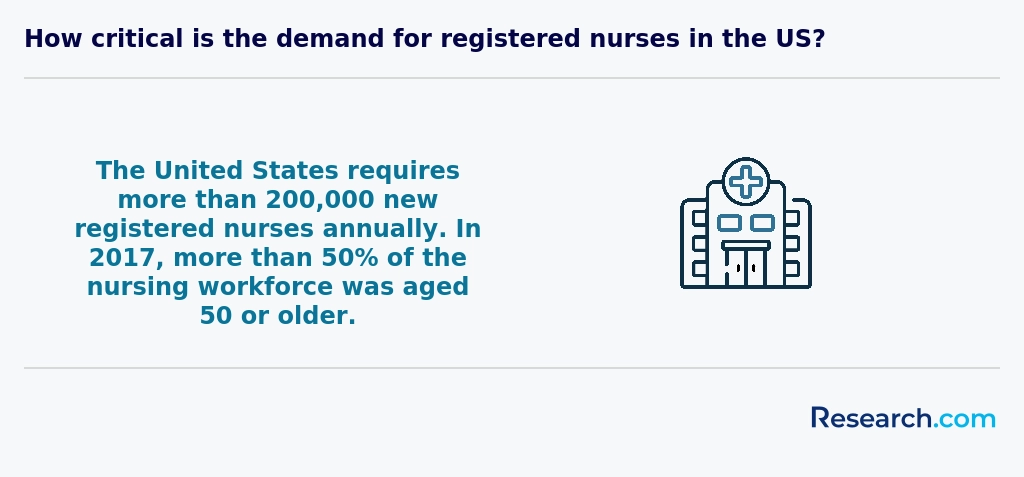
- Healthcare jobs in Utica are expected to grow by about 12% in the next decade, driven by an aging population and expanded facilities.
- Entry-level healthcare salaries start around $40,000 to $50,000 annually, rising to approximately $70,000 or more with experience.
- Key employment sectors include hospitals, clinics, senior care, and outpatient centers, with strong demand in nursing, radiology, and health information technology.
- Local schools have strong ties to employers, providing internships and clinical placements that help students gain job experience.
How long does it take to complete healthcare degree in Utica?
If you're wondering how long it takes to finish a healthcare degree in Utica, it really depends on the level you're aiming for. Most folks starting out grab an Associate Degree at places like Mohawk Valley Community College, which usually takes about two years of full-time classes. Graduates often say it gives them just the right mix of hands-on skills and classroom time to jumpstart their careers in jobs like medical assisting or nursing support.
Going for a Bachelor's degree at Utica University means committing to around four years. Many students I've talked to enjoy the clinical hours and internships-they say these real-world experiences make the long haul totally worth it. Plus, by the time they graduate, they feel ready to take on nursing or health science roles with confidence.
If you're eyeing a Master's, plan on adding about two years after your Bachelor's. Graduate students share how the extra training really deepens their knowledge, helping them step into advanced roles. And for those aiming high with Doctoral programs like DNP or DPT, it's a bigger commitment-anywhere from three to six years after undergrad, packed with clinical work and research that prepares you for leadership in healthcare.
Accreditation and Professional Licensing
Ensuring your healthcare degree program is properly accredited and aligned with state licensing requirements is crucial for career success in Utica, NY. Regional accreditation, granted by agencies such as the Middle States Commission on Higher Education (MSCHE), verifies that an institution meets rigorous academic standards. In addition to institutional accreditation, many healthcare specializations require programmatic accreditation: for example, medical assisting programs should be accredited by the Commission on Accreditation of Allied Health Education Programs (CAAHEP), while health information management degrees seek endorsement from the Commission on Accreditation for Health Informatics and Information Management Education (CAHIIM). Accredited programs are designed to prepare students for the necessary certification exams and licensure processes. Graduates of a CAAHEP-accredited medical assistant program, for instance, are eligible to sit for the Certified Medical Assistant (CMA) exam administered by the American Association of Medical Assistants (AAMA). Similarly, graduates of CAHIIM-accredited health information programs can pursue the Registered Health Information Administrator (RHIA) credential. Always verify a program’s pass rates on these exams and its approval by New York State’s Office of the Professions to ensure seamless transition from student to licensed professional. When researching options, students should prioritize programs that offer clear guidance on licensure application, clinical placement support, and post-graduation employment rates. For those seeking an entry point into the field without compromising on quality, an affordable medical assistant degree can provide both accredited coursework and practical experience at a lower cost. Checking accreditation directories and contacting program advisors directly will help prospective students confirm that their chosen path leads to valid credentials recognized by employers and regulatory bodies. Finally, staying informed about continuing education requirements and license renewal procedures is essential for long-term career growth. Many accredited institutions in Utica offer professional development seminars and alumni workshops to help graduates satisfy ongoing licensure obligations, maintain industry certifications, and remain competitive in the evolving healthcare landscape.
What's the difference between online and on-campus healthcare degree?
If you're thinking about a healthcare degree in Utica, the biggest difference you'll notice between online and on-campus programs is how you actually learn. On-campus, like at Mohawk Valley Community College, students spend a lot of time in labs and clinical settings, getting hands-on experience that feels real and immediate. Graduates often say that those in-person moments-working alongside instructors and classmates-made them feel confident stepping into actual healthcare roles.
Online programs, on the other hand, are perfect if you need flexibility. Many who balance jobs or family find online courses easier to fit into their schedules. You watch lectures and complete assignments from home but still arrange local clinical hours nearby. Graduates mention that staying motivated can be tough without campus buzz, but the convenience is a big plus.
Cost-wise, online programs might save you a few bucks since there's no commuting or housing to worry about, while on-campus students factor in those extra expenses. In Utica, tuition generally ranges between $7,000 and $12,000 a year depending on where and how you study, so it's good to weigh what fits your lifestyle and learning style best.
What is the average cost of healthcare degree in Utica?
If you're wondering about the average cost of a healthcare degree in Utica, it generally falls around $17,777 for in-state students. This makes getting your healthcare degree quite affordable compared to the national average, especially if you're attending a public college like Mohawk Valley Community College, which many local students swear by for keeping tuition costs reasonable without sacrificing quality.
Graduates often mention how managing expenses is easier here because Utica's schools offer a range of programs, from short associate degrees to longer bachelor's degrees, each with a price tag that reflects the program's length and depth. For example, associate degrees tend to be more budget-friendly, which is great for those who want to join the workforce sooner with less debt.
On top of tuition, you'll want to account for books, lab fees, and clinical materials-these can add a couple thousand dollars a year. Still, many students feel the investment is worth it, especially given the strong job prospects in healthcare around the region. For a fuller picture and to find the right fit, check out some of the most popular healthcare schools in Utica, where you can see the variety of programs and costs laid out clearly.
Overall, while the median total cost for healthcare degrees in the area is just under $40,000 for everyone, staying in-state helps keep those expenses much lower, making Utica a smart spot to pursue your healthcare education without breaking the bank.
This combo of affordable tuition, practical programs, and local opportunities makes Utica a solid choice for healthcare students looking to invest wisely in their futures.
Integrating Nutrition and Wellness into Your Healthcare Career
As the healthcare field continues to evolve, professionals are finding that a strong foundation in nutrition and wellness can significantly enhance patient care and outcomes. Understanding how dietary factors influence health is becoming increasingly important, particularly as preventive healthcare gains prominence. Supplementing your formal healthcare education with nutritional insights can set you apart in a competitive job market and empower you to offer comprehensive, holistic care. For example, learning about nutritional strategies can aid in managing chronic conditions, supporting recovery after illness, and even promoting overall well-being among diverse patient populations. By exploring additional studies-whether as complementary coursework or independent learning-you can gain valuable expertise in this growing area. For those interested in expanding their nutritional knowledge, consider reviewing what are the top online nutrition programs available. This integration of nutrition with traditional healthcare practices not only broadens your professional skillset but also aligns with the current emphasis on holistic and preventative care.
What financial aid is available to healthcare degree students in Utica?
If you're diving into a healthcare degree in Utica, there's definitely financial help to lighten the load. Many students here lean on federal aid by filling out the FAFSA, unlocking options like the Pell Grant that can offer nearly $7,400 a year without having to pay it back. It's a huge relief for folks juggling tuition and living expenses.
Local colleges like Mohawk Valley Community College don't just teach-they also hand out healthcare-specific scholarships based on how well you do and your financial need. It's like getting rewarded for both your effort and your situation!
Plus, New York State's Tuition Assistance Program (TAP) can knock off up to $5,665 of your costs annually if you qualify, and lots of Utica-area schools participate in this.
Work-study gigs around town let you earn some cash while gaining hands-on experience in clinics or hospitals. And if you're already working in healthcare, some employers chip in with tuition assistance, so you can keep learning without breaking the bank.
Licensure and Certification Exam Pass Rates
Graduates of healthcare degree programs in Utica, NY, consistently demonstrate strong performance on licensure and certification exams, a critical indicator of program quality and student preparedness. For example, Utica College’s nursing graduates achieved a 95% first-time pass rate on the NCLEX-RN exam in 2023, surpassing both the New York State average of 90% and the national average of 88%. Similarly, Mohawk Valley Community College reported an 89% first-time pass rate for its Medical Assistant Certification (CMA) exam, reflecting comprehensive exam prep courses and hands-on practice in simulation labs. Accredited programs such as the Health Information Technology track at SUNY Polytechnic Institute boast RHIT certification pass rates above 92%, indicating rigorous curriculum alignment with industry standards. These programs integrate targeted review sessions, interactive case studies, and one-on-one faculty mentoring to reinforce key concepts and test-taking strategies. Prospective students should verify licensure statistics when comparing programs, as high pass rates often translate to better employment prospects and accelerated career entry. For those evaluating affordability alongside quality, our sister ranking of Inexpensive Online Master's in Healthcare Degree Programs Ranking in Louisiana highlights programs that pair low tuition with strong certification outcomes, offering additional options for advancing your credentials without compromising on exam performance.
What are the prerequisites for enrolling in healthcare degree program in Utica?
If you're aiming for a healthcare degree in Utica, getting started usually means having a high school diploma or GED under your belt. It's pretty standard, but local colleges like Mohawk Valley Community College really emphasize this as a foundation. Graduates often mention that keeping a GPA around 2.5 to 3.0 helps you feel confident when applying, especially since many programs want to see you can handle the coursework.
Science classes are a huge part of the game. You'll want to have biology, chemistry, and math, like algebra or statistics, checked off before you start. Anatomy and physiology might be recommended too-something plenty of past students tell me made their transition smoother. These classes pop up in most healthcare programs around Utica, from nursing to medical assisting.
Some schools might ask for SAT or ACT scores, but with the test-optional trend, it's less strict. However, if you're eyeing nursing, you'll probably take the TEAS exam-a lot of grads say preparing for it actually boosted their understanding and confidence. Also, don't forget about health requirements like immunizations and background checks, which are standard for clinical placements.
On top of grades and exams, many programs want to see that you're genuinely interested and ready to work with people. Letters of recommendation or a personal statement can really help here, as some graduates say telling their story made all the difference during admissions at their Utica colleges.
What courses are typically in healthcare degree programs in Utica?
If you're diving into a healthcare degree in Utica, expect courses that really get to the heart of medical know-how. Graduates from local colleges often mention how classes like human anatomy and physiology made their studies click-imagine learning what makes the body tick, beyond just textbook pages. Microbiology also plays a big role, helping students understand the tiny things that impact our health every day.
Beyond science, courses in medical terminology and healthcare ethics help you speak the language of clinics and hospitals confidently. Many students say these classes made them feel ready to communicate clearly and make tough decisions in real-life situations. Public health courses are a big part too, especially in Utica where community health matters a lot-learning to spot trends and plan for the public's wellbeing feels rewarding.
Nursing and allied health students take hands-on courses like pharmacology and patient care techniques. Plus, healthcare informatics is growing here-managing patient data securely is not just a skill, it's a game-changer in local hospitals. The clinical practicum takes it all from theory to practice, with internships at nearby hospitals or nursing homes where you can see your studies come alive.
What types of specializations are available in healthcare degree programs in Utica?
If you're diving into healthcare degree specializations in Utica, you'll find some solid options that really fit different career goals. Many local students at schools like Mohawk Valley Community College choose nursing tracks, from Registered Nurse (RN) to Nurse Practitioner (NP), because they want hands-on patient care in hospitals or clinics. Others lean toward Healthcare Administration, drawn by the idea of leading teams and managing healthcare services behind the scenes.
Graduates often share how programs in Allied Health Professions, including Radiologic Technology or Respiratory Therapy, helped them get practical skills for specialized tasks. Public Health is another path that resonates here, focusing on community wellness and prevention-something that aligns with what the Utica healthcare job market really needs. Lots of folks appreciate that these Utica healthcare programs and career paths blend flexibility with real-world training.
And if you're curious about other areas, you might want to check out what are the top online nutrition programs for a broader take on health-related studies.
How do you choose the best healthcare degree in Utica?
Choosing the best healthcare degree in Utica means thinking about what kind of career you want and what fits your life. Many students who go to Mohawk Valley Community College find that affordable healthcare degrees Utica NY offer are perfect because they can balance school, work, and family. Graduates often share how important hands-on training at local spots like St. Elizabeth Medical Center was for their confidence and job readiness. Plus, programs with solid clinical experiences really boost your chances when you start job hunting.
Another key tip from students is to check if your program is accredited-this can make all the difference when you take licensure exams or apply for jobs. Some online options also let you study part-time or evenings, making it easier to stick with your goals. If you're exploring options like medical assisting, you might want to look into affordable medical assistant degree programs to get started without breaking the bank.
Remember, the best healthcare degree programs in Utica offer not just classes but connections and support that help you thrive in the real world.
What career paths are available for healthcare degree students in Utica?
If you're diving into a healthcare degree in Utica, you're looking at some pretty solid career options once you graduate. Many graduates from local colleges have landed roles as Registered Nurses at places like St. Elizabeth Medical Center, which everyone talks about as a top employer here. Others find themselves managing care in outpatient clinics or nursing homes as Medical and Health Services Managers, which feels rewarding because you get to make a real impact on patient care systems.
Some grads love working hands-on in therapy roles, becoming Physical or Occupational Therapists. These paths are great especially since rehab centers and elder care services are growing in Utica. Then there are those who jump into tech-heavy roles, like diagnostic medical sonographers or radiologic technologists, where you get to work with cool imaging tools in clinical labs. If you're more community-focused, Public Health Specialist roles are out there too, helping improve overall health in Oneida County.
Plenty of students I've heard from at Syracuse University and Utica College mention how flexible the healthcare degree career opportunities in Utica really are. Plus, with all the increasing digital record-keeping, Health Informatics jobs have become a great option. For those wanting fast-paced, critical work, EMT and Paramedic positions keep things exciting and serve the city's emergency teams.
And if keeping costs low is your concern, check out this Inexpensive Online Master's in Healthcare Degree Programs Ranking in Louisiana for some affordable options after your undergrad. Overall, Utica really offers a friendly, welcoming healthcare job market for grads ready to jump in.
What is the job market for healthcare degree in Utica?
If you're thinking about a healthcare degree in Utica, you're in a great spot. The healthcare job outlook in Utica is strong thanks to big medical centers like St. Elizabeth Medical Center and Mohawk Valley Health System. Graduates from Mohawk Valley Community College and other local schools often find themselves quickly stepping into roles like registered nurses or medical technologists, with plenty of openings and solid pay.
Many grads share how rewarding it is to work in this growing field, knowing they're in demand locally and that job security is solid as the population ages. The healthcare degree employment opportunities here are diverse - from hospitals to outpatient clinics - providing flexibility you'll really appreciate when starting out.
Plus, you can keep costs manageable while still earning a valuable credential. For instance, check out a 6-month online certification program that pays well if you want to jumpstart your career quickly without breaking the bank.
Frequently Asked Questions About healthcare
Healthcare degree students in Utica can maximize their learning experience by engaging in hands-on clinical training, which is crucial in healthcare education. Local hospitals like Faxton St. Luke's Healthcare offer valuable internship and externship opportunities that provide real-world experience.
Additionally, students should utilize resources at institutions such as Mohawk Valley Community College, which provides tailored healthcare programs aligned with regional job market demands. Staying current with industry trends through professional organizations and workshops enhances practical knowledge.
Networking with local healthcare professionals and participating in community health initiatives also improves skills and employability in Utica's growing healthcare sector.
The healthcare field in Utica is evolving with several emerging niches that reflect national trends. One growing area is telehealth, which expanded significantly during the COVID-19 pandemic and remains crucial for rural and underserved communities around Utica. According to the New York State Department of Health, telemedicine usage in the region increased by over 50% between 2020 and 2023.
Another niche gaining attention is healthcare data analytics, where professionals analyze patient data to improve care outcomes and reduce costs. This demand aligns with Utica's growing health technology initiatives supported by local institutions.
Additionally, gerontology and aging services are expanding due to Upstate New York's aging population, creating opportunities in elder care management and rehabilitation specialties.
After completing a healthcare degree in Utica, preparing for the job market involves several strategic steps. First, gaining certifications relevant to your field, such as CPR, CNA, or specialized medical technician licenses, can improve employability. Local healthcare employers value practical experience, so internships or clinical practicums during your studies are crucial. Networking with professionals in Utica's healthcare community, including at Mohawk Valley Health System, is also important.
Utica's healthcare sector is growing, with a 7% projected employment increase by 2030 according to the New York State Department of Labor. Graduates should tailor resumes to highlight skills relevant to regional needs and consider continuing education to stay competitive.
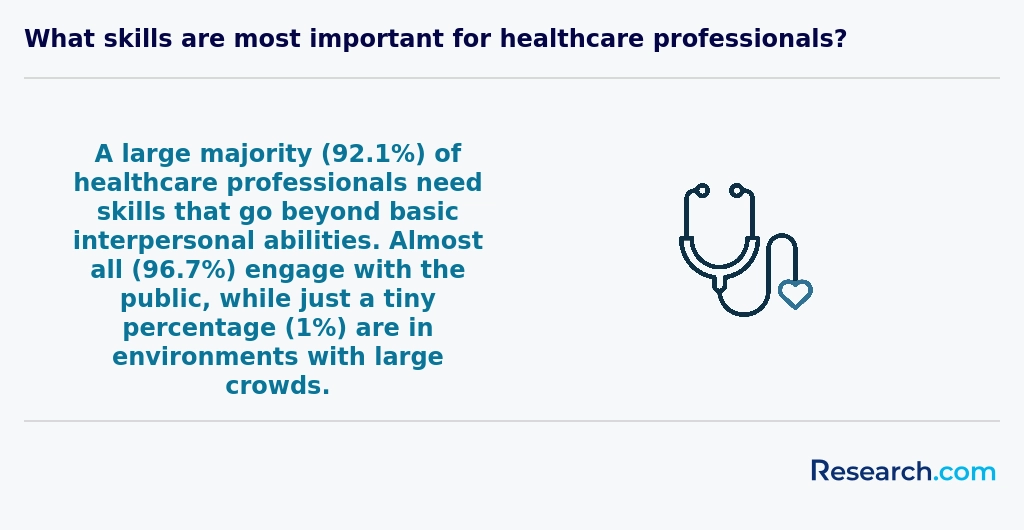
Employers in Utica highly value healthcare graduates who demonstrate both strong clinical expertise and effective communication skills. According to data from the New York State Department of Labor, healthcare roles in Utica emphasize patient-centered care, requiring graduates to excel in empathy and teamwork.
Technical proficiency with electronic health records (EHR) systems is increasingly important, as many healthcare facilities in Utica have adopted digital recordkeeping. Critical thinking and problem-solving skills are also in demand, with employers seeking professionals who can adapt to fast-changing environments.
Lastly, cultural competence and the ability to work with diverse patient populations are crucial skills due to Utica's growing multicultural community.
Finding internships in Utica relevant to healthcare degrees involves exploring partnerships between local colleges and healthcare providers. Institutions like Utica University often collaborate with nearby hospitals such as Faxton St. Luke's Healthcare and St. Elizabeth Medical Center to provide practical internship opportunities.
Students can also look for placements through Utica's healthcare networks, which frequently post internships in fields like nursing, medical technology, and healthcare administration. Networking events and career fairs hosted by colleges are valuable for connecting with employers.
According to the New York State Department of Labor, healthcare occupations in Utica grew by 4.5% between 2019 and 2022, increasing internship availability. Utilizing college career services and online platforms tailored to Utica healthcare can further aid in securing placements.
In Utica, earning a healthcare degree significantly enhances career mobility and advancement opportunities. Healthcare is a growing sector locally, supported by major employers such as St. Elizabeth Medical Center and Faxton St. Luke's Healthcare. According to the New York State Department of Labor, healthcare occupations in the Mohawk Valley region, which includes Utica, are projected to grow over 10% through 2030.
Degrees in nursing, medical technology, or healthcare administration open doors to various roles, from entry-level positions to leadership jobs. Advanced qualifications often correlate with higher salaries and leadership roles. Furthermore, healthcare employers in Utica frequently prioritize candidates with accredited degrees for promotions and specialized positions.
Studying for a healthcare degree in Utica offers students strong preparation for interdisciplinary roles through coursework that integrates multiple healthcare fields. Institutions in Utica, such as Utica University, emphasize collaboration between nursing, public health, and healthcare administration programs, reflecting national trends toward team-based care.
Students gain skills in communication, problem-solving, and coordinated care, essential for working effectively with diverse healthcare professionals. Regional healthcare systems like Faxton St. Luke's Healthcare provide practical settings for interdisciplinary training, enhancing hands-on experience.
According to the New York State Department of Health, interdisciplinary approaches have improved patient outcomes locally, aligning education with workforce needs.
When choosing between a thesis and a non-thesis healthcare degree program in Utica, consider your career goals. Thesis programs typically emphasize research and prepare students for roles in academia or advanced practice. Non-thesis options focus on practical skills and may be better suited for those aiming to enter the workforce immediately.
Utica's healthcare sector grew by 5% over the past five years, creating demand for both researchers and practitioners, according to the Central New York Health Association. Programs affiliated with local institutions like Utica College offer both paths, allowing flexibility in learning style and career focus.
Also, thesis programs usually require more time and critical thinking, which can impact your study schedule. Non-thesis tracks often have internships or capstone projects to build hands-on experience. Understanding these differences can help you make an informed choice based on your personal and professional priorities.
Students in Utica looking to study healthcare abroad have several options through US university partnerships and exchange programs. Many institutions in New York State, including those near Utica, participate in global healthcare education initiatives.
For example, several SUNY campuses offer study abroad programs focused on healthcare, allowing students to gain international experience while earning credit. These programs often focus on public health, nursing, or medical technology.
Additionally, Utica students can explore summer internships or clinical rotations abroad, particularly in countries with strong healthcare systems. This hands-on approach provides valuable exposure to diverse medical practices.
According to NAFSA: Association of International Educators, about 10% of US healthcare students engage in study abroad experiences, reflecting growing interest in global health perspectives.
Students pursuing healthcare degrees in Utica can benefit from part-time jobs that provide practical experience while supporting their studies. Common opportunities include working as certified nursing assistants (CNAs) or medical assistants within local clinics and hospitals, such as those affiliated with the Mohawk Valley Health System. These roles offer hands-on patient care experience and often align well with coursework.
Pharmacies and urgent care centers frequently hire part-time pharmacy technicians or patient service representatives, helping students develop skills in medication management and administration. According to the U.S. Bureau of Labor Statistics, healthcare support roles in the Utica-Rome area are projected to grow by nearly 15% through 2030, highlighting job availability.
Additionally, volunteering as a health outreach worker or scribing for healthcare providers can enhance understanding of clinical workflows and build professional networks essential for future employment.
Healthcare students in Utica benefit from several networking opportunities through local colleges such as Utica University and Mohawk Valley Community College, both of which have established connections with area hospitals and clinics. These partnerships often facilitate internships and clinical placements, giving students direct professional contact within the industry.
Additionally, organizations like the Utica Medical Group and the Mohawk Valley Health Systems host events and seminars that students can attend to meet professionals and explore career options. According to the New York State Department of Labor, healthcare employment in Utica is projected to grow by 12% through 2030, increasing networking importance.
Students may also engage with local chapters of national healthcare associations, offering access to conferences and workshops held within the Central New York region. These avenues provide valuable platforms for building industry relationships crucial for future careers.
Alumni networks play a crucial role in supporting healthcare degree students in Utica by providing valuable connections for career development. Graduates from local institutions often share job leads and internship opportunities within Utica's healthcare sector, which is growing due to increasing demand for medical services in the region, according to the New York State Department of Labor.
These networks also offer mentorship programs, connecting current students with experienced professionals. This guidance helps students navigate complex licensing processes and build practical skills essential for success in nursing, medical technology, or healthcare administration careers.
Furthermore, alumni gatherings and online platforms foster collaboration and knowledge sharing, enhancing students' awareness of industry trends specific to Central New York healthcare systems.
Students pursuing healthcare degrees in Utica can tailor their programs through elective courses, internships, and specialization tracks to align with their career goals. Many local institutions offer options such as nursing, health administration, or medical technology, allowing students to focus on areas in demand. For example, the healthcare sector in Utica is growing steadily, with a 5% employment increase projected over the next decade according to the New York State Department of Labor.
Internships at Utica-area hospitals and clinics provide practical experience, enhancing job readiness. Additionally, some programs include flexible scheduling and online courses to accommodate working professionals. Exploring certifications in specific fields like geriatric care or health informatics can further customize education to suit personal ambitions.
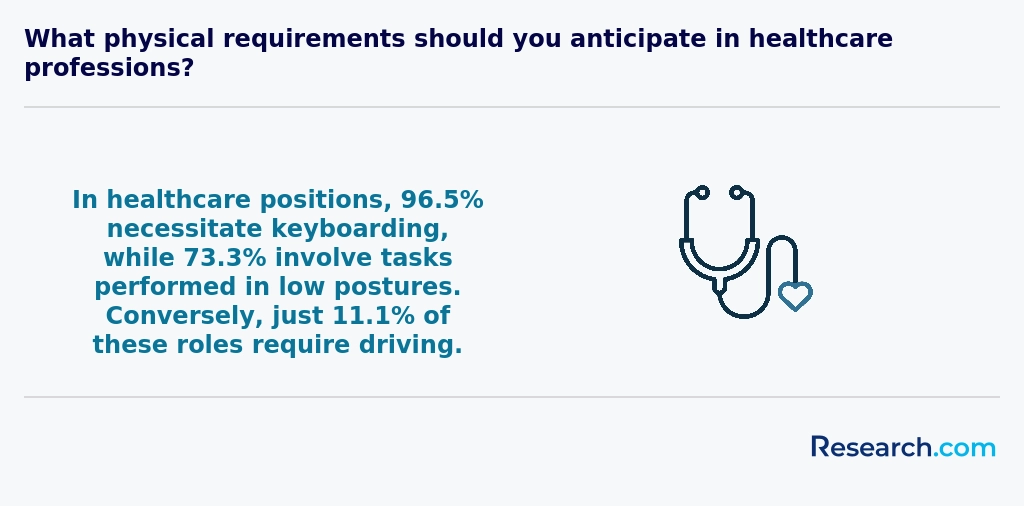
Healthcare students in Utica face several common challenges that affect their academic progress and well-being. One significant obstacle is the demanding clinical schedule, which requires balancing hands-on practice with rigorous coursework. According to the New York State Education Department, clinical hours can exceed 600 in some nursing and allied health programs.
Many students also report financial strain, as tuition costs combined with living expenses in the Utica area add up. Limited availability of scholarships specific to healthcare fields further compounds this issue. Additionally, access to affordable housing near clinical sites is a frequent concern.
Moreover, students often struggle with the high-stress environment created by fast-paced learning and exposure to real-life medical situations. Institutions in Utica are expanding mental health support, but demand still outpaces resources. Such challenges require strong time management and support networks for success.
With a healthcare degree in Utica, graduates can pursue several professional certifications to enhance their career prospects. Common certifications include Certified Nursing Assistant (CNA), Licensed Practical Nurse (LPN), and Registered Nurse (RN) credentials, which are essential for direct patient care roles.
Other certifications like Medical Assistant (CMA) or Phlebotomy Technician also offer entry points into clinical settings. For those interested in administrative careers, certifications such as Certified Medical Manager (CMM) or Registered Health Information Technician (RHIT) are valuable.
The healthcare job market in Utica shows steady demand for certified professionals, driven by institutions like Albany Medical Center and St. Elizabeth Medical Center nearby, according to the New York State Department of Labor.
Writing a strong application for healthcare programs in Utica requires careful preparation. Highlight your academic achievements, especially in science courses like biology and chemistry, since healthcare programs prioritize these subjects. Including relevant volunteer or work experience in local healthcare settings, such as St. Elizabeth Medical Center, can strengthen your application.
Be sure to craft a clear personal statement explaining your motivation for a healthcare career in Utica's growing medical community. According to the U.S. Bureau of Labor Statistics, healthcare jobs in the Utica-Rome area are expected to grow by over 10% through 2028, making this a competitive field.
Lastly, secure strong recommendation letters from educators or healthcare professionals familiar with your skills and dedication.
The global perspective on a healthcare career emphasizes growing demand and diverse opportunities across countries. For U.S. students in Utica, healthcare remains a strong career choice due to steady job growth expected at 13% from 2021 to 2031, according to the U.S. Bureau of Labor Statistics.
Healthcare professions worldwide require adaptability to emerging technologies and cultural sensitivity, important skills for graduates from Utica's programs. The World Health Organization highlights an increasing need for skilled health workers to meet aging populations and pandemic challenges globally.
Utica's healthcare education incorporates these global trends, providing students with relevant knowledge and skills aligned with international standards.
Students pursuing healthcare degrees in Utica can gain practical experience through clinical rotations, internships, and volunteer programs affiliated with local hospitals like the Mohawk Valley Health System. These hands-on opportunities are often integrated into degree programs, providing real-world exposure alongside academic learning.
Many nursing and allied health programs require a set number of clinical hours, offering placements in diverse clinical settings such as clinics, rehabilitation centers, and long-term care facilities. According to New York State Education Department data, clinical experience significantly enhances job prospects upon graduation.
Additionally, partnerships between Utica-area colleges and healthcare providers facilitate access to experiential learning, helping students develop essential skills early in their careers.
Choosing the right concentration within a healthcare degree program in Utica involves evaluating your interests, career goals, and local job market trends. Healthcare fields such as nursing, public health, and health informatics are popular here, with Mohawk Valley Health System being a significant employer. The New York State Department of Labor reports steady growth in healthcare jobs around Utica, particularly for registered nurses and healthcare administrators. Research your preferred concentrations' curriculum to ensure alignment with your skills and aspirations. Additionally, consider programs that offer internships or clinical rotations within Utica's healthcare facilities, providing valuable practical experience and networking opportunities.
Related Healthcare Rankings for Nearby Cities
- 2027 Most Popular Healthcare Degree Programs Ranking in Syracuse
- 2027 Most Popular Healthcare Degree Programs Ranking in Albany
- 2027 Most Popular Healthcare Degree Programs Ranking in Scranton
- 2027 Most Popular Healthcare Degree Programs Ranking in Rochester
- 2027 Most Popular Healthcare Degree Programs Ranking in Wilkes-Barre
- 2027 Most Popular Healthcare Degree Programs Ranking in Springfield
- 2027 Most Popular Healthcare Degree Programs Ranking in Bronx
- 2027 Most Popular Healthcare Degree Programs Ranking in Jersey City
- 2027 Most Popular Healthcare Degree Programs Ranking in New York
- 2027 Most Popular Healthcare Degree Programs Ranking in Brooklyn
Top Trending Healthcare Rankings
See What Experts Have To Say About Studying Healthcare
Read our interview with Healthcare experts

References
- Utica University Online MBA in Health Care Management https://www.mhaonline.com/school-profiles/utica-college-online-mba-health-care-management
- How to Write Your Cover Letter | NQRTH https://www.nqrth.edu.au/career-planning/how-to-write-your-cover-letter/
- Global Health Perspectives https://globalhealthperspectives.com/
- Job-Ready Healthcare Skills for 2026 https://cliniwave.in/blogs/latest-article/job-ready-healthcare-skills
- 20 healthcare investment niches and 3 things to know: The evolution of ... https://blackbookmarketresearch.com/20-healthcare-investment-niches-and-3-things-to-know-the-evolution-of
- Unlocking potential: Expanding experiential learning through simulation https://www.pagethink.com/insights/unlocking-potential-expanding-experiential-learning-through-simulation
- Networking in Medicine: Build Lasting Connections l Windsor https://www.windsor.edu/networking-in-medicine-building-relationships-from-day-one/
- Best Practices for Career Development and Advancement in the Healthcare Sector | Generation https://www.generation.org/news/best-practices-for-career-development-and-advancement-in-the-healthcare-sector/
- Enhancing Clinical Education: Strategies for Health Professions - European Society of Medicine https://esmed.org/enhancing-clinical-education-strategies-for-health-professions/
- What Are the Differences in Salary Level for Different Degrees in Healthcare Management? | MHA Salary https://www.healthcare-management-degree.net/faq/what-are-the-differences-in-salary-level-for-different-degrees-in-healthcare-management/