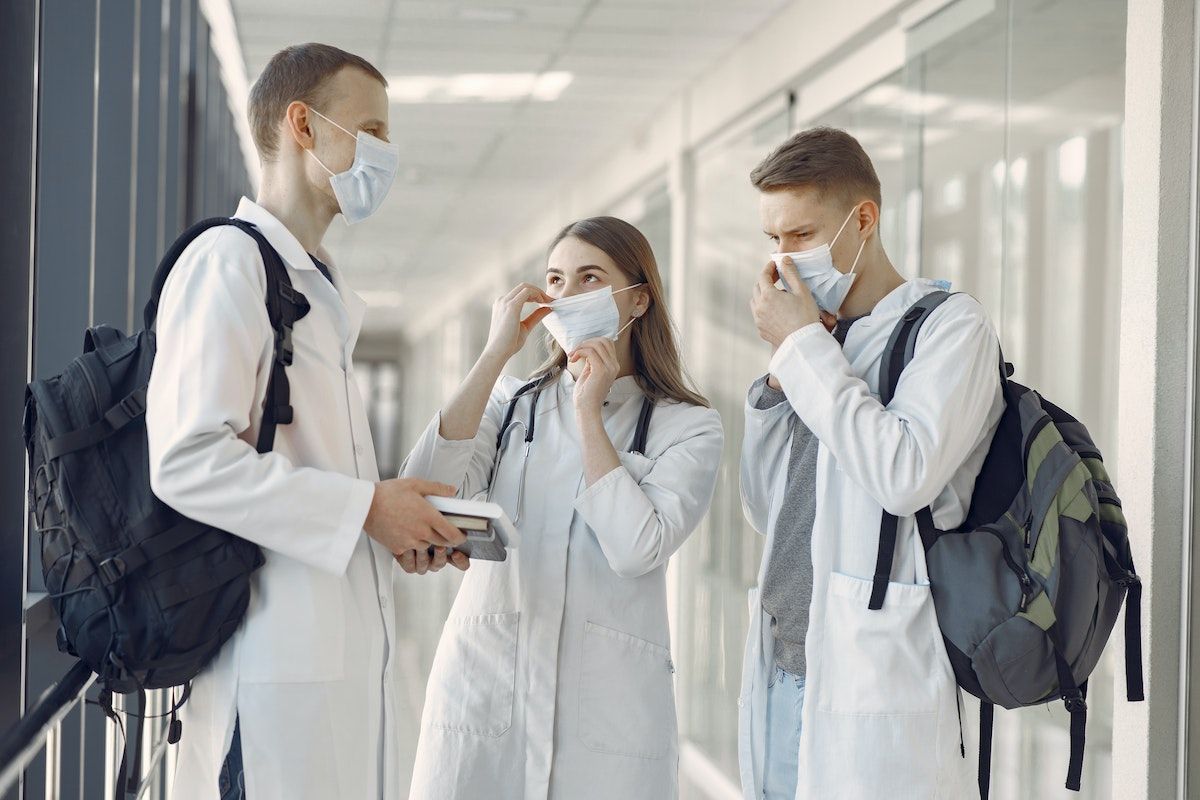
2027 Best Healthcare Degree Programs Ranking in Auburn

Co-Founder and Chief Data Scientist
Choosing the right healthcare degree program in Auburn can shape your future career and open doors to meaningful opportunities. Our article features the 2027 Best Healthcare Degree Programs Ranking in Auburn, created by the Research.com team of data scientists to guide you with accurate, data-driven insights.
By exploring this ranking, you'll find programs that align with your goals and aspirations, helping you make confident decisions. A healthcare degree offers rewarding work, stability, and the chance to make a real difference-discover which Auburn programs deserve your consideration.
Key benefits of getting healthcare degree in Auburn
Ul
- Healthcare degree graduates in Auburn can expect competitive salaries, such as $43,350 for Medical Assistants and Clinical Research Coordinators, and up to $103,150 for Quality Improvement Coordinators, ensuring strong financial stability.
- Graduates often find diverse career paths, including patient care, health information technology, or clinical research roles, providing exciting opportunities to make a real difference locally.
- Online healthcare degrees offer flexibility and convenience, allowing students in Auburn to balance studies with life commitments while gaining quality education comparable to traditional programs.
- 2027 Best Healthcare Degree Programs Ranking in Auburn
- What can I expect from healthcare degree in Auburn?
- Where can I work with healthcare degree in Auburn?
What can I expect from healthcare degree in Auburn?
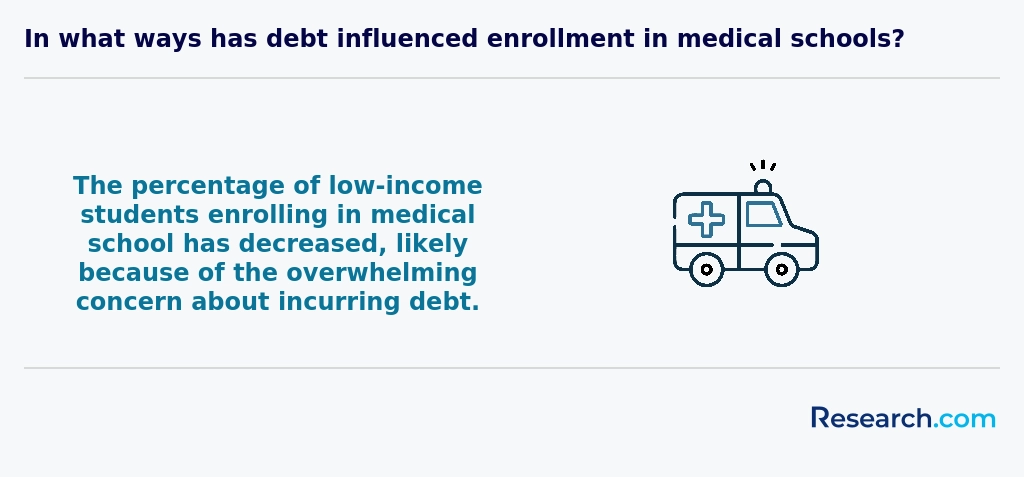
The average cost of a healthcare degree in Auburn typically ranges from $10,000 to $30,000 per year, depending on the program and degree level. Graduates from Auburn University's College of Nursing often recall balancing tuition with scholarships and financial aid that made their education attainable. Many found that investing in these programs opened doors to rewarding careers in nursing, health administration, or public health with strong job prospects locally and beyond.
Students appreciate how Auburn's respected programs combine classroom learning with hands-on clinical experiences at facilities like East Alabama Medical Center. This real-world exposure helps graduates gain confidence and practical skills that make the investment feel worthwhile.
Additionally, Auburn students pursuing healthcare degrees often benefit from federal loan forgiveness programs designed for those who commit to working in underserved areas. This relief eases financial burdens while inspiring graduates to make a meaningful impact in communities throughout Alabama.
Where can I work with healthcare degree in Auburn?
Graduates from healthcare programs at Auburn University and nearby colleges find a world of opportunities right in their hometown. From the bustling halls of East Alabama Medical Center to cozy outpatient clinics, healthcare degree holders step into roles like registered nurses, physician assistants, and health information specialists. Imagine starting your career alongside passionate professionals improving lives daily, just like many Auburn grads do.
Many graduates feel inspired working in community health organizations or public health agencies, engaging in vital outreach and education projects that truly impact local families. Others thrive in administrative careers, managing medical billing or advancing telemedicine efforts with cutting-edge technology, reflecting the city's innovative healthcare landscape.
The strong job growth in Auburn's healthcare sector means you're joining a field alive with opportunity and purpose. Many students from Auburn's healthcare programs share how rewarding it feels to contribute to this dynamic environment, knowing their skills are needed across hospitals, clinics, government services, and beyond.
Graduates with healthcare degrees in Auburn can anticipate rewarding salaries that reflect their dedication and skills. For example, medical assistants, often among recent graduates from Auburn University's nursing and allied health programs, earn an average annual wage of about $43,350. This solid starting point demonstrates the tangible benefits of completing healthcare training locally.
Those advancing into roles like patient care technicians enjoy even higher earnings, with mean wages near $60,790. This boost encourages many to deepen their expertise and experience through Auburn's accredited healthcare courses. Health information technicians, crucial for managing patient data, earn similarly around $43,380, highlighting a diverse range of opportunities within the healthcare field.
Ambitious graduates pursuing coordination roles, such as clinical research coordinators, earn on average $43,350 annually, while quality improvement coordinators can reach impressive wages of $103,150. These figures reflect the strong career growth fueled by Auburn's vibrant healthcare education environment and expanding local job market.
Seeing peers from Auburn's colleges build successful careers and steadily increase their salaries encourages new students to envision a bright, impactful future in healthcare right here in Auburn.
- Auburn offers healthcare programs at associate, bachelor's, and master's levels through local colleges and universities.
- Annual tuition for public healthcare programs ranges from $9,000 to $12,000 for in-state students, while private institutions may charge over $20,000.
- Entry-level healthcare graduates in Auburn earn between $45,000 and $55,000 annually, with experienced professionals earning $70,000 to $90,000.
- The healthcare job market in Auburn is expected to grow by about 15% over the next decade, faster than the national average.
- Students can gain practical training and internships that improve employability and networking within the local healthcare sector.
Completing a healthcare degree in Auburn can be a rewarding journey tailored to your ambitions and lifestyle. Many graduates from Auburn University share how earning their associate degree took just about 2 years, opening doors to fulfilling entry-level roles where they made a real difference in patient care quickly.
Bachelor's degree students often embrace a vibrant campus experience, balancing coursework and clinical internships over roughly 4 years. This timeframe equips them with deep knowledge and hands-on skills essential for promising healthcare careers, just as many local graduates have experienced.
Those inspired to reach higher often pursue master's degrees, typically requiring 1.5 to 3 years beyond the bachelor's. Graduates appreciate how flexible programs in Auburn accommodate both full-time study and working professionals aiming to accelerate their progress.
Doctoral candidates engage in advanced study and research for 3 to 6 years post-master's, joining the ranks of healthcare leaders who have transformed their communities through persistent dedication nurtured right here in Auburn.
A thriving campus environment and robust student support services play an essential role in the overall success and satisfaction of healthcare degree students in Auburn, AL. Beyond rigorous academics, many institutions foster a close-knit community where extracurricular activities, mentorship programs, and career counseling help shape well-rounded professionals. Students often highlight the availability of tutoring services, wellness programs, and networking events that build lifelong relationships and invaluable industry connections. For example, numerous graduates mentioned how campus clubs and volunteer opportunities enriched their learning experience and eased the transition into professional roles. Additionally, those seeking flexible learning options might find that an ultrasound tech school online offers tailored student support and cutting-edge technology integration, ensuring that distance learners remain engaged and well-prepared for their future careers. This emphasis on community and personalized support not only enhances academic achievement but also contributes significantly to long-term career success in the competitive healthcare field.
Choosing between online and on-campus healthcare degrees in Auburn opens two vibrant paths to rewarding careers. Graduates from Auburn University's on-campus programs often recall the energy of hands-on labs and dynamic classroom interactions, which bring learning to life through immediate feedback and teamwork. Immersed in a structured schedule, students thrive on the daily rhythm and direct access to expert faculty, making each practical session a confidence-building milestone.
On the other hand, online healthcare learners appreciate the freedom to study at their own pace, balancing work, family, and education seamlessly. Many find inspiration in the flexibility offered by Alabama's expanding virtual programs, enabling them to connect with peers and instructors from any location while mastering vital skills through digital platforms. The ability to tailor learning hours to their lifestyle empowers students to stay motivated and succeed without sacrificing personal commitments.
Both routes in Auburn emphasize clinical experience, a cornerstone for all healthcare roles. While on-campus students access local partnerships for practical training, online students creatively coordinate with approved facilities nearby, fostering independence and problem-solving. This blend of rigorous academics and real-world application ensures every graduate is prepared to make a meaningful difference in healthcare.
Evaluating the financial payoff of a healthcare degree is crucial for students in Auburn, AL. By comparing program costs, average starting salaries, and payback periods, you can make a data-driven decision that maximizes your career ROI. Many graduates recoup their tuition in under three years thanks to strong entry-level wages. For example:
- Average annual tuition and fees for a bachelor’s in healthcare administration: $25,000
- Mean starting salary for Health Information Technicians: $41,260
- Estimated payback period: 1.5–2.5 years
- Median salary for Patient Care Technicians: $55,860, shortening payback to around 2 years To further boost ROI, consider programs with lower tuition rates or built-in financial incentives. For students seeking ways to reduce overall costs, exploring low cost him programs can significantly improve your investment profile. Additional strategies for maximizing ROI: • Leverage employer-sponsored tuition assistance or tuition reimbursement plans • Pursue accelerated pathways or credit-for-prior-learning options to graduate sooner • Use federal grants and scholarships to cover up to 60% of total costs • Target high-demand specializations (e.g., health informatics) with above-average salary growth By analyzing these factors, prospective students can confidently select a program that delivers the best return on their educational investment.
The average cost of a healthcare degree in Auburn reflects a balanced opportunity for many aspiring healthcare professionals. Most students aiming for an in-state education at Auburn University typically experience median total costs around $12,890, which covers tuition, fees, and some additional expenses. Graduates often recall how affordable tuition combined with quality instruction made pursuing their healthcare dreams not only achievable but also deeply rewarding.
Community colleges in Auburn offer even more accessible paths, with healthcare credentials costing between $4,000 and $6,000 per year for local students. These programs provide practical skills and certifications that open doors with minimal financial strain. Many students start here, motivated by the tangible, real-world impact their future roles will have in the community, making every dollar spent feel worthwhile when they step into healthcare careers.
For students considering out-of-state options, total costs can be significantly higher, sometimes two to three times more than in-state rates. Still, determined learners find ways to overcome these challenges by exploring scholarships, part-time studies, or affordable programs offered by local institutions. Planning for the total expenses for healthcare degree Auburn 2027 means looking beyond tuition to include clinical costs, supplies, and fees, which graduates often view as investments toward meaningful and lifelong careers.
If you're interested in specific advanced nursing opportunities, the top np programs california can also inspire Auburn students looking ahead to graduate healthcare options. Many inspired students in Auburn envision their futures with confidence, knowing that a healthcare degree here is a stepping stone toward a fulfilling profession helping others every day.
Accreditation ensures programs meet quality standards and qualify graduates for certification.
- Regional accreditation by the Southern Association of Colleges and Schools Commission on Colleges (SACSCOC).
- Programmatic accreditation, such as CAHME for MHA programs and ACEN or CCNE for nursing.
- Eligibility for state licensure exams (e.g., NCLEX for nurses, RHIT exam for health information technicians).
- For online master’s degree options, consider accredited programs like affordable mha online.
Students pursuing healthcare degrees in Auburn have access to a welcoming financial aid landscape designed to make their educational journeys achievable and rewarding. At institutions like Auburn University and Auburn University at Montgomery, many graduates share how federal aid, such as the Pell Grant, lifted the weight of tuition costs, offering up to $7,395 annually based on need. Completing the FAFSA unlocks these vital supports, including federal loans with manageable interest rates that helped students confidently focus on their studies rather than financial stress.
Local scholarships in Auburn often feel like community encouragement, as healthcare organizations and foundations actively invest in nursing and allied health students. Many graduates recall applying to merit-based awards recognizing their leadership and dedication, which boosted both their confidence and their budgets.
State programs like the Alabama Student Grant Program further brighten the path, providing essential funds for residents. Moreover, healthcare employers in Auburn frequently offer tuition reimbursement or loan forgiveness, turning current healthcare workers' ambitions into reality. These combined aids paint a hopeful picture, proving that with the right support, your healthcare degree goals in Auburn are genuinely within reach.
Accreditation ensures that healthcare degree programs in Auburn, AL meet rigorous academic and professional standards, preparing graduates for licensure and successful careers. Prospective students should look for institutional accreditation from bodies recognized by the U.S. Department of Education, as well as programmatic accreditation specific to healthcare fields. For example, nursing programs are typically accredited by the Commission on Collegiate Nursing Education (CCNE) or the Accreditation Commission for Education in Nursing (ACEN), while medical assisting programs often seek recognition from the Commission on Accreditation of Allied Health Education Programs (CAAHEP). Graduates from accredited programs are eligible to sit for national licensure exams, such as the NCLEX-RN for registered nurses, and benefit from higher pass rates-Auburn University’s School of Nursing, for instance, boasts an NCLEX first-time pass rate consistently above the national average. Licensing requirements in Alabama vary by profession but generally include completion of an accredited program, submission of official transcripts to the Alabama Board of Nursing or the relevant licensing board, and successful passage of the appropriate certification exam. Applicants must also undergo a background check and meet any continuing education mandates to maintain their credentials. Meeting these standards not only safeguards patient safety but also enhances employability, as many employers in Auburn and beyond prefer or require candidates to hold active, unencumbered licenses. For students weighing cost and quality, exploring alternative pathways can be valuable. Those interested in advanced training while managing expenses may compare local offerings with online options-students can review the Cheapest Online Master’s in Healthcare Degree Programs Ranking in Greenville, NC to find budget-friendly master’s programs that still maintain strong accreditation and licensure support services.
To embark on a healthcare degree journey in Auburn, you need a strong academic foundation and a passion for helping others. Graduates from Auburn University's nursing and allied health programs often describe their success as rooted in solid preparation, starting with key courses like biology with lab work, chemistry, and anatomy. These essentials equip you to confidently handle complex scientific concepts and real-world clinical challenges.
Many students recall how mastering mathematics, from algebra to statistics, boosted their problem-solving skills essential for healthcare settings. Test scores like the SAT or ACT might be requested, though some schools in Auburn have embraced test-optional policies, offering flexibility for diverse learners.
Beyond academics, letters of recommendation and personal statements help your story shine, showing your dedication and empathy-qualities celebrated by admissions committees. Hands-on experience volunteering in Auburn hospitals or clinics not only enriches your application but also lights a spark of inspiration for your future career.
For those pursuing graduate programs, like a Master of Science in Nursing at Auburn University, an undergraduate degree with a solid GPA and healthcare experience demonstrates readiness to excel. These prerequisites ensure you step confidently into Auburn's vibrant healthcare community, ready to make a meaningful impact.

As the healthcare landscape evolves, so do the educational programs that prepare students for modern challenges. In Auburn, AL, institutions are increasingly integrating advanced technology into the curriculum, such as telemedicine, simulation labs, and digital health records training, ensuring graduates are ready for a rapidly changing industry. This shift not only enhances learning but also aligns academic preparation with future job market demands. Experts anticipate that the convergence of healthcare and technology will continue to grow, with more programs offering interdisciplinary courses that blend clinical knowledge with data analytics and informatics. Students therefore benefit from curricula that emphasize innovative learning methods and real-world applications, preparing them for roles in emerging fields like digital health and personalized medicine. For prospective students looking to balance quality education with affordability, exploring options like the cheapest healthcare schools in alabama can be an effective way to secure both excellence and value in their healthcare journey.
Healthcare degrees in Auburn energize students by combining foundational courses like anatomy and physiology with practical experiences that bring learning to life. Graduates from Auburn University and local colleges often share how mastering microbiology and healthcare ethics empowered them to understand both the science and compassion behind quality care. Learning medical law alongside healthcare policy prepares students to navigate real-world challenges, ensuring their work respects patient rights and professional standards.
Students feel inspired exploring health informatics and management, skills vital for today's tech-driven healthcare industry thriving in Auburn. Hands-on clinical rotations at nearby hospitals fuse classroom knowledge with patient care, creating confidence that textbooks alone cannot provide. Electives such as pharmacology or mental health let students tailor their education toward their passions, making each journey unique and deeply rewarding.
These courses not only build expertise but also fuel the excitement of stepping into Auburn's vibrant healthcare sector, ready to make a meaningful difference every day.
Healthcare degree specializations in Auburn open doors to inspiring and impactful careers. Graduates from Auburn's popular universities often choose Nursing for its hands-on clinical experience, preparing them to provide compassionate patient care in a variety of settings. Others find passion in Health Informatics, where managing electronic health records and data analysis meets the growing demand for skilled professionals. Students in Public Health at Auburn colleges thrive as they learn to promote wellness and tackle community health challenges. Healthcare Administration specializations empower future leaders with knowledge in healthcare law and organizational management, fueling their drive to innovate healthcare systems. Medical Laboratory Science students enjoy the thrill of diagnostic discovery, supporting timely and accurate patient diagnosis.
Many Auburn students benefit from programs equipped with an advanced learning management system, ensuring modern, interactive education. These opportunities make pursuing the best healthcare programs Auburn Alabama offers both motivating and rewarding, truly preparing students to transform lives through their chosen specialization.
Choosing the best healthcare degree programs in Auburn means focusing on what truly aligns with your passion and future goals. Graduates from Auburn's top institutions often highlight how accreditation and curriculum flexibility shaped their success. Programs accredited by recognized bodies ensure quality education and open doors to licensure, making this a foundational factor when selecting your path.
Many students find that the hands-on clinical placement opportunities in Auburn's hospitals bring classroom learning to life, allowing them to build confidence as future healthcare professionals. Affordable healthcare degrees Auburn 2027 include options with strong faculty support and vibrant student networks that encourage growth and resilience through every challenge.
Flexible scheduling is a lifesaver for those balancing work and study, while engaging with alumni and current students offers priceless real-world insights. If you want a firsthand perspective, explore resources like nursing universities atlanta career services for helpful advice from fellow students who've navigated similar journeys.
Graduates with a healthcare degree in Auburn find themselves stepping into rewarding roles that truly make a difference. Many become Registered Nurses (RNs) at local hospitals or clinics, providing compassionate patient care that transforms lives daily. Others pursue healthcare administration, managing the operations behind the scenes to ensure facilities run smoothly and efficiently. At Auburn's well-regarded colleges, students often share how hands-on experiences prepared them to excel as Medical Technologists or Laboratory Technicians, performing vital diagnostic work. The community also sees an influx of Public Health Specialists who promote wellness and education, fostering healthier neighborhoods throughout the region. These real-life success stories illustrate why exploring healthcare career opportunities in Auburn is a smart choice for those driven to impact lives positively and sustainably.
For those inspired to support recovery, roles like Physical Therapy Assistants are also growing, especially with Auburn's emphasis on elderly care and sports medicine. Many graduates from Auburn's healthcare programs reflect on how internships and practical training, including programs similar to nurse practitioner degrees tennessee internships, enriched their readiness for the workforce. With healthcare degree job prospects Auburn continues to expand, students can confidently pursue a fulfilling and stable career.

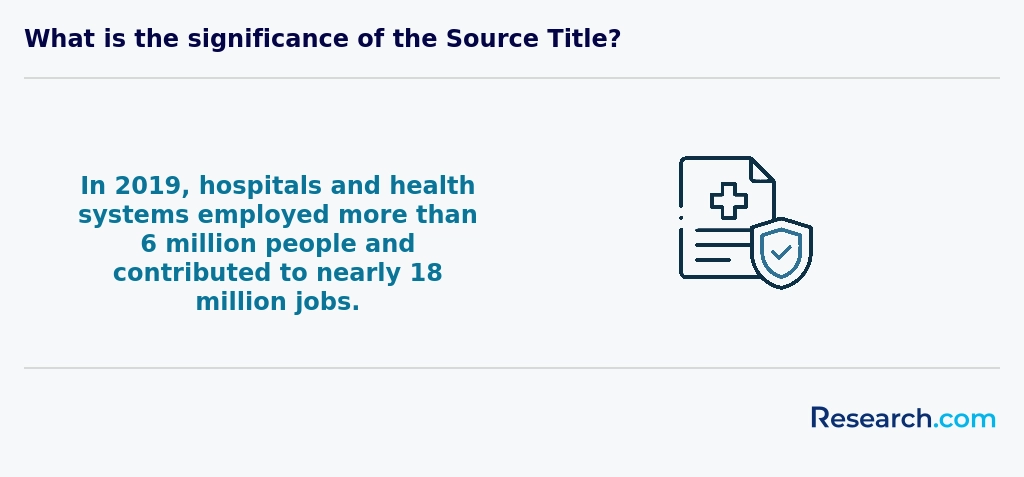
The healthcare job opportunities in Auburn remain strong and encouraging for graduates holding degrees from local universities and colleges. Many students from Auburn-based programs find themselves quickly employed at nearby healthcare facilities such as East Alabama Medical Center and specialized clinics. These real-world experiences during studies help graduates step confidently into roles like nursing, health administration, or allied health professions, benefiting from the area's expanding medical services and growing demand for skilled professionals.
Graduates often share how their education opened doors to careers in eldercare, outpatient services, and telehealth-fields rapidly developing in Auburn due to demographic shifts and technological advances. The Auburn healthcare degree employment outlook is bright, with salaries competitive enough to offset tuition, which ranges from $8,000 to $15,000 per year for in-state students. Many aspiring healthcare workers also explore options at the cheapest healthcare schools in Alabama, making their path more accessible and hopeful.
2027 Best Healthcare Degree Programs Ranking in Auburn
Investing in your education is a significant decision that can shape your future, and the Research.com team understands the importance of making informed choices. To assist prospective students in Auburn, we have meticulously crafted the "2027 Best Healthcare Degree Programs Ranking in Auburn." Our commitment to quality, credibility, and accuracy is reflected in the extensive research and analysis conducted to compile this ranking.
We utilized the following reputable data sources to ensure a comprehensive evaluation of healthcare degree programs:
By exploring this ranking, readers will gain valuable insights into the best healthcare degree programs available in Auburn, empowering them to make well-informed decisions about their educational and professional futures. For more details on our methodology, please visit our Research.com methodology page.

Frequently Asked Questions About healthcare
Healthcare degree students in Auburn can maximize their learning experience by engaging actively in both classroom and practical settings. Auburn hosts several institutions, including Auburn University and Southern Union State Community College, offering accredited healthcare programs.
Students should seek out clinical internships and lab work opportunities to apply theoretical knowledge in real-world environments. According to the Alabama Board of Nursing, clinical experience significantly improves job readiness and graduate success rates.
Joining study groups and healthcare-related student organizations helps build professional networks and enhances collaborative skills. Utilizing campus resources such as tutoring centers and career services is also vital for academic and professional development.
Finally, staying updated on Auburn's local healthcare trends, including workforce demands highlighted by the Alabama Department of Public Health, enables students to tailor their learning to regional needs.
The healthcare field in Auburn is evolving rapidly, with several emerging niches gaining prominence. One key area is telehealth, driven by increasing demand for remote patient monitoring and virtual care. According to the Alabama Department of Public Health, telemedicine visits in the state have grown 40% since 2020.
Another growing niche is healthcare data analytics, which supports improved patient outcomes through big data and AI applications. Auburn's proximity to tech hubs facilitates training programs in this area.
Additionally, gerontology and chronic disease management are expanding as Auburn's population ages, requiring specialized care strategies.
After completing a healthcare degree in Auburn, preparing for the job market involves several key steps. Start by gaining practical experience through internships or clinical placements, which are often integrated into Auburn's healthcare programs. These opportunities help build professional skills and networking connections.
Next, obtain any necessary certifications or licenses required for your specific healthcare profession, such as CPR or state licensure. According to the Alabama Department of Labor, healthcare jobs in Auburn are projected to grow by over 15% through 2030, increasing competition.
Finally, craft a focused resume highlighting relevant coursework and experience. Utilize Auburn's career services and local healthcare job fairs to connect with employers and stay informed about job openings in the region.
Employers in Auburn prioritize practical skills and strong communication when hiring healthcare degree graduates. According to the Alabama Department of Labor, teamwork and interpersonal abilities are essential, as healthcare often requires collaboration among diverse professionals. Clinical competence, including proficiency in electronic health records (EHR) systems, is increasingly valued due to Auburn's growing healthcare technology sector.
Problem-solving and critical thinking skills rank highly, enabling graduates to adapt to fast-changing patient needs. Additionally, cultural sensitivity and patient-centered care are important in Auburn's diverse communities, ensuring quality service for all populations. Time management and ethical decision-making are also key skills employers seek to maintain safe and effective healthcare delivery.
Finding internships in Auburn related to healthcare degrees involves leveraging local resources and institutions. Auburn is home to several hospitals, clinics, and public health organizations offering internships. The East Alabama Medical Center, a major regional hospital, frequently partners with educational institutions to provide hands-on training.
Students should also explore internship opportunities through Auburn University's Harrison School of Pharmacy and College of Sciences and Mathematics, which often facilitate placements in healthcare settings.
Additionally, checking with community health agencies and local government health departments can uncover valuable internships. Websites like Handshake and state healthcare internship listings offer updated openings specifically for Auburn students.
Networking with faculty and attending local job fairs can further enhance access to internship options tailored to healthcare majors.
Obtaining a healthcare degree in Auburn significantly enhances career mobility and advancement opportunities due to the city's growing healthcare sector. Auburn's proximity to major healthcare employers like East Alabama Medical Center creates demand for skilled healthcare professionals. According to the U.S. Bureau of Labor Statistics, healthcare occupations in Alabama are projected to grow 15% from 2021 to 2031, faster than the average for all occupations.
Degree holders often qualify for higher-level roles, such as management, specialized clinical positions, or advanced practice. Credentials also open pathways for continuing education and certifications, critical for career advancement in Auburn's competitive healthcare market. These factors collectively improve job stability and salary potential for graduates.
Studying for a healthcare degree in Auburn equips students with essential skills for interdisciplinary roles by emphasizing collaboration across medical, nursing, and allied health fields. Auburn's healthcare programs often include coursework that integrates knowledge from multiple disciplines, reflecting the team-based nature of modern healthcare delivery. According to Auburn University's College of Nursing and the Alabama Department of Public Health, students benefit from clinical rotations in various healthcare settings, fostering practical experience in diverse team environments. This prepares graduates to communicate effectively with professionals such as pharmacists, physical therapists, and physicians, essential for coordinating patient care and improving health outcomes.
When choosing between a thesis and a non-thesis healthcare degree program in Auburn, consider your career goals first. Thesis options focus on research and are ideal if you plan to pursue doctoral studies or a research-based role. Non-thesis programs emphasize practical skills and are better suited for clinical practice or administrative positions.
In Auburn, healthcare employers often value practical experience, so non-thesis graduates may find local job placement easier. Auburn University's healthcare programs reflect this trend, offering internship opportunities in regional hospitals.
Time commitment is another factor: thesis programs typically take longer due to research requirements. Check specific Auburn institutions' curriculum details to compare program lengths and expectations.
Students based in Auburn who wish to study healthcare abroad have several pathways to consider. Many Auburn universities, including Auburn University, partner with institutions worldwide to offer exchange programs in healthcare fields. These programs allow students to gain international clinical experience and exposure to diverse healthcare systems.
Additionally, students can enroll in study abroad programs accredited by the Council on Education for Public Health or other relevant U.S. bodies. According to the Institute of International Education, about 10% of U.S. healthcare students participate in such programs annually, gaining skills crucial for global health careers.
Financial aid and scholarships specific to healthcare studies abroad may also be available, reducing barriers for Auburn students interested in global health education.
Students pursuing healthcare degrees in Auburn have access to several part-time job opportunities that complement their education. Local hospitals such as East Alabama Medical Center often hire healthcare interns and patient care assistants, offering practical experience in clinical settings.
Additionally, Auburn's numerous outpatient clinics and nursing homes provide roles like medical scribing or CNA positions, which help students gain direct patient interaction skills. According to the Alabama Department of Labor, healthcare support roles are expected to grow by 18% in the region through 2028, creating ample part-time work options.
Pharmacies in Auburn also offer technician positions suitable for students, combining retail skills with healthcare knowledge. These roles enhance understanding of pharmacology and patient counseling, fitting well with academic coursework.
Healthcare students in Auburn benefit from various networking opportunities through local universities, hospitals, and professional organizations. Auburn University and nearby institutions often host career fairs and networking events specifically for healthcare fields, connecting students with employers in the region. Clinical placements at facilities such as East Alabama Medical Center allow hands-on experience and interaction with healthcare professionals.
The Alabama Hospital Association reports strong healthcare growth in the Auburn area, increasing internship and employment possibilities. Students can also join groups like the Student Alabama Nurses Association or other healthcare clubs to build peer networks and attend workshops. These connections are essential for career advancement and gaining local industry insight.
Alumni networks play a critical role for healthcare degree students in Auburn by providing access to professional connections and career opportunities. These networks often host events, mentorship programs, and job fairs tailored specifically to the healthcare sector. Through them, students can connect with experienced graduates working in Auburn's growing medical industry, which includes major employers like East Alabama Medical Center.
According to the Auburn University Alumni Office, over 10,000 healthcare professionals have graduated locally in the past decade, creating a robust support system. This network helps students secure internships, residencies, and employment by leveraging personal recommendations and industry insights.
Additionally, alumni often share advice on best practices and continuing education, giving students a real-world perspective on evolving healthcare trends in Auburn and nationally.
Customizing a healthcare degree program in Auburn begins with selecting a specialization that aligns with your career goals, such as nursing, public health, or health administration. Many local institutions offer flexible curricula allowing students to choose electives focused on areas like gerontology or healthcare technology. Auburn's proximity to healthcare hubs enables valuable internship opportunities at hospitals and clinics, crucial for practical experience. Additionally, some programs provide options for part-time study or online courses to balance work and education. According to the Alabama Board of Nursing, tailored programs improve job placement rates, reflecting the growing healthcare demands in the region.
Healthcare students in Auburn face multiple challenges throughout their education. One significant difficulty is managing the demanding coursework and extensive practical hours required for degrees such as nursing, public health, or medical technology. The intensity often leads to high stress levels, with some studies showing that up to 60% of healthcare students nationwide report burnout symptoms.
Another obstacle is securing clinical placements, which are essential for hands-on experience but can be limited due to competition and healthcare facility capacities in the Auburn region. According to recent reports from Alabama's Board of Nursing, clinical site shortages remain a concern, impacting students' timely progress.
Financial strain also affects many students, as healthcare programs frequently involve additional costs for certifications, lab fees, and sometimes travel to clinical sites, adding to the typical tuition expenses.
With a healthcare degree in Auburn, you can pursue several professional certifications that enhance your career prospects. Common certifications include Certified Nursing Assistant (CNA), Licensed Practical Nurse (LPN), and Registered Nurse (RN), all widely recognized across Alabama.
Other certifications relevant to various healthcare roles include Medical Assistant (CMA), Certified Pharmacy Technician (CPhT), and Emergency Medical Technician (EMT). These certifications often require passing national exams and completing clinical hours.
According to the Alabama Board of Nursing, Auburn-area healthcare employers value these credentials, which can lead to higher wages and increased job opportunities. Pursuing specialized certifications such as Certified Health Education Specialist (CHES) can also benefit those interested in public health careers.
Applying to healthcare programs in Auburn requires careful preparation and attention to detail. Start by researching accredited institutions, such as Auburn University, known for its strong nursing and public health programs. Demonstrate your passion by clearly explaining your motivation for choosing healthcare and Auburn specifically.
Highlight relevant experience, including volunteer work or internships in local hospitals like East Alabama Medical Center. According to the Alabama Department of Labor, healthcare jobs in Auburn are expected to grow by 15% through 2030, emphasizing the importance of industry knowledge.
Maintain a strong GPA and include letters of recommendation from healthcare professionals familiar with your skills. Finally, tailor your personal statement to reflect Auburn's community and healthcare needs, ensuring clarity and professionalism throughout your application.
The global perspective on a healthcare career emphasizes the growing demand for skilled professionals in various medical fields. In the United States, healthcare employment is projected to grow 13% from 2021 to 2031, much faster than average for all occupations, according to the U.S. Bureau of Labor Statistics. This trend applies to Auburn as well, where healthcare providers are essential due to the city's expanding population and aging demographics.
Healthcare careers often involve international standards for education and practice, fostering opportunities for global collaboration and advancement.
With Auburn's proximity to major healthcare hubs and research institutions, students gain access to diverse clinical experiences, which align with global healthcare practices and innovations.
Gaining practical experience while studying for a healthcare degree in Auburn is essential for career readiness. Many Auburn institutions offer clinical rotations and internships through partnerships with local hospitals like East Alabama Medical Center. These opportunities allow students to apply classroom knowledge in real-world settings.
Additionally, students can participate in volunteer programs and job shadowing to better understand healthcare environments. According to the Alabama Board of Nursing, hands-on clinical hours are often mandatory for nursing and allied health programs, ensuring students meet licensure requirements.
Community health centers in Auburn also provide avenues for practical experience, especially in public health and related fields.
Choosing the right concentration within a healthcare degree program in Auburn requires understanding both your interests and local industry demands. Auburn is part of Alabama's growing healthcare sector, with specialties like nursing, public health, and health informatics expanding rapidly.
Start by researching Auburn-area healthcare employers, such as East Alabama Medical Center, which employs thousands and highlights nursing and allied health roles. Aligning your concentration with job market needs can improve employment prospects. According to Alabama Department of Labor, nursing and healthcare support occupations in Auburn are expected to grow by over 10% through 2030.
Consider your strengths and preferences, including patient care, administration, or technology. Also, review program curricula and available clinical opportunities in Auburn, which are crucial for hands-on experience.
- 2027 Best Healthcare Degree Programs Ranking in Montgomery
- 2027 Best Healthcare Degree Programs Ranking in Birmingham
- 2027 Best Healthcare Degree Programs Ranking in Mobile
- 2027 Best Healthcare Degree Programs Ranking in Hattiesburg
- 2027 Best Healthcare Degree Programs Ranking in Knoxville
- 2027 Best Healthcare Degree Programs Ranking in Nashville
- 2027 Best Healthcare Degree Programs Ranking in Memphis
- 2027 Best Healthcare Degree Programs Ranking in Charlotte
- 2027 Best Healthcare Degree Programs Ranking in Charleston
- 2027 Best Healthcare Degree Programs Ranking in Orlando
See What Experts Have To Say About Studying Healthcare
Read our interview with Healthcare experts

- Employability Skills Matrix for the Health Sector https://www.skillsforhealth.org.uk/resources/employability-skills-matrix/
- Challenges for Medical Students - Health Action Research Group https://www.healthactionresearch.org.uk/mental-health/challenges-for-medical-student/
- Online Degree vs. Traditional: Choosing the Right Path https://beal.edu/online-degree-vs-traditional/
- Health Sciences Study Abroad Programs - Healthcare Abroad https://www.ceastudyabroad.com/academic-discipline/health-sciences
- Financial Assistance - Income-Based Medical Bill Assistance | Auburn Community Hospital https://www.auburnhospital.org/patients-and-visitors/financial-assistance/
- Overcoming Common Challenges in Nursing School: Tips for Success - American Healthcare Institute https://amhealthinstitute.com/blog/overcoming-common-challenges-in-nursing-school-tips-for-success/
- Auburn Global Student Health Insurance Plan https://www.universityhealthplans.com/auburn
- HEALTH MANAGEMENT (THESIS / NON-THESIS) - Lisansüstü Eğitim Enstitüsü https://lee.nisantasi.edu.tr/en/health-management-thesis-non-thesis/
- Alumni Reconnect - Poznan University of Medical Sciences https://pums.edu.pl/alumni-friends/alumni-reconnect/
- Students and Alumni associations - Europubhealth https://www.europubhealth.org/students-alumni-associations/