2027 Most Popular Healthcare Degree Programs Ranking in Raleigh

Co-Founder and Chief Data Scientist
Choosing the right healthcare degree program can shape your future and open doors to a rewarding career in Raleigh's growing medical field. This article presents the 2027 Most Popular Healthcare Degree Programs Ranking in Raleigh, created by the Research.com team of data scientists.
Designed to help you make informed decisions, the ranking highlights programs that offer quality education and strong career prospects. Whether you're just starting out or looking to advance, exploring these programs can inspire confidence and clarity.
Pursuing a healthcare degree is a meaningful step toward making a real difference in people's lives and securing your own success.
Key benefits of getting healthcare degree in Raleigh
- Healthcare degree graduates in Raleigh can expect competitive salaries, such as Medical Assistants earning around $43,350 annually and Patient Care Technicians making about $60,790, offering strong financial stability.
- Graduates from popular Raleigh institutions often explore diverse careers in clinical research, health information, and quality improvement coordination, allowing for exciting and meaningful job opportunities.
- Obtaining a healthcare degree online from a reputable Raleigh university provides flexibility and convenience, helping students balance life and studies while still accessing quality education and career support.
- Key benefits of getting healthcare degree in Raleigh
- What can I expect from healthcare degree in Raleigh?
- Where can I work with healthcare degree in Raleigh?
- How much can I make with healthcare degree in Raleigh?
- 2027 Most Popular Healthcare Degree Programs Ranking in Raleigh
- Key Findings
- How long does it take to complete healthcare degree in Raleigh?
- Campus Life and Community Engagement in Raleigh
- What's the difference between online and on-campus healthcare degree?
- Enhancing Healthcare Careers with Nutrition & Wellness Education
- What is the average cost of healthcare degree in Raleigh?
- Professional Licensing and Certification Requirements
- What financial aid is available to healthcare degree students in Raleigh?
- Student Life and Campus Experience in Raleigh, NC
- What are the prerequisites for enrolling in healthcare degree program in Raleigh?
- Internship and Clinical Training Opportunities in Raleigh, NC
- What courses are typically in healthcare degree programs in Raleigh?
- What types of specializations are available in healthcare degree programs in Raleigh?
- How do you choose the best healthcare degree in Raleigh?
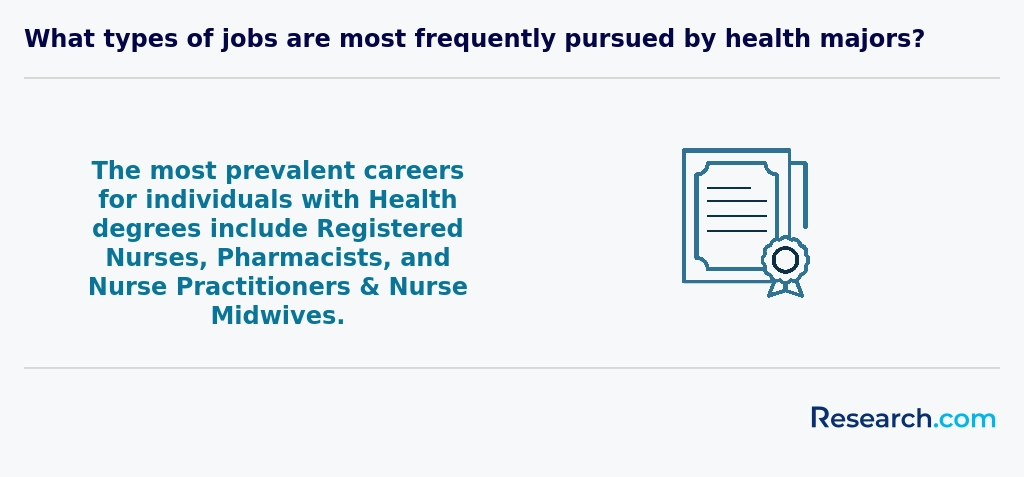
- What career paths are available for healthcare degree students in Raleigh?
- What is the job market for healthcare degree in Raleigh?
- Top Trending Healthcare Rankings
- See What Experts Have To Say About Studying Healthcare
What can I expect from healthcare degree in Raleigh?
The average cost of a healthcare degree in Raleigh generally ranges between $7,000 and $15,000 per year for in-state students at public universities. Graduates from institutions like North Carolina State University often recall balancing this cost with financial aid, which made pursuing nursing or health administration degrees more accessible. However, private colleges in the Raleigh area can charge significantly higher tuition, presenting a notable financial challenge for some students.
Many students appreciate how scholarship opportunities help ease this burden, especially in high-demand healthcare fields. One graduate described applying for several scholarships, which not only reduced costs but also boosted their confidence to focus fully on clinical training.
Despite tuition variability, Raleigh's integration with nearby research hubs such as Duke and UNC Chapel Hill provides invaluable clinical experiences that justify the investment. For students weighing expenses, considering both the cost and the quality of clinical partnerships in hospitals like WakeMed Health & Hospitals is essential, as practical training often determines career readiness and job prospects.
Where can I work with healthcare degree in Raleigh?
Graduates from healthcare programs at institutions like North Carolina State University or William Peace University often find themselves drawn to Raleigh's thriving hospital systems, such as WakeMed Health & Hospitals or UNC REX Healthcare. Many quickly secure roles as nurses, physical therapists, or healthcare administrators, energized by the city's tangible demand for skilled professionals. One graduate described starting in a high-paced hospital ward before moving into specialized outpatient care, appreciating the variety and growth potential.
Others leverage their degrees in health informatics or medical laboratory science to join biotech firms or research centers embedded within Raleigh's Research Triangle. This proximity to leading research facilities creates unique chances to engage in clinical trials and health data analysis-real-world roles that invigorate those passionate about innovation.
Public health graduates, too, find meaningful employment in local government agencies, where they contribute to community health programs and policy implementation. Meanwhile, those interested in digital healthcare often embrace careers in telehealth, adapting their skills to evolving technology platforms.
While opportunities are ample, success depends on adaptability and a willingness to explore varied healthcare environments within Raleigh's interconnected sectors.
How much can I make with healthcare degree in Raleigh?
Graduates with healthcare degrees in Raleigh can expect a range of earning outcomes depending on their specific path and credentials. For example, medical assistants in Raleigh typically earn around $43,350 annually, reflecting entry-level roles often taken by recent graduates from programs at institutions like Wake Technical Community College. This salary provides a solid foundation while gaining critical hands-on experience.
Those moving into more specialized roles such as patient care technicians or health information technicians generally see higher earnings. Patient care technicians average about $60,790 per year, while health information technicians make close to $43,380, figures that align well with local demand observed through the region's major healthcare employers like UNC REX Healthcare.
More experienced graduates with additional training or leadership ambitions may aim for roles like quality improvement coordinators, where salaries reach around $103,150. Graduates recalling their time at universities like NC State often describe this progression as motivating, combining practical expertise with greater responsibility. While these figures represent averages, local variations may occur based on employer, experience, and continuing education.
2027 Most Popular Healthcare Degree Programs Ranking in Raleigh
How do we rank schools?
Investing in your education is a significant decision that can shape your future, and the Research.com team understands the importance of making informed choices. To assist prospective students in Raleigh, we have meticulously crafted the "2027 Most Popular Healthcare Degree Programs Ranking in Raleigh." Our commitment to quality, credibility, and accuracy is reflected in the extensive research and analysis conducted to compile this ranking.
We utilized the following reputable data sources to ensure a comprehensive evaluation of healthcare degree programs:
By exploring this ranking, readers will gain valuable insights into the most popular healthcare degree programs in Raleigh, enabling them to make well-informed decisions about their educational and career paths. For more details on our methodology, please visit our Research.com methodology page.


Key Findings
- Raleigh offers multiple accredited healthcare degree programs, including nursing, public health, and health administration.
- In-state tuition at public universities ranges from $9,000 to $12,000 annually, while private and out-of-state costs can exceed $20,000 per year.
- Entry-level healthcare graduates in Raleigh usually start with salaries between $55,000 and $65,000 annually.
- Experienced healthcare professionals in the area can earn over $110,000 per year, with mid-career salaries around $90,000.
- The region's healthcare job market is growing, especially for nurses, medical technologists, and healthcare administrators.
- Many local hospitals and clinics provide clinical training opportunities essential for hands-on experience and licensure readiness.
How long does it take to complete healthcare degree in Raleigh?
Completing a healthcare degree in Raleigh varies significantly depending on the program and educational goals. For example, graduates from Wake Technical Community College highlight that their associate degrees typically finish in about two years, offering a quicker entry into the healthcare workforce.
At universities like North Carolina State University or Shaw University, students pursuing bachelor's degrees in fields like nursing or health administration generally spend four years in full-time study. These graduates often appreciate the comprehensive foundation but note the commitment required to balance coursework and clinical experiences.
Those aiming for specialized roles, such as registered nurses earning a BSN or aspiring physical therapists, face longer timelines. Graduates report that master's degrees take around two years post-bachelor's, while doctoral programs like the DNP or DPT can extend up to four years, sometimes longer due to clinical residencies.
Accelerated pathways in Raleigh provide relief for working students; some RN-to-BSN programs condense traditional timelines to 12-18 months, making advancement feel more attainable amidst busy schedules.
Campus Life and Community Engagement in Raleigh
For many healthcare students, choosing a degree program isn’t just about academics-it’s also about immersing themselves in a dynamic campus culture that fosters networking, personal growth, and community service. In Raleigh, NC, students benefit from vibrant campus life where academic excellence meets real-world experiences. Most institutions host regular career fairs, mentorship programs, and networking events with leading industry professionals, giving students firsthand exposure to the healthcare landscape. In addition, strong partnerships with local hospitals and research facilities enable students to participate in community outreach programs, internships, and live clinical experiences that enhance both their professional and interpersonal skills. These opportunities not only build a robust alumni network but also help students create lasting professional connections early on in their career. If you’re researching options and want to learn more about a top contender, consider the most popular healthcare school in the region, which is renowned for its supportive campus environment and commitment to community engagement.
What's the difference between online and on-campus healthcare degree?
Online healthcare degrees in Raleigh offer flexibility that appeals to students juggling work or family, allowing them to engage with coursework remotely and at their own pace. For instance, graduates from North Carolina State University who opted for online study often express appreciation for this scheduling freedom, which made balancing life commitments more manageable. However, they also note the challenge of limited face-to-face interaction with instructors and peers, which some find less motivating.
Conversely, on-campus programs at institutions like Meredith College provide immersive environments with hands-on clinical labs and direct collaboration with classmates. Graduates often highlight how this immediate access to facilities and real-time feedback enhanced their learning and confidence. Still, these students must accommodate fixed schedules and commuting costs, which can be significant factors.
Both modes require in-person clinical placements within Raleigh's healthcare facilities, ensuring critical practical experience. Tuition costs tend to be comparable, though campus fees and financial aid availability sometimes tip the scale for in-person learners. Ultimately, the choice depends on personal circumstances and learning preferences.
Enhancing Healthcare Careers with Nutrition & Wellness Education
In today’s healthcare landscape, a growing focus on holistic well-being has revealed the importance of supplementing traditional healthcare education with specialized nutrition and wellness training. Professionals who integrate nutrition science into their skill set are better positioned to offer comprehensive care, addressing both clinical and lifestyle factors. Incorporating coursework or certifications in nutrition can guide healthcare providers to improve patient outcomes by emphasizing preventive care and healthy lifestyle choices. Many students have found that engaging with programs such as the best rated nutrition programs online enhances their expertise in managing chronic conditions and promotes overall wellness. With healthcare trends increasingly leaning towards preventive strategies and personalized care, understanding the interplay between nutrition, disease prevention, and recovery is becoming a vital component of advanced healthcare education. This integrated approach not only broadens professional opportunities but also ensures that practitioners remain competitive in an evolving industry.
What is the average cost of healthcare degree in Raleigh?
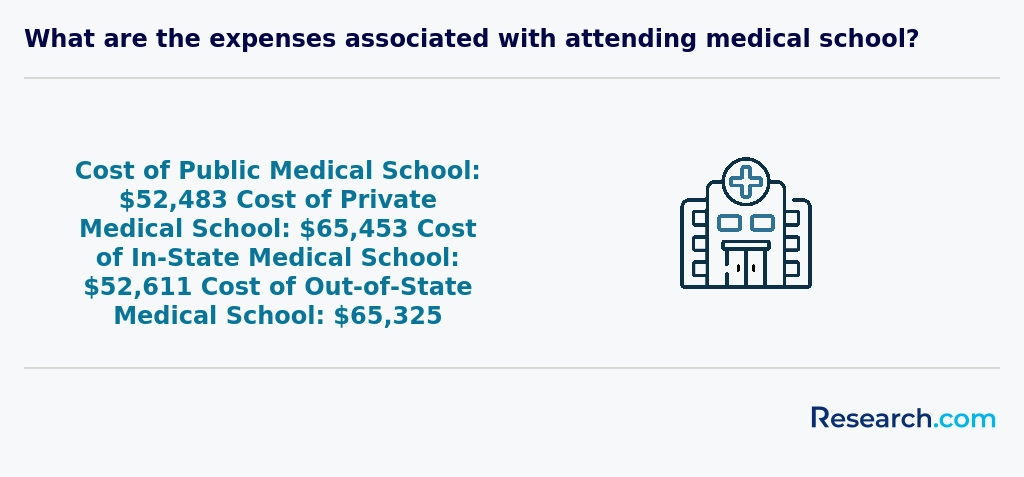
The average cost of a healthcare degree in Raleigh varies widely depending on factors such as residency status, degree level, and institution type. Graduates from well-known public universities like North Carolina State University and the University of North Carolina at Chapel Hill often recall managing yearly tuition that aligns with a median total cost around $39,903 for in-state students. This figure reflects a reasonable balance between quality and affordability for many local students pursuing nursing, public health, or healthcare administration degrees.
Community colleges in Raleigh, such as Wake Technical Community College, offer a more economical path to healthcare careers through associate degrees and certifications. These programs typically cost significantly less, making them favorable for students seeking entry-level roles or stepping stones before transferring to four-year institutions. Considering the total cost of healthcare programs Raleigh NC, it's important for learners to factor in additional expenses like books, supplies, and living costs, which can add several thousand dollars annually.
Private institutions tend to have higher tuition, sometimes exceeding $50,000 per year, but many students appreciate the financial aid options available to help mitigate these expenses. The investment can feel worthwhile for those targeting mid-level or executive positions in healthcare, which is why some graduates pursue specialized master's degrees or certificates. For those aiming at such roles, exploring mid-level or executive positions with online programs can be a strategic way to balance cost and career advancement.
Professional Licensing and Certification Requirements
After earning a healthcare degree in Raleigh, NC, graduates must fulfill state-specific licensing and certification mandates to practice legally and advance their careers. For example, registered nurses must pass the National Council Licensure Examination (NCLEX-RN) and obtain approval from the North Carolina Board of Nursing, which typically involves a background check and proof of clinical hours. Physical therapists and occupational therapists also require licensure exams administered by their respective state boards, while allied health professionals-such as medical assistants-often pursue nationally recognized credentials like the Certified Medical Assistant (CMA) or Registered Medical Assistant (RMA). Medical assistants looking to boost their employability should carefully evaluate certification pathways and associated expenses. Many programs provide exam preparation courses, but additional study materials, application fees, and proctoring costs can add up. To compare affordable options, students can review detailed estimates of medical assistant certification online cost, which include everything from initial application fees to recertification schedules. In North Carolina, certification renewal cycles vary by credential: RNs must complete at least 30 continuing education units (CEUs) every two years, while CMAs and RMAs typically recertify every five years, either through exam retakes or documented CEU completion. Healthcare administrators and allied professionals may pursue additional certifications-such as the Certified Healthcare Administrator (CHA) or Certified Healthcare Financial Professional (CHFP)-to demonstrate expertise and satisfy employer preferences. Staying current with licensing requirements also involves tracking changes in state regulations, which can impact clinical practice standards and patient care protocols. Many institutions in Raleigh offer workshops and online modules to help graduates navigate recertification, maintain compliance, and explore specialty certifications in areas like telehealth, informatics, or geriatric care. By proactively managing licensure and certification obligations, healthcare degree holders in Raleigh can secure competitive roles, ensure uninterrupted practice, and position themselves for leadership opportunities in a rapidly evolving healthcare landscape.
What financial aid is available to healthcare degree students in Raleigh?
For healthcare students in Raleigh, financial aid often starts with federal options like Pell Grants and direct student loans, which many graduates recall as crucial in easing upfront tuition costs at institutions such as North Carolina State University. However, these aids may not fully cover expenses, prompting students to seek additional support.
State-level programs, like the North Carolina Need-Based Scholarship and NC Promise Tuition Plan, stand out as vital resources particularly for those attending local public colleges. Graduates frequently describe how these scholarships made pursuing nursing or allied health degrees more accessible and less financially stressful.
Institutional scholarships from Raleigh's healthcare programs and partnerships with nearby hospitals offer competitive awards, sometimes linked to future employment commitments. Many students appreciate the tangible relief these scholarships provide, though the competition can be intense.
Work-study roles on campuses or in healthcare facilities and private scholarships from professional groups further help manage living costs. Veterans and military members also benefit from tailored aid, highlighting an important diversity of funding paths depending on individual circumstances.
Student Life and Campus Experience in Raleigh, NC
Raleigh’s vibrant academic environment extends well beyond the classroom, providing students with unique opportunities to immerse themselves in campus life and build lifelong connections. Many institutions offer a blend of state-of-the-art facilities, engaging student organizations, and supportive academic services that foster both personal growth and professional development. Campus events such as career fairs, health symposiums, and networking nights enable students to interact directly with local healthcare professionals and industry leaders, enriching their educational journey. For instance, visiting the most popular healthcare school in the region can provide insight into how these extracurricular opportunities are integrated with rigorous academic programs, preparing graduates for the dynamic and collaborative nature of today’s healthcare industry. This holistic approach to student life ensures that prospective healthcare professionals enjoy a balanced experience that supports academic achievement, career readiness, and lasting community connections.
What are the prerequisites for enrolling in healthcare degree program in Raleigh?
Enrolling in healthcare programs in Raleigh typically requires a solid academic foundation. Graduates from local universities often recall the importance of having a high school diploma or GED and maintaining a GPA around 2.5 to 3.0 to meet competitive admission standards. Many found completing prerequisite courses like biology with labs, chemistry, anatomy, and English composition essential, as these are common requirements across institutions such as UNC Chapel Hill or Shaw University.
Some students describe the challenge of preparing for standardized tests, like the TEAS, particularly for nursing tracks, emphasizing that these scores can make a significant difference in acceptance chances. Others appreciate the added safety measures, such as background checks and immunization records, which provide peace of mind during clinical experiences at local hospitals.
Hands-on experience gained through volunteering in Raleigh's clinics or hospitals not only boosted confidence but also enriched applications, showing genuine commitment. While tuition costs vary widely, students agree that understanding these prerequisites early on helps balance ambition with practical preparation, making the journey both manageable and rewarding.
Internship and Clinical Training Opportunities in Raleigh, NC
Healthcare programs in Raleigh, NC, are distinguished by robust partnerships with leading medical centers, ensuring students gain invaluable hands-on experience before graduation. Through structured clinical rotations and internships, learners apply theoretical knowledge in real-world settings-enhancing both competence and confidence. Key Clinical Partners and Settings Many Raleigh institutions collaborate with top hospitals and clinics, such as WakeMed Health & Hospitals, UNC REX Healthcare, and Duke Raleigh Hospital. Students complete rotations across diverse departments-emergency care, oncology, pediatric wellness, and outpatient services-totaling 200–600 practicum hours depending on the program level. This variety equips graduates with adaptable skills for multiple career paths. Internship Structure and Scheduling Most bachelor’s and associate healthcare programs integrate internships into the curriculum during the final two semesters. Clinical coordinators work with students to align shifts with academic schedules, offering day, evening, and weekend placements. Participants receive faculty mentorship and regular performance evaluations, ensuring progressive skill development and professional feedback. Benefits and Career Impact Completing a clinical internship in Raleigh not only fulfills licensure requirements but also fosters relationships with potential employers. Over 70% of graduates report receiving job offers from their internship sites within six months of program completion. Additionally, engaging in community health initiatives-such as vaccination drives and mobile clinic outreach-enhances cultural competency and public health expertise. For students exploring alternative formats, our Low Cost Online Healthcare Degree Programs Ranking in Virginia highlights online options that also emphasize practical training. Early application to clinical placements is advised, as competitive spots fill rapidly. By leveraging these internship opportunities, Raleigh’s healthcare graduates launch their careers with a strong professional network and proven clinical proficiency.
What courses are typically in healthcare degree programs in Raleigh?
Healthcare degree programs in Raleigh typically include a blend of foundational science courses such as anatomy, physiology, and microbiology, which graduates often recall as essential for understanding patient care. For example, students at renowned local colleges frequently mention how mastering these subjects made clinical rotations in nearby UNC REX Healthcare more meaningful. However, some graduates argue that the intense focus on hard sciences can overshadow equally vital soft skills.
Courses in healthcare ethics and law are commonly integrated, providing students with crucial frameworks for patient rights and professional responsibility. Graduates often reflect on how such knowledge empowered them to navigate complex scenarios during internships at Raleigh clinics, fostering confident and empathetic decision-making.
Medical terminology and communication training enhance students' ability to interact clearly with patients and healthcare teams, a skill highlighted by those who completed practicum experiences in busy urban hospital settings. Raleigh's programs also emphasize hands-on learning through clinical care techniques and practicum internships, where students gain real-world confidence.
For those leaning toward administration, courses in healthcare management and informatics offer valuable insight into system operations and health data, reflecting the city's growing healthcare sector. While these courses equip students for diverse roles, some graduates note the challenge of balancing technical skills with patient-centered care.
What types of specializations are available in healthcare degree programs in Raleigh?
Healthcare degree specializations in Raleigh reflect the region's diverse medical needs and robust training facilities. Graduates often remark on the value of hands-on experiences offered by partnerships with WakeMed Health & Hospitals and Duke Raleigh Hospital, which complement classroom learning. Specializations commonly available include nursing pathways from LPN to advanced Nurse Practitioner roles, offering students a progressive career ladder that mirrors real-world clinical demands.
Beyond traditional nursing, Raleigh healthcare program specialization options extend into health informatics, where students learn to manage patient data and electronic health records-skills increasingly vital in a technology-driven healthcare environment. Public health tracks focus on community wellness and epidemiology, appealing to those interested in policy and prevention rather than direct patient care. Many graduates highlight how these programs connect classroom theory to local public health initiatives, making their education feel immediately relevant.
Additionally, options like medical laboratory science and rehabilitation fields such as physical and occupational therapy demonstrate Raleigh's commitment to comprehensive healthcare education. Students describe the administration specialization as ideal for those aiming at leadership roles within healthcare systems, balancing finance and policy knowledge. For practical examples of evolving healthcare education models, students frequently compare these offerings to nursing universities miami specializations, appreciating Raleigh's unique blend of community focus and access to clinical resources.
How do you choose the best healthcare degree in Raleigh?
Choosing the best healthcare degree program in Raleigh involves weighing multiple factors deeply connected to your personal career goals. Graduates from well-known local institutions often emphasize aligning the program's focus-whether nursing, healthcare administration, or physical therapy-with their long-term aspirations. For example, some find that programs emphasizing hands-on clinical rotations at Duke Raleigh Hospital deliver invaluable real-world skills that shape their confidence and professional competence.
Accreditation and program reputation are crucial. Graduates consistently report that degrees from accredited schools in Raleigh, recognized by bodies like the Commission on Collegiate Nursing Education (CCNE), better prepare them for licensure and job placement. However, affordability must also be balanced; while private schools offer advanced resources, many students appreciate the value of affordable healthcare degrees Raleigh NC provides at public universities without sacrificing educational quality.
Practical experience remains a core pillar of choice. Internships and clinical practice partnerships in Raleigh's healthcare sector often become defining moments for graduates, helping them solidify skills and build networks. Even those uncertain about their exact career path may explore foundational courses or consider roles that require specific competencies, such as ekg technician skills needed, to diversify possibilities before fully committing.
What career paths are available for healthcare degree students in Raleigh?
Graduates pursuing healthcare careers in Raleigh benefit from a vibrant local market shaped by the city's robust medical infrastructure. Many find opportunities as registered nurses or physician assistants within key employers like WakeMed Health and UNC REX Healthcare, which attract those eager to engage directly in patient care. However, some graduates note that these roles require resilience due to demanding schedules and clinical pressures.
Others explore Raleigh healthcare degree job opportunities in allied health fields such as respiratory therapy or physical therapy assistance, often supported by programs at nearby institutions like North Carolina State University. These paths frequently lead to strong job security and competitive salaries, offering graduates both stability and fulfillment in hands-on roles. The option to pivot into administration or health informatics is also significant, with medical and health services management growing rapidly in the region.
Additionally, Raleigh's position within the Research Triangle allows graduates to pursue specialized roles in research or biotech, adding layers of complexity and innovation to career prospects. Some students choose to deepen their expertise through specialized degrees like a Bachelor's in dietetics, complementing clinical practice with nutritional science insights.
What is the job market for healthcare degree in Raleigh?
The healthcare job market Raleigh graduates face is robust but requires a strategic approach. Those earning healthcare degrees from institutions such as North Carolina State University often find themselves well-positioned due to the strong network of hospitals and research centers in the Research Triangle. Many graduates describe securing internships or residencies at Duke Raleigh Hospital or UNC REX Healthcare as pivotal early-career experiences that helped bridge theoretical knowledge with practical skills. However, competition remains, especially for specialized roles, emphasizing the value of hands-on training and networking.
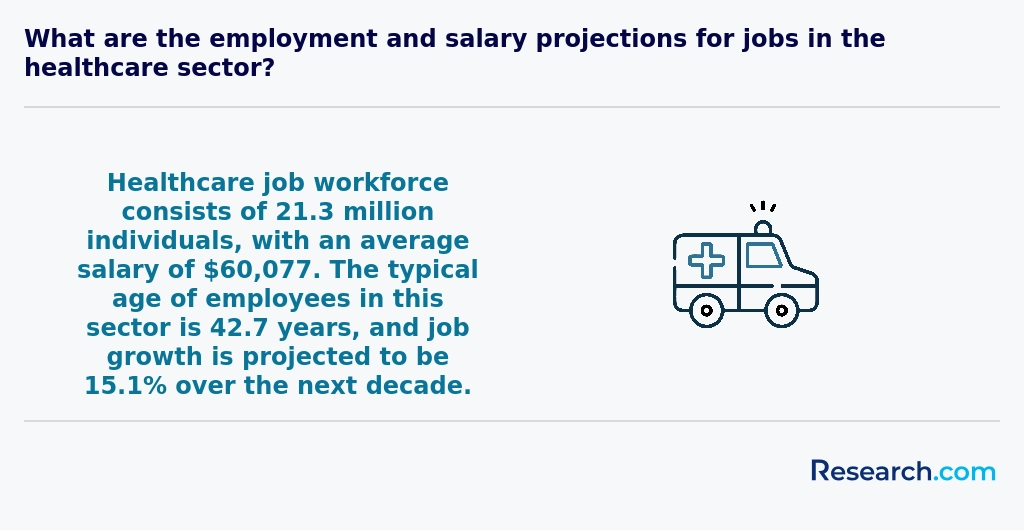
Raleigh healthcare degree employment prospects benefit from expected 15% growth in healthcare fields over the next decade, reflecting steady demand driven by demographic shifts and technological advances. Alumni frequently note the city's active community health initiatives as sources of meaningful work beyond traditional clinical roles. Balancing tuition expenses against local salaries-such as median RN wages near $78,000-is a common consideration among students.
Those exploring education options may consult rankings for the most popular healthcare school in Raleigh to identify programs blending affordability and career support. This practical insight helps frame a realistic career path amid a dynamic but accessible job market.
Frequently Asked Questions About healthcare
Healthcare degree students in Raleigh can maximize their learning by engaging deeply with clinical experiences offered through partnerships between local universities and esteemed medical facilities like Duke Raleigh Hospital. These real-world settings provide critical hands-on training beyond classroom theory.
Additionally, students should take advantage of the Research Triangle's abundant internship opportunities to gain exposure to cutting-edge healthcare innovations. According to the North Carolina Department of Commerce, healthcare remains one of the fastest-growing sectors in Raleigh, offering vast practical learning prospects.
Active participation in multidisciplinary healthcare teams and attending community health workshops further enrich understanding of patient-centered care. Utilizing campus resources such as tutoring and mentoring programs can also enhance academic success and professional development in this competitive field.
Emerging niches within the healthcare field in Raleigh reflect broader national trends, with strong growth in telehealth, health informatics, and personalized medicine. The rise of telehealth is especially notable, accelerated by the COVID-19 pandemic, providing remote care options that expand access for rural and urban populations alike. According to the North Carolina Department of Commerce, healthcare occupations in the Triangle region, including Raleigh, are expected to grow by over 15% through 2030, driven partly by these new roles.
Health informatics specialists, who manage medical data and improve patient outcomes through technology, are in increasing demand as hospitals and clinics adopt electronic health records. Personalized medicine, which uses genetic information to tailor treatments, offers new career paths in pharmaceutical and biotechnological research.
After completing a healthcare degree in Raleigh, preparing for the job market involves several strategic steps. First, gaining hands-on experience through internships or clinical rotations is essential. Raleigh's healthcare sector, including facilities like Duke Raleigh Hospital, often values practical skills supported by academic learning.
Networking within local professional organizations such as the North Carolina Healthcare Association can open up job opportunities and mentorship. Additionally, obtaining relevant certifications depending on the specialization-such as Registered Nurse (RN) licensure or Certified Medical Assistant credentials-significantly boosts employability.
The Raleigh labor market for healthcare professionals is projected to grow by 15% over the next decade, according to the U.S. Bureau of Labor Statistics, making timely job applications and tailored resumes important. Online platforms like NCWorks Career Center also provide localized job listings and resources tailored for Raleigh graduates.
Employers in Raleigh highly value both technical skills and interpersonal abilities among healthcare degree graduates. Clinical competence, including proficiency in electronic health records (EHR) systems, is essential due to the city's growing use of digital healthcare technologies, as reported by the North Carolina Department of Health and Human Services.
Communication skills are also crucial, with 78% of healthcare employers in the Raleigh area underscoring the need for clear, compassionate patient interaction, according to a 2023 survey from the Raleigh Chamber of Commerce.
Additionally, critical thinking and adaptability rank among top qualities, given the fast-paced nature of healthcare environments like Duke Raleigh Hospital and WakeMed Health.
Teamwork and ethical decision-making further distinguish graduates in this competitive field.
Finding internships in Raleigh for healthcare degrees involves leveraging local healthcare institutions and university resources. Raleigh is home to prominent medical centers like WakeMed Health & Hospitals, which offers internship programs for students pursuing nursing, public health, and allied health degrees. Additionally, North Carolina State University and other nearby colleges often partner with hospitals and clinics to facilitate placements.
Students can also explore opportunities through the North Carolina Department of Health and Human Services, which provides internships in public health areas. According to the NC Department of Commerce, healthcare employment in Raleigh is projected to grow 15% through 2030, indicating strong internship prospects. Networking with local professional associations such as the Triangle Healthcare Executives can further enhance placement chances.
Obtaining a healthcare degree in Raleigh significantly enhances career mobility and advancement opportunities. The region benefits from a growing healthcare sector, with organizations like Duke Raleigh Hospital and UNC REX Healthcare expanding and creating demand for qualified professionals. According to the U.S. Bureau of Labor Statistics, Raleigh's healthcare employment is projected to grow faster than the national average through 2030. Graduates with degrees in nursing, health administration, or allied health can access diverse roles ranging from clinical positions to management. Higher education credentials often lead to increased salaries and leadership roles, reflecting employers' emphasis on formal qualifications in this competitive job market.
Studying for a healthcare degree in Raleigh offers significant preparation for interdisciplinary roles due to the city's strong emphasis on collaborative education. Institutions like North Carolina State University and nearby University of North Carolina at Chapel Hill provide programs that integrate nursing, public health, and biomedical sciences. This fosters communication and teamwork skills essential for complex healthcare environments.
Raleigh's healthcare sector employs over 100,000 professionals, many working in interdisciplinary teams across hospitals and research centers, such as Duke Raleigh Hospital and WakeMed Health. Students gain hands-on experience in diverse clinical settings, which enhances their ability to coordinate care among different specialists.
Furthermore, local healthcare degrees emphasize emerging technologies and evidence-based practices, equipping graduates for dynamic, team-based roles. According to the NC Department of Health and Human Services, Raleigh's healthcare workforce growth supports expanding interdisciplinary collaboration, making degree programs here uniquely relevant to these evolving job demands.
When choosing between a thesis and a non-thesis healthcare degree program in Raleigh, students should first consider their career goals. Thesis programs typically involve conducting original research and are ideal for those aiming for clinical research, academia, or advanced studies such as a PhD.
Non-thesis programs focus more on practical skills and coursework, preparing graduates to enter the healthcare workforce directly. For example, local institutions like North Carolina State University and the University of North Carolina at Chapel Hill offer both options tailored to different career paths.
The Bureau of Labor Statistics reports steady job growth in Raleigh's healthcare sector, supporting diverse roles that may or may not require research experience. Students planning to work immediately in clinical settings often prefer non-thesis routes due to shorter completion times and hands-on training.
Students in Raleigh looking to study healthcare abroad have several pathways available, supported by local universities with strong international partnerships. Institutions like North Carolina State University and the University of North Carolina at Chapel Hill offer exchange programs and study abroad opportunities tailored for healthcare and public health students.
These programs typically provide placements in countries with advanced healthcare systems, allowing students to gain hands-on experience in diverse medical environments. According to the Institute of International Education, nearly 30% of healthcare students at UNC participate in some form of global learning annually.
Raleigh-based students can also explore short-term clinical internships or research fellowships overseas, often supported by scholarships aimed at healthcare disciplines.
Such international experiences enhance cultural competence, crucial for healthcare careers in an increasingly globalized world.
Raleigh offers various part-time job opportunities that can complement healthcare degree education effectively. Positions such as medical assistants, pharmacy technicians, and patient care aides provide practical experience alongside academic studies. These roles help students develop clinical and administrative skills crucial for healthcare careers.
Several healthcare facilities in Raleigh, including Duke Raleigh Hospital and WakeMed Health & Hospitals, regularly hire part-time workers. According to the U.S. Bureau of Labor Statistics, the Raleigh metropolitan area is projected to grow 16% in healthcare employment from 2020 to 2030, indicating rising opportunities.
Additionally, internships at local clinics and public health organizations offer hands-on learning, improving job prospects post-graduation.
Raleigh offers a variety of networking opportunities for healthcare students aiming to build professional connections. The city is home to several universities with active healthcare programs that host career fairs, workshops, and guest lectures. For example, institutions like North Carolina State University and Meredith College organize events connecting students with healthcare employers and alumni.
Healthcare-focused organizations such as the Raleigh Chamber of Commerce and professional groups like the Triangle Healthcare Executives Association provide additional networking platforms. These groups often hold meetings, seminars, and mixers to promote industry collaboration.
Local hospitals and research centers, including WakeMed and Duke Raleigh Hospital, offer internships and volunteer programs allowing students to gain experience and meet practitioners. According to the North Carolina Department of Commerce, Raleigh's healthcare sector has grown notably, increasing opportunities for students to engage with professionals in a thriving job market.
Alumni networks play a crucial role for healthcare degree students in Raleigh by offering valuable professional connections. Graduates often gain access to local hospitals and clinics through these networks, increasing internship and job opportunities in a competitive market.
The Raleigh healthcare sector is growing rapidly, with over 15% employment growth expected through 2030, according to the U.S. Bureau of Labor Statistics. Alumni networks help students navigate this expanding job market with mentorship and career guidance from experienced professionals.
Students also benefit from networking events and workshops organized by alumni associations, which enhance skills and industry knowledge. Such connections often lead to collaborative research and continuing education opportunities in the region.
Overall, alumni networks support career advancement and community integration for healthcare students in Raleigh by connecting education with real-world practice.
Customizing a healthcare degree in Raleigh allows students to align their education with specific career goals. Many local institutions offer flexible programs featuring elective courses, concentrations, or certificate options in fields like public health, nursing, health informatics, and administration. Raleigh's growing healthcare sector, supported by organizations such as the Research Triangle Park, provides opportunities for internships and clinical placements that complement academic learning.
Students can also choose part-time or online courses to balance work experience and study. According to the North Carolina Institute of Medicine, tailored programs help graduates meet region-specific healthcare demands, improving job prospects in local hospitals and clinics. Leveraging these options enhances both skills and marketability in Raleigh's competitive healthcare environment.
Healthcare students in Raleigh often face challenges balancing rigorous coursework and clinical rotations. Many report stress related to heavy study loads and time management demands. According to a 2023 survey by the North Carolina Center for Health Workforce Planning, about 60% of nursing and allied health students in the region experience high stress during clinical placements.
Another obstacle is securing competitive clinical sites. Raleigh's growing healthcare sector means spots are limited, requiring early and strategic planning. Additionally, some students struggle with the cost of programs, as tuition and related expenses can exceed $15,000 annually in some institutions.
Finally, adapting to evolving healthcare technologies and staying current with certifications adds complexity to students' education and future career readiness.
With a healthcare degree in Raleigh, you can pursue various professional certifications that enhance your career prospects. Popular certifications include Certified Nursing Assistant (CNA), Licensed Practical Nurse (LPN), and Registered Nurse (RN) licenses, essential for clinical roles.
Other certifications like Certified Medical Assistant (CMA) and Certified Health Education Specialist (CHES) focus on administrative and community health positions. For those interested in specialized fields, certifications such as Certified Pharmacy Technician (CPhT) or Clinical Research Professional are also options.
According to the North Carolina Board of Nursing, Raleigh's healthcare sector continues growing, increasing demand for credentialed professionals in these areas.
To write a winning application for a healthcare program in Raleigh, start by carefully researching the specific program requirements. Many Raleigh institutions, like North Carolina State University and Wake Technical Community College, emphasize both academic achievement and healthcare experience. Strong GPA and relevant coursework in science or math are critical.
Highlight any practical experience, such as volunteering at local hospitals like Duke Raleigh Hospital, which enhances your application. Personal statements should clearly explain your motivation for healthcare and your commitment to serving the Raleigh community.
Letters of recommendation from healthcare professionals or educators familiar with your skills strengthen your profile. Finally, meet all deadlines and tailor your application to demonstrate a clear understanding of Raleigh's healthcare landscape and workforce needs.
Healthcare careers are increasingly viewed through a global lens, especially by students in Raleigh considering local degree programs. The United States healthcare system emphasizes advanced technology, patient-centered care, and interdisciplinary teamwork. Globally, there is a strong demand for healthcare professionals due to aging populations and rising chronic illnesses.
Raleigh's healthcare sector, supported by institutions like UNC Health and Duke University Health System nearby, reflects these international trends. According to the U.S. Bureau of Labor Statistics, healthcare occupations are projected to grow about 16% from 2021 to 2031, much faster than average, reinforcing strong career opportunities.
Modern healthcare education in Raleigh includes global health perspectives, preparing students to work in multicultural environments and respond to worldwide public health challenges.
Gaining practical experience while studying for a healthcare degree in Raleigh is essential for career readiness. Many local colleges and universities, such as North Carolina State University and Wake Technical Community College, offer clinical rotations, internships, and laboratory practicums as part of their curricula. These opportunities allow students to interact with patients and healthcare professionals in real healthcare settings.
Raleigh's strong healthcare industry, which includes major institutions like UNC Rex Healthcare and Duke Raleigh Hospital, often partners with educational programs to provide hands-on training. According to the North Carolina Department of Health and Human Services, approximately 20% of healthcare students in the state participate in internships annually.
Additionally, volunteering and part-time work in local clinics or hospitals provide valuable exposure and networking possibilities, enhancing both skills and employability before graduation.
Choosing the right concentration within a healthcare degree program in Raleigh involves understanding your career goals and local healthcare demands. Raleigh is part of the Research Triangle, known for a strong healthcare industry, including hospitals, biotech companies, and research institutions.
Research job growth in healthcare fields locally; for example, the North Carolina Department of Commerce projects a 16% growth in healthcare occupations by 2030, with demand particularly high for nursing and health informatics roles.
Consider programs that offer practicums or internships with Raleigh-based healthcare providers, as hands-on experience is vital.
Lastly, review concentration requirements, accreditation, and faculty expertise to ensure the program aligns with your interests, whether in clinical care, administration, or technology-driven healthcare solutions.
Related Healthcare Rankings for Nearby Cities
- 2027 Most Popular Healthcare Degree Programs Ranking in Durham
- 2027 Most Popular Healthcare Degree Programs Ranking in Greensboro
- 2027 Most Popular Healthcare Degree Programs Ranking in Lynchburg
- 2027 Most Popular Healthcare Degree Programs Ranking in Charlotte
- 2027 Most Popular Healthcare Degree Programs Ranking in Columbia
- 2027 Most Popular Healthcare Degree Programs Ranking in Charleston
- 2027 Most Popular Healthcare Degree Programs Ranking in Fairfax
- 2027 Most Popular Healthcare Degree Programs Ranking in Arlington
- 2027 Most Popular Healthcare Degree Programs Ranking in Baltimore
- 2027 Most Popular Healthcare Degree Programs Ranking in Pittsburgh
Top Trending Healthcare Rankings
See What Experts Have To Say About Studying Healthcare
Read our interview with Healthcare experts

References
- Online Degree vs. Traditional: Choosing the Right Path https://beal.edu/online-degree-vs-traditional/
- 6 Tips On Networking For Medical Professionals https://aaams.net/blog/how-to-network-in-the-medical-field-nurses/
- What are the top 10 skills that'll get you a job when you graduate? https://targetjobs.co.uk/careers-advice/skills-for-getting-a-job/what-are-top-10-skills-thatll-get-you-job-when-you-graduate
- How to Create a Healthcare Career Roadmap https://www.ihire.com/resourcecenter/jobseeker/pages/how-to-create-a-healthcare-career-roadmap
- 3 Health Care Assistant cover letter examples [Get noticed] https://standout-cv.com/cover-letter-examples/health-care-assistant
- What Can You Do with a Health Sciences Degree? https://www.ycp.edu/news/what-can-you-do-with-a-health-sciences-degree
- Top 3 Reasons to Consider a Career in Healthcare - Roseman University https://www.roseman.edu/student-experience/news/top-3-reasons-to-consider-a-career-in-healthcare/
- Guide to Mastering North Carolina Nursing Prerequisites https://www.prereqcourses.com/guide-north-carolina-nursing-prerequisites/
- How to Write Your Cover Letter | NQRTH https://www.nqrth.edu.au/career-planning/how-to-write-your-cover-letter/
- Unlocking potential: Expanding experiential learning through simulation https://www.pagethink.com/insights/unlocking-potential-expanding-experiential-learning-through-simulation