
2027 Most Popular Healthcare Degree Programs Ranking in Kenosha

Co-Founder and Chief Data Scientist
Choosing the right healthcare degree program in Kenosha can feel overwhelming, but it's an exciting step toward a rewarding career. Our article features the 2027 Most Popular Healthcare Degree Programs Ranking in Kenosha, carefully created by the Research.com team of data scientists to help you make an informed decision.
By exploring this ranking, you'll discover valuable insights about top programs and their benefits. Whether you're just starting or considering a change, this guide supports you in finding a degree that fits your goals and passion for healthcare.
Key benefits of getting healthcare degree in Kenosha
- Salary benefits: Graduates in Kenosha can earn competitive wages, such as $43,350 annually for Medical Assistants or $60,790 for Patient Care Technicians, reflecting strong earning potential in healthcare fields.
- Career paths: With a healthcare degree from local schools like UW-Parkside, graduates can explore diverse roles including Clinical Research Coordinator or Health Information Technician, offering many opportunities to grow professionally.
- Online degree advantages: Earning a healthcare degree online from universities near Kenosha offers flexibility and convenience, allowing students to balance work and study while gaining skills comparable to traditional programs.
- Key benefits of getting healthcare degree in Kenosha
- What can I expect from healthcare degree in Kenosha?
- Where can I work with healthcare degree in Kenosha?
- How much can I make with healthcare degree in Kenosha?
- 2027 Most Popular Healthcare Degree Programs Ranking in Kenosha
- Key Findings
- How long does it take to complete healthcare degree in Kenosha?
- Licensing and Certification Requirements
- What's the difference between online and on-campus healthcare degree?
- Next Steps for Aspiring Healthcare Professionals
- What is the average cost of healthcare degree in Kenosha?
- Internships and Clinical Placement Opportunities
- What financial aid is available to healthcare degree students in Kenosha?
- Emerging Trends in Healthcare Education and Practice
- What are the prerequisites for enrolling in healthcare degree program in Kenosha?
- Additional Resources for Prospective Healthcare Students
- What courses are typically in healthcare degree programs in Kenosha?
- What types of specializations are available in healthcare degree programs in Kenosha?
- How do you choose the best healthcare degree in Kenosha?
- What career paths are available for healthcare degree students in Kenosha?
- What is the job market for healthcare degree in Kenosha?
- Top Trending Healthcare Rankings
- See What Experts Have To Say About Studying Healthcare
What can I expect from healthcare degree in Kenosha?
The average cost of a healthcare degree in Kenosha can vary, but many students find it surprisingly accessible compared to national averages. For instance, attending Gateway Technical College, a well-known local institution, typically ranges from $4,000 to $6,500 per year for healthcare courses. Graduates often share how this affordability combined with practical clinical experiences in Kenosha-area hospitals made their education feel like a worthwhile investment rather than a financial burden.
Many students balance studies with jobs or family responsibilities, appreciating flexible scheduling and financial aid options that ease pressure. For example, learners pursuing certifications such as CNA or medical billing often highlight how the relatively low costs paired with immediate job prospects at local facilities turned their educational journey into a positive, hopeful experience.
This affordability invites reflection: can a quality healthcare education also be financially reasonable without sacrificing real-world training? Kenosha's colleges suggest yes, embedding hands-on clinical rotations and focused curriculum within a community-oriented price range, proving this balance is achievable and motivating for those dedicated to entering healthcare fields.
Where can I work with healthcare degree in Kenosha?
Graduates from healthcare programs at institutions like UW-Parkside and Gateway Technical College quickly realize that Kenosha's job market offers more than just textbook options. Many find themselves thriving at Aurora Medical Center Kenosha, where roles range from emergency nursing to medical technology, fostering a hands-on environment that challenges and rewards in equal measure.
Others share how outpatient clinics and specialty centers - such as the Kenosha Community Health Center - become incredible launching pads. These settings demand a balance of clinical expertise and compassionate communication, pushing graduates to grow in family medicine, behavioral health, or dental care, often faster than expected.
The demand in long-term care and assisted living facilities invites graduates who seek meaningful impact in geriatric nursing or social work, creating daily opportunities to support Kenosha's aging population in deeply personal ways.
For those eyeing behind-the-scenes roles, healthcare administration in hospitals, insurance firms, or the Kenosha Public Health Department proves equally dynamic, blending strategic thinking with community wellness initiatives.
Finally, the convenience of Kenosha's location opens doors to Milwaukee's vibrant medical hubs, widening the horizon for early-career professionals eager to explore diverse healthcare paths without leaving their hometown.
How much can I make with healthcare degree in Kenosha?
Graduates of healthcare programs in Kenosha often find their earnings reflecting not just their skills but local demand and education quality. For instance, medical assistants, commonly trained at institutions like Carthage College or Gateway Technical College, report mean annual wages around $43,350. This wage allows many to confidently support themselves while gaining valuable experience.
Those moving into patient care technician roles see a significant jump, earning approximately $60,790 annually. These positions demand hands-on training and reflect a strong community need for skilled, compassionate care providers.
Health information technicians, who play critical roles managing patient data, also average about $43,380 yearly. Graduates with this qualification often find themselves in rewarding administrative healthcare roles, blending technology and care.
Perhaps most striking is the earning potential of quality improvement coordinators in healthcare facilities across Kenosha. With an average salary exceeding $103,000, graduates entering this field from local programs can enjoy both robust compensation and the satisfaction of improving healthcare outcomes.
Moreover, Kenosha's healthcare students widely share a sense of pride in their careers, buoyed by these promising salary figures that validate their hard work and dedication.
2027 Most Popular Healthcare Degree Programs Ranking in Kenosha
How do we rank schools?
Investing in your education is a significant decision that can shape your future, and the Research.com team understands the importance of making informed choices. To assist prospective students in Kenosha, we have meticulously crafted the "2027 Most Popular Healthcare Degree Programs Ranking in Kenosha." Our commitment to quality, credibility, and accuracy is reflected in the extensive research and analysis conducted to compile this ranking.
We utilized the following reputable data sources to ensure a comprehensive evaluation of healthcare degree programs:
By exploring this ranking, readers will gain valuable insights into the most popular healthcare degree programs available in Kenosha, helping them make informed and confident decisions about their educational paths. For more details on how this ranking was created, please visit our Research.com methodology page.


# 4 position
Herzing University-Kenosha
Bachelor of Science in Nursing

Key Findings
- Kenosha offers healthcare programs such as nursing, medical assisting, and health information technology through community colleges and nearby universities.
- Tuition for a two-year Associate degree ranges from $5,000 to $8,000 per year, while four-year Bachelor's degrees cost between $9,000 and $12,000 annually.
- Healthcare employment in Kenosha County has grown by about 4% annually over the last five years.
- Starting salaries for registered nurses typically average around $55,000 per year, rising to about $75,000 with experience and certifications.
- Internships and clinical placements are commonly offered through local partnerships to enhance job prospects.
How long does it take to complete healthcare degree in Kenosha?
The journey to completing a healthcare degree in Kenosha often defies simple timelines. For many graduates, an associate degree-like Nursing (ADN) or Medical Assisting-took just about two years, blending classroom learning with hands-on skills that immediately launched their careers. Yet, four years became a familiar milestone for those pursuing bachelor's degrees in Nursing (BSN) or Healthcare Administration, especially at institutions like the University of Wisconsin-Parkside, where theory meets real clinical practice.
Some found that the clock didn't stop there. Master's graduates recall adding roughly two more years, balancing studies with life's demands, often opting for part-time or accelerated routes that stretched or condensed their timelines.
But the real challenge unfolds at the doctoral level, where three to six years of intense study can transform passionate learners into healthcare leaders. In Kenosha, this often means traveling beyond local campuses, yet the promise of profound expertise keeps motivation high.
Each student's path paints a unique picture, reminding you that time in healthcare education is as much about growth and resilience as the years numbered on a calendar.
Licensing and Certification Requirements
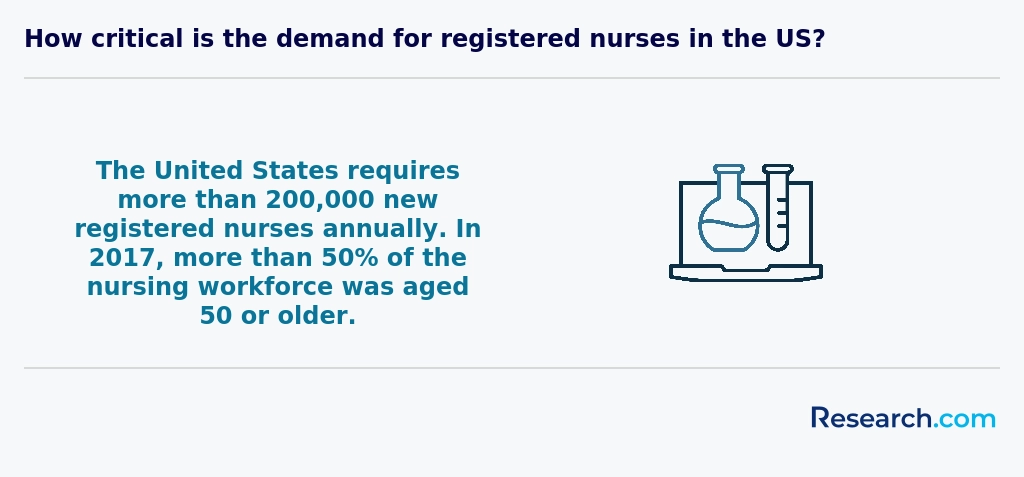
Healthcare graduates in Kenosha, WI, must satisfy state and national licensure requirements to practice legally and maintain professional credibility. Below is an overview of the most common certifications and exams you’ll need, along with ongoing credentialing obligations: 1. Nursing Licensure (RN/LPN) - Pass the NCLEX-RN or NCLEX-PN administered by the Wisconsin Board of Nursing. - Complete a criminal background check and submit official transcripts. - Renew your license biennially, including at least 30 hours of continuing education. 2. Health Information Technician Certification - Earn the Registered Health Information Technician (RHIT) credential through the American Health Information Management Association (AHIMA). - Maintain HIPAA and privacy training annually and complete 20 continuing education units (CEUs) every two years. 3. Allied Health and Technician Credentials - Obtain the Certified Medical Assistant (CMA) or Patient Care Technician (CPT) certification via the National Healthcareer Association (NHA). - Demonstrate CPR/BLS certification through the American Heart Association, renewed every two years. 4. Public Health and Specialized Credentials - For roles in epidemiology or community health: Pursue Certified in Public Health (CPH) by the National Board of Public Health Examiners. - Before enrolling, compare program fees and public health tuition cost to ensure your budget accommodates both degree and exam expenses. 5. Continuing Education and License Maintenance - Track CEUs through accredited providers and state-approved webinars. - Budget for renewal fees, which range from $50 to $150 per cycle depending on the certifying body. By understanding and planning for these licensure and certification steps, Kenosha students can streamline their pathway from classroom to clinic, ensuring compliance with Wisconsin regulations and national standards.
What's the difference between online and on-campus healthcare degree?
Online and on-campus healthcare degrees in Kenosha offer starkly different experiences, though both aim to prepare you for a demanding career. Graduates from local colleges often recall the tangible confidence gained from hands-on labs and face-to-face interactions during their on-campus programs. Imagine practicing clinical skills in a busy simulation center at the college, surrounded by peers and instructors ready to guide you in real time-this immersive environment fuels an immediate sense of belonging and support.
Conversely, many Kenosha online learners appreciate the freedom to balance work and family commitments, studying at their own pace without sacrificing clinical hours, which they complete in nearby healthcare facilities. This flexibility empowers them but requires self-discipline to engage meaningfully through virtual discussions and video calls, often fostering a quieter, more independent form of connection.
While tuition costs are comparable, online students save on commuting and housing, a relief for many juggling finances. Reflecting on these differences helps future healthcare students in Kenosha choose the path best suited to their learning style and lifestyle.
Next Steps for Aspiring Healthcare Professionals
As you consider launching your journey in healthcare, it’s important to not only review program specifics but also to prepare strategically for success. Begin by contacting the admissions offices of your top-choice schools to discuss deadlines, campus visit opportunities, and scholarship options. Engage with current students and alumni via virtual open houses and Q&A sessions to gain firsthand insights into daily academic life and career advancement. Additionally, educating yourself on industry trends, networking events, and mentorship programs can further solidify your path in this competitive field. For additional guidance on program quality and what to expect from a popular healthcare degree, consider exploring further resources on our website. Staying proactive in your research and networking not only strengthens your application but also prepares you to make an informed decision about your future in healthcare.
What is the average cost of healthcare degree in Kenosha?
When considering the average cost of a healthcare degree in Kenosha, students find that public institutions like Gateway Technical College offer accessible tuition, with in-state rates typically around $10,860 for a full program. Graduates often recount that this affordability allows them to focus more on practical learning and clinical experience without overwhelming financial stress. Those pursuing bachelor's degrees near Kenosha, such as at the University of Wisconsin-Parkside, face tuition costs aligning closely with this median, balancing quality education and reasonable expense.
The tuition and fees for healthcare programs Kenosha students encounter are generally influenced by whether the institution is public or private. While private colleges in the region can exceed $30,000 annually, most local students benefit from state-supported programs that keep costs manageable. Graduates commonly emphasize the relief of lower tuition fees, which often translates into more time and resources devoted to gaining hands-on skills essential for their healthcare careers.
Additional costs-like lab fees, certification exams, and insurance during clinical placements-add to the commitment, but they're seen as worthwhile investments by many. Financial aid and scholarships specific to healthcare students in Wisconsin also ease the financial burden, opening doors that might otherwise feel closed.
Exploring nuanced options, savvy students often refer to the popular healthcare degree programs available, weighing not only cost but real-world outcomes. This thoughtful approach to education expenses in Kenosha reflects a growing awareness: investment in healthcare training is about more than dollars-it's about building a meaningful, rewarding career.
Internships and Clinical Placement Opportunities
Securing hands-on experience through internships and clinical placements is a pivotal component of any healthcare degree program in Kenosha, WI. Local institutions maintain strong partnerships with area hospitals, clinics, and community health centers to ensure students gain real-world exposure. For example, Gateway Technical College coordinates with Kenosha’s Aurora Medical Center to place students in supervised clinical rotations, allowing them to practice patient assessments, administer treatments, and document care under the guidance of licensed professionals. Similarly, the University of Wisconsin-Parkside arranges practicum placements in diverse settings-from long-term care facilities to public health departments-enabling students to explore specialties and build a robust professional network. To maximize placement success, applicants should begin their clearance processes-background checks, immunization records, and drug screenings-well before the semester starts. Many programs require completion of a basic life support (BLS) certification, which can be obtained through the American Heart Association or Red Cross branches in Kenosha. Students are encouraged to attend on-campus career fairs and informational sessions, where they can meet clinical instructors and learn about shifts, workload expectations, and site policies. For those seeking broader options or supplemental practicum opportunities, consider reviewing our ranking of online programs, such as the Most Affordable Online Healthcare Degree Programs Ranking in Philadelphia, PA, which offer virtual simulations alongside local clinical placements. Ultimately, proactive communication with academic advisors and early application to preferred sites will enhance your chances of securing high-quality internships that directly translate into employment after graduation.
What financial aid is available to healthcare degree students in Kenosha?
Many healthcare students in Kenosha quickly realize that financial aid is more than just a lifeline-it's a strategic partner in their educational journey. Graduates from the University of Wisconsin-Parkside often share how completing the FAFSA unlocked access to Federal Pell Grants, providing thousands of dollars that eased their burdens without the stress of repayment. These grants, combined with Federal Direct Subsidized and Unsubsidized Loans, create a safety net that balances affordable education with manageable debt after graduation.
State-specific aid like the Wisconsin Grant is a game changer for local students attending institutions such as Carthage College, making tuition feel within reach. Imagine receiving a scholarship from a Kenosha healthcare provider eager to support future nurses or respiratory therapists-this is not just aid, but a nod to your potential impact on the community.
Work-study programs and service-based scholarships create tangible paths from classroom to clinic, with some students committing to local hospitals and seeing their tuition covered in return. For those already employed locally, employer tuition reimbursement morphs into a powerful incentive to pursue advanced credentials, transforming careers without crippling costs.
These financial aids are not abstract concepts-they are real opportunities that empower healthcare students in Kenosha to focus on learning and growth, rather than financial strain.
Emerging Trends in Healthcare Education and Practice
As the healthcare landscape evolves rapidly, staying ahead of emerging trends is essential for prospective students and professionals alike. Today’s healthcare education not only focuses on clinical skills but also integrates advanced technology, interdisciplinary collaboration, and innovative teaching methods to prepare graduates for a dynamic industry. Institutions are increasingly incorporating telemedicine, data analytics, and digital health records into their curriculum, ensuring that students are well-versed in modern practices that are reshaping patient care. Additionally, learners benefit from partnerships with local healthcare providers and research institutions, which offer real-world experience and network-building opportunities that can accelerate their careers. For those interested in up-to-date curricula and effective career launchpads, exploring our insights and rankings on a popular healthcare degree can provide valuable guidance for making informed education decisions. Emphasizing adaptability, continuous learning, and strategic exposure to industry innovations not only enhances job market readiness but also positions graduates to excel in an ever-changing healthcare environment.
What are the prerequisites for enrolling in healthcare degree program in Kenosha?
To enroll in a healthcare degree program in Kenosha, the path begins with more than just a high school diploma or GED-it's about proving you're ready for the real challenges ahead. Graduates from popular institutions like Carthage College or Gateway Technical College often recall how completing high school courses in biology, chemistry, and math gave them a vital edge, especially in nursing or diagnostic sonography programs where a strong science foundation is non-negotiable.
Many find the requirement to submit test scores like the SAT or ACT less daunting as some local schools adopt test-optional policies, focusing instead on a holistic admissions approach. This flexibility encourages applicants to highlight unique strengths beyond standardized tests, often told through personal statements or letters of recommendation.
Beyond academics, Kenosha's healthcare degree hopefuls also face practical hurdles-passing criminal background checks and meeting immunization standards. These steps safeguard patient safety and reflect real-world responsibilities students eagerly embrace as part of their professional journey.
Additionally, graduates stress how experiences recommended by the Kenosha County Workforce Development Center, such as volunteering or job shadowing in local clinics, reveal the emotional rewards of caregiving and deepen commitment, making academic demands feel purposeful rather than burdensome.
Additional Resources for Prospective Healthcare Students
Prospective healthcare students can benefit immensely from additional resources designed to address common concerns and streamline their journey toward a successful career. This section provides answers to frequently asked questions, offers practical tips for navigating the admission process, and shares insights into building industry connections that truly enhance professional growth. Explore comprehensive guides on financial planning, scholarship applications, and career advancement opportunities that bridge the gap between academic learning and real-world employment. Additionally, for those considering a niche area, checking out online sonography certificate programs can provide specialized skills and increased job marketability. Whether you’re planning your next steps or seeking advice from industry veterans, these resources aim to empower you with the knowledge and support needed to make informed decisions about your healthcare education and career path.
What courses are typically in healthcare degree programs in Kenosha?
The typical healthcare degree in Kenosha goes far beyond memorizing textbooks; it immerses students in courses that demand both intellect and empathy. Graduates from well-known Kenosha colleges often recall how anatomy and physiology classes transformed their understanding of the human body into living, breathing complexity rather than just diagrams on a page. Core sciences like microbiology and chemistry provide a foundation, but it's the specialized courses-medical terminology, healthcare ethics, and pharmacology-that challenge students to think critically about real patient scenarios.
For example, health informatics courses at local institutions often push students to analyze actual case studies involving patient data management, reflecting Kenosha's growing emphasis on digital healthcare solutions. Graduates frequently describe the impact of hands-on clinical training with nearby hospitals, which turns abstract knowledge into confident patient care skills. All these courses combine to prepare students for the uniquely demanding, yet rewarding, healthcare roles emerging in Kenosha's communities.
What types of specializations are available in healthcare degree programs in Kenosha?
Healthcare degree specializations in Kenosha challenge students to think beyond the typical nurse or technician roles. Graduates from popular local colleges often describe journeys through programs in nursing, health information technology, and medical laboratory technology as eye-opening, immersing them in environments where patient care and technological skills intersect. Imagine coordinating electronic health records in a bustling Kenosha hospital or conducting critical lab tests that directly affect patient outcomes - these are daily realities for many.
Others find their calling in healthcare administration, drawn by the challenge of improving operational efficiencies in Kenosha's diverse medical settings, from urban hospitals to nursing homes. Some students engaging with physical therapy assistant training describe hands-on experiences that brought their passion for patient rehabilitation to life. Emergency Medical Services and paramedicine also appeal to those moved by urgent, high-stakes care in Kenosha's active communities.
Choosing specializations reflects both national trends and local needs, but the depth available in Kenosha encourages students to envision healthcare careers that connect skills with meaningful, real-world impact. Those interested in technology-driven roles can also explore online sonography certificate programs that complement traditional options.
How do you choose the best healthcare degree in Kenosha?
Choosing the best healthcare degree in Kenosha challenges you to look beyond traditional rankings and consider what genuinely aligns with your future. Graduates from Gateway Technical College often praise how their associate degree programs offer direct, hands-on clinical experience that fuels confidence during internships and job hunts. Meanwhile, those who pursued bachelor's degrees at UW-Parkside found that leadership training and specialized courses prepared them for dynamic roles, making the journey deeply rewarding despite the longer commitment.
Practicality matters. Many consider affordable healthcare degrees Kenosha 2027 options that balance cost and quality, especially when tuition at local colleges remains below national averages. This allows students to focus more on mastering skills rather than worrying about debt. Also, exploring the public health tuition cost can reveal unexpected savings without sacrificing program credibility.
Lastly, reflect on how the healthcare sector in Kenosha continues expanding. Aligning your choice with programs that offer strong clinical partnerships and meet regional job demand could make your degree not just an academic milestone but a doorway to meaningful, stable work. The best healthcare degree programs in Kenosha build both your passion and your prospects.
What career paths are available for healthcare degree students in Kenosha?
Graduates with a healthcare degree in Kenosha face a surprisingly diverse set of career paths, far beyond the typical expectations. For example, many graduates from local institutions like the University of Wisconsin-Parkside find themselves thriving as Registered Nurses, earning around $70,000 a year while providing essential care in hospitals or outpatient centers. Yet, others leverage their degrees to become Medical and Health Services Managers, guiding operational decisions in a rapidly expanding local healthcare infrastructure with average salaries near $95,000.
What's remarkable is how accessible these roles are, given the reasonable tuition rates in Kenosha compared to national averages. Several graduates recall how practical training combined with moderate costs inspired their confidence to pursue competitive careers in healthcare. Those drawn to specialized roles, such as Physical Therapists or Healthcare Technicians, appreciate the growing demand fueled by an aging population and technological advancements seeking fresh expertise.
Public health careers also attract graduates intrigued by community impact, embodying the expanding focus on population health management. For students exploring all options, Kenosha offers a robust environment where some even discover pathways through alternative healthcare programs featured in the Most Affordable Online Healthcare Degree Programs Ranking in Philadelphia, PA, challenging them to reconsider what the future in healthcare could look like locally.
Choosing healthcare degree career opportunities in Kenosha unlocks a realm where passion meets opportunity across clinical care, management, and community health-areas often overlooked yet filled with potential.
What is the job market for healthcare degree in Kenosha?
The healthcare job opportunities in Kenosha are compelling, especially for graduates from local institutions known for their strong healthcare programs. Many graduates find themselves quickly employed in dynamic environments like Froedtert South health network, where hands-on experience during studies translates directly to job readiness. Unlike in large metropolitan areas, Kenosha offers a close-knit community feel with ample chances to make meaningful impacts on patient care.
Healthcare degree employment outlook here reflects growth in specialized roles such as nursing and respiratory therapy. Graduates often share how managing real cases at local hospitals equipped them to meet rising demands fueled by the area's population growth and expanding elderly demographic. These genuine connections between academic training and practical workplace needs encourage students to consider further certifications to strengthen their profiles, supported by opportunities in nursing, physical therapy assistance, and medical imaging.
Understanding these realities also invites students to explore top paying 6 month certifications that can quickly boost employment chances, blending short-term credentials with long-term career goals in Kenosha's evolving healthcare landscape.
Frequently Asked Questions About healthcare
Healthcare degree students in Kenosha can enhance their learning by engaging deeply with local clinical opportunities. Kenosha's healthcare system, including organizations like Froedtert South, offers valuable hands-on experience essential for practical skills development. Students should seek internships and volunteer positions in nearby hospitals and clinics to complement their academic knowledge with real-world application.
Networking with local healthcare professionals and attending industry events can provide insights into regional healthcare challenges, enriching students' understanding. Additionally, utilizing resources from the University of Wisconsin-Parkside and Gateway Technical College, which serve Kenosha, helps to build a solid theoretical foundation.
Active participation in community health programs also sharpens communication and teamwork skills crucial for successful healthcare careers.
The healthcare field in Kenosha is expanding into several emerging niches, reflecting broader national trends. One growing area is telehealth, which surged during the COVID-19 pandemic and continues to reshape patient care through remote consultations. According to the Wisconsin Department of Health Services, telehealth usage in southeastern Wisconsin, including Kenosha, rose by over 50% between 2020 and 2023.
Another fast-developing specialty is health informatics, where professionals manage medical data to improve clinical decisions. This field is important due to increasing digitalization of health records in local hospitals like Aurora Medical Center.
Additionally, geriatrics and chronic disease management are gaining focus given Kenosha's aging population, as reported by the U.S. Census Bureau.
After completing a healthcare degree in Kenosha, preparing for the job market begins with gaining relevant hands-on experience. Many local employers highly value internships and clinical rotations completed during your studies, which can significantly improve your employability. Kenosha's healthcare sector, including providers like Froedtert South and Advocate Aurora Health, offers numerous opportunities for practical learning.
Networking is also essential. Joining professional organizations such as the Wisconsin Healthcare Association can connect graduates with local job openings and mentorship. Additionally, obtaining certifications relevant to your specific healthcare field can increase your competitiveness.
According to recent Bureau of Labor Statistics data, healthcare employment in Kenosha County is expected to grow by 15% over the next decade, indicating strong demand for qualified professionals.
Employers in Kenosha highly value clinical competency among healthcare degree graduates. Proficiency in patient care and medical procedures is essential for success in the region's growing healthcare sector, which includes several hospitals and clinics.
Communication skills rank equally important. Healthcare professionals must effectively interact with patients, families, and interdisciplinary teams to ensure quality outcomes. According to the Wisconsin Department of Workforce Development, strong communication decreases errors and improves patient satisfaction.
Critical thinking and problem-solving are also top skills. Kenosha employers seek graduates who can quickly assess situations and adapt care plans, especially in urgent settings. Additionally, knowledge of electronic health records (EHR) systems is increasingly required in local medical institutions.
Finding internships in Kenosha relevant to a healthcare degree involves a mix of local research and leveraging educational resources. Start by exploring opportunities at Kenosha-area hospitals such as Aurora Health Care and Froedtert South, which frequently offer internships and clinical placements for healthcare students. According to the Wisconsin Department of Health Services, the demand for healthcare professionals in Kenosha is growing, which can increase internship availability.
Contact local colleges like Gateway Technical College, which partners with healthcare providers to place students in internships. Additionally, use online platforms like Handshake and the Wisconsin Internship Network to find openings specific to the region. Building relationships with faculty members can also connect you with less-advertised local placements.
Obtaining a healthcare degree in Kenosha significantly enhances career mobility and advancement opportunities within the local job market. The healthcare sector in Kenosha is growing steadily, driven by the region's aging population and increased demand for medical services. According to the Wisconsin Department of Workforce Development, healthcare occupations in Kenosha are expected to grow nearly 15% through 2030, outpacing many other sectors.
A degree provides foundational knowledge and clinical skills required for roles such as nursing, medical technology, or healthcare administration. This qualification is often a minimum requirement for promotions or specialized positions. Employers in Kenosha prioritize candidates with accredited healthcare degrees, reflecting a commitment to quality education and patient care.
Additionally, healthcare degrees open pathways for continuing education and certifications, further boosting advancement potential. Local institutions collaborate with Kenosha's healthcare providers to offer internships and training, creating a direct bridge from education to employment. This network supports graduates in securing positions with competitive salaries and leadership roles.
Studying for a healthcare degree in Kenosha offers students comprehensive training designed to foster interdisciplinary collaboration. Local programs often include coursework and clinical experiences that emphasize teamwork among medical, nursing, and allied health professionals. This approach aligns with national healthcare trends focusing on integrated care delivery to improve patient outcomes.
Kenosha's healthcare education institutions frequently partner with area hospitals and clinics where students engage in diverse clinical rotations. According to the Wisconsin Department of Health Services, Kenosha's healthcare facilities reported a 12% increase in interdisciplinary team projects from 2020 to 2023, reflecting growing demand for such skills.
Courses also incorporate communication, leadership, and healthcare technology, all critical for working in dynamic healthcare teams. These elements prepare graduates for varied roles in hospitals, outpatient centers, and community health settings.
Choosing between a thesis and a non-thesis healthcare degree program in Kenosha depends on your career goals and academic interests. Thesis programs require original research, ideal for students aiming for clinical research or PhD pursuits. Non-thesis options focus more on practical skills and coursework, suitable for immediate employment in healthcare settings.
In Kenosha, healthcare employers value both types, but research-centered institutions may prefer candidates with thesis experience. According to the Wisconsin Department of Workforce Development, healthcare roles in Kenosha grew by 7% from 2019 to 2023, increasing demand for practical skills.
Consider your time availability; thesis programs typically take longer due to research commitments. Also, check if local schools in Kenosha offer mentoring and resources aligned with your choice.
Students in Kenosha interested in studying healthcare abroad have various pathways available through U.S. institutions that offer study abroad programs or international healthcare partnerships. Many universities recognize the importance of global health experiences and provide semester-long or summer programs focused on healthcare systems in countries such as the United Kingdom, Australia, and Canada.
In addition, accredited nursing and public health programs often include international clinical rotations, which can significantly enhance practical skills and cultural competence. Organizations like the Institute of International Education report consistent growth in healthcare-related study abroad participation, indicating increased opportunities for Kenosha students.
However, students should verify that foreign programs align with U.S. accreditation standards to ensure credits transfer toward licensure requirements. The Wisconsin Department of Safety and Professional Services provides guidance on recognizing international qualifications for healthcare professions.
Overall, while Kenosha itself does not host dedicated overseas healthcare campuses, students can leverage partnerships and programs through nearby universities to gain valuable international exposure.
Students pursuing healthcare degrees in Kenosha can benefit from various part-time job opportunities that complement their education. Positions such as medical assistants, pharmacy technicians, and certified nursing assistants (CNAs) are widely available in local hospitals and clinics. These roles provide practical experience in patient care, medical record management, and medication handling.
The Kenosha County Workforce Development Center reports that healthcare support roles are projected to grow by over 15% through 2028, creating steady job availability for students balancing work and study.
Additionally, part-time jobs in rehabilitation centers or elder care facilities help build crucial interpersonal and clinical skills relevant to many healthcare programs.
Engaging in these jobs not only enhances resumes but also deepens understanding of healthcare environments, a vital advantage for students intending to advance in this competitive field.
Healthcare students in Kenosha benefit from various networking opportunities that connect them with local professionals and institutions. The presence of major employers like Kenosha Medical Center and Aurora Health Care provides a practical setting for internships and clinical experience, allowing students to build valuable contacts within the community.
Kenosha's local chapters of national organizations, such as the American Medical Student Association and the Wisconsin Association of Healthcare Executives, host regular events and workshops. These gatherings foster direct interaction with industry experts and peers.
Additionally, Kenosha's proximity to Milwaukee expands networking options, offering access to broader healthcare conferences and career fairs important for student growth and job placement.
Alumni networks in Kenosha provide healthcare degree students with valuable connections that can significantly impact their careers. These networks offer mentorship opportunities, allowing students to seek advice from experienced professionals who understand local healthcare challenges. According to the Kenosha County Job Center, about 15% of healthcare jobs are filled through referrals, emphasizing the importance of these relationships.
Healthcare alumni also share job openings and internships specific to Kenosha's growing medical sector, which includes hospitals and clinics expanding rapidly. Access to networking events hosted by local colleges can lead to collaborative research or employment.
Moreover, being part of a strong alumni network helps students stay informed about advancements in healthcare, continuing education, and certifications relevant to the region.
Customizing a healthcare degree program in Kenosha allows students to align their education with specific career goals. Many local colleges offer flexible curricula with elective courses in areas like public health, nursing, or health administration. Students can select internships or clinical placements at Kenosha's healthcare facilities, such as Froedtert South, providing hands-on experience that matches their interests.
Additionally, certificate programs or specializations can supplement core degree studies, focusing on emerging fields like gerontology or health informatics. According to the Wisconsin Department of Workforce Development, healthcare roles in Kenosha are expected to grow by over 10% between 2020 and 2030, emphasizing the need for tailored skills.
Healthcare students in Kenosha commonly face rigorous coursework combined with demanding clinical hours, which can be stressful and time-consuming. Balancing studies with part-time jobs or family commitments is a frequent challenge, especially since many programs require hands-on experience at local hospitals or clinics.
Financial concerns are also significant. According to the Wisconsin Department of Workforce Development, tuition and living costs in Kenosha have risen steadily, posing barriers to some students' progress. Additionally, navigating clinical placements during healthcare staffing shortages adds complexity to students' training schedules.
Mental health strains and burnout have increased, reflecting national trends affecting healthcare education. Support resources remain vital for student retention and success.
With a healthcare degree in Kenosha, graduates can pursue various professional certifications recognized across the United States. Common certifications include Certified Nursing Assistant (CNA), Registered Nurse (RN), and Licensed Practical Nurse (LPN). These credentials allow graduates to work in local hospitals such as Aurora Health Care or Kenosha Medical Center.
Advanced certifications, such as Certified Medical Assistant (CMA) or Emergency Medical Technician (EMT), are also popular among healthcare students in Kenosha. According to the Wisconsin Department of Workforce Development, the healthcare sector in Kenosha is expected to grow by 12% by 2030, increasing demand for certified professionals.
Other certifications include those for health information management and specialized areas like phlebotomy or sonography, providing multiple career pathways after earning a healthcare degree.
Writing a successful application for a healthcare program in Kenosha requires attention to detail and clear presentation of your qualifications. Begin by thoroughly researching programs offered by institutions like the University of Wisconsin-Parkside and Gateway Technical College, which are known for healthcare studies here.
Highlight your academic achievements, especially in science and math courses, since these are crucial for healthcare disciplines. Be sure to include any healthcare-related volunteer or work experience, as Kenosha's healthcare sector values practical exposure.
Personal statements should demonstrate your commitment to helping the local community, referencing Kenosha's healthcare needs if possible. According to the Wisconsin Department of Health Services, Kenosha County faces growing demand for healthcare professionals, making your motivation relevant.
Finally, ensure all application materials are error-free and submitted before deadlines, as competitive programs typically have limited seats and receive many applications each year.
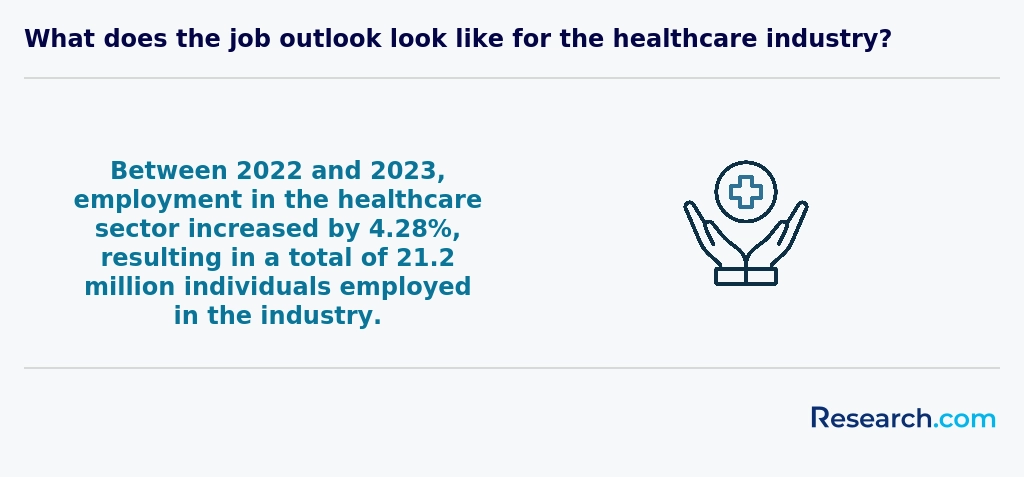
The global perspective on healthcare careers emphasizes strong demand driven by aging populations and advances in medical technology. In the United States, including regions like Kenosha, healthcare is among the fastest-growing employment sectors, projected to grow 13% from 2021 to 2031, according to the U.S. Bureau of Labor Statistics. This growth reflects worldwide trends, where healthcare workers are vital to addressing chronic diseases and improving access to care.
Kenosha's local healthcare system benefits from a mix of hospitals, clinics, and long-term care facilities, providing diverse career opportunities. Graduates with healthcare degrees in this area can expect roles in nursing, medical technology, and health administration, aligning with global needs for skilled professionals.
Internationally, healthcare careers also emphasize cross-cultural competence and adaptability, as global health initiatives and pandemics increase collaboration. For U.S. students in Kenosha, understanding these global dynamics can enhance their ability to work in diverse environments and adopt innovative practices.
Students pursuing healthcare degrees in Kenosha can gain practical experience through clinical placements, internships, and volunteer opportunities at local hospitals and clinics. Institutions such as the Aurora Medical Center Kenosha and Kenosha Community Health Center often collaborate with colleges to provide hands-on training. Accredited programs typically require clinical hours, ensuring students work directly with patients under supervision. Additionally, the Wisconsin Department of Health Services highlights the importance of these experiences in healthcare education for skill development. Engaging in local health outreach and research projects can also enhance understanding of community health needs and improve employability after graduation.
Choosing the right concentration within a healthcare degree program in Kenosha involves understanding both your interests and local job market needs. Popular concentrations include nursing, medical laboratory technology, and health administration. According to the Wisconsin Department of Workforce Development, healthcare roles in Kenosha are projected to grow by 12% through 2030, especially in nursing and allied health fields.
Consider your strengths and preferred work environment. Clinical roles often require hands-on patient care, while administrative tracks focus on management and policy. Research local employers, such as Aurora Health Care and Ascension, to identify in-demand skills.
Consult academic advisors at Kenosha-area colleges to align your concentration with licensure and certification requirements necessary in Wisconsin.
Related Healthcare Rankings for Nearby Cities
- 2027 Most Popular Healthcare Degree Programs Ranking in Milwaukee
- 2027 Most Popular Healthcare Degree Programs Ranking in Grand Rapids
- 2027 Most Popular Healthcare Degree Programs Ranking in Green Bay
- 2027 Most Popular Healthcare Degree Programs Ranking in West Lafayette
- 2027 Most Popular Healthcare Degree Programs Ranking in Toledo
- 2027 Most Popular Healthcare Degree Programs Ranking in Detroit
- 2027 Most Popular Healthcare Degree Programs Ranking in Cincinnati
- 2027 Most Popular Healthcare Degree Programs Ranking in Saint Louis
- 2027 Most Popular Healthcare Degree Programs Ranking in Columbus
- 2027 Most Popular Healthcare Degree Programs Ranking in Saint Paul
Top Trending Healthcare Rankings
See What Experts Have To Say About Studying Healthcare
Read our interview with Healthcare experts

References
- Networking and Mentorship During Clinical Rotations https://rotatingroom.com/blog/medical-students-the-importance-of-networking-mentorship-during-your-clinical-rotations
- How to Create a Healthcare Career Roadmap https://www.ihire.com/resourcecenter/jobseeker/pages/how-to-create-a-healthcare-career-roadmap
- Medical Assistant Certification Kenosha Wisconsin - NPS https://npscerts.com/medical-assistant-certification-kenosha-wisconsin/
- Economic Support https://www.kenoshacountywi.gov/290/Economic-Support
- Study Healthcare Abroad - Top Universities for Masters, MBA, PhD Degree Programs https://studee.com/degree/abroad/healthcare
- Experiential Learning to Enhance Global Health Collaboration and Student Opportunity https://annalsofglobalhealth.org/articles/10.5334/aogh.4537
- Know more about thesis vs non- thesis: what is the difference? https://studyfans.com/en/blogs/816
- What can I do with a healthcare studies degree, and how can I start? https://mrcollege.ac.uk/what-can-i-do-with-a-healthcare-studies-degree-and-how-can-i-start/
- 14 Entry-Level Healthcare Certifications | San Juan College https://www.sanjuancollege.edu/blog/entry-level-healthcare-certifications/
- Financial Assistance Program | Froedtert & MCW https://www.froedtert.com/financial-services





