
2027 Best Healthcare Degree Programs Ranking in College Park

Co-Founder and Chief Data Scientist
Choosing the right healthcare degree program in College Park can shape your future career. Our article features the 2027 Best Healthcare Degree Programs Ranking in College Park, created by the Research.com team of data scientists to guide you toward the most valuable options.
By exploring this ranking, you'll gain confidence in making an informed decision about your education. Healthcare degrees open doors to rewarding opportunities, meaningful work, and personal growth.
Read on to discover programs that align with your goals and passion for helping others.
Key benefits of getting healthcare degree in College Park
- Healthcare degree graduates in College Park can expect competitive salaries, such as $43,350 annually for Medical Assistants and Clinical Research Coordinators, and up to $103,150 for Quality Improvement Coordinators, offering strong financial stability.
- Graduates often pursue diverse career paths, from patient care roles like Patient Care Technicians earning about $60,790 yearly to technical positions as Health Information Technicians with mean wages around $43,380.
- Completing a healthcare degree online from a reputable College Park university allows flexible study schedules, enabling students to balance work and life while earning credentials that open doors to rewarding healthcare careers.
- Key benefits of getting healthcare degree in College Park
- What can I expect from healthcare degree in College Park?
- Where can I work with healthcare degree in College Park?
- How much can I make with healthcare degree in College Park?
- 2027 Best Healthcare Degree Programs Ranking in College Park
- Key Findings
- How long does it take to complete healthcare degree in College Park?
- Licensing and Certification Requirements
- What's the difference between online and on-campus healthcare degree?
- Licensing and Certification Requirements in Maryland
- What is the average cost of healthcare degree in College Park?
- Application Process and Deadlines
- What financial aid is available to healthcare degree students in College Park?
- Emerging Trends and Innovations in Healthcare Education
- What are the prerequisites for enrolling in healthcare degree program in College Park?
- Campus Life and Student Resources in College Park, MD
- What courses are typically in healthcare degree programs in College Park?
- What types of specializations are available in healthcare degree programs in College Park?
- How do you choose the best healthcare degree in College Park?
- What career paths are available for healthcare degree students in College Park?
- What is the job market for healthcare degree in College Park?
- Top Trending Healthcare Rankings
- See What Experts Have To Say About Studying Healthcare
What can I expect from healthcare degree in College Park?
The average cost of pursuing a healthcare degree in College Park, particularly at the University of Maryland, typically ranges between $10,000 to $35,000 per year for in-state students, while out-of-state students may face higher tuition fees, often exceeding $35,000 annually. Graduates recall navigating these expenses alongside demanding coursework, internships, and clinical hours that immerse them in real-world healthcare settings. This investment, though significant, comes with invaluable exposure to diverse healthcare environments-imagine collaborating on community health projects or engaging with federal agencies like NIH and CDC, all within reach of College Park's vibrant campus.
Many students find that the financial commitment feels more manageable when juxtaposed with the unique opportunities here. Access to interdisciplinary learning and partnerships with health institutions offers a practical, hands-on education that textbooks alone cannot provide. Graduates often express a deep appreciation for this immersive journey, where theory meets practice, despite the upfront costs. For those serious about healthcare careers, College Park presents not just an education, but a gateway to lifelong professional growth.
Where can I work with healthcare degree in College Park?
Graduates with a healthcare degree from institutions like the University of Maryland in College Park often find themselves navigating a landscape rich with opportunity-and it's not just the typical hospital route many imagine. While some begin their careers at local hospitals such as the University of Maryland Medical Center, others discover fulfilling roles in healthcare administration, research labs, or even public health agencies nearby.
Consider a graduate who, after completing their studies, secured a position with a biotech company like Emergent BioSolutions. The chance to contribute to innovative medical devices or pharmaceutical research reveals just how broad the definition of healthcare employment can be in College Park's dynamic ecosystem.
Others lean into community health initiatives or government roles, inspired by the proximity of organizations similar to the CDC, which symbolize the intersection of public policy and healthcare. These graduates often describe feeling empowered by the impact their work brings to populations beyond the hospital walls.
For many, College Park's robust network of educational, nonprofit, and insurance sectors means career paths that blend passion with purpose, proving that a healthcare degree here is more than a job ticket-it's a gateway to shaping the future of health in diverse, unexpected ways.
How much can I make with healthcare degree in College Park?
Graduates from healthcare programs at institutions like the University of Maryland in College Park are stepping into roles where their earning potential challenges common expectations. For example, medical assistants often start with a mean annual wage near $43,350, reflecting entry-level accessibility coupled with solid foundational income. Patient care technicians earn notably more, averaging around $60,790 a year, demonstrating how specialized skills quickly translate to higher pay in the region.
Health information technicians also make about $43,380 annually, combining technical aptitude with the local healthcare industry's digital evolution. Meanwhile, clinical research coordinators, a role many graduates gravitate toward given College Park's proximity to major research centers, also see mean salaries near $43,350. Yet, it's those who pursue roles like quality improvement coordinators that reveal the true earning leaps possible, with mean wages exceeding $103,000-an impressive figure that underscores how higher responsibility and expertise in Maryland's dynamic healthcare landscape pay off.
These salary figures don't just represent numbers but a dynamic pathway for graduates craving meaningful work and financial growth in the College Park area.
2027 Best Healthcare Degree Programs Ranking in College Park
How do we rank schools?
Investing in your education is a significant decision that can shape your future, and the Research.com team understands the importance of making informed choices. To assist prospective students in College Park, we have meticulously crafted the "2027 Best Healthcare Degree Programs Ranking in College Park." Our commitment to quality, credibility, and accuracy is reflected in the extensive research and analysis conducted to compile this ranking.
We utilized the following reputable data sources to ensure a comprehensive evaluation of healthcare programs:
By exploring this ranking, readers will gain valuable insights into the best healthcare degree programs available in College Park, helping them make confident and well-informed decisions about their educational paths. For more details on our methodology, please visit our Research.com methodology page.

Key Findings
- Healthcare programs in College Park are available at undergraduate and graduate levels, covering nursing, public health, healthcare administration, and allied health professions.
- In-state tuition for public universities ranges from $10,000 to $15,000 per year, while out-of-state tuition is typically between $25,000 and $35,000 annually.
- Private and specialized programs may cost over $30,000 each year.
- Entry-level salaries for healthcare graduates average $55,000 to $65,000 annually, depending on the field and credential.
- Experienced professionals such as registered nurses and healthcare administrators often earn more than $85,000 per year within 5 to 10 years post-graduation.
- The job market is strong in hospitals, clinics, public health organizations, and federal health agencies near College Park.
How long does it take to complete healthcare degree in College Park?
Completing a healthcare degree in College Park challenges the usual four-year expectation many hold for undergraduate studies. Graduates from the University of Maryland campus often speak about accelerated BSN programs that cut this down dramatically, sometimes to just 12 to 18 months for those with prior degrees. Imagine diving into a fast-paced curriculum where intensity replaces long breaks, pushing you forward swiftly but requiring true dedication.
Associate degrees locally, designed for roles like Licensed Practical Nurses, represent a gateway with about two years of full-time study-but they remind students early on that scope and opportunity differ significantly from bachelor's holders. For master's degrees, alumni highlight how 1.5 to 2 years of focused study blend academic rigor with hands-on clinical experience, shaping specialized healthcare professionals.
Doctoral paths, like the Doctor of Nursing Practice or medical degrees, transform time into a profound journey lasting years beyond undergraduate efforts-around 3 to 4 years for DNP and at least 7 combined years for MD plus residency. These timelines embody the profound commitment College Park's healthcare students embrace, balancing cost, clinical hours, and personal growth in a demanding yet inspiring environment.
Licensing and Certification Requirements
Understanding the licensing and certification requirements is essential for ensuring your healthcare degree leads to professional practice. In Maryland, most clinical roles-such as Registered Nurse (RN), Licensed Practical Nurse (LPN), and Physician Assistant (PA)-require passing a state board exam (for example, the NCLEX for nurses) and maintaining an active license through continuing education credits. Non-clinical roles, like Health Information Technicians, often pursue the Registered Health Information Technician (RHIT) credential administered by AHIMA, which validates proficiency in coding, data management, and compliance. Many programs integrate exam preparation into their curriculum, but students should confirm that their chosen institution is accredited by bodies such as the Commission on Accreditation for Health Informatics and Information Management Education (CAHIIM) or the Commission on Collegiate Nursing Education (CCNE). For students seeking health information management roles, it’s critical to choose accredited options-explore our most affordable online health information management degree programs to find pathways that align with certification standards and budget considerations. Additional certifications can enhance career prospects and salary potential. For example, Certified Nursing Assistants (CNAs) must complete a state-approved training program and pass the Maryland Nurse Aide Competency Exam, while Advanced Practice Registered Nurses (APRNs) pursue national certifications in specialties such as family nurse practitioner (FNP) or psychiatric mental health nurse practitioner (PMHNP) through organizations like ANCC or AANP. Maintaining these credentials requires periodic renewal, typically every two years, and completion of continuing education units (CEUs), which foster lifelong learning and updated clinical skills. Before enrolling, verify licensure pass rates and certification exam support offered by each program. High first-time pass rates often indicate robust academic preparation and dedicated faculty mentorship. By prioritizing programs with clear pathways to licensure and certification, you can confidently transition from student to practicing professional in Maryland’s dynamic healthcare landscape.
What's the difference between online and on-campus healthcare degree?
Choosing between online and on-campus healthcare degrees in College Park is more than a simple preference-it shapes your entire learning journey. Graduates from nearby universities often recall the palpable energy of face-to-face classes, where hands-on experiences at local hospitals and clinics not only built skills but also instilled confidence. Imagine mastering clinical techniques under direct supervision, surrounded by peers sharing the same passion. This environment fuels motivation and creates lasting professional networks.
Conversely, the flexibility of online programs suits those juggling jobs or family life, transforming education into a personalized experience without geographic boundaries. Graduates who balanced their studies remotely describe a profound sense of empowerment-the ability to steer their own pace fosters discipline and resilience. Yet, the challenge lies in cultivating practical expertise through arranged clinical rotations, which can feel fragmented compared to the immersive on-campus vibe.
In College Park, where healthcare education thrives, the choice reflects more than convenience-it's about aligning educational style with the lifestyle and ambitions that will define your career.
Licensing and Certification Requirements in Maryland
To practice in Maryland, graduates must secure state approval and national credentials tailored to their roles. Key steps include:
- Registered Nurse (RN):
- Graduate from an ACEN- or CCNE-accredited nursing program.
- Apply to the Maryland Board of Nursing and pass the NCLEX-RN exam.
- For career advancement, consider affordable rn to bsn online programs to meet BSN requirements.
- Health Information Technician:
- Earn an associate or bachelor’s in health information management.
- Sit for the RHIT exam through AHIMA and renew credentials every two years.
- Patient Care Technician:
- Complete a state-approved PCT training course.
- Obtain certification (e.g., NHA’s CPT) and maintain CPR/First Aid credentials.
- Healthcare Administration and Other Roles:
- Pursue discipline-specific certifications (e.g., CHPS, CPHQ) offered by professional associations.
Maintaining these credentials requires continuing education and periodic renewal to comply with Maryland regulations and industry standards.
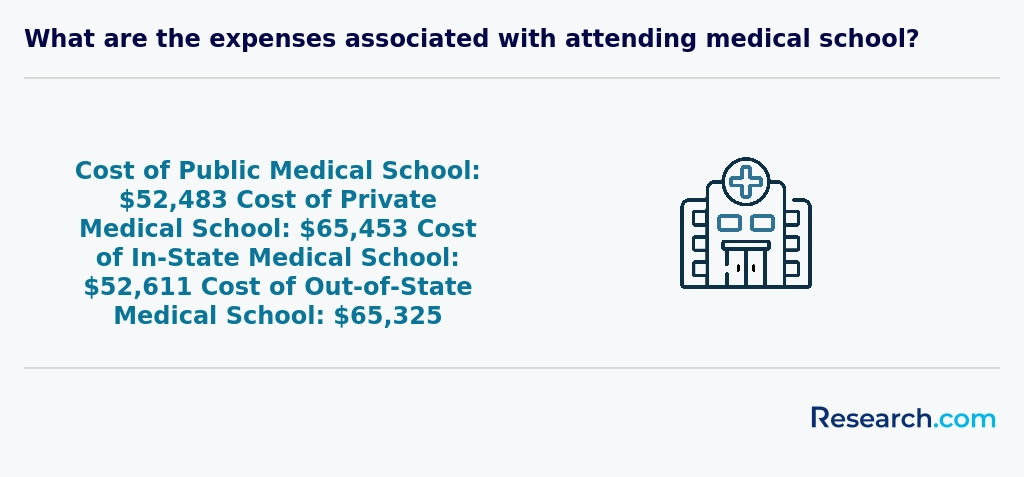
What is the average cost of healthcare degree in College Park?
The average cost of a healthcare degree in College Park reflects a mix of affordability and investment. For in-state students attending the University of Maryland, the median total cost hovers around $11,809, which many graduates describe as manageable when weighed against the career opportunities healthcare offers. Out-of-state students face a steeper median total cost near $58,808, a figure that often prompts deeper financial planning and a search for scholarships or assistantships. This gap challenges students to evaluate not only educational expenses but the long-term value of their degree.
Experiences from healthcare graduates in College Park frequently highlight how the total cost of healthcare programs College Park involves more than just tuition. They recount unexpected fees for lab work, clinical placements, and essential materials that add significant amounts each year. The emotional reassurance that comes with understanding these costs upfront often empowers students to budget effectively and avoid surprises, helping maintain focus on their studies and clinical experiences.
Many students find creative options to offset costs, utilizing financial aid and exploring options like online nurse practitioner program accreditation to supplement their education. The reality is, understanding the complete financial landscape helps students embrace their journey rather than fear it, making the healthcare degree experience in College Park both enriching and within reach for many.
Application Process and Deadlines
Navigating the application process for the 2024 Best Healthcare Degree Programs in College Park, MD requires careful planning to meet key deadlines and ensure a complete submission. First, confirm that you meet all prerequisites-such as required coursework, standardized test scores (if applicable), and minimum GPA-by reviewing each program’s admissions criteria. Next, gather official transcripts, letters of recommendation, and a compelling personal statement that highlights your passion for healthcare and ties directly to the strengths of College Park’s institutions. Most programs offer rolling admissions, but to maximize your chances of acceptance and financial aid opportunities, aim to submit applications by June 1 for fall enrollment and November 1 for spring entry. Early submission also allows access to merit-based scholarships and competitive clinical placement slots. Be sure to complete your FAFSA by March 1 to secure federal and state funding, and inquire about institution-specific grants like the Terrapin Commitment Program for Maryland residents. For applicants seeking budget-friendly alternatives or additional online learning flexibility, explore our Inexpensive Online Healthcare Degree Programs Ranking in Philadelphia, PA, which highlights affordable online options that can complement your College Park education. Finally, schedule campus visits or virtual information sessions by contacting admissions counselors, and track all deadlines using a dedicated admissions calendar to avoid missing critical dates. With these steps in place, you’ll be well-prepared to join a top-tier healthcare program in College Park and launch your career.
What financial aid is available to healthcare degree students in College Park?
Many students pursuing healthcare degrees in College Park often underestimate the variety of financial aid options uniquely suited to their paths. For example, graduates from the University of Maryland's healthcare programs frequently highlight how the Pell Grant's $7,395 annual support lifted a heavy financial weight without adding debt. Completing the FAFSA opens doors not just to grants, but also to federal loans with favorable terms designed to accommodate the rigorous schedules of healthcare students.
State-specific scholarships like those from the Maryland Higher Education Commission can transform the cost equation, especially for residents. Imagine a student balancing clinical hours with coursework who benefits from the Maryland Community College Promise Scholarship, easing the strain of tuition. Institutional aid from local schools often targets healthcare fields, offering merit-based and need-based scholarships that feel like a personal investment in future healthcare providers.
- Private scholarships from healthcare foundations and nursing organizations offer targeted support aligned with student passions.
- Employer tuition reimbursement empowers working healthcare students, fueling both career and education growth.
- Loan forgiveness programs, such as Public Service Loan Forgiveness, reward those committed to underserved communities, turning service into financial relief.
These aid sources aren't just lines on a form-they represent real, impactful lifelines that College Park healthcare students actively rely on to transform aspiration into achievement without crushing debt.
Emerging Trends and Innovations in Healthcare Education
As healthcare rapidly evolves, educational programs in College Park, MD, are increasingly integrating cutting-edge technologies and forward-thinking methodologies to better prepare students for the future. Today’s curricula not only focus on traditional clinical skills but also emphasize digital literacy, telehealth practices, and data analytics, ensuring that graduates can adapt to an ever-changing healthcare landscape. Emerging trends include the incorporation of simulation labs equipped with virtual reality, remote monitoring tools, and AI-powered diagnostic systems, which enrich the learning experience and provide real-world insights into modern patient care. Moreover, many institutions are expanding their digital offerings, enabling flexible learning environments that accommodate busy schedules while delivering quality education. For example, students interested in complementary fields of study can explore innovative disciplines such as nutrition, where programs offer comprehensive insights into healthy living and preventive care; candidates may want to check out the best online nutrition programs to further diversify their expertise. By staying abreast of these emerging trends and innovations, healthcare education in College Park not only meets today’s industry demands but also positions graduates as adaptable, forward-thinking professionals ready to lead the future of medical care.
What are the prerequisites for enrolling in healthcare degree program in College Park?
To enroll in a healthcare degree program in College Park, the baseline expectations go beyond simply holding a high school diploma. Graduates from popular institutions such as the University of Maryland recall how pivotal strong foundations in biology, chemistry, and mathematics were in preparing them for the rigors ahead. It's not just about passing courses; it's about building critical thinking skills that translate into real-world healthcare challenges.
Many students also found that excelling in communication courses made a tangible difference, helping them express complex medical concepts clearly during clinical rotations. Standardized test scores like the SAT or ACT are often required, but these are merely gateways-what really matters is a demonstrated commitment through volunteer work or healthcare exposure, providing a glimpse into the demanding yet rewarding environments they will encounter.
Additionally, several programs emphasize practical readiness, expecting certifications such as CPR and even background checks before clinical placements. These prerequisites are not arbitrary hurdles but safeguards ensuring students can thrive and contribute confidently to patient care in College Park's dynamic healthcare landscape.
Campus Life and Student Resources in College Park, MD
College Park not only offers top-tier healthcare degree programs but also provides a vibrant campus life and extensive student support resources that enhance both academic and personal growth. Students can benefit from state-of-the-art research labs, modern libraries, and collaborative study spaces, which create an environment where learning extends beyond the classroom. Campus organizations, career centers, and health-related clubs offer networking opportunities and mentorship programs that connect students with industry experts and alumni. Moreover, the city’s proximity to major healthcare facilities allows students to engage with real-world challenges through internships and volunteer programs, enriching their educational journey. Prospective students interested in budget-conscious education can explore the most affordable healthcare programs in maryland, which highlight cost-effective pathways to achieving academic and career success. By blending rigorous academics with a dynamic campus culture, College Park cultivates a nurturing atmosphere that prepares future healthcare professionals for prosperous careers.
What courses are typically in healthcare degree programs in College Park?
Students pursuing healthcare degrees in College Park often find themselves immersed in courses that challenge their perceptions of medicine and care. At popular institutions like the University of Maryland, graduates recall how foundational classes in human anatomy and physiology opened their eyes to the intricate design of the human body, turning abstract concepts into tangible understanding. This deep dive into biological systems is the bedrock for any healthcare role.
But it's not just the science that shapes their journey. Graduates frequently express how healthcare ethics and law coursework brought a new dimension to their studies-encouraging them to consider the profound responsibility behind patient confidentiality and informed consent within the US healthcare landscape. These lessons are especially powerful when paired with practical experiences in local hospitals and clinics.
Courses in healthcare management and policy further push students to think critically about the system as a whole. Learning about economics and health informatics, often through real-world case studies offered by College Park institutions, encourages them to envision how their roles fit into broader efforts to improve care delivery and public health outcomes.

What types of specializations are available in healthcare degree programs in College Park?
Healthcare degree specializations in College Park reflect a thoughtful blend of tradition and innovation, challenging students to consider how diverse their roles in the healthcare ecosystem can be. Graduates from the University of Maryland, College Park often recount their immersive experiences in public health, where they tackled real community health challenges, or in health informatics programs that taught them to harness data to improve patient outcomes-skills that are increasingly invaluable as healthcare embraces technology.
Students discover that specializations such as nursing-offering tracks from registered nursing to nurse practitioner-go beyond textbooks, merging compassionate care with rigorous clinical practice. Others explore health administration, navigating the complex management and regulatory frameworks that sustain hospitals and clinics in the region. Those drawn to hands-on rehabilitation find physical therapy programs rewarding, while nutrition and dietetics prepare students to rethink wellness at a fundamental level. Such College Park healthcare program specialization options promote not only knowledge but empathy, leadership, and adaptability.
Many reflect on the advantage of being close to dynamic healthcare hubs in Maryland and Washington D.C., where internship opportunities reinforce their learning. For those seeking uniquely practical online experiences, there's even scope in online nursing programs simulation labs California, which complement local offerings and broaden horizons.
How do you choose the best healthcare degree in College Park?
Choosing the best healthcare degree in College Park isn't simply about picking a popular program-it's about understanding how each degree aligns with your personal goals and the realities of the local healthcare landscape. Graduates from the University of Maryland often share how their hands-on clinical rotations at nearby hospitals transformed theoretical knowledge into confidence and real-world skills, something classroom-only programs can't replicate. This immersion is essential in a competitive job market that values practical experience alongside academic credentials.
Cost is another dimension rarely discussed deeply. The University of Maryland's in-state tuition, near $11,000 for 2023-2024, illustrates affordability in a region known for high living expenses. Many students weigh this against the potential debt from private institutions, realizing that affordable healthcare degrees in College Park can deliver quality without compromising financial health.
Accreditation and reputation matter, but also ask: what's the program's track record for internships or partnerships? Those layers often determine how smoothly you transition into the workforce. When seeking specialized paths, exploring options like dual degree nursing programs California can inspire wider thinking beyond the local scene, enriching your perspective on what's possible.

What career paths are available for healthcare degree students in College Park?
Graduates with a healthcare degree in College Park find themselves at a crossroads of diverse career paths that defy simple categorization. Many step into roles as registered nurses or nurse practitioners, driven by Maryland's projected 15% growth in nursing jobs. A graduate from a popular College Park university reflected on the rewarding challenge of caring directly for patients, emphasizing how the local healthcare environment sharpens critical clinical skills. Yet, healthcare career opportunities in College Park extend well beyond bedside care.
Administration and management roles also attract degree holders, demanding sharp business acumen to address rising healthcare costs. Graduates recall managing hospital operations or insurance systems, experiences gained through internships at renowned local healthcare facilities. For those drawn to science, positions in medical research or laboratory technology become lucrative options. Being near federal agencies allows students to gain hands-on exposure to public health research, blending academic knowledge with real-world impact.
Other College Park healthcare degree job prospects include emerging fields like health informatics and public health education, fast-growing sectors offering stability and purpose. Many students pursue advanced certifications, motivated by the promise of roles with greater responsibility and salary. Exploring these paths reveals not just careers but journeys of meaningful service and growth. The real-world value amplifies when students engage as skilled healthcare workers after graduation, truly transforming the region's health landscape.

What is the job market for healthcare degree in College Park?
The healthcare job opportunities in College Park defy the notion that local markets are limiting. Graduates from well-known universities and community colleges in the area often find themselves stepping into roles ranging from nursing to healthcare administration, driven by a rapid regional healthcare expansion. One recent College Park graduate shared how proximity to government health agencies and research institutions turned once-daunting job searches into promising career launches.
These professionals benefit not only from-demand technical skills but also from Maryland's competitive salaries averaging around $60,000 for entry-level healthcare occupations. The aging population further fuels this demand, ensuring allies such as registered nurses remain in high need. Students at regional institutions vividly experience extensive clinical placements that lead directly to employment, clearly illustrating the strong College Park healthcare degree employment outlook.
Investing in education here feels more attainable thanks to tuition support programs, scholarships, and even employer loan repayments. For those weighing choices, exploring the most affordable healthcare programs in maryland around College Park sparks hope, blending cost-conscious decisions with promising employment pathways.
Frequently Asked Questions About healthcare
Healthcare degree students in College Park can maximize their learning by taking advantage of local resources and experiential opportunities. The University of Maryland, situated in College Park, offers access to cutting-edge simulation labs and partnerships with nearby medical centers like the University of Maryland Medical Center. Engaging in internships or volunteer work within the local healthcare system provides practical experience that complements classroom learning.
Students should also participate in specialized workshops and research projects, many of which focus on public health challenges relevant to Maryland. According to the Maryland Department of Health, these experiences improve critical thinking and practical skills crucial for healthcare careers.
Networking with local professionals through campus events further enhances learning and future job prospects.
The healthcare field in College Park is evolving rapidly, with several emerging niches gaining prominence. One key area is telehealth, driven by advances in digital technology and increased demand during the COVID-19 pandemic. This niche offers opportunities in remote patient monitoring and virtual care services. Another growing specialization is healthcare informatics, focusing on managing and analyzing health data to improve outcomes and efficiency. Additionally, precision medicine and genetic counseling are expanding as personalized treatments become more common. According to the University of Maryland's School of Public Health, these sectors are expected to grow significantly in the next decade, reflecting broader national trends.
After earning a healthcare degree in College Park, preparing for the job market starts with gaining practical experience. Many local healthcare employers, including hospitals and clinics in nearby Baltimore-Washington areas, prioritize candidates with internships or clinical rotations. According to the Bureau of Labor Statistics, healthcare jobs are projected to grow 13% nationally from 2021 to 2031, emphasizing the importance of relevant experience.
Networking plays a critical role. Graduates should utilize resources like the University of Maryland's career services and local healthcare job fairs to connect with employers. Joining professional healthcare associations can also open doors to opportunities and mentorship.
Lastly, earning certifications specific to your field-such as CPR, EMT, or nursing credentials-can significantly enhance employability in College Park's competitive healthcare sector.
Employers in College Park prioritize a combination of technical and interpersonal skills in healthcare degree graduates. According to data from the Maryland Department of Labor, strong clinical competence, including proficiency with electronic health records (EHR) systems, is essential in this region.
Communication skills rank highly, as healthcare professionals must interact effectively with diverse patient populations and multidisciplinary teams. Problem-solving abilities and critical thinking are also crucial, allowing graduates to adapt quickly in dynamic medical environments.
Additionally, familiarity with healthcare regulations such as HIPAA and OSHA standards is expected. Leadership and teamwork qualities further enhance a candidate's appeal in College Park's growing healthcare sector.
Finding internships in College Park for healthcare students involves several strategic steps. Start by exploring opportunities through the University of Maryland's School of Public Health and School of Nursing, both of which maintain partnerships with local hospitals and clinics. The University Career Center also offers listings of healthcare internships and can assist with resume building and interview preparation.
Additionally, facilities like the University of Maryland Medical System provide internship programs focused on clinical and administrative healthcare roles. According to recent data, healthcare internships in the Maryland area grew by 12% between 2021 and 2023, reflecting strong local demand.
Networking through local healthcare professional associations and attending relevant job fairs in College Park can further increase chances of securing an internship.
Obtaining a healthcare degree in College Park significantly enhances career mobility and advancement opportunities. The region benefits from proximity to major medical institutions and research centers, creating a robust job market for healthcare professionals. According to the Maryland Department of Labor, healthcare occupations in the College Park area are projected to grow by over 15% through 2028, outpacing many other sectors.
Graduates with healthcare degrees find diverse roles in nursing, medical technology, and public health, often advancing quickly due to high demand. Credentials such as a Bachelor of Science in Nursing (BSN) or a Master's in Healthcare Administration increase eligibility for leadership positions and specialized fields.
Furthermore, College Park's access to continuing education and professional certification programs supports ongoing skill development, which is critical for promotion and salary growth in healthcare fields. Employers in the area typically prioritize candidates with accredited degrees and relevant clinical experience, making formal education a key driver of career progression.
Studying for a healthcare degree in College Park offers a strong foundation for interdisciplinary roles through carefully designed curricula that integrate multiple health sciences. Programs often include coursework in public health, nursing, health policy, and informatics, encouraging collaboration across fields. This approach mirrors the realities of healthcare delivery, where teamwork between various professionals is essential.
Furthermore, College Park benefits from its proximity to major research hospitals and public health institutions, providing students with practical experience in diverse settings. According to the University of Maryland's School of Public Health, over 60% of healthcare degree graduates engage in interdisciplinary projects during their studies.
Such exposure enhances critical communication and problem-solving skills vital for coordinating patient care across specialties, preparing graduates to meet the demands of evolving healthcare environments.
Choosing between a thesis and a non-thesis healthcare degree program in College Park depends on your career goals and learning preferences. Thesis programs usually require original research, ideal for students aiming for doctoral studies or research careers. Non-thesis options focus more on practical skills and coursework, suited for those targeting immediate employment in clinical or administrative roles.
In 2023, University of Maryland, College Park reported that about 40% of healthcare graduate students chose thesis tracks, often leading to higher involvement in research and publication opportunities. Non-thesis graduates typically enter healthcare fields faster, reflecting the region's demand for skilled professionals.
Consider your interest in research, time availability, and career path when deciding between these two formats.
Students based in College Park looking to study healthcare abroad have several pathways through partnerships and exchange programs offered by the University of Maryland and affiliated institutions. These programs often include options in countries with advanced healthcare systems, such as the United Kingdom, Canada, and Australia.
Many healthcare degrees incorporate global learning components, enabling students to complete clinical rotations or research internships internationally. According to the University of Maryland Global Campus, nearly 15% of healthcare students participate in study abroad experiences, gaining exposure to diverse medical practices.
Additionally, scholarships and grants are available to support these opportunities, making international study more accessible for College Park residents focused on healthcare careers.
Students pursuing healthcare degrees in College Park have access to various part-time job opportunities that enrich their academic experience. Local hospitals, such as the University of Maryland Medical Center, often hire students for roles like patient care assistants and clerical support, providing practical exposure to clinical environments.
Additionally, College Park offers positions in research labs affiliated with the University of Maryland, where students can assist in healthcare studies or data collection. These jobs enhance both technical skills and understanding of healthcare protocols.
With Maryland's healthcare sector growing by 10% annually (Bureau of Labor Statistics, 2023), roles in outpatient clinics and community health centers nearby also present valuable part-time work aligned with healthcare studies.
Healthcare students in College Park benefit from numerous networking opportunities, essential for career growth. The University of Maryland, College Park, hosts several student organizations dedicated to healthcare fields, such as the Pre-Health Association and the Public Health Student Association. These groups often organize events with healthcare professionals, offering students a chance to connect directly with industry experts.
Additionally, College Park's proximity to Washington, D.C., allows students to attend regional healthcare conferences and job fairs, increasing exposure to diverse employers. Internships and cooperative education programs facilitated by local hospitals and research centers further support networking by providing hands-on experience and professional contacts.
According to the Bureau of Labor Statistics, Maryland is among the top states for healthcare employment, making local connections especially valuable for students looking to enter the job market upon graduation.
Alumni networks play a significant role in supporting healthcare degree students in College Park. These networks provide valuable opportunities for mentorship and networking, helping students connect with professionals who have firsthand experience in healthcare fields. According to the University of Maryland's alumni association, more than 70% of healthcare graduates found their first job through alumni contacts.
Such connections often lead to internships and job placements, essential for gaining practical experience. Alumni events and online platforms enable students to stay informed about industry trends and local healthcare job openings in the Maryland region.
In sum, an active alumni network enhances career prospects and professional growth for healthcare students in College Park.
Customizing a healthcare degree program in College Park involves choosing specialized courses and practical experiences aligned with your career goals. Many local institutions offer flexible curricula that allow students to focus on areas such as public health, health administration, or clinical practice.
Internships and research opportunities at nearby medical centers and government health agencies provide practical exposure vital for job readiness. Focusing on skills like healthcare data analysis or patient care management can improve employability in the region's growing healthcare sector.
According to the Maryland Department of Labor, healthcare occupations in College Park are projected to grow by 15% through 2030, emphasizing the value of tailored education paths. Additionally, students can pursue certifications or joint degrees to expand expertise.
Healthcare students in College Park often face rigorous academic demands, including mastering complex medical terminology and clinical skills. Balancing coursework with clinical rotations requires effective time management, especially as many programs expect upwards of 40 hours weekly for practical experience. According to data from the University of Maryland, a key institution in College Park, nearly 60% of healthcare students report high stress levels related to workload and performance pressure. Additionally, limited local clinical placement opportunities can heighten competition among students, impacting hands-on training access. Financial challenges also arise, since healthcare degrees frequently involve significant tuition and related expenses.
With a healthcare degree in College Park, you can pursue several professional certifications that enhance career prospects in the medical field. Common certifications include Registered Nurse (RN), Certified Medical Assistant (CMA), and Certified Health Education Specialist (CHES). These credentials are nationally recognized and often required for specialized roles.
In Maryland, the Board of Nursing reports over 30,000 licensed RNs, reflecting strong demand locally. Additionally, certifications like the Certified Professional Coder (CPC) are valuable for healthcare administration roles. According to the Bureau of Labor Statistics, healthcare occupations in the College Park area are projected to grow by 15% through 2030, making these certifications crucial for employability.
Many programs in College Park offer preparation courses for these exams, helping graduates meet licensing requirements efficiently.
Writing a winning application for a healthcare program in College Park begins with understanding the competitive nature of admissions. According to the University of Maryland, College Park-one of the leading institutions in the area-healthcare programs often require strong academic records, including a GPA of 3.0 or higher.
Applicants should emphasize relevant healthcare experience, such as volunteering or internships, to demonstrate commitment. Clear, concise personal statements explaining career goals enhance applications.
Including letters of recommendation from healthcare professionals or professors familiar with your skills can boost credibility.
Lastly, standardized test scores like the GRE or SAT may be required depending on the program level, so check specific admissions criteria early.
Globally, healthcare careers are increasingly valued for their impact on public health and economic stability. In the United States, healthcare employment is projected to grow by 13% from 2021 to 2031, faster than the average for all occupations, according to the U.S. Bureau of Labor Statistics. College Park, Maryland, benefits from proximity to major healthcare research institutions, fostering opportunities for students pursuing healthcare degrees. Internationally, healthcare systems differ widely, but skills in care delivery, technology, and management remain universally essential. Understanding these global trends can help College Park students prepare for diverse careers addressing worldwide health challenges.
Students pursuing healthcare degrees in College Park can gain valuable practical experience through various opportunities integrated into their programs. Many local colleges collaborate with hospitals, clinics, and research centers in the area to offer internships and clinical placements. These hands-on experiences allow students to apply theoretical knowledge in real-world settings.
Additionally, students may participate in simulation labs that replicate healthcare scenarios, enhancing their skills before patient interaction. Volunteer positions in nearby facilities can further build practical competencies and professional networks.
According to the Maryland Higher Education Commission, over 70% of healthcare students in the region engage in internships or clinical hours as part of their training. This ensures they graduate work-ready with relevant experience.
Choosing the right concentration within a healthcare degree program in College Park begins with understanding the local job market. According to the Maryland Department of Labor, healthcare occupations in the Washington metropolitan area, including College Park, are expected to grow by about 15% through 2030. This growth is driven largely by demand for specialized roles like nursing, public health, and health informatics.
Students should consider their strengths and interests, whether in clinical care, administration, or technology. Additionally, exploring concentrations such as healthcare management, epidemiology, or health information systems can align with emerging trends. Consulting academic advisors and local healthcare providers can provide insight into career prospects.
Finally, reviewing program curricula at College Park institutions ensures the chosen concentration includes relevant skills and certifications recognized in Maryland's healthcare sector.
Related Healthcare Rankings for Nearby Cities
- 2027 Best Healthcare Degree Programs Ranking in Washington
- 2027 Best Healthcare Degree Programs Ranking in Harrisonburg
- 2027 Best Healthcare Degree Programs Ranking in Philadelphia
- 2027 Best Healthcare Degree Programs Ranking in Norfolk
- 2027 Best Healthcare Degree Programs Ranking in Virginia Beach
- 2027 Best Healthcare Degree Programs Ranking in Wilkes-Barre
- 2027 Best Healthcare Degree Programs Ranking in Scranton
- 2027 Best Healthcare Degree Programs Ranking in Pittsburgh
- 2027 Best Healthcare Degree Programs Ranking in Jersey City
- 2027 Best Healthcare Degree Programs Ranking in Brooklyn
Top Trending Healthcare Rankings
See What Experts Have To Say About Studying Healthcare
Read our interview with Healthcare experts

References
- Medical University of GdaÅsk https://admission.mug.edu.pl/29318.html
- Advancing Your Career in Healthcare: Tips and Strategies https://www.sunshinecarenetwork.com/blog/advancing-your-career-in-healthcare-tips-and-strategies
- 6 Tips On Networking For Medical Professionals https://aaams.net/blog/how-to-network-in-the-medical-field-nurses/
- What Can You Do with a Health Sciences Degree? https://www.ycp.edu/news/what-can-you-do-with-a-health-sciences-degree
- Students and Alumni associations - Europubhealth https://www.europubhealth.org/students-alumni-associations/
- Experiential Learning to Enhance Global Health Collaboration and Student Opportunity https://annalsofglobalhealth.org/articles/10.5334/aogh.4537
- Niche Market Opportunities Research Among Healthcare Professionals (A Decision Analyst Case History https://www.decisionanalyst.com/casestudies/nichemarketopportunities/
- Unlocking potential: Expanding experiential learning through simulation https://www.pagethink.com/insights/unlocking-potential-expanding-experiential-learning-through-simulation
- Paying for a Healthcare Graduate Degree: Your Options https://www.baypath.edu/news/bay-path-university-blogs/post/paying-for-a-healthcare-graduate-degree-your-options/
- The Healthcare Student’s Guide to Internships | EduMed.org https://www.edumed.org/resources/student-online-guide-to-internships/


