
2027 Best Healthcare Degree Programs Ranking in West Lafayette

Co-Founder and Chief Data Scientist
If you're considering a healthcare degree in West Lafayette, this article is here to guide you.
We present the 2027 Best Healthcare Degree Programs Ranking in West Lafayette, developed by the Research.com team of data scientists. This ranking helps you identify the programs that stand out based on solid data, making your decision easier.
Exploring healthcare education opens doors to meaningful and rewarding career paths. Reading this article can give you clarity and confidence about your future in healthcare.
Key benefits of getting healthcare degree in West Lafayette
- Healthcare degree graduates in West Lafayette can expect competitive salaries, with roles like Patient Care Technicians earning a mean annual wage of $60,790 and Quality Improvement Coordinators making up to $103,150.
- Graduates from Purdue University, a popular school in West Lafayette, often pursue diverse career paths such as Clinical Research Coordinators or Health Information Technicians, offering strong job prospects in various healthcare settings.
- Completing a healthcare degree online from Purdue Global can provide flexible learning schedules and reduce commuting stress, making it easier for students to balance work, family, and study commitments.
- Key benefits of getting healthcare degree in West Lafayette
- What can I expect from healthcare degree in West Lafayette?
- Where can I work with healthcare degree in West Lafayette?
- How much can I make with healthcare degree in West Lafayette?
- 2027 Best Healthcare Degree Programs Ranking in West Lafayette
- Key Findings
- How long does it take to complete healthcare degree in West Lafayette?
- Certification & Licensing: Elevating Your Healthcare Career
- What's the difference between online and on-campus healthcare degree?
- Campus Life and Community Support
- What is the average cost of healthcare degree in West Lafayette?
- Student Life and Campus Culture in West Lafayette, IN
- What financial aid is available to healthcare degree students in West Lafayette?
- Return on Investment: Weighing Costs Against Career Outcomes
- What are the prerequisites for enrolling in healthcare degree program in West Lafayette?
- Licensure and Certification Requirements for Healthcare Graduates in Indiana
- What courses are typically in healthcare degree programs in West Lafayette?
- What types of specializations are available in healthcare degree programs in West Lafayette?
- How do you choose the best healthcare degree in West Lafayette?
- What career paths are available for healthcare degree students in West Lafayette?
- What is the job market for healthcare degree in West Lafayette?
- Top Trending Healthcare Rankings
- See What Experts Have To Say About Studying Healthcare
What can I expect from healthcare degree in West Lafayette?
The average cost of earning a healthcare degree in West Lafayette, primarily through Purdue University, typically ranges from $10,000 to $28,000 per year for in-state students, depending on the specific program and whether the student is enrolled full-time. Healthcare students often reflect on balancing these tuition costs with the value of hands-on clinical experiences integrated into programs like the Bachelor of Science in Nursing (BSN). Graduates frequently mention that completing supervised hours in local hospitals gave them confidence and practical skills crucial for job readiness.
Out-of-state students may face higher tuition, often closer to $29,000 to $50,000 annually, but many find scholarships or co-op opportunities through Purdue's partnerships with regional healthcare providers, which help to offset these expenses. These cooperative education programs not only provide income but also foster professional networks in West Lafayette's growing healthcare market, making the overall investment in education feel worthwhile and motivating.
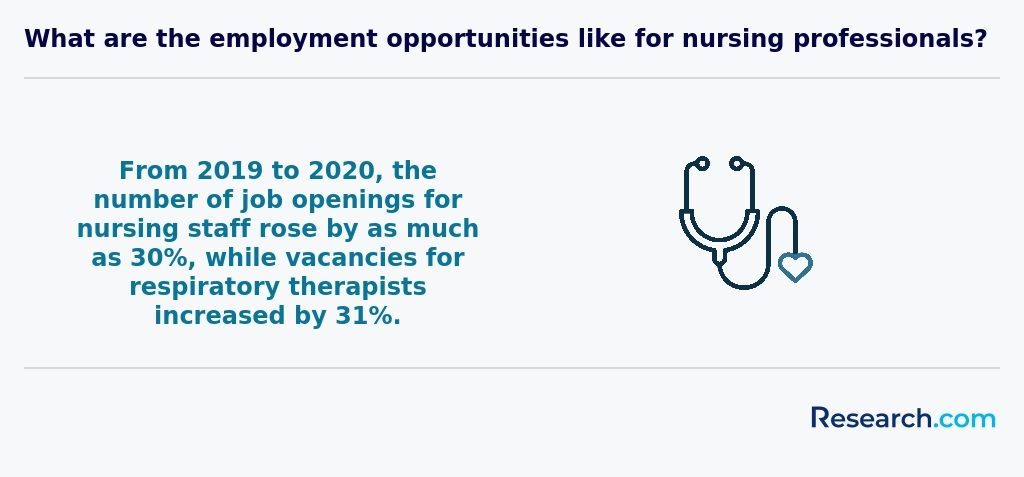
With Indiana's healthcare industry growing faster than the national average at about 16% from 2020 to 2030, students feel optimistic that these costs lead to positive career trajectories in nursing, health administration, and biomedical innovation.
Where can I work with healthcare degree in West Lafayette?
Graduates with healthcare degrees in West Lafayette find diverse employment opportunities across hospitals, universities, clinics, and public health organizations. For example, IU Health Arnett Hospital employs over 2,000 staff and consistently seeks nursing, health administration, and allied health professionals, making it a primary employer for recent graduates. Many healthcare students from Purdue University appreciate the strong connections between their academic programs and local clinical placements, which ease their transition into roles in healthcare research, public health programming, and healthcare education on campus.
Beyond large institutions, healthcare graduates often join outpatient care centers and specialized clinics like Lafayette Family Medicine. These settings employ physician assistants, nurse practitioners, and physical therapists, offering roles that align with bachelor's and advanced degrees. Graduates express satisfaction in working closely with patients in community-focused environments that allow for professional growth.
Moreover, local public health organizations, including the Tippecanoe County Health Department, provide positions for professionals dedicated to disease prevention and community health initiatives. Indiana's projected 15% growth in healthcare occupations by 2030 further reinforces expanding career paths in fields such as mental health services and healthcare administration within the West Lafayette region.
How much can I make with healthcare degree in West Lafayette?
Graduates with healthcare degrees in West Lafayette can expect varied earnings depending on their specific roles and education level. For example, medical assistants typically earn a mean annual wage of about $43,350, reflecting entry-level healthcare opportunities. Similarly, health information technicians earn a comparable average salary near $43,380, supporting administrative and technical functions in healthcare settings.
Patient care technicians, often diploma or associate degree holders, report higher average earnings around $60,790 annually, showcasing increased responsibilities in direct patient care. Clinical research coordinators, who play vital roles in local research institutions, also tend to earn approximately $43,350 per year, aligning with technical healthcare positions.
More advanced career paths like quality improvement coordinators demonstrate significantly higher salaries, with mean wages near $103,150 annually. Graduates from Purdue University and other West Lafayette institutions often highlight how internships and hands-on experiences at nearby hospitals contribute to securing these higher-paying roles.
These figures illustrate that healthcare degrees in West Lafayette offer a promising return on investment, especially with access to strong university programs and growing regional healthcare demands.
2027 Best Healthcare Degree Programs Ranking in West Lafayette
How do we rank schools?
Investing in your education is a significant decision that can shape your future, and the Research.com team recognizes the importance of making well-informed choices. To support prospective students in West Lafayette, we have carefully developed the "2027 Best Healthcare Degree Programs Ranking in West Lafayette." Our dedication to quality, credibility, and accuracy is evident in the rigorous research and analysis underpinning this ranking.
We utilized the following reputable data sources to ensure a comprehensive evaluation of healthcare degree programs:
By consulting this ranking, readers will obtain valuable insights into top healthcare degree programs in West Lafayette, empowering them to make informed decisions about their educational pursuits. For more details on our rigorous methodology, please visit our Research.com methodology page.

# 4 position
Purdue University Global
Bachelor of Science in Health Sciences

# 5 position
Purdue University Global
Master of Health Administration
Key Findings
- Purdue University in West Lafayette offers undergraduate and graduate healthcare degrees including nursing, public health, health sciences, and biomedical engineering.
- In-state undergraduate tuition costs about $10,000 per year, while out-of-state students pay around $29,000 for the 2023-2024 academic year.
- Graduate program tuition ranges from $11,000 to $30,000 annually, with additional expenses for books, supplies, and living costs.
- Entry-level healthcare graduates earn between $50,000 and $65,000 annually, with salaries growing beyond $90,000 in specialized roles over time.
- The healthcare job market in West Lafayette is expected to grow by nearly 15% over the next decade, driven by population growth and an aging community.
- Students have access to clinical placements and internships, and programs prepare them for required licensing and certification.
How long does it take to complete healthcare degree in West Lafayette?
Completing a healthcare degree in West Lafayette typically spans around four years for undergraduate programs such as a Bachelor of Science in Health Sciences or Nursing, aligning with national completion times. Graduates from Purdue University, a leading institution in West Lafayette, often share that the combination of rigorous coursework and hands-on clinical experiences within this timeframe prepared them well for their healthcare careers.
Advanced degrees like a Master of Science in Nursing or a Master's in Public Health usually require an additional two years after the bachelor's, involving both classroom study and practical clinical hours. Doctoral degrees, including MD or PhD programs, demand three to seven years beyond undergraduate studies, reflecting programs at regional institutions where residency and research extend the timeline.
Some students benefit from accelerated programs offered locally, completing nursing degrees in as little as 12 to 18 months, which appeals to those eager to enter the workforce quickly. Part-time enrollment options also allow flexibility but may lengthen completion time.
Overall, graduates in West Lafayette express satisfaction with their educational journey, attributing success to structured programs and strong institutional support.
Certification & Licensing: Elevating Your Healthcare Career
Achieving a healthcare degree is just the beginning-obtaining the necessary certifications and licenses is essential to fully validate your expertise and meet industry standards. Whether you are entering nursing, health informatics, or allied healthcare professions, most roles require additional certification after graduation. Certifications not only enhance your resume but also signal a commitment to continuous professional development and adherence to regulatory standards. For example, many graduates who aspire to enter patient care roles take specialized certification courses to strengthen their clinical skills. Some accelerated programs even offer training pathways, guiding students on how to become a medical assistant, ensuring a smoother transition into the workforce. Employers often prioritize candidates who have demonstrated their competence through industry-recognized credentials, making certification a strategic investment for long-term career growth. It is also important for students to regularly review state-specific licensing requirements, as these can vary widely and impact the scope of practice. By staying informed and proactive about certification and licensing opportunities, students can elevate their professional profiles, gain a competitive edge, and contribute confidently to the evolving landscape of healthcare.
What's the difference between online and on-campus healthcare degree?
Online healthcare degrees in West Lafayette provide notable flexibility, allowing students to manage coursework remotely. This format suits working adults or those with family responsibilities, as highlighted by graduates from local institutions who appreciated being able to study asynchronously without sacrificing their current jobs. Tuition tends to be lower for online programs, often ranging between $15,000 and $30,000 annually nationwide, and typically reduces living and commuting expenses by up to 30%, making education more affordable.
Conversely, on-campus healthcare degrees at popular West Lafayette colleges emphasize hands-on clinical training and in-person interaction. Graduates frequently mention the value of face-to-face classes and access to specialized laboratories, which are essential for acquiring practical skills in nursing and physical therapy. Internships and clinical rotations at affiliated hospitals provide indispensable real-world exposure and professional networking opportunities critical for licensure and employment.
Key differences include schedule flexibility where online students enjoy asynchronous study, while on-campus students follow structured class times. Costs also vary; in-state on-campus tuition averages about $10,000 annually, but total expenses can reach $25,000 with housing and fees. These distinctions allow prospective students to align their choice with personal circumstances and career objectives.
Campus Life and Community Support
For many students, the experience of earning a healthcare degree extends far beyond the classroom. Engaging campus life and robust community support systems play a pivotal role in enriching both academic and personal growth. In West Lafayette, institutions like Purdue University create a supportive environment where students have access to dedicated mentoring programs, vibrant student organizations, and wellness initiatives that foster a sense of belonging. These programs are designed not only to enhance learning but to help students build lasting professional networks and develop soft skills such as communication, teamwork, and problem-solving. Many students share that involvement in extra-curricular clubs and volunteer opportunities is instrumental in gaining real-world insights and practical experience, thus preparing them for the challenges of the healthcare industry. Moreover, prospective students often research the financial aspects of their education alongside campus culture. For instance, those looking for affordable options can explore opportunities at the cheapest healthcare school in indiana, where the balance between cost and quality education has been finely tuned to meet today’s competitive needs. By integrating academic excellence with a vibrant community life, healthcare programs in West Lafayette ensure that students not only excel in their studies but also develop the comprehensive skills required to thrive in their professional careers.
What is the average cost of healthcare degree in West Lafayette?
The average cost of obtaining a healthcare degree in West Lafayette is shaped significantly by local institutions such as Purdue University, a key provider of healthcare education in the area. Median total tuition and fees for healthcare degrees here stand at about $42,684. For in-state students, the median total cost is notably lower at approximately $9,992, allowing graduates to manage education expenses more feasibly while benefiting from a reputable program. This affordability can enhance the overall learning experience, enabling students to focus on their studies and clinical practice without excessive financial stress.
Out-of-state students face the same median total cost of $42,684, reflecting higher tuition and additional expenses common for non-residents. Despite these costs, many healthcare graduates express satisfaction with the return on investment due to strong local employment opportunities and the quality of healthcare programs offered. For those budgeting, understanding the total tuition and fees for healthcare degrees West Lafayette is crucial, as it includes not only direct tuition but also ancillary costs such as lab fees, textbooks, and materials essential for hands-on training in fields like nursing or biomedical engineering.
Healthcare students often find that scholarships, financial aid, and part-time work help offset costs. Those seeking cost-effective options might explore the cheapest healthcare school in indiana, which provides insights into budget-conscious choices while maintaining quality education standards. Graduates frequently describe a fulfilling balance between cost, education quality, and post-degree career prospects, making West Lafayette a practical choice for aspiring healthcare professionals.
Student Life and Campus Culture in West Lafayette, IN
Beyond rigorous academics and career-focused training, the vibrant student life and campus culture in West Lafayette play a pivotal role in shaping healthcare professionals. Students benefit from a tightly knit community that fosters collaboration, personal growth, and lifelong connections. On-campus activities, from student clubs to health and wellness events, offer endless opportunities to build leadership skills and cultivate a strong support network. Many institutions partner with local healthcare organizations to host workshops, seminars, and volunteer events, immersing students in real-world experiences that complement classroom learning. Additionally, a focus on holistic development is evident in mentorship programs and networking events designed to bridge the gap between education and professional practice. For those researching cost-effective educational opportunities, exploring the cheapest healthcare school in indiana might provide further insights into securing quality education without compromising on campus life experiences. Overall, this dynamic environment not only enhances academic success but also prepares students to thrive in the fast-paced healthcare industry.
What financial aid is available to healthcare degree students in West Lafayette?
Healthcare students in West Lafayette, particularly those attending Purdue University, often rely on a mix of federal aid, scholarships, and employer support to manage costs. With annual tuition averaging about $11,000 for in-state students, federal aid through FAFSA is essential. Many receive Pell Grants-up to $7,395-which significantly ease financial burdens.
Loans like Stafford and Perkins provide manageable repayment options, while Direct PLUS Loans assist graduate students, though these require credit approval. Many graduates recall how Purdue's College of Health and Human Sciences scholarships rewarded their academic and community efforts, boosting both morale and their financial stability.
Local hospitals also play a key role by offering tuition reimbursement or loan forgiveness programs, especially for those committed to serving underserved Indiana communities. Additionally, work-study programs let students earn while gaining healthcare experience, an advantage that several graduates highlight as crucial when juggling expenses and hands-on learning in West Lafayette.
Return on Investment: Weighing Costs Against Career Outcomes
Evaluating the true value of a healthcare degree in West Lafayette, IN, means looking beyond tuition to measure career outcomes, debt burdens, and time to repayment. According to NCES data, the average total expense for a medical‐focused healthcare degree hovers around $218,000. Graduates entering health services administration roles earn a median salary of $74,191, while Patient Care Technicians start at $55,860-translating to an estimated 6–8-year repayment period assuming standard loan terms. Key metrics to consider: • Debt-to-Income Ratio: A critical gauge of affordability, ideally below 1.0 to ensure manageable monthly payments. • Employment Rate: West Lafayette programs boast a 92% job placement rate within six months of graduation, reflecting strong industry demand. • Salary Growth Trajectory: Roles in health informatics and administration can see 20–30% salary increases within five years, accelerating ROI. To optimize your investment, explore programs with built-in loan counseling, alumni mentorship, and high clinical placement rates. For students prioritizing cost-efficiency without sacrificing quality, our sister analysis on Inexpensive Online Healthcare Degree Programs Ranking in Mississippi highlights alternative pathways that deliver strong outcomes at a lower price point.
What are the prerequisites for enrolling in healthcare degree program in West Lafayette?
To enroll in healthcare degree programs in West Lafayette, applicants must meet specific academic and experiential prerequisites that ensure readiness for the rigorous curriculum. Graduates from Purdue University often reflect on the critical role of strong STEM backgrounds, especially coursework in biology, chemistry, physics, and advanced math like calculus, which form the foundation for success.
Most programs expect applicants to hold a high school diploma or equivalent, paired with competitive SAT or ACT scores, although test-optional policies have eased this slightly. For specialized programs such as nursing or pharmacy, students must complete college-level prerequisites in anatomy, physiology, microbiology, and chemistry with a minimum GPA near 3.0.
Volunteering or working in healthcare settings is commonly recommended, providing practical insights that enrich learning and patient care skills. West Lafayette students frequently share how these experiences deepened their passion and prepared them for clinical demands.
Graduate healthcare degrees demand a relevant bachelor's degree, entrance exams like GRE or MCAT, and strong personal statements. These stringent prerequisites reflect the high standards upheld by institutions in West Lafayette, ensuring graduates are well-prepared and confident moving forward.
Licensure and Certification Requirements for Healthcare Graduates in Indiana
Obtaining the appropriate licensure and certification is a critical step for healthcare graduates in West Lafayette, IN, to transition from academia to professional practice. For nursing graduates, eligibility to sit for the NCLEX-RN exam requires graduation from an accredited program and state board approval. Physical therapy assistant students must complete an accredited curriculum and pass the National Physical Therapy Exam (NPTE-PTA); many choose to enroll in an associate's degree in physical therapy assistant program that meets Commission on Accreditation in Physical Therapy Education (CAPTE) standards. Health Information Technicians aiming for the Registered Health Information Technician (RHIT) credential must graduate from a CAHIIM-accredited program and successfully pass the RHIT certification exam administered by AHIMA. Graduates in medical laboratory sciences pursue ASCP or AMT certification by fulfilling program requirements and passing the respective board examinations. For public health specialists, the Certified in Public Health (CPH) credential offered by the National Board of Public Health Examiners validates competency in epidemiology, health policy, and environmental health. Additionally, specialized certifications-such as Certified Healthcare Quality Professional (CHQP) or Certified Professional in Healthcare Information and Management Systems (CPHIMS)-can enhance job prospects and demonstrate expertise. Candidates should consult the Indiana Professional Licensing Agency and professional organizations to ensure timely registration, background checks, and continued education credits required for license renewal. By understanding these licensure pathways and maintaining active certification, West Lafayette graduates position themselves for successful and compliant careers in the dynamic healthcare landscape.
What courses are typically in healthcare degree programs in West Lafayette?
Healthcare degree programs in West Lafayette typically consist of foundational courses such as biology, chemistry, and anatomy, which are crucial for grasping the basics of human health and disease. Students at institutions popular in the area often report that mastering these subjects early provides a strong base for understanding more complex topics later on.
Core healthcare-specific courses include healthcare ethics, medical terminology, and healthcare systems management. These classes help students navigate the legal and operational challenges they will encounter in real clinical settings. Graduates frequently express confidence in handling ethical dilemmas and administrative tasks thanks to these modules.
Specialized subjects like pharmacology, pathology, and physiology further deepen understanding of medication effects, disease development, and bodily functions. Many West Lafayette programs also integrate health informatics and data analysis, reflecting a growing emphasis on technology. Graduates often highlight how hands-on internships at local hospitals or clinics allow them to apply these skills directly, enhancing their readiness and enthusiasm for healthcare careers.
What types of specializations are available in healthcare degree programs in West Lafayette?
Healthcare degree specializations in West Lafayette cover a range of in-demand fields to address current industry needs. Popular programs at local universities and colleges include Nursing, which allows graduates to pursue roles from Registered Nurse (RN) to Nurse Practitioner (NP), providing strong clinical foundations and advanced practice scopes. Healthcare Administration is another key pathway, focusing on operational and leadership skills valued in hospital and clinic management. Public Health programs emphasize community wellness and disease prevention, tying closely to regional health initiatives and demographic trends.
Graduates often highlight the opportunity to customize their degree through interdisciplinary options such as gerontology or mental health, reflecting West Lafayette's specific healthcare challenges. Biomedical Sciences and Health Informatics are also widely offered, preparing students for medical research or tech-driven patient care roles. West Lafayette students seeking accelerated routes can explore programs like how to become a medical assistant, blending speed with practical training. These diverse specializations make West Lafayette a notable location for those wanting the best healthcare programs West Lafayette has to offer.
How do you choose the best healthcare degree in West Lafayette?
Choosing the best healthcare degree in West Lafayette requires analyzing program focus and practical outcomes. Graduates from popular local universities emphasize the value of programs that align with specific career goals, such as nursing, public health, or health informatics. Selecting a degree that offers accredited curriculum-like those approved by the Commission on Collegiate Nursing Education (CCNE)-ensures eligibility for certification and licensure. This alignment is crucial for employers in West Lafayette's healthcare market.
Affordable healthcare degrees in West Lafayette typically have annual tuition between $10,000 and $15,000 for public institutions, making cost a significant factor. Students appreciate programs with scholarship and financial aid availability, which help manage expenses while aiming for competitive salaries post-graduation. Hands-on clinical placements near regional medical centers, such as IU Health Arnett Hospital, enhance learning and employment chances. Some graduates find flexible or hybrid schedules essential to balance work and study effectively.
For those considering specialized pathways, an associate's degree in physical therapy assistant is an example of a focused, practical option favored by local students seeking direct entry into healthcare roles.
What career paths are available for healthcare degree students in West Lafayette?
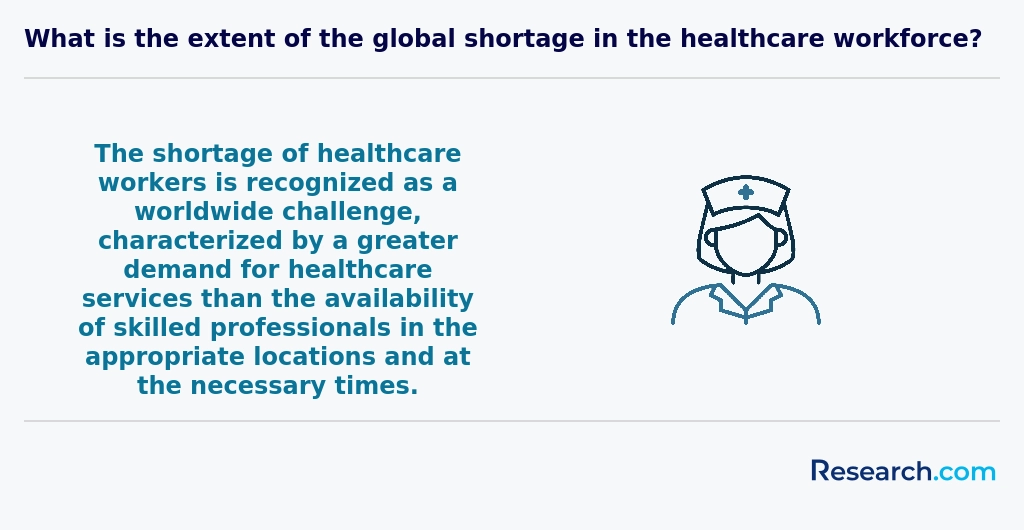
Graduates with a healthcare degree in West Lafayette have diverse career paths spanning clinical, administrative, and research roles. Many pursue registered nurse (RN) positions at prominent local facilities like Indiana University Health Arnett Hospital, where demand remains strong. These graduates benefit from competitive wages similar to the national median annual RN salary of $77,600 as reported by the Bureau of Labor Statistics in 2023. Those interested in healthcare administration find opportunities as health services managers, overseeing hospital operations or health information systems within Indiana's growing healthcare sector. The Indiana Department of Workforce Development forecasts steady growth in these administrative roles with salaries ranging from $60,000 to $120,000 annually.
Other graduates leverage degrees to become physical and occupational therapists, contributing to an expected 18% job growth nationwide by 2032. Medical laboratory technologists and public health professionals also represent promising career options, especially for those focusing on community wellness and epidemiology. Physician assistants and advanced practice providers enjoy rising demand as they expand patient care services under physician oversight. For detailed program cost comparisons, students explore options like Inexpensive Online Healthcare Degree Programs Ranking in Mississippi to balance tuition with career prospects. Overall, healthcare degree career opportunities West Lafayette offer graduates multiple, vibrant paths aligned with local industry needs.
What is the job market for healthcare degree in West Lafayette?
The healthcare job opportunities in West Lafayette are notably promising for graduates holding healthcare degrees. This is driven by the town's proximity to Lafayette's hospitals and medical centers, expanding primary and specialty clinics, and collaborative research initiatives linked with Purdue University. Graduates often find themselves employed in environments focusing on both clinical care and public health, benefiting from the steady 13% projected growth in healthcare employment nationally.
Graduates from West Lafayette institutions frequently share positive experiences about entering the workforce, noting competitive starting salaries near $63,000 for registered nurses, which align well with regional costs of living. This economic balance makes the decision to pursue healthcare degrees in West Lafayette an attractive investment in their future careers.
The West Lafayette healthcare degree employment outlook is further supported by community wellness programs and public health agencies that actively seek skilled professionals. For those considering flexible educational pathways, exploring options like an accelerated bachelor's degree online Texas can facilitate timely entry into this thriving job market.
Frequently Asked Questions About healthcare
Healthcare degree students in West Lafayette can enhance their learning by engaging deeply with both academic and practical components of their programs. Purdue University, a key institution in the area, offers students opportunities to participate in research projects through its Discovery Park and other health-related labs. According to the National Center for Education Statistics, students involved in hands-on research are 30% more likely to complete their degrees successfully.
Internships with local hospitals and clinics in West Lafayette are vital. These real-world experiences allow students to apply classroom knowledge, develop professional skills, and build valuable networks. The city's proximity to healthcare facilities like IU Health Arnett Hospital provides ample clinical placement options.
Additionally, students can benefit from joining professional organizations on campus, such as the American Medical Student Association, which frequently holds workshops and networking events tailored to healthcare careers.
The healthcare field is rapidly evolving, with several emerging niches gaining prominence in West Lafayette and nationwide. One key area is telehealth, which expanded significantly during the COVID-19 pandemic and continues to offer new opportunities for remote patient care. According to the Indiana Health Industry Forum, telehealth services in the state grew by over 40% between 2020 and 2023.
Another growing niche is health informatics, involving the management and analysis of healthcare data to improve patient outcomes. Purdue University, located in West Lafayette, offers specialized programs that reflect this demand.
Additionally, precision medicine and genetic counseling are fields gaining traction, focusing on personalized treatment plans based on individual genetic profiles.
After completing a healthcare degree in West Lafayette, preparing for the job market involves several key steps. Start by gaining practical experience through internships or clinical placements, which are often part of local programs. Employers in Indiana highly value hands-on training in healthcare settings. Networking is essential; attend career fairs hosted by institutions like Purdue University and connect with local healthcare providers. According to the Indiana Department of Workforce Development, healthcare jobs in the Lafayette area are projected to grow by 15% over the next decade, increasing demand for qualified professionals.
Additionally, obtain relevant certifications and licenses required for your specific healthcare field. Tailor your resume to highlight both technical skills and soft skills like communication. Lastly, utilize local job boards and hospital career pages to find openings, ensuring a timely application process.
Employers hiring healthcare degree graduates in West Lafayette prioritize a combination of technical and interpersonal skills. Strong clinical knowledge, particularly in patient care and medical technology, is essential due to the region's growing healthcare facilities. According to data from the Indiana Department of Workforce Development, proficiency in electronic health records (EHR) systems is increasingly demanded.
Communication skills are critical, as healthcare professionals often work closely with patients and multidisciplinary teams. Problem-solving abilities and adaptability are valued to handle emergencies and evolving healthcare protocols.
Furthermore, ethical judgment and cultural competence are important, reflecting the diverse community served in West Lafayette. These skills collectively enhance job readiness and career advancement in local healthcare settings.
Finding internships in West Lafayette related to healthcare degrees involves leveraging local educational institutions and healthcare facilities. Purdue University, located in West Lafayette, offers students access to a network of healthcare-related internships through its College of Health and Human Sciences. The university's career services also maintain partnerships with regional hospitals and clinics.
Local healthcare providers such as St. Elizabeth Central Hospital and Community Health Network often offer internship opportunities in medical, nursing, and allied health fields. According to the Indiana Department of Workforce Development, healthcare jobs in the region are expected to grow by 14% through 2030, increasing demand for student interns.
Students should monitor university job boards, attend career fairs, and connect with healthcare professionals via local LinkedIn groups for up-to-date internship listings.
Obtaining a healthcare degree in West Lafayette significantly enhances career mobility and advancement opportunities. The city benefits from its proximity to Purdue University and numerous healthcare facilities, creating a robust job market for graduates.
Data from the U.S. Bureau of Labor Statistics indicates that healthcare occupations in Indiana are projected to grow 15% from 2021 to 2031, faster than the national average. This growth supports increased demand for qualified professionals.
Healthcare degrees provide essential skills and certifications required for diverse roles, from nursing to health administration. Many employers in West Lafayette prioritize candidates with formal education due to state licensing requirements and evolving healthcare technologies.
Professionals with healthcare degrees in West Lafayette often experience higher earning potential and access to leadership roles within hospitals, clinics, and research institutions, enhancing their long-term career prospects.
Pursuing a healthcare degree in West Lafayette offers students unique preparation for interdisciplinary roles through exposure to diverse healthcare fields. Many local programs emphasize collaborative learning by integrating courses in nursing, public health, and biomedical sciences. This approach reflects national trends in healthcare education promoting team-based care.
West Lafayette benefits from partnerships with regional hospitals and research centers, providing practical experiences that enhance cross-disciplinary skills. According to the Indiana Commission for Higher Education, over 60% of healthcare graduates in the state engage in internships requiring teamwork across specialties. This hands-on training equips students to communicate effectively with professionals from various disciplines.
Furthermore, curriculum design commonly includes modules on health informatics, ethics, and management, fostering a comprehensive understanding beyond clinical tasks. Such holistic education aligns with the evolving standards of healthcare delivery in the U.S., preparing graduates to adapt quickly in interdisciplinary environments.
When choosing between a thesis and a non-thesis healthcare degree program in West Lafayette, consider your career goals first. Thesis programs usually emphasize research skills and are ideal if you plan to pursue a PhD or work in research-focused roles. Non-thesis programs often focus on practical knowledge and can be completed faster, suitable for students aiming to enter clinical or administrative positions.
In West Lafayette, healthcare employers increasingly value applied experience, but some research hospitals and organizations prefer candidates with thesis experience. Purdue University, near West Lafayette, offers both options, tailoring to diverse student needs. Evaluate how each aligns with your professional plans and learning preferences before deciding.
Students based in West Lafayette interested in studying healthcare abroad have several pathways to explore. Many universities in the US, including those near West Lafayette, offer study abroad programs affiliated with partner institutions worldwide, providing exposure to international healthcare systems.
Additionally, students may enroll directly in foreign institutions known for healthcare education, but should ensure these programs meet US accreditation standards if they plan to practice back home. According to the Institute of International Education, over 15% of American healthcare students participate in study abroad experiences to enhance their cultural competence and clinical skills.
Local academic advisors and the Purdue University Office of International Programs can assist West Lafayette students in identifying safe, accredited programs suited to their healthcare focus. Financial aid and scholarships are often available for such international study endeavors.
West Lafayette offers various part-time job opportunities that effectively complement healthcare degree studies. Local hospitals, such as IU Health Arnett and Community Health Network, often seek part-time medical assistants, patient transporters, or administrative aides. These roles provide practical exposure to healthcare environments and patient interactions.
Additionally, research assistant positions are available at Purdue University's Health and Human Sciences departments, enabling students to engage in healthcare-related studies and data analysis. Such experience enhances academic understanding and research skills.
The local demand for healthcare workers in Lafayette-West Lafayette remains strong, with the Indiana Department of Workforce Development projecting a 15% increase in healthcare support roles by 2028.
Healthcare students in West Lafayette benefit from a variety of networking opportunities designed to enhance their educational experience and professional growth. Purdue University, a key institution in the city, offers access to healthcare-focused student organizations such as the Pre-Health Club and the Health Science Student Council. These groups frequently host guest speakers, workshops, and community service events that connect students with local healthcare professionals and alumni.
Additionally, students can engage with the Purdue University College of Health and Human Sciences career fairs, which attract hospitals, clinics, and health companies from Indiana and beyond. The collaboration between Purdue and local health providers also facilitates internships and clinical placements, expanding real-world connections.
According to College Pulse data, over 60% of healthcare students in West Lafayette report that these networking events significantly impact their job prospects upon graduation. Overall, the city's educational and clinical resources create a supportive environment for building meaningful professional relationships in healthcare.
Alumni networks play a vital role for healthcare degree students in West Lafayette by connecting them with experienced professionals in the region. These networks often provide mentorship, internship opportunities, and job referrals that can significantly boost career prospects. According to the Purdue Alumni Association, many healthcare alumni remain active in local hospitals and clinics, creating a strong community that supports current students.
Participation in alumni events allows students to learn about industry trends and emerging healthcare technologies in Indiana. Networking through these groups also helps graduates navigate licensing requirements and professional development specific to the US healthcare system.
Studies show that 70% of healthcare graduates find employment through alumni contacts, underscoring the practical benefits of these connections in West Lafayette's competitive job market.
Customizing a healthcare degree in West Lafayette involves selecting from diverse program options offered by local colleges, allowing students to align their studies with specific career goals. Institutions like Purdue University provide various tracks in healthcare fields such as nursing, health informatics, and public health. Students can often choose electives or minors related to emerging areas like healthcare technology or administration.
Many programs offer internship opportunities in local healthcare facilities, which help tailor practical experience to desired career paths. According to the Bureau of Labor Statistics, West Lafayette's healthcare sector has grown steadily, emphasizing the value of specialized skills.
Advisors at these institutions assist in planning course loads to meet professional certification requirements while supporting individual interests, enhancing employability in the region's expanding healthcare market.
Healthcare students in West Lafayette face several common challenges during their education. One significant difficulty is managing the rigorous coursework required in nursing, pre-med, and allied health programs. These programs demand strong time management skills to balance lectures, labs, and clinical hours. Additionally, students often encounter competitive clinical placement opportunities, especially given West Lafayette's limited affiliated healthcare facilities compared to larger urban centers.
Financial strain is another hurdle; according to the National Center for Education Statistics, the average annual tuition for healthcare programs at Indiana universities is around $10,000 to $12,000, excluding living costs. Lastly, adapting to fast-evolving medical technologies and maintaining academic performance under pressure can be daunting for many aspiring healthcare professionals.
With a healthcare degree in West Lafayette, graduates can pursue a variety of professional certifications to enhance their careers. Common certifications include the Certified Nursing Assistant (CNA), Registered Health Information Technician (RHIT), and Certified Medical Assistant (CMA). These credentials help validate skills and open job opportunities.
Additionally, certifications like the Certified Professional in Healthcare Quality (CPHQ) are available for those interested in healthcare management. According to data from the Indiana Department of Workforce Development, healthcare occupations in the Lafayette area are projected to grow 14% through 2030, increasing demand for certified professionals.
These certifications typically require passing exams and meeting experience requirements, providing practical value to degree holders pursuing healthcare roles locally.
Writing a winning application for a healthcare program in West Lafayette requires careful preparation and clear communication of your motivation and qualifications. Start by thoroughly researching the specific program requirements, as local institutions such as Purdue University emphasize prerequisites like biology and chemistry coursework. Highlight any relevant healthcare experience, including volunteer work or internships, to demonstrate practical understanding.
Craft a compelling personal statement that explains your commitment to healthcare, connecting your background to the program's goals. West Lafayette's healthcare sector growth suggests strong demand for qualified professionals, an aspect worth noting in your essay.
Additionally, ensure your application includes strong letters of recommendation from academic or healthcare professionals. Maintaining a competitive GPA-often above 3.0 for health programs-strengthens your candidacy. Finally, proofread carefully to present a polished, professional submission.
Healthcare careers are increasingly viewed through a global lens, with emphasis on skills that meet diverse, international health challenges. In the U.S., especially in regions like West Lafayette, healthcare education integrates global health perspectives to prepare students for dynamic and interconnected work environments.
For example, Purdue University in West Lafayette offers programs that incorporate global health topics, reflecting trends seen nationwide. According to the U.S. Bureau of Labor Statistics, healthcare employment is projected to grow 16% from 2020 to 2030, partly driven by global health concerns and aging populations.
Understanding cultural competence and international health systems is vital for graduates, as healthcare increasingly involves collaboration across borders. This global approach enhances career flexibility and effectiveness, addressing health equity and emerging diseases worldwide.
Gaining practical experience while studying for a healthcare degree in West Lafayette is essential to developing skills and improving job prospects. Many local programs integrate clinical internships or externships as part of their curriculum, allowing students to work directly in hospitals, clinics, or community health centers.
West Lafayette benefits from proximity to several healthcare facilities, including Purdue University's partnerships with local hospitals like IU Health Arnett. These institutions often offer structured practicum opportunities for students in nursing, public health, and allied health programs.
Additionally, students can engage in volunteer work or part-time positions in healthcare settings, which provide valuable exposure to patient care and administrative processes. This hands-on experience complements academic knowledge and meets many state licensure requirements.
According to the Indiana Commission for Higher Education, over 70% of healthcare students in the state complete clinical hours before graduation, emphasizing the importance of experiential learning in the region's programs.
Choosing the right concentration within a healthcare degree program in West Lafayette begins with understanding your career goals and interests. Healthcare is a broad field, including options such as nursing, public health, health informatics, and healthcare administration. Research shows that nursing remains one of the fastest-growing professions in Indiana, with a 15% expected job growth by 2030 according to the Indiana Department of Workforce Development.
Local opportunities also matter. West Lafayette benefits from proximity to several hospitals and research centers, offering practical experience in fields like clinical care or biomedical research. Consider concentrations that align with these opportunities to enhance job prospects.
Review curriculum details carefully. Concentrations vary by focus, from patient care to health data management. Make sure the course content matches your strengths and professional aspirations. Consulting academic advisors and attending local program info sessions can provide clarity on which paths suit you best.
Related Healthcare Rankings for Nearby Cities
- 2027 Best Healthcare Degree Programs Ranking in Cincinnati
- 2027 Best Healthcare Degree Programs Ranking in Toledo
- 2027 Best Healthcare Degree Programs Ranking in Columbus
- 2027 Best Healthcare Degree Programs Ranking in Saint Louis
- 2027 Best Healthcare Degree Programs Ranking in Cleveland
- 2027 Best Healthcare Degree Programs Ranking in Nashville
- 2027 Best Healthcare Degree Programs Ranking in Columbia
- 2027 Best Healthcare Degree Programs Ranking in Knoxville
- 2027 Best Healthcare Degree Programs Ranking in Pittsburgh
- 2027 Best Healthcare Degree Programs Ranking in Erie
Top Trending Healthcare Rankings
See What Experts Have To Say About Studying Healthcare
Read our interview with Healthcare experts

References
- Networking and Mentorship During Clinical Rotations https://rotatingroom.com/blog/medical-students-the-importance-of-networking-mentorship-during-your-clinical-rotations
- Alumni Reconnect - Poznan University of Medical Sciences https://pums.edu.pl/alumni-friends/alumni-reconnect/
- Trends and opportunities in healthcare across emerging markets - Inizio https://inizio.com/insights/trends-and-opportunities-in-healthcare-across-emerging-markets/
- Interdisciplinary Education and Practice https://www.aacnnursing.org/news-data/position-statements-white-papers/interdisciplinary-education-and-practice
- HEALTH MANAGEMENT (THESIS / NON-THESIS) - Lisansüstü Eğitim Enstitüsü https://lee.nisantasi.edu.tr/en/health-management-thesis-non-thesis/
- How to Create a Healthcare Career Roadmap https://www.ihire.com/resourcecenter/jobseeker/pages/how-to-create-a-healthcare-career-roadmap
- Students and Alumni associations - Europubhealth https://www.europubhealth.org/students-alumni-associations/
- Job-Ready Healthcare Skills for 2026 https://cliniwave.in/blogs/latest-article/job-ready-healthcare-skills
- 1+ Healthcare Cover Letter Examples (with In-Depth Guidance) https://www.tealhq.com/cover-letter-examples/healthcare
- Healthcare Assistant Cover Letter Templates | myPerfectCV https://www.myperfectcv.co.uk/cover-letter/examples/healthcare-assistant-cover-letter


