
2027 Most Affordable Healthcare Degree Programs Ranking in Billings

Co-Founder and Chief Data Scientist
Choosing the right healthcare degree program in Billings can feel overwhelming. That's why this article introduces the 2027 Most Affordable Healthcare Degree Programs Ranking in Billings, developed by the Research.com team of data scientists. It's designed to help you make an informed decision based on clear, reliable data.
Exploring affordable options means you can focus on your passion for healthcare without breaking the bank. This guide highlights programs worth considering to start your fulfilling career journey with confidence.
Key benefits of getting healthcare degree in Billings
- Healthcare degree graduates in Billings can expect competitive salaries, such as Medical Assistants earning around $43,350 annually and Quality Improvement Coordinators making over $103,000, providing strong financial stability.
- Graduates have diverse career options ranging from Clinical Research Coordinators to Health Information Technicians, reflecting the versatility and growing demand for healthcare professionals in Billings.
- Online healthcare degrees offer flexibility and convenience, allowing graduates to balance work and studies, making it easier to enter rewarding healthcare roles without disrupting daily life.
- Key benefits of getting healthcare degree in Billings
- What can I expect from healthcare degree in Billings?
- Where can I work with healthcare degree in Billings?
- How much can I make with healthcare degree in Billings?
- 2027 Most Affordable Healthcare Degree Programs Ranking in Billings
- Key Findings
- How long does it take to complete healthcare degree in Billings?
- Student Life and Campus Experience
- What's the difference between online and on-campus healthcare degree?
- Student Life and Community Engagement in Billings, MT
- What is the average cost of healthcare degree in Billings?
- Advanced Education and Future Career Opportunities
- What financial aid is available to healthcare degree students in Billings?
- Return on Investment for Healthcare Degrees in Billings, MT
- What are the prerequisites for enrolling in healthcare degree program in Billings?
- Return on Investment: Cost vs. Salary Analysis
- What courses are typically in healthcare degree programs in Billings?
- What types of specializations are available in healthcare degree programs in Billings?
- How do you choose the best healthcare degree in Billings?
- What career paths are available for healthcare degree students in Billings?
- What is the job market for healthcare degree in Billings?
- Top Trending Healthcare Rankings
- See What Experts Have To Say About Studying Healthcare
What can I expect from healthcare degree in Billings?
Students pursuing healthcare degrees in Billings benefit from affordable education costs that make their dreams more attainable. At Montana State University Billings (MSUB), for example, in-state undergraduate tuition and fees average around $7,000 annually, providing excellent value compared to many other regions. Graduates often share how this cost-effectiveness allowed them to focus more on their studies and clinical experiences rather than financial stress.
The practical nature of healthcare programs here means students gain hands-on training at local hospitals like Billings Clinic, amplifying the value of their investment. This blend of classroom learning and real-world practice, coupled with accessible tuition fees, inspires students to stay motivated and confident in their future careers.
For many, the balance of affordable tuition, community support, and enriching clinical opportunities transforms their education into a powerful launchpad for success in healthcare fields throughout Montana and beyond.
Where can I work with healthcare degree in Billings?
Graduates with a healthcare degree in Billings discover a vibrant landscape of career opportunities that inspire hope and growth. Whether trained at institutions like Montana State University Billings or Rocky Mountain College, these graduates step confidently into roles at leading facilities such as Billings Clinic, where compassionate nurses and skilled technologists make a real difference every day. Imagine working alongside dedicated professionals in a nonprofit regional health system that embraces innovation and patient-centered care.
Many find rewarding positions at St. Vincent Healthcare, thriving in specialties like physical therapy and radiology, where their expertise directly improves lives. Others join community health centers or assisted living facilities, becoming trusted healthcare managers or medical assistants who uplift local families. The growing elderly population in Billings especially opens doors for those passionate about home health care and geriatric nursing, turning compassion into meaningful daily impact.
This dynamic healthcare environment ensures graduates don't just find jobs-they build fulfilling careers that connect deeply with their community, fueling both personal and professional pride.
How much can I make with healthcare degree in Billings?
Graduates from healthcare programs in Billings can look forward to rewarding careers with strong earning potential. For instance, medical assistants often start with average salaries around $43,350 per year, offering a solid foundation and immediate entry into the healthcare field. Patient Care Technicians, another common role, enjoy higher wages with an average annual salary of approximately $60,790, reflecting valuable hands-on experience in patient services.
Those who pursue specialized roles such as Health Information Technicians can expect earnings near $43,380 annually, balancing technical expertise with healthcare knowledge. Graduates aiming for leadership or coordination positions find great opportunities as Quality Improvement Coordinators, where salaries reach an impressive mean of $103,150 per year, showcasing the benefits of advancing in the healthcare career ladder.
Students from respected institutions in Billings often share how their education and clinical experiences prepared them for these roles, empowering them to contribute confidently in local healthcare settings. The combination of competitive pay and meaningful work makes healthcare degrees in Billings an inspiring choice for those eager to make a difference while building a stable future.
2027 Most Affordable Healthcare Degree Programs Ranking in Billings
How do we rank schools?
Investing in your education is a significant decision that can shape your future, and the Research.com team understands the importance of making informed choices. To assist prospective students in Billings, we have meticulously crafted the "2027 Most Affordable Healthcare Degree Programs Ranking in Billings." Our commitment to quality, credibility, and accuracy is reflected in the extensive research and analysis conducted to compile this ranking.
We utilized the following reputable data sources to ensure a comprehensive evaluation of healthcare degree programs:
By exploring this ranking, readers will gain valuable insights into the most affordable healthcare degree options in Billings, empowering them to make well-informed educational and financial decisions. For a detailed explanation of how this ranking was created, please visit our Research.com methodology page.
# 1 position
Montana State University Billings
Master of Science in Health Sciences

# 2 position
Montana State University Billings
Bachelor of Science in Health Administration

Key Findings
- Tuition for a bachelor's degree in nursing at private colleges in Billings ranges from $25,000 to $35,000 per year.
- Associate degrees and certifications at community colleges typically cost between $5,000 and $10,000 annually.
- Entry-level healthcare jobs, such as nursing and allied health positions, start around $50,000 to $60,000 per year in Billings.
- Experienced registered nurses in Billings earn an average salary of about $75,000 annually.
- Billings has a strong healthcare job market with steady growth expected due to an aging population and expanded medical services.
- Local healthcare providers offer clinical placements and internships essential for hands-on training in healthcare education.
How long does it take to complete healthcare degree in Billings?
Completing a healthcare degree in Billings is an exciting journey tailored to your goals and lifestyle. Graduates from Montana State University Billings often share how certificate programs like medical assisting can be finished in just 6 months to a year, opening doors to rewarding entry-level roles quickly. For those aiming higher, associate degrees in fields such as registered nursing typically take about 2 years, combining hands-on clinical experience with essential licensure preparation.
Bachelor's degrees, such as a BSN from local universities, usually require 4 years, though some driven students embrace accelerated programs to achieve their goals in as little as 3 years. Imagine the pride in walking across the stage sooner while already making a difference in your community!
Advanced degrees, including nurse practitioner or physician assistant tracks, last around 2 to 3 years post-bachelor's. Many appreciate the manageable pace of part-time study options in Billings, which balance work, family, and education without sacrificing ambition.
Every step in Billings is designed to support you, turning passion into a fulfilling healthcare career.
Student Life and Campus Experience
Billings, MT is more than just a location for affordable healthcare degrees-it’s a vibrant community where academic excellence meets an enriching campus lifestyle. Students benefit from modern facilities that foster both collaborative learning and individual growth, ensuring that every day on campus contributes to a well-rounded educational experience. Beyond textbook learning, institutions in Billings frequently host career fairs, networking events, and hands-on workshops that prepare students for real-world challenges in the healthcare field. Moreover, student organizations, tutoring services, and wellness programs play a vital role in creating an atmosphere of support and engagement. For instance, local colleges often partner with community clinics to offer volunteer opportunities, giving students a chance to apply classroom skills in practical settings while making an impact on community health. Additionally, housing options and on-campus amenities encourage a balanced lifestyle and provide a seamless transition for those relocating from other areas. To explore further details on how to identify programs that combine academic rigor with a supportive student life, check out the cheapest healthcare programs in montana that also emphasize community experience and post-graduation success. This holistic approach not only enhances academic achievements but also enriches the overall journey, ensuring that graduates are well-prepared to excel in their health careers.
What's the difference between online and on-campus healthcare degree?
Choosing between online and on-campus healthcare degrees in Billings opens exciting paths tailored to your lifestyle and goals. Graduates from Montana State University Billings cherish the hands-on experience gained through vibrant campus labs and real-time clinical rotations, which build confidence and skills essential for nursing and dental hygiene careers. Imagine engaging directly with instructors and peers, sharing moments that inspire teamwork and mastery in complex healthcare subjects.
On the other hand, online programs offer remarkable flexibility, empowering busy professionals in Billings to balance work, family, and study seamlessly. Many students appreciate accessing diverse course options while completing local clinical placements-bringing the world of healthcare education right to their doorstep without the commute. This approach nurtures self-discipline and independence, qualities that shine brightly in any healthcare role.
Both paths foster growth, connection, and opportunity. Whether you thrive in lively classrooms or dynamic virtual settings, Billings' healthcare programs support your passion to care, heal, and succeed.
Student Life and Community Engagement in Billings, MT
Billings offers not only affordable degree programs but also a vibrant campus experience that enriches both academic and personal growth. Students find themselves immersed in a community that supports healthcare education through various clubs, local health outreach events, and mentorship programs designed to foster practical skills and lifelong connections. Campus events, seminars with industry experts, and collaborative projects with local healthcare providers create a dynamic environment where learning extends well beyond the classroom. New students are encouraged to engage with peers and local professionals, a strategy that builds confidence and reinforces their career objectives. For those looking to balance academic rigor with an active student community while exploring affordable options, checking out the cheapest healthcare programs in montana can provide valuable insights. This supportive and connected atmosphere in Billings plays a crucial role in shaping well-rounded healthcare professionals ready to meet the challenges of tomorrow's medical landscape.
What is the average cost of healthcare degree in Billings?
The average cost of pursuing a healthcare degree in Billings reflects a promising opportunity for many future healthcare professionals. With a median in-state total cost of about $7,280, students attending public universities or community colleges in Billings find themselves investing in an education that balances quality and affordability. Graduates often share how this manageable expense enabled them to focus fully on their studies without overwhelming financial stress.
Many students at local institutions experience vibrant, hands-on learning environments for healthcare programs that offer excellent value compared to national costs. For example, associate degrees in healthcare-related fields from Billings community colleges typically cost between $7,000 and $10,000 annually, while bachelor's degree programs at universities range higher but still remain accessible for most motivated learners. This is a real benefit when compared to the median total cost of $37,321 nationally for out-of-state students.
One of the great advantages of affordable healthcare degree programs Billings offers is the availability of financial aid, scholarships, and local grants. Graduates often describe feeling supported throughout their journey, making the investment feel worthwhile and achievable. Those looking to become certified medical assistants or explore other healthcare careers will find useful guidance here, further easing the path.

Advanced Education and Future Career Opportunities
In today’s rapidly evolving healthcare landscape, advanced education plays a crucial role in fostering career growth and staying ahead of emerging trends. Professionals are increasingly seeking graduate-level programs that not only deepen clinical expertise but also integrate innovation, digital tools, and interdisciplinary research. Advanced studies empower healthcare practitioners to assume leadership positions, embrace new technologies, and drive change within their organizations. For instance, many workers explore online graduate programs, where flexibility and cutting-edge curriculum combine to prepare them for complex challenges. In fact, if you’re weighing your options for further education, you may find that are masters degrees in biotechnology online affordable and can offer both advanced knowledge and practical skills that enhance career prospects. By considering advanced degrees-whether online or on-campus-students and professionals alike can benefit from specialized training that addresses current industry demands and positions them for long-term success in the healthcare field.
What financial aid is available to healthcare degree students in Billings?
Healthcare students in Billings can access a wide range of financial aid opportunities that turn dreams into reality. Graduates from local institutions like Montana State University Billings often share how starting with the FAFSA unlocked federal aid, including Pell Grants that provide up to $7,395 annually. These grants, never needing repayment, ease the burden significantly, allowing students to focus on their passion for helping others.
Many students also benefit from scholarships offered by community pillars such as Billings Clinic and St. Vincent Healthcare. These awards recognize dedication and academic excellence, inspiring recipients to continue their vital work in local healthcare. Imagine earning support that not only values your efforts but also connects you deeply to Billings' community health goals.
State programs add another layer of encouragement by offering scholarships that encourage graduates to stay and serve Montana's needs. Coupled with employer tuition assistance and flexible payment plans at local colleges, these resources make pursuing healthcare degrees in Billings not just possible, but empowering and hopeful.
Return on Investment for Healthcare Degrees in Billings, MT
Understanding the return on investment (ROI) of a healthcare degree is crucial for students balancing tuition costs against future earnings. In Billings, MT, the average total cost of a bachelor’s in healthcare ranges from $40,000 to $60,000, while graduates can expect median starting salaries between $41,260 (Health Information Technician) and $55,860 (Patient Care Technician). On average, a Health Information Technician earning $41,260 annually would recoup a $50,000 bachelor’s investment in roughly 5–6 years, assuming 70% of gross income is available for debt repayment. Patient Care Technicians, with higher entry salaries, may break even in as few as 4 years. Factoring in part-time work-study earnings, scholarships, and grants-such as state‐supported FSEOG or the Billings Clinic Foundation awards-can shorten this payback period further. To boost ROI, consider certificate or diploma paths that reduce upfront costs while leveraging strong job demand. For example, students interested in health information careers can explore affordable medical coding programs that often require less than a year of study and lead to average salaries upwards of $40,000. Additionally, online or hybrid program formats at institutions like the University of Providence allow learners to maintain employment during study, applying earnings directly to tuition. By strategically choosing cost-effective programs, maximizing financial aid, and targeting high-demand specializations, prospective healthcare professionals in Billings can achieve a positive ROI within a reasonable timeframe, setting the stage for both financial stability and a fulfilling career.
What are the prerequisites for enrolling in healthcare degree program in Billings?
Pursuing a healthcare degree in Billings opens doors to a rewarding and impactful career, but it starts with a strong academic foundation. Students at local colleges and universities experience firsthand the value of meeting key prerequisites that prepare them for success. Most commonly, earning a high school diploma or GED is the first step, a simple yet powerful milestone that demonstrates commitment and readiness.
Graduates often reflect on how core courses like biology with lab, chemistry fundamentals, and algebra helped them build confidence and mastery early on. Many found that completing these prerequisites sharpened their critical thinking and problem-solving, essential skills for any healthcare professional. At popular programs around Billings, applicants are encouraged to maintain a solid GPA-typically between 2.5 and 3.0-to thrive in challenging classes that explore anatomy, physiology, and more.
Beyond academics, healthcare students in Billings share how volunteer work and hands-on experience enriched their perspective, making the application process more personal and fulfilling. These experiences foster a genuine connection to patient care, providing motivation that fuels perseverance through demanding coursework. Programs here often value practical exposure, emphasizing a holistic approach to admissions that looks beyond test scores to the whole student.
Return on Investment: Cost vs. Salary Analysis
Understanding the return on investment (ROI) of a healthcare degree is essential for students in Billings, MT, as it helps balance upfront costs against future earnings. On average, an associate’s degree in healthcare from local institutions like the University of Providence carries a total tuition and fee burden of approximately $20,000, while a bachelor’s degree at Montana State University Billings can exceed $40,000 before living expenses. When factoring in room, board, and books, students may accumulate between $25,000 and $50,000 in educational costs for these programs. Graduates entering roles such as Patient Care Technicians or Health Information Technicians typically report starting salaries of $55,860 and $41,260 respectively. By comparing median earnings to total program costs, an associate’s degree holder could recoup tuition within roughly 1.5 years, assuming full‐time employment and average living expenses. Bachelor’s degree graduates may realize payback in under two years, thanks to higher earning potential in roles like healthcare administration or nursing. Scholarships, grants, and work‐study opportunities further shorten this timeframe, with some students eliminating up to 30% of their debt before graduation. For students considering alternative pathways to maximize ROI, exploring affordable online programs can uncover additional savings and flexibility. To compare cost‐effective options beyond Montana, see the Cheapest Online Healthcare Degree Programs Ranking in Virginia, which highlights low‐tuition online healthcare degrees and their salary outcomes. Incorporating these insights ensures that prospective healthcare professionals make data‐driven decisions, optimizing both their educational investment and career trajectory.
What courses are typically in healthcare degree programs in Billings?
Healthcare degrees in Billings offer a dynamic blend of courses that inspire students to make a real difference in their communities. At local institutions, students dive into foundational subjects like anatomy, physiology, and microbiology, gaining a deep understanding of the human body. Graduates often share how these early courses ignite their passion, turning complex concepts into meaningful real-world knowledge.
The curriculum also includes healthcare ethics, law, and medical terminology, providing a strong ethical framework and vocabulary essential for compassionate patient care. Many students appreciate how courses on healthcare systems and policy bring clarity to Billings' unique rural healthcare landscape, making them feel prepared and connected to local needs.
Hands-on clinical practice is a highlight, with opportunities to work in labs and real healthcare settings across Billings. This practical training builds confidence and skill, ensuring students feel ready to face challenges in hospitals or clinics. Specialized courses like pharmacology or health informatics further empower students to excel in nursing, administration, or technology roles.
What types of specializations are available in healthcare degree programs in Billings?
Healthcare degree specializations in Billings offer exciting pathways for students eager to make a difference. Graduates from Montana State University Billings and local community colleges often share how hands-on nursing programs helped them build confidence while working in nearby hospitals. Whether pursuing an RN or advancing to a Bachelor of Science in Nursing, students feel empowered contributing directly to patient care.
Billings healthcare program specialization options also include Medical Laboratory Science, where students develop essential skills in diagnostics, supporting crucial disease detection especially needed in rural communities. Equally inspiring are programs in Healthcare Administration, teaching future leaders how to efficiently manage hospitals and clinics with a compassionate approach to improving patient outcomes.
Many students find fulfillment in Radiologic Technology, training in advanced imaging to aid early diagnosis, or in Public Health, focusing on community education and preventive care. For those exploring advanced paths, understanding options like nurse practitioner degrees washington rankings can expand career horizons beyond Billings.
How do you choose the best healthcare degree in Billings?
Choosing the best healthcare degree in Billings starts with focusing on your passion and career goals. Graduates from Montana State University Billings often share how selecting a program accredited by respected bodies like the CCNE gave them confidence and ensured quality training. In Billings, affordable healthcare degree programs Billings offer a chance to pursue your dreams without overwhelming debt, thanks to competitive tuition and local financial aid options.
Many students find that exploring flexible program formats, such as hybrid courses combining online study with hands-on clinical experiences at local centers like Billings Clinic, helps balance education with life's responsibilities. These practical opportunities not only deepen learning but also open doors to jobs after graduation. If you want to get a feel for healthcare career paths beyond Billings, check out the nursing schools dallas industry connections to see how networks can expand your horizons.
Finally, consider programs that highlight strong outcomes-high graduation and licensure pass rates create a positive path forward. Demonstrating commitment through programs recognized regionally can boost your confidence and career prospects in Montana's growing healthcare field.

What career paths are available for healthcare degree students in Billings?
Healthcare degree graduates in Billings discover a variety of exciting career paths that match both their passions and the region's growing needs. Many graduates from Montana State University Billings celebrate stepping confidently into roles like Registered Nurse, Medical Technologist, or Healthcare Administrator, where they make a tangible difference in patients' lives within local facilities such as Billings Clinic. These opportunities reflect the promising healthcare career opportunities in Billings, with competitive salaries and steady demand.
Others find joy assisting patients as Physical Therapist Assistants or beginning their journey as Medical Assistants, gaining valuable experience and advancing rapidly. Billings' healthcare programs foster a supportive community that helps students connect classroom knowledge with real-world practice. For those considering innovative options, exploring the advantages of online NP programs offers additional flexibility to enhance their credentials and career prospects.
With high-quality education combined with Montana's expanding healthcare industry, pursuing healthcare degree jobs Billings Montana opens doors to fulfilling and stable futures in vital, respected professions.
What is the job market for healthcare degree in Billings?
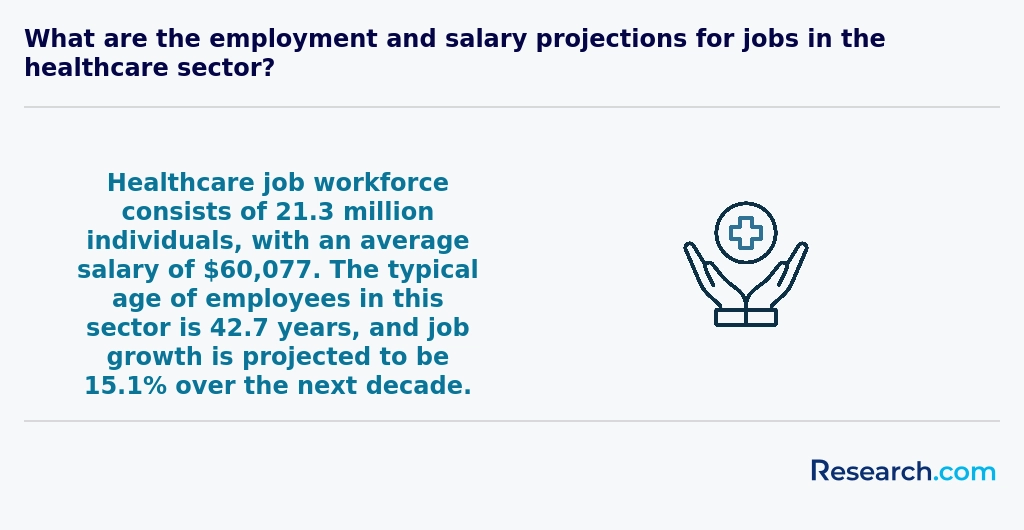
The healthcare job opportunities in Billings are exceptionally promising for graduates of healthcare degree programs. As the largest city in Montana, Billings offers a vibrant job market with solid demand driven by major employers like Billings Clinic and St. Vincent Healthcare. Graduates from local institutions, such as Montana State University Billings, often share inspiring stories of smoothly transitioning into well-paying roles, from nursing to healthcare administration. Many feel confident knowing the projected growth of healthcare employment in Billings is around 12%, significantly outpacing other fields.
Medical laboratory scientists, nurse practitioners, and health administrators find meaningful and stable careers here, supported by a community that values healthcare innovation. For students worried about education costs, programs range in affordability, especially when considering in-state tuition. Those exploring hands-on roles can discover excellent pathways through the best value medical assistant programsNC that prepare graduates for fast entry into the workforce.
With competitive salaries and a strong regional network, the Billings healthcare degree employment outlook is bright, encouraging new students to pursue their dreams in a supportive and growing environment.
Frequently Asked Questions About healthcare
Healthcare degree students in Billings can maximize their learning experience by engaging in both academic and practical opportunities. Billings, home to several healthcare facilities such as Billings Clinic and St. Vincent Healthcare, offers numerous clinical placement options. Gaining hands-on experience through internships or practicum hours is essential for skill development and understanding real-world healthcare settings.
Additionally, students should utilize resources at local colleges, including tutoring, study groups, and faculty office hours. Networking with healthcare professionals through local associations like the Yellowstone County Medical Society can enhance learning and career prospects. According to the Montana Department of Labor, healthcare jobs in Billings grew by 6% between 2019 and 2024, indicating solid local demand for graduates.
Emerging niches within healthcare are reshaping education and career opportunities in Billings. Areas like telehealth have grown rapidly, driven by increased demand for remote patient care, especially since 2020. According to the Montana Department of Labor, telehealth jobs in Billings are projected to grow by 15% through 2028. Another important niche is healthcare data analytics, where professionals use data to improve patient outcomes and reduce costs. Additionally, gerontology is expanding due to the aging population in Montana, offering degrees focused on elder care and chronic disease management. These specialties reflect broader national trends emphasizing technology, data, and demographic shifts.
Preparing for the job market after earning a healthcare degree in Billings requires a strategic approach. Graduates should pursue relevant internships and clinical experiences during their studies to build practical skills and professional networks. Billings hosts several healthcare facilities, including the Billings Clinic, which offers opportunities for hands-on training and job placements.
Networking with local professionals through job fairs and industry events in Billings can increase employment chances. According to the Montana Department of Labor, healthcare employment in the Billings metro area is projected to grow by 15% over the next decade, emphasizing demand for qualified workers. Obtaining certifications, such as CPR or specialized licenses, also enhances employability.
Additionally, staying current on healthcare trends and continuing education is essential for career growth in Billings' expanding healthcare market.
Employers in Billings seek healthcare degree graduates who demonstrate strong clinical skills and practical knowledge relevant to local healthcare settings. According to the Montana Department of Labor & Industry, proficiency in patient care and medical technology ranks highly among desirable abilities.
Communication skills are crucial, as graduates must effectively interact with diverse patient populations and healthcare teams. Critical thinking and problem-solving capabilities enable professionals to adapt in fast-paced environments common in Billings-area hospitals and clinics.
Additionally, familiarity with electronic health records (EHR) systems is increasingly important. The use of EHR software by over 80% of healthcare providers nationwide highlights this trend. Employers also value candidates with cultural competence due to Billings' growing demographic diversity, enhancing patient trust and treatment outcomes.
Finding healthcare internships in Billings involves several focused steps tailored to local opportunities. Start by contacting healthcare facilities such as Billings Clinic and St. Vincent Healthcare, two key providers employing thousands locally. These organizations frequently offer internships or clinical rotations for students.
Many healthcare degree programs in Montana require or recommend internships, so consult your academic advisor to explore partnerships between schools and Billings medical centers. Additionally, use resources like Montana's Department of Labor & Industry, which lists local healthcare job and internship openings.
Networking through local professional groups, such as the Yellowstone County Medical Society, can also reveal hidden internship positions. Early planning and active engagement with healthcare employers in Billings are vital to secure relevant hands-on experience.
Obtaining a healthcare degree in Billings significantly enhances career mobility and advancement opportunities. Billings, home to several healthcare facilities like Billings Clinic and St. Vincent Healthcare, offers a strong job market for healthcare professionals. According to the U.S. Bureau of Labor Statistics, healthcare occupations in Montana are expected to grow by 16% from 2022 to 2032, faster than the average for all occupations.
Degree-holders often qualify for higher positions such as nurse practitioners or healthcare administrators, roles that require formal education and certification. Additionally, advanced degrees can lead to greater salary potential and job stability in Billings. Local employers highly value accredited programs, which facilitate licensure and specialization, further boosting career prospects.
Studying for a healthcare degree in Billings offers students practical preparation for interdisciplinary roles due to the city's diverse medical community and collaborative healthcare environment. Billings is home to several hospitals and clinics, including the Billings Clinic and St. Vincent Healthcare, which emphasize team-based patient care involving nurses, physicians, therapists, and technicians.
Academic programs in Billings integrate coursework in communication, ethics, and healthcare management, fostering skills essential for coordination across disciplines. Clinical placements often take place in real-world settings where students work alongside professionals from various specialties, enhancing teamwork capabilities.
According to the Montana Department of Labor, Billings shows steady growth in healthcare jobs requiring versatile competencies, making interdisciplinary education vital for local workforce readiness.
Choosing between a thesis and a non-thesis healthcare degree program in Billings depends on your career goals and learning preferences. A thesis option involves conducting original research, which is ideal for students aiming for a research career or further academic study such as a PhD. It develops skills in data analysis, critical thinking, and academic writing.
Meanwhile, non-thesis programs focus more on practical skills applicable in clinical or administrative healthcare settings, often requiring additional coursework or internships instead of research. In Billings, where healthcare growth is above the national average, practical experience is highly valued by employers like St. Vincent Healthcare and Billings Clinic.
Costs and time commitments also differ; thesis programs can take longer to complete. Consider also Billings area job market trends and whether you plan to work locally or pursue research roles nationwide.
Students based in Billings who wish to study healthcare abroad have several pathways available through US higher education institutions. Many universities nationwide offer exchange programs and partnerships with international medical schools, enabling students to gain clinical experience overseas while earning credits transferable toward their degrees.
Billings Clinic and Rocky Mountain College often encourage students to explore global health initiatives, although direct overseas degree programs specific to Billings are limited. According to the American Association of Colleges of Nursing, approximately 40% of nursing programs in the US provide international study options, which Billings students can access by enrolling in such schools.
Furthermore, students often choose countries like Canada, the United Kingdom, or Ireland due to compatible accreditation standards and English language instruction. These options support exposure to diverse healthcare systems without compromising graduation timelines or licensure eligibility in the US.
Billings offers several part-time job opportunities that align well with healthcare degree education. Positions such as medical assistants, pharmacy technicians, and home health aides provide practical experience while supporting local healthcare providers. The Billings Clinic and St. Vincent Healthcare often seek part-time staff, allowing students to strengthen clinical skills on-site.
According to the Montana Department of Labor & Industry, healthcare support jobs in Billings are projected to grow by 15% over the next decade, reflecting strong demand. These roles also help students network professionally and understand healthcare workflows firsthand.
Additionally, working as a medical receptionist or patient care coordinator can improve communication and organizational abilities essential in healthcare careers.
Healthcare students in Billings benefit from various networking opportunities through local institutions and professional organizations. Montana State University Billings offers industry events and career fairs that connect students with regional healthcare employers. The city's status as Montana's largest healthcare hub-with over 6,000 healthcare jobs reported by the U.S. Bureau of Labor Statistics in 2023-enhances these prospects.
Students can also join local chapters of national groups such as the American Medical Student Association and Montana Nurses Association. These groups regularly host workshops and networking sessions fostering professional connections.
Additionally, Billings clinics and hospitals often provide internship placements, offering direct access to healthcare professionals and potential mentors.
In Billings, alumni networks play a crucial role for students pursuing healthcare degrees by providing valuable professional connections. These networks often include graduates working in local hospitals, clinics, and public health organizations, enhancing job placement opportunities.
Moreover, alumni can offer mentorship, guiding students through challenging coursework and clinical experiences. According to the Montana Healthcare Workforce Report 2023, over 65% of healthcare professionals in Billings were referred through professional networks, highlighting the importance of such connections.
Students gain access to exclusive job fairs and internships through alumni, which can lead to higher employment rates in the region. This support fosters career growth in a competitive healthcare market.
Customizing a healthcare degree program in Billings involves selecting courses and specializations that align with your career goals. Many local institutions offer flexible degree paths, allowing students to focus on areas like nursing, public health, or health administration. For example, Southcentral Montana offers practical clinical experiences, which are essential for hands-on careers.
Students can also pursue certifications alongside their degrees, enhancing job prospects in specialized fields such as emergency medical services or long-term care. Billings' healthcare sector is growing, with a 12% employment increase projected by the U.S. Bureau of Labor Statistics for the region through 2030, making tailored education critical for success.
Advisors in Billings colleges often assist students in creating individualized study plans that combine core healthcare knowledge with electives tailored to the local job market, providing a competitive edge.
Healthcare students in Billings often encounter several challenges that impact their academic progress. One key difficulty is balancing clinical practice hours with coursework, as hands-on experience is crucial but time-consuming. Local healthcare facilities sometimes have limited availability for placements, requiring students to compete for spots. According to the Montana University System, students report stress related to maintaining high academic standards while gaining practical skills.
Another obstacle is financial strain. While Billings offers affordable tuition compared to national averages, students still face expenses for books, uniforms, and certification exams. Additionally, rural healthcare shortages may limit job opportunities during internships. Navigating these challenges requires resilience and effective time management from students pursuing healthcare degrees in Billings.
With a healthcare degree, individuals in Billings can pursue various professional certifications that enhance job prospects and expertise. Common certifications include Certified Nursing Assistant (CNA), Registered Nurse (RN) licensure, and Medical Assistant Certification. For those focusing on administration, Certified Healthcare Administrative Professional (cHAP) is a notable option.
Advanced degrees often lead to certifications such as Certified Professional in Healthcare Quality (CPHQ) or Certified Case Manager (CCM). These certifications align with the growing healthcare sector in Billings, which reported a 5% employment increase in healthcare occupations from 2020 to 2023, according to the Montana Department of Labor & Industry.
Pursuing these credentials typically requires passing an exam and maintaining continuing education credits to keep skills current and relevant.
To write a winning application for a healthcare program in Billings, start by carefully researching each school's specific requirements. Most programs expect a strong academic record, especially in biology, chemistry, and math. Highlight any relevant volunteer or work experience in healthcare, as hands-on exposure improves your candidacy.
Billings hospitals and clinics value applicants familiar with rural healthcare challenges, so emphasize any local community service. Use clear, concise language in your personal statement, explaining your motivation to serve the Billings area. According to the Montana Department of Labor, healthcare jobs in Billings are expected to grow 15% by 2030, so showing awareness of local industry trends is beneficial.
Strong recommendation letters from healthcare professionals or educators further strengthen your application. Lastly, prepare thoroughly for interviews to demonstrate communication skills essential for healthcare roles.
Healthcare careers are increasingly valued worldwide due to aging populations and rising chronic diseases. In the United States, including Billings, Montana, healthcare jobs are projected to grow by about 16% from 2021 to 2031, faster than the average for all occupations, according to the Bureau of Labor Statistics.
Globally, healthcare professionals often face similar challenges such as workforce shortages and the need for continual education. The U.S. system emphasizes specialized training and certification, which helps improve outcomes and career mobility.
In Billings, healthcare degrees prepare students to meet local and global demands by focusing on practical skills and up-to-date medical knowledge, supported by institutions like Montana State University Billings and local healthcare providers. This approach aligns well with global trends prioritizing evidence-based practice and cultural competence in patient care.
Gaining practical experience while studying for a healthcare degree in Billings is essential for career readiness. Many local institutions, including Montana State University Billings, offer clinical rotations and internships as part of their healthcare programs. These opportunities allow students to work directly in hospitals, clinics, and community health organizations.
Billings hosts multiple healthcare facilities such as Billings Clinic and St. Vincent Healthcare, which often collaborate with schools to provide hands-on training. The U.S. Bureau of Labor Statistics notes that internships and clinical experience significantly improve employability in healthcare fields.
Students may also engage in volunteer work or part-time jobs in healthcare settings to build skills while completing coursework.
Choosing the right concentration within a healthcare degree program in Billings starts with evaluating your interests and career goals. Healthcare fields vary widely, from nursing and medical assisting to health administration and public health. In Billings, the demand for registered nurses and healthcare managers is growing, reflecting Montana's aging population, according to the Montana Department of Labor & Industry.
Consider local job market data and internship opportunities offered by programs in Billings. Programs connected to Billings Clinic or St. Vincent Healthcare often provide practical experience, which is critical for career readiness.
Accreditation and program length also matter. Accredited programs ensure quality education and better licensure prospects nationwide.
Lastly, explore flexible study options if balancing work and education is needed.
Related Healthcare Rankings for Nearby Cities
- 2027 Most Affordable Healthcare Degree Programs Ranking in Denver
- 2027 Most Affordable Healthcare Degree Programs Ranking in Colorado Springs
- 2027 Most Affordable Healthcare Degree Programs Ranking in Sioux City
- 2027 Most Affordable Healthcare Degree Programs Ranking in Seattle
- 2027 Most Affordable Healthcare Degree Programs Ranking in Minneapolis
- 2027 Most Affordable Healthcare Degree Programs Ranking in Wichita
- 2027 Most Affordable Healthcare Degree Programs Ranking in Kansas City
- 2027 Most Affordable Healthcare Degree Programs Ranking in Phoenix
- 2027 Most Affordable Healthcare Degree Programs Ranking in Tempe
- 2027 Most Affordable Healthcare Degree Programs Ranking in Oakland
Top Trending Healthcare Rankings
See What Experts Have To Say About Studying Healthcare
Read our interview with Healthcare experts

References
- Alumni Reconnect - Poznan University of Medical Sciences https://pums.edu.pl/alumni-friends/alumni-reconnect/
- 1+ Healthcare Cover Letter Examples (with In-Depth Guidance) https://www.tealhq.com/cover-letter-examples/healthcare
- How to Succeed in a Difficult Job Market After Graduation https://www.hospitalrecruiting.com/blog/6542/how-to-succeed-in-a-difficult-job-market-after-graduation/
- Unlocking potential: Expanding experiential learning through simulation https://www.pagethink.com/insights/unlocking-potential-expanding-experiential-learning-through-simulation
- Employability Skills Matrix for the Health Sector https://www.skillsforhealth.org.uk/resources/employability-skills-matrix/
- Pursuing Your Career Goals: Strategies and Examples https://www.ultimatemedical.edu/blog/career-goals-importance-strategies-and-examples/
- Search our Job Opportunities at Premise Health https://jobs.premisehealth.com/location/billings-jobs/1388/6252001-5667009-5640350/4
- Global Health Perspectives https://www.denvercollegeofnursing.edu/students/global-health-perspectives.html
- Job-Ready Healthcare Skills for 2026 https://cliniwave.in/blogs/latest-article/job-ready-healthcare-skills
- What Can You Do with a Health Sciences Degree? https://www.ycp.edu/news/what-can-you-do-with-a-health-sciences-degree


