
2027 Most Affordable Healthcare Degree Programs Ranking in Seattle

Co-Founder and Chief Data Scientist
Choosing the right healthcare degree program in Seattle can feel overwhelming, but understanding your options is key to a successful future. This article introduces the 2027 Most Affordable Healthcare Degree Programs Ranking in Seattle, developed by the Research.com team of data scientists to guide students like you toward smart, cost-effective decisions.
Healthcare careers offer meaningful work and stability, making the right degree an important investment. By exploring this ranking, you'll discover programs that balance quality education with affordability, helping you plan your path with confidence and optimism.
Key benefits of getting healthcare degree in Seattle
- Healthcare degree graduates in Seattle can expect competitive salaries, such as Medical Assistants earning around $43,350 annually and Patient Care Technicians making approximately $60,790 per year, offering financial stability in rewarding roles.
- Graduates from universities like the University of Washington have diverse career paths, including roles as Health Information Technicians or Clinical Research Coordinators, enabling them to find fulfilling jobs that match their interests.
- Online healthcare degrees from Seattle-based institutions provide flexibility and convenience, allowing students to balance work and study while accessing the same quality education as traditional programs.
- Key benefits of getting healthcare degree in Seattle
- What can I expect from healthcare degree in Seattle?
- Where can I work with healthcare degree in Seattle?
- How much can I make with healthcare degree in Seattle?
- 2027 Most Affordable Healthcare Degree Programs Ranking in Seattle
- Key Findings
- How long does it take to complete healthcare degree in Seattle?
- What's the difference between online and on-campus healthcare degree?
- Return on Investment of Healthcare Degrees in Seattle, WA
- What is the average cost of healthcare degree in Seattle?
- Licensing and Certification Requirements for Healthcare Graduates in Seattle, WA
- What financial aid is available to healthcare degree students in Seattle?
- Essential Application and Career Preparation Tips for Seattle Healthcare Programs
- What are the prerequisites for enrolling in healthcare degree program in Seattle?
- Student Life and Campus Experience in Seattle, WA
- What courses are typically in healthcare degree programs in Seattle?
- What types of specializations are available in healthcare degree programs in Seattle?
- How do you choose the best healthcare degree in Seattle?
- What career paths are available for healthcare degree students in Seattle?
- What is the job market for healthcare degree in Seattle?
- Top Trending Healthcare Rankings
- See What Experts Have To Say About Studying Healthcare
What can I expect from healthcare degree in Seattle?
The average cost of pursuing a healthcare degree in Seattle varies depending on the institution you choose. Graduates from the University of Washington, a top public research school, often share how manageable the tuition was as in-state students, with undergraduate costs around $12,000 per year as of 2023. This affordability gave them peace of mind while diving deep into nursing or public health programs.
On the other hand, those who opted for private colleges noticed higher tuition fees but appreciated the smaller class sizes and specialized courses that better prepared them for competitive roles. Many students found that these investments were worth it for the personalized attention and access to cutting-edge research projects.
Seattle's strong clinical partnerships with major medical centers also reduce extra costs related to internships and hands-on training. Hearing from recent graduates, you'll see how this structured practical experience enriched their learning without unexpected expenses, helping them transition confidently into healthcare careers.
Where can I work with healthcare degree in Seattle?
Graduates with healthcare degrees in Seattle find themselves in an incredibly dynamic job market. With institutions like the University of Washington shaping strong clinical and research training, many alumni quickly secure roles in major hospitals such as the University of Washington Medical Center or Swedish Medical Center. These settings offer vibrant career paths in nursing, healthcare administration, or specialized technician roles-opportunities that bring real impact to patient care every day.
Many graduates share how working in outpatient care centers and urgent care clinics provides hands-on experience, often as medical assistants or radiology technicians, serving the city's growing and aging communities. Public health roles also stand out, especially through King County's health department, where graduates contribute to disease prevention and health education efforts that truly resonate with the community's needs.
For those drawn to innovation, Seattle's research hubs like the Fred Hutchinson Cancer Research Center open doors to clinical research and biotechnology careers. Plus, the booming biotech and health tech industries offer exciting positions blending healthcare skills with cutting-edge technology, perfect for graduates ready to shape healthcare's future in a vibrant tech-driven city.
How much can I make with healthcare degree in Seattle?
Graduates from healthcare programs in Seattle, such as those at the University of Washington or Seattle Central College, find rewarding salary prospects that reflect the city's strong medical market. For example, Medical Assistants typically earn around $43,350 annually, a solid starting point for those entering healthcare. Patient Care Technicians, often graduates from specialized certificate programs, enjoy higher wages near $60,790, offering a comfortable living in Seattle's competitive job market.
Health Information Technicians, whose roles blend healthcare and technology, earn about $43,380 annually and provide essential support to busy hospital systems like UW Medicine. Clinical Research Coordinators, with similar annual wages near $43,350, tap into exciting research opportunities at local institutions.
Degree holders aiming for leadership roles can become Quality Improvement Coordinators, who earn an impressive $103,150 on average, reflecting growing demand for expertise in healthcare quality management. Seattle graduates often share how hands-on experience during their studies helped them secure these well-paying positions, making the effort and investment feel truly worthwhile.
2027 Most Affordable Healthcare Degree Programs Ranking in Seattle
How do we rank schools?
Investing in your education is a significant decision that can shape your future, and the Research.com team understands the importance of making informed choices. To assist prospective students in Seattle, we have carefully developed the "2027 Most Affordable Healthcare Degree Programs Ranking in Seattle." Our commitment to quality, credibility, and accuracy is demonstrated through rigorous research and thorough analysis conducted to compile this ranking.
We utilized the following reputable data sources to ensure a comprehensive evaluation of healthcare degree programs:
By exploring this ranking, readers will gain valuable insights into affordable healthcare programs available in Seattle, enabling them to make well-informed decisions about their educational investments. For more information on how the ranking was created, please visit our Research.com methodology page.
# 1 position
Seattle Central College
Bachelor of Science in Health Sciences

# 2 position
University of Washington-Seattle Campus
Bachelor of Science in Health Informatics & Health Information


# 10 position
Antioch University-Seattle
MA in Clinical Mental Health Counseling
Key Findings
- Tuition for healthcare degrees in Seattle ranges from $12,000 to $16,000 per year at public universities and $30,000 to $50,000 at private institutions.
- Financial aid and scholarships are commonly available to help reduce the cost of healthcare education.
- Entry-level healthcare professionals in Seattle earn between $55,000 and $70,000 annually depending on their role and education level.
- Experienced healthcare workers can earn over $100,000 per year, especially in specialized fields like nurse practitioners and physician assistants.
- The healthcare job market in Seattle is expected to grow by about 15% over the next decade, which is above the national average.
- Program accreditation and clinical training availability are important factors that affect employment and licensing in Seattle.
How long does it take to complete healthcare degree in Seattle?
Completing a healthcare degree in Seattle varies, but it can be an exciting journey tailored to your goals. Many graduates begin with an associate degree at community colleges like Seattle Central College, finishing in about two years to quickly enter the workforce. Their stories often reflect a rewarding sense of accomplishment and readiness to serve patients.
For those aiming higher, pursuing a bachelor's degree at the University of Washington usually means committing to four years of full-time study. Graduates often share how the broader training opened doors to advanced roles and leadership opportunities.
If you already hold a bachelor's, master's programs at Seattle University offer accelerated options, sometimes completing degrees in as little as 12 to 18 months. This flexibility allows students balancing life's demands to advance quickly.
Doctoral students, meanwhile, embrace a longer path of three to six years, combining research and clinical practice. Their experiences highlight deep personal growth and profound impact on healthcare solutions in Seattle's vibrant medical community.
What's the difference between online and on-campus healthcare degree?
Choosing between online and on-campus healthcare degrees in Seattle often comes down to your lifestyle and learning preferences. Graduates from local institutions like the University of Washington frequently share how on-campus programs offered them invaluable hands-on experience through clinical practicums at top medical centers. This face-to-face learning, combined with vibrant campus resources, builds confidence and skills critical for healthcare careers.
Conversely, many working professionals opt for online degrees to balance studies with jobs or family. These programs, available through several Seattle public colleges, provide the flexibility to attend lectures and complete assignments from home or work. Graduates often appreciate how online study reduces commuting costs and fits their schedules, while still maintaining high academic standards. While you miss daily in-person interactions, the opportunity to learn asynchronously helps maintain progress without sacrificing other commitments.
Reflecting on these experiences can help you envision yourself thriving-whether immersed in Seattle's campuses or mastering the material remotely as you prepare to join the city's dynamic healthcare workforce.
Return on Investment of Healthcare Degrees in Seattle, WA
When evaluating affordable healthcare degree programs in Seattle, it’s essential to consider the return on investment (ROI) by comparing tuition costs with average salaries and career growth. For example, an associate degree at Seattle Central College, costing roughly $11,000 per year, can lead to an entry-level Patient Care Technician role with a starting salary around $55,860-yielding a payback period of under two years. Bachelor’s degrees at public universities, averaging $10,000 to $30,000 per year, often translate to median wages over $60,000 in positions such as Health Information Technicians or Medical and Health Services Managers, allowing students to recover their educational investment within three to four years of full-time employment. To benchmark costs and flexibility against remote programs, consider exploring our Inexpensive Online Healthcare Degree Programs Ranking in Waterloo, IA. Comparing local tuition with online offerings can uncover opportunities to work while studying, reduce living expenses, and accelerate ROI. Factoring in additional costs-such as textbooks, fees, and Seattle’s average $2,000–$2,500 monthly rent-highlights the importance of scholarships, federal grants, and strategic budgeting to maximize long-term financial stability. A thorough ROI analysis not only clarifies how quickly you can recoup your educational expenses but also helps you plan for future growth in Seattle’s thriving healthcare job market, ensuring your degree delivers both professional fulfillment and financial reward.
What is the average cost of healthcare degree in Seattle?
When considering the average healthcare degree cost in Seattle, many students find that the total expense for completing a degree typically ranges around $40,000 for in-state residents. This figure reflects tuition and fees combined, a reality often experienced by those attending well-regarded institutions like the University of Washington. Graduates frequently share that despite the upfront cost, the investment pays off through access to high-quality programs and clinical experiences, central to a thriving healthcare career.
Students enrolled at community colleges such as Seattle Central College benefit from more affordable tuition, sometimes under $10,000 for associate degrees, making it easier to start a healthcare path without overwhelming debt. For those pursuing graduate healthcare degrees, costs generally increase, with out-of-state students often facing charges well above $60,000 total for a program. Yet, the dedication and support found at Seattle universities provide a strong foundation for future success.
Those navigating healthcare degree tuition fees Seattle-wide can boost affordability by exploring scholarships or employer tuition assistance. Many students express relief knowing these options can significantly offset costs. If you want to learn more about cost-effective options, consider checking trusted resources on affordable healthcare schools in washington.

Licensing and Certification Requirements for Healthcare Graduates in Seattle, WA
After earning your degree, securing the appropriate licenses and certifications is essential to launch your healthcare career in Seattle. Washington State mandates different credentialing pathways depending on your chosen profession, ensuring public safety and professional competency. • Nursing (RN/LPN): Graduates must pass the NCLEX-RN or NCLEX-PN exam and apply to the Washington State Nursing Care Quality Assurance Commission. Key steps include completing an approved program, submitting an online application, and passing a criminal background check. • Allied Health Technicians: Roles such as Patient Care Technician often require certification through organizations like the National Healthcareer Association (NHA) or the American Society of Phlebotomy Technicians (ASPT). Employers in Seattle may also request CPR/BLS credentials from the American Heart Association. • Health Information Technicians: To demonstrate expertise in medical coding and records management, many graduates pursue the Registered Health Information Technician (RHIT) credential via the American Health Information Management Association (AHIMA). • Specialized Tracks: If you’re exploring specialized pathways like an online bachelor's degree in kinesiology, you’ll need to verify accreditation by the Commission on Accreditation of Allied Health Education Programs (CAAHEP) and pass relevant board exams, such as those offered by the American Kinesiology Association. Maintaining licensure in Washington requires regular continuing education units (CEUs) and renewal fees, typically every two years. Planning ahead for exam dates, application deadlines, and CEU opportunities will streamline your transition from student to practicing professional, maximize job prospects, and uphold the high standards Seattle’s healthcare community expects.
What financial aid is available to healthcare degree students in Seattle?
When pursuing a healthcare degree in Seattle, numerous financial aid options can help you confidently manage tuition costs. Many students at the University of Washington and Seattle Central College have found federal aid, like Pell Grants-offering up to $6,895-and Direct Subsidized Loans, instrumental in easing their financial burden. Completing the FAFSA is the essential first step to unlock these resources.
State programs such as the Washington State Opportunity Scholarship are a game-changer for residents targeting nursing or allied health fields, providing up to $22,500 over five years. Graduates often recall how these funds transformed their educational journeys, turning dreams into tangible career paths.
Institutional scholarships and work-study opportunities also play a big role. Those studying on Seattle campuses frequently share stories of merit-based awards that lifted stress and allowed them to focus on learning, not just finances.
Don't forget employer tuition reimbursement programs, especially if you're already working in a healthcare setting like UW Medicine or Swedish Medical Center. Many professionals have advanced their education and careers with this support.
Essential Application and Career Preparation Tips for Seattle Healthcare Programs
Navigating the competitive admissions process and launching a successful career in healthcare starts with a clear, strategic plan. Begin by researching programs that align not only with your academic interests but also with your long-term career goals. Explore detailed rankings and reviews to identify institutions offering both quality education and financial support; for example, many students benefit from insights provided by affordable healthcare schools in washington. Once you’ve shortlisted potential programs, make sure to prepare a tailored application package that highlights strong academic performance, relevant extracurricular activities, and any hands-on experience in healthcare settings. Networking plays a crucial role-attend local health career events, engage in informational interviews with professionals, and seek mentorship opportunities through internships and student organizations. Additionally, take advantage of career services provided by universities in Seattle to refine your resume, practice interview skills, and learn job-search strategies tailored to the regional healthcare market. By combining a well-crafted application with proactive career planning, you can maximize your potential for success in Seattle’s booming healthcare sector.
What are the prerequisites for enrolling in healthcare degree program in Seattle?
To enroll in a healthcare degree program in Seattle, you'll need to build a strong academic foundation starting with a high school diploma or GED. Graduates from the University of Washington often recall how mastering biology, chemistry, and math before applying gave them the confidence and skills needed to thrive in their courses.
Many programs request standardized test scores like the SAT or ACT, though some Seattle schools, such as Seattle Central College, are shifting toward test-optional policies to ease access. Hands-on prep matters; completing prerequisite classes like anatomy, physiology, and college-level math is essential and sets you apart.
Imagine volunteering at a local clinic or shadowing a nurse as a powerful way to gain real-world insight-several successful students attest this experience made their applications stand out. Also, clinical programs usually require immunizations and background checks, ensuring you're ready and eligible for patient interaction.
Focus on these stepping stones-they prepare you not just to enroll but to excel in Seattle's vibrant healthcare community.
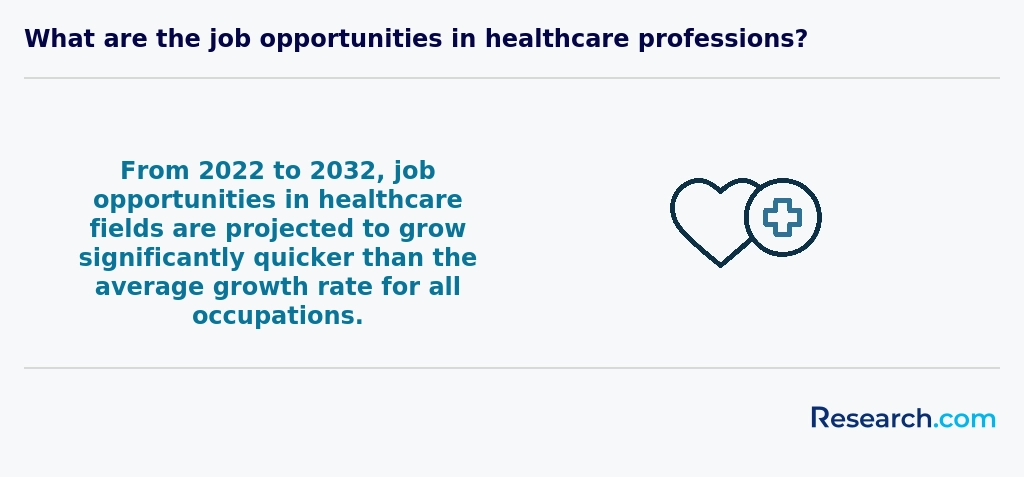
Student Life and Campus Experience in Seattle, WA
While academic excellence and affordability are top priorities, a crucial aspect that often gets overlooked is the overall student life and campus experience in Seattle. Beyond rigorous coursework and competitive programs, living and learning in Seattle means embracing a vibrant community that extends well beyond the classroom. Students can explore a diverse cultural scene, engage in various extracurricular activities, and tap into extensive networking opportunities with local healthcare professionals-all of which play a significant role in shaping a well-rounded healthcare career. Being immersed in Seattle’s dynamic environment allows you to build lasting relationships with peers and industry leaders, participate in community health initiatives, and develop the soft skills necessary for success in the healthcare field. For example, some online programs not only offer flexible study options but also incorporate virtual meetups and interactive webinars, bridging the gap between remote learning and campus life. If you’re researching options that blend comprehensive academics with a supportive, community-centric experience, consider exploring programs like the lsu mha, which are known for fostering both professional growth and personal development. Overall, the enriching student life in Seattle complements the academic rigor of healthcare programs, providing an ideal setting where you can thrive academically, socially, and professionally.
What courses are typically in healthcare degree programs in Seattle?
In Seattle, healthcare degree programs cover a rich variety of courses that build a solid foundation for your future career. You'll dive into human anatomy, physiology, and microbiology, gaining a clear understanding of how the body functions and fights disease. Graduates from the University of Washington and Seattle Central College often highlight how courses in nutrition and health promotion helped them grasp the importance of preventive care, which they apply every day in clinical settings.
Hands-on learning is at the heart of many Seattle programs. Pharmacology, pathophysiology, and diagnostic procedures courses prepare you to manage medications and understand diseases deeply. Many students recall their clinical rotations at nearby hospitals, where real-world patient interactions taught them critical communication and decision-making skills that textbooks alone can't provide.
Ethics and legal studies, including HIPAA and public health, round out the curriculum. These classes don't just fill your schedule-they prepare you to provide equitable care in Seattle's diverse communities, inspiring graduates to serve with compassion and integrity.
What types of specializations are available in healthcare degree programs in Seattle?
When exploring healthcare degree specializations in Seattle, you'll find a vibrant array of options that cater to various passions and career goals. Graduates from the University of Washington often speak highly of their nursing programs, which range from foundational Licensed Practical Nurse tracks to advanced Nurse Practitioner roles-preparing students to confidently step into Seattle's bustling hospitals and clinics. Another growing field is health informatics, where the city's strong tech scene allows students to merge healthcare knowledge with IT skills, managing vital data that directly impacts patient care and outcomes.
Seattle affordable healthcare programs specialties also include public health degrees focused on community wellness and policy, addressing real-world challenges like disease prevention in urban environments. Allied health sciences offer hands-on paths in physical therapy and respiratory therapy, making a tangible difference in patients' recovery journeys. For those drawn to the management side, healthcare administration programs train you to lead and innovate in organizations, enhancing how care is delivered.
Many students explore diverse paths, including online options such as the lsu mha, to fit their busy lives while pursuing their passions within this dynamic healthcare landscape.
How do you choose the best healthcare degree in Seattle?
Choosing the best healthcare degree in Seattle means aligning your education with your passion and practical goals. Consider the kind of career you envision-whether it's becoming a registered nurse, public health specialist, or healthcare administrator. Graduates from local institutions often highlight how programs connected to Seattle's renowned hospitals provide invaluable real-world experience. For instance, students at community colleges benefit from affordable healthcare degree programs Seattle that balance cost and hands-on learning.
Cost matters greatly, as many graduates share the relief of managing expenses while gaining quality education. Universities like the University of Washington, though pricier, offer extensive resources and networking essential for long-term success. If you're weighing flexible options, look at programs offering part-time or online formats-some students thrive while working, especially through an online bachelor's degree in kinesiology.
Accreditation and job placement rates should drive your choice. Real students attest that small class sizes and scholarships tailored for healthcare students made all the difference, proving that thoughtful selection leads to fulfilling careers. Keep these factors in mind to find the best healthcare degrees cost Seattle that fit your story.
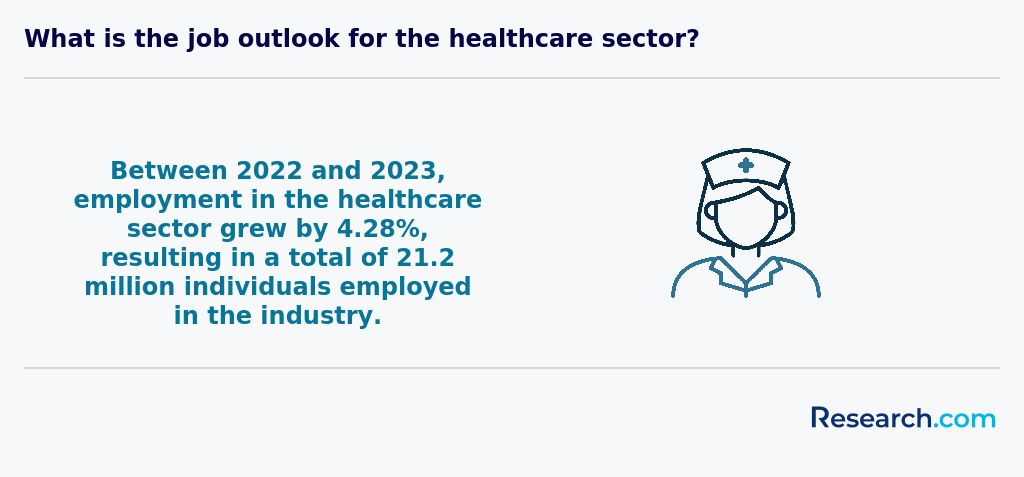
What career paths are available for healthcare degree students in Seattle?
Graduates with a healthcare degree in Seattle find themselves stepping into a vibrant job market full of diverse career paths. Many choose to become Registered Nurses, a role highly sought after by institutions like UW Medicine and Swedish Medical Center, offering both rewarding work and a median salary around $90,000 annually. Others thrive as Medical and Health Services Managers, combining leadership and healthcare skills to oversee facilities with wages above $110,000. Seattle's aging population creates steady opportunities for Physical Therapists, while the city's tech-driven economy supports Health Informatics Specialists who bridge IT and healthcare for salaries between $80,000 and $100,000.
Healthcare students here benefit from valuable internships and hands-on experiences at local hospitals and clinics, making them job-ready right after graduation. If you're researching affordable options to start your journey, check out the Inexpensive Online Healthcare Degree Programs Ranking in Waterloo, IA for insights. The demand and variety of healthcare career opportunities in Seattle mean you can find a role that fits your passion and skills perfectly.
Seattle healthcare degree job prospects extend into community-focused roles like Public Health Educators, who work on wellness programs and preventive care. Graduates often share how rewarding it feels to impact local health positively while enjoying the benefits of a robust and growing industry here.
What is the job market for healthcare degree in Seattle?
The job market for healthcare degree holders in Seattle is exceptionally promising, with opportunities rapidly expanding across hospitals, outpatient centers, and community health organizations. Graduates from well-known local universities like the University of Washington are often hired by major institutions such as Swedish Medical Center, where demand for registered nurses and healthcare managers continues to rise steadily. Many graduates share stories of quickly finding rewarding roles that allow them to make real differences in patient care, which keeps motivation high despite the challenges of rigorous healthcare training.
Seattle's healthcare degree employment outlook is bolstered by an aging population and ongoing advancements in medical technology, meaning new roles emerge frequently, especially in rehabilitation and healthcare support services. For students weighing the costs of education, it's encouraging to note that salaries in this region significantly surpass national averages, making the investment worthwhile. Exploring options like online college degrees for seniors also expands accessibility for continuing education, creating even more pathways into this thriving field.
Frequently Asked Questions About healthcare
Healthcare degree students in Seattle can maximize their learning experience by engaging in local clinical internships and practicum opportunities. Seattle hosts major healthcare providers such as the University of Washington Medical Center and Swedish Medical Center, offering valuable hands-on experience. According to the Washington State Department of Health, practical training in these facilities enhances clinical skills and employment prospects.
Students should also connect with professional organizations like the Washington State Hospital Association for networking and mentorship. Utilizing academic resources at institutions such as Seattle Central College, which offers specialized healthcare courses, further supports students' success.
Finally, staying updated on healthcare trends in Seattle, where the industry has grown by 15% over the past five years (Bureau of Labor Statistics), helps students align their skills with local market demands.
Emerging niches within the healthcare field in Seattle reflect broader national trends, with strong growth in areas like telehealth, health informatics, and personalized medicine. Telehealth services expanded rapidly during the COVID-19 pandemic, and Seattle's technology-focused environment supports continued innovation in this sector.
Health informatics, combining healthcare and data science, is another promising area. Seattle hosts major tech firms partnering with healthcare providers to improve patient data management and outcomes. According to the Washington State Department of Health, jobs in this field are expected to grow by over 20% through 2030.
Additionally, personalized medicine, especially genomics and biotechnology, benefits from Seattle's vibrant research institutions such as the Fred Hutchinson Cancer Center.
Preparing for the job market after earning a healthcare degree in Seattle involves several key steps. Graduates should focus on gaining relevant clinical experience through internships or practicums offered by Seattle institutions. The local healthcare sector is robust, with hospitals like the Seattle Children's Hospital and Harborview Medical Center frequently hiring qualified professionals. According to the Washington State Employment Security Department, healthcare jobs in King County are projected to grow by over 15% by 2030.
Networking is essential; joining professional organizations like the Washington State Nurses Association or attending career fairs can connect graduates with potential employers. Additionally, obtaining state licensure for roles such as nursing or radiologic technology is often required. Seattle employers value cultural competency and familiarity with electronic health records (EHR) systems, so acquiring these skills enhances employability.
Employers in Seattle's healthcare sector prioritize a blend of technical and interpersonal skills in graduates with healthcare degrees. Critical clinical competencies such as patient assessment, medical terminology, and electronic health records management are essential. According to the Washington State Department of Health, proficiency in data handling and healthcare technology is increasingly important as Seattle hospitals adopt advanced digital systems.
Soft skills like communication, teamwork, and cultural competence rank highly because Seattle's diverse population demands empathetic and effective patient interaction. The Puget Sound region's healthcare facilities value graduates who demonstrate adaptability and problem-solving abilities amid evolving care standards.
Additionally, knowledge of healthcare regulations and ethical practices is vital for compliance and patient safety, as highlighted by recent reports from the Seattle-King County Public Health Department.
Finding internships in Seattle for healthcare degrees involves targeted research and proactive outreach. Start by exploring local healthcare providers such as the University of Washington Medical Center, Swedish Medical Center, and Seattle Children's Hospital, all known for offering clinical internships and student training programs.
Additionally, many Seattle-based universities maintain partnerships with hospitals and clinics, providing exclusive internship opportunities to their students. Utilize career services and internship offices at schools like Seattle University or Seattle Pacific University for tailored guidance.
Online platforms like the Washington State Department of Health and healthcare job boards often list internships. According to the Washington Workforce Training Board, healthcare remains the fastest-growing sector in Seattle, making internships increasingly available.
Obtaining a healthcare degree in Seattle significantly boosts career mobility and advancement opportunities within the region's robust medical sector. Seattle is home to prominent healthcare employers such as the University of Washington Medical Center and Seattle Children's Hospital, which prioritize candidates holding relevant degrees. According to the Washington State Employment Security Department, jobs in healthcare are projected to grow by 15% between 2020 and 2030, surpassing many other fields.
Professionals with degrees often qualify for specialized roles with higher salaries, including nursing, medical technology, and health administration. Credentials also enable upward movement into leadership positions, supported by Seattle's strong network of medical institutions offering continuing education and certification programs.
Studying for a healthcare degree in Seattle equips students to work effectively in interdisciplinary roles by emphasizing collaboration across multiple healthcare fields. Seattle's universities and colleges offer curricula that integrate nursing, public health, health information technology, and social work, reflecting the region's comprehensive healthcare environment.
Students benefit from partnerships with institutions like the University of Washington Medical Center, consistently ranked among the top hospitals in the U.S. These partnerships provide clinical experiences that stress teamwork between physicians, nurses, and other health professionals.
According to the Seattle-King County Public Health Department, 60% of healthcare roles now require coordination between different specialties, highlighting the importance of interdisciplinary training. Programs also incorporate courses on communication, ethics, and patient-centered care, preparing students for diverse healthcare settings.
When choosing between a thesis and a non-thesis healthcare degree program in Seattle, students should consider their career goals and learning preferences. Thesis programs typically require original research and are ideal for those interested in clinical research, academia, or advanced studies. Non-thesis programs, focusing on practical skills and coursework, suit professionals aiming for direct healthcare practice or administration.
Seattle's healthcare sector, with over 60,000 healthcare jobs according to the Puget Sound Regional Council, values both research and applied expertise. Graduate students should evaluate time commitment, as thesis options often extend program length and require faculty mentorship. Cost considerations are also important, with thesis programs sometimes offering research assistantships.
Finally, reviewing program accreditation and faculty expertise in Seattle-area institutions helps align choice with professional ambitions and licensing requirements.
Students based in Seattle interested in studying healthcare abroad have several pathways to consider. Many universities in Seattle, such as the University of Washington, offer study abroad programs and exchange partnerships with institutions in countries like the United Kingdom, Australia, and Germany. These programs often focus on global health, nursing, and public health disciplines. According to the Institute of International Education, healthcare-related study abroad participation has increased by 12% over the past five years among U.S. students, reflecting growing interest.
Seattle students can also access direct enrollment options in accredited foreign universities providing healthcare degrees. However, verifying accreditation recognized by U.S. agencies remains essential for licensure and career goals. The diversity of available programs supports wide-ranging interests within healthcare fields.
Seattle offers various part-time job opportunities that align well with healthcare degree education. Positions such as medical assistants, pharmacy technicians, and certified nursing assistants provide practical experience while studying. These roles help students apply classroom knowledge in real-world clinical settings.
Healthcare support jobs in Seattle often pay between $15 and $22 per hour, based on data from the U.S. Bureau of Labor Statistics (2023). Working in local hospitals like UW Medical Center or clinics around the city also exposes students to diverse medical cases and healthcare technologies.
Additionally, part-time research assistant jobs at institutions such as the Fred Hutchinson Cancer Center offer valuable insight into medical research, complementing healthcare studies.
Seattle offers robust networking opportunities for healthcare students through its numerous universities, hospitals, and professional organizations. Institutions like the University of Washington facilitate connections via career fairs, internships, and alumni events. With Seattle hosting over 60 licensed hospitals and medical centers, including Seattle Cancer Care Alliance and Swedish Medical Center, students frequently access clinical rotations and volunteering roles to build professional contacts.
Additionally, organizations such as the Washington State Public Health Association and local chapters of national groups like the American Medical Association hold networking events and workshops. These help students stay informed on industry trends and meet healthcare leaders in the region. According to the Seattle-King County Public Health Office, collaborations between educational programs and healthcare providers remain strong, enhancing these networking pathways.
Alumni networks provide valuable support for healthcare degree students in Seattle by connecting them with experienced professionals in the local medical community. These networks often offer mentorship opportunities, helping students navigate clinical placements and career decisions.
Seattle's healthcare sector is robust, housing top hospitals like UW Medicine and Seattle Children's. Alumni connections can facilitate internships and job placements in these institutions, which can lead to higher employment rates after graduation.
According to the Seattle Colleges District, engaged alumni networks increase job placement by up to 25% for healthcare graduates. Such networks also host events and workshops that enhance professional development and keep students current with industry trends.
Customizing a healthcare degree program in Seattle involves selecting courses and specializations that align with your career goals. Many Seattle colleges offer flexible curricula allowing students to focus on areas such as nursing, health administration, or public health. For example, electives in mental health or informatics can help tailor your skills to specific job markets.
Seattle's healthcare sector is projected to grow 15% through 2030, according to the Washington State Employment Security Department, making it beneficial to target high-demand specialties.
Additionally, internships or clinical placements with Seattle's renowned medical centers provide practical experience relevant to your interests, enhancing your professional network and job prospects.
Advising services at Seattle institutions assist in mapping academic choices to industry requirements, helping you design a degree that fits local healthcare demands effectively.
Healthcare students in Seattle face several distinct challenges as they pursue their degrees. One major difficulty is balancing rigorous coursework with clinical rotations, which often demand long hours and intense focus. According to the Washington State Board of Health, Seattle's healthcare programs emphasize hands-on experience, leading to a significant time commitment for students outside the classroom.
Another challenge is the high cost of living in Seattle, which ranks among the most expensive cities in the U.S. The Seattle Times reported that housing and transportation costs can strain students financially, especially those relying on part-time jobs.
Additionally, navigating competitive job markets within Seattle's expanding healthcare industry requires strong networking and practical skills. Local institutions often expect students to have relevant experience before graduation, adding pressure during studies.
With a healthcare degree in Seattle, you can pursue a variety of professional certifications to advance your career. Common options include Certified Nursing Assistant (CNA), Registered Nurse (RN), and Medical Assistant certifications, which are highly valued in local hospitals and clinics. For specialized roles, certifications like Certified Health Education Specialist (CHES) or Registered Health Information Technician (RHIT) are also available.
Seattle's healthcare industry is robust, with employers often requiring licensure recognized by the Washington State Department of Health. According to the Washington State Employment Security Department, healthcare occupations in Seattle are projected to grow by 15% through 2030, increasing demand for certified professionals.
Additionally, certifications such as Certified Professional Coder (CPC) or Certified Clinical Medical Assistant (CCMA) offer pathways into administrative and clinical support roles. These certifications enhance employability and provide opportunities for salary growth within Seattle's competitive healthcare market.
Writing a winning application for a healthcare program in Seattle requires careful preparation. First, ensure your academic records meet program prerequisites, typically including biology and chemistry courses. Many Seattle healthcare programs seek applicants with a GPA above 3.0.
Strong letters of recommendation from healthcare professionals or educators can significantly boost your application. Seattle's healthcare industry is robust, employing over 100,000 workers per the Washington State Employment Security Department, so mention any relevant experience.
Additionally, write a clear personal statement that highlights your commitment to healthcare and any volunteer or work experience. Tailor each application to the specific Seattle school's values and mission for best results.
Healthcare careers are increasingly seen through a global lens, reflecting widespread demand and evolving medical challenges. For students in Seattle, this means training that prepares them to work not only locally but internationally. According to the Washington State Department of Health, Seattle's healthcare workforce grows by 3% annually, driven by innovations and aging populations worldwide.
Globally, healthcare professions emphasize interdisciplinary skills, cultural competence, and adaptability. Educational programs in Seattle often integrate these aspects, preparing graduates to meet global health standards and participate in international health initiatives.
Understanding diseases that cross borders, such as pandemics, highlights the need for globally aware healthcare professionals.
Gaining practical experience while pursuing a healthcare degree in Seattle is essential for building skills and enhancing employability. Many local colleges and universities, such as the University of Washington, integrate clinical rotations and internships within their programs. These opportunities allow students to work directly in hospitals, clinics, and community health centers.
Seattle's strong healthcare system, including top facilities like Harborview Medical Center, offers diverse clinical settings for students to apply classroom knowledge. Additionally, partnerships with organizations like Seattle Children's Hospital provide valuable hands-on training. According to the Washington State Department of Health, nearly 60% of healthcare students participate in supervised practicum experiences, boosting their readiness for professional roles.
Choosing the right concentration within a healthcare degree program in Seattle begins with understanding your career goals and local market demands. Seattle is a regional hub for healthcare, with major employers like UW Medicine and Providence Health offering varied opportunities.
According to the Washington State Employment Security Department, high growth areas include nursing, health informatics, and public health. Selecting a concentration aligned with these fields can increase job prospects.
Consider your interests in patient care, administration, or technology. For example, nursing programs at Seattle Central College are well-regarded and focus on clinical skills, while UW's health informatics programs emphasize data and systems.
Research accreditation and clinical placement options, ensuring the program meets licensure requirements in Washington State. Admissions counselors and career services can provide valuable guidance tailored to your aspirations.
Related Healthcare Rankings for Nearby Cities
- 2027 Most Affordable Healthcare Degree Programs Ranking in Oakland
- 2027 Most Affordable Healthcare Degree Programs Ranking in San Francisco
- 2027 Most Affordable Healthcare Degree Programs Ranking in Los Angeles
- 2027 Most Affordable Healthcare Degree Programs Ranking in Anaheim
- 2027 Most Affordable Healthcare Degree Programs Ranking in Irvine
- 2027 Most Affordable Healthcare Degree Programs Ranking in Riverside
- 2027 Most Affordable Healthcare Degree Programs Ranking in Denver
- 2027 Most Affordable Healthcare Degree Programs Ranking in La Jolla
- 2027 Most Affordable Healthcare Degree Programs Ranking in San Diego
- 2027 Most Affordable Healthcare Degree Programs Ranking in Colorado Springs
Top Trending Healthcare Rankings
See What Experts Have To Say About Studying Healthcare
Read our interview with Healthcare experts

References
- Health Care Career Pathways https://kpwamedicaleducation.org/health-care-career-pathways-overview/
- How to Write Your Cover Letter | NQRTH https://www.nqrth.edu.au/career-planning/how-to-write-your-cover-letter/
- What can I do with a healthcare studies degree, and how can I start? https://mrcollege.ac.uk/what-can-i-do-with-a-healthcare-studies-degree-and-how-can-i-start/
- Cost Of Attendance | Seattle Colleges International Programs https://intl.seattlecolleges.edu/cost
- Financial Assistance https://www.fredhutch.org/en/patient-care/patient-services/insurance-and-billing/financial-assistance.html
- Health and Medical https://northseattle.edu/areas-study/health-and-medical
- Community Health & Education - Course Planning https://healthcare.seattlecentral.edu/programs/community-health-and-education/course-planning
- Financial Assistance Resources for Patients https://www.wsha.org/resources/financial-assistance-resources/financial-assistance-resources-for-patients/
- The Value of Healthcare Organization Alumni Associations https://consultqd.clevelandclinic.org/the-value-of-healthcare-organization-alumni-associations
- Degree Programs https://waportal.org/health-initiatives/public-health-academic-learning-collaborative-wa-phalco/degree-programs


