2027 Most Valuable Healthcare Degree Programs Ranking in Virginia Beach

Co-Founder and Chief Data Scientist
Choosing the right healthcare degree program in Virginia Beach can shape your future career and personal growth. This article presents the 2027 Most Valuable Healthcare Degree Programs Ranking in Virginia Beach, developed by the Research.com team of data scientists. Their goal is to help you make an informed decision about which programs offer the best opportunities.
By exploring this ranking, you'll discover programs that combine quality education with strong career prospects. Pursuing a healthcare degree brings rewarding challenges and meaningful impacts-making it a smart choice for your next step.
Key benefits of getting healthcare degree in Virginia Beach
- Healthcare degree graduates in Virginia Beach can earn competitive salaries, such as $43,350 annually for Medical Assistants and Clinical Research Coordinators, and up to $103,150 for Quality Improvement Coordinators, offering strong financial stability.
- Graduates from institutions like Batten University explore diverse career paths including patient care, health information technology, and clinical research, providing flexible options to match personal interests and goals.
- Online healthcare degrees from schools like Regent University allow students to balance education with work or family life, offering convenience and the same quality education as traditional programs.
- 2027 Most Valuable Healthcare Degree Programs Ranking in Virginia Beach
- What can I expect from healthcare degree in Virginia Beach?
- Where can I work with healthcare degree in Virginia Beach?
What can I expect from healthcare degree in Virginia Beach?
Healthcare degree costs in Virginia Beach vary widely depending on the institution and degree level. Public colleges typically offer more affordable tuition, especially for in-state residents, with associate's degrees often costing significantly less than bachelor's or master's programs. For instance, graduates from popular local colleges note that in-state tuition for an associate's degree in nursing or allied health ranges from approximately $5,000 to $10,000 per year. Bachelor's programs at these institutions generally fall between $10,000 and $20,000 annually, reflecting the increased coursework and clinical practicum requirements.
Many students report that financial aid options and scholarships geared toward healthcare fields effectively reduce overall expenses, making degrees more accessible. Graduates from these Virginia Beach programs express positive feelings about the value received, citing comprehensive clinical experiences at hospitals like Sentara Virginia Beach General Hospital that justify the investment.
Private institutions in the region may charge higher tuition, potentially doubling public school costs, but often provide specialized tracks and smaller class sizes. Overall, careful budgeting combined with available financial aid can help students manage costs while gaining quality education aligned with the region's growing healthcare job market.
Where can I work with healthcare degree in Virginia Beach?
Graduates holding healthcare degrees from institutions like Batten University and Tidewater Community College in Virginia Beach find diverse employment opportunities spanning multiple care settings. Local hospitals such as Sentara Virginia Beach General and Bon Secours Maryview offer roles for registered nurses, lab technicians, and allied health professionals, where graduates often engage in direct patient care and emergency services.
Outpatient clinics and specialty centers create openings for physical therapy assistants and clinical health sciences graduates, allowing them to support licensed therapists and counselors in dynamic environments. Many graduates appreciate the hands-on experience they gain in these community-based settings.
Long-term care facilities like The Chesapeake Rehabilitation and Healthcare Center require skilled workers focused on geriatric care, a field growing in demand due to Virginia Beach's expanding senior population. Graduates report fulfillment in delivering compassionate, ongoing support to elderly patients.
Additionally, government agencies and community health organizations employ degree holders for roles in health education and public health administration, broadening career paths beyond clinical work.
With healthcare jobs expected to increase by 10% over the next decade in Hampton Roads, graduates feel optimistic about their prospects across both clinical and administrative positions.
Graduates with healthcare degrees from Virginia Beach institutions often find rewarding salary opportunities aligned with local market demands. For example, medical assistants in the area earn a mean annual wage of about $43,350, reflecting steady entry-level income that supports early career growth.
Patient care technicians benefit from higher average earnings, around $60,790 per year, illustrating the value of specialized training received at colleges with strong healthcare programs. Similarly, health information technicians earn roughly $43,380 annually, a solid option for graduates focusing on healthcare data management.
Those aiming for coordination roles experience significant salary jumps. Clinical research coordinators earn about $43,350 annually, while quality improvement coordinators command much higher wages, around $103,150 per year. Graduates from local universities often share that hands-on internships and health sector partnerships in Virginia Beach boosted their prospects, enabling them to step confidently into these dynamic roles.
Overall, Virginia Beach healthcare degree holders enjoy competitive salaries that reflect both regional economic conditions and robust healthcare infrastructure, making their investment in education feel both practical and fulfilling.
- Tuition for bachelor's degrees in healthcare fields ranges from $8,000 to $12,000 per year at public colleges and $15,000 to $25,000 at private schools.
- Associate degree programs cost between $4,000 and $8,000 per year and offer a faster path to entering the workforce.
- Entry-level healthcare graduates can expect starting salaries between $45,000 and $55,000 annually.
- Experienced registered nurses in Virginia Beach can earn over $75,000 per year within five to ten years after graduation.
- The healthcare job market in Virginia Beach is growing by more than 15% over the next decade, driven by local demand and population growth.
- Nursing, physical therapy, and health administration are among the fields with the strongest job demand in the region.
Completing a healthcare degree in Virginia Beach varies significantly by program type and student commitment. Certificate programs like Certified Nursing Assistant (CNA) or Medical Assisting typically take 6 to 12 months, ideal for those eager to enter the workforce quickly. Graduates from local institutions appreciate the fast-paced training that equips them with practical skills for entry-level roles.
Associate degrees, such as the ADN offered at several community colleges in Virginia Beach, generally require about two years. Many students balance work and study with part-time or evening classes, benefiting from the flexibility these schools provide. Graduates often describe their experiences as both challenging and rewarding, leading directly to Registered Nurse licensure.
Bachelor's programs, notably the BSN, usually span four years, but accelerated tracks at popular regional universities allow completion in 12 to 18 months for those with prior healthcare experience. Students value these options for reducing time without sacrificing quality education.
Advanced degrees like MSN or Physician Assistant programs demand an additional two to three years, preparing graduates for specialized clinical roles. The availability of online or hybrid formats in Virginia Beach helps working professionals achieve these goals efficiently.
Virginia Beach’s healthcare landscape is rapidly evolving, shaped by technological advancements and shifting demographic needs. Staying ahead means understanding emerging trends such as telehealth expansion, digital health innovations, and community-based care initiatives. Students and professionals are encouraged to keep an eye on industry forecasts that indicate a steady rise in demand for specialized healthcare skills, making continuous learning and adaptability essential. In addition, regional partnerships between hospitals, academic institutions, and local government initiatives are creating unique opportunities for mentorship, networking, and hands-on experience. For those searching for top-notch education in this dynamic environment, exploring options at valuable healthcare schools in virginia can offer insights into programs that balance academic rigor with industry relevance. Embrace the forward-thinking approach of today’s healthcare education to position yourself as a leader in tomorrow’s evolving medical field.
Online healthcare degree programs in Virginia Beach offer flexibility that appeals to working professionals or those balancing family commitments, enabling coursework completion remotely. Graduates appreciate the ability to study at their own pace without sacrificing income, a significant advantage highlighted by over 7 million US students taking online courses recently. However, students from institutions like Batten University often emphasize that on-campus programs provide crucial hands-on training through labs and clinical rotations, essential for mastering skills in nursing or medical technology.
Cost differences also influence decisions; while public colleges in Virginia typically charge around $12,000 annually for in-state tuition, online programs may reduce expenses by eliminating campus fees but sometimes add technology or clinical placement costs. Graduates from Tidewater Community College recall that in-person experiences fostered stronger collaborative skills and immediate support from instructors, vital in healthcare settings. Both pathways require state-accredited programs to ensure licensure eligibility, but clinical hours often demand local, supervised practice-a factor for online learners to consider carefully.
The average cost of a healthcare degree in Virginia Beach reflects a balance between public and private education options. Data indicates that the median total cost for healthcare degree programs here is approximately $31,691, with in-state students benefiting from lower tuition averaging around $18,486. This significant difference highlights the financial advantage for local students attending public institutions.
Graduates from Tidewater Community College, known for its affordable associate degrees in healthcare, often share how their total cost remained manageable, allowing them to focus on clinical experiences without heavy financial stress. Conversely, students at private schools like Batten University encounter higher tuition close to $35,000 annually but appreciate the personalized education and strong campus healthcare networks supporting their career goals.
These figures represent the total cost of healthcare degree programs Virginia Beach, accounting for tuition, fees, and essential expenses like lab and clinical practice costs. The median data enables prospective students to realistically plan for their education while considering residency status and institution type.
Financial aid plays a crucial role in reducing out-of-pocket expenses for many students, making the pursuit of a healthcare career both affordable and accessible. For those wanting to explore options at the most valuable healthcare schools in virginia, specific institutional resources provide valuable insights into affordability and outcomes.

Obtaining a healthcare degree is only the first step; securing the necessary licenses and certifications ensures you can practice legally and competently in Virginia Beach. Each discipline has unique requirements: 1. Nursing Licensure - Complete an accredited nursing program and pass the NCLEX-RN (for Registered Nurses) or NCLEX-PN (for Practical Nurses) exam. - Apply through the Virginia Board of Nursing, submitting official transcripts, fingerprinting, and background checks. - Renew every two years with proof of continuing education credits. 2. Allied Health Certifications - Roles like Medical Assistants or Phlebotomy Technicians often require national certification (e.g., CMA, CPT) from organizations such as AAMA or NHA. - Certification exams test both theoretical knowledge and practical skills; study guides and practice tests can improve pass rates. 3. Health Information Management Credentials - To become a Registered Health Information Administrator (RHIA) or Registered Health Information Technician (RHIT), graduates must pass the national exam administered by AHIMA. - Successful candidates must adhere to AHIMA’s Code of Ethics and complete ongoing continuing education units (CEUs) for recertification. 4. Pharmacy Practice Licensure - PharmD graduates must pass the North American Pharmacist Licensure Examination (NAPLEX) and the Virginia MPJE (Multistate Pharmacy Jurisprudence Exam). - For accelerated pathways and in-depth timelines on “how long does it take to get a pharmd,” Research.com offers a comprehensive guide. - After initial licensure, pharmacists complete at least 15 hours of CE annually to maintain active status. Key Steps to Success
- Verify program accreditation (e.g., CCNE for nursing, ACPE for pharmacy) before enrolling.
- Prepare early for board exams with review courses and practice questions.
- Track deadlines and documentation requirements on the Virginia Department of Health Professions website. By understanding and fulfilling these licensure and certification prerequisites, you’ll be ready to launch a compliant, rewarding healthcare career in Virginia Beach.
Healthcare students in Virginia Beach have access to diverse financial aid options that help offset costly tuition and program fees. Completing the FAFSA unlocks federal aid, which includes the Pell Grant awarding up to $7,395 annually based on financial need. This grant substantially eases expenses for students at institutions like Tidewater Community College and Batten University, which offer healthcare programs.
State-specific assistance through the Virginia State Grant Program further supports residents pursuing undergraduate healthcare degrees locally. Scholarships from local healthcare organizations and consortia frequently target students committed to serving the Virginia Beach community after graduation, providing both motivation and financial relief.
Graduates often reflect on how merit-based and need-based scholarships from their colleges made advanced healthcare education attainable. Federal student loans with lower interest rates and flexible repayment options remain preferred for bridging funding gaps, compared to private loans.
Many students combine financial aid with work-study or part-time roles in healthcare facilities, gaining both income and relevant experience. Additionally, some local healthcare employers offer tuition reimbursement programs, directly supporting employees advancing their healthcare careers.
Accreditation ensures that Virginia Beach healthcare programs meet rigorous industry standards and prepare you for licensure exams and career success.
- Institutional accreditation: Confirm the college holds regional accreditation (e.g., SACSCOC) to guarantee quality and transferability.
- Programmatic accreditation: Look for specialized recognition-ACEN for nursing, CAAHEP for allied health, CAHME for healthcare administration-to meet state licensure requirements and eligibility for credentialing, including online options like our health administration degree online.
- State board approval: Verify program approval by the Virginia Board of Nursing or the relevant licensing board to qualify for exams such as the NCLEX-RN.
- Licensure exam outcomes: Review recent pass rates for NCLEX-RN, radiography, or other certification tests to assess program effectiveness and predict your chances of success.
Enrolling in healthcare degree programs in Virginia Beach requires a high school diploma or GED, paired with essential coursework in biology with lab, chemistry or general science, algebra or higher math, and English composition. For instance, students at Tidewater Community College often share how mastering these subjects eased their transition into rigorous healthcare studies.
Most local programs expect a minimum GPA of 2.5 to 3.0 in these prerequisites, ensuring readiness for technical curricula. Many applicants recount the challenge and eventual confidence-boosting success of passing the TEAS or similar standardized exams, a key step particularly for nursing tracks.
Beyond academics, Virginia Beach institutions uphold strict health and safety protocols. Graduates frequently cite completing background checks, immunizations, and TB screenings as reassuring milestones that prepared them for clinical practice.
Financially, annual public college costs range from $8,000 to $12,000, a manageable investment students find worthwhile given the career opportunities. Some programs also request recommendation letters or statements of purpose to reflect applicants' commitment and healthcare experience.

Graduates of healthcare programs in Virginia Beach must obtain state licensure or certification to practice legally and ensure patient safety. The Virginia Board of Nursing (for RNs and LPNs), the Virginia Department of Health Professions (for allied health roles), and specialty boards set rigorous standards. Here’s what you need to know: • Accredited Program Completion: Enroll in a program recognized by the Commission on Collegiate Nursing Education (CCNE) or the Virginia Board of Health Professions. Only graduates of accredited curricula are eligible for licensure exams. • Background Check and Documentation: Submit fingerprints and a criminal background check through the Virginia State Police and the FBI. Prepare official transcripts, proof of clinical hours, and any required immunization records. • Examination Requirements: – Nursing graduates must pass the NCLEX-RN or NCLEX-PN within two years of graduation. – Allied health professionals (e.g., Health Information Technicians) typically sit for national certification exams such as RHIT or CCS-P. • Application Process and Fees: Complete the online application via the Virginia Board’s eLicensing portal. Application fees range from $100–$200, plus exam fees of approximately $200. Processing time averages 4–6 weeks. • Continuing Education and Renewal: Licenses in Virginia Beach require renewal every two years, with 30 hours of approved continuing education. Specialty certifications may have additional requirements. For ambitious professionals seeking advanced credentials beyond initial licensure, consider affordable online master’s options such as the Cheapest Online Master’s in Healthcare Degree Programs Ranking in South Carolina, which can offer cost-effective pathways to leadership roles and higher salary brackets.
Healthcare degree programs in Virginia Beach typically include foundational courses such as human anatomy and physiology, microbiology, and pathology, offering students a critical understanding of the human body and disease processes. Graduates from local institutions widely report that these science-heavy classes establish a solid knowledge base essential for advanced clinical skills.
Clinical training is emphasized through courses like Medical Terminology and practical rotations at Virginia Beach healthcare facilities, allowing students to apply theory in hands-on environments. This approach improves communication and confidence, which many graduates highlight as invaluable when entering nursing or allied health professions.
Programs also incorporate health informatics and healthcare technology, reflecting the sector's shift towards digital records and telemedicine.
For those focused on healthcare administration, courses cover healthcare finance, management, and organizational behavior, equipping graduates to navigate Virginia Beach's expanding healthcare market effectively.
Students often express satisfaction with this blend of scientific study, practical experience, and administrative knowledge, which prepares them well for diverse roles in the local healthcare industry.
Healthcare degree specializations in Virginia Beach encompass a wide range of focused areas tailored to meet both student interests and local industry demands. Among these, nursing stands out as a prominent track with sub-specializations such as Registered Nurse (RN), Nurse Practitioner (NP), and Licensed Practical Nurse (LPN). Graduates from universities and colleges in the region often highlight how nursing programs offer direct pathways into high-demand roles, reflecting a 15% projected growth in healthcare employment through 2030 by the Virginia Employment Commission.
Virginia Beach healthcare programs with specialization options also include healthcare administration, where students learn leadership, healthcare policy, and ethics to manage clinical settings effectively. Medical assisting is another sought-after path, blending clinical and administrative duties, often supported by partnerships with Sentara Healthcare, a major local employer. Other specializations, such as physical therapy, health informatics, pharmaceutical sciences, and public health, provide graduates with versatile skills applicable to community health and technological improvements. Some students also explore related advanced degree options, like a boston university mph online program, linking practical healthcare training with public health expertise.
Choosing the best healthcare degree programs Virginia Beach requires evaluating local demand and program quality. Graduates from institutions like Tidewater Community College often highlight the benefit of accredited programs that balance rigorous coursework with practical clinical placements at Sentara Healthcare. These experiences enhance skills and confidence, crucial for a competitive job market.
Affordability also plays a key role. Virginia Beach offers affordable healthcare degrees in Virginia Beach, especially through community colleges where yearly costs can be under $5,000. Many students appreciate the ability to start with an associate degree before advancing to bachelor's programs, making education financially feasible while gaining work experience.
Flexibility is essential for working adults. Local programs frequently allow part-time enrollment or online coursework, helping students manage personal responsibilities. Moreover, students exploring specialized fields might wonder how long does it take to get a pharmd, a common question addressed by accelerated options available nearby.
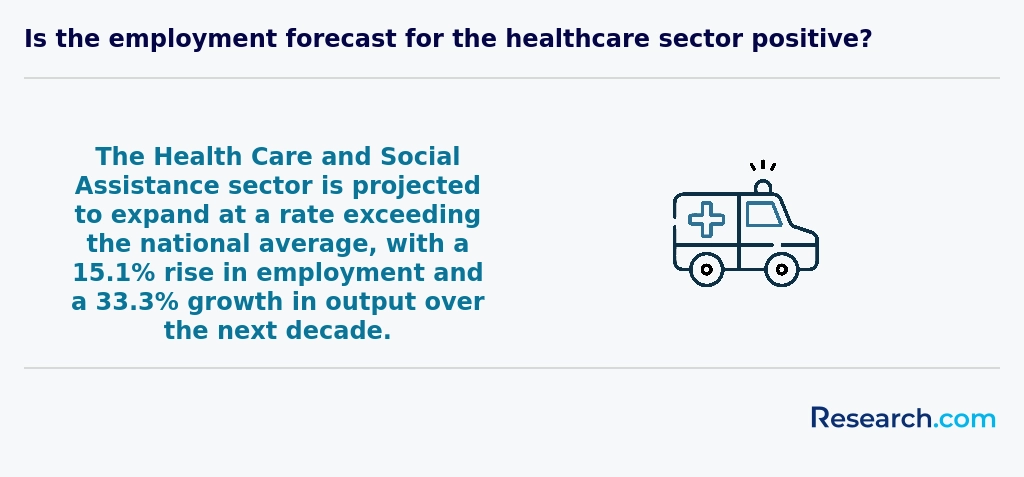
Healthcare degree graduates in Virginia Beach can pursue diverse career paths driven by the region's growing medical industry. Common roles include Registered Nurse (RN), where the Virginia Employment Commission forecasts a 15% job growth through 2030, reflecting robust demand in hospitals like Sentara Virginia Beach General Hospital. Leadership opportunities arise as Medical and Health Services Managers oversee clinics and departments, supported by the expanding healthcare administration sector.
Graduates from institutions such as Tidewater Community College and Old Dominion University frequently find rewarding work as Physical Therapists, addressing the rehabilitation needs of the area's elderly, who represent about 13% of the local population. Diagnostic roles like Medical Technologist or Lab Technician support the region's research centers and labs, while Healthcare Informatics Specialists combine IT and healthcare expertise to manage increasing digital health records and telemedicine services.
Those seeking cost-effective advanced degrees can explore options like the Cheapest Online Master's in Healthcare Degree Programs Ranking in South Carolina, which complements local job prospects for healthcare career opportunities in Virginia Beach.
The healthcare job market in Virginia Beach offers robust opportunities for graduates of healthcare degree programs, driven by strong regional demand and a projected 12% employment growth rate through 2032. Students from popular local institutions often secure roles as registered nurses, medical technologists, or health services managers soon after graduation, benefiting from median wages above $70,000 in nursing fields. This aligns well with the Virginia Beach healthcare employment opportunities fueled by an aging population and expansion of outpatient and long-term care facilities.
Graduates frequently find rewarding positions in major hospitals and military medical centers, where federal healthcare roles add to the spectrum of available jobs. Personal accounts from healthcare students describe positive transitions into these settings, appreciating the stability and career growth. Additionally, many take advantage of accelerated programs college options to enter the workforce faster and meet the growing local demand.
2027 Most Valuable Healthcare Degree Programs Ranking in Virginia Beach
Investing in your education is a significant decision that can profoundly impact your future, and the Research.com team recognizes the importance of making well-informed choices. To support students considering healthcare degrees in Virginia Beach, we have carefully developed the "2027 Most Valuable Healthcare Degree Programs Ranking in Virginia Beach." Our dedication to quality, credibility, and accuracy is demonstrated through thorough research and detailed analysis behind this ranking.
We utilized the following reputable data sources to ensure a comprehensive evaluation of healthcare degree programs:
Readers of this ranking will receive valuable insights into the most valuable healthcare degree options in Virginia Beach, empowering them to make confident educational decisions. For further information on our approach, please visit our Research.com methodology page.
# 1 position
South University-Virginia Beach
Bachelor of Science in Health Sciences



Frequently Asked Questions About healthcare
Healthcare degree students in Virginia Beach can maximize their learning experience by engaging in hands-on clinical training available through local hospitals such as Sentara Princess Anne and Bon Secours Maryview Medical Center. Practical experience complements classroom studies and enhances job readiness. Utilizing resources at institutions like Tidewater Community College, which offers specialized healthcare programs, helps students build foundational skills.
Networking with local healthcare professionals through internships and volunteer work is vital, as Virginia Beach's healthcare sector grew by approximately 5% over recent years, increasing demand for trained workers (Bureau of Labor Statistics, 2023). Moreover, staying updated on state healthcare regulations and technologies benefits students aiming for licensure and career advancement.
The healthcare field in Virginia Beach is expanding beyond traditional roles, with emerging niches offering promising career paths. One significant growth area is telehealth, driven by increased demand for remote patient monitoring and virtual care. According to the Virginia Department of Health, telemedicine services in the region grew by over 50% from 2020 to 2023.
Another rising niche is healthcare data analytics, where professionals analyze patient data to improve outcomes and reduce costs. The demand for experts in this field aligns with national trends showing a projected 36% job growth in health informatics by 2030, as reported by the U.S. Bureau of Labor Statistics.
Additionally, geriatric care management is increasingly vital due to Virginia Beach's growing elderly population, which constitutes over 16% of residents. This demographic shift creates opportunities for specialized nurses and social workers focusing on aging-related health issues.
After completing a healthcare degree in Virginia Beach, preparing for the job market involves several key steps. First, obtain relevant certifications and licenses required by Virginia state law, such as CNA or RN licensure, depending on your specialization. Engage with local healthcare employers like Sentara Healthcare, a major regional employer with over 500 facilities, for internships or job shadowing. Networking through Virginia Beach's healthcare job fairs and professional associations can significantly improve your chances. Additionally, utilize career services offered by your college. According to the Bureau of Labor Statistics, healthcare employment in Virginia is projected to grow 15% through 2031, indicating strong job prospects locally.
Employers in Virginia Beach highly value healthcare degree graduates who exhibit strong clinical skills combined with effective communication. According to the Virginia Department of Health, teamwork and interpersonal abilities are crucial due to the collaborative nature of healthcare settings in the region.
Analytical thinking and adaptability are also sought after, especially in dynamic environments like Sentara Healthcare, one of the largest providers in Virginia Beach. Familiarity with electronic health records (EHR) systems is increasingly important as digital documentation becomes standard.
Furthermore, knowledge of patient safety regulations and cultural competence enhances a graduate's employability. These skills ensure compliance with local healthcare laws and improve service for Virginia Beach's diverse population.
Finding internships in Virginia Beach for healthcare degrees involves several practical steps. Begin by exploring local hospitals such as Sentara Virginia Beach General Hospital, which frequently offers clinical internships for nursing, radiology, and allied health students. According to Sentara's career resources, their internship programs provide hands-on experience and networking opportunities.
Students should also check with community health centers and urgent care clinics that serve the Virginia Beach area. These facilities often seek interns for public health and medical assisting programs. The Virginia Beach Office of Economic Development provides listings of healthcare employers actively seeking interns.
Additionally, colleges like Tidewater Community College maintain partnerships with regional healthcare providers to facilitate internships for their students. Many academic advisors can help connect students directly with internship coordinators.
Using online portals such as Handshake and healthcare-specific job boards focused on Virginia Beach can increase internship placement chances. Early application and tailored resumes emphasizing relevant coursework improve success significantly.
Obtaining a healthcare degree in Virginia Beach significantly enhances career mobility and advancement opportunities. The city's growing healthcare sector, supported by major employers like Sentara Healthcare and Bon Secours, demands skilled professionals with formal education.
According to the U.S. Bureau of Labor Statistics, healthcare jobs in the Virginia Beach-Norfolk area are projected to grow 15% from 2022 to 2032, outpacing many other industries.
A degree provides foundational knowledge and credentials needed for licensure, which is often required to move into specialized or higher-paying roles.
Further, healthcare degrees open pathways to administrative and leadership positions, expanding career options beyond direct patient care.
Employers in Virginia Beach frequently prioritize candidates with accredited degrees, increasing competitiveness in the job market.
Studying for a healthcare degree in Virginia Beach equips students with skills essential for interdisciplinary roles through comprehensive curricula emphasizing collaboration across multiple healthcare fields. Many programs integrate courses in nursing, public health, and healthcare administration, fostering a broad understanding of patient care and system management.
Virginia Beach is home to healthcare institutions like Sentara Healthcare, which employs over 7,000 professionals, providing ample clinical and internship opportunities for students to engage in real-world team settings (Sentara Health Reports, 2023). This exposure helps students develop communication and critical thinking skills vital for interdisciplinary work.
Additionally, local colleges partner with hospitals to offer simulation labs and cross-disciplinary projects, ensuring graduates are prepared for integrated healthcare environments common in the U.S.
Choosing between a thesis and a non-thesis healthcare degree program in Virginia Beach depends on your career goals and learning preferences. Thesis programs emphasize research, requiring students to conduct original studies, which can be ideal if you plan to pursue a PhD or a research-focused career. Non-thesis programs typically focus more on practical skills and coursework, suited for those aiming to enter the workforce quickly.
In Virginia Beach, healthcare is a growing sector, with the Bureau of Labor Statistics projecting a 15% increase in healthcare jobs by 2030 locally. Selecting a program aligns with this growth; for instance, a thesis program may provide advantages in roles requiring evidence-based practice expertise, while non-thesis options suit clinical or administrative positions.
Many local institutions such as Regent University and Virginia Wesleyan University offer both options, so exploring program requirements and alumni outcomes can guide your decision.
Students based in Virginia Beach interested in studying healthcare abroad have several options, primarily through partnerships facilitated by their US institutions. Many Virginia Beach colleges and universities engage in exchange programs or dual-degree agreements with international schools, allowing students to gain global healthcare experience while earning academic credit. For example, institutions like Regent University and Tidewater Community College often support study-abroad programs focusing on healthcare and public health disciplines.
Healthcare degrees abroad can enhance cultural competence and expose students to diverse clinical practices, which is highly valuable given the multicultural population in Virginia Beach. According to the Virginia Department of Health, the region's demand for culturally aware healthcare professionals is increasing steadily.
Students should check accreditation compatibility, as US schools require partnering international programs to meet specific standards to ensure credits transfer and qualify for licensure exams upon return. Popular destinations include the United Kingdom, Canada, and Australia, where nursing and public health programs align well with US requirements.
Virginia Beach offers a variety of part-time job opportunities well-suited for students pursuing healthcare degrees. Roles such as medical assistants, patient care technicians, and pharmacy aides are common and provide hands-on experience. According to the U.S. Bureau of Labor Statistics, healthcare support occupations in the Virginia Beach metropolitan area are expected to grow by 15% through 2030, reflecting strong demand for such jobs.
Many healthcare facilities in Virginia Beach, including Sentara Healthcare and the Veterans Affairs Medical Center, offer part-time positions that complement academic training. These jobs help students develop practical skills in real clinical environments, enhancing both resumes and professional networks.
Healthcare students in Virginia Beach have access to numerous networking opportunities that can enhance their career prospects. Local hospitals like Sentara and the Veterans Affairs Medical Center often collaborate with educational institutions, offering students internships and clinical placements.
Professional organizations such as the Virginia Beach Healthcare Foundation and local chapters of national groups like the American Medical Association provide events, workshops, and seminars where students can meet industry professionals.
Additionally, Virginia Beach's close proximity to larger metropolitan areas like Norfolk expands networking access through regional healthcare conferences and job fairs, which frequently attract recruiters from top healthcare providers.
Alumni networks provide valuable support to healthcare degree students in Virginia Beach by connecting them with experienced professionals and local healthcare facilities. These networks often facilitate mentorship opportunities, enhancing students' understanding of clinical practices and career pathways.
Virginia Beach is home to major healthcare providers like Sentara Healthcare, which employs many alumni from local programs. This connection increases internship and job placement possibilities for students. According to the Virginia Economic Development Partnership, healthcare is one of the fastest-growing sectors in the region, making alumni networks critical for networking in a competitive job market.
Membership in alumni groups also offers access to continuing education events and professional development resources, helping students stay current with medical advancements.
Customizing a healthcare degree program in Virginia Beach allows students to align their education with specific career goals. Many institutions offer flexible curriculums where you can choose electives focused on nursing, healthcare administration, or medical technology. Additionally, students often have options for part-time study or accelerated tracks to suit different schedules.
The healthcare sector in Virginia Beach is growing, with a 16% increase in demand for healthcare professionals from 2020 to 2030, according to the Virginia Employment Commission. Local programs also emphasize clinical experiences through partnerships with regional hospitals and clinics.
Some schools provide opportunities for specialization in emerging fields such as health informatics or rehabilitation services to better prepare students for the local job market.
Healthcare students in Virginia Beach often face several key challenges during their studies. One major issue is managing the rigorous academic workload, especially in programs with demanding clinical hours and laboratory requirements. Many students report stress related to balancing coursework and hands-on training.
Another challenge is securing quality clinical placements. Virginia Beach's healthcare facilities are competitive, and students must often begin searching early to gain relevant experience.
Additionally, the cost of tuition and related expenses can be significant. According to the National Center for Education Statistics, tuition for healthcare programs in Virginia tends to be above the national average.
Finally, navigating evolving healthcare regulations and technologies adds complexity to their education.
With a healthcare degree in Virginia Beach, students can pursue various professional certifications to enhance their careers. Popular certifications include Certified Nursing Assistant (CNA), Registered Nurse (RN) licensure, and certifications in Medical Coding and Billing. These credentials improve job prospects and earning potential.
Additionally, certifications such as Certified Medical Assistant (CMA) and Licensed Practical Nurse (LPN) are commonly pursued. According to the Virginia Employment Commission, healthcare occupations in the region are expected to grow 18% from 2020 to 2030, highlighting strong demand for certified professionals.
Advanced certifications like Certified Registered Nurse Anesthetist (CRNA) or Certified Health Education Specialist (CHES) are options for those with higher degrees.
Writing a winning application for a healthcare program in Virginia Beach starts with understanding the local educational environment. Virginia Beach is home to several respected institutions offering healthcare degrees, including nursing, health administration, and allied health fields. Highlighting your commitment to healthcare by showcasing relevant volunteer or work experience can significantly strengthen your application.
Many programs require a solid GPA, often around 3.0 or higher, and prerequisite courses like biology and chemistry. Be sure to meet these academic standards and submit official transcripts. According to the Virginia Department of Health, the demand for healthcare professionals in the region is rising, which emphasizes the importance of expressing your career goals clearly in your personal statement.
Strong letters of recommendation from healthcare professionals or educators can set you apart. Also, tailored essays that explain why you want to study healthcare in Virginia Beach, specifically, demonstrate thoughtful engagement. Check each program's requirements carefully to avoid missing deadlines or necessary documents.
Healthcare careers are increasingly viewed through a global lens, as medical knowledge and practices rapidly evolve worldwide. In the United States, including Virginia Beach, healthcare education emphasizes evidence-based care and cultural competence to prepare students for diverse patient populations. According to the Bureau of Labor Statistics, healthcare occupations are projected to grow 16% nationally from 2021 to 2031, reflecting a global demand for skilled professionals.
Many healthcare programs in Virginia Beach incorporate international health issues and collaborative research to foster a broader understanding of global health challenges. This approach equips graduates to work effectively in both local and international settings.
Gaining practical experience while pursuing a healthcare degree in Virginia Beach is essential for career readiness. Many local colleges and universities partner with nearby hospitals, clinics, and community health centers to provide internships and clinical placements. For example, Sentara Healthcare, one of the largest employers in the region, offers hands-on training opportunities for students. According to the Virginia Department of Health, clinical internships increase job placement rates by up to 20% among healthcare graduates.
Additionally, students can participate in simulation labs, volunteer programs, and research projects to build relevant skills. These experiences help bridge the gap between theory and practice within the local healthcare system.
Choosing the right concentration within a healthcare degree in Virginia Beach starts with understanding local industry demands. Healthcare sectors like nursing, healthcare administration, and emergency medical services show strong employment growth here, reflecting Virginia Beach's expanding medical facilities and veteran care centers, according to the U.S. Bureau of Labor Statistics.
Consider your personal interests and strengths. For example, if you prefer hands-on patient care, nursing or physical therapy may be suitable. If you want leadership roles, healthcare administration could be ideal.
Research local program accreditations and partnerships with healthcare providers to ensure quality training and strong job placement.
- 2027 Most Valuable Healthcare Degree Programs Ranking in Norfolk
- 2027 Most Valuable Healthcare Degree Programs Ranking in Richmond
- 2027 Most Valuable Healthcare Degree Programs Ranking in Greenville
- 2027 Most Valuable Healthcare Degree Programs Ranking in Washington
- 2027 Most Valuable Healthcare Degree Programs Ranking in Arlington
- 2027 Most Valuable Healthcare Degree Programs Ranking in Fairfax
- 2027 Most Valuable Healthcare Degree Programs Ranking in College Park
- 2027 Most Valuable Healthcare Degree Programs Ranking in Charlottesville
- 2027 Most Valuable Healthcare Degree Programs Ranking in Dover
- 2027 Most Valuable Healthcare Degree Programs Ranking in Baltimore
See What Experts Have To Say About Studying Healthcare
Read our interview with Healthcare experts

- Client Challenge https://www.springerpflege.de/nursing-graduates-perceived-future-career-pathway-and-career-shi/50653658
- HEALTH MANAGEMENT (THESIS / NON-THESIS) - Lisansüstü Eğitim Enstitüsü https://lee.nisantasi.edu.tr/en/health-management-thesis-non-thesis/
- Trends and opportunities in healthcare across emerging markets - Inizio https://inizio.com/insights/trends-and-opportunities-in-healthcare-across-emerging-markets/
- Pre-Med Study Abroad Programs | Go Overseas https://www.gooverseas.com/study-abroad/pre-med
- Building Your Network of Doctors and Medical Students - Medic Mentor https://medicmentor.org/building-your-network-of-doctors-and-medical-students/
- Networking and Mentorship During Clinical Rotations https://rotatingroom.com/blog/medical-students-the-importance-of-networking-mentorship-during-your-clinical-rotations
- Health Management Careers https://www.ache.org/Career-Resources/Start-Your-Career/Health-Management-Careers
- Healthcare Careers & Accredited Degree Programs https://www.healthcaredegree.com/
- Global Health Perspectives https://globalhealthperspectives.com/
- Education requirements for the fastest-growing healthcare jobs https://www.corridorcareers.com/job-tips/blog-news-education-requirements-fastest-growing-healthcare-jobs