
2027 Best Healthcare Degree Programs Ranking in Topeka

Co-Founder and Chief Data Scientist
Choosing the right healthcare degree program can feel overwhelming, especially with so many options available in Topeka. This article introduces the 2027 Best Healthcare Degree Programs Ranking in Topeka, carefully developed by the Research.com team of data scientists to guide you through the best choices.
By exploring this ranking, you'll gain clear insights into top programs that align with your career goals. Earning a healthcare degree opens doors to meaningful work and a rewarding future. Let this guide inspire your next steps confidently.
Key benefits of getting healthcare degree in Topeka
- Salary for healthcare degree graduates: Graduates can expect competitive wages, such as $43,350 annually for Medical Assistants and Clinical Research Coordinators, or up to $103,150 annually for Quality Improvement Coordinators, reflecting strong earning potential in the field.
- Career paths: Healthcare degree holders from Topeka universities can pursue diverse roles, including Patient Care Technician or Health Information Technician, offering a rewarding mix of hands-on patient work and administrative opportunities.
- Online degree benefits: Earning a healthcare degree online from reputable Topeka colleges offers flexibility to balance work and studies while gaining the same knowledge, making advancing your career more accessible and convenient.
- Key benefits of getting healthcare degree in Topeka
- What can I expect from healthcare degree in Topeka?
- Where can I work with healthcare degree in Topeka?
- How much can I make with healthcare degree in Topeka?
- 2027 Best Healthcare Degree Programs Ranking in Topeka
- Key Findings
- How long does it take to complete healthcare degree in Topeka?
- Accreditation and Licensure Outcomes
- What's the difference between online and on-campus healthcare degree?
- Return on Investment of Healthcare Degrees in Topeka, KS
- What is the average cost of healthcare degree in Topeka?
- Emerging Trends and Future Directions in Healthcare Education
- What financial aid is available to healthcare degree students in Topeka?
- Student Life and Campus Support in Topeka, KS
- What are the prerequisites for enrolling in healthcare degree program in Topeka?
- Accreditation and Licensure Requirements
- What courses are typically in healthcare degree programs in Topeka?
- What types of specializations are available in healthcare degree programs in Topeka?
- How do you choose the best healthcare degree in Topeka?
- What career paths are available for healthcare degree students in Topeka?
- What is the job market for healthcare degree in Topeka?
- Top Trending Healthcare Rankings
- See What Experts Have To Say About Studying Healthcare
What can I expect from healthcare degree in Topeka?
Picture a healthcare student at Washburn University, flipping through textbooks under the warm glow of a desk lamp, energized by the affordable tuition that makes this dream accessible. In Topeka, the average cost of a healthcare degree at public institutions like Washburn hovers around a competitive range, often much gentler on wallets compared to private schools elsewhere. Graduates speak of financial relief knowing scholarships and aid lighten the load, turning the pursuit of a nursing or health sciences degree into a hopeful, achievable journey.
Investing in this education doesn't just mean paying fees; it's the gateway to hands-on clinical rotations at Stormont Vail Health, where theory morphs into lifesaving practice. Imagine walking hospital halls confident that your tuition not only covers classrooms but also ladders into career-ready badges gently forged in local clinics. Topeka's blend of affordability and real-world experience creates a rich, grounded path where passion meets practicality-giving students both peace of mind and exciting prospects.
Where can I work with healthcare degree in Topeka?
Graduates from healthcare programs in Topeka often find themselves woven into the city's vibrant medical tapestry, working at places like Stormont Vail Health, where the hum of hospital life blends with hope and healing. Imagine starting your day monitoring patient charts in this 440-bed behemoth or collaborating with therapists in outpatient clinics across town, making tangible impacts on people's lives.
Those who studied at the University of Kansas Health System's local campuses share stories of stepping from classroom theories into real-world roles-nursing, public health, or healthcare management-where their skills spark change in bustling wards or quiet research labs. The pulse of eldercare is strong here too; graduates report rewarding careers in nursing homes and rehabilitation centers, meeting the growing needs of Topeka's aging community.
Some find their calling in public health, working with government agencies like the Shawnee County Health Department, crafting community programs that protect and educate. Others thrive in private practices or specialty therapy centers, offering personalized care as pharmacists or respiratory therapists, all while riding the wave of a projected 12% employment growth. For healthcare degree holders, Topeka is a landscape of dynamic, meaningful possibilities.
How much can I make with healthcare degree in Topeka?
Landing a healthcare degree in Topeka, from popular institutions like Washburn University or local community colleges, can launch you into a paycheck that grows as you climb. Picture a recent graduate stepping into a Medical Assistant role, clocking a mean annual wage of about $43,350, enough to kickstart their healthcare career with a solid footing.
Others find themselves as Patient Care Technicians, where the average annual income jumps to roughly $60,790, reflecting the added responsibility and skill gained during those hands-on clinical semesters.
Some grads dabble in the technical side, becoming Health Information Technicians and earning similar annual wages around $43,380, combining healthcare knowledge with data mastery - a uniquely modern skill set that blends well with Topeka's healthcare landscape.
Climbing higher, graduates with advanced roles like Quality Improvement Coordinators can reach impressive earnings around $103,150. These positions, often attained through experience and further certifications, allow Topeka professionals to not only make meaningful change but also enjoy rewarding compensation.
The alumni often recall balancing late-night study sessions with the thrill of clinical rotations at Topeka hospitals, knowing these experiences shaped their value in the marketplace. This blend of education and real-world exposure helps make those numbers not just abstract, but a tangible reality for healthcare grads in Topeka.
2027 Best Healthcare Degree Programs Ranking in Topeka
How do we rank schools?
Investing in your education is a significant decision that can shape your future, and the Research.com team understands the importance of making informed choices. To assist prospective students in Topeka, we have meticulously crafted the "2027 Best Healthcare Degree Programs Ranking in Topeka." Our commitment to quality, credibility, and accuracy is reflected in the extensive research and analysis conducted to compile this ranking.
We utilized the following reputable data sources to ensure a comprehensive evaluation of healthcare degree programs:
By exploring this ranking, readers will gain valuable insights into the best healthcare degree programs available in Topeka, helping them make informed decisions about their educational paths. For more details on our methodology, please visit our Research.com methodology page.
# 1 position
Rasmussen University-Kansas
Bachelor of Science in Nursing

# 2 position
Washburn University
Bachelor of Health Science

# 3 position
Washburn University
Master of Science in Nursing
Key Findings
- The average tuition for healthcare degrees in Topeka ranges from $8,000 to $15,000 per year for in-state students at public colleges, with private programs sometimes costing up to $20,000 annually.
- Recent graduates in healthcare can expect starting salaries around $45,000 per year, with registered nurses often earning starting salaries near $50,000.
- Mid-career healthcare professionals in Topeka commonly earn between $60,000 and $75,000 annually.
- The healthcare job market in Topeka is growing, with an expected 15% increase in healthcare jobs across Kansas over the next decade.
- Many healthcare degree programs require clinical experience or internships, which are typically offered by local Topeka healthcare providers.
How long does it take to complete healthcare degree in Topeka?
Picture yourself stepping into a bustling nursing class at Washburn University, where certificate seekers eagerly lock in their healthcare basics within 6 months to a year-fast tracks to launching rewarding careers. For those craving a bit more depth, associate degrees unfold over about 2 years, transforming hopefuls into capable registered nurses or lab technologists ready to make their mark in Topeka's healthcare scene.
Imagine walking the halls of the University of Kansas School of Nursing, where bachelor's students spend roughly 4 intensive years blending science and hands-on care, savoring each clinical moment that shapes their confidence and skill. Then there are those brave souls who extend the journey by 2 to 4 more years, diving into graduate programs to become nurse practitioners or healthcare leaders, carving paths with advanced expertise.
Graduates often reflect joyfully on how Topeka's programs balance ambition with accessibility, fitting around working lives and personal dreams. The timeframe dances with your pace, but the promise remains-a clear road from classroom to career in the heart of Kansas.
Accreditation and Licensure Outcomes
Choosing a healthcare degree program with recognized accreditation and strong licensure pass rates is essential for ensuring both educational quality and career readiness. In Topeka, KS, top institutions hold accreditation from reputable bodies such as the Higher Learning Commission (HLC), the Commission on Collegiate Nursing Education (CCNE) for nursing programs, and the Commission on Accreditation for Health Informatics and Information Management Education (CAHIIM) for Health Information Management (HIM) degrees. Accreditation not only validates that a program meets rigorous academic standards but also qualifies graduates to sit for professional licensure exams and pursue advanced certifications. Washburn University’s Bachelor of Science in Nursing (BSN) program is CCNE-accredited and boasts a National Council Licensure Examination for Registered Nurses (NCLEX-RN) first-time pass rate of 94%, surpassing the national average of 88%. The University of Kansas Medical Center’s HIM program is CAHIIM-accredited, with recent RHIA (Registered Health Information Administrator) exam first-time pass rates of 87%. These metrics reflect the schools’ commitment to comprehensive curricula, experienced faculty, and robust clinical or practicum experiences. Prospective students interested in cost-effective HIM pathways may explore our list of the cheapest bs in health information management, which highlights programs combining affordability with CAHIIM accreditation. Ensuring your chosen program is accredited not only supports eligibility for federal financial aid and scholarships but also facilitates seamless transfer agreements, professional networking, and employer recognition nationwide. When evaluating licensure outcomes, consider: • Accreditation Agency: Verify program accreditation through HLC, CCNE, CAHIIM, or other specialized bodies. • Exam Pass Rates: Look for institutions reporting first-time licensure exam pass rates above state and national averages. • Graduate Feedback: Seek alumni testimonials on exam preparation resources, faculty support, and clinical placement quality. • Program Curriculum: Ensure alignment with current scope of practice, coding standards, and evolving healthcare regulations. By prioritizing accredited programs with strong licensure outcomes, you’ll position yourself for expedited entry into the workforce, greater employer confidence, and enhanced long-term career prospects in Topeka’s dynamic healthcare landscape.
What's the difference between online and on-campus healthcare degree?
Imagine waking up on a crisp Topeka morning, heading straight to Stormont Vail Health for your clinical rotation, surrounded by buzzing halls and instructors who know your name. That's the heartbeat of an on-campus healthcare degree-tangible, hands-on, and wrapped in the energy of University of Kansas Health System partnerships. Graduates often recall the thrill of real-time lab experiments and the instant camaraderie found in shared late-night study sessions at local campus libraries. It's a fully immersive plunge into healthcare, where every handshake and scrub-covered step deepens your skills.
Now picture logging in from your cozy home nook, coffee in hand, balancing family life or work hours while diving into theory through crisp online modules. That's the online path many Topeka students take, appreciating schedule freedom and skipping the daily commute. However, they still venture out occasionally for essential clinical days at nearby hospitals, blending virtual learning with boots-on-the-ground experience. This mix crafts a flexible, personal journey, perfect for juggling life's unpredictable rhythms without sacrificing vital, hands-on practice.
- On-campus captures the spirit of face-to-face mentorship and immediate resource access.
- Online unlocks adaptability with strategic, local clinical engagements.
- Both demand clinical hours, but execution shifts from daily immersion to episodic real-world application.
- In Topeka, tuition may converge, but living expense savings favor online learners.
Return on Investment of Healthcare Degrees in Topeka, KS
When evaluating a healthcare degree, understanding the return on investment (ROI) can help you balance educational costs against long-term earnings. In Topeka, an associate degree in healthcare averages $20,000–$30,000 in tuition, yet graduates in roles like Patient Care Technician can recoup that investment within a single year, earning an average $55,860 annually. A bachelor’s degree, with total costs around $40,000–$60,000, typically pays off within 2–3 years when entering positions such as Registered Nurse, where median salaries exceed $75,000. For those aiming at advanced practice or leadership roles-where master’s holders command salaries between $90,000 and $120,000-the upfront expense of $25,000–$40,000 often breaks even in 4–5 years. To further improve ROI, prospective students should compare program formats and costs. Flexible online master’s options can lower living expenses and accelerate career advancement. For example, Research.com’s Affordable Online Master's in Healthcare Degree Programs Ranking in Maryland highlights accredited, cost-effective online pathways that align with high-demand specializations. By mapping tuition outlay against projected salary growth and repayment timelines, you can select the healthcare degree in Topeka, KS, that maximizes both your professional impact and financial well-being.
What is the average cost of healthcare degree in Topeka?
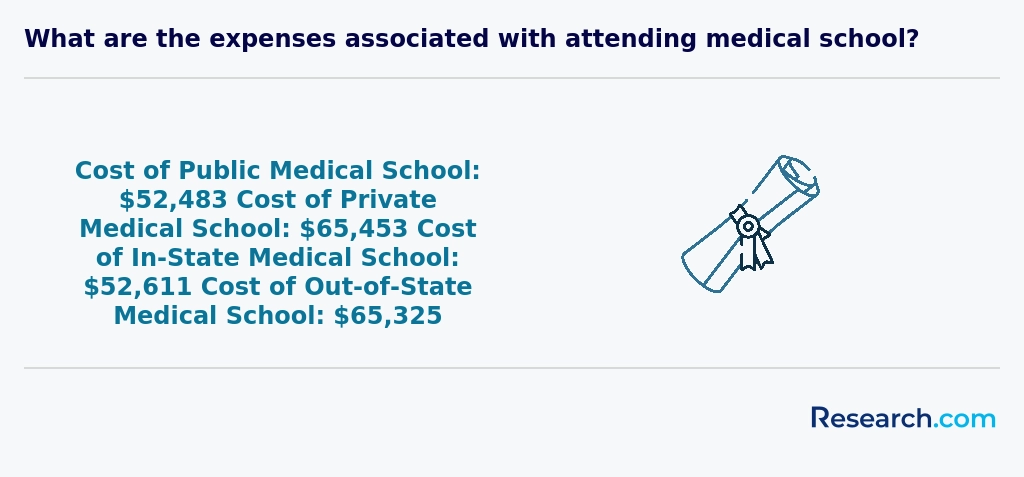
In Topeka, the average cost of a healthcare degree for an in-state student hovers around $9,945 total, a figure that many graduates recall balancing with determination and resourcefulness. At institutions like Washburn University, known for its strong nursing and health sciences programs, students often find tuition fees that feel like stepping stones rather than stumbling blocks. One graduate remembers the challenge of managing not just tuition but also lab fees and clinical costs, yet the overall investment felt worthwhile as it propelled them into a fulfilling healthcare career. This average healthcare degree cost in Topeka reflects a blend of affordable public tuition paired with necessary additional expenses, capturing the real-world journey students face.
These expenses ripple through a student's lifespan; think of the quiet evenings budgeting for uniforms or the eager pace during clinical placements. Yet, the financial weight is tempered by scholarships and federal aid, which many find essential. Indeed, the total expenses for healthcare degrees Topeka students encounter can be offset by these supports, making dreams tangible. For those aiming higher or targeting mid-level or executivepositions, exploring degrees with flexible options can ease the path without breaking the bank. Such a strategy marries ambition with pragmatism in a way that uniquely suits the healthcare field.
Emerging Trends and Future Directions in Healthcare Education
Healthcare education in Topeka, KS is rapidly evolving as institutions adapt to new technology, shifting industry demands, and innovative teaching methods. Students and professionals alike are noticing a marked transformation toward more flexible, technology-driven learning environments-especially as digital platforms gain prominence. For example, many programs are incorporating virtual simulations, telehealth training, and tailored online modules to better prepare graduates for contemporary challenges in patient care and healthcare management. In addition, alternative pathways like the ultrasound tech program online illustrate how specialized, tech-focused courses are providing targeted skills that complement traditional curricula. This integration facilitates a smoother transition into the workforce, where digital literacy and hands-on technical competence are increasingly valued by employers. As emerging trends continue to shape the healthcare landscape, prospective students can benefit from keeping an eye on these advancements and choosing programs that not only emphasize foundational knowledge but also embrace forward-thinking approaches that prepare them for future innovations in the healthcare sector.
What financial aid is available to healthcare degree students in Topeka?
Imagine stepping onto the Washburn Institute of Technology campus, feeling the weight of tuition doors swinging wide open thanks to scholarships and payment plans crafted just for healthcare students like you. These practical lifelines ease your path, with tuition often resting between $4,000 and $7,000 annually, a breath of fresh financial air compared to pricier private options.
Federal aid feels like a trusty companion on this journey. Filling out the FAFSA unfurls opportunities: Pell Grants offering up to $7,395 that don't demand repayment, federal loans at gentle interest rates, and work-study roles that plant you directly into healthcare environments, blending learning with income.
Beyond federal help, Kansas itself steps forward with grants like the Kansas Comprehensive Grant and Nursing Service Scholarship, lighting the way for Topeka's healthcare heroes-in-training. Local hospitals sometimes act as generous partners, stitching scholarships into future job promises, making your education a gateway to community impact.
Professional associations add extra layers of support, their scholarships a secret treasure chest for nursing or respiratory therapy hopefuls. These funds don't just lessen bills-they fuel dreams of vibrant healthcare careers grounded right here in Topeka.
Student Life and Campus Support in Topeka, KS
Beyond rigorous academics, a vibrant campus life and robust support services are pivotal for healthcare students to thrive. In Topeka, many institutions offer a well-rounded environment where student organizations, career workshops, counseling, and mentorship programs enhance both academic success and personal growth. Prospective students often benefit from campus tours, peer networking events, and alumni engagement activities that provide insights into real-world experiences and community support. For instance, students exploring flexible options for balancing coursework with part-time employment may also consider exploring the cheapest healthcare programs in kansas that offer budget-friendly tuition and extensive campus resources. This supportive ecosystem not only helps in easing the transition from education to career but also reinforces the institution’s commitment to fostering lifelong success in the dynamic healthcare field.
What are the prerequisites for enrolling in healthcare degree program in Topeka?
To dive into a healthcare degree in Topeka, you'll first need a sturdy academic anchor: a high school diploma or GED that shows you've got the basics down-think biology, chemistry, and math as your toolkit. Graduates from Washburn University often recall how mastering these subjects felt like unlocking secret codes to patient care.
Next up, prerequisite courses act like stepping stones-biology with labs, chemistry, algebra or stats, and sometimes anatomy and physiology are typical checkpoints. These classes prepare you not just for exams, but real-world clinical challenges you'll face in programs at institutions like Baker University.
Many grads mention the optional SAT or ACT as a confidence boost. It's less a barrier, more a spotlight on your readiness. Coupled with a GPA hovering around 2.5 to 3.0, it paints a clear picture of your academic stamina.
Beyond grades, personal statements and recommendation letters become your voice, sharing your story of volunteer hours or hands-on work. Imagine telling your tale in a way that makes admissions nod in recognition of your passion and grit.
Financially, brace for tuition costs ranging from $7,000 to $9,000 annually at public universities in Kansas. Students often explore scholarships and grants in Topeka to ease the load, viewing these efforts as investments in their futures.
Lastly, specialized programs may request background checks or immunization records, transforming paperwork into a gateway ensuring patient safety-a ritual not just of compliance, but of responsibility.
Accreditation and Licensure Requirements
To ensure your healthcare degree qualifies you for certification exams and state licensure in Kansas, verify both regional and programmatic accreditation and understand Kansas licensing standards.
- Regional accreditation (e.g., Higher Learning Commission) guarantees overall institutional quality.
- Programmatic accreditation (e.g., CCNE or ACEN for nursing; CAHIIM for health information) ensures curriculum meets industry benchmarks.
- Kansas State Board approval (Board of Nursing, Board of Healing Arts) is required to sit for licensure exams such as the NCLEX-RN or state health information certification.
For registered nurses seeking a BSN, explore the cheapest rn to bsn online options that meet these standards.
What courses are typically in healthcare degree programs in Topeka?
Imagine walking the bright halls of a Topeka healthcare program, where courses like Anatomy and Physiology aren't just classes but doorways into the marvel of the human body. Graduates from local institutions often recall the awe of tracing muscles and nerves, transforming abstract diagrams into living, breathing knowledge.
Microbiology and Medical Terminology become the language and lenses through which disease and health reveal their secrets-skills essential when classmates share stories of their first clinical rotations at Topeka's bustling hospitals. Pharmacology then spices the mix, empowering students to understand the delicate dance of medications in healing journeys.
Ethics courses invite spirited debates about real dilemmas faced in Topeka's healthcare settings, making values alive and personal, not just textbook theory. And while studying Healthcare Administration and Informatics, students picture themselves shaping future Topeka clinics, armed with data and leadership tools.
Finally, immersive internships bring all these pieces into sharp focus, turning classroom lessons into hands-on compassion. These courses create not just professionals, but confident Topeka healers ready to make a difference.
What types of specializations are available in healthcare degree programs in Topeka?
In Topeka, healthcare degree specializations come alive through vibrant paths like nursing, allied health, and emergency care, shaping futures in real-time. Graduates from local colleges vividly recall specializing in pediatric nursing or critical care, skills honed in bustling hospital wings where every shift feels like a chance to rewrite a life's story. Allied health students dive into medical laboratory technology or respiratory therapy, thriving amid cutting-edge equipment that brings theory to vivid life. The city's EMS and paramedic programs churn out heroes ready for high-stakes moments, training in environments that mirror actual emergency scenes, fueling confidence and a deep sense of purpose.
Topeka also offers intriguing avenues in health informatics and healthcare administration, where students embrace the digital pulse transforming care delivery. Such diversity in Topeka healthcare program specialization options ensures every student finds a niche that resonates with their passion and local job demands. Many find that exploring financial assistance for nursing students helps ease the journey, opening doors to these dynamic, rewarding careers.
How do you choose the best healthcare degree in Topeka?
Drop the notion that choosing a healthcare degree is a passive checklist-here in Topeka, it's a deliberate dance with opportunity. Graduates from Washburn University often recount how accreditation wasn't just a stamp but a safety net, ensuring their credentials opened doors at local powerhouses like Stormont Vail Health. Imagine yourself walking the halls where clinical practicums feel like real-world adventures, turning theory into impactful care.
Cost whispers loud truths, too. Affordability at Topeka's public institutions lets students shed the cloud of debt early, fueling dreams rather than draining wallets. Many find that investing time in programs with proven connections to The University of Kansas Health System spells smoother transitions into employment. Those prioritizing career clarity seek out degrees aligned with booming fields-nursing shines especially bright here.
For an innovative edge, explore healthcare fields through accredited medical assistant schools that combine top-notch training with hands-on experience right in town. Choosing the best healthcare degrees in Topeka means weaving accreditation, affordability, and local ties into a tapestry that supports your future.

What career paths are available for healthcare degree students in Topeka?
Imagine stepping into a bustling hospital in Topeka, fresh from your healthcare degree, ready to join ranks with skilled Registered Nurses at Stormont Vail Health or the Topeka VA Medical Center. Graduates from local institutions find themselves instantly woven into the community's healing fabric, where the demand for compassionate RNs remains high. For those drawn behind the scenes, medical laboratory technicians wield vital diagnostic tools that transform patient care, their expertise echoing through every clinical test across Topeka. The path of healthcare administration calls to those who thrive organizing complex hospital systems, turning chaos into efficient care, a role cherished by hospital leaders nearby.
Venturing further, master's graduates unlock doors as Physician Assistants, blending science and empathy to serve Topeka's expanding healthcare ecosystem or mastering physical therapy to rebuild strength in fellow Kansans. Others dive into public health, shaping programs that nurture entire communities. The endless possibilities for healthcare career opportunities in Topeka inspire students at Washburn University or friends at Topeka's community colleges, who share stories of real impact and hope. Curious about advanced practice? Check out accredited nurse practitioner programs wisconsin for expanding your horizons.

What is the job market for healthcare degree in Topeka?
The healthcare job outlook in Topeka brims with promise, fueled by an aging local population and expanding medical needs. Graduates from popular colleges here often find themselves stepping into vibrant roles at Stormont Vail Health or The University of Kansas Health System, seeing firsthand how a nurse's compassion or a healthcare administrator's sharp skills directly impact community well-being. One graduate recalls starting as a medical tech in an outpatient clinic, quickly advancing thanks to demand for skilled professionals and supportive workplace culture.
Employment opportunities for healthcare graduates in Topeka are boosted by steady growth-about 15% projected through 2030-meaning thousands of new jobs opening across nursing, allied health, and administrative fields. Tuition costs for healthcare programs are notably budget-friendly, usually between $7,000 and $12,000 annually for in-state students, making such career paths attainable without heavy debt. Competitive median wages and clear advancement paths turn an initial degree into a lifelong gateway. For those still choosing their speciality, exploring options here can spark inspiration.
Frequently Asked Questions About healthcare
Healthcare degree students in Topeka can maximize their learning experience by engaging actively in clinical placements offered through local hospitals such as Stormont Vail Health and The University of Kansas Health System campus. Practical experience allows students to apply classroom knowledge in real clinical settings, improving skills and confidence. According to the Kansas Board of Regents, hands-on training is critical, as approximately 70% of healthcare employer preferences focus on practical experience. Students should also participate in workshops and simulation labs available at institutions like Washburn University, enhancing technical proficiency. Additionally, networking with local healthcare professionals can open mentorship and job opportunities post-graduation.
The healthcare field is rapidly evolving, with emerging niches offering new opportunities for students in Topeka pursuing healthcare degrees. One notable growth area is telehealth, which expanded by over 50% nationwide during the COVID-19 pandemic and remains an important service in Kansas. This niche requires knowledge of digital communication tools alongside clinical skills.
A second emerging area is healthcare informatics, where professionals manage patient data systems to improve care quality. According to the U.S. Bureau of Labor Statistics, this sector is projected to grow 17% nationally by 2030, reflecting increasing demand in the Topeka region.
Additionally, geriatric care specialization is gaining prominence due to Kansas's aging population. Professionals trained in elderly care and chronic disease management will be essential to meet future healthcare demands locally.
Preparing for the job market after earning a healthcare degree in Topeka involves strategic planning and active engagement with the local industry. Graduates should begin by obtaining relevant certifications, such as CPR or Licensed Practical Nurse (LPN) licenses, which are often required by Kansas healthcare employers.
Networking plays a key role in securing employment. Joining professional organizations like the Kansas State Nurses Association or attending local healthcare job fairs can connect graduates to potential employers.
Clinical experience gained through internships or practical training during the degree is highly valued. According to the Kansas Department of Labor, the healthcare sector in Topeka is projected to grow by approximately 15% through 2030, increasing demand for qualified professionals.
Staying informed about job openings in nearby hospitals such as Stormont Vail Health or the Topeka VA Medical Center enhances job prospects.
Employers in Topeka increasingly seek healthcare degree graduates who demonstrate strong clinical skills paired with effective communication. According to data from the Kansas Department of Labor, 68% of job postings emphasize interpersonal abilities as vital for patient care teams.
Problem-solving and critical thinking are also highly valued. Healthcare settings in Topeka often require professionals to make quick, informed decisions under pressure to ensure patient safety.
In addition, proficiency in electronic health records (EHR) systems is essential. Nearly 90% of healthcare providers in the region utilize digital records, making technical skills a priority for new graduates.
Finally, employers prefer candidates with a solid grounding in teamwork and ethical standards, reflecting the collaborative nature of healthcare delivery in Topeka's hospitals and clinics.
Finding internships in Topeka relevant to healthcare degrees involves leveraging local healthcare facilities, educational institutions, and professional networks. University students should explore partnerships between their schools and hospitals such as Stormont Vail Health and Topeka VA Medical Center, both major employers in the area. These organizations frequently offer internship opportunities in nursing, medical technology, and allied health fields.
The Kansas Department of Labor reports healthcare as one of the top employment sectors in Topeka, highlighting strong demand for hands-on experience. Checking job boards maintained by colleges like Washburn University can connect students to approved internships. Additionally, professional associations such as the Kansas Nurses Association provide resources to locate clinical placements.
Obtaining a healthcare degree in Topeka significantly enhances career mobility and advancement opportunities. The local healthcare sector is growing steadily, with Kansas Department of Labor projections estimating a 12% increase in healthcare jobs in the area by 2028. This growth creates increased demand for qualified professionals across roles such as nursing, medical technicians, and healthcare administration.
Healthcare degrees provide essential skills and credentials recognized by employers, improving chances for promotion and higher salaries. For example, registered nurses with a Bachelor of Science in Nursing (BSN) often earn more and have access to leadership positions than those with only an associate degree.
In addition, accredited programs in Topeka often incorporate clinical experiences at local hospitals like Stormont Vail Health, facilitating networking and practical knowledge vital for career progression. This combination of education and hands-on training aligns well with industry standards, helping graduates adapt to evolving healthcare demands.
Studying for a healthcare degree in Topeka offers unique preparation for interdisciplinary roles through programs that emphasize collaboration across multiple healthcare fields. Local institutions align curricula with industry needs, teaching teamwork among nurses, physicians, therapists, and administrators. This approach reflects the integrated care model promoted by the Kansas Department of Health and Environment.
Students gain practical experience via partnerships with Topeka-area hospitals and clinics, fostering skills to work effectively in diverse teams. According to the Kansas Board of Regents, 65% of healthcare graduates in the state find interdisciplinary roles within their first year, demonstrating strong local demand.
Such training equips graduates to navigate complex patient needs in evolving healthcare systems.
Choosing between a thesis and a non-thesis healthcare degree program in Topeka depends on your career goals and learning preferences. Thesis programs typically require original research, which is ideal if you aim for a career in academia or research. Non-thesis options focus more on practical skills and coursework, better suited for those seeking clinical or administrative roles.
Healthcare programs in Topeka, such as those offered by Washburn University, align with regional workforce needs. According to the Kansas Department of Labor, healthcare jobs in Topeka are expected to grow by 12% through 2030, emphasizing both research and applied roles. Understanding these trends helps in making an informed choice.
Students based in Topeka who wish to study healthcare abroad have several pathways that align with U.S. educational standards. Many universities offer exchange programs or partnerships facilitating credits transfer, particularly between Topeka institutions and global healthcare schools. Popular destinations include Canada, the United Kingdom, and Ireland, known for their strong healthcare education systems and eligibility for U.S. licensure exams.
Healthcare fields like nursing and public health are commonly featured in these international options. Additionally, organizations such as the Institute of International Education report growing participation in healthcare-related study abroad programs among U.S. students, reflecting increasing global opportunities. Students must verify accreditation and ensure programs meet licensing requirements back in Kansas.
Students pursuing healthcare degrees in Topeka can find valuable part-time job opportunities that enhance their education and practical skills. Common roles include medical assistants, patient care technicians, and pharmacy aides. These positions offer hands-on experience aligned with classroom learning, improving employability upon graduation.
According to the Kansas Department of Labor, healthcare support occupations in Topeka are projected to grow by 15% through 2030, creating numerous entry-level job openings suitable for students. Working in local hospitals like Stormont Vail Health or the University of Kansas Health System provides exposure to clinical environments and patient interaction.
Additionally, jobs in local nursing homes or outpatient clinics help students build communication and time-management skills, vital for healthcare professionals. Flexible scheduling in these roles often complements academic commitments.
Healthcare students in Topeka benefit from several local networking opportunities that help build professional connections. Washburn University, a key institution in Topeka, offers access to healthcare-focused student organizations like the Pre-Health Society and Nursing Student Association, which host events connecting students with industry professionals.
Additionally, the Kansas Association of Health Care Providers holds regional meetings in Topeka, providing platforms for students to engage with healthcare leaders. Local hospitals such as Stormont Vail Health and the University of Kansas Health System frequently collaborate with schools for internships and job fairs, giving students practical exposure and valuable contacts. According to the Kansas Department of Labor, these networks support healthcare employment growth in the city, enhancing career prospects for graduates.
Alumni networks offer significant advantages to healthcare degree students in Topeka by providing access to local professionals and job opportunities. Many healthcare institutions in the area, such as Stormont Vail Health and the University of Kansas Health System campus, have alumni connections that facilitate internships and employment.
These networks also allow students to gain mentorship from experienced graduates, helping them navigate licensure and certification requirements specific to Kansas. Access to alumni events and workshops enhances professional development and networking skills.
According to the Kansas Board of Regents, healthcare graduates with strong alumni ties report better job placement rates within the first six months after graduation.
Customizing a healthcare degree program in Topeka allows students to align their education with specific career goals. Many local institutions offer flexible course options, including electives in areas like nursing, health administration, or medical technology. Students can often choose between clinical practice, research, or management tracks to match their interests.
Topeka's healthcare job market is growing, with the Kansas Department of Labor projecting a 15% increase in healthcare employment by 2030. Selecting internships and practicum experiences at local hospitals and clinics such as Stormont Vail Health enhances practical skills and networking opportunities.
Additionally, some programs support part-time study or online courses, which help students balance work and education effectively. Consulting academic advisors to tailor credit hours and course selections is essential in designing a degree plan that meets both licensure requirements and personal career aspirations.
Healthcare students in Topeka often face several significant challenges during their education. One major concern is balancing clinical practice hours with academic coursework, which can be demanding and time-consuming. Clinical placements in local hospitals such as Stormont Vail Health require students to adapt quickly to real-world medical environments.
Another challenge is the rising cost of healthcare education. Tuition and fees in Kansas have increased steadily, posing financial strains on many students. According to the Kansas Board of Regents, average annual tuition for public institutions in the state rose by approximately 3% in the last five years.
Additionally, students must stay current with rapidly evolving medical technology and regulations, requiring continuous learning beyond the classroom. This need for updated skills can be stressful but is crucial for success in healthcare careers.
With a healthcare degree in Topeka, graduates can pursue several professional certifications that enhance their career opportunities. Common certifications include Certified Nursing Assistant (CNA), Licensed Practical Nurse (LPN), and Registered Nurse (RN), which are important for clinical roles.
Beyond nursing, certifications such as Certified Medical Assistant (CMA), Emergency Medical Technician (EMT), and Health Information Technician (RHIT) are widely recognized. These certifications meet national standards and are essential in Topeka's growing healthcare sector, which employs over 15,000 professionals according to the Kansas Department of Labor.
Additionally, advanced certifications in areas like healthcare management and coding offer pathways for specialization and leadership positions. Pursuing certification often involves passing state or national exams, which ensures a standardized level of knowledge and skill.
Writing a successful application for a healthcare program in Topeka begins with thorough preparation. Applicants should clearly demonstrate their passion for healthcare and local commitment, as many Topeka institutions value community-focused candidates. Highlighting relevant experience, such as volunteer work in local hospitals like Stormont Vail Health or the University of Kansas Health System campus in Topeka, strengthens an application. Including solid academic records, particularly in science and math, is essential since healthcare programs often require minimum GPA standards.
Personal statements should connect your goals with the healthcare needs of Topeka's population, which faces challenges in chronic disease management and rural health access (Topeka Chamber of Commerce data, 2023). Lastly, strong letters of recommendation from educators or healthcare professionals familiar with Topeka's healthcare environment add credibility.
Healthcare careers are increasingly recognized worldwide for their critical role in improving public health. In the United States, including Topeka, healthcare employment is projected to grow by about 13% from 2021 to 2031, faster than the average for all occupations, according to the U.S. Bureau of Labor Statistics.
Globally, healthcare professionals are in demand due to aging populations and chronic diseases, which aligns with trends seen in Topeka's healthcare sector. The city's healthcare industry is a major employer, offering diverse roles from nursing to health administration.
Students in Topeka benefit from accredited degree programs that provide skills relevant both locally and internationally, aiding workforce mobility. These programs emphasize evidence-based practice and cultural competence, preparing graduates to work in diverse settings.
Gaining practical experience is essential when studying for a healthcare degree in Topeka. Many local programs incorporate clinical rotations or internships as part of their curriculum, allowing students to work directly with patients in hospitals or clinics. For example, Stormont Vail Health and The University of Kansas Health System in Topeka often partner with educational institutions to provide hands-on training opportunities.
Students can also seek volunteer positions or paid part-time roles in healthcare facilities. These roles help build essential skills and professional networks. Additionally, simulation labs offered by Topeka institutions enable safe practice of clinical techniques before real-world application.
According to the Kansas Board of Regents, most healthcare degrees require a set number of clinical hours, typically ranging from 500 to 1,000, ensuring students gain significant real-world exposure before graduation.
Choosing the right concentration within a healthcare degree program in Topeka involves understanding both your career goals and the local healthcare market. Topeka has a growing demand for nursing, medical technology, and healthcare administration professionals, supported by data from the Kansas Department of Labor showing a 10% job growth in these fields through 2028.
Evaluate your interests in patient care, research, or management, and align them with program offerings at local institutions such as Washburn University. Consider clinical opportunities available in Topeka hospitals, which can provide valuable hands-on experience during your studies.
Also, seek programs accredited by recognized bodies like the Commission on Accreditation of Allied Health Education Programs (CAAHEP) to ensure quality training and better job prospects.
Related Healthcare Rankings for Nearby Cities
- 2027 Best Healthcare Degree Programs Ranking in Omaha
- 2027 Best Healthcare Degree Programs Ranking in Columbia
- 2027 Best Healthcare Degree Programs Ranking in Springfield
- 2027 Best Healthcare Degree Programs Ranking in Oklahoma City
- 2027 Best Healthcare Degree Programs Ranking in Saint Louis
- 2027 Best Healthcare Degree Programs Ranking in Little Rock
- 2027 Best Healthcare Degree Programs Ranking in Memphis
- 2027 Best Healthcare Degree Programs Ranking in Denton
- 2027 Best Healthcare Degree Programs Ranking in Minneapolis
- 2027 Best Healthcare Degree Programs Ranking in Dallas
Top Trending Healthcare Rankings
See What Experts Have To Say About Studying Healthcare
Read our interview with Healthcare experts

References
- Study Healthcare Abroad - Top Universities for Masters, MBA, PhD Degree Programs https://studee.com/degree/abroad/healthcare
- How to Create a Healthcare Career Roadmap https://www.ihire.com/resourcecenter/jobseeker/pages/how-to-create-a-healthcare-career-roadmap
- Medical Assistant Certification Topeka Kansas - NPS https://npscerts.com/medical-assistant-certification-topeka-kansas/
- Financial Assistance https://www.stormontvail.org/billing-insurance-financial-services/financial-assistance/
- Pre-Med Study Abroad Programs | Go Overseas https://www.gooverseas.com/study-abroad/pre-med
- Niche Market Opportunities Research Among Healthcare Professionals (A Decision Analyst Case History https://www.decisionanalyst.com/casestudies/nichemarketopportunities/
- Explore Healthcare Admin Degree Concentrations https://www.baypath.edu/news/bay-path-university-blogs/post/explore-healthcare-admin-degree-concentrations/
- Bachelor of Health Science Program Admission | Washburn University https://www.washburn.edu/academics/college-schools/applied-studies/departments/allied-health/bhs/application-admission.html
- Good Faith Estimate | KU Health System St. Francis Campus https://kutopeka.com/policies-and-disclosures/good-faith-estimate/
- 6 Tips On Networking For Medical Professionals https://aaams.net/blog/how-to-network-in-the-medical-field-nurses/


