2027 Best Online Master's in Healthcare Degree Programs Ranking in Pittsburgh, PA

Co-Founder and Chief Data Scientist
If you're considering advancing your career in healthcare, choosing the right online master's program is essential. This article presents the 2027 Best Online Master's in Healthcare Degree Programs Ranking in Pittsburgh, PA, created by the Research.com team of data scientists to help you make an informed decision.
By exploring these carefully analyzed programs, you'll discover options that fit your goals and lifestyle. Earning a healthcare degree opens doors to rewarding opportunities, making a positive impact on your community and future.
Take a confident step toward your career growth with insights designed just for you.
Key benefits of getting online healthcare degree in Pittsburgh
- Healthcare degree graduates in Pittsburgh can expect competitive salaries, with healthcare consultants earning a mean annual wage of $115,530 and compliance managers making about $80,190, offering promising financial stability.
- Graduates from local universities like the University of Pittsburgh often pursue diverse careers, including consulting, compliance management, and project leadership, showcasing a flexible and rewarding career path.
- Online healthcare degrees provide the convenience of learning at your own pace while maintaining quality education, as seen in graduates from nearby institutions, making it easier to balance work and studies.
- 2027 Best Online Master's in Healthcare Degree Programs Ranking in Pittsburgh, PA
- What can I expect from online healthcare degree in Pittsburgh?
- Where can I work with online healthcare degree in Pittsburgh?
What can I expect from online healthcare degree in Pittsburgh?
The average cost of an online healthcare degree in Pittsburgh typically ranges between $15,000 and $30,000, making it an accessible and worthwhile investment for many students. Graduates from well-known Pittsburgh institutions often share how the balance of affordable tuition and flexible online formats allowed them to pursue their passion while managing work and family life.
Studying at universities popular for healthcare education in Pittsburgh offers students a unique advantage. They gain access to local healthcare networks and internships that transform theoretical knowledge into real-world skills. Imagine completing a course on healthcare management and immediately applying those concepts during a virtual project with a nearby hospital-that practical exposure energizes many students throughout their journey.
Many students appreciate the supportive online environment combined with Pittsburgh's strong medical community. This blend of affordability, flexibility, and hands-on opportunities helps cultivate confident professionals ready to make a meaningful difference in the evolving healthcare landscape.
Where can I work with online healthcare degree in Pittsburgh?
Graduates with an online healthcare degree in Pittsburgh step into a vibrant job market energized by the city's renowned healthcare institutions like UPMC and leading universities such as the University of Pittsburgh and Carnegie Mellon. Many find themselves thriving as healthcare administrators, clinical managers, or health informatics specialists, working in hospitals, outpatient centers, or community health organizations. Imagine coordinating quality improvement projects at a bustling Pittsburgh hospital or analyzing clinical data to enhance patient outcomes-these are real opportunities within reach.
Healthcare students from local programs often share how their education opened doors to dynamic roles not only in traditional settings but also in cutting-edge biotech firms and healthcare IT sectors. Working alongside experts in healthcare technology, graduates contribute to innovations improving medical research and patient care. Whether supporting public health initiatives or leading community wellness programs, online degree holders in Pittsburgh feel empowered to make meaningful impacts.
Graduates from online healthcare programs in Pittsburgh can look forward to rewarding salaries that reflect both their dedication and the city's strong healthcare industry. For instance, healthcare consultants typically earn around $115,530 annually, highlighting the value of advanced expertise gained through programs offered by institutions like the University of Pittsburgh and Duquesne University.
Those aiming for roles such as healthcare compliance managers can expect mean wages near $80,190 per year, a figure that encourages many online learners to pursue specialized certifications and advanced studies to boost their career paths. Pittsburgh's emphasis on healthcare innovation and robust hospital systems creates exciting opportunities for graduates to turn their education into well-paid, impactful careers.
Many graduates from Pittsburgh's respected online healthcare degrees share stories of quickly advancing to meaningful positions, empowered by strong local job markets and community support. These success stories inspire new students to embrace the journey, knowing their investment in education is met with competitive salaries and promising growth.
- Tuition for online bachelor's healthcare programs in Pittsburgh ranges from $20,000 to $40,000, while master's degrees cost between $25,000 and $50,000 for in-state students.
- Additional costs may include technology fees, textbooks, and certification exam fees.
- Healthcare employment in Pittsburgh is expected to grow about 15% over the next decade.
- Early-career salaries for healthcare graduates typically range from $50,000 to $65,000 annually.
- Experienced professionals in healthcare roles can earn between $75,000 and $100,000 or more.
Completing an online healthcare degree in Pittsburgh is an empowering journey that fits beautifully with your busy life. Many graduates from local institutions like the University of Pittsburgh or Duquesne University share how their full-time master's programs took about two to three years, balancing challenging coursework with rewarding hands-on experiences. Part-time pathways offered by these universities extend the timeline to four years or more, making it possible to work while studying without rushing your growth.
Imagine yourself progressing through a flexible program where around 36 to 48 credit hours build your expertise, supported by practicum opportunities that bring classroom knowledge to life. You could be a busy professional today, but these carefully designed online options can accelerate your success or let you advance at your own pace, empowering you to achieve your goals confidently.
Many Pittsburgh healthcare graduates celebrate how these accredited programs, aligned with national standards, give them the skills and edge they need-while fitting perfectly into their unique lives. Your completion time reflects your ambitions, and Pittsburgh's vibrant educational community encourages you every step of the way.
Graduates can elevate their career success by supplementing their online healthcare degree with targeted certifications and continuing education. This approach not only deepens subject mastery but also adds a competitive edge in the evolving healthcare industry. Many professionals choose to pursue additional credentials in specialized areas such as health informatics, patient safety, and notably, healthcare compliance. For instance, acquiring certification in medical coding and billing can open further career opportunities-learn more about medical coding and billing online classes to explore your options. By staying current with industry standards and emerging technologies, graduates can better adapt to changes in healthcare practices, enhance their problem-solving capabilities, and increase their marketability in a rapidly growing job market. Moreover, engaging in continuous learning fosters a network of professionals, supports career advancement, and firmly establishes one’s commitment to lifelong improvement in a field where expertise is paramount.
Choosing between an online and on-campus healthcare degree in Pittsburgh opens exciting possibilities tailored to your lifestyle. Online programs from top institutions like the University of Pittsburgh offer incredible flexibility, allowing students to balance work, family, and studies without sacrificing quality. Graduates often share how this self-directed learning empowered them to master challenging material on their own schedules, fostering independence and resilience.
In contrast, on-campus programs provide immersive experiences, such as hands-on lab sessions and clinical rotations at respected places like UPMC or Allegheny Health Network. Many graduates cherish the vibrant campus environment and immediate access to faculty, peers, and resources that inspire collaboration and deeper understanding.
Both pathways lead to the same valuable qualifications recognized throughout the healthcare field. Whether you thrive in the dynamic energy of campus life or the adaptable pace of online learning, Pittsburgh's reputable healthcare programs warmly welcome your ambition and dedication to making a difference.
Earning industry-recognized credentials after your online master’s can boost credibility, open leadership roles and justify your investment.
- Certified Healthcare Administrative Professional (CHAP) for advanced operations management
- Certified Professional in Healthcare Quality (CPHQ) to lead quality improvement initiatives
- Registered Health Information Administrator (RHIA) for expertise in medical records and informatics
- Certified Professional Coder (CPC) - consider medical coding and billing classes online with financial aid to prepare for this credential
Select certifications aligned with your career goals to maximize your online healthcare degree’s impact.
The average cost of an online healthcare degree in Pittsburgh is approximately $27,243, providing a realistic benchmark for those eager to advance in this rewarding field. Graduates from institutions like the University of Pittsburgh and Duquesne University often reflect on their experiences with pride, knowing the investment aligned well with the quality of education and career opportunities these programs opened for them. This median total cost offers a balanced view, showing that pursuing a healthcare master's degree tuition and fees Pittsburgh PA is an attainable goal for many.
Many students appreciate that online degree formats reduce expenses related to commuting and housing, making it easier to balance education with personal and professional life. The flexible scheduling allowed by Pittsburgh's top universities has helped countless future healthcare professionals stay motivated and focused, even as they juggle busy lives. By choosing programs carefully, students can find affordable tuition paired with strong academic support.
Prospective students aiming for the best healthcare degree in pennsylvania often discover that scholarships and financial aid options are available to further ease the financial journey. This added support creates an inspiring environment where mastering healthcare skills becomes possible without overwhelming financial stress, encouraging learners to confidently pursue their passion.
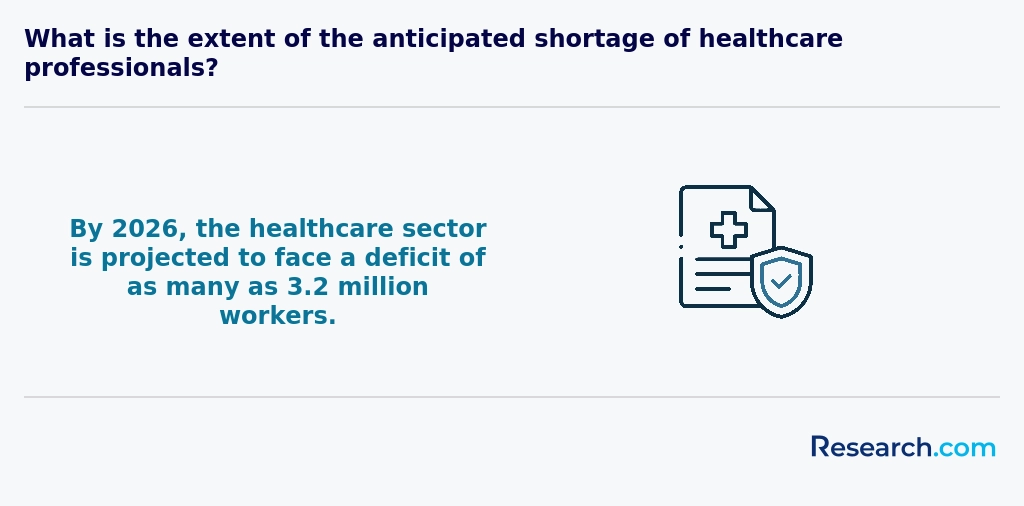
As the healthcare industry continues to evolve, understanding future trends is essential for prospective students and professionals alike. Advancements such as telehealth, artificial intelligence, and personalized medicine are reshaping the landscape of patient care and clinical operations. Online healthcare degree programs are increasingly integrating innovative technologies into their curricula, ensuring that graduates are well-prepared to tackle emerging challenges and drive industry transformation. Future professionals are encouraged to stay informed about developments in data analytics and digital health platforms while also honing skills in leadership and strategic management. Moreover, staying up-to-date on industry forecasts and networking with experts can provide valuable insights into how educational advancements connect with real-world applications. For those aspiring to capitalize on these trends, earning a best healthcare degree in pennsylvania can serve as a significant stepping stone toward a dynamic and resilient career. Embracing continuous learning and remaining adaptable are key strategies for success in this ever-changing field.
Students pursuing online healthcare degrees in Pittsburgh often find strong financial support that makes their educational journey achievable and rewarding. Graduates from well-known institutions like the University of Pittsburgh and Duquesne University share how federal aid through FAFSA opened doors to Pell Grants and low-interest federal loans, easing the financial burden during their studies.
State programs managed by PHEAA add another layer of support, offering scholarships and loan forgiveness for those committed to serving Pennsylvania's underserved communities. Many healthcare students feel empowered knowing programs like the Pennsylvania Primary Care Loan Repayment can help reduce debt while making a real difference locally.
Merit-based scholarships from Pittsburgh's universities recognize hard work and leadership, rewarding dedication in healthcare fields. Additionally, employer tuition reimbursement through major healthcare employers such as UPMC provides working professionals a vital boost, turning ambition into tangible progress.
These combined resources create a hopeful path for passionate learners eager to advance their careers without being overwhelmed by costs, making Pittsburgh a fantastic place to pursue an online healthcare degree.
Online healthcare master’s programs in Pittsburgh balance virtual learning with required hands-on experiences to ensure clinical competence and local workplace readiness.
- Most programs require 100–200 practicum hours completed at approved healthcare facilities in or near Pittsburgh.
- Universities partner with local hospitals, clinics and public health agencies to arrange placements that align with your specialization.
- You must submit immunization records, liability insurance and pass background checks before starting clinical rotations.
- Flexible scheduling options include evening/weekend shifts and virtual simulation labs when in-person hours are limited.
- Direct mentorship from onsite preceptors helps you apply theory to real-world patient care and build professional networks.
For students exploring advanced clinical pathways, consider a pharmd degree for deeper specialization.
To embark on an online healthcare degree journey in Pittsburgh, students embrace a clear path grounded in achievable prerequisites. Graduates from renowned local institutions often share how starting with a high school diploma or GED set their foundation, reflecting the accessible entry point for many undergraduate programs in the region.
For those pursuing advanced degrees, holding a bachelor's degree with a solid GPA, typically around 3.0, opens doors to specialized master's programs. Many students find that completing key science courses like anatomy and physiology beforehand empowers them to confidently engage with rigorous healthcare curricula offered by Pittsburgh's respected colleges.
Real-world experience matters deeply. Graduates frequently highlight how one to two years in healthcare roles boosted their understanding and readiness, turning theory into meaningful practice. Even if standardized tests like the GRE are required by some programs, letters of recommendation and personal statements provide vibrant narratives that truly showcase candidates' passion and dedication to healthcare in Pittsburgh's dynamic community.

Online healthcare degree programs in Pittsburgh equip students with a broad array of courses that build confidence and expertise for thriving careers. Graduates often share how learning anatomy and physiology gave them a strong foundation, turning complex topics into relatable, real-life knowledge of the human body. Programs from well-known Pittsburgh colleges combine essential classes like medical terminology and healthcare management with dynamic lessons in healthcare policy and ethics, empowering students to become thoughtful leaders in their communities.
Imagine mastering healthcare informatics through hands-on projects that reflect Pittsburgh's growing tech-driven healthcare scene, preparing you to improve patient care using electronic health records and data privacy principles. Public health courses connect theory with local efforts to boost community wellness, inspiring students to actively contribute to fighting chronic diseases in the city.
Electives such as mental health services or healthcare law allow students to personalize their education, shaping career paths that align with their passions. Many graduates say these diverse courses helped them balance work and study, thanks to the flexible online formats favored by Pittsburgh's busy professionals eager to make a meaningful impact.
Online healthcare degree specializations Pittsburgh offer empower students to pursue meaningful careers tailored to their passions. Graduates from popular universities in the region often choose concentrations like Healthcare Administration, where they develop leadership skills that directly impact hospitals in bustling Pittsburgh neighborhoods. Others dive into Public Health, crafting strategies to enhance community wellness in the Steel City, while Nursing specializations prepare students to serve as advanced practitioners across local clinics and UPMC facilities.
Many healthcare master's program concentration options Pittsburgh include Health Informatics, combining technology with patient care to improve real-world outcomes, and Healthcare Quality and Patient Safety, which trains professionals to champion vital safety protocols within regional healthcare systems. Pittsburgh students also appreciate flexible programs that integrate healthcare knowledge with business or technology skills, reflecting the city's innovative spirit.
For those interested in expanding their expertise, completing medical coding and billing online classes offers an additional pathway within healthcare studies, further enhancing career versatility and readiness.
Choosing the best online healthcare degree in Pittsburgh means focusing on accreditation and real-world relevance. Graduates from popular Pittsburgh colleges often highlight how regional accreditation opened doors for certifications and jobs in local hospitals. Imagine balancing work in a busy healthcare setting with flexible, asynchronous courses tailored for professionals like you-this is the reality for many students here. When exploring programs, consider curriculum tracks such as healthcare administration or nursing, which align with your passion and career goals in Pittsburgh's thriving medical community.
Cost plays a vital role, too. Many students discover that in-state tuition offers great value, and financial aid opportunities ease the journey. For those prioritizing affordability without sacrificing quality, resources like the Cheapest Online Healthcare Degree Programs Ranking in Waco, TX provide helpful guidance. Personally, graduates appreciate schools offering strong support and networking through partnerships with Pittsburgh's top hospitals and research centers, enhancing post-graduation success.
By focusing on these elements, you can confidently pursue affordable online healthcare master's Pittsburgh programs that fit your life and ambitions.
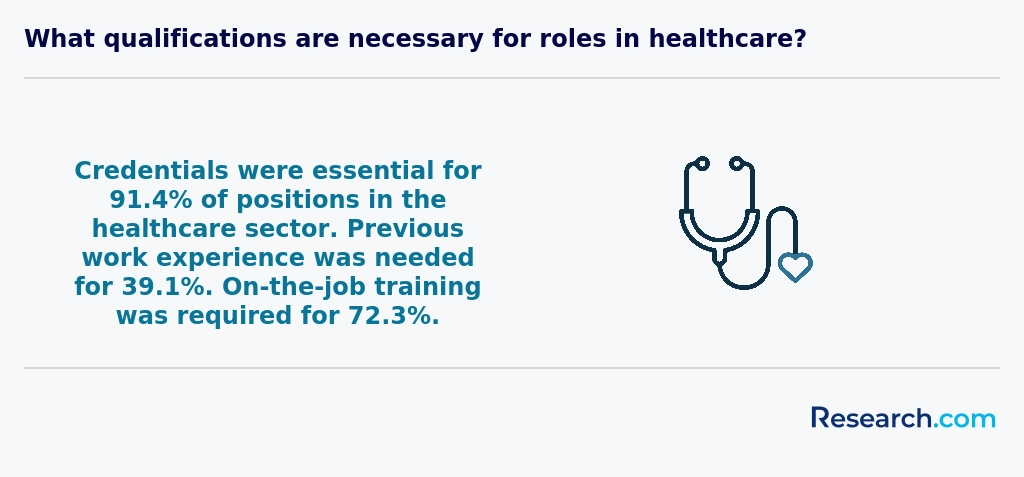
Graduates with an online healthcare degree in Pittsburgh can step into a variety of rewarding careers, each offering a chance to make a real difference. Many find success as healthcare administrators, leading operations at well-known local institutions like UPMC or Allegheny Health Network, where they ensure smooth patient care and business efficiency. Nursing graduates, particularly those with advanced practice degrees, are highly valued across Pittsburgh's hospitals and clinics, helping communities thrive through personalized care. Public health professionals often join local agencies or nonprofits, using their skills to fight health disparities and promote wellness in neighborhoods throughout the city. Informatics specialists are in demand, working with innovative electronic health records systems to improve healthcare delivery. These career paths exemplify the vibrant opportunities that come from an online healthcare degree career options Pittsburgh provides. Students from universities renowned for healthcare learning often share inspiring stories of growth and impact, encouraging hopefuls to pursue certificate programs that pay well and embrace the future of healthcare.
The job market for online healthcare degree graduates in Pittsburgh is vibrant and full of opportunity, especially for those eager to contribute to leading institutions like the University of Pittsburgh Medical Center and Allegheny Health Network. Graduates often find themselves stepping into roles that impact real communities, whether in hospital administration, health informatics, or nursing leadership. Many have shared how their flexible online programs allowed them to maintain careers and family life while advancing their education, making the transition into Pittsburgh's healthcare sector seamless and rewarding.
With Pittsburgh's healthcare industry growing faster than the national average, the outlook for online healthcare jobs in Pittsburgh PA is exceptionally positive. Graduates benefit from competitive salaries that reflect their advanced skills and local market demand. For those exploring various options, checking out online open college enrollment can provide pathways to programs aligned with Pittsburgh's healthcare workforce needs.
2027 Best Online Master's in Healthcare Degree Programs Ranking in Pittsburgh, PA
Investing in your education is a significant decision that can greatly influence your career and future, and the Research.com team is fully aware of the importance of making well-informed choices. To support prospective students in Pittsburgh, PA, we have carefully developed the "2027 Best Online Master's in Healthcare Degree Programs Ranking." Our dedication to quality, credibility, and accuracy is demonstrated through the thorough research and analysis involved in creating this ranking.
We utilized the following reputable data sources to ensure a comprehensive evaluation of online healthcare master's programs:
By consulting this ranking, readers will gain valuable insights into top online master's programs in healthcare in Pittsburgh, enabling them to make confident and informed educational decisions. For a detailed understanding of how this ranking was developed, please visit our Research.com methodology page.


Frequently Asked Questions About healthcare
Online healthcare degree students in Pittsburgh can maximize their learning by actively engaging with their coursework and utilizing local healthcare resources. Pittsburgh hosts renowned medical centers such as UPMC, offering numerous virtual seminars and networking opportunities. Students should participate in online discussion boards to enhance collaboration and understanding.
Scheduling consistent study times and setting clear goals helps maintain progress in self-paced programs. Leveraging Pittsburgh's public libraries and community centers for quiet study spaces can improve focus. Additionally, joining local professional healthcare groups or chapters of national organizations provides real-world insight and career connections.
According to the Pittsburgh Regional Health Initiative, healthcare remains a top employment sector locally, making professional networking especially valuable for students.
Emerging niches within the healthcare field reflect the growing complexity and technological advancement of the industry. In Pittsburgh, a hub for medical innovation, specialties like telehealth and health informatics are expanding rapidly. According to the University of Pittsburgh Medical Center, telehealth visits increased by over 70% from 2020 to 2023, highlighting strong demand for professionals skilled in virtual care delivery.
Additionally, precision medicine and genomic healthcare are becoming significant, with Pittsburgh institutions conducting cutting-edge research to tailor treatments based on genetic profiles. This shift is creating new roles requiring advanced degrees focused on data analytics and bioinformatics.
Healthcare administration with an emphasis on policy and ethics is also evolving, preparing leaders to manage complex healthcare systems in a post-pandemic environment.
After completing an online healthcare degree in Pittsburgh, preparing for the job market involves several key steps. Start by obtaining relevant certifications required for your specific healthcare role, as Pennsylvania often mandates state licensure or certification for many allied health professions.
Networking is essential in Pittsburgh's healthcare community, which employs over 86,000 professionals according to the Allegheny Conference on Community Development. Engage with local healthcare organizations, attend virtual job fairs, and join professional groups to connect with potential employers.
Consider internships or volunteer opportunities within Pittsburgh's hospital systems like UPMC or Allegheny Health Network to gain practical experience and enhance your resume.
Employers in Pittsburgh highly value healthcare graduates who demonstrate strong clinical knowledge paired with excellent communication skills. According to the Pennsylvania Department of Labor & Industry, effective teamwork and patient interaction abilities are crucial in local healthcare settings.
Analytical thinking and proficiency with healthcare technology are also essential, given Pittsburgh's growing emphasis on digital health solutions and electronic medical records. Graduates skilled in data management and telemedicine tend to stand out.
Healthcare employers increasingly prioritize adaptability and problem-solving skills, especially within Pittsburgh's diverse hospital network that includes UPMC, one of the nation's largest healthcare systems. This reflects the dynamic challenges in patient care.
Finding internships in Pittsburgh relevant to healthcare degrees involves leveraging local healthcare networks and educational resources. Pittsburgh is home to major health systems such as UPMC, one of the largest employers in the region with over 90,000 staff, offering a wide range of internship opportunities in clinical, administrative, and research areas.
Students should connect with university career centers and online portals that list internships specifically for healthcare fields. Platforms like Handshake and the Pittsburgh Healthcare Careers Consortium provide updated listings.
Additionally, networking through professional organizations such as the Pittsburgh Healthcare Management Association can open doors to internships that enhance practical skills and employment prospects.
Obtaining an online healthcare degree can significantly enhance career mobility and advancement opportunities in Pittsburgh. The city hosts a robust healthcare sector, employing over 200,000 people as reported by the Pittsburgh Regional Health Initiative (2023). An advanced degree often qualifies candidates for leadership roles in hospitals, health systems, and research organizations prevalent in the region.
Employers in Pittsburgh value specialized knowledge, making online degrees from accredited institutions a viable pathway to gain relevant credentials without disrupting work schedules. Additionally, with healthcare evolving rapidly, higher education supports professionals in staying current with industry standards.
According to the U.S. Bureau of Labor Statistics, healthcare occupations in Pennsylvania are projected to grow 15% from 2021 to 2031, strengthening the case for advanced degrees as a strategy for career growth locally.
Studying for a healthcare degree in Pittsburgh offers strong preparation for interdisciplinary roles, reflecting the city's rich healthcare ecosystem. Pittsburgh hosts leading medical institutions such as UPMC, one of the largest health systems in the U.S., promoting collaboration across disciplines like medicine, nursing, public health, and administration.
Online healthcare programs in Pittsburgh often integrate coursework that emphasizes teamwork, communication, and leadership skills essential for diverse healthcare environments. According to the Greater Pittsburgh Nonprofit Partnership, over 100 healthcare organizations actively partner with universities to provide real-world interdisciplinary case studies and projects.
This approach helps students understand how different healthcare professionals must coordinate to improve patient outcomes and manage resources efficiently. For example, programs often include training on data analytics and health informatics, which are critical in modern healthcare settings.
When deciding between a thesis and a non-thesis online healthcare degree in Pittsburgh, consider your career goals. Thesis programs typically require original research, benefiting those who want to pursue a PhD or work in research-heavy roles. Non-thesis options emphasize practical skills and coursework, ideal for immediate employment or leadership positions in healthcare settings.
Pittsburgh's healthcare sector, known for institutions like UPMC, values both research and applied expertise. According to the Pittsburgh Business Times, healthcare employs over 100,000 locally, creating diverse opportunities that shape degree choice.
Evaluate program flexibility, workload, and faculty support, especially since online study demands strong time management. Local accreditation and connections also matter for career networking in Pittsburgh.
Students in Pittsburgh seeking to study healthcare abroad while pursuing online degrees have several options through U.S. institutions offering global learning opportunities. Many accredited universities provide online healthcare master's programs with international components, such as virtual internships or exchange partnerships. For example, programs may include global health modules, allowing students to gain insights into healthcare systems outside the U.S. and prepare for multinational careers.
While there are no direct foreign-based degrees commonly accessible online to Pittsburgh residents, U.S. universities with strong international collaborations can facilitate study abroad experiences. According to the Institute of International Education, participation in study abroad programs increased steadily before 2020, showing growing interest among healthcare students.
Locally, Pittsburgh's healthcare sector, supported by prominent institutions like UPMC and the University of Pittsburgh Medical Center, encourages globally minded professionals, underlining the value of international perspectives in healthcare education and practice.
Part-time job opportunities in Pittsburgh that complement healthcare degree education often involve roles where students can apply and expand their clinical and administrative skills. Many healthcare facilities, such as the University of Pittsburgh Medical Center (UPMC), offer positions for medical assistants, patient service representatives, or research aides. These roles provide valuable hands-on experience alongside academic studies.
Pittsburgh has a strong healthcare sector, employing nearly 100,000 individuals as reported by the Allegheny Conference on Community Development. Jobs in caregiving or outpatient clinics can enhance understanding of patient care and healthcare systems.
Additionally, roles in public health organizations offer exposure to community health challenges locally, which is crucial for students considering healthcare administration or policy.
Online healthcare students in Pittsburgh have several valuable networking opportunities despite pursuing their degrees remotely. Many universities offering online healthcare programs in the region organize virtual career fairs and meetups, connecting students with local healthcare employers and alumni.
Pittsburgh is home to a robust healthcare sector, including renowned institutions such as UPMC and Allegheny Health Network. These organizations often partner with educational institutions to provide internship opportunities and professional networking events accessible to online students. According to the Greater Pittsburgh Healthcare Council, healthcare is among the fastest-growing industries locally, meaning networking here can open strong career pathways.
Additionally, professional groups like the Pittsburgh Healthcare Executives Forum hold regular events and webinars. Online students can join these groups to build contacts, gain mentorship, and stay informed about job trends in the healthcare market.
Alumni networks play a crucial role for online healthcare degree students in Pittsburgh by offering professional connections and support beyond the virtual classroom. These networks facilitate mentorship opportunities, helping graduates navigate Pittsburgh's competitive healthcare job market, which includes major employers like UPMC and Allegheny Health Network.
Engagement with alumni can also lead to internships, job referrals, and collaboration on healthcare projects. According to a 2023 report from the Pittsburgh Regional Health Initiative, nearly 65% of healthcare professionals in the region found initial job prospects through professional contacts.
Additionally, alumni events provide access to continuing education and local healthcare trends, which are vital for career advancement in a rapidly evolving field.
Customizing an online healthcare degree program in Pittsburgh allows students to align their education with specific career objectives. Many local universities offer specializations such as healthcare management, informatics, or public health, giving flexibility for targeted skill development. Students can select elective courses or certificates that focus on areas like healthcare policy or patient care, tailoring their studies to industry demands.
Pittsburgh's healthcare sector employs over 160,000 people, with robust opportunities in hospitals and biotech, supporting diverse career paths (Allegheny Conference, 2023). Choosing practicum or capstone projects relevant to Pittsburgh's healthcare system further enhances practical experience aligned with employment goals.
Online healthcare students in Pittsburgh frequently face challenges related to balancing coursework with professional and personal responsibilities. Many students juggle full-time jobs or family care, which can impact study time and focus. Connectivity issues also arise, especially for those relying on unstable internet connections, affecting access to live lectures and digital resources.
Another notable challenge is obtaining hands-on clinical experience locally. Pittsburgh has notable healthcare institutions like UPMC, but coordinating practicum placements can be competitive and limited in availability for online learners. According to the Pittsburgh Business Times, healthcare remains one of the region's largest employment sectors, adding to the field's competitiveness.
Students may additionally struggle with the lack of in-person networking opportunities that traditional programs provide. This can affect mentorship and peer collaboration, which are vital for career growth in healthcare professions.
With an online healthcare degree, students in Pittsburgh can pursue various professional certifications that enhance career opportunities and earning potential. Common certifications include Certified Professional in Healthcare Quality (CPHQ), Project Management Professional (PMP), and Certified Health Education Specialist (CHES). These credentials are widely recognized and valued across the U.S. healthcare industry.
Pittsburgh's healthcare sector employs over 130,000 professionals, making it vital for graduates to stand out through certifications (source: Allegheny Conference on Community Development). Many online programs prepare students for exams from organizations like the National Board for Certification of Healthcare Executives (NBCHSE) and the American Health Information Management Association (AHIMA).
Obtaining certification requires meeting specific education and experience criteria, often verified through accredited degree programs. This alignment allows online degree holders to easily qualify and excel in their chosen healthcare fields.
Applying for an online healthcare program in Pittsburgh requires careful preparation. Start by researching programs accredited by recognized bodies, such as the Commission on Accreditation of Healthcare Management Education (CAHME). Strong applications emphasize relevant healthcare experience, whether clinical or administrative. Highlight skills like teamwork and communication, which are essential in Pittsburgh's growing healthcare sector, home to renowned institutions like UPMC.
Include clear career goals aligned with Pittsburgh's healthcare demands. Detail any volunteer work or internships locally, showing commitment to the community. Also, ensure your personal statement is concise and reflective of your motivation to join an online format.
Submitting all required documents-transcripts, letters of recommendation, and test scores if needed-is crucial. Pittsburgh-based applicants should also mention familiarity with regional health challenges, such as aging populations and chronic disease management, to strengthen their case.
The global perspective on a healthcare career emphasizes the growing demand for skilled professionals who can adapt to diverse medical systems and populations. In the U.S., healthcare jobs are expected to grow by 13% from 2021 to 2031, according to the Bureau of Labor Statistics, reflecting significant opportunities. Pittsburgh, with its strong medical research institutions like the University of Pittsburgh Medical Center, is a hub for healthcare innovation and education.
Internationally, healthcare careers prioritize collaborative skills and cultural competence, essential for addressing global health challenges. Online degrees from U.S. institutions prepare students in Pittsburgh to engage with these global trends while focusing on local healthcare needs and standards.
Students pursuing an online healthcare degree in Pittsburgh can gain practical experience through local clinical partnerships and internships. Many programs collaborate with Pittsburgh's renowned healthcare institutions, such as UPMC and Allegheny Health Network, to offer hands-on training opportunities.
These partnerships allow students to complete clinical hours, practicum placements, or supervised work experience close to home. According to the Pennsylvania Department of Health, Pittsburgh's healthcare sector employs over 95,000 people, providing extensive opportunities across various settings.
Students often balance online coursework with part-time roles in hospitals, clinics, or community health centers to apply their learning immediately. Additionally, virtual simulations and case studies supplement real-world experience within some online programs.
Choosing the right concentration within an online healthcare degree in Pittsburgh begins with understanding your career goals. Healthcare is diverse, covering areas like health administration, informatics, and public health. Research local job markets, as Pittsburgh's healthcare sector employs over 120,000 workers, with roles growing especially in healthcare management and data analysis (Allegheny Conference, 2023).
Consider programs accredited by recognized bodies such as CAHME or CEPH to ensure quality. Also, review course content to match your interests, whether administrative leadership or policy development.
Networking opportunities with Pittsburgh hospitals and health systems can enhance career prospects. Align your concentration with both personal passion and regional demand.
- 2027 Best Online Healthcare Degree Programs Ranking in California, PA
- 2027 Best Online Healthcare Degree Programs Ranking in Morgantown, WV
- 2027 Best Online Healthcare Degree Programs Ranking in Loretto, PA
- 2027 Best Online Healthcare Degree Programs Ranking in Akron, OH
- 2027 Best Online Healthcare Degree Programs Ranking in Harrisonburg, VA
- 2027 Best Online Healthcare Degree Programs Ranking in Adelphi, MD
- 2027 Best Online Master's in Healthcare Degree Programs Ranking in Washington, DC
- 2027 Best Online Healthcare Degree Programs Ranking in Baltimore, MD
- 2027 Best Online Healthcare Degree Programs Ranking in Bowling Green, OH
- 2027 Best Online Healthcare Degree Programs Ranking in Toledo, OH
See What Experts Have To Say About Studying Healthcare
Read our interview with Healthcare experts

- Online Degree vs. Traditional: Choosing the Right Path https://beal.edu/online-degree-vs-traditional/
- 14 Entry-Level Healthcare Certifications | San Juan College https://www.sanjuancollege.edu/blog/entry-level-healthcare-certifications/
- The Role of Interdisciplinary Studies in Medical Career Training https://georgia-med.com/the-role-of-interdisciplinary-studies-in-medical-career-training.html
- How to Choose a Health Administration Program https://www.healthadministrationdegrees.com/articles/choosing-a-program/
- The Importance of Clinical Experience for Nursing Students https://bealuniversity.ca/clinical-experience-for-nursing-students/
- Westernschoolpitt.com https://westernschoolpitt.com/page/3/
- The Healthcare Student’s Guide to Internships | EduMed.org https://www.edumed.org/resources/student-online-guide-to-internships/
- Niche Market Opportunities Research Among Healthcare Professionals (A Decision Analyst Case History https://www.decisionanalyst.com/casestudies/nichemarketopportunities/
- How do you Network as a Student? | Medmentor https://medmentor.co.uk/blog/how-do-you-network-as-a-student
- Best Healthcare Degrees & Programs | Accredited Schools Online https://www.accreditedschoolsonline.org/healthcare/degrees/