
2027 Easiest Online Healthcare Degree Programs Ranking in Pennsylvania

Co-Founder and Chief Data Scientist
Choosing the right healthcare degree program can feel overwhelming, especially when looking for options that fit your lifestyle and goals. This article introduces the 2027 Easiest Online Healthcare Degree Programs Ranking in Pennsylvania, created by the Research.com team of data scientists to guide you toward the best choices.
By exploring this ranking, you'll discover programs that balance quality and flexibility, making it easier to start or advance your healthcare career. Pursuing a healthcare degree opens doors to rewarding opportunities, and this resource helps you find the path that suits you best.
Key benefits of getting online healthcare degree in Pennsylvania
- Salary for healthcare degree graduates: Graduates can expect competitive salaries, such as Medical Assistants earning around $43,350 annually and Patient Care Technicians about $60,790 in Pennsylvania, offering financial stability and growth.
- Potential career paths: A healthcare graduate from the University of Pennsylvania might pursue roles like Health Information Technician or Clinical Research Coordinator, showing diverse opportunities in patient care, administration, and research.
- Benefits of online degrees: Online healthcare degrees from institutions like Penn State World Campus provide flexibility and allow balancing work and study, making it easier to advance careers without pausing life commitments.
- Key benefits of getting online healthcare degree in Pennsylvania
- What can I expect from online healthcare degree in Pennsylvania?
- Where can I work with online healthcare degree in Pennsylvania?
- How much can I make with online healthcare degree in Pennsylvania?
- 2027 Easiest Online Healthcare Degree Programs Ranking in Pennsylvania
- Key Findings
- How long does it take to complete online healthcare degree in Pennsylvania?
- Licensing and Certification Requirements in Pennsylvania
- What's the difference between online and on-campus healthcare degree?
- Ensuring Quality Through Accreditation and Institutional Support
- What is the average cost of online healthcare degree in Pennsylvania?
- Accreditation and Licensing Requirements for Online Healthcare Degrees in Pennsylvania
- What financial aid is available to online healthcare degree students in Pennsylvania?
- Student Success Resources and Support
- What are the prerequisites for enrolling in online healthcare degree program in Pennsylvania?
- Accreditation and Licensing Requirements
- What courses are typically in online healthcare degree programs in Pennsylvania?
- What types of specializations are available in online healthcare degree programs in Pennsylvania?
- How do you choose the best online healthcare degree in Pennsylvania?
- What career paths are available for online healthcare degree students in Pennsylvania?
- What is the job market for online healthcare degree in Pennsylvania?
- Related Healthcare Rankings for Nearby States
- Top Trending Healthcare Rankings
- See What Experts Have To Say About Studying Healthcare
What can I expect from online healthcare degree in Pennsylvania?
The average cost of an online healthcare degree in Pennsylvania typically ranges between $15,000 and $40,000, depending on the institution and program level. For example, graduates from well-known Pennsylvania universities often report tuition fees closer to $30,000 for bachelor's programs, while some community colleges offering associate degrees may charge around $15,000. These prices are competitive with on-campus programs, making online options financially accessible for many students balancing work and family commitments.
Graduates frequently highlight the value of gaining practical experience through virtual simulations and remote clinical placements coordinated with local healthcare facilities, which are integral components of programs at institutions like Pennsylvania State University and Temple University. Such hands-on learning enhances confidence and job readiness, fostering positive outcomes and satisfaction.
Students also appreciate comprehensive support services, including academic advising and career counseling, which help them stay engaged and successfully navigate their studies despite the challenges of remote learning. This support directly impacts their sense of accomplishment and connection to Pennsylvania's evolving healthcare landscape.
Where can I work with online healthcare degree in Pennsylvania?
Graduates holding an online healthcare degree in Pennsylvania find diverse employment opportunities across the state's robust healthcare sector, which offers over 1.2 million jobs as of 2022. Many secure positions in leading hospitals like those affiliated with the University of Pennsylvania Health System or the UPMC network in Pittsburgh, working as registered nurses, health information managers, or healthcare administrators. These roles provide rewarding, stable careers with direct patient impact.
Others thrive in outpatient care centers and clinics, especially those who specialized in health services administration or health informatics through programs at institutions such as Temple University or Penn State. These graduates often manage electronic health records or coordinate patient care, benefiting from Pennsylvania's emphasis on healthcare IT.
Long-term care facilities represent additional career paths, with demand fueled by Pennsylvania's large aging population. Graduates from online programs celebrating hands-on training report pride in improving seniors' well-being in nursing homes and rehabilitation centers.
Beyond clinical settings, many alumni join public health agencies or insurance companies, applying expertise in health policy and risk management to advance community health and reduce costs. Their enthusiasm for health innovation aligns with Pennsylvania's growing focus on telehealth and data-driven care delivery, enabling a variety of fulfilling career outcomes statewide.
How much can I make with online healthcare degree in Pennsylvania?
Graduates with online healthcare degrees in Pennsylvania can anticipate varied salary outcomes depending on their chosen career paths. For instance, medical assistants typically earn about $43,350 annually, roughly reflecting wages reported by nearby healthcare programs such as those at Temple University. Patient care technicians see a higher mean wage near $60,790, a figure that aligns with experiences shared by alumni from community colleges offering hybrid clinical programs.
Health information technicians in Pennsylvania make around $43,380 yearly, supporting roles that combine data management with patient care-fields growing rapidly in places like Drexel University's online healthcare curriculum. Clinical research coordinators similarly earn about $43,350, showcasing opportunities for graduates involved in advancing medical studies through flexible education options.
More advanced positions such as quality improvement coordinators boast significantly higher annual wages, approximately $103,150, illustrating the financial benefits of specializing and gaining experience in healthcare management roles supported by Pennsylvania's expanding health systems.
These figures highlight how Pennsylvania's online healthcare degrees empower graduates to secure competitive salaries, matching real-world market demands and providing a stable foundation for professional growth.
2027 Easiest Online Healthcare Degree Programs Ranking in Pennsylvania
How do we rank schools?
Investing in your education is a significant decision that can shape your future, and the Research.com team understands the importance of making informed choices. To assist prospective students in Pennsylvania, we have meticulously crafted the "2027 Easiest Online Healthcare Degree Programs Ranking in Pennsylvania." Our commitment to quality, credibility, and accuracy is reflected in the extensive research and analysis conducted to compile this ranking.
We utilized the following reputable data sources to ensure a comprehensive evaluation of healthcare programs:
By exploring this ranking, readers will gain valuable insights into the easiest online healthcare degree programs in Pennsylvania, helping them make well-informed decisions about their educational paths. For more details on our methodology, please visit our Research.com methodology page.


# 12 position
Duquesne University
Executive Nurse Leadership and Health Care Management, Post-Masters


# 18 position
Penn State University Park
Master of Nursing

# 19 position
Penn State University Park
Doctor of Nursing Practice - Leadership
# 20 position
Penn State University Park
Nursing, RN to BSN
Key Findings
- Pennsylvania offers accredited online healthcare programs from associate to master's levels in fields like nursing, health administration, and public health.
- Tuition for online bachelor's degrees in healthcare generally ranges from $15,000 to $25,000 per year for in-state students, with some community colleges and state universities offering lower rates.
- The state is projected to add over 50,000 new healthcare jobs by 2030, especially in nursing, allied health, and healthcare management roles.
- Entry-level salaries for healthcare graduates typically start between $45,000 and $60,000 annually, with registered nurses earning about $65,000 within a few years of graduation.
- Experienced healthcare professionals in Pennsylvania often earn over $90,000 per year, with specialized or advanced degree holders receiving even higher pay.
- Online programs meet accreditation standards recognized by the U.S. Department of Education, important for licensure and certification in clinical fields like nursing.
How long does it take to complete online healthcare degree in Pennsylvania?
Completing an online healthcare degree in Pennsylvania typically ranges from two to four years for full-time students, depending on the program level. For example, graduates from associate programs in medical assisting or health information technology at institutions like Harrisburg Area Community College report completion times close to two years. These programs efficiently prepare students for entry-level roles in the healthcare industry.
Bachelor's degrees, such as nursing or healthcare administration offered at universities like Penn State World Campus, generally take about four years. However, many students appreciate accelerated online options that allow completion in three years or less, especially when transferring previous credits or taking heavier course loads.
Graduate-level programs, including Master of Science in Nursing (MSN), usually require an additional two years post-bachelor's. Students pursuing these degrees online value the flexibility Pennsylvania schools provide, enabling them to manage work and family commitments while progressing at a comfortable pace.
Part-time enrollment is common and can extend completion times up to six years, reflecting real-life balancing acts faced by many students. Additionally, clinical hours required must be completed locally, adding a hands-on dimension that enriches learning but can influence duration.
Licensing and Certification Requirements in Pennsylvania
Graduates of online healthcare programs in Pennsylvania must secure state licensure and industry certifications to practice legally and stand out in a competitive job market. Depending on your specialization, requirements typically include: • Education from an accredited institution: Ensure your online degree is regionally accredited and meets the Pennsylvania Department of State’s curriculum standards. • Examination: – Nurses sit for the NCLEX-RN or NCLEX-PN through the Pennsylvania State Board of Nursing. – Health information professionals pursue the RHIA or RHIT exam via AHIMA. – Medical coders earn the CPC credential through AAPC. • Background checks and fingerprinting: Required for most clinical roles; submit to the Pennsylvania Access To Criminal History (PATCH) system. • Application and fees: File forms with the appropriate licensing board and pay application, examination, and renewal fees. • Continuing education: Maintain licensure with 30-60 hours of approved CE every two years (varies by profession). For graduates aiming to advance into leadership or specialized analytics roles, pairing your state credentials with an advanced online master’s can boost both expertise and marketability. Discover cost-effective options by exploring our Inexpensive Online Master's in Healthcare Degree Programs Ranking in Fort Lauderdale, FL.
What's the difference between online and on-campus healthcare degree?
Online healthcare degrees in Pennsylvania offer significant flexibility, ideal for students balancing work or family commitments. Graduates from programs at universities like Temple or Drexel describe appreciating the ability to access lectures and materials on their own schedules, which helps them stay motivated without sacrificing personal responsibilities. Coursework is delivered digitally, supporting a self-paced learning environment while maintaining accreditation standards such as those from the CCNE.
On-campus programs at institutions like Penn State or University of Pennsylvania provide immersive, face-to-face experiences. Students frequently highlight the benefits of hands-on labs and direct faculty engagement, which promote deep clinical skill development. These traditional settings foster real-time collaboration in simulation centers and study groups, enhancing peer connection and immediate feedback.
Both formats require clinical experience, but delivery differs: online students arrange placements near their Pennsylvania homes, ensuring practical exposure without relocating, while on-campus peers complete rotations coordinated by the school with local hospitals. Graduates from both pathways express confidence in their readiness, though the online option's convenience resonates especially with those who value balancing education with daily life.
Ensuring Quality Through Accreditation and Institutional Support
When selecting an online healthcare degree program, verifying accreditation and institutional support is essential to ensure a high-quality education that meets industry standards. Accredited programs not only provide a robust curriculum and access to updated resources but also bolster your career prospects by demonstrating compliance with rigorous academic standards. Institutions that work with experienced faculty and maintain strong ties with healthcare organizations often deliver personalized student services, career counseling, and networking opportunities to support your professional journey. This commitment to quality can make a significant difference in enhancing both your learning experience and post-graduation success. For example, students interested in expanding their career opportunities might also explore other related fields such as the online kinesiology bachelor's degree, which shares similar standards of accreditation and support.
What is the average cost of online healthcare degree in Pennsylvania?
The average cost of an online healthcare degree in Pennsylvania typically totals around $34,800, with in-state students paying closer to $25,262 and out-of-state students averaging $26,454. These figures highlight a relatively accessible investment for many pursuing careers in nursing, health administration, or allied health fields. Graduates from popular institutions like Pennsylvania State University often share positive experiences, noting that in-state tuition rates make quality education affordable without sacrificing program flexibility or academic rigor.
For those seeking affordable online healthcare degree programs in Pennsylvania, public state universities frequently offer competitive tuition rates ranging between $7,000 and $12,000 annually for residents. This affordability allows students to balance work and study effectively, sometimes completing programs at a pace that suits their schedules. Private colleges in Pennsylvania may charge higher tuition, often between $15,000 and $25,000 yearly, but often provide specialized programs and additional resources, which many healthcare graduates cite as contributing to their well-rounded preparation.
Financial considerations extend beyond tuition, with residency status and credit requirements significantly impacting the total cost. Some students pursuing graduate degrees in healthcare administration report annual fees from $10,000 to over $30,000 at private institutions, but many find scholarships or grants helpful. Those interested in finding the best fit academically and financially might explore resources like affordable healthcare school in Pennsylvania options to optimize their education investment.
Accreditation and Licensing Requirements for Online Healthcare Degrees in Pennsylvania
Ensuring your online healthcare degree in Pennsylvania is properly accredited and aligned with state licensing requirements is essential for both academic quality and professional eligibility. Most reputable programs hold regional accreditation from the Middle States Commission on Higher Education (MSCHE) and programmatic accreditation from bodies such as the Commission on Collegiate Nursing Education (CCNE), the Commission on Accreditation for Health Informatics and Information Management Education (CAHIIM), or the Commission on Accreditation of Allied Health Education Programs (CAAHEP). Before enrolling, verify that your chosen institution is listed on the Pennsylvania Department of Education’s registry of approved postsecondary schools and that the specific healthcare program meets standards set by the Pennsylvania State Board of Nursing or the Pennsylvania State Board of Medicine. Graduates of accredited programs are eligible to sit for national certification exams-such as the NCLEX-RN for registered nurses or the RHIA® credential for health information management-and to apply for state licensure. Pennsylvania’s licensing process typically requires: • Official transcripts from an accredited institution • Proof of passing national certification or licensing examinations • Background checks and immunization records for clinical placements • Application fees and compliance with continuing education mandates Failure to choose an accredited program can delay or prevent licensure, limit employment opportunities, and hinder eligibility for graduate studies. Prospective students seeking both affordability and accreditation may also wish to compare data on cost-effective master’s options by visiting our Inexpensive Online Master’s in Healthcare Degree Programs Ranking in Fort Lauderdale, FL, where programmatic accreditation and licensure support are clearly outlined.
What financial aid is available to online healthcare degree students in Pennsylvania?
Pennsylvania students pursuing online healthcare degrees benefit from a robust mix of financial aid options that ease tuition concerns. Federal aid plays a key role, with programs like Pell Grants offering up to $7,395 annually without repayment, helping learners at institutions such as the University of Pennsylvania or Temple University focus more on studies than finances. Completing the FAFSA is essential to unlock these opportunities.
State-level aid, including the Pennsylvania State Grant Program, supports undergraduates demonstrating financial need, often reducing the tuition burden significantly for residents. Many recipients report this helps them remain enrolled without sacrificing work hours.
Institutional scholarships are common at schools like Drexel University, rewarding academic merit or specialty areas in healthcare. Some students share how such awards made a decisive difference, enabling them to advance swiftly while balancing family commitments.
Additionally, working healthcare professionals enrolled online often receive employer tuition assistance, which many graduates cite as invaluable for career growth while minimizing debt. Together, these aid sources create practical pathways for Pennsylvania's online healthcare students.
Student Success Resources and Support
Prospective students can benefit immensely from comprehensive support services that extend beyond coursework. Many top online healthcare programs in Pennsylvania offer dedicated student support, including academic advising, career counseling, and technical assistance designed to ensure smooth navigation through online studies. These programs also often provide robust career services such as resume workshops, internship placement programs, and dynamic alumni networks that help graduates launch successful careers in healthcare. For example, some institutions offer mentorship programs where current students can connect with industry professionals to gain insights into real-world applications of their studies. Additionally, many schools partner with organizations to provide exclusive opportunities and guidance for financial planning, ensuring that tuition investments yield a high return on education. For further information on cost-effective options, check out our resource on affordable healthcare school in pennsylvania, which can serve as a useful guide in your decision-making process. By leveraging these support resources, students can enhance their learning experience, overcome challenges more efficiently, and accelerate their journey towards a rewarding career in the healthcare sector.
What are the prerequisites for enrolling in online healthcare degree program in Pennsylvania?
Enrolling in an online healthcare degree program in Pennsylvania typically requires a high school diploma or equivalent, such as a GED, reflecting common academic standards statewide. Graduates from Pennsylvania's top healthcare schools often recall the importance of submitting official transcripts demonstrating completion of essential science courses, especially biology, chemistry, and anatomy, which are foundational to understanding healthcare systems and medical terminology.
Many programs at institutions like the University of Pennsylvania and Temple University require standardized test scores like the SAT or ACT; however, several graduates appreciate the rise of test-optional policies, which consider prior college credits or relevant work experience instead. For more advanced degrees, prerequisite courses in microbiology, statistics, or medical ethics are common, ensuring that students are well-prepared for specialized study.
Applicants to programs such as the online RN to BSN frequently must hold an active Pennsylvania nursing license, a requirement that many alumni found motivating as it recognized their professional experience alongside academic readiness. This balanced approach in Pennsylvania's online healthcare education helps students feel confident and equipped to meet workforce demands.

Accreditation and Licensing Requirements
When evaluating online healthcare degree programs in Pennsylvania, accreditation and state licensing are critical factors that ensure your education meets industry standards and prepares you for professional certification or licensure. Regionally accredited institutions-such as those recognized by the Middle States Commission on Higher Education-guarantee that credits transfer seamlessly and employers respect your credential. Beyond institutional accreditation, programmatic accreditation from bodies like the Commission on Collegiate Nursing Education (CCNE), the Accreditation Council for Health Informatics and Information Management Education (CAHIIM), or the Council on Education for Public Health (CEPH) further validates specialized curricula in nursing, health informatics, or public health. Licensure requirements vary by occupation. For example, aspiring licensed practical nurses (LPNs) must graduate from a state-approved program and pass the National Council Licensure Examination (NCLEX-PN), while health information managers may pursue credentials such as the Registered Health Information Administrator (RHIA) through the American Health Information Management Association (AHIMA). Before enrolling, confirm that your chosen online program aligns with Pennsylvania’s Department of State guidelines and provides the practicum hours or clinical rotations needed for state board approval. Many programs incorporate virtual simulations and local clinical placements, enabling you to satisfy hands-on requirements without relocating. Additionally, prospective students interested in broadening their public health expertise can explore our recommendations for the most affordable online public health degrees to complement their healthcare credentials and enhance community health impact. Proper accreditation and clear licensing pathways not only safeguard your investment but also streamline your journey from graduation to gainful employment in Pennsylvania’s thriving healthcare sector.
What courses are typically in online healthcare degree programs in Pennsylvania?
Online healthcare degree programs in Pennsylvania typically include foundational courses such as biology, anatomy, and physiology, which help students grasp essential concepts about the human body. Graduates from well-known institutions like the University of Pennsylvania and Drexel University often highlight how these courses prepared them for real-world healthcare challenges.
Core curriculum elements cover health care management, medical terminology, and healthcare ethics, ensuring students can navigate both clinical and administrative roles confidently. Several students have shared experiences of applying knowledge from healthcare ethics in regional hospital settings, enhancing patient care decisions.
Given Pennsylvania's healthcare diversity, programs emphasize public health principles and health informatics-key for managing electronic health records crucial in local clinics and large medical centers.
Electives in mental health, healthcare policy, and finance enable students to tailor studies to Pennsylvania's growing health sectors. For instance, online learners from popular colleges often describe their coursework in pharmacology and patient care as directly relevant to Pennsylvania's expanding employment opportunities in healthcare, which exceed 1.3 million jobs according to the Bureau of Labor Statistics.
What types of specializations are available in online healthcare degree programs in Pennsylvania?
Online healthcare degree specializations Pennsylvania cater to diverse career goals, reflecting the state's anticipated growth of over 57,000 healthcare jobs by 2030. Popular tracks include Nursing, with options for registered nurses, nurse practitioners, and educators-graduates often highlight the practical appeal of Pennsylvania's strong nursing demand paired with salaries exceeding $75,000 annually. Healthcare Administration prepares students for leadership roles managing hospitals and clinics, offering annual salaries typically between $60,000 and $90,000. Public Health focuses on community wellness and disease prevention, opening doors in government and nonprofit sectors, experiences well-noted by graduates from prominent Pennsylvania universities.
Other key specializations are Health Informatics, which blends IT and healthcare for managing patient data systems, and Health Sciences, encompassing pre-medical studies and allied health professions. Students enrolled in leading programs appreciate the flexibility of studying online, with many institutions also offering complementary degrees like an online kinesiology bachelor's degree to broaden their expertise within healthcare fields.
How do you choose the best online healthcare degree in Pennsylvania?
Choosing the best affordable online healthcare degrees Pennsylvania requires careful evaluation of accreditation, cost, and program flexibility. Graduates from well-known Pennsylvania colleges highlight the value of programs accredited by the Commission on Collegiate Nursing Education (CCNE) or the Accreditation Commission for Education in Nursing (ACEN), ensuring eligibility for licensing exams and recognized employment. Cost plays a crucial role; public universities typically charge around $17,760 annually for in-state students, while private institutions may exceed $38,000. Many students appreciate online formats that lower tuition and allow asynchronous study, fitting hectic work schedules.
Top accredited healthcare programs Pennsylvania online also emphasize relevant specializations, matching strong local healthcare industry demands. Graduates often note degrees in nursing, healthcare administration, and allied health fields boost their career prospects. The state projects a 13% healthcare employment growth through 2030, reinforcing this choice. Prospective students can explore most affordable online public health degrees to manage expenses effectively while accessing quality education.
What career paths are available for online healthcare degree students in Pennsylvania?
Graduates with an online healthcare degree in Pennsylvania have access to diverse career paths reflective of the state's expanding healthcare industry. Many find roles as registered nurses, having benefited from programs at prominent institutions like the University of Pennsylvania and Pennsylvania State University, where online nursing tracks prepare them for licensure and patient care positions. These roles typically offer median wages near $77,000, supporting both financial stability and professional fulfillment.
Other graduates pursue healthcare administration, overseeing operations in hospitals or insurance firms. These positions often pay around $100,000 annually, requiring skills developed through online coursework in business and leadership. Graduates from schools such as Drexel University report feeling well-equipped to manage complex healthcare settings within Pennsylvania's competitive market.
Career options extend to medical and health services management, public health policy, health informatics, and allied health professions. Many students appreciate how programs at colleges like Thomas Jefferson University enable access to specialized roles with flexible scheduling. For those researching affordable pathways, the Inexpensive Online Master's in Healthcare Degree Programs Ranking in Fort Lauderdale, FL offers useful guidance tailored toward cost-effective education options.
Online healthcare degree jobs Pennsylvania graduates pursue blend economic opportunity with meaningful community impact, making such programs particularly appealing for working adults seeking growth in a vital sector.
What is the job market for online healthcare degree in Pennsylvania?
The job market for individuals with an online healthcare degree in Pennsylvania is robust, with promising growth fueled by the state's large healthcare sector. Graduates from well-known universities such as the University of Pennsylvania and Temple University report smooth transitions into roles at hospitals, outpatient centers, and home healthcare services. These sectors continue to expand, driven by technological advancements and an aging population, creating plentiful healthcare career opportunities in Pennsylvania.
The state projects a 16% increase in healthcare jobs over the next decade, outpacing many other occupational fields. This growth includes areas like nursing and allied health professions, which attract many online learners aiming to upgrade skills while working. Median wages for registered nurses and medical managers remain competitive, often exceeding $77,000 and $100,000 annually, respectively, making the investment in an online healthcare degree worthwhile.
Many graduates appreciate the flexibility of online programs in Pennsylvania, which align well with working adults' schedules and open pathways to certifications and licenses required locally. Prospective students can explore options within the Inexpensive Online Master's in Healthcare Degree Programs Ranking in Fort Lauderdale, FL for additional affordable pathways.
Frequently Asked Questions About healthcare
Online healthcare degree students in Pennsylvania can maximize their learning by actively engaging with course materials and utilizing available digital resources. Accredited programs often offer virtual labs, interactive case studies, and simulation tools that enhance practical skills. According to the Pennsylvania Department of Health, gaining clinical experience alongside online coursework is crucial, so students should seek local healthcare facilities for internships or externships. Time management is essential, as 70% of successful online learners in healthcare reported setting consistent study schedules. Additionally, joining online forums and networking groups specific to Pennsylvania healthcare helps students stay informed about regional healthcare challenges and job opportunities.
Emerging niches within the healthcare field in Pennsylvania reflect growing demands for specialized care and technology integration. Telehealth continues to expand rapidly, especially after the COVID-19 pandemic, offering new opportunities in remote patient monitoring and virtual consultations. According to the Pennsylvania Department of Health, telemedicine usage increased by over 35% between 2020 and 2023.
Another key area is healthcare informatics, blending IT skills with clinical knowledge to improve patient outcomes and data management. Jobs in this sector are expected to grow by 15% over the next decade nationwide, indicating strong demand in Pennsylvania as well.
Additionally, behavioral health services are increasingly vital due to rising mental health awareness. Online degrees focusing on counseling and psychiatric support prepare students to address this surge. Finally, geriatric care is expanding, driven by Pennsylvania's aging population, requiring experts in elder care management and chronic disease treatment.
After completing an online healthcare degree in Pennsylvania, preparing for the job market begins with understanding the state's healthcare landscape. Pennsylvania employs over 600,000 healthcare workers, making it one of the largest employment sectors, according to the Pennsylvania Department of Labor & Industry. Graduates should pursue relevant certifications, like the Certified Nursing Assistant (CNA) or Registered Health Information Technician (RHIT), to increase job prospects.
Networking is also vital. Joining professional associations such as the Pennsylvania State Nurses Association or local healthcare groups can provide valuable contacts and job leads. Additionally, internships or volunteer work in Pennsylvania healthcare facilities can offer practical experience.
Strong resume-building and interview skills tailored to healthcare roles improve chances. Keep abreast of emerging fields in Pennsylvania like telehealth, which is expanding rapidly due to recent healthcare demands as reported by the Pennsylvania Department of Health.
Employers in Pennsylvania's healthcare sector prioritize several key skills when hiring graduates from online healthcare degree programs. Critical thinking and clinical reasoning are essential, enabling graduates to make informed decisions in complex medical situations. Communication skills, both verbal and written, are highly valued, as effective interaction with patients and healthcare teams improves care quality.
According to the Pennsylvania Department of Labor & Industry, adaptability and proficiency with healthcare technology are increasingly important due to rapid digital transformation. Knowledge of state healthcare regulations and patient privacy laws, such as HIPAA, is also routinely required. These skills prepare graduates to meet the demands of Pennsylvania's diverse healthcare environment.
Finding internships in Pennsylvania that complement an online healthcare degree involves strategic research and proactive outreach. Start by exploring local hospitals, clinics, and healthcare systems such as the University of Pennsylvania Health System and UPMC Pinnacle, which offer structured internship programs for healthcare students.
The Pennsylvania Department of Health and workforce development websites provide listings of approved internship and training opportunities statewide. Networking through professional organizations like the Pennsylvania Society of Health-System Pharmacists or the Pennsylvania Nurses Association may also reveal placement options.
According to the Pennsylvania Center for Workforce Information & Analysis, healthcare continues to be one of the fastest-growing sectors in the state, ensuring a steady demand for interns.
Students should contact their university's career services to identify partnerships with regional healthcare providers. Early application is crucial, as internship slots are competitive and often prioritized for students enrolled in accredited programs.
Online healthcare degrees in Pennsylvania significantly enhance career mobility and advancement opportunities. With the Commonwealth's growing healthcare sector-employing over 740,000 workers as of 2023 according to the Pennsylvania Department of Labor-these degrees prepare students for diverse roles. Graduates gain recognized credentials, increasing eligibility for promotions and salary increases in hospitals, clinics, and long-term care facilities.
Employers in Pennsylvania often prioritize candidates with accredited online degrees due to the demonstrated commitment to modern skills and flexibility. Online programs also allow working professionals to upgrade their qualifications without interrupting employment, facilitating upward mobility.
Continuing education through online degrees supports compliance with Pennsylvania's evolving certification requirements in fields like nursing and health administration, reinforcing career advancement potential.
Studying for a healthcare degree online in Pennsylvania uniquely equips students for interdisciplinary roles by integrating coursework from multiple healthcare disciplines. Pennsylvania's universities emphasize collaboration across fields such as nursing, public health, and healthcare administration, reflecting the state's diverse healthcare workforce needs.
According to the Pennsylvania Department of Health, the state ranks high in demand for interdisciplinary healthcare professionals, especially in urban centers like Philadelphia and Pittsburgh. Programs often include case studies, team projects, and practical simulations that prepare students to work effectively with physicians, therapists, and social workers.
This approach enhances communication skills and broadens understanding of complex patient care, which is essential in today's healthcare environment.
When choosing between a thesis and a non-thesis healthcare degree program in Pennsylvania, students should consider their career goals and time commitment. Thesis programs typically involve original research and are preferred for those aiming at academic, research, or advanced clinical positions. Non-thesis options often focus more on practical skills and may be completed faster, appealing to working professionals seeking advancement.
In Pennsylvania, healthcare fields are growing rapidly, with a 17% increase in demand for health services specialists projected by 2030, according to the Pennsylvania Department of Labor & Industry. This growth affects program structures and availability.
Students should also review program requirements and faculty expertise. Online programs at accredited Pennsylvania universities may offer both options, so choose one aligning with your learning style and professional ambitions.
Students based in Pennsylvania who want to study healthcare abroad have limited but valuable options due to US accreditation and licensing requirements. Most online healthcare programs available to Pennsylvanians focus on domestic institutions with global partnerships or study-abroad components, rather than fully foreign degrees.
According to the Pennsylvania Department of Education, online healthcare degrees must align with state licensure standards, making fully foreign healthcare degrees challenging to apply directly within Pennsylvania.
Many Pennsylvania students explore international practicum placements through US-based universities offering global health tracks. This allows exposure to global healthcare systems while earning a US-accredited degree.
Resources such as the National Center for Education Statistics confirm that no Pennsylvania public universities currently offer fully online foreign healthcare degrees.
Students pursuing online healthcare degrees in Pennsylvania can benefit from various part-time jobs that complement their studies. Common roles include medical scribing, which helps develop clinical documentation skills and offers exposure to healthcare settings. According to the Pennsylvania Department of Labor & Industry, healthcare support occupations are projected to grow by 15% through 2030, indicating strong demand.
Other opportunities include certified nursing assistant (CNA) positions, allowing hands-on patient care experience essential for many health programs. Administrative roles in clinics also help build knowledge of healthcare operations. Jobs like these not only provide income but build practical skills relevant to healthcare careers in the state.
Online healthcare students in Pennsylvania have several networking opportunities despite studying remotely. Many accredited programs partner with local hospitals and healthcare organizations, enabling students to engage in internships, clinical rotations, and volunteer work within Pennsylvania's thriving medical sector.
Additionally, students can join state-specific professional groups like the Pennsylvania Nurses Association or the Pennsylvania Public Health Association. These organizations host virtual and in-person events, promoting networking with healthcare professionals statewide.
Pennsylvania's healthcare industry employs over 400,000 workers, making networking crucial for employment. Online programs also offer virtual career fairs and alumni networks to connect students with industry leaders and peers.
Alumni networks provide significant benefits to online healthcare degree students in Pennsylvania by fostering professional connections across the state's growing health sector. With Pennsylvania ranking ninth nationally in healthcare employment, these networks link students to a wide range of employers and clinical opportunities.
Through alumni events and online platforms, students gain access to mentors who share industry insights and guide career advancement. According to the Pennsylvania Department of Labor & Industry, healthcare jobs are projected to grow by over 12% by 2030, increasing demand for well-connected graduates.
Moreover, alumni networks facilitate job referrals and internships, enhancing students' practical experience while studying remotely. Such connections can lead to positions in top Pennsylvania healthcare systems like UPMC and Penn Medicine.
Customizing your online healthcare degree program in Pennsylvania allows you to align education with your specific career goals. Many Pennsylvania universities offer flexible curriculum options, including elective courses and specialization tracks in areas such as healthcare administration, nursing, or health informatics. This flexibility helps students focus on skills in high demand within the state's growing healthcare sector, which employed over 600,000 people as of 2023, according to the Pennsylvania Department of Labor & Industry.
Additionally, some programs offer clinical practicum placements or partnerships with local healthcare providers, giving practical experience tailored to your career interests. Exploring certificate options alongside your degree can also refine your expertise in niche fields, improving job prospects across Pennsylvania's diverse healthcare settings.
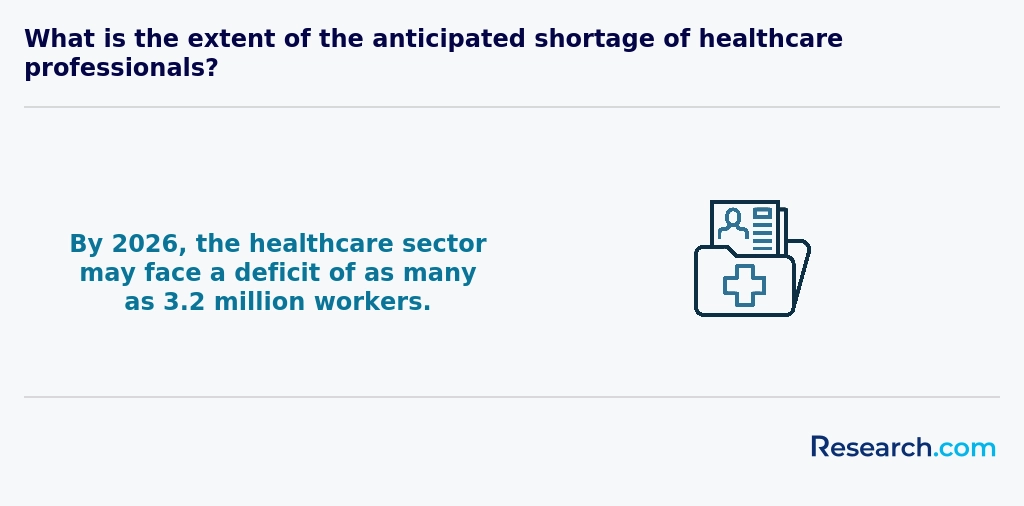
Online healthcare students in Pennsylvania often face several challenges unique to their field and location. One key issue is balancing clinical requirements with online coursework. Many programs require hands-on clinical hours, which can be difficult to arrange remotely, especially in rural areas where healthcare facilities are limited. According to the Pennsylvania Department of Health, rural counties experience a shortage of healthcare professionals, complicating clinical placements for students.
Technology access and digital literacy also pose hurdles. Students may struggle with unstable internet connections or outdated devices, impacting their ability to participate fully in virtual labs and lectures. Time management is another common challenge, as many learners juggle work, family, and studies simultaneously.
Finally, some students report feeling isolated without in-person peer and instructor interaction. This can affect motivation and academic performance, highlighting the need for strong institutional support systems.
With an online healthcare degree in Pennsylvania, you can pursue several professional certifications to enhance your career prospects. Common certifications include Certified Nursing Assistant (CNA), Registered Health Information Technician (RHIT), and Medical Coding Specialist. These credentials are respected within the healthcare industry and comply with Pennsylvania's workforce standards.
The Pennsylvania Department of Health notes that certified professionals improve patient care quality and boost employment opportunities. Additionally, certifications like Certified Professional Coder (CPC) and Licensed Practical Nurse (LPN) are attainable with further education and passing state exams.
Online programs often align with requirements from national bodies such as the American Health Information Management Association (AHIMA) and the National Healthcareer Association (NHA).
Writing a winning application for an online healthcare program in Pennsylvania requires clear demonstration of your motivation and relevant experience. Begin by thoroughly researching the program's requirements and aligning your personal statement with the school's values and goals. Highlight any healthcare-related work or volunteer experience, emphasizing skills such as patient communication or data management.
Include your academic background, focusing on science and healthcare-related courses, as Pennsylvania employers often value strong foundational knowledge in these areas (Pennsylvania Department of Labor & Industry, 2023). Be sure to provide letters of recommendation from professionals familiar with your healthcare involvement.
Finally, proofread carefully and meet all deadlines. Demonstrating professionalism and commitment is key, especially since Pennsylvania's healthcare workforce demand is projected to grow 15% by 2030 (PA Center for Workforce Information & Analysis).
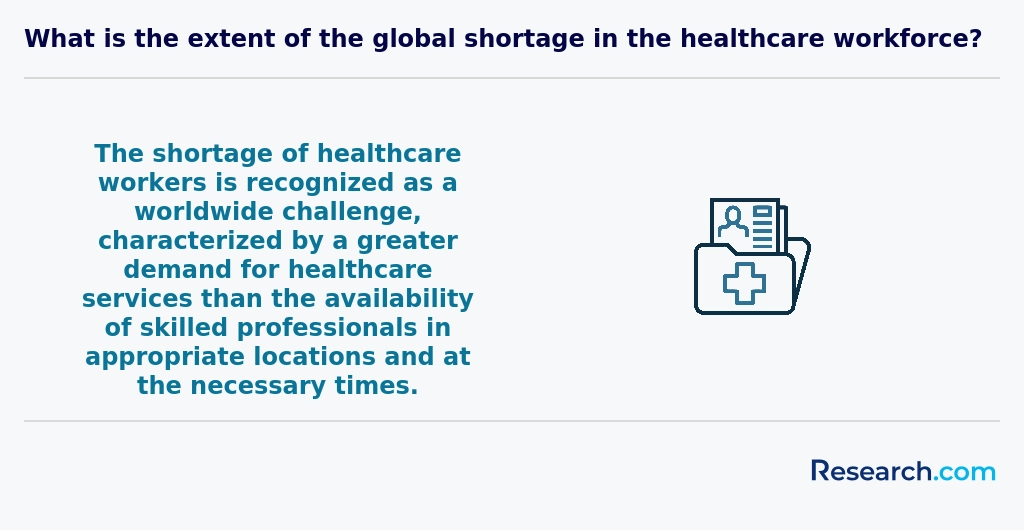
The healthcare sector is recognized worldwide for its essential role in improving public health and welfare. In the United States, and specifically in Pennsylvania, healthcare careers offer diverse opportunities driven by growing demand. According to the U.S. Bureau of Labor Statistics, employment in healthcare occupations in Pennsylvania is projected to grow by 15% from 2021 to 2031, faster than the average for all occupations. This growth reflects an increasing need for skilled professionals both domestically and globally.
Globally, many countries emphasize education and training in healthcare to address aging populations and emerging health challenges. For students in Pennsylvania, an online healthcare degree can provide access to up-to-date knowledge aligned with international standards, helping prepare graduates for a connected world.
Resources from Pennsylvania's Department of Labor highlight that healthcare jobs such as nursing, health services management, and allied health professions continue to rank among the state's fastest-growing roles. This local trend mirrors the global priority placed on healthcare innovation and accessibility.
Gaining practical experience while studying for an online healthcare degree in Pennsylvania is essential. Many programs require clinical hours, which students can complete at approved local hospitals, clinics, or healthcare facilities.
Students often collaborate with Pennsylvania healthcare providers such as UPMC or Geisinger Health System to fulfill these requirements. These partnerships offer hands-on training in real healthcare settings.
Additionally, Pennsylvania's Department of Health promotes internships and externships that allow students to develop critical skills. Virtual simulation labs are another option used by some schools to supplement in-person experience.
Combining online coursework with local clinical placements helps meet licensing board standards in Pennsylvania.
Choosing the right concentration within an online healthcare degree program in Pennsylvania starts with understanding your career goals. Pennsylvania's healthcare sector is large and diverse, with growing demand in areas like nursing, health informatics, and public health, according to the Pennsylvania Department of Health.
Research labor market data to identify high-demand specialties. For example, Pennsylvania's Center for Workforce Information & Analysis reports strong growth in registered nursing and medical records fields. Consider program accreditation and if the concentration aligns with licensure or certification requirements in Pennsylvania.
Additionally, think about your interests and strengths. Concentrations like healthcare administration suit those interested in management, while clinical specialties require more patient-focused skills.
Related Healthcare Rankings for Nearby States
- 2027 Easiest Online Healthcare Degree Programs Ranking in New Jersey
- 2027 Easiest Online Healthcare Degree Programs Ranking in New York
- 2027 Easiest Online Healthcare Degree Programs Ranking in West Virginia
- 2027 Easiest Online Healthcare Degree Programs Ranking in Virginia
- 2027 Easiest Online Healthcare Degree Programs Ranking in Kentucky
- 2027 Easiest Online Healthcare Degree Programs Ranking in North Carolina
- 2027 Easiest Online Healthcare Degree Programs Ranking in Tennessee
- 2027 Easiest Online Healthcare Degree Programs Ranking in South Carolina
- 2027 Easiest Online Healthcare Degree Programs Ranking in Indiana
- 2027 Easiest Online Healthcare Degree Programs Ranking in Alabama
Top Trending Healthcare Rankings
See What Experts Have To Say About Studying Healthcare
Read our interview with Healthcare experts

References
- Online Healthcare Degree-Accredited Programs https://nursinglicensemap.com/resources/healthcare-degree-programs/
- Is an Online Degree the Same as a Traditional Degree | Online Degree https://www.cambridgehealth.edu/online-degrees/get-an-online-degree/is-an-online-degree-the-same-as-a-traditional-degree/
- Highest-Paying Healthcare Degrees Online | EduMed.org https://www.edumed.org/articles/highest-paying-healthcare-degrees/
- Alumni Reconnect - Poznan University of Medical Sciences https://pums.edu.pl/alumni-friends/alumni-reconnect/
- Best Healthcare Degrees & Programs | Accredited Schools Online https://www.accreditedschoolsonline.org/healthcare/degrees/
- Know more about thesis vs non- thesis: what is the difference? https://studyfans.com/en/blogs/816
- Job-Ready Healthcare Skills for 2026 https://cliniwave.in/blogs/latest-article/job-ready-healthcare-skills
- 10 Skills Employers Are Looking for in Healthcare Management Jobs https://www.aiuniv.edu/blog/10-top-skills-for-healthcare-management-jobs
- Pursuing Your Career Goals: Strategies and Examples https://www.ultimatemedical.edu/blog/career-goals-importance-strategies-and-examples/
- The Role of Interdisciplinary Studies in Medical Career Training https://georgia-med.com/the-role-of-interdisciplinary-studies-in-medical-career-training.html


