2027 Easiest Online Healthcare Degree Programs Ranking in New York

Co-Founder and Chief Data Scientist
Choosing the right healthcare degree program can feel overwhelming, especially when learning online. This article introduces the 2027 Easiest Online Healthcare Degree Programs Ranking in New York, crafted by the Research.com team of data scientists to guide you through your options.
Discover which programs offer flexibility and support, making it easier to succeed while balancing life's demands. Whether starting fresh or advancing your career, a healthcare degree opens doors to rewarding opportunities and personal growth.
Explore trustworthy insights to help you make an informed choice with confidence.
Key benefits of getting online healthcare degree in New York
- Graduates with healthcare degrees in New York can expect strong salaries; for example, Medical Assistants earn around $43,350 annually, while Quality Improvement Coordinators make up to $103,150, reflecting rewarding financial opportunities.
- Potential career paths include roles like Patient Care Technicians or Health Information Technicians, offering exciting options in clinical support and data management, as seen with successful alumni from popular New York colleges.
- Online healthcare degrees provide flexible scheduling and accessibility, allowing students at top New York universities to balance work and study while gaining the same quality education as traditional programs.
- Key benefits of getting online healthcare degree in New York
- What can I expect from online healthcare degree in New York?
- Where can I work with online healthcare degree in New York?
- How much can I make with online healthcare degree in New York?
- 2027 Easiest Online Healthcare Degree Programs Ranking in New York
- Key Findings
- How long does it take to complete online healthcare degree in New York?
- Accreditation and Licensing Requirements for Online Healthcare Programs in New York
- What's the difference between online and on-campus healthcare degree?
- Accreditation and Licensing Requirements for Online Healthcare Degrees in New York
- What is the average cost of online healthcare degree in New York?
- Accreditation and Licensure: Ensuring Program Quality and Professional Readiness
- What financial aid is available to online healthcare degree students in New York?
- Emerging Trends in Online Healthcare Education: The Future of Learning in New York
- What are the prerequisites for enrolling in online healthcare degree program in New York?
- Emerging Trends and Future Outlook in Online Healthcare Education
- What courses are typically in online healthcare degree programs in New York?
- What types of specializations are available in online healthcare degree programs in New York?
- How do you choose the best online healthcare degree in New York?
- What career paths are available for online healthcare degree students in New York?
- What is the job market for online healthcare degree in New York?
- Related Healthcare Rankings for Nearby States
- Top Trending Healthcare Rankings
- See What Experts Have To Say About Studying Healthcare
What can I expect from online healthcare degree in New York?
The average cost of an online healthcare degree in New York typically ranges between $15,000 and $40,000, depending on the level of study and the institution. Graduates from well-known colleges like Hunter College or Pace University often recall managing tuition through a mix of financial aid and part-time work, making their education more affordable while balancing other responsibilities.
Many students appreciate the flexibility of online formats, which allow them to continue working full-time and reduce commuting costs. For example, a nursing student might complete clinical hours locally while attending lectures virtually, saving both time and money.
Those pursuing advanced degrees, such as a master's in healthcare administration, often find that investing in reputable programs in New York leads to competitive salaries and career growth opportunities. Graduates frequently describe feeling confident that their education's cost was worthwhile given New York's strong healthcare job market and the average registered nurse salary of about $84,000.
Prospective students can also explore scholarships offered by New York state and individual universities to further ease financial burdens while pursuing their healthcare careers.
Where can I work with online healthcare degree in New York?
Graduates with an online healthcare degree in New York find roles in hospitals such as NewYork-Presbyterian and Mount Sinai, where they work as healthcare administrators, medical coders, or nursing professionals. These positions leverage the comprehensive online curricula offered by universities like SUNY and NYU, preparing students for the fast-paced hospital environment. Many graduates report feeling empowered entering this workplace, knowing their education aligns with real-world demands.
Outpatient care centers and clinics also recruit online healthcare degree holders for roles like medical assistants and clinical coordinators. Graduates often describe these settings as dynamic and rewarding, enabling direct patient interaction without overnight shifts, which suits those balancing family or other commitments.
Public health organizations, including the New York State Department of Health, provide career paths in program management and health education, ideal for graduates aiming to impact community wellness. Those from CUNY's public health programs find satisfaction applying their knowledge to real community initiatives.
Additionally, insurance firms and healthcare tech companies value graduates skilled in claims processing and healthcare IT, tapping into New York's growing telemedicine market. Many graduates highlight how online degrees offered flexibility while equipping them for evolving digital roles.
How much can I make with online healthcare degree in New York?
Graduates with online healthcare degrees in New York often find rewarding salary prospects aligned with their specific roles. For instance, medical assistants-many of whom trained online through programs at institutions like Excelsior College-earn a mean annual wage of about $43,350. This provides a solid entry point into healthcare with hands-on experience in hospitals or outpatient clinics.
Those pursuing roles such as patient care technicians can anticipate higher earnings, around $60,790 annually, reflecting greater responsibility and specialized skills learned through online certifications from schools such as SUNY Downstate Health Sciences University.
Graduates entering health information technology roles typically see mean wages near $43,380, capitalizing on the growing demand for managing electronic health records in New York's healthcare systems.
For those aiming at quality improvement coordination-a position requiring advanced knowledge often gained from online bachelor's or master's degrees-mean salaries rise significantly to about $103,150, rewarding expertise in enhancing patient care standards across facilities.
Online graduates at New York colleges consistently express satisfaction with how their flexible programs and practical skills translate into competitive salaries, helping them thrive in a state that values skilled healthcare professionals.
2027 Easiest Online Healthcare Degree Programs Ranking in New York
How do we rank schools?
Investing in your education is a significant decision that can shape your future, and the Research.com team understands the importance of making informed choices. To assist prospective students in New York, we have meticulously crafted the "2027 Easiest Online Healthcare Degree Programs Ranking in New York." Our commitment to quality, credibility, and accuracy is reflected in the extensive research and analysis conducted to compile this ranking.
We utilized the following reputable data sources to ensure a comprehensive evaluation of healthcare degree programs:
By exploring this ranking, readers will gain valuable insights into the easiest online healthcare degree programs in New York, empowering them to choose the option that best fits their needs and goals. For more details on how this ranking was created, please visit our Research.com methodology page.


# 6 position
John Jay College of Criminal Justice of the City University of New York
Master of Inspection and Oversight: Health Care Specialization

# 7 position
St. Joseph's University, Brooklyn Campus
Master of Health Administration/Health Care Management

# 8 position
Hofstra University
Master of Strategic Business Management and Strategic Healthcare Management


# 11 position
State University of New York Polytechnic Institute
Bachelor of Health Information Management


# 14 position
SUNY Empire State College
Master of Healthcare Leadership
# 15 position
SUNY Empire State College
RN to Bachelor of Science in Nursing


Key Findings
- Online healthcare degrees in New York include nursing, health administration, and public health at associate, bachelor's, and master's levels.
- In-state tuition for public universities ranges from $7,000 to $15,000 per year, while private institutions charge between $20,000 and $40,000 annually.
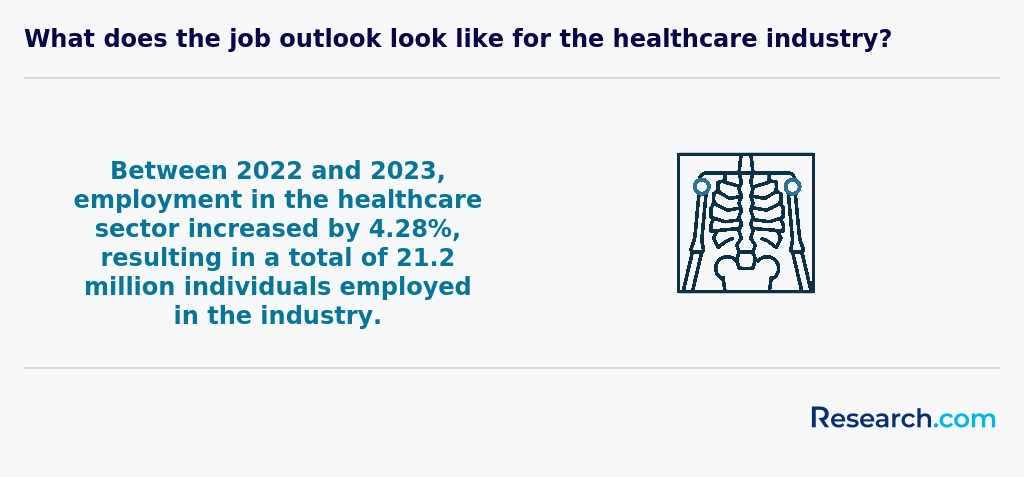
- Healthcare jobs in New York are expected to grow by over 20% through 2030, driven by an aging population and expanding services.
- Starting salaries for healthcare graduates range from $55,000 to $75,000 depending on the field, with experienced professionals earning above $100,000 annually.
- Licensing or certification is required for many healthcare roles in New York, and programs must include clinical placements within the state.
- Online programs often offer access to healthcare networks and job placement services to support career growth.
How long does it take to complete online healthcare degree in New York?
Completing an online healthcare degree in New York varies by program and enrollment status. For instance, graduates from community colleges like Bronx Community College often finish an Associate of Science in Nursing (ASN) in about 2 years full-time, while part-time students may take 3 or more years. This flexibility helps students balance work and studies without stress.
Bachelor's degrees, such as a Bachelor of Science in Nursing (BSN) from institutions like Hunter College, typically take 4 years for full-time learners. However, accelerated online tracks can reduce this to 3 years, especially if students transfer credits from an earned associate degree. Many have found this pathway rewarding, speeding up their entry into the workforce.
For those pursuing graduate degrees-like a Master of Science in Nursing (MSN) or Master's in Public Health (MPH) from schools such as Columbia University-expect 1.5 to 3 years based on part-time or full-time study. Doctoral programs, including Doctor of Nursing Practice (DNP), offered online at New York University, usually require 3 to 6 years. Graduates highlight the personalized pacing options and clinical placement support as major advantages in completing their degrees efficiently.
Accreditation and Licensing Requirements for Online Healthcare Programs in New York
Accreditation is the cornerstone of a reputable online healthcare degree in New York. Prospective students should verify that their institution holds regional accreditation from agencies recognized by the U.S. Department of Education, such as the Middle States Commission on Higher Education (MSCHE). Equally important are specialized accreditations-like the Commission on Accreditation of Healthcare Management Education (CAHME) for health administration or the Commission on Accreditation for Health Informatics and Information Management Education (CAHIIM) for informatics programs-that validate curriculum rigor and industry alignment. State licensure requirements in New York vary by profession. For example, graduates seeking to become licensed practical nurses (LPNs) or registered nurses (RNs) must complete a program approved by the New York State Education Department (NYSED) and pass the NCLEX exam. Health information technicians aiming for the Registered Health Information Technician (RHIT) credential must graduate from a CAHIIM-accredited program before sitting for the American Health Information Management Association (AHIMA) certification exam. To ensure eligibility for federal financial aid and professional certifications, follow these steps: 1. Confirm regional accreditation via the institution’s NYSED listing. 2. Review programmatic accreditation on CAHME, CAHIIM, or other relevant agency websites. 3. Check state board approval if your career path requires licensure (e.g., nursing, allied health). 4. Compare tuition and outcomes by exploring resources like Cheapest Online Master’s in Healthcare Degree Programs Ranking in Columbia, SC to benchmark both affordability and accreditation status. By prioritizing accredited and NYSED-approved programs, students safeguard eligibility for licensure exams, employer recognition, and seamless credit transfers-ultimately positioning themselves for a successful healthcare career in New York.
What's the difference between online and on-campus healthcare degree?
Online healthcare degrees in New York, such as those offered by well-known institutions like Hunter College or SUNY Downstate, provide unmatched flexibility. Graduates often recall balancing their coursework with full-time jobs or family responsibilities, appreciating the ability to access lectures asynchronously without worrying about NYC's long commutes. This flexibility suits varied schedules, especially when working professionals pursue degrees while maintaining their current roles.
However, practical training remains essential. Online students coordinate clinical hours at approved local hospitals or clinics, ensuring hands-on experience similar to that of on-campus peers at schools like NYU Rory Meyers College of Nursing. These graduates highlight the convenience of fitting clinicals near their homes or workplaces.
On-campus programs foster direct interaction with instructors and peers, valuable for students who thrive on real-time feedback and networking. The structured schedule and access to state-of-the-art labs on campus create immersive learning environments, but with less schedule flexibility. In New York, where tuition and living expenses are high, online degrees may reduce costs by limiting campus fees and commuting, offering a practical alternative for budget-conscious students.
Accreditation and Licensing Requirements for Online Healthcare Degrees in New York
Ensuring your online healthcare degree is properly accredited and meets New York’s licensure requirements is critical for career success and eligibility for professional exams. Accreditation signals that a program adheres to industry standards and prepares graduates for roles across clinical, administrative, and informatics settings. Common accrediting bodies for online healthcare programs include:
- Commission on Collegiate Nursing Education (CCNE) for nursing degrees
- Accreditation Commission for Education in Nursing (ACEN) for associate and diploma programs
- Commission on Accreditation of Healthcare Management Education (CAHME) for master’s in healthcare administration
- CAAHEP (Commission on Accreditation of Allied Health Education Programs) for allied health specialties Before enrolling, verify that your institution holds regional accreditation (e.g., Middle States Commission on Higher Education) and that your specific program is recognized by the appropriate professional body. Graduates of unaccredited programs may be ineligible for licensure or professional certification exams such as the NCLEX-RN for registered nurses or the RHIT exam for health information technicians. New York State education law also mandates clinical practicum hours and background checks for certain healthcare roles. For example, RN candidates must complete at least 500 supervised clinical hours, while aspiring health information technicians must fulfill a practicum approved by the New York State Education Department (NYSED). To confirm up-to-date licensure criteria and required documentation, consult the NYSED Office of the Professions website. For additional insight into program costs and accreditation factors, you can explore our Cheapest Online Master’s in Healthcare Degree Programs Ranking in Columbia, SC, which highlights affordability alongside accreditation status. Proper accreditation not only safeguards your investment but also ensures employers recognize the quality and rigor of your online healthcare education.
What is the average cost of online healthcare degree in New York?
The average cost of an online healthcare degree in New York typically centers around $32,742, with in-state residents benefiting from lower tuition averages near $22,277. Graduates from public universities such as those in the City University of New York (CUNY) system often share how they managed costs effectively through in-state tuition advantages and financial aid. These public institutions usually offer more affordable options for students seeking healthcare education without sacrificing program quality.
Private institutions, including some well-known New York universities, tend to have higher tuition fees, sometimes approaching $42,360, which reflects out-of-state costs or private university rates. Despite this, many graduates express satisfaction in the value and networking opportunities these programs provide, which can justify the higher investment for some students. Understanding these costs upfront helps future students plan their finances wisely, especially if they aim to balance education with work or family commitments.
For prospective students looking for affordable online healthcare programs New York 2027, exploring scholarship options and employer tuition reimbursement programs is essential. Many have found success reducing expenses by leveraging financial aid, grants, and state-specific programs designed to support healthcare learners. Additionally, comparing programs carefully can reveal valuable savings and support pathways.
When researching programs, be sure to consider popular choices in New York that align with your budget and goals. For guidance on where to start, check out this list of affordable healthcare schools in new york, which offers practical options tailored to your needs and helps ensure a manageable investment in your education.
Accreditation and Licensure: Ensuring Program Quality and Professional Readiness
Accreditation is a critical indicator of an online healthcare degree’s rigor and acceptance by employers, licensing boards, and graduate programs. In New York, reputable accrediting bodies such as the Commission on Collegiate Nursing Education (CCNE), the Accreditation Council for Education in Nutrition and Dietetics (ACEND), and the New York State Education Department (NYSED) verify that programs meet stringent academic and clinical standards. Choosing an accredited online program ensures that your coursework will prepare you for certification exams and state licensure requirements, which vary by profession-for example, Licensed Practical Nurse (LPN), Registered Nurse (RN), or Health Information Technician. Most healthcare roles in New York also require passing a national or state board exam. Graduates of CCNE- or ACEND-accredited programs typically qualify for the National Council Licensure Examination (NCLEX) for nurses or the Registered Dietitian Nutritionist (RDN) exam for dietetics. To maintain good standing, licensed professionals must complete continuing education units (CEUs) and periodic license renewals, which vary by discipline but often include ethics, patient safety, and evidence-based practice updates. Key accreditation and licensure considerations:
- Verify program accreditation status on the NYSED or specialized accreditor’s website.
- Confirm eligibility for national certification exams (e.g., NCLEX, RDN exam, RHIA exam).
- Understand state-specific clinical hour requirements and post-graduation license application procedures.
- Plan for ongoing CEUs to renew licensure and stay current with evolving healthcare regulations and technologies. For guidance on the most lucrative credential pathways beyond degree programs, explore our detailed overview of what medical certification pays the most and how specialized credentials can augment your career trajectory.
What financial aid is available to online healthcare degree students in New York?
Students pursuing online healthcare degrees in New York often rely on federal financial aid by submitting the FAFSA, unlocking access to grants like the Pell Grant, which can provide up to $7,395 annually. Graduates from institutions like the State University of New York (SUNY) system share how this funding eased their tuition burden significantly.
Additionally, New York's Tuition Assistance Program (TAP) offers eligible residents up to $5,665 each year for undergraduate healthcare studies at approved colleges. For example, those attending CUNY's online nursing programs found TAP essential in managing their expenses without halting their careers.
Specialized scholarships such as the New York State Nursing Incentive Program (NYSNIP), awarding up to $5,000 annually, motivate students committed to serving the state's healthcare needs. Graduates appreciate how these scholarships allowed them to focus on studies rather than finances.
Federal Direct Subsidized and Unsubsidized Loans provide additional support with manageable repayment options, while work-study positions-even virtual ones-help many gain both income and practical healthcare experience. Some programs partner with employers for tuition reimbursement, making advanced education attainable for working professionals balancing family and job responsibilities.
Emerging Trends in Online Healthcare Education: The Future of Learning in New York
In today’s rapidly evolving healthcare landscape, technology is reshaping education, making online programs more dynamic and interactive than ever before. Students are not only accessing flexible coursework but also benefiting from innovations like virtual reality simulations, interactive telehealth modules, and AI-powered diagnostics training. These advancements enable learners to practice real-life scenarios and develop critical skills in an immersive environment. Moreover, institutions are continuously integrating advanced learning management systems that offer personalized feedback and adaptive learning paths, ensuring that each student receives tailored support throughout their studies. Staying informed about these emerging trends can help prospective students select programs that not only meet their academic needs but also prepare them for a future where digital competency is paramount. For instance, many institutions are now recognized for offering affordable healthcare schools in new york that combine cost-effectiveness with state-of-the-art technology, giving graduates a competitive edge in the job market. By keeping pace with innovations in online healthcare education, students can maximize their investment in learning and position themselves at the forefront of a transformative era in healthcare delivery.
What are the prerequisites for enrolling in online healthcare degree program in New York?
To enroll in an online healthcare degree program in New York, you'll first need a high school diploma or equivalent, such as a GED. Graduates from popular programs at institutions like Hunter College or SUNY Downstate often highlight how meeting this basic requirement was their first step toward success. Many programs also expect a minimum GPA of 2.5 to 3.0, ensuring you have the academic strength needed to keep up with rigorous coursework.
If you're pursuing a bachelor's or advanced degree, especially in nursing, you might need prior college credits or an active New York State nursing license. For example, students in RN-to-BSN programs regularly emphasize how their professional licenses streamlined their admission process.
Expect to complete foundational courses in biology, chemistry, and anatomy before full acceptance. Students appreciate how these prerequisites built confidence in demanding subjects and helped them adapt quickly once online classes began. Additionally, reliable internet and technology access are essential, plus proof of immunizations and background checks if clinical placements are required.
Emerging Trends and Future Outlook in Online Healthcare Education
As the healthcare landscape shifts and technology continues to evolve, online healthcare degree programs are incorporating innovative methods to enhance learning and better prepare graduates for today’s fast-changing industry. One notable trend is the integration of advanced digital tools-such as virtual simulations, AI-driven analytics, and telehealth platforms-which allow students to gain hands-on experience in a virtual environment before entering the workforce. This evolution not only enriches the academic experience but also ensures that graduates are well-equipped to meet the growing demands of modern healthcare settings. Moreover, as interdisciplinary collaboration becomes increasingly important, many programs are bridging gaps between traditional healthcare education and fields like data science and informatics. This approach provides a competitive edge for students, enabling them to navigate complex clinical scenarios, develop innovative solutions to healthcare challenges, and adapt to emerging trends such as remote patient monitoring and digital diagnostics. Students interested in exploring complementary technical fields may also find valuable insights by checking out our resource on radiology tech programs in ct, which highlights another vital segment of healthcare education. Looking forward, colleges and universities are also focusing on enhancing student support networks, mentorship programs, and career placement initiatives within their online offerings. By fostering environments that promote continuous learning and professional growth, these institutions are not only responding to the needs of today’s students but are also paving the way for a resilient and adaptive healthcare workforce in the future. This ongoing transformation underscores the importance of staying informed about emerging trends to ensure academic investments lead to successful and sustainable career outcomes.
What courses are typically in online healthcare degree programs in New York?
Online healthcare degree programs in New York typically include core courses designed to build a strong foundation and practical skills. Graduates from well-known institutions such as Hunter College or Pace University often highlight courses like Introduction to Healthcare Systems, which helps them understand the complexities of New York's diverse healthcare landscape, including policy and financing. This course directly connects classroom learning to real-world settings like New York City hospitals and clinics.
Medical Terminology is another essential course, equipping students with the language needed for clear communication in busy administrative or clinical environments. Healthcare Ethics and Law, often praised by graduates, prepares students to handle sensitive patient information and navigate compliance within New York's strict regulatory framework.
Hands-on learners appreciate courses like Patient Care and Safety, which simulate emergency procedures and infection control-a crucial skill set in neighborhoods with high patient traffic. Health Information Management teaches management of electronic health records compliant with HIPAA, a must-have skill in New York's technologically advanced healthcare facilities.
Students also benefit from electives such as public health or health informatics, which reflect the city's healthcare priorities while allowing specialization. These courses help students feel ready to step confidently into their roles, making a meaningful impact in the local community.
What types of specializations are available in online healthcare degree programs in New York?
Online healthcare degree specializations New York students often choose include nursing, healthcare administration, public health, health informatics, and clinical research. Graduates from institutions like the State University of New York (SUNY) report feeling well-prepared to take on leadership roles or advanced clinical duties, especially those who pursued nursing tracks like RN to BSN or MSN programs. Healthcare administration students frequently highlight their ability to manage hospital operations effectively after studying policy and finance through SUNY's online offerings.
Public health degrees appeal to students interested in community impact, equipping them to design health education programs or influence policy. Those focused on health informatics benefit from learning to harness data, essential for improving patient care in today's tech-driven environments. Clinical research specializations prepare students to handle medical trials and regulatory requirements professionally. For practical pathways, students also explore options like radiology tech programs in ct, which complement a healthcare degree with technical skills. These programs reflect diverse healthcare career options in New York online programs, suited for students balancing work and study.
How do you choose the best online healthcare degree in New York?
Choosing the best online healthcare degree in New York starts with confirming program accreditation by agencies like CCNE or ACEND, which ensures quality education and eligibility for licensure. Graduates from popular universities across New York often share how such credentials opened doors to rewarding healthcare careers within the state.
Cost is a key factor; many find that public universities offer more affordable online healthcare degrees in New York, especially for in-state students balancing work and study. Financial aid and scholarships further ease the burden, making degrees more accessible. One graduate recalled how part-time options and reduced tuition allowed them to manage family and studies effectively.
Practical training is essential - select programs that provide local clinical placement support or partnerships with New York healthcare facilities. This hands-on experience is vital for licensure and boosts confidence in real-world settings. Students frequently praise institutions that connect them with local internships and networking opportunities.
Assess program outcomes like graduation and licensure exam pass rates to gauge effectiveness. Many students have used tools such as New York State education data and reviews to compare programs. For those curious about career paths, information on what medical certification pays the most can help clarify options.
What career paths are available for online healthcare degree students in New York?
Graduates with an online healthcare degree in New York often find diverse career paths tailored to their interests and skills. Many become registered nurses, a role in high demand across the state, especially for those who complete programs preparing them for the NCLEX-RN exam. Others pursue healthcare management positions, overseeing facilities and policies while earning competitive salaries. Those interested in technology can specialize as health information management specialists, helping to optimize electronic health records systems critical in today's healthcare environment.
Students from institutions like Hunter College and SUNY Downstate have shared positive experiences applying their online studies to real-world roles, gaining confidence in public health education or medical laboratory technologies. The flexibility of online coursework allows professionals balancing life commitments to advance quickly in these fields. For those exploring options, programs listed in the Cheapest Online Master's in Healthcare Degree Programs Ranking in Columbia, SC offer affordable pathways to specialized roles such as physical therapy assistant or healthcare informatics specialist, expanding online healthcare degree jobs in New York.
What is the job market for online healthcare degree in New York?
The job market for graduates of online healthcare degree programs in New York remains robust, with strong demand driven by the state's diverse healthcare industry. Healthcare employers in cities like New York City and Buffalo increasingly value candidates with accredited online degrees, especially from well-known institutions. Graduates frequently share positive experiences about securing roles in nursing, health administration, and public health shortly after completing their education. This is supported by the New York healthcare degree employment outlook, which forecasts a 12% growth in healthcare occupations through 2032.
Many graduates find themselves working in hospitals, outpatient care, or public health agencies that offer competitive starting salaries ranging from $70,000 to $90,000. Those who pursue specialized fields such as geriatric care or physical therapy benefit from the aging population's growing needs. For prospective students weighing costs, universities in New York balance affordability with quality, reflecting the national average tuition range of $20,000 to $40,000 for online healthcare programs.
To maximize success in online healthcare jobs in New York, it is crucial to select programs approved by the New York State Education Department. Graduates often recommend exploring options through resources like the best accelerated online associate degree programs to find flexible, reputable programs that facilitate quick entry into the workforce.
Frequently Asked Questions About healthcare
Online healthcare degree students in New York can maximize their learning by actively engaging with course materials and participating in virtual discussions. Research shows that interactive learning improves retention and understanding, which is crucial in healthcare programs.
Utilizing New York's extensive healthcare networks for virtual internships or practicums complements academic knowledge with hands-on experience. According to the New York State Education Department, completing clinical hours is essential for many healthcare certifications.
Students should also take advantage of local healthcare webinars and online conferences. These resources provide exposure to current industry trends and networking opportunities.
Finally, managing time effectively and setting a dedicated study schedule helps balance coursework with personal and professional commitments.
The healthcare field is rapidly evolving, creating new opportunities for students pursuing online degrees in New York. Emerging niches include telehealth, which has grown significantly due to the COVID-19 pandemic; New York saw telehealth visits increase by over 2,000% in 2020 according to the New York State Department of Health. Another key area is healthcare data analytics, where professionals analyze patient data to improve outcomes and reduce costs. Additionally, gerontology focuses on the aging population, important as New York's senior residents are expected to grow by 20% through 2030 (U.S. Census Bureau).
After completing an online healthcare degree in New York, preparing for the job market involves several strategic steps. First, gaining relevant clinical experience through internships or volunteering is crucial, as clinical hours are often required for licensure and increase employability. According to the New York State Department of Labor, healthcare employment is expected to grow by 12% through 2030, indicating strong job prospects.
Networking with professionals via platforms like LinkedIn and attending local healthcare events can open doors. Additionally, obtaining certifications such as Basic Life Support (BLS) or Certified Nursing Assistant (CNA) enhances credentials. Tailoring resumes to highlight both technical skills and soft skills is vital for standing out.
Employers in New York highly value healthcare degree graduates who demonstrate strong communication skills. According to the New York State Department of Labor, clear communication is essential for effective patient care and teamwork. Critical thinking and problem-solving abilities rank closely, enabling graduates to navigate complex medical scenarios. Technical proficiency, especially in electronic health records (EHR) systems, is increasingly important due to New York's focus on digital healthcare solutions.
Additionally, cultural competence is key in serving New York's diverse population, helping graduates provide inclusive care. According to the Bureau of Labor Statistics, adaptability and continuous learning are also sought-after skills in healthcare roles statewide.
Finding internships in New York relevant to healthcare degrees involves several key steps. Begin by consulting your online program's career services or internship office, as many schools have partnerships with local hospitals and clinics. The New York State Department of Health provides resources and listings for clinical placements, which can be valuable for students seeking hands-on healthcare experience.
Networking is crucial; attending virtual career fairs and joining professional organizations like the New York State Nurses Association can open doors. According to the New York State Education Department, healthcare employment grew 15% from 2015 to 2025, increasing internship availability.
Exploring hospital systems such as NYC Health + Hospitals or Mount Sinai can also yield internship opportunities through their educational outreach programs.
Online healthcare degrees in New York significantly enhance career mobility by offering flexible learning options tailored for working professionals. According to the New York State Department of Labor (NYSDOL), healthcare occupations are expected to grow by 15% through 2030, creating numerous opportunities for advancement.
Graduates with online healthcare degrees can access a wide range of roles, from nursing to health administration, helping them shift careers or climb the professional ladder more quickly. The convenience of online programs allows students to maintain employment while earning credentials recognized by New York's healthcare employers.
Furthermore, many online degrees align with licensing and certification requirements in New York, ensuring graduates meet state-specific career standards. This alignment boosts employability and often leads to higher salaries, as reported by the Bureau of Labor Statistics for the New York metropolitan area.
Studying for an online healthcare degree in New York equips students with skills crucial for interdisciplinary roles by emphasizing teamwork across various healthcare sectors. Many programs integrate courses in public health, health informatics, and management, catering to the complex needs of New York's diverse population.
New York State reported in 2022 that nearly 20% of healthcare jobs require collaboration among multiple specialties, highlighting the importance of interdisciplinary training (New York State Department of Labor). Online degrees often include case studies and simulations that reflect real-world coordination among nurses, physicians, social workers, and administrators.
This approach prepares graduates to navigate New York's healthcare systems effectively, ensuring they can contribute to holistic patient care and organizational efficiency.
When choosing between thesis and non-thesis healthcare degree programs in New York, consider your career goals and learning preferences. Thesis programs typically require original research and a formal defense, preparing students for roles in research, academia, or advanced clinical positions. Non-thesis programs emphasize practical skills and coursework, suited for those aiming to enter or advance in healthcare practice more quickly.
New York's healthcare sector, with over 1.1 million jobs as reported by the Bureau of Labor Statistics in 2023, values both research and applied expertise. Selecting a thesis option might benefit those targeting policy or academic roles, while non-thesis can suit working professionals seeking flexibility.
Accreditation and program delivery should also influence your choice, especially when studying online. Ensure the program aligns with New York State education standards and offers support services for remote learners.
Students based in New York seeking online healthcare degrees with international exposure have several options for studying abroad. Many US-accredited institutions offer online programs that include global health components or partnerships with foreign universities.
New York's sizable healthcare education sector-home to over 200,000 healthcare workers according to the NY State Department of Labor-supports diverse learning paths. Programs often feature virtual internships and international case studies to provide cross-cultural experience remotely.
Additionally, some students leverage study-abroad opportunities through consortiums or exchange programs approved by their home institutions, allowing partial coursework overseas while maintaining US accreditation standards.
These arrangements help maintain eligibility for New York state licensure board requirements, which emphasize accredited US educational credentials with relevant clinical practice.
In New York, part-time jobs that complement healthcare degree education often include roles such as medical assistants, pharmacy technicians, and home health aides. These positions provide practical experience aligned with coursework and improve employability after graduation. According to the New York State Department of Labor, healthcare support occupations are projected to grow by 18% from 2022 to 2032, indicating strong job availability.
Additionally, many hospitals and clinics offer part-time opportunities in patient services or administrative support. Working in such environments helps students understand healthcare systems and patient interactions firsthand. These roles often offer flexible hours suitable for online students balancing study with work.
Online healthcare students in New York have access to a variety of networking opportunities despite studying remotely. Many universities connect students with healthcare professionals through virtual career fairs, webinars, and alumni networking events. New York's large healthcare industry, including major systems like NYU Langone and Mount Sinai, often partners with schools to provide internships and practicum placements that foster professional connections.
The New York State Nurses Association and other state healthcare organizations also offer membership benefits, including online forums and local chapter meetings, that can help students build industry contacts.
According to the New York State Department of Labor, healthcare employment is projected to grow 16% by 2030, increasing networking chances for graduates.
Alumni networks provide significant benefits for online healthcare degree students in New York. They create opportunities for professional connections, which can be crucial in the highly competitive healthcare field. Many New York healthcare organizations value referrals and recommendations through these networks.
Through alumni groups, students often gain access to job leads, internships, and mentorship programs tailored to the local healthcare market. For instance, New York's healthcare sector employs over 1.3 million people, making networking vital for career advancement.
Moreover, alumni help students navigate licensing and certification processes specific to New York State, a key advantage for those entering regulated fields like nursing or physical therapy (source: New York State Department of Health).
In New York, customizing your online healthcare degree program starts with choosing a specialization that aligns with your career goals. Many accredited institutions offer concentrations such as healthcare administration, nursing, public health, or health informatics. These tracks allow you to focus on the skills needed for specific roles.
Additionally, flexible course scheduling and elective options help tailor the program to your personal and professional life. New York's healthcare sector employs over half a million people, making specialized knowledge valuable for job placement, according to the New York State Department of Labor.
Some programs also provide practicum or internship opportunities that can be completed locally, enhancing practical experience and networking. This approach ensures career readiness while earning your degree remotely.
Online healthcare students in New York often face challenges balancing clinical practice requirements with their studies. Unlike traditional programs, many state-approved healthcare degrees require in-person clinical hours, which can be difficult to schedule around work and personal commitments.
Additionally, access to hands-on training is limited, and students may struggle finding local healthcare facilities that accept online program placements. According to the New York State Education Department, around 75% of healthcare programs mandate in-person clinical experience, posing logistical barriers.
Technology issues are common, especially for students in rural areas with unstable internet connections. Moreover, navigating financial aid and understanding licensing requirements specific to New York adds further complexity.
With an online healthcare degree in New York, you can pursue various professional certifications that enhance career prospects. Popular certifications include Certified Nursing Assistant (CNA), Registered Health Information Technician (RHIT), and Certified Medical Assistant (CMA). These certifications are recognized by New York State's Department of Health and can improve job readiness.
For example, CNAs in New York have a median hourly wage of about $16 to $18, according to the U.S. Bureau of Labor Statistics (2023). The RHIT credential allows professionals to manage patient data securely, a growing need in the state's expanding healthcare sector.
Additionally, licensed practical nursing (LPN) certification is a viable option after an associate's degree. Many institutions align their online programs with certification exam requirements, making it easier for graduates to qualify.
Writing a winning application for an online healthcare program in New York starts with thorough research on accredited schools and their specific admission requirements. Highlight your relevant experience, such as any healthcare roles or volunteer work in New York's hospitals or clinics. Be clear about your career goals, showing how the program aligns with the state's growing healthcare job market, which is projected to increase by 15% over the next decade (New York State Department of Labor, 2023).
Strong letters of recommendation from healthcare professionals in New York can enhance your application, reflecting your commitment and local network. Finally, tailor your personal statement, emphasizing your understanding of New York's diverse healthcare challenges and your motivation to contribute.
The healthcare sector is a growing field worldwide, with increasing demand for skilled professionals. In New York, the healthcare industry is the largest employer, accounting for over 13% of the state's workforce, according to the New York State Department of Labor.
Globally, healthcare careers are valued for their stability and opportunities in various specializations such as nursing, public health, and healthcare administration. The U.S. healthcare system emphasizes formal education and certification, which makes online degrees a convenient option for many New York residents.
Many countries face similar challenges like aging populations and chronic diseases, driving a continuous need for trained healthcare workers. For students in New York, pursuing an online healthcare degree can open pathways not only locally but also internationally, as healthcare skills are broadly transferable.
Gaining practical experience is essential for students pursuing an online healthcare degree in New York. Many programs require clinical or hands-on training, which students can complete at approved local healthcare facilities. Partnerships between New York universities and hospitals allow students to undertake internships, practicums, or externships near their homes.
Students may also seek volunteer opportunities in clinics or community health organizations. These experiences help build skills and networks important for licensure and employment. According to the New York State Education Department, clinical hours are mandatory for licenses in nursing, radiologic technology, and other healthcare fields.
Additionally, some programs offer virtual simulations to complement in-person training, providing flexibility without compromising practical learning.
Choosing the right concentration within an online healthcare degree program in New York requires careful consideration of your career goals and the state's healthcare demands. New York's healthcare sector is one of the largest in the US, with strong employment growth projected in nursing, health administration, and public health fields, according to the New York State Department of Labor. Assess which concentration aligns with your interests and job outlook.
Research program accreditation and how well the curriculum prepares you for certifications specific to New York. For example, concentrations in nursing often require alignment with the New York State Education Department's licensing criteria. Consider also the flexibility of coursework and availability of local clinical placements.
Review labor market data and salary ranges for specific health professions in New York to guide your choice. Occupational outlooks, such as those from the Bureau of Labor Statistics or New York's Department of Labor, can inform which areas have the most opportunities. Finally, seek programs that offer strong support for online students, including academic advising and career services tailored to healthcare industries in New York.
Related Healthcare Rankings for Nearby States
- 2027 Easiest Online Healthcare Degree Programs Ranking in New Jersey
- 2027 Easiest Online Healthcare Degree Programs Ranking in Pennsylvania
- 2027 Easiest Online Healthcare Degree Programs Ranking in Virginia
- 2027 Easiest Online Healthcare Degree Programs Ranking in West Virginia
- 2027 Easiest Online Healthcare Degree Programs Ranking in Kentucky
- 2027 Easiest Online Healthcare Degree Programs Ranking in North Carolina
- 2027 Easiest Online Healthcare Degree Programs Ranking in South Carolina
- 2027 Easiest Online Healthcare Degree Programs Ranking in Tennessee
- 2027 Easiest Online Healthcare Degree Programs Ranking in Indiana
- 2027 Easiest Online Healthcare Degree Programs Ranking in Alabama
Top Trending Healthcare Rankings
See What Experts Have To Say About Studying Healthcare
Read our interview with Healthcare experts

References
- Global Health Perspectives https://www.denvercollegeofnursing.edu/students/global-health-perspectives.html
- Course Benefits https://www.premedprojects.co.uk/hospital-work-experience-benefits
- Highest-Paying Healthcare Degrees Online | EduMed.org https://www.edumed.org/articles/highest-paying-healthcare-degrees/
- Online Healthcare & Medical Certification Training Programs https://medcerts.com/programs/healthcare/
- Health Sciences Study Abroad Programs - Healthcare Abroad https://www.ceastudyabroad.com/academic-discipline/health-sciences
- How to choose a bachelor's in healthcare administration | edX https://www.edx.org/resources/how-to-choose-a-bachelors-in-healthcare-administration
- Health Management Careers https://www.ache.org/Career-Resources/Start-Your-Career/Health-Management-Careers
- Is an Online Degree the Same as a Traditional Degree | Online Degree https://www.cambridgehealth.edu/online-degrees/get-an-online-degree/is-an-online-degree-the-same-as-a-traditional-degree/
- Welcome to the Health Professions Alumni Association! https://www.upstatefoundation.org/chpalumni
- How to Create a Healthcare Career Roadmap https://www.ihire.com/resourcecenter/jobseeker/pages/how-to-create-a-healthcare-career-roadmap