
2027 Most Valuable Healthcare Degree Programs Ranking in College Station

Co-Founder and Chief Data Scientist
Choosing the right healthcare degree program is a big step toward a rewarding career. This article introduces the 2027 Most Valuable Healthcare Degree Programs Ranking in College Station, developed by Research.com's skilled data scientists. It is designed to guide you in discovering programs that truly offer value and align with your goals.
Understanding which programs have the best outcomes can help you make confident decisions. Exploring healthcare education here can open doors to meaningful work and lifelong satisfaction.
Key benefits of getting healthcare degree in College Station
- Salary for healthcare degree graduates: Graduates can expect competitive salaries, such as Medical Assistants earning around $43,350 annually and Quality Improvement Coordinators making up to $103,150 per year, offering strong financial stability.
- Career paths in College Station: Healthcare degree holders from universities like Texas A&M often find opportunities as Patient Care Technicians or Health Information Technicians, allowing them to build meaningful and diverse careers in caring for others.
- Benefits of online healthcare degrees: Earning a healthcare degree online provides flexible learning that fits busy lifestyles, as seen with online graduates from Texas A&M, making career advancement more accessible without sacrificing personal commitments.
- Key benefits of getting healthcare degree in College Station
- What can I expect from healthcare degree in College Station?
- Where can I work with healthcare degree in College Station?
- How much can I make with healthcare degree in College Station?
- 2027 Most Valuable Healthcare Degree Programs Ranking in College Station
- Key Findings
- How long does it take to complete healthcare degree in College Station?
- Integrating Nutrition into Your Healthcare Career
- What's the difference between online and on-campus healthcare degree?
- Accreditation and Licensure Success Rates
- What is the average cost of healthcare degree in College Station?
- Return on Investment for Healthcare Degrees in College Station, TX
- What financial aid is available to healthcare degree students in College Station?
- What are the prerequisites for enrolling in healthcare degree program in College Station?
- Expert Tips for Maximizing Your Healthcare Education Experience
- What courses are typically in healthcare degree programs in College Station?
- What types of specializations are available in healthcare degree programs in College Station?
- How do you choose the best healthcare degree in College Station?
- What career paths are available for healthcare degree students in College Station?
- What is the job market for healthcare degree in College Station?
- Top Trending Healthcare Rankings
- See What Experts Have To Say About Studying Healthcare
What can I expect from healthcare degree in College Station?
The average cost of earning a healthcare degree in College Station, particularly at Texas A&M University, typically ranges between $11,000 and $38,000 per year for in-state students, depending on the specific program and credit load. Graduates from Texas A&M's public health or nursing programs often reflect positively on the investment, citing access to cutting-edge facilities and clinical placements that enrich their learning experience beyond the classroom.
Many healthcare students find that hands-on internships and community projects provided by the School of Public Health add immense value, translating the tuition cost into real-world skills and professional networking opportunities. These immersive experiences often offset concerns around expenses, as they foster confidence and job readiness upon graduation.
Out-of-state tuition or specialized programs, such as a Bachelor of Science in Nursing, may lead to higher expenses but are frequently justified by graduates who secure competitive roles in the region's growing healthcare market. The 5% annual employment growth in Brazos County strengthens prospects for return on investment for these degrees in healthcare management, biomedical science, and nursing fields.
Where can I work with healthcare degree in College Station?
Graduates with healthcare degrees in College Station find diverse employment opportunities in a city growing steadily within the Brazos Valley medical sector. With Texas A&M University as a prominent institution for healthcare studies, many graduates report securing roles quickly at local facilities such as Baylor Scott & White Medical Center. This hospital actively hires registered nurses, clinical laboratory scientists, and healthcare administrators, reflecting a 4.2% growth in healthcare jobs in the metro area according to the Texas Workforce Commission (2023).
Many graduates also gain experience in outpatient care settings like College Station Medical Center, where physical therapists and physician assistants fill critical roles. Those with advanced degrees often pursue healthcare management or health information technology positions, leveraging training received at Texas A&M's healthcare programs.
Furthermore, the education and research sectors provide meaningful career pathways. Healthcare degree holders engage in clinical trials and public health projects through Texas A&M and local public health agencies. Graduates express satisfaction working in long-term care and rehabilitation centers, meeting regional demands amplified by an aging population, with nursing job growth projected at 7% through 2026.
How much can I make with healthcare degree in College Station?
Graduates with healthcare degrees in College Station can expect competitive earnings reflective of the region's strong medical landscape. For example, medical assistants earn a mean annual wage of approximately $43,350, aligning with roles commonly secured by recent graduates from Texas A&M University's healthcare programs. Patient care technicians can anticipate higher salaries, averaging $60,790 annually, providing encouraging prospects for those entering clinical support positions.
Health information technicians, a growing field in healthcare administration, have mean salaries near $43,380 per year. This is particularly relevant for graduates of local colleges offering health informatics and data management tracks, who contribute to efficient patient record systems in the area's hospitals and clinics. Clinical research coordinators also earn around $43,350 annually, reflecting steady demand for research participation and coordination in the College Station healthcare ecosystem.
More advanced roles such as quality improvement coordinators command significantly higher incomes, with mean wages reaching $103,150. Graduates who pursue this career path often find opportunities in regional medical centers and public health organizations where continuous quality enhancement is essential. These figures demonstrate that studying healthcare in College Station offers vibrant, financially rewarding career pathways grounded in the city's expanding medical infrastructure.
2027 Most Valuable Healthcare Degree Programs Ranking in College Station
How do we rank schools?
Investing in your education is a significant decision that can profoundly impact your future, and the Research.com team recognizes the importance of providing trustworthy guidance. To support prospective students in College Station, we have carefully developed the "2027 Most Valuable Healthcare Degree Programs Ranking." Our dedication to quality, credibility, and accuracy is evident in the thorough research and analysis behind this ranking.
We utilized the following reputable data sources to ensure a comprehensive and reliable evaluation of healthcare degree programs:
By reviewing this ranking, readers will gain valuable insights to make well-informed decisions about healthcare education options in College Station. For more information on how this ranking was created, please visit our Research.com methodology page.

Key Findings
- Annual tuition for in-state students at Texas A&M ranges from $12,000 to $15,000, while out-of-state students pay between $38,000 and $42,000.
- Additional costs for books, supplies, and living expenses add about $15,000 per year.
- Job growth for entry-level healthcare roles in College Station is expected to be around 15% over the next decade.
- Starting salaries for recent healthcare graduates typically range from $55,000 to $65,000 annually.
- Experienced professionals with advanced degrees or certifications can earn salaries over $85,000 within five to ten years.
- Healthcare programs include clinical training and research opportunities through partnerships with local hospitals and health systems.
How long does it take to complete healthcare degree in College Station?
Completing a healthcare degree in College Station varies by educational level and program type. For many students attending Texas A&M University, an Associate of Applied Science (AAS) in nursing or medical assisting takes about two years, blending both classroom study and invaluable clinical experience. Graduates often describe these programs as intensive but rewarding, preparing them quickly to enter the workforce.
Bachelor's degrees, such as the Bachelor of Science in Nursing (BSN) or health sciences, typically require four years of full-time study. Students balance general education, specialized healthcare courses, and clinical rotations, immersing themselves in practical settings that build confidence and skills. The Texas Higher Education Coordinating Board supports this standard timeline, reflecting a consistent trend among College Station institutions.
Advanced degrees extend the timeline: master's programs like the MSN or MPH usually span two to three years, while doctoral paths like the DNP or PhD demand three to six years, combining research and hands-on practice. Many students appreciate the flexible pace offered by part-time and accelerated options, which accommodate working professionals and prior healthcare experience.
Integrating Nutrition into Your Healthcare Career
In today’s healthcare landscape, a holistic approach to patient care increasingly emphasizes the role of nutrition. Understanding how dietary choices can influence health outcomes not only enhances clinical practice but also opens additional career pathways. For example, many healthcare professionals are now pursuing supplementary credentials to bolster their expertise in nutritional counseling and wellness. One popular option is an online nutrition science degree, which provides flexible coursework that complements traditional healthcare studies and equips graduates with the skills to develop personalized nutrition plans, advocate preventative care, and collaborate effectively with dietitians and other specialists. This integrated approach ensures that professionals are well-prepared to address complex health issues, from managing chronic diseases to promoting overall wellness in diverse populations. Furthermore, institutions in College Station offer resources such as nutrition workshops, collaborative research projects, and internship opportunities that emphasize the practical applications of nutritional science within clinical settings. By broadening their expertise, graduates not only make themselves more competitive in the job market but also contribute to a more comprehensive, patient-centered model of care.
What's the difference between online and on-campus healthcare degree?
Online and on-campus healthcare degree programs in College Station differ primarily in delivery, flexibility, and clinical training. Online students at universities like Texas A&M can access lectures and assignments remotely, fitting study around jobs or family. Graduates often appreciate this flexibility, though they arrange local clinical placements independently, which may require extra coordination.
By contrast, on-campus students experience structured schedules with daily in-person classes and direct interaction with faculty and peers. They benefit from the extensive clinical partnerships Texas A&M has with local hospitals, providing hands-on training under close supervision. Many find this immersive environment motivating and crucial for building professional confidence.
Cost considerations also differ: online programs might reduce housing expenses but can add technology fees or commuting costs for mandatory on-site sessions. On-campus learners typically budget for housing, meals, and transportation in College Station. Both formats maintain accreditation, ensuring graduates qualify for licensing exams and healthcare roles in Texas.
Accreditation and Licensure Success Rates
Selecting an accredited healthcare program in College Station, TX, is crucial for ensuring educational quality and eligibility for licensure exams. Employers and graduate schools often require degrees from programs accredited by recognized bodies such as the Commission on Collegiate Nursing Education (CCNE), the Council on Education for Public Health (CEPH), or the Commission on Accreditation of Healthcare Management Education (CAHME). For example, Texas A&M’s Bachelor of Science in Nursing program maintains a NCLEX-RN pass rate exceeding 95%, reflecting rigorous curriculum standards and comprehensive exam preparation. Licensure success rates offer a clear indicator of program effectiveness. Prospective students should examine NCLEX, Certified Health Education Specialist (CHES), or Registered Health Information Administrator (RHIA) pass rates when comparing schools. At Blinn College, the Medical Assisting program reports a 90% average certification exam pass rate over the past five years, demonstrating strong clinical training and student support. Similarly, graduates pursuing advanced public health roles from Texas A&M’s MPH program have achieved a 92% CEH exam pass rate, illustrating robust foundational knowledge and real-world practice. Beyond clinical roles, administrative career pathways also hinge on accredited credentials. Programs that align with CAHME standards offer graduates a competitive edge in management positions. For those seeking flexible options, a health administration degree online can combine accreditation with convenience, ensuring graduates meet industry standards while balancing personal and professional commitments. By prioritizing accreditation and reviewing licensure success rates, students can confidently select a healthcare degree program in College Station that not only meets academic benchmarks but also maximizes their potential for immediate employment and long-term career growth.
What is the average cost of healthcare degree in College Station?
The average cost of obtaining a healthcare degree in College Station generally centers around $13,154 for in-state students and can rise to approximately $52,304 for out-of-state students, reflecting the combined tuition and living expenses over the course of the degree. These figures align with the experience of many graduates from Texas A&M University, a prominent institution offering various healthcare programs. Graduates often highlight the balance between cost and opportunity, appreciating the university's strong clinical training and research resources despite moderate tuition fees, which is a key consideration for anyone assessing average cost healthcare degree College Station.
Undergraduate students residing in Texas benefit from significantly lower costs, making healthcare degrees more accessible locally. However, out-of-state students face higher expenses, including tuition and housing, which can lead to a total cost exceeding $50,000. Beyond tuition, students typically budget for additional fees and living costs, which together add around $14,000 annually. Many find that financial aid and scholarships substantially reduce these expenses, allowing them to focus more on their studies and clinical experiences.
Healthcare students pursuing graduate studies often witness tuition starting near $15,000, but this is frequently offset by stipends and assistantships. This financial support helps make advanced healthcare education more manageable and encourages students to pursue specialized fields. Many students further explore options for rapid degree completion, accelerating their path into the workforce while controlling overall costs.
For anyone researching healthcare degree tuition fees College Station, understanding these cost factors is essential to making an informed decision about investing in a healthcare education that offers both quality and value.
Return on Investment for Healthcare Degrees in College Station, TX
Investing in a healthcare degree in College Station, TX, requires careful consideration of both upfront costs and long-term earnings potential. On average, graduates with a bachelor’s in healthcare from Texas A&M University incur tuition and fees of roughly $52,483 per year (in-state), while private program attendees may pay up to $78,709 annually. However, the median starting salary for healthcare graduates in the region-approximately $60,000-means many recoup their educational expenses within 4–6 years, assuming full-time employment and typical living costs. Associate degree holders, who invest about two years of tuition and living expenses, often break even in 3–4 years due to entry-level salaries around $45,000. Master’s degree graduates enjoy even higher ROI: public health professionals report median earnings near $75,000, translating to a payback period of under five years despite an additional two years of study. Comparing ROI across degree levels:
- Associate Degree: 2 years study, ~3–4 years to recoup
- Bachelor’s Degree: 4 years study, ~4–6 years to recoup
- Master’s Degree: 6 years total study, ~5 years to recoup To further maximize return, prospective master’s candidates can explore cost-effective online pathways. For example, the Inexpensive Online Master's in Healthcare Degree Programs Ranking in Nebraska highlights programs with competitive tuition and flexible delivery, enabling graduates to maintain employment while earning advanced credentials. By strategically selecting accredited programs with strong job placement rates and leveraging financial aid, students can ensure their healthcare education yields both personal fulfillment and a robust financial return.
What financial aid is available to healthcare degree students in College Station?
Healthcare students in College Station, particularly those attending Texas A&M University, frequently rely on a variety of financial aid options to manage tuition costs that range from $13,000 to $25,000 annually for in-state enrollees. Federal aid through the FAFSA is a vital first step; many students secure Pell Grants, which reduce expenses without requiring repayment, easing immediate financial pressure while they focus on demanding coursework.
State-level grants such as the Texas Educational Opportunity Grant and the TEXAS Grant further support students who demonstrate both merit and financial need. These programs often prove crucial for those balancing academics with part-time work or family responsibilities, providing a tangible boost in funding that can determine the ability to continue their studies.
Scholarships from Texas A&M's College of Nursing and Health Sciences and local healthcare organizations also make a meaningful difference. Graduates frequently reflect on how this targeted support allowed them to pursue specializations in nursing or biomedical sciences without overwhelming debt.
- Federal grants like Pell Grant based on income and other eligibility criteria
- State grants such as the TEXAS Grant and Texas Educational Opportunity Grant
- University or departmental scholarships targeting healthcare disciplines
- Work-study programs allowing students to gain experience while earning income
- Loans including federal Stafford and Perkins loans with favorable repayment terms
- Employer tuition reimbursement or loan repayment for healthcare workers
Work-study opportunities and employer tuition reimbursements further help students gain practical experience along with financial relief. Loan options like federal Stafford and Perkins loans are often preferred for their lower interest rates and flexible repayment, which many healthcare graduates find essential when beginning careers in demanding, service-oriented environments.
What are the prerequisites for enrolling in healthcare degree program in College Station?
Prospective healthcare students in College Station typically must have a high school diploma or GED, with strong emphasis on science courses like biology, chemistry, and math. Graduates from Texas A&M University often reflect on how their rigorous high school science foundation eased their transition into demanding healthcare classes.
Many programs require submission of ACT or SAT scores, although some schools have adopted test-optional policies. Despite this, applicants feel submitting these scores gave them a competitive edge during admissions.
Prerequisite college-level courses such as anatomy, physiology, microbiology, and general chemistry are often mandatory to prepare students for advanced healthcare topics. Clinical programs require proof of vaccinations including MMR, Hepatitis B, and TB tests, plus clear background checks to ensure safety during hospital placements.
Students pursuing nursing or physician assistant tracks commonly need a minimum GPA around 3.0 and letters of recommendation. Graduates express that these requirements motivated them to maintain academic discipline and strengthened their professional readiness in the healthcare field.
Expert Tips for Maximizing Your Healthcare Education Experience
Prospective healthcare students can benefit greatly from strategic planning and expert insights to enhance both their academic and professional journeys. This section offers practical advice on choosing programs that not only excel in academics but also provide strong career support and networking opportunities. For instance, consider exploring programs at a valuable healthcare school in texas that emphasizes mentorship, innovative clinical training, and robust alumni networks. Students are encouraged to attend information sessions, connect with current professionals, and leverage career services that many institutions offer. Additionally, staying informed about emerging trends in healthcare technology and patient care can provide a competitive edge in the job market. By tapping into these expert tips, you can ensure a well-rounded educational experience that sets the stage for long-term success in your healthcare career.
What courses are typically in healthcare degree programs in College Station?
Healthcare degree programs in College Station typically include a blend of foundational sciences and specialized healthcare courses designed to build comprehensive expertise. Students at leading institutions in the area engage in core courses such as anatomy, physiology, microbiology, and biology, which are essential for understanding human biology and disease mechanisms. Graduates frequently recall that these classes provided a solid grounding that made clinical experiences more intuitive.
Specialized courses often include medical terminology, pathophysiology, pharmacology, healthcare ethics, law, and health informatics. For instance, students report that mastering medical terminology early on greatly eased their communication during clinical rotations, often conducted at local healthcare facilities linked to popular universities.
Clinical practice courses, including patient care techniques and internships, are vital in College Station programs. Graduates commonly highlight how these real-world experiences, supported by strong academic preparation, boost confidence and practical skills before entering the workforce.
Students benefit from the alignment of these programs with national accreditation standards, which helps ensure they meet professional competency thresholds. This structured curriculum, combined with affordable tuition rates compared to national averages, makes College Station an appealing choice for aspiring healthcare professionals.

What types of specializations are available in healthcare degree programs in College Station?
Healthcare degree specializations College Station students pursue include nursing, public health, health administration, physical therapy, and medical laboratory science. Nursing remains highly sought after, with graduates often citing comprehensive clinical training and strong community demand as key motivators. The Brazos Valley region projects over 15% growth in nursing roles through 2030, underscoring local job security. One popular nursing path includes advanced practice options like Nurse Practitioner programs, which align with regional healthcare needs. Graduates entering public health appreciate its focus on community well-being, supported by Texas A&M University's School of Public Health research, offering real-world connections to disease prevention initiatives.
Healthcare programs available in College Station also include emerging fields like health informatics and biomedical engineering, blending patient care knowledge with technology. Graduates frequently praise the hands-on experience gained with electronic health records and diagnostic tools, preparing them for evolving healthcare environments. Those interested in management find health administration valuable for learning facility operations and policy navigation. Students seek professional Nursing qualifications through various pathways, including online options tailored for working professionals at local institutions like Texas A&M University, detailed on professional Nursing qualifications.
How do you choose the best healthcare degree in College Station?
Choosing the best healthcare degree in College Station involves analyzing program types, costs, and outcomes to match your career goals. Graduates from Texas A&M University highlight how their Bachelor of Science in Nursing (BSN) provided strong clinical rotations through partnerships with local hospitals like CHI St. Joseph Health, boosting their confidence and practical skills. Understanding accreditation is crucial; programs accredited by bodies such as the Commission on Collegiate Nursing Education (CCNE) ensure quality education and eligibility for federal aid.
Cost considerations are significant. In-state tuition averages around $10,000 annually, but healthcare programs often add fees for uniforms and certification exams. Students seeking affordable healthcare degrees in College Station should explore scholarships and financial aid early. Some also opt for the affordable online MPH programs, balancing cost with flexible learning.
Finally, local job market data supports informed decisions. With a projected 14% growth in healthcare jobs statewide, students find internships and jobs through Baylor Scott & White and other institutions, aligning education with robust employment prospects in the area.
What career paths are available for healthcare degree students in College Station?
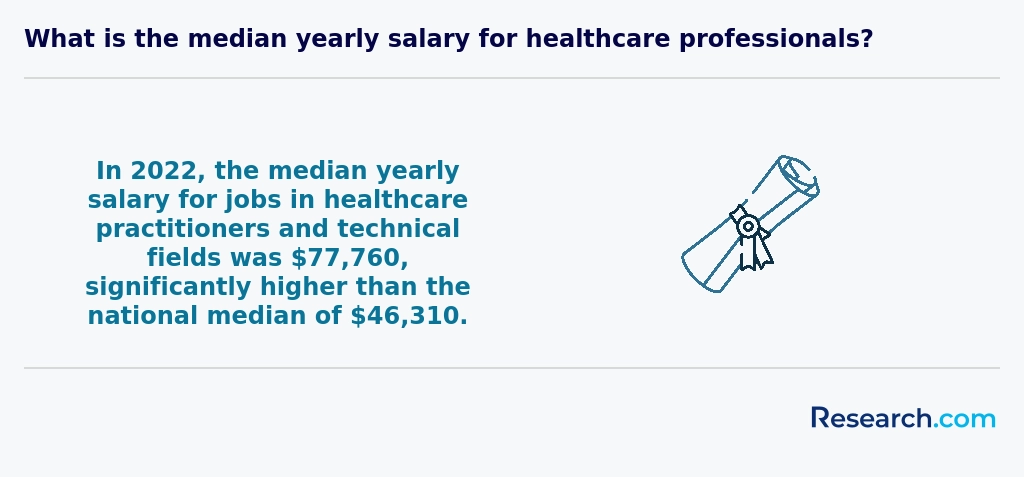
Graduates with healthcare degrees in College Station commonly pursue diverse career paths, reflecting the region's growing demand for healthcare professionals. Many enter clinical roles such as registered nurses, medical technologists, or physical therapists, benefiting from hands-on training at institutions like Texas A&M University. Registered nurses, for instance, enjoy a median annual salary around $77,000 nationally, with projected job growth of 9% from 2022 to 2032. Other graduates advance into healthcare administration and management, working in hospitals, insurance companies, or government agencies, where salaries average over $100,000 annually.
Public health careers also attract College Station healthcare degree holders, with opportunities in epidemiology, health education, and policy analysis supported by increased state investment. Additional options include roles as clinical laboratory technologists, pharmacy technicians, health informatics specialists, occupational therapists, and healthcare research scientists. Students often find motivation in real-world experiences, understanding their degree's impact firsthand. Those concerned about expenses can explore information on nursing school cost, which remains competitive locally.
These healthcare career opportunities in College Station offer graduates stable, well-compensated positions with meaningful community impact.
What is the job market for healthcare degree in College Station?
The healthcare job outlook College Station remains strong due to steady population growth and the expansion of medical facilities in Brazos County. Graduates from local institutions such as Texas A&M University frequently find opportunities in regional hospitals and specialty clinics, especially in roles like registered nurses and health services managers. Many graduates describe a rewarding transition into the workforce, often securing positions that align well with their training and offer competitive salaries around $70,000 annually for nursing roles.
College Station healthcare career opportunities extend beyond traditional nursing, with increasing demand in health informatics, outpatient care, and rehabilitation services. Students pursuing degrees here benefit from affordable tuition and practical connections to employers, making the return on investment positive. These promising prospects help students feel confident and motivated about launching their careers locally.
For those exploring healthcare education, College Station's ecosystem of programs is complemented by resources found in other regions. For instance, students interested in broader perspectives sometimes compare options like healthcare education in Memphis, aiding them in making informed decisions about their paths.
Frequently Asked Questions About healthcare
Healthcare degree students in College Station can maximize their learning experience by combining classroom knowledge with hands-on practice. Local institutions often collaborate with nearby medical centers and clinics, providing internships that enhance practical skills. Engaging with clinical rotations early helps students understand real-world patient care dynamics.
Students should also leverage campus resources such as tutoring centers and study groups, which improve academic performance. According to the Texas Higher Education Coordinating Board, healthcare programs emphasizing experiential learning report higher graduate employment rates, with College Station graduates achieving over 85% job placement within six months.
Networking through healthcare-focused organizations in the region further supports career growth and skills development.
The healthcare field is evolving rapidly, creating new opportunities for students pursuing degrees in College Station. Emerging niches include telehealth, where technology advances allow remote patient monitoring and virtual consultations. According to the Texas Department of State Health Services, telehealth usage surged by over 50% during recent years, signaling lasting demand.
Another growing area is health informatics. This niche focuses on managing patient data and improving care through technology, a critical skill given the rise of electronic health records nationwide. Baylor College of Medicine and Texas A&M University emphasize the need for trained professionals in this domain.
Additionally, personalized medicine, which uses genetic information to tailor treatments, is gaining prominence. The Texas Medical Center highlights this as a cutting-edge sector with significant growth potential in Texas healthcare.
After completing a healthcare degree in College Station, preparing for the job market involves several strategic actions. First, students should seek internships and clinical experiences at local healthcare facilities to gain practical skills and build professional networks. Texas A&M University, a key institution in College Station, offers valuable resources through its career center and alumni network.
It's also important to obtain required certifications and licenses promptly, such as CPR, CNA, or state-specific healthcare licenses, depending on the chosen field. Staying informed about local healthcare employment trends through the Texas Workforce Commission can guide job searches effectively.
Finally, developing strong resume and interview skills tailored to healthcare roles increases employment chances in the competitive College Station market.
Employers hiring healthcare degree graduates in College Station prioritize strong clinical and communication skills. According to the Texas Workforce Commission, effective patient interaction and teamwork are crucial for positions in local hospitals and clinics. Graduates must also demonstrate proficiency in electronic health records (EHR) systems, as digital documentation is standard in most facilities.
Critical thinking and problem-solving abilities rank highly, with many employers seeking candidates who can manage complex patient care situations efficiently. Additionally, knowledge of healthcare laws and ethics, supported by coursework, is important to meet compliance standards in Texas medical settings. Adaptability to fast-paced environments is also valued.
Finding internships in College Station relevant to a healthcare degree involves multiple strategic steps. Start by exploring opportunities offered by Texas A&M University, which collaborates with local hospitals and clinics such as Baylor Scott & White Medical Center. These institutions often provide structured internship programs for healthcare students.
Utilize the University's Career Center, which regularly updates listings for healthcare internships within College Station and nearby areas. Networking through faculty members and attending healthcare-related career fairs can also uncover hidden opportunities.
Additionally, consider applying to internship programs at community health organizations and public health departments in Brazos County, as these often welcome healthcare interns seeking practical experience.
Online platforms like Handshake, used by many Texas universities, list numerous internships targeted at healthcare students in the region.
Earning a healthcare degree in College Station significantly enhances career mobility and advancement opportunities. The city's growing healthcare sector, supported by institutions like Baylor Scott & White Medical Center, offers diverse roles for degree holders. According to the Texas Workforce Commission, healthcare occupations in the College Station area are projected to grow by over 15% through 2030.
With a recognized degree, graduates can access specialized positions such as nursing, medical technology, or health administration. This formal education also meets licensure and certification requirements vital for upward movement in clinical and managerial roles.
Moreover, local employers often prioritize candidates with accredited healthcare degrees due to the rigorous training and practical skills they provide. As a result, degree holders enjoy competitive salaries and increased job security compared to non-degree workers in the region.
Studying for a healthcare degree in College Station offers strong preparation for interdisciplinary roles through curriculum integration and collaboration. Programs often emphasize teamwork among nursing, public health, and medical technology students, reflecting real-world healthcare settings.
Many institutions in College Station partner with nearby hospitals and clinics, providing practical experiences where students engage with professionals across different specialties. This exposure helps students develop communication and problem-solving skills essential for interdisciplinary work.
According to the Texas Higher Education Coordinating Board, healthcare programs in the area have seen a 15% growth in interdisciplinary course offerings over the past five years, enhancing opportunities for cross-field learning.
Such structured collaboration equips graduates to navigate complex healthcare environments efficiently and adapt to evolving patient care demands.
Choosing between a thesis and a non-thesis healthcare degree program in College Station depends on your career goals and learning preferences. A thesis program typically involves conducting original research, suitable for students interested in pursuing doctoral studies or research-oriented roles. Non-thesis programs focus more on coursework and practical skills, ideal for those aiming to enter the healthcare workforce quickly.
According to recent data from the Texas Higher Education Coordinating Board, College Station offers strong research facilities, particularly in healthcare, which can benefit thesis students. However, non-thesis degrees often have shorter completion times, averaging about 1-2 years, compared to 2-3 years for thesis tracks.
Students should consider advising options, available faculty expertise, and potential job placement rates when making their choice.
Students based in College Station interested in studying healthcare abroad have several pathways available through U.S. higher education programs offering international study options. Many Texas A&M University healthcare degrees include exchange programs or faculty-led trips to partner institutions worldwide, enhancing global medical perspectives. For example, nursing and public health students often participate in clinical rotations or internships in countries with diverse healthcare systems.
Additionally, students can pursue dual-degree or study-abroad programs accredited in both the U.S. and foreign institutions, allowing seamless credit transfer. According to the Texas A&M Office of Study Abroad, nearly 3,000 students from the university engaged in international experiences in recent years, a portion of whom studied healthcare fields.
These options help College Station students gain valuable cross-cultural skills crucial for modern healthcare careers.
College Station offers several part-time job opportunities that complement healthcare degree education. Students pursuing healthcare studies can gain practical experience by working as medical assistants or patient care technicians in local clinics and hospitals. Texas A&M University's proximity to healthcare facilities like Baylor Scott & White Medical Center provides valuable employment options. Additionally, jobs in medical research labs or as health information technicians help students develop technical skills relevant to healthcare careers.
According to the Texas Workforce Commission, healthcare support roles in the College Station-Bryan area are expected to grow by 15% from 2022 to 2032, enhancing part-time job availability for students. These positions foster hands-on learning while supporting academic progress.
Healthcare students in College Station benefit from a variety of networking opportunities tied to its strong academic and medical community. Texas A&M University, a major institution in College Station, offers healthcare students access to numerous student organizations, such as the Student Nurses Association and Pre-Health Society, which foster professional connections. The university's Health Science Center hosts regular seminars and career fairs, linking students with local hospitals and clinics.
Moreover, College Station is near large healthcare facilities, creating internship and volunteer possibilities that expand practical contacts. According to Texas A&M Public Health data, over 1,200 healthcare students engage annually in community partnerships, enhancing networking prospects.
Alumni networks play a vital role for healthcare degree students in College Station by providing connections to local healthcare employers. These networks often facilitate internships and job placements through partnerships with hospitals and clinics in the region. According to the Texas A&M University Health Science Center, students benefit from access to experienced professionals who offer mentorship and career advice.
Additionally, alumni events and online platforms create opportunities for students to stay informed about industry trends and continuing education. Studies show that graduates with strong alumni ties have a 20% higher employment rate within six months after graduation in healthcare fields nationwide.
Customizing a healthcare degree program in College Station involves selecting courses and specializations that align with your career goals. Many institutions offer flexible curriculum options, allowing students to focus on areas such as public health, health informatics, or nursing administration. You can often choose electives, internships, or research projects that target your interests.
Advisors play a key role in helping tailor your academic plan to meet local industry demands, especially given College Station's growing healthcare sector. According to the Texas Workforce Commission, healthcare jobs in the region grew by 15% between 2017 and 2022, highlighting diverse opportunities.
Students may also pursue certifications and practical experiences via partnerships with local hospitals and clinics to strengthen their resumes and skills.
Healthcare students in College Station face several common challenges typical of rigorous US healthcare programs. One major difficulty is managing the demanding coursework and clinical hours, which require strong time management skills. Students often report stress balancing academic responsibilities with clinical placements, particularly at nearby hospitals such as Baylor Scott & White Medical Center.
Another challenge is securing sufficient clinical experience, as competition for quality placements can be high given College Station's growing population and healthcare demands. Additionally, financial pressures are significant; statewide, healthcare students face average debt levels exceeding $50,000, making budgeting and financial aid crucial.
Finally, adapting to rapidly evolving healthcare technologies and maintaining up-to-date knowledge can be daunting but necessary to succeed in this competitive field.
With a healthcare degree in College Station, graduates can pursue a variety of professional certifications to enhance their careers. Common certifications include Certified Nursing Assistant (CNA), Registered Nurse (RN), and Licensed Practical Nurse (LPN) credentials. These are widely recognized and often required for direct patient care roles.
For those interested in specialized fields, certifications such as Certified Medical Assistant (CMA) or Certified Health Education Specialist (CHES) offer pathways into administrative or community health roles. Additionally, becoming a Certified Professional Coder (CPC) is an option for those aiming to work in medical billing and coding.
Institutions like Texas A&M University in College Station support students in preparing for these certifications, reflecting regional healthcare demands documented by the Texas Workforce Commission. These credentials are critical for employment and career advancement in the competitive healthcare sector.
When applying to a healthcare program in College Station, start by carefully reviewing the specific admission requirements of your chosen institution, such as Texas A&M University, which is the primary provider of healthcare degrees in the area. Strong academic performance, particularly in science courses like biology and chemistry, is crucial. Aim for a competitive GPA, often above 3.0, as reported by Texas A&M's admission statistics.
Clear, concise personal statements that highlight your passion for healthcare and relevant experience can significantly strengthen your application. Additionally, secure letters of recommendation from professionals or educators who can attest to your commitment and skills. Meeting deadlines and submitting all required documents increases your chances of acceptance.
The healthcare field is expanding globally, with strong demand for professionals who can manage diverse populations and evolving medical technologies. In the U.S., including College Station, healthcare careers offer stability and growth; the Bureau of Labor Statistics projects a 16% growth rate in healthcare occupations from 2021 to 2031. This reflects global trends emphasizing improved healthcare access and chronic disease management.
Internationally, healthcare roles increasingly involve cross-cultural competence and telemedicine skills, areas integrated into many U.S. healthcare degree programs. College Station benefits from its proximity to major medical centers, offering students exposure to advanced practices and research collaborations.
For students aiming at a global healthcare career, strong clinical and communication skills combined with understanding health policies in different countries are essential. This prepares graduates to contribute effectively in a worldwide context.
Students pursuing healthcare degrees in College Station can gain practical experience through local clinical placements, internships, and volunteer opportunities. Texas A&M University, a major institution in the area, partners with over 150 healthcare providers, offering hands-on training in hospitals, clinics, and community health centers. These experiences are vital for applying classroom knowledge and developing professional skills.
Additionally, many programs include simulation labs equipped with advanced healthcare technology, allowing students to practice procedures in a controlled environment. The Texas Workforce Commission reports that healthcare internships in College Station have increased by 12% since 2020, reflecting strong industry demand for experiential learning.
When choosing a concentration within a healthcare degree program in College Station, consider your personal interests and career goals. Healthcare offers diverse paths such as nursing, public health, health administration, and medical technology. Research local job market trends; for example, the Texas Workforce Commission reports strong demand for registered nurses and healthcare managers in the College Station area.
Evaluate program offerings at colleges like Texas A&M University, which provides specialized tracks aligned with regional healthcare needs. Accreditation and clinical opportunities are also key factors affecting your education quality and job readiness.
Reflect on salary prospects and growth; according to the U.S. Bureau of Labor Statistics, healthcare occupations in Texas are projected to grow faster than average through 2030. Visiting campus advisors or attending information sessions can further clarify best-fit areas for you.
Related Healthcare Rankings for Nearby Cities
- 2027 Most Valuable Healthcare Degree Programs Ranking in Baton Rouge
- 2027 Most Valuable Healthcare Degree Programs Ranking in Little Rock
- 2027 Most Valuable Healthcare Degree Programs Ranking in New Orleans
- 2027 Most Valuable Healthcare Degree Programs Ranking in Jackson
- 2027 Most Valuable Healthcare Degree Programs Ranking in Hattiesburg
- 2027 Most Valuable Healthcare Degree Programs Ranking in Wichita
- 2027 Most Valuable Healthcare Degree Programs Ranking in Mobile
- 2027 Most Valuable Healthcare Degree Programs Ranking in Birmingham
- 2027 Most Valuable Healthcare Degree Programs Ranking in Montgomery
- 2027 Most Valuable Healthcare Degree Programs Ranking in Columbia
Top Trending Healthcare Rankings
See What Experts Have To Say About Studying Healthcare
Read our interview with Healthcare experts

References
- 20 healthcare investment niches and 3 things to know: The evolution of ... https://blackbookmarketresearch.com/20-healthcare-investment-niches-and-3-things-to-know-the-evolution-of
- Is an Online Degree the Same as a Traditional Degree | Online Degree https://www.cambridgehealth.edu/online-degrees/get-an-online-degree/is-an-online-degree-the-same-as-a-traditional-degree/
- What Are the Differences in Salary Level for Different Degrees in Healthcare Management? | MHA Salary https://www.healthcare-management-degree.net/faq/what-are-the-differences-in-salary-level-for-different-degrees-in-healthcare-management/
- Eligibility & Financial Assistance | HealthPoint | Brazos Valley Doctors https://www.healthpoint-tx.com/patients/eligibility-and-financial-assistance/
- Employability Skills Matrix for the Health Sector https://www.skillsforhealth.org.uk/resources/employability-skills-matrix/
- Career Opportunities in Healthcare Without a Medical Degree https://www.just-medical.ch/en/blog/medical-careers-without-formal-education
- Pursuing Your Career Goals: Strategies and Examples https://www.ultimatemedical.edu/blog/career-goals-importance-strategies-and-examples/
- How to Write Your Cover Letter | NQRTH https://www.nqrth.edu.au/career-planning/how-to-write-your-cover-letter/
- How to Create a Healthcare Career Roadmap https://www.ihire.com/resourcecenter/jobseeker/pages/how-to-create-a-healthcare-career-roadmap
- Online Health Science Degrees with Financial Aid https://www.edumed.org/online-schools/health-science-degrees/financial-aid/


