
2027 Most Popular Healthcare Degree Programs Ranking in Topeka

Co-Founder and Chief Data Scientist
Choosing the right healthcare degree program in Topeka is an important step toward a rewarding career. This article introduces the 2027 Most Popular Healthcare Degree Programs Ranking in Topeka, created by the Research.com team of data scientists to provide clear, data-driven guidance.
By exploring this ranking, you'll discover which programs stand out and why. Whether you're just starting or considering a career change, understanding these options can help you make confident, informed decisions about your future.
Healthcare offers meaningful work and growth-find out which degrees match your goals and passions.
Key benefits of getting healthcare degree in Topeka
- Healthcare degree graduates in Topeka can earn competitive salaries, such as Medical Assistants making around $43,350 annually and Patient Care Technicians earning about $60,790 per year, offering financial stability and growth.
- Graduates from local schools, like Washburn University, often pursue diverse healthcare roles including Health Information Technicians and Clinical Research Coordinators, providing many fulfilling career options.
- Completing a healthcare degree online, for example through Washburn's online programs, offers flexible scheduling and convenient learning, helping busy students balance work and study effectively.
- Key benefits of getting healthcare degree in Topeka
- What can I expect from healthcare degree in Topeka?
- Where can I work with healthcare degree in Topeka?
- How much can I make with healthcare degree in Topeka?
- 2027 Most Popular Healthcare Degree Programs Ranking in Topeka
- Key Findings
- How long does it take to complete healthcare degree in Topeka?
- Emerging Trends in Healthcare Education & Future Career Opportunities
- What's the difference between online and on-campus healthcare degree?
- The Impact of Nutrition on Healthcare Outcomes
- What is the average cost of healthcare degree in Topeka?
- Alternative Certification Pathways: Medical Assistant Certification vs Degree
- What financial aid is available to healthcare degree students in Topeka?
- What are the prerequisites for enrolling in healthcare degree program in Topeka?
- Return on Investment for Healthcare Degrees in Topeka, KS
- What courses are typically in healthcare degree programs in Topeka?
- What types of specializations are available in healthcare degree programs in Topeka?
- How do you choose the best healthcare degree in Topeka?
- What career paths are available for healthcare degree students in Topeka?
- What is the job market for healthcare degree in Topeka?
- Top Trending Healthcare Rankings
- See What Experts Have To Say About Studying Healthcare
What can I expect from healthcare degree in Topeka?
The average cost of pursuing a healthcare degree in Topeka varies widely based on the type of institution and program chosen. Public universities like Washburn University typically offer more affordable tuition compared to private colleges. Graduates often report managing costs through a combination of scholarships, federal loans, and grants, which are readily accessible for accredited healthcare programs in the area.
For instance, students enrolled in nursing programs at Washburn University experience balanced expenses that reflect both quality education and practical clinical training partnerships with local hospitals such as Stormont Vail Health. These factors contribute positively to their overall educational satisfaction despite tuition costs.
A typical healthcare student in Topeka can anticipate investing in tuition fees that range from moderate for associate degrees to higher for advanced degrees like Master of Science in Nursing, yet many express confidence that these expenses are justified by strong employment prospects.
Given the 15% projected job growth in healthcare roles around Topeka through 2030, students find financial investment in their degrees increasingly worthwhile as they prepare for in-demand careers as registered nurses, medical assistants, or physical therapists.
Where can I work with healthcare degree in Topeka?
Graduates with healthcare degrees in Topeka find a variety of employment options driven by a strong local healthcare sector that employed over 20,000 workers in 2023. Many alumni from institutions like Washburn University secure roles in notable hospitals such as Stormont Vail Health and the University of Kansas Health System's St. Francis Campus, working as nurses, radiologic technicians, or health administrators. These positions provide hands-on patient care and management experience, which many graduates describe as both challenging and rewarding.
Beyond hospital settings, numerous graduates thrive in outpatient clinics, urgent care, and physical therapy centers across Topeka. These environments employ physician assistants, nurse practitioners, and dental hygienists, offering flexible careers with close patient interaction. Public health roles at organizations like the Shawnee County Health Department attract graduates passionate about community wellness, where they engage in health education and disease prevention programs.
With an aging population in the region, graduates also find meaningful opportunities in long-term care and rehabilitation facilities, specializing in elderly care and occupational therapy. Others leverage their healthcare degrees in administrative, research, or IT positions within education and insurance sectors, demonstrating the broad career paths accessible in Topeka's healthcare landscape.
How much can I make with healthcare degree in Topeka?
Graduates of healthcare degree programs in Topeka commonly find competitive earnings that reflect their specialized training. For instance, medical assistants typically start with an annual mean wage of about $43,350, while patient care technicians earn closer to $60,790. These figures align well with local demand and the quality of programs offered by institutions such as Washburn University and the University of Kansas Medical Center's local campus.
Health information technicians, an increasingly vital role in healthcare administration, earn around $43,380 annually in the area. Graduates stepping into clinical research coordination roles can expect similar earnings near $43,350, reflecting entry-level opportunities within research-focused healthcare environments.
For those pursuing more advanced or specialized paths, quality improvement coordinators command significantly higher wages, about $103,150 per year. This salary level highlights the lucrative potential for graduates continuing professional development and applying their degree toward leadership roles in Topeka's healthcare settings.
Recent graduates from local colleges often express satisfaction with the real-world readiness their programs provide and the steady path to increasing income. They find that the integration of practical experience and classroom learning prepares them for the growing healthcare market in the region, supporting both their career ambitions and financial stability.
2027 Most Popular Healthcare Degree Programs Ranking in Topeka
How do we rank schools?
Investing in your education is a significant decision that can shape your future, and the Research.com team understands the importance of making informed choices. To assist prospective students in Topeka, we have meticulously crafted the "2027 Most Popular Healthcare Degree Programs Ranking in Topeka." Our commitment to quality, credibility, and accuracy is reflected in the extensive research and analysis conducted to compile this ranking.
We utilized the following reputable data sources to ensure a comprehensive evaluation of healthcare programs:
By exploring this ranking, readers will gain valuable insights into the most popular healthcare degree programs in Topeka, helping them make well-informed decisions about their educational paths. For more details on our methodology, please visit our Research.com methodology page.
# 1 position
Washburn University
Bachelor of Health Science

# 2 position
Rasmussen University-Kansas
Bachelor of Science in Nursing

# 3 position
Washburn University
Master of Science in Nursing
Key Findings
- Healthcare degrees in Topeka typically cost between $6,000 and $12,000 per year for in-state students, depending on the program and institution.
- Entry-level healthcare jobs in Topeka offer starting salaries from $40,000 to $50,000 annually, varying by role and credentials.
- Experienced registered nurses earn between $55,000 and $75,000, with advanced roles and degrees potentially exceeding $80,000 per year.
- Major medical centers like Stormont Vail Health and University of Kansas Health System provide strong job opportunities in nursing, medical assisting, and radiologic technology.
- Topeka's low cost of living helps healthcare graduates maintain a balanced budget while advancing their careers.
How long does it take to complete healthcare degree in Topeka?
Completing a healthcare degree in Topeka typically depends on the program level and field of study. Associate degrees, commonly pursued in medical assisting or nursing, usually take around two years at community colleges or technical schools. Graduates from these programs often express satisfaction with entering the healthcare workforce quickly and gaining practical skills.
Bachelor's degrees, such as those in registered nursing or health administration offered by institutions like Washburn University, generally require about four years of full-time study. Graduates frequently highlight the strong academic support and local accreditation that prepare them well for professional roles.
Advanced degrees, including master's programs in healthcare administration or nurse practitioner tracks, add two to three years beyond the bachelor's level. Many students appreciate Topeka-based options that offer part-time and evening classes, allowing them to balance work and study, though this flexibility can lengthen completion time.
While Topeka lacks a dedicated medical school, prospective physicians must attend out-of-state institutions for four years of medical education, followed by residency training. This recognizes the extended timeline needed for those aiming at licensed physician roles.
Emerging Trends in Healthcare Education & Future Career Opportunities
As the healthcare industry evolves rapidly, understanding emerging trends can give students a strategic advantage when selecting a degree program in Topeka, KS. Innovative technological advancements-such as telemedicine, artificial intelligence in diagnostics, and electronic health record systems-are reshaping the landscape of healthcare delivery and management. Integrating training on these subjects into educational programs ensures that graduates are well-equipped to adapt to future challenges and seize new opportunities. Recent shifts in global health demands have accelerated the adoption of hybrid learning models and virtual simulation labs, allowing students to experience real-world scenarios in safe, controlled environments. This modernization of the classroom not only enriches the learning experience but also enhances the technical expertise of graduates entering a competitive job market. For example, many institutions are now partnering with industry leaders, highlighting programs like the most popular healthcare school to showcase their commitment to leveraging cutting-edge resources and fostering innovative thinking. In addition, soft skills such as critical thinking, leadership, and cultural competence are increasingly emphasized alongside technical training. As healthcare becomes more patient-centric and collaborative, professionals who can effectively communicate and work within diverse teams are in high demand. By keeping an eye on these emerging trends, prospective students can better align their educational choices with future market needs, positioning themselves for long-term success in an ever-evolving field.
What's the difference between online and on-campus healthcare degree?
Healthcare degree programs in Topeka differ primarily in delivery and experience between online and on-campus formats. On-campus students at popular institutions like Washburn University benefit from direct interaction with instructors and hands-on training in labs and clinical practicum settings. Graduates often describe this immersive environment as invaluable for mastering practical skills essential in nursing or radiologic technology.
Conversely, online programs offer flexibility ideal for working professionals or those balancing family, as evidenced by students at Baker University's online healthcare courses. These students appreciate the convenience of accessing lectures and discussions remotely, though they must arrange local clinical hours, which requires proactive scheduling.
Tuition in Topeka reflects national trends, typically ranging from $7,000 to $15,000 annually, with public universities generally more affordable. Online options may sometimes reduce costs due to fewer campus facility fees but do not guarantee lower tuition. For many, the choice hinges on personal discipline and career goals, balancing the structured campus setting with the adaptable pace of online study.
The Impact of Nutrition on Healthcare Outcomes
Integrating nutrition into healthcare education offers a holistic perspective that enhances patient care and overall wellness. With a growing understanding of how diet and lifestyle directly influence health, graduates can leverage nutritional knowledge to better support treatment plans and preventive strategies across various healthcare settings. This interdisciplinary approach not only broadens the scope of clinical practice but also creates opportunities for specialized roles within community health programs and clinical research. As healthcare professionals strive to deliver comprehensive care, examining nutrition’s role becomes essential. For those looking to expand their expertise, exploring what are the best online nutrition programs can provide valuable insights on combining nutritional science with traditional healthcare degrees. This additional knowledge can be a significant asset, fostering improved patient outcomes and driving innovative practices in health management.
What is the average cost of healthcare degree in Topeka?
The average cost of a healthcare degree in Topeka for in-state students is approximately $9,945 in total, which offers a relatively affordable pathway compared to national figures. Graduates from institutions like Washburn University and Washburn Institute of Technology often share positive reflections on managing tuition combined with fees, textbooks, and supplies. They typically see the total financial commitment as reasonable when considering the quality of education and opportunities in healthcare fields available locally.
Those pursuing healthcare degree tuition and fees Topeka residents face can vary notably by program level. For example, associate degrees in nursing or allied health specialties usually fall closer to the lower end of tuition costs, often between $4,500 and $7,000 annually. Bachelor's degree students at Washburn University might expect higher tuition, generally ranging from $7,500 to $11,000 per year, but still at a competitive price point that encourages enrollment and completion.
Additional expenses include clinical requirements, lab supplies, and certification fees, which can add $2,000 to $4,000 yearly. Despite these costs, many healthcare students in Topeka feel supported by the availability of scholarships and federal aid programs. These financial aids significantly reduce the burden, making the cost more accessible and less daunting.
For those seeking hands-on experience, some programs incorporate virtual laboratory experiences to supplement in-person training, enhancing practical skills without increasing cost substantially. This blend often helps students balance workload, expenses, and professional readiness effectively.
Alternative Certification Pathways: Medical Assistant Certification vs Degree
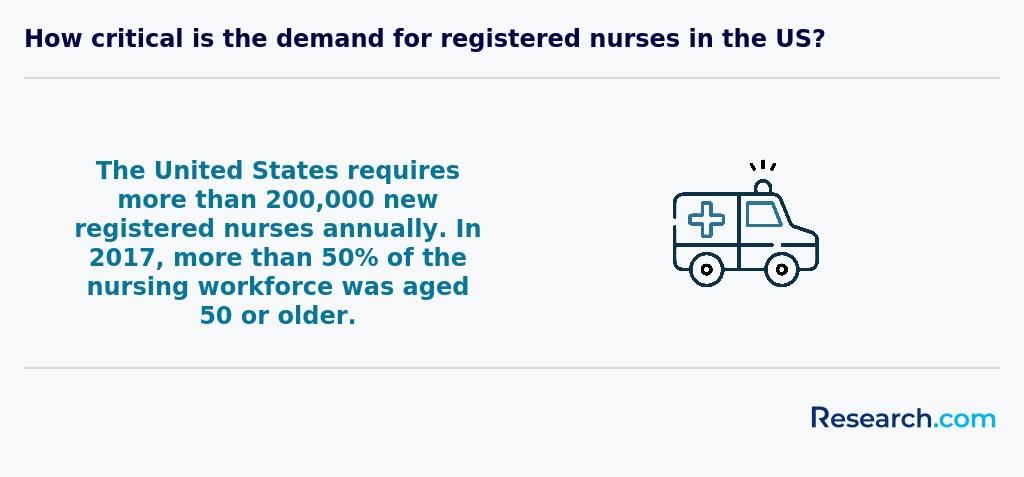
For many aspiring healthcare professionals in Topeka, KS, pursuing a shorter certification can be an efficient way to enter the workforce and gain practical skills without committing to a full degree program. While a traditional healthcare degree offers broad theoretical knowledge and diverse career opportunities, a medical assistant certification focuses on the hands-on skills employers demand in clinics and outpatient settings. By comparing time-to-completion, costs, and potential earnings, students can make informed decisions about their educational investment. Time and Curriculum • Certificate programs typically range from 9 to 12 months, compared to 2–4 years for associate and bachelor’s degrees. • Core courses emphasize clinical techniques-vital signs, phlebotomy, EKGs-whereas degree programs add coursework in healthcare administration, ethics, and community health. Cost Comparison • A full associate degree may cost between $20,000 and $30,000, plus additional fees and living expenses. • For a more streamlined option, explore the cost of medical assistant certification to find programs under $5,000 that include exam preparation and externship placements. Career Outlook and Earnings • Medical assistants in Topeka earn an average of $34,000–$38,000 annually, with entry-level positions available upon certification. • Degree holders can command higher starting salaries-often exceeding $45,000-but may require additional licensure or credentialing. Return on Investment • Certification programs often offer a payback period of under two years, making them attractive for career changers or working adults. • Degrees yield long-term benefits in promotional opportunities and earning potential, particularly for roles in management or specialized clinical areas. Choosing the Right Path • If rapid entry into healthcare is a priority, certification provides immediate employability and practical experience. • For those aiming at leadership roles, advanced practice, or teaching, investing in a degree remains the most strategic choice.
What financial aid is available to healthcare degree students in Topeka?
Healthcare students in Topeka benefit from several key financial aid opportunities that ease the average program cost of $7,000 to $15,000 per year. Graduates from Washburn University and other local colleges often cite Federal Pell Grants as critical, receiving up to $7,395 annually without repayment obligations. Completing the FAFSA is essential for accessing these funds as well as Federal Direct Loans, which offer manageable repayment plans after graduation.
State support is also significant. The Kansas Comprehensive Grant Program helps eligible undergraduates attending accredited Topeka institutions, often reducing tuition costs by several thousand dollars. Students recall applying early to maximize this benefit, which greatly lightened their financial burden.
Local scholarships from organizations like the Topeka Community Foundation supplement aid for nursing and allied health students, rewarding strong academics and community engagement. Work-study options available on campuses allow students to gain healthcare experience while earning income, a dual advantage cited by many recent graduates.
Moreover, some Topeka healthcare employers provide tuition reimbursement or loan repayment, encouraging continued education and career growth. This combination of federal, state, institutional, and employer-sponsored aid helps students pursue healthcare degrees confidently.
What are the prerequisites for enrolling in healthcare degree program in Topeka?
To enroll in a healthcare degree program in Topeka, applicants must present a high school diploma or GED as a fundamental entry requirement. Popular institutions like Washburn University and Washburn Institute of Technology often expect completion of prerequisite courses such as biology and chemistry to ensure students can handle rigorous healthcare curricula. Graduates from these programs frequently recall how mastering these foundational sciences made advanced subjects more approachable and confidence-building.
Some colleges in Topeka still require SAT or ACT scores, though this is becoming less common, reflecting national trends toward test-optional policies. Applicants also need to provide academic transcripts and sometimes letters of recommendation that spotlight their aptitude and commitment to healthcare roles. Many graduates attest that having strong recommendations significantly enhanced their acceptance chances.
Because healthcare involves patient contact, background checks and up-to-date immunization records are standard prerequisites to ensure safety. Financially, students should be prepared, with average tuition costs ranging from $8,000 for community college certificates to over $35,000 for bachelor's degrees at public universities in Kansas. Alumni stress the importance of early financial aid research to alleviate monetary concerns.
Return on Investment for Healthcare Degrees in Topeka, KS
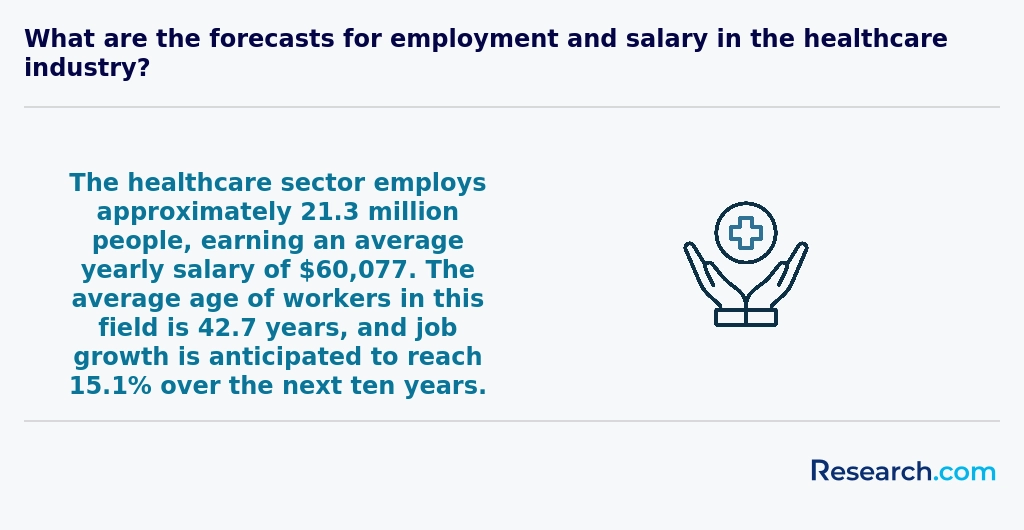
Understanding the return on investment (ROI) for a healthcare degree in Topeka, KS is essential for making financially sound decisions. By comparing total program costs, average graduate salaries, and payback periods, prospective students can forecast how quickly their education will pay dividends. Estimated Costs vs. Earnings
- Average Total Cost: $25,000–$50,000 (tuition, fees, books, and living expenses for associate and bachelor’s programs)
- Entry-Level Salary: $41,260 (Health Information Technician) to $55,860 (Patient Care Technician)
- Mid-Career Salary: $65,000–$80,000 for specialized roles (e.g., healthcare administration, informatics) Payback Period With an average annual salary of $55,000, an associate degree holder earning $41,000 per year can recoup a $25,000 investment in under three years, while bachelor’s degree graduates may see full ROI within four to six years, depending on specialization and financial aid. Maximizing Your ROI
- Secure Financial Aid Early: Leverage federal grants (FAFSA), state scholarships, and work-study programs.
- Part-Time Work & Internships: Gain experience and offset living costs while studying.
- Compare Alternative Programs: For students seeking lower tuition without sacrificing quality, consider our Inexpensive Online Healthcare Degree Programs Ranking in Ohio for cost-effective online pathways. By analyzing ROI metrics and exploring affordable alternatives, students in Topeka can confidently select healthcare programs that align with both career goals and financial realities.
What courses are typically in healthcare degree programs in Topeka?
Healthcare degree programs in Topeka typically include core courses that build a strong foundation in medical and health sciences. Graduates from institutions like Washburn University often reflect positively on courses such as Anatomy and Physiology, which offers detailed insights into the human body's structure and functions-knowledge critical in clinical settings.
Students also engage deeply with Microbiology and Medical Terminology, essential for understanding infectious agents and effective communication within healthcare teams. Healthcare Ethics and Law courses prepare students to handle real-world legal and moral challenges, often discussed through case studies relevant to Kansas healthcare regulations.
Practical learning is emphasized through Clinical Practicums or Internships at leading local facilities such as Stormont Vail Health. These hands-on experiences build confidence in Patient Care Techniques, with students gaining skills in nursing basics and emergency responses. Health Informatics courses introduce managing electronic health records, reflecting the growing demand for tech-savvy professionals in Topeka's medical workforce.

What types of specializations are available in healthcare degree programs in Topeka?
Healthcare degree specializations in Topeka typically include Nursing, Health Administration, and several technical fields. Nursing remains a top choice, with many graduates from local colleges securing roles as Registered Nurses or Nurse Practitioners at facilities like Stormont Vail Health. These students often express satisfaction with the hands-on clinical experiences offered by Topeka universities, which align well with local employer needs. Health Administration programs are designed to prepare students for managing healthcare organizations, covering essential areas such as healthcare law and finance. These programs respond to the region's growing demand for skilled managers, with statistics forecasting a 28% growth in healthcare management jobs through 2031.
Topeka healthcare program specialization options also include Medical Laboratory Technology, Physical Therapy, Public Health, and Radiologic Technology, each offering practical skills directly applicable to area hospitals and clinics. Graduates frequently highlight the value of training workshops and internships provided by popular local institutions. Additionally, some colleges offer affordable certificate programs in Surgical Technology and Medical Coding, addressing workforce needs efficiently. For students interested in aging populations, gerontology career information is also accessible through related coursework.
How do you choose the best healthcare degree in Topeka?
Choosing the best healthcare degree programs in Topeka involves evaluating degree types, costs, and program quality. Community colleges like Washburn University offer affordable healthcare degrees Topeka 2027 can support, with tuition ranging from $4,000 to $6,000 annually, compared to higher costs at four-year institutions. Graduates often emphasize the value of accredited programs that partner with local hospitals such as Stormont Vail Health, ensuring access to internships and clinical experiences that boost employment chances.
Data-driven students consider graduation and employment rates carefully. For example, nursing graduates report strong local job placement due to area demand. Prospective students should also weigh long-term career flexibility, as certain healthcare degrees facilitate transitions into specialized roles or leadership positions.
Accessing financial aid and scholarships specific to healthcare fields in Topeka further improves affordability. Those seeking deeper insight into career pathways might explore nursing degrees kentucky job prospects as a comparative model to inform decisions based on regional demand and program outcomes.
What career paths are available for healthcare degree students in Topeka?
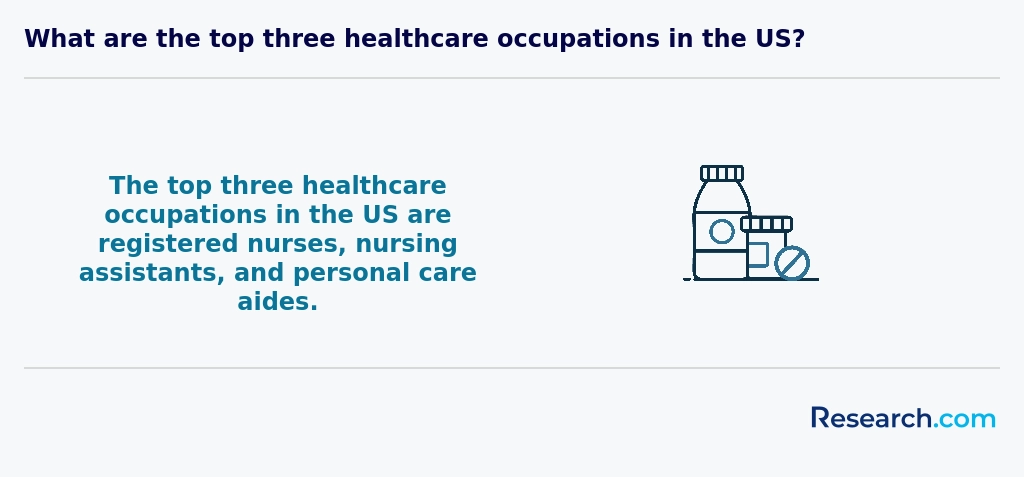
Healthcare degree career opportunities in Topeka include roles such as Registered Nurses (RNs) working at major hospitals like Stormont Vail Health, where graduates apply hands-on skills in fast-paced environments. Healthcare Administrators often find positions managing operations within both community clinics and large health systems in the region. Graduates from Washburn University and other local programs frequently become Medical Technologists or Laboratory Technicians, roles essential for diagnostic accuracy and patient care. Public Health Professionals focus on disease prevention initiatives in Topeka's diverse communities, addressing local health challenges with data-driven strategies. Physical and Occupational Therapists increasingly support patient recovery, reflecting demographic shifts toward an aging population. The best healthcare jobs with degree in Topeka offer graduates rewarding outcomes, with salaries advancing as expertise grows. Those interested in varying healthcare roles can also explore online nurse practitioner program costs to broaden their qualifications and job prospects in the area.
What is the job market for healthcare degree in Topeka?
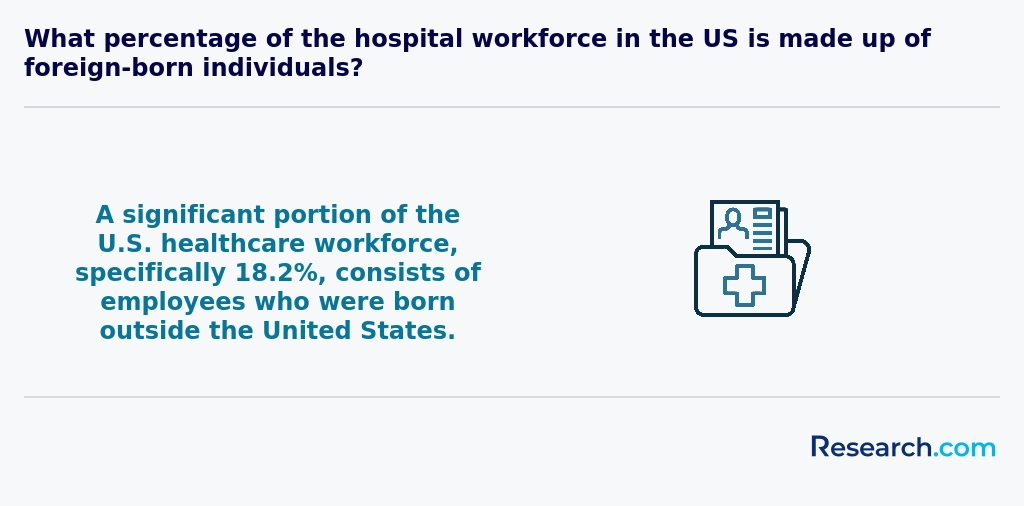
The healthcare job opportunities in Topeka remain robust, driven by a projected 15% growth in healthcare occupations over the next decade. This is notably faster than the average growth rate across all fields, largely due to the aging population increasing demand for medical services. Graduates from local colleges and universities specializing in healthcare fields often find employment with major employers like Stormont Vail Health and Ascension Via Christi Hospitals. Entry-level graduates with associate degrees report positive outcomes securing roles such as medical assistants and radiology technicians, while those with bachelor's degrees pursue careers in nursing, health administration, and specialized therapy.
Graduates from Topeka's programs frequently appreciate the balance between quality education and affordability, supported by community colleges and public universities offering competitive tuition. This makes the path to healthcare careers accessible and rewarding. Many students utilize online nursing courses florida universities to complement their education and increase job prospects. The strong local healthcare infrastructure and policies ensure graduates experience steady employment and opportunities for advancement, confirming an encouraging Topeka healthcare degree employment outlook.
Frequently Asked Questions About healthcare
Healthcare degree students in Topeka can maximize their learning experience by engaging in practical clinical opportunities offered through local hospitals such as Stormont Vail Health and the University of Kansas Health System. These institutions provide essential hands-on training that complements classroom knowledge.
Students should also take advantage of Topeka's growing demand for healthcare professionals, as reported by the Kansas Department of Labor, which predicts a 15% increase in healthcare jobs in the region by 2030. Networking through local healthcare associations and volunteer work can further enhance skills and employability.
Finally, leveraging technology and online resources recommended by academic advisors helps keep students updated with the latest healthcare advancements and standards.
The healthcare field in Topeka is expanding with several emerging niches offering promising career opportunities. One key area is telehealth, driven by increased demand for remote patient care, especially after the COVID-19 pandemic. According to the Kansas Department of Health, telehealth services in Topeka have grown by over 40% since 2020.
Another developing niche is healthcare informatics, which combines IT skills with healthcare knowledge to improve patient outcomes and facility management. Local hospitals in Topeka have reported a 25% increase in job openings related to data analysis and electronic health records.
Additionally, geriatric care is growing due to the aging population in the region. Specializations in elder care and chronic disease management are increasingly popular among students pursuing healthcare degrees in Topeka.
After completing a healthcare degree in Topeka, preparing for the job market involves several key steps. Graduates should begin by obtaining relevant professional certifications and licensure necessary for their specific healthcare roles. For example, registered nurses must pass the NCLEX-RN exam to practice legally in Kansas.
Networking is crucial; connecting with local healthcare providers in Topeka, such as Stormont Vail Health and The University of Kansas Health System, can open job opportunities. Internships and clinical experiences gained during studies often lead to employment after graduation.
According to the U.S. Bureau of Labor Statistics, healthcare jobs in Topeka are projected to grow faster than average, making skill development important. Graduates should focus on both technical skills and soft skills like communication and teamwork to increase employability.
Employers in Topeka's healthcare sector prioritize a combination of technical and interpersonal skills in graduates. According to recent local industry surveys, proficiency in electronic health records (EHR) management is essential due to widespread digitalization in hospitals and clinics. Strong communication skills are also highly valued, as healthcare professionals must interact clearly with patients and multidisciplinary teams.
Critical thinking and problem-solving abilities are crucial for adapting to fast-paced environments like Stormont Vail Health and local outpatient centers. Additionally, employers seek candidates with a solid understanding of medical terminology and clinical procedures, which enhances patient care quality. Attention to detail and adherence to safety protocols are fundamental skills emphasized by regional healthcare employers.
Finding internships in Topeka related to healthcare degrees involves connecting with local healthcare providers and educational institutions. Topeka hosts several hospitals, including Stormont Vail Health and the University of Kansas Health System's St. Francis Campus, which offer internship and clinical placement opportunities.
Students should also explore programs at Washburn University, which collaborates with healthcare employers to facilitate internships for nursing, public health, and other healthcare students.
Additionally, the Kansas Department of Labor provides resources and listings for healthcare internships across Topeka. Networking events and job fairs held annually in the city can increase chances of securing a position.
According to the Kansas Hospital Association, healthcare internships in Topeka often lead to full-time employment, making early engagement important for career progression.
Obtaining a healthcare degree in Topeka significantly enhances career mobility and advancement opportunities. The region's growing healthcare sector, supported by institutions like Stormont Vail Health and Kansas Heart Hospital, demands qualified professionals across various specialties. According to the Kansas Department of Labor, healthcare occupations in Topeka are expected to grow by 15% through 2030, outpacing many other industries.
A degree offers a clear pathway to entry-level positions and provides credentials necessary for promotions into supervisory or specialized roles. Employers often prioritize candidates with accredited degrees for advanced roles such as nurse practitioners or healthcare administrators.
Additionally, completion of a local degree program facilitates networking within the Topeka healthcare community, improving chances for career advancement locally.
Studying for a healthcare degree in Topeka equips students with skills essential for interdisciplinary roles by fostering collaboration across various healthcare fields. Many local programs emphasize teamwork, combining nursing, public health, and health administration curricula. This approach reflects Topeka's diverse healthcare sector, including facilities such as Stormont Vail Health and the University of Kansas Health System with multiple specialties.
Programs often incorporate practical experiences in clinical and community settings, enabling students to work alongside professionals from different disciplines. According to the Kansas Board of Regents, more than 60% of healthcare graduates in Topeka engage in roles requiring cross-disciplinary communication.
This educational environment prepares students to navigate complex healthcare systems effectively and adapt to evolving patient needs in integrated care settings.
Choosing between a thesis and a non-thesis healthcare degree program in Topeka depends largely on your career goals and learning preferences. A thesis option involves conducting original research and writing a detailed paper, which suits students aiming for research roles or doctoral studies.
Non-thesis programs focus more on practical skills and coursework, ideal for professionals pursuing leadership or clinical positions in Topeka's healthcare sector. According to the Kansas Board of Regents, healthcare jobs in Topeka are projected to grow by 12% through 2030, emphasizing applied skills.
Consider your time commitment as thesis programs often require more time and critical thinking. Non-thesis paths may offer more flexibility for working students.
Students in Topeka seeking to study healthcare abroad have several pathways to consider. Many begin by enrolling in pre-health or nursing programs at local institutions like Washburn University, which offers advising for international study opportunities. Popular destinations include Canada, the United Kingdom, and Australia, known for reputable healthcare education and clinical training.
Additionally, U.S. accreditation bodies such as the Commission on Collegiate Nursing Education (CCNE) and the Liaison Committee on Medical Education (LCME) recognize some foreign programs, which can ease licensure upon return. Students should verify this if planning to practice in the U.S.
Scholarships and exchange programs through organizations like EducationUSA can support students financially. According to the Institute of International Education, healthcare remains a leading field for U.S. study abroad participants, reflecting its global demand.
Students pursuing healthcare degrees in Topeka can benefit from various part-time job opportunities that align with their academic goals. Positions such as medical assistants, patient care technicians, and pharmacy aides offer valuable hands-on experience while supporting local healthcare providers. According to the Kansas Department of Labor, healthcare support roles in Topeka grew by approximately 7% from 2020 to 2023, reflecting increased demand.
Many hospitals and clinics in Topeka, including Stormont Vail Health, frequently hire part-time workers, providing a practical environment for learning clinical skills. These roles often have flexible hours, suitable for balancing coursework and work.
Healthcare students in Topeka benefit from several valuable networking opportunities that can enhance their career prospects. Local colleges and universities, such as Washburn University, host healthcare-specific events, including guest lectures and career fairs, which connect students with professionals in nursing, public health, and allied health fields.
In addition, the Kansas Association of Health Care Providers offers meetings and workshops in Topeka, providing a platform for students to engage with experienced practitioners and industry leaders. These events facilitate mentorship and professional development. According to the Kansas Department of Labor, healthcare remains one of the fastest-growing sectors in Topeka, increasing the demand for well-connected graduates.
Students can also join local chapters of national organizations like the American Medical Student Association and the National Student Nurses' Association, which frequently hold local events.
Alumni networks provide valuable support to healthcare degree students in Topeka by connecting them with experienced professionals. These connections often lead to mentorship opportunities, which enhance students' practical knowledge and career readiness. For example, Washburn University's healthcare programs report active alumni participation in guiding current students.
Networking through alumni can also improve job placement rates. In Topeka's healthcare sector, which saw a 7% growth in employment between 2020 and 2023 according to the Kansas Department of Labor, these connections facilitate introductions to local hospitals and clinics.
Furthermore, alumni often share industry insights and local healthcare trends, helping students stay updated on regional challenges and innovations. This localized knowledge is crucial for graduates entering Topeka's evolving healthcare market, which supports over 15,000 healthcare workers.
Customizing a healthcare degree program in Topeka allows students to align their education with specific career goals. Many local colleges offer flexible curricula, enabling you to choose electives in areas like nursing, health administration, or medical technology. You can also pursue internships or clinical rotations at nearby healthcare facilities such as Stormont Vail Health, giving practical experience tailored to your interests.
Advisors often help students design their course plans to include certifications or specializations, which can improve job prospects in the Kansas healthcare market. According to the Kansas Department of Labor, healthcare occupations in Topeka are projected to grow by over 10% through 2030, highlighting the value of targeted training.
Consider schools accredited by recognized bodies, as this ensures transferability of credits and eligibility for financial aid. Ultimately, customizing your degree involves a combination of course selection, practical experiences, and certifications that support your chosen career path.
Healthcare students in Topeka often face challenges typical of rigorous healthcare programs across the U.S., including demanding coursework and clinical requirements. Balancing studies with unpaid internships or clinical rotations can create financial and time-management pressures.
The availability of clinical placement sites in Topeka may be limited due to competition among students from multiple institutions, affecting hands-on learning opportunities. According to the Kansas Board of Regents, this can delay graduation timelines for some students.
Mental health stress is another concern. A 2023 survey by the American College Health Association found that healthcare students nationwide report higher anxiety levels compared to other fields, a pattern reflected in Topeka's campuses.
Additionally, students must navigate evolving healthcare technologies and regulations, requiring continuous adaptation to stay current in their field.
With a healthcare degree in Topeka, you can pursue several professional certifications that enhance your career prospects. Common certifications include Certified Nursing Assistant (CNA), Licensed Practical Nurse (LPN), and Registered Nurse (RN). These credentials are essential for many clinical roles and require passing state-approved exams.
Other certifications available include Certified Medical Assistant (CMA) and Emergency Medical Technician (EMT), which are valuable in outpatient and emergency care settings. According to the Kansas Department of Health and Environment, healthcare jobs in Topeka are growing by 12% annually, increasing demand for certified professionals.
Advanced certifications such as Certified Health Educator or Clinical Documentation Specialist also open doors to administrative and specialist roles. Certification requirements typically involve coursework, clinical hours, and licensure exams, aligning with national standards.
Writing a winning application for a healthcare program in Topeka requires careful preparation and attention to detail. Begin by researching the specific requirements of local institutions, such as Washburn University and the University of Kansas School of Medicine's campus in Topeka. Clearly highlight your passion for healthcare and relevant experience, including volunteer work or internships, which local programs highly value. Strong letters of recommendation and a well-written personal statement explaining your motivation and career goals are essential. According to the Kansas Board of Regents, healthcare fields here have seen a 12% job growth, emphasizing local demand. Tailor your application to emphasize commitment to serving the Topeka community and readiness for rigorous coursework.
The global perspective on a healthcare career emphasizes adaptability across diverse health systems. While healthcare education in the US, including Topeka, focuses on advanced medical training and technology, many countries prioritize community health and preventive care. This creates opportunities for professionals who can apply US-based clinical expertise worldwide.
In Topeka, healthcare jobs are growing rapidly, with a 15% increase expected through 2030, reflecting national trends from the Bureau of Labor Statistics. This growth highlights demand for professionals capable of working in multicultural environments and addressing global health challenges.
Many Topeka healthcare programs now include global health topics to prepare students for careers beyond US borders, reflecting an increasingly interconnected world.
Gaining practical experience while studying for a healthcare degree in Topeka is essential for career readiness. Many institutions partner with local hospitals like Stormont Vail Health and the University of Kansas Health System to offer clinical placements and internships. These opportunities allow students to apply classroom knowledge to real patient care. According to the Kansas Board of Regents, most accredited healthcare programs in the region require hands-on clinical hours as part of their curriculum.
Additionally, Topeka features various community health centers where students can volunteer or work part-time, enhancing their practical skills. This experience often improves job prospects after graduation.
Choosing the right concentration within a healthcare degree program in Topeka requires assessing both your interests and the local job market. Healthcare in Topeka is growing, especially in nursing, health administration, and public health fields, driven by the aging Kansas population, according to the Kansas Department of Labor.
Consider concentrations aligned with strong local demand. For example, registered nurses in Topeka earn a median salary around $68,000, and employment is projected to grow by 12% through 2030. Programs focusing on nursing, healthcare management, or medical technology can provide practical skills and job stability.
Also, explore program accreditation and connections with local healthcare providers like Stormont Vail Health, which can influence internship and employment opportunities.
Related Healthcare Rankings for Nearby Cities
- 2027 Most Popular Healthcare Degree Programs Ranking in Kansas City
- 2027 Most Popular Healthcare Degree Programs Ranking in Wichita
- 2027 Most Popular Healthcare Degree Programs Ranking in Lincoln
- 2027 Most Popular Healthcare Degree Programs Ranking in Omaha
- 2027 Most Popular Healthcare Degree Programs Ranking in Columbia
- 2027 Most Popular Healthcare Degree Programs Ranking in Springfield
- 2027 Most Popular Healthcare Degree Programs Ranking in Sioux City
- 2027 Most Popular Healthcare Degree Programs Ranking in Oklahoma City
- 2027 Most Popular Healthcare Degree Programs Ranking in Saint Louis
- 2027 Most Popular Healthcare Degree Programs Ranking in Memphis
Top Trending Healthcare Rankings
See What Experts Have To Say About Studying Healthcare
Read our interview with Healthcare experts

References
- Health Services Administration degree | Washburn University https://www.washburn.edu/academics/college-schools/applied-studies/departments/allied-health/bhs/health-services-admin.html
- 1 Healthcare Cover Letter Example https://www.tealhq.com/cover-letter-examples/healthcare
- Niche Markets in Healthcare: How to Find & Target https://nechayadvisors.com/blog/niche-markets-in-healthcare
- Healthcare Administration Certifications https://www.publichealthdegrees.org/careers/healthcare-administrator/certification/
- 20 healthcare investment niches and 3 things to know: The evolution of ... https://blackbookmarketresearch.com/20-healthcare-investment-niches-and-3-things-to-know-the-evolution-of
- How to choose a bachelor's in healthcare administration | edX https://www.edx.org/resources/how-to-choose-a-bachelors-in-healthcare-administration
- The Value of Healthcare Organization Alumni Associations https://consultqd.clevelandclinic.org/the-value-of-healthcare-organization-alumni-associations
- Medical Bill Help from University Health System, St. Francis ... https://dollarfor.org/medical-debt-help-topeka-university-health-system-st.-francis-campus/
- 6 Tips On Networking For Medical Professionals https://aaams.net/blog/how-to-network-in-the-medical-field-nurses/
- Challenges for Medical Students - Health Action Research Group https://www.healthactionresearch.org.uk/mental-health/challenges-for-medical-student/


