2027 Most Valuable Online Master's in Healthcare Degree Programs Ranking in Montgomery, AL

Co-Founder and Chief Data Scientist
Choosing the right healthcare master's program can be overwhelming, especially when you want a degree that truly holds value in Montgomery, AL. This article introduces the 2027 Most Valuable Online Master's in Healthcare Degree Programs Ranking in Montgomery, AL, created by the Research.com team of data scientists.
Designed to guide you toward informed decisions, this ranking highlights programs that balance quality, affordability, and career prospects. Pursuing a healthcare degree opens doors to meaningful work and growth. Reading this article will help you discover programs that fit your goals and inspire confidence in your educational journey.
Key benefits of getting online healthcare degree in Montgomery
- Salary for healthcare degree graduates: Healthcare Consultants in Montgomery earn an average annual wage of $115,530 and $55.54 per hour, while Healthcare Compliance Managers make around $80,190 annually with an hourly wage of $38.55, showing strong earning potential.
- Career paths: Graduates from Montgomery colleges often find rewarding roles in consulting and compliance management, opening doors to leadership positions and impactful healthcare projects.
- Benefits of online degrees: Earning your healthcare degree online lets you balance work and study with flexibility, just like many Montgomery online graduates, making education accessible and convenient without compromising quality.
- 2027 Most Valuable Online Master's in Healthcare Degree Programs Ranking in Montgomery, AL
- What can I expect from online healthcare degree in Montgomery?
- Where can I work with online healthcare degree in Montgomery?
What can I expect from online healthcare degree in Montgomery?
The average cost of an online healthcare degree in Montgomery typically ranges between $15,000 and $35,000, depending on the level and institution. Many students find this investment rewarding as they balance studies with work and family life, pursuing degrees from respected local schools known for their supportive online programs. Graduates often share how flexible payment options and financial aid have made these costs manageable, allowing them to focus on learning without overwhelming stress.
At universities near Montgomery, such as those offering nursing or health administration degrees, students appreciate affordable tuition paired with quality instruction. The ability to study asynchronously fits perfectly with busy schedules, making the cost feel worthwhile for the practical skills and career doors it opens. Students also benefit from the opportunity to complete clinical rotations at reputable local hospitals, enriching their learning experience while gaining hands-on insight in a familiar community.
Ultimately, the combination of competitive pricing, strong accreditation, and meaningful local connections makes pursuing an online healthcare degree in Montgomery a hopeful and attainable goal for many aspiring professionals.
Where can I work with online healthcare degree in Montgomery?
Graduates with an online healthcare degree from Montgomery's well-regarded universities quickly find exciting opportunities across the city's vibrant medical scene. Many step confidently into roles at Baptist Health, where healthcare managers and nursing supervisors shape patient care daily. Others embrace positions at Jackson Hospital, blending clinical expertise with leadership in dynamic healthcare teams. The sense of purpose felt by graduates working in these trusted institutions is inspiring-a chance to impact community health while advancing their careers.
Public health graduates often thrive at the Montgomery County Health Department, developing programs that educate and protect local families. Many reflect joy in contributing directly to community wellness through roles in policy and health education. Meanwhile, senior care facilities warmly welcome professionals who bring both compassion and expertise, creating rewarding careers supporting Montgomery's growing elderly population.
Graduates also report excitement entering healthcare consulting and insurance firms, where analyzing data and improving systems drives innovation. Overall, Montgomery offers a rich landscape for online healthcare degree holders eager to grow, lead, and make a meaningful difference.
Graduates with an online healthcare degree in Montgomery can look forward to rewarding career opportunities with strong earning potential. For instance, healthcare consultants in the area earn an impressive average salary of about $115,530 annually, enabling them to enjoy financial stability and professional growth. Meanwhile, healthcare compliance managers earn around $80,190 per year, reflecting a solid income for those focused on regulatory and quality assurance roles.
Many students from well-regarded local institutions in Montgomery balance their studies with work, seeing their online degree as a direct pathway to elevate their careers. Imagine starting in a nursing role and eventually moving into healthcare consulting or compliance management, unlocking salaries well above the city's average while contributing to improving patient care and healthcare systems.
This blend of flexibility and earning power empowers graduates to advance without pausing their lives, supporting their families and goals. With Montgomery's affordable living costs, these salaries translate into a comfortable lifestyle, making online healthcare degrees a smart investment for your future.
- Online healthcare master's degrees in Montgomery typically cost between $15,000 and $30,000, which is generally less expensive than on-campus programs.
- Entry-level salaries for healthcare graduates with a master's degree in Montgomery usually range from $55,000 to $65,000 annually.
- Experienced professionals can earn more than $85,000, reflecting growing demand and higher pay in the healthcare sector.
- The healthcare job market in Montgomery is expected to grow by about 10% over the next decade, outpacing many other industries.
- Many online programs partner with local hospitals to provide clinical placements, helping students gain practical experience and improve job prospects.
Completing an online healthcare degree in Montgomery is a rewarding journey that typically spans two to four years, depending on the degree level and your personal pace. Graduates from institutions like Alabama State University and Lawson State Community College often share how balancing part-time studies with work and family life allowed them to grow both professionally and personally.
Associate degrees usually take about two years full-time, but with flexible online options, part-time learners stretch their studies up to three years without pressure. Bachelor's degrees commonly require four years, yet many find accelerated tracks or credit for prior experience at local colleges shorten this to three years or less, making it possible to rise quickly in healthcare careers.
Master's programs, popular for advancing leadership skills in healthcare, often last around two years but can be tailored to fit your schedule over three or more years. These adaptable paths empower you to gain real-world skills while maintaining your current job, fostering confidence and accomplishment every step of the way.
Choosing between online and on-campus healthcare degrees in Montgomery offers inspiring options tailored to your lifestyle and goals. On-campus students at institutions like Auburn University at Montgomery enjoy rich face-to-face experiences-engaging directly with professors and peers in lively classrooms and labs, plus hands-on clinical practice through local healthcare partnerships. These daily interactions build strong professional networks and foster immediate support, creating a vibrant community feel.
Meanwhile, online healthcare learners embrace flexibility and independence. Graduates often reflect on the freedom to study on their own schedules, balancing family, work, and education seamlessly. Programs ensure quality with virtual simulations and arrange local clinical placements fitting each student's community, making advanced healthcare education accessible without relocating.
Montgomery students thriving in either path share a common pride: earning accredited degrees recognized by employers who value competence and dedication above all. Whether you choose the energetic campus life or the adaptable online route, your healthcare journey here is filled with opportunity, growth, and rewarding professional horizons.
In Montgomery, the average cost of an online healthcare degree provides a balanced pathway for aspiring students eager to advance their careers. Graduate students pursuing a healthcare master's degree will typically invest around $15,000 to $20,000 total tuition and fees for healthcare master's programs Montgomery Alabama. This makes advanced education both attainable and rewarding, as many graduates from popular local institutions like Auburn University at Montgomery and Troy University share how their affordable tuition helped them focus fully on mastering their skills rather than financial strain.
Undergraduate students at public universities experience in-state tuition averaging approximately $9,400 annually, which aligns well with the median in-state total cost of $14,130 for a healthcare degree in Montgomery. Online learners appreciate the flexibility and cost-efficiency, especially when considering additional fees that might add a few hundred dollars but often unlock valuable digital resources and technology access that enhance their learning experience.
Many students find encouragement through scholarship opportunities and employer tuition reimbursement, making the dream of a healthcare degree more achievable than ever. Those interested in accelerating their progress might explore options like the top associate degree in 6 months online, which provides a fast, practical route into healthcare fields.
The average cost of online healthcare degree in Montgomery AL, combined with the supportive academic environment, empowers ambitious students to invest in their futures with confidence and enthusiasm, embracing the journey toward impactful healthcare careers.
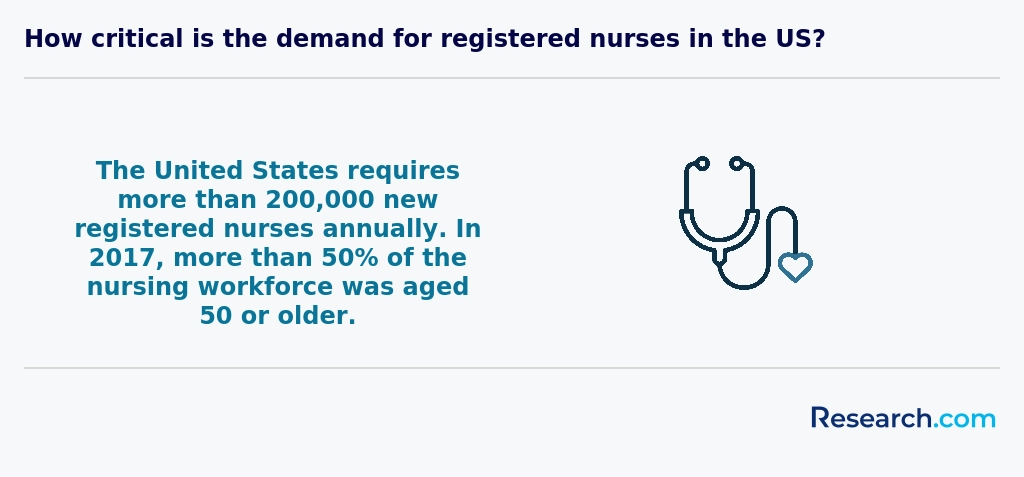
Many students pursuing online healthcare degrees in Montgomery find financial aid to be a true game-changer in turning their dreams into reality. Graduates from institutions like Auburn University at Montgomery and Faulkner University often share how completing the FAFSA opened doors to valuable federal aid such as Pell Grants, which ease the financial burden without adding debt.
State programs like the Alabama Student Assistance Program (ASAP) provide personalized support based on need, making it possible for students to focus more on learning and less on finances. Others have celebrated receiving scholarships from local organizations like the Alabama Nurses Association, which fuels their passion for nursing or health administration without the stress of overwhelming costs.
Federal and private student loans, with their flexible repayment plans, further empower aspiring healthcare professionals to invest confidently in their futures. Many healthcare employees in Montgomery also benefit from employer tuition assistance, proving that advancing their education is both achievable and encouraged within their communities.
To begin your journey in an online healthcare degree program in Montgomery, you'll need a high school diploma or GED as the first stepping stone. Graduates from well-known local colleges often recall how having a related bachelor's degree, especially in fields like nursing or biology, opened doors to master's programs with ease.
Many Montgomery students find that maintaining a solid GPA between 2.5 and 3.0 boosts their confidence and acceptance chances. Submitting official transcripts serves as a proud showcase of your academic efforts and dedication.
While some programs might ask for GRE scores, many are shifting toward flexibility, recognizing your unique strengths and experiences. Hands-on healthcare experience, such as certified nursing assistant roles or clinical work, often empowers students to connect deeply with their coursework and excel in their careers.
Imagine joining a vibrant virtual community at a Montgomery institution, supported by dependable internet and technology that keeps you engaged every step of the way. These prerequisites are not obstacles but milestones on your path to becoming a skilled healthcare professional ready to make a difference.

Online healthcare degrees in Montgomery offer a dynamic mix of courses that empower you to make a real difference in the community. Graduates from well-known local universities often highlight how core classes like healthcare systems, medical terminology, and ethics gave them the confidence to navigate complex patient care environments with compassion and expertise.
Many students find courses in healthcare informatics especially inspiring, as they learn to harness electronic health records and emerging technologies-skills highly sought after in Montgomery's growing healthcare tech sector. Leadership and management classes equip learners with tools for project oversight and strategic planning, preparing them to take on meaningful leadership roles in the city's bustling hospitals and health providers.
Specialized topics in public health and policy resonate deeply, addressing real challenges faced by Alabama's communities. Internships and capstone projects, often available through local universities, bring classroom knowledge into practice, helping students see their potential impact firsthand. This comprehensive curriculum truly sets the stage for a rewarding healthcare career rooted in Montgomery's vibrant healthcare landscape.
If you're exploring an online healthcare degree in Montgomery, you'll find dynamic specializations that truly fit your ambitions. Students from popular universities and colleges in Montgomery, who embarked on healthcare master's programs specializations in Montgomery Alabama, often highlight how these focused paths opened doors to fulfilling careers. Graduates cherish specializations like Healthcare Administration, where they learned to lead hospitals and clinics with confidence, making an impact in their communities.
Many also pursue Nursing specializations, such as nurse leadership or informatics, thriving as essential caregivers and innovators amid Montgomery's growing healthcare demand. Public Health is another inspiring choice, preparing students to tackle real-world challenges like chronic diseases faced by local populations, strengthening government and nonprofit efforts.
Health Informatics attracts those who love technology and data, enabling graduates to enhance Montgomery's expanding digital health systems. Physical Therapy and Rehabilitation specializations support graduates passionate about patient recovery and wellness after injury or surgery. For those wanting a more flexible journey, this diverse array of online healthcare degree specializations Montgomery AL offers truly life-changing opportunities to serve and grow.
Many students recommend checking resources for the easiest phd to get if you wish to combine advanced study with your healthcare passion.
Choosing the best online healthcare degree in Montgomery means focusing on what truly supports your dreams and lifestyle. Many graduates from well-known Montgomery colleges share how accreditation was a game-changer, ensuring their education met essential standards and opened doors in competitive local healthcare settings. For those seeking affordable options, exploring online programs that offer in-state tuition has made a huge difference, helping students embrace their passion without overwhelming debt-a perfect fit for anyone searching for affordable online healthcare programs Montgomery Alabama.
Flexibility also inspires success. Students balancing family and work have thrived with asynchronous courses, letting them study when life allows. Selecting a specialization that resonates with Montgomery's strong demand for nursing or healthcare management enhances the experience and career prospects, making studies feel rewarding and purposeful.
Many graduates highlight how choosing programs connected to Montgomery's healthcare community led to internships and jobs that transformed their ambitions into reality. If speed is key for you, consider checking out the quickest online master's degree options to start your journey without delay.

An online healthcare degree in Montgomery opens doors to dynamic and rewarding career paths tailored to a vibrant medical community. Graduates often find themselves thriving as Registered Nurses or Nurse Practitioners, responding to Alabama's growing demand with compassion and expertise. Others pursue leadership roles in Healthcare Administration, managing clinics or hospital departments where their decisions directly impact patient care quality. Some graduates step into Health Informatics Specialist positions, blending technology and medicine to improve healthcare delivery, a field rapidly expanding in Montgomery's evolving industry. Public Health professionals trained locally contribute to important community initiatives, addressing regional health challenges with real-world impact. Medical and Health Services Managers also play crucial roles, coordinating care while navigating complex regulations.
Students from popular Montgomery universities share stories of balancing rigorous online studies with hands-on experiences, motivated by the city's thriving healthcare networks. For those charting their futures, this flexible path offers both meaningful work and stable employment possibilities. Exploring programs at online schools fafsa approved further supports success in Montgomery's promising healthcare degree job opportunities.
The job market for online healthcare degree holders in Montgomery is thriving, driven by strong regional demand and a robust healthcare sector. Graduates from local institutions often find rewarding roles in healthcare administration, nursing leadership, and health informatics, benefiting from Montgomery's network of major employers like Baptist Health. Many students pursuing an online healthcare degree share inspiring stories of balancing work and study, confident that their efforts lead to fulfilling careers in growing fields.
With Montgomery healthcare degree employment outlook looking bright, professionals enjoy competitive salaries and diverse opportunities in hospitals, clinics, and public health organizations. By choosing flexible online programs from respected colleges, many graduate students have secured advancement while managing family and work commitments.
For those concerned about affordability, exploring the cheapest bachelors degree options in healthcare can open doors to well-paid jobs and sustained career growth, making online healthcare jobs in Montgomery AL an attainable and exciting goal.
2027 Most Valuable Online Master's in Healthcare Degree Programs Ranking in Montgomery, AL
Investing in your education is a significant decision that can profoundly impact your career and future opportunities. The Research.com team recognizes the importance of making well-informed choices and has dedicated extensive effort to ensuring the quality, credibility, and accuracy of the "2027 Most Valuable Online Master's in Healthcare Degree Programs Ranking in Montgomery, AL." Our comprehensive analysis is based on trusted and authoritative sources to provide prospective students with reliable guidance.
We utilized the following reputable data sources to compile this ranking:
By reviewing this ranking, readers will gain valuable insights into the most worthwhile online healthcare master's programs in Montgomery, AL, enabling them to make informed educational decisions. For more information on how our ranking was developed, please visit our Research.com methodology page.
# 1 position
Amridge University
Master of Professional Counseling


Frequently Asked Questions About healthcare
Students pursuing online healthcare degrees in Montgomery can maximize their learning by actively engaging with digital resources and local healthcare networks. The Alabama Department of Public Health reports rapid growth in healthcare services in Montgomery, increasing demand for skilled professionals. Leveraging local hospitals for virtual internships or practical experiences enhances understanding beyond coursework.
Participating in online study groups and discussion forums can also improve retention and foster professional connections. Time management is crucial due to the rigorous nature of healthcare programs; setting a consistent study schedule can prevent falling behind.
Accessing Montgomery public library's digital health databases provides credible research material at no cost, supporting academic success.
The healthcare industry in Montgomery, AL, is rapidly evolving, with emerging niches shaping career opportunities. One key area is telehealth, which has expanded significantly due to the COVID-19 pandemic, offering remote medical services through digital platforms. According to the Alabama Department of Public Health, telehealth usage increased by over 150% statewide since 2020.
Another promising niche is health informatics, where professionals manage data to improve patient outcomes. Montgomery's increasing adoption of electronic health records supports this growth.
Additionally, geriatric care management is rising in demand as the region's aging population grows, reflecting national trends described by the U.S. Census Bureau.
Preparing for the job market after completing an online healthcare degree in Montgomery requires strategic steps. First, gaining relevant clinical experience or internships is essential. Many local healthcare providers-including Baptist Health and Jackson Hospital-offer externships that can strengthen practical skills.
Networking is also important. Joining professional organizations like the Alabama Hospital Association can connect graduates with local job opportunities and mentors. Highlighting certifications such as Registered Health Information Administrator (RHIA) or Certified Professional in Healthcare Quality (CPHQ) enhances a resume, aligning with regional employer preferences.
According to the Alabama Department of Labor, healthcare employment in Montgomery is projected to grow by 15% through 2030, making it a promising job market.
Employers in Montgomery value healthcare graduates who demonstrate strong clinical skills combined with effective communication. Practical knowledge of patient care and familiarity with electronic health records (EHR) systems are crucial, as these tools are widely used in local hospitals such as Baptist Health and Montgomery Regional Medical Center.
Critical thinking and adaptability also rank highly, allowing professionals to navigate fast-paced healthcare environments efficiently. According to Alabama Department of Labor data, teamwork and cultural competence are essential due to the diverse patient population in Montgomery.
Additionally, healthcare employers seek graduates with leadership abilities and continuous learning mindsets to keep up with rapidly evolving medical technologies and regulations.
Finding internships in Montgomery for healthcare students involves leveraging local medical centers, clinics, and public health organizations. The city's largest employer, Baptist Health, frequently offers internships and externships for online healthcare degree students. Additionally, Alabama's Department of Public Health has connections for practical training in community health settings. Students should also explore partnerships between their online programs and Montgomery-area hospitals or agencies. Networking is key; attending local healthcare job fairs and joining professional associations like the Alabama Hospital Association can increase internship opportunities. According to Montgomery's Chamber of Commerce, healthcare employs about 15% of the city's workforce, highlighting strong demand for trained professionals seeking hands-on experience.
Obtaining an online healthcare degree in Montgomery significantly enhances career mobility by providing the necessary qualifications to meet the region's growing demand for healthcare professionals. According to the Alabama Department of Labor, healthcare occupations in Montgomery are projected to grow by 15% through 2030, well above the national average. This growth creates opportunities for individuals with advanced degrees to pursue specialized roles in nursing, healthcare administration, or health information management.
Online programs offer flexibility, allowing working professionals in Montgomery to gain credentials without disrupting their employment. Employers in the city increasingly recognize accredited online degrees, which can lead to promotions and higher salaries.
Additionally, healthcare employers in Montgomery report that candidates with master's degrees often demonstrate stronger leadership skills, aiding advancement into managerial positions. Data from Montgomery's healthcare job market suggests salary increases of up to 20% for professionals with master's credentials compared to those with only bachelor's degrees.
Studying for a healthcare degree online in Montgomery equips students with skills to work across various healthcare disciplines. Programs emphasize teamwork, communication, and leadership, essential for interdisciplinary roles. According to the Alabama Department of Public Health, Montgomery's growing healthcare sector requires professionals who can collaborate with nurses, doctors, administrators, and social workers effectively.
Online degrees often integrate case studies and simulations reflecting real-world scenarios in Montgomery-area healthcare settings. This hands-on approach helps students understand complex patient needs from multiple perspectives. Additionally, many programs include coursework in healthcare policy, informatics, and management, essential for bridging gaps between clinical and administrative teams.
The Montgomery metro area's healthcare employment is projected to grow by 12% through 2030, increasing demand for versatile professionals. Institutions like Alabama State University and Troy University partner with local hospitals to offer practicum opportunities, preparing students for collaborative environments.
When choosing between a thesis and a non-thesis online healthcare degree program in Montgomery, consider your career goals. Thesis programs focus on research and prepare students for doctoral studies or roles in academia. Non-thesis options emphasize practical skills, often preferred by professionals aiming for leadership or administrative positions in healthcare settings.
Montgomery's healthcare sector is growing, with a 12% projected employment increase in medical and health services management by 2029 (Bureau of Labor Statistics). This trend favors practical experience, often gained in non-thesis programs. However, if you seek to contribute to healthcare research, a thesis track can provide vital skills.
Also consider your time availability and interest in conducting independent research, which is mandatory in thesis programs but optional in non-thesis tracks.
Students located in Montgomery who wish to study healthcare abroad typically face limited direct options for fully online international degrees recognized in the US. Most accredited healthcare programs that serve Montgomery residents are offered domestically through online platforms. However, some US universities have partnerships with global institutions, allowing students to take courses abroad or complete clinical rotations internationally while earning a US-based degree.
Montgomery's healthcare industry, including major employers like Jackson Hospital and Baptist Health, emphasizes US-accredited education for licensure and employment. According to the Alabama Department of Public Health, healthcare careers in Montgomery require credentials from recognized US programs, which can be supplemented by short-term study abroad experiences rather than complete foreign degrees.
Therefore, students seeking an international dimension in their healthcare education often combine US online degrees with elective study abroad opportunities, maintaining compliance with US licensure standards.
Montgomery offers several part-time job opportunities that can complement healthcare degree education, especially for students pursuing online programs. Positions such as medical assistants, patient care technicians, and pharmacy aides provide valuable hands-on experience while accommodating class schedules. According to the Alabama Department of Labor, healthcare support occupations in Montgomery have a median hourly wage of approximately $15.50, indicating accessible entry-level roles.
Additionally, hospitals like Baptist Medical Center and Jackson Hospital frequently hire part-time workers in administrative and clinical support roles. These jobs help students develop practical skills and professional networks crucial to advancing in healthcare careers.
Online healthcare students in Montgomery benefit from several valuable networking opportunities despite the virtual format of their studies. Local universities often organize virtual meetups, alumni gatherings, and professional development webinars, connecting students with healthcare professionals across Alabama. For example, institutions like Auburn University at Montgomery provide access to regional healthcare conferences and workshops, which help build networks.
Montgomery's growing healthcare sector, with employers such as Jackson Hospital and Medical Center, offers students chances to engage in internships and clinical placements, fostering real-world connections. Additionally, membership in local chapters of national organizations like the American Medical Association can broaden professional circles.
Alumni networks play a crucial role for online healthcare degree students in Montgomery by providing ongoing professional support. These networks allow graduates to connect with peers and healthcare leaders throughout Alabama, enhancing career opportunities. According to the Alabama Hospital Association, local healthcare jobs are expected to grow by 15% through 2030, making networking essential for job placement.
Through alumni events, mentorship programs, and exclusive job boards, students gain insight into regional healthcare trends and employer expectations. This connection can be especially valuable for those studying online, as it helps build relationships outside a traditional campus setting. Networking also encourages knowledge sharing on best practices and continuing education.
Customizing an online healthcare degree in Montgomery allows students to align their education with specific career goals. Many programs offer elective courses in areas like health administration, nursing, or informatics, enabling students to specialize. Advisors often help tailor course selections based on individual interests and job market demands.
Montgomery's healthcare sector is growing, with a projected 10% increase in healthcare jobs by 2030 according to the Alabama Department of Labor. Online programs may include practicum or internship options in local healthcare facilities, providing practical experience.
Accreditation and flexible scheduling also support customization, letting students balance work, study, and personal responsibilities effectively.
Online healthcare students in Montgomery often face distinct challenges tied to the region's educational infrastructure and healthcare market. One major issue is limited access to local clinical placements. Unlike larger metropolitan areas, Montgomery has fewer large hospitals and specialized healthcare facilities, which makes securing required hands-on experience more competitive.
Connectivity can also be a hurdle. While Alabama has improved broadband access, some areas around Montgomery still experience unreliable internet service, affecting participation in live lectures and coursework. Additionally, balancing work, family, and studies is difficult, as many students are full-time healthcare professionals.
The National League for Nursing reports that students struggle with time management due to rigorous healthcare curricula. Finally, navigating state licensing requirements after graduation adds complexity for those pursuing online degrees, since Alabama has specific rules governing healthcare professionals' credentials.
With an online healthcare degree, students in Montgomery can pursue several professional certifications to enhance their careers. Common certifications include Certified Healthcare Administrator (CHA), Certified Professional in Healthcare Quality (CPHQ), and Registered Health Information Technician (RHIT). These certifications are widely recognized in the U.S. healthcare sector and can improve job prospects.
For example, the CHA is valuable for those interested in management roles, while the CPHQ targets quality assurance professionals. According to the U.S. Bureau of Labor Statistics, healthcare occupations are growing faster than average, especially in urban regions like Montgomery.
Many online programs prepare students for these certifications through specialized coursework aligned with national standards.
Writing a winning application for an online healthcare program in Montgomery begins with thorough research. Start by understanding the specific requirements of each institution, including prerequisites and documents needed. Emphasize your commitment to healthcare by detailing relevant experience or volunteer work, as local healthcare sectors, such as the Alabama Department of Public Health, highlight ongoing demand for well-trained professionals.
Craft a clear personal statement that outlines your goals and how the program aligns with Montgomery's healthcare needs. Include academic achievements and professional skills, demonstrating readiness for graduate-level study. Don't forget to secure strong recommendation letters from supervisors or professors familiar with your work.
Lastly, ensure your application is error-free and submitted on time to maximize your chances of acceptance.
The healthcare field offers numerous opportunities shaped by global trends and regional needs. In Montgomery, professionals benefit from aligning with international standards while addressing local health challenges. According to the U.S. Bureau of Labor Statistics, healthcare occupations are expected to grow 16% from 2021 to 2031, reflecting a strong demand nationwide.
Globally, healthcare careers emphasize cultural competence, technological advancements, and interdisciplinary collaboration. Montgomery's growing healthcare infrastructure supports these trends, with institutions like Baptist Medical Center contributing to community health and job growth.
Online healthcare degrees in Montgomery prepare students to meet these global and local demands, making them competitive in a rapidly evolving field.
Students pursuing an online healthcare degree in Montgomery can gain practical experience through local clinical placements and internships. Many accredited programs partner with area hospitals and clinics, such as Jackson Hospital and the Baptist Health system, offering hands-on training opportunities. These experiences are essential for meeting licensure requirements and developing real-world skills.
The Alabama Department of Public Health supports students by facilitating connections to community health settings for supervised practice. Additionally, virtual simulation labs are increasingly integrated into curricula, allowing students to practice procedures safely from home.
According to the Alabama Center for Healthcare Improvement, nearly 60% of healthcare employers in Montgomery prefer graduates with documented clinical experience.
Choosing the right concentration within an online healthcare degree in Montgomery starts with understanding your career goals. Popular concentrations include healthcare administration, nursing management, and public health. Consider local industry demand; Montgomery's healthcare sector employs over 30,000 professionals, with strong growth expected in administration and health informatics (U.S. Bureau of Labor Statistics, 2023).
Accreditation is crucial. Ensure programs are accredited by recognized bodies like the Commission on Accreditation of Healthcare Management Education (CAHME) or the Commission on Collegiate Nursing Education (CCNE). This guarantees quality and better job prospects.
Reflect on your professional background and personal interests. For example, if you enjoy leadership roles, healthcare management might suit you. Research salaries for different concentrations; healthcare administrators in Alabama earn a median of around $95,000 annually (Alabama Department of Labor, 2023).
- 2027 Most Valuable Online Healthcare Degree Programs Ranking in Orange Beach, AL
- 2027 Most Valuable Online Healthcare Degree Programs Ranking in Milledgeville, GA
- 2027 Most Valuable Online Healthcare Degree Programs Ranking in Jackson, MS
- 2027 Most Valuable Online Healthcare Degree Programs Ranking in Anderson, SC
- 2027 Most Valuable Online Healthcare Degree Programs Ranking in Nashville, TN
- 2027 Most Valuable Online Healthcare Degree Programs Ranking in Cleveland, MS
- 2027 Most Valuable Online Healthcare Degree Programs Ranking in Hammond, LA
- 2027 Most Valuable Online Healthcare Degree Programs Ranking in Memphis, TN
- 2027 Most Valuable Online Healthcare Degree Programs Ranking in Allendale, MI
- 2027 Most Valuable Online Bachelor's in Healthcare Degree Programs Ranking in Jacksonville, FL
See What Experts Have To Say About Studying Healthcare
Read our interview with Healthcare experts

- Pre-Med Study Abroad Programs | Go Overseas https://www.gooverseas.com/study-abroad/pre-med
- Employability Skills Matrix for the Health Sector https://www.skillsforhealth.org.uk/resources/employability-skills-matrix/
- Best Healthcare Degrees & Programs | Accredited Schools Online https://www.accreditedschoolsonline.org/healthcare/degrees/
- 20 healthcare investment niches and 3 things to know: The evolution of ... https://blackbookmarketresearch.com/20-healthcare-investment-niches-and-3-things-to-know-the-evolution-of
- Interdisciplinary Education and Practice https://www.aacnnursing.org/news-data/position-statements-white-papers/interdisciplinary-education-and-practice
- How to choose a bachelor's in healthcare administration | edX https://www.edx.org/resources/how-to-choose-a-bachelors-in-healthcare-administration
- Careers | Jackson Hospital | Montgomery, Alabama https://www.jackson.org/careers/
- How to Set and Achieve Career Goals in Health and Social Care | Royal Open College https://royalopencollege.org/blog/health-and-social-care/how-to-set-and-achieve-career-goals/
- 10 Skills Employers Are Looking for in Healthcare Management Jobs https://www.aiuniv.edu/blog/10-top-skills-for-healthcare-management-jobs
- Develop your skills BSHCM Degree Program - Montgomery, AL https://www.southuniversity.edu/montgomery/healthcare-management-bs