
2027 Best Healthcare Degree Programs Ranking in Baltimore

Co-Founder and Chief Data Scientist
Choosing the right healthcare degree program is a big step toward a rewarding career in Baltimore's growing medical field. This article introduces the 2027 Best Healthcare Degree Programs Ranking in Baltimore, crafted by the Research.com team of data scientists.
It offers clear, data-driven insights to help you find programs that fit your goals and interests. Exploring these options can open doors to meaningful work and a fulfilling future.
Whether you're beginning your journey or considering a change, this guide empowers you to make confident decisions for a brighter tomorrow.
Key benefits of getting healthcare degree in Baltimore
- Salary for healthcare degree graduates in Baltimore can be rewarding, with positions like Patient Care Technicians earning a mean annual wage of $60,790 and Quality Improvement Coordinators earning up to $103,150, offering financial stability.
- Career paths for healthcare degree holders are diverse, ranging from Medical Assistants to Clinical Research Coordinators, allowing you to find a role that fits your passion and skills after graduating from popular Baltimore colleges.
- Online healthcare degrees provide flexibility and accessibility, enabling students to balance studies and life while gaining credentials recognized by local employers, as seen with graduates from well-known Baltimore-based online programs.
- Key benefits of getting healthcare degree in Baltimore
- What can I expect from healthcare degree in Baltimore?
- Where can I work with healthcare degree in Baltimore?
- How much can I make with healthcare degree in Baltimore?
- 2027 Best Healthcare Degree Programs Ranking in Baltimore
- Key Findings
- How long does it take to complete healthcare degree in Baltimore?
- Advanced and Continuing Education Pathways
- What's the difference between online and on-campus healthcare degree?
- Emerging Trends in Healthcare Education
- What is the average cost of healthcare degree in Baltimore?
- Future Trends and Innovations in Healthcare Education
- What financial aid is available to healthcare degree students in Baltimore?
- Return on Investment and Career Outcomes
- What are the prerequisites for enrolling in healthcare degree program in Baltimore?
- Future Trends and Innovations in Healthcare Education
- What courses are typically in healthcare degree programs in Baltimore?
- What types of specializations are available in healthcare degree programs in Baltimore?
- How do you choose the best healthcare degree in Baltimore?
- What career paths are available for healthcare degree students in Baltimore?
- What is the job market for healthcare degree in Baltimore?
- Top Trending Healthcare Rankings
- See What Experts Have To Say About Studying Healthcare
What can I expect from healthcare degree in Baltimore?
The average cost of a healthcare degree in Baltimore can vary quite a bit depending on where you choose to study. For example, students attending Johns Hopkins University, which is a top choice for healthcare programs, might expect to pay higher tuition rates, often reflecting the university's prestigious reputation and research opportunities. On the other hand, the University of Maryland and other local colleges tend to offer more affordable tuition options, which really helps when you're juggling expenses like rent and daily living in Baltimore.
Many graduates remember that while tuition can be a concern, there are scholarships and financial aid specifically geared toward healthcare students through state programs like the Maryland Higher Education Commission. This support makes it easier to manage costs without sacrificing quality education.
Plus, Baltimore's overall lower cost of living compared to other big cities lets students focus more on their studies and clinical internships rather than stressing about money, which really adds to the positive college experience.
Where can I work with healthcare degree in Baltimore?
If you're earning a healthcare degree in Baltimore, you've got some solid options waiting for you right after graduation. Many grads from local schools like Johns Hopkins or the University of Maryland find themselves working at world-class hospitals right here in the city. Imagine starting your career at Johns Hopkins Medicine, where you can be part of a team that's at the cutting edge of patient care and research-it's a place where nurses, techs, and healthcare managers all grow their skills and make a real impact every day.
Others land roles at places like Mercy Medical Center or Sinai Hospital, tackling everything from nursing to healthcare administration in more community-focused settings. It's all about hands-on work that really matters to Baltimore's diverse neighborhoods.
Plus, grads often branch out into public health agencies, outpatient clinics, or even pharma companies around town. A lot of folks appreciate careers blending clinical know-how with health tech and policy, making their jobs varied and exciting. Baltimore's healthcare scene isn't just big-it's growing fast, with more opportunities popping up as technology evolves and the population ages.
How much can I make with healthcare degree in Baltimore?
If you're thinking about a healthcare degree in Baltimore, know that the pay can be pretty solid once you graduate. For instance, medical assistants typically see mean annual wages around $43,350, which is a great starting point for many grads just stepping into the healthcare world. Those who go for roles like patient care technicians often earn even more, about $60,790 a year-definitely a boost if you want hands-on patient work.
Graduates from schools like Johns Hopkins or the University of Maryland, Baltimore often find themselves in these roles, and they rave about how their programs helped them land jobs with decent pay right out of the gate. Health information technicians, who keep things organized behind the scenes, make close to $43,380 annually-perfect for grads who like tech and healthcare combined.
If you're aiming higher, quality improvement coordinators pull in a mean salary of $103,150 in Baltimore. That's a noticeable jump, reflecting the extra skills and responsibilities those roles require.
2027 Best Healthcare Degree Programs Ranking in Baltimore
How do we rank schools?
Investing in your education is a significant decision that can shape your future, and the Research.com team understands the importance of making informed choices. To assist prospective students in Baltimore, we have meticulously crafted the "2027 Best Healthcare Degree Programs Ranking in Baltimore." Our commitment to quality, credibility, and accuracy is reflected in the extensive research and analysis conducted to compile this ranking.
We utilized the following reputable data sources to ensure a comprehensive evaluation of healthcare programs:
By exploring this ranking, readers will gain valuable insights into the best healthcare degree programs available in Baltimore, enabling them to make confident and well-informed decisions about their educational and professional futures. For more details on our methodology, please visit our Research.com methodology page.


Key Findings
- Baltimore offers healthcare degrees in nursing, public health, and allied health sciences, with tuition typically ranging from $15,000 to $35,000 per year.
- Public institutions usually have lower tuition for in-state residents compared to private colleges.
- The healthcare job market in Baltimore is growing by around 10% through 2030, creating strong demand for professions like registered nurses and medical technicians.
- Entry-level salaries for healthcare graduates in Baltimore average between $50,000 and $65,000 annually, with mid-career professionals earning over $80,000.
- Many programs include clinical experience through partnerships with local hospitals such as Johns Hopkins Hospital, enhancing job prospects.
- Baltimore also offers career opportunities in public health, biomedical research, and health policy within academic and government institutions.
How long does it take to complete healthcare degree in Baltimore?
If you're thinking about how long it takes to finish a healthcare degree in Baltimore, it really depends on the type of program you choose. For example, some folks start with certificate programs like CNA or medical assisting, which can be wrapped up in just 3 to 6 months-perfect for jumping into the job market quickly. Others go for an Associate degree, like an ASN from Baltimore City Community College, and that usually takes around two years. Graduates often say it's a great balance of time and hands-on training that gets them ready to work as Registered Nurses without breaking the bank.
For those aiming higher, Bachelor's degrees at places like the University of Maryland Baltimore usually take about four years, though accelerated tracks can cut that down to two or three years if you already have some credits. Graduate degrees, like an MSN or Doctor of Physical Therapy, add a couple more years, but students appreciate the flexible evening classes that fit around their jobs. Many grads mention that Baltimore's programs feel very supportive and practical, making the time investment totally worth it.
Advanced and Continuing Education Pathways
As healthcare evolves, many Baltimore graduates seek advanced credentials to boost their expertise and competitive edge. Postgraduate pathways such as Nurse Practitioner (NP), Physician Assistant (PA), and Doctor of Pharmacy (PharmD) programs offer specialized training and leadership opportunities. For instance, accelerated PharmD tracks allow qualified candidates to fast-track their pharmacy careers; learn more about how long does it take to get a pharmd and what prerequisites you’ll need for these intensive curricula. Structured continuing education also includes certification courses in areas like Critical Care, Oncology, and Geriatrics-each recognized by national bodies such as the American Association of Critical-Care Nurses (AACN) or the Board of Pharmacy Specialties (BPS). These certifications often involve a combination of didactic instruction and clinical practicum, ensuring that graduates apply the latest evidence-based practices in real-world settings. By planning your advanced education early, you can align clinical internships, state licensure exams (e.g., NCLEX-RN for nurses or NAPLEX for pharmacists), and continuing-education requirements with your career timeline. This strategic approach not only accelerates your path to senior roles-such as Clinical Pharmacist Manager or Healthcare Policy Analyst-but also reinforces your E-A-T (Expertise, Authoritativeness, Trustworthiness) for lifelong professional growth.
What's the difference between online and on-campus healthcare degree?
If you're thinking about a healthcare degree in Baltimore, the main difference between online and on-campus programs really comes down to how you want to learn and interact. On-campus students at places like Johns Hopkins or University of Maryland, Baltimore love the hands-on vibe-being in labs, working with real equipment, and chatting face-to-face with professors and classmates. One grad shared how those late-night study sessions in simulation centers made a huge impact on their confidence before clinical rotations.
On the flip side, online programs appeal a lot to folks juggling work or family. Many Baltimore-based online students appreciate the flexibility of logging in for lectures on their own time but still getting in-person clinical hours at local hospitals. That combination feels like the best of both worlds for busy adults who want that practical edge without a daily campus commute.
Emerging Trends in Healthcare Education
Today’s dynamic healthcare landscape is rapidly evolving, and educational institutions in Baltimore are adapting to keep pace with innovations that shape the future of the industry. Emerging technologies such as virtual simulation labs, telemedicine training modules, and AI-driven diagnostics are increasingly being integrated into curricula, ensuring that graduates are well-equipped for modern clinical environments. Schools are incorporating cutting-edge digital tools to facilitate remote learning as well as enhance hands-on training, making the balance between theoretical knowledge and practical skills more accessible than ever. To further broaden the spectrum of learning opportunities, many programs now offer comprehensive online formats without compromising on quality. Prospective students looking to blend flexibility with rigorous academics can explore options like the cheapest online healthcare programs in maryland, which highlight affordability alongside state-of-the-art course delivery. These innovations not only prepare students for a diverse range of roles in patient care and health management but also foster an environment that champions continuous learning and adaptability-qualities that are indispensable in today’s fast-paced healthcare sector. By staying abreast of these emerging trends, candidates can make informed decisions that enhance their careers and contribute effectively to the evolving demands of the healthcare field.
What is the average cost of healthcare degree in Baltimore?
If you're wondering about the average cost of a healthcare degree in Baltimore, you're looking at around $11,624 for in-state students, based on recent data. This makes sense when you consider that schools like the University of Maryland, Baltimore County offer solid programs with tuition rates that feel manageable for local students. Graduates often share how the investment was worth it, especially when their programs blend classroom lessons with hands-on clinical experience right in Baltimore's hospitals and health centers.
Out-of-state students pay quite a bit more, with total costs averaging closer to $47,927. This jump covers the price difference between public and private institutions and reflects the prestige of places like Johns Hopkins University, where advanced healthcare degrees can have pricier tuition but also provide excellent networking and career opportunities. Many students feel that the higher costs are balanced out by top-tier training and job prospects after graduation.
Beyond tuition, it's good to remember extra expenses like lab fees, textbooks, and commuting to clinical sites, which Baltimore healthcare students frequently mention as real costs to budget for. But there's encouraging news too: financial aid options, scholarships, and even specific grants for healthcare students in the area can help ease the burden. For those curious about finding one of the cheapest online healthcare programs in maryland, there are options that mix affordability with quality education.
When planning for a Baltimore healthcare degree, factoring in these details will give you a realistic picture of the investment involved in launching your career.
Future Trends and Innovations in Healthcare Education
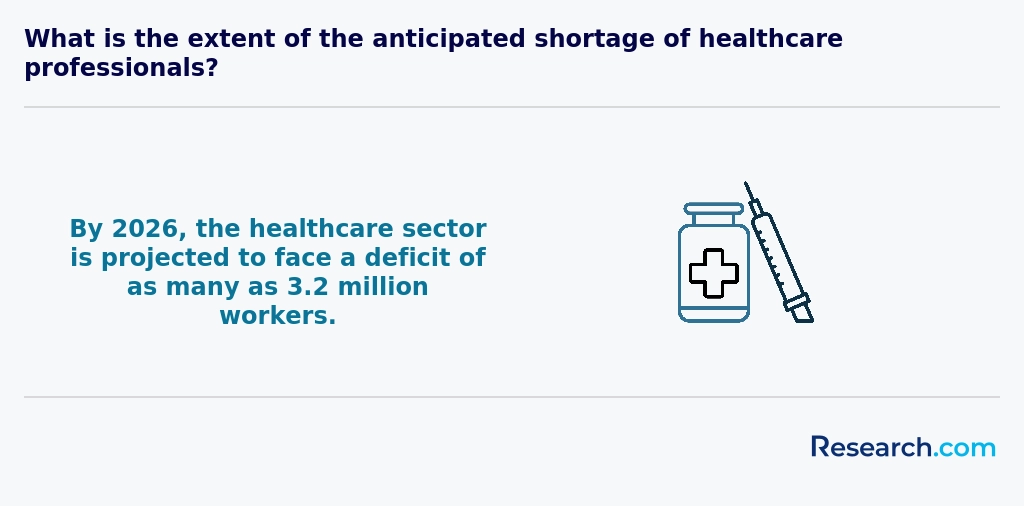
As the healthcare industry continues to evolve, prospective students in Baltimore, MD, can benefit from understanding emerging trends that will shape the future of healthcare education. This section outlines how digital innovation, interdisciplinary learning, and evolving workplace standards are influencing academic programs. Many institutions are now integrating advanced technologies such as telemedicine simulations and virtual reality labs into their curricula, preparing students for the digital transformation of patient care. Additionally, trends in remote learning are prompting schools to expand their online offerings, ensuring flexibility and accessibility. For example, prospective learners interested in cost-effective and high-quality options can explore the cheapest online healthcare programs in maryland, which accommodate busy schedules without compromising educational standards. Moreover, curricula are increasingly emphasizing soft skills like communication and problem-solving, vital for adapting to rapidly changing healthcare environments. These forward-thinking adjustments not only enhance the immediate educational experience but also equip graduates with the critical competencies needed for long-term career success in a competitive and dynamic sector.
What financial aid is available to healthcare degree students in Baltimore?
If you're diving into a healthcare degree in Baltimore, there are plenty of financial aid options that can really lighten the load. Many grads from Johns Hopkins or University of Maryland Baltimore share how federal programs like FAFSA opened doors to grants and work-study gigs, helping them cover costs without drowning in debt. The Federal Pell Grant, for instance, is a lifesaver for those who qualify, since it's free money-not a loan-to put toward your tuition.
Local support is strong too. Thanks to Maryland's Educational Assistance Grant, students attending public schools around Baltimore get some extra financial breathing room. A lot of people studying nursing or public health at these schools have raved about how these grants made their degree feel more attainable.
On top of that, schools themselves often hand out scholarships based on merit or need, and private organizations pump out specialized scholarships for fields like medical tech and allied health. If you snag a work-study spot or a tuition reimbursement deal with a local health provider, it's a win-win: you earn cash while gaining real-world experience in Baltimore's busy healthcare scene.
Return on Investment and Career Outcomes
Evaluating the return on investment (ROI) of a healthcare degree in Baltimore, MD is essential for prospective students seeking both financial and professional growth. On average, graduates from top Baltimore institutions report securing positions within six months of graduation, with starting salaries ranging from $45,000 for entry-level roles like Health Information Technician to over $70,000 for specialized positions such as Registered Nurse. When compared to an average total program cost of $80,000 for a bachelor’s degree-including tuition, fees, and living expenses-these salary figures translate into an ROI period of approximately 3–4 years, assuming standard cost-of-living adjustments and average student loan interest rates. Career placement data further underscores the value of these programs. Recent cohorts from Johns Hopkins University and the University of Maryland boast job placement rates exceeding 90%, with many alumni advancing into leadership roles within five years. In addition, professionals who pursued specialized certificates in areas like health informatics or clinical research administration have seen salary increases of up to 25% over those entering the field with only a generalist degree. For students balancing budget constraints and career aspirations, exploring cost-effective alternatives can reveal significant savings without sacrificing quality. Prospective learners may compare tuition rates, program lengths, and career support services through resources such as our Affordable Online Healthcare Degree Programs Ranking in Flint, MI, which highlights accredited online options that align with diverse learning styles and financial goals. Ultimately, the ROI of a healthcare degree in Baltimore hinges on factors such as program accreditation, clinical practicum opportunities, and alumni network strength. By targeting programs with strong employer partnerships and mentorship initiatives, students can accelerate their career trajectories, recover educational investments more quickly, and secure meaningful roles that contribute to long-term professional satisfaction.
What are the prerequisites for enrolling in healthcare degree program in Baltimore?
Want to enroll in a healthcare degree in Baltimore? First up, you'll need a high school diploma or something like a GED. Lots of grads from places like UMBC and Johns Hopkins swear that having solid grades in science and math-think biology, chemistry, even anatomy-gave them a huge leg up when classes got tough.
Many programs ask for SAT or ACT scores, but some schools are relaxing those rules lately. It's smart to double-check what your chosen program wants before you spend time prepping for tests.
If you're eyeing grad programs like a Master of Public Health or PA degree, expect to show you've already earned a bachelor's, ideally in something healthcare-related. Having real-life experience through volunteering or internships makes you stand out-a lot of local grads say that hands-on work helped them feel prepared and confident.
Oh, and don't forget that personal statement! Baltimore schools care about clear communication and teamwork skills, so sharing your story in essays really counts. Plus, some programs might have extra hoops like background checks or immunizations if clinical placements are part of the deal.
Future Trends and Innovations in Healthcare Education
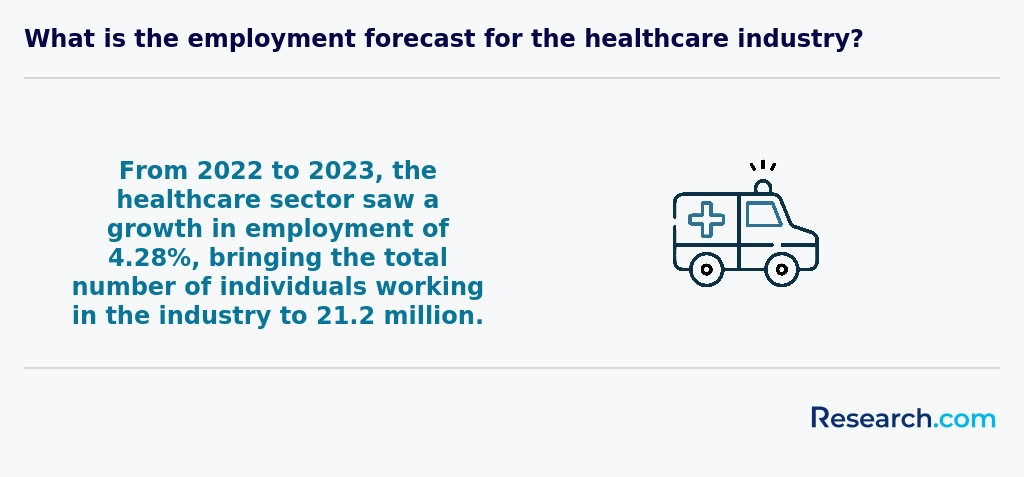
As the healthcare landscape rapidly evolves, emerging trends in education are reshaping how students prepare for future challenges. Institutions are increasingly integrating digital learning platforms, telehealth simulations, and advanced data analytics into their curricula to foster a more dynamic and adaptive learning environment. These innovative approaches not only enhance classroom experiences but also provide students with skills that are directly applicable to modern healthcare settings. In addition, hybrid learning models that combine traditional classroom instruction with virtual components have opened new pathways for students balancing work and personal commitments. By leveraging technology, programs can offer flexible learning options while maintaining rigorous academic standards. For example, many institutions now emphasize the importance of building digital literacy and analytical capabilities to navigate complex healthcare data, ensuring graduates are well-equipped to contribute to improved patient outcomes and operational efficiency. Students interested in exploring versatile educational formats can also benefit from resources that highlight alternative pathways-such as online mph programs california-which demonstrate how remote learning opportunities are broadening access to critical public health skills. This innovation not only supports diversity in learning styles but also ensures that future healthcare professionals remain agile in adapting to technological advancements and evolving industry demands.
What courses are typically in healthcare degree programs in Baltimore?
If you're diving into a healthcare degree in Baltimore, expect a mix of classic science courses and practical stuff that really gets you ready for the real world. You'll start with essentials like human anatomy and physiology-think of it as learning the body's blueprint, which grads from Johns Hopkins say made understanding patients way easier once they hit the clinic.
Alongside that, medical terminology classes are a must. You won't just be memorizing fancy words; these courses help you communicate clearly with doctors, nurses, and patients in busy Baltimore hospitals.
Public health and epidemiology pop up a lot too, reflecting Baltimore's unique urban health scene, including how to tackle chronic diseases and health disparities close to home.
Many students at University of Maryland Baltimore rave about courses in pharmacology and nutrition because they actually see how meds and diet impact health in community internships. Oh, and ethical issues in healthcare? Yeah, those classes prepare you for tough decisions you'll face working in the city's bustling medical environment.
- Human Anatomy and Physiology
- Medical Terminology
- Public Health and Epidemiology
- Pharmacology
- Nutrition
- Healthcare Ethics and Law
- Clinical Practice and Patient Care
What types of specializations are available in healthcare degree programs in Baltimore?
If you're eyeing a healthcare degree in Baltimore, you'll find plenty of cool specializations to dive into. Nursing is a big favorite here, with options spanning from practical nurse training all the way up to advanced Nurse Practitioner degrees, perfect for those graduates who love hands-on patient care. Then there's Public Health, where you focus on community wellbeing and health policies-super relevant if you want to tackle Baltimore's unique urban health challenges.
A lot of students from places like the University of Maryland Baltimore also go for Medical Laboratory Science, working behind the scenes to help diagnose diseases. Others lean into Health Information Management, mastering the digital side of healthcare with electronic records and data, a field growing fast in the city's tech-friendly hospitals.
When it comes to Baltimore healthcare program concentration options, Physical and Occupational Therapy are popular too, especially if you're into rehab. Plus, Healthcare Administration is great for those who want to lead and manage big hospital operations. Some grads even explore options beyond Baltimore, checking out online mph programs california to broaden their horizons.
How do you choose the best healthcare degree in Baltimore?
When choosing the best healthcare degree in Baltimore, start by checking if the program is accredited-graduates from Johns Hopkins or the University of Maryland often rave about how their degrees opened doors thanks to trusted accreditation. Many healthcare students share that community colleges in Baltimore were a lifesaver, offering affordable healthcare degrees in Baltimore that still connect them with local hospitals for hands-on experience.
Think about what healthcare field excites you most-nursing, public health, radiologic technology? One graduate said the chance for clinical rotations at top hospitals like Johns Hopkins made all the difference. Also, keep cost in mind; some found community colleges to be perfect budget-friendly options without sacrificing quality. Plus, programs that offer flexible schedules or online classes helped others balance life and study.
If you're curious about specific timelines, checking out how long does it take to get a pharmd can give you a good idea. At the end of the day, go for a program with strong job placement-Baltimore's healthcare scene is buzzing, so connections really help launch your career!
What career paths are available for healthcare degree students in Baltimore?
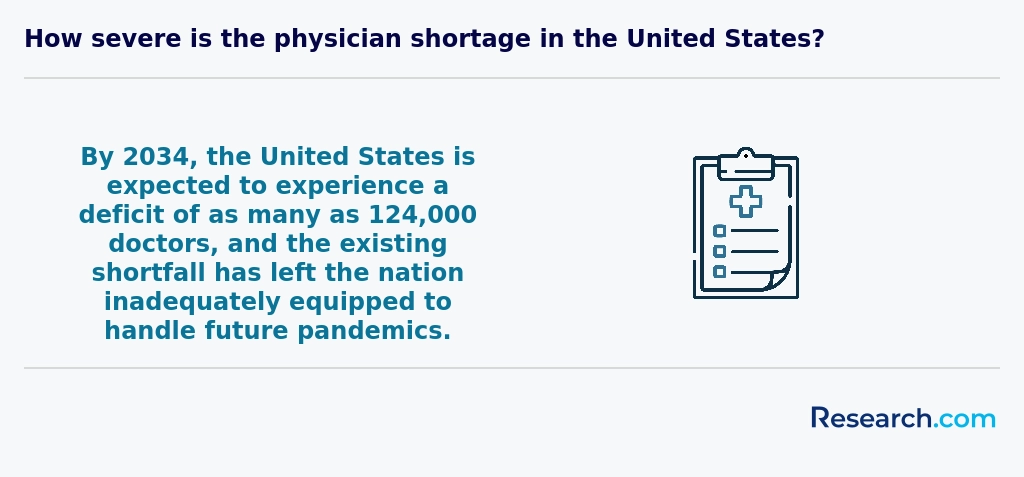
If you're diving into healthcare degrees in Baltimore, you'll find lots of career paths waiting for you. Many grads from popular schools like Johns Hopkins or the University of Maryland find themselves stepping into roles as registered nurses, physician assistants, or physical therapists. It's pretty inspiring hearing from those who started in local nursing programs and now enjoy solid paychecks and meaningful work in city hospitals. The healthcare degree job opportunities Baltimore offers don't stop there - some folks go into hospital management or health informatics, thanks to the region's growing healthcare system.
For students interested in research, Baltimore's biomedical scene is buzzing. Graduates working at places like the Johns Hopkins Bloomberg School of Public Health often focus on exciting topics like epidemiology or clinical trials. If you want to explore more affordable options before committing, check out this Affordable Online Healthcare Degree Programs Ranking in Flint, MI that might widen your possibilities.
Overall, those choosing healthcare career options in Baltimore feel pumped about the job security and variety the city's healthcare field offers. It's a place where you can really grow while making a difference.
What is the job market for healthcare degree in Baltimore?
The healthcare job outlook Baltimore is looking pretty bright, especially if you're studying at local schools like Johns Hopkins or the University of Maryland. Graduates often share how their hands-on experiences during clinical rotations help them land roles quickly, whether as registered nurses or medical managers. The city's big medical centers don't just offer jobs-they create a buzz that keeps demand high for healthcare pros.
Many students find themselves stepping into rewarding careers right after graduation, thanks to a mix of hospital and outpatient opportunities. The variety is huge-think respiratory therapists, radiologic techs, or public health workers helping neighborhoods stay healthy. Baltimore healthcare career opportunities are diverse, offering both competitive pay and solid growth.
Cost can be a worry, but Baltimore's public schools tend to be easier on your wallet, plus there are scholarships focused on healthcare students. If balancing school and work is your thing, you might check out fast degree college options for working adults that fit your busy life.
Frequently Asked Questions About healthcare
Healthcare degree students in Baltimore can maximize their learning experience by engaging actively with the city's extensive healthcare network. Baltimore is home to top hospitals like Johns Hopkins and the University of Maryland Medical Center, which offer valuable clinical placements and internships. According to the Maryland Higher Education Commission, practical experience is vital for healthcare graduates entering a competitive job market.
Students should also take advantage of Baltimore's numerous workshops and seminars focused on emerging healthcare technologies and patient care protocols. Networking through local professional associations, such as the Maryland Nurses Association, can provide mentorship and career guidance.
Additionally, combining classroom study with community service in Baltimore's diverse neighborhoods helps students develop cultural competence, a skill increasingly emphasized by employers.
Baltimore's healthcare industry is rapidly evolving, with several emerging niches offering promising career opportunities for degree seekers. One key area is health informatics, which combines healthcare and information technology to improve patient outcomes. This field is growing quickly due to increasing electronic health record use across Baltimore hospitals, according to the Maryland Health Care Commission.
Another expanding niche is gerontology, driven by Baltimore's aging population. Professionals trained in elder care and chronic disease management are in high demand. Additionally, telehealth services have surged, especially following the COVID-19 pandemic, requiring specialized skills in remote patient monitoring.
These niches reflect broader US trends but are particularly relevant in Baltimore's dynamic healthcare environment.
Graduates with healthcare degrees in Baltimore can strengthen their job prospects by gaining practical experience through internships and clinical placements. Local hospitals like Johns Hopkins and University of Maryland Medical Center offer valuable opportunities for hands-on training. Networking within Baltimore's healthcare community is essential; attending industry events and joining professional associations increases connections to potential employers. Additionally, obtaining relevant certifications, such as CPR or licensed practical nurse credentials, enhances employability. According to the Maryland Department of Labor, Baltimore's healthcare sector is projected to grow by 12% through 2030, emphasizing demand for qualified professionals. Staying informed about local healthcare trends helps graduates adapt their skills effectively.
Employers in Baltimore's healthcare sector prioritize a blend of technical expertise and soft skills when hiring graduates with healthcare degrees. Clinical competency, including proficiency in patient care techniques and familiarity with electronic health records (EHR) systems, is essential. According to the Maryland Department of Health, experience with data documentation and adherence to safety protocols greatly improves job prospects.
Strong communication skills are also critical, as professionals often work in multidisciplinary teams and interact directly with patients. Problem-solving abilities and adaptability to rapidly changing healthcare environments rank highly among employer preferences. Additionally, cultural competence is increasingly valued, reflecting Baltimore's diverse population and the need for sensitive, inclusive care.
Finding internships in Baltimore relevant to healthcare degrees involves several practical steps. Students can start by exploring partnerships between local universities and healthcare providers. Institutions like Johns Hopkins Hospital and the University of Maryland Medical Center offer structured internship programs in areas such as nursing, public health, and clinical research.
Additionally, Baltimore's health department and community clinics frequently provide internship opportunities aimed at public health students. According to the Maryland Department of Health, internships in these settings can provide hands-on experience in addressing urban health challenges.
Using university career centers and online platforms like Handshake or Indeed can also help students locate openings. Networking at local healthcare events and professional organizations such as the Maryland Nurses Association increases chances of finding internships.
Holding a healthcare degree significantly enhances career mobility and advancement in Baltimore's dynamic medical sector. The city is home to renowned hospitals and research centers, including Johns Hopkins Hospital, which ranks among the top healthcare employers. According to the Maryland Department of Labor, healthcare occupations in Baltimore are expected to grow by approximately 14% between 2020 and 2030, faster than many other industries.
Such growth creates new opportunities for degree holders, enabling upward transitions from entry-level positions to leadership roles. Advanced degrees often lead to higher salaries and expanded responsibilities, with professionals moving into administration, specialized clinical roles, or research.
Moreover, local healthcare networks frequently prefer candidates with formal education due to rigorous licensing requirements and evolving patient care standards. This educational foundation fosters adaptability in a competitive job market and supports long-term career sustainability in Baltimore's healthcare field.
Studying for a healthcare degree in Baltimore offers unique preparation for interdisciplinary roles due to the city's robust medical community. Baltimore is home to renowned institutions like Johns Hopkins Medicine, which promotes collaboration across various healthcare professions including medicine, nursing, public health, and biomedical research. According to the Maryland Higher Education Commission, many programs integrate team-based learning and practical experiences in clinical settings.
The city's diverse patient population also allows students to develop cultural competence and communication skills essential for working in interdisciplinary teams. Additionally, Baltimore's emphasis on community health initiatives provides opportunities to engage with social workers, health educators, and policymakers.
Such exposure trains students to navigate complex healthcare systems and contributes to improved patient outcomes through collaborative practice.
Choosing between a thesis and a non-thesis healthcare degree program in Baltimore depends largely on your career goals. Thesis programs typically focus on research, requiring students to complete a substantial research project. This path is ideal if you aim to work in academia, research institutions, or pursue a PhD.
Non-thesis programs usually emphasize practical skills and coursework, tailored for those seeking immediate employment in clinical or administrative roles. Baltimore's healthcare sector, with notable employers like Johns Hopkins Hospital, values applied skills highly.
Consider that thesis programs may take longer to complete, and Baltimore's graduate schools often offer both options with similar tuition rates.
Students based in Baltimore who want to study healthcare abroad have several avenues to explore. Many universities in the Baltimore area, such as Johns Hopkins University and University of Maryland, offer study abroad programs focused on global health. These programs allow students to gain international experience, working in hospitals or research centers overseas. According to the Institute of International Education, healthcare-related study abroad participation has grown steadily among U.S. students.
Additionally, Baltimore students can consider accredited international institutions that partner with U.S. universities, enabling smoother credit transfers. These options often include clinical placements and internships, providing practical exposure in diverse healthcare systems.
Financial aid and scholarships specific to healthcare study abroad are increasingly available, making these programs more accessible.
Part-time job opportunities in Baltimore that complement healthcare degree education often involve roles in clinical and administrative settings. Students can work as medical assistants or patient care technicians in local hospitals such as Johns Hopkins and University of Maryland Medical Center, gaining hands-on experience with patient care while balancing their studies.
Additionally, Baltimore has numerous outpatient clinics and eldercare facilities offering positions as home health aides or physical therapy aides, which help develop relevant skills. According to the Maryland Department of Labor, healthcare support occupations in Baltimore are projected to grow by 15% through 2028, indicating promising opportunities.
Working as a medical scribe or in healthcare administration also provides valuable exposure to medical documentation and office management, enhancing a student's professional résumé.
Baltimore offers numerous networking opportunities for healthcare students, supported by its rich medical community. Students can engage with professionals through local chapters of national organizations such as the American Medical Association or the Maryland Nurses Association.
Institutions like Johns Hopkins University and the University of Maryland Baltimore provide access to networking events, career fairs, and alumni groups specifically for healthcare fields. These events often connect students to hospitals and research centers renowned for their healthcare services.
The city's healthcare sector employs over 80,000 workers, creating abundant chances for internships and mentorships. According to the Maryland Department of Labor, healthcare remains one of the fastest-growing industries in Baltimore.
Additionally, Baltimore's multiple healthcare conferences and workshops encourage collaboration between students and experienced practitioners, improving professional relationships and future job prospects.
Alumni networks play a crucial role for healthcare degree students in Baltimore by providing access to experienced professionals and valuable career resources. These networks often include graduates working in notable local hospitals like Johns Hopkins and the University of Maryland Medical Center, offering mentorship opportunities and connections within the healthcare industry. According to the Maryland Higher Education Commission, strong alumni engagement improves job placement rates for recent graduates by up to 20%.
Networking events organized by schools create environments where students can find internships and clinical placements, essential for hands-on learning. Building these relationships early helps students navigate Baltimore's competitive healthcare job market more effectively.
Customizing a healthcare degree program in Baltimore involves selecting courses and specializations that align with your career goals. Many local institutions offer flexible options in nursing, public health, healthcare administration, and allied health fields. For example, students can focus on specialties like gerontology or healthcare informatics, both in demand due to Baltimore's aging population and growing tech presence, respectively.
Internships and clinical placements in Baltimore's extensive healthcare network, including Johns Hopkins and the University of Maryland Medical Center, provide hands-on experience tailored to specific interests. According to the Maryland Department of Labor, healthcare jobs in Baltimore are projected to grow by 14% through 2030, emphasizing the importance of relevant training.
Additionally, part-time, online, and hybrid course formats make it easier to balance study with work or personal commitments, supporting individualized learning paths.
Healthcare students in Baltimore often face several challenges while pursuing their degrees. One significant issue is the high cost of education. According to the Maryland Higher Education Commission, tuition and fees for healthcare programs can exceed $20,000 annually, placing financial strain on many students. Additionally, clinical placements are competitive, as Baltimore's hospitals and clinics have limited spots, requiring students to secure hands-on experience early.
Another challenge is balancing rigorous coursework with demanding clinical hours. The fast-paced environment in Baltimore's healthcare settings can be stressful for students adapting to real-world patient care. Moreover, the ongoing public health concerns in the region, such as high rates of chronic diseases, raise the complexity of clinical cases encountered during training.
With a healthcare degree in Baltimore, students can pursue various professional certifications that enhance career prospects in the region's growing medical industry. Common certifications include Certified Nursing Assistant (CNA), Registered Nurse (RN), and Licensed Practical Nurse (LPN), which are essential for clinical roles and regulated by the Maryland Board of Nursing.
Beyond nursing, graduates may obtain certifications such as Medical Coding Specialist (CPC) or Certified Medical Assistant (CMA), recognized nationally and valuable in Baltimore's extensive hospital systems such as Johns Hopkins Medicine.
For advanced practice, certifications like Certified Health Education Specialist (CHES) or Certified Clinical Research Professional (CCRP) are available, fitting Baltimore's expanding health education and research sectors, as highlighted by recent reports from the Maryland Department of Health.
To write a winning application for a healthcare program in Baltimore, start by clearly demonstrating your passion for the field. Highlight any relevant experience, such as volunteering at local hospitals like Johns Hopkins or community clinics. Strong academic performance in science courses is essential; many programs require a minimum GPA of 3.0. Baltimore's healthcare sector emphasizes community-oriented care, so tailor your personal statement to reflect your understanding of local health challenges, such as addressing disparities identified by the Maryland Department of Health. Including clear career goals and research experience can strengthen your application significantly.
Healthcare careers are increasingly viewed as vital worldwide, fueled by aging populations and rising chronic diseases. In the United States, and specifically Baltimore, healthcare is a rapidly growing sector with a projected 13% job growth for health professionals from 2021 to 2031, according to the U.S. Bureau of Labor Statistics.
Globally, healthcare professionals are recognized for their critical role in improving public health outcomes. Many countries emphasize interdisciplinary training and cultural competence, reflecting diverse patient needs-a perspective growing in importance in Baltimore's diverse communities.
Additionally, Baltimore's strong network of hospitals and research institutions offers opportunities to engage in innovative healthcare solutions with global impacts.
Gaining practical experience is essential while studying for a healthcare degree in Baltimore. Many local institutions, such as Johns Hopkins Hospital and the University of Maryland Medical Center, offer clinical internships and externships that provide hands-on training. Students can also participate in community health programs sponsored by Baltimore's Department of Health, which annually supports over 150 healthcare internships and volunteer opportunities.
Additionally, healthcare programs often include simulation labs where students practice medical procedures in controlled environments. According to the Maryland Higher Education Commission, over 70% of Baltimore healthcare students secure clinical placements before graduation, enhancing their job readiness.
Choosing the right concentration within a healthcare degree program in Baltimore requires careful consideration of your career goals and the local job market. Baltimore's healthcare sector is diverse, with strong demand in nursing, public health, and healthcare administration fields. According to the Maryland Department of Labor, healthcare occupations in Baltimore are projected to grow by 13% from 2020 to 2030, faster than the national average.
Research local healthcare employers like Johns Hopkins Hospital and the University of Maryland Medical Center to understand in-demand skills. Additionally, consider your personal interests-whether clinical work, health policy, or medical technology-to select a concentration that aligns with your strengths and aspirations.
Exploring internships or networking with Baltimore healthcare professionals can provide practical insights that inform your decision. Lastly, examine program accreditation and course content at Baltimore institutions to ensure your chosen concentration prepares you effectively for certification or licensure exams.
Related Healthcare Rankings for Nearby Cities
- 2027 Best Healthcare Degree Programs Ranking in Washington
- 2027 Best Healthcare Degree Programs Ranking in Philadelphia
- 2027 Best Healthcare Degree Programs Ranking in Harrisonburg
- 2027 Best Healthcare Degree Programs Ranking in Wilkes-Barre
- 2027 Best Healthcare Degree Programs Ranking in Scranton
- 2027 Best Healthcare Degree Programs Ranking in Jersey City
- 2027 Best Healthcare Degree Programs Ranking in New York
- 2027 Best Healthcare Degree Programs Ranking in Brooklyn
- 2027 Best Healthcare Degree Programs Ranking in Norfolk
- 2027 Best Healthcare Degree Programs Ranking in Virginia Beach
Top Trending Healthcare Rankings
See What Experts Have To Say About Studying Healthcare
Read our interview with Healthcare experts

References
- Employability Skills Matrix for the Health Sector https://www.skillsforhealth.org.uk/resources/employability-skills-matrix/
- How to Choose a Health Administration Program https://www.healthadministrationdegrees.com/articles/choosing-a-program/
- Interdisciplinary Education and Practice https://www.aacnnursing.org/news-data/position-statements-white-papers/interdisciplinary-education-and-practice
- Education requirements for the fastest-growing healthcare jobs https://www.corridorcareers.com/job-tips/blog-news-education-requirements-fastest-growing-healthcare-jobs
- Health Care Management Specialization https://www.ubalt.edu/schools-and-colleges/merrick-school-of-business/academics/explore-all-programs/mba-health-care-management/index.cfm
- The Healthcare Student’s Guide to Internships | EduMed.org https://www.edumed.org/resources/student-online-guide-to-internships/
- Global Perspectives – Healthcare Beyond Borders https://www.cedars-sinai.org/international-stories/healthcare-beyond-borders.html
- Networking and Mentorship During Clinical Rotations https://rotatingroom.com/blog/medical-students-the-importance-of-networking-mentorship-during-your-clinical-rotations
- The Value of Healthcare Organization Alumni Associations https://consultqd.clevelandclinic.org/the-value-of-healthcare-organization-alumni-associations
- 1+ Healthcare Cover Letter Examples (with In-Depth Guidance) https://www.tealhq.com/cover-letter-examples/healthcare


