2027 Most Affordable Healthcare Degree Programs Ranking in the South

Co-Founder and Chief Data Scientist
Choosing the right healthcare degree program is an important step toward a rewarding career. For students in the South, finding affordable options can make a big difference in pursuing your dreams without overwhelming debt.
This article introduces the 2027 Most Affordable Healthcare Degree Programs Ranking in the South, created by the Research.com team of data scientists. Their careful analysis helps you discover programs that offer quality education at an accessible price.
Reading this guide will empower you to make informed decisions and take confident steps toward a fulfilling future in healthcare.
Key benefits of getting healthcare degree in the South
- Graduates with healthcare degrees in the South can earn competitive salaries, such as Medical Assistants averaging $43,350 annually and Quality Improvement Coordinators making over $103,000, providing strong financial stability.
- Healthcare degrees open diverse career paths, including roles like Patient Care Technician or Clinical Research Coordinator, offering many opportunities to find rewarding and meaningful work in various medical settings.
- Completing a healthcare degree online, such as through popular Southern universities, offers flexibility and convenience, allowing students to balance studies with work and personal life while gaining the same valuable skills as traditional programs.
- Key benefits of getting healthcare degree in the South
- What can I expect from healthcare degree in the South?
- Where can I work with healthcare degree in the South?
- How much can I make with healthcare degree in the South?
- 2027 Most Affordable Healthcare Degree Programs Ranking in the South
- Key Findings
- How long does it take to complete healthcare degree in the South?
- Maximizing Success in Online Healthcare Education
- What's the difference between online and on-campus healthcare degree?
- Accreditation and Licensure: Ensuring Your Degree Meets Professional Standards
- What is the average cost of healthcare degree in the South?
- Essential Tips for Succeeding in Your Healthcare Degree Program
- What financial aid is available to healthcare degree students in the South?
- Accreditation and Licensure Considerations
- What are the prerequisites for enrolling in healthcare degree program in the South?
- Additional Certification and Credentialing Opportunities
- What courses are typically in healthcare degree programs in the South?
- What types of specializations are available in healthcare degree programs in the South?
- How do you choose the best healthcare degree in the South?
- What career paths are available for healthcare degree students in the South?
- What is the job market for healthcare degree in the South?
- Top Trending Healthcare Rankings
- See What Experts Have To Say About Studying Healthcare
What can I expect from healthcare degree in the South?
The average cost of a healthcare degree in the South is generally lower than in many other regions, especially at public universities like the University of Florida or Texas A&M. Graduates often recall appreciating the affordability, which helped them avoid large student debts while gaining quality education. For instance, many nursing students report tuition rates that range from $7,000 to $15,000 per year at these institutions, a manageable investment compared to national averages.
Private colleges, such as Emory University, tend to have higher tuition, often between $25,000 and $40,000 annually, but offer extensive clinical placements and networking opportunities that graduates say boosted their careers. Choosing a program with strong ties to local hospitals or community health centers can offset costs by providing paid internships or stipends during supervised clinical hours.
Graduates also highlight that these real-world experiences perfect their skills while enhancing job prospects, making the dollar spent well worthwhile. Thanks to the South's growing healthcare industry, the balance of cost and practical training creates a rewarding path for many students pursuing healthcare degrees in this region.
Where can I work with healthcare degree in the South?
Graduates with healthcare degrees from universities like the University of Texas or Emory University often find themselves quickly absorbed into hospitals, which dominate healthcare employment across the South. Imagine starting your career in a bustling Texas hospital where nurses, administrators, and technologists collaborate daily-this is a common trajectory. Practical experience gained during clinical rotations makes these roles much more accessible.
Other graduates leverage their degrees to work in outpatient care centers or physician offices, especially in states like North Carolina where these facilities have grown. A recent graduate I know transitioned smoothly into a physician assistant role, motivated by the growing demand for outpatient services driven by the aging southern population.
Public health programs at schools like Tulane University equip students for jobs in community health, where tackling regional challenges such as diabetes in Louisiana becomes a fulfilling career path. Additionally, many graduates discover rewarding positions in long-term care facilities, especially in Florida, where senior care expertise is increasingly vital.
Those interested in healthcare business often find opportunities in metropolitan areas like Atlanta, joining pharmaceutical firms or insurance companies, applying their skills beyond direct patient care. Planning your path with these options in mind optimizes employment chances after graduation.
How much can I make with healthcare degree in the South?
Graduates with healthcare degrees from well-regarded Southern institutions often find practical earning opportunities aligned with regional demands. For example, medical assistant roles typically pay around $43,350 annually, offering a reliable entry point. Patient care technicians in Southern metro areas like Houston or Charlotte can expect to earn approximately $60,790 per year, which supports a comfortable lifestyle given the lower Southern cost of living.
Health information technician positions also start near $43,380 annually, ideal for graduates focused on medical data management. Clinical research coordinator roles, which involve managing studies and trials, generally offer wages around $43,350 yearly. These roles appeal to graduates interested in combining healthcare with research.
For graduates aiming higher, quality improvement coordinators report salaries averaging $103,150, reflecting their critical role in enhancing healthcare services. Southern colleges known for strong healthcare programs produce graduates who often report positive job experiences and steady salary growth, especially in expanding urban hubs like Atlanta.
Pragmatic planning includes targeting in-demand roles supported by these salary benchmarks while factoring in the South's growing healthcare sectors. This approach helps graduates maximize their return on education investment and build fulfilling careers.
2027 Most Affordable Healthcare Degree Programs Ranking in the South
How do we rank schools?
Investing in your education is a significant decision that can greatly influence your future, and the Research.com team recognizes the importance of providing trustworthy guidance. To help prospective students navigate their options, we have carefully developed the "2027 Most Affordable Healthcare Degree Programs Ranking in the South." Our dedication to quality, credibility, and accuracy is evident in the thorough research and analysis underpinning this ranking.
We utilized the following reputable data sources to ensure a comprehensive evaluation of healthcare degree programs:
By exploring this ranking, readers will gain valuable insights into affordable and high-quality healthcare programs across the South, empowering them to make well-informed educational choices. For a detailed explanation of our approach, please visit our Research.com methodology page.


# 3 position
College of the Mainland
Bachelor of Science in Nursing


# 10 position
Laredo College
Bachelor of Science in Nursing (Rn to Bsn) Nursing


# 16 position
Nicholls State University
Master of Science in Clinical Nutrition and Dietetics Leadership

# 19 position
Tyler Junior College
Bachelor of Science in Health Administration

# 20 position
Trinity Valley Community College
Bachelor of Science in Nursing

Key Findings
- Annual tuition for public in-state healthcare programs in the South ranges from $7,500 to $10,000, while private institutions charge between $20,000 and $35,000.
- Entry-level registered nurses earn about $55,000 to $60,000 annually, with salaries increasing to $75,000 or more after five to ten years.
- Specialized healthcare positions like physician assistants and physical therapists typically start with salaries above $70,000.
- Healthcare jobs in the Southern United States are projected to grow by roughly 15% over the next decade, outpacing the national average of 12%.
- Healthcare programs in the South offer clinical training through partnerships with local hospitals and require awareness of state-specific licensing and continuing education rules.
How long does it take to complete healthcare degree in the South?
Typically, completing a healthcare degree in the South takes between two and four years, depending on the level pursued. Associate degrees, like those for Licensed Practical Nurse (LPN) or Radiologic Technician, usually take around two years of full-time study at community colleges across Texas, Florida, and Georgia. Graduates often recall the balance of coursework and hands-on clinical practice, which prepares them well for entry-level roles.
Bachelor's degrees in Nursing (BSN) or Healthcare Administration generally require four years at universities like the University of Florida or the University of North Carolina. Many students share how clinical hours added meaningful real-world experience alongside academic studies.
Master's degrees such as MSN or MPH typically add two more years beyond a bachelor's, focusing on leadership and advanced skills. Doctoral programs, like DNP or PharmD, may take three to four years after earlier degrees, with PharmD often requiring a full four years post-bachelor's.
Remember, clinical rotations and internships can slightly extend these timelines but are essential for career readiness. Many Southern students appreciate part-time or online options for flexibility, enabling them to work while earning their degree without drastically slowing their progress.
Maximizing Success in Online Healthcare Education
Online healthcare programs offer unparalleled flexibility and accessibility, yet they require a proactive approach to excel. Prospective students should cultivate a disciplined study routine, leverage virtual collaboration tools, and actively engage with faculty through digital office hours. It’s also essential to invest in a reliable technology setup and a quiet study space to simulate a structured classroom environment. Moreover, connecting with peers in discussion forums or online study groups can enhance learning and provide additional support during challenging modules. For instance, reviewing resources like our fastest online healthcare programs in south carolina ranking can help you compare program features, understand student satisfaction ratings, and make an informed decision about the best online format to suit your needs. Embracing these strategies will not only bolster your academic performance but also ensure you develop the essential digital and professional skills required in today’s rapidly evolving healthcare industry.
What's the difference between online and on-campus healthcare degree?
Online healthcare degree programs in the South are ideal for students juggling jobs or family responsibilities. A graduate from the University of South Carolina explains how online classes let them study evenings without commuting, making education manageable alongside their busy schedule. These programs break down geographic barriers, especially in rural areas, and often offer discounted rates, though tuition is generally comparable to on-campus options.
On the other hand, on-campus healthcare degrees-like those at the University of Alabama at Birmingham-provide direct access to essential hands-on training. Graduates describe how working in simulation labs and completing clinical hours at nearby hospitals boosted their confidence and skill. This practical experience is crucial for fields such as nursing or radiologic technology, where in-person learning supports real-world readiness.
Both formats require clinical hours, but scheduling and location flexibility differ. Choosing between them depends on how you balance cost, learning style, and access to facilities in Southern states.
Accreditation and Licensure: Ensuring Your Degree Meets Professional Standards
Choosing an accredited program is the first step toward securing licensure and building a credible healthcare career. Regional accreditation, granted by bodies such as the Southern Association of Colleges and Schools Commission on Colleges (SACSCOC), confirms that an institution meets rigorous educational standards. Programmatic accreditation-like the Commission on Collegiate Nursing Education (CCNE) for nursing or the Accreditation Council for Education in Nutrition and Dietetics (ACEND)-validates specific curricula against industry benchmarks. Most state boards require graduates of accredited programs to sit for licensure exams (e.g., NCLEX-RN for registered nurses or the Certified Coding Specialist exam for health information technologists). Without proper accreditation, you may be ineligible for these credentials, limiting both practice scope and employment opportunities. Before enrolling, verify: • Institutional Accreditation: Check your college’s regional accreditor via the U.S. Department of Education’s Database of Accredited Postsecondary Institutions. • Programmatic Accreditation: Review specialized accreditor listings, such as CCNE, CAHIIM (Commission on Accreditation for Health Informatics and Information Management Education), or CEPH (Council on Education for Public Health). • State Licensure Requirements: Consult your intended practice jurisdiction’s Board of Nursing, Health Information Management, or Public Health to confirm eligibility criteria. For students weighing the benefits of on-campus versus online delivery, ensure that distance programs maintain the same accreditation status. Visit our companion ranking of the Cheapest Online Healthcare Degree Programs Ranking in the Northeast to compare accredited online options and their success rates on licensure examinations. By prioritizing accreditation and understanding licensure pathways, you safeguard your investment, guarantee eligibility for professional credentials, and reinforce your résumé with credentials recognized by employers and patients alike.
What is the average cost of healthcare degree in the South?
The average cost of earning a healthcare degree in the South typically centers around $37,317 in total tuition, with in-state students often paying significantly less-about $13,450 on average. Graduates from well-known Southern universities report that costs vary widely, influenced by residency status and program type. Public universities, popular for their affordability, tend to offer healthcare degrees within or below this range. For example, students pursuing degrees at large state schools benefit from lower in-state tuition fees, making a healthcare path more attainable without excessive debt.
Affordable healthcare degree programs in southern states often include associate degrees offered by community colleges, which many students choose to start with. These programs provide a more manageable financial commitment upfront while delivering solid career foundations in nursing or allied health fields. For those aiming higher, private institutions and doctoral programs command higher price tags but also present expanded clinical opportunities and reputations that can boost employment prospects.
Graduates frequently emphasize the importance of budgeting for additional costs beyond tuition, such as books, clinical supplies, and exam fees. These expenses can add thousands of dollars annually, yet many find financial aid, scholarships, and federal loans valuable resources to help cover these costs. To explore options tailored to your goals, consider looking into programs like the fastest online healthcare programs in south carolina as flexible and cost-conscious pathways to degree completion.
Essential Tips for Succeeding in Your Healthcare Degree Program
Success in your healthcare degree program starts with effective time management, proactive networking, and leveraging both academic and career resources. Establish a structured study schedule and make use of digital and on-campus libraries to deepen your understanding of core topics like anatomy, public health, and healthcare ethics. Participating in student organizations and mentorship programs can also provide a supportive community and invaluable real-world insights. Additionally, taking advantage of specialized resources-such as exploring the fastest online healthcare programs in south carolina-can help you compare program flexibility and technological advancements to align your learning style with your career goals. Remember, building practical skills through internships and clinical practice is as crucial as academic excellence, so maintain a balance that works best for your personal and professional development.
What financial aid is available to healthcare degree students in the South?
If you're aiming for a healthcare degree in the South, start by completing the FAFSA to access federal aid like the Pell Grant, which can cover up to $7,395 annually. Graduates from universities like the University of Alabama or UNC Chapel Hill often relied on these grants combined with federal loans that have competitive interest rates to manage tuition fees ranging between $7,000 and $20,000.
Next, explore state-specific programs. For instance, students at the University of Florida frequently benefit from Florida's Nursing Student Loan Forgiveness Program, which helps offset costs if you commit to working in high-need areas after graduation. Texas students studying at institutions such as Texas A&M have taken advantage of the Nursing Shortage Reduction Program, easing financial stress while preparing them for in-demand roles.
- Don't overlook scholarships from regional healthcare associations or hospitals, which many nursing and allied health students in the South secure to cover $1,000 to $5,000 annually.
- Look into university grants-schools like Emory University reward academic excellence or financial need specifically in healthcare fields.
- Also consider loan forgiveness programs that encourage service in rural communities, similar to options used by graduates involved with the National Health Service Corps Scholarship Program.
Finally, if you're working while studying, check if your employer offers tuition reimbursement. Hospitals and healthcare systems in the South often support continuing education, helping students reduce out-of-pocket expenses as they build their careers.
Accreditation and Licensure Considerations
Accreditation ensures that your healthcare degree meets rigorous academic and professional standards, which directly impacts eligibility for licensure and employment. Prospective students should verify both regional accreditation-granted by bodies like the Southern Association of Colleges and Schools Commission on Colleges (SACSCOC)-and programmatic accreditation from agencies such as the Commission on Accreditation in Physical Therapy Education (CAPTE), the Commission on Collegiate Nursing Education (CCNE), or the Commission on Accreditation of Healthcare Management Education (CAHME). State licensure requirements vary across the South, often mandating specific credit hours, supervised clinical experiences and passage of national exams (e.g., the NCLEX for nurses or the PBT for physical therapy assistants). Before enrolling, review your target state’s board of health or professional licensing website to confirm that your chosen program aligns with all regulations. Failure to attend an accredited program can delay licensure and limit job opportunities. For allied health pathways, consider accredited best online associate in physical therapy assistant programs that meet state licensure requirements, ensuring seamless transition from graduation to professional practice. By prioritizing accreditation and licensure alignment, you safeguard your investment and accelerate your entry into a rewarding healthcare career.
What are the prerequisites for enrolling in healthcare degree program in the South?
To enroll in a healthcare degree program in the South, start by securing a high school diploma or GED, as this is the foundational requirement at colleges like the University of Alabama or Florida State. Graduates often recall how strong grades in biology and chemistry made a difference during admissions. Focus on completing core science and math courses, including anatomy and physiology, which form the backbone of healthcare studies.
Maintaining a GPA of at least 2.5 to 3.0 is crucial; successful applicants at Southern universities typically meet or exceed this. Some nursing programs at institutions such as LSU may expect higher marks, so aim to excel to keep options open. While SAT or ACT scores are sometimes optional, check your target school's policy early to avoid surprises.
Experience counts too-volunteering at local clinics or hospitals in southern communities demonstrates commitment and can set you apart. Many graduates emphasize how recommendation letters highlighting their healthcare exposure opened doors, especially at competitive schools. Finally, be prepared for clinical prerequisites like immunizations and background checks, essential for hands-on training.

Additional Certification and Credentialing Opportunities
While earning a healthcare degree lays a strong foundation for a rewarding career, supplementing your education with specialized certifications can significantly boost your job prospects and industry credibility. In today’s competitive market, certifications in areas such as clinical skills, healthcare informatics, and administrative procedures serve as critical differentiators. For instance, obtaining credentials in medical billing and coding not only validates your technical proficiency but also positions you for roles that demand precise data management and billing expertise. Many professionals enhance their qualifications through online medical billing and coding certification programs, providing them with a flexible yet rigorous pathway to diversify their skill sets. This additional layer of training helps bridge the gap between academic learning and practical industry needs, enabling graduates to adapt to dynamic healthcare environments and to meet the evolving requirements of employers. As healthcare technology continues to advance, opting for targeted certification programs can empower you to remain competitive in a constantly changing field while broadening your career opportunities beyond the traditional degree pathways.
What courses are typically in healthcare degree programs in the South?
Healthcare degree programs in the South typically include essential courses that build a solid foundation for practical and professional success. You can expect to study Anatomy and Physiology to understand the human body's structure and functions, along with Microbiology to learn about microorganisms relevant to health. Core classes also cover Medical Terminology, helping you communicate effectively in clinical settings, and Healthcare Ethics and Law, which prepares you to handle real-world dilemmas responsibly.
Graduates from well-regarded Southern institutions often highlight the value of Pathophysiology and Pharmacology in understanding disease and medication management. These courses are complemented by Healthcare Administration classes that teach practical management skills for running clinics or hospital departments. Most programs also integrate Clinical Practice or Practicum components, giving hands-on experience that feels both challenging and rewarding-something many students from popular colleges in the South find crucial for confidence in their future roles.
Additionally, programs frequently address regional needs through courses on rural health challenges, making the curriculum relevant and actionable within Southern communities.
What types of specializations are available in healthcare degree programs in the South?
Healthcare degree specializations in the South cover a range of practical fields designed to meet real regional needs. Graduates from popular institutions in Texas and Florida often highlight Nursing as a standout specialization, offering roles from Registered Nurse to Nurse Practitioner. These careers feel especially rewarding given the demand in rural and underserved areas. Another common path is Health Information Management, where students learn to handle digital patient data-a skill increasingly relevant with today's electronic health record systems.
Many students also choose Public Health, focusing on local issues like diabetes and heart disease. Universities known for strong public health programs prepare students to directly impact community wellness. If you prefer leadership, Healthcare Administration programs teach management skills vital for operating hospitals and clinics, a field expected to grow rapidly in the South. Additionally, specializations like Physical Therapy and Occupational Therapy attract those eager to support rehabilitation, especially in aging populations in states like Florida. For flexible options, consider exploring online medical billing and coding certification programs tailored to Southern students.
How do you choose the best healthcare degree in the South?
Start by pinpointing the healthcare career that fits your strengths and goals. Graduates from popular Southern universities often emphasize how choosing a program aligned with their desired profession, such as Registered Nursing or healthcare administration, made transitions to local job markets smoother. Look for accredited programs recognized by bodies like the Commission on Collegiate Nursing Education to ensure eligibility for licensure and better employment opportunities.
Next, consider affordability by comparing tuition costs at public and private institutions across the South. Many students seek out affordable healthcare degree programs in the South, leveraging state-specific scholarships designed to support education in underserved areas. Practical experience is crucial-choose programs offering hands-on clinical opportunities in partnership with Southern hospitals or clinics, as this networking often leads to job placement.
Flexibility matters too. Many working adults prefer programs with online or hybrid course formats. For those exploring different pathways, graduates recommend checking out the best online associate in physical therapy assistant programs as a practical stepping stone within Southern healthcare education.
What career paths are available for healthcare degree students in the South?
A healthcare degree in the South opens multiple practical career paths. Graduates from universities like the University of Alabama or the University of Florida often find roles as registered nurses, taking advantage of the region's strong demand for RNs. Many have moved into medical and health services management, overseeing hospital operations and bridging clinical and administrative needs. Others pursue work as physical or occupational therapists, supporting patients through recovery in community clinics or rehabilitation centers.
With the South healthcare degree job prospects expanding, graduates frequently enter pharmacy roles, including technicians and pharmacists, especially in cities like Houston or Charlotte. Health information technicians and medical assistants also provide crucial support in both clinical and administrative settings. Public health professionals work on local wellness programs addressing community challenges, often citing positive experiences at institutions well-known for community engagement.
Those seeking emerging opportunities consider health informatics or telemedicine, fields growing rapidly post-pandemic. For students comparing options, exploring affordability via resources like the Cheapest Online Healthcare Degree Programs Ranking in the Northeast can guide decisions, though Southern tuition costs are generally lower and more accessible.
What is the job market for healthcare degree in the South?
The healthcare job outlook in the South remains strong, fueled by a growing population and increased demand for specialized care. Graduates from popular Southern universities often find that hospitals and clinics in Texas, Florida, and Georgia are actively hiring, with registered nurses and medical technologists among the most sought-after professionals. Many graduates appreciate working in rural communities where healthcare employment opportunities Southern states are abundant, leading to quicker job placement and meaningful patient impact.
Students pursuing degrees in nursing or allied health programs benefit from lower tuition costs compared to national levels, making education more accessible. Graduates report feeling confident stepping into roles that meet state-specific certification standards, which enhances their competitiveness in the Southern job market. Networking connections formed during clinical rotations at well-regarded colleges frequently lead to direct job offers, creating a smooth transition from education to employment.
For those weighing options, exploring college degrees with best job outlook in healthcare provides an informed path. Entry-level salaries start near $30,000 but grow steadily as skills and experience develop, making a healthcare degree a practical investment in the region's evolving healthcare system.
Frequently Asked Questions About healthcare
Healthcare degree students in the South can maximize their learning by engaging in clinical experiences offered through regional hospitals and community health centers. Practical exposure is crucial, as 75% of healthcare programs accredited by the Commission on Collegiate Nursing Education (CCNE) emphasize hands-on training. Students should also consider internships and externships in rural areas, where the demand for healthcare professionals is growing due to shortages reported by the Health Resources and Services Administration (HRSA).
Additionally, taking advantage of online and hybrid course options from Southern universities can help balance study with work or family commitments. Networking with local healthcare professionals through organizations like the Southern Healthcare Association provides valuable mentorship and job opportunities.
The healthcare field in the South is evolving rapidly, with several emerging niches attracting students and professionals alike. One growing area is telehealth, which expands access to care in rural communities. According to the Health Resources and Services Administration, telehealth usage in Southern states increased by over 50% between 2019 and 2023.
Another promising niche is gerontology, driven by the region's aging population. The Southern states have some of the highest percentages of residents over 65, creating demand for specialists in elderly care management.
Additionally, healthcare informatics is rising due to increased digitization of patient records and data analytics. The Bureau of Labor Statistics projects that health information technicians in the South will see job growth exceeding the national average through 2030.
After completing a healthcare degree in the South, preparing for the job market requires targeted strategies. Networking is crucial; attend local professional healthcare associations such as the Southern Medical Association or state-specific nursing groups. These connections can lead to internships and job placements.
Gain practical experience through clinical rotations and internships offered by your institution. According to the Bureau of Labor Statistics (2023), healthcare employment in Southern states is projected to grow by 15% by 2030, highlighting strong demand.
Additionally, obtaining relevant certifications such as Basic Life Support (BLS) or Advanced Cardiovascular Life Support (ACLS) enhances your resume.
Familiarize yourself with state licensure requirements, as these vary across Southern states and impact your eligibility.
Employers in the Southern United States prioritize a combination of technical and interpersonal skills in healthcare degree graduates. Clinical competence is essential, with many roles requiring proficiency in patient care, medical technology, and healthcare regulations specific to the region. According to the Health Resources and Services Administration, communication skills rank highly, as healthcare workers must effectively interact with diverse populations.
Critical thinking and problem-solving abilities are vital due to the complex nature of healthcare in Southern states, where chronic conditions like diabetes and heart disease are prevalent. Adaptability and teamwork are also crucial, given the growing emphasis on collaborative care models.
Understanding electronic health records (EHR) systems is increasingly demanded, reflecting the ongoing digital transformation in healthcare facilities across the South, as highlighted by the Office of the National Coordinator for Health Information Technology. Overall, Southern employers seek graduates who blend hands-on expertise with strong communication and tech skills.
Finding internships relevant to a healthcare degree in the South begins with leveraging university career services and healthcare departments. Many Southern institutions, such as the University of Alabama at Birmingham, offer dedicated internship placement assistance connected to regional hospitals and clinics.
Healthcare organizations in the South, including HCA Healthcare and the VA Medical Centers, provide structured internship programs that give practical experience in various medical fields. According to the National Association of Colleges and Employers, 62% of students who completed internships received job offers from the same employers, highlighting the importance of securing quality internships early.
Additionally, students should explore state and local health department websites for internship listings. Networking at regional healthcare conferences and joining professional associations like the Southern Public Health Association can also open doors to internships.
Obtaining a healthcare degree in the South significantly boosts career mobility and advancement opportunities. The region faces a growing demand for healthcare professionals, driven by an aging population and higher chronic disease rates, according to the Health Resources and Services Administration (HRSA). Graduates with specialized degrees, such as nursing or public health, find a broader range of roles and higher earning potential.
Healthcare degrees also offer pathways to advanced certifications and leadership roles. Southern states like Texas and Florida emphasize continuing education, enabling professionals to climb career ladders faster. Furthermore, the South's expanding healthcare sector often prefers candidates with formal degrees, creating competitive advantages for degree holders.
Studying for a healthcare degree in the South often emphasizes interdisciplinary collaboration, preparing students to work effectively across various healthcare fields. Many Southern universities integrate team-based learning, combining nursing, public health, social work, and allied health disciplines within their curricula. This approach mirrors the real-world complexity of patient care, where professionals from multiple specialties coordinate treatment plans.
The Southern U.S. faces unique health challenges, such as higher rates of chronic diseases like diabetes and heart conditions, according to the CDC. Programs focus on these regional concerns, encouraging students to engage with community health initiatives and interdisciplinary problem-solving.
Additionally, accredited institutions in the South commonly offer experiential learning opportunities in diverse healthcare settings, fostering practical skills in communication and coordination among various healthcare roles.
Choosing between a thesis and a non-thesis healthcare degree program in the South depends on your career goals and learning preferences. A thesis option typically suits those interested in research or pursuing further study, such as a PhD. It involves conducting original research and writing a detailed thesis, which can enhance critical thinking and analytical skills.
The non-thesis route often appeals to students aiming for immediate employment or clinical practice. This path focuses more on practical coursework and may include internships or capstone projects instead of research.
According to the Southern Regional Education Board, many Southern universities offer both paths to accommodate diverse student needs. Consider the time commitment and your interest in research carefully.
Students based in the Southern United States interested in studying healthcare abroad have several pathways to consider. Many universities in the South, such as the University of Florida and Emory University, offer exchange programs or partnerships with institutions worldwide. These opportunities allow students to gain international experience while earning credits toward their degrees.
Popular destinations include Europe and Latin America, known for strong healthcare education and research. According to the Institute of International Education, nearly 12% of Southern students studying abroad between 2019 and 2022 chose health-related fields.
Additionally, some Southern schools participate in global clinical internships, providing hands-on training in diverse healthcare settings.
Part-time job opportunities in the South that complement healthcare degree education are diverse and often provide valuable hands-on experience. Many students work as certified nursing assistants (CNAs), a role in high demand due to the aging population in Southern states. According to the U.S. Bureau of Labor Statistics, CNA positions in Southern metropolitan areas can expect growth rates above the national average.
Other opportunities include medical scribe positions, which help students become familiar with healthcare documentation and terminology. Hospitals and clinics in states like Texas and Florida frequently hire part-time scribes, offering flexible hours suitable for students.
Pharmacy technician roles also allow students to learn about medication management and patient interaction. The Southern U.S. has numerous retail pharmacies and healthcare facilities that provide these positions. Additionally, public health departments often employ part-time outreach workers, enabling students to engage with community health initiatives critical in the South's rural and urban areas.
Healthcare students in the South benefit from strong networking opportunities across regional institutions and professional organizations. Many universities host health-focused career fairs and events, connecting students with local hospitals and clinics. The Southern Regional Education Board highlights collaborative programs linking students to internships within major southern healthcare systems.
Additionally, state-level chapters of national organizations like the American Public Health Association provide access to networking events and mentorship tailored to southern healthcare challenges. Participation in these groups often leads to increased job placements after graduation.
Furthermore, conferences such as the Southeastern Healthcare Summit attract thousands of industry professionals annually, offering students chances to build valuable connections.
Alumni networks play a crucial role in supporting healthcare degree students in the South. These networks provide valuable connections to professionals working in the region's healthcare industry, which is essential given the South's growing demand for healthcare workers. According to the Bureau of Labor Statistics, healthcare occupations in Southern states are projected to grow faster than the national average through 2030.
Students benefit from mentorship programs offered through alumni associations. Experienced graduates often guide students on career paths, licensure requirements, and job opportunities. This guidance helps reduce the transition time from education to employment.
Additionally, alumni networks frequently host job fairs and workshops, enhancing students' access to internships and employment in healthcare facilities. This direct access to industry connections significantly increases the chances of early career placement in competitive roles across the South.
Customizing a healthcare degree program in the South allows students to align their education with specific career goals. Many Southern universities offer flexible curricula with elective courses, clinical rotations, and specialization options in areas like nursing, health administration, or public health. For example, programs accredited by the Commission on Accreditation of Allied Health Education Programs (CAAHEP) ensure quality and relevant training.
Students can also select part-time or online learning formats to balance work and study. According to the Southern Regional Education Board, healthcare employment in Southern states is expected to grow by over 15% between 2020 and 2030, highlighting opportunities in diverse specialties.
Internships and partnerships with local hospitals provide hands-on experience tailored to regional healthcare needs, especially in rural areas.
Healthcare students in the South face several notable challenges during their studies. One major issue is limited access to clinical placements, especially in rural areas where healthcare facilities are fewer. According to the American Association of Colleges of Nursing, Southern states report lower ratios of clinical sites per student compared to other regions. This scarcity can delay hands-on training and extend time to graduation.
Another challenge is financial strain. Southern states typically have lower average household incomes, and students often struggle to cover tuition and living expenses. The National Center for Education Statistics notes that students in the South have higher loan debt averages than the national mean.
Lastly, many programs must address high dropout rates caused by the rigorous demands of healthcare curricula combined with personal and work responsibilities. This is especially true for non-traditional students balancing family and jobs.
With a healthcare degree in the South, graduates have numerous options to pursue professional certifications that can enhance career prospects. Popular certifications include Certified Nursing Assistant (CNA), Licensed Practical Nurse (LPN), and Registered Nurse (RN) licenses, which are essential for nursing roles and regulated by state boards.
For those interested in specialized fields, certifications like Certified Medical Assistant (CMA), Certified Health Education Specialist (CHES), and Registered Health Information Technician (RHIT) are widely recognized. These credentials often require passing an exam and meeting specific clinical experience standards.
The Southern Regional Education Board (SREB) notes that healthcare jobs with certifications grow faster than average, reflecting strong demand in states like Texas and Georgia.
Writing a winning application for a healthcare program in the South requires careful preparation and attention to detail. Start by researching specific programs' prerequisites and tailoring your materials accordingly. Many Southern universities emphasize GPA, healthcare experience, and strong letters of recommendation.
Include clear examples of your commitment to healthcare, such as volunteering or work experience, especially in underserved Southern communities. According to the Southern Regional Education Board, programs often value applicants demonstrating cultural awareness and adaptability.
Personal statements should highlight your professional goals and how the healthcare degree aligns with needs in the South, which faces a growing demand for healthcare professionals. Proofread thoroughly to avoid errors and meet all deadlines.
The global demand for healthcare professionals is rising, driven by aging populations and advances in medical technology. In the United States, particularly in the South, healthcare careers offer stable job growth; the Bureau of Labor Statistics projects a 15% increase in healthcare occupations by 2032, much faster than average.
American healthcare degrees are respected worldwide, with many programs focusing on evidence-based care and cultural competence. Graduates from Southern universities often find opportunities abroad, as US qualifications frequently meet international standards.
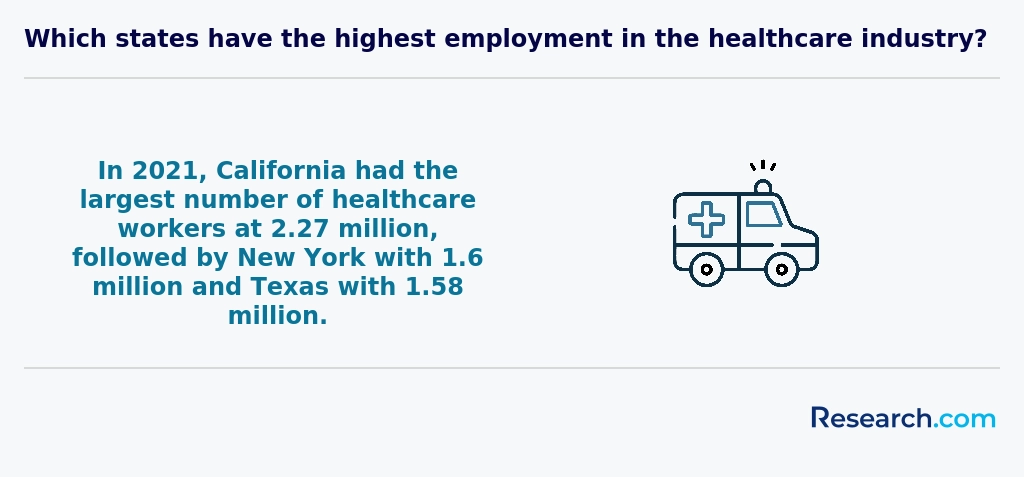
Southern states like Texas and Florida have some of the highest healthcare employment levels, reflecting regional needs and investment in healthcare education. This makes the South a strategic place to earn a degree with global career prospects.
Gaining practical experience while studying a healthcare degree in the South can significantly enhance your skills and employability. Many universities in this region offer clinical placements, internships, or cooperative education (co-op) programs, which allow students to work in hospitals, clinics, or community health centers. According to the Southern Regional Education Board, over 70% of healthcare programs in Southern states integrate hands-on training as part of their curriculum.
Additionally, partnerships with local healthcare providers often enable students to participate in real-world patient care under supervision. Volunteering in healthcare settings is another effective way to gain experience. These opportunities not only build clinical skills but also improve professional networking within Southern healthcare systems.
Choosing the right concentration within a healthcare degree program in the South requires careful consideration of your career goals and local healthcare needs. The Southern United States has a strong demand for specialties like nursing, public health, and health informatics due to its large and diverse population. According to the U.S. Bureau of Labor Statistics, registered nursing jobs in Southern states are expected to grow by over 15% through 2031, showing strong employment potential.
Consider how your interests align with regional health challenges, such as chronic disease management or rural healthcare access. Research program curricula and clinical opportunities at Southern institutions to ensure practical experience in your chosen field.
Top Trending Healthcare Rankings
See What Experts Have To Say About Studying Healthcare
Read our interview with Healthcare experts

References
- Develop your Skills with a BS In Health Sciences at South U https://www.southuniversity.edu/degree-programs/healthcare/health-sciences-bs
- Students and Alumni associations - Europubhealth https://www.europubhealth.org/students-alumni-associations/
- Job-Ready Healthcare Skills for 2026 https://cliniwave.in/blogs/latest-article/job-ready-healthcare-skills
- How to Choose a Health Administration Program https://www.healthadministrationdegrees.com/articles/choosing-a-program/
- WA Country Health Service https://www.wacountry.health.wa.gov.au/Our-workforce/Students/Career-prospects
- Paying for a Healthcare Graduate Degree: Your Options https://www.baypath.edu/news/bay-path-university-blogs/post/paying-for-a-healthcare-graduate-degree-your-options/
- 20 healthcare investment niches and 3 things to know: The evolution of ... https://blackbookmarketresearch.com/20-healthcare-investment-niches-and-3-things-to-know-the-evolution-of
- How to Succeed in a Difficult Job Market After Graduation https://www.hospitalrecruiting.com/blog/6542/how-to-succeed-in-a-difficult-job-market-after-graduation/
- Global Perspectives – Healthcare Beyond Borders https://www.cedars-sinai.org/international-stories/healthcare-beyond-borders.html
- Niche Markets in Healthcare: How to Find & Target https://nechayadvisors.com/blog/niche-markets-in-healthcare