
2027 Most Popular Healthcare Degree Programs Ranking in New Hampshire

Co-Founder and Chief Data Scientist
Exploring healthcare degree programs in New Hampshire can feel overwhelming, but choosing the right path is crucial for your future. This article features a 2027 Most Popular Healthcare Degree Programs Ranking in New Hampshire created by the Research.com team of data scientists to help you navigate your options with confidence.
By reading this guide, you'll discover which programs are highly regarded and align with your career goals. Pursuing a healthcare degree opens doors to meaningful and rewarding work, making a real difference in people's lives.
Key benefits of getting healthcare degree in New Hampshire
- Healthcare degree graduates in New Hampshire can earn competitive salaries, such as Medical Assistants averaging $43,350 annually and Quality Improvement Coordinators making up to $103,150 per year, offering strong financial stability.
- Graduates from local schools like the University of New Hampshire often explore diverse careers, from Patient Care Technicians to Clinical Research Coordinators, ensuring multiple rewarding paths.
- Online healthcare degrees from institutions such as Southern New Hampshire University provide flexibility and convenience, making it easier for students to balance work and study while boosting their skills.
- Key benefits of getting healthcare degree in New Hampshire
- What can I expect from healthcare degree in New Hampshire?
- Where can I work with healthcare degree in New Hampshire?
- How much can I make with healthcare degree in New Hampshire?
- 2027 Most Popular Healthcare Degree Programs Ranking in New Hampshire
- Key Findings
- How long does it take to complete healthcare degree in New Hampshire?
- Job Market Outlook for Healthcare Graduates in New Hampshire
- What's the difference between online and on-campus healthcare degree?
- Licensure and Certification Requirements for Healthcare Professionals in New Hampshire
- What is the average cost of healthcare degree in New Hampshire?
- What financial aid is available to healthcare degree students in New Hampshire?
- Emerging Trends and Future Opportunities in Healthcare Education
- What are the prerequisites for enrolling in healthcare degree program in New Hampshire?
- Graduate Career Success and Job Market Outlook
- What courses are typically in healthcare degree programs in New Hampshire?
- What types of specializations are available in healthcare degree programs in New Hampshire?
- How do you choose the best healthcare degree in New Hampshire?
- What career paths are available for healthcare degree students in New Hampshire?
- What is the job market for healthcare degree in New Hampshire?
- Related Healthcare Rankings for Nearby States
- Top Trending Healthcare Rankings
- See What Experts Have To Say About Studying Healthcare
What can I expect from healthcare degree in New Hampshire?
Exploring healthcare degrees in New Hampshire often begins with understanding the financial commitment involved. Graduates from well-known institutions like the University of New Hampshire or Nashua Community College share that tuition costs typically range from about $8,000 for associate degrees to $20,000 or more per year for bachelor's programs, depending on residency status. This investment feels rewarding as students dive into hands-on clinical practice and master skills that prepare them for the NCLEX-RN exam or other certifications.
One graduate recalls the excitement of balancing lectures in health sciences with real-world experiences in local hospitals-an adventure that, while challenging, was supported by affordable tuition compared to many other states. The cost often reflects not just classroom hours but invaluable access to clinical sites where future nurses and healthcare professionals build confidence and expertise.
For those pursuing graduate degrees, the expense can be higher but unlocks advanced roles like nurse practitioners or healthcare executives, making these costs feel like a gateway to vibrant career possibilities right in New Hampshire's growing healthcare landscape.
Where can I work with healthcare degree in New Hampshire?
Graduates from healthcare programs at schools like the University of New Hampshire often find themselves stepping into dynamic roles at some of the state's top hospitals, such as Dartmouth-Hitchcock Medical Center or Concord Hospital. Imagine starting your day helping patients as a registered nurse or diving into medical technology that directly impacts lives-these settings offer that thrilling blend of challenge and reward.
Many graduates also discover fulfilling careers in outpatient care centers, where the pace allows for meaningful patient connections without the constant urgency of hospital life. Picture working at a rehab center in Manchester, providing rehabilitation support that changes lives day by day.
For those drawn to community impact, jobs at public health organizations or the New Hampshire Department of Health and Human Services open doors to crafting health programs that benefit entire populations. Graduates from Southern New Hampshire University often share how rewarding it feels to contribute to health promotion and disease prevention across local communities.
Exploring beyond traditional roles, some find exciting opportunities with medical device companies or healthcare tech firms, blending science and innovation. Whether at Saint Anselm College or Nashua Community College, healthcare students embrace a future filled with possibilities and meaningful work throughout New Hampshire.
How much can I make with healthcare degree in New Hampshire?
Imagine graduating from a healthcare program at a respected New Hampshire school like Dartmouth College or Southern New Hampshire University and stepping into a rewarding career. Many grads quickly find themselves earning competitive wages-take medical assistants, for example, who earn a mean annual salary of about $43,350. This entry-level figure offers a solid starting point, especially for those eager to gain hands-on experience in vibrant hospital settings across the state.
Excitingly, those who specialize further can explore roles like patient care technicians, enjoying mean wages near $60,790 annually. These positions situate graduates in dynamic environments, where every day brings new challenges and opportunities to make a real difference. Health information technicians also earn around $43,380 per year, bridging technology and patient care-a perfect fit for those who love detail and data.
For ambitious graduates, becoming a quality improvement coordinator is a thrilling prospect. With an average salary surpassing $103,000, this role blends leadership with deep healthcare insight, often attracting those passionate about driving positive change at New Hampshire's growing medical centers.
2027 Most Popular Healthcare Degree Programs Ranking in New Hampshire
How do we rank schools?
Investing in your education is a significant decision that can shape your future, and the Research.com team is deeply aware of the importance of providing accurate and trustworthy information. To support prospective students in New Hampshire, we have carefully developed the "2027 Most Popular Healthcare Degree Programs Ranking in New Hampshire." Our dedication to quality, credibility, and precision is evident in the thorough research and analysis behind this ranking.
We utilized the following reputable data sources to ensure a comprehensive evaluation of healthcare programs:
By consulting this ranking, readers will obtain valuable insights into the most popular healthcare degree programs in New Hampshire, enabling them to make well-informed educational decisions. For further information on how this ranking was created, please visit our Research.com methodology page.


# 19 position
Antioch University-New England
Master of Science in Health Sciences

# 20 position
University of New Hampshire College of Professional Studies Online
Bachelor of Science in Health Administration
Key Findings
- In-state tuition costs at public colleges in New Hampshire range from $10,000 to $15,000 per year, while private institutions charge between $25,000 and $40,000 annually.
- Entry-level healthcare professionals in New Hampshire earn starting salaries around $55,000 per year.
- Median salaries for experienced healthcare workers typically range from $70,000 to $80,000 within five to ten years after graduation.
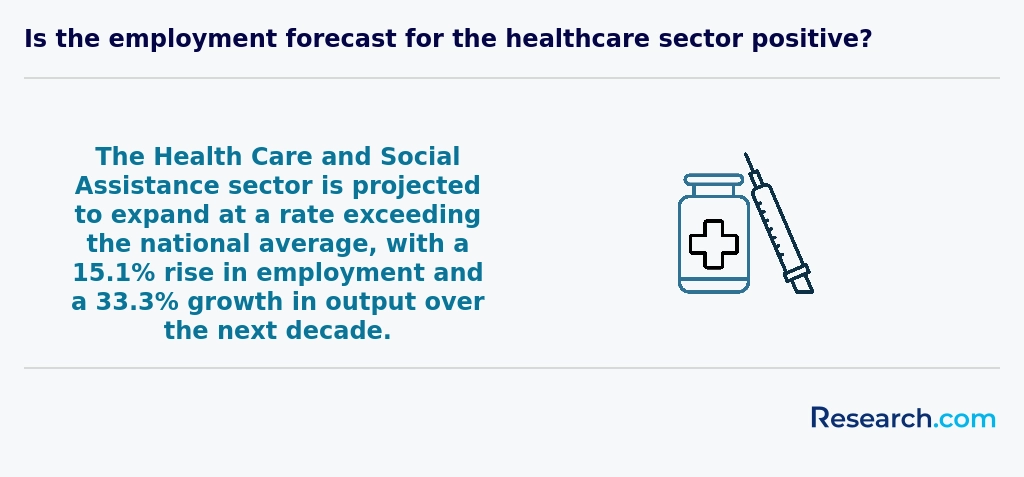
- Healthcare employment in New Hampshire is projected to grow by over 15% from 2020 to 2030, with high demand in nursing, physical therapy, and health administration.
- Licensing and certification requirements follow national standards, including exams and clinical hours, supported by hands-on training through local hospital partnerships.
How long does it take to complete healthcare degree in New Hampshire?
Imagine stepping into a healthcare program in New Hampshire and wondering just how long your journey will take. For those eager to dive quickly into the field, programs like Certified Nursing Assistant training can be completed in mere weeks to a few months. Graduates from these short bursts of learning often share excitement about gaining essential skills swiftly and starting their careers without delay.
If your sights are set higher, an Associate Degree in Nursing (ADN) typically takes around two years. Many students enrolled at community colleges such as Nashua Community College describe immersive classroom lessons paired with hands-on clinical experiences that make these years both challenging and rewarding.
For those drawn to deeper expertise, pursuing a Bachelor of Science in Nursing (BSN) at institutions like the University of New Hampshire often requires a full four years of study. Graduates recall how this comprehensive journey opens doors to advanced roles, with many employers valuing the broad preparation BSN provides.
Adventurous learners aiming for advanced practice, like nurse practitioners, look forward to adding two more years of master's coursework and clinical hours after their bachelor's degree, embracing a more rigorous but fulfilling path.
Job Market Outlook for Healthcare Graduates in New Hampshire
The healthcare job market in New Hampshire is evolving rapidly, offering numerous avenues for recent graduates to launch successful careers. With the state's growing demand for skilled professionals, graduates are finding ample opportunities in hospitals, outpatient centers, public health agencies, and emerging sectors like telemedicine and health informatics. Employers place a high value on hands-on training, ethical decision-making, and a strong academic foundation, all of which are emphasized across New Hampshire's healthcare programs. Recent labor reports suggest that entry-level positions are becoming more accessible, and many graduates are quickly stepping into roles that balance competitive salaries with significant career growth. This robust landscape is driven by factors such as the state's aging population, technological innovations, and increasing investments in healthcare infrastructure. For students evaluating their academic and career options, understanding these market trends is crucial. Additionally, exploring resources like the most affordable healthcare schools in new hampshire can provide a clearer picture of institutions that not only deliver quality education but also maintain strong industry connections. By aligning educational choices with market needs, prospective healthcare professionals in New Hampshire can strategically position themselves to thrive in an increasingly competitive and rewarding field.
What's the difference between online and on-campus healthcare degree?
Choosing between online and on-campus healthcare degrees in New Hampshire opens a world of possibilities tailored to your lifestyle. Imagine a graduate from the University of New Hampshire, thriving in bustling labs and clinical simulation centers, where hands-on practice shapes real-world skills. The energy of face-to-face classes and instant feedback from professors creates a dynamic learning adventure every day.
On the flip side, picture another graduate balancing family life while studying healthcare remotely through an online program, accessing lectures and discussions anytime from home. This flexibility feels like a breath of fresh air, especially when juggling work and personal commitments. Online study in New Hampshire reduces costs tied to commuting and housing, making education more accessible for many.
Both paths-whether exploring Granite State College's campus or logging in from your favorite chair-offer accredited programs, but your experience will depend on your learning style. The on-campus route offers immersive, tactile engagement, while online fosters independence and digital connectivity. Either way, New Hampshire's healthcare programs invite you to shape your future with confidence.
Licensure and Certification Requirements for Healthcare Professionals in New Hampshire
Before beginning any healthcare career in New Hampshire, you must satisfy state licensure and certification standards to ensure practice legality and patient safety. Each profession has its own regulatory board-such as the New Hampshire Board of Nursing, the Board of Physical Therapy, or the Health Information Management Board-that mandates graduation from an accredited program, successful completion of national or state exams, and ongoing continuing education. For example, aspiring physical therapist assistants must earn an associate degree from a CAPTE-accredited program and pass the National Physical Therapy Exam (NPTE) before applying for state licensure. Many students explore flexible options by enrolling in pta programs online, which combine rigorous coursework with virtual labs and local clinical placements approved by the Board of Physical Therapy. Similarly, registered nurses in New Hampshire must graduate from an ACEN- or CCNE-accredited nursing program, pass the NCLEX-RN exam, and complete at least 30 contact hours of continuing education every two years to maintain licensure. Health information technicians typically pursue Certified Professional Coder (CPC) or Registered Health Information Technician (RHIT) credentials, which require passing standardized exams overseen by AHIMA. Staying current with renewal deadlines and documenting continuing education credits is critical. Most boards allow online certificate courses and webinars, so be sure to verify that your chosen program aligns with New Hampshire’s CE requirements. By understanding and meeting these licensure and certification obligations, you’ll safeguard your eligibility to practice and enhance your employability across the state’s dynamic healthcare sector.
What is the average cost of healthcare degree in New Hampshire?
The average cost of a healthcare degree in New Hampshire offers an intriguing balance between quality education and affordability, with a median total cost around $40,890. For in-state students, this number drops significantly to about $19,163, revealing a more accessible path for local learners passionate about healthcare careers. Graduates from institutions like the University of New Hampshire often share how their investment felt worthwhile, considering the comprehensive clinical experiences and well-equipped labs that enriched their studies.
Exploring healthcare degree tuition and fees New Hampshire-wide, students attending community colleges for associate programs notice even lower expenses, letting them dive into nursing or allied health without overwhelming debt. Those pursuing bachelor's or graduate degrees in fields like nursing or public health find that public universities provide a compelling balance, highlighted by hands-on learning opportunities and supportive faculty.
Beyond tuition, the journey includes additional costs like textbooks and health screenings, but many future healthcare heroes find comfort in financial aid that eases the burden. Curious students eager to uncover savings often consult resources detailing the most affordable healthcare schools in new hampshire. These options inspire hopeful minds, turning what initially feels like a steep climb into an exciting exploration toward a meaningful career.

What financial aid is available to healthcare degree students in New Hampshire?
Venturing into healthcare studies in New Hampshire opens doors to financial aid treasures that many students happily discover. Graduates from the University of New Hampshire often share how starting with the Free Application for Federal Student Aid (FAFSA) was their first key step, unlocking federal Pell Grants-free money that eased tuition costs significantly-sometimes up to $7,395 a year. Imagine attending a public college paying just a fraction of the typical $19,000 annual cost thanks to these grants.
State programs add even more aid adventure. The New Hampshire Governor's Scholarship and the need-based New Hampshire Scholarship Program have been game-changers for many Nursing and Allied Health students in the Community College System of New Hampshire (CCSNH). These funds make chasing a healthcare dream feel accessible and exciting.
Many graduates recall tapping into employer tuition reimbursements, while others found loan forgiveness through the National Health Service Corps and state programs, rewarding their dedication by repaying education loans when working in critical shortage areas.
Emerging Trends and Future Opportunities in Healthcare Education
Amid constant changes in the healthcare sector, understanding the emerging trends is essential for prospective students aiming to future-proof their careers. Today’s healthcare landscape is being transformed by technological innovations such as telemedicine, digital health records, and simulation-based training, which are reshaping both learning and patient care practices. Institutions are now integrating these advanced tools into their curricula to equip graduates with the modern skills required to excel in diverse roles, from clinical settings to administrative leadership. For students eager to gain a competitive edge, innovative and accelerated training options are increasingly available. For example, many are turning to specialized medical.assistant program courses that offer streamlined paths to in-demand positions, enabling quicker entry into the workforce without compromising the quality of education. Moreover, this evolving landscape is giving rise to new career trajectories such as digital health coordinators and patient engagement specialists, which combine clinical expertise with cutting-edge technology. By aligning educational choices with these future-focused trends, students can not only meet current industry standards but also anticipate and adapt to the shifts that will shape healthcare in the coming years.
What are the prerequisites for enrolling in healthcare degree program in New Hampshire?
Diving into a healthcare degree in New Hampshire feels like stepping into a world full of promise and dedication, but first, you'll need to meet some clear prerequisites. For example, at popular institutions like the University of New Hampshire or Southern New Hampshire University, undergraduates often start with a solid foundation: a high school diploma paired with coursework in biology, chemistry, and math. Graduates recall how mastering anatomy and physiology early on sparked their excitement for clinical work ahead.
Standardized tests like the SAT or ACT might still play a role, especially if you want to stand out, even though some colleges lean toward test-optional policies. Graduate hopefuls face their own adventure - holding a relevant bachelor's degree and a GPA around 3.0 is common, alongside hands-on healthcare experience, whether through volunteering or jobs. Many find that this blend of academics and real-world exposure, combined with background checks and immunizations required for clinical placements, prepares them well for success in New Hampshire's healthcare programs.

Graduate Career Success and Job Market Outlook
Navigating the job market as a healthcare graduate in New Hampshire is a critical part of your educational journey. In today’s competitive environment, many graduates report that their programs not only impart strong technical skills but also provide extensive career support, preparing them to enter a robust and evolving job market. With the healthcare sector projected to grow significantly over the next decade, graduates are tapping into diverse roles-from clinical positions and administrative management to specialized areas like health informatics and public health advocacy. Graduates frequently highlight the value of career services, internships, and real-world project collaborations that contribute to enhanced job readiness. Networking opportunities, both formal and informal, play a key role in securing positions that offer competitive starting salaries and long-term growth prospects. For those looking at programs that combine affordability with quality education, exploring the insights on most affordable healthcare schools in new hampshire can provide a helpful perspective on balancing financial investment with career advancement. Moreover, alumni often attest that their educational experiences laid a strong foundation for success, enabling them to adapt to rapid changes in healthcare technology and patient care practices. As employers increasingly seek candidates who bring both academic excellence and practical skills, a well-rounded education in New Hampshire’s healthcare programs can be a decisive advantage in this thriving job market.
What courses are typically in healthcare degree programs in New Hampshire?
Diving into a healthcare degree in New Hampshire means immersing yourself in courses that bring the science of the human body and patient care vividly to life. Picture yourself at Southern New Hampshire University, exploring Human Anatomy and Physiology, where understanding how every muscle and organ works feels like uncovering a hidden map of the human form. Graduates often share how Medical Terminology helped them confidently communicate in clinical settings, turning complex jargon into a clear language that connects teams and patients.
Microbiology classes transport students into the microscopic world, revealing how tiny organisms shape health outcomes-a crucial skill for infection control. Courses in Healthcare Ethics and Law challenge students to wrestle with real-life dilemmas, fostering a strong sense of responsibility and integrity. Pharmacology brings the science of medication right to your fingertips, while Clinical Practice offers hands-on opportunities, simulating real patient care that builds both skill and confidence.
At the University of New Hampshire, students appreciate learning about Health Information Systems and Public Health Fundamentals, equipping them to navigate modern healthcare's technological and community-driven demands. Many graduates note how this blend of science, technology, and ethics prepares them for a vibrant health career in the growing New Hampshire healthcare landscape.
What types of specializations are available in healthcare degree programs in New Hampshire?
Exploring healthcare degree specializations in New Hampshire reveals an exciting variety of pathways tailored to eager learners ready to make an impact. Many graduates from popular institutions like the University of New Hampshire describe their nursing programs as deeply rewarding, blending rigorous clinical practice with compassionate care, setting the stage for vibrant careers as Registered Nurses. Others find themselves drawn to healthcare administration, where courses at colleges such as Dartmouth focus on leadership skills and healthcare policy, empowering students to steer hospitals and clinics toward better patient outcomes.
For those fascinated by hands-on healing arts, programs in physical therapy, occupational therapy, and medical laboratory science unfold captivating worlds full of technical skill and patient connection. Imagine stepping into a laboratory or therapy clinic, equipped to restore mobility or analyze critical diagnostics-this is the reality embraced by many New Hampshire students pursuing these paths. Public health studies also engage students eager to address community challenges, from rural access to aging populations.
Additionally, some ambitious learners accelerate their journey through specialized options like the medical.assistant program, fast-tracking their training in just weeks. Choosing among these healthcare degree specializations New Hampshire offers means stepping into dynamic roles fueled by both passion and practical skill.
How do you choose the best healthcare degree in New Hampshire?
Choosing the best healthcare degree in New Hampshire means diving into programs that not only match your passion but also connect you with the local healthcare landscape. Picture yourself enrolled at a university known for its strong ties to state hospitals, where graduates rave about real-world clinical rotations that truly prepare them for rewarding careers. Many students find that programs with CCNE or ACEN accreditation open doors to licensure and smoother employment pathways across New Hampshire. Considering affordable healthcare degrees in New Hampshire is just as thrilling-imagine landing scholarships or federal aid that make tuition more manageable, especially when out-of-state fees can be steep.
Students often highlight the excitement of flexible study options, blending online coursework with hands-on practice. For those curious about blending convenience with quality, exploring pta programs online offers a great glimpse into balancing life and learning. Ultimately, your choice thrives on evaluating graduation success, local job opportunities, and a vibrant campus network that fuels your healthcare journey.
What career paths are available for healthcare degree students in New Hampshire?
Graduates from healthcare programs at universities like the University of New Hampshire embark on diverse and exciting professional journeys. Many dive into direct patient care as registered nurses or physician assistants, experiencing the rewarding pace of hospitals and clinics across the state. For those drawn to specialized work, careers in physical therapy or medical laboratory technology offer hands-on roles that deeply impact patient recovery and diagnostics, capturing the adventurous spirit of healthcare degree job prospects New Hampshire students often mention with pride.
Beyond clinical settings, administration and health information management open doors to shaping healthcare systems behind the scenes. Graduates from community-focused programs frequently find themselves leading public health initiatives that improve lives statewide. The dynamic environment of New Hampshire's healthcare career opportunities spans from bustling hospitals to public health campaigns, offering a fulfilling range of paths. For students aiming to explore cost-effective education options before launching these careers, checking out the Most Affordable Online Healthcare Degree Programs Ranking in Hammond, LA can provide valuable guidance.
What is the job market for healthcare degree in New Hampshire?
The healthcare job opportunities in New Hampshire are vibrant and expanding, creating an inviting landscape for graduates of local institutions like the University of New Hampshire and Dartmouth College. Graduates often share stories of quickly finding positions as registered nurses or allied health professionals, energized by the welcoming communities both in cities and rural towns. This demand is not just a statistic; it's the pulse of real neighborhoods where healthcare workers become trusted, essential members. Many find that working in smaller, rural areas offers a sense of adventure as well as purpose, balancing a fulfilling career with a tight-knit community feel.
New Hampshire healthcare degree employment outlook is very encouraging. Salaries are competitive, with nurses earning around $75,000 annually, comparable to national averages, which helps graduates feel confident about their investment. The cost of earning a degree here is relatively affordable, making it an appealing option for those looking to balance quality education and reasonable expenses. Some students even explore flexible options, including best 6-month associate degree programs online, to start their careers quickly and confidently.
Frequently Asked Questions About healthcare
Healthcare degree students in New Hampshire can maximize their learning by engaging in clinical experiences offered through partnerships with local hospitals and healthcare providers. The state's strong network of medical centers, such as Dartmouth-Hitchcock Medical Center, provides valuable hands-on training opportunities.
Students should also take advantage of online resources and certification programs to supplement their coursework. New Hampshire's focus on healthcare quality and safety means students trained here are often exposed to advanced practices in patient care and technology.
Networking with professionals through internships and joining healthcare organizations can improve knowledge and job prospects. According to the New Hampshire Department of Health and Human Services, healthcare jobs in the state are projected to grow by 16% from 2020 to 2030, underscoring the value of practical experience.
Emerging niches in healthcare reflect shifts in technology, patient needs, and public health priorities. In New Hampshire, one of the fastest-growing areas is telehealth, which expanded significantly during the COVID-19 pandemic and continues to transform patient care delivery. According to the New Hampshire Department of Health and Human Services, telehealth usage remains high, providing opportunities for healthcare professionals specializing in digital health services.
Another niche is gerontology, driven by the state's aging population. New Hampshire has one of the highest percentages of residents aged 65 and older, increasing demand for professionals skilled in elder care and chronic disease management.
Additionally, health informatics is gaining traction as hospitals and clinics integrate electronic health records to improve care efficiency and outcomes. The demand for experts in data analysis and healthcare IT is predicted to grow by over 20% nationwide, including New Hampshire, according to the U.S. Bureau of Labor Statistics.
Preparing for the healthcare job market in New Hampshire after graduation involves strategic steps tailored to the state's medical landscape. Graduates should prioritize obtaining relevant certifications and licenses, as many healthcare roles require state-specific credentials. For example, the New Hampshire Board of Medicine oversees licensing for certain professionals, making familiarity with their requirements essential.
Gaining clinical experience through internships or residencies, which many local hospitals and clinics offer, greatly enhances job prospects. According to the New Hampshire Department of Employment Security, healthcare employment is projected to grow by 14% through 2030, especially for nurses and allied health professions.
Networking within the state's healthcare community and attending local career fairs can connect graduates with potential employers like Dartmouth-Hitchcock Medical Center. Additionally, maintaining an updated resume highlighting both educational achievements and practical experience is crucial for a competitive edge.
Employers in New Hampshire's healthcare sector prioritize a combination of technical and interpersonal skills in graduates holding healthcare degrees. Clinical competence, including proficiency in patient care procedures and familiarity with electronic health records, is essential to meet state healthcare standards. According to the New Hampshire Department of Health and Human Services, strong communication skills rank highly as healthcare providers often collaborate across multidisciplinary teams.
Additionally, critical thinking and problem-solving skills are crucial, enabling graduates to make quick, evidence-based decisions in dynamic environments. Cultural competence is increasingly important due to New Hampshire's growing diverse population. Time management and adaptability are also frequently cited by local employers as key attributes for success in healthcare roles.
Finding healthcare internships in New Hampshire requires a proactive approach combining online research, networking, and leveraging academic resources. Many local hospitals, such as Dartmouth-Hitchcock Medical Center, offer structured internship programs designed for students pursuing healthcare degrees. According to the New Hampshire Department of Health and Human Services, clinical experience is crucial to meet licensure and employment requirements in the state.
Students should also utilize career services at regional colleges like the University of New Hampshire and Franklin Pierce University, where healthcare internship listings are frequently updated. Additionally, professional organizations such as the New Hampshire Healthcare Association provide internship opportunities and networking events.
Online platforms specific to healthcare internships, combined with direct contact with medical centers and public health agencies, increase the chances of securing relevant placements crucial for practical experience and career development in New Hampshire's healthcare sector.
Obtaining a healthcare degree in New Hampshire significantly enhances career mobility and advancement within the state's growing medical sector. The New Hampshire Department of Employment Security notes that healthcare occupations are among the fastest-growing fields, with a projected growth rate of 13.7% through 2030. A formal degree provides essential credentials, opening doors to diverse roles from nursing to healthcare management.
Employers in New Hampshire often prioritize candidates with accredited degrees, as these programs emphasize critical skills and up-to-date clinical knowledge. This reduces barriers to licensure and certification, key for professional progression.
Additionally, degree holders benefit from networking opportunities with local healthcare institutions like Dartmouth-Hitchcock Medical Center, which supports career development through internships and partnerships. Overall, a healthcare degree is a strategic investment that supports upward mobility and job security in New Hampshire's healthcare landscape.
Studying for a healthcare degree in New Hampshire offers strong preparation for interdisciplinary roles through a curriculum that emphasizes collaboration across healthcare professions. Many programs integrate clinical experiences with teamwork skills, helping students interact effectively with nurses, physicians, therapists, and social workers. According to the New Hampshire Department of Health and Human Services, nearly 60% of healthcare settings in the state operate with interdisciplinary teams, highlighting the demand for professionals who can communicate across specialties.
Students benefit from partnerships between schools and local hospitals or clinics, exposing them to real-world scenarios where cross-disciplinary approaches improve patient outcomes. This practical training builds competencies needed in complex healthcare environments.
Furthermore, New Hampshire's healthcare education often includes coursework in health informatics and administration, adding technology and management perspectives to clinical knowledge. This blend equips graduates to contribute in diverse roles beyond direct patient care, enhancing their adaptability in evolving healthcare systems.
Choosing between a thesis and a non-thesis healthcare degree program in New Hampshire depends on your career goals and learning preferences. Thesis programs typically emphasize research, requiring you to design and complete a detailed study. This path suits students aiming for roles in research, academia, or doctoral studies.
Non-thesis programs focus more on coursework and practical skills, preparing graduates for clinical practice or healthcare administration. For example, the New Hampshire Department of Health and Human Services highlights a growing need for skilled healthcare managers, suggesting non-thesis options can align well with local job markets.
Consider time commitments too: thesis tracks often take longer due to research demands, while non-thesis programs may offer quicker completion.
Students based in New Hampshire who wish to study healthcare abroad have several pathways to consider. Many universities in New Hampshire, such as the University of New Hampshire, offer study abroad programs or partnerships with international institutions. These options allow students to gain clinical experience and academic credits overseas while remaining enrolled in their home institution.
Additionally, accredited international programs recognized by US educational authorities can be accessed directly, especially in countries known for medical and nursing training. It is important for students to verify accreditation and compatibility with US licensure requirements.
According to the New Hampshire Department of Education, about 10% of healthcare undergraduates participate in study abroad activities, reflecting growing interest in global health exposure. Students should also consider institution-specific support, scholarships, and visa regulations when planning.
In New Hampshire, part-time jobs that complement healthcare degree education offer valuable hands-on experience. Positions such as certified nursing assistants (CNAs), medical assistants, or pharmacy technicians provide practical skills relevant to healthcare study. According to the New Hampshire Department of Labor, healthcare support occupations are expected to grow by over 11% by 2028, reflecting strong job availability.
Students may also find roles in local hospitals like Dartmouth-Hitchcock or community health centers, which often seek part-time help. These jobs enhance clinical knowledge and interpersonal skills, crucial for healthcare careers.
Volunteering opportunities at medical facilities and public health organizations can further bolster resumes, providing insights into patient care and health systems.
Healthcare students in New Hampshire benefit from a variety of networking opportunities across educational institutions and professional organizations. Many colleges, including the University of New Hampshire and Dartmouth College, host healthcare-focused student groups that connect learners with peers and local professionals. These groups often organize workshops, guest lectures, and career fairs specifically tailored to healthcare careers.
Additionally, New Hampshire has active chapters of national organizations such as the American Medical Student Association (AMSA) and the New Hampshire Nursing Association. These provide students with access to conferences, mentorship programs, and internship opportunities.
The state's healthcare industry is supported by numerous hospitals and clinics, offering clinical placements that foster direct professional networking. According to the New Hampshire Department of Health and Human Services, healthcare employment grew 5.2% from 2019 to 2023, highlighting a robust environment for forming industry connections.
Alumni networks provide significant advantages for healthcare degree students in New Hampshire by offering valuable professional connections. Many healthcare programs in the state, including those at the University of New Hampshire and Dartmouth College, maintain active alumni associations that foster mentorship opportunities. These connections help students secure internships and job placements in New Hampshire's growing healthcare sector, which employs over 60,000 individuals according to the New Hampshire Department of Employment Security.
Through events and online platforms, students can connect with graduates who have firsthand experience in local hospitals and clinics. This network support often leads to better job prospects and career guidance tailored to the state's healthcare environment.
Customizing a healthcare degree program in New Hampshire begins with selecting a school that offers flexible curriculum options tailored to individual career goals. Many local institutions provide concentrations in areas such as nursing, public health, or health administration, allowing students to specialize within their degree.
Students can often choose electives or minors that align with their interests, such as healthcare informatics or mental health services. Additionally, internships and clinical placements within New Hampshire's diverse healthcare settings help build relevant experience. According to the New Hampshire Department of Health and Human Services, workforce demand is rising particularly in nursing and behavioral health, making these valuable focus areas for students.
Advising services at New Hampshire colleges also support degree customization by helping students align their programs with licensure requirements and regional job markets.
Healthcare students in New Hampshire commonly face several challenges during their education. One significant issue is limited clinical placement opportunities, as many local hospitals and clinics have restricted spots, causing competition among students. According to the New Hampshire Department of Health and Human Services, the state's healthcare workforce demand grows steadily, but education infrastructure has not fully adapted.
Another challenge is balancing rigorous coursework with practical experience, as healthcare programs demand both strong academic performance and hands-on training. Additionally, students often encounter financial pressures, given the rising costs of tuition and living expenses in New Hampshire.
Finally, rural healthcare shortages in the state may limit exposure to diverse patient populations during training, which can affect real-world readiness. These challenges call for strategic planning by both students and educators to ensure successful outcomes.
With a healthcare degree in New Hampshire, graduates can pursue various professional certifications that enhance career opportunities and earning potential. Common certifications include Certified Nursing Assistant (CNA), Registered Nurse (RN), and Licensed Practical Nurse (LPN), each requiring specific state board approval and practical hours.
Additionally, graduates often seek credentials like Certified Medical Assistant (CMA) or Registered Health Information Technician (RHIT), which are valuable in clinical and administrative roles. According to the New Hampshire Department of Labor, healthcare roles with certifications are projected to grow by over 12% through 2030.
Certifications usually require passing national exams and maintaining continuing education, ensuring up-to-date knowledge in healthcare practices and regulations.
Writing a winning application for a healthcare program in New Hampshire starts with clear preparation. Applicants should carefully review each program's prerequisites and tailor their materials accordingly. Many healthcare programs in New Hampshire, including those at the University of New Hampshire and Rivier University, look for strong academic records, especially in science courses such as biology and chemistry.
Highlighting relevant experience, whether through internships, volunteering in local hospitals, or healthcare-related jobs, strengthens your application significantly. According to the New Hampshire Department of Health and Human Services, healthcare fields are growing rapidly, making practical experience a key factor for admission committees.
Your personal statement must clearly explain your motivation for joining healthcare and how you plan to contribute to the field. Including knowledge of New Hampshire's specific healthcare needs can demonstrate informed commitment.
Healthcare careers are increasingly viewed through a global lens, with the rising demand for skilled professionals worldwide. In the US, and specifically New Hampshire, the healthcare sector is growing faster than average, reflecting a global trend toward aging populations and chronic disease management. According to the New Hampshire Department of Employment Security, healthcare occupations are projected to grow by 15% through 2030, faster than many other fields.
Globally, healthcare workers face diverse challenges such as differing healthcare systems and cultural expectations. Studying healthcare in New Hampshire offers access to accredited programs that prepare students for these global challenges, emphasizing both technical skills and cultural competence. This approach aligns with international standards to facilitate mobility for healthcare professionals and improve patient care worldwide.
Gaining practical experience while studying for a healthcare degree in New Hampshire is essential for career readiness. Many local colleges and universities, such as the University of New Hampshire and Franklin Pierce University, incorporate clinical rotations or internships within their programs. These placements often take place in nearby hospitals and clinics, giving students hands-on patient care experience.
The state's healthcare system supports partnerships with organizations like the Dartmouth-Hitchcock Medical Center, providing numerous opportunities for practical learning. According to the New Hampshire Department of Labor, healthcare is the fastest-growing employment sector here, emphasizing the importance of real-world skills.
Students can also pursue volunteering or part-time roles in health facilities to strengthen their resumes.
Choosing the right concentration within a healthcare degree program in New Hampshire depends on your career goals and interests. The state's healthcare sector includes growing fields like nursing, public health, and healthcare administration. According to the New Hampshire Department of Employment Security, nursing remains the largest employer in healthcare, with a projected growth of 12% through 2030.
Consider programs accredited by agencies like CCNE or CAHIM to ensure quality education. Reflect on job availability and salary ranges; for example, nurse practitioners in New Hampshire earn a median annual wage of about $112,000 (Bureau of Labor Statistics, 2023).
Exploring state-specific healthcare challenges, such as rural health access, can also guide your choice toward impactful concentrations like community health.
Related Healthcare Rankings for Nearby States
- 2027 Most Popular Healthcare Degree Programs Ranking in Massachusetts
- 2027 Most Popular Healthcare Degree Programs Ranking in Maine
- 2027 Most Popular Healthcare Degree Programs Ranking in Connecticut
- 2027 Most Popular Healthcare Degree Programs Ranking in New Jersey
- 2027 Most Popular Healthcare Degree Programs Ranking in Delaware
- 2027 Most Popular Healthcare Degree Programs Ranking in Kentucky
- 2027 Most Popular Healthcare Degree Programs Ranking in Michigan
- 2027 Most Popular Healthcare Degree Programs Ranking in Georgia
- 2027 Most Popular Healthcare Degree Programs Ranking in Illinois
- 2027 Most Popular Healthcare Degree Programs Ranking in Florida
Top Trending Healthcare Rankings
See What Experts Have To Say About Studying Healthcare
Read our interview with Healthcare experts

References
- Challenges for Medical Students - Health Action Research Group https://www.healthactionresearch.org.uk/mental-health/challenges-for-medical-student/
- Job-Ready Healthcare Skills for 2026 https://cliniwave.in/blogs/latest-article/job-ready-healthcare-skills
- 1+ Healthcare Cover Letter Examples (with In-Depth Guidance) https://www.tealhq.com/cover-letter-examples/healthcare
- Best Practices for Career Development and Advancement in the Healthcare Sector | Generation https://www.generation.org/news/best-practices-for-career-development-and-advancement-in-the-healthcare-sector/
- SNHU Online Bachelor of Science in Healthcare Administration (BSHA) https://www.onlineeducation.com/healthcare/schools/snhu-online-bs-healthcare-administration
- The Value of Healthcare Organization Alumni Associations https://consultqd.clevelandclinic.org/the-value-of-healthcare-organization-alumni-associations
- Master’s in Health Administration Degrees in New Hampshire https://www.masters-in-health-administration.com/in/new-hampshire/
- Niche Markets in Healthcare: How to Find & Target https://nechayadvisors.com/blog/niche-markets-in-healthcare
- HEALTH MANAGEMENT (THESIS / NON-THESIS) - Lisansüstü Eğitim Enstitüsü https://lee.nisantasi.edu.tr/en/health-management-thesis-non-thesis/
- How to choose a bachelor's in healthcare administration | edX https://www.edx.org/resources/how-to-choose-a-bachelors-in-healthcare-administration


