
2027 Fastest Online Healthcare Degree Programs Ranking in Columbia, MO

Co-Founder and Chief Data Scientist
If you're considering advancing your education in healthcare, choosing the right program matters. This article introduces the 2027 Fastest Online Healthcare Degree Programs Ranking in Columbia, MO, developed by the Research.com team of data scientists. Their goal is to help you make an informed choice by spotlighting quality programs that combine speed and flexibility.
Reading this ranking can save you time and effort, guiding you toward opportunities that fit your lifestyle and career goals. Pursuing a healthcare degree opens doors to a fulfilling and impactful future.
Key benefits of getting online healthcare degree in Columbia
- Healthcare degree graduates in Columbia can earn competitive salaries such as $43,350 annually for Medical Assistants and Clinical Research Coordinators, and up to $103,150 for Quality Improvement Coordinators, offering strong financial rewards.
- Graduates from popular universities in Columbia often pursue diverse careers including Patient Care Technician, Health Information Technician, or Quality Improvement roles, providing many flexible paths for growth and success.
- Completing a healthcare degree online from Columbia-based institutions offers the flexibility to balance work and study, often leading to quicker entry into the workforce without sacrificing education quality or career prospects.
- 2027 Fastest Online Healthcare Degree Programs Ranking in Columbia, MO
- What can I expect from online healthcare degree in Columbia?
- Where can I work with online healthcare degree in Columbia?
What can I expect from online healthcare degree in Columbia?
Students pursuing an online healthcare degree in Columbia often find that the average cost is more manageable than many anticipate, especially when enrolled at institutions like the University of Missouri. Graduates frequently reflect on the financial relief they experienced due to competitive tuition rates that are generally lower than in-person programs. For instance, several alumni recall balancing work and study without the heavy burden of excessive tuition, thanks in part to in-state discounts and targeted scholarships for healthcare students.
Many share that applying for financial aid early opened doors to grants and subsidies, alleviating worries about expenses. This affordability allowed them to focus on mastering coursework in nursing or public health without constant financial stress. The savings made it easier to invest in local clinical placements at notable facilities such as University Hospital, making education both accessible and practical. For Columbia students, this blend of cost-efficiency and quality education creates a hopeful pathway toward thriving careers in healthcare.
Where can I work with online healthcare degree in Columbia?
Graduates with an online healthcare degree in Columbia often find themselves welcomed into diverse roles within the city's vibrant medical community. Many have shared how their education from institutions like the University of Missouri opened doors at major employers such as University of Missouri Health Care and Boone Hospital Center. These graduates describe the fulfillment of working directly in patient care, healthcare administration, or managing vital medical records in bustling hospital environments.
Others have found rewarding opportunities in public health organizations like Columbia/Boone County Public Health and Human Services, where their skills contribute to meaningful community health programs and policy initiatives. The convenience of earning an online degree while building local connections gives students a sense of confidence as they step into these positions.
Graduates appreciate that the Columbia healthcare ecosystem values certifications alongside degrees, motivating many to pursue licensure or credentials like the NCLEX-RN or CPC. This blend of education and certification strengthens their candidacy and helps them thrive in competitive healthcare roles across hospitals, clinics, long-term care, and government agencies.
Graduates from online healthcare degree programs in Columbia often find themselves stepping into roles with promising salaries that reflect both their dedication and the region's healthcare demand. For example, many recent alumni from local institutions like the University of Missouri report starting positions as Patient Care Technicians, earning a mean annual wage around $60,790. This level provides a stable foundation while offering opportunities for career growth.
Others pursue roles as Medical Assistants or Health Information Technicians, where average annual wages hover near $43,350. These positions are ideal for those who value hands-on patient support or managing crucial health data, often combining rewarding personal interactions with financial reliability.
Graduates aiming higher often move into Quality Improvement Coordinator roles, which can pay approximately $103,150 annually, reflecting advanced responsibility and impact on healthcare outcomes. The chance to influence patient care quality while enjoying a competitive salary is a motivating factor many alumni highlight.
Overall, earning an online healthcare degree in Columbia aligns well with the city's healthcare infrastructure and economic trends, fostering confidence and excitement as graduates embark on their professional journeys.
- Tuition for online undergraduate healthcare programs in Columbia typically ranges from $8,000 to $15,000 per year for in-state students.
- Graduate healthcare programs, like nursing or healthcare administration, cost between $12,000 and $25,000 annually.
- Entry-level salaries for healthcare graduates in Columbia average $50,000 to $60,000 per year, with registered nurses starting near $56,000.
- Experienced healthcare professionals in the area can earn $80,000 or more within five to ten years.
- Online programs often follow state licensure and certification requirements and may be accredited by bodies like CCNE or ACOTE.
- Columbia's healthcare sector includes roles in clinical work, public health, health informatics, and administration, with strong local demand for workers.
Completing an online healthcare degree in Columbia, Missouri, often depends on the program level and personal pacing. Graduates from the University of Missouri system frequently share how their bachelor's degrees, such as nursing or health administration, typically take around four years when studied full-time. Yet, they appreciate accelerated tracks cutting this down to two or three years, which allows them to enter the workforce sooner without sacrificing quality.
Associate degrees in fields like medical assisting usually wrap up in about two years, offering a quicker path to starting a healthcare career. Many students balancing work and study at local institutions find flexible part-time options essential, understanding that this may extend their timeline but grants much-needed balance.
Graduate students pursuing Master of Healthcare Administration or Nursing degrees often invest between 18 months and three years, with personalized pacing tailored to their schedules. This adaptability, combined with options to transfer credits or complete practicums locally, creates a pathway that many describe as both challenging and rewarding in Columbia's supportive education environment.
Choosing between online and on-campus healthcare degrees in Columbia often comes down to lifestyle and learning preferences. Graduates from the University of Missouri recall how online programs allowed them to balance jobs and family while advancing their careers, thanks to the flexibility of remote coursework. This flexibility is invaluable, especially for working adults who can complete classes at convenient times without sacrificing clinical requirements, which are organized locally within Columbia healthcare facilities.
On the other hand, those who attended Columbia College appreciate the immersive experience of face-to-face classes and easy access to nearby hospitals and labs. This environment fosters close relationships with instructors and peers, enriching hands-on skills and networking opportunities crucial for future employment.
Many find comfort knowing that both paths meet Missouri's clinical hour standards and maintain accreditation, reassuring employers of the degree's legitimacy. While online study eases commuting and housing costs, living the campus experience can spark personal growth and confidence through direct mentorship, making both approaches viable but distinct journeys.
Achieving success in an online healthcare program requires proactive planning and effective strategies that align with the demands of a virtual learning environment. Begin by establishing a dedicated, quiet workspace and a consistent daily schedule to balance coursework with personal responsibilities. Investing in reliable technology and familiarizing yourself with the online platform can significantly reduce technical disruptions and help you maintain focus on your studies. Additionally, don’t hesitate to leverage student support services-such as tutoring, academic advising, and networking opportunities-to enhance both your academic and career journey. Exploring complementary credentials, like a medical billing and coding certificate online, can further empower you with in-demand skills and broaden your professional opportunities. By integrating these proven strategies into your routine, you’ll be well-equipped to navigate the challenges of online learning and thrive in the dynamic field of healthcare.
For students pursuing an online healthcare degree in Columbia, the average cost typically hovers around $47,232, with in-state students experiencing slightly lower expenses near $49,800, and out-of-state learners facing higher totals up to about $59,880. These figures resonate well with the experiences of graduates from prominent institutions like the University of Missouri, where learners balance tuition with additional fees such as textbooks and technology. Many have found that understanding these expected costs early on helps ease financial stress, allowing a sharper focus on coursework and clinical experiences.
Those seeking affordable online healthcare degree programs Columbia Missouri naturally gravitate toward public universities offering competitive tuition rates. Graduates often recall the sense of relief when comparing costs to national averages-Columbia's pricing provides a robust opportunity to earn respected credentials without excessive debt. For example, graduates completing master's programs appreciate that their investment remains within a reasonable range, typically between $24,000 and $50,000, depending on residency and credit hour requirements.
Considering the whole picture, it's not just tuition that defines affordability but also the life-changing potential of a well-chosen healthcare education. Students find encouragement knowing their healthcare degree in Columbia balances cost and quality effectively, supported by resources and guidance. Exploring options like the fastest online healthcare school in missouri helps students pinpoint the right fit, turning financial planning into a manageable, optimistic step forward.
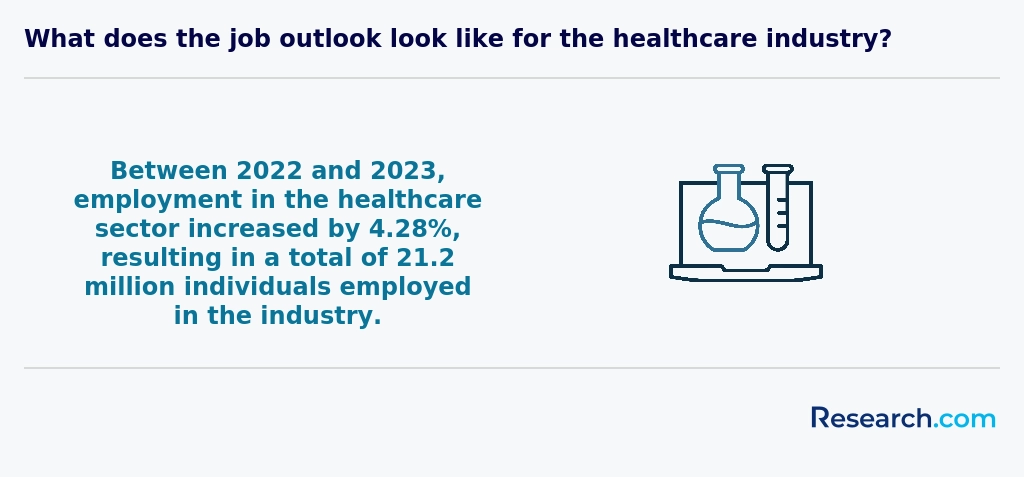
Achieving success in an online healthcare program requires a blend of effective time management, proactive engagement, and the strategic use of available academic resources. Students are encouraged to set clear goals and establish a dedicated study routine that aligns with their professional and personal schedules. By actively participating in online discussions, seeking timely feedback from instructors, and utilizing digital libraries and databases, you can deepen your understanding of course materials and set a solid foundation for your future career. Establishing connections with peers for study groups or collaborative projects is also essential, as networking can uncover valuable insights about industry trends and career opportunities. Additionally, take advantage of resources provided by institutions, such as academic advising and career services, to further refine your professional journey. For instance, consider exploring the renowned fastest online healthcare school in missouri to discover programs that offer robust support systems tailored to online learners. Embracing these practices not only enhances your academic performance but also prepares you to excel in the dynamic field of healthcare.
Students pursuing online healthcare degrees in Columbia often find that financial aid transforms their educational journey from daunting to achievable. Graduates from institutions like the University of Missouri recall how federal Pell Grants, which can provide up to $7,395 annually, significantly eased their tuition burdens. These grants, available based on financial need, serve as a critical resource that many forget to claim early by completing the FAFSA.
Missouri-specific options further enrich the support system. The Access Missouri Financial Assistance grants and state scholarships focused on nursing and allied health disciplines give local students much-needed encouragement. One graduate shared that receiving a Missouri Nursing Workforce Center scholarship not only helped cover tuition but also brought peace of mind during intense clinical training.
Many Columbia colleges add merit-based scholarships and institutional grants tailored for online learners, recognizing professional experience alongside academic excellence. Employed students appreciate employer tuition reimbursement programs, which turn work hours into a pathway for advancing degrees while minimizing financial strain.
Ensuring your online healthcare degree in Columbia, MO is properly accredited is critical for both educational quality and eligibility for professional licensure. Accredited programs meet rigorous standards set by recognized bodies such as the Commission on Collegiate Nursing Education (CCNE), the Accreditation Council for Education in Nutrition and Dietetics (ACEND), and the Council on Academic Accreditation in Audiology and Speech-Language Pathology (CAA). Graduates of non-accredited programs may face barriers to certification exams, state licensure, or employment with leading healthcare organizations. In Missouri, licensure requirements vary by profession but typically involve completing an accredited program, passing a national certification exam, and fulfilling state board criteria. For example, aspiring Registered Nurses must graduate from a CCNE-accredited nursing program and pass the NCLEX-RN exam administered by the Missouri Board of Nursing. Health Information Technicians should ensure their curriculum aligns with AHIMA’s accreditation standards to qualify for the RHIT credential. Always verify that your chosen online healthcare degree has regional accreditation-such as from the Higher Learning Commission-and programmatic accreditation to safeguard your career prospects. Beyond accreditation, some programs incorporate state-specific clinical experiences or partnerships with local healthcare facilities, enhancing licensure readiness and hands-on skills. Prospective students should confirm whether practicum placements in Columbia, MO, satisfy Missouri Department of Health requirements and whether program advisors assist with licensure applications and exam preparation. Thoroughly researching these details upfront can save time and expense, ensuring a seamless transition from student to licensed professional. For a broader perspective on program quality and cost-effectiveness, explore our Most Affordable Online Healthcare Degree Programs Ranking in the Midwest, which highlights accredited institutions offering exceptional value and licensure support.
To enroll in an online healthcare degree program in Columbia, prospective students must first have a high school diploma or GED, a foundational step many graduates recall as the gateway to their academic journey. Institutions like the University of Missouri emphasize essential coursework in biology and chemistry, preparing students for the rigors of healthcare studies. Many students found that maintaining a GPA around 2.5 to 3.0 demonstrated their commitment and readiness.
Beyond academics, numerous graduates shared how completing prerequisite courses such as anatomy and medical terminology-often available through local community colleges-helped build confidence before starting their online programs. Those aiming for nursing or allied health found that submitting letters of recommendation and personal statements enriched their applications, reflecting real experiences from volunteering in Columbia's hospitals.
Reliable internet and digital skills were vital, as was being close enough to Columbia to attend required clinical placements, connecting theoretical learning with hands-on practice. These prerequisites, though challenging, fostered a rewarding sense of preparedness and motivation among online learners.
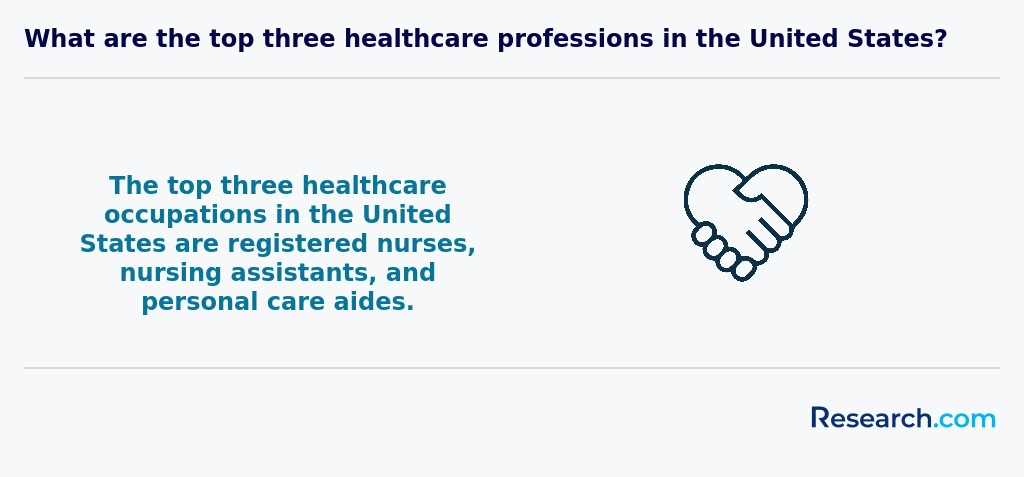
Completing your online healthcare degree in less time can jumpstart your career. Use these strategies to stay on track:
- Transfer relevant credits from previous coursework or certifications to reduce required credits.
- Enroll in accelerated terms or summer sessions to take courses year-round.
- Pursue programs offering Prior Learning Assessments, turning work experience into academic credit.
- Maintain a balanced, heavier course load each term to finish sooner without burnout.
- Explore cost-effective, accelerated options like the cheapest online health science degree program to save both time and money.
Online healthcare degree programs in Columbia include a mix of essential and specialized courses that prepare students for real-world challenges. Graduates from institutions like the University of Missouri often highlight how foundational classes, such as Anatomy and Physiology, helped them understand the human body deeply-knowledge that became invaluable during clinical simulations and internships at local hospitals.
Courses like Healthcare Ethics and Law offer insight into the complex decisions healthcare professionals face daily in Missouri's legal landscape, grounding students in practical frameworks they can trust. Many appreciate the Health Informatics and Technology class, as it reflects the modern reality of managing electronic health records, a skill increasingly demanded in Columbia's healthcare facilities.
Students also engage with Public Health and Epidemiology, where discussions often draw on local health data, connecting theory to the community's needs. This contextual learning fosters a strong sense of purpose and readiness, making the coursework feel immediately relevant and empowering for those aiming to impact healthcare in Columbia and beyond.
Online healthcare degree specializations Columbia MO offer pathways that reflect both local healthcare needs and broader industry trends. Graduates from the University of Missouri's healthcare programs often share how nursing specializations, such as family nurse practitioner or nurse educator tracks, gave them the confidence to springboard into rewarding careers. Public health degrees emphasize community-focused roles, connecting students with Columbia's active health networks, making learning feel impactful and relevant.
Columbia Missouri healthcare degree programs options also include healthcare administration, where students develop leadership skills critical for managing growing regional hospital systems. Other students find their calling in health informatics, blending technology with patient care, or in licensed roles like physical therapy assistant. Many practical learners appreciate programs with a medical coding and billing focus, and some pursue a medical billing and coding certificate online to quickly enhance employability. These diverse options allow students to tailor their education to a healthcare landscape that is both challenging and hopeful.
Choosing the best online healthcare degree in Columbia means prioritizing accreditation and program reputation. Graduates from the University of Missouri often highlight how accredited programs helped them confidently prepare for licensure exams, a crucial step in launching their careers. Balancing work and study is easier in programs offering asynchronous coursework, allowing flexibility for busy schedules-a common experience among healthcare students in Columbia's online programs.
Cost is another key consideration. Many students appreciate the competitive tuition at local public universities, especially when aiming for affordable healthcare degree programs Columbia Missouri offers. Exploring financial aid and scholarships can make a big difference in managing expenses. Graduates often recall feeling relief and motivation knowing they could pursue quality education within their budget.
Finally, it's wise to investigate job placement rates and graduation statistics to gauge a program's effectiveness. Alumni frequently share how strong local clinical partnerships in Columbia bolstered their hands-on experience and career opportunities. For a deeper dive into cost-effective choices, consulting the Most Affordable Online Healthcare Degree Programs Ranking in the Midwest can guide your decision thoughtfully.

Graduates with an online healthcare degree in Columbia find a wealth of career paths that reflect the city's vibrant healthcare environment. Many have pursued registered nursing through programs affiliated with the University of Missouri Health Care, gaining the skills needed to thrive amid strong local demand. Others, drawn to healthcare administration, successfully step into roles as patient care coordinators or medical records administrators, benefitting from Columbia's extensive hospital networks. These healthcare career opportunities in Columbia Missouri provide not only solid wages but also professional fulfillment, as graduates feel a tangible impact on community health.
Public health careers also attract graduates eager to contribute to disease prevention and health education initiatives grounded in Columbia's public health focus. Some choose specialized allied health professions, becoming respiratory therapists or radiologic technologists, carving out rewarding paths bolstered by local certification options. Many Columbia students have found that an accelerated online bachelor degree unites flexibility with practical experience, enabling them to adapt swiftly and step confidently into these diverse and growing roles.
The job market for online healthcare degree jobs Columbia MO offers a robust and growing environment, fueled by the city's strong healthcare institutions such as the University of Missouri Health Care. Graduates from local programs often share experiences of seamless transitions into roles like nursing, medical technology, and health administration due to the area's abundant hospitals and clinics seeking skilled professionals. For many, the proximity to renowned healthcare centers means easy access to internships, which opens doors to lasting employment connections.
Columbia's healthcare career opportunities online degree holders find are further supported by a cost of living that allows early-career professionals to focus on gaining experience without overwhelming financial pressure. Graduates from popular universities in Columbia consistently mention the value of flexible online learning combined with hands-on clinical experience, which employers increasingly appreciate. To boost employability, students often pursue certifications alongside their degrees, turning theoretical knowledge into actionable skills.
For those interested in exploring further education paths that complement healthcare degrees, online offerings like easy masters degrees can provide an accessible next step toward advancement in this dynamic field.
2027 Fastest Online Healthcare Degree Programs Ranking in Columbia, MO
Investing in your education is a significant decision that can shape your future, and the Research.com team understands the importance of making informed choices. To assist prospective students in Columbia, MO, we have meticulously crafted the "2027 Fastest Online Healthcare Degree Programs Ranking in Columbia, MO." Our commitment to quality, credibility, and accuracy is reflected in the extensive research and analysis conducted to compile this ranking.
We utilized the following reputable data sources to ensure a comprehensive evaluation of healthcare degree programs:
By exploring this ranking, readers will gain valuable insights into the fastest online healthcare degree programs available in Columbia, MO, helping them make informed decisions about their educational paths. For more details on our methodology, please visit our Research.com methodology page.

Frequently Asked Questions About healthcare
Online healthcare degree students in Columbia can enhance their learning by actively engaging with course materials and participating in virtual discussions. Research from the University of Missouri highlights that students who dedicate at least 10-15 hours weekly to online study are more likely to succeed. Utilizing available resources such as digital libraries and simulation tools can deepen understanding.
Networking with local healthcare professionals in Columbia, home to a growing industry employing over 20,000 individuals, provides practical insights. Joining online study groups or professional organizations also fosters collaboration and motivation. Regular communication with instructors helps clarify complex topics and ensures steady progress.
The healthcare field is rapidly evolving, and several emerging niches offer promising career opportunities for students pursuing online healthcare degrees in Columbia. One key area is telehealth, which expanded significantly during the COVID-19 pandemic. According to the Missouri Hospital Association, telehealth visits increased by over 50% in 2023, highlighting growing demand for professionals skilled in digital patient care technology.
Another fast-growing niche is healthcare data analytics. With hospitals in Columbia adopting advanced electronic health records, there is a strong need for experts who can interpret complex data to improve patient outcomes. This sector is expected to grow by 20% nationally through 2030, based on the U.S. Bureau of Labor Statistics.
Additionally, specialized roles in geriatric care and mental health services are expanding as Columbia's aging population rises. These niches require trained professionals who understand these unique needs, making online degrees focusing on these areas highly valuable.
After completing an online healthcare degree in Columbia, MO, preparing for the job market involves several strategic steps. First, graduates should pursue relevant certifications, such as those offered by the American Health Information Management Association (AHIMA) or the National Healthcareer Association (NHA), which enhance employability.
Networking is essential. Engaging with local healthcare employers like University of Missouri Health Care and Boone Hospital Center can create job leads and internship opportunities. Columbia's healthcare sector has grown by 5.4% over recent years, indicating steady demand for skilled professionals, according to the Missouri Economic Research and Information Center.
Additionally, tailoring a resume to highlight practical skills gained through online coursework and internships can improve chances in a competitive market.
Employers in Columbia, Missouri, prioritize several key skills in graduates of online healthcare degree programs. Strong clinical knowledge remains essential, reflecting the city's growing demand for qualified healthcare professionals, driven by institutions like the University of Missouri Health Care. Communication skills are highly valued, as healthcare workers must effectively interact with patients and multidisciplinary teams.
Critical thinking and problem-solving abilities are also crucial due to the complex nature of medical care in Columbia's hospitals and clinics. Additionally, familiarity with healthcare technology and electronic health records is increasingly important in this digital age. These skills align with national trends reported by the Bureau of Labor Statistics, emphasizing adaptability and patient-centered care.
Finding internships in Columbia related to healthcare degrees involves several strategic steps. First, students should utilize resources offered by the University of Missouri and local healthcare facilities such as University of Missouri Health Care, which is the largest employer in the region. These institutions often provide internship or clinical placement opportunities tailored to healthcare students.
Networking is also crucial. Joining professional organizations like the Missouri State Nurses Association can connect students to local internship postings and mentors. Additionally, online platforms such as Handshake and Symplicity, used by many Missouri universities, regularly list healthcare internships specific to Columbia.
Finally, contacting local hospitals, clinics, and public health agencies directly can uncover unadvertised internships, giving students hands-on experience essential for future employment.
Obtaining an online healthcare degree in Columbia, MO, can significantly enhance career mobility and advancement opportunities. The healthcare sector in Columbia is growing, with health services employing over 20,000 people according to the Missouri Economic Research and Information Center. Online degrees offer flexibility for working professionals to gain relevant skills without disrupting their current jobs.
Employers in Columbia often value candidates with formal education and certifications, as these can lead to higher wages and leadership roles. For example, nurses who earn a Bachelor of Science in Nursing (BSN) online frequently move into management or specialized clinical positions faster than those without such credentials.
Additionally, online healthcare programs accredited by recognized bodies ensure graduates meet local licensing requirements, which supports smoother professional advancement. These degrees also open doors to advanced certifications and graduate studies, further boosting career prospects in Columbia's competitive healthcare market.
Studying for a healthcare degree in Columbia equips students with skills essential for interdisciplinary roles. Columbia's online programs often integrate coursework in public health, biomedical sciences, and healthcare management, reflecting the interconnected nature of modern healthcare. According to the University of Missouri System, many programs encourage collaboration through case studies and team projects, preparing students to work effectively with professionals from varied backgrounds.
Healthcare in Columbia benefits from partnerships among hospitals, research centers, and public health organizations, offering students practical insights. By understanding different healthcare sectors, graduates become valuable in roles that require coordination across disciplines, such as healthcare administration or clinical research.
When choosing between a thesis and a non-thesis healthcare degree program in Columbia, consider your career goals and learning preferences. A thesis option emphasizes research skills, requiring original work that can benefit those aiming for academic or research positions.
Non-thesis programs focus more on practical knowledge and coursework, ideal for students seeking direct entry into healthcare professions or management roles. According to the University of Missouri's data, non-thesis Master's degrees in healthcare fields in Columbia have grown by 12% over the past five years, reflecting demand for applied skills.
Your decision should also consider your timeline and workload, as thesis programs typically take longer to complete. Ultimately, understanding your career path and time availability will help determine the best format for your healthcare education needs.
Students in Columbia interested in studying healthcare abroad have several options, especially through online programs offered by U.S. institutions. Many accredited universities provide fully online healthcare degrees, allowing local students to earn qualifications without relocating. These programs range from nursing and health administration to public health and healthcare informatics.
The University of Missouri, located in Columbia, offers some online healthcare-related courses, and students can also explore out-of-state institutions with flexible online delivery. According to the National Center for Education Statistics, online enrollment has grown steadily, reflecting this growing accessibility.
Studying abroad virtually gives Columbia residents access to diverse curricula, often with clinical practicum components arranged locally. This combination supports both theoretical learning and practical experience.
In Columbia, Missouri, several part-time job options can effectively complement an online healthcare degree education. Working as a medical assistant or a certified nursing assistant (CNA) offers practical experience while studying. These roles help students develop clinical skills, crucial for future healthcare careers. According to the Missouri Economic Research and Information Center (MERIC), healthcare support occupations are projected to grow by 15% through 2028 in Missouri, underscoring job availability.
Phlebotomy technician positions, often part-time, provide valuable laboratory experience. Additionally, roles like patient care technician or pharmacy technician offer exposure to patient interaction and healthcare environments.
Many local clinics and hospitals in Columbia, including University Hospital and Boone Hospital Center, regularly hire part-time aides and assistants in healthcare support roles. These opportunities enable students to balance work and study while gaining hands-on knowledge.
Online healthcare students in Columbia, MO, have various networking opportunities to enhance their professional growth. Many local universities, such as the University of Missouri, offer virtual events, webinars, and discussion groups to connect students with peers and faculty. Additionally, Columbia's healthcare industry is robust, with major employers like MU Health Care providing potential internships and networking events.
Professional organizations, including the Missouri Nurses Association and Health Occupations Students of America (HOSA), host regional meetings accessible to online learners. These provide valuable contacts in the local healthcare community.
Online platforms and social media groups tailored for Columbia-area healthcare students also facilitate networking, collaboration, and job leads.
Alumni networks offer significant benefits to students pursuing online healthcare degrees in Columbia, MO. They provide access to a community of professionals who share similar educational backgrounds and career goals, fostering valuable mentorship and guidance opportunities. According to the University of Missouri System, which serves many local students, connected alumni often help with job referrals and internships in the region's growing healthcare sector.
Networking through alumni groups can enhance career prospects by opening doors to local hospitals, clinics, and research institutions. Furthermore, shared experiences within these networks support professional development and lifelong learning in the evolving healthcare field.
Customizing an online healthcare degree program in Columbia involves selecting courses and specializations aligned with your career goals. Many accredited Missouri universities offer flexibility through elective options in fields like health informatics, nursing, or healthcare administration. According to the Missouri Department of Higher Education, tailoring your curriculum helps meet local healthcare industry demands, which increasingly seek professionals skilled in both clinical and administrative roles. Additionally, some programs provide practicum or internship opportunities in Columbia-area healthcare facilities, allowing hands-on experience. Utilizing academic advisors and career services at your institution can further refine your pathway to fit evolving healthcare roles in Columbia's growing medical sector.
Online healthcare students in Columbia, MO, frequently face challenges related to balancing rigorous coursework with personal and professional responsibilities. Approximately 35% of students enrolled in healthcare programs report difficulty managing time effectively, according to recent Missouri Department of Higher Education data.
Another common issue is gaining hands-on clinical experience. Many programs require in-person practicums, which can be difficult to arrange alongside online learning schedules. Local healthcare providers in Columbia may have limited placements, intensifying competition for spots.
Technical barriers also arise, such as unreliable internet access or unfamiliarity with digital platforms. While Columbia has broad internet coverage, some students still struggle with consistent connectivity or adapting to complex learning management systems.
Finally, students often face limited networking opportunities compared to traditional on-campus peers, impacting professional growth and job placement after graduation.
With an online healthcare degree, students in Columbia, MO, can pursue various professional certifications to advance their careers. Common certifications include the Certified Nursing Assistant (CNA), Registered Health Information Technician (RHIT), and Certified Medical Assistant (CMA). These certifications validate specific skills and often lead to higher salaries and greater job security.
For example, becoming a Licensed Practical Nurse (LPN) or Registered Nurse (RN) requires passing the NCLEX exam, which many online nursing programs prepare students for. Additionally, certifications like the Certified Professional Coder (CPC) suit those focusing on medical billing and coding.
These certifications are widely recognized across Missouri and the United States, offering graduates flexibility in healthcare roles.
Writing a winning application for an online healthcare program in Columbia, MO begins with thorough preparation. Start by researching accredited institutions offering online healthcare degrees in the area, such as the University of Missouri. Ensure your academic records meet the program's requirements, emphasizing relevant coursework and GPA.
Strong letters of recommendation from healthcare professionals or educators enhance your application. Clearly articulate your career goals and motivations in a well-crafted personal statement, highlighting experience tied to healthcare challenges in Columbia and nationwide trends.
According to the Missouri Economic Research and Information Center, healthcare jobs in Columbia have grown by over 10% in recent years, reflecting a demand for qualified professionals. Showcasing your understanding of local healthcare needs can set you apart.
Lastly, submit all documents before deadlines and consider including certifications like CPR or medical assisting. Attention to detail and professionalism are key to making a positive impression. For up-to-date program details, consult institution websites or official state education resources.
Healthcare careers are valued worldwide for their essential role in improving lives and communities. In the United States, including Columbia, Missouri, the demand for healthcare professionals continues to grow by over 15% through 2031, according to the U.S. Bureau of Labor Statistics. This growth reflects global trends emphasizing access, technology, and patient-centered care.
Globally, healthcare professionals are expected to adapt to diverse cultural needs and evolving medical technologies. Online degrees offer students in Columbia flexibility to gain skills aligned with international standards while supporting local workforce demands.
The emphasis in U.S. education on evidence-based practice and ethics prepares graduates to address health disparities that are also significant worldwide.
Students pursuing an online healthcare degree in Columbia, MO, can gain practical experience through local internships and clinical placements. Many programs partner with nearby hospitals like University of Missouri Health Care, offering supervised hands-on training. This is essential, as 65% of healthcare employers in Missouri prefer candidates with clinical experience, according to the Missouri Hospital Association.
Additionally, some online degrees provide virtual simulations replicating real-world medical scenarios, enhancing clinical skills remotely. Volunteering at local clinics or public health organizations can also build practical knowledge while studying.
It is important to check specific program requirements to ensure that clinical hours meet Missouri state licensure standards.
Choosing the right concentration within an online healthcare degree in Columbia, MO, begins with understanding your career goals. Healthcare careers vary widely, from nursing to health informatics, each requiring specific skills. Research local job market trends: the Missouri Economic Research and Information Center reported a steady 5% growth in healthcare occupations through 2026, especially for registered nurses and medical technologists.
Consider programs accredited by recognized bodies, such as CCNE or CAHIIM, ensuring quality education. Evaluate courses that align with your interests and job demands in Columbia's healthcare sector, including telehealth, which has expanded locally due to recent investments. Speak with academic advisors and review alumni success to make an informed decision.
- 2027 Fastest Online Healthcare Degree Programs Ranking in Saint Charles, MO
- 2027 Fastest Online Healthcare Degree Programs Ranking in St. Louis, MO
- 2027 Fastest Online Bachelor's in Healthcare Degree Programs Ranking in Springfield, MO
- 2027 Fastest Online Healthcare Degree Programs Ranking in Lebanon, IL
- 2027 Fastest Online Healthcare Degree Programs Ranking in Pittsburg, KS
- 2027 Fastest Online Healthcare Degree Programs Ranking in Carbondale, IL
- 2027 Fastest Online Healthcare Degree Programs Ranking in Peoria, IL
- 2027 Fastest Online Healthcare Degree Programs Ranking in Fayetteville, AR
- 2027 Fastest Online Healthcare Degree Programs Ranking in Omaha, NE
- 2027 Fastest Online Healthcare Degree Programs Ranking in Wichita, KS
See What Experts Have To Say About Studying Healthcare
Read our interview with Healthcare experts

- Columbia University Launches Scholarship Program ... https://www.hispanicoutlook.com/articles/columbia-university-launches-scholarship-program-e
- How Total Care Experiential Learning Empowers Students https://www5.cic-totalcare.com/news/beyond-the-classroom-how-total-care-experiential-learning-empowers-students/
- Job Market Data: Health Sciences and Wellness https://lowercolumbia.edu/job-market-data/health/
- Experiential Learning to Enhance ... https://annalsofglobalhealth.org/articles/10.5334/aogh.4537
- Master's in Healthcare Administration https://www.columbiasc.edu/academics/graduate/masters-healthcare-administration
- columbia-promises-debt-free-degree https://harrissearch.com/pub/publications/newsletter/columbia-promises-debt-free-degree/
- Do MPH programs prepare graduates for employment in ... https://www.eurekalert.org/news-releases/1059930
- Online Courses from Columbia University https://www.edx.org/school/columbiax
- Health Care https://gocolumbia.edu/academics/programsofstudy/area_health_care/index.html
- Careers https://www.columbiadoctors.org/about-us/careers


