2027 Easiest Online Doctorate in Healthcare Degree Programs Ranking in Illinois

Co-Founder and Chief Data Scientist
Choosing the right healthcare doctorate program can feel overwhelming, especially when balancing work, family, and life in Illinois. This article offers a clear guide with the 2027 Easiest Online Doctorate in Healthcare Degree Programs Ranking in Illinois, created by the Research.com team of data scientists. It's designed to help you confidently explore options that fit your goals and lifestyle.
Discover programs that match your needs and unlock new career opportunities. Pursuing a healthcare degree can be a rewarding step toward making a real difference-this guide makes that journey easier to start.
Key benefits of getting online healthcare degree in Illinois
- Graduates with a healthcare degree in Illinois can expect strong salaries, such as Program Directors earning around $129,330 annually and Healthcare Services Researchers about $112,380.
- Career paths include roles like Research Director or Chief Development Officer, offering exciting leadership opportunities in Illinois healthcare organizations or research settings.
- Online healthcare degrees from Illinois universities provide flexibility and convenience, allowing students to balance work and study while gaining skills that match traditional programs.
- Key benefits of getting online healthcare degree in Illinois
- What can I expect from online healthcare degree in Illinois?
- Where can I work with online healthcare degree in Illinois?
- How much can I make with online healthcare degree in Illinois?
- 2027 Easiest Online Doctorate in Healthcare Degree Programs Ranking in Illinois
- Key Findings
- How long does it take to complete online healthcare degree in Illinois?
- Accreditation and Licensure: Ensuring Your Online Healthcare Degree Is Recognized
- What's the difference between online and on-campus healthcare degree?
- Accreditation and Professional Licensure
- What is the average cost of online healthcare degree in Illinois?
- Dissertation and Research Requirements
- What financial aid is available to online healthcare degree students in Illinois?
- What are the prerequisites for enrolling in online healthcare degree program in Illinois?
- Certifications and Continuing Education: Advancing Your Career Beyond the Degree
- What courses are typically in online healthcare degree programs in Illinois?
- What types of specializations are available in online healthcare degree programs in Illinois?
- How do you choose the best online healthcare degree in Illinois?
- What career paths are available for online healthcare degree students in Illinois?
- What is the job market for online healthcare degree in Illinois?
- Related Healthcare Rankings for Nearby States
- Top Trending Healthcare Rankings
- See What Experts Have To Say About Studying Healthcare
What can I expect from online healthcare degree in Illinois?
If you're thinking about getting an online healthcare degree in Illinois, you're probably curious about what it'll cost. On average, master's programs hover between $12,000 and $25,000 total, especially at public universities where in-state rates make a big difference. Graduates from popular schools like the University of Illinois or Illinois State University often say the tuition feels manageable, especially when combined with financial aid or employer tuition assistance.
One graduate shared how the flexible payment options helped them finish their degree without drowning in debt, which is a huge relief when balancing work and family. It's nice to know these programs don't just teach you healthcare-they also get how life isn't always straightforward, so the cost structures often reflect that.
Plus, many programs accept credits from previous certifications or healthcare work, speeding up your journey and saving you money. That was a game-changer for a nurse transitioning into administration while still working full-time in Chicago hospitals.
Where can I work with online healthcare degree in Illinois?
If you're studying healthcare online in Illinois, you've got a bunch of cool options waiting for you after graduation. Many grads land jobs in hospitals and clinics around Chicago and other cities, handling everything from healthcare admin to managing patient records. Imagine working at a major hospital, coordinating care behind the scenes-that's a real possibility if you went to a school like the University of Illinois or DePaul University.
Others dive into public health roles with state programs, tackling important stuff like disease prevention and health outreach. Picture yourself helping shape health policies or running community health programs-that's what some grads from Illinois State University are doing now.
Plus, with telehealth booming, people with skills in health tech and digital management are in hot demand, whether you're in the city or a rural town. Many online students from Northern Illinois University find themselves supporting telemedicine platforms or working with electronic health records, which feels pretty rewarding knowing you're making healthcare more accessible.
And don't forget about jobs with insurance companies or private practices, where you can focus on quality control or patient advocacy. Lots of recent grads say working in these roles gives them a real sense of making a difference within healthcare's complex system.
How much can I make with online healthcare degree in Illinois?
If you're studying healthcare online in Illinois, you might be wondering what kind of paycheck awaits you after graduation. Well, graduates from programs at places like the University of Illinois or DePaul University have seen some solid numbers. For example, getting into roles like a Program Director in Healthcare can bring in around $129,330 a year-that's pretty impressive right out of the gate.
Or maybe you're leaning toward research or leadership positions. Graduates stepping into jobs as Healthcare Services Researchers, Research Directors, or Principal Scientists can expect salaries in the $112,380 range. That's a comfortable salary for doing work that genuinely helps improve healthcare systems and policies.
Also, some grads find themselves in executive roles such as Chief Development Officers, pulling in about $95,600 annually. Students often mention how balancing an online degree with real-world experience in Illinois hospitals or clinics helped boost their careers and earnings.
So, studying healthcare online in Illinois can definitely pay off, especially if you're aiming for advanced roles that value both education and practical skills.
2027 Easiest Online Doctorate in Healthcare Degree Programs Ranking in Illinois
How do we rank schools?
Investing in your education is a significant decision that can deeply impact your professional and personal future, and the Research.com team recognizes the need for well-informed choices. To support prospective students in Illinois, we have carefully developed the "2027 Easiest Online Doctorate in Healthcare Degree Programs Ranking in Illinois." Our dedication to quality, credibility, and accuracy is demonstrated through thorough research and analysis behind this ranking.
We utilized the following reputable data sources to ensure a comprehensive and trustworthy evaluation:
By examining this ranking, readers will receive valuable guidance in identifying accessible and high-quality online doctorate programs in healthcare within Illinois, empowering them to make well-informed educational decisions. For further details on how this ranking was created, please visit our Research.com methodology page.


# 4 position
Saint Francis Medical Center College of Nursing
Doctor of Nursing

Key Findings
- Online healthcare degrees in Illinois are available from many accredited institutions and include associate, bachelor's, master's, and doctoral programs across nursing, health administration, and allied health fields.
- Tuition for online bachelor's healthcare degrees in Illinois typically ranges from $20,000 to $40,000, while graduate programs cost between $25,000 and $60,000.
- Entry-level healthcare graduates with bachelor's degrees earn about $52,000 per year, with experienced professionals making between $90,000 and $110,000 annually.
- The Illinois healthcare job market is growing, with high demand for registered nurses, healthcare administrators, and physical therapists projected through 2030.
- Online programs usually require local completion of clinical or practicum hours and must meet state board requirements for licensure in Illinois.
- Accreditation from organizations like the CCNE or CEPH is important to ensure degree recognition and quality education.
How long does it take to complete online healthcare degree in Illinois?
If you're wondering how long it takes to finish an online healthcare degree in Illinois, it really depends on your pace and program. For example, an associate degree usually takes about two years if you're studying full-time. Some graduates from popular schools like the University of Illinois Springfield found that sticking with full-time helped them finish right on schedule without feeling overwhelmed.
Bachelor's degrees typically take around four years, but many students at Illinois State University share stories of stretching their studies to five or six years to balance work and family. On the bright side, accelerated programs let you cut that down to as little as 18-24 months, especially if you've already got some college credits or healthcare experience.
Graduate degrees take a bit longer-master's programs usually last 18 months to three years, while doctorates can stretch between three to five years. Plenty of folks working full-time appreciate the flexibility, pacing their studies so they don't burn out while still making solid progress.
Accreditation and Licensure: Ensuring Your Online Healthcare Degree Is Recognized
Choosing an accredited online healthcare degree program in Illinois is vital for ensuring your credential is recognized by employers and licensing boards. Regional accreditation-such as from the Higher Learning Commission-validates institutional quality, while programmatic accreditation-granted by bodies like the Commission on Accreditation for Health Informatics and Information Management Education (CAHIIM) or the Council on Accreditation of Nurse Anesthesia Educational Programs (COA)-confirms specialized curriculum standards. When researching programs, verify both types of accreditation on the institution’s website and consult the Illinois Board of Higher Education to ensure compliance with state requirements. Accreditation also plays a key role in eligibility for licensure and certification exams. For example, graduates of CAHIIM-accredited health informatics programs can sit for the Registered Health Information Administrator (RHIA) exam, and those from COA-accredited nurse anesthesia programs meet the prerequisites for the National Certification Examination. Failing to attend an accredited program may delay or prevent licensure, so always confirm accreditation before applying. To explore cost-effective, fully accredited online healthcare options outside Illinois, you might also consider our Most Affordable Online Healthcare Degree Programs Ranking in Pittsburgh, PA for additional insights into program quality and affordability.
What's the difference between online and on-campus healthcare degree?
If you're thinking about a healthcare degree in Illinois, the biggest difference between online and on-campus programs is how you attend classes. Online degrees from places like the University of Illinois offer great flexibility-you can join lectures from your couch or while juggling a busy work schedule. Some graduates love this freedom, especially if they have family or a job. On-campus programs at schools like Northwestern, however, give you that classic college vibe, with face-to-face time in labs and classrooms, making it easier to connect with professors and classmates in person.
Hands-on training is another key point. On-campus students often handle clinicals at nearby hospitals directly through their school. For online folks, arranging clinical hours means finding local healthcare facilities themselves, which some find empowering but others say needs extra effort and planning. Costs can also differ-tuition around $13,000 per year is typical for Illinois public schools, but online students might save on commuting and housing, even if they spend a bit more on tech to stay connected.
Support services matter too. While on-campus students enjoy instant access to libraries and study groups, online programs have stepped up with virtual tutoring and career help, making sure you're never left hanging despite the distance.
Accreditation and Professional Licensure
Ensuring your online doctorate in healthcare is accredited by recognized bodies is critical for both academic quality and career advancement. Regional accreditation (e.g., HLC or MSCHE) guarantees institutional standards, while programmatic accreditation-such as CAHME for healthcare management or CEPH for public health-validates specialized curricula and field relevance. Accredited programs also streamline eligibility for professional certification exams (e.g., Certified Healthcare Executive, CPH) and state licensure, which are often prerequisites for leadership roles. Doctoral candidates should verify that dissertation requirements meet the standards of accreditation agencies and state boards. Completing a rigorous capstone or research thesis under accredited supervision not only solidifies expertise but also fulfills criteria for board certification in areas like healthcare administration or informatics. For prospective students balancing cost and quality, exploring the most affordable online public health degrees can provide additional pathways to accredited credentials without compromising rigor.
What is the average cost of online healthcare degree in Illinois?
The average cost of an online healthcare degree in Illinois typically falls around $27,495 for both in-state and out-of-state students, according to recent data. This median total cost gives a good snapshot of what you might expect to pay when pursuing a degree at popular local institutions known for their healthcare programs. Graduates often share how balancing affordability with quality education was a big plus, especially when studying at schools with flexible online options designed to fit busy schedules.
Many students find that online bachelor's or master's degrees in healthcare cost less than traditional on-campus programs, but prices still vary widely depending on the level of the degree and the school's public or private status. For example, someone studying an online doctorate in healthcare tuition Illinois might have a higher sticker price, but these programs often come with options for scholarships or employer tuition reimbursement, helping ease the financial load.
If keeping costs down is a priority, exploring the cheapest healthcare programs in Illinois can be a smart move. These programs frequently offer competitive pricing without sacrificing the quality of education, giving future healthcare professionals a great value. Plus, many Illinois institutions include additional fees like technology or materials that can add up, so it's good to budget carefully for the total cost of your degree.
Dissertation and Research Requirements
One of the most critical components of any online doctorate in healthcare program is the dissertation and associated research requirements. In Illinois-based programs, candidates typically complete 12–15 credit hours of dissertation research, working closely with a faculty committee to design, conduct, and defend original research that advances healthcare practice or policy. Many programs begin with a research practicum, helping students refine their research questions and methodology before embarking on full-scale data collection. Key phases of the dissertation process often include:
- Proposal development and committee approval
- Institutional Review Board (IRB) application for ethical clearance
- Data collection and analysis using quantitative, qualitative, or mixed methods
- Dissertation writing, revisions, and final oral defense Students benefit from institutional resources such as virtual writing retreats, one-on-one mentoring sessions, and specialized research software training. These supports ensure that even those balancing full-time careers can progress steadily toward degree completion. For applicants seeking additional insights into program affordability and support structures beyond Illinois, check out our Most Affordable Online Healthcare Degree Programs Ranking in Pittsburgh, PA for comparative data and student outcomes. By understanding the rigorous yet flexible nature of the dissertation journey, prospective doctoral candidates can set realistic timelines-often 12–24 months for dissertation completion-and identify programs that offer clear milestones, peer review cohorts, and expert dissertation chairs. This clarity empowers students to navigate the research process with confidence and achieve meaningful contributions to the healthcare field.
What financial aid is available to online healthcare degree students in Illinois?
If you're diving into an online healthcare degree in Illinois, there's plenty of financial aid out there to help lighten the load. Many students, especially those at schools like the University of Illinois or Northern Illinois University, lean on federal aid through FAFSA. That's where grants like the Pell Grant come in handy - no repayment needed, and they can cover up to $7,395 for undergrads. It's a real relief when managing tuition costs.
Loans are also part of the puzzle, with Direct Subsidized and Unsubsidized Loans offering low-interest help that many students find manageable over time. Illinois residents get extra perks with the Monetary Award Program (MAP), which has pumped hundreds of millions into local students' pockets, covering a big chunk of tuition for those enrolled in approved programs.
On top of that, lots of universities dish out their own scholarships, often for healthcare majors, usually between $1,000 and $5,000 a year. Some grads mention how these made a real difference in sticking with their studies without drowning in debt. Plus, professional groups like the Illinois Nurses Foundation offer grants that can really boost your budget and motivation.
What are the prerequisites for enrolling in online healthcare degree program in Illinois?
If you're thinking about jumping into an online healthcare degree in Illinois, getting the basics down first really helps. Most programs, like those at popular places such as the University of Illinois or Illinois State, expect you to have finished high school or have an equivalent diploma. For anything beyond a bachelor's, like a master's in healthcare administration, you'll need that prior degree under your belt.
Graduates often mention how having some background courses in biology or chemistry made the transition smoother when tackling advanced stuff online. Beyond coursework, schools want to see things like official transcripts, decent GPAs (usually around 2.5 to 3.0), and sometimes letters of recommendation. One graduate shared how writing a personal statement about career goals really boosted their application.
Some programs might ask for GRE scores, but if you've got healthcare experience-like certifications or working as a CNA-you might get that waived. Illinois schools really value real-world experience, and with so many healthcare jobs in the state, practical knowledge goes a long way.

Certifications and Continuing Education: Advancing Your Career Beyond the Degree
While earning an online doctorate in Healthcare is a significant achievement, many professionals find that supplementing their degree with targeted certifications and continuing education opportunities further enhances their expertise and marketability. In today’s rapidly evolving healthcare landscape, staying current is essential, and certifications can serve as a bridge between foundational academic knowledge and practical, real-world skills. For example, obtaining specialized credentials not only validates your expertise in areas such as health informatics, clinical management, or public health policy but can also open doors to enhanced networking and leadership opportunities. It’s beneficial for professionals to explore additional training-such as kinesiology certification online-that align with their unique interests and career goals, ensuring they remain competitive in a dynamic job market. Moreover, many institutions offer workshops, webinars, and mentorship programs specifically designed for lifelong learners, allowing graduates to continuously update their skills, leverage new technologies, and stay ahead of industry trends. This focus on ongoing professional development not only reinforces the credibility of an online degree but also significantly boosts long-term career success in the healthcare industry.
What courses are typically in online healthcare degree programs in Illinois?
If you're diving into an online healthcare degree in Illinois, expect courses that really prepare you for the real world. Graduates from big schools like the University of Illinois or DePaul often mention how anatomy and physiology classes gave them a solid grasp of the human body, which they found super helpful during clinical internships nearby. Medical terminology classes also played a huge role in making them confident when talking with healthcare pros in Chicago hospitals or rural clinics.
Many programs include healthcare management and policy, focusing on Illinois's unique system. Students learn about local healthcare laws and economics, which really made a difference when they stepped into leadership roles. Plus, health informatics courses teach you how to handle patient data using tech that Illinois clinics actually use, making the learning very practical.
Public health and epidemiology courses are also common, helping students tackle local challenges like urban chronic diseases or rural access issues. Hands-on practicum experiences around Illinois helped students connect classroom knowledge with real patient care, making the whole experience both exciting and meaningful.
What types of specializations are available in online healthcare degree programs in Illinois?
If you're diving into online healthcare specializations Illinois offers, you'll find a great variety tailored to almost any career path. For example, many Illinois universities have strong programs in Nursing Education and Leadership, perfect for nurses wanting to step into teaching or management roles. Graduates often share how this helped them make a smooth transition from bedside care to leading teams or shaping health policies.
Another big area is Health Informatics, where you learn to manage patient data and healthcare tech. Chicago, with its busy hospitals, has a big need for folks with these skills, so grads feel confident landing jobs right after finishing. Plus, Public Health programs focus on real-world community care, a favorite among students passionate about making a difference across Illinois' urban and rural spots.
Many also choose Healthcare Administration, preparing students for managing clinics or hospitals. And there's Clinical Research and Trials, which is ideal if you're curious about medical studies and breakthroughs happening at Illinois research centers. Some students even complement their healthcare degree with credentials in other fields like kinesiology, which you can explore through options like kinesiology certification online, boosting their career flexibility.
How do you choose the best online healthcare degree in Illinois?
Picking the best online healthcare degree in Illinois really comes down to what fits your lifestyle and career goals. Many graduates from popular Illinois colleges share how helpful it was to first check accreditation - it's a must for making sure your degree counts toward professional licenses and puts you ahead for jobs. Another tip they mention is comparing costs. Illinois programs can vary, so looking into tuition vs. financial aid is smart. Some grads even found great options by browsing most affordable online public health degrees, making the investment a lot less stressful.
Flexibility is huge too. Working professionals often swear by programs that offer asynchronous classes and local clinical placements, so you don't have to pause your life or move away. Illinois students in clinical-based programs from well-known universities often praise how this balance made their experience manageable and enjoyable.
Lastly, matching your degree focus with regional job demand pays off. Illinois' healthcare field is booming, and graduating in a high-demand specialty really helps land a job fast. If you're aiming for affordable online doctorate healthcare Illinois options, it's worth thinking about what specialties are growing locally.
What career paths are available for online healthcare degree students in Illinois?
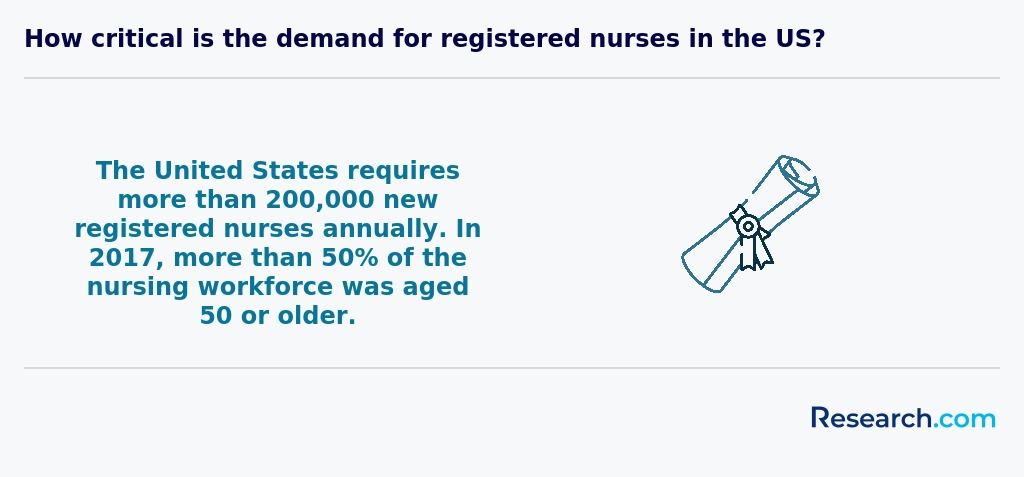
If you're going for an online healthcare degree in Illinois, you've got tons of great career paths ahead. Many grads from top schools here land roles as registered nurses or nurse practitioners, especially since Illinois puts a big focus on nursing licensure. Picture yourself working in bustling Chicago hospitals or smaller clinics outside the city-both need skilled nurses, and the pay reflects that hard work. Others dive into healthcare administration, snagging management jobs that come with solid salaries, thanks to Illinois' large healthcare network.
Graduates from popular Illinois colleges often find success in allied health fields too, like medical coding or health info tech, areas that are booming because electronic records are everywhere now. And if behavioral health calls your name, careers in counseling or social work are growing fast around Illinois, helping both cities and rural communities.
For more affordable options and inspiration, check out the Most Affordable Online Healthcare Degree Programs Ranking in Pittsburgh, PA. It's a handy resource for comparing costs and programs!
So whether you want to help patients directly or manage healthcare services, those online healthcare degree careers Illinois offers are promising, rewarding, and fit a lot of lifestyles.
What is the job market for online healthcare degree in Illinois?
The job market for online healthcare degree graduates in Illinois is buzzing with opportunity. With Chicago standing tall as one of the biggest healthcare hubs, graduates find themselves stepping into a world full of roles, from nursing to healthcare administration. For instance, many who earned their degrees from popular schools like the University of Illinois Chicago or Southern Illinois University have landed great roles at Northwestern Medicine or local public health departments. These workplaces really value fresh talent who understand new healthcare technologies and policy coordination.
Illinois healthcare degree employment outlook looks bright, with healthcare jobs growing faster here than many other fields nationwide. Graduates often share stories of how their online coursework prepared them for managing real-world challenges in hospitals or outpatient centers. Plus, the state offers some good advantages in tuition rates and financial aid. For those wondering where to start, checking out fast track college courses might just be the ticket to jumpstart a career in this expanding field.
Frequently Asked Questions About healthcare
Online healthcare degree students in Illinois can maximize their learning by actively engaging with virtual resources and faculty. Participating in online discussions and webinars enhances understanding and builds professional networks. Illinois has more than 50 accredited institutions offering healthcare programs, making it crucial to verify program accreditation through the Higher Learning Commission for quality assurance.
Students should also utilize local clinical opportunities to complement online studies. Illinois ranks among the top states for healthcare employment, providing access to diverse practicum settings. According to the Illinois Department of Employment Security, healthcare jobs are projected to grow 10% from 2020 to 2030, emphasizing the importance of hands-on experience.
Time management and setting a consistent study schedule improve retention, while using career services and alumni networks can support post-graduation success. Accessing IllinoisLibrary Learning resources also aids in research and study.
The healthcare field in Illinois is evolving rapidly, with several emerging niches attracting attention from students and professionals alike. One significant growth area is telehealth, fueled by rising demand and enhanced technology, particularly after the COVID-19 pandemic. Illinois saw a 154% increase in telehealth visits between 2019 and 2022, according to the Illinois Department of Public Health.
Another promising niche is healthcare informatics, which combines healthcare, information technology, and data analytics. Illinois employers seek experts who can analyze medical data to improve patient outcomes.
Additionally, gerontology and chronic disease management are expanding due to Illinois' aging population, accounting for 16.5% of residents aged 65 and older, per the U.S. Census Bureau.
After earning an online healthcare degree in Illinois, preparing for the job market involves several key steps. Begin by obtaining any necessary state licensure or certification relevant to your field; Illinois requires specific credentials for many healthcare roles. Participation in internships or clinical experiences, even if completed virtually, can enhance practical skills and employability. Networking is crucial-engage with professional organizations like the Illinois Health Care Association or attend local healthcare job fairs. According to the Illinois Department of Employment Security, healthcare occupations are projected to grow 16% by 2030, signaling strong job opportunities.
Updating your resume and LinkedIn profile to highlight online learning achievements and relevant skills is essential. Consider specialized training in healthcare technology, as Illinois healthcare employers increasingly value digital literacy. Lastly, explore continuing education options to remain competitive in this rapidly evolving sector.
Employers in Illinois seek healthcare degree graduates with a combination of technical expertise and interpersonal skills. According to the Illinois Department of Employment Security, critical skills include clinical knowledge, data analysis, and proficiency with electronic health records (EHR) systems. These are essential for maintaining patient care quality and improving healthcare outcomes.
Soft skills such as communication, teamwork, and problem-solving are also highly valued. The Illinois Health and Hospital Association highlights that effective collaboration improves patient experiences and operational efficiency. Additionally, adaptability to evolving healthcare technologies is increasingly important in this fast-changing industry.
Finding internships in Illinois relevant to a healthcare degree involves several practical steps. Start by exploring partnerships your online program may have with local hospitals, clinics, or public health organizations, as many universities facilitate internships for their students.
Illinois is home to numerous healthcare employers, such as Northwestern Medicine and Advocate Aurora Health, which regularly offer internship opportunities. Websites like the Illinois Department of Employment Security provide listings for healthcare internships statewide.
Contacting professional associations such as the Illinois Health Care Association or Illinois Public Health Association can also help identify available internships. Networking at virtual career fairs and using LinkedIn focused on Illinois healthcare organizations can increase your chances of placement.
Additionally, the Bureau of Labor Statistics reports that Illinois had about 300,000 healthcare practitioners in 2022, demonstrating a strong market with diverse internship options.
Online healthcare degrees in Illinois significantly boost career mobility and advancement opportunities. With Illinois ranking among the top states for healthcare employment, a degree completed online offers flexibility for working professionals seeking to enhance their qualifications without relocating.
Many Illinois healthcare employers recognize accredited online programs, enabling graduates to qualify for leadership roles. According to the Illinois Department of Employment Security, healthcare occupations in the state are expected to grow by 9% from 2020 to 2030, indicating increased demand for skilled professionals.
Advanced degrees obtained online can lead to higher earning potential and eligibility for management or specialized clinical positions. In Illinois, professionals with doctoral-level healthcare degrees often report faster promotions and involvement in policymaking and healthcare innovation.
Studying for a healthcare degree online in Illinois offers specialized preparation for interdisciplinary roles through curriculum designed to integrate multiple healthcare fields. Programs often emphasize collaboration among nursing, public health, healthcare administration, and clinical practice to meet complex patient and community needs.
Illinois' healthcare education frequently incorporates case studies and project-based learning that simulate real-world teamwork, essential in today's diverse medical environment. According to the Illinois Department of Public Health, interdisciplinary coordination contributes to improved patient outcomes across the state.
Additionally, Illinois online programs use faculty with diverse healthcare backgrounds, ensuring students gain broad perspectives. This approach equips graduates to engage with professionals from various specialties, crucial for leadership or management roles within healthcare systems.
Choosing between a thesis and non-thesis healthcare degree program in Illinois depends on your career goals and learning preferences. Thesis programs require original research and culminate in a written document, ideal for students aiming for academic or research roles. Non-thesis options focus more on coursework and practical skills, suitable for professionals targeting leadership or clinical management positions.
Illinois hosts several accredited online healthcare programs, with the Illinois Board of Higher Education providing oversight. According to the Bureau of Labor Statistics, healthcare employment in Illinois is projected to grow 13.5% by 2030, emphasizing the need for diverse educational paths.
Consider time commitments as thesis programs often extend duration, while non-thesis paths may offer quicker completion.
Students based in Illinois seeking to study healthcare abroad through online degree programs have several pathways. Many U.S. institutions offer partnerships with international universities, allowing students to earn credits from global healthcare experts while remaining in Illinois. According to the Illinois Board of Higher Education, over 80% of public universities provide some form of online health sciences education that may include global components.
Additionally, the National Center for Education Statistics reports that international collaborations in healthcare education have grown by 15% annually, enhancing access to diverse curricula. Illinois students can leverage these trends to gain global healthcare perspectives without relocating.
Careful verification of accreditation both in Illinois and abroad is crucial to ensure degree recognition and licensure eligibility.
Part-time job opportunities in Illinois that complement healthcare degree education are numerous and can provide valuable hands-on experience. Positions such as medical assistant, patient care technician, or administrative roles in healthcare facilities help students apply theoretical knowledge in real-world settings. According to the Illinois Department of Employment Security, healthcare support occupations are projected to grow by 16% through 2032, reflecting strong demand.
Additionally, roles in community health organizations or pharmacies offer practical insights into patient interaction and healthcare management. Working in healthcare call centers can also sharpen communication skills essential for advanced healthcare roles. These positions accommodate flexible schedules, allowing students to balance work and online studies effectively.
Online healthcare students in Illinois have several valuable networking opportunities that can enhance their educational and professional growth. Many universities offering online healthcare degrees organize virtual events, including webinars and career fairs, connecting students with faculty and healthcare professionals statewide. According to the Illinois Health and Hospital Association, there are more than 200 hospitals in Illinois, creating a broad network for clinical partnerships and internships.
Students may also join professional organizations like the Illinois State Medical Society or Illinois Nurses Association. These groups hold regional meetings and offer online forums, facilitating connections beyond the classroom.
Additionally, alumni networks from Illinois institutions provide mentorship programs, sharing industry insights and job leads to support career advancement in healthcare.
Alumni networks play a crucial role for online healthcare degree students in Illinois by providing valuable professional connections and ongoing support. Many Illinois institutions, such as the University of Illinois at Chicago, have extensive alumni groups that help graduates access job opportunities in the state's robust healthcare sector, which employs over 1.2 million people according to the Illinois Department of Employment Security.
These networks also facilitate mentorship programs, allowing current students to gain career advice and guidance from experienced professionals. Networking through alumni can lead to collaborations, research opportunities, and even continuing education discounts.
Overall, alumni communities enhance career advancement and professional growth, making them a vital resource for online healthcare students in Illinois.
In Illinois, customizing an online healthcare degree to fit your career goals involves selecting specialized tracks or electives that align with your interests. Many programs offer concentrations such as health informatics, public health, or healthcare administration. This flexibility allows students to tailor coursework around industry demands and personal ambitions.
Students can also engage in internships or practicum opportunities, often coordinated locally, to gain real-world experience. Illinois' healthcare sector, employing over 600,000 professionals, supports diverse career paths as reported by the Illinois Department of Employment Security.
Choosing programs accredited by recognized bodies ensures quality and better job prospects within the state.
Online healthcare students in Illinois often face challenges related to balancing rigorous coursework with personal and professional responsibilities. Many students juggle jobs and family commitments, which can make staying current with demanding programs difficult. Illinois ranks among the states with a growing demand for healthcare professionals, intensifying pressure to complete programs efficiently (Illinois Department of Employment Security, 2023).
Access to quality clinical placements can be limited, as students must secure hands-on experiences approved by their online programs within Illinois' healthcare facilities. This sometimes restricts timely progression. Additionally, adapting to virtual learning environments requires strong self-motivation and technical skills, which not all students possess initially.
Some students also encounter financial barriers, including fluctuating tuition costs and limited financial aid options for online formats. Institutions continue to develop support systems to address these issues, aiming to improve retention and completion rates.
With an online healthcare degree in Illinois, graduates can pursue a variety of professional certifications to enhance their credentials. Popular certifications include the Certified Professional in Healthcare Quality (CPHQ) and the Certified Healthcare Financial Professional (CHFP), both respected nationwide. Illinois also supports certifications like the Registered Health Information Administrator (RHIA), crucial for roles in health informatics.
Many certifications require passing an exam and relevant work experience. The Illinois Department of Public Health provides resources to help graduates navigate local licensing and certification processes.
These credentials can improve job prospects in Illinois's growing healthcare industry, which employs over 700,000 professionals as of recent reports from the Illinois Department of Employment Security.
To write a winning application for an online healthcare program in Illinois, start with a clear and personalized personal statement. Highlight your passion for healthcare and relevant experiences, such as work in Illinois hospitals or clinics. Emphasize any certifications or licenses related to healthcare you hold, which demonstrates your commitment and knowledge.
Make sure your academic transcripts reflect strong performance in science and health-related courses, as Illinois programs value a solid foundation in these areas. Illinois healthcare jobs grew by 3.5% from 2018 to 2023, underscoring the demand for skilled professionals (Illinois Department of Employment Security).
Request strong recommendation letters from supervisors or professors who can vouch for your dedication and skills in healthcare settings. Lastly, follow all application instructions carefully and meet deadlines precisely to stand out in a competitive field.
The global perspective on a healthcare career emphasizes the increasing demand for skilled professionals across countries, including the United States. In Illinois, healthcare remains one of the largest employment sectors, with the Illinois Department of Employment Security projecting a 12% growth in healthcare occupations from 2022 to 2032. This trend mirrors global needs, as aging populations and chronic diseases drive demand worldwide.
Healthcare careers offer versatility, allowing professionals to work in hospitals, research, policy, or education. Globally, there is growing recognition of healthcare's role in improving quality of life and economic stability. For Illinois students pursuing online healthcare degrees, aligning skills with global standards can open diverse career opportunities.
Gaining practical experience while studying for an online healthcare degree in Illinois is essential for career readiness. Many programs require or facilitate clinical internships or practicums at local hospitals, clinics, or healthcare facilities. Illinois has a robust healthcare system, including institutions like the University of Illinois Hospital, offering numerous opportunities for hands-on training.
Additionally, students can pursue volunteer roles or part-time jobs in healthcare settings to enhance practical skills. Illinois law requires licensing exams with clinical experience components for many healthcare professions, so completing state-approved practical hours is crucial.
Students should also explore virtual simulation labs offered by some programs, providing realistic clinical scenarios online. These combined experiences ensure practical competence alongside theoretical learning.
Choosing the right concentration within an online healthcare degree program in Illinois begins with understanding your career goals and the local job market. Illinois, with its large healthcare sector-including over 350 hospitals statewide-offers diverse opportunities in fields like healthcare administration, nursing, and public health (Illinois Department of Public Health, 2023).
Next, evaluate concentrations based on demand and salary potential. For example, healthcare administration roles in Illinois typically earn a median annual wage of around $100,000 (Bureau of Labor Statistics, 2023). Public health concentrations may appeal due to Illinois' focus on addressing urban health disparities in Chicago and beyond.
Lastly, consider program flexibility and accreditation to ensure your degree meets Illinois licensure requirements and supports your professional growth.
Related Healthcare Rankings for Nearby States
- 2027 Easiest Online Doctorate in Healthcare Degree Programs Ranking in Indiana
- 2027 Easiest Online Doctorate in Healthcare Degree Programs Ranking in Wisconsin
- 2027 Easiest Online Doctorate in Healthcare Degree Programs Ranking in Missouri
- 2027 Easiest Online Doctorate in Healthcare Degree Programs Ranking in Kentucky
- 2027 Easiest Online Doctorate in Healthcare Degree Programs Ranking in Michigan
- 2027 Easiest Online Doctorate in Healthcare Degree Programs Ranking in Ohio
- 2027 Easiest Online Doctorate in Healthcare Degree Programs Ranking in Tennessee
- 2027 Easiest Online Doctorate in Healthcare Degree Programs Ranking in Kansas
- 2027 Easiest Online Doctorate in Healthcare Degree Programs Ranking in Georgia
- 2027 Easiest Online Doctorate in Healthcare Degree Programs Ranking in Pennsylvania
Top Trending Healthcare Rankings
See What Experts Have To Say About Studying Healthcare
Read our interview with Healthcare experts

References
- Advance Your Education and Career While Working in Healthcare https://www.hospitalrecruiting.com/blog/4236/advance-your-education-and-career-while-working-in-healthcare/
- Online Bachelor of Science in Health Care Management | Illinois College https://www.ic.edu/healthcare-mgmt/online
- Best Practices for Career Development and Advancement in the Healthcare Sector | Generation https://www.generation.org/news/best-practices-for-career-development-and-advancement-in-the-healthcare-sector/
- Niche Markets in Healthcare: How to Find & Target https://nechayadvisors.com/blog/niche-markets-in-healthcare
- Challenges for Medical Students - Health Action Research Group https://www.healthactionresearch.org.uk/mental-health/challenges-for-medical-student/
- Global Health Perspectives https://www.denvercollegeofnursing.edu/students/global-health-perspectives.html
- Interdisciplinary Education and Practice https://www.aacnnursing.org/news-data/position-statements-white-papers/interdisciplinary-education-and-practice
- BSHA - Healthcare Administration Degree Online at Aurora University https://online.aurora.edu/online-degrees/bsha-bachelor-science-healthcare-administration/
- RURAL HEALTH EXPERIENCE (RHE) https://www.healthcareerpaths.org/programs/83bb7649-88cc-429d-bed9-5a6eaffbf41d/
- Healthcare Degrees https://teach.com/online-ed/healthcare-degrees/