2027 Easiest Online Doctorate in Healthcare Degree Programs Ranking in Missouri

Co-Founder and Chief Data Scientist
Choosing the right online doctorate program in healthcare can feel overwhelming, especially in Missouri. This article shares the 2027 Easiest Online Doctorate in Healthcare Degree Programs Ranking in Missouri created by the Research.com team of data scientists. It's designed to help you make an informed choice about which programs suit your goals and lifestyle.
Discovering a program that fits your needs makes earning your degree more manageable and rewarding. Whether advancing your career or fueling your passion, this guide aims to support your journey with clear, trustworthy information.
Key benefits of getting online healthcare degree in Missouri
- Healthcare degree graduates in Missouri can expect rewarding salaries, such as Program Directors earning around $129,330 annually and Chief Development Officers making about $95,600 per year.
- Graduates often explore diverse career paths, including roles like Healthcare Services Researcher or Research Director, showing strong potential for growth and impact in the healthcare field.
- Online healthcare degrees in Missouri offer flexibility and convenience, allowing students to balance studies with work or family, as seen with many successful graduates from local universities.
- Key benefits of getting online healthcare degree in Missouri
- What can I expect from online healthcare degree in Missouri?
- Where can I work with online healthcare degree in Missouri?
- How much can I make with online healthcare degree in Missouri?
- 2027 Easiest Online Doctorate in Healthcare Degree Programs Ranking in Missouri
- Key Findings
- How long does it take to complete online healthcare degree in Missouri?
- Career Paths and Opportunities for Online Healthcare Graduates
- What's the difference between online and on-campus healthcare degree?
- Accreditation and Licensure Requirements
- What is the average cost of online healthcare degree in Missouri?
- What financial aid is available to online healthcare degree students in Missouri?
- Accreditation and Licensure Requirements
- What are the prerequisites for enrolling in online healthcare degree program in Missouri?
- Alternative Advanced Degree Options
- What courses are typically in online healthcare degree programs in Missouri?
- What types of specializations are available in online healthcare degree programs in Missouri?
- How do you choose the best online healthcare degree in Missouri?
- What career paths are available for online healthcare degree students in Missouri?
- What is the job market for online healthcare degree in Missouri?
- Related Healthcare Rankings for Nearby States
- Top Trending Healthcare Rankings
- See What Experts Have To Say About Studying Healthcare
What can I expect from online healthcare degree in Missouri?
The average cost of an online healthcare degree in Missouri can be surprisingly manageable, especially for residents. Many popular schools in the state offer in-state tuition rates for their online programs, meaning students don't have to pay the often higher out-of-state fees. Graduates from well-known Missouri institutions share how this affordability allowed them to pursue degrees in nursing or health informatics without the heavy financial stress they feared.
For instance, students at universities renowned for healthcare fields find that tuition often ranges from about $7,000 to $12,000 per year, depending on the program and credits taken. This accessibility encourages many working professionals and parents balancing family life to enroll without sacrificing quality education.
Beyond tuition, numerous Missouri schools provide scholarships and employer tuition assistance, lightening the financial load even more. Imagine diving into classes from home, knowing that your investment in education is smart, affordable, and designed with your success in mind.
Where can I work with online healthcare degree in Missouri?
With an online healthcare degree from institutions like the University of Missouri or Missouri State University, graduates find themselves stepping into a vibrant and diverse job market. Imagine landing a role at St. Luke's Health System in Kansas City, where you coordinate patient care or manage clinical services, directly impacting lives every day. Many graduates share stories of starting in hospital administrative roles and quickly advancing, fueled by the strong demand across Missouri's metro areas.
Others discover exciting opportunities in public health with Missouri's Department of Health and Senior Services, especially after recent expansions in pandemic response efforts. Here, you might design community health programs or analyze epidemiological data, blending your online studies with real-world impact. Nursing graduates often highlight how their online paths opened doors to advanced roles like Nurse Practitioner positions, serving both urban hospitals and rural clinics where care access is critical.
Beyond direct care, healthcare consulting and pharmaceutical companies in Missouri also seek professionals skilled in management and informatics. Graduates relish the challenge of navigating healthcare systems and policy, knowing their expertise shapes a healthier future statewide.
How much can I make with online healthcare degree in Missouri?
Graduates from online healthcare programs in Missouri often find themselves stepping into roles with promising salary prospects. For instance, those who advance to positions such as Program Director in healthcare can expect a mean annual wage of about $129,330, reflecting leadership and expertise that many Missouri universities nurture in their students.
Similarly, career paths like Chief Development Officer offer salaries near $95,600 annually, appealing to those eager to blend healthcare knowledge with strategic growth. Graduates from institutions popular in Missouri often describe the excitement of applying their online education to real-world challenges, especially in metro areas like St. Louis or Kansas City where higher wages match the vibrant healthcare ecosystems.
Research-oriented roles also open rewarding avenues. Healthcare Services Researchers, Research Directors, and Principal Scientists, all with mean wages around $112,380 per year, attract graduates with a curiosity for innovation and improvement. The journey through online healthcare degrees in Missouri becomes an adventure toward both professional fulfillment and financial stability.
2027 Easiest Online Doctorate in Healthcare Degree Programs Ranking in Missouri
How do we rank schools?
Investing in your education is a significant decision that can shape your future, and the Research.com team understands the importance of making informed choices. To assist prospective students, we have meticulously crafted the "2027 Easiest Online Doctorate in Healthcare Degree Programs Ranking in Missouri." Our commitment to quality, credibility, and accuracy is reflected in the extensive research and analysis conducted to compile this ranking.
We utilized the following reputable data sources to ensure a comprehensive evaluation of healthcare doctorate programs:
By exploring this ranking, readers will gain valuable insights into the easiest online healthcare doctorate degree programs in Missouri, helping them make well-informed decisions about their educational paths. For more details on our rigorous methodology, please visit our Research.com methodology page.


# 3 position
Maryville University of Saint Louis
Doctor of Adult-Gerontology Primary Care Nurse Practitioner

# 4 position
Chamberlain University - St. Louis
Doctor of Nursing Practice


Key Findings
- Online healthcare degrees in Missouri are offered by accredited public and private universities with programs ranging from associate to doctoral levels.
- Tuition costs for bachelor's degrees in health sciences or nursing at public universities typically range from $20,000 to $35,000, while private institutions may charge over $50,000.
- Entry-level healthcare professionals in Missouri earn between $45,000 and $55,000 annually, with experienced specialists and managers earning over $90,000 within five to ten years.
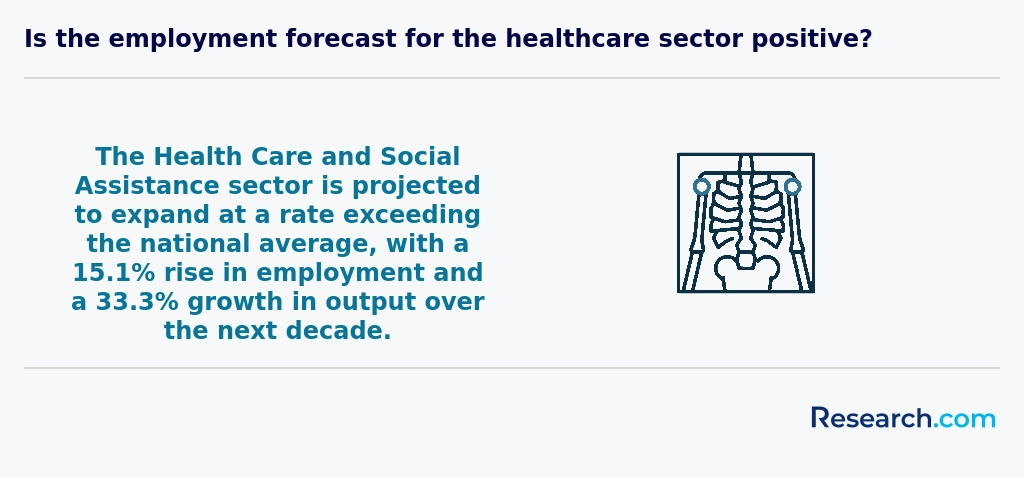
- Employment in healthcare fields in Missouri is projected to grow by 10% to 15% over the next decade, driven by an aging population and demand for medical services.
- Accreditation from organizations like the CCNE or CEPH is essential for online programs to ensure quality and licensure eligibility.
How long does it take to complete online healthcare degree in Missouri?
Diving into an online healthcare degree in Missouri can feel like embarking on an exciting journey through time, shaped by your pace and goals. Many graduates from popular institutions like the University of Missouri and Saint Louis University discovered that an Associate Degree in Nursing (ADN) often wraps up in about 2 years when studying full-time-perfect for those eager to jump into the workforce quickly.
Others navigating bachelor's programs, such as a BSN, found themselves immersed for roughly 4 years, but with options to accelerate. Some adventurous learners, already holding prior credentials, zipped through accelerated bachelor's tracks in as little as 18 months at places like Missouri State University, making every moment count.
Graduate degrees add another thrilling chapter. Online master's or doctoral paths at well-known Missouri schools can stretch from 2 to 6 years, shaped by your full-time hustle or part-time rhythm and those hands-on clinical challenges that turn theory into real care.
Missouri's flexible online programs invite you to craft an education timeline that fits your life, making the process both personal and rewarding.
Career Paths and Opportunities for Online Healthcare Graduates
For graduates earning an online healthcare degree in Missouri, the career landscape is both diverse and rapidly evolving. This section delves into the various professional trajectories available and highlights how the skills acquired through these programs translate into tangible job opportunities. Graduates can look forward to roles in clinical management, health informatics, public health leadership, and beyond. • Healthcare Administration: Many alumni leverage their degree to secure leadership positions within hospitals, integrated health systems, and health insurance companies. These roles involve managing operations, overseeing patient care delivery, and implementing innovative strategies to improve service quality. • Health Informatics and Data Analytics: With the growing importance of data-driven decision making in healthcare, professionals focusing on health informatics are in high demand. Graduates work with electronic health records, cybersecurity, and big data to optimize patient outcomes and streamline healthcare delivery. • Public and Community Health: Graduates interested in making a broad impact may find rewarding opportunities in public health organizations and community clinics. These positions focus on health promotion, disease prevention, and developing programs that address local healthcare disparities. • Clinical Leadership and Quality Improvement: For those with a passion for direct patient care and system enhancements, roles in clinical leadership are a natural fit. These positions include quality assurance, patient safety coordination, and innovative project management within clinical settings. • Research and Academia: Some graduates pursue careers in research or teaching, contributing to advancements in healthcare policies, medical practices, and educational frameworks. These roles often involve collaborations with medical centers and universities to drive forward evidence-based practices. By understanding the spectrum of career paths available, prospective students can align their educational journey with their professional aspirations. This comprehensive view not only enhances decision-making but also reinforces the transformative potential of an online healthcare degree in Missouri.
What's the difference between online and on-campus healthcare degree?
Imagine juggling work and family while earning your healthcare degree-this is the reality for many Missouri students choosing online programs. Graduates from online courses at institutions like the University of Missouri appreciate the flexible pace, fitting studies into evenings or weekends. They embrace technology-powered learning-video lectures, virtual simulations, and lively discussion boards-that transform their living rooms into classrooms.
Conversely, those attending Saint Louis University's on-campus healthcare programs thrive on face-to-face interactions. Being in labs and simulation centers offers immediate hands-on experience, sparking confidence in clinical skills. They relish spontaneous hallway chats with peers and mentors, building a supportive network that fuels motivation.
Cost-wise, online learners often save on housing and commuting, while still completing accredited curricula meeting Missouri's strict licensure standards. Practical clinical placements for online students are arranged locally, blending convenience with real-world experience. Whether navigating asynchronous online modules or the structured rhythm of campus life, Missouri's healthcare students discover paths tailored to their unique journeys.
Accreditation and Licensure Requirements
Choosing an online doctorate in healthcare program in Missouri requires careful attention to both regional and programmatic accreditation to ensure your degree is recognized by employers and qualifies you for licensure or certification exams. Regional accreditation (such as the Higher Learning Commission) verifies the overall quality of the institution, while specialized bodies-like the Commission on Accreditation of Healthcare Management Education (CAHME) for healthcare administration or the Council on Accreditation of Nurse Anesthesia Educational Programs (COA) for nurse anesthetists-assess the rigor and relevance of your specific program. Before enrolling, confirm that your chosen university maintains current accreditation status by checking the U.S. Department of Education’s Database of Accredited Postsecondary Institutions and Programs (DAPIP). In Missouri, licensure requirements vary depending on your career path. For example, healthcare administrators generally do not need state licensure but benefit from certification through the American College of Healthcare Executives (ACHE), while advanced clinical roles such as nurse practitioners or clinical nurse specialists must complete state board-approved curricula and pass national certification exams. Understanding these distinctions early can save time and money: ensure your program’s curriculum maps directly to the competencies and clinical hours mandated by state boards and national certifying agencies. Beyond doctoral-level studies, many healthcare professionals expand their skill set by pursuing credentials in adjacent fields. For more information on accredited programs that bolster coding and billing expertise-an increasingly valuable complement to leadership roles-consider exploring the best accredited medical billing and coding schools online to guarantee industry-recognized training and certification readiness.
What is the average cost of online healthcare degree in Missouri?
Embarking on an online healthcare degree in Missouri can be an exciting journey-and understanding the average cost is a key step. Typically, the median total cost lands around $52,182, which reflects the investment many graduates feel was worth every penny. Imagine a graduate from the University of Missouri who balanced family life while progressing through their program, finding the experience rewarding despite the financial commitment. Many local students discover that public universities offer more affordable tuition, making it possible to pursue quality education without overwhelming debt.
The adventure of affordable online doctorate healthcare programs Missouri is especially appealing for those seeking advanced studies without relocating. These programs often come with added budget considerations, including tech fees and practicum expenses, but students appreciate the flexibility and community support that online learning fosters. For prospective students weighing options, it's common to explore alternative routes, such as the most affordable online mba in healthcare management programs, which can complement or enhance healthcare credentials while keeping tuition costs manageable.
Graduates from Missouri's renowned healthcare programs usually reflect on their tuition investment with satisfaction, recognizing that public vs. private tuition policies and residency status significantly influence those costs. As students navigate credit hour requirements and specialized clinical components, the overall experience often feels less like a cost and more like an opportunity to grow and contribute to healthcare fields thriving in Missouri and beyond.
What financial aid is available to online healthcare degree students in Missouri?
Exploring financial aid while pursuing an online healthcare degree in Missouri can feel like uncovering hidden treasure. Many graduates from institutions like the University of Missouri or Missouri State University share how federal aid, especially Pell Grants and federal student loans, made their journey smoother. Completing the FAFSA unlocks these funds, with Pell Grants offering non-repayable support that can cover thousands annually-imagine reducing your tuition worries just by applying!
State programs add exciting layers to your options. The Access Missouri Financial Assistance Program, for instance, targets undergraduates aiming for Missouri colleges, including online healthcare students, giving that extra boost when you qualify. Imagine combining this with scholarships from your university, where merit or experience as a nurse could tip the scales toward receiving aid.
Many find employer tuition reimbursement incredibly motivating. Picture staff at large Missouri hospitals celebrating when their employer covers part of their degree costs-turning career goals into achievable milestones without financial strain.
Finally, private scholarships from groups like the Missouri Nurses Association open doors tied to your connection with local healthcare, empowering you to fund your education while staying rooted in Missouri's vibrant medical community.
Accreditation and Licensure Requirements
Before enrolling in an online doctorate in healthcare in Missouri, it’s essential to confirm that your institution holds both regional accreditation from the Higher Learning Commission (HLC) and programmatic accreditation relevant to your specialization-whether it’s nursing (CCNE or ACEN), health informatics (CAHIIM), or public health (CEPH). Regional accreditation ensures eligibility for federal financial aid and credit transfer, while programmatic accreditation signals that your curriculum meets industry standards and supports professional credentialing. Licensure requirements in Missouri often mandate completion of accredited coursework, documented clinical practicum hours, and successful passage of national board examinations. For example, Nurse Practitioner DNP candidates must complete at least 1,000 supervised clinical hours and pass the ANCC or AANP certification exams to secure APRN licensure. Public health doctoral graduates aiming for roles in epidemiology or health policy should verify that CEPH accreditation aligns with state or employer prerequisites. Maintaining accreditation status is an ongoing process: accredited programs submit annual reports and periodic reviews to ensure continuous improvement-a critical quality signal for employers, licensing boards, and graduate schools. Prospective students can verify current accreditation listings via the U.S. Department of Education’s Database of Accredited Postsecondary Institutions and Programs. While Missouri offers robust accredited options, those prioritizing affordability without sacrificing quality can also explore out-of-state programs. For additional budget-friendly accredited choices, consider the Inexpensive Online Healthcare Degree Programs Ranking in San Diego, CA for comparative insights.
What are the prerequisites for enrolling in online healthcare degree program in Missouri?
To embark on the adventure of earning an online healthcare degree in Missouri, you'll first need a solid academic footing-most programs at top institutions like the University of Missouri or Saint Louis University ask for a high school diploma or equivalent if you're aiming for an associate or bachelor's degree. Picture confident peers sharing stories of their biology and chemistry classes that paved the way for their success.
For those ready to dive deeper, graduate programs often require a relevant bachelor's or master's degree, and sometimes GRE scores, though many schools are now making it easier by dropping this test. Graduates from popular Missouri colleges often recall the excitement and nerves when submitting their personal statements and recommendations, which truly capture their passion for healthcare.
Some nursing or healthcare administration tracks also crave hands-on experience, like holding CNA or EMT certifications, blending real-world skills with online studies. Plus, reliable internet and a quiet study nook are essential - envision joining lively virtual classes from your own cozy corner. Missouri's healthcare programs are accessible, with clear requirements helping you confidently step into a rewarding new path.

Alternative Advanced Degree Options
In today's competitive healthcare landscape, exploring advanced degree alternatives can provide additional flexibility and career growth. While the focus of this ranking is on online doctorate programs, many students also benefit from considering options such as an online MBA in healthcare management. This degree not only hones leadership and strategic planning skills but also offers a business-oriented approach to solving industry challenges. For instance, graduates with an MBA in this field are well-equipped to navigate financial management, organizational change, and operational efficiency in healthcare settings. If you're evaluating different paths, you might want to investigate the most affordable online mba in healthcare management programs available, which can serve as a cost-effective alternative with robust career prospects. This comparative insight not only enhances your understanding of the diverse educational landscape but also empowers you to choose a program that best aligns with your professional ambitions and learning style.
What courses are typically in online healthcare degree programs in Missouri?
Imagine diving into anatomy and physiology while picturing yourself working at a bustling St. Louis hospital-this is the reality for many healthcare students at popular Missouri universities. Courses like medical terminology become a daily tool, making complex clinical language feel like second nature. Graduates often share how healthcare ethics courses helped them navigate tough decisions with confidence, preparing them for real-world dilemmas.
Online programs in Missouri also weave in healthcare management and administration, where students explore healthcare finance and learn to lead teams effectively, much like future managers at Kansas City clinics. Public health courses stand out here, focusing on Missouri's unique challenges like chronic illness rates. Students find themselves energized by learning epidemiology and health promotion strategies tailored to their local communities.
Engagement doesn't stop there-graduates recall how courses in healthcare policy, law, and informatics sharpened their ability to adapt to fast-changing regulations and technologies, ensuring they stay ahead in their careers. Virtual internships and practical assignments add a thrilling layer of hands-on experience, bringing these lessons to life.
What types of specializations are available in online healthcare degree programs in Missouri?
Exploring online healthcare specializations in Missouri reveals a vibrant mix designed to fit diverse passions and career ambitions. Graduates from popular universities in the state often reflect on how programs like Healthcare Administration empowered them to lead clinics and hospitals with confidence, balancing real-world challenges with flexible online coursework. Meanwhile, registered nurses pursuing advanced nursing degrees appreciate the chance to specialize in areas such as nurse education or leadership, opening doors to impactful roles in their communities.
Those curious about the intersection of technology and medicine frequently dive into Health Informatics, gaining skills to manage patient data and healthcare systems-an ever-expanding field fueled by digital transformation. Public Health attracts students passionate about improving community wellness through policy and prevention, a rewarding path richly supported by Missouri's online healthcare degree options. For hands-on learners, programs in Occupational and Physical Therapy cleverly combine online study with essential in-person sessions, making it possible to train without uprooting life in Missouri.
For anyone interested in the practical side of healthcare careers, many Missouri schools also offer pathways to certification and licensure preparation. Some graduates highlight how finding the best accredited medical billing and coding schools online in Missouri enriched their skill set, making their degree both comprehensive and career-ready.
How do you choose the best online healthcare degree in Missouri?
Choosing the best online healthcare degree in Missouri means stepping into a personalized journey where accreditation and flexibility take center stage. Graduates from well-known public universities often highlight how programs accredited by the Commission on Collegiate Nursing Education (CCNE) provided assurance that their degrees carried real value in the job market. The thrill of studying asynchronously lets you juggle work, family, and study, making education fit your rhythm rather than reshaping your life around rigid schedules.
Affordability matters deeply here, too. Many find that Missouri's in-state tuition rates at popular colleges make earning an advanced degree more accessible-especially when coupled with scholarships or employer tuition assistance. Students passionate about the best online healthcare degrees Missouri often research local institutions' career support, discovering how such services boost confidence and reduce uncertainty post-graduation.
For those wondering about practical experience, Missouri schools often arrange clinical components close to home, avoiding the stress of long-distance travel. Exploring specializations that align with Missouri's growing healthcare fields feels like unlocking new opportunities every step of the way. To dive even deeper into affordable options, check out the Inexpensive Online Healthcare Degree Programs Ranking in San Diego, CA.

What career paths are available for online healthcare degree students in Missouri?
Exploring online healthcare degree careers Missouri reveals a thrilling range of opportunities. Graduates from institutions like the University of Missouri or Missouri State University often find themselves drawn to nursing roles, evolving from registered nurses to nurse practitioners who make a real impact in both bustling cities and quiet rural towns. These graduates share stories of advancing their skills and confidence, feeling empowered to serve diverse communities across the state.
Others dive into healthcare management, excited by the challenge of leading hospital operations or shaping policies that improve patient care. Health informatics graduates enjoy mastering technology that streamlines healthcare services, a perfect fit for Missouri's evolving medical landscape. Many find joy in roles as healthcare educators, inspiring future professionals with hands-on knowledge gained through their studies.
For those curious about public health, Missouri's rural-urban mix offers a unique canvas to develop programs tackling health disparities-a fulfilling path that graduates from online programs eagerly embrace. Students often explore options through the easiest masters programs, which broaden their pathways to these vibrant careers. Ambitious learners even seek healthcare jobs with online doctorate Missouri to elevate their professional impact.
What is the job market for online healthcare degree in Missouri?
The job market for online healthcare degree holders in Missouri is vibrant and full of opportunity, fueled by a state-wide surge in healthcare needs. Graduates from universities like the University of Missouri or Missouri State often share how their programs blend theoretical knowledge with practical skills, preparing them for diverse roles across urban hospitals or rural clinics. These online healthcare jobs in Missouri frequently offer dynamic work environments where technology and patient care intersect, especially with the rise of telehealth services.
Many recent graduates find themselves stepping confidently into roles such as registered nurses or health services managers, drawn by the state's growing demand and competitive salaries. Missouri's commitment to expanding healthcare facilities means graduates can explore positions ranging from clinical work to administrative leadership.
For those budgeting their educational path, understanding how much does an associate's degree cost online can be a game-changer, making the journey toward a healthcare career more accessible without compromising quality.
Missouri healthcare degree employment opportunities continue to expand as the state prioritizes healthcare access and innovation, creating a compelling landscape for online degree graduates ready to make their mark.
Frequently Asked Questions About healthcare
Online healthcare degree students in Missouri can maximize their learning experience by leveraging flexible study schedules that accommodate work and personal commitments. Utilizing state resources such as the Missouri Department of Higher Education's guidance on accredited programs ensures students select quality institutions. Active participation in virtual discussions and networking with peers helps build professional connections crucial in healthcare fields.
Practicing skills during clinical placements or internships aligned with Missouri's healthcare standards strengthens hands-on experience. According to the Missouri Hospital Association, healthcare employment is growing 8% annually, emphasizing the need for practical skills. Students should also use online libraries and Missouri-based healthcare statistics to support research and coursework.
The healthcare field in Missouri is evolving rapidly, with several emerging niches gaining attention. One significant area is telehealth, which expanded due to the COVID-19 pandemic and now shows continued growth. Missouri reported a 175% increase in telehealth visits between 2019 and 2021, reflecting rising demand for remote care services (Missouri Department of Health).
Another niche is health informatics, combining data analysis with patient care to improve outcomes. Online degrees in this field prepare students for roles in managing electronic health records and analyzing healthcare data.
Behavioral health, including mental health counseling and substance abuse treatment, is also expanding. Missouri ranks higher than the national average in the need for behavioral health professionals, strengthening job prospects in this area.
After completing an online healthcare degree in Missouri, preparing for the job market requires focused steps. Start by obtaining any necessary state licensure or certification, as many healthcare roles in Missouri require formal credentials. For example, registered nurses and advanced practice nurses must be licensed with the Missouri Board of Nursing.
Engage in professional networking through Missouri-based healthcare associations, such as the Missouri Hospital Association, to access job postings and mentorship opportunities. Missouri's healthcare sector is expected to grow by 10% from 2020 to 2030, according to the U.S. Bureau of Labor Statistics, indicating strong job prospects.
Finally, gaining practical experience via internships or clinicals, even after graduation, can enhance employability within the competitive Missouri healthcare job market.
Employers hiring healthcare degree graduates in Missouri emphasize several key skills essential for success in a fast-evolving sector. Critical thinking and problem-solving abilities are highly valued, as healthcare professionals must make accurate decisions under pressure. Communication skills, both verbal and written, are crucial for coordinating with interdisciplinary teams and interacting with patients effectively.
Missouri's healthcare industry, according to the Missouri Economic Research and Information Center, shows strong demand for graduates skilled in data analysis and healthcare technology, due to increasing adoption of electronic health records and telemedicine. Additionally, cultural competency and ethical awareness rank prominently, helping professionals serve Missouri's diverse population with sensitivity and respect.
Finding internships relevant to a healthcare degree in Missouri involves several strategic steps. Start by contacting your online program's career services, as many universities have partnerships with local hospitals and clinics. Missouri hosts major healthcare employers like Mercy Health and BJC HealthCare, offering numerous opportunities for students.
Utilizing platforms such as the Missouri Hospital Association's career page can help identify internships. According to the Missouri Department of Higher Education, healthcare internships often provide hands-on experience critical for licensure and employment.
Networking through professional associations like the Missouri Nurses Association or the Missouri Public Health Association can also reveal hidden internship positions. Early applications are encouraged due to competitive demand statewide.
Online healthcare degrees in Missouri significantly enhance career mobility and advancement for professionals in the state's expanding healthcare sector. According to the Missouri Economic Research and Information Center (MERIC), healthcare occupations in Missouri are projected to grow by approximately 10% through 2030, creating strong demand for qualified graduates. Earning an online degree offers flexibility, allowing students to continue working while acquiring advanced credentials.
Many employers in Missouri value accredited online healthcare programs, which can open doors to leadership roles and specialized positions. For example, registered nurses with a Doctor of Nursing Practice (DNP) online degree often qualify for administrative or clinical leadership jobs that command higher salaries. Additionally, these degrees support licensure and certification maintenance, critical in Missouri's regulated healthcare environment.
Online healthcare degree programs in Missouri emphasize interdisciplinary skills critical for today's complex healthcare environments. Students engage in coursework that integrates nursing, public health, health administration, and informatics, fostering collaboration across diverse medical fields. This approach aligns with Missouri's growing healthcare demands, where coordinated care models are becoming standard, supported by data from the Missouri Department of Health and Senior Services. The state's programs often feature case studies and virtual simulations involving multiple healthcare roles, preparing graduates for teamwork in hospitals, clinics, and community health settings.
According to recent reports, Missouri's healthcare sector employs approximately 385,000 workers, highlighting the importance of adaptable professionals who can navigate interdisciplinary teams effectively.
Choosing between a thesis and a non-thesis healthcare degree program in Missouri depends on your career goals and interests. A thesis program requires original research, which is ideal if you plan to pursue a career in academia or advanced clinical research. Missouri State University and the University of Missouri offer such opportunities in healthcare fields.
Non-thesis programs focus on practical skills and coursework, suitable for professionals aiming to advance in clinical practice or healthcare management. According to the Missouri Department of Higher Education, healthcare employment in Missouri is expected to grow by 13% through 2030, highlighting the value of applied knowledge.
Consider your preferred learning style, time commitment, and whether you intend to continue to a PhD or leadership roles. Online programs offer flexible options for both pathways.
Students in Missouri interested in studying healthcare abroad through online programs have several options, primarily via partnerships between U.S. universities and foreign institutions. These options often include completing a portion of clinical training internationally while earning a U.S.-accredited degree. Missouri ranks 29th nationally in healthcare employment, suggesting growing interest and opportunities in this field.
Online programs may offer global perspectives on healthcare practices, benefiting students aiming for diverse clinical experiences. The Missouri Department of Higher Education supports distance learning initiatives, which sometimes include international collaborations. However, careful verification of accreditation and licensing requirements must be considered, as healthcare licensure varies widely between countries and U.S. states.
Part-time job opportunities in Missouri that complement healthcare degree education primarily include roles such as medical assistants, pharmacy technicians, and patient care coordinators. These positions provide practical experience relevant to healthcare studies while allowing flexible hours for students.
Missouri's healthcare industry employs over 400,000 individuals, making it a robust job market for students seeking part-time work. Roles in hospitals and clinics not only build skills but also help students network professionally. According to the Missouri Economic Research and Information Center, healthcare support jobs are expected to grow by 17% through 2030, offering expanding opportunities.
Other options include volunteering in public health programs or working as health educators, which enrich understanding of community health challenges. These jobs reinforce academic knowledge with real-world application, crucial for future healthcare leaders.
Online healthcare students in Missouri benefit from various networking opportunities critical for career advancement. Many universities offer virtual events, webinars, and discussion forums where students connect with peers and industry professionals. For example, Missouri State University and the University of Missouri provide access to alumni networks and professional associations like the Missouri Nurses Association.
Healthcare is a leading employment sector in Missouri, employing over 200,000 people as reported by the Missouri Economic Research and Information Center (MERIC). Students can leverage this robust workforce by joining local chapters of national healthcare organizations, attending state conferences, or participating in internships arranged through their institutions.
These opportunities help online students build industry connections despite remote learning, fostering mentorship and job leads crucial in healthcare careers.
Alumni networks play a crucial role for online healthcare degree students in Missouri by offering valuable professional connections. These networks connect graduates across various healthcare fields, facilitating mentorship and career advice.
Missouri's healthcare sector, employing over 350,000 people per the Missouri Economic Research and Information Center (MERIC), benefits students who tap into alumni networks for job opportunities and industry trends. Many healthcare employers in the state prefer candidates recommended through trusted contacts, making alumni connections a powerful resource.
Moreover, alumni often share information about local licensing requirements and continuing education options, helping recent graduates navigate Missouri's healthcare regulations effectively.
Customizing an online healthcare degree program in Missouri allows students to align their education with specific career goals. Many universities provide flexible course options such as specializations in public health, health administration, or nursing leadership. Students can often choose electives that focus on Missouri's healthcare challenges, including rural health access and chronic disease management.
Additionally, some programs offer practical experiences like virtual internships or partnerships with local healthcare providers. Missouri's growing healthcare sector, which employed over 320,000 workers in 2022 according to the Missouri Economic Research and Information Center (MERIC), benefits from graduates with targeted skills. This customization helps professionals meet state licensure and certification requirements.
Online healthcare students in Missouri often face challenges related to clinical placement availability. Many programs require hands-on experience, but finding local healthcare facilities to fulfill these hours can be difficult, especially in rural areas. According to the Missouri Department of Health and Senior Services, rural counties face ongoing shortages of healthcare providers, which may limit clinical sites.
Another common challenge is balancing coursework with work and family responsibilities. Online programs offer flexibility, yet the demanding nature of healthcare studies requires significant time and focus. Missouri students tend to report stress in managing asynchronous classes alongside personal obligations.
Technical issues and limited access to reliable internet can also affect students, particularly in less urbanized regions. Ensuring stable connectivity is essential for accessing lectures, submitting assignments, and participating in virtual discussions.
Finally, some students find adapting to the lack of in-person interaction challenging. Developing professional networks and mentorships virtually may require extra initiative compared to traditional on-campus programs.
With an online healthcare degree in Missouri, graduates can pursue a variety of professional certifications to advance their careers. Common options include Certified Professional in Healthcare Quality (CPHQ), Certified Medical Manager (CMM), and Registered Health Information Technician (RHIT). These credentials are widely recognized across healthcare organizations in Missouri and the US, often improving job prospects and salary potential.
Missouri's healthcare industry is growing, with over 500,000 employed in healthcare roles according to the Missouri Economic Research and Information Center. This demand accentuates the value of certifications that verify expertise in specialized areas.
Additionally, many certifications require a degree and professional experience, which online programs help fulfill flexibly for working students.
To write a winning application for an online healthcare program in Missouri, start with a clear, well-organized personal statement. Highlight your passion for healthcare and specific career goals, connecting them to Missouri's growing healthcare sector, which employs over 300,000 people according to the Missouri Economic Research and Information Center (MERIC).
Submit all required transcripts and certificates timely, emphasizing any healthcare-related experience. Many programs value hands-on work or volunteer experience in Missouri's hospitals or clinics.
Strong letters of recommendation from healthcare professionals or educators familiar with Missouri's healthcare system can enhance your application.
Finally, research each program's unique admission criteria, as Missouri schools often require specific prerequisites or exams.
Healthcare careers are increasingly viewed as vital worldwide due to growing populations and aging demographics. In the United States, Missouri reflects this trend with a healthcare workforce projected to expand by over 15% between 2020 and 2030, according to the Missouri Economic Research and Information Center. Globally, healthcare professionals are valued not only for clinical skills but also for cultural competence and adaptability in diverse settings.
Online healthcare degrees offer flexibility, enabling students in Missouri to connect with global best practices. U.S. education standards ensure these programs meet rigorous accreditation, preparing graduates for both local and international healthcare challenges. Understanding global healthcare trends helps students anticipate future demands and innovation within their careers.
Students pursuing online healthcare degrees in Missouri can gain practical experience through supervised clinical placements or internships, which are often required components of accredited programs. These opportunities typically occur in hospitals, clinics, or community health settings within Missouri, allowing students to apply theoretical knowledge in real-world environments.
Missouri's Department of Health and Senior Services supports partnerships between educational institutions and healthcare facilities to facilitate these experiences. According to the Missouri Economic Research and Information Center, healthcare roles in the state are expected to grow by 15% through 2030, emphasizing the importance of hands-on training.
Additionally, simulation labs and virtual practicums may complement clinical hours, providing flexible, experiential learning for online students.
Choosing the right concentration within an online healthcare degree program in Missouri begins with assessing local healthcare demands. For example, Missouri ranks higher than the national average in chronic disease rates, creating a strong need for professionals in public health and healthcare administration, according to the Missouri Department of Health & Senior Services. Prospective students should consider concentrations aligned with workforce shortages, such as nursing leadership or health informatics.
Another factor is accreditation. Ensure your chosen concentration is offered by accredited institutions recognized by the Higher Learning Commission. Missouri's healthcare sector includes opportunities in rural health, so concentrations addressing rural healthcare delivery can be valuable.
Finally, reflect on your career goals versus program flexibility, including clinical requirements and online support services. This will help tailor your education for Missouri's evolving healthcare landscape.
Related Healthcare Rankings for Nearby States
- 2027 Easiest Online Doctorate in Healthcare Degree Programs Ranking in Kansas
- 2027 Easiest Online Doctorate in Healthcare Degree Programs Ranking in Illinois
- 2027 Easiest Online Doctorate in Healthcare Degree Programs Ranking in Kentucky
- 2027 Easiest Online Doctorate in Healthcare Degree Programs Ranking in Tennessee
- 2027 Easiest Online Doctorate in Healthcare Degree Programs Ranking in Indiana
- 2027 Easiest Online Doctorate in Healthcare Degree Programs Ranking in Wisconsin
- 2027 Easiest Online Doctorate in Healthcare Degree Programs Ranking in Colorado
- 2027 Easiest Online Doctorate in Healthcare Degree Programs Ranking in Louisiana
- 2027 Easiest Online Doctorate in Healthcare Degree Programs Ranking in Ohio
- 2027 Easiest Online Doctorate in Healthcare Degree Programs Ranking in Michigan
Top Trending Healthcare Rankings
See What Experts Have To Say About Studying Healthcare
Read our interview with Healthcare experts

References
- Top 5 Part-Time Healthcare Jobs For Students https://www.sumnercollege.edu/blog/top-5-part-time-healthcare-jobs-for-students/
- Trends and opportunities in healthcare across emerging markets - Inizio https://inizio.com/insights/trends-and-opportunities-in-healthcare-across-emerging-markets/
- Pursuing Your Career Goals: Strategies and Examples https://www.ultimatemedical.edu/blog/career-goals-importance-strategies-and-examples/
- Interdisciplinary Education and Practice https://www.aacnnursing.org/news-data/position-statements-white-papers/interdisciplinary-education-and-practice
- Financial Aid - missourihealthcareers.com https://missourihealthcareers.com/financial-aid/
- 25 Highest Paying Online Degrees in Healthcare | Best Online Medical Degrees https://www.collegeconsensus.com/online/highest-paying-online-medical-degrees/
- Benefits of Online Healthcare Courses for Professionals | ILC https://inspirelondoncollege.com/blog/healthcare-courses-for-professionals/
- Course Benefits https://www.premedprojects.co.uk/hospital-work-experience-benefits
- HEALTH MANAGEMENT (THESIS / NON-THESIS) - Lisansüstü Eğitim Enstitüsü https://lee.nisantasi.edu.tr/en/health-management-thesis-non-thesis/
- 6 key healthcare challenges affecting students and how to address them - Wellfleet Student https://wellfleetstudent.com/engaging-empowering-student-members/6-key-healthcare-challenges-affecting-students-and-how-to-address-them/