
2027 Best Online Bachelor's in Healthcare Degree Programs Ranking in California

Co-Founder and Chief Data Scientist
Choosing the right online healthcare degree can feel overwhelming, especially with so many options available in California. This article offers a carefully compiled 2027 best online bachelor's in healthcare degree programs ranking in California created by the Research.com team of data scientists to guide you in making an informed decision.
By exploring this ranking, you'll discover programs that balance quality, flexibility, and affordability, helping you find the path that suits your goals. Earning a healthcare degree opens doors to rewarding careers that make a real difference in people's lives.
Key benefits of getting online healthcare degree in California
- Graduates with healthcare degrees in California often secure roles like Medical Assistants earning around $43,350 annually or Patient Care Technicians with salaries near $60,790, offering strong financial stability early in their careers.
- Healthcare degree holders from institutions such as the University of California have diverse career paths, including positions as Health Information Technicians or Quality Improvement Coordinators, blending clinical knowledge with administrative skills.
- Completing a healthcare degree online through schools like California State University allows flexible scheduling, letting you gain valuable experience while balancing work or family commitments, leading to equally rewarding career opportunities.
- 2027 Best Online Bachelor's in Healthcare Degree Programs Ranking in California
- What can I expect from online healthcare degree in California?
- Where can I work with online healthcare degree in California?
What can I expect from online healthcare degree in California?
Online healthcare degrees in California typically come with tuition costs ranging from around $5,000 to over $30,000. Graduates from well-known institutions like the University of Southern California or California State University often share how their investment felt balanced by the flexible schedules and the depth of knowledge gained, especially when juggling work and study. For many, the higher price tag of private schools is offset by access to cutting-edge technology and closer connections to prominent healthcare networks in major urban centers.
Meanwhile, those choosing public universities appreciate how tuition stays more affordable without sacrificing quality, often benefiting from state grants and financial aid tailored specifically for California residents. This financial support can make pursuing a degree less daunting, allowing students to focus on mastering the complexities of healthcare ethics, informatics, and patient care management.
From a personal standpoint, the variety of options encourages thoughtful planning-knowing you can find a program that fits not just your budget but also your professional ambitions in California's dynamic healthcare environment makes the journey worthwhile.
Where can I work with online healthcare degree in California?
Graduates from online healthcare programs in California often find rewarding careers in diverse settings, reflecting the state's dynamic healthcare landscape. Many who studied at renowned institutions like the University of California or California State University share stories of stepping into roles within hospitals, managing patient data or supporting clinical operations. The fast-growing demand for professionals familiar with healthcare laws and administration is a key advantage.
Others flourish in public health departments across California, applying their knowledge to improve community health outcomes. These roles, often filled by those with degrees from well-known programs, allow meaningful contributions to population health and policy development-a source of pride and purpose for many graduates.
Outpatient clinics and long-term care facilities also welcome graduates who enjoy coordinating patient care or ensuring quality assurance. Graduates frequently express satisfaction in supporting California's aging population, knowing their work positively impacts families and communities.
While some clinical positions require extra certification, many find that their online degree opens doors in administration, information management, and outreach-careers that combine passion with flexibility and growth potential.
Graduates with online healthcare degrees in California often experience promising salary prospects that reflect both their dedication and the state's robust healthcare market. For instance, many who enter roles as Medical Assistants can expect mean annual wages around $43,350, a solid start as they build their careers. Those who move into positions like Patient Care Technicians find higher earning potential, with average salaries near $60,790, reflecting increasing responsibility and skill.
Health Information Technicians, who handle crucial data management in California's bustling healthcare systems, typically earn about $43,380 annually. Graduates venturing into coordination roles, such as Clinical Research Coordinators, also see similar earnings around $43,350, but often appreciate the dynamic environment such roles offer.
Notably, Quality Improvement Coordinators represent a powerful example of career growth, with median annual wages above $103,000. Graduates from established California institutions often share how flexible online programs prepared them to step confidently into supervisory positions that command these higher salaries.
These figures resonate deeply with graduates balancing education, work, and life commitments, especially those from universities like California State University or the University of California system, where online healthcare programs emphasize both knowledge and practical skills. Their stories inspire new students, proving that smart choices in online education can lead not just to meaningful work, but also to strong financial rewards.
- Online healthcare degrees in California offer flexibility but require accredited programs and state authorization for licensure eligibility.
- The total cost for a bachelor's degree typically ranges from $40,000 to $70,000, with public universities generally charging lower tuition.
- Entry-level salaries for healthcare graduates range from $55,000 to $70,000 annually, with mid-career salaries averaging between $90,000 and $110,000.
- Healthcare jobs in California are projected to grow around 15% through 2030, especially for nurses, healthcare managers, and health informatics specialists.
- Licensing in healthcare fields requires graduation from approved programs and passing state or national exams to work successfully in California.
Completing an online healthcare degree in California generally spans from two to four years, depending heavily on your pace and program choice. Graduates from institutions like California State University or University of California campuses often share how full-time enrollment lets them finish in about four years, especially for bachelor's degrees requiring 120 semester credits.
Many find that flexibility is key. For example, some accelerated programs allow completing a degree in just two to three years by taking extra credits or utilizing summer terms. Others balancing jobs and families at colleges such as Riverside Community College have extended their studies beyond four years without losing momentum, appreciating this personal pacing.
Community college students often benefit from well-established credit transfer agreements with four-year public universities across California, which can shorten their overall timeline and lighten financial pressure. This adaptability, paired with the state's growing healthcare needs, provides hopeful learners with both opportunity and reassurance as they embark on their educational journeys.
Accreditation is one of the most important checks when choosing an online healthcare degree in California. It helps confirm that a school or program meets recognized quality standards and can affect federal financial aid, credit transfer, employer acceptance, graduate study, certification, clinical placement, and licensure eligibility.
When comparing online healthcare bachelor’s programs in California, look for:
- Regional accreditation from a U.S. Department of Education–recognized agency (e.g., WSCUC)
- Programmatic accreditation from bodies such as the California Board of Registered Nursing or CAHME
- Approval by California’s Bureau for Private Postsecondary Education for state compliance
Students should verify accreditation directly through the accreditor, the institution, and any relevant California licensing or regulatory board. This is especially important for nursing, allied health, health administration, and other fields where the wrong program can limit eligibility for exams, placements, or professional credentials.
If your career goal includes billing, coding, or health information work, you may also consider a supplementary medical coding school to strengthen job readiness.
Choosing between online and on-campus healthcare degrees in California often boils down to lifestyle and learning preferences. Graduates from UCLA's healthcare programs frequently share how on-campus study allowed them immediate access to clinical labs and face-to-face mentorship, fostering confidence through hands-on practice. In contrast, alumni from California State University, Northridge praise online degrees for their flexibility, enabling them to balance work and family while progressing at their own pace.
Cost differences also play a subtle role. Online students often save on commuting and housing, a benefit noted by many who chose CSU's online nursing programs. Yet, some private online courses add technology fees, reflecting in tuition costs higher than those at public institutions.
Both formats maintain rigorous standards, accredited by bodies like the CCNE, assuring that whether learning via Zoom or in a campus clinic, graduates are equally prepared. The challenge for online learners lies in self-motivation, a hurdle met by many through active community forums and local clinical placements.
Online healthcare education is changing as the healthcare workforce becomes more digital, data-driven, and patient-centered. California programs are increasingly expected to help students understand telehealth, electronic health records, healthcare analytics, quality improvement, public health response, privacy rules, and team-based care.
Some programs now use virtual simulations, AI-supported tutoring tools, remote collaboration platforms, and case-based learning to help students practice decision-making before they enter healthcare workplaces. These tools do not replace required in-person clinical training when a credential or licensing pathway requires it, but they can strengthen preparation in communication, documentation, ethics, and systems thinking.
Trends students should watch
- Telehealth preparation: Students may study remote patient communication, access issues, privacy, and digital care coordination.
- Health informatics: More healthcare roles require comfort with digital records, reporting systems, and data quality.
- Interdisciplinary learning: Programs may emphasize collaboration across nursing, administration, public health, pharmacy, social services, and technology teams.
- Simulation-based learning: Virtual patient cases and scenario exercises can help students apply concepts before fieldwork.
- Employer partnerships: Healthcare organizations may support projects, internships, or applied assignments that connect coursework with workplace needs.
Students considering graduate or professional study can also explore pathways such as online pharm d programs, especially if their long-term goals involve pharmacy, medication management, or advanced clinical training.
The average cost of an online healthcare degree in California is approximately $27,715 for in-state students, while out-of-state students can expect to pay closer to $58,440. These figures reflect the median total costs, encompassing tuition, fees, and materials necessary for completing a bachelor's degree program. Graduates from well-known California universities often recall that while public schools in the California State University system offered more affordable pathways, the investment still required careful financial planning.
Many students pursuing California online healthcare degree tuition and fees find that beyond tuition, additional expenses such as technology fees, course materials, and registration charges can affect the overall cost. For example, graduates from some universities note that the convenience of fully online programs with flexible schedules justified these expenses, especially when balanced against the valuable career advancement gained through their education.
Those seeking guidance on balancing cost with quality often study programs from a range of institutions, from public universities to private ones like the University of Southern California. The variation in costs can be significant, which is why exploring the cheapest online healthcare schools in california is a wise starting point for many prospective students interested in making informed financial choices about their education. This approach helps students find educational opportunities that align well with both their budget and professional goals.
Online healthcare programs work best for students who combine strong personal study habits with the support services offered by the school. Because healthcare coursework often includes science, policy, data, ethics, communication, and applied projects, students should look for programs that provide more than recorded lectures.
Useful support systems may include academic advising, online tutoring, writing help, career coaching, library access, technical support, disability services, and clear guidance for any practicum, internship, simulation, or clinical placement requirement. For working adults, the most valuable programs are often those that offer predictable course schedules, responsive faculty, and advising that understands transfer credits and part-time enrollment.
What to look for before enrolling
- Advising access: Ask whether online students have a dedicated advisor and how often degree plans are reviewed.
- Faculty responsiveness: Check whether instructors publish office hours, response-time expectations, and grading timelines.
- Technical support: Confirm that help is available during evenings or weekends if you plan to study outside normal business hours.
- Career services: Look for resume support, interview preparation, internship guidance, and employer connections in healthcare settings.
- Clinical or fieldwork coordination: If the program requires in-person experience, ask who arranges placements and whether they can be completed near your location.
Cost should be evaluated alongside support. A lower tuition rate is helpful, but a program with weak advising, limited tutoring, or unclear fieldwork policies can slow progress and increase total cost. Students comparing budget-conscious options can also review the cheapest online healthcare schools in california to see how affordability and student services compare.
Students pursuing online healthcare degrees in California often find a variety of financial aids that ease the burden of high tuition costs. Graduates from popular institutions like California State University and the University of Southern California frequently mention how federal aid programs, especially Pell Grants and subsidized student loans accessed through FAFSA, made it possible to focus on their studies without overwhelming debt.
Many benefit from Cal Grants, which can provide up to $12,570 annually, helping bridge the cost gap at both public and private colleges. For instance, some nursing students at public universities share how these state funds allowed them to continue their education without pausing to seek additional income.
Merit-based scholarships and institutional grants often reward dedication and academic excellence, with some schools partnering with healthcare organizations to offer targeted support-one graduate recalled receiving a grant from a local hospital network that inspired confidence in their career path. Employer tuition reimbursement is also a key resource, especially for working professionals looking to advance without financial stress.
Succeeding in an online healthcare degree program requires structure. The flexibility of online learning is valuable, but it also shifts more responsibility to the student. The most successful learners plan their week before classes begin, protect study time, and communicate early when work, family, or clinical obligations create conflicts.
Practical habits that improve completion
- Build a weekly schedule: Reserve specific blocks for reading, assignments, discussion posts, exam review, and group work.
- Start assignments early: Healthcare courses often require research, citations, data interpretation, or case analysis, which are difficult to finish well at the last minute.
- Use discussion boards strategically: Treat them as practice for explaining healthcare issues clearly and professionally.
- Create a support circle: Connect with classmates, faculty, advisors, and working professionals who can help you stay accountable.
- Track program requirements: Keep a checklist for prerequisites, transfer credits, immunizations, background checks, practicum deadlines, and graduation applications.
- Ask for feedback: Instructor comments can help you improve academic writing, healthcare terminology, and applied decision-making.
Students should also compare program value before enrolling. A low-cost program can be a strong option if it has accreditation, a clear curriculum, and reliable online support. For affordability comparisons within the state, see the cheapest online healthcare schools in california.
Enrolling in an online healthcare degree program in California typically begins with having a high school diploma or equivalent, like a GED. Graduates from well-regarded institutions such as the University of California and California State University systems often emphasize how foundational science and math classes - think biology, chemistry, and algebra - prepared them for success.
Many programs also ask for SAT or ACT scores, though several California colleges have embraced test-optional policies to accommodate diverse student backgrounds. This flexibility can relieve stress for applicants balancing work or family commitments.
Another key prerequisite is basic computer literacy combined with stable internet access. Graduates recall how important it was to confidently navigate virtual platforms for submitting assignments and engaging in real-time discussions, especially when studying from home or remote areas.
Some programs value letters of recommendation or healthcare-related volunteer experience, which often act as a meaningful reflection of commitment. Others may require prior college credits, like anatomy or physiology, particularly for accelerated pathways.
Understanding these requirements in advance helps prospective students approach their application process with greater confidence and clarity.
Return on investment for an online bachelor’s in healthcare depends on total program cost, transfer credits, time to completion, financial aid, and the career path you pursue after graduation. In this guide, a four-year program is cited at an average cost of $66,600. Entry-level roles such as Patient Care Technician are cited at $55,860 annually, while Health Information Technician positions are cited at around $41,260.
These figures should be used as planning benchmarks rather than guarantees. Your actual ROI will depend on your tuition rate, whether you study full time or part time, whether you already work in healthcare, and whether your target role requires additional certification, licensure, or experience.
| ROI factor | What it means for students |
| Average annual salary growth | 3–5% as professionals advance into management or specialized roles |
| Typical payback period | 2–3 years post-graduation, based on median starting salaries |
| Lifetime earning potential | Professionals with a bachelor’s degree in healthcare can expect a 20–30% higher cumulative income compared to associate degree holders |
| Cost-per-credit analysis | Programs charging below $300 per credit can shorten ROI timelines by 6–12 months |
To make a stronger ROI comparison, calculate the total cost after grants and scholarships, not just the published tuition. Also consider whether a program accepts transfer credits, offers employer partnerships, or allows part-time enrollment without excessive fees. Students comparing affordability beyond California may find additional perspective in the Inexpensive Online Healthcare Degree Programs Ranking in New Jersey.
Online healthcare degree programs in California typically include core courses that build a strong foundation in the field. Graduates from popular institutions like California State University and University of Southern California often reflect on how classes such as Introduction to Healthcare and Medical Terminology helped them feel confident when encountering real-world healthcare settings for the first time.
Courses like Anatomy and Physiology and Healthcare Ethics and Law provide essential knowledge to understand patient care deeply and navigate the complex legal landscape of the state's healthcare system. Many students appreciate Health Information Technology classes, which prepare them to work with electronic health records-a skill increasingly vital as California hospitals shift to digital systems.
Additionally, specialized courses such as Healthcare Administration, Public Health Principles, and Health Policy equip students with leadership insights crucial for managing California's diverse healthcare environments. Practical elements, including virtual simulations and local practicum opportunities, help students connect theory with hands-on experience, making the learning process both engaging and rewarding.
Online healthcare degree programs in California typically offer a range of specializations tailored to meet the needs of diverse students. Graduates from institutions like California State University and the University of Southern California often reflect on how focused tracks such as Health Information Management, Healthcare Administration, and Public Health gave them the confidence to navigate complex healthcare environments in one of the nation's largest markets. For example, those pursuing Health Information Management find themselves well-prepared to handle the increasing digitization of patient data, while Healthcare Administration students appreciate learning leadership skills relevant to managing growing healthcare organizations.
Many students pursuing California accredited healthcare degree programs online choose specializations like Nursing, especially RN-to-BSN programs, which enhance their career opportunities with practical, flexible study options. Another popular path is Health Sciences, offering a broad understanding of healthcare policy and ethics. Some graduates also explore online pharm d programs as a complementary step toward advanced practice.
Choosing the best online healthcare degree in California means focusing on programs with strong regional accreditation, like those recognized by the Western Association of Schools and Colleges. Graduates from popular universities often highlight how this ensures their education meets high academic standards and is respected by employers statewide. It's also important to verify specialty accreditations, especially if you aim for nursing or occupational therapy.
Many students seeking affordable healthcare bachelor's programs California find that balancing cost with quality requires exploring various options. Some public universities offer in-state tuition around $7,000 yearly, making them accessible without sacrificing rigor, while private colleges may offer unique programs but at significantly higher costs. Considering financial aid and scholarships can ease this burden, and it's worth comparing tuition through resources like the Inexpensive Online Healthcare Degree Programs Ranking in New Jersey for regional perspective.
Reflecting on real student experiences, flexibility often proves crucial, especially for those juggling work and family. Institutions offering asynchronous courses combined with strong career services and clinical placement support across California allow learners to thrive without compromising their personal responsibilities. Graduates praise how such practical focus aligned well with California's expanding healthcare market, where knowledge of telehealth and public health trends opens promising job paths.
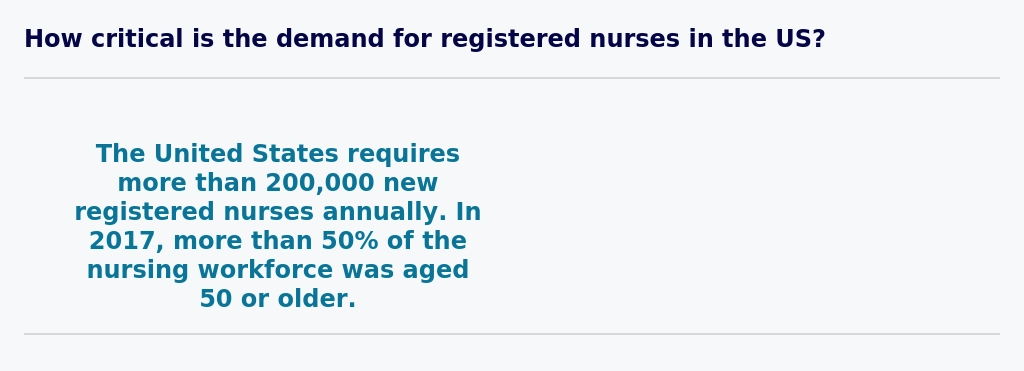
Graduates of online healthcare programs in California find rewarding career paths across a variety of fields. Many become registered nurses, ready to meet the state's rising healthcare demands, particularly after successfully passing their RN licensure exams. Others step into leadership roles as healthcare administrators, using skills developed through their studies to manage clinics and hospitals, often inspired by experiences from well-known institutions like the University of Southern California or San Diego State University. This is a common reality for students seeking online healthcare careers in California, where the industry thrives amid a growing and aging population.
Healthcare degree job opportunities California also extend to specialized roles such as health information technicians and public health educators. Graduates often reflect on the practical experience they gained, which prepares them to improve community health outcomes or streamline electronic health record systems. Those interested in blending policy and frontline work appreciate learning about the best college degrees for employment, helping them make informed decisions that shape their futures in this vibrant and essential field.
The job market for those holding an online healthcare degree in California reflects a landscape full of opportunity and steady growth. Graduates from institutions such as the University of Southern California and California State University often find themselves stepping into roles that benefit from the state's 15% projected growth in healthcare occupations through 2032. This robust demand means that whether you pursue a career as a health services manager or an occupational therapy assistant, the outlook remains promising.
Many graduates express satisfaction with how online programs offered flexibility while they balanced work and family, a crucial advantage in California's high-cost living environment. Those pursuing an online healthcare degree job market California can expect to compete well, especially given the relatively high salaries, like registered nurses earning near $120,000 annually. For students weighing their options, exploring the easiest bachelor degrees in healthcare might prove a strategic step.
2027 Best Online Bachelor's in Healthcare Degree Programs Ranking in California
Investing in your education is a significant decision that can shape your future, and the Research.com team understands the importance of making informed choices. To assist prospective students, we have meticulously crafted the "2027 Best Online Bachelor's in Healthcare Degree Programs Ranking in California." Our commitment to quality, credibility, and accuracy is demonstrated through the extensive research and analysis conducted to compile this ranking.
We utilized the following reputable data sources to ensure a comprehensive evaluation of healthcare degree programs:
By exploring this ranking, readers will gain valuable insights into the best online healthcare degree programs in California, empowering them to make well-informed decisions about their educational journeys. For more details on our methodology, please visit our Research.com methodology page.


# 4 position
California State University, Dominguez Hills
Bachelor of Nursing degree completion program


Frequently Asked Questions About healthcare
Online healthcare degree students in California can maximize their learning experience by actively engaging with digital resources and participating in virtual discussions. Studies show that students who communicate regularly with instructors and peers tend to perform better. Utilizing California-specific healthcare data and case studies enhances understanding of regional healthcare challenges.
Time management is crucial; setting a consistent study schedule helps balance coursework with personal and professional responsibilities. Accessing supplementary materials, such as webinars from the California Department of Public Health, adds practical insights.
Seeking opportunities for local clinical placements or internships reinforces theoretical knowledge. According to the California Healthcare Foundation, practical experience significantly improves job readiness in this state's healthcare sector.
The healthcare field in California is rapidly evolving with several emerging niches gaining prominence. One notable area is telehealth, which expanded significantly during the COVID-19 pandemic and continues to see strong demand, particularly in rural and underserved communities. According to the California Health Care Foundation, telehealth usage increased by over 50% statewide since 2020.
Another growing niche is health informatics, focused on managing patient data and improving healthcare delivery through technology. California's expanding tech industry supports this specialization with ample job opportunities. Additionally, gerontology and elder care are becoming critical due to California's aging population, which is expected to grow by 30% over the next decade as per state demographic reports.
Lastly, community health and wellness, emphasizing preventive care and health equity, also show promising growth in response to diverse population needs across the state.
After earning an online healthcare degree in California, graduates should focus on practical steps to enter the job market. First, obtaining relevant certifications and licenses is crucial since many healthcare roles require state-specific credentials. The California Department of Public Health offers resources to guide students through licensing processes.
Networking is also vital. Joining professional organizations like the California Healthcare Association can connect graduates with industry professionals. Additionally, California's healthcare sector is expected to grow by 16% from 2020 to 2030, creating numerous job opportunities, according to the U.S. Bureau of Labor Statistics.
Internships or volunteer experiences, even post-degree, improve employability by providing real-world skills and contacts. Finally, leveraging online job platforms focused on California healthcare employers facilitates targeted job searches.
Employers in California's healthcare sector prioritize a blend of technical, interpersonal, and critical thinking skills in graduates with online healthcare degrees. Clinical competence and familiarity with electronic health records (EHR) are essential, as California increasingly integrates digital health technology statewide, according to the California Health Care Foundation.
Strong communication skills are also critical. Healthcare workers must effectively interact with diverse patient populations, especially given California's multicultural demographics reported by the U.S. Census Bureau.
Problem-solving abilities and adaptability rank highly, given the fast-paced, evolving nature of healthcare. Additionally, knowledge of state-specific regulations and patient privacy laws, including California's Confidentiality of Medical Information Act (CMIA), is often expected to ensure compliance and quality care.
Finding healthcare internships in California while pursuing an online degree requires strategic planning. Start by exploring partnerships your university may have with local hospitals, clinics, or public health organizations. Many California healthcare facilities offer internship programs that provide hands-on experience, which is crucial for career growth.
The California Employment Development Department reports that healthcare occupations are among the fastest-growing, creating numerous internship opportunities. Use online platforms like CalHosp.org and the California Department of Public Health website to find listings.
Networking with professionals through LinkedIn groups and healthcare associations in California also increases chances of securing internships. Early application is key due to high competition.
Online healthcare degrees in California significantly enhance career mobility by providing flexible access to accredited education from experienced institutions. According to the California Employment Development Department, healthcare occupations are projected to grow by 15% from 2022 to 2032, reflecting strong demand for qualified professionals.
Earning an online healthcare degree often opens doors to advanced roles such as healthcare management, health informatics, or specialized clinical positions. Many employers across California value the combination of practical skills and theoretical knowledge gained through these programs.
Additionally, online degrees can facilitate career advancement by enabling working professionals to upskill without interrupting employment. This flexibility supports meeting California's strict licensing and certification requirements while improving competitiveness in the healthcare job market.
Studying for an online healthcare degree in California equips students with the skills needed for interdisciplinary roles by emphasizing collaborative learning and diverse healthcare knowledge. California's healthcare programs often integrate courses in public health, healthcare management, and patient care, which reflect the state's broad medical workforce demands. According to the California Employment Development Department, healthcare occupations are projected to grow by 15% through 2030, requiring professionals to work across multiple health sectors.
Online programs typically involve case studies and team-based projects, fostering communication and problem-solving skills vital for interdisciplinary teamwork. This prepares graduates to collaborate effectively with physicians, nurses, social workers, and administrators in varied healthcare settings across California.
When choosing between a thesis and a non-thesis healthcare degree program in California, consider your career goals and learning preferences. Thesis programs focus on research, requiring students to conduct original studies and write a detailed paper, which suits those interested in academic or research careers.
Non-thesis programs emphasize practical experience and coursework, appealing to professionals aiming for immediate industry roles. According to the California Department of Public Health, demand for healthcare administrators and practitioners is growing, favoring skills over research training.
Also assess program flexibility and faculty expertise, especially in online formats accredited by agencies recognized in California.
Students in California interested in studying healthcare abroad through online programs have several options, but should carefully consider accreditation and state licensing requirements. Many U.S. universities partner with foreign institutions to offer joint or dual-degree healthcare programs that can be completed online. This approach maintains compliance with California's educational standards and supports professional licensure.
While direct online healthcare degrees from international schools are less common, California-based students can also explore programs recognized by the Commission on Collegiate Nursing Education (CCNE) or the Accreditation Commission for Education in Nursing (ACEN) that incorporate international study components.
According to the California Department of Consumer Affairs, staying within accredited U.S. frameworks ensures graduates meet state requirements for healthcare practice. Online study combined with brief clinical residencies abroad is another increasingly popular path.
California offers numerous part-time job opportunities that can support students pursuing online healthcare degrees. Working as a medical scribe is common, allowing students to gain firsthand experience by assisting physicians with documentation and patient records. According to the Bureau of Labor Statistics, the demand for medical scribes in California is growing alongside the state's large healthcare sector.
Other options include roles such as certified nursing assistants (CNAs) or pharmacy technicians, both of which provide practical skills and comply with California's healthcare regulations. The California Employment Development Department reports that healthcare support occupations grew by over 12% from 2018 to 2028.
Administrative positions in clinics or hospitals can also enhance organizational and communication skills, essential for many healthcare careers. These roles offer flexible hours suitable for students balancing coursework and professional experience.
Online healthcare students in California have diverse networking opportunities despite learning remotely. Many universities offer virtual events, including webinars, workshops, and career fairs that connect students with healthcare professionals.
Additionally, California's large healthcare industry-employing over 1.5 million people according to the California Employment Development Department-provides rich ground for networking through internships and practicum placements often secured through school partnerships.
Students can also join professional organizations like the California Nursing Students Association or the Healthcare Information and Management Systems Society (HIMSS), which host local and virtual meetings. Social media and online forums further expand peer and mentor connections.
Alumni networks provide valuable resources for online healthcare degree students in California. They create opportunities for mentorship, professional networking, and job placement in a competitive healthcare job market. According to the California Employment Development Department, healthcare occupations are expected to grow by 15% from 2020 to 2030, making strong connections essential for career success.
Through alumni groups, students gain access to industry events, internships, and continuing education. This support helps navigate California's diverse healthcare system, from urban centers like Los Angeles to rural areas. Moreover, alumni can share insights about state licensure and certification processes, easing the transition from school to work.
Customizing an online healthcare degree program in California allows students to align their education with specific career goals. Many universities offer flexible curricula, including elective courses in areas like health informatics, public health, or healthcare administration. This flexibility helps students build specialized skills relevant to California's diverse healthcare market.
Additionally, some programs provide opportunities for practicum placements or internships with local healthcare providers. Given that California employs over 1.4 million healthcare workers (California Employment Development Department, 2023), these experiences can be valuable for gaining practical knowledge within the state's context.
Students should also consider programs with career support services and professional certification preparation tailored to California's licensing requirements.
Online healthcare students in California commonly face challenges balancing coursework with personal and professional responsibilities. Many students juggle full-time jobs alongside demanding classes, making time management crucial.
Access to clinical placements can be limited, especially since healthcare programs require hands-on training. California's large population and complex healthcare system sometimes create competition for these essential opportunities.
Technical difficulties and inconsistent internet access also affect students, notably those in rural areas. According to the California Department of Education, about 10% of households in some counties still lack reliable broadband, which can hinder participation in online learning.
Finally, maintaining motivation and engagement remotely is a frequent obstacle, as students may miss direct interaction with faculty and peers.
With an online healthcare degree in California, you can pursue several professional certifications to enhance your career prospects. Popular certifications include Certified Healthcare Administrative Professional (cHAP) and Registered Health Information Technician (RHIT). Both are recognized nationally and improve job opportunities in management and health information.
California also offers state-specific licenses for careers like Medical Assistant or Health Education Specialist, requiring certification from approved bodies. According to the California Employment Development Department, healthcare occupations are projected to grow by 15% through 2028, underscoring the demand for certified professionals.
Obtaining certifications such as Certified Clinical Medical Assistant (CCMA) can complement an online degree, increasing employability in clinics and hospitals. It's valuable to verify certification requirements depending on your intended healthcare field to align with California's regulations and employer expectations.
Writing a winning application for an online healthcare program in California involves clear presentation of your academic background and relevant experience. Admissions committees value strong communication skills and a genuine passion for healthcare. Highlight any certifications, volunteer work, or jobs that demonstrate commitment to patient care or healthcare administration.
Include a tailored personal statement explaining why you chose an online format and how it fits your career goals. California's healthcare sector employs over 2.3 million people, making it important to relate your goals to the local industry needs (California Employment Development Department, 2023).
Ensure all transcripts and test scores are submitted accurately and on time. Letters of recommendation from healthcare professionals or educators greatly enhance your profile.
Healthcare careers are increasingly valued worldwide due to aging populations and expanding medical technologies. In the United States, including California, demand for healthcare workers is expected to grow by 15% from 2021 to 2031, faster than average for all occupations, according to the U.S. Bureau of Labor Statistics. Globally, healthcare jobs offer stability and opportunities across diverse cultures, reflecting a universal need for skilled professionals.
The California Employment Development Department highlights a rising need for healthcare professionals, fueled by the state's large and diverse population. Online healthcare degrees provide flexible access to education, meeting this demand effectively.
International perspectives emphasize cultural competence and technological adaptability as key skills. For California students, this means that earning an online healthcare degree can prepare them to work not only locally but in global health initiatives as well.
Gaining practical experience while studying for an online healthcare degree in California is essential. Students often participate in clinical placements or internships arranged through their university partnerships with local hospitals and healthcare facilities. These hands-on experiences help apply classroom knowledge to real-world situations.
California offers diverse clinical opportunities due to its large healthcare market, which employs over 1.3 million people, according to the California Employment Development Department (2023). Many programs require or strongly recommend these experiences for graduation.
Additionally, students may engage in virtual simulations and telehealth practice, reflecting the growing industry trends in response to California's increasing demand for remote healthcare services.
Choosing the right concentration within an online healthcare degree program in California requires assessing your career goals and local job market trends. California's healthcare sector is one of the largest in the U.S., employing over 2.3 million people as reported by the California Employment Development Department (EDD) in 2023.
Popular concentrations include public health, nursing, health administration, and health informatics. Consider which field aligns with your interests and the demand in California's growing healthcare industry. For example, nursing shortages persist statewide, suggesting strong job prospects in this area.
Research program curriculum and accreditation to ensure quality education. Verify if clinical or internship opportunities can be completed locally, which strengthens practical skills and employment chances in California.
- 2027 Best Online Bachelor's in Healthcare Degree Programs Ranking in Oregon
- 2027 Best Online Bachelor's in Healthcare Degree Programs Ranking in Arizona
- 2027 Best Online Bachelor's in Healthcare Degree Programs Ranking in Idaho
- 2027 Best Online Bachelor's in Healthcare Degree Programs Ranking in Utah
- 2027 Best Online Bachelor's in Healthcare Degree Programs Ranking in New Mexico
- 2027 Best Online Bachelor's in Healthcare Degree Programs Ranking in Colorado
- 2027 Best Online Bachelor's in Healthcare Degree Programs Ranking in Texas
- 2027 Best Online Bachelor's in Healthcare Degree Programs Ranking in Oklahoma
- 2027 Best Online Bachelor's in Healthcare Degree Programs Ranking in Kansas
- 2027 Best Online Bachelor's in Healthcare Degree Programs Ranking in South Dakota
See What Experts Have To Say About Studying Healthcare
Read our interview with Healthcare experts

- 3 Health Care Assistant cover letter examples [Get noticed] https://standout-cv.com/cover-letter-examples/health-care-assistant
- Complete Your Health Sciences Degree Online: California Programs for Working Adults https://www.scuhs.edu/bshs-article-geo/complete-your-health-sciences-degree-online-california-programs-for-working-adults/
- Welcome to the Health Professions Alumni Association! https://www.upstatefoundation.org/chpalumni
- Health Sciences Study Abroad Programs - Healthcare Abroad https://www.ceastudyabroad.com/academic-discipline/health-sciences
- Niche Markets in Healthcare https://ultrariskadvisors.com/niche-markets-in-healthcare/
- How a Strong Alumni Network Can Benefit Students https://www.pacificu.edu/blog/how-strong-alumni-network-can-benefit-students
- Choosing a Doctor of Health Sciences Program | University of Bridgeport https://www.bridgeport.edu/news/how-to-choose-a-doctor-of-health-sciences-program/
- Top 5 Part-Time Healthcare Jobs For Students https://www.sumnercollege.edu/blog/top-5-part-time-healthcare-jobs-for-students/
- Client Challenge https://www.springerpflege.de/nursing-graduates-perceived-future-career-pathway-and-career-shi/50653658
- Networking in Medicine: Build Lasting Connections l Windsor https://www.windsor.edu/networking-in-medicine-building-relationships-from-day-one/





