2027 Most Affordable Online Healthcare Degree Programs Ranking in New Hampshire

Co-Founder and Chief Data Scientist
Choosing the right online healthcare degree program can feel overwhelming, especially with so many options available in New Hampshire. This article introduces the 2027 Most Affordable Online Healthcare Degree Programs Ranking in New Hampshire, created by the Research.com team of data scientists to help you make an informed decision.
By exploring this ranking, you'll discover affordable programs that balance quality and cost, making your educational journey smoother.
Investing in a healthcare degree opens doors to rewarding careers and personal growth-this guide supports you every step of the way.
Key benefits of getting online healthcare degree in New Hampshire
- Graduates with healthcare degrees in New Hampshire can enjoy strong earning potential, such as Medical Assistants making around $43,350 annually and Quality Improvement Coordinators earning over $103,000 per year.
- Career paths for healthcare graduates include diverse roles like Patient Care Technician or Health Information Technician, offering rewarding opportunities in hospitals, clinics, and research centers across the state.
- Online healthcare degrees provide flexible learning schedules and affordable options, allowing students from New Hampshire to balance work and study while earning credible qualifications from established universities.
- Key benefits of getting online healthcare degree in New Hampshire
- What can I expect from online healthcare degree in New Hampshire?
- Where can I work with online healthcare degree in New Hampshire?
- How much can I make with online healthcare degree in New Hampshire?
- 2027 Most Affordable Online Healthcare Degree Programs Ranking in New Hampshire
- Key Findings
- How long does it take to complete online healthcare degree in New Hampshire?
- Exploring Advanced Healthcare Degrees: The Rise of Online Doctorate in Pharmacy Programs
- What's the difference between online and on-campus healthcare degree?
- Emerging Trends and Future Outlook in Online Healthcare Education
- What is the average cost of online healthcare degree in New Hampshire?
- Accreditation and Licensure Requirements
- What financial aid is available to online healthcare degree students in New Hampshire?
- Accreditation and Licensing: Ensuring Program Credibility and Career Eligibility
- What are the prerequisites for enrolling in online healthcare degree program in New Hampshire?
- Additional State Rankings and Comparative Insights
- What courses are typically in online healthcare degree programs in New Hampshire?
- What types of specializations are available in online healthcare degree programs in New Hampshire?
- How do you choose the best online healthcare degree in New Hampshire?
- What career paths are available for online healthcare degree students in New Hampshire?
- What is the job market for online healthcare degree in New Hampshire?
- Related Healthcare Rankings for Nearby States
- Top Trending Healthcare Rankings
- See What Experts Have To Say About Studying Healthcare
What can I expect from online healthcare degree in New Hampshire?
The average cost of an online healthcare degree in New Hampshire often hovers around $9,500 per year at public institutions, but this can vary depending on the program and school. Many graduates from respected schools like the University of New Hampshire or Southern New Hampshire University appreciate the value for money, especially since these programs frequently provide in-state tuition discounts and financial aid options. One graduate shared how balancing work and study became manageable thanks to affordable tuition paired with scholarship support.
Studying online also means saving on commuting and housing, which makes the overall investment more accessible. Students find that this flexibility not only eases financial strain but also allows them to tailor learning around their busy lives. With programs fully accredited by bodies like the Commission on Collegiate Nursing Education (CCNE), students know their degree holds strong professional weight, opening doors to rewarding healthcare careers right here in New Hampshire's growing job market.
Where can I work with online healthcare degree in New Hampshire?
Graduates with an online healthcare degree from institutions like Southern New Hampshire University often find themselves stepping confidently into roles at leading hospitals such as Dartmouth-Hitchcock Medical Center. These employers value candidates prepared for positions like registered nurses, healthcare administrators, or clinical coordinators, where you can make a real difference in patient care every day.
Many graduates also share how community health centers across New Hampshire became their launching pad, especially in public health roles. Imagine working with local health departments, influencing health policies, or supporting initiatives in epidemiology - these paths allow you to impact your community directly.
Online healthcare degrees in New Hampshire open doors to growing telehealth careers, where recent graduates thrive providing virtual nursing consultations or remote patient monitoring. The demand for tech-savvy healthcare professionals creates exciting, flexible work environments that fit modern lifestyles.
Long-term care and assisted living facilities offer fulfilling roles in care coordination or management, which graduates often praise for their meaningful connection to New Hampshire's aging population. Your healthcare degree isn't just a credential - it's your passport to diverse, rewarding career options throughout the state.
How much can I make with online healthcare degree in New Hampshire?
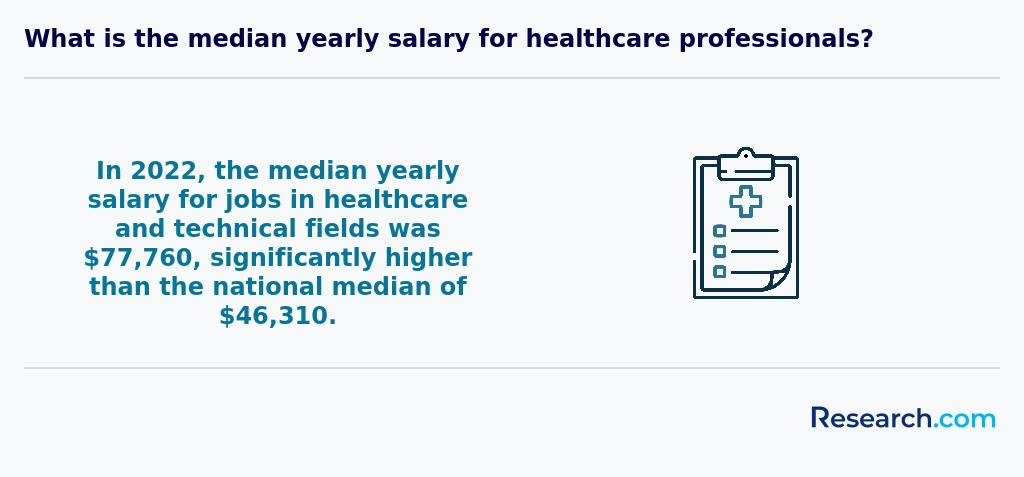
Graduates with an online healthcare degree in New Hampshire often step into rewarding roles with competitive salaries. For instance, medical assistants typically earn around $43,350 annually, while patient care technicians bring home about $60,790. These figures reflect the stable demand for skilled workers across healthcare settings in the state. A graduate from the University of New Hampshire's online healthcare program shared how starting as a patient care technician allowed them to quickly gain confidence and secure a salary above $60,000.
For those focused on health information roles, the average salary for health information technicians is close to $43,380 per year. This path is ideal for detail-oriented graduates, especially with the rising importance of electronic health records. Clinical research coordinators also earn around $43,350, making research-oriented careers viable after an online degree.
More advanced positions such as quality improvement coordinators can command salaries exceeding $100,000, demonstrating the financial upside of further specialization. Nurses and administrators from Southern New Hampshire University's online programs often highlight how their degrees paved the way for these higher-paying roles.
Choosing an online healthcare degree in New Hampshire opens doors to a variety of career paths with salaries that grow in tandem with experience and certifications. Embrace the journey knowing you're entering a vital and evolving field where your skills truly make a difference.
2027 Most Affordable Online Healthcare Degree Programs Ranking in New Hampshire
How do we rank schools?
Investing in your education is a significant decision that can profoundly impact your future, and the Research.com team recognizes the importance of making well-informed choices. To support prospective students in New Hampshire, we have carefully developed the "2027 Most Affordable Online Healthcare Degree Programs Ranking in New Hampshire." Our dedication to quality, credibility, and accuracy is demonstrated by the thorough research and analysis behind this ranking.
We utilized the following reputable data sources to ensure a comprehensive evaluation of affordable online healthcare programs:
By consulting this ranking, readers will gain valuable insights to identify accessible, cost-effective healthcare degree options tailored to their needs. For further information about how this ranking was created, please visit our Research.com methodology page.


# 4 position
Antioch University New England
Master of Dance/Movement Therapy


Key Findings
- In New Hampshire, tuition for online healthcare degrees typically ranges from $10,000 to $20,000 per year at public institutions and $20,000 to $40,000 at private colleges.
- The state's healthcare job market is expected to grow by about 15% over the next decade, which is faster than the average for all occupations.
- Entry-level salaries for registered nurses and allied health professionals usually start between $55,000 and $65,000 annually.
- Experienced healthcare professionals in New Hampshire can earn median salaries of $75,000 or more, with administrators and advanced practitioners sometimes exceeding $90,000.
- Licensing requirements in New Hampshire follow national standards, and online degrees must be accredited and meet state criteria for licensure eligibility.
How long does it take to complete online healthcare degree in New Hampshire?
Completing an online healthcare degree in New Hampshire is an exciting journey that varies with each student's goals and circumstances. For example, many graduates from community colleges across the state find that their associate degrees in fields like medical assisting or nursing take about two years of steady, focused study. They appreciate the flexibility to balance work and family, often accelerating their courses or attending part-time when life demands it.
Those pursuing a bachelor's degree, such as nursing (BSN) or health sciences from universities like Southern New Hampshire University, usually invest around four years. Yet, many have shared how choosing accelerated year-round sessions or heavier course loads shortens this to about three years-giving them a sense of accomplishment sooner.
Master's degree seekers in New Hampshire often manage programs ranging from one to three years. Graduates recall evening and part-time classes designed to support working professionals, making it possible to advance careers without disrupting daily life. Embracing this adaptable pace makes the goal real and reachable.
Remember, your timeline is shaped by choices like course load, transfer credits, and program-specific requirements-allowing you to design a path that fits your unique life story.
Exploring Advanced Healthcare Degrees: The Rise of Online Doctorate in Pharmacy Programs
As online healthcare education continues to evolve, many professionals are looking beyond undergraduate and master’s programs to advanced degrees that offer specialized expertise and heightened career prospects. One emerging trend is the growth of online doctorate programs in pharmacy, which provide a flexible pathway for experienced healthcare professionals to gain cutting-edge skills in pharmaceutical sciences, patient care management, and clinical research. These programs not only prepare graduates for leadership roles within pharmacies and healthcare institutions but also equip them with the knowledge needed to drive innovation in medication therapy and patient safety. For those considering this advanced educational route, integrating specialized research projects, real-world case studies, and networking with industry experts is key to staying competitive in the field. If you’re curious about the opportunities available, you may want to explore what are the top online doctorate in pharmacy programs to find a program that aligns with your career goals while maintaining the flexibility of an online format.
What's the difference between online and on-campus healthcare degree?
Choosing between an online and on-campus healthcare degree in New Hampshire comes down to how you want to shape your learning experience. Online programs offer incredible flexibility-graduates often share how balancing studies with work or family became possible thanks to courses accessible anytime. Many online students appreciate enrolling through regional universities that truly understand New Hampshire's healthcare landscape, allowing them to study while staying rooted in their communities.
On the flip side, on-campus degrees at schools like the University of New Hampshire and Dartmouth College provide vibrant face-to-face interactions. Graduates praise the hands-on clinical placements at local hospitals, which boost confidence and spark valuable professional connections. The opportunity to collaborate closely with peers and faculty creates an energizing environment hard to replicate online.
Cost-wise, many find online learning slightly more affordable by cutting expenses tied to commuting and housing. Still, both formats require securing clinical experiences locally to meet licensing demands, so your practical training remains deeply connected to New Hampshire's healthcare system no matter the route.
Emerging Trends and Future Outlook in Online Healthcare Education
As the healthcare landscape evolves, online education is also transforming to meet emerging industry demands. Advancements such as telehealth, virtual reality simulations, and artificial intelligence are reshaping how online healthcare programs deliver content and practical experience. These innovations not only help students apply real-world skills in a virtual environment but also prepare them for a dynamic career where technology plays an increasingly critical role. Institutions are beginning to integrate these technological trends into their curriculum, allowing graduates to be agile and adaptable in a rapidly changing field. For example, some programs are now featuring immersive virtual clinical scenarios that mimic current healthcare challenges, providing students with hands-on learning despite a remote setting. This forward-thinking approach is crucial for building a competitive edge in the job market and aligning with industry-wide shifts towards digital healthcare solutions. Students interested in exploring opportunities in cutting-edge education and technology should consider checking out the most affordable healthcare programs in new hampshire, which highlight institutions that are not only budget-friendly but also dedicated to integrating innovative learning methods. By staying informed about emerging trends, prospective students can choose programs that not only furnish them with a solid academic foundation but also equip them with the practical skills needed for future success in the healthcare sector.
What is the average cost of online healthcare degree in New Hampshire?
The average cost of an online healthcare degree in New Hampshire varies, but many students find it manageable thanks to in-state tuition benefits. For example, public universities in the state typically offer tuition rates that lead to a median in-state total cost around $25,905, making an affordable online healthcare degree tuition New Hampshire reality for many. Graduates often share how these savings allowed them to focus more on their studies rather than financial strain, a crucial factor when pursuing demanding healthcare programs.
Private institutions and out-of-state options generally increase the cost, with median total expenses rising closer to $38,272 or $28,545 respectively. However, financial aid, scholarships, and targeted grants can significantly offset these amounts, empowering students to invest confidently in their future. Many students pursuing online healthcare degrees in New Hampshire enjoy flexible pacing, which helps balance work and family commitments without sacrificing quality education.
Those enrolled at well-known public colleges feel inspired by the supportive online communities and practical training opportunities integrated into their programs. By choosing programs wisely and leveraging available support, prospective students can embrace the dream of a healthcare career. If you're considering broadening your horizons, exploring options like MSN programs in Sacramento also provides insight into career growth through related healthcare degrees beyond New Hampshire.

Accreditation and Licensure Requirements
To ensure your online healthcare degree is recognized by employers and meets New Hampshire’s professional standards:
- Institutional Accreditation: Confirm your college holds regional accreditation (e.g., Middle States Commission on Higher Education) for quality assurance and seamless credit transfer.
- Programmatic Accreditation: Look for specialized accreditors-such as CAHIIM for health informatics or CCNE/ACEN for nursing-to qualify for certification exams and employer credibility.
- State Licensing Approval: Verify the program aligns with New Hampshire’s Board of Nursing or relevant licensure boards if you plan to work in clinical or licensed roles.
- Financial Aid & Transfer Credits: Accredited programs are eligible for federal aid and simplify credit transfers, saving you both time and money.
Choosing accredited options like reputable nursing programs online secures your educational investment and streamlines your path to licensure.
What financial aid is available to online healthcare degree students in New Hampshire?
Financial aid is a vital part of making an online healthcare degree in New Hampshire attainable. Graduates from prominent schools like the University of New Hampshire often share how federal Pell Grants, offering up to $7,395 annually, eased their financial burden and allowed them to focus fully on studies without overwhelming debt. Completing the FAFSA early is key to unlocking these funds.
State-specific help through the New Hampshire Educational Trust Fund is another lifeline. Many healthcare students at Granite State College find these grants crucial, especially when balancing work and family commitments while studying. This support reflects the state's commitment to growing a skilled healthcare workforce.
Merit-based scholarships also shine as bright opportunities. Nursing and public health students frequently secure awards recognizing their dedication. Plus, employer tuition reimbursement programs provide a practical pathway for working professionals advancing their careers without pausing income.
Private organizations like the New Hampshire Nurses Association add an extra layer of support, ensuring passionate students can keep striving toward their goals with confidence and hope.
Accreditation and Licensing: Ensuring Program Credibility and Career Eligibility
Choosing an accredited online healthcare program in New Hampshire is essential for ensuring your degree is recognized by employers, qualifying you for licensure exams, and maintaining eligibility for federal financial aid. Accreditation comes in two main forms: regional accreditation, which evaluates the institution as a whole, and programmatic accreditation, which focuses on specific healthcare disciplines. In New Hampshire, look for regional accreditation by the New England Commission of Higher Education (NECHE) or the Higher Learning Commission (HLC), and programmatic accreditation from bodies such as:
- Commission on Collegiate Nursing Education (CCNE) or Accreditation Commission for Education in Nursing (ACEN) for nursing programs
- Commission on Accreditation of Allied Health Education Programs (CAAHEP) for sonography and surgical technology
- Accreditation Council for Pharmacy Education (ACPE) for pharmacy degree tracks Programmatic accreditation not only validates curriculum quality but also ensures you meet the educational standards required to sit for licensure exams-such as the NCLEX for nurses or the NAPLEX for pharmacists. Licensing requirements vary by profession and state. For example, New Hampshire’s Board of Nursing mandates that all registered nurse candidates graduate from an ACEN- or CCNE-accredited program, submit official transcripts, and pass the NCLEX-RN. Similarly, aspiring pharmacists must complete an ACPE-accredited PharmD curriculum and fulfill internship hour requirements before taking the NAPLEX and MPJE. Always verify board regulations on the New Hampshire Office of Professional Licensure and Certification website to confirm any additional clinical hours, background checks, or continuing education credits. Prospective Pharmacy students can further refine their search by exploring highly rated affordable pharmd programs that combine ACPE accreditation with competitive tuition. By prioritizing both institutional and programmatic accreditation, you’ll safeguard your investment, maximize your eligibility for licensure, and position yourself for long-term career growth in New Hampshire’s dynamic healthcare landscape.
What are the prerequisites for enrolling in online healthcare degree program in New Hampshire?
In New Hampshire, enrolling in an online healthcare degree begins with meeting foundational prerequisites tailored to prepare you for the challenges ahead. Most programs, whether at Granite State College or Southern New Hampshire University, expect a high school diploma or GED as the first step. Many graduates found that having completed science courses like biology or chemistry during high school gave them a confident edge when starting their associate or bachelor's degrees.
For those aiming higher-with bachelor's or graduate programs-having relevant coursework, such as anatomy or microbiology, is often important. Graduate students, especially in nursing or health administration, frequently share how holding a bachelor's degree and maintaining a GPA near 3.0 unlocked doors to competitive programs. In some cases, professional experience in healthcare settings proved invaluable, enriching their learning and perspectives.
Non-native English speakers often encounter requirements to demonstrate proficiency through IELTS or TOEFL, helping ensure smooth communication during clinical training. Background checks and immunization records are standard, safeguarding both students and patients during hands-on experiences-a reality many graduates appreciate for maintaining trust and safety.
Additional State Rankings and Comparative Insights
As you evaluate the most affordable online healthcare degree programs in New Hampshire, it can be useful to benchmark these findings against similar analyses in other states. For example, prospective doctoral students seeking cost-effective pathways may want to explore the Inexpensive Online Doctorate in Healthcare Degree Programs Ranking in Pennsylvania, which highlights top-tier, budget-friendly PhD and DNP options. By comparing tuition ranges, accreditation standards, and program delivery formats across states, you’ll gain a clearer perspective on how New Hampshire institutions stack up in terms of affordability and academic rigor. When conducting such cross-state comparisons, consider factors like:
- In-State vs. Out-of-State Tuition: Some Pennsylvania schools may offer fuller reciprocity or lower non-resident rates than New Hampshire programs.
- Program Length and Credit Requirements: Doctoral tracks in PA could require fewer credits or accelerated clinical residencies, impacting total cost.
- Financial Aid Availability: Differences in state scholarship funds, loan forgiveness programs, and institutional grants can significantly affect net price. By leveraging these comparative insights, you’ll be better equipped to choose a program that not only meets your budgetary constraints but also aligns with your career goals and licensure requirements. Always verify licensure reciprocity if you plan to practice across state lines, and consult program advisors to ensure a seamless educational journey.
What courses are typically in online healthcare degree programs in New Hampshire?
Online healthcare degree programs in New Hampshire typically include courses that build a solid foundation essential for thriving in the state's dynamic healthcare sector. Graduates from well-known institutions like the University of New Hampshire often share how foundational classes such as anatomy, physiology, and medical terminology gave them the confidence to understand patient care deeply and communicate effectively with medical teams.
Students also dive into healthcare ethics and law, which is crucial when navigating New Hampshire's specific policies and Medicaid programs. One graduate mentioned how studying state healthcare regulations prepared them to advocate for patients within local systems meaningfully.
Health informatics and data management courses are increasingly important. Many learners recall hands-on experiences with electronic health records software, reflecting New Hampshire's investment in cutting-edge digital healthcare.
Other engaging courses include public health principles focused on rural health challenges and aging populations - realities that resonate with many residents in New Hampshire communities. Specialized classes in pharmacology, nursing fundamentals, and emergency care round out the curriculum, helping students feel fully prepared to make a meaningful impact.
What types of specializations are available in online healthcare degree programs in New Hampshire?
Online healthcare degree specializations in New Hampshire often include Nursing, with popular tracks such as Family Nurse Practitioner, Nurse Educator, and Nursing Leadership. Graduates from well-known colleges in the state frequently share how these programs prepare them for both clinical and administrative roles, inspiring confidence in their career paths. Many students pursuing healthcare career options in New Hampshire also explore Health Informatics, a field growing alongside advancements in technology that integrate patient data for better care outcomes.
Public Health is another dynamic specialization, offering training that prepares students to tackle community health challenges and health policy issues across New Hampshire's rural and urban areas. Those interested in the operational aspects of healthcare often choose Healthcare Administration, learning to manage finance and facility operations while supporting a state healthcare system that is expanding steadily.
Some dedicated students find their calling in Allied Health, focusing on crucial roles like Medical Laboratory Science, Radiologic Technology, or Occupational Therapy. For example, many graduates from New Hampshire's healthcare programs emphasize the flexibility of online courses that enable balancing work and study. To explore additional options, you might even look at the Minnesota lpn course schedule for inspiration in allied health tracks.
How do you choose the best online healthcare degree in New Hampshire?
Choosing the best online healthcare degree in New Hampshire means focusing on programs that combine strong accreditation with real-world relevance. Graduates from well-known state universities appreciate how regional accreditation from NECHE and healthcare-specific certification from bodies like ACEN ensure their credentials open doors to rewarding careers. Many find comfort knowing their degrees are respected by local employers and licensing boards, which is critical in this competitive field.
Affordability plays a big role as well. Affordable healthcare degree programs NH residents value often come from public institutions where tuition stays manageable-usually between $7,000 and $10,000 annually-helping students avoid overwhelming debt while gaining valuable skills. Flexibility is another key: asynchronous classes let busy learners balance family and work while completing clinicals near home in New Hampshire.
Engage with programs that showcase strong job placement rates and partnerships with local healthcare providers. Hearing from graduates of these programs reflects how hands-on practicum experiences accelerate confidence and employability. If you're weighing options, comparing a kinesiology degree vs exercise science can help clarify your path in healthcare careers, aligning your education with your goals in the Granite State.
What career paths are available for online healthcare degree students in New Hampshire?
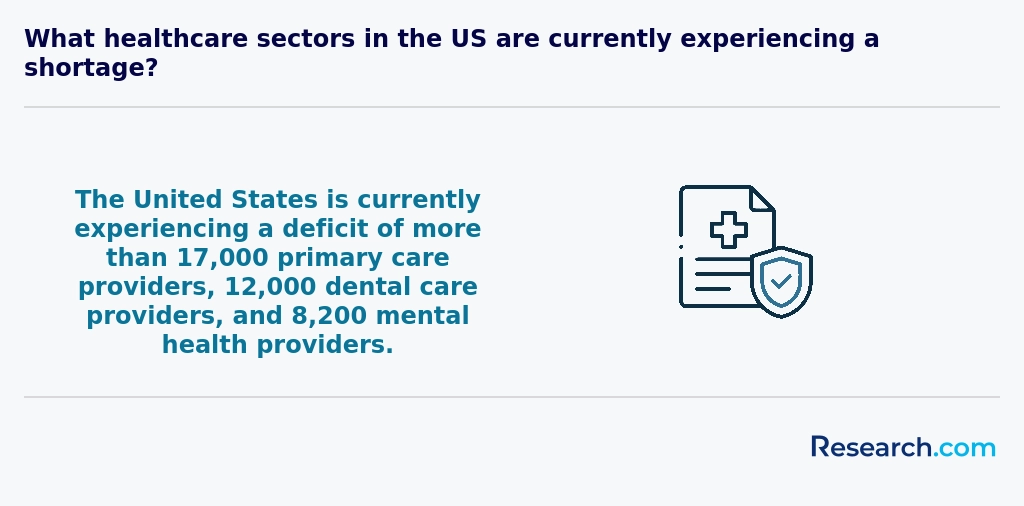
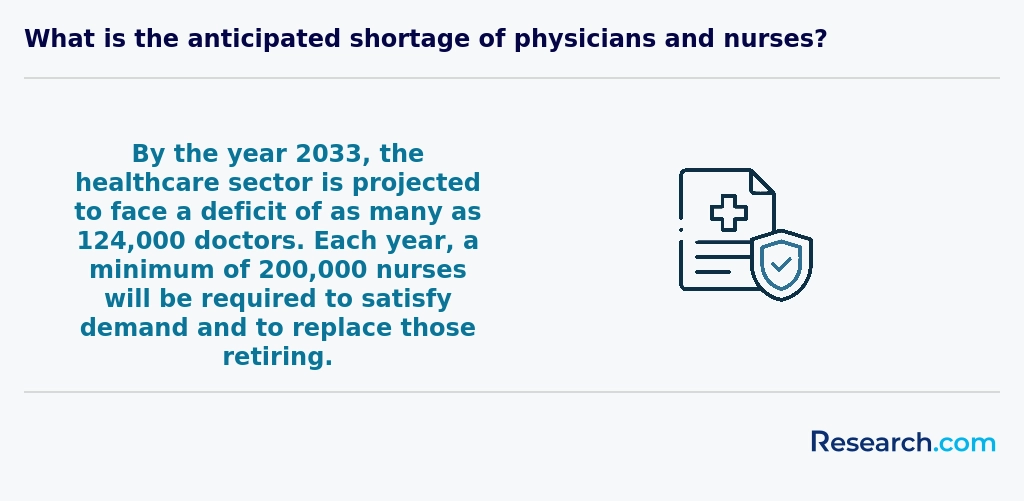
Graduates with an online healthcare degree in New Hampshire find themselves stepping into a world filled with meaningful career pathways. From becoming a Registered Nurse, a role still in high demand with competitive salaries, to taking on leadership positions as Healthcare Administrators or Medical and Health Services Managers, the choices are inspiring. Many graduates from institutions like the University of New Hampshire or Granite State College share how their practical learning prepared them for managing healthcare teams efficiently while impacting community wellness.
Others discover fulfilling roles as Public Health Specialists, focusing on disease prevention and health promotion, which is increasingly vital in New Hampshire's growing healthcare landscape. The rise of digital health makes Health Informatics Specialists crucial, blending healthcare knowledge with technology for better patient outcomes. Those interested in advanced clinical roles often explore opportunities through the best nurse practitioner programs Utah, broadening their expertise and career prospects.
For those considering healthcare career opportunities New Hampshire offers, allied health fields such as physical therapy assistance or respiratory therapy are also promising, with local programs supporting certification and specialization, creating a diverse and flexible environment for professional growth.
What is the job market for online healthcare degree in New Hampshire?
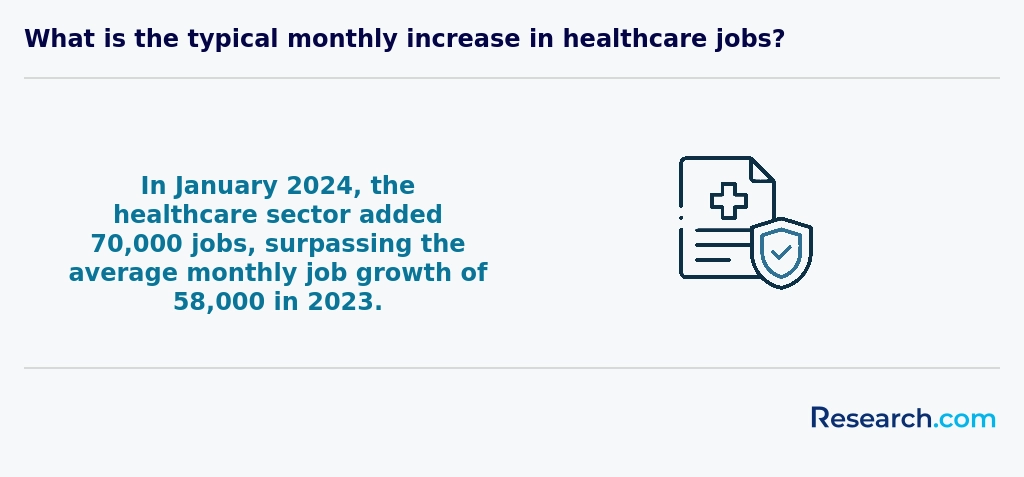
The job market for graduates with an online healthcare degree in New Hampshire is steadily expanding, offering strong opportunities especially for roles like registered nursing, healthcare administration, and allied health professions. Graduates from popular institutions such as Southern New Hampshire University often share how their degrees opened doors to reliable careers within local hospitals and eldercare facilities. These employers value the formal education and credentials the state's healthcare programs provide, aligning closely with the growing demand in the region.
Students pursuing healthcare degree employment opportunities NH are encouraged to consider programs that balance quality and cost since the state's healthcare sector rewards experience and specialized skills with competitive salaries. Many graduates appreciate how flexible online learning allowed them to maintain work-life balance while preparing for careers that make a real impact. Some also advance by supplementing their credentials with medical coding training, further enhancing their job prospects.
Frequently Asked Questions About healthcare
Online healthcare degree students in New Hampshire can maximize their learning experience by actively engaging with their coursework and instructors. Utilizing virtual office hours and discussion forums strengthens understanding and builds professional connections. Students should seek programs accredited by agencies recognized by the U.S. Department of Education to ensure quality education and smooth licensure pathways.
Given New Hampshire's growing healthcare sector, with a 12% employment increase projected through 2030 by the New Hampshire Department of Employment Security, students benefit from combining online learning with local clinical or internship opportunities.
Time management and leveraging campus resources, such as online libraries and tutoring centers offered by many New Hampshire institutions, also enhance success in demanding healthcare courses.
Emerging niches within the healthcare field offer exciting opportunities for online learners in New Hampshire. One growing area is telehealth, which expanded rapidly during the COVID-19 pandemic and continues to transform healthcare delivery across the state. According to the New Hampshire Department of Health and Human Services, telehealth visits increased by over 70% from 2019 to 2022.
Another niche is healthcare informatics, focused on managing patient data and improving care with technology. This is vital as New Hampshire invests in digital record systems to enhance healthcare quality. Additionally, roles in gerontology are expanding due to the state's aging population, reflecting a demand for professionals skilled in elderly care and chronic disease management.
After earning an online healthcare degree in New Hampshire, preparing for the job market involves strategic steps. Graduates should begin by obtaining relevant licensure or certification required for healthcare roles in the state, such as those from the New Hampshire Board of Nursing or the Department of Health and Human Services.
Networking is vital; joining local professional organizations like the New Hampshire Healthcare Association can open doors to job opportunities. Additionally, tailoring your resume to highlight clinical skills and online learning adaptability is important, as 65% of healthcare employers in the region value digital competencies (NH Employment Security, 2023).
Seeking internships or volunteer positions in local hospitals or clinics, like Dartmouth-Hitchcock Medical Center, offers practical experience and employer connections. Finally, using New Hampshire's job databases and attending career fairs focused on healthcare increases the chances of timely employment.
Employers in New Hampshire's healthcare sector prioritize a blend of technical and interpersonal skills in graduates of online healthcare degree programs. Critical thinking and clinical proficiency are essential, as these allow professionals to provide accurate patient care and adapt to evolving medical technologies.
Communication skills rank highly, with the New Hampshire Department of Health and Human Services noting that teamwork and patient interaction directly impact healthcare outcomes. Additionally, knowledge of healthcare regulations and ethical standards is vital, especially given the state's strict compliance requirements.
Data from the Bureau of Labor Statistics highlights that adaptability and digital literacy, including familiarity with electronic health records (EHR), are increasingly important for successful employment in this field.
Finding internships in New Hampshire for healthcare students involves leveraging local healthcare networks and educational resources. Many hospitals and clinics in New Hampshire, including Dartmouth-Hitchcock Medical Center, offer internship opportunities tailored to healthcare students. The New Hampshire Department of Health and Human Services also provides resources and listings for internships and practicum placements.
Students should connect with their online program's career services as many institutions have agreements with local healthcare facilities. Additionally, joining professional organizations such as the New Hampshire Healthcare Association can help access exclusive internship listings and networking events.
According to the New Hampshire Employment Security, healthcare occupations are among the fastest-growing sectors in the state, making internships critical for gaining practical experience and employment prospects in this expanding field.
An online healthcare degree in New Hampshire can significantly enhance career mobility and advancement opportunities. The state's growing healthcare sector, with a 14.6% increase in healthcare jobs from 2019 to 2029 (BLS), demands skilled professionals. Completing an accredited online program allows students to gain essential knowledge while balancing work and personal commitments.
Online degrees from regionally accredited institutions are widely accepted by employers and licensing boards in New Hampshire, ensuring graduates meet professional standards. This flexibility helps workers advance from entry-level roles to management or specialized clinical positions.
Additionally, New Hampshire's online programs often include local clinical placements, strengthening community ties and job prospects in the state's healthcare system.
Studying for a healthcare degree in New Hampshire equips students with skills essential for interdisciplinary roles by emphasizing collaboration across medical, administrative, and social service fields. Programs often incorporate courses in communication, ethics, and healthcare policy, fostering a broad understanding of patient care within diverse team settings.
Online healthcare degrees in New Hampshire reflect state healthcare demands, preparing students for roles in hospitals, community health organizations, and long-term care facilities. According to the New Hampshire Department of Health and Human Services, nearly 35% of healthcare jobs require coordinated care skills to improve patient outcomes.
Additionally, New Hampshire's emphasis on practical experience via internships or virtual simulations strengthens students' ability to work effectively with professionals from nursing, counseling, and health IT, key to interdisciplinary success.
When choosing between a thesis and a non-thesis healthcare degree program in New Hampshire, consider your career goals. Thesis programs emphasize research skills and are suited for students aiming at doctoral studies or research roles. Non-thesis options focus more on practical knowledge and clinical skills, ideal for those pursuing direct healthcare employment.
New Hampshire's healthcare sector is growing, with a 9% increase in healthcare jobs predicted by 2030 according to the New Hampshire Employment Security. Research-focused degrees may open opportunities in academic or policy roles.
Also, thesis programs usually take more time and require strong writing skills. Non-thesis programs can be shorter and more flexible for working professionals.
Students in New Hampshire seeking online healthcare degrees with an international focus have several pathways to consider. Although fully accredited foreign healthcare programs are rare for US students studying abroad online, some institutions offer exchange programs or partnerships bridging US and international curricula. This allows New Hampshire residents to gain a global perspective while completing degrees recognized in the US. According to the New Hampshire Department of Education, learners can also enroll in US-accredited online programs featuring global health concentrations, which combine domestic training with international case studies.
While direct foreign online degrees are limited, students may supplement their education with virtual internships or certificate programs from global health organizations, enhancing their exposure to worldwide healthcare challenges.
In New Hampshire, part-time job opportunities that complement online healthcare degree studies often include roles such as medical assistants, pharmacy technicians, and home health aides. These positions provide valuable hands-on experience and help students develop patient care skills alongside their academic learning.
The New Hampshire Department of Labor notes healthcare support occupations grew steadily between 2021 and 2023, reflecting strong local demand. Medical assistants in the state earn an average hourly wage of approximately $17, making it a viable flexible job option for students.
Additionally, working in outpatient care centers or community health organizations offers exposure to healthcare environments. These opportunities can enhance understanding of healthcare operations and patient communication, essential for degree success.
Many employers in New Hampshire offer part-time shifts aligned with student schedules, supporting work-study balance.
Online healthcare students in New Hampshire have several networking opportunities despite studying remotely. Many regional universities and colleges offer virtual events, webinars, and alumni groups designed to connect students with healthcare professionals across the state.
Institutions such as the University of New Hampshire and Granite State College facilitate access to local healthcare organizations, providing students with internship and mentorship options. According to the New Hampshire Department of Health and Human Services, connections within the state's growing healthcare sector, which employs over 50,000 professionals, are crucial for career advancement.
Students can also engage in statewide professional associations, including the New Hampshire Nurses Association and Health Informatics groups, often offering virtual membership and networking events.
Alumni networks offer significant benefits to online healthcare degree students in New Hampshire by providing valuable professional connections. Graduates can tap into a community of experienced healthcare professionals who understand the local job market, which is crucial in a state with a growing healthcare sector valued at over $7 billion annually, according to the New Hampshire Department of Health and Human Services.
These networks often provide mentorship programs, helping students navigate career paths, certifications, and continuing education requirements specific to New Hampshire. Networking events and online forums associated with alumni groups foster collaboration and job referrals, enhancing employment opportunities after graduation.
Additionally, alumni connections can increase awareness of regional healthcare trends and innovations, which is particularly important for staying competitive in fields like nursing and healthcare administration.
Customizing an online healthcare degree in New Hampshire allows students to align their education with specific career goals. Many programs offer elective courses, concentrations, or certificates in areas like public health, health administration, or nursing. This flexibility helps learners target skills suited to local job markets or emerging healthcare fields.
New Hampshire's healthcare industry is growing, with a high demand for registered nurses and health services managers, as reported by the New Hampshire Employment Security in 2023. By selecting relevant courses and practical experiences, students can improve their employability in these roles.
Additionally, some online programs include internships or capstone projects tailored to New Hampshire's healthcare organizations, providing real-world experience and professional networking opportunities.
Online healthcare students in New Hampshire face several common challenges. One key issue is accessing quality clinical placements locally, as healthcare programs require hands-on experience. The state's rural areas can limit availability, making it harder for students to complete fieldwork near home. Additionally, balancing coursework with work and family responsibilities remains difficult for many, especially since over 40% of New Hampshire's online learners juggle employment while studying (NH Department of Education, 2023).
Technical issues also arise due to variable internet connectivity in some regions. Furthermore, students often report feeling isolated without face-to-face interaction, which can affect motivation and networking opportunities. Navigating state-specific licensure requirements after graduation adds complexity for those pursuing clinical roles.
With an online healthcare degree in New Hampshire, you can pursue several professional certifications that enhance job prospects in the state's growing healthcare sector. Common certifications include the Certified Medical Assistant (CMA), which is recognized nationally and valued by New Hampshire employers.
For those interested in administrative paths, the Certified Healthcare Administrative Professional (cHAP) credential can be pursued. Additionally, nursing graduates can obtain their Registered Nurse (RN) license through the New Hampshire Board of Nursing, often requiring successful completion of the NCLEX-RN exam.
Data from the New Hampshire Department of Labor highlights a steady demand for certified healthcare professionals, reinforcing the value of such certifications paired with an online degree.
When applying for an online healthcare program in New Hampshire, a strong application highlights your commitment to healthcare and relevant experience. Admissions committees often look for clear career goals and understanding of healthcare challenges in the state, such as workforce shortages reported by the New Hampshire Department of Health and Human Services.
Include detailed information about your academic background, especially in sciences. Strong letters of recommendation from healthcare professionals or educators can significantly enhance your application.
Be sure to tailor your personal statement to reflect why you chose healthcare and how studying online fits your needs in New Hampshire's evolving healthcare landscape. Also, maintain a competitive GPA as many programs require at least a 3.0.
Finally, verify all prerequisite courses and submit transcripts promptly to meet deadlines set by institutions like the University of New Hampshire's online nursing program.
The global perspective on healthcare careers highlights the growing demand for qualified professionals in this field. In the United States, including New Hampshire, healthcare is one of the fastest-growing sectors. According to the New Hampshire Department of Labor, healthcare employment in the state is expected to increase by 10% from 2020 to 2030, faster than the national average.
Globally, healthcare occupations are valued for their critical role in improving population health and managing pandemics. The U.S. system emphasizes evidence-based practice and technology integration in healthcare education, preparing students for diverse international settings.
Online healthcare degrees in New Hampshire offer flexibility, allowing students to engage with a profession that is essential worldwide. These programs align with standards from accrediting bodies like the Commission on Collegiate Nursing Education (CCNE), ensuring graduates meet global competency expectations.
Gaining practical experience during an online healthcare degree in New Hampshire is essential for career readiness. Many programs integrate clinical placements or internships at local healthcare facilities. Students can partner with hospitals, nursing homes, or public health organizations within the state to fulfill hands-on requirements.
New Hampshire's strong network of healthcare providers, including Dartmouth-Hitchcock Medical Center, offers ample opportunities for experiential learning. Some online programs coordinate these practical components directly, helping students find suitable local sites.
Additionally, students may engage in virtual simulations and lab work to develop clinical skills remotely. Checking program accreditation is crucial since most require a clinical practice component approved by regulatory bodies.
Choosing the right concentration within an online healthcare degree program in New Hampshire involves aligning your interests with local healthcare needs and employment trends. For example, New Hampshire's growing population aged 65 and older-expected to increase by 20% by 2030 according to the New Hampshire Department of Health and Human Services-creates demand for gerontology and nursing specialties.
Consider your career goals and licensure requirements. Some concentrations, like nursing or health informatics, may require specific certifications recognized in New Hampshire. Reviewing the New Hampshire Board of Nursing or the state's Department of Labor websites can provide guidance.
Research the program's curriculum to ensure it covers relevant skills valued by regional employers, such as hospital systems and community health providers, to improve your job prospects locally.
Related Healthcare Rankings for Nearby States
- 2027 Most Affordable Online Healthcare Degree Programs Ranking in Maine
- 2027 Most Affordable Online Healthcare Degree Programs Ranking in New York
- 2027 Most Affordable Online Healthcare Degree Programs Ranking in New Jersey
- 2027 Most Affordable Online Healthcare Degree Programs Ranking in Pennsylvania
- 2027 Most Affordable Online Healthcare Degree Programs Ranking in Maryland
- 2027 Most Affordable Online Healthcare Degree Programs Ranking in Virginia
- 2027 Most Affordable Online Healthcare Degree Programs Ranking in Ohio
- 2027 Most Affordable Online Healthcare Degree Programs Ranking in West Virginia
- 2027 Most Affordable Online Healthcare Degree Programs Ranking in Kentucky
- 2027 Most Affordable Online Healthcare Degree Programs Ranking in North Carolina
Top Trending Healthcare Rankings
See What Experts Have To Say About Studying Healthcare
Read our interview with Healthcare experts

References
- Public Health Degrees in New Hampshire: MPH Programs https://www.publichealthonline.org/new-hampshire/
- Degree Forward https://www.degreeforward.org/
- Financial Support Resources - HFNH https://healthforcenh.org/resources/financial-support/
- Youth Programs https://nchcnh.org/AHEC.php
- NHTI Launches Living Learning Community for Future ... https://www.nhti.edu/nhti-launches-living-learning-community-for-future-healthcare-professionals/
- Online Master's Degrees in New Hampshire: Compare Schools https://www.onlinemastersdegrees.org/best-programs/new-hampshire-nh/
- New Hampshire Healthcare Administration Degree Programs https://www.healthadministrationdegrees.com/states/new-hampshire/
- LNA and MNA Training Programs in New Hampshire https://lnahealthcareers.com/
- Experiential Learning to Enhance ... https://annalsofglobalhealth.org/articles/10.5334/aogh.4537
- Concord NH Patch: Concord Hospital Welcomes 19 New ... https://www.nec.edu/news/concord-nh-patch-concord-hospital-welcomes-19-new-england-college-nursing-students-across-3-campuses