2027 Most Valuable Healthcare Degree Programs Ranking in San Diego

Co-Founder and Chief Data Scientist
Choosing the right healthcare degree program in San Diego can shape your future in rewarding ways. To guide you through this important decision, this article presents the 2027 Most Valuable Healthcare Degree Programs Ranking in San Diego, created by the Research.com team of data scientists.
By exploring this ranking, you'll gain clear insights into programs that offer strong career prospects and meaningful opportunities. Whether you're starting fresh or advancing your education, understanding which degrees deliver value helps you invest wisely in your future.
Healthcare is a growing field with great potential to make a difference-and this guide aims to support your journey.
Key benefits of getting healthcare degree in San Diego
- Healthcare degree graduates in San Diego can expect competitive salaries, such as Medical Assistants earning around $43,350 annually and Patient Care Technicians making about $60,790 yearly, offering a strong financial foundation.
- Career paths are diverse and promising; for example, a graduate from San Diego State University can pursue roles like Clinical Research Coordinator or Quality Improvement Coordinator, with salaries reaching up to $103,150.
- An online healthcare degree offers flexible learning, perfect for busy students balancing life, as shown by graduates from University of San Diego's online programs who enjoy career advancement without sacrificing their current commitments.
- Key benefits of getting healthcare degree in San Diego
- What can I expect from healthcare degree in San Diego?
- Where can I work with healthcare degree in San Diego?
- How much can I make with healthcare degree in San Diego?
- 2027 Most Valuable Healthcare Degree Programs Ranking in San Diego
- Key Findings
- How long does it take to complete healthcare degree in San Diego?
- Accreditation and Licensure Requirements
- What's the difference between online and on-campus healthcare degree?
- Accreditation and Licensing Requirements
- What is the average cost of healthcare degree in San Diego?
- What financial aid is available to healthcare degree students in San Diego?
- Emerging Trends Shaping Healthcare Careers in 2024
- What are the prerequisites for enrolling in healthcare degree program in San Diego?
- Accreditation and Licensure Requirements
- What courses are typically in healthcare degree programs in San Diego?
- What types of specializations are available in healthcare degree programs in San Diego?
- How do you choose the best healthcare degree in San Diego?
- What career paths are available for healthcare degree students in San Diego?
- What is the job market for healthcare degree in San Diego?
- Top Trending Healthcare Rankings
- See What Experts Have To Say About Studying Healthcare
What can I expect from healthcare degree in San Diego?
When it comes to the cost of healthcare degrees in San Diego, expect a range depending on the program and school. For example, nursing students at San Diego State University often mention that their two-year Associate Degree in Nursing (ADN) was a smart investment, with tuition generally falling between $5,000 to $10,000 per year for in-state students. Meanwhile, those pursuing a Bachelor of Science in Nursing (BSN) at UC San Diego typically encounter higher tuition, closer to $15,000 to $20,000 annually, but they also appreciate the access to cutting-edge labs and research opportunities.
Graduates from National University appreciate the flexible schedules and often affordable tuition rates, especially for working adults. Graduate degrees in public health or healthcare administration usually cost a bit more, often around $12,000 to $25,000 total for the two-year programs. Many students find scholarships and financial aid that ease the burden, making San Diego's healthcare degrees feel within reach for those ready to start their careers.
Where can I work with healthcare degree in San Diego?
If you're studying healthcare in San Diego, you're stepping into a city bursting with job opportunities. Graduates from places like UC San Diego or San Diego State often find themselves working in big hospitals such as UC San Diego Health or Sharp HealthCare, where they might be nurses, medical technologists, or healthcare administrators. It's pretty exciting knowing these employers need thousands of skilled workers every year.
Others land roles in outpatient clinics or physician offices, especially as nurse practitioners or physician assistants. Imagine helping manage chronic conditions right in your community-that's a growing area thanks to the focus on preventive care.
Then there's the biotech and research side. San Diego is a hotspot for innovation, so healthcare grads might work as clinical research coordinators or health informatics specialists, tapping into studies that could change lives. Even public health agencies are eager to hire folks to run community health programs that really make a difference.
Hearing from recent grads, it's clear San Diego's healthcare scene feels welcoming and full of possibilities-whether you want a fast-paced hospital job or a role pushing medical breakthroughs.
How much can I make with healthcare degree in San Diego?
If you're studying healthcare in San Diego, you can expect some pretty solid earnings once you graduate. Take medical assistants, for instance-they typically make around $43,350 a year. That's a great starting point if you're finishing up a certificate program at places like San Diego City College or MiraCosta College. Many grads find this income enough to live comfortably while gaining experience.
Moving up, patient care technicians in San Diego earn about $60,790 yearly. That's a nice jump and reflects the added skills and responsibilities they bring to the job. Health information technicians also hover near $43,380 annually, managing important medical records and ensuring everything runs smoothly.
For those aiming higher, quality improvement coordinators in the local healthcare system pull in a much stronger paycheck-about $103,150 a year. Many grads from local universities find this role rewarding since it involves improving patient care directly, making a real difference on the ground.
Seeing these numbers, it's clear San Diego's healthcare scene offers steady, increasing pay as you advance. Students from well-known schools like SDSU or UCSD often share how their degrees open doors to these roles with great salaries and career growth.
2027 Most Valuable Healthcare Degree Programs Ranking in San Diego
How do we rank schools?
Investing in your education is a significant decision that can shape your future, and the Research.com team understands the importance of making informed choices. To assist prospective students in San Diego, we have meticulously crafted the "2027 Most Valuable Healthcare Degree Programs Ranking in San Diego." Our commitment to quality, credibility, and accuracy is reflected in the extensive research and analysis conducted to compile this ranking.
We utilized the following reputable data sources to ensure a comprehensive evaluation of healthcare degree programs:
By exploring this ranking, readers will gain valuable insights into the most valuable healthcare degree programs available in San Diego, empowering them to make well-informed decisions about their educational futures. For a detailed explanation of our approach, please visit our Research.com methodology page.
# 1 position
Ashford University
Bachelor of Science in Health Sciences


# 4 position
United States University
Master of Science in Health Administration

# 5 position
Northcentral University
Master of Science in Health Sciences

# 6 position
Ashford University
Master of Science in Health Care Administration


# 13 position
Northcentral University
Doctor of Philosophy in Health Sciences
# 14 position
Pacific College of Health and Science
Master of Science in Health Sciences

# 15 position
United States University
Bachelor of Science in Health Science
# 16 position
The Chicago School at San Diego
Master of Public Health

# 17 position
San Diego Mesa College
Bachelor of Science in Health Sciences
# 20 position
North-West College-San Diego
Bachelor of Science in Nursing

Key Findings
- Tuition for healthcare degrees in San Diego ranges from about $7,000 at community colleges to over $30,000 at private universities.
- Entry-level healthcare workers in San Diego earn around $60,000 annually, with mid-to-senior level salaries often exceeding $90,000.
- The healthcare job market in San Diego is expected to grow by 15% over the next decade, which is faster than the national average.
- Programs emphasize practical experience through clinical rotations, internships, and partnerships with local hospitals and research centers.
- Licensing for healthcare professions in California requires passing national exams and completing accredited educational programs.
How long does it take to complete healthcare degree in San Diego?
If you're wondering how long it takes to finish a healthcare degree in San Diego, it really depends on what level you're aiming for. Associate degrees, like those at San Diego City College or Miramar College, typically wrap up in about 2 years. Many grads love this route because it gets them into the workforce quickly, mixing hands-on clinical experience with solid classroom learning.
Going for a Bachelor's degree at spots like San Diego State University or the University of San Diego usually takes about 4 years. Students often enjoy the variety-balancing general studies with specialized nursing or health science courses, plus those real-world clinical hours that make a difference when you start your career.
For master's degrees, say in Public Health or Physician Assistant programs, expect to spend 2 to 3 more years after your bachelor's. Many find the extra time well worth it for the advanced skills and confidence they gain. If you're thinking about doctorates like a DNP or DPT, plan on 3 to 4 years beyond that, often at universities like USD, where you get to dive deep into leadership and advanced practice.
Plus, San Diego schools often offer flexible schedules or accelerated tracks, which some students swear by when juggling work and life. So, your actual timeline can shift based on how you choose to study!
Accreditation and Licensure Requirements
Accreditation ensures that a healthcare degree program meets rigorous academic and clinical standards, while licensure validates your ability to practice safely in California. In San Diego, reputable institutions typically hold regional accreditation from the Western Association of Schools and Colleges (WASC) and programmatic accreditation such as the Commission on Collegiate Nursing Education (CCNE) for nursing or the Accreditation Council for Pharmacy Education (ACPE) for pharmacy. Before enrolling, verify each program’s accreditation status on the U.S. Department of Education’s Database of Accredited Postsecondary Institutions and Programs (DAPIP). Licensure requirements vary by profession:
- Registered Nurses (RNs) must graduate from a California Board of Registered Nursing-approved program and pass the NCLEX-RN exam.
- Respiratory Therapists complete an accredited program under the Commission on Accreditation for Respiratory Care (CoARC) and pass the Therapist Multiple-Choice (TMC) exam.
- Medical Assistants in some clinical settings pursue voluntary certification through the American Association of Medical Assistants (AAMA) to enhance employability. Clinical hours completed during internships or practicums directly contribute to state licensure prerequisites. Many San Diego programs partner with local hospitals and clinics to ensure students meet the California Department of Public Health’s hands-on training requirements. After licensure, professionals must fulfill continuing education units (CEUs) every renewal cycle-typically every two years-to maintain compliance with state regulations. Students exploring allied health fields, such as kinesiology, may also review best online kinesiology programs as a comparative example of accredited online options that prepare graduates for certification and career advancement.
What's the difference between online and on-campus healthcare degree?
If you're looking into healthcare degrees in San Diego, one big difference between online and on-campus programs is how you actually experience learning. On-campus programs, like those at San Diego State University, mean you're physically on campus using labs and clinical simulation centers. Graduates often talk about how much easier it was to connect with professors and classmates in person, making tough classes feel a little bit more manageable. There's also the hands-on vibe - nursing and radiologic tech programs really rely on supervised practice, which feels more natural when you're right there in the hospital partnerships nearby.
Online programs, such as some offered through the University of California, give you way more schedule freedom. A lot of students juggling work or family stuff especially love this. You'll still do clinical hours, just arranged close to home, which graduates say can feel convenient if you live somewhere away from campus. Plus, online classes mean you avoid commuting and campus fees, which can shave some costs off your tuition. It's all about picking what fits your life best in San Diego's busy healthcare scene.
Accreditation and Licensing Requirements
Understanding accreditation and licensing is essential for ensuring your healthcare degree translates into a valid professional credential. In California, reputable programs must be accredited by agencies such as the Commission on Collegiate Nursing Education (CCNE), the Accreditation Council for Occupational Therapy Education (ACOTE), or the Commission on Accreditation of Healthcare Management Education (CAHME). Accreditation not only guarantees adherence to rigorous academic standards but also affects eligibility for federal financial aid and graduate licensure exams. After completing an accredited program, graduates must pass state or national licensing examinations-like the NCLEX-RN for registered nurses, the CA State Board exam for clinical laboratory scientists, or the Certified Health Education Specialist (CHES) exam for public health educators. Licensing requirements often include background checks, proof of clinical hours, and continuing education credits. Be sure to review the California Board of Registered Nursing or the California Department of Public Health website for up-to-date application procedures and renewal cycles. Programs with high first-time pass rates on these exams demonstrate strong curriculum alignment and student support. When researching schools, look for published licensure outcomes and ask admissions counselors about NCLEX prep courses, simulation lab access, and dedicated test-prep workshops. These resources can significantly boost your confidence and success on exam day. If you’re balancing cost considerations with quality, it’s helpful to compare options across states. For instance, many prospective students explore tuition differences through the Low Cost Online Healthcare Degree Programs Ranking in Tennessee, which highlights budget-friendly accredited pathways that still meet national licensure prerequisites.
What is the average cost of healthcare degree in San Diego?
The typical cost of a healthcare degree in San Diego can vary quite a bit depending on where you decide to study. For example, community colleges like San Diego City College offer some of the most affordable options, with tuition around $1,400 per year for residents. Many graduates looking for budget-friendly ways into healthcare careers have found this a great stepping stone. On the other hand, if you're aiming for a degree from San Diego State University, especially in nursing or public health, expect in-state tuition fees in the ballpark of $7,000 to $10,000 annually.
Private schools, including National University or UC San Diego Extension, tend to run higher, with tuition often ranging from $15,000 to $30,000 a year. Graduates from these programs often mention the advanced curriculum and resources as a big plus, even though the price tag is steeper. When you add in books, supplies, and clinical placements, the total cost can climb, but many find it worth the investment for the hands-on experience gained.
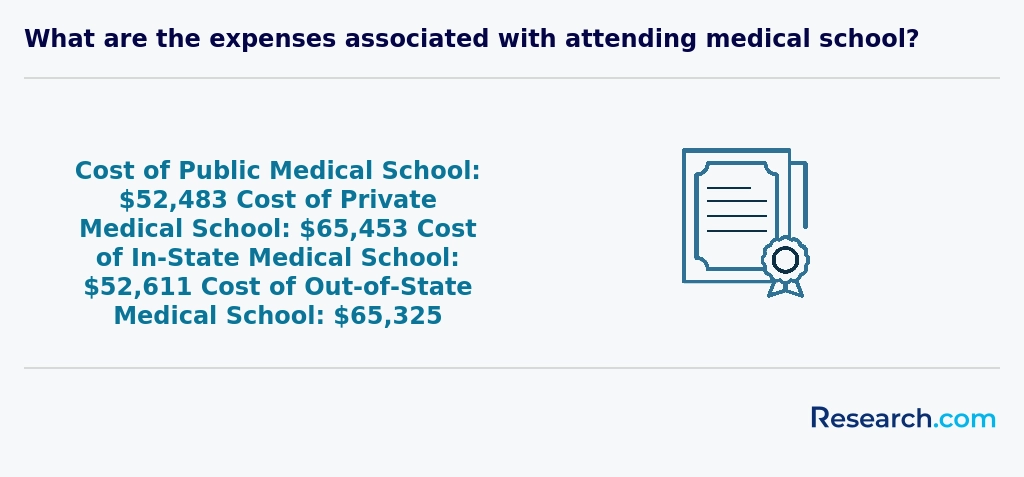
If you're curious about what this means overall, median total costs for healthcare degrees hover around $39,946, while median in-state costs tend to be closer to $11,960. It's smart to look into scholarships and financial aid that can help lower these expenses.
Students interested in finding a valuable healthcare school in california often weigh these costs alongside quality and outcomes, helping them make informed decisions about their education path in San Diego's healthcare scene.

What financial aid is available to healthcare degree students in San Diego?
If you're diving into a healthcare degree in San Diego, getting financial aid can really lighten the load. Many students at places like UC San Diego or Cal State San Marcos swear by filling out the FAFSA to snag Pell Grants-no payback required, and it can cover up to $7,395 per year.
State aid through Cal Grants is another huge help, especially if you're a California resident. This can cover up to $12,570 annually, which is a big deal when tuition runs high at these schools.
Local scholarships are super popular too. Lots of grads mention how the San Diego Workforce Partnership's healthcare scholarships helped them stay focused without stressing money. Plus, some hospitals even chip in with tuition reimbursement if you promise to work there after you graduate.
Work-study gigs on campus or nearby give you a paycheck *and* hands-on experience, which is a win-win. For those already working, many healthcare employers offer tuition assistance to keep you moving forward while you work.
Emerging Trends Shaping Healthcare Careers in 2024
As the healthcare landscape evolves rapidly, prospective students must stay ahead by understanding the emerging trends that are set to reshape the industry. In 2024, digital innovation is driving significant changes-from telemedicine advancements and AI-assisted diagnostics to enhanced data management systems that improve patient care and streamline operations. These technologies are not only modernizing clinical practice but also expanding career opportunities in areas such as health informatics and digital health management. Additionally, the ongoing focus on patient-centered care and preventive medicine is fostering new specialties, while policy changes and regulatory updates continue to influence how healthcare organizations operate. Understanding these dynamics can help students make informed decisions about which degree programs will best prepare them for a future that values both technical proficiency and adaptability. For those interested in exploring program options that emphasize forward-thinking approaches and digital transformation, consider learning more about offerings from a valuable healthcare school in california. This insight not only supports academic choices but also enhances career readiness in an increasingly competitive job market.
What are the prerequisites for enrolling in healthcare degree program in San Diego?
If you're aiming to study healthcare in San Diego, getting your basics right is key. Most students share that having a solid background in science and math really smooths the path. Schools like San Diego State University or MiraCosta College usually ask for completion of courses such as biology, chemistry, and sometimes a bit of physics before jumping in. Imagine prepping for nursing classes-they want you comfortable with anatomy and physiology early on.
Many grads recall needing a high school diploma or GED with decent grades, especially in science subjects. Some programs even require volunteer work or healthcare gigs, which feels great because you get a real taste of the field. Plus, passing background checks and showing up with your immunizations in order is a must for clinical work.
Graduate programs? They typically want a bachelor's degree in something health-related and value actual clinical experience. So, diving into those prerequisites really pays off once you start your journey here in sunny San Diego.
Accreditation and Licensure Requirements
Accredited programs and state approval ensure your degree leads to professional certification and legal practice in California.
- Regional accreditation by the WASC Senior College and University Commission (WSCUC) confirms institutional quality.
- Programmatic accreditation (e.g., CCNE, ACEN, CAAHEP) meets industry-specific standards and prepares you for certification exams.
- California Board of Registered Nursing (BRN) or relevant state health agencies must approve clinical sites and curricula.
- Graduates must pass licensure exams (NCLEX-RN for nurses, etc.) to obtain state certification and practice legally.
- For accessible, accredited nursing pathways, consider nursing schools that are easy to get into.
What courses are typically in healthcare degree programs in San Diego?
If you're diving into a healthcare degree in San Diego, expect to tackle a solid mix of courses that really get you ready for the real world. At places like San Diego City College, students often start with the basics-think human anatomy, physiology, microbiology, and chemistry. These courses lay down the groundwork, helping you understand exactly how the body works and what keeps it ticking.
As you move forward, especially in bachelor's programs at University of San Diego or Cal State San Marcos, things get more specialized. Nursing grads love sharing how patient care techniques and pharmacology classes gave them confidence in clinical settings. Allied health students get hands-on with medical terminology and health information management, which is super handy when working in hospitals or clinics.
What's really cool is the focus on healthcare ethics, cultural competency, and public health, which feels super relevant here in San Diego. Graduates often mention how these classes helped them connect better with the diverse local community, from veterans to immigrants, making their future jobs feel way more meaningful.
What types of specializations are available in healthcare degree programs in San Diego?
When you're looking at healthcare degree specializations in San Diego, there's quite a variety to pick from that really fit the city's unique vibe. For example, nursing programs at places like San Diego State University and the University of San Diego are well-known for hands-on clinical training, so graduates often say they feel confident stepping directly into patient care roles. If you're tech-savvy, Health Informatics is growing fast here, merging healthcare with data and IT-perfect if you love making sense of numbers to improve patient outcomes.
Other popular options include Public Health, where studying community health issues near the U.S.-Mexico border really opens your eyes to real-world challenges. Physical Therapy programs are another big draw, offering practical training for helping people recover and regain mobility. And for those aiming to lead, Healthcare Administration degrees prepare you for managing hospitals or clinics. If you want to explore more about healthcare degrees, you might also check out the lsu mha program for additional options and inspiration.
Overall, top healthcare programs San Diego options give you a chance to dive deep into what interests you most while preparing for the region's growing healthcare needs.
How do you choose the best healthcare degree in San Diego?
When picking the best healthcare degree in San Diego, think about what kind of career you want first. Graduates from places like San Diego State University often say choosing programs with solid clinical experience really made a difference when they started working. Nursing students here, for example, appreciate how local hospitals like UC San Diego Health offer hands-on internships that build real confidence. If you're eyeing public health or biotech, universities around the city provide options that match those paths perfectly.
Cost matters too, especially if you're looking for affordable healthcare degrees in San Diego. Community colleges offer degrees like ADN that keep expenses low, and many grads mention how that was a game-changer for them financially. It's smart to confirm the program's accreditation since that helps with job chances and certification later.
Also, check out job placement stats-San Diego's healthcare scene is booming with a 10% growth recently, which means finding a job is easier than ever. If you want to explore more specialized paths, like rehab or exercise science, you might want to look into the best online kinesiology programs to see what fits your style.

What career paths are available for healthcare degree students in San Diego?
If you're diving into a healthcare degree in San Diego, you're stepping into a city packed with awesome career options. Graduates from UC San Diego and other local colleges find themselves in demand as Registered Nurses, making around $90,000 a year. Or maybe you'll aim to become a Medical and Health Services Manager, a role that keeps hospitals and clinics running smoothly and offers salaries north of $120,000. It's pretty exciting to picture yourself as a Physical Therapist, helping patients bounce back in places like Rady Children's Hospital, earning about $95,000.
Not everyone wants to be hands-on, though. A healthcare degree can also lead you into growing fields like healthcare IT or even pharmacy tech jobs. It's all about finding what clicks with you. Plus, San Diego's biotech scene means research roles are open for those curious minds.
For those looking for affordable studies, check out Low Cost Online Healthcare Degree Programs Ranking in Tennessee for solid ideas beyond California. These career paths reflect the real-world demand and opportunities tied to healthcare career opportunities in San Diego.
What is the job market for healthcare degree in San Diego?
If you're thinking about jumping into the world of healthcare degrees in San Diego, you're in luck-the job market here is buzzing with opportunities. Graduates from places like San Diego State University often share how easy it is to find roles in nursing, healthcare administration, or physical therapy thanks to the strong presence of hospitals like Scripps Health and UC San Diego Health. These institutions love hiring local talent, so internships and residencies around here really open doors.
For those curious about the San Diego healthcare degree employment outlook, things look solid with projected growth around 15% through 2030. That means more jobs are coming, especially in fields where bilingual skills can give you an edge, reflecting the city's diverse population. Many recent grads find themselves stepping smoothly into roles with decent pay, sometimes around $90,000 a year, especially after gaining a bit of experience.
If cost is a concern, consider options like associate degree in 6 months online accredited programs that offer a quick, budget-friendly path into healthcare. It's all about balancing education, experience, and taking advantage of the rich job market that keeps growing here in San Diego.
Frequently Asked Questions About healthcare
Healthcare degree students in San Diego can maximize their learning by engaging deeply in both academic and practical experiences. San Diego hosts several accredited institutions offering healthcare programs that emphasize hands-on training. Students should take advantage of clinical rotations at local hospitals like UC San Diego Health, which serves as a leading medical center in the region.
Networking with healthcare professionals through internships or local healthcare associations boosts practical knowledge and job prospects. According to the San Diego Regional Economic Development Corporation, healthcare employment in the area is projected to grow by 15% through 2028, highlighting ample opportunities.
Additionally, students benefit from staying current with technological advancements and evidence-based practices through workshops and seminars. Universities often provide access to research projects, which enrich understanding and innovation skills necessary for future healthcare roles.
Emerging niches in healthcare reflect evolving technologies and population needs, creating new opportunities for students pursuing degrees in San Diego. One significant area is telehealth, which surged during the COVID-19 pandemic and continues to expand, with California seeing a 50% increase in virtual care visits by 2023, according to the California Health Care Foundation.
Another growing field is geriatric care, driven by the region's aging population. San Diego County's demographic projections show those aged 65 and older will increase by nearly 30% by 2030, emphasizing demand for specialized healthcare professionals.
Additionally, precision medicine and biotechnology thrive in San Diego's robust research environment. The city hosts numerous biotech firms and research institutes, offering students unique training in genetics and personalized treatments.
Mental health services also remain a priority, with expanding roles for licensed counselors and psychiatric nurse practitioners to address increasing community needs.
After completing a healthcare degree in San Diego, preparing for the job market involves gaining relevant experience and building professional connections. Internships and clinical rotations are crucial, as healthcare employers in the region value practical skills demonstrated in real-world settings.
San Diego's healthcare sector is growing rapidly, with a projected 15% increase in healthcare jobs by 2030 according to the California Employment Development Department. This growth emphasizes the importance of networking through local professional associations such as the San Diego County Medical Society.
Additionally, obtaining certifications like Certified Nurse Assistant (CNA) or Basic Life Support (BLS) can improve job prospects. Tailoring resumes and practicing interview skills for healthcare employers in the area strengthens candidacy.
Staying informed on regional salary trends and continuing education opportunities can help graduates remain competitive in a dynamic job market.
Employers in San Diego prioritize a combination of technical and interpersonal skills when hiring healthcare degree graduates. Strong clinical knowledge, particularly in patient care and medical technology, ranks highly due to the region's advanced healthcare facilities.
Communication skills are essential because effective interaction with patients, families, and multidisciplinary teams improves treatment outcomes. According to the San Diego Workforce Partnership, healthcare employers also value adaptability and critical thinking, especially as healthcare evolves rapidly with new technologies.
Additionally, proficiency in electronic health records (EHR) systems is frequently requested, reflecting the increased digitization of patient data. Cultural competence is another critical skill, as San Diego's diverse population requires sensitivity to different backgrounds for equitable care.
Finding internships in San Diego relevant to healthcare degrees involves leveraging local healthcare systems and universities. Many healthcare organizations, such as UC San Diego Health and Sharp HealthCare, offer structured internship programs that provide practical experience. According to the San Diego Workforce Partnership, internships in healthcare fields grew by 12% from 2020 to 2023, reflecting the region's demand for healthcare professionals.
Students should consult their college career centers, which often maintain partnerships with hospitals and clinics in the area. Additionally, San Diego's strong biotech presence, including companies in the Torrey Pines Mesa, offers valuable clinical research internships. Networking at local healthcare job fairs and professional associations can further enhance internship opportunities.
A healthcare degree in San Diego significantly enhances career mobility and advancement opportunities. The city's expanding healthcare sector, which employs over 140,000 workers according to the San Diego Workforce Partnership (2023), demands qualified professionals. Graduates with degrees in nursing, public health, or healthcare administration access a wide range of job roles in hospitals, clinics, and biotech firms.
Holding a healthcare degree often leads to higher earning potential and leadership positions. Many employers in San Diego prioritize candidates with formal education credentials due to regulatory and quality standards.
Additionally, San Diego's focus on medical research and innovation offers pathways for career growth, including roles in clinical trials and health technology development.
Studying for a healthcare degree in San Diego equips students with skills to thrive in interdisciplinary roles by emphasizing collaboration across medical, nursing, and public health fields. Programs integrate practical training with local healthcare facilities, including world-class institutions like UC San Diego Health, fostering teamwork among diverse professionals.
San Diego's healthcare sector employs over 200,000 people, creating dynamic opportunities for students to engage in real-world settings that require cross-disciplinary communication and problem-solving (San Diego Regional Economic Development Corporation, 2023). This hands-on experience helps graduates understand how different specialties intersect to improve patient outcomes.
Additionally, many programs include courses on healthcare systems, technology, and social determinants of health, which are essential for working in integrated teams. This approach prepares students to adapt in varied roles such as care coordination, health informatics, and management.
Deciding between a thesis and a non-thesis healthcare degree program in San Diego depends on your career goals and learning preferences. A thesis program emphasizes research and requires a formal project, ideal for those considering a PhD or research-based roles. Non-thesis tracks focus more on practical skills and coursework, which may suit students aiming for clinical practice or administrative jobs.
San Diego hosts top healthcare employers, including UC San Diego Health, which often values research experience for leadership roles. According to the Bureau of Labor Statistics, healthcare jobs in this region are projected to grow 15% by 2030, highlighting the importance of relevant skills.
Consider also program length; thesis options typically require more time. Reviewing program curricula and consulting academic advisors can help ensure your choice aligns with your professional aspirations.
Students based in San Diego interested in healthcare degrees have several opportunities to study abroad through partnerships established by local universities. Institutions like San Diego State University offer exchange programs and global study options in countries with strong healthcare systems, such as the United Kingdom and Canada. These programs provide access to diverse medical practices and public health environments, enriching professional experience.
Additionally, many U.S. universities offer global internships and clinical placements, often coordinated through study abroad offices. This can enhance skills in healthcare administration, nursing, or public health while gaining international exposure.
San Diego's healthcare sector, valued at over $30 billion annually according to the San Diego Regional Economic Development Corporation, emphasizes global competence as a key skill for future professionals.
San Diego offers several part-time job opportunities that can enhance the education of healthcare degree students. Positions such as medical assistants, pharmacy technicians, and certified nursing assistants (CNAs) are commonly available. These roles provide hands-on experience while allowing students to apply theoretical knowledge in clinical or retail settings.
According to the U.S. Bureau of Labor Statistics, San Diego's demand for healthcare support roles is growing faster than the national average, with a 16% projected increase in jobs over the next decade. Working in local hospitals, clinics, or long-term care facilities offers valuable exposure to patient care and healthcare operations.
Additionally, roles like health information technicians support the growing digitalization of healthcare records, offering experience relevant to healthcare administration degrees. Many local employers understand the value of flexible schedules for students and provide part-time hours during evenings or weekends to accommodate academic commitments.
Healthcare students in San Diego benefit from diverse networking opportunities supported by local institutions and professional organizations. The city hosts several active chapters of national groups like the American Public Health Association and the National Student Nurses' Association, facilitating connections between students and industry professionals.
San Diego's healthcare sector includes major employers such as UC San Diego Health and Rady Children's Hospital, offering numerous internships and volunteer positions that help students develop professional contacts.
Additionally, healthcare-related conferences and seminars frequently occur in the region, providing forums for learning and networking. According to San Diego Regional Economic Development Corporation, the healthcare industry employs over 70,000 people locally, making networking critical for job placement and career growth.
Alumni networks play a crucial role in supporting healthcare degree students in San Diego by providing valuable connections within the local medical community. San Diego's healthcare sector, which employs over 150,000 individuals according to the San Diego Regional Economic Development Corporation, benefits greatly from strong professional networks.
Students gain access to mentorship opportunities that guide career development and clinical experience. Alumni often share job openings and internship opportunities which can be competitive in a growing market.
Moreover, these networks facilitate attendance at local healthcare events and workshops, especially in research hubs like UC San Diego Health. This exposure enhances students' learning beyond the classroom and supports career advancement.
Customizing a healthcare degree program in San Diego allows students to align their education with specific career goals. Many local institutions offer flexible curricula where you can select specialized courses such as public health, health informatics, or clinical practice. According to the National Center for Education Statistics, interdisciplinary options are increasingly common, helping students gain diverse skills.
San Diego's healthcare industry, one of California's largest with over 500 firms reported by the San Diego Workforce Partnership, supports programs focused on biotechnology and health technology. Internships at renowned hospitals like UC San Diego Health strengthen practical experience.
Advisors can assist in choosing electives and certifications that enhance employability in key San Diego sectors, such as aging services or telehealth.
Healthcare students in San Diego face several common challenges during their education. One significant hurdle is balancing rigorous coursework with clinical rotations, which often require long hours and travel to various healthcare facilities across the county. According to data from the California Board of Registered Nursing, many students report high stress levels related to workload demands and time management.
Additionally, San Diego's cost of living is a notable financial challenge. Students often struggle to cover tuition, fees, and living expenses simultaneously. This situation can impact mental health and academic performance.
Access to diverse clinical sites is another issue, as competition for placements can be intense given San Diego's large population and healthcare infrastructure. This sometimes limits practical experience opportunities for students in certain specialties.
Graduates with a healthcare degree in San Diego can pursue several professional certifications to enhance their career prospects. Common certifications include Certified Nursing Assistant (CNA), Registered Nurse (RN), and Licensed Vocational Nurse (LVN). These certifications are essential for clinical roles and require passing state exams regulated by the California Board of Nursing.
For non-nursing roles, certifications like Certified Medical Assistant (CMA) and Registered Health Information Technician (RHIT) are valuable. According to the California Employment Development Department, San Diego's healthcare sector is projected to grow by 12% through 2030, increasing demand for credentialed professionals.
Specialized certifications such as Certified Professional in Healthcare Quality (CPHQ) and Health Informatics Certifications offer advancement opportunities in administration and technology-related roles.
Writing a strong application for a healthcare program in San Diego requires careful preparation and clarity. Highlight your academic achievements, especially in science and math, as these are key for healthcare fields. San Diego's healthcare industry is robust, with over 146,000 jobs in 2023 according to the San Diego Workforce Partnership, so demonstrating relevant work or volunteer experience will make your application stand out.
Be sure to tailor your personal statement to reflect your genuine interest in healthcare and how studying in San Diego aligns with your career goals. Including local healthcare challenges and how you aim to contribute can strengthen your case.
Lastly, ensure all standardized test scores, transcripts, and letters of recommendation are submitted on time and accurately. Many programs value candidates with strong communication skills and a clear commitment to serving diverse communities typical of San Diego's population.
Healthcare careers are increasingly recognized for their global importance, particularly amid rising demand for skilled professionals worldwide. In the U.S., including San Diego, healthcare is among the fastest-growing job sectors, projected to grow 13% from 2021 to 2031 according to the U.S. Bureau of Labor Statistics. This growth is fueled by aging populations and advances in medical technology.
Globally, there is a strong emphasis on cross-cultural competence and adaptability in healthcare education. San Diego benefits from its proximity to the U.S.-Mexico border, where bi-national health initiatives promote diverse training opportunities.
Many San Diego institutions align their curricula with international healthcare standards, preparing students for varied environments and increasing their global career mobility.
Gaining practical experience while studying for a healthcare degree in San Diego is crucial for career readiness. Many local institutions, such as the University of California San Diego (UCSD) and San Diego State University (SDSU), offer clinical internships integrated into their programs. These internships often take place at renowned hospitals like Sharp HealthCare and Scripps Health, providing hands-on patient care experience.
Students can also engage in volunteer opportunities at community health centers, which helps develop communication and clinical skills. San Diego's diverse population offers a unique environment for cultural competency training, valuable for healthcare providers.
According to the California Employment Development Department, San Diego County's healthcare sector is projected to grow by over 12% through 2030, highlighting the importance of practical training to meet workforce demands.
Choosing the right concentration within a healthcare degree program in San Diego involves assessing both your career goals and local industry demands. San Diego's healthcare sector is growing rapidly, with a strong emphasis on biotechnology, elder care, and public health, reflecting trends from the San Diego Workforce Partnership.
Students should consider what specialties align with their interests, such as nursing, health informatics, or medical laboratory sciences. Exploring program offerings at local colleges helps identify which concentrations provide hands-on experience and connections to regional employers. Additionally, reviewing job market data from sources like the Bureau of Labor Statistics can guide students toward high-growth fields.
Understanding licensure requirements and salary expectations within San Diego is also essential in making an informed decision about a healthcare concentration.
Related Healthcare Rankings for Nearby Cities
- 2027 Most Valuable Healthcare Degree Programs Ranking in La Jolla
- 2027 Most Valuable Healthcare Degree Programs Ranking in Irvine
- 2027 Most Valuable Healthcare Degree Programs Ranking in Anaheim
- 2027 Most Valuable Healthcare Degree Programs Ranking in Riverside
- 2027 Most Valuable Healthcare Degree Programs Ranking in Los Angeles
- 2027 Most Valuable Healthcare Degree Programs Ranking in Phoenix
- 2027 Most Valuable Healthcare Degree Programs Ranking in Tempe
- 2027 Most Valuable Healthcare Degree Programs Ranking in Tucson
- 2027 Most Valuable Healthcare Degree Programs Ranking in Oakland
- 2027 Most Valuable Healthcare Degree Programs Ranking in San Francisco
Top Trending Healthcare Rankings
See What Experts Have To Say About Studying Healthcare
Read our interview with Healthcare experts

References
- What Can You Do with a Health Sciences Degree? https://www.ycp.edu/news/what-can-you-do-with-a-health-sciences-degree
- Advance Your Education and Career While Working in Healthcare https://www.hospitalrecruiting.com/blog/4236/advance-your-education-and-career-while-working-in-healthcare/
- Healthcare Careers & Accredited Degree Programs https://www.healthcaredegree.com/
- Top 5 Part-Time Healthcare Jobs For Students https://www.sumnercollege.edu/blog/top-5-part-time-healthcare-jobs-for-students/
- Global Perspectives – Healthcare Beyond Borders https://www.cedars-sinai.org/international-stories/healthcare-beyond-borders.html
- Top Skills Employers Want in Practical Nursing Graduates https://vervecollege.edu/what-employers-look-for-in-practical-nursing-graduates/
- Health Sciences Study Abroad Programs - Healthcare Abroad https://www.ceastudyabroad.com/academic-discipline/health-sciences
- HEALTH MANAGEMENT (THESIS / NON-THESIS) - Lisansüstü Eğitim Enstitüsü https://lee.nisantasi.edu.tr/en/health-management-thesis-non-thesis/
- What to Know About Pursuing a Career in Health Care https://palomarucsdhealth.org/what-to-know-about-pursuing-a-career-in-health-care/
- Assistance Programs https://www.sandiegocounty.gov/content/sdc/hhsa/programs/ssp/access/access_assistance_programs.html