
2027 Most Popular Healthcare Degree Programs Ranking in Greenville

Co-Founder and Chief Data Scientist
Choosing the right healthcare degree program can shape your future career and open doors to meaningful opportunities in Greenville. This article presents the 2027 Most Popular Healthcare Degree Programs Ranking in Greenville, created by the Research.com team of data scientists. It's designed to help you make an informed choice by highlighting programs that stand out in quality and popularity.
Exploring these options can inspire confidence as you plan your education. Pursuing a healthcare degree offers rewarding paths filled with growth and service to the community. Dive in to discover which programs might be the perfect fit for your goals.
Key benefits of getting healthcare degree in Greenville
- Salary for healthcare degree graduates in Greenville is promising, with roles like Patient Care Technicians earning a mean annual wage of $60,790 and Quality Improvement Coordinators reaching $103,150, offering great financial stability.
- A healthcare degree opens diverse career paths, such as Medical Assistant, Clinical Research Coordinator, or Health Information Technician, all providing rewarding opportunities for professional growth in Greenville's healthcare sector.
- Choosing an online healthcare degree can bring flexibility and convenience, allowing students in Greenville to balance work and study, following inspiring examples of successful online graduates from local institutions.
- Key benefits of getting healthcare degree in Greenville
- What can I expect from healthcare degree in Greenville?
- Where can I work with healthcare degree in Greenville?
- How much can I make with healthcare degree in Greenville?
- 2027 Most Popular Healthcare Degree Programs Ranking in Greenville
- Key Findings
- How long does it take to complete healthcare degree in Greenville?
- Accreditation and Licensing Requirements
- What's the difference between online and on-campus healthcare degree?
- Accreditation and Licensure Outcomes
- What is the average cost of healthcare degree in Greenville?
- Emerging Trends & Future Opportunities in Healthcare
- What financial aid is available to healthcare degree students in Greenville?
- Exploring Student Life and Campus Culture in Greenville, NC
- What are the prerequisites for enrolling in healthcare degree program in Greenville?
- Nutrition and Wellness Specialization: Bridging Healthcare and Lifestyle Medicine
- What courses are typically in healthcare degree programs in Greenville?
- What types of specializations are available in healthcare degree programs in Greenville?
- How do you choose the best healthcare degree in Greenville?
- What career paths are available for healthcare degree students in Greenville?
- What is the job market for healthcare degree in Greenville?
- Top Trending Healthcare Rankings
- See What Experts Have To Say About Studying Healthcare
What can I expect from healthcare degree in Greenville?
Students pursuing healthcare degrees in Greenville typically find tuition costs that reflect both quality and accessibility. For example, enrolling at Greenville Technical College for an associate degree in nursing or health sciences generally costs significantly less than traditional universities, making it a smart choice for those mindful of expenses. These programs offer hands-on clinical experience that prepares graduates effectively for licensure and employment.
Graduates from Furman University or the University of South Carolina Upstate pursuing bachelor's degrees often invest more in their education, with average annual tuition ranging from moderate to higher, reflecting the comprehensive coursework and research opportunities available. Many students appreciate the financial aid and scholarships that help ease the cost, making their dreams more achievable without overwhelming debt.
Many healthcare students in Greenville share stories of balancing work and studies, taking advantage of flexible schedules and online classes. This adaptability not only supports their personal commitments but also helps control costs while gaining real-world skills at hospitals like Prisma Health Greenville Memorial Hospital.
Where can I work with healthcare degree in Greenville?
Graduates with healthcare degrees from popular institutions like Greenville Technical College and the University of South Carolina Upstate find themselves stepping confidently into a wide variety of rewarding career paths right here in Greenville. Many begin their journeys working at major employers such as Prisma Health, where the vibrant hospital environment offers roles ranging from nursing to healthcare administration. Imagine joining a team of over 15,000 healthcare professionals dedicated to improving lives every day in your own community.
Others enjoy the dynamic pace of outpatient centers and specialized clinics, providing hands-on care as physical therapists or mental health counselors. Graduates often share stories of working closely with patients, witnessing firsthand the healing impact of their skills. The growing telehealth sector in Greenville further expands opportunities, allowing specialists to connect with patients remotely, blending technology with compassionate care.
For those drawn to research or public health, positions at medical laboratories and nonprofit agencies offer fulfilling roles in data analysis, clinical trials, and community wellness. These careers enable graduates to influence health outcomes on a broad scale, inspiring hope and positive change throughout Greenville.
How much can I make with healthcare degree in Greenville?
Graduates with a healthcare degree in Greenville find promising salary opportunities that reflect both the growing local healthcare sector and their dedication. For instance, medical assistants start with an average annual wage of $43,350, making a solid entry into the field. Graduates working as patient care technicians enjoy a higher wage, with mean earnings around $60,790, which opens doors to rewarding hands-on care roles.
Those pursuing roles as health information technicians or clinical research coordinators, common pathways for Greenville college alumni, also report similar starting wages near $43,380, showcasing diverse career options beyond direct patient care.
Ambitious graduates aiming for leadership or specialized positions, such as quality improvement coordinators, can earn an inspiring average salary of $103,150, reflecting Greenville's investment in healthcare excellence. Students from well-regarded local programs often share how these figures translate into financial independence and the ability to give back to the community, strengthening their motivation.
With Greenville's dynamic healthcare landscape and supportive educational environment, every graduate's earning potential benefits from practical experience combined with quality education.
2027 Most Popular Healthcare Degree Programs Ranking in Greenville
How do we rank schools?
Investing in your education is a significant decision that can shape your future, and the Research.com team understands the importance of making informed choices. To assist prospective students in Greenville, we have meticulously crafted the "2027 Most Popular Healthcare Degree Programs Ranking in Greenville." Our commitment to quality, credibility, and accuracy is reflected in the extensive research and analysis conducted to compile this ranking.
We utilized the following reputable data sources to ensure a comprehensive evaluation of healthcare degree programs:
By exploring this ranking, readers will gain valuable insights into the leading healthcare degree programs available in Greenville, empowering them to make well-informed decisions about their educational and professional futures. For more details on our methodology, please visit our Research.com methodology page.

Key Findings
- Healthcare degree programs in Greenville include nursing, public health, health administration, and allied health professions.
- The average annual cost ranges from $12,000 to $28,000, varying by institution type and residency status.
- Early career salaries start around $45,000, while experienced professionals can earn over $80,000 annually.
- Job placement rates for healthcare graduates in Greenville are approximately 85% within six months of graduation.
- Internships and clinical rotations are often required, providing essential hands-on experience.
- Licensure and certification programs in South Carolina align with state and national requirements for healthcare professionals.
How long does it take to complete healthcare degree in Greenville?
Completing a healthcare degree in Greenville is an exciting journey that fits well within achievable timeframes, motivating many to pursue their dreams confidently. For those eager to start their careers swiftly, associate degrees at Greenville Technical College typically take just two years of full-time study, allowing students to step into healthcare roles equipped and ready.
Graduates from local bachelor's programs, like the Bachelor of Science in Nursing offered at nearby universities, share how their four years of immersive learning-blending classroom knowledge with hands-on clinical experience-prepared them to make a real impact in their communities. Those aiming higher often embrace master's degrees, which usually require two additional years, opening doors to advanced practice and leadership.
Doctoral programs in Greenville, whether a Doctor of Nursing Practice or medical school, demand more dedication with three to eight years of study, including residencies, but alumni describe these years as transformative, filled with growth and purpose. Flexible part-time and online options in Greenville offer personalized pacing, making healthcare education accessible to all lifestyles.
Accreditation and Licensing Requirements
Ensuring your healthcare degree is accredited and that you meet North Carolina’s licensing requirements is critical for a successful career. Most Greenville programs hold accreditation from bodies such as the Commission on Collegiate Nursing Education (CCNE), Accreditation Commission for Education in Nursing (ACEN), or the Commission on Accreditation of Healthcare Management Education (CAHME). Attending an accredited institution not only validates the quality of your education but also qualifies you to sit for mandatory licensing exams. Upon graduation, nursing students must pass the NCLEX-RN or NCLEX-PN to become state-licensed practitioners. To apply, submit your transcript and fingerprint clearance to the North Carolina Board of Nursing, along with the NCLEX application fee. Allied health graduates-such as medical laboratory technologists and radiologic technologists-pursue certification through organizations like the American Society for Clinical Pathology (ASCP) or the American Registry of Radiologic Technologists (ARRT), each requiring exam passage and proof of clinical hours. Continuing education is often required to maintain licensure. For example, registered nurses in North Carolina must complete five contact hours of continuing education annually. Stay informed about renewal deadlines and approved CE providers through your professional board’s website. For students seeking flexible, accredited online pathways, our Low Cost Online Healthcare Degree Programs Ranking in Norfolk, VA offers a vetted list of programs that meet rigorous standards while accommodating busy schedules.
What's the difference between online and on-campus healthcare degree?
Choosing between online and on-campus healthcare degrees in Greenville opens exciting opportunities tailored to your lifestyle and goals. On-campus programs at institutions like Greenville Technical College offer vibrant classroom experiences where students engage directly with expert faculty and participate in hands-on clinical training at local hospitals. Graduates often recall the supportive community and real-time learning that fueled their confidence and skill development.
Meanwhile, online programs bring remarkable flexibility, perfect for those balancing work or family commitments. Many Greenville students pursuing online healthcare degrees appreciate the freedom to study at their own pace while still connecting with local clinics for essential clinical hours. This blend allows you to maintain your daily routine without sacrificing the valuable hands-on practice needed for career readiness.
Both paths are designed to empower you with the knowledge and practical skills to thrive in healthcare. Whichever you choose, Greenville's supportive educational environment ensures you'll have a meaningful and inspiring journey toward becoming a healthcare professional who makes a difference.
Accreditation and Licensure Outcomes
Ensuring your chosen healthcare program in Greenville, NC maintains rigorous accreditation and delivers strong licensure outcomes is critical for both academic credibility and career readiness. All major institutions-East Carolina University, Pitt Community College, and UNC–Greenville-hold regional accreditation through the Southern Association of Colleges and Schools Commission on Colleges (SACSCOC) and specialized approvals such as the Commission on Collegiate Nursing Education (CCNE) for nursing and the Commission on Accreditation of Allied Health Education Programs (CAAHEP) for allied health fields. State licensure and certification pass rates further demonstrate program quality. For example, ECU’s Bachelor of Science in Nursing graduates achieved a 92% first-time NCLEX-RN pass rate in 2023-surpassing the North Carolina average of 88%. Similarly, Pitt Community College’s Medical Assisting graduates report an 85% average pass rate on the Certified Medical Assistant (CMA) exam, while Health Information Technology students at UNC–Greenville boast a 90% success rate on the Registered Health Information Technician (RHIT) exam. Prospective students should always confirm these metrics, as high pass rates correlate with better employment prospects and eligibility for federal licensure. Accreditation not only validates program quality but also impacts financial aid, credit transferability, and employer recognition. For those seeking flexible entry points into healthcare careers, even a low cost ma program with CAAHEP accreditation can provide a strategic credential in just under two years. Reviewing each school’s accreditation status and recent licensure statistics ensures you select a program that aligns with your professional goals and maximizes return on investment.
What is the average cost of healthcare degree in Greenville?
In Greenville, the average cost of earning a healthcare degree centers around $7,361 for in-state students, making it an attainable goal for many aspiring healthcare professionals. Graduates from popular universities appreciate how this investment opens doors to rewarding careers in nursing, health sciences, and allied health fields. For out-of-state students, the median total cost rises to approximately $36,720, reflecting the comprehensive resources and support that Greenville's institutions provide to prepare students for success.
Many healthcare students find inspiration in the community colleges and universities here, where tuition and fees are balanced with the quality education they receive. Community colleges, for example, offer affordable routes with strong hands-on learning opportunities that are perfect for those beginning their healthcare journey. One graduate recalls how their time at a Greenville community college equipped them with both knowledge and confidence to excel in clinical settings.
Exploring various programs, students often benefit from Greenville's scholarships and financial aid, helping to offset healthcare degree tuition fees and create personalized paths to achieve their goals. Accelerated and online programs also enhance flexibility, allowing students to manage work and study effectively. For practical guidance and options, prospective students might check out nursing schools in Sacramento, which offer insight into quality nursing education options.
Emerging Trends & Future Opportunities in Healthcare
As the healthcare landscape continues to evolve, Greenville, NC is emerging as a hub for innovative practices and future growth. Students and professionals alike are finding increased opportunities driven by advancements in telemedicine, digital health records, and personalized medicine. The rapid integration of technology into healthcare means that graduates can expect to work in environments that emphasize data-driven decision making, patient-centered care, and continuous adaptation to new treatment modalities. Local institutions are actively incorporating these trends into their curricula, ensuring that students are well-prepared for the challenges of tomorrow’s healthcare industry. In addition to traditional roles, graduates can look forward to positions that focus on digital health management, health informatics, and remote patient monitoring. These roles not only offer competitive compensation but also provide the chance to make a significant impact on community wellness by leveraging modern innovations. Mentorship programs and partnerships with leading healthcare facilities further enhance career prospects. Many prospective students discover a wealth of opportunities when reviewing resources like the most popular healthcare colleges, which highlight institutions that are at the forefront of these emerging trends. Such programs emphasize experiential learning and internships that reflect the latest industry standards, preparing graduates to thrive in a dynamic work environment. Looking ahead, the combination of demographic shifts, technological advancements, and evolving patient needs positions the region as a strategic location for healthcare innovation. Prospective students who focus on emerging trends and future opportunities will find themselves uniquely equipped to lead transformative changes in the industry, making Greenville an exciting place to launch a career that is both impactful and forward-thinking.
What financial aid is available to healthcare degree students in Greenville?
Healthcare students in Greenville find a wide range of financial aid opportunities designed to make their education more affordable and achievable. Many take advantage of federal aid through FAFSA, accessing Pell Grants and low-interest subsidized loans that ease the burden of tuition at Greenville's well-known colleges. Graduates often recall how these grants allowed them to focus on their studies without overwhelming debt.
Local institutions also offer merit-based scholarships targeted at healthcare fields like nursing and radiologic technology, rewarding dedication and academic excellence. Some Greenville students describe receiving support from hospital-sponsored scholarships, which helped them feel connected to the local healthcare community even before graduation.
South Carolina scholarships such as the Palmetto Fellows or LIFE Scholarship provide critical funding for those attending Greenville schools, sparking hope and motivation for many. Work-study programs in clinical settings offer enriching, paid experience, letting students earn while gaining hands-on skills vital for their careers.
Many healthcare students value the support from nonprofits like the South Carolina Nurses Foundation, whose grants have been a game-changer in turning dreams into degrees. These combined resources empower Greenville's future healthcare professionals to pursue their passion with confidence.
Exploring Student Life and Campus Culture in Greenville, NC
Beyond the robust academic curriculum and career-building resources, prospective healthcare students in Greenville, NC, are equally encouraged to explore the vibrant student life and supportive campus culture that local institutions offer. This section delves into the extracurricular activities, community clubs, mentorship programs, and on-campus events that create a dynamic learning environment. Students frequently highlight the importance of these opportunities-not only do they help build lasting relationships and professional networks, but they also foster personal growth and well-being. Local institutions, including some of the most popular healthcare colleges, prioritize holistic development by offering a range of resources such as student counseling services, career centers that host networking events and workshops, as well as clubs focused on specialized areas like health informatics, public health advocacy, and wellness. Campus life in Greenville also embraces community engagement through volunteer programs and health fairs, enabling students to give back while gaining practical experience. By immersing themselves in these activities, students create an enriching campus experience that complements their academic pursuits. This balanced approach not only prepares them for successful careers in healthcare but also instills a sense of belonging and purpose, making their educational journey both memorable and rewarding.
What are the prerequisites for enrolling in healthcare degree program in Greenville?
To embark on a rewarding healthcare degree journey in Greenville, students must first have a high school diploma or GED, grounding them with confidence that they're ready for the challenge. Many successful graduates from institutions like Furman University and Greenville Technical College recall that completing core classes such as biology with lab, chemistry, anatomy, and algebra built a strong foundation that made advancing through the program feel achievable and exciting.
These courses don't just prepare you academically-they help you discover the passion for science and care that fuels your future. In Greenville, hands-on experience is highly valued; volunteering or interning at places like Prisma Health amplifies learning and brings real-world meaning to classroom theories. Many students share that engaging with healthcare professionals local to Greenville inspired them to deepen their commitment and resilience.
Some programs ask for standardized test scores or background checks, but these steps protect your growth and the safety of those you'll care for. Knowing this encourages students to take pride in their dedication and readiness for this meaningful path ahead.
Nutrition and Wellness Specialization: Bridging Healthcare and Lifestyle Medicine
With growing awareness of holistic health, nutrition and wellness have become integral parts of modern healthcare. Many healthcare degree seekers in Greenville, NC, are now considering programs that combine traditional clinical skills with nutrition expertise to support preventive care and chronic disease management. Graduates who pursue this specialization often benefit from unique hands-on experiences, interdisciplinary coursework, and opportunities to work in community wellness initiatives. Students eager to integrate nutrition into their healthcare careers can explore courses covering dietetics, public health nutrition, and behavioral change strategies, which are highly valued by employers in both clinical settings and community programs. In addition, a number of institutions now offer flexible learning options, including online modules that allow learners to tailor their studies around work and family commitments. For prospective students interested in diversifying their qualifications, the ranking of the most popular nutrition programs online provides valuable insights into the best programs that combine academic rigor with practical application. By embracing the intersection of healthcare and nutrition, graduates not only enhance their clinical expertise but also contribute to broader community health outcomes, making this specialization a powerful complement to any healthcare career.
What courses are typically in healthcare degree programs in Greenville?
Healthcare degree programs in Greenville offer inspiring courses that equip students to make a real difference in the community. Graduates from renowned Greenville colleges describe their journey through foundational classes like Human Anatomy and Physiology, where they visualize the complexity of the human body, and Introduction to Healthcare, which opens their eyes to the impact they can have in diverse medical settings.
Students thrive as they dive into essential topics such as Medical Terminology and Healthcare Ethics and Law, learning not only the language of medicine but also the compassionate principles guiding patient care. Courses in Pharmacology basics and Nutrition and Wellness empower them to understand holistic health approaches.
At Greenville's top institutions, hands-on classes in Healthcare Administration and Management and Clinical Practice and Patient Care Techniques bring classroom lessons to life. Graduates often share how these experiences gave them confidence to excel in hospitals, clinics, and healthcare organizations right here in Greenville.
What types of specializations are available in healthcare degree programs in Greenville?
In Greenville, healthcare degree specializations open doors to vibrant career paths tailored to a student's passion. Popular choices include nursing, where graduates often recall hands-on clinical placements at major local hospitals that enriched their learning beyond textbooks. Many find joy in becoming nurse practitioners, combining compassion with advanced skills. Others thrive in health administration, inspired by courses that sharpen leadership and policy-making abilities essential for running healthcare facilities smoothly.
Students pursuing medical laboratory science embrace the excitement of working in cutting-edge research centers, gaining practical expertise in critical diagnostic techniques. The public health specialization encourages a deep connection to community wellness, empowering students to make real-world impacts through epidemiology and health education. Physical therapy programs emphasize patient recovery, with clinical experiences that bring tangible success stories to life. Some explore pharmacy programs, focusing on drug administration and counseling that enhance patient care quality.
These Greenville healthcare program specialization options not only prepare students academically but also inspire a sense of purpose and community. For those seeking specialized paths, exploring affordable nurse practitioner degrees delaware can provide additional opportunities and perspectives.
How do you choose the best healthcare degree in Greenville?
Choosing the best healthcare degree in Greenville means focusing on what truly inspires you and fits your future goals. Graduates from local colleges often share how programs with strong clinical training at facilities like Prisma Health or Bon Secours St. Francis Health System gave them confidence and real-world skills that shaped their careers. These hands-on experiences make education feel alive and rewarding, turning classrooms into stepping stones toward meaningful careers.
Many students find affordable healthcare degrees in Greenville appealing because they can pursue quality education without overwhelming debt. Attending schools known for accredited programs, such as those recognized by CCNE or CEPH, ensures your degree holds value and opens doors in competitive job markets. Hearing from recent graduates about their smooth transitions into healthcare roles at Greenville Memorial Hospital highlights the community support behind these programs.
Whether you're weighing nursing paths or exploring allied health, understanding options like LPN vs RN salary can guide your choice toward fulfilling both passion and financial goals.
What career paths are available for healthcare degree students in Greenville?
Graduates pursuing healthcare degrees in Greenville find themselves welcomed by a vibrant job market with diverse opportunities that truly make a difference. Whether training at institutions like the University of South Carolina Upstate or Greenville Technical College, students discover career paths ranging from clinical roles such as registered nurses to specialized fields like radiologic technologists and respiratory therapists. These roles offer rewarding experiences and competitive salaries, inspiring graduates to thrive in Greenville's expanding healthcare system.
Many graduates share how hands-on experience in local hospitals and clinics fuels their passion, blending healthcare knowledge with real-world impact. Some leverage their degrees into healthcare administration or health information management, where they help optimize patient care behind the scenes-a crucial pillar of Greenville's healthcare career opportunities Greenville-wide.
Others aim higher with advanced practice roles like nurse practitioners or physician assistants, motivated by the chance to lead and innovate in patient care. Practical advice from graduates often references managing nursing education challenges as a stepping stone, encouraging new students to embrace each challenge as part of their journey toward meaningful, growth-filled careers.
What is the job market for healthcare degree in Greenville?
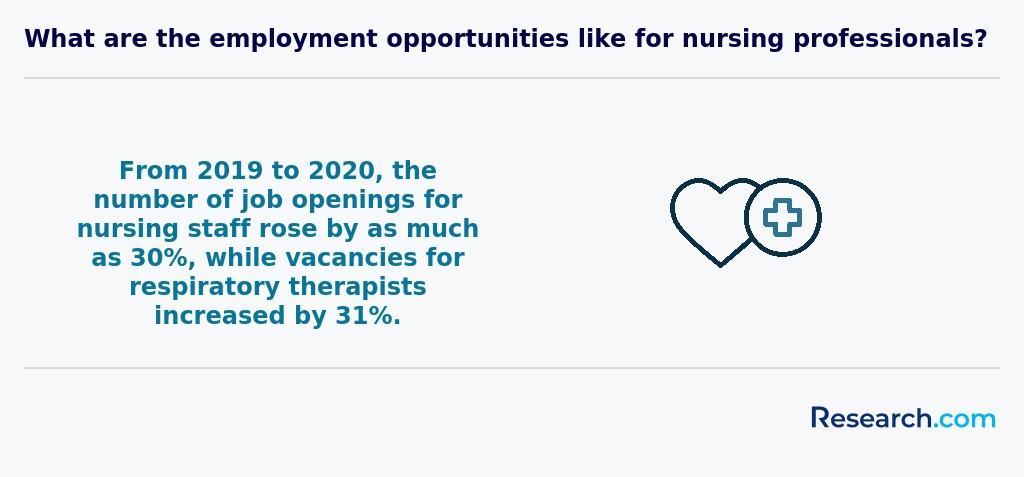
The healthcare job opportunities in Greenville are vibrant and expanding, offering graduates a wealth of career paths. With major employers like Prisma Health and Bon Secours St. Francis Health System providing thousands of local jobs, graduates of healthcare programs at institutions such as Greenville Technical College find themselves stepping confidently into roles that impact real lives every day. Many have shared how hands-on training and internships with these providers made their transition into nursing, therapy, or healthcare management roles seamless and rewarding.
The Greenville healthcare degree employment outlook is especially promising for fields like Registered Nurses, Medical and Health Services Managers, and Therapists, where demand continues to grow alongside regional population needs. Students appreciate the accessible tuition at public colleges and often take advantage of financial aid to launch their paths to success. Exploring Greenville's healthcare education options, including the most popular healthcare colleges, brings hope and inspiration to future professionals eager to make a difference in their community.
Frequently Asked Questions About healthcare
Healthcare degree students in Greenville can maximize their learning experience by engaging in both academic and practical opportunities. Greenville is home to multiple accredited institutions offering healthcare programs, including Greenville Technical College, which emphasizes hands-on training and clinical experience. Students should seek internships and clinical placements at local hospitals like Prisma Health, the largest healthcare system in the region, to gain real-world skills. Networking with professionals through Greenville's healthcare associations and attending workshops can also enhance their knowledge.
Access to up-to-date technology and simulation labs offered by local colleges strengthens practical learning. Additionally, students should consider joining study groups and utilizing campus resources such as tutoring centers. According to the South Carolina Department of Health and Environmental Control, Greenville ranks among the top counties for healthcare job growth, making practical experience vital for future employment.
Emerging niches within the healthcare field in Greenville reflect national trends shaped by advances in technology and changing population needs. One key area is telehealth, which has seen rapid growth due to increased access to digital tools and the push for remote patient monitoring. According to the South Carolina Department of Health, telehealth usage in Greenville County doubled between 2020 and 2023. Another expanding niche is geriatric care, driven by Greenville's aging population, emphasizing specialized training in elder care management and chronic disease treatment.
Precision medicine and genetic counseling also show promise, combining biotech innovations with personalized patient care approaches. Healthcare data analytics is a critical support field, helping organizations improve outcomes through detailed health data interpretation. These niches offer excellent opportunities for students pursuing degrees in Greenville, aligning education with the future job market.
After completing a healthcare degree in Greenville, preparing for the job market involves several key steps. First, gaining practical experience through internships or clinical placements is essential. Greenville's healthcare sector is growing, with the Bureau of Labor Statistics projecting a 15% increase in healthcare jobs in South Carolina by 2030, making hands-on skills highly valuable.
Networking is also crucial. Joining local professional organizations, such as the Greenville County Medical Society, can provide job leads and mentorship opportunities. Additionally, obtaining relevant certifications beyond the degree, such as CPR or specialized licenses, improves employability.
Finally, tailoring resumes and practicing interview skills specific to healthcare roles in Greenville's hospitals and clinics enhances job prospects. Utilizing Greenville's career services and local job fairs can further connect graduates to employers.
Employers in Greenville seek healthcare degree graduates with strong clinical skills and the ability to apply evidence-based practices effectively. According to the South Carolina Department of Health and Environmental Control, proficiency in patient care protocols is critical in local healthcare settings. Communication skills are equally valued, as graduates must collaborate with diverse teams and interact compassionately with patients.
Technical skills related to electronic health records (EHR) are in high demand, reflecting Greenville's adoption of advanced healthcare technologies. Additionally, problem-solving abilities and adaptability are essential due to the evolving nature of healthcare services. These competencies align with national trends highlighted by the Bureau of Labor Statistics for healthcare roles.
Finding internships in Greenville relevant to a healthcare degree begins with exploring local hospitals, clinics, and public health agencies. Institutions like Prisma Health and Bon Secours St. Francis Health System offer internship programs for students pursuing nursing, medical technology, and other healthcare fields. According to the Greenville Chamber of Commerce, healthcare employment accounts for nearly 20% of local jobs, making internships widely available.
Students should also consult their college's career center, which often maintains partnerships with healthcare providers in Greenville. Participating in community health events or volunteering can further build connections.
Online platforms such as Handshake and Indeed list Greenville-specific healthcare internships updated regularly.
A healthcare degree in Greenville significantly enhances career mobility and advancement opportunities. According to the Bureau of Labor Statistics, the healthcare sector in Greenville is expected to grow by 12% between 2022 and 2032, faster than the national average. This expansion creates strong demand for qualified professionals at all levels, from nursing to healthcare administration.
Holding a degree can open doors to specialized roles and leadership positions that often require formal education and credentials. Employers in Greenville's hospitals, clinics, and long-term care facilities prioritize candidates with accredited degrees due to their proven knowledge and skills.
Furthermore, Greenville's growing healthcare infrastructure encourages continued education and professional development, making a degree a valuable asset for long-term career progression.
Studying for a healthcare degree in Greenville offers strong preparation for interdisciplinary roles due to the region's growing emphasis on collaborative care. Local institutions integrate courses that blend nursing, public health, and healthcare management, reflecting industry trends. According to the Greenville Health System, about 65% of healthcare providers here work in multidisciplinary teams, highlighting the need for versatile skills.
Programs often include practical experiences in hospitals and community clinics where students interact with diverse professionals, from social workers to pharmacists. This hands-on training aligns with national standards encouraging interdisciplinary education to improve patient outcomes. Greenville's healthcare degrees thus emphasize communication, teamwork, and problem-solving, skills essential for integrated care environments.
When choosing between a thesis and a non-thesis healthcare degree program in Greenville, consider your career goals first. Thesis programs typically emphasize research and prepare students for roles in academia or advanced clinical research. Non-thesis options focus more on practical skills, ideal for those aiming to enter the workforce quickly.
Greenville's healthcare sector is growing, with a 12% increase in healthcare jobs projected through 2028 by the U.S. Bureau of Labor Statistics. Research-oriented programs may suit those interested in local hospitals affiliated with research institutions like Prisma Health. Non-thesis programs often offer internships and clinical experience aligned with regional healthcare employers.
Evaluate faculty expertise and available resources at Greenville-area schools, as strong mentorship supports thesis success. Also, consider time commitment; thesis programs usually require more time to graduate.
Students based in Greenville seeking to study healthcare abroad have several pathways through U.S. higher education programs with international components. Many universities in Greenville partner with foreign institutions, offering exchange programs or study-abroad opportunities in countries known for advanced healthcare education, such as the United Kingdom, Canada, and Australia. Greenville's proximity to major airports facilitates convenient travel for semester-long or shorter immersive experiences.
Data from Greenville Technical College highlights growing interest in global health programs, reflecting broader trends. According to the U.S. Department of Education, over 300 American institutions provide study-abroad options specializing in healthcare, including nursing, public health, and medical technology.
Additionally, some Greenville healthcare degree programs incorporate clinical rotations abroad, allowing students to gain hands-on experience in diverse healthcare settings while earning academic credit.
Students pursuing healthcare degrees in Greenville can find diverse part-time job opportunities that complement their academic studies. Local hospitals such as Prisma Health and Greenville Memorial Hospital often hire students as medical assistants or patient transporters. These roles provide hands-on experience with patient care and hospital operations.
Additionally, pharmacies and outpatient clinics offer roles like pharmacy technician or front-desk receptionist, which help develop administrative and patient interaction skills. According to the South Carolina Department of Employment, healthcare support jobs in Greenville are projected to grow over 12% by 2028, reflecting strong local demand.
Working in these part-time roles can enhance practical knowledge while students complete their education.
Healthcare students in Greenville benefit from numerous networking opportunities both on and off campus. Local universities often partner with healthcare providers like Prisma Health, one of the largest health systems in South Carolina, offering internships and clinical placements that connect students with industry professionals.
Professional organizations such as the Greenville County Medical Society and the South Carolina Nurses Association host regular events and workshops, providing platforms for students to meet practicing clinicians and healthcare leaders.
Additionally, Greenville's growing healthcare industry, supported by a 12% job growth projection through 2030 (Bureau of Labor Statistics), creates expanding chances for students to engage in mentorship programs and local conferences focused on healthcare innovation.
Alumni networks play a crucial role for healthcare degree students in Greenville by providing valuable professional connections. These networks often include graduates working in local hospitals, clinics, and research institutions, offering mentorship and career guidance.
In Greenville, the healthcare sector is expanding rapidly, with a 12% job growth projection through 2028 according to the U.S. Bureau of Labor Statistics. Alumni can help students navigate this competitive market by sharing job openings and internship opportunities.
Additionally, alumni networks facilitate continuing education and professional development through workshops and seminars, helping students stay updated with industry standards and best practices in healthcare.
Customizing a healthcare degree program in Greenville allows students to align their education with specific career goals. Many local colleges offer elective courses and specialized tracks-for example, nursing, medical technology, or healthcare administration-that let students focus on areas of interest. Greenville's growing healthcare sector, including major employers like Prisma Health, values practical experience, so programs often incorporate internships or clinical rotations.
Students can also choose certificates or minors relevant to healthcare fields, enhancing their skills in health informatics or public health. Greenville's institutions emphasize flexible scheduling and online options, supporting working professionals aiming to advance or shift careers.
According to the Greenville Chamber of Commerce, healthcare jobs are expected to grow by over 15% by 2030, underscoring the benefit of strategic program customization.
Healthcare students in Greenville face multiple challenges throughout their education. One major hurdle is balancing rigorous coursework with clinical rotations, which demand significant time and emotional commitment. Many report stress from managing both academic and practical responsibilities simultaneously.
Financial strain is another common issue. According to the Greenville Chamber of Commerce, healthcare program tuition and related expenses can exceed $20,000 annually, causing students to seek loans or part-time work. This financial pressure sometimes impacts academic performance.
Additionally, limited local clinical placement options create competition among students. The South Carolina Department of Health notes that Greenville's growing healthcare sector offers opportunities but also results in placement shortages, which may delay graduation timelines. These factors combine to make healthcare degrees challenging yet rewarding in Greenville.
With a healthcare degree in Greenville, students can pursue various professional certifications to enhance their careers. Popular options include Certified Nursing Assistant (CNA), Registered Nurse (RN), and Licensed Practical Nurse (LPN) certifications. For those interested in specialized roles, certifications such as Medical Assistant (CMA) or Pharmacy Technician are available.
Graduates may also aim for certifications like Certified Medical Coding Specialist (CMCS) or Health Information Technician, reflecting the region's growing healthcare administration sector.
According to Greenville Health System data, demand for certified healthcare professionals in the area has increased by over 10% in recent years, indicating strong job prospects for certified graduates.
Writing a winning application for a healthcare program in Greenville starts with strong academic records. Many programs require a minimum GPA of 3.0, particularly for nursing and allied health fields. Greenville's healthcare sector is rapidly growing, with local demand increasing by 15% over the past five years, according to the Greenville Health Authority. Applicants should highlight relevant volunteer experiences or internships in local hospitals or clinics, which shows commitment and practical skills.
Clear, concise personal statements that explain why you want to study healthcare in Greenville are essential. Use specific examples related to the community or regional health challenges.
Strong letters of recommendation from teachers or healthcare professionals familiar with your capabilities also boost your application.
The global perspective on a healthcare career emphasizes adaptability and cultural competence. Healthcare professionals today must navigate diverse health systems, technologies, and patient needs worldwide. In the US, including Greenville, demand for skilled healthcare workers grows rapidly; the Bureau of Labor Statistics projects a 16% increase in healthcare jobs nationwide from 2021 to 2031.
Greenville benefits from a strong healthcare infrastructure, making it an ideal place to study healthcare degrees. Understanding international health trends can enhance career prospects locally and abroad. Courses often include global health topics to prepare students for diverse environments.
Gaining practical experience while studying for a healthcare degree in Greenville is crucial for career readiness. Many local institutions offer clinical rotations, internships, and externships as part of their healthcare programs. For example, Greenville Health System partners with universities to provide hands-on patient care opportunities, which is vital for nursing and allied health students.
Students can also seek volunteer positions at medical centers or community health organizations throughout Greenville. These roles help develop skills in real-world settings and enhance resumes.
According to the South Carolina Department of Health and Environmental Control, Greenville's robust healthcare sector supports over 25,000 jobs, offering diverse clinical training options.
Choosing the right concentration within a healthcare degree program in Greenville starts with understanding local job market demands. According to the South Carolina Department of Employment and Workforce, healthcare occupations in Greenville are projected to grow by 14% through 2030, especially in nursing, medical technology, and health information management.
Students should consider their personal interests alongside Greenville's healthcare landscape. For example, Prisma Health, a leading employer in the region, frequently hires graduates with specialties in nursing and allied health fields. Reviewing specific program curricula and clinical opportunities offered by Greenville institutions helps ensure alignment with career goals.
Furthermore, accreditation status and licensure preparation within the concentration are critical. Choosing programs that meet state certification requirements supports smoother transitions into professional roles. Consulting Greenville-based career advisors or attending local healthcare events can provide valuable, up-to-date insights to guide this decision.
Related Healthcare Rankings for Nearby Cities
- 2027 Most Popular Healthcare Degree Programs Ranking in Durham
- 2027 Most Popular Healthcare Degree Programs Ranking in Greensboro
- 2027 Most Popular Healthcare Degree Programs Ranking in Lynchburg
- 2027 Most Popular Healthcare Degree Programs Ranking in Charlotte
- 2027 Most Popular Healthcare Degree Programs Ranking in Fairfax
- 2027 Most Popular Healthcare Degree Programs Ranking in Arlington
- 2027 Most Popular Healthcare Degree Programs Ranking in Columbia
- 2027 Most Popular Healthcare Degree Programs Ranking in Charleston
- 2027 Most Popular Healthcare Degree Programs Ranking in Baltimore
- 2027 Most Popular Healthcare Degree Programs Ranking in Philadelphia
Top Trending Healthcare Rankings
See What Experts Have To Say About Studying Healthcare
Read our interview with Healthcare experts

References
- How to Write Your Cover Letter | NQRTH https://www.nqrth.edu.au/career-planning/how-to-write-your-cover-letter/
- What can I do with a healthcare studies degree, and how can I start? https://mrcollege.ac.uk/what-can-i-do-with-a-healthcare-studies-degree-and-how-can-i-start/
- 10 Skills Employers Are Looking for in Healthcare Management Jobs https://www.aiuniv.edu/blog/10-top-skills-for-healthcare-management-jobs
- Interdisciplinary Education and Practice https://www.aacnnursing.org/news-data/position-statements-white-papers/interdisciplinary-education-and-practice
- The Role of Interdisciplinary Studies in Medical Career Training https://georgia-med.com/the-role-of-interdisciplinary-studies-in-medical-career-training.html
- Unlocking potential: Expanding experiential learning through simulation https://www.pagethink.com/insights/unlocking-potential-expanding-experiential-learning-through-simulation
- 5 Concentrations for a Bachelor’s of Healthcare Administration - Healthcare Administration Degree Programs https://www.healthcare-administration-degree.net/lists/5-concentrations-for-a-bachelors-of-healthcare-administration/
- Global Health Perspectives https://www.denvercollegeofnursing.edu/students/global-health-perspectives.html
- Health Science Program • North Greenville University https://www.ngu.edu/programs/health-science/
- What Can You Do with a Health Sciences Degree? https://www.ycp.edu/news/what-can-you-do-with-a-health-sciences-degree





