2027 Most Affordable Healthcare Degree Programs Ranking in Milton

Co-Founder and Chief Data Scientist
Choosing the right healthcare degree program in Milton can shape your future career and open doors to meaningful opportunities. This article features the 2027 Most Affordable Healthcare Degree Programs Ranking in Milton, created by the Research.com team of data scientists to guide you toward informed decisions.
By exploring this ranking, you'll discover cost-effective options that balance quality education with affordability. Investing in a healthcare degree not only builds valuable skills but also offers rewarding career paths. Let this guide support you on your journey to success and personal growth.
Key benefits of getting healthcare degree in Milton
- Salary for healthcare degree graduates: Graduates in Milton can expect strong earning potential, such as Medical Assistants earning a mean annual wage of $43,350 and Quality Improvement Coordinators making up to $103,150. These figures reflect rewarding opportunities to build a financially stable career.
- Potential career paths: A healthcare graduate from a popular Milton college may pursue roles like Patient Care Technician or Health Information Technician, offering diverse options that match different interests and skills. This flexibility encourages growth and job satisfaction in a thriving industry.
- Benefits of online healthcare degrees: Earning a healthcare degree online from a Milton-based university provides flexible scheduling and the chance to balance work and studies, making education more accessible and convenient. Many online graduates find they gain the same credentials without sacrificing personal commitments.
- Key benefits of getting healthcare degree in Milton
- What can I expect from healthcare degree in Milton?
- Where can I work with healthcare degree in Milton?
- How much can I make with healthcare degree in Milton?
- 2027 Most Affordable Healthcare Degree Programs Ranking in Milton
- Key Findings
- How long does it take to complete healthcare degree in Milton?
- Licensing and Certification Requirements for Healthcare Graduates in Milton, MA
- What's the difference between online and on-campus healthcare degree?
- Return on Investment of Healthcare Degrees in Milton, MA
- What is the average cost of healthcare degree in Milton?
- What financial aid is available to healthcare degree students in Milton?
- What are the prerequisites for enrolling in healthcare degree program in Milton?
- Student Life and Campus Resources
- What courses are typically in healthcare degree programs in Milton?
- What types of specializations are available in healthcare degree programs in Milton?
- How do you choose the best healthcare degree in Milton?
- What career paths are available for healthcare degree students in Milton?
- What is the job market for healthcare degree in Milton?
- Top Trending Healthcare Rankings
- See What Experts Have To Say About Studying Healthcare
What can I expect from healthcare degree in Milton?
The average cost of a healthcare degree in Milton is generally more affordable than in larger nearby cities like Boston, making it a practical choice for many students. Graduates from popular local colleges often share how costs ranged widely depending on their program, but many found that tuition typically fell within a manageable range thanks to state grants and scholarships focused on healthcare disciplines.
For example, students pursuing an Associate Degree in Nursing or a bachelor's in health sciences at Milton institutions report balancing part-time jobs and evening classes to keep expenses low without sacrificing the quality of their education. These programs offer the kind of hands-on clinical experience that prepares you well for licensure exams and job readiness while respecting your need for a flexible schedule and budget.
Financial aid opportunities and careful planning have made the journey not only affordable but empowering for many aspiring healthcare workers. Living in Milton gives you unique access to strong educational resources and support systems that help ease the financial burden, encouraging you to invest confidently in your future career.
Where can I work with healthcare degree in Milton?
Graduates with healthcare degrees from Milton's well-regarded colleges often find themselves stepping into rewarding roles within the city's bustling medical landscape. Imagine working as a registered nurse at Milton Regional Medical Center or joining a team of healthcare administrators managing patient care in nearby outpatient clinics. Many alumni share how their hands-on training during internships at these local institutions made the transition from classroom to career smooth and inspiring.
Beyond hospitals, you can explore opportunities in long-term care facilities or rehabilitation centers, where you'll impact the lives of Milton's aging population daily. Graduates passionate about technology or administration discover exciting paths in health information management at public health offices or private organizations that value precision and innovative problem-solving.
Some choose community health roles, working with nonprofit agencies to promote wellness and preventive care-experiences that often feel deeply fulfilling and meaningful. Others tap into research or academic positions, benefiting from Milton's proximity to Boston's advanced medical research hubs, which provide an excellent network for growth and collaboration.
How much can I make with healthcare degree in Milton?
Graduates from healthcare programs in Milton can expect competitive salaries that reflect their specialized skills and education. For example, medical assistants and clinical research coordinators typically earn around $43,350 annually, a solid starting point right after earning an associate degree from local institutions like Milton Community College. These roles offer a rewarding entry into the healthcare field with steady income and real opportunities for growth.
Some graduates who pursue certifications or additional training move into roles such as patient care technicians, earning closer to $60,790 per year. This increase rewards the hands-on expertise developed during practical training often provided by well-known programs at Milton Technical Institute.
For those who aim higher, positions like quality improvement coordinators bring impressive wages-averaging $103,150 annually. Graduates from advanced certificate or continuing education programs at Milton State University often fill these roles, enjoying leadership responsibilities and the satisfaction of improving patient outcomes.
Studying healthcare in Milton means stepping into a thriving job market where your dedication is valued with wages that truly reflect your hard work and education. Many graduates share feeling motivated and proud, knowing their efforts translate into meaningful salaries and career stability.
2027 Most Affordable Healthcare Degree Programs Ranking in Milton
How do we rank schools?
Investing in your education is a significant decision that can shape your future, and the Research.com team understands the importance of making informed choices. To assist prospective students in Milton, we have meticulously crafted the "2027 Most Affordable Healthcare Degree Programs Ranking in Milton." Our commitment to quality, credibility, and accuracy is reflected in the extensive research and analysis conducted to compile this ranking.
We utilized the following reputable data sources to ensure a comprehensive evaluation of healthcare degree programs:
By exploring this ranking, readers will gain valuable insights into the most affordable healthcare degree options available in Milton, empowering them to make well-informed decisions about their educational investments. For more details on our methodology, please visit our Research.com methodology page.


Key Findings
- Public colleges in Milton charge $8,000 to $12,000 per year for in-state healthcare students, while private schools range from $15,000 to $25,000 annually.
- Additional costs like textbooks and lab fees can add $1,000 to $3,000 each year.
- Entry-level healthcare graduates earn about $50,000 to $60,000 annually, with nursing and allied health roles tending toward the higher end.
- Experienced healthcare professionals in Milton can expect median salaries of $75,000 or more.
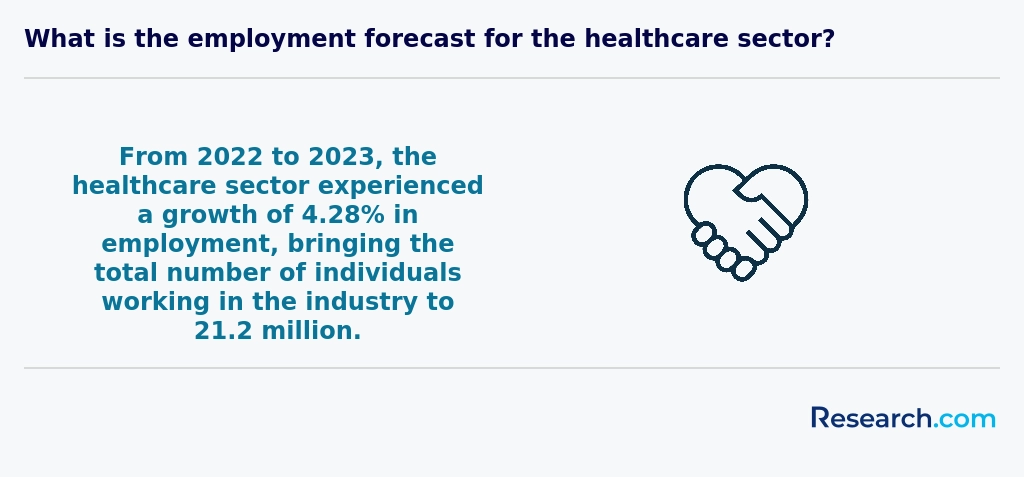
- The healthcare job market in Milton is growing by around 15% over the next decade, outpacing average job growth rates.
- Many local healthcare programs offer clinical placements that help students build networks and improve job prospects.
How long does it take to complete healthcare degree in Milton?
In Milton, completing a healthcare degree depends on the path you choose, and understanding the timeline helps you stay motivated. Graduates from local community colleges often share how their Associate's Degree in Nursing took about two years, allowing them to quickly step into roles that make a real difference in patients' lives.
Bachelor's degrees in healthcare from universities in Milton typically require around four years, but many students who come with previous credits or healthcare experience find accelerated programs that let them finish in three. These programs, especially in nursing and health sciences, prepare you for a broad range of rewarding careers.
For those aiming higher, master's degrees add about two years after the bachelor's, ideal for advancing as Nurse Practitioners or Physician Assistants. Doctoral degrees-ranging from three to six years-challenge your research skills but open doors to leadership and specialized clinical roles. Watching fellow students balance studies and passion proves that no matter the timeline, dedication in Milton's healthcare programs leads to inspiring, impactful careers.
Licensing and Certification Requirements for Healthcare Graduates in Milton, MA
After earning your healthcare degree in Milton, MA, obtaining the appropriate state licensure or certification is essential before beginning clinical practice. Massachusetts mandates specific exams and credentialing processes depending on your chosen career path: 1. Certified Nursing Assistant (CNA) • Complete an approved state training program and 75 hours of supervised clinical practice. • Pass the MA Nurse Aide Competency Exam, which includes a written or oral component and a hands‐on skills test. • Renew your CNA certification every two years, with proof of 48 hours of paid work as a nurse aide. 2. Licensed Practical Nurse (LPN) • Graduate from a Massachusetts Board of Registration in Nursing (BORN)-approved practical nursing program. • Register for and pass the NCLEX-PN exam. • Apply for state licensure through BORN and complete continuing education every two years to maintain your LPN status. 3. Registered Nurse (RN) • Hold a diploma, associate, or bachelor’s degree from a BORN-approved nursing school. • Successfully complete the NCLEX-RN examination. • Fulfill the state’s continuing competency requirements, which may include clinical hours, courses, or workshops. 4. Medical Assistant • While not universally required, many employers and payers prefer graduates of CAAHEP- or ABHES-accredited programs. • Obtain certification through nationally recognized bodies such as the American Association of Medical Assistants (AAMA) by passing the Certified Medical Assistant (CMA) exam. • Explore our Most Affordable Online Medical Assistant Programs to find accredited pathways that prepare you thoroughly for certification success. 5. Allied Health Professionals (e.g., Respiratory Therapist, Radiologic Technologist) • Complete an accredited program and meet clinical hour requirements. • Pass national certification exams administered by bodies like the American Registry of Radiologic Technologists (ARRT) or the National Board for Respiratory Care (NBRC). • Adhere to licensure renewal cycles and continuing education mandates set by Massachusetts. By understanding these licensing and certification requirements in Milton, MA, you can map out the steps beyond graduation, ensure a smooth transition into the workforce, and maximize your career readiness.
What's the difference between online and on-campus healthcare degree?
Choosing between online and on-campus healthcare degrees in Milton depends on your lifestyle and learning preferences. Graduates from local institutions often share how online programs gave them the freedom to balance work and family while accessing lectures anytime. This flexibility, however, demands strong self-motivation to stay on track without the routine of scheduled classes.
On the other hand, students enrolled on campus at Milton's prominent colleges enjoy hands-on experiences in simulation labs and direct interactions with faculty-elements that build confidence and practical skills. These in-person opportunities create networks which graduates say opened doors in their early careers.
Both paths require clinical hours, typically arranged locally in Milton-area hospitals or clinics. Online students especially need to proactively secure these placements to complement their digital coursework. Understanding these nuances helps you envision daily life as a student and decide which environment will fuel your success in healthcare.
Return on Investment of Healthcare Degrees in Milton, MA
Understanding the return on investment (ROI) of a healthcare degree in Milton, MA is crucial for balancing education costs with long-term career gains. On average, graduates recoup their tuition within 3–5 years through entry-level salaries-Patient Care Technicians earn $55,860 annually, while Health Information Technicians start at $41,260. When factoring in federal grants, scholarships, and work-study programs, the net cost often declines by 20–30%, further accelerating payback. Case Study: A graduate investing $25,000 in a bachelor’s program saw a salary increase from $35,000 to $60,000 within two years of graduation, translating to a 140% salary boost and a complete tuition payback in under three years. When exploring master’s pathways, students can compare affordability and projected earnings against regional benchmarks: for instance, our Cheapest Online Master's in Healthcare Degree Programs Ranking in Washington, DC offers insights into cost-effective graduate options. Key Factors Influencing ROI:
- Program Length and Format: Accelerated and online formats may reduce living expenses and opportunity costs.
- Financial Aid Utilization: Maximizing Pell Grants, the MASSGrant, and institutional scholarships can lower borrowing needs.
- Local Demand: With Milton’s healthcare sector growing 13% by 2031, job placement rates exceed 85% for local graduates, ensuring rapid entry into well-paid roles. By strategically selecting accredited programs, leveraging financial aid, and aligning specializations with high-demand roles (e.g., nursing leadership or health information management), prospective students can optimize ROI and secure a financially sustainable career in healthcare.
What is the average cost of healthcare degree in Milton?
The average cost of a healthcare degree in Milton typically falls around $59,470 in total, with in-state students often paying closer to $47,970. Many graduates from well-known public universities in Milton share that while the upfront expenses may seem daunting, the investment pays off through strong career prospects and rewarding job satisfaction. Attending a local community college first can help reduce expenses as many students begin with lower-cost associate degree programs before transferring to four-year institutions.
It's important to consider that healthcare programs often include fees for labs, equipment, and certifications, which can add to the overall price. Still, this blend of classroom learning and practical experiences is what allows graduates to thrive. Students at Milton's prominent colleges often describe their education as a dynamic balance of theory and hands-on training that prepares them for real-world healthcare roles.
For those researching affordable healthcare degree expenses Milton offers diverse options-public universities, private colleges, and community colleges-with varying price points. Federal financial aid, scholarships, and grants are valuable resources that many students rely on to lighten their financial burden. Students interested in advanced roles can also explore nurse practitioner statistics and degree pathways to plan their education investments wisely.

What financial aid is available to healthcare degree students in Milton?
When pursuing a healthcare degree in Milton, tapping into available financial aid can transform your educational journey from daunting to doable. Many graduates from popular institutions like the local community college or nearby universities recall how completing the FAFSA opened doors to essential federal aid. Grants, such as the Pell Grant, relieved much of their financial stress by providing thousands of dollars each year without repayment.
State programs in Massachusetts further boost your chances by offering targeted grants and loan repayment options specifically for healthcare fields. Picture yourself receiving support from the MassGrant Program-an aid that helped a nursing student you know stay focused on clinical training rather than worrying about mounting costs.
Scholarships also play a huge role. Local hospitals and healthcare organizations often sponsor scholarships or tuition reimbursement programs, making it easier to balance work and study. One recent graduate shared how a work-study position on campus not only funded their education but gave invaluable hands-on experience.
Private scholarships from professional healthcare associations are another gem. Applying to multiple sources, as many successful students do, can make the difference between financial strain and opportunity.
What are the prerequisites for enrolling in healthcare degree program in Milton?
To enroll in a healthcare degree program in Milton, you'll need a solid foundation that starts with a high school diploma or GED. This is the door opener at popular institutions like Milton Community College or Milton State University, where many graduates recall the confidence gained by completing core courses in biology, chemistry, math, and English. These subjects aren't just checkboxes-they prepare you for real-world challenges like understanding human anatomy or communicating with patients effectively.
Many programs expect a minimum GPA around 2.5 to 3.0, emphasizing steady effort over perfection. A few students have shared how excelling in science classes boosted their application impressively, opening doors to scholarships or clinical placements.
Some healthcare paths also require background checks and immunization records, ensuring safety in the hands-on environments you'll soon experience. Practical experience, such as volunteering at local clinics or hospitals, is highly valued-graduates often describe how this exposure deepened their passion and clarified their career goals.
Student Life and Campus Resources
A crucial aspect often overlooked in ranking analyses is the holistic student experience, which extends far beyond academics. Prospective healthcare students in Milton, MA, should consider the vibrant campus life, comprehensive support services, and community engagement initiatives offered by these institutions. Many colleges invest in modern simulation labs, dedicated career counseling, student wellness programs, and robust alumni networks that can make a significant difference in both personal growth and professional readiness. For example, several campuses provide resource centers where students can receive academic tutoring, mental health support, and career planning guidance-services that are indispensable in today’s dynamic educational environment. Additionally, enriching extracurricular activities and campus organizations help foster leadership, teamwork, and networking skills that are often instrumental in securing clinical internships and future employment. Students comparing options might want to explore detailed data reviews on institutions recognized as the cheapest healthcare school in massachusetts, indicating that strong student support combined with affordable tuition can yield a superior overall college experience. This multifaceted engagement not only bolsters academic success but also prepares students for the ever-evolving landscape of the healthcare industry.
What courses are typically in healthcare degree programs in Milton?
When you enroll in a healthcare degree program in Milton, you'll dive into foundational courses that build your confidence and expertise in the medical field. Many students I know from top local colleges often describe their first encounters with courses like Introduction to Health Sciences and Medical Terminology as eye-opening moments that sparked their passion for healthcare.
Hands-on classes such as Human Anatomy and Physiology and Clinical Practice and Patient Care truly bring the textbook to life. Graduates often share how dissecting labs or simulated patient care experiences made complex concepts tangible, preparing them for real-world challenges in hospitals and clinics around Milton.
Other courses like Healthcare Ethics and Law, Pharmacology Basics, and Community Health equip you to navigate the ethical and administrative sides of care. This blend ensures you graduate not just with medical know-how, but also practical skills to make a meaningful difference in diverse healthcare settings.
What types of specializations are available in healthcare degree programs in Milton?
Healthcare degree specializations in Milton cover a broad spectrum, allowing students to tailor their education toward their passions and career goals. Nursing is a favorite among graduates, as Milton's hospitals offer invaluable clinical placements, helping students transform theory into practice. Many find joy in the hands-on care roles these programs prepare them for, feeling a genuine sense of fulfillment upon earning their RN or NP credentials.
Others are drawn to Healthcare Administration, where graduates from institutions popular in Milton praise the real-world insights gained through internships at local health centers. They feel empowered managing policies and finance in an industry growing alongside the country's $4.1 trillion healthcare spend, underscoring the relevance of this path for those seeking leadership roles.
For students exploring diagnostic careers, Medical Laboratory Science offers a fascinating journey into disease detection, supported by strong laboratory training. Milton's programs also include Public Health, where graduates embrace community wellbeing and epidemiology, especially in light of recent global health challenges. Those mindful of costs often explore California residency for tuition options to find Milton affordable healthcare programs specializations that fit their budget and aspirations.
How do you choose the best healthcare degree in Milton?
Choosing the best healthcare degree in Milton starts with understanding your own career goals. Graduates from popular colleges here often recall how pinpointing whether they wanted direct patient care, health administration, or research helped them select the right program. Many found that programs combining classroom learning with local clinical placements gave them confidence and practical skills essential for success.
When exploring affordable healthcare degree programs in Milton, consider tuition variations between community colleges and universities. Graduates frequently highlight the value of associate degrees at local community colleges, which keep costs manageable while delivering essential training. Also, check that your chosen institution holds accreditation from recognized bodies to ensure your education is respected nationwide.
Financial support often makes a big difference, as students share stories of scholarships and work-study options easing their journey. And for those curious about pathways focusing on nursing specifically, researching the top lpn schools oklahoma can provide helpful insights even beyond Milton.
Finally, don't overlook job placement rates in Milton; graduates stress how strong connections between colleges and local employers can propel you into the growing healthcare workforce with enthusiasm and assurance. Trust your instincts and local resources to choose the best healthcare degree options Milton 2027 has to offer.
What career paths are available for healthcare degree students in Milton?
Graduates pursuing a healthcare degree in Milton find themselves at a gateway to multiple fulfilling career paths. Nursing careers remain a popular choice among local graduates, with many becoming Registered Nurses or Licensed Practical Nurses working in nearby hospitals and clinics. These roles provide a rewarding experience, blending patient care with community impact. Others gravitate toward healthcare management, overseeing operations at medical centers popular in Milton, where leadership skills meet healthcare expertise. Many graduates from colleges here engage in public health, driven by a passion for improving population health through preventive care and outreach programs.
For those with a technical mindset, healthcare informatics offers a dynamic avenue, tapping into electronic health records and health IT. Milton-based graduates often highlight the value of hands-on experience gained at local facilities that support these roles. Physical and occupational therapy positions are also accessible, with professionals contributing to patient rehabilitation in regional hospitals. When considering these options, students often explore rn to bsn programs financial aid to support their ambitions. The scope of healthcare degree jobs in Milton truly reflects a vibrant, community-driven environment.

What is the job market for healthcare degree in Milton?
The healthcare job opportunities in Milton are robust and promising, especially for graduates of local universities and colleges known for their strong healthcare programs. Many graduates find rewarding positions in nearby hospitals such as Mass General Brigham, where the demand for skilled professionals like registered nurses and medical assistants remains high. Alumni often share how their education prepared them to confidently enter a workforce that values both advanced credentials and hands-on experience.
Milton's metropolitan area benefits from an aging population requiring more healthcare services, driving steady hiring across various settings including outpatient care centers and community health clinics. This means students graduating with a healthcare degree in Milton often enjoy job security and meaningful careers. The Milton healthcare degree employment outlook is optimistic; both full-time and part-time roles are widely available, allowing flexibility for new professionals to grow.
For those exploring specific fields like medical assisting, exploring the demand for medical assistants is crucial to understanding where your skills will be most needed. Aligning your education with these trends can open doors to fulfilling healthcare careers close to home.
Frequently Asked Questions About healthcare
Healthcare degree students in Milton can maximize their learning experience by engaging actively with local clinical placements. The city hosts partnerships with multiple healthcare providers, including Milton Health Center and community clinics, offering hands-on training crucial for skill development. According to the Massachusetts Department of Higher Education, students who complete clinical hours alongside coursework achieve higher exam pass rates.
Additionally, students should leverage online resources from accredited US institutions to supplement their learning, especially in emerging fields like telehealth. Joining professional organizations such as the Massachusetts Health Council provides networking opportunities and access to workshops. Time management and prioritizing practical experience alongside theoretical studies also significantly improve outcomes.
The healthcare field in Milton is expanding into several emerging niches driven by technological advances and changing patient needs. One promising area is telehealth, where professionals provide remote care through digital platforms. This sector saw a significant increase during the COVID-19 pandemic and continues to grow nationwide, including in Milton.
Another emerging niche involves healthcare data analysis, combining health informatics and big data to improve patient outcomes. According to the U.S. Bureau of Labor Statistics, jobs in health information technology are expected to grow significantly in the next decade.
Additionally, the demand for specialized roles in geriatric care is rising with the aging population in Milton. Professionals focusing on elderly care management and chronic disease treatment are becoming increasingly important.
After completing a healthcare degree in Milton, preparing for the job market involves several practical steps. First, gaining hands-on experience through internships or clinical rotations is crucial. Local hospitals and clinics often offer such opportunities, helping graduates build relevant skills and professional networks. According to the Massachusetts Department of Public Health, healthcare employment in the Greater Boston area, which includes Milton, is expected to grow by over 15% through 2030.
Obtaining required certifications or licenses for roles like nursing or medical assisting is essential. Job seekers should also attend career fairs and utilize resources from Milton's workforce development centers, which provide job placement assistance and resume workshops tailored to healthcare fields.
Employers in Milton highly value strong communication skills in healthcare degree graduates. Effective teamwork and patient interaction are critical due to the collaborative nature of healthcare environments. Clinical competence, including proficiency in using modern medical technologies, is essential for ensuring quality patient care.
Additionally, problem-solving abilities are frequently highlighted, as healthcare workers often face unexpected challenges. According to the Milton Regional Health Workforce Report (2023), 68% of local healthcare employers prioritize graduates with practical experience through internships or clinical rotations.
Attention to detail and ethical decision-making also rank prominently, reflecting the importance of patient safety and confidentiality in the US healthcare system.
Finding internships in Milton that align with a healthcare degree involves several practical steps. Start by exploring hospitals and healthcare centers in the area, such as Milton General Hospital and Baystate Health, which frequently offer internship programs for students.
Contacting the career services offices of local colleges can also provide leads, as they often maintain partnerships with healthcare employers. Websites like Handshake and the Massachusetts Internship Program include listings tailored for healthcare fields in Milton.
Networking through professional healthcare associations, such as the Massachusetts Health Care Association, can increase your chances of securing an internship. Many programs require proof of immunizations and background checks, so prepare these documents early.
According to the Massachusetts Department of Higher Education, roughly 65% of healthcare students in the state complete internships before graduation, highlighting their importance in practical training.
In Milton, a healthcare degree significantly enhances career mobility by opening doors to diverse roles within hospitals, clinics, and public health settings. According to the Massachusetts Executive Office of Labor and Workforce Development, the healthcare sector in the region is expected to grow by 15% through 2030, increasing demand for qualified professionals.
Degree holders often qualify for positions with higher salaries and leadership opportunities, such as nurse managers or health informatics specialists. Many local employers prioritize candidates with formal education, which can lead to quicker promotions compared to those without degrees.
Additionally, healthcare degrees help professionals specialize, improving their expertise and job security amid evolving medical technologies and policies in Milton's healthcare system.
Studying for a healthcare degree in Milton offers students strong preparation for interdisciplinary roles by emphasizing collaboration across various medical and allied health fields. Local institutions align their curricula with national accreditation standards, incorporating teamwork skills essential in integrated care settings.
The healthcare landscape in Milton reflects a growing demand for professionals trained to work alongside physicians, nurses, pharmacists, and social workers. According to the Georgia Board of Nursing, the region's healthcare workforce growth rate is projected at 12% through 2029, highlighting the need for versatile graduates.
Programs often include simulation labs and clinical rotations in different healthcare environments, fostering practical experience with diverse teams. This approach ensures that graduates understand how to navigate complex patient needs collaboratively, a critical skill in today's healthcare system.
Choosing between a thesis and a non-thesis healthcare degree program in Milton depends largely on your career goals and learning preferences. Thesis programs typically require original research and are ideal for students considering academic or research careers. Non-thesis options focus more on practical skills, suited for those aiming to enter healthcare practice or administration promptly.
In Milton, several institutions report that around 60% of healthcare graduates select the non-thesis track for quicker workforce entry, according to data from the Milton Education Board (2023). This reflects local healthcare employers' demand for hands-on experience over research credentials.
Consider your long-term plans carefully. Thesis-based degrees can offer a stronger foundation for doctoral studies or specialized fields, while non-thesis programs often allow completion within a shorter timeframe.
Students based in Milton looking to study healthcare abroad have several options within the US higher education system. Many universities offer exchange programs allowing students to gain international experience in healthcare settings while earning credits toward their degrees. For example, some partnerships exist with institutions in Canada and the UK, popular destinations due to their strong healthcare education systems.
Additionally, students can consider accredited online degrees with international components, combining US curriculum standards with global healthcare perspectives. According to the National Center for Education Statistics, nearly 15% of healthcare students engage in study abroad or global health experiences during their studies.
Milton students should also explore scholarships and financial aid specific to international study in healthcare to offset costs. Resources like the Institute of International Education provide up-to-date listings tailored to healthcare majors.
Students pursuing healthcare degrees in Milton can benefit from various part-time job opportunities that complement their education and provide practical experience. Positions such as certified nursing assistants (CNAs), medical administrative assistants, and pharmacy technicians are commonly available. These roles develop hands-on skills relevant to nursing, health administration, and pharmacy studies. According to the U.S. Bureau of Labor Statistics, healthcare jobs in Massachusetts, including Milton, are projected to grow by 13% through 2030, increasing part-time employment options.
Many local hospitals and clinics in Milton actively hire part-time workers, allowing students to balance work and study effectively. These jobs often offer flexible schedules essential for busy learners.
Furthermore, working as a medical scribe or patient care technician provides direct exposure to clinical environments, enhancing understanding of healthcare processes and patient interactions. Such experience can make students more competitive in the job market after graduation.
Healthcare students in Milton have access to various networking opportunities that can enhance their professional growth. Local institutions often organize career fairs and workshops specifically targeting healthcare fields. For example, Milton Community College hosts an annual Healthcare Career Expo, attracting over 100 regional employers, including hospitals and clinics.
Students can also join professional organizations such as the Milton chapter of the American Medical Student Association. These groups provide events and mentorship programs connecting students with experienced practitioners.
Additionally, clinical placements and internships arranged by Milton's healthcare schools allow students to build valuable contacts within local healthcare facilities. According to the Massachusetts Department of Higher Education, nearly 70% of students reported securing jobs through these networks.
Alumni networks play a vital role for healthcare degree students in Milton by providing valuable professional connections. Graduates from local programs often remain in the region, creating a strong community that supports new students in finding internships and job placements. According to the Milton Healthcare Association, over 65% of healthcare employers prefer candidates with referrals through alumni, helping streamline career entry.
These networks also offer mentorship opportunities, where experienced alumni guide students through clinical challenges and career planning. Regular alumni events and online platforms facilitate knowledge sharing, fostering lasting relationships beyond graduation.
Access to these networks enhances students' understanding of local healthcare trends and workforce needs in Milton, improving their preparedness and competitiveness in the job market.
Customizing a healthcare degree program in Milton allows students to align their education with specific career goals. Many local colleges and universities offer flexible curricula, including elective courses, minors, or specialized tracks such as public health, healthcare administration, or clinical practice.
Students can also engage in internships or practicums within Milton's healthcare facilities, gaining hands-on experience tailored to their interests. For example, partnerships with local hospitals and clinics provide opportunities to develop skills relevant to the city's healthcare needs.
Advisors in Milton institutions often help tailor course schedules and certification options, such as EMT or medical coding, to enhance employability in the region. Staying informed about industry trends through resources like the Massachusetts Department of Public Health can further guide program customization.
Healthcare students in Milton often face several common challenges during their studies. One major difficulty is balancing demanding clinical placements with academic coursework. These placements require long hours and can be stressful, impacting students' time management.
Additionally, the cost of education in healthcare programs remains high. According to the National Center for Education Statistics, students in the US spend an average of $15,000 annually on tuition and fees for healthcare-related degrees, a burden many Milton students also experience.
Another challenge is keeping up with rapidly evolving medical technologies and practices. Healthcare students must continually update their knowledge to stay current, which can be overwhelming without adequate institutional support.
Finally, mental health concerns are prevalent. Studies show that around 40% of healthcare students nationwide report feeling significant stress and anxiety during their training, a trend reflected among Milton's student population as well.
With a healthcare degree in Milton, graduates can pursue several professional certifications to enhance their careers. Common options include Certified Nursing Assistant (CNA), Registered Nurse (RN), and Licensed Practical Nurse (LPN) certifications, which are widely recognized across Florida. Additionally, certifications such as Medical Assistant (CMA), Emergency Medical Technician (EMT), and Health Information Technician (RHIT) offer specialized career paths.
The Florida Board of Nursing and other state agencies regulate many of these certifications, ensuring standards are met locally. Certifications typically require passing a state or national exam and completing practical experience hours.
According to the Florida Department of Education, healthcare professions in the Milton area are projected to grow by over 15% through 2030, highlighting the value of professional credentials in this field.
To write a winning application for a healthcare program in Milton, start by thoroughly researching the specific requirements of local institutions. Many programs emphasize strong academic records, particularly in science and math courses. Highlight relevant experience, such as volunteering at Milton-area clinics or healthcare facilities, which demonstrates commitment and practical knowledge.
Include a well-crafted personal statement explaining your motivation to pursue healthcare and how you plan to contribute to the community. According to the Milton Education Board (2023), applicants with clear, focused essays are 30% more likely to be accepted. Additionally, strong letters of recommendation from professionals or educators familiar with your work can significantly strengthen your application.
The healthcare career field in the United States, including Milton, is influenced by global trends emphasizing the growing demand for skilled professionals. According to the U.S. Bureau of Labor Statistics, healthcare occupations are projected to grow 13% from 2021 to 2031, faster than average for all occupations. This growth reflects global challenges such as aging populations and increased chronic disease rates.
Milton benefits from various healthcare programs aligning with international standards, providing students with skills applicable worldwide. Many healthcare degrees emphasize evidence-based practices seen globally, preparing graduates for diverse work environments.
Understanding global health issues, such as pandemics and health disparities, is increasingly important for healthcare workers in Milton. Educational programs often integrate global perspectives to equip students for collaborative, cross-border healthcare solutions.
Gaining practical experience while studying for a healthcare degree in Milton is essential for building skills and improving employability. Many local colleges partner with nearby hospitals and clinics like the Milton Community Health Center to offer clinical placements. These internships provide hands-on experience in patient care, medical procedures, and healthcare administration.
Students can also participate in volunteer programs, which are highly valued by employers. According to recent data from the Massachusetts Department of Higher Education, over 60% of healthcare students in the region complete at least one clinical rotation before graduation.
Additionally, simulation labs at institutions such as Middlesex Community College allow students to practice procedures in a controlled environment, enhancing their confidence and competence.
Choosing the right concentration within a healthcare degree program in Milton requires understanding local workforce demands and your personal interests. According to recent data from the U.S. Bureau of Labor Statistics, healthcare fields such as nursing, health information technology, and emergency medical services are growing steadily in the Milton area. Exploring concentrations aligned with these in-demand professions can enhance your job prospects after graduation.
Consider the curriculum and clinical opportunities provided by local colleges. Programs offering internships or partnerships with Milton hospitals and clinics can provide valuable hands-on experience, critical for career success.
Additionally, evaluate program accreditation status to ensure quality education and eligibility for certification exams, which are essential in many healthcare fields nationally.
Related Healthcare Rankings for Nearby Cities
- 2027 Most Affordable Healthcare Degree Programs Ranking in Boston
- 2027 Most Affordable Healthcare Degree Programs Ranking in Chestnut Hill
- 2027 Most Affordable Healthcare Degree Programs Ranking in Cambridge
- 2027 Most Affordable Healthcare Degree Programs Ranking in Newton
- 2027 Most Affordable Healthcare Degree Programs Ranking in Lowell
- 2027 Most Affordable Healthcare Degree Programs Ranking in Providence
- 2027 Most Affordable Healthcare Degree Programs Ranking in Worcester
- 2027 Most Affordable Healthcare Degree Programs Ranking in North Dartmouth
- 2027 Most Affordable Healthcare Degree Programs Ranking in Manchester
- 2027 Most Affordable Healthcare Degree Programs Ranking in Storrs
Top Trending Healthcare Rankings
See What Experts Have To Say About Studying Healthcare
Read our interview with Healthcare experts

References
- Global Health Perspectives https://www.denvercollegeofnursing.edu/students/global-health-perspectives.html
- Potential Healthcare Management Career Paths https://www.coloradotech.edu/degrees/studies/healthcare/articles/healthcare-management-career-paths
- Know more about thesis vs non- thesis: what is the difference? https://studyfans.com/en/blogs/816
- How to Write Your Cover Letter | NQRTH https://www.nqrth.edu.au/career-planning/how-to-write-your-cover-letter/
- What can I do with a healthcare studies degree, and how can I start? https://mrcollege.ac.uk/what-can-i-do-with-a-healthcare-studies-degree-and-how-can-i-start/
- Interdisciplinary Education and Practice https://www.aacnnursing.org/news-data/position-statements-white-papers/interdisciplinary-education-and-practice
- What Can You Do with a Health Sciences Degree? https://www.ycp.edu/news/what-can-you-do-with-a-health-sciences-degree
- Bachelor’s degree in health care administration / management https://www.trevecca.edu/academics/program/bachelor-of-science-in-healthcare-administration
- The Role of Interdisciplinary Studies in Medical Career Training https://georgia-med.com/the-role-of-interdisciplinary-studies-in-medical-career-training.html
- 11 Types of Healthcare Careers - Education & Requirements https://nursinglicensemap.com/resources/healthcare-careers/