
2027 Most Popular Healthcare Degree Programs Ranking in Nevada

Co-Founder and Chief Data Scientist
Choosing the right healthcare degree program is a big step toward a rewarding career. For students in Nevada, understanding which programs stand out can make that choice easier and more confident.
This article presents the 2027 Most Popular Healthcare Degree Programs Ranking in Nevada, created by the Research.com team of data scientists. It offers valuable insights to help you find programs that align with your goals and interests.
Reading this guide will empower you to explore promising opportunities in healthcare education. A degree in this field opens doors to meaningful work, growth, and lasting impact in your community.
Key benefits of getting healthcare degree in Nevada
- Healthcare degree graduates in Nevada can earn competitive salaries, with Medical Assistants making around $43,350 annually and Patient Care Technicians earning about $60,790 per year, offering strong financial stability.
- Graduates from Nevada's colleges often find careers as Health Information Technicians or Clinical Research Coordinators, which provide diverse opportunities in medical records management and clinical trials.
- Completing a healthcare degree online through Nevada's universities allows flexible scheduling and accessibility, helping students balance work and life while gaining important skills for the industry.
- Key benefits of getting healthcare degree in Nevada
- What can I expect from healthcare degree in Nevada?
- Where can I work with healthcare degree in Nevada?
- How much can I make with healthcare degree in Nevada?
- 2027 Most Popular Healthcare Degree Programs Ranking in Nevada
- Key Findings
- How long does it take to complete healthcare degree in Nevada?
- How We Rank Healthcare Programs in Nevada
- What's the difference between online and on-campus healthcare degree?
- Our Ranking Methodology: How We Evaluate Healthcare Degree Programs in Nevada
- What is the average cost of healthcare degree in Nevada?
- Licensure and Certification Requirements in Nevada
- What financial aid is available to healthcare degree students in Nevada?
- How We Rank Schools
- What are the prerequisites for enrolling in healthcare degree program in Nevada?
- Ranking Methodology and Data Analysis
- What courses are typically in healthcare degree programs in Nevada?
- What types of specializations are available in healthcare degree programs in Nevada?
- How do you choose the best healthcare degree in Nevada?
- What career paths are available for healthcare degree students in Nevada?
- What is the job market for healthcare degree in Nevada?
- Related Healthcare Rankings for Nearby States
- Top Trending Healthcare Rankings
- See What Experts Have To Say About Studying Healthcare
What can I expect from healthcare degree in Nevada?
The average cost of a healthcare degree in Nevada typically falls between $7,000 and $10,000 per year for in-state students attending public universities like the University of Nevada, Las Vegas (UNLV) or the University of Nevada, Reno (UNR). Graduates often find this tuition range reasonable compared to other states, especially given Nevada's expanding healthcare sector and the quality of the programs offered.
Many students appreciate how these universities balance affordable tuition with strong clinical training opportunities. For example, graduates from UNLV's School of Nursing frequently mention the value of hands-on experiences at University Medical Center of Southern Nevada, which complements their studies without extra cost. Access to internships in community health centers also helps students gain practical skills while managing expenses.
Financial aid and scholarships tailored to healthcare students further reduce costs, making the pursuit of a degree achievable. This financial support, coupled with Nevada's competitive tuition, allows students to focus on their studies and training with confidence and a sense of security about their investment.
Where can I work with healthcare degree in Nevada?
Graduates with healthcare degrees from institutions like the University of Nevada, Reno or Nevada State College often find rewarding careers in hospitals such as Renown Health or University Medical Center in Las Vegas. These employers seek nurses, respiratory therapists, and radiologic technologists, offering hands-on roles that match what students have practiced during clinical rotations.
Outpatient clinics and physician offices in urban areas also present exciting opportunities, especially as these centers expand preventive care services. Many graduates enjoy the fast-paced, patient-focused environment, applying skills in clinical support or healthcare administration cultivated during their studies.
With Nevada's aging population, long-term care facilities and assisted living centers frequently hire licensed practical nurses and certified nursing assistants. Graduates often feel fulfilled knowing they provide essential care to seniors, a sector that is growing steadily.
Public health roles in community organizations and state agencies offer another career path, where healthcare professionals work on wellness programs and disease prevention-a perfect fit for those passionate about community impact.
Finally, combining healthcare knowledge with management skills opens doors to administrative positions, overseeing operations and quality assurance in various Nevada healthcare settings.
How much can I make with healthcare degree in Nevada?
Graduates with healthcare degrees in Nevada can expect a diverse range of salary outcomes depending on their chosen career path. For example, medical assistants starting out typically earn around $43,350 annually, which fits many entry-level graduates from colleges like the University of Nevada, Reno. These roles offer solid hands-on experiences and steady income as you build your skills.
Those pursuing technical positions such as patient care technicians see higher earnings, with average salaries near $60,790 a year. Graduates from community colleges offering specialized programs often find these roles rewarding both financially and professionally.
Healthcare graduates who focus on health information technology can anticipate similar income levels, about $43,380 annually, reflecting the growing demand for digital healthcare management skills in Nevada's expanding medical facilities.
For those expanding their expertise into coordination and quality improvement roles, salaries jump significantly. Quality Improvement Coordinators earn a median salary around $103,150, indicative of the advanced responsibilities and leadership opportunities that well-prepared graduates enjoy in Nevada's healthcare sector.
2027 Most Popular Healthcare Degree Programs Ranking in Nevada
How do we rank schools?
Investing in your education is a significant decision that can shape your future, and the Research.com team understands the importance of making informed choices. To assist prospective students in Nevada, we have meticulously crafted the "2027 Most Popular Healthcare Degree Programs Ranking in Nevada." Our commitment to quality, credibility, and accuracy is reflected in the extensive research and analysis conducted to compile this ranking.
We utilized the following reputable data sources to ensure a comprehensive evaluation of healthcare programs:
By exploring this ranking, readers will gain valuable insights into the most popular healthcare degree programs in Nevada, empowering them to make well-informed decisions about their education and career paths. For more details on our methodology, please visit our Research.com methodology page.


# 9 position
Arizona College of Nursing-Las Vegas
Bachelor of Science in Nursing

# 10 position
Chamberlain University-Nevada
Ms for Nursing and Health Professions.

Key Findings
- Tuition for healthcare degrees in Nevada varies widely; public universities charge between $7,500 and $10,000 per year for in-state students.
- Private colleges may charge tuition exceeding $25,000 annually, excluding additional fees, books, and living expenses.
- Entry-level salaries for registered nurses average about $60,000 per year, while other healthcare roles start between $45,000 and $55,000.
- Experienced healthcare professionals can earn upwards of $80,000 to $100,000 annually depending on specialization and location.
- The healthcare job market in Nevada is expected to grow by approximately 20% over the next decade due to population growth and increased demand.
- Las Vegas and Reno offer the most job opportunities, especially in nursing, allied health, and healthcare administration.
How long does it take to complete healthcare degree in Nevada?
Completing a healthcare degree in Nevada typically depends on the education level and program chosen. Many graduates from Nevada's community colleges report finishing an Associate Degree in Nursing (ADN) in about 2 years, which launches their careers as registered nurses in fast-growing healthcare settings statewide.
Students aiming for a Bachelor of Science in Nursing (BSN) or similar degrees at public universities within the Nevada System of Higher Education usually spend 4 years completing their studies. Graduates recall how this timeline balances clinical practice with academic learning, providing a solid foundation for quality patient care that local hospitals highly value.
For those seeking advanced roles, Master's programs such as a Master of Science in Nursing (MSN) typically add around 2 years beyond the bachelor's degree. Graduates appreciate flexible scheduling options that help them work while studying.
Doctoral degrees like a Doctor of Nursing Practice (DNP) or medical doctorates require 3 to 7 years post-bachelor's, factoring in residencies. Nevada's expanding graduate programs offer personalized mentorship, helping students stay motivated during this intense but rewarding journey.
How We Rank Healthcare Programs in Nevada
At Research.com, our ranking methodology is built on a blend of quantitative data and qualitative insights to ensure prospective students receive transparent, trustworthy information on healthcare degree programs. Our team of experts rigorously analyzes factors such as program accreditation, graduation rates, faculty credentials, student satisfaction, post-graduation employment outcomes, and affordability. We then cross-reference these metrics with real-world feedback from alumni to validate the academic integrity and practical value of each program. In addition, we consider emerging education trends and specialized offerings-like the comprehensive skill-building offered in 4-week medical certificate programs online-that enhance professional readiness in today’s fast-changing healthcare landscape. This robust, data-driven ranking system not only illuminates the strengths and opportunities of each institution but also empowers students to make well-informed decisions that align with their personal career aspirations and financial realities.
What's the difference between online and on-campus healthcare degree?
Online healthcare degrees in Nevada offer unmatched flexibility, perfect for students balancing jobs or family, like those attending the University of Nevada who appreciate completing courses from home. They can fit studies around busy schedules without sacrificing progress.
In contrast, on-campus programs at places such as Nevada State College or UNLV School of Nursing provide hands-on labs and direct faculty interaction. Graduates from these programs highlight the value of in-person clinical rotations essential for mastering practical skills and meeting Nevada's licensure requirements.
Many Nevada healthcare programs require clinical hours on-site regardless of format, so online students often coordinate approved placements locally, ensuring real-world experience. Financially, online options might reduce commuting costs, but students should plan for technology expenses. On-campus students enjoy immersive environments that foster peer support and immediate feedback.
Our Ranking Methodology: How We Evaluate Healthcare Degree Programs in Nevada
To ensure transparency and trustworthiness, Research.com’s 2024 Most Popular Healthcare Degree Programs Ranking in Nevada is built on a rigorous, multi-factor methodology that reflects program quality, student success, and industry relevance. We aggregate and normalize data from the National Center for Education Statistics (IPEDS), Bureau of Labor Statistics (BLS), accreditation bodies, state education boards, proprietary surveys, and publicly available outcomes reports. Each program is evaluated across seven core criteria: • Enrollment Growth Rate: Measures year-over-year increases in student enrollment to gauge program demand. • Graduation and Retention Rates: Assesses student persistence and program completion within the expected time frame. • Employment Outcomes: Tracks the percentage of graduates employed in healthcare roles within six months of graduation. • Early Career Salary: Uses median starting salaries from alumni surveys and BLS data to evaluate return on educational investment. • Program Cost and Financial Aid Support: Weighs tuition fees, average student debt, and availability of grants or scholarships. • Faculty Credentials and Research Output: Reviews faculty academic qualifications, publications, and clinical partnerships. • Student Satisfaction and Accreditation Status: Incorporates student reviews, board exam pass rates, and accreditation by recognized agencies (e.g., CAHME, ACEN). Each criterion is assigned a weight based on its impact on educational quality and career readiness. Scores are normalized to a 100-point scale, then aggregated using a proprietary algorithm to produce the final program ranking. For broader context on affordability and online delivery, see our Affordable Online Healthcare Degree Programs Ranking in Pennsylvania, which applies a parallel methodology focused on cost-effectiveness and flexibility. This comprehensive approach ensures that prospective students can confidently compare Nevada’s top healthcare programs and select the one that best aligns with their career goals and budget.
What is the average cost of healthcare degree in Nevada?
The average cost of obtaining a healthcare degree in Nevada varies widely depending on the type of institution and program chosen. For in-state students, the median total cost is approximately $9,578, reflecting tuition and fees for health-related degrees at public universities like the University of Nevada, Reno. Graduates from this university often highlight how manageable tuition allowed them to focus more on their clinical training and less on financial stress.
Community colleges in Nevada offer more affordable paths toward associate degrees in nursing or allied health fields, with total costs typically between $10,000 and $15,000 for completion. Many students appreciate these programs for providing solid foundational skills while keeping expenses low, making it easier to start careers quickly or transfer to four-year programs.
Private universities offering graduate or advanced healthcare degrees can push costs above $60,000. These programs, such as the Doctor of Nursing Practice, often involve higher tuition but are valued for their specialized training and career advancement opportunities. Despite the price, graduates emphasize the positive impact of small class sizes and personalized faculty support.
Students weighing their options should explore available financial aid and scholarships designed for healthcare fields in Nevada. State-specific programs offer relief that can significantly reduce out-of-pocket expenses. Prospective students can find helpful guidance by researching affordable healthcare schools in nevada through resources like affordable healthcare schools in nevada.
Understanding the average cost of healthcare degree programs in Nevada, including tuition, fees, and additional expenses, helps students plan smartly. Those who prepare carefully often feel confident and optimistic about their healthcare career paths.

Licensure and Certification Requirements in Nevada
Navigating licensure and certification is essential for healthcare graduates aiming to practice professionally in Nevada. Most healthcare roles require state-specific credentials, which typically involve graduating from an accredited program, completing supervised clinical hours, and passing a board examination. For example, aspiring physical therapy assistants must earn an associate degree from an accredited institution-many choose reputable online pta associate degree programs-before sitting for the National Physical Therapy Exam (NPTE) administered by the Federation of State Boards of Physical Therapy. In Nevada, the State Board of Physical Therapy Examiners oversees PTA licensure. Applicants must submit official transcripts, proof of clinical experience (usually 16 weeks of supervised practice), and pass a background check. Once licensed, PTAs are required to complete 30 hours of continuing education every two years to maintain their credential, ensuring they stay current with evolving best practices. Similarly, nursing graduates pursue either the NCLEX-RN or NCLEX-PN exams, administered by the Nevada State Board of Nursing. Eligibility criteria include completion of an approved nursing program and submission of fingerprint-based background clearance. Upon passing the exam, newly licensed nurses must complete at least 30 continuing education hours biennially, with specific requirements in areas like patient safety and ethical standards. For allied health professionals-such as radiologic technologists, respiratory therapists, and health information technicians-Nevada requires graduation from an accredited program, successful completion of a national certification exam (e.g., ARRT for radiologic technologists), and periodic continuing education. Understanding these requirements upfront helps prospective students choose programs that align with licensure pathways, ensuring a smooth transition from academic training to professional practice.
What financial aid is available to healthcare degree students in Nevada?
Healthcare students in Nevada often find vital financial aid through federal programs like Pell Grants, which can cover up to $7,395 in tuition and fees without the stress of repayment. For example, graduates from the University of Nevada, Reno, recall how these grants made specialized nursing programs more affordable, easing their financial burden during clinical placements.
Federal student loans, including Direct Subsidized Loans, provide another layer of support, with subsidized interest helping students manage costs while studying. Many graduates from Nevada State College benefited from these loans to cover expenses beyond grants, allowing them to focus on their demanding coursework without constant financial worry.
State scholarships also play a crucial role. Veterans enrolling in healthcare programs at institutions like the College of Southern Nevada have shared how state-offered scholarships through the Nevada Office of Veterans Services and merit-based awards helped them stay motivated and financially stable.
The National Health Service Corps Scholarship, supported by HRSA, is a game-changer for those willing to serve in underserved Nevada communities, covering tuition and living costs. Local hospitals may offer tuition reimbursement too, providing working students at healthcare campuses an opportunity to reduce debt while gaining valuable experience.
How We Rank Schools
Our robust ranking methodology is designed to provide prospective students with a transparent and data-driven approach to evaluating healthcare degree programs in Nevada. We carefully aggregate and analyze a range of metrics, including graduation rates, employment outcomes, tuition affordability, and industry reputation, to ensure our rankings reflect the true value and potential of each program. By incorporating both quantitative data and qualitative feedback from students and alumni, we offer a comprehensive perspective that helps you make an informed decision. Additionally, our process involves cross-referencing current market trends and accreditation standards to maintain consistent and reliable rankings. For those looking to explore cost-effective options, you might find our overview of affordable healthcare schools in nevada particularly useful. This transparent and detailed methodology not only strengthens our rankings but also empowers you to confidently select the program that aligns with your career aspirations and financial goals.
What are the prerequisites for enrolling in healthcare degree program in Nevada?
To enroll in a healthcare degree program in Nevada, you must first have a high school diploma or GED. Many students aiming for programs at institutions like the University of Nevada, Las Vegas (UNLV) or Nevada State College find that completing foundational courses in biology, chemistry, math, and English greatly eases their transition. For example, graduates often highlight how mastering Introduction to Biology and General Chemistry helped them feel confident during early clinical experiences.
Specific programs, especially nursing or radiologic technology, require prerequisite college courses such as algebra or statistics and English Composition. Some students recall that submitting TEAS scores was a key step in securing admission to nursing tracks, reflecting the program's focus on academic readiness.
Beyond academics, expect background checks and immunization requirements, including tuberculosis screening and vaccines like MMR and Hepatitis B. Graduates often note how preparing these documents early reduces stress and allows smooth entry into hands-on training.
Many programs value healthcare experience, so volunteering at local hospitals or clinics can be a game-changer. Nevada graduates frequently share how real-world exposure boosted their confidence and understanding before starting classes.
Ranking Methodology and Data Analysis
Our ranking process is rooted in transparent data collection and thorough analysis. At Research.com, our team of data scientists evaluated each program against a series of key performance indicators, including academic reputation, graduation rates, affordability, student satisfaction, and post-graduation employment outcomes. By integrating quantitative metrics with qualitative insights from program reviews and alumni testimonials, we ensured that our rankings reflect both the measurable strengths of each institution and the real-world experiences of their graduates. Using advanced natural language processing techniques, we analyzed student feedback and industry trends to identify patterns that indicate long-term success. For example, we compared factors such as tuition costs with reported salary data and career advancement opportunities, ensuring that recommendations are realistic and actionable. This data-driven approach allows prospective students to confidently navigate their options. To further explore budget-friendly education options, you might consider checking out affordable healthcare schools in nevada, which provide excellent value without compromising quality. Our methodology not only strengthens the credibility of our rankings but also supports the mission of empowering future healthcare professionals with the information needed to make informed decisions.
What courses are typically in healthcare degree programs in Nevada?
Healthcare degree programs in Nevada typically combine foundational science with hands-on clinical training to prepare students effectively for real-world healthcare roles. Graduates from institutions like the University of Nevada and Nevada State College often reflect on how courses in anatomy and physiology vividly explained the human body's complexities, making textbook knowledge come alive during clinical rotations.
Core science classes include microbiology, chemistry, and medical terminology, essential for understanding disease mechanisms and communicating clearly in clinical settings. One graduate mentioned how microbiology classes helped them confidently identify pathogens during their internship at a local hospital.
Practical skills receive strong emphasis, with courses covering patient care techniques, healthcare ethics, pharmacology, and health informatics. These prepare students for the fast-paced demands of Nevada's healthcare workforce, including managing electronic health records used widely across the state's clinics.
Programs also highlight public health and leadership, training students to address Nevada's unique healthcare challenges like rural access. This combination builds both competence and confidence, empowering students to excel in diverse healthcare environments.
What types of specializations are available in healthcare degree programs in Nevada?
Healthcare degree specializations in Nevada cover a range of practical fields tailored to meet local demands. Popular options include Nursing, with Registered Nursing (RN) and advanced Nurse Practitioner tracks, and Healthcare Administration, focusing on managing medical facilities. Medical Laboratory Science equips students with diagnostic skills, while Physical Therapy prepares learners for licensed practice. Graduates from institutions like the University of Nevada, Las Vegas, often praise how clinical partnerships deepen their real-world experience, boosting job readiness.
Nevada healthcare program concentration options also extend to Public Health, Cancer Care and Oncology, Radiologic Technology, and Health Information Management. These programs address community health needs and evolving technology in patient data management. Many students appreciate how the curriculum integrates rural health, gerontology, and mental health nursing to tackle workforce shortages in underserved areas.
For those seeking fast credentials, exploring 4-week medical certificate programs online is a practical step toward entering the field quickly while building toward specialized degrees.
How do you choose the best healthcare degree in Nevada?
Choosing the best healthcare degree in Nevada starts with aligning your goals to the state's fastest-growing healthcare roles, such as registered nursing or respiratory therapy. Graduates from popular institutions like the University of Nevada, Las Vegas often emphasize how focusing on in-demand fields made their job search smoother and more rewarding. Affordability matters too; many students find affordable healthcare degrees in Nevada by comparing in-state tuition, which typically ranges from $7,000 to $15,000 annually, against salary expectations like a nurse's average $83,000 yearly wage.
Accreditation is another essential factor. Programs accredited by bodies like the Commission on Collegiate Nursing Education ensure eligibility for licensure and employer trust. Many students balance busy lives by choosing programs offering flexibility, like evening or online formats. For hands-on experience, clinical placements at local Nevada hospitals provide invaluable real-world skills and connections.
Students also benefit from researching graduation and licensure pass rates to gauge program quality. Some discover great opportunities by exploring online pta associate degree programs that fit their schedules without sacrificing education quality.
What career paths are available for healthcare degree students in Nevada?
Graduates with a healthcare degree in Nevada often find career paths in highly practical and rewarding fields such as registered nursing, healthcare administration, advanced practice roles, and public health. Many who studied at well-known Nevada institutions quickly secure positions as Registered Nurses, offering direct patient care in hospitals and clinics statewide. Others pursue management roles that combine healthcare expertise with leadership skills to oversee medical facilities.
Advanced practitioners like physician assistants and nurse practitioners are increasingly embraced in Nevada's rural communities, addressing physician shortages effectively. Graduates often highlight how practical training and internships at Nevada colleges prepared them for these crucial roles. Public health careers also attract Nevada students focused on population health and policy, especially with the state's growing attention to community wellbeing. Those seeking specialized hands-on roles choose allied health fields, such as respiratory therapy or radiologic technology, which remain in demand.
For those concerned about expenses, Nevada's tuition rates align well with national trends, and opportunities to explore Affordable Online Healthcare Degree Programs Ranking in Pennsylvania can offer additional financial pathways. This variety offers ample job opportunities with healthcare degree Nevada graduates can pursue confidently.
What is the job market for healthcare degree in Nevada?
The healthcare job outlook in Nevada is very promising, with steady growth driven by an expanding population in cities like Las Vegas and Reno. Graduates from healthcare programs at local institutions often find rewarding roles due to high demand in both clinical and administrative positions. For example, many recent graduates from Nevada's community colleges and state universities have secured nursing roles or health services management jobs shortly after completing their degrees.
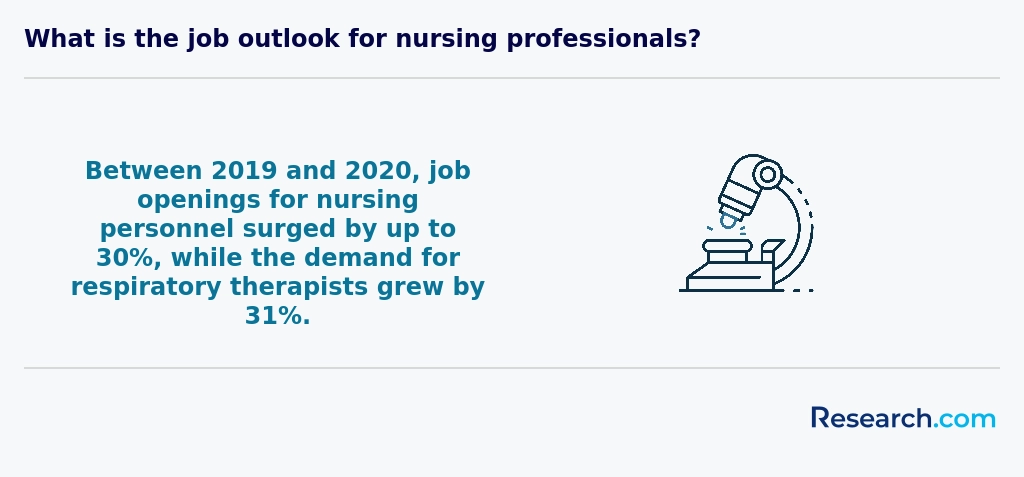
Healthcare degree employment opportunities abound because the state faces shortages in nursing staff and respiratory therapists, compounded by an aging workforce. Many graduates appreciate the competitive median wages, such as registered nurses earning around $75,000 annually, which helps offset education costs. These positive outcomes motivate students to pursue practical degrees tailored to regional needs.
Students considering accelerated paths might explore the top 6-month associate degree programs online available in Nevada. These programs offer a quick, efficient route into the workforce, ideal for those eager to start earning in the growing healthcare sector without delay.
Frequently Asked Questions About healthcare
Healthcare degree students in Nevada can maximize their learning by engaging in hands-on clinical experiences early in their studies. Nevada offers diverse clinical opportunities through partnerships with local hospitals like Renown Health and University Medical Center, enhancing practical skills. Combining classroom knowledge with real-world exposure helps students better understand patient care dynamics.
Additionally, students should take advantage of Nevada's growing telehealth initiatives, which expand access to remote healthcare delivery and prepare learners for modern healthcare challenges. Networking with professionals via Nevada's health associations provides valuable mentorship and job connections.
Lastly, staying informed with state workforce data, such as that from the Nevada Department of Health and Human Services, enables students to align their training with high-demand healthcare fields specific to Nevada's needs.
The healthcare industry in Nevada is evolving rapidly, with several emerging niches offering promising career opportunities. One of the fastest-growing areas is telehealth, especially following expansions in digital healthcare access driven by recent legislation and technological advances. Nevada's rural communities benefit significantly from these services, increasing demand for trained professionals.
Another niche gaining momentum is healthcare informatics, which combines healthcare and information technology to improve patient outcomes. Nevada's push for statewide electronic health records highlights the need for specialists in this field.
Additionally, geriatric care is expanding due to the state's aging population. According to the Nevada Department of Health and Human Services, the number of residents over 65 is projected to rise sharply, increasing demand for skilled healthcare workers in elder care and chronic disease management.
After completing a healthcare degree in Nevada, preparing for the job market involves several key steps. First, graduates should obtain relevant state licensure or certification, such as Nevada's nursing license or medical technician credentials, which are required for many roles. Nevada's healthcare sector is growing faster than the national average, partly due to population increases, so staying current on licensure is crucial.
Next, gaining practical experience through internships or clinical rotations is vital. Many Nevada employers value hands-on training provided by local hospitals and clinics, like those in Las Vegas and Reno.
Networking is also important. Joining professional associations such as the Nevada Nurses Association or attending healthcare job fairs can connect candidates with employers. According to the Nevada Department of Employment, Healthcare Practitioners and Technical Occupations are projected to grow by 21% through 2030, indicating strong job prospects.
Finally, tailoring resumes to highlight Nevada-specific experience and continuing education helps graduates stand out in the competitive market.
Employers in Nevada's healthcare sector prioritize a combination of technical and interpersonal skills when hiring graduates with healthcare degrees. Clinical competence, including proficiency in medical procedures and the use of healthcare technology, ranks highly. According to the Nevada Department of Health and Human Services, familiarity with electronic health records (EHR) systems is increasingly important.
Strong communication skills are essential, as healthcare workers must interact effectively with patients and multidisciplinary teams. Critical thinking and problem-solving abilities help professionals adapt to Nevada's diverse patient populations and evolving healthcare regulations. Additionally, cultural competency is valued due to the state's growing Hispanic and rural communities.
Time management and empathy also stand out as key traits that enhance patient care quality and workplace efficiency.
Finding internships in Nevada relevant to healthcare degrees involves targeted research and proactive outreach. Many Nevada hospitals and clinics, such as University Medical Center of Southern Nevada and Renown Health in Reno, offer formal internship programs. These internships allow students to gain hands-on experience in medical, nursing, and allied health fields. According to the Nevada Department of Health and Human Services, healthcare is among the fastest-growing sectors in the state, increasing internship opportunities.
Students should also consult career services at their colleges, which often maintain partnerships with local healthcare providers. Additionally, Nevada's workforce development centers provide resources and listings for healthcare internships suitable for degree-seekers. Networking through professional organizations like the Nevada Nurses Association can also lead to valuable placements.
Obtaining a healthcare degree in Nevada significantly enhances career mobility and opportunities for advancement. According to the Nevada Department of Employment, Training and Rehabilitation (DETR), the state expects a 16% growth in healthcare occupations through 2030, outpacing many other industries.
Healthcare degrees, such as nursing or allied health, provide essential credentials that meet Nevada's licensing requirements and open doors to higher-paying positions. Graduates often qualify for roles in hospitals, clinics, and specialized care facilities, which frequently offer promotional pathways to management or advanced clinical roles.
In Nevada, where demand for healthcare professionals is rising, degree holders experience lower unemployment rates and greater job stability compared to non-degree workers, reinforcing the degree's value in career progression.
Studying for a healthcare degree in Nevada offers strong preparation for interdisciplinary roles, reflecting the state's focus on integrated healthcare delivery. Nevada's healthcare programs emphasize collaboration among nurses, physicians, therapists, and other professionals through team-based learning and simulation labs. According to the Nevada Department of Health and Human Services, nearly 45% of healthcare jobs require cross-disciplinary skills.
Universities and colleges in Nevada often include coursework in communication, healthcare informatics, and ethics, supporting diverse care settings. Clinical rotations expose students to real-world interdisciplinary teams, fostering adaptability. This approach aligns with national trends promoting coordinated care to meet Nevada's growing healthcare demands, especially in urban and rural areas.
Choosing between a thesis and a non-thesis healthcare degree program in Nevada depends on your career goals and learning preferences. Thesis programs focus on research, requiring students to develop, conduct, and defend an original study, which is ideal for those planning academic or research careers.
Non-thesis programs emphasize practical skills through coursework and often internships, suiting students aiming directly for clinical or administrative roles. According to the Nevada System of Higher Education, healthcare fields in the state are growing rapidly, with a 14% job growth projected by 2030, highlighting the demand for both research and practical expertise.
Consider factors like time commitment, with thesis options typically taking longer, and your interest in research methods and analysis.
Students in Nevada interested in studying healthcare abroad have several options through partnerships between Nevada institutions and foreign universities. Programs often include clinical rotations or research placements in countries with advanced healthcare systems, enhancing practical experience. Many Nevada schools allow credits earned overseas to count toward degree completion, ensuring a streamlined educational path.
Popular destinations for healthcare study abroad include the United Kingdom, Ireland, and Australia, where students can gain exposure to diverse medical practices. The Nevada System of Higher Education (NSHE) supports exchange programs facilitating such international experiences.
Data from NSHE shows increasing participation in study abroad programs, especially in healthcare fields, reflecting growing interest in global health perspectives. Students should consult their advisors early to explore eligibility and visa requirements.
Students pursuing healthcare degrees in Nevada can benefit from various part-time job opportunities that enhance their education and practical skills. Common roles include medical assistants, certified nursing assistants (CNAs), and pharmacy technicians. These positions allow students to gain hands-on experience in clinical environments while earning income.
Nevada's healthcare sector is growing rapidly, with demand for healthcare workers expected to increase by over 20% by 2030, according to the Nevada Department of Employment, Training and Rehabilitation. Working part-time in healthcare settings helps students build essential patient care skills and understand healthcare operations.
Hospitals and clinics in urban centers like Las Vegas and Reno often offer flexible schedules ideal for students balancing coursework. Additionally, administrative roles in healthcare facilities provide experience in medical records and health information management, which is valuable for many healthcare degrees.
Nevada offers a variety of networking opportunities for healthcare students that enhance professional growth. Many colleges, such as the University of Nevada, Las Vegas (UNLV) and Nevada State College, host healthcare-focused clubs and student organizations. These groups connect students with peers and industry professionals.
Additionally, clinical rotations in Las Vegas and Reno provide hands-on experience and direct contact with healthcare practitioners. According to the Nevada Department of Health and Human Services, the state's expanding healthcare sector encourages partnerships between educational institutions and local hospitals.
Conferences and job fairs in Nevada's medical centers also help students build connections essential for future employment.
Alumni networks play a significant role in supporting healthcare degree students in Nevada. These networks offer valuable connections to experienced professionals working in Nevada's growing healthcare industry, which employs over 210,000 people statewide according to the Nevada Department of Employment, Training and Rehabilitation (DETR).
By engaging with alumni, students gain access to mentoring opportunities, internships, and job referrals, which can improve employment outcomes after graduation. Alumni often provide insights into Nevada's healthcare system nuances, helping students navigate licensing requirements and local regulations more effectively.
Additionally, alumni events foster community and collaboration among current students and graduates, encouraging lifelong professional development and networking.
In Nevada, customizing your healthcare degree program is possible through selecting specialized tracks, electives, and clinical experiences that align with your career goals. Many institutions offer degrees in nursing, healthcare administration, or public health with options to focus on areas like geriatrics, mental health, or healthcare informatics.
Students can often pursue internships or practicum placements in Nevada's growing healthcare sector, which employed over 130,000 professionals in 2022 according to the Nevada Department of Employment, Training and Rehabilitation. This hands-on training helps tailor your education to real-world skills employers want.
Additionally, online and hybrid course options enable flexible learning schedules, ideal for working professionals aiming to advance or shift their careers within Nevada's expanding healthcare industry.
Healthcare students in Nevada face several notable challenges during their education. One major issue is the high cost of tuition and related expenses. According to the Nevada System of Higher Education, average tuition for public institutions can reach over $8,000 per year, which places a financial strain on many students.
Additionally, clinical placement opportunities are limited by the state's relatively small number of hospitals and healthcare facilities, especially outside urban areas like Las Vegas and Reno. This shortage can lead to increased competition for practical experience.
Students also report managing rigorous coursework alongside part-time work, as over 40% of Nevada's college students work while attending classes, according to the National Center for Education Statistics. This balance often causes stress and impacts academic performance.
Finally, the evolving healthcare regulations and technology require constant adaptation, which can be overwhelming for students trying to stay current with industry standards.
With a healthcare degree in Nevada, numerous professional certifications can enhance your career prospects. Common options include Certified Nursing Assistant (CNA), Registered Nurse (RN), and Licensed Practical Nurse (LPN) credentials. These certifications are vital in Nevada's growing healthcare sector, where the Nevada Department of Health reports a 15% employment growth in nursing roles by 2030.
Other certifications include Medical Assistant (CMA), Phlebotomy Technician, and Health Information Technician, which align with administrative and clinical skills. Nevada also supports certifications like Certified Professional Coder (CPC), reflecting the state's expanding need for medical billing professionals.
Many Nevada institutions and boards require passing relevant national exams and state licensing to achieve these certifications.
Writing a winning application for a healthcare program in Nevada begins with thorough research of your chosen school's admission requirements. Most programs seek strong academic records, especially in biology, chemistry, and math. Many Nevada healthcare schools also require letters of recommendation and a personal statement. Your essay should clearly convey your passion for healthcare and your understanding of the state's specific needs, such as addressing Nevada's rural healthcare shortages, highlighted by the Nevada Rural Hospital Partners.
Students should emphasize any volunteer or work experience in healthcare settings, as practical exposure strengthens an application. Additionally, many programs expect applicants to demonstrate good communication skills and cultural sensitivity due to Nevada's diverse population, as reported by the Nevada Department of Health and Human Services. Meeting application deadlines and submitting all required documents on time is critical to avoid disqualification.
Global perspectives on a healthcare career highlight strong and growing demand for healthcare professionals worldwide, including the United States. In Nevada, the healthcare sector is projected to grow 20% from 2020 to 2030, according to the U.S. Bureau of Labor Statistics, faster than the national average. This growth aligns with broader international trends of aging populations and increased access to medical services.
The U.S. healthcare education system emphasizes both clinical skills and cultural competence, preparing graduates to work in diverse environments. Nevada institutions offer degrees that meet national accreditation standards, ensuring global relevance. Many healthcare careers provide opportunities for international collaboration, research, and practice, reflecting the interconnected nature of global health challenges.
Gaining practical experience while studying for a healthcare degree in Nevada is essential for career readiness. Many programs incorporate clinical rotations or internships as part of their curriculum, allowing students to work directly with patients under supervision. These opportunities often take place in hospitals, clinics, or long-term care facilities across the state.
Partner hospitals such as University Medical Center of Southern Nevada and Renown Health in Reno provide valuable hands-on training sites. Additionally, students can benefit from simulation labs, which replicate real healthcare scenarios for skill development without risk to patients.
The Nevada System of Higher Education supports experiential learning through programs aligned with industry needs, improving student employability. According to the Nevada Department of Health and Human Services, healthcare internships have increased by 15% over the past five years, reflecting growing opportunities for in-state students.
Choosing the right concentration within a healthcare degree program in Nevada involves understanding your interests, career goals, and regional job market trends. Healthcare fields like nursing, public health, and health information technology are among the fastest growing in Nevada. According to the Nevada Department of Employment, Nursing roles are projected to grow by 17% through 2030, higher than the national average.
Assess your passion for patient care versus administrative or technical roles. Research each concentration's curriculum and required certifications to match your strengths. Additionally, consider Nevada's healthcare industry needs, which often emphasize rural care and telehealth services, influencing demand for certain specializations.
Networking with local professionals and academic advisors can provide insight into practical outcomes and employment rates for specific concentrations.
Related Healthcare Rankings for Nearby States
- 2027 Most Popular Healthcare Degree Programs Ranking in California
- 2027 Most Popular Healthcare Degree Programs Ranking in Idaho
- 2027 Most Popular Healthcare Degree Programs Ranking in Arizona
- 2027 Most Popular Healthcare Degree Programs Ranking in Washington
- 2027 Most Popular Healthcare Degree Programs Ranking in Montana
- 2027 Most Popular Healthcare Degree Programs Ranking in Colorado
- 2027 Most Popular Healthcare Degree Programs Ranking in New Mexico
- 2027 Most Popular Healthcare Degree Programs Ranking in Nebraska
- 2027 Most Popular Healthcare Degree Programs Ranking in Kansas
- 2027 Most Popular Healthcare Degree Programs Ranking in Minnesota
Top Trending Healthcare Rankings
See What Experts Have To Say About Studying Healthcare
Read our interview with Healthcare experts

References
- Global Health Perspectives https://globalhealthperspectives.com/
- Individual, Family & Medicare: Explore Nevada Health Plans https://selecthealth.org/nevada
- Course Benefits https://www.premedprojects.co.uk/hospital-work-experience-benefits
- Create a Better Life at Nevada Career Institute https://nevadacareerinstitute.com/programs/
- Niche Markets in Healthcare: How to Find & Target https://nechayadvisors.com/blog/niche-markets-in-healthcare
- Health Sciences Program Requirements https://www.csn.edu/health-sciences-program-requirements
- HEALTH MANAGEMENT (THESIS / NON-THESIS) - Lisansüstü Eğitim Enstitüsü https://lee.nisantasi.edu.tr/en/health-management-thesis-non-thesis/
- Careers https://www.nevadahealthcenters.org/careers/
- Healthcare Careers & Accredited Degree Programs https://www.healthcaredegree.com/
- Vocational Training & Higher Education - NVHealthForce https://www.nvhealthforce.org/resources/vocational-training-higher-education/


