2027 Can You Get Into an MSN Program With a Low GPA?

Co-Founder and Chief Data Scientist
Facing a sub-3.0 GPA from undergraduate nursing studies often feels like a dead-end for registered nurses aiming to enter msn programs, where admissions standards remain steep despite growing workforce demands. Yet, a 2024 National Center for Education Statistics report shows a 15% rise in enrollment for flexibly designed online msn programs, signaling shifting criteria that can accommodate nontraditional applicants. This shift reflects employers' increasing emphasis on clinical experience and ongoing certification rather than solely cumulative academic performance. Understanding which programs value these factors and how to strategically position one's application can determine access and timing for career advancement. This article evaluates realistic pathways to gain acceptance into msn programs with low gpas, providing guidance on admissions policies, program types, and actionable steps to maximize prospects within these evolving educational landscapes.
Key Things You Should Know
- A 2024 NCES report shows 22% of accredited MSN programs accept candidates with GPAs below 3.0, emphasizing tradeoffs between extended prerequisites and higher overall program costs due to remedial coursework requirements.
- Employers surveyed by NSI Nursing Trends in 2025 increasingly value clinical experience and certifications over GPA, affecting admission's indirect influence on job placement and salary progression within advanced nursing roles.
- Delayed entry caused by lower GPA remediation correlates with an average 14-month post-bachelor's completion lag, impacting lifetime earnings potential by roughly 8%, according to the Bureau of Labor Statistics 2024 data.
Can you get into an MSN program with a low undergraduate GPA?
Admission to an msn program with a low undergraduate GPA remains viable when applicants strategically offset academic shortcomings with tangible professional credentials. Data shows nearly 30% of BSN-to-msn admissions accept applicants with GPAs under 3.0, indicating that strict GPA thresholds are not universal barriers. Candidates who demonstrate substantive clinical experience, leadership, or certifications often compensate effectively during selection.
For those navigating how to get accepted into msn programs despite a low GPA, the tradeoffs become clear: many less competitive programs may offer fewer career resources or weaker employer networks, potentially influencing long-term job placement and salary growth. Some states also impose grade minimums in essential nursing courses that impact licensure eligibility beyond overall GPA measures.
Admissions committees may emphasize recent coursework or post-baccalaureate performance over cumulative GPA, which rewards demonstrated current competence. Additional application components like prerequisite classes, entrance exams, and interviews testing clinical judgment or communication skills further complicate this pathway.
Strong letters of recommendation attesting to practical skills are critical in bolstering applications. A pragmatic approach blends these elements and a focused selection of programs known for flexibility.
Those with lower GPAs might also explore ASN programs online as an alternative route or stepping stone to an msn degree.
What are the typical GPA and prerequisite requirements for MSN programs?
A minimum cumulative GPA of 3.0 typically forms the baseline for msn program eligibility, but rigid adherence to this standard overlooks the nuanced role of prerequisite courses. Employers and admissions committees weigh foundational coursework in anatomy, physiology, microbiology, and statistics as heavily as overall GPA because these subjects directly impact clinical performance and critical thinking in advanced practice roles. For example, Johns Hopkins' msn Entry into Nursing Practice program demands a 3.0 GPA alongside a non-nursing bachelor's degree, signaling that breadth of prerequisite knowledge may offset narrower academic deficiencies.
Applicants with GPA slightly under 3.0 but strong prerequisite grades and relevant healthcare experience may gain acceptance, whereas those lacking these core courses face delays or denial, emphasizing workforce expectations for immediate competency in key sciences. Targeting programs with flexible prerequisite policies or conditional admission exacerbates the tradeoff between academic rigor and practical access for working nurses pivoting to msn roles.
Considering the typical gpa requirements for msn programs alongside prerequisite courses needed for msn admission clarifies the strategic importance of early course mastery over mere numeric thresholds. Those seeking tailored options might also explore nursing programs no TEAS required, which sometimes offer greater flexibility in admission pathways.
Ultimately, strict but pragmatic GPA and prerequisite criteria reflect an operational reality: ensuring candidates are prepared not only academically but for the technical and critical demands of msn-level clinical roles.
How do holistic admissions and conditional acceptance work for MSN applicants?
MSN programs using a holistic admissions process for msn applicants evaluate candidates beyond GPA, incorporating clinical experience, leadership, recommendations, and personal statements. Given that top programs typically admit students averaging a 3.7 GPA, applicants with lower GPAs must rely on demonstrated professional growth and relevant skills to remain competitive. For instance, a nurse with a 3.2 GPA but significant oncology experience and leadership in quality improvement can offset academic shortcomings by showing practical expertise.
Conditional acceptance criteria for msn programs offer an alternative path for borderline candidates, granting provisional admission contingent on meeting academic benchmarks or completing prerequisite coursework. This pathway introduces pressure and risk: failure to meet conditions such as maintaining a 3.0 GPA may result in dismissal without credit, adversely affecting licensure timelines and employer perceptions.
Applicants with low GPAs aiming to improve acceptance odds should:
- Emphasize certifications and specialized clinical roles that validate expertise beyond grades
- Obtain strong, detailed recommendations from supervisors familiar with their professional competence
- Address academic weaknesses transparently in personal statements, outlining corrective measures
- Investigate programs offering conditional acceptance, clarifying their precise academic requirements and timelines
Understanding these criteria and admissions structures is crucial for managing practical risks and aligning educational choices with workforce expectations. Students evaluating nursing advanced degrees may also benefit from resources like Capella university vs WGU RN to BSN for comparative insight into alternative pathways.
What strategies can help strengthen an MSN application with a low GPA?
Low GPA applicants must strategize beyond grades, using clinical experience and relevant healthcare roles as primary evidence of ability. These practical credentials often outweigh GPA in employer assessments and strengthen how to strengthen MSN school application. Certifications recognized by credentialing bodies such as the American Nurses Credentialing Center also demonstrate ongoing skill development, partly mitigating academic shortcomings.
Personal statements and recommendations should confront academic weaknesses head-on while emphasizing problem-solving abilities and professional growth under pressure. Admissions committees favor applicants showing accountability and clear plans for success in demanding programs.
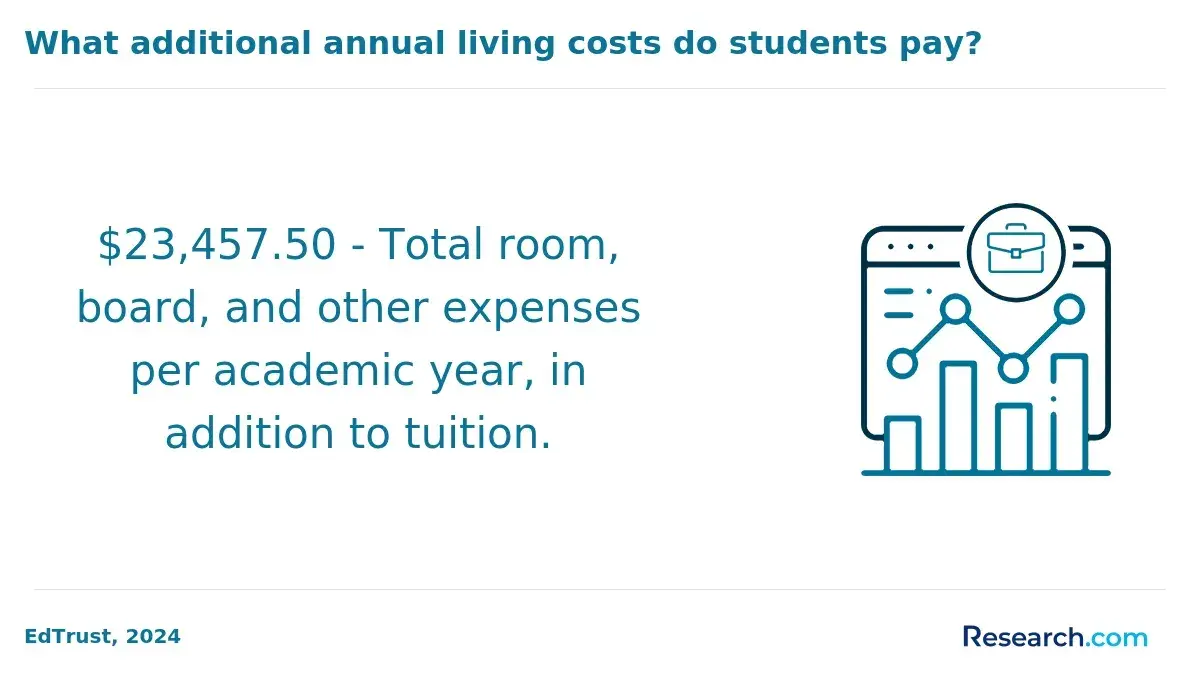
Choosing programs with holistic admissions or conditional acceptance tied to prerequisite performance increases chances, especially when combined with standardized tests like the GRE to offset GPA issues. Financially, prospective students benefit from analyzing net costs critically; average tuition hovers around $19,000 annually pre-aid, but scholarships, employer tuition reimbursement, or federal aid can reduce the net price to about $9,600. This is vital because extended program durations or course repeats add substantial cost.
In specialized fields like nurse informatics, demonstrated clinical and technical expertise can outweigh GPA more than in other areas. Building a portfolio focused on relevant experience, certifications, and a detailed financial plan aligns with practical employer expectations and improves outcomes. For applicants considering advanced options, exploring accelerated DNP programs online may also offer efficient progression post-MSN.
Do online MSN programs treat low GPAs differently than campus-based programs?
Low GPAs do not automatically disqualify applicants from nurse practitioner MSN programs, but they impose substantial practical barriers. Both online and campus-based programs uphold rigorous standards driven by accreditation and employer demands. However, online programs typically incorporate a more holistic admissions process that weighs clinical experience, certifications, and personal statements alongside GPA. This can provide conditional admission pathways not as commonly available in campus programs, which tend to emphasize traditional academic metrics for cohort cohesion and faculty assessments.
For example, a nurse with a 2.8 GPA and five years of emergency care experience may gain provisional admission to an online MSN program with bridge coursework, while a recent graduate with a similar GPA but minimal experience faces comparable challenges in both formats. Programs require evidence that candidates can complete graduate-level work without remedial delays, as workforce entry at the reported mean starting salary of $94,160 for MSN graduates relies on timely program completion.
Applicants with low GPAs should proactively pursue supplemental academic qualifications and professional development, recognizing that online formats offer slightly more adaptable pathways but do not reduce core academic expectations. Investigating each program's specific admissions policies and support mechanisms is critical for realistic planning.
How does nursing school accreditation affect MSN admission and future licensure?
Accreditation is a gatekeeper for msn admission and subsequent licensure, effectively shaping who qualifies for advanced nursing roles. Graduates from non-accredited programs often encounter barriers such as state exam ineligibility and limited employer recognition, regardless of academic performance. Hospitals and clinical employers consistently favor candidates with credentials from accredited programs because these signal adherence to vetted educational standards.
For applicants with lower GPAs, the accreditation factor compounds challenges but can also open pathways when programs apply holistic review methods. For instance, National University considers candidates with GPAs between 2.5 and 2.99 individually, offering an alternative to rigid cutoff rules. This flexibility can be decisive for those whose academic records do not fully reflect their clinical aptitude or potential.
Choosing accredited programs with adaptable admission policies mitigates risks of licensure delays or credential rejection, which frequently affect careers targeting nurse practitioner or leadership tracks. Conversely, students from unaccredited or inflexible programs may face costly re-education or restricted employment opportunities in specialized settings.
Prospective students should verify accreditation status using the U.S. Department of Education's database and assess if programs accommodate lower GPAs through holistic admissions. Prioritizing these factors offers a pragmatic route to progressing in nursing without jeopardizing time or financial investment.
Can professional RN experience and certifications offset a low GPA for MSN admission?
Clinical experience and certifications provide limited leverage against a below-average GPA when applying to an msn program. While admissions value demonstrated practical skill and specialty credentials, most programs enforce a minimum GPA threshold-commonly around 3.0-to ensure academic readiness. Applicants with lower GPAs often must supplement with additional coursework or bridge programs to qualify.
Consider an RN with a 2.8 GPA and five years of critical care experience plus CCRN certification. Such a candidate might secure conditional admission contingent on completing graduate-level prerequisites successfully, balancing clinical proficiency against academic gaps. This approach reflects admissions' prioritization of foundational knowledge despite practical qualifications.
Certifications aligned with the target msn specialty enhance an applicant's profile more than unrelated credentials; they signal relevant preparedness but rarely override GPA requirements. In practice, compensating for low GPA via experience entails logistical and financial tradeoffs:
- Extra courses mean higher tuition costs-e.g., University of Maryland's $926 in-state and $1,643 out-of-state per credit hour rates exemplify potential economic strain.
- Employers expect candidates to meet baseline academic standards, so persistent academic deficiencies may hinder employment prospects and limit long-term professional growth.
Prospective applicants should carefully weigh these factors against their career objectives and financial capacity before relying on clinical experience and certifications to offset academic shortcomings.
What are common MSN program formats, lengths, and costs for applicants to compare?
Choosing an msn program requires balancing time, cost, and the relevance of hands-on clinical experience, which employers increasingly prioritize. Full-time tracks generally compress degree completion into 18 to 24 months but create short-term financial strain. In contrast, part-time and online formats, extending up to three years, provide working professionals with necessary flexibility but may delay advancement into senior roles.
The credit load ranges typically from 30 to 50 hours, varying by specialization-clinical-focused paths demand more patient-facing hours, while educator tracks emphasize theoretical knowledge. For instance, a clinical nurse leader program will require significantly more direct practice than a nurse educator route.
Cost structures differ widely: some programs charge by credit hour, others by annual tuition. A noted Nebraska program charges about $27,236 per year for flexible online and part-time options, exemplifying the broad financial diversity prospective students must assess. Beyond tuition, geographic residence and total program length critically affect overall expenses.
When deciding, students should consider these tradeoffs:
- Faster completion may increase immediate debt but accelerates credential use in the job market
- Part-time schedules reduce financial pressure but can extend time before roles with higher compensation
- Hybrid programs offer a compromise between in-person training and scheduling flexibility
Successfully completing an msn without interruptions influences employability, with clinical hours often weighted heavily alongside the degree format. Planning around these realities is essential for making an informed, strategic investment in advanced nursing education.
What career paths, salaries, and job outlook can MSN graduates expect?
Nurse practitioner roles funded by an msn carry a median salary near $120,000 annually, while nurse anesthetists earn significantly more, around $195,000. These positions reflect distinct workforce demands; nurse educators, for example, average closer to $85,000, illustrating how specialization affects financial outcomes. The projected 40% job growth for advanced practice nurses highlights a sector expanding well beyond average rates due to provider shortages and increasing care needs.
Geographic and regulatory contexts materially impact compensation and practice scope. Rural nurse practitioners often obtain higher pay and wider authority because of fewer local providers, but this comes with stricter licensure requirements involving clinical hours and national certification exams that extend time-to-practice post-graduation.
Online msn programs, typically costing about $11,000 annually, can be economically justified when offset against future earnings gains. Nonetheless, applicants with lower undergraduate GPAs face competitive admissions and may need prerequisite work or experience, which can delay entry and add costs beyond tuition.
Success in advanced nursing often hinges on acquiring practical experience through clinical internships and professional networking, which can alleviate academic shortcomings and help align training with local employer demand. Strategically selecting programs according to regional market needs can enhance employment prospects and salary potential over time.
How can applicants evaluate and choose reputable MSN programs with flexible admission criteria?
Evaluating msn programs with flexible admission criteria requires weighing the tradeoffs between accessibility and program rigor, particularly as it relates to workforce readiness. Programs that emphasize holistic admission reviews-rather than strict minimum GPAs-can better accommodate candidates with diverse academic and professional backgrounds. For instance, the University of Maryland's msn program sets a 3.0 overall GPA and a 3.0 science prerequisite GPA, acknowledging that subject-specific performance and experience may balance a lower cumulative GPA. This model allows nurses who possess strong science foundations or relevant work experience to stay competitive without penalizing weaker overall grades.
The practical implications for prospective students include understanding that admission flexibility often corresponds with variable program demands and outcomes. Candidates should:
- Investigate admissions policies beyond GPA, focusing on essays, recommendations, and professional accomplishments.
- Communicate directly with admissions advisors to clarify how nontraditional candidates fit into the evaluation process.
- Prioritize programs accredited by recognized agencies and listed in Department of Education databases that explicitly incorporate holistic metrics.
- Analyze graduation rates, licensure pass rates, and employment data to assess whether greater entrance flexibility impacts ultimate career success.
- Consider program delivery modes like part-time or online formats that typically align better with working professionals and may have adaptable entry requirements.
A registered nurse seeking to advance into specialized roles should balance admission accessibility against the depth of clinical training and program reputation, ensuring that admission choices do not compromise long-term employability within evolving healthcare environments.
Other Things You Should Know About MSN
Accelerated msn programs demand intense time commitment and rigorous coursework, which can be overwhelming for students who struggled academically before. While these programs may offer conditional admission for low gpa applicants, the fast pace leaves little room for remediation or academic recovery. Students should prioritize programs with more flexible pacing and academic support to better manage workload and improve success chances rather than choosing acceleration based solely on timeline.
Common prerequisite courses for MSN programs in 2027 include anatomy, physiology, microbiology, statistics, and chemistry. These foundational subjects prepare students academically to succeed in advanced nursing studies, regardless of their undergraduate GPA. Always check specific program requirements for variations.
Yes. Some MSN programs still accept GRE results as additional evidence of academic readiness, especially when the GPA is below 3.0. A competitive score, plus recent A or B grades in prerequisite courses, can strengthen an application for admissions committees.
Yes, volunteer experience can enhance MSN program applications for students with a low GPA. In 2027, admissions committees often value practical experience and community involvement as indicators of a candidate's commitment and real-world skills, potentially offsetting academic shortcomings.
References
- Everything You Need to Know About Master’s of Nursing https://www.allnursingschools.com/msn/
- CCNE Accreditation https://www.aacnnursing.org/ccne-accreditation
- How Long Does It Take to Get a Master’s in Nursing (MSN) | USAHS https://www.usa.edu/blog/how-long-does-it-take-to-get-a-masters-in-nursing/
- Salary Expectations for MSN Graduates: What to Expect? https://amazingworkplaces.co/salary-expectations-for-msn-graduates-what-to-expect/
- Direct-Entry Master’s in Nursing (MSN) Programs https://nursinglicensemap.com/nursing-degrees/masters-in-nursing/direct-entry-programs/
- How To Become a Nurse With a Low GPA | NursingEducation https://nursingeducation.org/resources/how-to-become-nurse-with-low-gpa/
- Nursing School GPA Requirements by Program (2025) https://gpacalculator.uk/resources/nursing-school-gpa-requirements
- Charting the Cost of Nursing School: Financing Your MS in Nursing https://learn.neumann.edu/neuperspectives/charting-the-cost-of-nursing-school-financing-your-ms-in-nursing
- Online MSN Program | WCU https://westcoastuniversity.edu/online-programs/msn
- Beyond GPA: Holistic Admissions | Campaign for Action https://campaignforaction.org/beyond-gpa-holistic-admissions/