
2027 Most Popular Healthcare Degree Programs Ranking in East Lansing

Co-Founder and Chief Data Scientist
Choosing the right healthcare degree program in East Lansing is an exciting step toward a rewarding career. This article features the 2027 Most Popular Healthcare Degree Programs Ranking in East Lansing, developed by the Research.com team of data scientists. It's designed to help you make an informed choice by highlighting programs that stand out in quality and popularity.
By exploring this ranking, you'll gain valuable insights that can guide your education path and future opportunities. A healthcare degree opens doors to meaningful work that impacts lives every day, making your journey both fulfilling and inspiring.
Key benefits of getting healthcare degree in East Lansing
- Salary for healthcare degree graduates: Graduates in East Lansing can expect competitive salaries, such as a Medical Assistant earning around $43,350 annually and a Quality Improvement Coordinator making over $103,000 a year, offering strong financial stability.
- Career paths: A healthcare degree from a popular East Lansing college opens doors to roles like Clinical Research Coordinator, Patient Care Technician, or Health Information Technician, providing diverse and rewarding job options.
- Online degree benefits: Completing a healthcare degree online in East Lansing offers flexibility and convenience, allowing students to balance study with personal commitments while still accessing quality education and career support.
- Key benefits of getting healthcare degree in East Lansing
- What can I expect from healthcare degree in East Lansing?
- Where can I work with healthcare degree in East Lansing?
- How much can I make with healthcare degree in East Lansing?
- 2027 Most Popular Healthcare Degree Programs Ranking in East Lansing
- Key Findings
- How long does it take to complete healthcare degree in East Lansing?
- Emerging Trends in Healthcare Education and Innovation
- What's the difference between online and on-campus healthcare degree?
- Certification and Licensing Requirements for Healthcare Graduates in East Lansing, MI
- What is the average cost of healthcare degree in East Lansing?
- Emerging Trends in Healthcare Education and Career Opportunities
- What financial aid is available to healthcare degree students in East Lansing?
- Affordable Entry-Level Healthcare Pathways
- What are the prerequisites for enrolling in healthcare degree program in East Lansing?
- Accreditation and Licensure: Ensuring Quality and Compliance
- What courses are typically in healthcare degree programs in East Lansing?
- What types of specializations are available in healthcare degree programs in East Lansing?
- How do you choose the best healthcare degree in East Lansing?
- What career paths are available for healthcare degree students in East Lansing?
- What is the job market for healthcare degree in East Lansing?
- Top Trending Healthcare Rankings
- See What Experts Have To Say About Studying Healthcare
What can I expect from healthcare degree in East Lansing?
The average cost of a healthcare degree in East Lansing at Michigan State University ranges from about $16,000 to $20,000 per year for in-state undergraduate students. Many graduates recall feeling that this tuition was a worthwhile investment given the extensive hands-on clinical experience they gained early in their programs. For instance, during a Bachelor of Science in Nursing (BSN), students actively participate in simulation labs and clinical rotations at local hospitals such as Sparrow Hospital, allowing immediate application of theoretical knowledge.
Financial aid and scholarships aimed specifically at healthcare students help ease the financial burden. Graduates often highlight how these resources made pursuing their degrees more accessible and helped them focus on mastering complex skills without excessive worry about expenses.
Choosing a program at MSU means engaging in innovative research opportunities alongside clinical training, making the tuition a gateway to a rich, practical education preparing students for a thriving healthcare job market in the Lansing area.
Where can I work with healthcare degree in East Lansing?
Graduates from healthcare programs in East Lansing often find rewarding roles at prominent local employers like McLaren Greater Lansing hospital, where registered nurses and medical technologists are in high demand. Many students from Michigan State University's College of Human Medicine and College of Nursing benefit from established partnerships with nearby clinics and research centers, which help secure positions as physician assistants, nurse practitioners, or clinical researchers. These real-world connections make it easier to transition from classroom learning to impactful healthcare roles.
Beyond hospitals, graduates frequently work in outpatient care centers and private practices, taking on roles such as physical therapist assistants, medical assistants, or occupational therapy aides. Those interested in public health often join community programs or organizations like the Ingham County Health Department, contributing to wellness and disease prevention efforts, which brings a strong sense of purpose and community impact.
Graduates with interests in healthcare administration, billing, or health informatics also find expanding opportunities as East Lansing grows as a healthcare hub. Real experiences show that combining specialized skills with local networks boosts job prospects and offers fulfilling career paths.
How much can I make with healthcare degree in East Lansing?
Graduates with healthcare degrees from institutions like Michigan State University in East Lansing typically find strong earning potential immediately after completing their programs. For example, medical assistants, a common entry-level role, earn an average annual salary of about $43,350, while patient care technicians can expect around $60,790 per year, reflecting demand in local healthcare settings.
Those pursuing roles such as health information technicians also earn around $43,380, providing a well-rounded career start with room for advancement. Meanwhile, quality improvement coordinators, who often build their expertise further, report annual salaries averaging $103,150-a significant step up that showcases the benefits of specializing or pursuing additional certifications.
Graduates often share that their education at prominent East Lansing institutions opened doors to rewarding healthcare careers with competitive pay. Many find that hands-on experience through internships or clinical rotations within local hospitals like McLaren Greater Lansing boosts both their skills and salary prospects, making their degree investment worthwhile.
2027 Most Popular Healthcare Degree Programs Ranking in East Lansing
How do we rank schools?
Investing in your education is a significant decision that can shape your future, and the Research.com team understands the importance of making informed choices. To assist prospective students in East Lansing, we have meticulously crafted the "2027 Most Popular Healthcare Degree Programs Ranking in East Lansing." Our commitment to quality, credibility, and accuracy is reflected in the extensive research and analysis conducted to compile this ranking.
We utilized the following reputable data sources to ensure a comprehensive evaluation of healthcare programs:
By exploring this ranking, readers will gain valuable insights into the most popular healthcare degree programs available in East Lansing, helping them make informed decisions tailored to their career goals. For more details on how this ranking was created, please visit our Research.com methodology page.

Key Findings
- Michigan State University offers a variety of healthcare programs including nursing and health administration.
- Annual tuition for in-state students ranges from $16,000 to $18,000, while out-of-state students pay about $40,000.
- Healthcare jobs in East Lansing are expected to grow faster than the national average over the next decade.
- Starting salaries for healthcare graduates range from $55,000 in health administration to $60,000 for nursing.
- Experienced healthcare professionals can earn between $75,000 and $90,000 within five to ten years after graduation.
- Students benefit from internships and practical experience through partnerships with local healthcare providers.
How long does it take to complete healthcare degree in East Lansing?
Completing a healthcare degree in East Lansing varies by program, but most students find clear paths depending on their goals. Graduates from Michigan State University, a popular choice locally, often complete a Bachelor of Science in Nursing or Health Sciences in four years of full-time study. Many appreciate this structured timeline, which balances coursework with clinical practice effectively.
For those seeking quicker entry into the workforce, community colleges nearby offer associate degrees in nursing or medical assisting that typically take about two years. Graduates mention feeling empowered by this fast-track option, enabling them to start earning and gaining experience sooner.
Advanced degrees, such as a Master of Science in Nursing or Public Health at East Lansing institutions, usually require an additional two years post-bachelor's. Doctoral programs can extend from three to six years, where graduates highlight the rewarding challenge of in-depth research combined with clinical training.
Many students take advantage of accelerated bachelor's programs offered locally, completing their degrees in about three years. These intensive tracks demand commitment but bring excitement through earlier workforce entry and hands-on experience.
Emerging Trends in Healthcare Education and Innovation
The landscape of healthcare education is rapidly evolving, influenced by technological advancements, interdisciplinary research, and a growing focus on holistic care. Prospective students can benefit from understanding how these trends are integrated into today's curricula. For instance, many institutions are now incorporating telemedicine practices, digital health tools, and artificial intelligence into their coursework, ensuring graduates are well-prepared to face modern challenges in patient care and healthcare management. Additionally, the growing emphasis on integrative and preventative care has boosted interest in fields like nutrition and wellness. Exploring the ranking of the best nutrition programs online can offer valuable insights into how innovative education models are shaping this segment. By staying informed about these emerging trends, students not only align their career goals with industry demands but also gain a competitive edge in a dynamic healthcare environment. Moreover, industry experts emphasize the importance of continuous learning through professional certifications and specialized courses, highlighting that adaptability and a commitment to lifelong learning are crucial for long-term success.
What's the difference between online and on-campus healthcare degree?
Choosing between online and on-campus healthcare degrees in East Lansing depends largely on your lifestyle and learning preferences. Graduates from Michigan State University's on-campus programs often praise their hands-on experience in well-equipped labs and local healthcare facilities, which builds confidence in clinical skills and patient care. They describe the structured schedule as helpful for maintaining focus and maximizing face-to-face support from faculty and peers.
On the other hand, online learners appreciate the flexibility to balance work and family while progressing through coursework at their own pace. Many find local clinical placements arranged near East Lansing convenient, though they emphasize the importance of self-discipline and proactive communication to succeed without daily campus interactions. Both routes meet rigorous accreditation standards, but deciding comes down to whether you prefer immersive campus life or adaptable study that fits a busy schedule.
Certification and Licensing Requirements for Healthcare Graduates in East Lansing, MI
Upon completing a healthcare degree in East Lansing, MI, graduates must navigate state and national certification processes to qualify for professional practice. For registered nurses, passing the NCLEX-RN exam and obtaining licensure through the Michigan Board of Nursing is mandatory; candidates should allow at least 4–6 weeks for background checks and application processing. Health Information Technicians often pursue the RHIT or RHIA credential from the American Health Information Management Association (AHIMA), which requires a degree from a CAHIIM-accredited program and successful completion of the national certification exam. Medical assistants may seek the CMA (AAMA) or RMA (AMT) certification, both of which improve employability in clinical settings. Beyond entry-level credentials, many healthcare professionals in Michigan explore advanced or specialized certifications-such as the Certified Health Education Specialist (CHES) for public health roles or the Certified Professional in Healthcare Quality (CPHQ) for quality management positions-to enhance career prospects. Employers frequently look for evidence of ongoing professional development, so graduates are encouraged to attend workshops, join state health associations, and fulfill continuing education unit (CEU) requirements. Those weighing the cost and format of certification exam preparation might find online review courses align with their schedules; for additional affordable options, consider our Inexpensive Online Healthcare Degree Programs Ranking in Texas. By understanding licensure timelines, exam prerequisites, and maintenance requirements, East Lansing graduates can ensure a seamless transition from academic programs to regulated healthcare practice.
What is the average cost of healthcare degree in East Lansing?
The average total cost for earning a healthcare degree in East Lansing is approximately $57,786. This figure represents the overall expenses, including tuition, fees, and other associated costs. For in-state students attending Michigan State University or similar local institutions, the total cost typically amounts to around $16,458, making it a more affordable option for residents. Graduates often share how managing these expenses alongside clinical placements helped them develop strong organizational skills and personal budgeting habits, contributing positively to their overall experience.
Many students find that understanding the total cost healthcare programs East Lansing allows helps them plan effectively. Tuition alone can vary greatly, but when combined with housing, books, and transportation, the financial commitment is significant. East Lansing students benefit from financial aid, scholarships, or grants, which can substantially reduce these costs, making healthcare degrees more accessible.
Students pursuing specialized programs such as nursing, public health, or healthcare administration often encounter higher tuition rates. To ease financial burdens, some consider exploring options like nurse practitioner degrees kansas financial aid resources as a strategy to fund their education and avoid excessive debt.
Emerging Trends in Healthcare Education and Career Opportunities
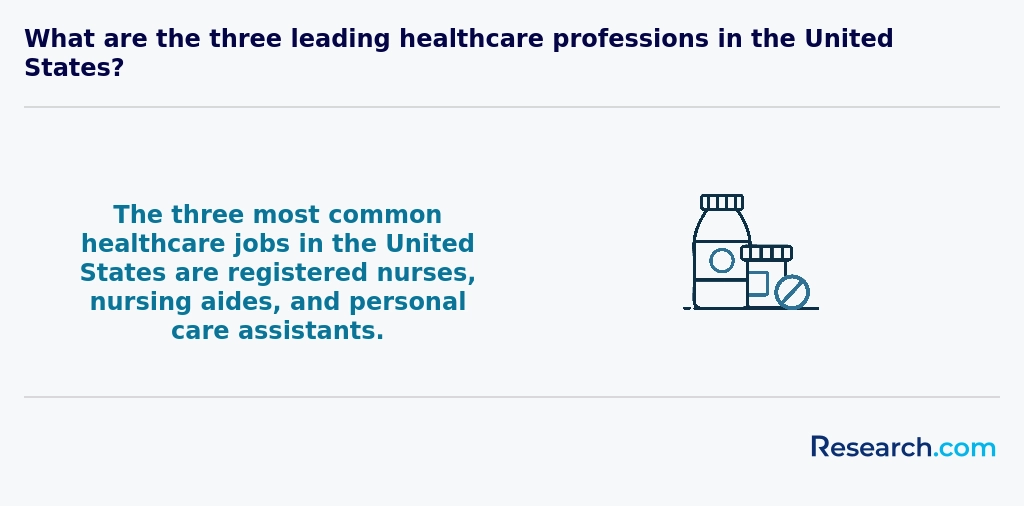
Staying informed about future industry trends is essential for any student pursuing a Healthcare degree in East Lansing, MI. As technology rapidly reshapes the landscape, programs are evolving to include advanced coursework in telemedicine, artificial intelligence, and data analytics-skills that will be invaluable in tomorrow’s healthcare sector. By aligning your education with these emerging trends, you not only gain a competitive edge but also prepare for innovative roles that may not yet exist. Many modern programs now offer interdisciplinary modules that integrate clinical instruction with cutting-edge research, preparing graduates for a workforce that is increasingly tech-driven and patient-focused. For instance, exploring courses from a popular healthcare school can provide insights into sustainable practices and advanced methodologies currently shaping the industry. Additionally, as digital health tools become more prevalent, there is a growing emphasis on skills such as remote patient monitoring, mobile health applications, and cybersecurity in healthcare. Graduates who are well-versed in these areas are positioned to lead transformative change, making a significant impact on patient outcomes and healthcare innovation. By keeping an eye on these trends and choosing programs that continuously update their curriculum, prospective students can ensure their education remains relevant and future-proof, helping them navigate the evolving landscape of healthcare with confidence and expertise.
What financial aid is available to healthcare degree students in East Lansing?
Students pursuing healthcare degrees in East Lansing often rely on federal aid programs like Pell Grants and federal student loans to make education affordable. Graduates from Michigan State University's College of Human Medicine frequently share how Pell Grants helped ease financial stress, allowing them to focus on studies without worrying about immediate loan repayment. Federal loans bring flexible repayment options, designed to adapt as new healthcare professionals begin their careers.
Many students also benefit from merit-based scholarships offered by local universities. These awards recognize academic achievement and community service, reducing tuition costs substantially. State aid programs, such as the Michigan Competitive Scholarship, encourage healthcare students to stay and work in Michigan after graduation, which many East Lansing graduates find motivating and rewarding.
Additionally, employer-sponsored tuition assistance is common among those already working in healthcare fields. Hospitals and clinics near East Lansing often provide reimbursement or loan forgiveness, supporting continuous education without financial burden. Private scholarships from organizations like the American Association of Colleges of Nursing also offer valuable funding opportunities, helping students pursue their goals with confidence.
Affordable Entry-Level Healthcare Pathways
Beyond traditional degree programs, certificate and diploma options offer a faster, budget-friendly route into healthcare careers in East Lansing. Accelerated medical assistant programs equip students with clinical and administrative skills-such as phlebotomy, electronic health records management, and patient communication-in as little as 9–12 months. Many online and on-campus options provide flexible scheduling and reduced tuition fees. For a comprehensive guide to low-cost training, check out our curated list of cheap medical assistant programs, featuring accredited schools that qualify for federal financial aid. Graduates often earn nationally recognized credentials like the Certified Medical Assistant (CMA) certification, making them competitive candidates for entry-level roles in hospitals, clinics, and specialty practices. This affordable pathway not only accelerates workforce entry but also lays the groundwork for future advancement into healthcare administration, health informatics, or advanced nursing with additional education.
What are the prerequisites for enrolling in healthcare degree program in East Lansing?
To enroll in a healthcare degree program in East Lansing, you need a solid academic foundation. Graduates from Michigan State University often recall how completing a high school diploma or GED was just the first step. Courses in biology, chemistry, and math provided them with the essential knowledge to succeed in rigorous healthcare classes.
Standardized tests like the ACT or SAT are typically required, though some programs have test-optional policies. For nursing or physician assistant degrees, the TEAS exam may also be necessary. This testing ensures you're prepared for the demands of healthcare study.
Many students emphasize how gaining hands-on experience through volunteering or internships in local clinics or hospitals helped solidify their commitment and made their applications stand out. These practical experiences offer a clearer understanding of patient care environments and demonstrate genuine dedication.
Lastly, personal statements and recommendation letters are key to showcasing your motivation and readiness for a healthcare career in East Lansing's competitive programs. Preparing these thoughtfully can make a real difference in admissions.

Accreditation and Licensure: Ensuring Quality and Compliance
Healthcare degree programs in East Lansing, MI, must hold accreditation from recognized bodies-such as the Commission on Collegiate Nursing Education (CCNE), the Accreditation Council for Pharmacy Education (ACPE), or the Commission on Accreditation of Allied Health Education Programs (CAAHEP)-to guarantee that curricula meet rigorous industry standards. Accreditation not only validates academic quality but also ensures eligibility for federal financial aid and state licensure exams. Upon graduation, students planning to become registered nurses must pass the NCLEX-RN through the Michigan Board of Nursing, while respiratory therapists pursue the Therapist Multiple-Choice (TMC) exam administered by the National Board for Respiratory Care (NBRC). Prospective health information technicians should prepare for the Certified Professional Coder (CPC) or Registered Health Information Technician (RHIT) exams, accredited by AHIMA. Licensure pass rates are a critical metric of program success; top East Lansing institutions consistently report NCLEX-RN pass rates above the state average of 87%. Before applying, verify each program’s published licensure outcomes and clinical placement affiliations with local hospitals, which can directly impact hands-on training quality. For students seeking comparative tuition data, explore our Inexpensive Online Healthcare Degree Programs Ranking in Texas to gauge cost-effectiveness alongside accreditation standards.
What courses are typically in healthcare degree programs in East Lansing?
Healthcare degree programs in East Lansing, like those at Michigan State University, include a mix of essential courses designed to prepare you for real-world healthcare roles. Graduates often highlight how Anatomy and Physiology provided them with hands-on understanding of the human body, crucial for clinical work or patient care.
Medical Terminology is another core subject, helping students confidently navigate conversations with healthcare professionals and documentation. Courses such as Introduction to Healthcare Systems give a clear picture of how local and national healthcare operates, which is especially useful for those aiming to work within Michigan's healthcare networks.
- Health Informatics teaches managing electronic health records, a skill praised by students working in hospitals around East Lansing.
- Ethics and Healthcare Law ensure future professionals grasp patient privacy and legal standards like HIPAA, essential for trusted practice.
- Pharmacology covers medication basics, aiding those entering nursing or pharmacy tech roles.
- Hands-on Clinical Skills or Practicum courses often happen through partnerships with local hospitals, giving valuable experience that graduates describe as confidence-building and career-defining.
Many also benefit from courses in communication and cultural competence, vital in East Lansing's diverse communities, allowing graduates to deliver compassionate, effective care from day one.
What types of specializations are available in healthcare degree programs in East Lansing?
Healthcare degree specializations in East Lansing commonly include Nursing, Public Health, Health Administration, Allied Health Sciences, and Physical Therapy and Rehabilitation. Graduates from popular local universities often share that Nursing tracks, such as registered nursing and nurse practitioner paths, offer rewarding clinical experiences that prepare students to make meaningful patient impacts. Public Health specializations equip students to design vital community health interventions, which is particularly relevant given East Lansing's diverse population.
Students focused on Health Administration gain skills to efficiently manage healthcare facilities and policy, finding the balance between business demands and patient care. Allied Health Sciences provide concrete training in diagnostic fields like radiologic and respiratory therapy, supporting direct clinical roles. Physical Therapy and Rehabilitation programs combine hands-on practice with coursework, helping students ready themselves for careers in patient recovery.
East Lansing healthcare program options are flexible, with degree pathways from associate to doctoral levels, allowing students to match their career goals and timelines effectively. For those considering specialized training, graduates often recommend exploring program durations and certifications at respected institutions. Nursing students, for example, may wish to investigate the Delaware lpn program duration as a supplementary reference point for practical experience timelines.
How do you choose the best healthcare degree in East Lansing?
Choosing the best healthcare degree programs East Lansing requires matching your career goals with the right curriculum. Graduates from Michigan State University often emphasize how selecting programs with strong clinical components helped them gain confidence and practical skills. If you aim for direct patient care, degrees in nursing or physical therapy offer hands-on training with local hospitals, ensuring you are job-ready upon graduation.
Affordability plays a big role in decision-making. Many students appreciate that affordable healthcare degrees in East Lansing, like those offered at state universities, allow them to manage tuition costs around $14,000 per year. These programs also provide various scholarships and financial aid, lessening financial stress and letting students focus on learning.
Look into program accreditation, as graduates stress its importance for licensure and employment. Programs accredited by bodies like CCNE or CEPH align with industry standards and increase your chances of a smooth career start. Also, consider programs offering excellent employment rates-nursing graduates at East Lansing institutions report up to 90% job placement within six months.
Finally, explore specializations that inspire you, such as forensic nursing meaningful work, which combines healthcare knowledge with criminal justice. Hands-on experience, clear career paths, and affordable options in East Lansing will empower you to choose a program that fulfills both your professional and personal aspirations.
What career paths are available for healthcare degree students in East Lansing?
Graduates with a healthcare degree in East Lansing find diverse career paths suited to both clinical and non-clinical interests. Many pursue roles as registered nurses, physician assistants, or medical technologists at local hospitals and clinics associated with well-known universities. These positions offer stability and good salaries, reflecting the region's growing demand for healthcare professionals. For example, graduates from popular East Lansing colleges share how real-world clinical rotations helped them build confidence and hands-on skills for roles in patient care.
For those interested in management, healthcare administration offers opportunities to oversee operations within medical facilities. East Lansing's healthcare degree career options include hospital administration and compliance roles that benefit from the city's expanding medical infrastructure. Students focusing on specialties like public health or health informatics often leverage connections with research universities, engaging in data analysis or clinical research projects that impact community well-being. These experiences emphasize the practical value of healthcare degrees.
Exploring healthcare and wellness sectors through programs available in East Lansing further broadens job opportunities. Graduates appreciate how local institutions integrate academic knowledge with career-focused training, preparing them effectively for the evolving healthcare market.
What is the job market for healthcare degree in East Lansing?
The healthcare job market in East Lansing is thriving, offering solid employment prospects for graduates with healthcare degrees. With Michigan State University's strong programs connected to local healthcare providers like Sparrow Hospital, graduates often find rewarding entry-level positions and internships that build valuable experience. Many local students have shared positive stories about how these connections helped them quickly transition from classroom learning to professional roles.
East Lansing benefits from a growing demand for healthcare professionals driven by the aging population in Michigan, creating numerous opportunities across fields such as nursing, health administration, and allied health. Graduates find they can specialize in in-demand areas, enhancing their employability and career growth. The integration of education and local healthcare networks means many students graduate ready to meet the region's workforce needs directly.
For those considering healthcare careers in this area, understanding cost versus return on investment is key. Many find that tuition costs at local institutions are balanced by strong job placement and competitive salaries. Potential students should explore options through resources like the popular healthcare school rankings to identify programs that align with career goals and job market demands in East Lansing.
Frequently Asked Questions About healthcare
Healthcare degree students in East Lansing can enhance their learning by engaging deeply with practical experiences. Many programs in the area emphasize clinical internships and partnerships with local hospitals like Sparrow Health System and McLaren Greater Lansing. These real-world settings provide valuable hands-on training that complements classroom knowledge.
Students should also utilize resources at Michigan State University, which offers research opportunities and healthcare workshops. According to the university's data, participating in research projects increases critical thinking skills by 30% among healthcare students.
Networking with professionals at local health events and joining healthcare-related student organizations can further expand learning and career prospects.
Emerging niches within the healthcare field reflect the changing needs of populations and advances in technology. In East Lansing, like many U.S. regions, fields such as telehealth and health informatics are growing rapidly. Telehealth, driven by increased digital access, allows healthcare providers to deliver services remotely, a trend accelerated by the COVID-19 pandemic.
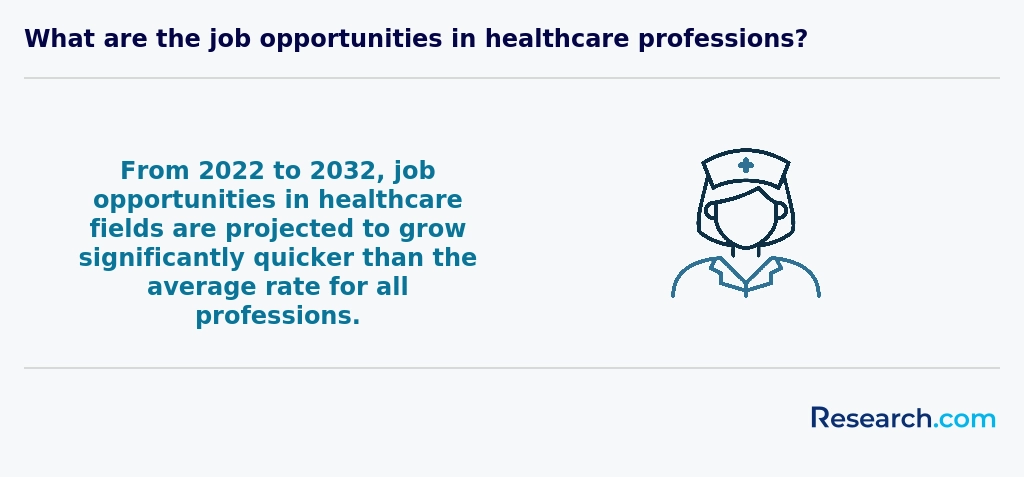
Health informatics involves managing and analyzing healthcare data to improve patient outcomes. According to the U.S. Bureau of Labor Statistics, jobs in this area are projected to grow 17% from 2022 to 2032, well above average.
Other promising niches include genomic healthcare and personalized medicine, where therapies are tailored to individual genetic profiles, a sector supported by research at Michigan State University in East Lansing.
After completing a healthcare degree in East Lansing, preparing for the job market involves several strategic steps. First, gaining practical experience through internships or clinical placements is essential, as many healthcare employers in Michigan prioritize hands-on skills. Local hospitals like Sparrow Health System often seek candidates with real-world training.
Networking within East Lansing's healthcare community can also open doors. Joining professional organizations such as the Michigan Health & Hospital Association provides access to job fairs and mentoring opportunities.
Additionally, earning relevant certifications, such as CPR or specialized licenses, enhances employability. According to the U.S. Bureau of Labor Statistics, healthcare jobs in Michigan are projected to grow by over 10% through 2030, making readiness vital.
Employers in East Lansing highly value healthcare degree graduates who demonstrate strong clinical skills paired with effective communication. According to the Michigan Department of Health and Human Services, teamwork and patient-centered care are essential skills sought in the local healthcare market. Adaptability is also critical due to the fast-changing technologies in medical facilities.
Technical proficiency, including familiarity with electronic health records (EHR) systems, ranks among the top competencies employers expect from graduates. Additionally, ethical judgment and cultural competence are increasingly important, reflecting the diverse patient population served by East Lansing healthcare providers.
Leadership and problem-solving skills improve employability, as many roles require collaboration in multidisciplinary healthcare teams. Overall, a blend of hands-on practice, technology use, and soft skills defines the profile of successful healthcare graduates in the region.
Finding internships relevant to healthcare degrees in East Lansing involves several key steps. Start by exploring opportunities at Michigan State University's College of Human Medicine, which collaborates with local hospitals and clinics for student placements. The nearby Spectrum Health and Sparrow Health System offer clinical and administrative internships suitable for healthcare students. Online platforms such as Handshake, frequently used by MSU students, list many local healthcare internships updated regularly.
Networking with faculty, career services, and attending local healthcare job fairs can also uncover valuable internship options. According to the Bureau of Labor Statistics, internships improve employment prospects by 20% in health professions nationally, emphasizing their importance.
Obtaining a healthcare degree in East Lansing significantly enhances career mobility and advancement opportunities. The region benefits from a strong healthcare sector driven by institutions like McLaren Greater Lansing and Sparrow Hospital, creating demand for qualified professionals. According to the U.S. Bureau of Labor Statistics, healthcare occupations in Michigan are projected to grow by 9% through 2030, outpacing many other fields.
Graduates with degrees in nursing, public health, or healthcare administration often find entry-level roles that offer clear pathways to higher positions. Local employers frequently prioritize candidates with formal education and certifications, which can accelerate promotions and salary growth.
Additionally, East Lansing's proximity to Michigan State University offers networking and continuing education that supports ongoing career development. This ecosystem makes healthcare degrees valuable for those seeking dynamic, upward careers in this area.
Studying for a healthcare degree in East Lansing offers students a solid foundation for interdisciplinary roles by emphasizing collaborative learning and practical experience. Many programs incorporate team-based projects that bring together students from nursing, pharmacy, public health, and other healthcare fields. This approach mirrors real-world medical settings where professionals must work together to provide comprehensive care.
The region's proximity to Michigan State University, which houses nationally recognized health programs, provides access to cutting-edge research and interdepartmental initiatives. According to the latest data from the East Lansing Economic Development Office, healthcare accounts for over 15% of local employment, increasing demand for versatile professionals who can integrate diverse medical knowledge.
Additionally, local healthcare facilities actively partner with educational institutions to offer internships and clinical rotations. These experiences expose students to interdisciplinary teams, enhancing skills in communication, problem-solving, and patient-centered care essential for evolving healthcare environments.
Choosing between a thesis and a non-thesis healthcare degree program in East Lansing depends on your career goals and learning preferences. Thesis programs typically emphasize research, requiring students to conduct original studies and defend their findings. This path suits those interested in academic or research careers.
Non-thesis programs focus more on practical skills and coursework, appealing to students aiming for direct clinical or administrative roles. According to the National Center for Education Statistics, about 40% of healthcare graduate programs in the US offer thesis options, with East Lansing institutions reflecting similar trends.
Consider your future plans and seek advice from program advisors in East Lansing to align your choice with professional requirements.
Students based in East Lansing who wish to study healthcare abroad have several pathways available. Many US institutions, including those near East Lansing like Michigan State University, offer exchange programs and partnerships with international universities. These programs allow students to gain global healthcare perspectives while earning credits transferable to their US degrees.
Additionally, students can pursue study abroad options through organizations specializing in healthcare education overseas, such as clinical internships or public health programs in Europe, Asia, or Latin America. According to the Institute of International Education, participation in healthcare-related study abroad programs has increased by 12% over the past five years among US students.
It is important for students to consider accreditation and licensing implications when choosing programs abroad to ensure their degrees meet US standards, especially for clinical healthcare professions.
Students pursuing healthcare degrees in East Lansing can find several part-time job opportunities that enhance their education and practical skills. Common roles include medical scribing, patient care assistant positions, and pharmacy technician jobs. These roles provide hands-on experience in clinical settings.
East Lansing's proximity to Michigan State University and the Sparrow Hospital network offers students access to internships and part-time work in varied healthcare environments. According to the Michigan Department of Labor, healthcare support roles in this region have grown by 7% over the past five years, reflecting strong local demand.
Additionally, working as a healthcare receptionist or in medical billing and coding can develop administrative skills vital for healthcare professionals. These jobs often offer flexible hours compatible with academic schedules, making them ideal complements to healthcare studies in East Lansing.
Healthcare students in East Lansing benefit from numerous networking opportunities that support their academic and professional growth. Michigan State University (MSU), located in East Lansing, offers access to healthcare-focused student organizations such as the Pre-Health Professional Society, which regularly hosts events connecting students with local healthcare professionals.
Additionally, MSU's proximity to the Lansing Regional Chamber of Commerce and local hospitals like Sparrow Health System allows students to engage in internships and volunteer positions that foster real-world connections. According to MSU's Career Services, over 70% of healthcare students gain internships through university-affiliated events or local partnerships.
Healthcare conferences and workshops on campus also facilitate collaboration between students, faculty, and industry experts, enhancing networking prospects.
Alumni networks offer significant advantages for healthcare degree students in East Lansing. These connections provide access to a community of professionals who share insights about local healthcare trends and job opportunities. According to the Michigan Department of Health and Human Services, East Lansing hosts a growing healthcare sector, increasing demand for well-connected graduates.
Through alumni events and mentorship programs, students can gain guidance on career pathways, internships, and clinical placements in nearby hospitals and clinics. Networking within these established circles often leads to higher employment rates after graduation.
Moreover, alumni often collaborate on research and continuing education, helping students stay current with medical advances and healthcare policies relevant to Michigan.
Customizing a healthcare degree program in East Lansing allows students to align their education with specific career goals. Many local institutions offer flexible curricula, enabling students to choose concentrations such as nursing, public health, or healthcare administration. For example, Michigan State University provides various electives and practicum opportunities tailored to specialized interests.
Students can also pursue internships and clinical experiences with East Lansing's nearby healthcare facilities, such as Sparrow Hospital, helping to gain practical skills in preferred fields. Additionally, certificate options and dual degree programs are available to complement core studies, enhancing career prospects.
Advising services at local schools assist students in designing study plans that match evolving healthcare demands, which according to the U.S. Bureau of Labor Statistics, projects a 16% growth in healthcare occupations in Michigan through 2030.
Healthcare students in East Lansing often face the challenge of balancing rigorous coursework with demanding clinical hours. Programs typically require up to 1,000 clinical practice hours, which can impact students' time management and personal life.
Limited local clinical placement opportunities create competition among students from nearby universities, including Michigan State University. This sometimes delays hands-on experience essential for graduation.
Financial burden is another concern, as healthcare programs can cost between $20,000 and $45,000 annually, according to the National Center for Education Statistics.
Additionally, students report high stress levels due to the need to master both theoretical knowledge and practical skills simultaneously.
With a healthcare degree in East Lansing, graduates can pursue a variety of professional certifications that enhance their career prospects. Common options include becoming a Certified Nursing Assistant (CNA), Registered Nurse (RN), or Licensed Practical Nurse (LPN). Advanced certifications such as Certified Medical Assistant (CMA) and Certified Professional in Healthcare Quality (CPHQ) are also popular.
For those interested in specialized fields, certifications like the American Association of Medical Assistants (AAMA) credential or Registered Health Information Technician (RHIT) can be valuable. According to the Michigan Department of Health and Human Services, demand for certified healthcare professionals in the Lansing metropolitan area is projected to grow by over 15% through 2030.
Obtaining certification not only validates skills but often is required for licensure and employment in local hospitals and clinics.
To write a winning application for a healthcare program in East Lansing, start by thoroughly researching the specific program requirements at local institutions like Michigan State University, which offers a range of healthcare degrees. Emphasize your academic achievements, particularly in science and math, as STEM proficiency is critical in healthcare fields. Include relevant volunteer or work experience in healthcare settings, highlighting your commitment and understanding of patient care. Personal statements should clearly convey your motivation, career goals, and how the program aligns with your aspirations. Pay close attention to deadlines and submit all required documents, including transcripts and recommendation letters, on time. According to Michigan State University's admissions data, strong applications often include a minimum GPA of 3.5 and competitive standardized test scores where applicable.
The global perspective on healthcare careers highlights growing demand and diverse opportunities. Healthcare professions are increasingly valued for their critical role in improving public health worldwide, particularly in regions with aging populations and rising chronic diseases.
In the United States, including East Lansing, healthcare jobs are projected to grow 13% from 2021 to 2031, according to the U.S. Bureau of Labor Statistics. This growth reflects a global trend toward expanding healthcare services and innovations in medical technology.
East Lansing benefits from proximity to research institutions like Michigan State University, which supports cutting-edge healthcare education and training. This local advantage mirrors a global emphasis on integrating education and practice to improve patient outcomes.
Gaining practical experience while studying for a healthcare degree in East Lansing is essential for career readiness. Many local institutions, including Michigan State University, offer clinical placements and internships as part of their healthcare programs. These opportunities let students work directly with patients, hospitals, and community health organizations.
East Lansing's proximity to several hospitals and health centers provides a rich environment for hands-on learning. Programs often incorporate simulation labs, giving students realistic practice in procedures and patient interactions.
The U.S. Bureau of Labor Statistics emphasizes that hands-on clinical hours improve employment prospects in healthcare fields, making these experiences valuable. Students should actively seek internships, volunteer roles, and cooperative education options available through their schools and local healthcare providers.
Choosing the right concentration within a healthcare degree program in East Lansing begins with understanding your interests and career goals. Popular concentrations include nursing, health administration, public health, and healthcare informatics. Each offers distinct career paths and salary potentials based on local industry demand.
East Lansing benefits from proximity to prominent healthcare providers and research institutions, such as the Michigan State University College of Human Medicine, which offers relevant data and job placement support. According to the U.S. Bureau of Labor Statistics, healthcare roles in Michigan are projected to grow by 15% through 2030, indicating strong future demand.
Research available programs carefully, considering curriculum, clinical opportunities, and internship placements. Align your choice with evolving healthcare trends like telemedicine or geriatric care to enhance employability in East Lansing's healthcare market.
Related Healthcare Rankings for Nearby Cities
- 2027 Most Popular Healthcare Degree Programs Ranking in Grand Rapids
- 2027 Most Popular Healthcare Degree Programs Ranking in Detroit
- 2027 Most Popular Healthcare Degree Programs Ranking in Toledo
- 2027 Most Popular Healthcare Degree Programs Ranking in Cleveland
- 2027 Most Popular Healthcare Degree Programs Ranking in Milwaukee
- 2027 Most Popular Healthcare Degree Programs Ranking in West Lafayette
- 2027 Most Popular Healthcare Degree Programs Ranking in Columbus
- 2027 Most Popular Healthcare Degree Programs Ranking in Green Bay
- 2027 Most Popular Healthcare Degree Programs Ranking in Erie
- 2027 Most Popular Healthcare Degree Programs Ranking in Cincinnati
Top Trending Healthcare Rankings
See What Experts Have To Say About Studying Healthcare
Read our interview with Healthcare experts

References
- Healthcare Careers & Accredited Degree Programs https://www.healthcaredegree.com/
- Get Ready Lansing! - Heart to Heart Healthcare Training https://h2hhealth.com/get-ready-lansing/
- Networking and Mentorship During Clinical Rotations https://rotatingroom.com/blog/medical-students-the-importance-of-networking-mentorship-during-your-clinical-rotations
- Health Management Careers https://www.ache.org/Career-Resources/Start-Your-Career/Health-Management-Careers
- Pursuing Your Career Goals: Strategies and Examples https://www.ultimatemedical.edu/blog/career-goals-importance-strategies-and-examples/
- Challenges for Medical Students - Health Action Research Group https://www.healthactionresearch.org.uk/mental-health/challenges-for-medical-student/
- Healthcare Administration Certifications https://www.publichealthdegrees.org/careers/healthcare-administrator/certification/
- Education requirements for the fastest-growing healthcare jobs https://www.corridorcareers.com/job-tips/blog-news-education-requirements-fastest-growing-healthcare-jobs
- Getting medical work experience https://www.bma.org.uk/advice-and-support/studying-medicine/becoming-a-doctor/getting-medical-work-experience
- Advancing Your Career in Healthcare: Tips and Strategies https://www.sunshinecarenetwork.com/blog/advancing-your-career-in-healthcare-tips-and-strategies


