
2027 Most Valuable Healthcare Degree Programs Ranking in Boise

Co-Founder and Chief Data Scientist
Choosing the right healthcare degree program can be overwhelming, especially with so many options available in Boise. This article introduces the 2027 Most Valuable Healthcare Degree Programs Ranking in Boise, created by the Research.com team of data scientists to guide you toward the best choices.
Our ranking highlights programs that offer strong career prospects and meaningful opportunities in healthcare. Exploring this list can help you make an informed decision and take a confident step toward a rewarding and impactful future.
Pursuing a healthcare degree is a powerful way to build a stable and fulfilling career serving others.
Key benefits of getting healthcare degree in Boise
- Healthcare degree graduates in Boise can expect competitive salaries, such as $43,350 annually for Medical Assistants and Clinical Research Coordinators, and up to $103,150 for Quality Improvement Coordinators, offering strong financial rewards.
- Graduates from Boise State University often explore diverse healthcare careers including Patient Care Technicians earning around $60,790 annually, highlighting a range of rewarding paths.
- Obtaining a healthcare degree online from Boise-based programs provides flexible scheduling and allows graduates to balance work and study, making it easier to enter the healthcare field without pausing life.
- Key benefits of getting healthcare degree in Boise
- What can I expect from healthcare degree in Boise?
- Where can I work with healthcare degree in Boise?
- How much can I make with healthcare degree in Boise?
- 2027 Most Valuable Healthcare Degree Programs Ranking in Boise
- Key Findings
- How long does it take to complete healthcare degree in Boise?
- What's the difference between online and on-campus healthcare degree?
- What is the average cost of healthcare degree in Boise?
- What financial aid is available to healthcare degree students in Boise?
- What are the prerequisites for enrolling in healthcare degree program in Boise?
- What courses are typically in healthcare degree programs in Boise?
- What types of specializations are available in healthcare degree programs in Boise?
- How do you choose the best healthcare degree in Boise?
- What career paths are available for healthcare degree students in Boise?
- What is the job market for healthcare degree in Boise?
- Top Trending Healthcare Rankings
- See What Experts Have To Say About Studying Healthcare
What can I expect from healthcare degree in Boise?
The average cost of pursuing a healthcare degree in Boise is notably affordable, especially compared to national averages for public universities. Students at Boise State University, for instance, benefit from tuition fees that allow them to focus more on learning and less on financial stress. Many graduates share how this balance enabled them to invest time in enriching clinical experiences rather than worrying over overwhelming debt.
Financial aid and scholarships are readily available, particularly for those entering high-demand healthcare fields like nursing or physical therapy. Imagine stepping into a simulation lab at Boise State, gaining hands-on skills funded by scholarships that recognize your dedication and potential to serve the community.
Boise's healthcare education combines quality, opportunity, and affordability. Graduates often recall the empowering feeling of completing their studies without the weight of excessive costs, confident they can step directly into rewarding careers supported by local hospitals and clinics eager to hire well-prepared professionals.
Where can I work with healthcare degree in Boise?
Graduates with healthcare degrees in Boise have a world of opportunity waiting for them. Many find rewarding careers at Saint Alphonsus Health System or St. Luke's Health System, where they contribute as nurses, medical technologists, therapists, or healthcare administrators. Imagine starting your day helping patients recover in one of the city's top hospitals, knowing your skills are vital to their healing journey.
Boise State University and College of Western Idaho graduates often share stories of landing impactful roles in outpatient clinics, rehabilitation centers, and specialty practices like dental or behavioral health facilities. These settings offer closer patient connections, perfect for those who want to make a daily difference in their community.
The city's expanding public health programs also attract healthcare degree holders excited to lead community health initiatives or manage vital data. Local nonprofits and government agencies provide avenues where you can champion prevention and wellness, turning your education into meaningful change.
With Boise's healthcare field growing rapidly, every graduate has the chance to build a fulfilling career in a vibrant, supportive environment. Your healthcare degree here opens doors everywhere-from hospitals to community centers-fueling both your passion and the city's health.
How much can I make with healthcare degree in Boise?
Graduates from healthcare degree programs in Boise often find rewarding salary opportunities that reflect their hard work and dedication. For instance, medical assistants typically earn around $43,350 per year, providing a stable foundation for those starting their careers. Those who pursue roles such as health information technicians can expect similar earnings, with mean annual wages near $43,380, which can grow as experience and skills develop.
Students from Boise State University and other local institutions share inspiring stories of quickly moving up the ladder after graduation. Patient care technicians, for example, earn about $60,790 annually, offering a significant step toward financial independence and professional growth.
For those aiming higher, positions like quality improvement coordinators bring impressive rewards, with mean wages exceeding $103,000 per year. This highlights how continuing education and certifications can unlock excellent earning potential in Boise's expanding healthcare sector.
Ultimately, healthcare degrees in Boise provide exciting pathways for strong incomes, empowering graduates to make a meaningful impact while enjoying financial success.
2027 Most Valuable Healthcare Degree Programs Ranking in Boise
How do we rank schools?
Investing in your education is a significant decision that can profoundly impact your future, and the Research.com team is committed to supporting you in making well-informed choices. To guide prospective students in Boise, we have carefully developed the "2027 Most Valuable Healthcare Degree Programs Ranking in Boise." Our dedication to quality, credibility, and accuracy is demonstrated through rigorous research and thorough analysis.
We utilized the following reputable data sources to create this comprehensive ranking:
By consulting this ranking, readers will gain valuable insights to identify the most valuable healthcare degree programs in Boise, empowering them to make strategic decisions for their educational journeys. For further information on our ranking process, please visit our Research.com methodology page.

# 3 position
Eagle Gate College-Boise Campus
Bachelor of Science in Nursing
# 4 position
Eagle Gate College-Boise Campus
MS in Nursing
Key Findings
- Tuition for healthcare programs at Boise State University ranges from $7,000 to $9,000 per year for in-state students, while private institutions often charge over $15,000 annually.
- Entry-level healthcare jobs in Boise pay between $45,000 and $55,000 per year, with registered nurses earning a median salary of around $60,000 soon after graduation.
- Experienced healthcare professionals like nurse practitioners and physician assistants can earn between $90,000 and $110,000 annually.
- Major employers such as St. Luke's Health System and Saint Alphonsus Health System support a strong healthcare job market with a projected 15% job growth in the next decade.
- Healthcare students benefit from clinical placements through partnerships with local healthcare facilities, which are important for licensing and certification.
How long does it take to complete healthcare degree in Boise?
Completing a healthcare degree in Boise is an exciting journey that aligns with your personal goals and timeline. Many students find associate degrees at community colleges like the College of Western Idaho take about two years, offering a fast track to stepping into rewarding healthcare roles with hands-on clinical experience.
Graduates from Boise State University share how their four-year bachelor's programs, such as nursing (BSN) or healthcare administration, balanced rigorous study with opportunities for part-time schedules or accelerated paths, making their achievement both manageable and fulfilling.
For those inspired to reach leadership or specialized roles, master's degrees typically add two to three years after the bachelor's, allowing students to expand their expertise while often continuing to work in the field.
Doctoral programs, including the Doctor of Nursing Practice, offer a transformative experience over three to six years, blending research and practical application that empowers students to make a lasting impact in healthcare.
What's the difference between online and on-campus healthcare degree?
Choosing between an online and on-campus healthcare degree in Boise opens exciting possibilities tailored to your lifestyle and goals. Online programs, like those offered by Boise State University, empower students juggling work or family commitments by providing flexible access to lectures and assignments anytime, anywhere. Graduates often celebrate how this flexibility helped them balance real-life responsibilities while advancing their healthcare careers.
On-campus programs offer an immersive, hands-on experience that many find invaluable. Picture yourself engaging directly in clinical practice at local Boise hospitals, collaborating closely with peers and faculty, and gaining firsthand skills essential for careers in nursing or physical therapy. Graduates frequently highlight how these in-person connections built strong professional networks and confidence in patient care.
Whether you thrive with the autonomy of online learning or the engaging environment of campus life, Boise's healthcare programs allow you to grow your knowledge and skills in a supportive community focused on your success and passion for making a difference in healthcare.
What is the average cost of healthcare degree in Boise?
The average cost of a healthcare degree in Boise varies based on residency status and the level of study, but many students find the investment to be a rewarding step toward a meaningful career. In Boise, the median total cost for completing a healthcare degree is approximately $42,222, with in-state students benefiting from significantly lower costs around $14,058. Graduates from Boise's well-regarded institutions often share how these manageable tuition rates allow them to focus more on their studies and practical experiences rather than financial stress.
Boise State University's College of Health Sciences stands out as a popular choice where students pursuing nursing, allied health, or other healthcare programs enjoy affordable tuition combined with strong clinical opportunities. Many graduates recall that the real-life application and community engagement they experienced made their education feel invaluable, offsetting costs by preparing them thoroughly for their professions. These Boise healthcare degree tuition and fees are complemented by scholarships and financial aid that many students successfully secure, lightening their financial load and fueling optimism for the future.
For prospective students looking for flexible and time-efficient pathways, exploring an online accelerated bachelor's degree can be a beneficial way to reduce time and cost while gaining essential qualifications. This option provides the perfect blend of convenience and affordability, empowering students to advance quickly in their healthcare careers without compromising quality education.

What financial aid is available to healthcare degree students in Boise?
Financial aid for healthcare students in Boise opens doors to life-changing opportunities. Graduates from Boise State University often share how federal Pell Grants, which can provide up to $7,395 annually, made their dreams of becoming nurses or public health professionals achievable without overwhelming debt. Applying through FAFSA unlocks access to these grants plus work-study and low-interest loans, offering flexible support tailored to individual needs.
State awards like Idaho's Opportunity Scholarship are a beacon of hope, rewarding students committed to healthcare careers with up to $3,500 each year. Many Boise-area colleges enhance this support through institutional scholarships designed specifically for healthcare programs, easing tuition burdens and encouraging academic excellence.
Beyond scholarships, local healthcare employers frequently partner with students by offering tuition reimbursement programs. For those balancing education and work, this invaluable benefit helps transform dedication into career advancement, fueling confidence and success within Boise's vibrant medical community.
What are the prerequisites for enrolling in healthcare degree program in Boise?
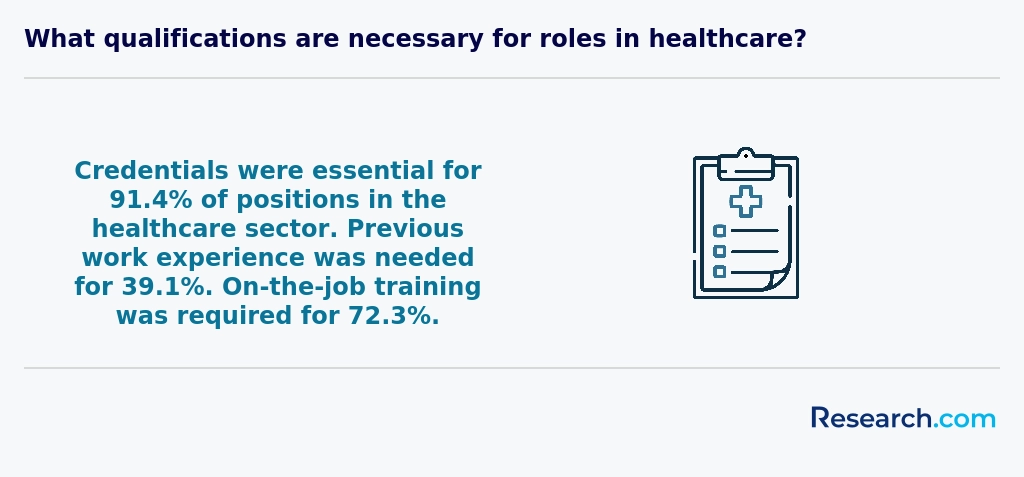
To embark on a healthcare degree journey in Boise, students need to build a strong academic foundation that opens doors to rewarding careers. Graduates from Boise State University and local community colleges often recall how completing high school diplomas with essential courses like biology, chemistry, and anatomy prepared them to confidently face their healthcare studies. These prerequisites are designed to set you up for success by ensuring you grasp crucial scientific concepts that underpin patient care.
Many students find that meeting additional requirements, such as CPR certification or background checks, especially for specialized programs like nursing or physical therapy, helps them feel even more equipped and ready to step into clinical settings. Past students often highlight how their dedication to completing these steps fueled their motivation and deepened their passion for healthcare.
With a minimum GPA around 2.5 to 3.0 and optional standardized test scores, Boise's programs emphasize not just academic ability but your commitment and readiness. Personal statements, recommendation letters, and volunteer experience offer chances to share your unique journey and spark genuine connections with admissions committees.
What courses are typically in healthcare degree programs in Boise?
Healthcare degree programs in Boise are thoughtfully designed to equip students with both essential knowledge and real-world skills. Graduates from Boise State University and other local colleges often recall how courses like anatomy, physiology, and microbiology laid a solid foundation, helping them confidently understand the human body and disease processes.
Alongside these sciences, students dive into healthcare systems, ethics, and policy classes that bring to life the complexities of medical environments. Many remember how studying healthcare delivery models made the dynamics of patient care feel tangible and relevant to their future roles.
Hands-on learning is a highlight, with courses in patient care techniques and clinical practice often paired with internships in Boise-area hospitals. This combination not only boosts confidence but also sparks a genuine passion for helping others.
Specialized tracks, like nursing or allied health, offer engaging classes such as pharmacology or medical coding, ensuring students leave ready to thrive in Idaho's growing healthcare sector. The experience resonates as empowering and purposeful for those pursuing healthcare careers here.
What types of specializations are available in healthcare degree programs in Boise?
Healthcare degree specializations in Boise open exciting doors for students passionate about making a meaningful impact. Graduates from Boise State University and other local colleges often share how nursing programs, including RN and BSN tracks, provided them with hands-on clinical rotations that built both confidence and expertise. Specializations like Health Information Management equip students with crucial skills to manage digital health data, addressing modern healthcare challenges. Others have thrived in Public Health programs, inspired by community initiatives tackling health disparities unique to the Boise region.
Boise healthcare program specialization options also include Medical Laboratory Technology, where students experience the thrill of mastering diagnostic techniques, and Healthcare Administration, which prepares future leaders to optimize the operations behind impactful care. Physical Therapy and Rehabilitation attract those drawn to enriching lives by aiding recovery and mobility, especially in Idaho's aging population. For students eager to explore easy online degrees related to healthcare, Boise's variety of focused programs make pursuing a dream career both attainable and inspiring.
How do you choose the best healthcare degree in Boise?
Choosing the best healthcare degree programs in Boise means focusing on what truly matters for your future. Graduates from Boise State University and other local colleges often share how selecting accredited programs opened doors to rewarding careers in nursing and therapy. Imagine yourself gaining hands-on experience through partnerships with St. Luke's Health System, making each clinical hour feel meaningful and directly connected to patient care.
Affordability is a real advantage here. Many students praise the affordable healthcare degrees Boise Idaho offers, appreciating lower tuition that still provides top-notch education. This balance allows you to invest in your dreams without overwhelming debt, making the journey feel achievable and positive.
Look for programs that blend expert faculty, small class sizes, and flexible schedules. These features helped past students thrive as they balanced work and study. Also, ensure the curriculum matches state certification requirements so you can start your career confidently soon after graduation. If you're considering advanced options, explore a doctorate degree without dissertation to fast-track your success.

What career paths are available for healthcare degree students in Boise?
Graduates with a healthcare degree in Boise can embark on a variety of rewarding career paths that truly make a difference in the community. Whether working as a registered nurse providing compassionate patient care or as a healthcare administrator steering major facilities like St. Luke's Health System, there is a fulfilling role for everyone. Many graduates from Boise State University and local colleges share inspiring stories of how their education opened doors to opportunities such as medical laboratory technologists and physical therapist assistants, roles that combine technical skill with meaningful impact.
Boise healthcare degree job opportunities extend beyond traditional roles; careers in radiologic technology and health information management offer dynamic and growing fields. The city's supportive health sector fosters an environment where graduates feel motivated and valued. For students exploring options, institutions often provide guidance on financing through resources like online fafsa schools, helping turn aspirations into achievable goals.
What is the job market for healthcare degree in Boise?
The healthcare job opportunities in Boise are thriving, offering exciting prospects for graduates with healthcare degrees. Boise State University and other local colleges provide excellent hands-on training in nursing, health administration, and allied health fields, empowering students to confidently step into the growing healthcare workforce. Graduates often share how rewarding it feels to secure positions with major employers like St. Luke's Health System and Saint Alphonsus Health System, known for valuing locally trained talent.
With an expected 16% growth in healthcare jobs by 2030, the Boise healthcare degree employment outlook is promising. The region's nursing roles, including registered nurses, offer competitive salaries close to the national average, making it a motivating environment for new professionals eager to make a meaningful impact.
Students appreciate that Boise's lower living costs complement their earnings, allowing for a comfortable lifestyle post-graduation. For those exploring diverse training options, the most popular school for trade skills online can offer flexible alternatives to traditional study paths, ensuring more students access rewarding healthcare careers without prohibitive costs.
Frequently Asked Questions About healthcare
Healthcare degree students in Boise can enhance their learning experience by engaging actively with both academic and practical opportunities. Boise's strong healthcare sector, featuring prominent hospitals like Saint Alphonsus and St. Luke's, offers valuable internships and clinical placements. These experiences help students apply classroom knowledge in real-world settings, improving job readiness.
Additionally, Boise State University and other local institutions provide access to updated technology and simulation labs, crucial for mastering healthcare skills. Students should also participate in local healthcare workshops and networking events to connect with professionals and stay current on industry trends.
Strong study habits, combined with leveraging Boise's healthcare community resources and relevant certifications, can greatly boost educational outcomes in this competitive field.
The healthcare field in Boise is evolving rapidly, with new specializations gaining importance due to technological advances and demographic changes. One emerging niche is telehealth, which expanded significantly during the COVID-19 pandemic, providing remote medical services to rural and underserved areas in Idaho.
Another growing area is geriatric care, driven by Idaho's aging population; Boise's senior demographic is expected to increase by 30% over the next decade, increasing demand for specialists in elderly care.
Additionally, behavioral health professions are seeing growth in response to rising mental health awareness. Boise healthcare programs increasingly emphasize training in substance abuse counseling and psychiatric support.
These niches offer promising career paths for students pursuing healthcare degrees in Boise.
After completing a healthcare degree in Boise, preparing for the job market involves several strategic steps. First, gaining clinical experience through internships or volunteer work in local hospitals like Saint Alphonsus Health System can enhance practical skills. According to the Idaho Department of Labor, Boise's healthcare sector is projected to grow by 18% from 2022 to 2032, creating many job opportunities.
Networking is essential; attending local healthcare job fairs and connecting with professionals via Boise-based organizations can open doors. Additionally, obtaining relevant certifications, such as CPR or specialized licenses, improves employability. Graduates should also tailor resumes to highlight Boise-specific healthcare demands to attract local employers.
Employers in Boise's healthcare industry prioritize a blend of technical and interpersonal skills when hiring graduates with healthcare degrees. Clinical competence, including proficiency in electronic health records (EHR) systems and patient care techniques, is essential. According to the Idaho Department of Labor, Boise healthcare employers also emphasize strong communication skills, critical thinking, and teamwork abilities.
Interpersonal skills are crucial, as healthcare roles require patient interaction and collaboration with diverse teams. Additionally, knowledge of healthcare regulations and ethical practices remains a key requirement. Boise's growing healthcare sector further values adaptability and problem-solving skills due to the evolving nature of medical technologies and treatments.
Finding internships in Boise relevant to a healthcare degree involves several strategic steps. Start by exploring partnerships between local colleges such as Boise State University and healthcare providers like Saint Alphonsus Health System or St. Luke's Health System. These institutions often offer structured internship programs tailored to healthcare students. According to Boise State's College of Health Sciences, many internships provide hands-on experience in nursing, public health, and healthcare administration.
Utilize career services and online job platforms focused on healthcare roles in Idaho. Networking at local healthcare events and joining professional organizations, such as the Idaho Nurses Association, can also open internship opportunities.
Obtaining a healthcare degree in Boise significantly enhances career mobility and advancement opportunities. Boise's healthcare sector employs over 30,000 people, with projections from the Idaho Department of Labor indicating a 15% growth in healthcare jobs by 2030. A degree provides essential credentials required for higher-paying jobs, such as registered nurses, medical technologists, and health administrators.
Additionally, employers in the Boise area increasingly prefer candidates with formal healthcare education for leadership roles. According to local workforce studies, healthcare professionals with degrees are 40% more likely to advance into supervisory or specialized positions compared to those without.
Healthcare degrees also open paths to advanced certifications and continuing education, which are vital in Boise's competitive health industry.
Studying for a healthcare degree in Boise equips students with skills tailored for interdisciplinary collaboration, a vital aspect of modern healthcare. Boise's institutions emphasize teamwork, integrating courses in nursing, public health, and health administration. This prepares students to work effectively with diverse professionals like physicians, therapists, and social workers.
Boise's growing healthcare sector, with over 30,000 healthcare workers as reported by the Idaho Department of Labor (2023), offers students practical exposure through clinical rotations and partnerships with local hospitals. These experiences foster communication and problem-solving skills essential for interdisciplinary roles.
Additionally, Boise programs often include training on healthcare technology and patient-centered care, supporting coordinated treatment approaches. Such education ensures graduates can adapt in dynamic healthcare environments, reflecting industry needs highlighted by the U.S. Bureau of Labor Statistics.
When choosing between a thesis and a non-thesis healthcare degree program in Boise, consider your career goals and learning preferences. Thesis programs focus on original research and are ideal if you plan to pursue a doctoral degree or a career in academia. Non-thesis options often emphasize practical skills and coursework, better suited for immediate entry into healthcare professions.
Boise State University offers healthcare programs where about 60% of students choose non-thesis tracks, reflecting the city's growing demand for skilled practitioners in hospitals and clinics. According to the Idaho Department of Labor, healthcare jobs in Boise are expected to grow 16% by 2030, encouraging many students to favor applied learning.
Evaluate faculty expertise, resources, and opportunities for internships or clinical work. These elements vary between tracks and can impact your educational experience and employability in Boise's competitive healthcare market.
Students in Boise seeking to study healthcare abroad have several pathways available through partnerships and exchange programs common among Boise State University and other regional institutions. While Boise itself does not host dedicated healthcare study-abroad programs, many U.S. universities-including those offering degrees aligned with Boise's healthcare demands-feature opportunities in countries with developing or advanced health systems.
Popular destinations for healthcare studies include programs in Canada, the United Kingdom, and Australia, which align closely with American medical curricula and accreditation standards. These options provide valuable international exposure while maintaining relevance for U.S. healthcare careers.
According to the Institute of International Education, healthcare remains one of the top fields for U.S. students studying abroad, showing a 15% enrollment increase in recent years. Boise students benefit from available scholarships and federal financial aid when pursuing these opportunities.
Boise offers several part-time job opportunities that can complement healthcare degree education, providing practical experience alongside academic study. Positions such as medical assistants, pharmacy technicians, or patient care aides are commonly available and valuable for students. These roles help develop skills in patient communication, clinical procedures, and healthcare administration.
According to the Idaho Department of Labor, healthcare support occupations in Boise are projected to grow by over 15% through 2028, reflecting increasing demand. Working part-time at local clinics, hospitals, or pharmacies can give students insights into real-world healthcare challenges and improve employability upon graduation.
Healthcare students in Boise benefit from a variety of networking opportunities that can enhance their education and career prospects. Local institutions such as Boise State University and universities offering nearby healthcare programs frequently host career fairs, workshops, and guest speaker events. These gatherings often feature professionals from hospitals like St. Luke's Health System, one of Idaho's largest employers with over 15,000 staff, providing valuable industry connections.
Students can join professional organizations such as the Idaho Society of Healthcare Human Resources Administration or the local chapter of the American Medical Student Association. These groups offer networking events, mentorship programs, and access to internships. Additionally, Boise's growing healthcare sector, which saw a 5.8% increase in healthcare jobs between 2019-2024 according to Idaho Department of Labor data, creates a dynamic environment for student engagement and professional growth.
Alumni networks provide valuable support for healthcare degree students in Boise by connecting them with experienced professionals in the local medical community. These networks often offer mentorship opportunities, helping students understand career paths and the necessary skills for success. According to the Boise State University Alumni Association, healthcare graduates benefit from job placement assistance through network connections.
Networking can also lead to internships and hands-on experiences at Boise's prominent healthcare facilities like St. Luke's Health System. Given Boise's growing healthcare sector-with employment projected to increase over 12% by 2030-strong alumni ties enhance students' chances of securing roles locally.
Customizing a healthcare degree program in Boise allows students to align education with specific career goals within the local healthcare industry. Many Boise institutions offer flexible degree options, including elective courses in areas like public health, nursing, or medical technology, which enable targeted skill-building. Internships and clinical placements at Boise's expanding healthcare facilities, such as St. Luke's Health System, provide practical experience directly relevant to career interests.
Students can also choose degree levels-from associate to bachelor's and advanced degrees-depending on desired roles. Boise's growing healthcare job market, projected to increase by 15% through 2030 (Idaho Department of Labor), supports specialized tracks tailored to community needs. Advising resources are commonly available to help map coursework to industry demands.
Healthcare students in Boise often face the challenge of balancing rigorous coursework with clinical practicum requirements. Programs typically demand extensive hands-on training, which can be stressful alongside academic deadlines. According to the Idaho Department of Labor, the region's growing healthcare sector increases competition for clinical placements.
Many students also report financial pressures. While tuition rates in Idaho are generally lower than the national average, additional costs such as equipment, transportation, and certification exams add up. Limited local scholarships specific to healthcare fields can exacerbate this strain.
Lastly, adapting to evolving healthcare technologies and regulations poses an ongoing learning curve. Staying current with US healthcare standards and Boise's regional care protocols is essential for success in this field.
With a healthcare degree in Boise, you can pursue a variety of professional certifications that enhance your career opportunities. Common certifications include Certified Nursing Assistant (CNA), Registered Nurse (RN) licensure, and Medical Assistant Certification. These certifications are recognized nationally and required for many healthcare roles.
For advanced roles, you might consider certifications like the Certified Medical Technician (CMT) or Licensed Practical Nurse (LPN). Boise State University and other local institutions support students preparing for these credentials.
Boise's healthcare sector, part of Idaho's growing medical industry, values certified professionals, contributing to faster job placement and higher salaries, according to the Idaho Department of Labor.
Applying for a healthcare program in Boise requires careful preparation and focus. Start by researching accredited institutions offering healthcare degrees, such as Boise State University, which is known for its nursing and public health programs. Highlight relevant experience, including volunteer work or internships in Boise's healthcare facilities, to demonstrate practical commitment.
Ensure your personal statement clearly explains your motivation and career goals, emphasizing how you intend to contribute to Boise's growing healthcare sector, valued at over $4 billion annually according to the Idaho Department of Labor. Strong letters of recommendation from healthcare professionals can significantly boost your application.
Finally, maintain a competitive GPA and prepare thoroughly for any required entrance exams to improve admission chances.
Healthcare careers in Boise align with a growing national and global demand for healthcare professionals. Globally, an aging population and increased chronic diseases drive the need for skilled workers in medicine, nursing, and allied health fields. In the US, healthcare employment is projected to grow 13% from 2021 to 2031, faster than average for all occupations, according to the Bureau of Labor Statistics.
Boise reflects these trends. The Idaho Department of Labor reports that healthcare occupations in the Boise metropolitan area are expected to increase by 18% through 2030, highlighting strong local opportunities.
Worldwide, healthcare careers often emphasize cultural competence and adaptability due to diverse patient populations. Students preparing in Boise benefit from this global perspective as they train in an environment focused on both local needs and international best practices.
Gaining practical experience while studying for a healthcare degree in Boise is essential for building skills and improving job prospects. Many local programs partner with Boise hospitals, clinics, and health organizations to offer internships and clinical rotations. For example, institutions often collaborate with Saint Alphonsus Health System, one of the region's largest healthcare providers. This gives students hands-on training in real medical settings. Additionally, Boise State University and other colleges encourage participation in simulation labs that replicate clinical scenarios. Volunteering opportunities at Boise's community health centers can also help students develop patient interaction skills. These experiences are vital to meet licensure requirements and increase employability.
Choosing the right concentration within a healthcare degree program in Boise begins with understanding your career goals and local job market demands. Boise's healthcare sector, growing at a faster pace than the national average, emphasizes fields like nursing, health informatics, and public health, according to the Idaho Department of Labor.
Research the concentrations offered by Boise institutions, noting how coursework aligns with industry certifications or licensure requirements. For example, registered nursing remains a high-demand occupation locally, with a 16% projected job increase through 2030.
Consider your personal strengths, preferred work environments, and potential for advancement when evaluating options. Exploring internships or speaking with Boise healthcare professionals can also provide valuable insights.
Related Healthcare Rankings for Nearby Cities
- 2027 Most Valuable Healthcare Degree Programs Ranking in Pocatello
- 2027 Most Valuable Healthcare Degree Programs Ranking in Pullman
- 2027 Most Valuable Healthcare Degree Programs Ranking in Spokane
- 2027 Most Valuable Healthcare Degree Programs Ranking in Salt Lake City
- 2027 Most Valuable Healthcare Degree Programs Ranking in Orem
- 2027 Most Valuable Healthcare Degree Programs Ranking in Provo
- 2027 Most Valuable Healthcare Degree Programs Ranking in Reno
- 2027 Most Valuable Healthcare Degree Programs Ranking in Portland
- 2027 Most Valuable Healthcare Degree Programs Ranking in Eugene
- 2027 Most Valuable Healthcare Degree Programs Ranking in Corvallis
Top Trending Healthcare Rankings
See What Experts Have To Say About Studying Healthcare
Read our interview with Healthcare experts

References
- Medical Sciences (B.S.) https://catalog.uidaho.edu/colleges-related-units/science/biological-science/medical-sciences-bs/
- Medicine at Boise State University https://www.vaia.com/en-us/degrees/universities/boise-state-university/medicine-at-boise-state-university/
- The Healthcare Student’s Guide to Internships | EduMed.org https://www.edumed.org/resources/student-online-guide-to-internships/
- Networking and Mentorship During Clinical Rotations https://rotatingroom.com/blog/medical-students-the-importance-of-networking-mentorship-during-your-clinical-rotations
- Advancing Your Career in Healthcare: Tips and Strategies https://www.sunshinecarenetwork.com/blog/advancing-your-career-in-healthcare-tips-and-strategies
- Niche Markets in Healthcare: How to Find & Target https://nechayadvisors.com/blog/niche-markets-in-healthcare
- Employability Skills Matrix for the Health Sector https://www.skillsforhealth.org.uk/resources/employability-skills-matrix/
- Thesis vs. Non-Thesis Master's Programs: Which is Right for You? https://potomac.edu/thesis-vs-non-thesis-masters/
- How to Create a Healthcare Career Roadmap https://www.ihire.com/resourcecenter/jobseeker/pages/how-to-create-a-healthcare-career-roadmap
- How to Succeed in a Difficult Job Market After Graduation https://www.hospitalrecruiting.com/blog/6542/how-to-succeed-in-a-difficult-job-market-after-graduation/


