
2027 Most Valuable Healthcare Degree Programs Ranking in Salt Lake City

Co-Founder and Chief Data Scientist
Choosing the right healthcare degree is a big step toward a rewarding career in Salt Lake City. This article introduces the 2027 most valuable healthcare degree programs ranking in Salt Lake City, created by the Research.com team of data scientists to guide you through your options.
By exploring this ranking, you'll discover which programs offer the best value and career potential. Whether you're just starting or considering a change, a healthcare degree opens doors to meaningful work and personal growth.
Take your future into your own hands with smart, informed decisions.
Key benefits of getting healthcare degree in Salt Lake City
- Healthcare degree graduates in Salt Lake City can expect competitive salaries, such as Medical Assistants earning around $43,350 annually and Patient Care Technicians making about $60,790 per year, offering financial stability in rewarding roles.
- Graduates of local programs like those at the University of Utah enjoy diverse career options, including roles as Health Information Technicians or Clinical Research Coordinators, which provide opportunities for growth and meaningful impact in the medical field.
- Completing a healthcare degree online, for example through Salt Lake Community College's programs, offers flexibility and convenience, allowing students to balance education with work or family while preparing for successful healthcare careers.
- Key benefits of getting healthcare degree in Salt Lake City
- What can I expect from healthcare degree in Salt Lake City?
- Where can I work with healthcare degree in Salt Lake City?
- How much can I make with healthcare degree in Salt Lake City?
- 2027 Most Valuable Healthcare Degree Programs Ranking in Salt Lake City
- Key Findings
- How long does it take to complete healthcare degree in Salt Lake City?
- Licensure and Certification Requirements
- What's the difference between online and on-campus healthcare degree?
- Licensing and Certification: Your Next Step to a Healthcare Career
- What is the average cost of healthcare degree in Salt Lake City?
- Program Accreditation and Licensure Success Rates
- What financial aid is available to healthcare degree students in Salt Lake City?
- Professional Growth and Continuing Education Opportunities
- What are the prerequisites for enrolling in healthcare degree program in Salt Lake City?
- Student Life and Campus Resources
- What courses are typically in healthcare degree programs in Salt Lake City?
- What types of specializations are available in healthcare degree programs in Salt Lake City?
- How do you choose the best healthcare degree in Salt Lake City?
- What career paths are available for healthcare degree students in Salt Lake City?
- What is the job market for healthcare degree in Salt Lake City?
- Top Trending Healthcare Rankings
- See What Experts Have To Say About Studying Healthcare
What can I expect from healthcare degree in Salt Lake City?
When it comes to the cost of studying healthcare in Salt Lake City, most students find that attending a public university like the University of Utah makes a big difference in affordability. In-state tuition tends to be friendlier on your wallet compared to private schools, which can get pretty pricey. Many healthcare students share how they appreciated the manageable costs, especially after factoring in financial aid and scholarships offered locally.
For instance, graduates often talk about enrolling in bachelor's or master's programs without feeling overwhelmed by debt. They balance their studies with clinical rotations in top hospitals around town, which adds real value to their education beyond just textbooks. The hands-on experience combined with reasonable tuition creates a great environment for learning without breaking the bank.
So if you're aiming for healthcare degrees in Salt Lake City, expect tuition that's competitive, especially if you're a Utah resident. Plus, the chance to work alongside local medical pros takes your education to a whole new level.
Where can I work with healthcare degree in Salt Lake City?
If you're studying a healthcare degree in Salt Lake City, you're in luck because there are plenty of places to jump into once you graduate. Many grads from the University of Utah Health find themselves working as nurses, medical techs, or even healthcare administrators at one of the biggest hospitals around. It's exciting to see how your training directly impacts patient care and hospital operations.
Other grads land jobs in outpatient clinics or specialty centers scattered across the city, working as physical therapists or physician assistants. The fast pace and hands-on environment keep things interesting, plus the demand is only growing here in Salt Lake City.
Long-term care and assisted living are also popular paths-where many graduates enjoy building meaningful relationships while helping elderly and disabled folks daily. Plus, public health roles let you dive into community programs or health education, which a bunch of students from Salt Lake Community College have found super rewarding.
And don't forget the booming healthcare tech scene nearby. Some grads with a knack for biomedical sciences or healthcare informatics end up at innovative companies pushing new ideas, which feels like shaping the future right from your hometown.
How much can I make with healthcare degree in Salt Lake City?
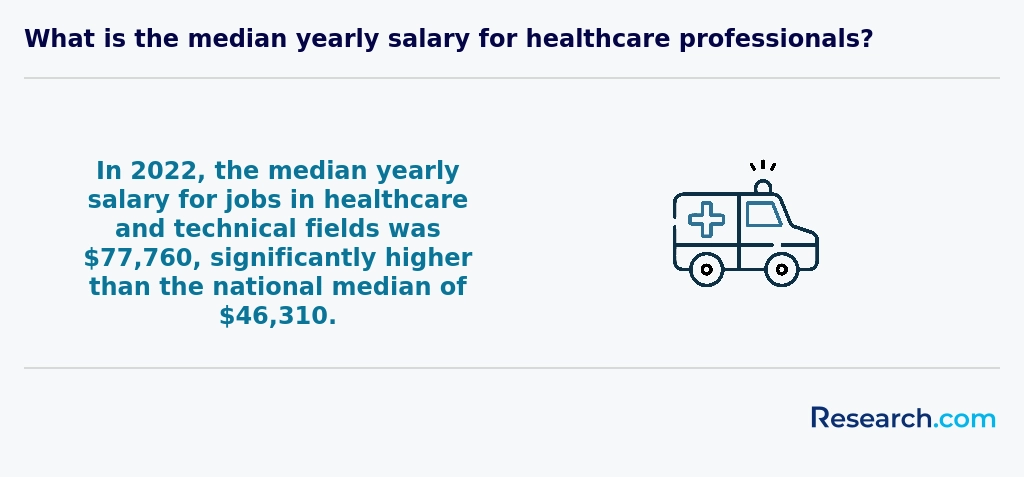
If you're diving into a healthcare degree in Salt Lake City, you're probably wondering what kind of paycheck you can expect when you graduate. Well, there's some good news here! Graduates working as Medical Assistants typically earn around $43,350 a year, which is a solid starting point. Those who land roles as Patient Care Technicians can see a bump with an average salary of about $60,790 annually. It's a nice step up if you're looking to help patients more hands-on.
For those who geek out on health information and tech stuff, Health Information Technicians in Salt Lake City commonly make roughly $43,380 yearly, matching other entry-level healthcare jobs. But if you aim higher, say as a Quality Improvement Coordinator-usually someone who helps hospitals run smoother-salaries jump to about $103,150 a year. That's a pretty sweet reward for those extra skills!
Graduates from the University of Utah and Salt Lake Community College often share how these roles helped them land jobs quickly, thanks to local hospital partnerships and internships. It's encouraging to know that Salt Lake's healthcare scene is growing, making your degree worth it both for your resume and your wallet.
2027 Most Valuable Healthcare Degree Programs Ranking in Salt Lake City
How do we rank schools?
Investing in your education is a significant decision that can profoundly impact your career and future. The Research.com team recognizes the importance of making well-informed choices and has dedicated extensive effort to ensure the quality, credibility, and accuracy of the "2027 Most Valuable Healthcare Degree Programs Ranking in Salt Lake City." To develop this ranking, we leveraged multiple trusted data sources, including:
By reviewing this ranking, readers will gain valuable insights to identify top healthcare degree programs in Salt Lake City, aiding them in choosing the best educational path. For a detailed explanation of our approach, please visit our Research.com methodology page.
# 1 position
Western Governors University
Bachelor of Science in Health Science

# 2 position
Western Governors University
Master of Public Health
# 3 position
Nightingale College
Bachelor of Science in Nursing


Key Findings
- In-state tuition at public universities in Salt Lake City ranges from $7,000 to $10,000 per year, while private schools can cost up to $25,000 annually.
- Entry-level salaries for healthcare professionals start between $50,000 and $60,000, with registered nurses averaging about $58,000.
- Mid-career healthcare workers in Salt Lake City earn between $80,000 and $100,000 annually.
- The healthcare job market in Salt Lake City is expected to grow by 16% over the next decade, outpacing the national average growth of 13%.
- High demand exists for nurses, medical technologists, and health services managers, providing strong job security.
- Many programs offer clinical partnerships with local hospitals to provide hands-on experience and improve job prospects.
How long does it take to complete healthcare degree in Salt Lake City?
Completing a healthcare degree in Salt Lake City depends a lot on the type of program and how deep you want to go. Many students at the University of Utah find that a Bachelor of Science in Nursing or Health Sciences takes about four years, which feels just right to build solid skills and knowledge.
On the other hand, those aiming to become Registered Nurses or medical techs often start with associate degrees at Salt Lake Community College, which usually wrap up in two years. Graduates often share how getting into jobs quickly feels super rewarding and motivating.
If you're thinking bigger, like becoming a doctor, you're looking at a longer commitment-four years in med school plus a 3-7 year residency. University of Utah's School of Medicine is the go-to spot here, and many grads talk about how intense but exciting the journey is.
For those chasing master's degrees in nursing or healthcare administration, two years post-bachelor's is the norm, with flexible options to fit busy lives. Plus, accelerated programs are popping up, helping students finish faster if they're up for the challenge!
Licensure and Certification Requirements
Obtaining a healthcare degree in Salt Lake City, UT is only the first step toward practice; graduates must also secure state licensure and specialized certifications to work legally and effectively. For nursing graduates, passing the National Council Licensure Examination (NCLEX-RN or NCLEX-PN) is mandatory. The Utah Board of Nursing reports an average NCLEX-RN pass rate of 88% for first-time test takers, reflecting strong program preparation at institutions like the University of Utah and Salt Lake Community College. Students should plan to apply for licensure at least four weeks before graduation and allocate time for background checks, fingerprinting, and official transcript submission. Allied health professionals-such as radiologic technologists, respiratory therapists, and medical laboratory scientists-must clear their respective national certification exams (e.g., ARRT, NBRC, ASCP) and then submit proof to the Utah Department of Health’s Division of Professional Licensing. Many programs incorporate exam prep courses and simulated testing environments to boost confidence and pass rates. For students considering a career as a pharmacist, accelerated options like 3 year pharmd programs in usa can shorten time to licensure by integrating intensive coursework and early clinical rotations. After initial licensure, most healthcare careers require continuing education units (CEUs) every 1–2 years to maintain certification. Utah offers online CEU portals and state-approved workshops, ensuring professionals stay current with best practices, evolving technology, and regulatory changes. Planning your licensure timeline alongside your academic schedule will streamline your transition from student to licensed healthcare provider.
What's the difference between online and on-campus healthcare degree?
If you're thinking about a healthcare degree in Salt Lake City, you'll notice online and on-campus programs feel pretty different. On-campus students at places like the University of Utah get hands-on experience with labs and clinical hours nearby, which is great for fields like nursing where you need real patient time. They often talk about how valuable it is to connect face-to-face with professors and classmates, making study groups or networking easier.
On the flip side, online programs offer serious flexibility. Graduates from online healthcare tracks at Westminster College often mention how they juggled work, family, and school without skipping a beat. You can earn degrees in areas like health administration or public health without leaving home, which saves on housing and travel costs-even though you might still pay for some tech fees.
Both paths are respected and usually accredited, so it really comes down to whether you want that hands-on vibe on campus or the freedom to study from anywhere in Salt Lake City.
Licensing and Certification: Your Next Step to a Healthcare Career
After earning your degree, the journey to a successful healthcare career often hinges on obtaining the required licenses and certifications. Whether you’re entering roles in nursing, health information management, or public health, these credentials serve as a cornerstone for building professional credibility and ensuring patient safety. In many fields, such as nursing or allied health, state licensing exams and certification courses are essential steps that validate your skills and knowledge before stepping into a clinical setting. Understanding the specific certification requirements for your chosen specialty is key. For example, professionals aiming to advance in public health may benefit from targeted programs that offer both academic rigor and practical exam preparation. In this context, exploring options like the university of north texas mph can provide insight into streamlined pathways for acquiring the specialized certifications necessary for a thriving healthcare practice. Additionally, ongoing education and staying updated with industry standards are critical. Many accrediting bodies require periodic continuing education courses to maintain licensure, so planning for lifelong learning will keep you abreast of innovations and regulatory changes in the healthcare sector. This proactive approach not only enhances your professional standing but also safeguards the quality of care provided to patients throughout your career.
What is the average cost of healthcare degree in Salt Lake City?
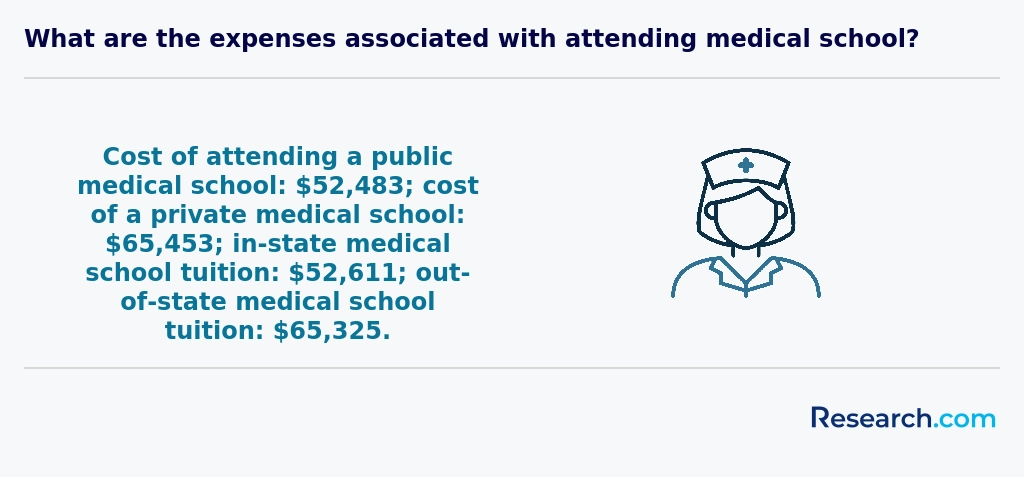
When you're thinking about the average healthcare degree cost in Salt Lake City, it really depends on where you choose to study. For example, many graduates from the University of Utah share how affordable their in-state tuition feels compared to other schools-usually around $9,620 total for a healthcare degree. That makes it a pretty friendly option budget-wise if you're a Utah resident. On the flip side, private colleges in the city often bump those costs up quite a bit, sometimes reaching totals near $54,400, but some students find the specialized programs worth every penny.
Community colleges like Salt Lake Community College are often the go-to for those looking at entry-level healthcare education without breaking the bank. Graduates from these programs mention how the lower tuition makes it easier to focus on studies without stressing about massive debt. Factoring in fees for equipment and books, the total cost of healthcare degree programs Utah residents face can vary but usually stays manageable, especially with the right financial aid or scholarships.
Many students also explore options at schools recognized as a valuable healthcare school in Utah, combining quality education with reasonable costs. This balance helps students feel confident investing in their futures and eager to jump into healthcare careers knowing their education was worth it.
Program Accreditation and Licensure Success Rates
Salt Lake City’s top healthcare degree programs are accredited by recognized bodies such as the Commission on Collegiate Nursing Education (CCNE) and the Accreditation Council for Pharmacy Education (ACPE), ensuring that curricula meet rigorous educational standards. For nursing students, the University of Utah’s Bachelor of Science in Nursing boasts a 94% NCLEX-RN first-time pass rate, while Salt Lake Community College’s practical nursing track reports an 88% licensure success rate. Accreditation not only validates program quality but also qualifies graduates for federal financial aid and seamless state licensure applications. Employers in Utah often use accreditation status as a key hiring criterion, making it essential for students to verify that their chosen program holds regional or specialized approvals. Prospective students comparing costs and outcomes may also find value in reviewing the Inexpensive Online Healthcare Degree Programs Ranking in Mequon, WI to gauge how accreditation correlates with affordability and licensure performance. By prioritizing accredited programs with strong exam pass rates, you can boost your confidence in achieving professional certification and entering the workforce without delays.
What financial aid is available to healthcare degree students in Salt Lake City?
If you're diving into a healthcare degree in Salt Lake City, there's good news: plenty of financial aid options can ease the cost. Many students at the University of Utah and Westminster College tap into federal aid like Pell Grants, which can cover up to $7,395 a year depending on your financial situation. These grants are fantastic because you don't have to pay them back-imagine focusing on studies without stressing over debt!
Some grads also take advantage of Federal Work-Study programs, snagging part-time gigs on campus related to healthcare-it's a great way to get real experience and bring in some cash. Loans are an option, too, but with lower interest federal loans and even loan forgiveness programs like Public Service Loan Forgiveness, healthcare students often find relief after graduation, especially if they work in underserved places around Utah.
State programs add more support. For instance, the Utah Educational Savings Plan helps you save with tax benefits, and scholarships from the Utah Office of Higher Education reward students who commit to high-demand healthcare roles. Many Salt Lake City colleges offer their own scholarships-whether you're excelling academically or have a clear healthcare passion, there's often something for you.
Plus, private scholarships from organizations like the Health Resources and Services Administration can really help cut down your tuition and living expenses. Many who've been there say mixing these aids made their healthcare journey both affordable and exciting-it's like having a financial safety net while you chase your career dreams.
Professional Growth and Continuing Education Opportunities
Healthcare education is not just a means to earn a degree-it’s the foundation for ongoing professional growth and lifelong learning. Graduates are encouraged to take advantage of numerous resources designed to bolster career advancement, including professional certifications, industry conferences, and specialized workshops that keep them abreast of the latest trends and medical technologies. Many programs also foster strong alumni networks and mentorship programs that provide guidance long after graduation, helping professionals navigate career changes and seize new opportunities. Moreover, engaging with organizations such as a valuable healthcare school in utah enables students to gain insights into cutting-edge research, practical skill development, and community involvement that can significantly enhance their career trajectories. By prioritizing continued education and actively seeking professional development opportunities, healthcare graduates not only improve patient outcomes but also position themselves as leaders in an ever-evolving industry.
What are the prerequisites for enrolling in healthcare degree program in Salt Lake City?
If you're aiming for a healthcare degree in Salt Lake City, you'll want to have your basics covered first-like a high school diploma with solid grades in biology, chemistry, and math. Many students who got into programs at places like the University of Utah or Westminster College shared that showing you've crushed these subjects really sets a great foundation.
Standardized tests like the SAT or ACT might come up, though some schools here have gotten pretty chill with test-optional policies. Still, having good scores can give your application a big boost, especially if you're eyeing the more competitive programs.
Hands-on experience is a total game changer. Graduates often talk about how volunteering at local clinics or shadowing nurses in Intermountain Healthcare hospitals gave them a real feel for what to expect. It's not just something to put on your resume-it actually helps you understand the day-to-day hustle in healthcare.
Official transcripts showing you've knocked out key courses like anatomy, physiology, or stats can be required too. So if you're prepping for healthcare in SLC, focusing on these areas early really pays off.
Student Life and Campus Resources
Prospective healthcare students in Salt Lake City, UT, not only choose a program for its academic excellence but also for the holistic support and vibrant campus culture that enriches their educational journey. A well-rounded student experience goes beyond classroom learning-it involves access to modern facilities, academic resources, vibrant student organizations, mentorship programs, and dedicated career services that prepare you for real-world challenges. Many institutions host workshops and networking events that allow you to connect with industry professionals and alumni, who share insights about managing coursework and balancing the pressures of healthcare training. For instance, students eager to study at a valuable healthcare school in utah often remark on how the on-campus resources, such as state-of-the-art simulation labs and accessible counseling services, amplify not only their academic performance but also their personal growth and resilience. Additionally, mentorship programs and career fairs create pathways for internships and job opportunities, ensuring that your transition from campus to career is as smooth as possible. This supportive environment fosters both academic and personal development, making your educational experience uniquely rewarding in one of the nation’s most promising healthcare hubs.
What courses are typically in healthcare degree programs in Salt Lake City?
If you're diving into a healthcare degree in Salt Lake City, expect to tackle a mix of science and real-world skills. Most programs include solid courses like anatomy, physiology, and microbiology-basically the building blocks to understanding the human body and how diseases work. Graduates from places like the University of Utah often say these classes really helped them connect the dots between theory and practice during their clinical rotations.
Besides the science stuff, expect to learn about healthcare ethics and laws, which is super important for handling real patient care. Many students find these lessons eye-opening, especially when they get to apply them during internships at local healthcare hubs like Intermountain Healthcare.
Tech-savvy students will appreciate courses on health informatics and medical technology, reflecting how digital tools are changing the healthcare game. Plus, electives like nutrition or healthcare administration let you tailor your path to what excites you.
Hands-on clinical experiences are a must, and they're often done right in Salt Lake City's top hospitals. This combo of classes and real patient work is what really gets students pumped and ready for a career in healthcare.
What types of specializations are available in healthcare degree programs in Salt Lake City?
If you're exploring healthcare degree specializations in Salt Lake City, you'll find a nice mix to choose from that really match what the local healthcare scene needs. Graduates from popular universities here often talk about diving into Nursing programs, where they get hands-on with everything from becoming Registered Nurses to Nurse Practitioners, even specializing in pediatrics or elder care. It's a rewarding path especially with the well-established hospitals in the city.
Other students get excited about Healthcare Administration, learning how to run clinics or hospital departments - basically, the behind-the-scenes work that keeps things ticking smoothly. Public Health is another favorite, focusing on community wellness which feels really meaningful when you see impact right in your neighborhood.
Physical Therapy and Medical Laboratory Science are solid picks too, especially with aging populations needing rehab and accurate diagnostics. Those keen on prevention or policy might want to check out options inspired by Salt Lake City healthcare program concentration options. If you want to learn about master's degrees in public health, there's also a great resource from the university of north texas mph program that some local students recommend for comparing online paths.
How do you choose the best healthcare degree in Salt Lake City?
Picking the best healthcare degree in Salt Lake City really comes down to what fits your goals and lifestyle. If you want a quick start, many students find affordable healthcare degrees Salt Lake City offers through places like Salt Lake Community College, which has great associate degrees in fields like radiologic technology. On the other hand, graduates from the University of Utah often talk about the strong reputation of its nursing and public health programs, which can open doors to solid jobs once you finish.
Cost is another biggie-local schools are way more budget-friendly than out-of-state options. Plus, the growing healthcare scene here means you'll have plenty of chances for hands-on training and real-world experience, which recent grads rave about. Also, if you're juggling work or family, check out programs that offer flexible schedules or online classes.
And don't forget to consider program accreditation to make sure you can get licensed without hassle. If you're curious about fast-track options, many students explore 3 year pharmd programs in usa that might align with your pace.
What career paths are available for healthcare degree students in Salt Lake City?
If you're wondering what career paths are available for healthcare degree in Salt Lake City, there's a lot to get excited about. Graduates from top local programs often land jobs as registered nurses, which are super in demand here thanks to Utah's growing population and healthcare needs. Many also jump into roles like medical and health services management, helping run hospitals and clinics efficiently-something University of Utah grads mention enjoying for its mix of healthcare and leadership.
Others find rewarding roles as physical therapists or respiratory therapists, working hands-on with patients at places like Intermountain Healthcare. Some even take routes into public health, joining local nonprofits to improve community wellness. Career opportunities are broad and real, making the hustle worth it for plenty of Salt Lake City healthcare degree job prospects.
Studying locally also means you can explore affordable options and check out resources like the Inexpensive Online Healthcare Degree Programs Ranking in Mequon, WI when considering cost-effective paths.
What is the job market for healthcare degree in Salt Lake City?
If you're eyeing a healthcare degree job market Salt Lake City really shines with loads of opportunities. Graduates from local schools like the University of Utah find themselves stepping into a bustling job scene fueled by a growing population and expanding healthcare services. Many grads land roles in hospitals or specialty clinics, feeling excited about steady demand for nurses, therapists, and healthcare managers. Imagine starting your career with a solid $75,000 median wage as a registered nurse-that's pretty motivating!
Healthcare programs around here are also affordable, with public universities charging between $7,000 and $12,000 per year for in-state students. So, you're getting quality education without drowning in debt. Plus, students often share how internships in Salt Lake City's top hospitals help them gain confidence and real-world skills, making the whole learning experience pretty rewarding.
And if you're looking for flexible options, you might want to check out some of the quickest associate degree programs online that help you jumpstart your career faster in this growing market. The Salt Lake City healthcare employment outlook is bright, with plenty of room to grow whether you aim for clinical or tech-focused paths.
Frequently Asked Questions About healthcare
Healthcare degree students in Salt Lake City can maximize their learning by engaging actively with local clinical opportunities. The city hosts major medical centers like the University of Utah Health and Intermountain Medical Center, which provide practical training essential for healthcare careers. According to the University of Utah, hands-on experience during clinical rotations significantly improves job readiness.
Students should also utilize Salt Lake City's expanding telehealth services sector. Familiarity with digital healthcare tools is increasingly valuable, given the city's growth in technology-driven medical services.
Networking through local professional organizations, such as the Utah Nurses Association, helps students connect with mentors and stay informed about industry trends.
The healthcare field in Salt Lake City is evolving with emerging niches that reflect broader national trends. One growing area is telehealth, driven by increased demand for remote patient care and digital health technologies. According to the Utah Department of Health, telehealth utilization in the region rose sharply after 2020 and continues to expand.
Another niche gaining attention is healthcare data analytics. Professionals skilled in managing and interpreting large health datasets are key to improving patient outcomes and operational efficiency.
Additionally, precision medicine and genomics are becoming important as personalized treatment options develop.
These specialties offer promising career paths for students pursuing healthcare degrees in Salt Lake City.
After completing a healthcare degree in Salt Lake City, graduates should focus on building practical experience and networking within the local healthcare community. Salt Lake City's healthcare sector is robust, with major employers like Univ. of Utah Health and Intermountain Healthcare, which together provide thousands of jobs annually.
Internships and clinical rotations secured during your studies are critical for gaining hands-on skills. Certifications such as CPR, CNA, or specialized licenses improve employability. Additionally, attending local healthcare job fairs and joining professional organizations like the Utah Medical Association can open doors.
Online job portals and Utah Department of Workforce Services data underscore a growing demand in nursing and allied health roles, emphasizing the need for continuing education to stay current.
Employers in Salt Lake City's healthcare sector prioritize a mix of technical and interpersonal skills when hiring graduates. Strong clinical knowledge gained through accredited programs is essential, reflecting national standards set by organizations like the Commission on Accreditation of Healthcare Management Education (CAHME).
In addition, communication skills are highly valued, as effective patient interaction improves outcomes. Employers also seek graduates who demonstrate teamwork and adaptability, especially given the region's growing healthcare industry, projected to expand by over 15% by 2030 according to the Utah Department of Workforce Services.
Proficiency in healthcare technology, including electronic health records (EHR) systems, is often required. Problem-solving skills and cultural competence are also important due to Salt Lake City's diverse population and evolving healthcare needs.
Finding internships in Salt Lake City related to healthcare degrees involves connecting with local hospitals, clinics, and research institutions. Major healthcare employers such as Intermountain Healthcare and University of Utah Health offer structured internship programs for students. According to the Utah Department of Workforce Services, healthcare jobs in Salt Lake City are expected to grow by over 20% through 2030, increasing internship opportunities.
Networking is crucial. Students should attend career fairs hosted by local universities and join professional groups like the Utah Healthcare Association. Additionally, the Utah Healthcare Innovation Network often posts internships and volunteer positions online.
Exploring online platforms like Handshake and Indeed can also help identify openings specifically in Salt Lake City's healthcare field.
Obtaining a healthcare degree in Salt Lake City significantly enhances career mobility and advancement opportunities. The city's growing medical sector, anchored by institutions such as Intermountain Healthcare and University of Utah Health, actively seeks qualified professionals. According to the U.S. Bureau of Labor Statistics, healthcare occupations in Utah are projected to grow 16% from 2022 to 2032, faster than the national average.
A healthcare degree equips graduates with specialized skills valued by employers, supporting smoother transitions into higher roles such as nurse practitioners, healthcare managers, or specialized therapists. Local certification and licensure align closely with degree requirements, easing professional advancement.
Furthermore, networking opportunities and internships available through Salt Lake City's numerous healthcare facilities provide practical experience crucial for promotion and career shifts within the region.
Studying for a healthcare degree in Salt Lake City offers strong preparation for interdisciplinary roles due to the region's integrated approach to healthcare education. Many local institutions collaborate with major hospitals and research centers, providing students hands-on experience with diverse medical teams. According to Utah Department of Health data, Salt Lake City sees a growing demand for healthcare workers skilled in coordination across nursing, therapy, and administrative roles.
Programs often include training in communication, ethics, and teamwork, essential for effective collaboration. Additionally, Salt Lake City's expanding healthcare industry encourages degrees that blend clinical knowledge with technology and management skills, meeting regional workforce needs documented by the Utah System of Higher Education.
Choosing between a thesis and a non-thesis healthcare degree program in Salt Lake City depends on your career goals and learning preferences. Thesis programs focus on research, requiring students to conduct original studies and contribute to healthcare knowledge. This option suits those aiming for doctoral studies or research-based careers.
Non-thesis programs often emphasize practical skills and coursework, preparing students for direct application in clinical or administrative roles. They typically take less time to complete.
In Salt Lake City, healthcare job growth is strong, with a 13% increase expected by 2030, according to the Bureau of Labor Statistics. Research universities in the area, such as the University of Utah, offer both program types, making location a factor if resources or networking opportunities matter.
Students in Salt Lake City looking to study healthcare abroad have several pathways to consider through U.S. accredited programs with international components. Many universities offer study abroad opportunities that allow healthcare students to gain global experience while earning credits applicable to their degrees. For instance, nursing and public health programs often include clinical rotations or internships in countries with diverse healthcare systems.
Additionally, some students pursue full degree programs overseas, typically in countries with English-language instruction and U.S.-recognized accreditation, such as Canada or the United Kingdom. Before enrolling, students should verify that these degrees meet U.S. licensing and certification requirements for their intended profession.
Salt Lake City's healthcare scene, including its rising demand for culturally competent professionals, underscores the value of international exposure. The Utah Department of Workforce Services reports a projected 16% growth in health-related jobs statewide through 2030, making global education an asset.
Salt Lake City offers various part-time job opportunities that can enhance practical experience for students pursuing healthcare degrees. Positions such as medical assistants, pharmacy technicians, and certified nursing assistants (CNAs) are commonly available and align well with healthcare curricula.
Healthcare-related jobs in local hospitals like University of Utah Health and Intermountain Healthcare provide valuable exposure. According to the Utah Department of Workforce Services, healthcare is among the fastest-growing sectors in the region, with over 60,000 jobs in 2022.
Additionally, roles in outpatient clinics and private practices allow students to develop patient interaction skills. These jobs help build resumes and increase employability after graduation.
Healthcare students in Salt Lake City benefit from numerous networking opportunities tied to the region's robust medical community. Local universities often host events, workshops, and career fairs where students connect with professionals from Intermountain Healthcare, one of the largest healthcare providers in the state.
Additionally, Salt Lake City supports active chapters of national organizations such as the American Medical Student Association (AMSA) and the Utah Nurses Association. These groups offer regular meetings and conferences, providing platforms for collaboration and mentorship.
Students can also engage with healthcare innovators through partnerships with research hospitals and attend meetups focused on healthcare technology. This rich environment encourages relationship-building critical for future career development.
Alumni networks play a crucial role in supporting healthcare degree students in Salt Lake City by providing valuable connections to local healthcare employers and professionals. These networks often organize events, mentorship programs, and job fairs that help students gain insights about the job market and secure internships or employment.
Salt Lake City is home to major healthcare providers like Intermountain Healthcare, which collaborates with universities to offer practical experience. Alumni from healthcare programs often work in these systems, offering guidance and referrals to current students.
Moreover, alumni connections can increase employment prospects; studies show students engaged with alumni networks have up to a 25% higher chance of early job placement in healthcare roles. This support is critical in a competitive and growing market.
Customizing a healthcare degree program in Salt Lake City begins with selecting a school that offers flexible courses allowing specialization. Many institutions provide options in nursing, public health, and healthcare administration, enabling students to focus on areas aligned with their career goals. For example, the University of Utah offers tailored tracks in healthcare informatics and policy. Elective courses and internships at local hospitals such as Intermountain Healthcare give practical experience and networking opportunities. Additionally, students can often choose between full-time, part-time, and online formats to fit their schedules. According to the Utah Department of Health, demand for healthcare professionals in Salt Lake City is expected to grow by 15% through 2030, highlighting the benefits of a specialized education.
Healthcare students in Salt Lake City face several notable challenges during their education. One major difficulty is balancing rigorous coursework with clinical practicum hours, which demand significant time and emotional commitment. Additionally, Salt Lake City's increasing population growth puts pressure on local healthcare systems, making clinical placements highly competitive. According to the Utah Department of Health, healthcare programs there saw a 12% enrollment increase between 2020 and 2023, intensifying competition for limited practical training opportunities. Many students also report financial stress due to rising tuition and living costs while managing part-time jobs to cover expenses.
With a healthcare degree in Salt Lake City, graduates can pursue several professional certifications to enhance their career prospects. Common certifications include Certified Medical Assistant (CMA), Registered Health Information Technician (RHIT), and Licensed Practical Nurse (LPN). These credentials often require passing national exams and completing clinical hours.
The region's growing healthcare sector, which is expanding by approximately 5% annually according to the Utah Department of Workforce Services, supports demand for certified professionals. Certifications like Certified Nursing Assistant (CNA) and Emergency Medical Technician (EMT) are also popular among local healthcare workers.
Obtaining certification can boost salary potential and job security in Utah's competitive healthcare market.
Applying to a healthcare program in Salt Lake City requires clear demonstration of academic readiness and genuine motivation. Start by researching programs at local institutions like the University of Utah, which reported a 73% acceptance rate for its College of Health in 2023 according to US News.
Emphasize relevant experience, including volunteering or work in healthcare settings within Utah's diverse medical community. Utah's healthcare sector has grown 3.5% annually, showcasing increased opportunities for practical training.
Your personal statement should highlight commitment to community health, referencing the region's focus on rural healthcare access as documented by the Utah Department of Health.
Strong letters of recommendation from professionals familiar with your skills can significantly boost your application. Lastly, maintain a competitive GPA; health programs in Salt Lake often expect at least a 3.0 cumulative score.
Healthcare careers are increasingly valued worldwide, with emphasis on trained professionals to meet growing patient needs. In the U.S., including Salt Lake City, healthcare employment is expected to grow 16% from 2021 to 2031, faster than the average for all occupations, according to the Bureau of Labor Statistics. This growth reflects a global trend toward aging populations and increased chronic conditions.
Salt Lake City offers strong educational pathways aligned with international healthcare standards, making local degrees competitive globally. Understanding global health perspectives enhances a healthcare professional's ability to deliver culturally competent care and navigate diverse health systems.
Students pursuing healthcare degrees in Salt Lake City benefit from this outlook as they prepare for a career with worldwide relevance and opportunities.
Gaining practical experience while studying for a healthcare degree in Salt Lake City is essential for career readiness. Many local universities, such as the University of Utah, offer clinical placements and internships as part of their healthcare programs. These opportunities often take place in nearby hospitals and clinics, including University of Utah Health and Intermountain Healthcare facilities.
Students can also seek volunteer roles in healthcare settings, providing hands-on experience and networking possibilities. According to the Utah Department of Health, Salt Lake City's healthcare sector is growing steadily, increasing demand for trained professionals with real-world experience. Additionally, simulation labs at campuses provide a controlled environment to practice clinical skills.
Choosing the right concentration within a healthcare degree program in Salt Lake City depends on your career goals and local job market trends. Popular fields include nursing, public health, and healthcare administration.
Salt Lake City's healthcare sector is growing, with a 15% employment increase expected by 2030 according to the Utah Department of Workforce Services. Nursing remains a strong choice, offering high demand and competitive salaries. Public health focuses on community wellness, which is critical given recent public health initiatives in Utah.
Research local hospitals and healthcare providers to understand the skills most sought after. Additionally, consider the program's accreditation and internship opportunities in Salt Lake City's medical centers to enhance real-world experience.
Related Healthcare Rankings for Nearby Cities
- 2027 Most Valuable Healthcare Degree Programs Ranking in Denver
- 2027 Most Valuable Healthcare Degree Programs Ranking in Colorado Springs
- 2027 Most Valuable Healthcare Degree Programs Ranking in Phoenix
- 2027 Most Valuable Healthcare Degree Programs Ranking in Tempe
- 2027 Most Valuable Healthcare Degree Programs Ranking in Riverside
- 2027 Most Valuable Healthcare Degree Programs Ranking in Los Angeles
- 2027 Most Valuable Healthcare Degree Programs Ranking in Anaheim
- 2027 Most Valuable Healthcare Degree Programs Ranking in Irvine
- 2027 Most Valuable Healthcare Degree Programs Ranking in Oakland
- 2027 Most Valuable Healthcare Degree Programs Ranking in Tucson
Top Trending Healthcare Rankings
See What Experts Have To Say About Studying Healthcare
Read our interview with Healthcare experts

References
- Online Degree vs. Traditional: Choosing the Right Path https://beal.edu/online-degree-vs-traditional/
- Thesis vs. Non-Thesis Master's Programs: Which is Right for You? https://potomac.edu/thesis-vs-non-thesis-masters/
- What Are the Differences in Salary Level for Different Degrees in Healthcare Management? | MHA Salary https://www.healthcare-management-degree.net/faq/what-are-the-differences-in-salary-level-for-different-degrees-in-healthcare-management/
- Global Health Perspectives https://globalhealthperspectives.com/
- Alumni Reconnect - Poznan University of Medical Sciences https://pums.edu.pl/alumni-friends/alumni-reconnect/
- Advancing Your Career in Healthcare: Tips and Strategies https://www.sunshinecarenetwork.com/blog/advancing-your-career-in-healthcare-tips-and-strategies
- Holy Cross Health Network Internships | Holy Cross Health https://www.holycrosshealth.org/careers/education-training-and-advancement/holy-cross-health-network-internships
- 1.0 Utah Scholarship and Aid Landing Page - Utah System of Higher Education https://ushe.edu/state-scholarships-aid/
- Health Sciences Study Abroad Programs - Healthcare Abroad https://www.ceastudyabroad.com/academic-discipline/health-sciences
- Job-Ready Healthcare Skills for 2026 https://cliniwave.in/blogs/latest-article/job-ready-healthcare-skills


